Advertisement

Ather Energy Ramps Up the Electric Scooter Game with New 450 Apex

Electric scooters are becoming a big deal in India, and Ather Energy is making sure they’re at the forefront of this revolution. In May 2020, they brought out their first model, the 450X, and it was a hit thanks to its advanced features like Bluetooth and 4G connectivity. But since then, the electric scooter market in India has grown massively. New companies like Ola Electric have jumped in, and traditional players like TVS are also stepping up their game in the electric segment.

The scooter is the priciest one in its category, especially in Indian currency

Now, Ather is back with something even bigger – the 450 Apex. This is their most advanced model yet, and it’s got some pretty impressive specs. It’s got the most power and the best tech in Ather’s lineup, but it’s also their priciest scooter. In India, it’s selling for Rs 189,000, which is about $2,275 USD. That might sound like a good deal compared to prices in Europe or the US, but it’s pretty steep for the average person in India. For comparison, Ola’s S1 X is almost half the price.
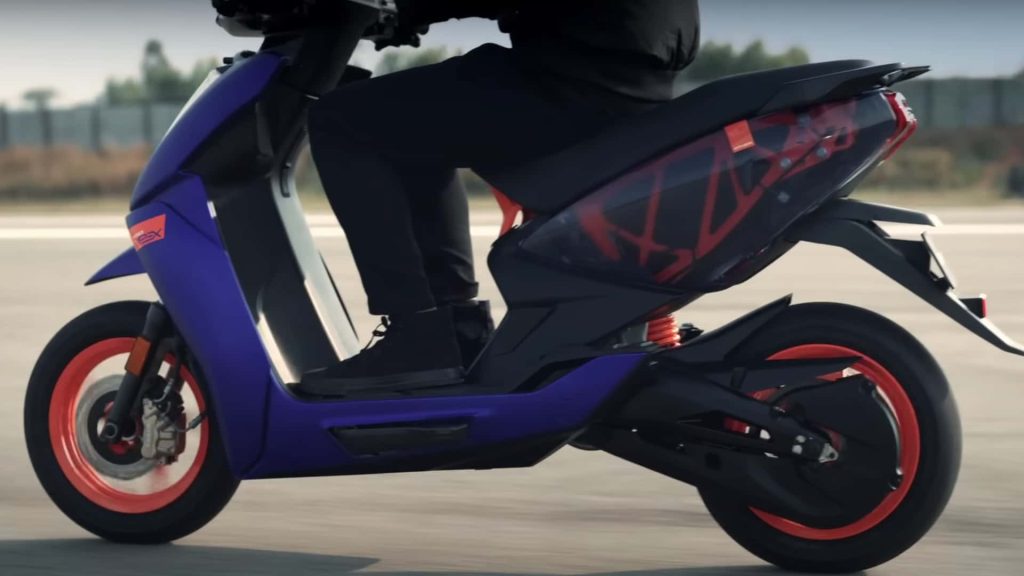
Ather Electric

So, what makes the 450 Apex worth its premium price tag? First off, it’s got a powerful 7-kilowatt motor that lets it zip up to 100 kilometers per hour (62 miles per hour). Plus, its battery life is solid – it can go up to 157 kilometers (98 miles) on a single charge. Ather says the 450 Apex can go from zero to 40 kilometers per hour (25 miles per hour) in just 2.9 seconds, beating its predecessor, the 450X.

The 450 Apex isn’t just about speed; it’s got six different ride modes, including a new one called Warp Plus for extra oomph. It’s also got all the cool features from the 450X, like a big seven-inch screen that connects to your phone, LED lights, and helpful stuff like park assist and hill hold. It weighs in at 111.6 kilograms (246 pounds), which is manageable for most riders, and it’s got good safety features like disc brakes on both wheels. And just like other Ather scooters, it comes with a five-year or 60,000-kilometer (37,000 miles) warranty.

RELATED:


(Via)
Garmin Launches Stylish Lily 2 Smartwatches With Upgraded Design and Enhanced Features

When we think of smartwatches, we often think companies like Apple, Samsung, and Huawei, but there are actually numerous significant manufacturers, one of them is Garmin. Since 1989, the company has been incorporating technology into our everyday lives and a major player in the market. Now, Garmin brings significant updates to its small, stylish Lily 2 smartwatch series. Here are the details…

Garmin Launches Stylish Lily 2 Smartwatch Series

Garmin has released the stylish Lily 2 smartwatch series. We actually got a sneak peek at these watches when images surfaced on the Garmin official support forum a while back. Now, these watches are officially out, offering two models: Lily 2 and Lily 2 Classic. Both versions boast a sleek design featuring metal watch cases, hidden displays with unique patterned lenses, and updated color options.

In the realm of wearable smartwatches, battery life is everything. The Garmin Lily 2 doesn’t explicitly mention its battery capacity, but the company’s claim, it has a lithium-ion battery that provides up to a full five days of usage. Considering both models are 25.4 mm in size, it’s reasonable to assume this applies to both of them.

The screen is protected by Corning Gorilla Glass 3 and has a resolution of 240 x 201 pixels, resulting in a pixel density of 318 PPI. Additionally, it boasts 5 ATM (50 meters) water resistance. Notably, it features sensors including an accelerometer, ambient light sensor, heart rate monitor, and SpO2 (blood oxygen) monitor. Similar to many of its competitors, it also includes features like activity tracking and sleep tracking.

The Garmin Lily 2 comes in Cream Gold, Light Bronze, Dark Bronze, Dusk Rose, Pale Rose, and White color options, featuring a fiber-reinforced polymer material. The standard Lily 2 is sold at $249, while the Classic version costs $299. For more information or to make a purchase, click here.

RELATED:

Poco X6 Series Roundup: Launch Date, Specifications, and Expected Price

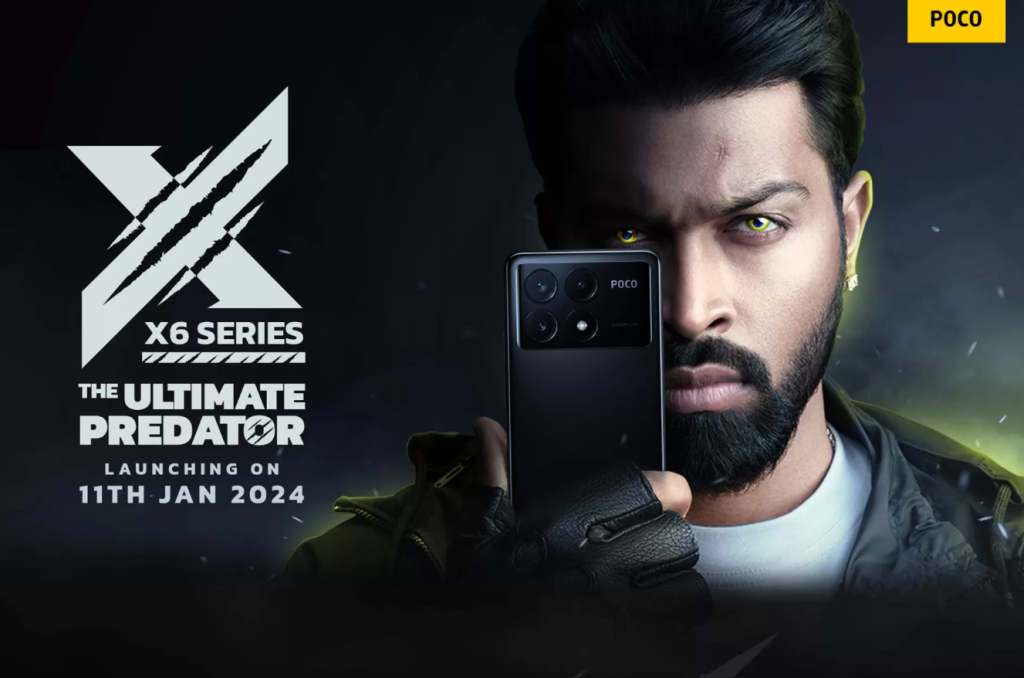
Poco is gearing up to hold its first launch event of 2024. The brand has confirmed to debut the Poco X6 series in the next few days.

The X series is the company’s mid-range smartphone lineup. It is a step below the flagship F series and above the budget M series in the brand’s product lineup.

Over the last few days, we have been hearing a lot about these phones via leaks and official teasers. Ahead of their announcement, we have compiled everything we know about them so far.

POCO X6 Pro

1. Poco X6 Series Launch Date

The Poco X6 series is scheduled to launch on January 11. It will be unveiled at an event that will begin at 8 PM GMT+8 (5:30 PM IST).

The lineup will consist of two devices, namely Poco X6 and Poco X6 Pro. They will be accompanied by Poco M6 Pro in some markets.

2. Poco X6 Series Specifications

Just like most Poco devices, the latest X6 series handsets are tweaked versions of existing Redmi phones. To be precise, the X6 is a rebranded Redmi Note 13 Pro, whereas the X6 Pro is a rebadged Redmi K70e.

Both smartphones will sport a 6.67-inch flat OLED display with a resolution of 2712 x 1220 pixels (1.5K), a 120Hz refresh rate, and Dolby Vision support. 

Under the hood, the X6 will house a Qualcomm Snapdragon 7s Gen 2 SoC. On the other hand, the X6 Pro will be packing a MediaTek Dimensity 8300 Ultra chip.

The X6 will come with LPDDR5 RAM and UFS 3.1 storage. While the X6 Pro will feature faster LPDDR5x RAM and UFS 4.0 storage.

On the software front, the Poco X6 Pro will ship with Xiaomi’s latest HyperOS based on Android 14. But the vanilla Poco X6 will boot the older Android 13-based MIUI 14.

Both handsets will come with a similar camera system. Their setup will include an OIS-assisted 64MP primary sensor, an 8MP ultrawide unit, and a 2MP macro snapper. On the front, they will be equipped with a 16MP selfie camera.

The duo will arrive with an in-screen fingerprint sensor, an IR blaster, and dual stereo speakers. 

As for the battery, the X6 will draw energy from a 5,100mAh unit and support 67W charging. Whereas, the X6 Pro will be backed by a larger 5,500mAh battery and support 90W charging.

3. Poco X6 Series Expected Price

Generally, Poco products are priced lower than the Redmi devices they are based on.

Since the Redmi Note 13 Pro starts at ₹25,999 in India, the Poco X6 will likely be cheaper than that. We don’t have an estimation on the global price as the said Redmi handset is yet to go official in international markets.

Similarly, we don’t know how much the Poco X6 Pro will cost. That’s because the original Redmi K70e is a China-exclusive smartphone.

RELATED:

Samsung unveils world’s first transparent MicroLED TVs at CES 2024

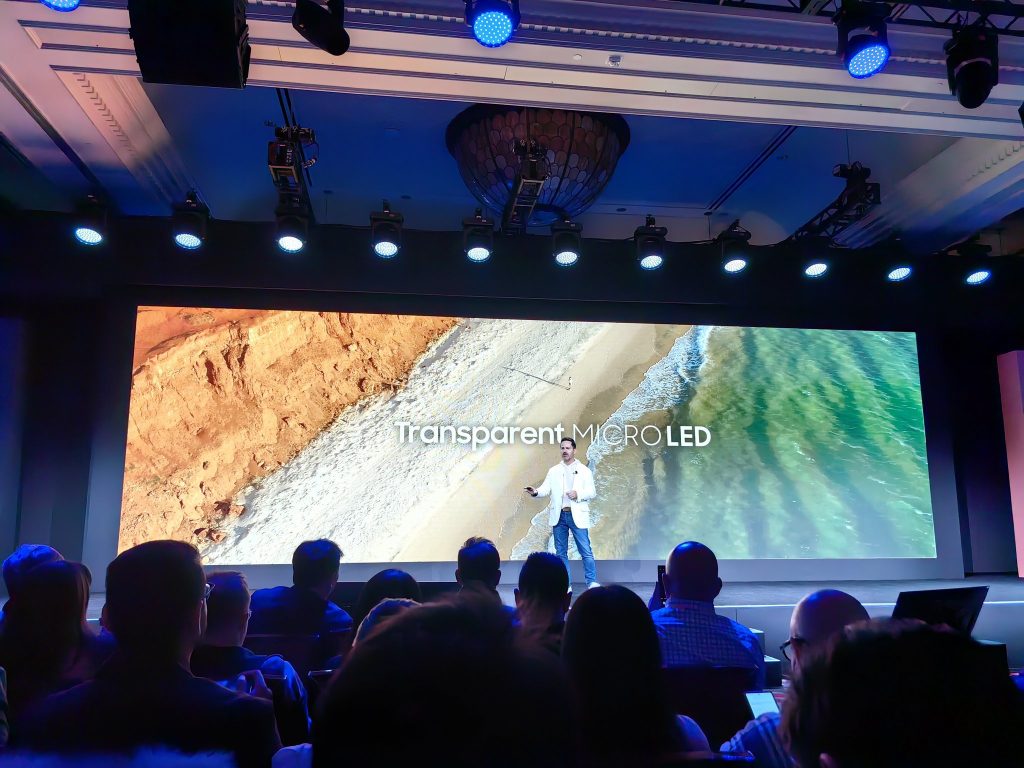
Samsung has unveiled the world’s first transparent Micro LED TV lineup just ahead of CES 2024. These TVs feature a transparent panel that lets viewers see through the display, blurring the line between content and reality for an immersive viewing experience. The TV comes in various sizes: 76-inch, 89-inch, 101-inch, and 114-inch.

Samsung Transparent Micro LED TV
Credit: Mishaal Rahman (Twitter/X)

Features of Samsung MicroLED TVs:

The transparency of these MicroLED TVs is achieved through precision manufacturing processes that print Micro LED chips on a piece of glass, eliminating seams and refractions and giving the panel a glass-like appearance.

In terms of design, the TVs are incredibly thin, measuring about a centimeter in thickness, which enhances the illusion of a floating screen. Moreover, the high pixel density of micro LEDs ensures that the images displayed are exceptionally sharp and clear.

Samsung Transparent Micro LED TV

If you are not sure what MicroLED is, it’s a display technology that uses millions of tiny LEDs to create an image. Each LED is self-illuminating, which means that it doesn’t need a backlight like traditional LCD or OLED displays. This results in superior picture quality, with deeper blacks, brighter whites, and wider viewing angles.

Samsung’s Micro LED panels are not only transparent but also modular. This design allows users to combine multiple modules to create TVs of any desired aspect ratio, shape, or size. This flexibility is perfect for applications like giant scoreboards in homes and stadiums, as well as innovative advertisements in commercial use cases.

One of the key advantages of Samsung’s transparent MicroLED displays over transparent OLED panels is their higher brightness, making them less affected by ambient light. This feature is crucial in maintaining the clarity and visibility of the content displayed on the screen, regardless of the surrounding lighting conditions.

However, it’s important to note that, as of now, Samsung’s non-transparent MicroLED TVs are priced at $150,000 for a 110-inch model. This suggests that the new transparent Micro LED displays might also come with a hefty price tag, at least initially, making them a premium product that may not be immediately affordable for the average consumer.

Alongside the MicroLED TVs, Samsung has also unveiled their latest AI-based 4K and 8K 2024 Neo QLED TVs, S95D OLED TVs, and also updated Tizen OS.

RELATED:

(Via)
Xbox Game Pass Grows: Extensive Game Library Gets Such a Boost That You’ll Want to Buy Xbox

The fierce competition between Xbox, PlayStation, and Nintendo is still going on in full throttle. Sony’s PS5 currently holds the lead, but Microsoft wields a strong advantage. While the Sony side is currently leading the race thanks to the PS5, Microsoft has a powerful weapon in its hands. The company has a service called Game Pass, which is like Netflix but for games. It gives you a vast library of games to play for a small monthly fee. Moreover this service is available on PC as well. Recently, Microsoft unveiled the upcoming January additions to the Game Pass library, and once you check out these games, you might find yourself eager to grab an Xbox.

Xbox Game Pass January Wave 1 2024 Title Announcement

Microsoft adds new games to the Xbox Game Pass library every month and sometimes removes certain games as well. For instance, we previously mentioned that GTA V would no longer be available on the service. However, don’t worry because Microsoft is committed to making up for this loss. In January, some fantastic games will be added to the Xbox Game Pass. Among these, the most notable ones are undoubtedly Resident Evil 2 and Assassin’s Creed Valhalla.

Week of January 1:

  • Close to the Sun, January 3 (Cloud, Console, and PC)
  • Hell Let Loose, January 4 (Cloud, PC, and Xbox Series X|S)

Week of January 8:

  • Assassin’s Creed Valhalla, January 9 (Cloud, Console, and PC)
  • Figment, January 9 (Cloud, Console, and PC)
  • Super Mega Baseball 4, January 11 (Cloud, Console, and PC)
  • We Happy Few, January 11 (Cloud, Console, and PC)

Week of January 15:

  • Resident Evil 2January 16 (Cloud, Console, and PC)

It’s worth noting that new games are added to these every month. This way, Game Pass subscribers can always find new content to play. As both an Xbox user and a Game Pass subscriber, I can say that playing games becomes much more affordable this way.

RELATED:

Geely Auto unveils Galaxy E8, a budget-friendly EV to compete with BYD’s bestsellers

Geely Auto Group has officially launched the Galaxy E8, marking a significant stride in its pursuit of the mainstream electric vehicle (EV) market. Priced at $24,752, the Galaxy E8 positions itself as a formidable competitor against BYD’s popular Han electric vehicle, offering a more affordable alternative for budget-conscious consumers.

The Galaxy E8 is the latest addition to Geely’s Galaxy product lineup and represents the company’s commitment to sustainable mobility through its Sustainable Experience Architecture (SEA). Geely Auto plans to introduce a total of seven models in the Galaxy lineup by 2025, encompassing both plug-in hybrid and pure electric options.

This mid-to-large-size electric sedan boasts dimensions of 5,010 mm in length, 1,920 mm in width, and 1,465 mm in height, with a wheelbase measuring 2,925 mm. Geely Auto CEO Jerry Gan emphasizes that the Galaxy E8 aims to capture the widest market share in the competitive EV segment, targeting mainstream plug-in hybrid and pure electric vehicle enthusiasts.

Under the hood, the Galaxy E8 offers diverse trims with multiple starting prices, featuring a high-performance silicon carbide electric drive system with dual motors generating 475 kW. The top-of-the-line version, based on an 800 V high-voltage platform, achieves a remarkable range of 180 kilometers on a five-minute charge and accelerates from 0 to 100 km/h in just 3.49 seconds.

source: Geely

Inside the cockpit, the Galaxy E8 incorporates cutting-edge technology, powered by a Qualcomm Snapdragon 8295 chip. Standard features include a large 45-inch screen with an 8K resolution, setting a new benchmark in China’s EV sector.

To further sweeten the deal, Geely Auto is offering discounts, option funds, and trade-in subsidies for customers placing orders before January 31. Deliveries have already commenced, with prominent figures like Yu Minhong, founder of New Oriental Education, becoming early adopters.

Geely Auto’s move into the mass-market EV segment is strategically timed, considering the growing demand for electric vehicles in China. With the Galaxy E8, Geely aims to not only boost sales but also establish itself as a key player in the evolving landscape of electric mobility, rivaling the dominance of manufacturers like BYD in the Class B sedan category.

Related:

(via)

Acer Launches Predator BiFrost & Nitro Graphics Cards

The heart of the the tech industry beats at CES 2024 in Las Vegas, where numerous global manufacturers unveil their latest technologies. One of these brands is Acer. Usually known for its gaming laptops, the company is expanding its gaming portfolio with new predator BiFrost and Nitro series graphics cards.

Acer Expands Gaming Portfolio with New Predator BiFrost and Nitro Series Graphics Cards 

Competition in the graphics card market is increasing day by day. Many manufacturers, including Asus, MSI, Gigabyte, Sapphire, and Zotac, compete in the market by using graphic chips developed by Nvidia and AMD. Now, Acer is re-joining these brands with brand new Predator BiFrost AMD Radeon RX 7800 XT OC, Nitro AMD Radeon RX 7800 XT OC, Acer Nitro AMD Radeon RX 7700 XT OC and o AMD Radeon RX 7600 XT OC.

Predator BiFrost AMD Radeon RX 7800 XT OC

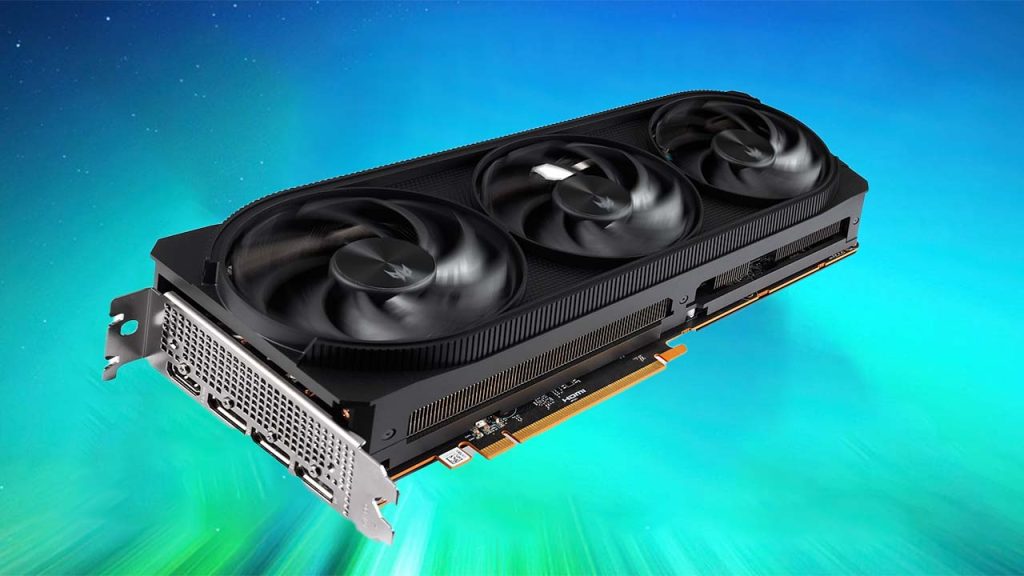
The Acer Predator BiFrost AMD Radeon RX 7800 XT OC is a powerful graphics card made for exceptional gaming. It’s packed with 60 unified AMD RDNA 3 compute units, delivering smooth performance for both 1440p and 4K resolutions. Its 16 GB GDDR6 memory and impressive 624 Gbps bandwidth, along with Predator FrostBlade 3.0 fans, ensure fast processing and stunning visuals. The cooling system, featuring three Predator FrostBlade 3.0 fans and a vapor chamber, effectively manages heat, allowing gamers to push the card to its limits. It also offers great connectivity with HDMI 2.1 and three DisplayPort 2.1 ports.

Acer Nitro AMD Radeon RX 7800 XT OC

The Acer Nitro AMD Radeon RX 7800 XT OC is crafted to provide gamers with an outstanding visual experience. This card features 16 GB GDDR6 memory and a high-speed memory bandwidth of up to 624 Gbps, ensuring exceptional performance. Its dual Nitro FrostBlade fans and dual-ball bearing system work together to improve airflow and effectively manage heat. Despite its powerful performance, its 2.5-slot design and compact size of 279 x 129.62 x 50.42 mm ensure space efficiency without sacrificing performance. Additionally, its HDMI 2.1 and three DisplayPort 2.1 ports expand its connectivity options.

Acer Nitro AMD Radeon RX 7700 XT OC

The Acer Nitro AMD Radeon RX 7700 XT OC is built to fully immerse gamers in the breathtaking visuals of modern games. Featuring redesigned AMD RDNA 3 compute units and impressive clock speeds up to 2,599 MHz, this card is tailored for intense gaming sessions. It comes with 12 GB GDDR6 memory and up to 432 Gbps memory bandwidth, providing immense power for gamers seeking exceptional performance. The cooling system, equipped with dual Nitro FrostBlade fans, efficiently dissipates heat, while its 2.5-slot design maximizes space utilization.

Acer Nitro AMD Radeon RX 7600 XT OC

The Acer Nitro AMD Radeon RX 7600 XT OC is a compact yet potent graphics card designed for dependable gaming performance. With 16GB GDDR6 memory and an impressive 288 Gbps bandwidth, this card provides excellent responsiveness and a competitive edge in gaming. Its advanced cooling technology, including dual Nitro FrostBlade fans and a reinforced copper base, efficiently disperses heat and ensures top-notch performance. Despite its power, its compact size of 268 x 111.2 x 40.1 mm and 2.5-slot form factor make it an ideal choice for gamers mindful of space. It comes with HDMI 2.1 and three DisplayPort 2.1 ports, offering versatile connectivity options.

RELATED:

Vivo G2 Appears On Google Play Console With Key Specs

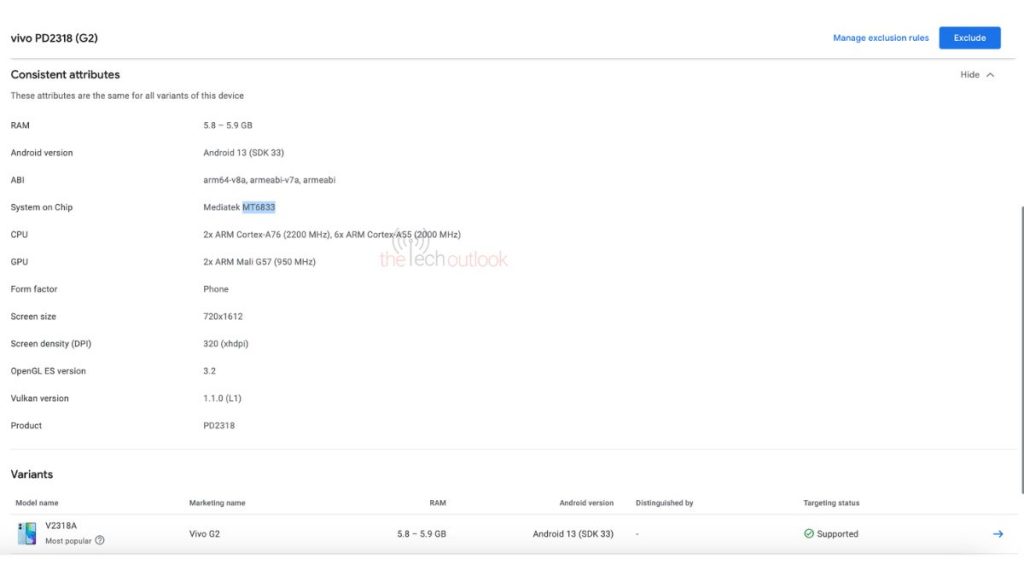
Vivo is reportedly working on a new smartphone. It has surfaced on the Google Play Console certification website. The listing reveals key details of the device including its render and specifications. The Vivo smartphone carries model number PD2318 on Google Play Console and is listed as Vivo G2. It’s worth noting that Vivo does not have any G-series smartphones in its portfolio. The moniker of this device could also be different. 

Vivo G2 spotted on Google Play Console

As mentioned earlier, the Vivo G2 is listed with model number PD2318. The render reveals a centre-aligned punch-hole cutout display and a slightly thicker chin. The back panel has a squarish camera module housing two sensors. It is seen in Blue color option. The design of the device looks similar to the Y78 (t1) and Y78m (t1).

As per the certification, the Vivo G2 is listed with a MediaTek MT6833 processor. It comprises of two Cortex-A76 at 2.2GHz and six Cortex-A55 cores ticking at 2GHz. There is Mali G57 GPU onboard. The chipset setup corresponds to the MediaTek Dimensity 700 which is now rebranded to Dimensity 6020. The upcoming offering will pack 6GB RAM onboard. It will ship with Android 13 OS out of the box. 

To recall, the Vivo Y78 (t1) and Y78m (t1) launched in China last October. Both phones are powered by the Dimensity 6020 which is expected to be equipped in the Vivo G2 as per the certification listing. We should learn more details about the Vivo G2 in the coming days. 

Related:

Via

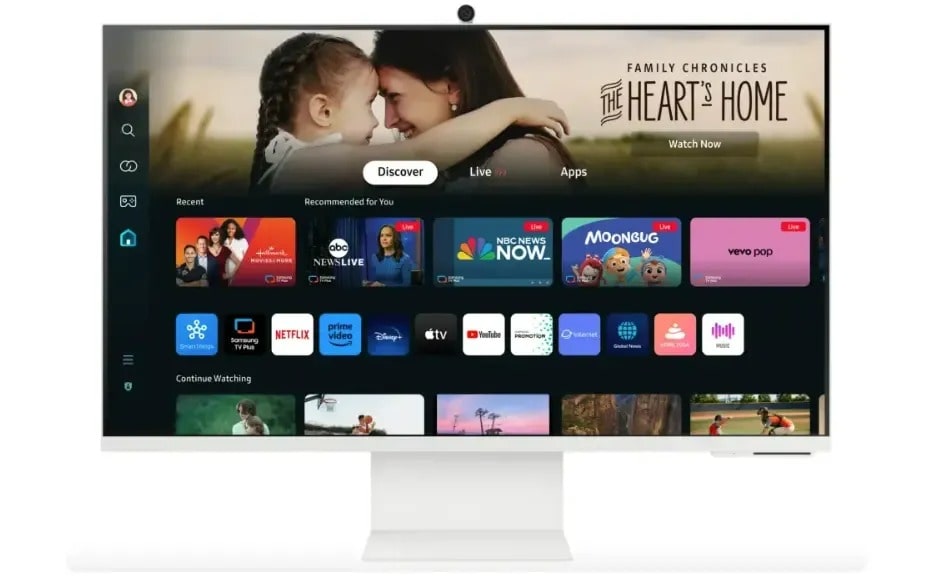
Samsung Smart Monitor M80D unveiled at CES 2024: 4K screen, cloud gaming, and more

At CES 2024, Samsung unveiled a number of monitors. One of them is the Samsung Smart Monitor M80D.

It is an updated version of Smart Monitor M8 from 2023. The new model is more or less the same as its predecessor.

Samsung Smart Monitor M80D

Samsung Smart Monitor M80D Features

The M80D flaunts a 32-inch 4K (3840 x 2160 pixels) LCD panel. The screen supports HDR10+ standard like almost all display products (TVs and monitors) sold by Samsung.

The monitor houses dual speakers and a Samsung SlimFit camera is included with it. The device offers WiFi and Bluetooth connectivity, in addition to USB Type-C ports

On the software front, it boots Tizen and supports all the leading content streaming platforms. The monitor also has Samsung Gaming Hub. Thus, cloud gaming is possible through services like Xbox Game Pass, NVIDIA GeForce Now, Amazon Luna, and others.

There’s also support for productivity tools like Microsoft 365 and Samsung DeX. It works seamlessly with Samsung Galaxy ecosystem products, such as smartphones, tablets, laptops, and Galaxy wireless earbuds.

Due to its feature set, the monitor is marketed as a replacement for PC. If you have a fast and uninterrupted internet connection, the Samsung Smart Monitor M80D does sound like a good deal for secondary purposes.

Samsung Smart Monitor M80D Price

Samsung hasn’t revealed the pricing of the latest Smart Monitor M80D. Going by its predecessor, it will likely cost around $700.

RELATED:

(Via)
CES 2024: Samsung unveils new Tizen and Ecosystem features for 2024

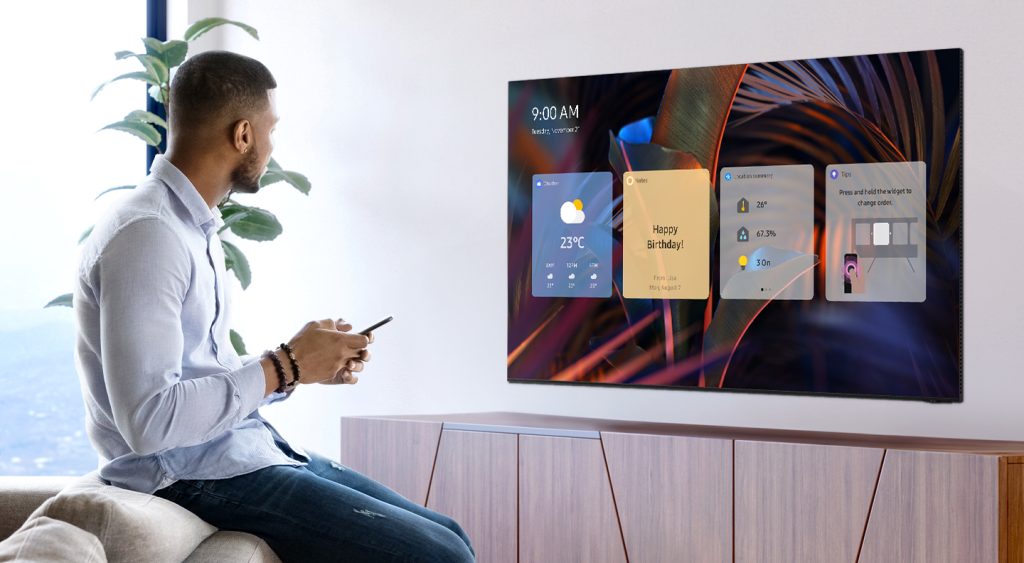
Ahead of CES 2024, Samsung has unveiled its 2024 television lineup and an improved Tizen OS, focusing on enhancing the home TV experience. Tizen is an open-source, Linux-based operating system developed by Samsung Electronics for various devices, including smartphones, smartwatches, smart TVs, and other smart appliances.

Samsung Smart TVs CES 2024

Personalized Tizen OS and Revamped TV Plus Interface

The new 2024 Tizen OS emphasizes personalization through AI, enabling customized content and services for household members through individual profiles on their smart TVs. Samsung has revamped its TV Plus interface with a redesigned home screen for improved navigation and faster content discovery. It now connects with Samsung accounts, offering personalized content recommendations and convenient access to preferred channels based on viewing history.

Gaming Enhancements and Updated Ecosystem

In gaming, Samsung has partnered with Performance Designed Products (PDP) to release a specially designed wireless controller for the Samsung Gaming Hub. This controller boasts features like a built-in rechargeable battery with 40 hours of playtime, a 30-foot Bluetooth connection, and dedicated buttons for gaming and TV volume control.

Samsung’s updated ecosystem revolves around connected and inclusive experiences, with Samsung Daily+ serving as a central hub. It combines personal training, telehealth services, video calls, and remote PC solutions. Among the new additions are the Workout Tracker, TechnoGym and F45 fitness content, FlexIt live fitness sessions, and Tail veterinary consultations.

Seamless Connectivity and Accessibility Features

Samsung introduces connectivity features including Multi Control, enabling users to manage multiple screens with one Bluetooth keyboard or mouse for improved work-from-home efficiency. The latest Samsung TVs also enhance compatibility across devices, simplifying seamless connections between TVs, smartphones, and wearables.

The company also introduces the SmartThings Mobile Plugin, turning smartphones into versatile remotes for new apps and services. They also extend the 360 Audio feature to TVs for immersive audio experiences, and Vibrary allows users to enjoy high-quality images and music from both their TV and mobile devices.

Samsung prioritizes accessibility with innovative features such as Audio Subtitle, which uses AI and OCR to provide voice-guidance for embedded subtitles directly on the TV. They also offer the Remote for Barrier Free app to aid users with disabilities and introduce the AI-powered Relumino Together Mode to assist those with low vision.

Overall, Samsung‘s 2024 TV lineup and Tizen OS updates offer a more personalized, connected, and inclusive home entertainment experience. With a focus on gaming, fitness, and accessibility, Samsung is making its TVs the center of the smart home.

RELATED:

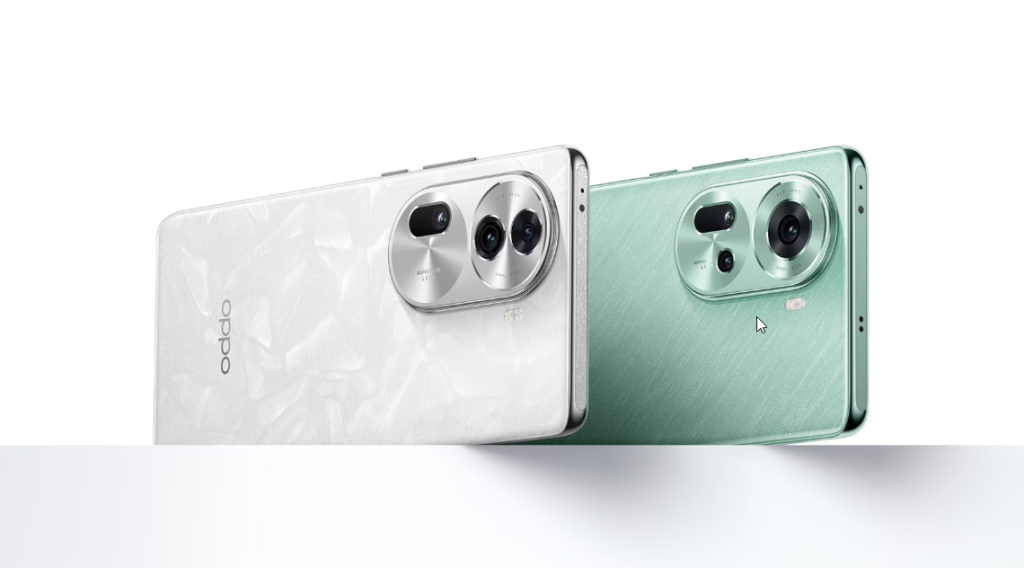
Reno 11 Series Confirmed To Get Three OS Updates, To Be First Oppo With ColorOS 14 In India

OPPO is gearing up to unveil the Reno 11 series in India on January 12. It will include a standard and pro model. The brand has already revealed the key specifications and features of the upcoming offerings ahead of the official launch event later this week. Now, OPPO has announced the duration of software support for the upcoming Reno 11 series. 

OPPO Reno 11 series software support duration

Oppo Reno 11 series

OPPO released ColorOS14 (review) in November last year. Now, the brand has confirmed that the upcoming Reno 11 series will be the first smartphones in the country to ship with pre-installed ColorOS 14-based Android 14 out of the box. Additionally, the Reno 11 series will be eligible for three OS updates and four years of security patches. This means that the devices will get up to Android 17 version. 

The ColorOS 14 brings Aquamorphic design integrating common elements bubbles, capsules, and more seamlessly in to the status bar without cluttering the display. The Go Green style for AOD promotes a sense of environmental consciousness. It also packs performance improvements, enhanced security and privacy features, and AI-powered features. For detailed changes on the ColorOS 14, you can visit here

As for the Reno 11 series, the devices are confirmed to feature a 6.7-inch AMOLED screen with curved edges, a 120Hz refresh rate, and HDR10+ certification. The upcoming offerings have a slim design with a pill-shaped camera module. The Reno 11 series will have a 50MP main sensor, a 32MP telephoto unit, and an additional camera. There will be a 32MP front-facing selfie snapper. 

Related:

Huawei’s Kirin 9006C Mystery: TSMC’s Role Unveiled Amid Global Semiconductor Challenges

In a recent teardown conducted by TechInsights, the mysterious origin of Huawei’s Kirin 9006C processor in the Qingyun L540 notebook has been unveiled, challenging initial speculations of advanced domestic semiconductor manufacturing in China. Contrary to expectations, the 5nm processor was not crafted by a Chinese company but was revealed to be manufactured by Taiwan Semiconductor Manufacturing Co. (TSMC).

This revelation follows Huawei’s previous semiconductor developments, where the Mate 60 Pro smartphone boasted a 7nm system-on-chip reportedly manufactured by China’s Semiconductor Manufacturing International Co. (SMIC). However, the Kirin 9006C’s investigation has dispelled any notions of SMIC involvement, confirming TSMC as the processor’s manufacturer.

The geopolitical context adds complexity to Huawei’s semiconductor journey, as US export controls in 2020 severed Huawei’s access to TSMC around the time of the Kirin 9006C’s fabrication. Sanctions imposed on Chinese GPU vendors Biren and Moore Threads further exacerbated the challenges faced by Chinese semiconductor designers.

Despite these hurdles, Huawei’s technological triumphs, exemplified by the success of the Mate 60 smartphone in 2023, positioned the company as a standard-bearer for Chinese efforts to develop domestic alternatives to Western technologies. The Mate 60’s achievements propelled Huawei beyond the $100 billion revenue threshold, challenging Apple’s iPhone dominance in the Chinese market.

The Kirin 9006C processor represents a significant leap for Huawei into the 5nm territory, reflecting the company’s determination to stay at the forefront of technological advancements. The mystery surrounding how Huawei obtained a three-year-old processor is underscored by the company’s proactive approach to stockpiling semiconductors in response to global restrictions.

Huawei’s strategic investments in chip research and stockpiling and its network of domestic suppliers and manufacturing partners showcase the company’s resilience in navigating the complex landscape of international trade restrictions. The L540 laptop, introduced around 2016, aligns with Huawei’s expansion into mobile and computing devices and coincides with Beijing’s push to replace foreign technology in sensitive environments with domestic alternatives.

Moreover, some online retailers claim the L540 is designed to comply with recent stringent data security requirements in China for sensitive government organs, emphasizing Huawei’s commitment to meet evolving regulatory standards. As the global semiconductor landscape shifts, Huawei’s ability to adapt and innovate remains pivotal to its success in the highly competitive tech industry.

Related:

(via)

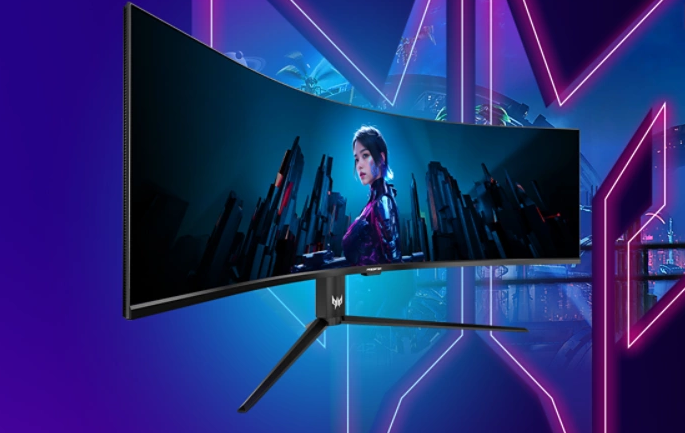
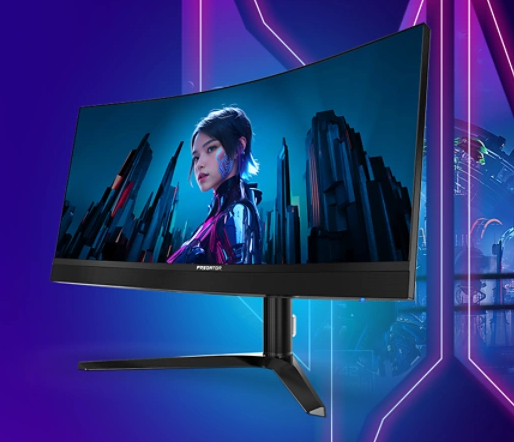
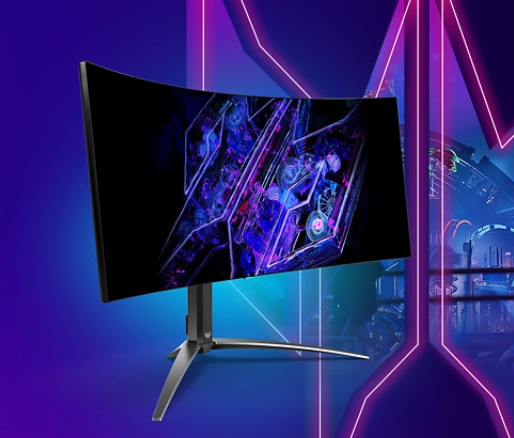
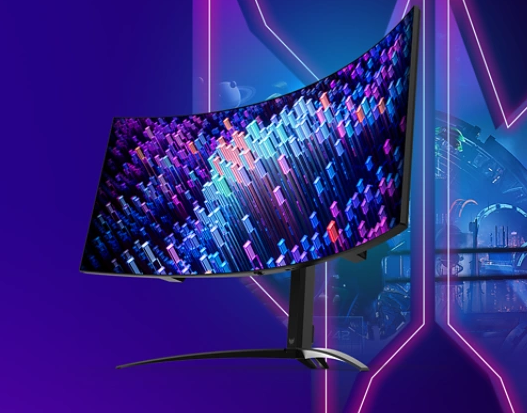
Acer unveils new Predator X and Z series of Curved OLED and MiniLED gaming monitors

Acer has just debuted a bunch of new gaming monitors that are a part of its popular Predator series. These models include the flagship Predator Z57 Dual UHD curved MiniLED, Predator X34 V3 curved MiniLED gaming monitors, Predator X39, and Predator X34 OLED gaming monitors. So let’s have a look.

Acer Predator Z57

The Predator Z57 is the company’s flagship gaming monitor. The model offers a 57-inch curved display that offers a Dual UHD (7680×2160) resolution and offers 120Hz refresh rate. It features 2304-zone MiniLED technology, which promises to offer improved picture quality and brightness. It has a wide 32:9 aspect ratio and a 1000R curvature. The Predator Z57 can output up to 1000 nits of brightness and comes with VESA DisplayHDR 1000 certification for accurate colors and light and dark contrast.

The screen features a 98 percent DCI-P3 color gamut. Thanks to the large screen real estate, users can even multi task with this model. It supports the latest consoles and comes with two HDMI 2.1 ports and DisplayPort 1.4. It has a sleek body and houses twin 10W speakers. The China launch is set for Q1 2024, while the North American release kicks off on Q2 2024 for a 2,499 USD price tag.

Acer Predator X34 V3

Acer Predator Z57

Acer’s Predator X34 V3 sports a 34-inch display as the name suggests. The screen is a curved MiniLED panel that offers a 21:9 aspect ratio and QHD resolution. It has a 1500R curvature along with a 94 percent DCI-P3 color gamut, and VESA DisplayHDR 1000 certification. This gaming monitor promises to offer an enhanced gaming monitor with a 180Hz refresh rate and 1ms response time for minimal ghosting and immersive gameplay. Similar to the Predator Z57, the model houses HDMI 2 and DisplayPort 1.4 ports along with two 5W speakers. The new X34 V3 starts from 1,399 USD and will be available for purchase at the same time as the Predator Z57.

Acer Predator X39 & Predator X34 X

Apart from the MiniLED models, the tech giant also debuted two new OLED gaming monitors which are the Predator X39 and Predator X34 X. The former sports a 39-inch panel, while the latter has a 34-inch screen. Both models feature up to UWQHD resolution (3440×1440) resolution and up to a 240Hz refresh rate. The high refresh rate is paired with 0.01ms pixel response time to ensure a smoother and stutter free gameplay experience. The two OLED gaming monitors also offer 800R curvature.

Acer Predator Z57

The displays support a 99 percent DCI-P3 color gamut and VESA DisplayHDR True Black 400 certification. These models arrive with Eyesafe 2.0 certification to ease the strain on users’ eyes. The Predator X34 X has a starting price tag of 1,299 USD while the Predator X39 starts from 1,499 USD. These will also go on sale in the Chinese market in Q1 2024, while the release in other regions kicks off in Q2 2024.

Note: All four new gaming monitors support AMD FreeSync Premium technology to prevent screen tearing and flickering. A USB Type-C enables 90W PD port that delivers power, display, and data transfer. The new Predator Gaming Monitors feature built in KVM switch for swapping sources without having to reconnect peripherals.

Acer Predator Z57

Acer announced various new products during CES 2024. This includes the Aspire 3D 15 Spatial Labs Edition laptop, Aspire Vero 16, Predator Connect routers, and Aspire Go 14 and Go 15 notebooks. You can also check out our other coverage of the CES 2024 event by clicking here.

RELATED:

Belkin unveils new chargers, GaN power adapters, and an iPhone tracking stand at CES 2024

Belkin, a popular accessory maker, made some exciting announcements at CES 2024, focusing on wireless charging, powerful GaN devices, and a clever iPhone stand. Let’s learn all about them here.

Qi2 Chargers for iPhones:

Belkin’s new Qi2 chargers, based on the improved MagSafe standard, include a total of four products:

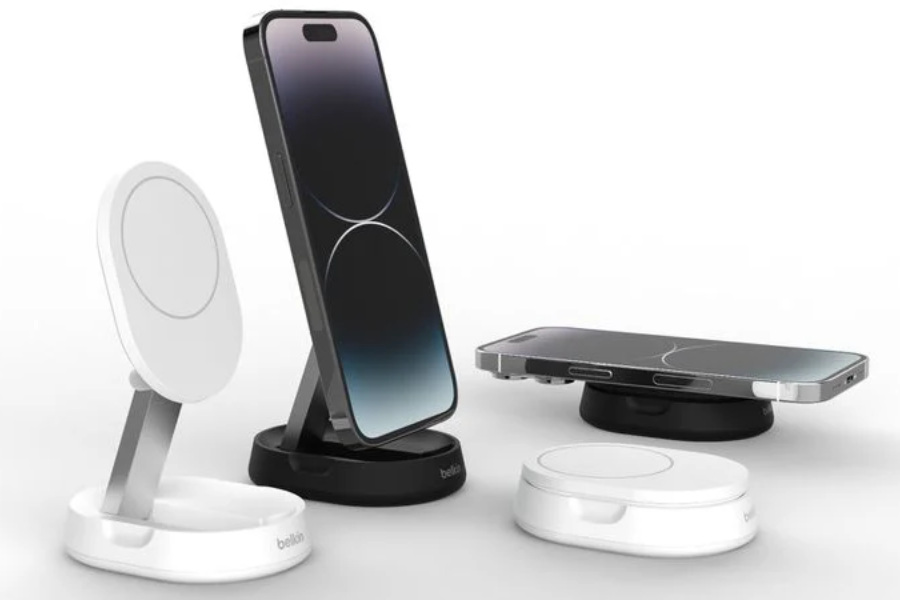
  • BoostCharge Convertible Qi2 Pad: The device transforms from a travel-friendly flat pad to a comfortable viewing stand, all while delivering a swift 15W charge to your iPhone.
BoostCharge Convertible Qi2 Wireless Pad to Stand
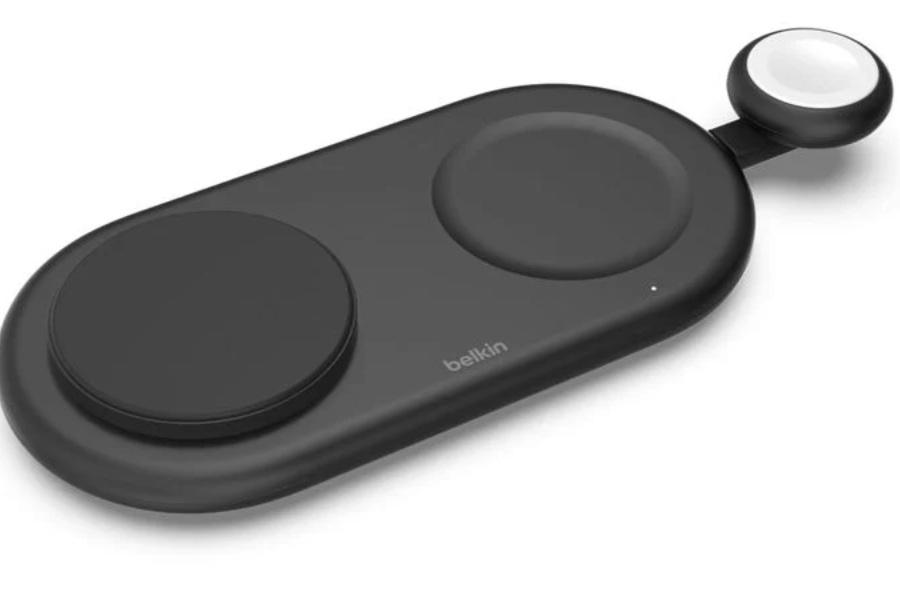
  • BoostCharge Pro 3-in-1 Wireless Charging Pad: It can simultaneously charge your iPhone (15W), another phone (5W), and an Apple Watch. For the latter, there is a detachable Watch charging puck. 
BoostCharge Pro 3-in-1 Wireless Charging Pad with Qi2

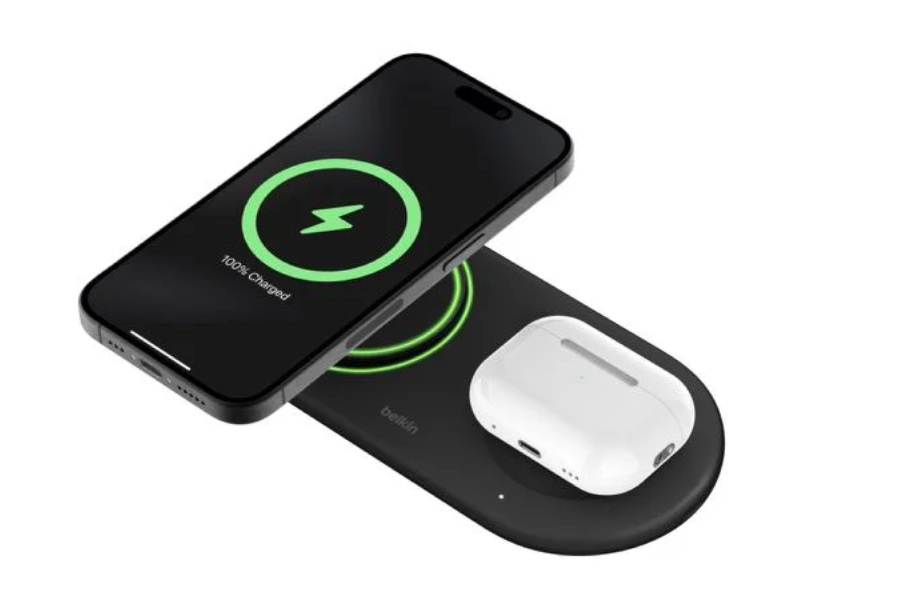
BoostCharge Pro 2-in-1 Wireless Charging Pad: It has a similar design and features as the BoostCharge Pro 3-in-1, but doesn’t include the detachable charging puck.

BoostCharge Pro 2-in-1 Magnetic Wireless Charging Pad with Qi2
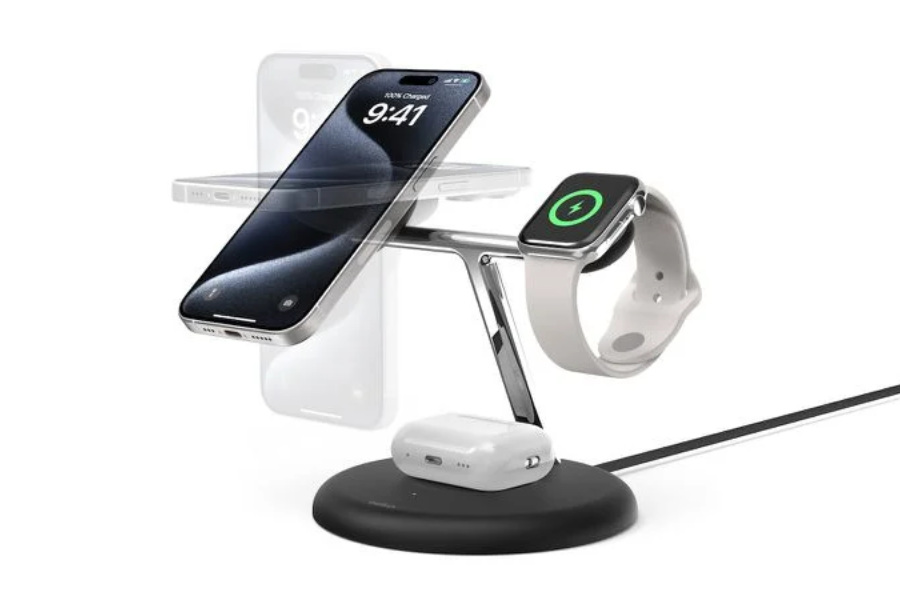
  • BoostCharge Pro Magnetic Stand: This is a stylish tree-style stand that boasts an adjustable phone angle for optimal viewing. It charges your iPhone (15W), Apple Watch, and AirPods, keeping your tech essentials organized and fueled up. It’s priced at $149.99 and will launch on Match. 
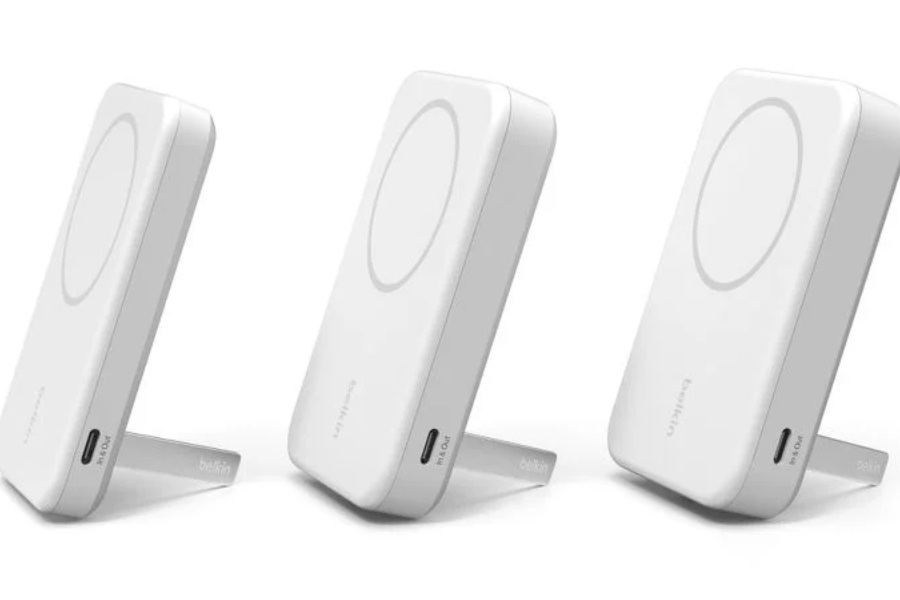
  • BoostCharge Pro Magnetic Power Banks: Available in 5,000mAh, 8,000mAh, and 10,000mAh options starting at $59.99, these portable power banks offer both wireless (up to 15W) and wired charging options. The power banks also support a kickstand to make it easy to prop your phone while watching video.
BoostCharge Pro Magnetic Power Banks

GaN Tech for Compact Charger:

Belkin also introduced GaN chargers for efficient, space-saving power:

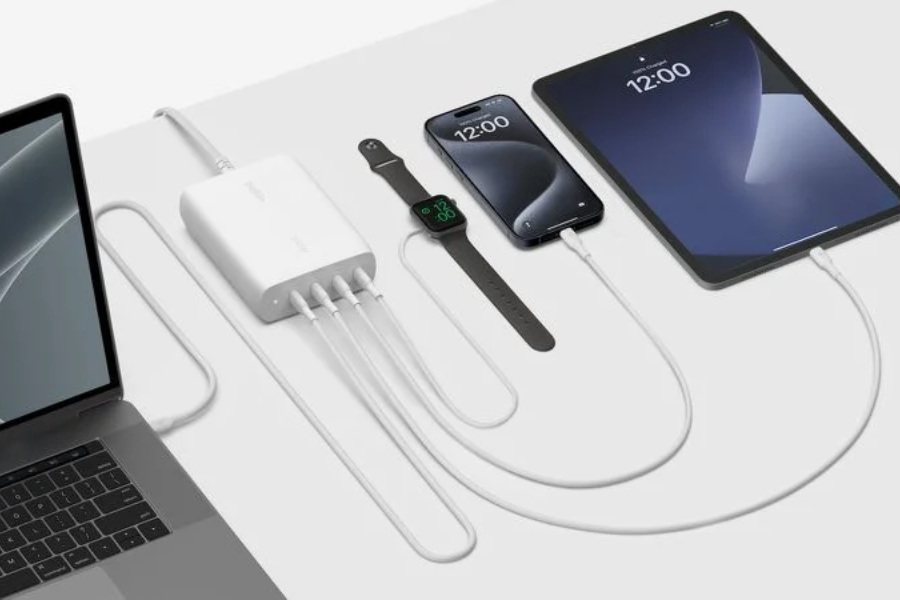
  • BoostCharge Pro 4-Port USB-C GaN Charger 200W: The charger features four USB-C ports, two capable of delivering up to 140 watts each, and two offering 60 watts each. The total output is capped at 200 watts. It will hit stores in March for $129.99.
Belkin CES 2024
BoostCharge Pro 4-Port USB-C GaN Charger 200W
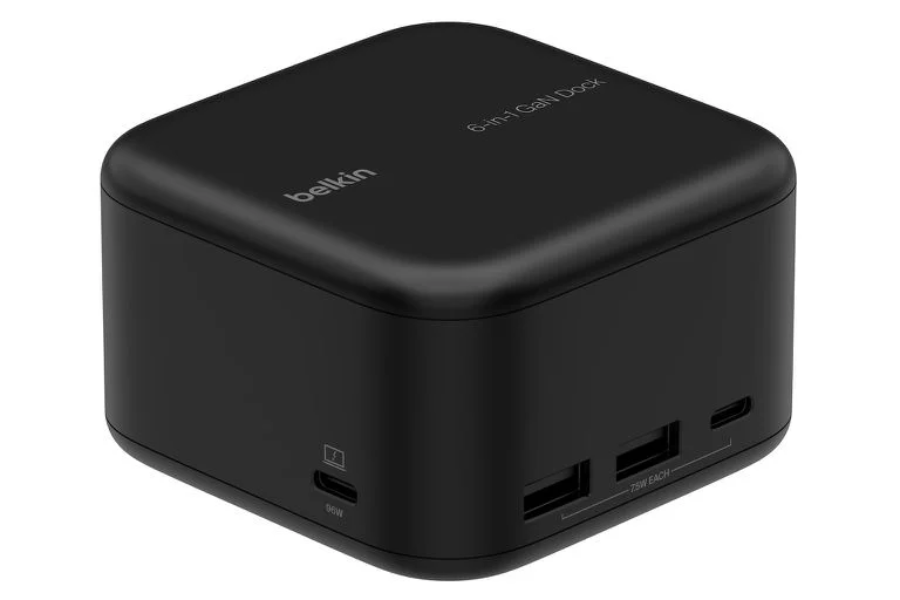
  • 6-in-1 Core GaN Dock: Belkin says this new 6-in-1 adapter is 50% smaller than similar docks while having HDMI (4K display), 2 USB-A ports, 2 USB-C ports (one with 96W power delivery), and Gigabit Ethernet. It is available for order starting today for $139.99, while a launch will be followed soon.
Belkin CES 2024
6-in-1 Core GaN Dock

iPhone Tracking Stand:

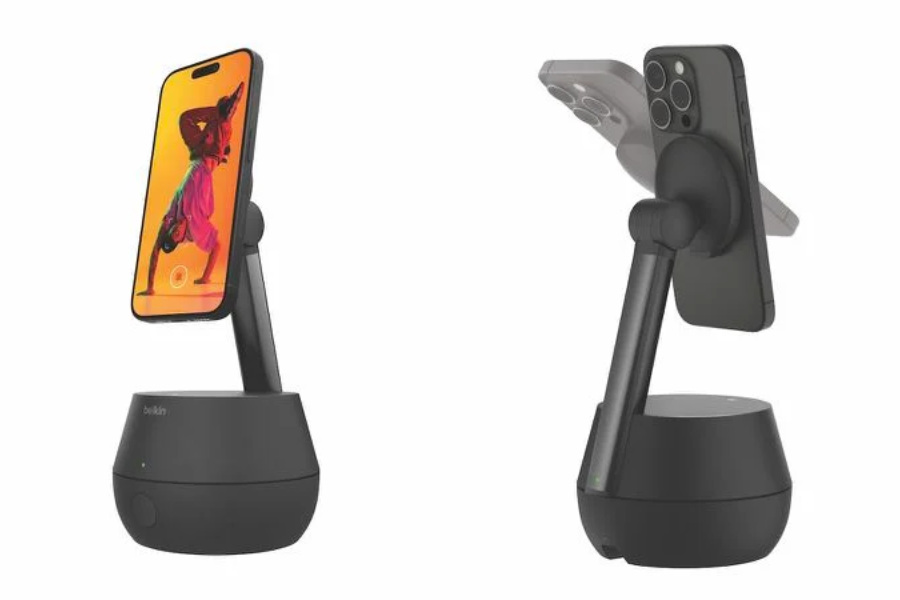
Finally, Belkin is announcing Auto Tracking Stand Pro which is world’s first accessory to make use of  Apple’s DockKit framework introduced in iOS 17 for face and object tracking. This means your iPhone stays in frame during video calls, FaceTime, and other apps, eliminating the need for constant adjustments. It works in both orientations and with front and rear cameras, making it useful for a variety of applications.

Belkin CES 2024
Auto Tracking Stand Pro

The stand boasts a built-in battery for up to 5 hours of on-the-go use and charges your iPhone via MagSafe at 15W when plugged in. It is expected to launch soon with a price tag of $179.99.

Related:

(Via)
Xiaomi Clarifies: Will There Be an Affordable Redmi Car in The Near Future?

Xiaomi has finally entered the electric vehicle market. The company’s first EV, the Xiaomi SU7 EV, was unveiled last week in China and has already started appearing in stores. Although it’s the company’s first car, it has managed to impress everyone with smart features like self-parking. However, when it comes to Xiaomi, people want both top quality and low prices. That’s why there have been ongoing speculations about a budget-friendly Redmi car. Now, Xiaomi has addressed these rumors officially through their Weibo account.

No Affordable Redmi Car, Prioritizes SU7 EV Introduction

Xiaomi Auto recently posted an article called “Xiaomi Auto Answers 100 Questions from Users (Part 1)” on their official Weibo account. One of the highly anticipated questions was whether Xiaomi plans to make an affordable Redmi car. Similar to their smartphones and other devices, Xiaomi offers premium products while its subsidiary brands like Redmi and Poco provide more affordable options with comparable features. However, in the electric vehicle realm, this setup doesn’t currently exist, at least for the time being. However, for electric vehicles, a similar situation does not exist, at least for now.

Xiaomi SU7 electric sedan

Xiaomi Auto also stated: “We have no plans to launch a Redmi car. We are currently focused on the manufacturing and sales of our first car, the Mi SU7.” Additionally, Xiaomi CEO Lei Jun responded to some questions in the comments section. One of them was related to the price of the car. Jun stated, ‘I firmly believe that the Mi SU7 has no current rivals in its price range and prefers to stay realistic rather than set unrealistic goals.’

However, he denied the rumors by saying, ‘The rumored prices of the Mi SU7 are all false. We have not yet determined the final price. The final price will be announced to the public when the Mi SU7 is officially released.’ At the Mi Auto technology launch conference, Lei Jun also mentioned that the car is ‘a bit expensive, but it will be expensive for a reason.’ He clarified that the price won’t be 99,900 yuan, 149,900 yuan, or 199,900 yuan.

RELATED:

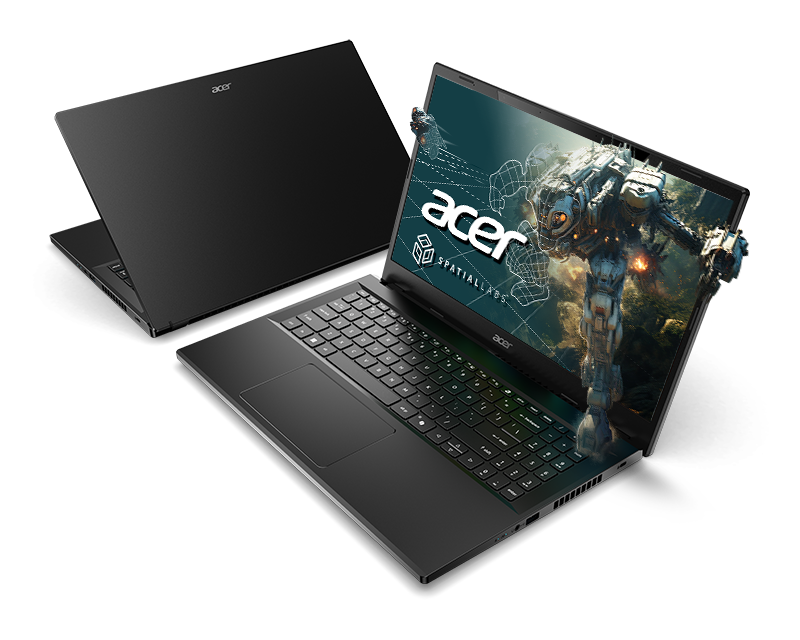
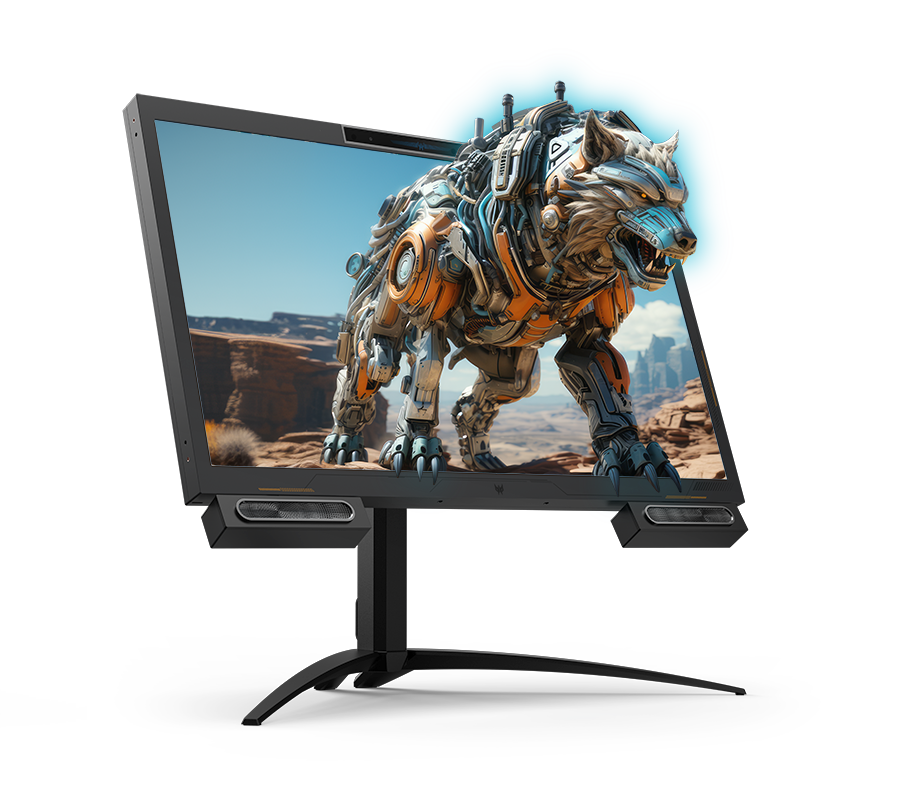
Acer debuts Aspire 3D 15 SpatialLabs Edition laptop & Predator SpatialLabs View 27 Gaming Monitor

Acer has introduced the Aspire 3D 15 SpatialLabs Edition laptop and the Predator SpatialLabs View 27 gaming monitor, aiming to deliver immersive 3D experiences to users.

Aspire 3D 15 SpatialLabs Edition:

The Aspire 3D 15 laptop is designed to provide captivating 3D content on its 15.6-inch UHD display. It is equipped with up to an Intel Core i7-13620H processor and up to NVIDIA GeForce RTX 4050 Laptop GPUs, eliminating the need for special glasses. The laptop includes AI-powered applications like SpatialLabs Go, transforming 2D content into stereoscopic 3D in real-time. Creators can use the SpatialLabs Model Viewer for real-time rendering of CGI and CAD files. Microsoft Copilot in Windows 11 enhances creativity and productivity.

With a 15.6-inch UHD IPS panel supporting Adobe RGB color gamut, the laptop seamlessly switches between 2D and 3D modes. Acer PurifiedVoice and PurifiedView enhance video calls, and TwinAir technology ensures efficient heat dispersion. It offers up to 32GB of DDR5 memory, up to 2TB of storage, and various connectivity options.

Predator SpatialLabs View 27 Gaming Monitor:

The Predator SpatialLabs View 27 gaming monitor expands Acer’s 3D display lineup, featuring TrueGame technology for enhanced 3D gaming realms. The 3D Ultra mode provides customization options for visual effects and intensity. Acer Immerse Audio complements the 3D experience with spatial sound technology.

Acer PREDATOR SpatialLabs View 27 PSV27

The 27-inch, 2D-3D switchable 4K panel offers eye-catching visuals with a 160Hz refresh rate, 400 nits brightness, and Delta E<2 color accuracy. The gaming monitor is compatible with AMD FreeSync and NVIDIA G-SYNC, ensuring tear-free frames.

Price and Availability:

The Acer Aspire 3D 15 SpatialLabs Edition starts at USD 1,399.99 in North America (available in February), EUR 1,499 in EMEA (available in March), and RMB 14,999 in China (available in April). The Predator SpatialLabs View 27 will be available in North America in Q2 2024, starting at USD 1,999, and in EMEA in Q1 2024, starting at EUR 1,999. Specifics, prices, and availability may vary by region.

RELATED:

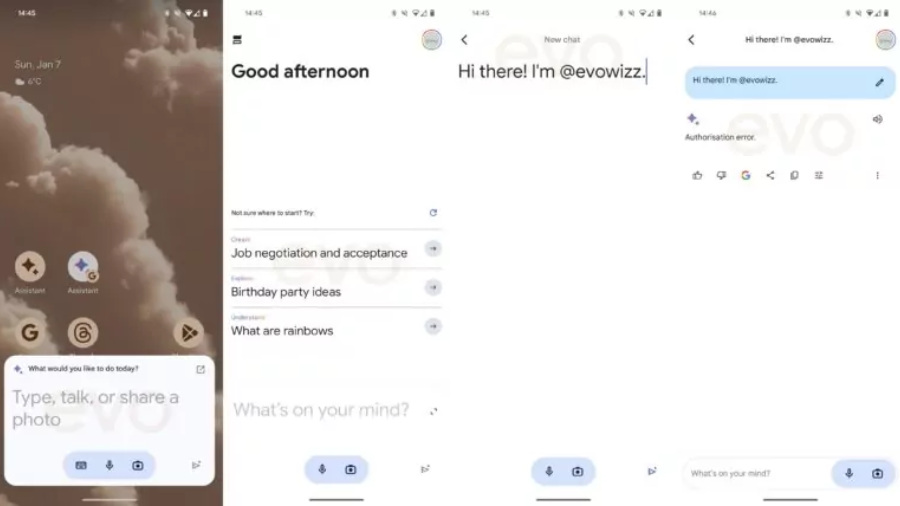
Here’s an early look at Google Assistant with Bard on Android phone

Google has been working on a new version of its Assistant with Bard. Bard is a large language model (LLM) that can generate text, translate languages, write different kinds of creative content, and answer your questions in an informative way.
Google announced last year that Bard will be integrated with Google Assistant for Android phones. This means that you will be able to use Bard to do all of the things that you can do with Google Assistant now, plus a whole lot more.

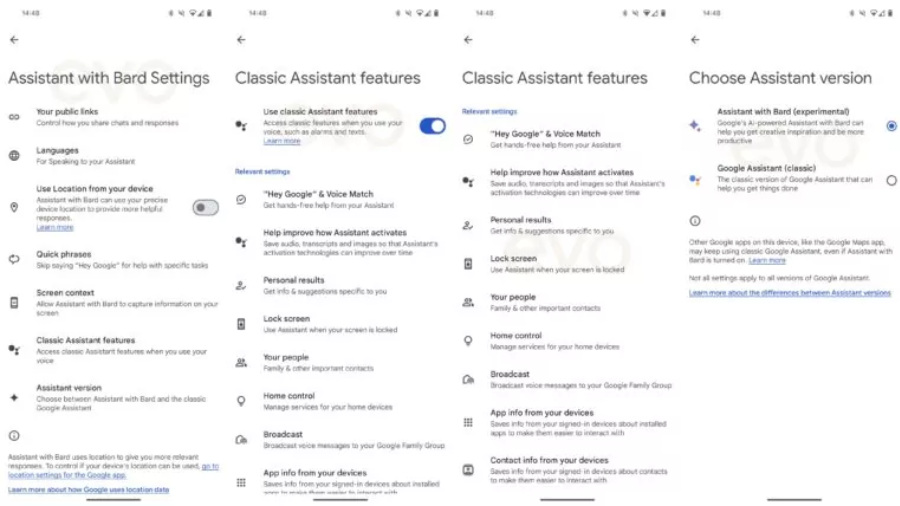
While an official release date is still unknown, developer Dylan Roussel has offered a glimpse into Assistant with Bard’s interface. 

Sneak peek into Google Assistant with Bard

We can see that it’s designed to be straightforward, with a setup screen explaining how Bard works and the data it accesses. You can even connect your Google apps for a more personalized experience, similar to how extensions work in the current Bard web app.

After you finish up the setup, you can tap the arrow icon on the popup and you’ll be presented with a full interface offering helpful suggestions or letting you type your questions and prompts.

You can also open Assistant on top of any app, tap “Add this screen,” and ask questions directly related to what you’re seeing. And yes, the familiar “Hey Google” hot word still works for seamless access.

For those who prefer the classic Assistant experience, you will be able to easily switch back. And for tech enthusiasts, Bard’s interface offers access to extensions that will allow it to tap into external data sources, broadening its capabilities.

In a nutshell, Google Assistant with Bard is about adding text-based capabilities to your existing voice assistant. While it’s still under development, we now have an understanding that the voice assistant can also handle more complex tasks and interactions.

Related:

(Via)

Elista announces new dynamic portable speakers, party speakers, & wireless soundbars in India

Elista has just unveiled three new dynamic portable speakers in the Indian market. The new announcements bring a new portable speaker model along with a portable party speaker and a wireless soundbar speaker as well. Just last month, the company announced new smartwatches, which you can check out by clicking here.

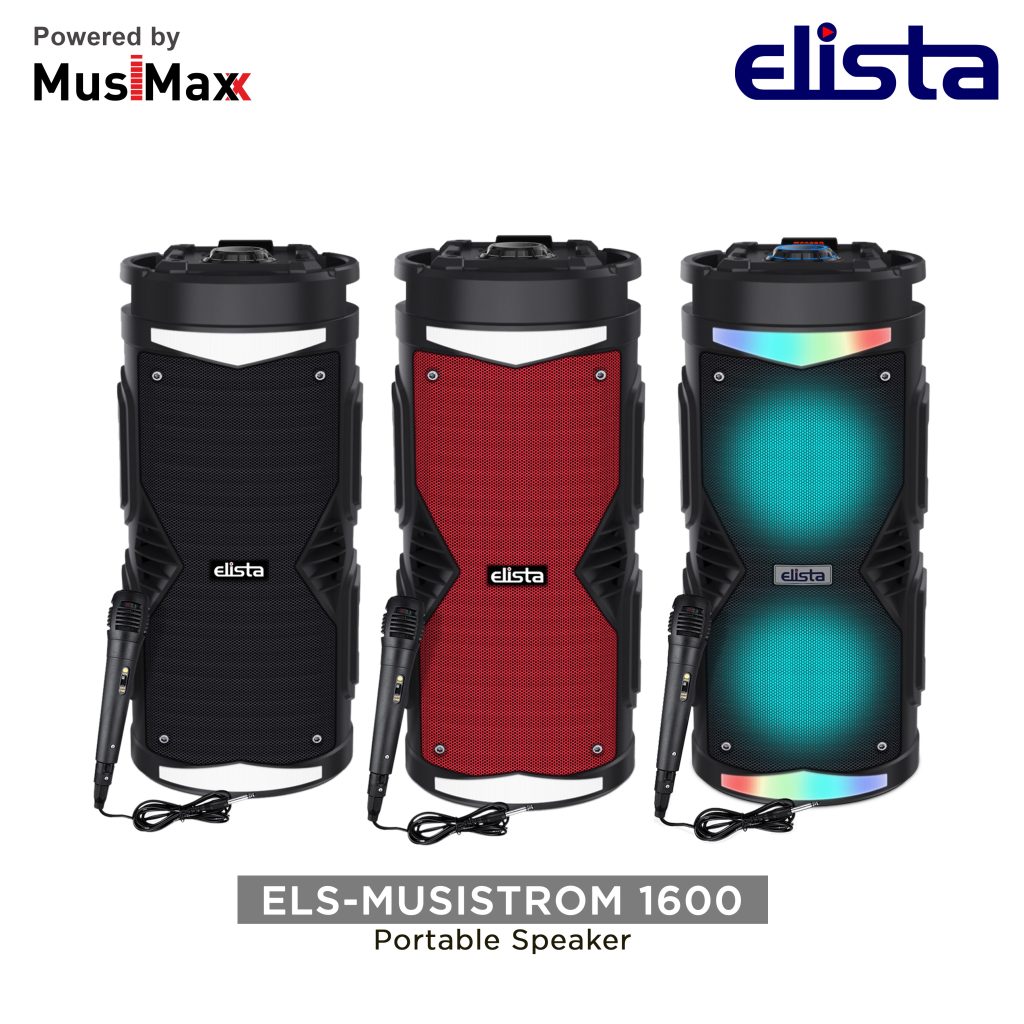
Elista ELS-MusiStrom 1600

Elista Portable Speakers

Starting off with the MusiStorm 1600, the new portable party speakers offer a total power output of 16W (8W + 8W), which is paired with a 6.5-inch HiFi speakers. The ELS-MusiStrom 1600 promises to offer immersive sound and comes with RGB lighting that creates a party experience instantly. On a single full charge, it can run for up to 5 hours. Other notable features include Bluetooth 5.0, 10 meters range, an FM Radio, and remote control access. It is available for a 2,199 INR price tag and can be purchased in Black, Blue, and Red variants.

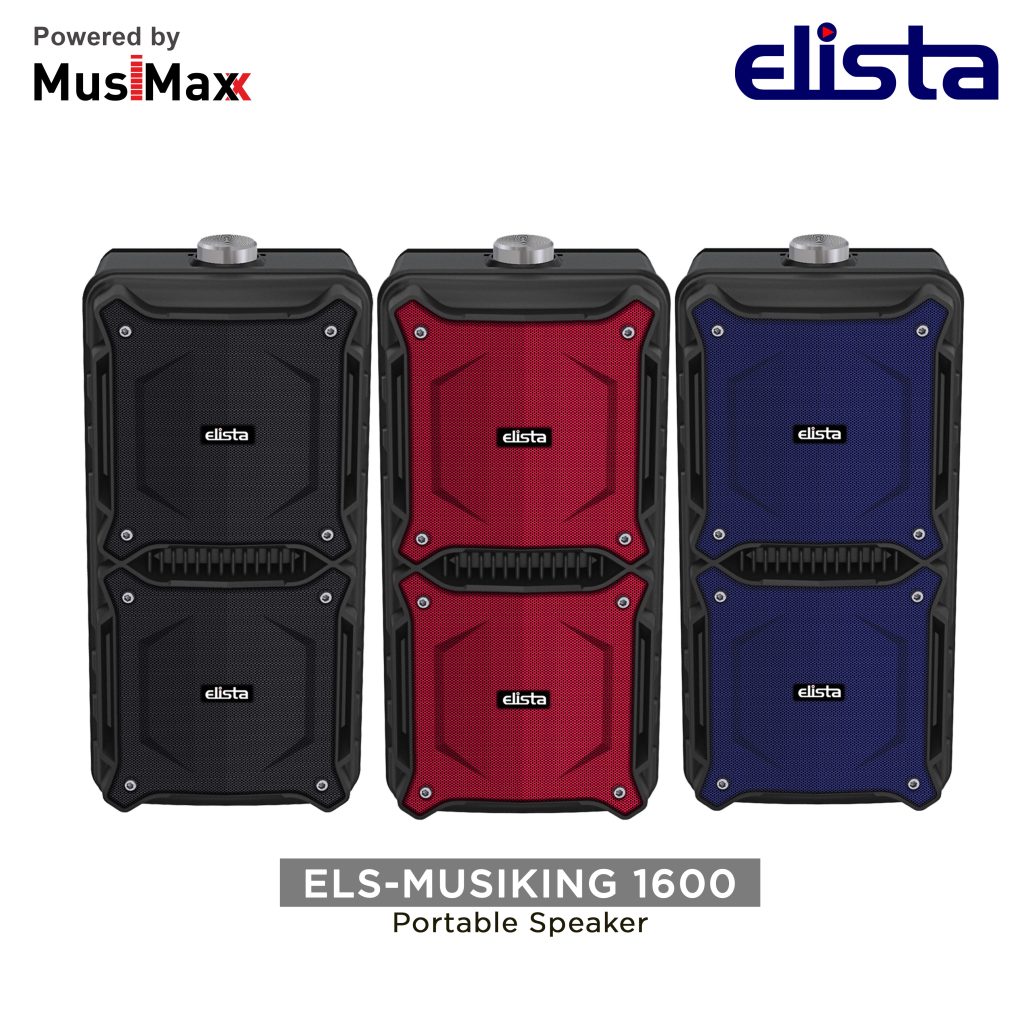
Elista ELS-MusiKing 1600

Elista Portable Speakers

Similar to the MusiStrom, the MusiKing 1600 also comes with twin 8W audio output. Although, it is paired with 5-inch HiFi speakers for clear and powerful audio. The company promises to offer powerful bass and clear treble. A 3,000mAh battery pack powers the portable speakers, which the brand claims can offer a 5 hour battery life on a single full charge. This model offers multiple connectivity options like Bluetooth 5.0, AUX, TF, and USB like the other model, and houses a convenient mobile stand along with a wired mic for karaoke sessions. It has a price tag of 1,799 INR and is available in Black, Blue, and Red color options.

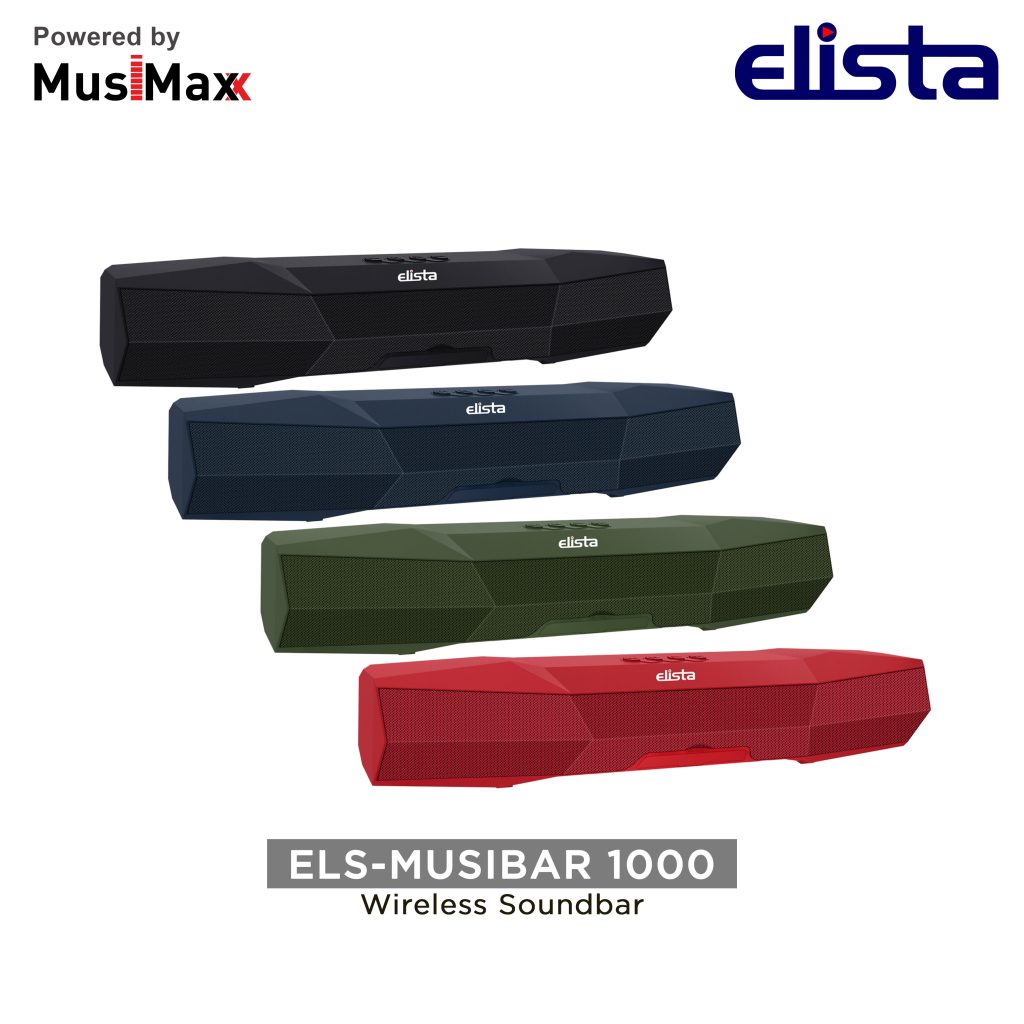
Elista ELS-MusiBar 1000

Elista Portable Speakers

The last model that was announced in the region is the MusiBar 1000 wireless soundbar speakers. It features a unique angular design and houses a 10W output with a twin 5W speak configuration. These speakers are tuned to ensure a distortion free audio experience even at maximum volume. Thanks to Bluetooth 5.0, the soundbar has a wireless range of up to 10 meters. Other notable features include 5 hour battery life with a 2,400mAh cell, USB, TF, AUX, and FM ports. Buyers can purchase the device is available for 1,399 INR.

RELATED:

CES 2024: Samsung unveils AI-based 4K and 8K 2024 Neo QLED TVs

Samsung has unveiled its 2024 TV lineup just ahead of CES 2024, featuring Neo QLED, OLED, and Micro LED TVs. The standout is the Neo QLED (Quantum Mini LEDs) series which is powered by the NQ8 AI Gen3 processor.

This processor is a major improvement over the previous version, incorporating the company’s AI-driven neural quantum processor technology. It boasts double the NPU speed and an expanded neural network capacity from 64 to 512. The result is improved performance and stunningly detailed visuals on the screen.

Samsung Neo QLED 8K TVs 2024

Neo QLED TVs 2024 Specifications:

The lineup offers both 4K and 8K TVs. Design-wise, the Neo QLED 8K TVs are incredibly sleek, with a thickness of just 12.9mm. This design, termed the Infinity Air Design, not only offers outstanding picture quality but also creates a unique mirror effect that makes the TV appear to be floating in its surroundings.

Coming to the features, the Neo QLED 8K TV boasts the 8K AI Upscaling Pro Super-Resolution technology, thanks to the NQ8 AI Gen3. This technology can enhance low-resolution content to ultra-high definition, ensuring clear display even for standard definition material.

Additionally, it features the AI Motion Enhancer Pro, which is especially useful for high-resolution sports broadcasts. This feature tackles problems like ball distortion through a deep-learning model for motion detection and enhancement.

The Real Depth Enhancer Pro is another innovative feature. It uses AI to control mini LEDs, adding depth and detail to fast-moving scenes. This makes the images appear more three-dimensional and lifelike by focusing on specific parts of the scene.

For audio, Samsung introduces the 2024 Q-Symphony, which allows for the connection of multiple wireless speakers and soundbars, achieving perfect audio synchronization. Additionally, the Active Voice Amplifier Pro enhances on-screen dialogue and sound using AI technology to separate and amplify voice input from mixed audio.

Neo QLED TVs will come with the 2024 version of Tizen OS, featuring various enhancements like Designed for Samsung Gaming Hub accessories, Mobile Smart Connect, Multi Control, improved Samsung TV Plus, Vibrary, and 360 Audio.

Pre-orders for Samsung’s Neo QLED 8K TV Chinese version are currently available, with the initial pre-order window running from January 3rd to January 18th. A second pre-order phase will commence in March, and customers who pre-order and buy the TV during the launch event will also receive a Tencent Video SVIP annual card as a bonus.

Samsung’s 2024 TV lineup represents a significant step forward in smart display technology, emphasizing quality, innovation, and AI-powered features to enhance and personalize the user’s viewing experience. We will see more of such technologies at CES 2024. Stay tuned.

RELATED:

OPPO Find X7 with 50MP triple cameras, Dimensity 9300 SoC & 6.78″ curved OLED display launched

The newest flagship smartphones from OPPO have made their official debut in China. The lineup comprises two devices: the Find X7 and the Find X7 Ultra. In this article, we’ll delve into the specifics of the standard model, as we’ve previously covered the Find X7 Ultra in a separate piece.

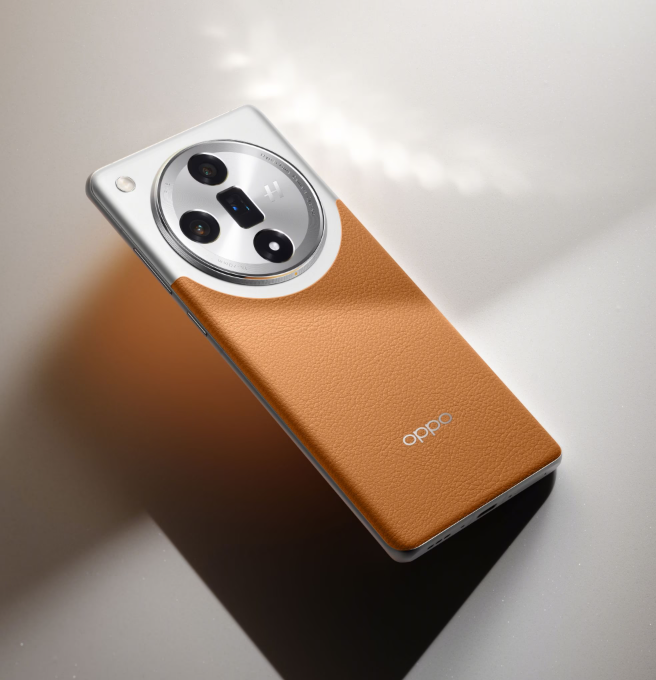
Oppo Find X7 Series
Oppo Find X7

OPPO Find X7 specs:

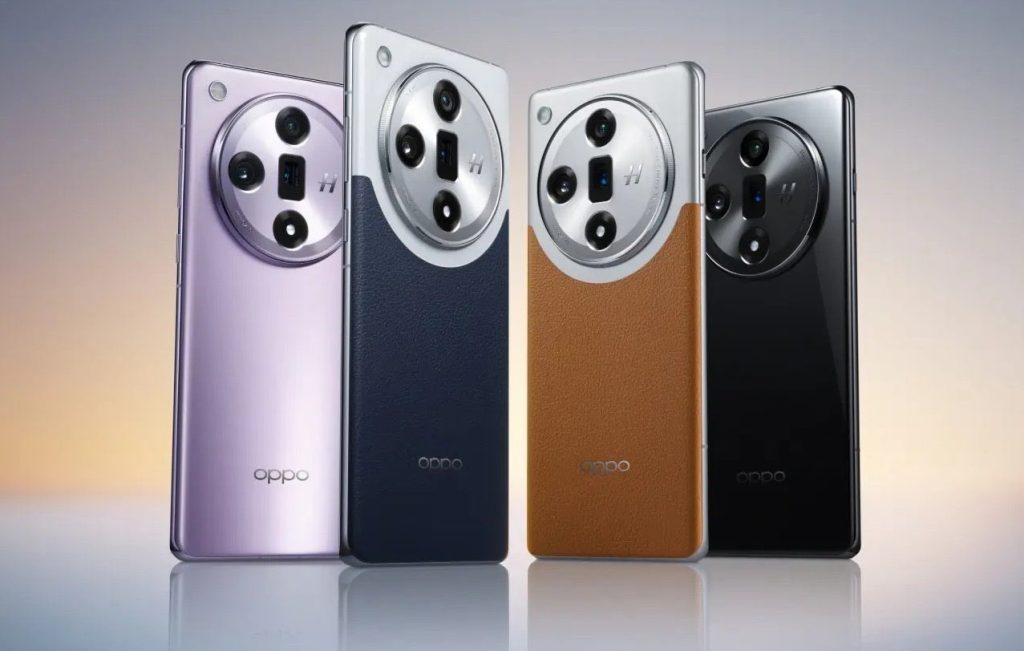
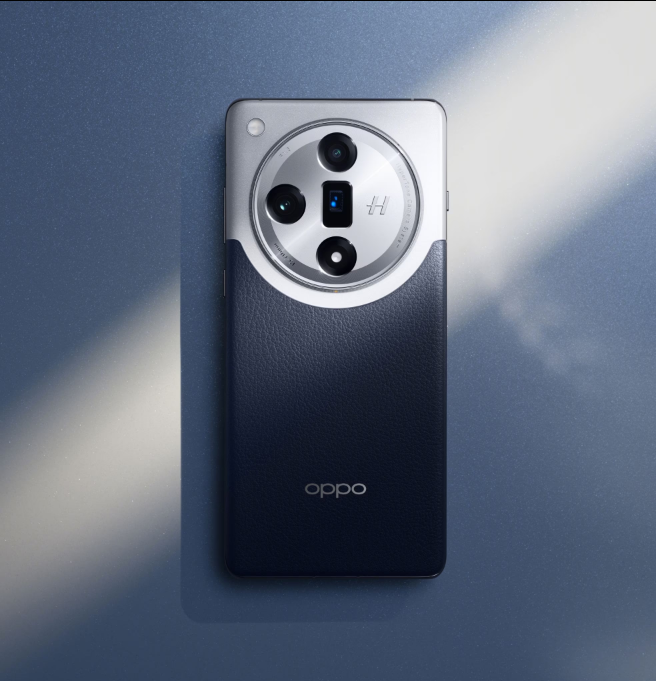
In terms of design, the OPPO Find X7 bears a striking resemblance to the Find X7 Ultra, showcasing a sizable circular camera module accommodating three camera sensors within four cutouts. The phone is available in four variants: Sea and Sky, Desert Moon Silver, Smokey Purple, and Starry Sky Black. The Black and Purple options boast a glass back panel housing the prominent circular camera module, while the remaining two showcase a dual-tone design enhanced by a leather finish on the lower portion. The right side of the smartphone houses the power and volume buttons, while the left side features an alert slider.

Up-front, the smartphone boasts a sizable 6.78-inch OLED curved screen with a resolution of 2780 × 1264 pixels, offering a pixel density of 450 PPI. The display supports a wide color gamut (P3) with an impressive peak brightness of 4500 nits, reaching 2300 nits in HDR and 1600 nits in HBM typical scenarios. The adaptive refresh rate ranges from 1 to 120Hz, and it supports up to a 240Hz touch sampling rate.

Performance

The OPPO Find X7 has a Dimensity 9300 SoC at its heart, coupled with up to 16GB of LPDDR4X RAM and 1TB of UFS 4.0 storage. The hardware is powered by a large 5,000mAh battery that offers 100W fast charging support. It operates on Android 14-based ColorOS 14. As for connectivity, the device offers Wi-Fi support (Wi-Fi 7, Wi-Fi 6, Wi-Fi 5), Bluetooth 5.4, and NFC capabilities for reading and writing NFC cards, OPPO Pay, and more.

The OPPO Find X7 incorporates under-screen fingerprint recognition and facial recognition for biometric authentication. The device comes equipped with a range of sensors, including geomagnetic induction, an under-screen proximity sensor, an ambient light sensor, a color temperature sensor, an accelerometer, a gravity sensor, a gyroscope, a step counting function, a rear spectrum sensor, and an infrared remote control.

Camera

The OPPO Find X7 features a powerful rear camera setup, including a 50-megapixel wide-angle camera, a 50-megapixel ultra-wide-angle camera, and a 64-megapixel periscope telephoto camera. The camera system supports various shooting modes, including optical zoom up to 3x, 6x optical quality zoom, and an impressive 120x digital zoom. The front camera is a 32-megapixel shooter supporting various photography and video modes.

Both the rear and front cameras support 4K video shooting at 60fps and 30fps, along with additional options for 1080P and 720P video shooting. The rear camera also supports slow-motion video shooting at 1080P (240fps) and 720P (480fps), with video anti-shake capabilities.

Pricing & availability

The OPPO Find X7 is offered in four different configurations, with the base model featuring a 12GB + 256GB setup priced at 3,999 Yuan ($563). Additionally, there is a 16GB + 256GB variant available for 4,299 Yuan ($605), a 16GB + 512GB configuration priced at 4,599 Yuan ($647), and the highest-tier option with a 16GB + 1TB configuration, which is priced at 4,999 Yuan ($704). Pre-orders are now live in China, and the first sale is scheduled for January 12.

RELATED: