Advertisement

A $400 Nintendo Switch 2 may be on the Horizon for This Year, Predictions State

Nintendo fans should be gushing with excitement as 2024 is here, with people eagerly anticipating the release of the rumoured Nintendo Switch 2. If industry experts are correct, this new console could hit the shelves later this year, priced at around $400. Dr. Serkan Toto, a respected Nintendo analyst, shared his views with GamesIndustry.biz, predicting a 2024 release for the Switch 2 (as it was previously reported). Interestingly, Toto also confirmed the existence of a previously rumored Switch Pro model, indicating that it was in development but ultimately shelved.

A Switch Pro variant may be launched alongside as well

The gaming community is curious about what the Switch 2 will bring to the table. Toto suggests it will be more of an upgrade than a complete overhaul, keeping the beloved portability feature that has become synonymous with the Nintendo brand, especially given the popularity of Pokémon games. This approach is reminiscent of the Nintendo 3DS, which enhanced the DS with better hardware and new features while maintaining the core experience.
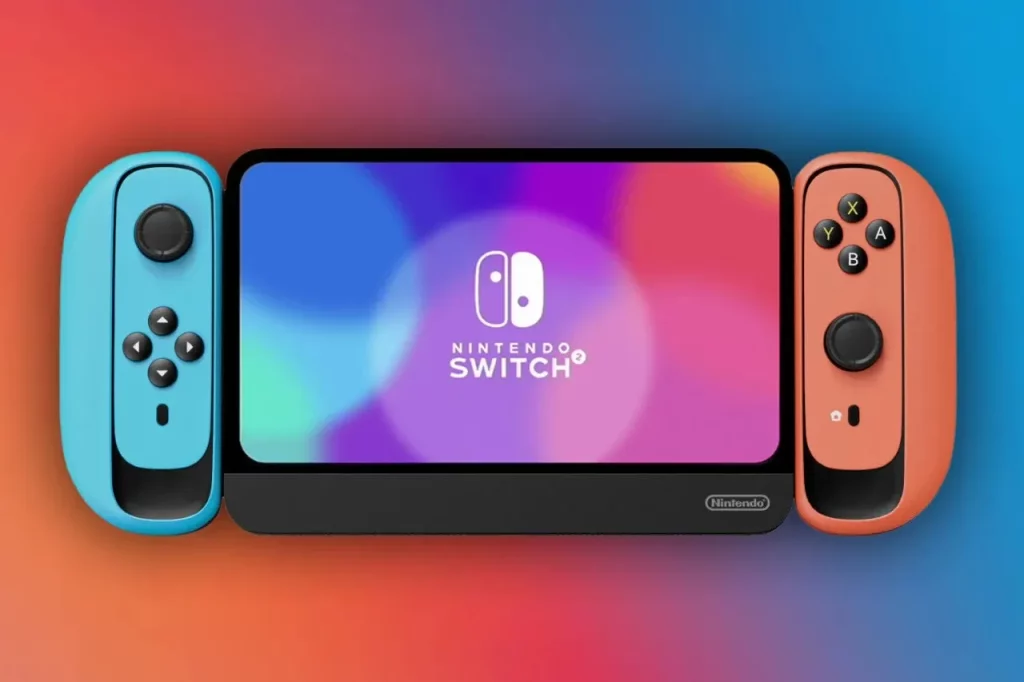
Nintendo Switch 2

Piers Harding-Rolls, an analyst from Ampere Analysis, predicts a slight upturn in the console market, attributing it partly to the anticipated launch of the Switch 2. This new console has been a topic of discussion since 2023, following a demonstration at Gamescom that showcased its expected capabilities, including advanced DLSS technology.

One of the biggest questions from fans is whether the new console will support backward compatibility, allowing them to play their existing Switch games on the new device. This feature is highly sought after and could be a decisive factor for many potential buyers.

While Nintendo has not yet officially announced the Switch 2, fans are hoping for some clues during the company’s February Direct event, which typically outlines Nintendo’s plans for the year. Until then, the current Switch continues to thrive, with developers still actively pushing out updates for the platform’s titles. That’s a win in itself!

RELATED:

(Via)
SpaceX Unveils Starlink’s Game-Changing ‘Cellphone Towers’ in Space

Elon Musk aims to change how we connect to the internet with Starlink. This service, launched a few years back, offers an accessible internet option for underserved regions via satellites orbiting Earth. However, the term “easy” here is relative because it still requires antennas and some equipment to transmit the incoming signal to your devices. Fortunately, this situation is changing because Starlink is launching the first ‘cellphone towers in space’ designed for use with smartphones.

Elon Musk’s Starlink and the Future of Internet Access

SpaceX (which at this point operates as a taxi service between space and Earth) announced the the launch of 21 new Starlink satellites. Of course, this news isn’t too surprising, considering both companies are owned by Elon Musk, and this is essentially what allowed Starlink to exist in the first place. However, six of these new satellites serve a rather unique purpose “to destroy major mobile network companies”.

Actually, these are the initial steps of Elon Musk’s ambitious project, which is currently in the testing phase. Satellites capable of reaching a maximum speed of 7 Mbps will likely serve in specific regions like North America and be used for tasks requiring low internet speeds, such as transmitting text messages. However, if you recall, Musk initially announced Starlink in 2019 promising affordable unlimited internet, unlimited phone calls, and unlimited internet access. Therefore, it’s possible that this will evolve significantly in the future.

SpaceX CEO Elon Musk mentioned that the satellites would enable mobile phone connectivity globally. However, he pointed out a substantial bandwidth limitation, stating, “This only supports around 7Mb per beam, and the beams are quite large.” Musk clarified that although this offers an excellent solution for areas without cellular service, it doesn’t significantly compete with current land-based cellular networks.

RELATED:

(via)

HarmonyOS to overtake Apple iOS in China, however, global prospects remain uncertain

HarmonyOS from Huawei is poised to overtake Apple’s iOS as China’s second-most popular smartphone operating system by 2024, according to a report by TechInsights. This optimistic outlook stems from Huawei’s triumphant reentry into the 5G market with the Mate 60 series, overcoming supply challenges, and generating enthusiasm for the Mate 60 Pro, the pioneering 5G phone featuring Huawei’s Kirin 9000 chipset, defying US sanctions.

The success of HarmonyOS is bolstered by strategic software upgrades. HarmonyOS Next, scheduled for a 2024 debut, is tailored for native apps, eliminating the Android codebase. Key players in the Chinese tech scene, such as Alipay, JD.com, NetEase, and McDonald’s China, are actively contributing to the development of native apps, fortifying the platform’s ecosystem.

Current metrics highlight HarmonyOS’s momentum, boasting over 700 million devices and engaging more than 2.2 million third-party developers. Huawei’s CEO, Richard Yu Chengdong, acknowledges the platform’s strides in China while recognizing global challenges.

Despite the optimistic outlook, global uncertainties persist for HarmonyOS. The dominance of Android and iOS worldwide prompts questions about the adoption of HarmonyOS by other phone makers, potentially restricting its influence beyond Huawei’s devices.

Key milestones for HarmonyOS include powering all Huawei smartphones since its August 2019 launch. HarmonyOS Next, set for 2024, will not support Android-based apps, signaling a pivotal shift in Huawei’s software strategy. Major Chinese corporations, such as McDonald’s China, adopting HarmonyOS could influence other smartphone manufacturers.

While HarmonyOS thrives in China, its global status as a default operating system for smartphones, laptops, and cars remains uncertain. The tech community keenly watches how HarmonyOS will shape the future of the mobile operating system landscape.

Related:

(via)

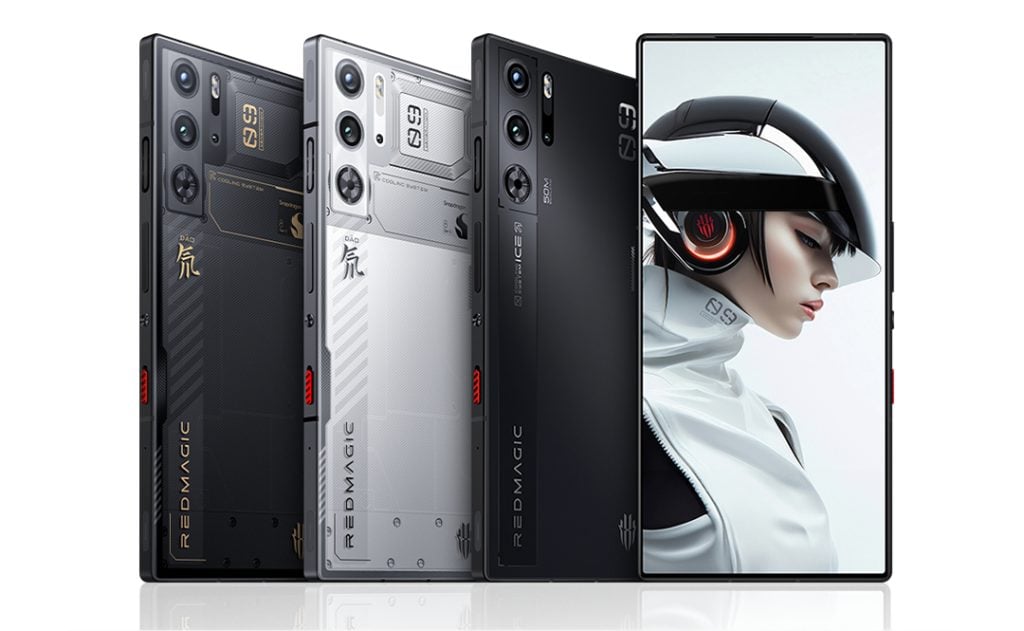
Red Magic 9 Pro goes on sale globally with a starting price of $649

Last month, the Nubia Red Magic 9 Pro was launched globally, recently going on pre-orders. It is now available to purchase directly from Red Magic’s global website with an enticing price tag.

Red Magic 9 Pro

Red Magic 9 Pro pricing & availability

The Red Magic 9 Pro is available in three variants. The first variant comes with 12 GB of RAM and 256 GB of internal memory, priced at $649. For those seeking higher specifications, the 16 GB RAM and 512GB storage version is available for $799. The latter variant offers a choice between two colors, Cyclone and Snowfall.

Red Magic 9 Pro specs:

The Red Magic 9 Pro features a 6.8-inch Full HD+ OLED display with a 120Hz refresh rate and touch response of up to 960Hz. The display supports a 10-bit color depth, covering 100% DCI-P3 color gamut, and reaches a brightness of up to 1600 nits. It includes an in-display fingerprint sensor. The phone runs on an Octa-Core Snapdragon 8 Gen 3 processor and Adreno 750 GPU.

The device offers various RAM and storage options, utilizing UFS 4.0 technology. Running on Android 14 with Redmagic OS 9.0, it supports dual SIM cards and features a camera setup with a 50MP main camera, a 50MP ultra-wide lens, and a 16MP under-display front-facing camera.

Audio features comprise a 3.5mm audio jack, dual speakers, and DTS:X Ultra support, along with three microphones. The phone has dimensions of 163.98×76.35×8.9mm and weighs 229g. Connectivity options include 5G support, Wi-Fi 6E, Bluetooth 5.4, USB Type-C, and NFC. It houses a 6500mAh battery with 80W charging.

RELATED:

JLab JBuds Lux ANC headphone with 40mm drivers, Smart Active Noise Canceling launched for $80

JLab has entered the higher-end headphone market with the unveiling of JBuds Lux ANC Wireless Headphones. These headphones aim to provide a premium listening experience without the premium price tag.

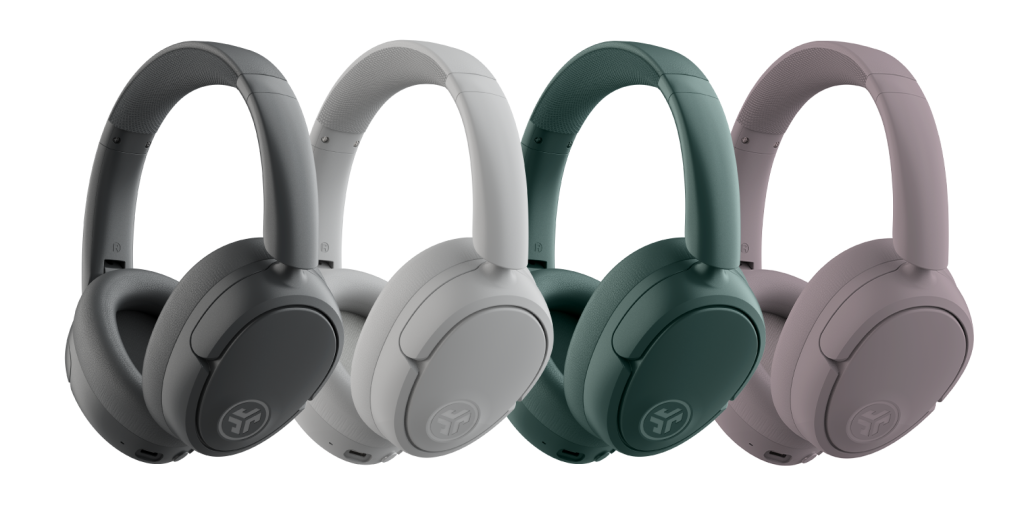
JLab JBuds Lux ANC Wireless headphones

Key features of the JBuds Lux ANC headphones include Immersive lab-quality sound, smart active noise canceling, spatial audio support, and Bluetooth Multipoint and Bluetooth LE audio capabilities. The 40mm drivers promise expansive sound, accompanied by an impressive 70 hours of playback time.

These headphones prioritize uncompromising audio quality with 40mm drivers. It is claimed to match the audio quality of industry leaders like Sony and Bose, offering high-fidelity playback to stay true to the artist’s intentions.

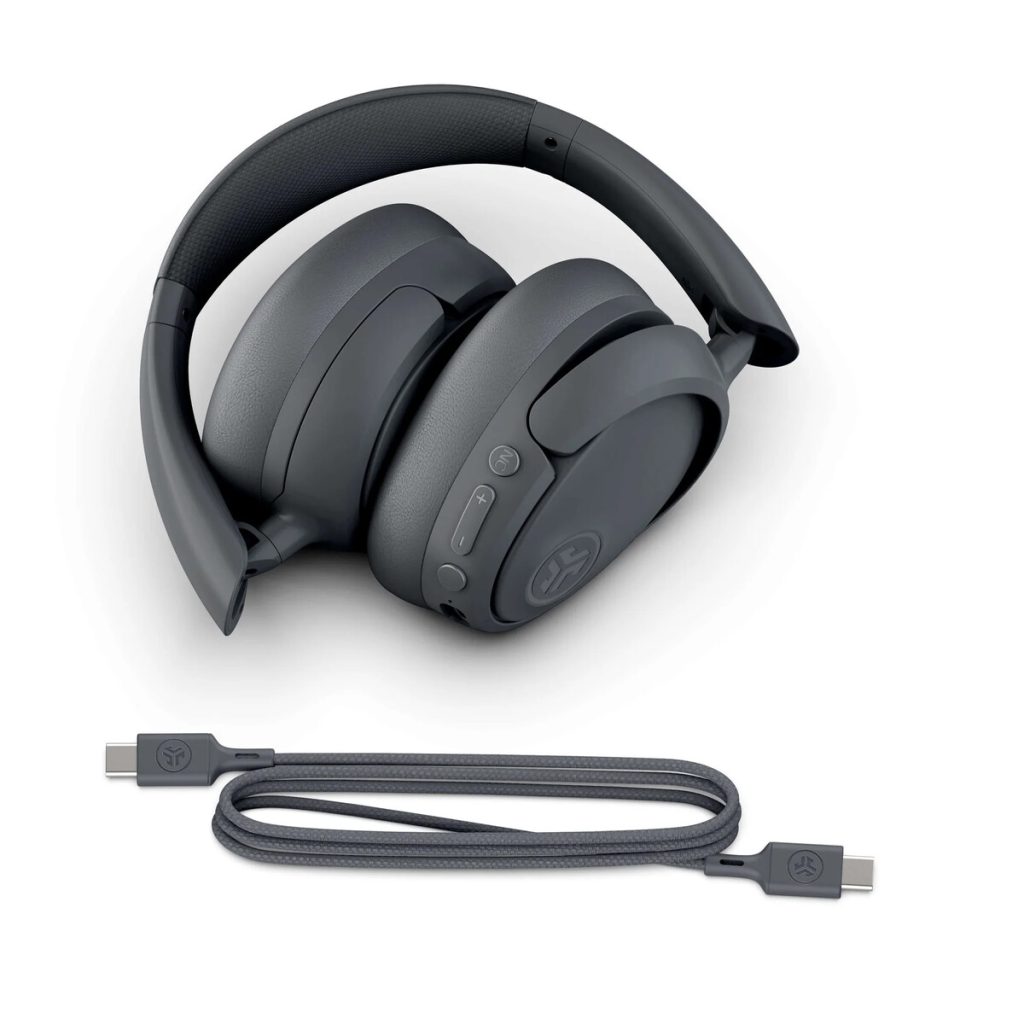
JLab JBuds Lux ANC Wireless headphones

The Smart Active Noise Canceling (ANC) technology enhances the listening experience by effectively filtering external noises for clear audio playback and minimizing unwanted noise during calls.

Customization is available through the JLab App, allowing users to fine-tune their experience with features like Safe Hearing Mode and a set of EQ controls, including three default settings: JLab Signature, Balanced, and Bass Boost.

Designed for prolonged use, the JBuds Lux ANC Wireless Headphones feature a foldable design, Cloud Foam Earcups, and a headband for comfort. Bluetooth Multi-Point capability allows seamless connections to two devices.

JBuds Lux ANC Wireless Headphones

In a market where quality often comes at a premium, JLab’s JBuds Lux ANC Wireless Headphones offer advanced features at a more accessible price point. Priced at $79.99, pre-orders are open with estimated ship dates in late February for cloud white, graphite, and sage, and late March for mauve.

RELATED:

iPhone 16 Pro, Pro Max Tipped To Come With Smaller Dynamic Island, Upgraded Cameras, And More

Multiple reports in the past have revealed that the next-generation iPhone 16 series will not pack any significant changes. Instead, Apple will focus on incorporating AI in this year’s flagship smartphones. Now, a YouTube channel AppleTrack has shared detailed changes coming to the iPhone 16 Pro models. Additionally, reliable Apple analyst Ming-Chi Kuo also echoes one of the details on the iPhone 16 Pro variant. 

iPhone 16 Pro models details surface

The most striking bit of the video is that Apple may reduce the size of the dynamic island on the iPhone 16 Pro and Pro Max. This will offer a higher screen-to-body ratio. One of the renders in the video shows the iPhone 16 Pro with a centre-aligned punch-hole cutout. However, it remains to be seen if Apple will indeed ditch the dynamic island entirely considering it was launched only two years ago. Additionally, the latest development reiterates the Cupertino-based tech giant’s plans to add a dedicated Capture button below the power button. 

The iPhone 16 Pro’s screen size is tipped to increase to 6.3 from 6.1 inches whereas the Pro Max will have a 6.9-inch display compared to 6.7-inch on the current generation. The iPhone 16 Pro will reportedly pack a 5x tetraprism optical zoom camera that is only limited to the iPhone 15 Pro Max. Additionally, analyst Kuo reveals that the 12MP ultra-wide-angle unit on both the Pro models will be upgraded to a 48MP 1/ 2.55-inch unit. 

Lastly, AppleTrack reports that the ‘Pro’ moniker will be retained this year with the new chipset being called A18 Pro. 

In other news, Kuo also reported that the entire iPhone 17 lineup in 2025 will come with an upgraded 24MP selfie camera. 

Related:

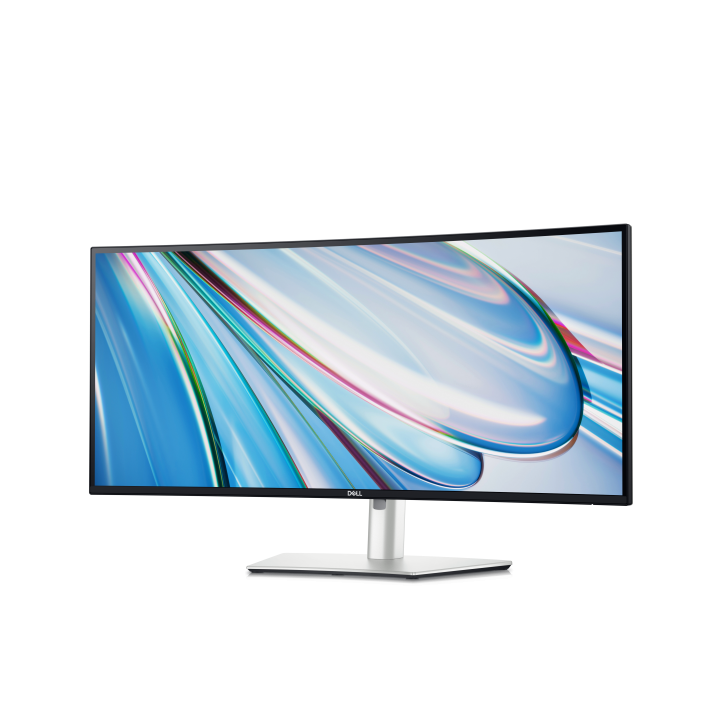
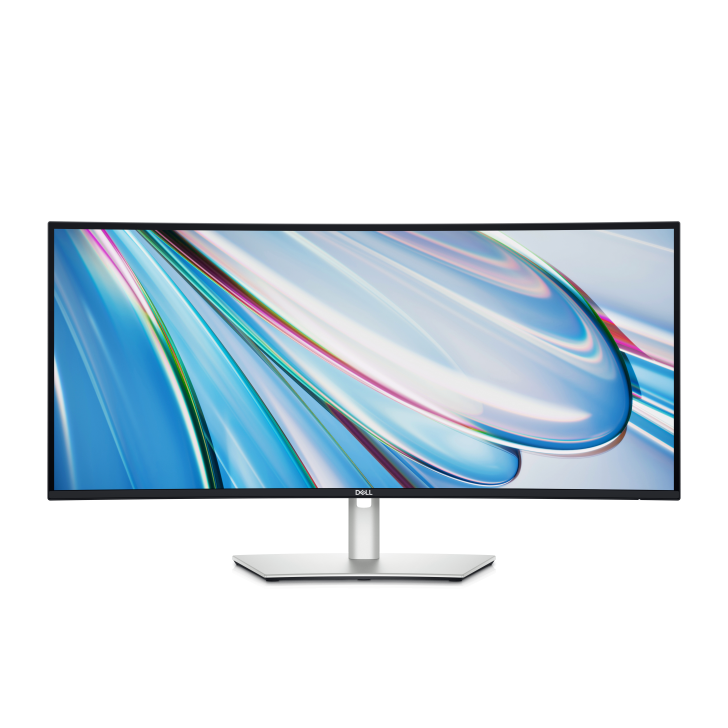
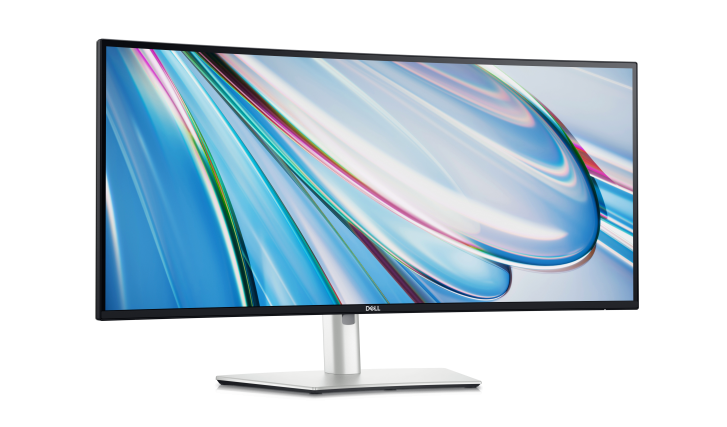
Dell unveils UltraSharp 34 curved monitor (U3425WE) with 120Hz IPS Black panel

Dell has announced the launch of their new UltraSharp 34 curved monitor, the U3425WE ahead of CES 2024, which will hit the global market on February 27. The monitor is priced at $1,019.99 in the US and $1399.99 in Canada. Let’s delve into the key specs of this monitor.

Dell UltraSharp 34 (U3425WE) Specifications

Dell U3425WE monitor features a 34-inch curved IPS Black panel with a resolution of 3440×1440 pixels (WQHD) and a 21:9 aspect ratio. It offers a high 120Hz refresh rate for a smooth visual experience.

This monitor features a high 2000:1 contrast ratio,100% sRGB, 98% of the DCI-P3 color space, and 10-bit color depth, ensuring vivid and accurate color representation. It also boasts DisplayHDR 600 certification, signifying its ability to deliver exceptional brightness and contrast for HDR content.

Dell UltraSharp 34 U3425WE

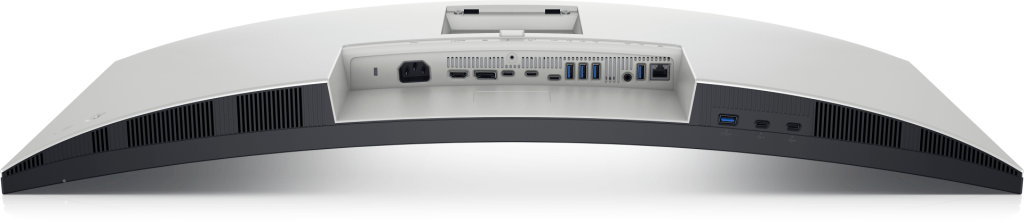
In terms of connectivity, the U3425WE is well-equipped. It includes a DisplayPort 1.4, HDMI 2.1 FRL, a 2.5 Gigabit RJ45 Ethernet port, a 3.5 mm jack, and a 90W Thunderbolt 4 port, offering versatile connection options for various devices. The monitor also features an array of USB ports: 5 USB Type-A and 4 USB Type-C ports, with the latter offering 15W Power Delivery and 10Gbps speed.

The monitor is certified for 5-star Eye Comfort, making it an excellent choice for extended use without causing eye strain.

Dell UltraSharp 34 U3425WE

Dell has also focused on ergonomic features and functionality. The monitor supports swivel, tilt, and height adjustments up to 150mm, ensuring comfortable viewing angles and positions. Additionally, it incorporates Auto KVM and Network KVM functionality, allowing seamless control of two devices simultaneously.

RELATED:

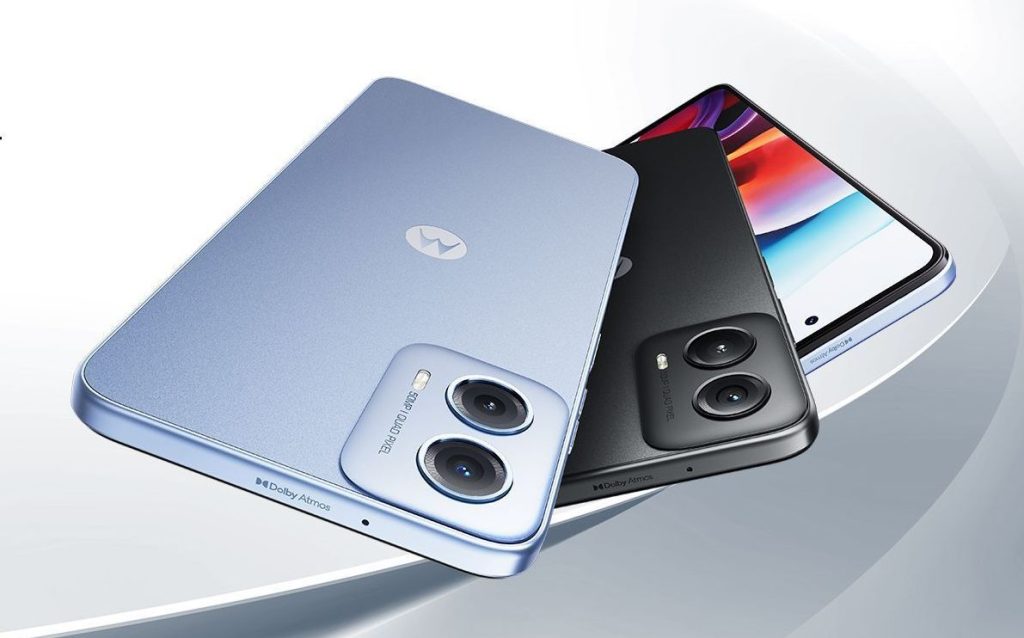
Moto G34 5G confirmed to launch in three color options in India

Motorola is gearing up to launch the Moto G34 5G in the Indian market. The company recently confirmed the release of the smartphone, and now, the color options of the upcoming device have also been revealed. So here are all the details.

Motorola Moto G34 5G

Moto G34 5G Color Variants

The brand shared a short teaser video on X (formerly Twitter). This confirmed that the Moto G34 will be available in three color options, which include Ice Blue, Charcoal Black, and Ocean Green. Notably, the Green variant of the G34 5G is the model that offers a vegan leather rear panel. For those unaware, Motorola is set to officially launch the new smartphone in India on 9th January 2024.

The Moto G34 5G is also confirmed to be available for purchase via Flipkart, a popular e-retailer in India. To recall, the device is equipped with the Qualcomm Snapdragon 695 SoC. The brand claims that the chipset enables the model to be the fastest 5G smartphone for its segment. While details of the G34 haven’t been officially confirmed, the smartphone was previously launched in China. So we know that it will sport a 6.5-inch LCD panel that offers HD+ resolution.

A large 5,000mAh battery pack powers this device, which will also support 18W fast charging. The rear packs a 50-megapixel dual camera setup, while the front houses a 16-megapixel selfie shooter. The device features 8GB of RAM and 128GB of internal storage. Users can further expand the memory and storage via a microSD card slot and virtual RAM expansion of up to 8GB. Other notable features include a 3.5mm headphone jack, Bluetooth, WiFi, GPS, and a USB Type C port.

RELATED:

Honor X50 GT With OLED Display, Snapdragon 8+ Gen 1 Launched In China

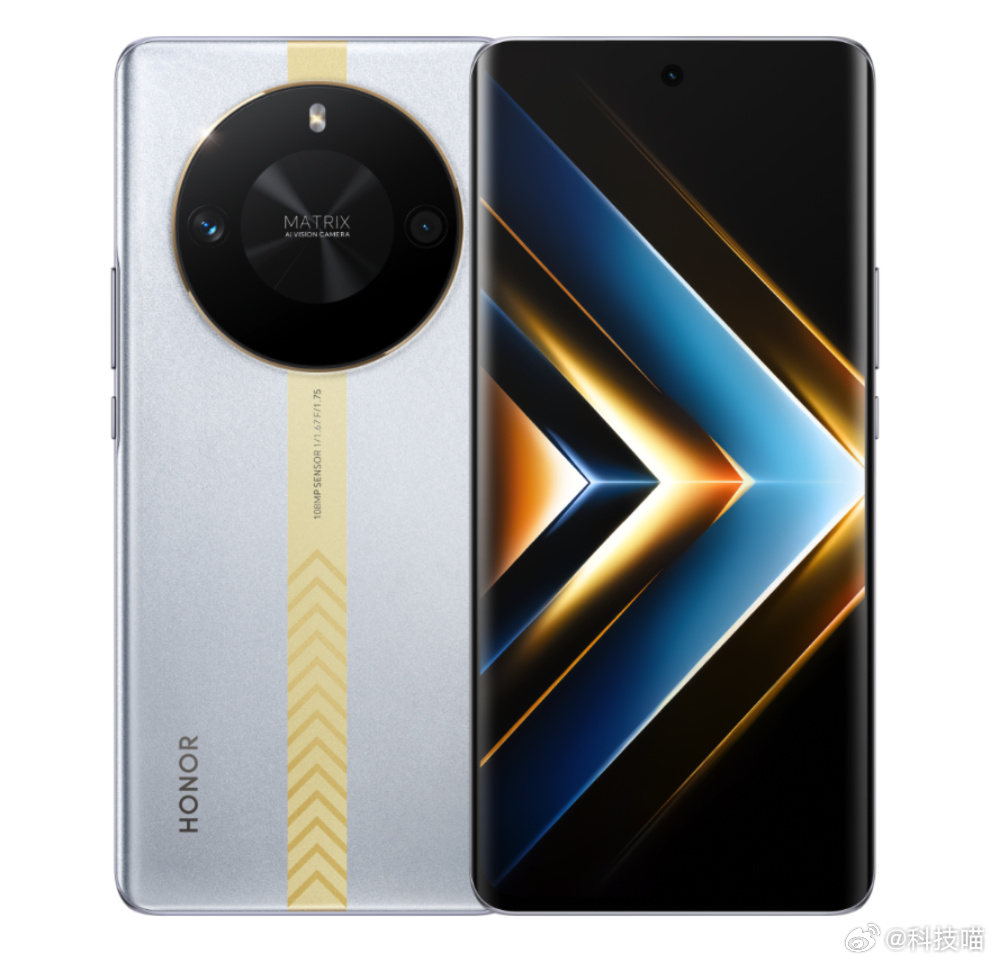
Honor has launched a new smartphone in China. It is the Honor X50 GT. The device arrives as the successor to the X40 GT that debuted last year. The latest offering packs incremental upgrades over its predecessor. It seems to be a mid-range device with Qualcomm’s Snapdragon 8-series chipset. Read on to know what it offers out of the box.

Honor X50 GT specifications and features 

Honor X50 GT silver
Honor X50 GT

The Honor X50 GT comes with a centre-aligned punch-hole cutout and a curved screen measuring 6.78 inches. The OLED display panel features a 1.5K resolution and a 120Hz refresh rate. It is integrated with a fingerprint scanner. The smartphone retains the same design as its predecessor with a circular rear camera module and a vertical running strip through the centre. It is SGS five-star certified drop resistance. 

The Honor X50 GT has a dual rear camera setup of 108MP and 2MP sensors. The primary sensor is said to offer 3x lossless zoom. There is an 8MP front-facing selfie snapper. 

Internally, the Honor X50 GT is equipped with a Snapdragon 8+ Gen 1 processor. It packs up to 16GB RAM and 1TB storage. The device also has a 5100mm² vapor chamber for heat dissipation. The smartphone is backed by a 5,800mAh battery unit with support for 35W fast charging. Software-wise, it ships with Android 14-based MagicOS 7.2 on the top. 

The Honor X50 GT starts at CNY 2,100 ($309) for the 12GB + 256GB variant. The 16GB + 256GB and 16GB + 512GB configurations are priced at CNY 2,399 ($337) and 2,599 ($365) respectively. The top-end 16GB + 1TB variant carries a price tag of CNY 2,899 (~$408). The smartphone is offered in Midnight Black and Star Wing God Of War color options. It is up for pre-sale starting today with open sales commencing from January 9.

Related:

Dell Unveils Refreshed XPS Laptops With Dedicated Copilot Key, Intel Core Ultra Processors

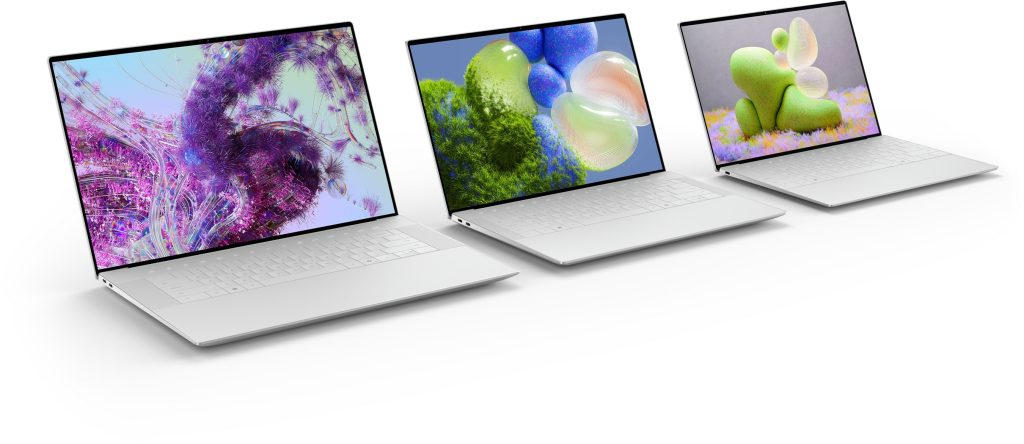
Consumer Electronics Show (CES) is set to commence next week. Ahead of the tech show, some brands have already announced new products. American PC manufacturer Dell has also announced new XPS laptops and UltraSharp monitors. The XPS lineup usually comprises 13, 15, and 17-inch variants. However, this time, the brand has refreshed the XPS series with new screen sizes, a unified design, and the latest hardware. 

Dell XPS laptops announced 

Introducing the new XPS 16, XPS 14 and XPS 13.

The new Dell XPS laptops come in 13 (9340), 14 (9440), and 16-inch (9640) screen sizes. All three variants come in OLED touch and non-touch options. The 13.4 and 14.5-inch models are offered in FHD+, QHD+, and 3.2K display resolution whereas the 16.3-inch XPS can be opted in either FHD+ or 4K variant. 

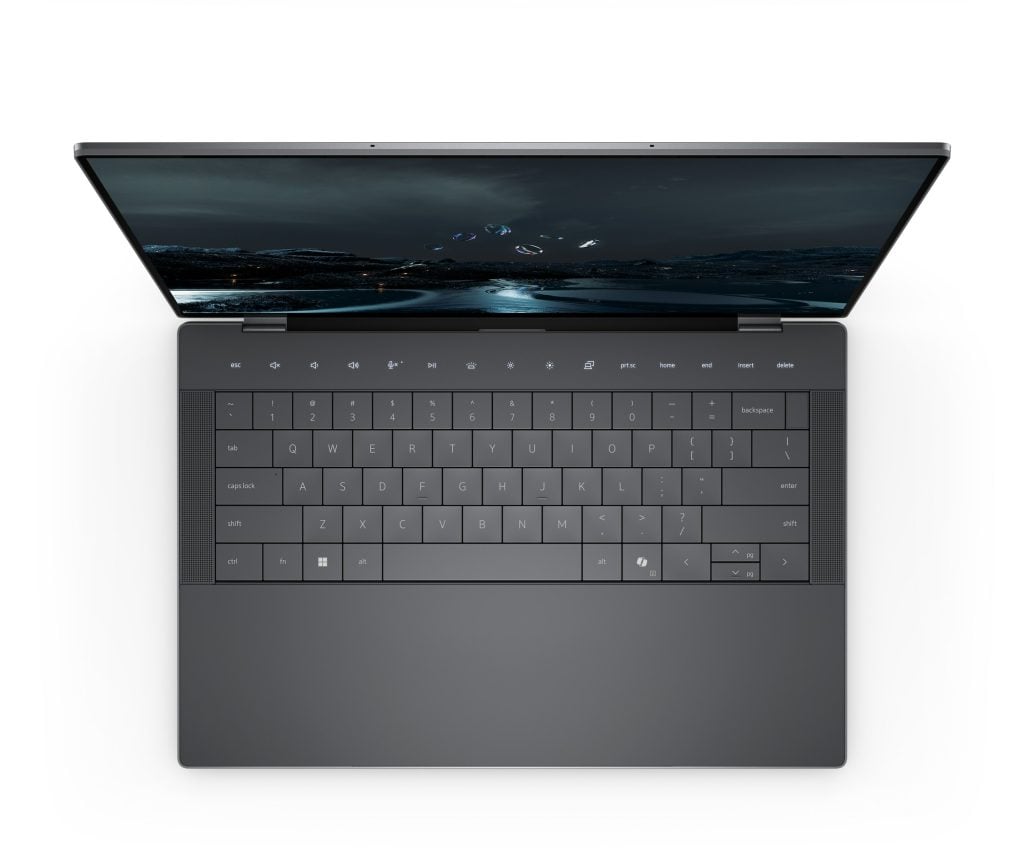
The new Dell XPS laptops sport a premium design with an aluminum chassis and Gorillas Glass 3 for the display. The power button doubles up as a fingerprint scanner. All three models have a glass touchpad that spans across the entire area below the keyboard. The machines feature a backlit lattice keyboard with gap-less keys. There is also a new touch function row that can switch between the media and function keys. The laptops have a 1080p webcam and are equipped with quad speakers with support for Dolby Atmos. 

The Dell XPS laptops are the first to come with a Copilot Key

Under the hood, the Dell XPS laptops are equipped with up to Intel Core Ultra 9 processor paired with NVIDIA GeForce RTX 4070 GPU. The base model has integrated Intel Arc graphics and no dedicated GPU. All three models can be configured up to 64GB LPDDR5x RAM and 4TB SSD storage. The XPS 13 and 14 are backed by a 55 and 69.5WHr battery units respectively with support for a 60W adapter. The larger XPS 16 draws its power from a 99.5WHr cell with support for a 130W adapter. 

The new Dell XPS laptops start at $1,299 for the 13-inch variant whereas the 14 and 16-inch models are priced at $1,699 and $1,899 respectively. The lineup is offered in Platinum and Graphite color options. The exact availability of the laptops has not been revealed yet although Dell says soon. 

Related:

Oppo Find X7 series online reservations cross 1 million in China

Oppo is preparing to launch the Find X7 series of flagship smartphones in the Chinese market. While the announcement is set for next week, online reservations for the devices have gone live and it seems like the Find X7 series is already high in demand.

Oppo Find X7 lineup sees over 1 million reservation

For those unaware, the Chinese tech giant is set to unveil the Find X7 and Find X7 Ultra in its home market on 8th January 2024. Pre-reservations of the devices are already live and now the company recently announced that online reservations for this series across all channels have crossed 1 million. This clearly showcases the popularity of these upcoming high end smartphones.

Oppo Find X7

The Find X7 features the Dimensity 9300 SoC that is paired with up to 16GB of RAM and up to 1TB of internal storage. On the other hand, the Find X7 Ultra is expected to be equipped with the Qualcomm Snapdragon 8 Gen 3 and similar storage configurations. Both models appear to feature a similar design language with the front have a punch hole cutout with curved edges, while the rear has a dual tone panel with a massive camera module.

The back features a triple camera setup on the rear on the Find X7, while the Find X7 Ultra model offers a quad camera setup. The latter is the first ever smartphone to feature the 1-inch Sony LYT-900 50-megapixel primary camera and it is also the first to offer a dual periscope telephoto shooter. So stick around for more as we will be covering the launch event next week.

RELATED:

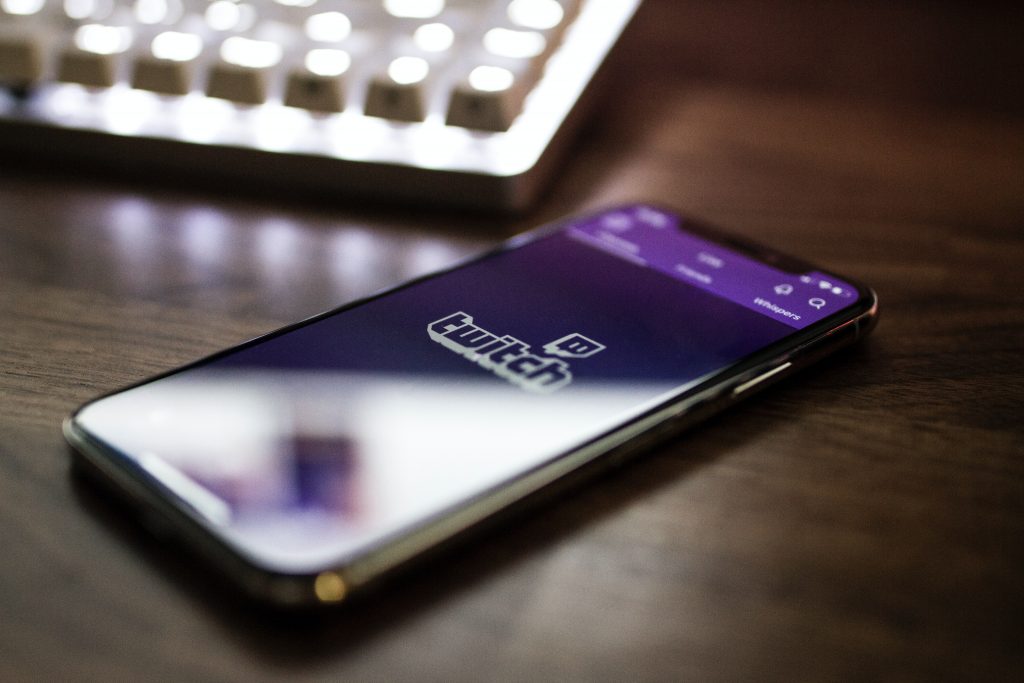
Twitch ‘Actually’ Tightens Rules on Implied Nudity Amid Content Guidelines Revisions

Twitch, the popular yet controversial ‘game’ streaming platform, has recently updated its sexual content guidelines, clamping down on what it describes as “implied nudity”. This change comes amid a trend where some streamers were using censor bars and other items to give the impression of nudity, prompting Twitch to take action on a platform where minors can easily subject themselves to nudity while looking for content related to gaming.

This update comes soon after what seemed like Twitch somewhat relaxing its guidelines

The core of the new policy is straightforward: no full or partial nudity is allowed. This includes not just the actual exposure but also any suggestion of it, like covering parts of the body with objects or censor bars. The policy is particularly detailed when it comes to what is required to be covered, specifying areas for different genders.

Twitch

Interestingly, the update follows a brief period when Twitch seemed to relax its rules, allowing artistic nudity under certain conditions. This was short-lived, as concerns over AI-generated explicit content led to a reversal of this stance. Now, even realistic or fictional nudity is banned, except in Mature-rated games.

What makes this update notable is the balancing act Twitch is performing, or rather, trying to perform. On one hand, it’s trying to maintain a platform that’s welcoming and safe for a wide audience. On the other, it’s navigating the tricky waters of content creation, where the line between creative expression and inappropriate content can be thin.

This change is bound to disappoint some content creators who push the boundaries for artistic or entertainment purposes. However, it’s a clear signal from Twitch that maintaining a certain standard of content is crucial for its community. It’s a reminder that as digital platforms evolve, so do their responsibilities and the expectations from their users.

RELATED:

(Via)
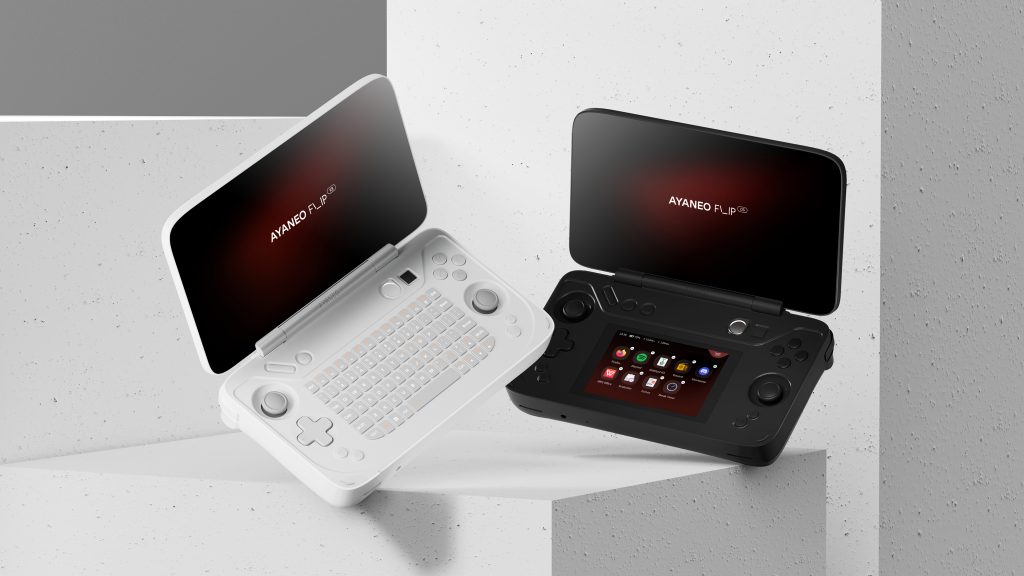
AYANEO reveals more specs of Flip KB & Flip DS handheld gaming consoles

AYANEO recently teased the AYANEO Flip KB & DS handheld gaming consoles, both powered by Windows. In a live broadcast held yesterday, additional details about these consoles have been revealed.

AYANEO FLIP KB & DS

AYANEO Flip KB & DS specs:

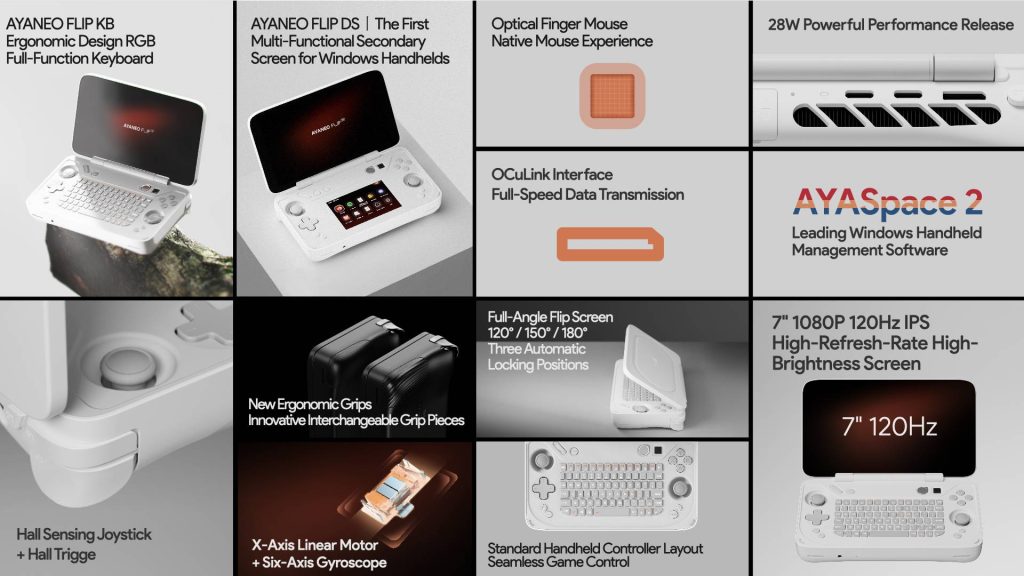
The AYANEO Flip KB model features a full keyboard, while the Flip DC boasts dual screens, drawing inspiration from the Nintendo DS. Both consoles maintain a standard handheld layout.

AYANEO FLIP consoles specs

The FLIP series showcases a damping hinge flip design, enabling full-angle rotation and 180° complete unfolding. Equipped with a 7″ 1080p display boasting a 120Hz refresh rate, the consoles deliver a bright viewing experience with 400 nits brightness and full sRGB color gamut coverage. Available in classic black and white colors.

Powered by AMD Ryzen 7 7840U, providing performance comparable to the Ryzen Z1 Extreme chip, the consoles feature an OCuLink interface, allowing connectivity to an external graphics card.

AYANEO FLIP consoles specs

The FLIP series consoles prioritize precise control experiences with tactile switch buttons, Hall-sensing joysticks, and Hall triggers. Adding to the immersion, they include an X-axis linear motor and a six-axis gyroscope. For easy control and navigation, an optical finger mouse sensor is integrated into the console.

The FLIP DS model introduces a 3.5-inch secondary display. Both consoles come equipped with a UHS-II MicroSD card reader and an M.2 2230 slot supporting up to PCIe 4.0 SSDs. Additionally, the consoles feature USB4 and USB 3.2 Gen2 Type-C ports.

Pricing & availability

While the pricing and availability details remain undisclosed, the brand has listed these consoles on Indiegogo. To stay informed, you can subscribe for updates directly to your email.

RELATED:

Microsoft Is Adding A Dedicated Copliot Key For Windows Keyboard Starting This Month

Not long ago, Microsoft announced the Copilot app for Android, iOS, and iPadOS. A recent report also revealed that the Surface Pro 10 and Surface Laptop 6 would arrive as the first true-gen AI PCs from the company. Now, in a major push towards AI, the Redmond-based brand has announced that future Windows laptops will come with a dedicated Copilot key. This is a big change for the keyboards on Windows machines in nearly three decades. 

Windows keyboard to come with a major change in nearly 30 years

Three decades ago, Microsoft introduced the Windows key to open the start menu, and a menu key was added soon after on the right side to open the context menu. The Redmond company is doubling down on AI efforts as it has announced that a dedicated Copilot key will replace the menu key. It is located on the right side of the keyboard, next to the ‘Alt’ key. However, the placement is expected to vary based on OEMs and different markets. 

Microsoft has also revealed that its partners and OEMs will adopt the new Copilot key on new PCs and laptops. It will obviously make its way to future Surface devices. Microsoft executive VP and CMO said that new devices with the copilot key could be available starting this month. We can expect OEMs to unveil devices next week at CES. The copilot key on the Surface Pro 10 and Laptop 6 that was rumored is now been confirmed. This shows that Microsoft is serious about AI going forward. 

For those unaware Copilot is an AI chatbot developed by Microsoft. For now, pressing the Windows + C keyboard shortcut summons copilot. 

Related:

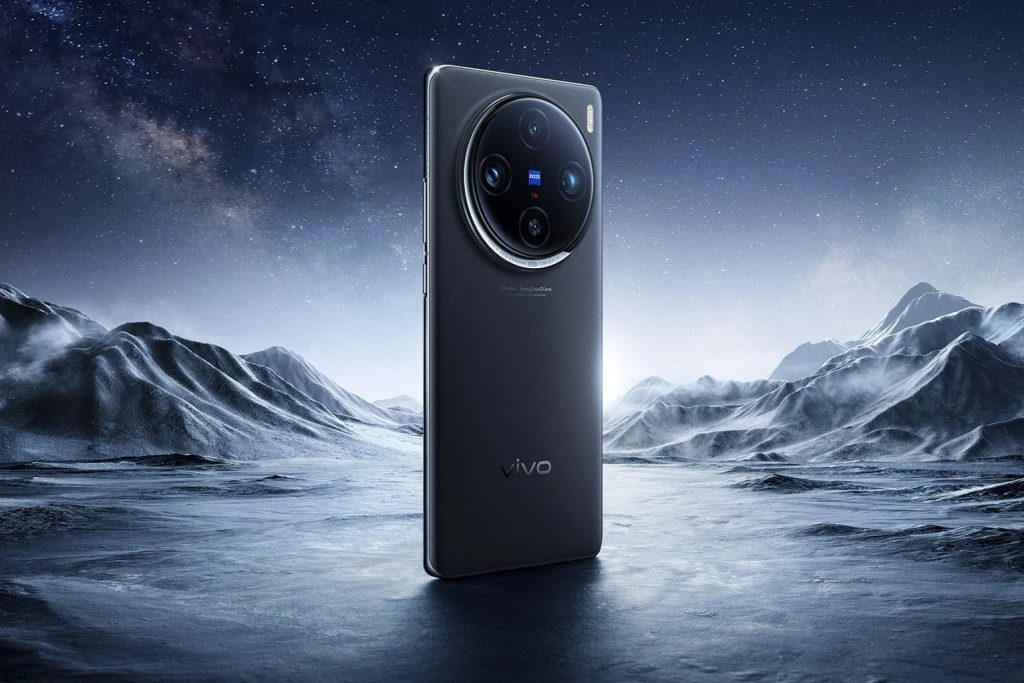
Vivo X100 Pro+ key specs leaked ahead of launch

Earlier today (4th January 2024), Vivo unveiled its flagship X100 series of smartphones in the Indian market. The devices include the X100 and X100 Pro models, and now, a new leak has revealed key specifications regarding the unreleased Vivo X100 Pro+.

Vivo X100 Pro+ Specs

The Chinese tech giant is expected to announce the X100 Pro+ in the second quarter of this year. But ahead of any official announcement, a leak from a known tipster Digital Chat Station has revealed more details regarding the upcoming flagship grade device. He claims that the X100 Pro+ will sport a Samsung E7 AMOLED display, which will feature a single punch hole cutout and curved edges. It will even house an ultrasonic fingerprint scanner under the display.

Vivo X100 Pro

The front houses a 32-megapixel camera for selfies and video calls, while the rear features a triple camera setup. This consists of a 50-megapixel Sony LYT-900 primary camera, a 50-megapixel ultra wide angle lens, and a 200-megapixel periscope telephoto shooter that offers 4.3x optical zoom and up to 20x digital zoom. Unfortunately, the battery capacity of the Vivo X100 Pro+ is still unclear. But it should be similar if not identical to the X100 Pro model.

So we can expect around a 5,400mAh battery pack that supports 100W wired fast charging and 50W wireless fast charging. Similar to the other models in the X100 lineup, the X100 Pro+ also features two way satellite communication. This is all the details we have at the moment so stick around for more updates regarding the new smartphone.

RELATED:

(Via)

OnePlus Buds 3 with 49dB ANC, 44 hours battery life launched for 449 Yuan ($63)

OnePlus has unveiled its latest smartphone, the OnePlus Ace 3, in China. In addition to the phone, they have introduced the latest OnePlus Buds 3 earbuds. The initial price for the earbuds is 499 yuan ($63), but they are available at a reduced price of 399 yuan ($56) if you purchase them with the Ace 3.

OnePlus Buds 3 Specifications:

OnePlus Buds 3 comes with an in-ear with stem design and are lightweight, weighing only 4.8 grams each. The charging case has a rounded and rectangular shape with a front charging indicator.

In terms of audio capabilities, the OnePlus Buds 3 stands out with its “Ultra-Clear Coaxial Dual Unit,” which includes a 10.4mm composite diaphragm bass unit. This setup enhances sound quality, providing clear and detailed highs, as well as deep and full bass that extends down to 15Hz. The earbuds boast a high-frequency extension over 40kHz, ensuring crisp and airy highs.

OnePlus Buds 3 features 49dB active noise cancellation, which relies on a three-microphone AI call noise reduction system. The system adjusts to various noise levels and effectively reduces unwanted sounds, achieving up to a 99.6% reduction in background noise. Additionally, the earphones support LHDC 5.0 Hi-Res, providing a high-quality transmission protocol with a 96kHz sampling rate and 1Mbps wireless transmission speed for clear audio.

For gamers, the OnePlus Buds 3 provides an enhanced gaming experience with custom game sound effects, a new sound field expansion, 3D spatial sound effects, and 94ms low latency. These features make in-game sounds, such as footsteps and explosions, clearer and more immersive for gamers.

The earbuds provide up to 44 hours of usage with noise cancellation turned off. They also offer fast charging, with just 10 minutes of charging delivering 7 hours of music playback.

OnePlus Buds 3 is compatible with ColorOS 11.0/Android 7.0 and above, and it boasts Bluetooth 5.3 for stable and smooth connectivity. Additionally, the earphones are IP55-rated for dust and water resistance, making them a durable choice for varied use cases.

Colors and Availability

OnePlus Buds 3 earbuds are available in two colors: Deep Space Grey and Sunny Blue. The earbuds are now up for pre-order in China. It will hit the shelves on January 8th.

RELATED:

Skyworth 100A7D is a 100-inch 4K “Wallpaper TV” that aims to be your home decor piece

Chinese electronics company Skyworth has launched the 100A7D, a 100-inch 4K TV that takes inspiration from Samsung’s Frame TV lineup. Similar to the Frame, the 100A7D is designed to blend seamlessly into your home decor, boasting a paper-like screen that can be customized with over 200 world-famous paintings and a sleek, wall-mountable design.

Skyworth 100A7D TV

Skyworth 100A7D TV Specifications

The 100A7D has a 100-inch paper-like screen featuring a 12 million:1 contrast ratio and a brightness of 1200 nits. It also covers 99% of the DCI-P3 color gamut and supports PWM dimming and MEMC motion compensation.

Not to forget, it has a 4K resolution and a 288Hz refresh rate, making it ideal for gaming and watching movies and the TV has also passed TUV Rheinland Eye Protection Certification, so you can watch for hours without straining your eyes.

Just like Samsung’s Frame TV lineup, one of the highlight features of the 100A7D is its built-in art gallery. The TV comes with over 200 world-famous paintings that you can display on the screen. This makes the TV a great way to add a touch of culture to your home.

It is also equipped with a powerful sound system co-developed with Harman Kardon. The system has 11 speakers and a peak power output of 210W. The TV also supports far-field voice control, so you can control it with your voice.

The 100A7D is powered by a quad-core processor and has 4GB of RAM and 128GB of storage. It runs the Coocaa system 9.2, which is a custom version of the Android TV operating system.

As for connectivity, it comes with a variety of ports, including two HDMI 2.1 ports, two HDMI 2.0 ports, one USB-A 3.0 port, one USB-A 2.0 port, one AV input port, one RF input port, one optical output port, and one RJ45 Ethernet port.

The Skyworth 100A7D 100-inch 4K wallpaper TV is available now in China for 17,999 yuan (~ $2534.93).  This is significantly cheaper compared to Samsung’s smaller 85-inch Frame TV, priced at $4,300 in the US, even though both TVs offer similar features. It is currently available for purchase in China via JD.com

Related:

Oppo Reno 11 series India launch date announced

The Oppo Reno 11 series went official in China at the end of November, The two devices, namely Reno 11 and Reno 11 Pro have been on sale in the country since then.

The duo is set to make its global debut in the coming days. It was recently revealed to launch in Malaysia on January 11.

Now, the company has revealed the launch date for India as well. Let’s go through the details.

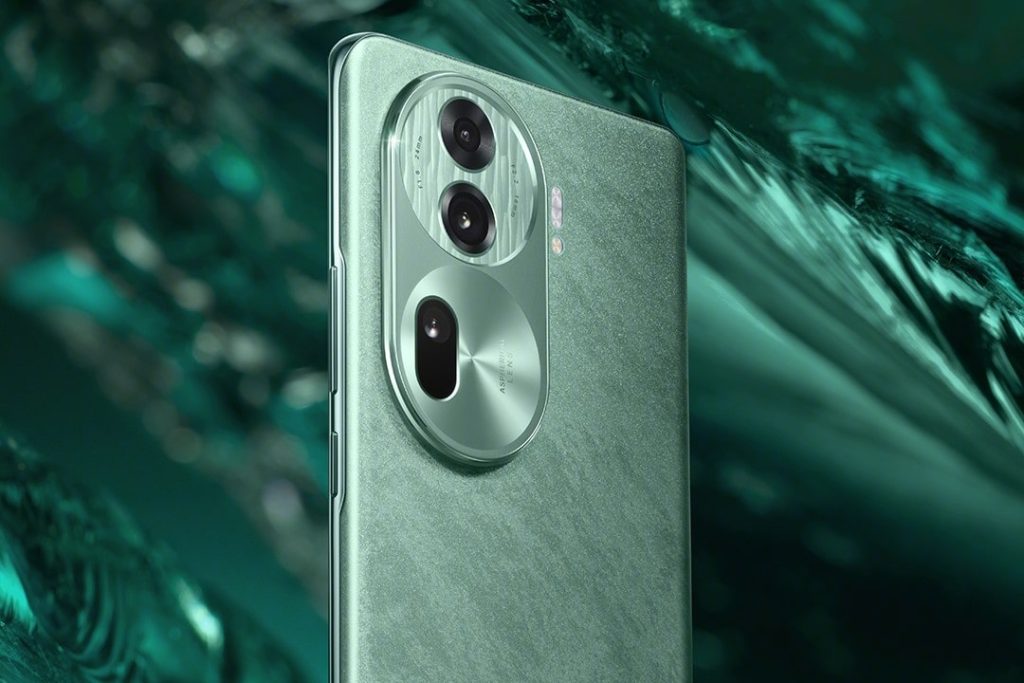
Oppo Reno 11 Pro
Oppo Reno 11 Pro

The Oppo Reno 11 series is scheduled to launch in India on January 12.

The lineup will include two models — vanilla and pro. Based on the teaser images, the pro variant will most probably be the same as the one sold in China.

However, the vanilla version could be different, at least in terms of cameras. Because the camera placement on the global Reno 11 is different from its Chinese counterpart.

Also, a reliable tipster claims that the regular model will house a less powerful MediaTek Dimensity 1080 chip. He also suggests that the pro version might not feature the Snapdragon 8 Plus Gen 1 chip for global markets. Instead, it might come with a Dimensity 8200 SoC found inside the vanilla model sold in China.

Further, he states that both handsets will arrive with a 32MP telephoto camera and 80W charging support. 

The disparity between the Chinese and the international Reno smartphones is not new. It has been the case for years now.

We are looking forward to learning more about these devices in the next few days ahead of their official announcement.

RELATED:

Huawei to host HarmonyOS ecosystem event in China on January 18

Huawei announced that it will host a HarmonyOS ecosystem event dubbed ” Hongmeng Eco Thousand Sails Sailing Ceremony ” in China on January 18. While many might be hoping for a glimpse of a new HarmonyOS version dubbed “NEXT”, the focus of this event lies elsewhere.

Instead of launching a new operating system, Huawei plans to dive into future innovation strategies and showcase the progress of native app development for HarmonyOS. The event will also offer a hands-on experience with the existing HarmonyOS ecosystem.

HarmonyOS ecosystem event Huawei

Huawei aims to connect with potential partners and explore business opportunities that benefit users. Attendees and online viewers can interact with key executives, ask questions, and gain insights into the future of HarmonyOS.

The event will be held in eight major cities across China, namely Beijing, Shanghai, Hangzhou, Nanjing, Chengdu, Xiamen, Wuhan, and Changsha, making it accessible to a wider audience. Registration is simple and can be done through the provided link

As for the HarmonyOS NEXT, it’s expected that Huawei will release the first developer preview in the first half of 2024. While the launch is still a few months away, it’s important to note that recently, major Chinese companies have started developing native applications for HarmonyOS NEXT. Big names like iQiyi, Alipay, Meituan, MiHoYo, Bilibili, and Amap are already on board.

HarmonyOS

Wu Hao, the CEO of Huawei Interactive Media Corps and President of Huawei Terminal Cloud Service Interactive Media BU, announced last month that over 700 million devices are now part of the Hongmeng Ecosystem. 

Huawei is working with partners in various sectors like gaming, social media, travel, business, and hospitality. These partnerships focus on developing native applications for Hongmeng in 18 different fields.

Meanwhile, according to a recent report by TechInsights, it’s predicted that Huawei’s HarmonyOS will overtake Apple’s iOS as the second most popular smartphone operating system in China by 2024.

Related:

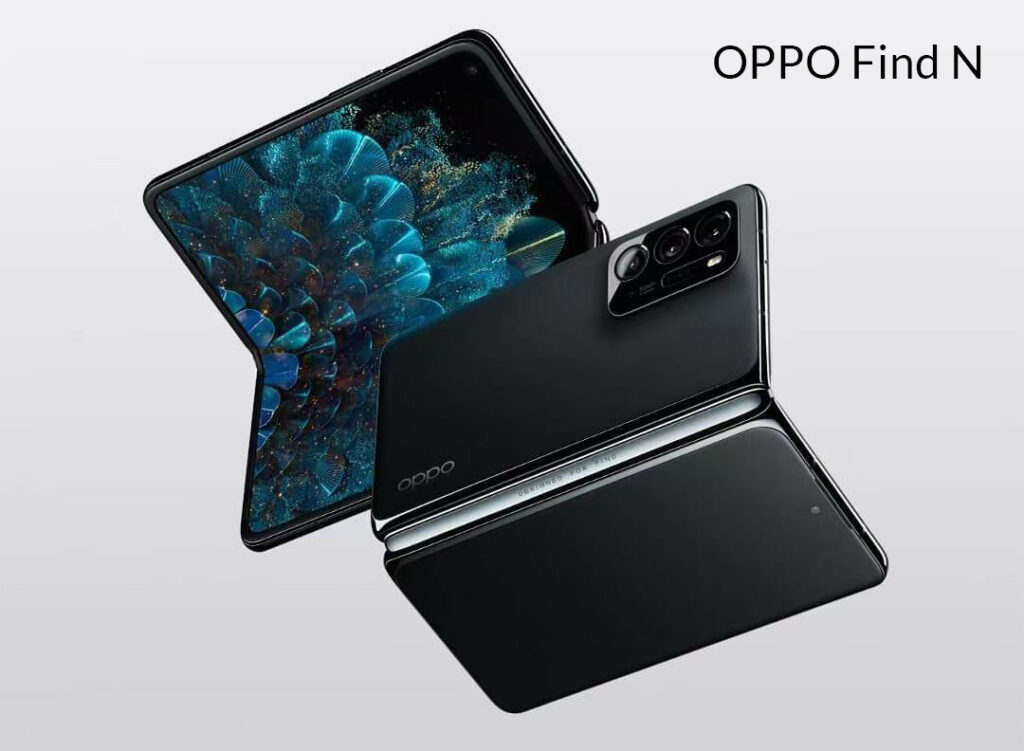
Oppo Find N gets ColorOS 14.0 Stable Update in China

Just after bringing the ColorOS 14-based Android 14 update to most of the compatible Oppo smartphones, the company is here with the update for the Oppo Find N smartphone. Following the consecutive closed and open beta updates, the stable update for the Find N with firmware  14.0.0.260 brings several new changes and improvements.

OPPO Find N
OPPO Find N

Steps to Get ColorOS 14 on Oppo Find N

The update is rolling out to all the users, and to get the update, they should update the Oppo Find N to ColorOS versions 13.1.0.195 and 13.1.0.194. Once they have the exact firmware based on ColorOS 14, they can check for the new update by heading to System  Settings > About device > Tap the top of the page > Tap icon on the top right > Trial versions > Official version > Apply Now

Oppo Find N receives several new features, including Android 14 luxuries and the company’s self-skin-based features.

Note:

  • It is important to back up your important data, as during installation it may get corrupt.
  • The smartphone will take a couple of days to optimize itself with the new OS. Until then, the smartphone may heat up or consume more battery.
  • Some apps might not be compatible with the smartphone. It is advised to update all the apps by heading to the Play Store.

ColorOS 14 Features

Aquamorphic Design:

Enhanced sound effects, color systems, and interactions.
Ten new Aquamorphic-themed ringtones for calls, alarms, and notifications.
Dynamically adjusting Aquamorphic Coloring System for a more intuitive experience.
Aqua Dynamics design simplifies interactions, extending to the Status Bar.

Revamped Always-On Display (AOD):

Homeland AOD showcases nature scenes, including a Go Green AOD for climate change awareness.
Environment Vision pages linked to daily step counts.

Smart Touch and Seamless Content Sharing:

AI-powered Smart Touch streamlines daily tasks.
File Dock on Smart Sidebar for seamless content sharing, supporting split-screen and floating windows.

Smart Image Matting and Trinity Engine Upgrade:

Smart Image Matting separates subjects from images or paused video frames.
Trinity Engine upgrade boosts device smoothness and stability.

AI-powered Smart Charging and Privacy Assurance:

Smart Charging adjusts charging current based on usage conditions, reducing unnecessary battery wear.
Prioritizes safety and privacy, integrating Android 14’s capabilities.
Picture Keeper prevents apps from misusing permissions.
Snapchat integration with Bitmoji AOD for faster app navigation and updates on messages and friend activities. Your device, your control.

Oppo has already rolled out the stable ColorOS 14 version to the flagship as well as devices like the OPPO A77A77s, and A57. Oppo’s partner brand OnePlus is already seeding OxygenOS 14 for its compatible smartphones, including the OnePlus 11 SeriesOnePlus 10 ProOnePlus 10ROnePlus Nord 3, and OnePlus Pad. We expect the remaining smartphones to receive the ColorOS 14 update soon.

Related: