Advertisement

A Galaxy S26 Ultra clone is already selling for only $72

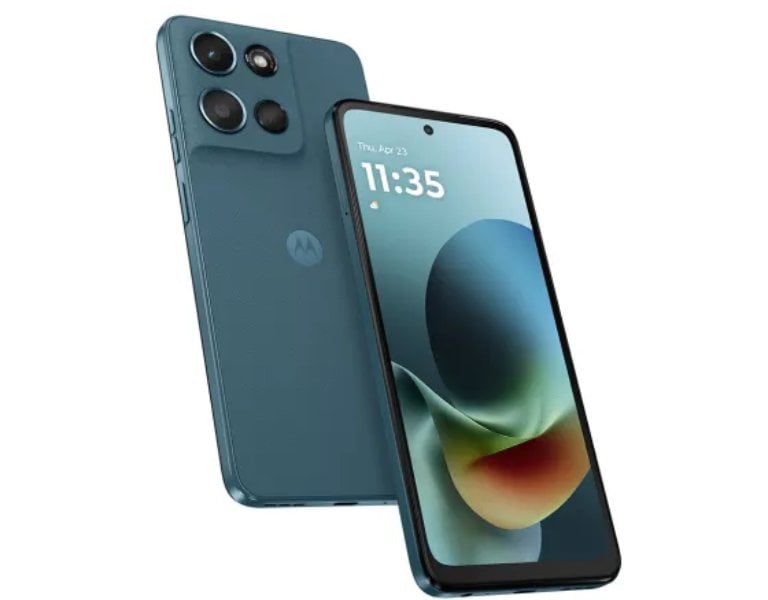
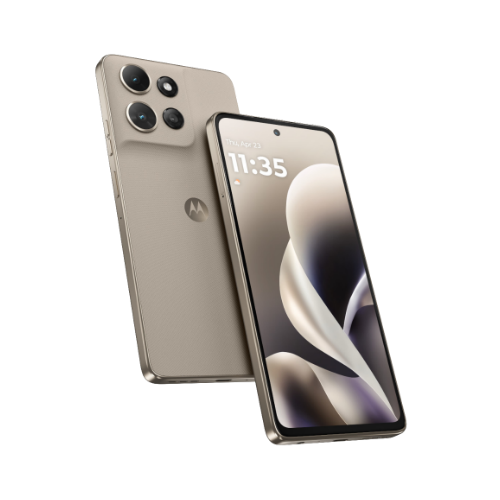
The hype around Samsung’s next flagship lineup is already in full swing. The Galaxy S26 series is set to go official next week, but in classic internet fashion, a “Galaxy S26 Ultra” has surfaced early, just not the one you’re expecting. Instead, it’s a budget clone. And it’s selling for around $72.

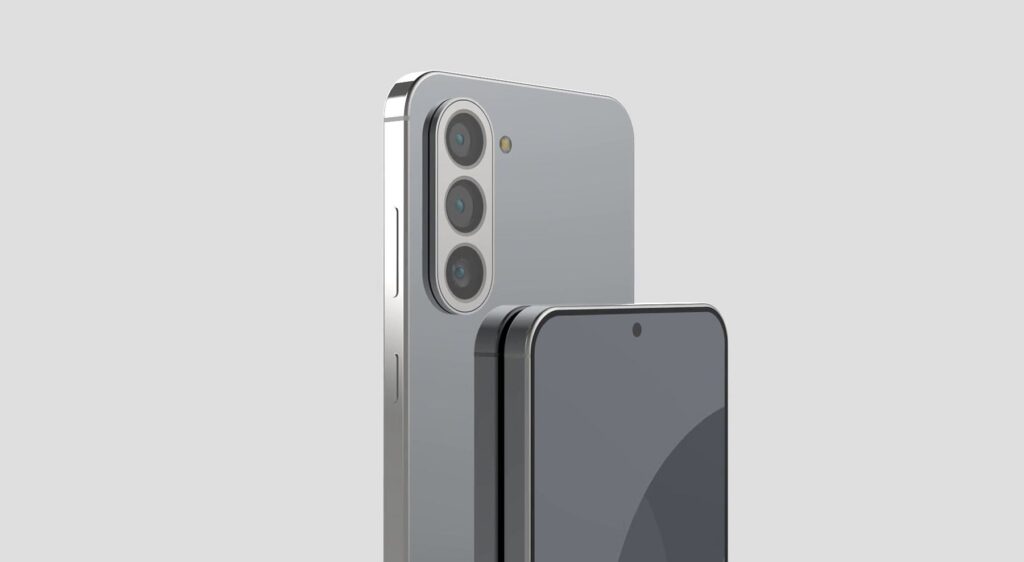
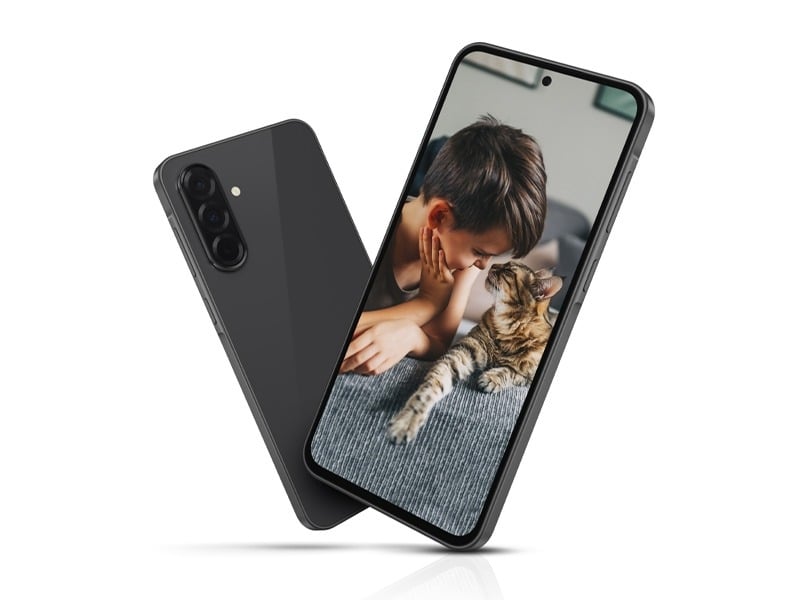
A video making the rounds on Instagram shows what appears to be a knockoff version of the upcoming Galaxy S26 Ultra. At first glance, it’s surprisingly convincing. The rear camera layout closely mirrors leaked renders, the wallpaper matches the rumored official imagery, and the overall design looks premium enough to pass in a quick scroll.
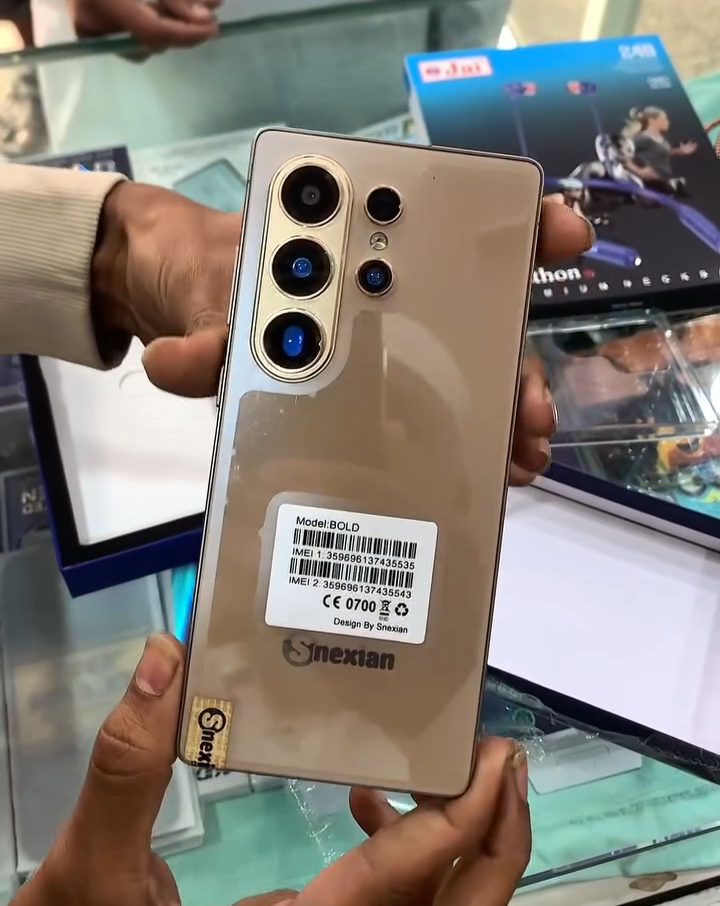
But that illusion fades fast once you look beyond the surface

Under the hood, this clone reportedly packs just 3GB of RAM and 16GB of storage — specs that feel outdated even for entry-level phones, let alone something pretending to be an Ultra flagship. While the seller advertises 5G support, the overall experience is worlds apart from what Samsung’s real flagship is expected to offer.

And of course, you’re not getting Samsung’s software ecosystem either. No Galaxy AI features, no long-term update commitment, no refined camera processing, just a shell designed to capitalize on hype.

This kind of thing isn’t new. Cheap replicas often pop up weeks, sometimes even months, before major launches. They ride the wave of leaks and rumors, targeting buyers who either don’t know better or are tempted by the price. The designs may look similar from a distance, but the similarities usually stop at cosmetics.

Meanwhile, the real Galaxy S26 lineup is set to debut at Galaxy Unpacked on February 25 in San Francisco. The event kicks off at 10 am PT, and as always, Samsung is likely to open up early registration perks and pre-order bonuses. Until then, this $72 “Ultra” serves as a reminder of how fast the knockoff market moves.

Don’t miss a thing! Join our Telegram community for instant updates and grab our free daily newsletter for the best tech stories!

For more daily updates, please visit our News Section.

(Source)
Here’s when your Xiaomi device will stop getting HyperOS updates

Xiaomi HyperOS update life

Xiaomi has one of the best software update policies among Android brands, but even that has to come to an end sometime. Thus, it becomes important to keep the update policy of your device in check to ensure it continues to receive the latest updates.

To make things easier, we dug through Xiaomi’s official website to prepare a list for you that shows when your Xiaomi, Redmi, or POCO device will stop receiving software updates.

List of Xiaomi, Redmi, and POCO devices with their EOL dates

The End-of-Life (EOL) date is when your device stops receiving all software updates, including major HyperOS updates and security releases.

Xiaomi devices

DeviceEOL Date (YYYY-MM-DD)
Xiaomi 15, 15 Ultra2031-03-01
Xiaomi 15T, 15T Pro2031-09-24
Xiaomi 142029-02-25
Xiaomi 14 Ultra2029-03-15
Xiaomi 14T, 14T Pro2029-09-26
Xiaomi 13, 13 Pro2028-03-08
Xiaomi 13 Ultra2028-06-12
Xiaomi 13 Lite2027-03-02
Xiaomi 13T, 13T Pro2028-10-04
Xiaomi 12, 12 Pro2026-03-17
Xiaomi 12 Lite2026-07-01
Xiaomi 12T, 12T Pro2026-10-13
Xiaomi Pad 7, Pad 7 Pro2028-03-01
Xiaomi Pad 62026-07-10
Xiaomi MIX Flip2029-07-18

Redmi devices

DeviceEOL Date (YYYY-MM-DD)
Redmi Note 15, Note 15 5G2032-01-15
Redmi Note 15 Pro, Note 15 Pro 5G, Note 15 Pro+ 5G2032-01-15
Redmi Note 142031-03-01
Redmi Note 14 5G2029-01-09
Redmi Note 14 Pro2029-01-15
Redmi Note 14 Pro 5G2029-01-30
Redmi Note 14 Pro+ 5G2029-01-01
Redmi Note 13, Note 13 5G2028-01-15
Redmi Note 13 Pro, Note 13 Pro 5G, Note 13 Pro+ 5G2028-01-15
Redmi Note 122027-03-23
Redmi Note 12 5G2026-03-23
Redmi Note 12 Pro2026-04-20
Redmi Note 12 Pro 5G, Note 12 Pro+ 5G2027-03-23
Redmi Note 12S2027-05-10
Redmi 152029-09-22
Redmi 15 5G2029-08-01
Redmi 15C2031-08-28
Redmi 15C 5G2031-09-30
Redmi 14C2028-09-26
Redmi 13C2026-11-10
Redmi 122027-06-16
Redmi 12 5G2027-09-01
Redmi 12C2026-03-10
Redmi A52029-04-30
Redmi A32027-02-21
Redmi A2, A2+2026-03-24
Redmi Pad 2, Pad 2 4G2032-06-15
Redmi Pad 2 Pro, Pad 2 Pro 5G2029-09-22
Redmi Pad Pro 5G2027-06-11
Redmi Pad SE 8.7, Pad SE 8.7 4G2026-08-15

POCO devices

DeviceEOL Date (YYYY-MM-DD)
POCO F8 Pro, F8 Ultra2031-11-26
POCO F72031-06-24
POCO F7 Pro, F7 Ultra2031-03-27
POCO F62028-05-23
POCO F6 Pro2028-05-22
POCO F5, F5 Pro2026-05-09
POCO X72029-01-30
POCO X7 Pro2029-01-07
POCO X6 5G, X6 Pro2028-01-11
POCO X5 5G2027-02-06
POCO X5 Pro 5G2026-02-06
POCO M8 5G, M8 Pro 5G2032-01-08
POCO M72031-08-19
POCO M7 Pro 5G2029-01-09
POCO M62028-06-05
POCO M6 Pro2028-01-11
POCO C852031-08-28
POCO C752028-09-26
POCO C652026-11-06
POCO Pad M12029-09-22

If your Xiaomi device is approaching its EOL date or has already reached it, you should really upgrade to a newer model. While an outdated device will still work just fine, it won’t be as secure as newer devices running the latest HyperOS software and security patch. Check out the list of Xiaomi devices that promise six years of software support to find a reliable upgrade that stays relevant for much longer.

Also read:
1. How to turn off ads in Xiaomi’s HyperOS system apps
2. Xiaomi devices eligible for Android 17 update
3. HyperOS 3.1: Here’s everything you need to know

To ensure you don’t miss out on the important updates from Xiaomi, remember to visit the Xiaomi section on this website regularly. Alternatively, you can join us on Telegram to get instant notifications about the latest HyperOS updates, along with the biggest tech headlines.

Apple reportedly working on three different wearables — all with cameras and AI

Apple appears to be preparing its most ambitious push into AI-powered wearables yet. According to a recent Bloomberg report, the company is fast-tracking development on three new wearable devices, all centered around a much smarter version of Siri. And interestingly, all three reportedly include cameras.

Apple seems to be exploring ways to bring contextual awareness directly to the accessories we wear every day. The idea? Let Siri not just hear you, but also “see” what’s happening around you.

The most intriguing product in the pipeline is a pair of AirPods with built-in cameras. These wouldn’t be for taking photos or videos. Instead, Apple is said to be experimenting with low-resolution sensor that would feed environmental data to Siri. Think real-time contextual assistance, or spatial awareness features powered by AI.

Smart glasses and an AI pendant are also in the works

Apple is also known to be working on a smart glasses project aimed at competing with Meta’s growing wearable ecosystem. These glasses could include dual cameras: one optimized for media capture and another dedicated to computer vision tasks such as navigation or visual intelligence features.

Then there’s the more unconventional device: an AI pendant. Designed to clip onto clothing or be worn around the neck, it sounds somewhat similar in concept to Humane’s AI Pin. The difference? Apple’s version would rely heavily on the iPhone for processing power rather than functioning as a fully standalone device.

The pendant would reportedly feature a camera and microphone for continuous AI interaction. Internally, Apple is still debating whether it should include a built-in speaker.

All three devices are expected to lean on a significantly upgraded Siri, with reports suggesting deeper integrations that could expand its AI capabilities beyond what we’ve seen so far.

Don’t miss a thing! Join our Telegram community for instant updates and grab our free daily newsletter for the best tech stories!

For more daily updates, please visit our News Section.

(Source: Bloomberg)

Galaxy A37 and Galaxy A57 appear on IMDA, hinting at imminent launch

Samsung’s next Galaxy A-series refresh appears to be moving closer to launch. The Galaxy A37 and Galaxy A57 have now surfaced on Singapore’s IMDA certification database, suggesting that both phones are nearing an official announcement.

The listings include model numbers A376B/DS and SM-A576B/DS. The “DS” suffix indicates dual-SIM support, typically associated with global variants. As usual, the IMDA filings don’t reveal detailed specifications, but they confirm standard connectivity features.

This isn’t the first time the devices have shown up online. Both models were previously spotted on certification platforms and the Google Play Console. Based on Samsung’s past release patterns, a March 2026 debut wouldn’t be surprising.

What to expect from the Galaxy A37 and Galaxy A57

Leaks suggest the Galaxy A37 could use Samsung’s Exynos 1480 chipset, the same processor seen in last year’s Galaxy A55. That would position it as a solid upper mid-range option rather than an entry-level device. Early reports mention 6GB of RAM, with higher configurations possible.

On the camera front, rumors point to a 50MP primary sensor, potentially with optical image stabilization. An 8MP ultra-wide and a 5MP macro lens are also expected. Power could come from a 5,000mAh battery with 45W charging, which would match Samsung’s recent push toward faster charging in the A series.

Android 16 with One UI 8.5 is also rumored out of the box, though that will likely depend on final launch timing.

The Galaxy A57 is expected to sit slightly higher in the lineup. Reports suggest it may feature a newer Exynos 1680 processor. Display leaks mention a 6.6-inch AMOLED panel with a 120Hz refresh rate. Battery capacity is expected to remain at 5,000mAh with 45W charging. Other rumored features include IP67 water resistance and stereo speakers.

Samsung’s Galaxy A lineup has consistently been one of its strongest performers globally. The company tends to balance dependable hardware with long software support, which has helped the series compete well in crowded mid-range markets.

For now, the IMDA certification simply confirms that both devices are clearing regulatory steps. Official specs and pricing will likely follow soon.

Don’t miss a thing! Join our Telegram community for instant updates and grab our free daily newsletter for the best tech stories!

For more daily updates, please visit our News Section.

Multiple users of Samsung’s $2,899 Galaxy Z TriFold facing inner display failure

Samsung’s new Samsung Galaxy Z TriFold is only weeks into its retail life in the United States, but some early buyers are already reporting problems with the inner display.

Samsung Galaxy Z TriFold

The TriFold, which unfolds into a roughly 10-inch tablet-sized screen, launched in the US on January 30, 2026, at $2,899. Demand was reportedly strong at release. Now, multiple posts on Reddit are raising concerns about reliability.

In one case, a user said their device suddenly flashed green before the inner display went black. A restart brought it back temporarily, but the issue reportedly returned the next day. The owner claimed the phone had not been dropped or exposed to unusual stress.

Another user described ghost touch inputs appearing just days after purchase. By the following morning, the display allegedly turned completely white and stopped responding to touch. That same post mentioned a faint popping sound during folding, along with what looked like a small bubble under the display layer.

At this point, it’s difficult to determine whether these are isolated defects or early signs of a broader issue.

The complexity of a Tri-Fold design

Foldables have always carried additional durability challenges compared to traditional smartphones. A tri-fold design introduces even more moving parts and stress points than standard book-style foldables like the Samsung Galaxy Z Fold series.

Flexible OLED panels, ultra-thin glass layers, adhesives, and hinge assemblies all need to work together under repeated bending. Even minor manufacturing variances can show up quickly once devices are in real-world use.

Samsung has made steady improvements in hinge design and protective layers over the years, but entirely new form factors often reveal issues only after launch.

For now, the number of confirmed cases appears limited. Still, given the TriFold’s premium price and experimental design, even a few failures can attract attention.

It may take a few more weeks and more user data to determine whether these incidents are simply early-unit defects or something more systemic.

Don’t miss a thing! Join our Telegram community for instant updates and grab our free daily newsletter for the best tech stories!

For more daily updates, please visit our News Section.

(Sources: 1, 2)

Asus quietly adds a ‘Windows 11 pure OS’ option to its new ExpertBook laptops

Earlier this month, Asus introduced its new business laptops called the ExpertBook B5 G2 and ExpertBook B3 G2. Both machines are powered by Intel’s 3rd-generation Core Ultra chips, also known as Panther Lake, and come in 14-inch and 16-inch sizes. 

What’s interesting about these PCs is that they come with an operating system called “Windows 11 pure OS (not for open channel)”, next to the expected choices like Windows 11 Home and Windows 11 Pro. 

As TechRadar notes, Asus hasn’t highlighted this in the marketing slide or press release. Instead, you see the mention directly on the specifications table. So, what is Windows 11 pure OS?

Asus ExpertBook B3 G2 and B5 G2 have a Windows 11 pure OS version

Asus hasn’t explained what makes this version of Windows 11 different. There’s no public breakdown of features removed or added. The phrase “not for open channel,” however, is telling. 

In enterprise hardware terms, that usually means the configuration isn’t sold through regular retail stores or online marketplaces. Instead, it’s likely reserved for bulk corporate purchases handled through business procurement channels (via TechRadar).

The “pure OS” likely means a cleaner installation of Windows 11. In consumer laptops, Windows often ships with extra apps, trial software, or manufacturer utilities. For large organizations, that can be a headache. IT departments typically prefer a streamlined system image that’s easier to deploy and manage across hundreds — or thousands — of devices.

A stripped-down Windows build would save time. There’s less need to remove unwanted apps, fewer background services to monitor, and potentially fewer variables when troubleshooting. For companies standardizing their fleets, simplicity matters more than flashy features.

Interestingly, the ExpertBook B5 G2 also debuts as part of Asus’ broader push into Copilot+ PCs, tying into Microsoft’s AI-focused hardware branding. Yet this quiet software option may be just as relevant to enterprise buyers.

For more daily updates, please visit our News Section.

Stay ahead in tech! Join our Telegram community and sign up for our daily newsletter of top stories! 💡

(Source | Via)

Dyson introduces a $349 PencilWash for wet messes

Dyson is adding a new device to its growing lineup of slim home cleaners. The company just announced the PencilWash, a product that builds on the design of last year’s PencilVac, which Dyson describes as the “world’s thinnest vacuum cleaner.”

While the PencilVac focuses on dry debris, the PencilWash is designed for wet messes on hard floors.

Like its sibling, the PencilWash packs its motor, battery, and electronics into its narrow handle. However, there’s no dustbin here. Instead, Dyson has swapped in a water tank housed inside a larger cleaning head. The machine relies on a single high-density microfiber roller brush to clean floors.

Dyson PencilWash cleans your floor against hard stains

The PencilWash uses a pressurized water system to feed clean water and a low-foaming cleaning solution onto the roller. As it moves across tile, laminate, or sealed wood, the roller scrubs the surface and collects dirty water into a separate compartment. The floor won’t come out completely dry, but Dyson says any remaining moisture should evaporate quickly.

At 4.9 pounds (around 2.2 kilograms), the PencilWash is slightly heavier than the 4-pound PencilVac. Even so, it remains lightweight compared to many traditional floor scrubbers. Its handle can also recline nearly flat, allowing you to clean under beds, sofas, and other low furniture without any hassle.

The device is rated for over 30 minutes of run time on a full charge. For larger homes, Dyson will offer a spare battery that attaches to the end of the handle, though it’s sold separately.

There’s also a notable difference in price. While the PencilVac with four rotating cone brush heads sells for $600, the new PencilWash costs $349. That lower price also includes a charging dock in the box.

For more daily updates, please visit our News Section.

Stay ahead in tech! Join our Telegram community and sign up for our daily newsletter of top stories! 💡

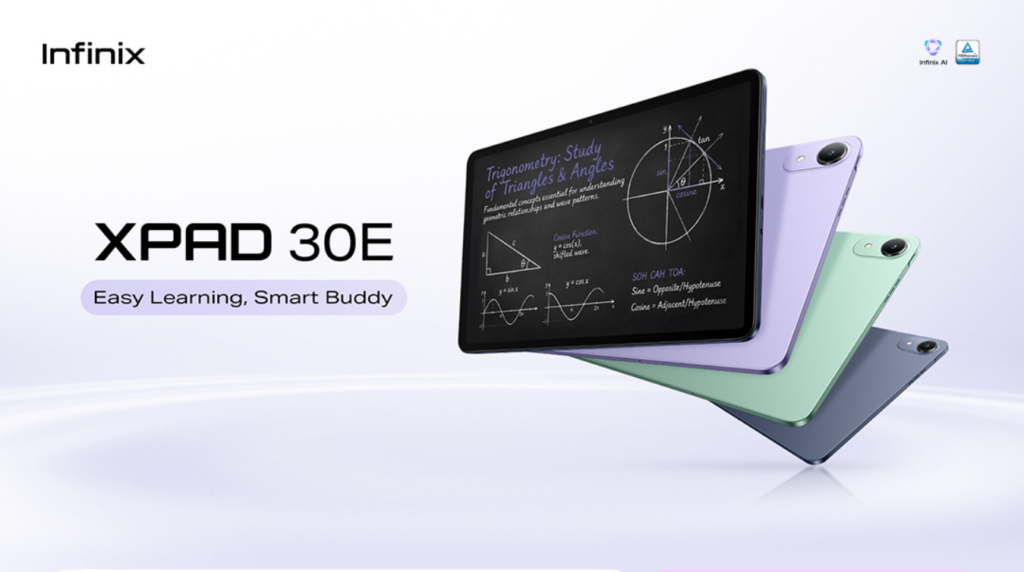
Infinix XPAD 30E 11-inch Tablet Official MediaTek Helio G80 with AI Learning Tools and 7000mAh Battery

Infinix announced the XPAD 30E tablet today alongside its Note 60 smartphone series. The device targets students with AI learning tools and affordable specs.

Infinix XPAD 30E

The tablet has an 11-inch FHD+ IPS LCD screen with TUV Blue Light certification, 60Hz refresh rate, and 440 nits brightness. It comes in Dreamy Blue, Forest Green, and Deep Blue.

AI Learning Tools

The XPAD 30E includes 120,000 free educational resources with textbook-aligned courses and exercises. The AI Tutor feature offers Photo Solving in nine languages: Chinese, English (including Niger and Indian dialects), French, Indonesian, Russian, Urdu, Spanish, Turkish, and Filipino. Tap to Ask works in English and Russian. Other AI features include AI Creation and AI Screen Recognition.

Infinix XPAD 30E

Hardware Specs

The tablet runs XOS 15 based on Android 15 with a MediaTek Helio G80 processor. According to Shopee Indonesia, it has 4GB RAM and 128GB eMMC 5.1 storage, expandable via microSD card.

The camera specs are confusing. The listing shows 8MP at the top but mentions 5MP/8MP at the bottom for the rear camera. The front has an 8MP selfie camera with landscape video support.

Battery and Connectivity

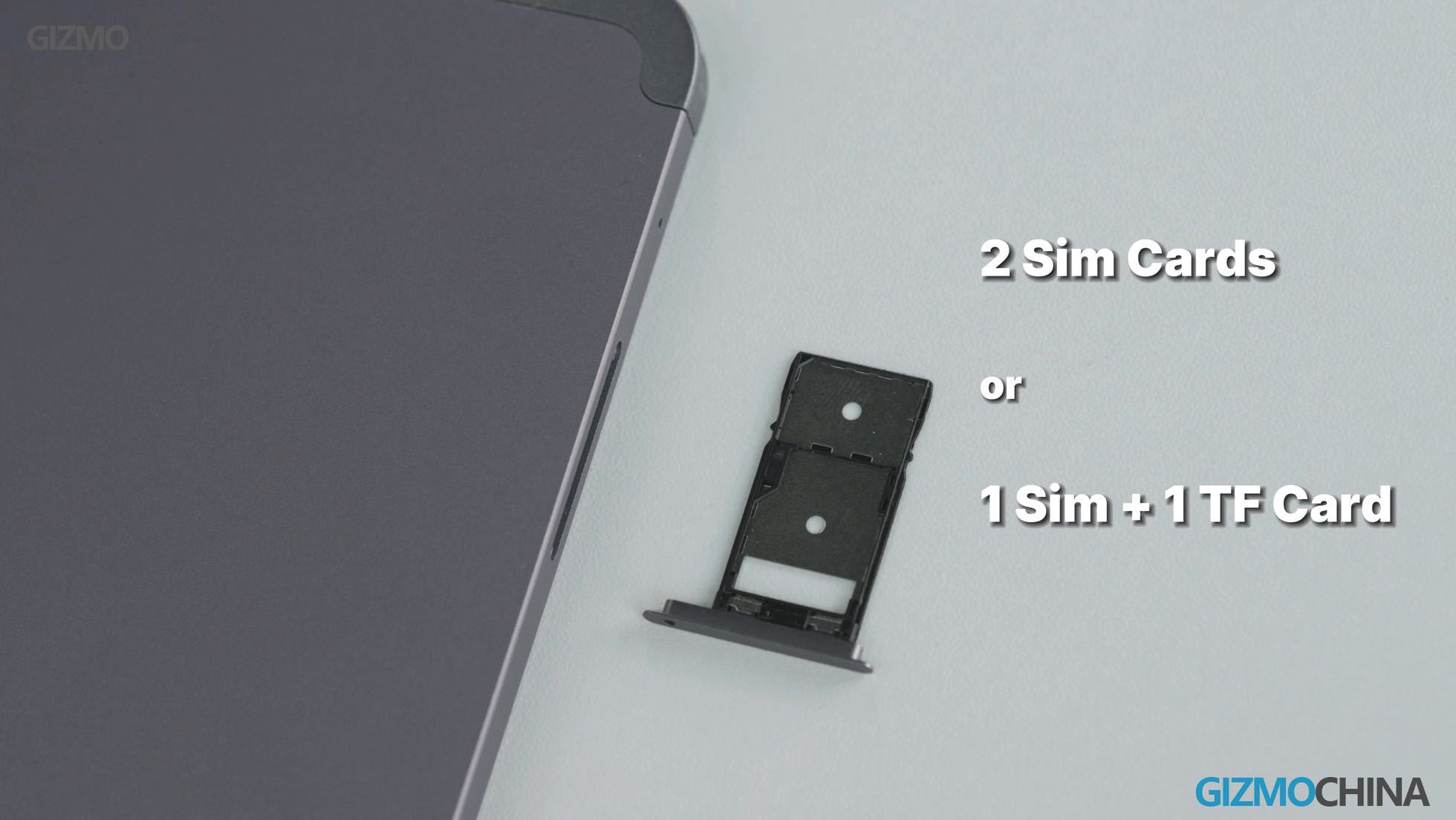
A 7000mAh battery supports 18W fast charging. The tablet has 4G LTE with physical SIM support for calls and data. Multi-device collaboration lets you interact, share data, and mirror screens between phones, tablets, and laptops. Other connectivity includes Wi-Fi 5, Bluetooth, 3.5mm jack, and OTG.

Price and Availability

The 4GB/128GB model costs Rp 2,394,000 in Indonesia (around $148). Social media posts say it’s available now, but it’s not listed on Infinix’s official website yet. It should appear there soon.

For more daily updates, please visit our News Section.

Stay ahead in tech! Join our Telegram community and sign up for our daily newsletter of top stories.

Redmi Buds 8 Active launch imminent, renders and specs leak

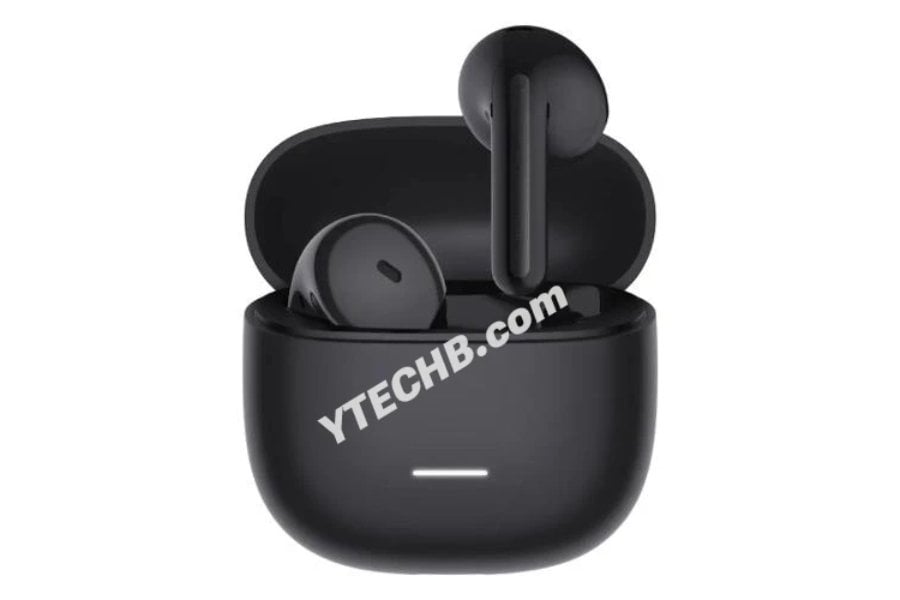
A new budget pair of Redmi earbuds may be on the way. According to a report by YtechB, Xiaomi is ready to launch Redmi Buds 8 Active, the renders and price of which have now surfaced online. 

The Active branding here means a more affordable model than a more rugged one. And it likely sits below the Redmi Buds 8 Lite in the lineup. 

Redmi Buds 8 Active Specifications

Visually, the Buds 8 Active borrows heavily from the Lite version, but there is one clear difference: instead of using an in-ear silicone tip design, the Buds 8 Active reportedly adopt a semi-in-ear, or open-fit, structure. That means no rubber ear tips sealing the ear canal. 

The ear stem design, however, remains largely unchanged from the Lite variant. Based on the leaked renders, the charging case also looks nearly identical to the Lite model. It’s expected to come in three classic color options: blue, black, and white.

On the hardware side, the Redmi Buds 8 Active are said to feature a 14.2mm dynamic driver paired with a titanium diaphragm. 

For connectivity and audio quality, the earbuds are expected to support the AAC high-definition audio codec. There’s also mention of a dual-microphone system with AI-powered call noise reduction and wind noise reduction up to 6 meters per second.

Each earbud is tipped to pack a 37mAh battery, while the charging case carries a 475mAh cell. Playback time is estimated at around 7 hours on a single charge, extending up to 37 hours when combined with the case. Charging is said to take about 1 hour for the earbuds and roughly 2.5 hours for the case.

As for the price, the Redmi Buds 8 Active are tipped to launch at €19.99. However, the leak doesn’t mention when and where. Likely, it isn’t that far away from an official unveil.

For more daily updates, please visit our News Section.

Stay ahead in tech! Join our Telegram community and sign up for our daily newsletter of top stories! 💡

(Source)

Baseus launches new 100W GaN charger with 2C+1A ports, supports Xiaomi 100W HyperCharge

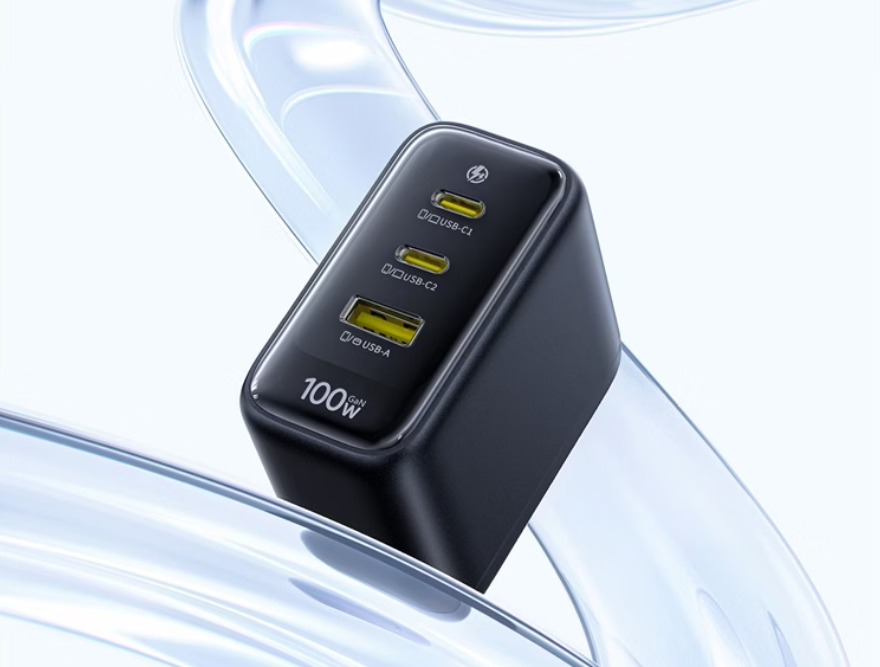
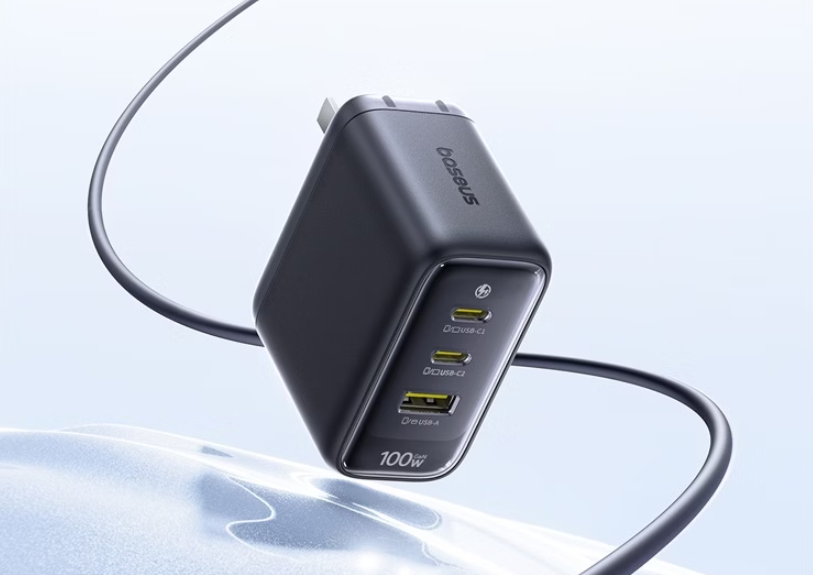
Baseus has launched the EnerFill FE22 100W charger in China. The adapter is now listed on JD.com with a price of 149 yuan ($22). It is available in Starry Black, Moon White, and Ocean Blue color options.

Baseus EnerFill FE22

Baseus EnerFill FE22 Specifications

The EnerFill FE22 supports PD 100W GaN fast-charging technology, which ensures efficient and stable power delivery. It is compatible with Xiaomi’s 100W HyperCharge fast-charging standard and other major fast-charging protocols, including PD, PPS, UFCS, SCP, FCP, and QC.

The charger has a compact design that measures 63mm x 54mm x 33mm and weighs 205g. Baseus uses a 3D stacked internal architecture to reduce the volume by 30% compared to traditional 100W chargers. The device includes foldable prongs for easy portability and storage.

Baseus EnerFill FE22

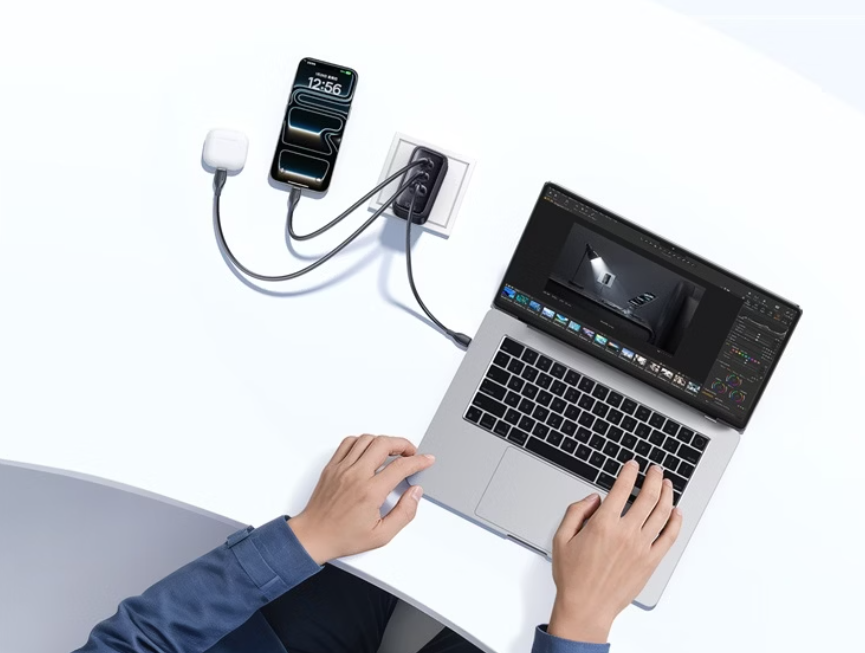
The USB-C ports each support up to 100W output, delivering up to 20V/5A power for laptops and other high-power devices. The USB-A port supports a maximum output of 33W. The charger dynamically adjusts power distribution when multiple ports are active. It supports two-device combinations such as 65W + 35W or 65W + 33W. When all three ports are in use, the charger intelligently distributes power to ensure the total output does not exceed 100W.

Baseus includes its BPS 2.0 dynamic power distribution technology, which adjusts the output based on the connected devices to maintain efficiency and battery safety.

Baseus EnerFill FE22

The charger features BCT 2.0 temperature control, with an AI chip that checks temperature up to 120,000 times per minute and adjusts power output to reduce heat buildup. It also features a high-efficiency thermal gel and a 360-degree heat dissipation design that helps maintain stable performance during extended use.

Baseus ensures safety with multiple protections, including overcurrent, overvoltage, short-circuit, and surge protection. It also supports trickle charging after a device reaches 80% battery to maintain long-term battery health.

In related news, Baseus has recently introduced the EnerGeek GT 21, which combines a charger and power bank in one device and can power three devices at the same time. The company has also launched a 200W 25,000mAh power bank that features dual built-in USB-C cables and supports up to 140W fast charging.

For more daily updates, please visit our News Section.

Stay ahead in tech! Join our Telegram community and sign up for our daily newsletter of top stories! 💡

(JD)

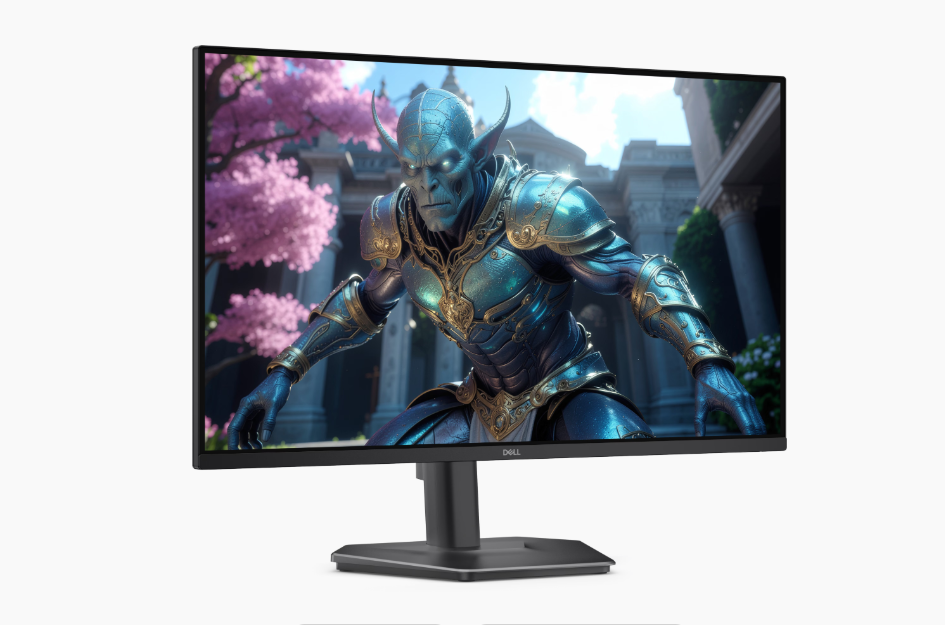
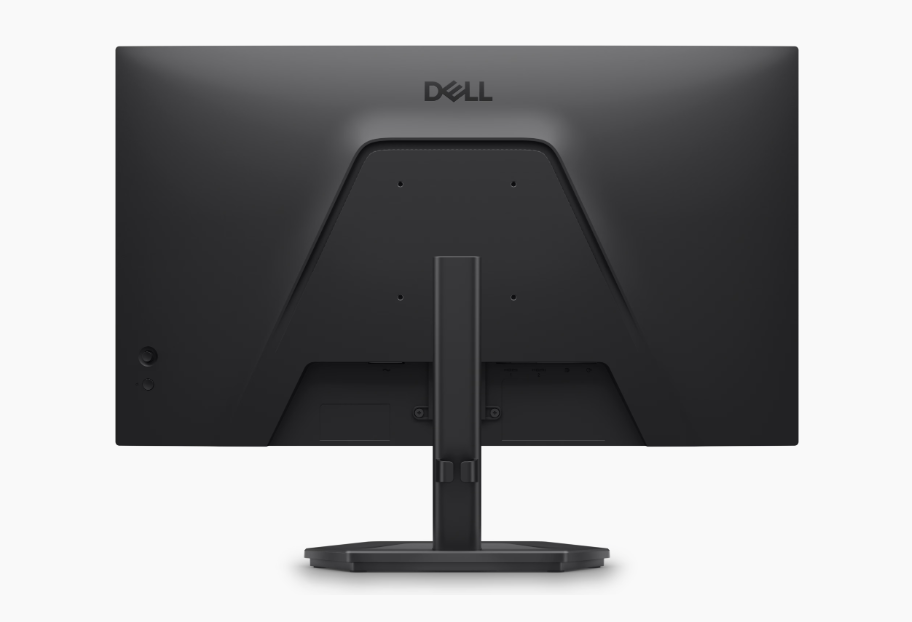
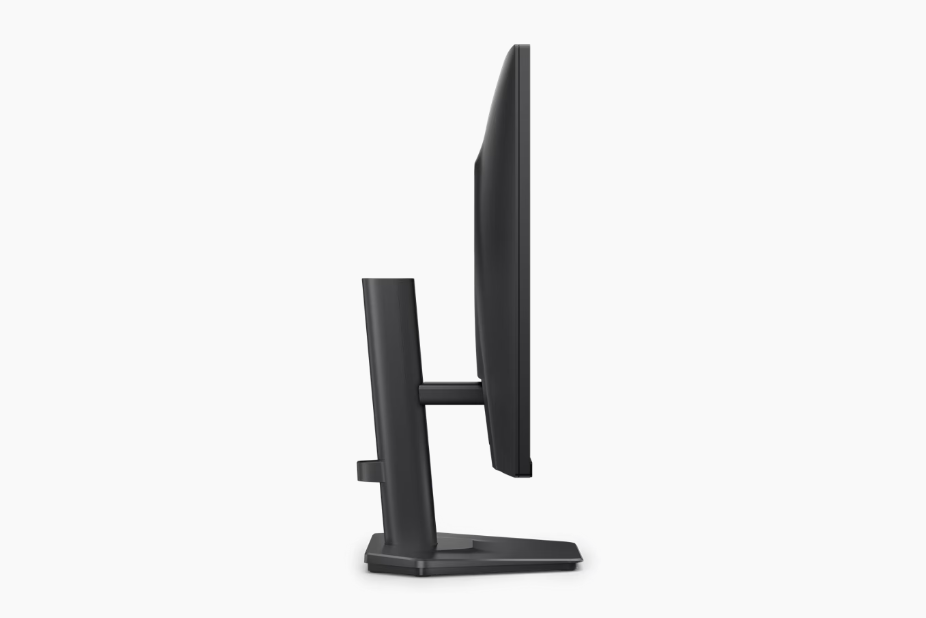
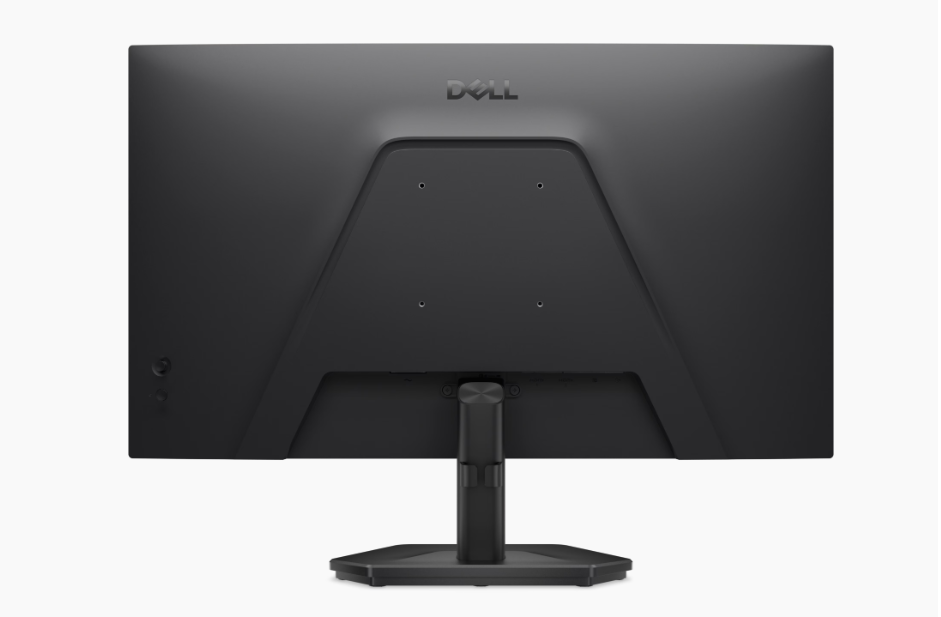
Dell SE2726HGS and SE2726HG launch with 27-inch 240Hz IPS displays starting at $140

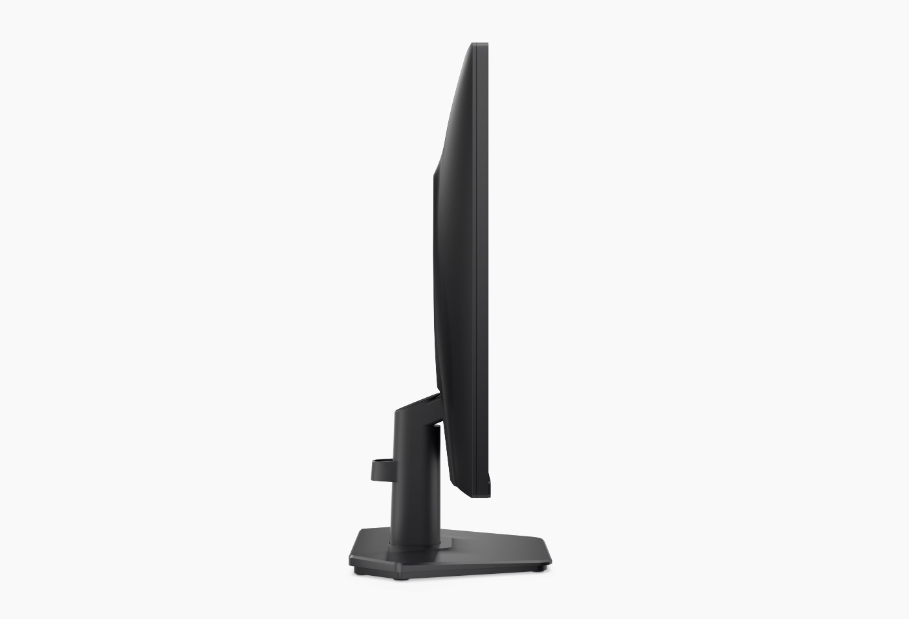
Dell has launched two budget gaming monitors aimed at delivering high refresh rates without premium pricing. The SE2726HGS and SE2726HG share identical core specifications, differing only in stand ergonomics. The HGS model offers height, swivel, and tilt adjustments, while the HG provides tilt-only adjustment with a basic stand.

Dell SE2726HGS
Dell SE2726HGS monitor

Both monitors use a 27-inch IPS panel with 1920 × 1080 resolution and 240Hz refresh rate. AMD FreeSync Premium eliminates screen tearing, and both support HDR and variable refresh rate over HDMI. Response times range from 5ms GTG in standard mode to 0.5ms GTG in extreme mode. Display specs include 300 nits brightness, 1000:1 contrast ratio, 178-degree viewing angles, and 99% sRGB color coverage with 16.7 million color support.

Dell includes eye comfort features: low blue light technology, flicker-free operation, anti-glare coating, and 3H surface hardness. Both models carry 3-star eye comfort certification.

Connectivity is identical across models. Each provides two HDMI ports and one DisplayPort 1.4 input, supporting 1080p at 240Hz. HDCP compatibility and Windows/macOS support are standard. The HGS ships with an HDMI cable; the HG includes an HDMI 2.0 cable. Both support 100 × 100 VESA mounting.

Power consumption averages 19.7W during typical use, with 40W maximum rated consumption. Physical dimensions are similar, though the HGS weighs more due to its adjustable stand.

Official pricing sets the SE2726HGS at $170 and the SE2726HG at $140. The SE2726HG is currently selling for $120 on Amazon.com.

For more daily updates, please visit our News Section.

Stay ahead in tech! Join our Telegram community and sign up for our daily newsletter of top stories.

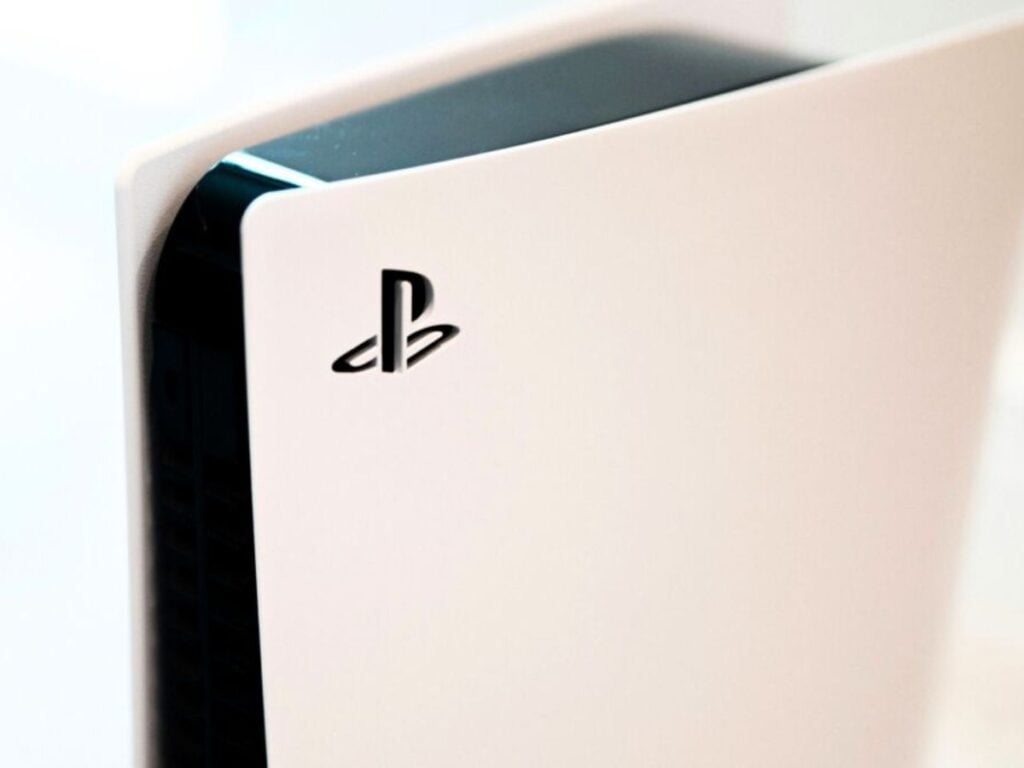
PS6 could slip to 2028 or 2029 as memory costs surge

Sony may be taking a harder look at the timeline for the PlayStation 6. Several industry reports suggest rising component costs could complicate an early launch. While the PS6 has often been mentioned as a 2027 release, that window now appears less certain. A delay into 2028 or even 2029 is being discussed in supply-chain circles.

Memory pricing is at the center of it. Data centers are absorbing large volumes of DRAM and high-bandwidth memory, and that has had knock-on effects for other hardware categories.

The PS6 is rumored to feature roughly 30GB of fast memory. If those reports are accurate, even modest price shifts could materially affect overall manufacturing costs. Some analysts had pointed to noticeable price increases through late 2025 and early 2026. Whether that trend continues is unclear, but the volatility alone makes planning difficult.

Sony typically prices its consoles aggressively at the start of a generation, even if profitability comes later through software and services. If memory costs stay elevated, Sony would face a familiar but uncomfortable choice: accept slimmer margins or push the retail price higher. A $1,000 console would be a tough sell in the mainstream market.

Extending the PS5 cycle

At the same time, there’s no immediate urgency. The PlayStation 5 has reportedly surpassed 75 million units sold, and usage levels remain strong. The PS5 Pro’s arrival in late 2024 already refreshed the lineup, giving Sony more flexibility. From a business perspective, extending the current generation slightly may not carry much downside, especially if major software releases continue to anchor engagement.

Sony’s console generations have never followed a strict formula anyway. The PS3 launched six years after the PS2, while the PS4-to-PS5 gap stretched to seven. An eight- or nine-year span wouldn’t be typical, but it wouldn’t be unprecedented either.

Of course, semiconductor markets can shift quickly. If supply improves or pricing stabilizes, timelines could move again. For now, though, high memory costs combined with a still-healthy PS5 ecosystem make a later PS6 launch feel entirely possible.

Don’t miss a thing! Join our Telegram community for instant updates and grab our free daily newsletter for the best tech stories!

For more daily updates, please visit our News Section.

Best Smartphones Under $300 in Feb 2026

In early 2026, budget smartphones continue to impress with balanced performance, long battery life, and a reliable everyday experience. So, for those looking for a new device for under $300, here’s a list of some globally available smartphones around this price range. From long-lasting batteries to tuned cameras and clean software, here are the 5 best phones under $300 you can buy this February.

1. Moto G Play (2026)

Moto G Play (2026)

The Moto G Play 2026 stands out in the under-$300 class thanks to its thoughtful blend of features and solid everyday performance. It typically offers a smooth everyday experience, a sizable display for media consumption, and Motorola’s near-stock Android software, which means you have fewer bloatware apps to deal with. Battery life is a highlight here, with big capacity cells delivering reliable all-day use even under heavy browsing or streaming. The camera performance won’t rival flagship models, but for everyday photos and social posts, it’s more than capable.

Please Note: When you buy something using the links in our articles, we may earn a small commission at no cost to you.

2. Moto G Power (2026)

Motorola Moto G Power (2026)
Moto G Power (2026)

If you prioritise battery above all else, the Moto G Power 2026 is a compelling pick. True to its name, it packs a large battery that easily lasts more than a full day, even with heavy usage, and it continues Motorola’s trend of delivering dependable battery performance at a budget price. While the display and camera setup might feel a bit utilitarian compared with some rivals, you won’t need to worry about mid-day charging.

Please Note: When you buy something using the links in our articles, we may earn a small commission at no cost to you.

3. Samsung Galaxy A36

Samsung Galaxy A36

The Samsung Galaxy A36 is one of Samsung’s strongest mid-range contenders in the under-$300 segment. It offers a well-rounded package with a bright and crisp AMOLED display, smooth performance for everyday tasks, and decent camera hardware that captures reliable shots in various conditions. Samsung’s software polish and long-term update promise add extra value, especially if you plan to keep the phone for multiple years. It strikes a great balance between design, performance, and ecosystem support.’

Please Note: When you buy something using the links in our articles, we may earn a small commission at no cost to you.

Please Note: When you buy something using the links in our articles, we may earn a small commission at no cost to you.

4. Redmi Note 15 4G

Xiaomi Redmi Note 15 4G
Redmi Note 15 4G

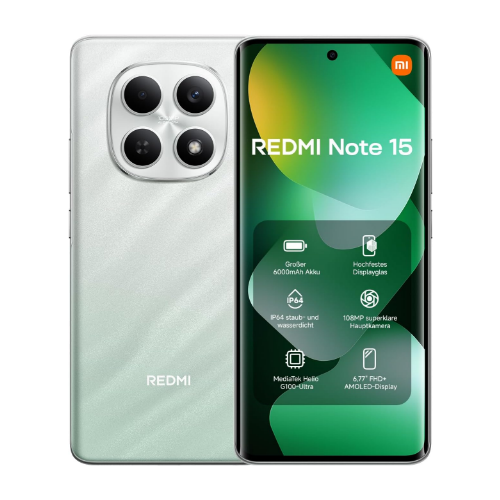
The Redmi Note 15 4G is consistently one of the most feature-rich phones under $300, delivering specs that punch above its price. You’ll typically get a large, vibrant display, capable mid-tier chipset performance for everyday use and light gaming, and a useful camera system that covers most casual scenarios. HyperOS’s customisation also gives you flexibility for personalising your experience. Battery life and charging speeds are solid, making it one of the best value options in this price bracket. It trades 5G connectivity for the impressive battery capacity and a 108MP main camera.

Please Note: When you buy something using the links in our articles, we may earn a small commission at no cost to you.

5. Samsung Galaxy A17 5G

Samsung Galaxy A17 5G

The Samsung Galaxy A17 5G delivers a well-balanced hardware and software mix for a budget price tag. While its performance tier is closer to everyday use than heavy gaming, 5G support gives it future-ready connectivity for streaming, browsing, and light cloud-based tasks. Its design language feels modern, and Samsung’s UI experience is refined and user-friendly.

Please Note: When you buy something using the links in our articles, we may earn a small commission at no cost to you.

Please Note: When you buy something using the links in our articles, we may earn a small commission at no cost to you.

6. How We Picked These Phones

When choosing the best under-$300 phones in February 2026, we looked at a bunch of key factors:

  • Global availability: Only models that are widely available in multiple regions, and not just the impressive Asia-exclusive releases.
  • Balanced hardware: Good performance for daily tasks, cam quality, battery life, and software longevity.
  • Brand support: Reliable update policies and ecosystem compatibility.
  • User experience: Displays, battery endurance, and real-world usability.

For more daily updates, please visit our News Section.

Tech enthusiast? Get the latest news first! Follow our Telegram channel and subscribe to our free newsletter for your daily tech fix! ⚡

Acer and ASUS halt PC sales in Germany after court ruling

A court decision in Germany has temporarily blocked Acer and ASUS from selling certain PCs directly in the country, following a patent dispute with Nokia.

ASUS TUF Gaming A14 Laptop

The ruling comes from the Munich I Regional Court, which sided with Nokia in a case involving standard-essential patents (SEPs) tied to the H.265/HEVC video codec. HEVC is widely used for compressing high-resolution video, including 4K and 8K playback, and is built into modern processors and graphics systems.

According to the court, Acer and ASUS were found to have infringed Nokia’s patents without securing licenses on FRAND (fair, reasonable, and non-discriminatory) terms. As a result, the court granted Nokia an injunction. That means the two PC makers cannot import, sell, or distribute affected devices directly in Germany, at least for now.

What’s affected?

Because HEVC support is deeply integrated into current hardware and software stacks, the decision potentially covers most recent laptop and desktop models from both companies. Acer has already removed PCs from its German online store, leaving only accessories such as monitors available. ASUS has similarly restricted parts of its German website, with some product pages offline or marked as unavailable.

Both companies have said the move is tied to the temporary injunction. They’ve also stressed that warranties, repairs, and customer service in Germany are continuing as normal.

The injunction applies to the manufacturers themselves, not to third-party retailers. That means stores like Amazon, MediaMarkt, and other electronics chains can continue selling devices already in inventory.

However, once current stock runs out, replenishing it could become difficult unless the dispute is resolved or a licensing agreement is reached.

Nokia filed patent lawsuits in 2025 against Acer, ASUS, and Hisense over HEVC-related intellectual property. Hisense later reached a licensing agreement with Nokia, leading to the claims against it being withdrawn.

Acer and ASUS have not settled so far and are expected to pursue appeals. Licensing negotiations may still be ongoing behind the scenes.

Don’t miss a thing! Join our Telegram community for instant updates and grab our free daily newsletter for the best tech stories!

For more daily updates, please visit our News Section.

(Source)

Dreame launches 165W power bank with built-in cable and smart display

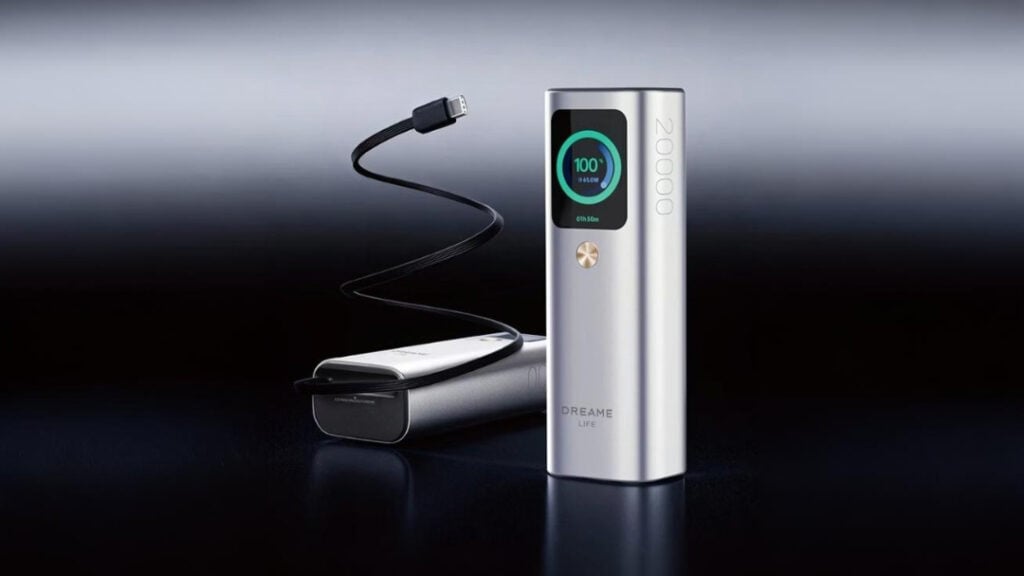
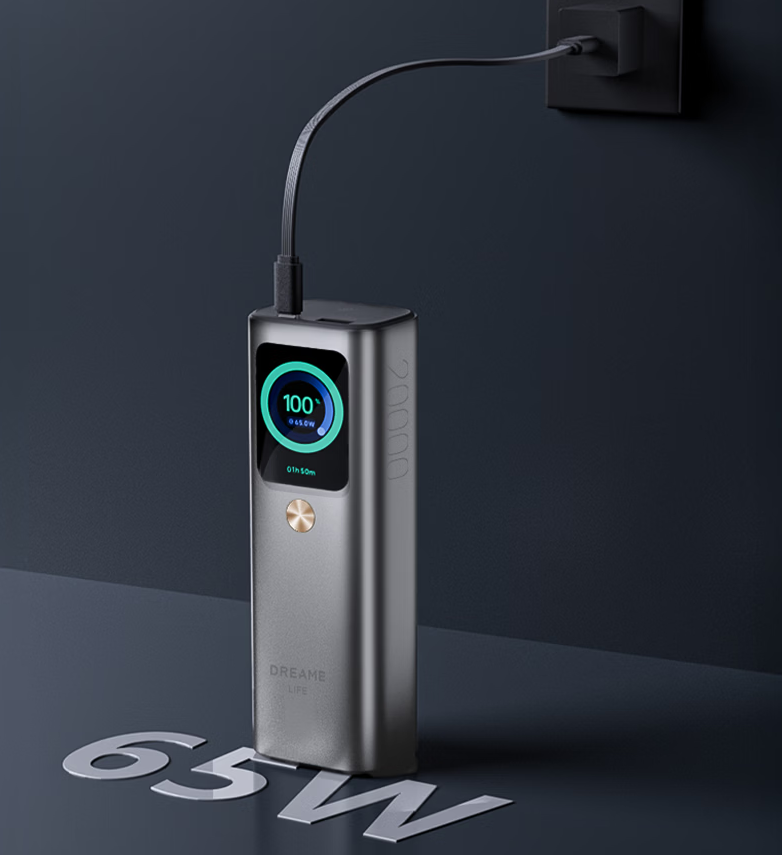
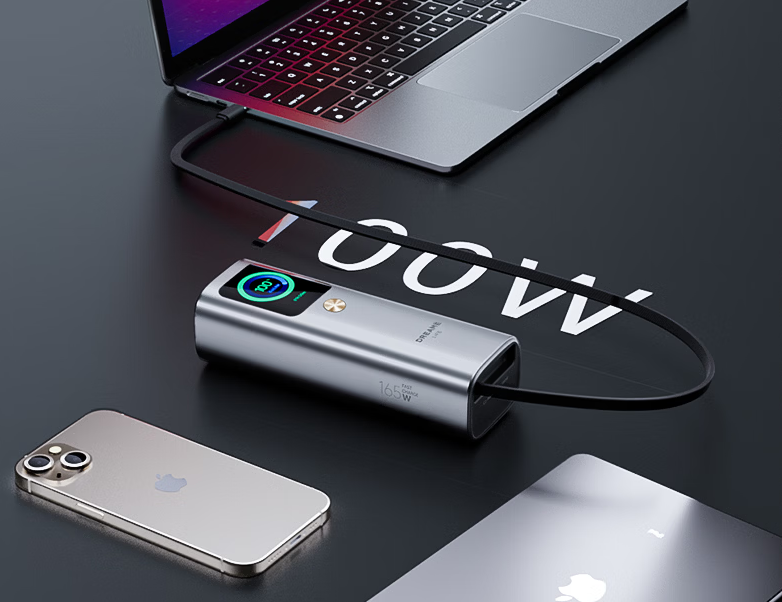
Dreame has launched its new 165W Smart Display Power Bank (model number JP365) on JD.com. The power bank features a 20,000mAh battery, a built-in cable, and a smart display. It is priced the device at 399 yuan (approximately $58).

Dreame 165W Power Bank

Dreame 165W Power Bank Specifications

The power bank includes a 20,000mAh battery with a rated capacity of 12,000mAh. Dreame has designed it with four automotive-grade 21700 power cells to improve energy density, charging efficiency, and durability. The company claims the battery retains over 80% of its capacity after 500 charge cycles. The 72Wh battery capacity complies with airline carry-on regulations.

Dreame has equipped the power bank with two USB-C ports, one USB-A port, and a built-in 60cm retractable USB-C cable. The cable supports up to 100W fast charging and retracts for convenient storage. The USB-C ports support 100W output individually, while the USB-A port supports up to 30W output.

Dreame 165W Power Bank

The device can deliver a maximum combined output of 165W, which allows users to charge two laptops simultaneously. Dreame claims the power bank itself can be fully recharged in 1 hour and 50 minutes with a 65W or higher charger.

The power bank supports multiple fast-charging protocols, including PD 3.0, QC 3.0, PPS, UFCS, FCP, and AFC, ensuring broad compatibility with smartphones, tablets, and laptops. It also features a low-current mode for safely charging smaller devices such as wireless earbuds and smartwatches.

The device features a TFT color display that shows real-time battery percentage, charging power, remaining charging time, and battery health, along with a dynamic energy ring that visually indicates charging activity.

Dreame 165W Power Bank

The power bank features an aluminum alloy casing that improves heat dissipation during high-load use. It integrates AI-based temperature control with an NTC temperature-monitoring chip to prevent overheating. The system conducts up to 460,800 temperature checks per hour and dynamically adjusts the power output to maintain safe operating conditions.

It also includes multiple safety protections, such as overcharge, overcurrent, short-circuit, and over-temperature safeguards, ensuring reliable and stable performance during everyday use. The power bank weighs 505 grams and measures 156.05 x 52.8 x 40.8mm. It is available in Deep Space Gray.

In related news, you can also check out our latest roundup of the best magnetic power banks available in 2026.

For more daily updates, please visit our News Section.

Stay ahead in tech! Join our Telegram community and sign up for our daily newsletter of top stories! 💡

(JD)

Nothing Phone (4a) Series Flipkart Availability Confirmed Ahead of Launch

Nothing has taken a key step in its rollout strategy for the upcoming Phone (4a) series by confirming Flipkart availability ahead of the official launch on 5th March 2026. A dedicated Flipkart microsite for the new mid-range lineup is already live, and likely includes both the Phone (4a) and Phone (4a) Pro.

Nothing Phone (4a) Series Launching Via Flipkart

To recall, all Nothing products have been sold online via Flipkart, which is one of the leading e-commerce platforms in the region. So it is no surprise that the Nothing Phone (4a) series continues the trend. While the microsite itself doesn’t show pricing or full specs yet, the listing does hint that the pre-orders and first sale could go live soon.

Nothing Phone 4a series flipkart
Flipkart’s official listing of the Nothing Phone (4a) series

Based on what we know so far, the Nothing Phone (4a) is set to be equipped with the Snapdragon 7s Gen 4 SoC, which might be coupled with 12GB of RAM. A sizeable 5,080mAh battery pack could power this model, which likely supports 50W wired fast charging. This model likely runs on the Android 16 OS based Nothing OS custom skin out of the box. Other notable features include up to 256GB of UFS 3.1 storage, an IP65 rating for water and dust resistance, and possibly two color variants (black and white).

We can expect Nothing’s signature transparent aesthetic to make a return, along with an evolving Glyph LED lighting system. On the front, the Nothing Phone (4a) series is expected to offer a smooth display with up to a 144Hz refresh rate. For photography, the rear may have a triple camera setup, just like its predecessor.

For more daily updates, please visit our News Section.

Tech enthusiast? Get the latest news first! Follow our Telegram channel and subscribe to our free newsletter for your daily tech fix! ⚡

Best Fitness Bands Under $100 in 2026

Tracking health and fitness doesn’t have to break the bank. In 2026, even sub-$100 fitness bands offer core health monitoring, smart notifications, long battery life, and sleek designs that work just as well at the gym as they do in daily life. From dedicated activity tracking to AMOLED displays and reliable sensors, these bands punch above their price tags. So here is our roundup of the 5 best fitness bands under $100 in 2026.

1. Amazfit Band 7

Amazfit Band 7
Amazfit Band 7

The Amazfit Band 7 remains one of the most compelling bands under $100 thanks to its solid AMOLED display, long battery life, and versatile health tracking suite. You get all the essentials like heart rate monitoring, sleep & stress tracking, SpO₂ measurement, and multiple sport modes, all wrapped in a lightweight and comfortable band. Its crisp screen makes stats and notifications easy to read at a glance.

2. Xiaomi Smart Band 10

Xiaomi Smart Band 10

A staple in the budget segment, the Xiaomi Smart Band 10 continues to impress in 2026 with a bright and responsive display, reliable health and activity sensors, and intuitive app support. It covers standard tracking like steps, calories, sleep, heart rate, and SpO₂, and includes guided workout profiles to help beginners stay consistent. The lightweight design is ideal for all-day wear.

3. Fitbit Inspire 3

Best Fitness Bands Under $100 in 2026
Fitbit Inspire 3

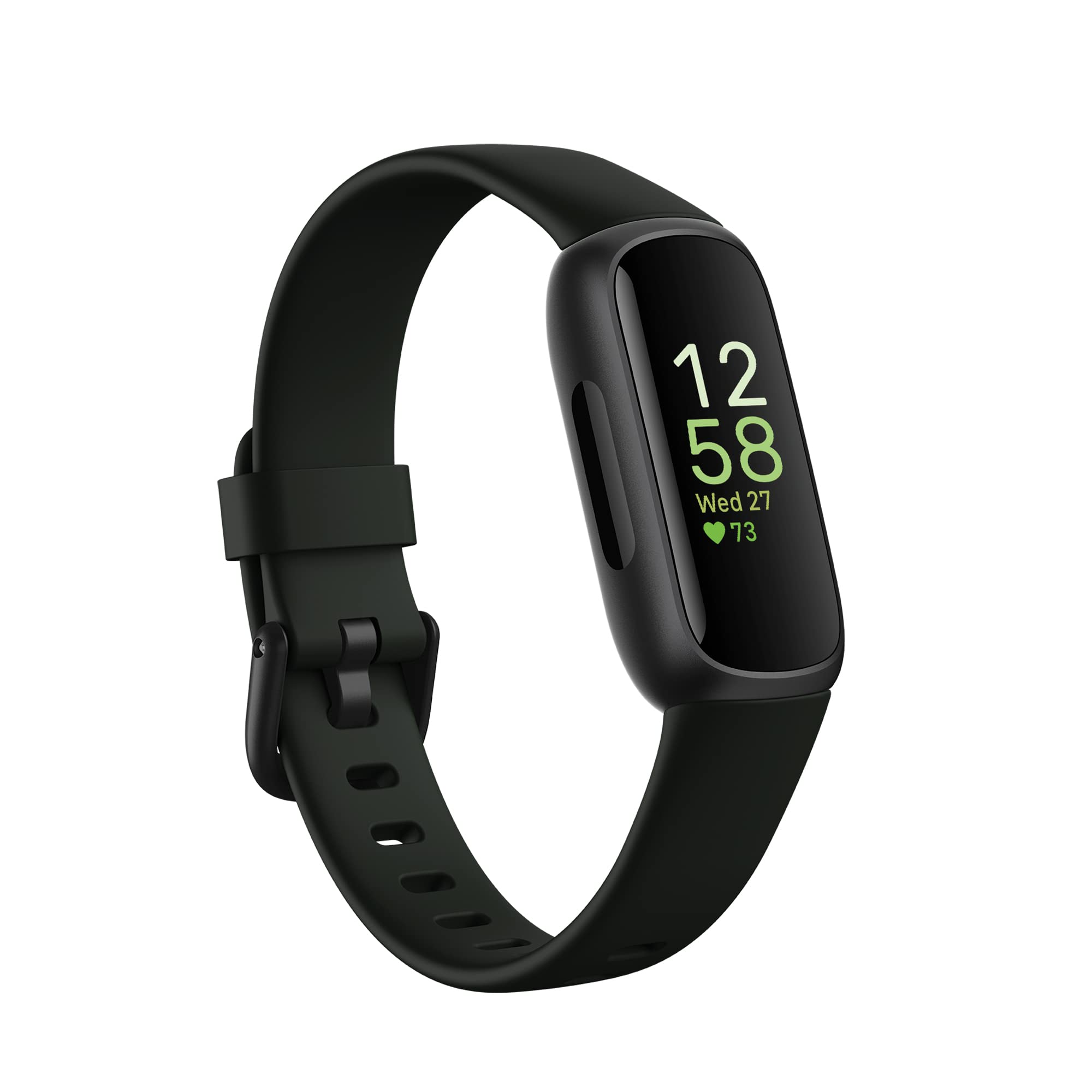
The Fitbit Inspire 3 brings Fitbit’s strong wellness ecosystem to the under-$100 space (often available on sale in 2026). While it doesn’t have a gaudy display, it shines with accurate heart rate tracking, connected GPS (uses your phone), sleep stage analysis, and guided breathing sessions for stress management. Fitbit’s app is one of the best in class, making this a great choice if you want deep insights without spending flagship prices.

4. Garmin Vivofit 4

Best Fitness Bands Under $100 in 2026
Garmin Vivofit 4

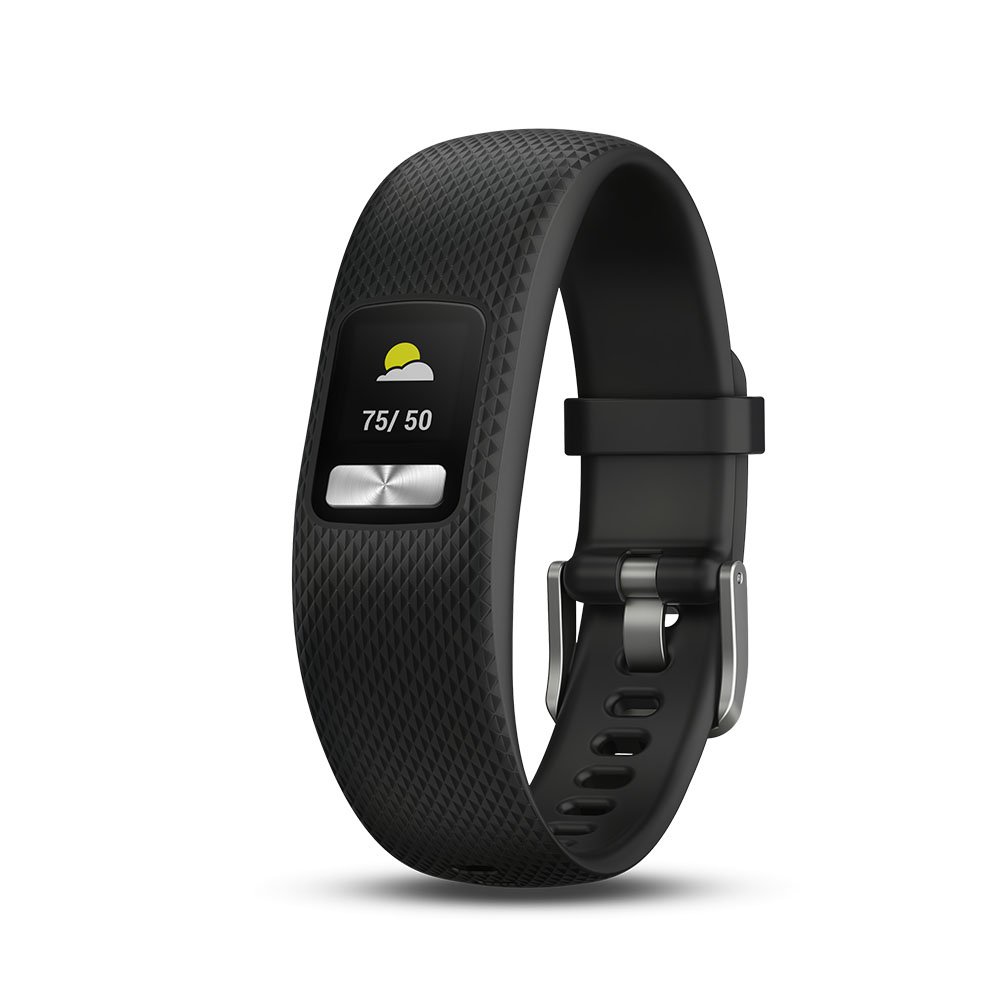
If battery life and simplicity are priorities, the Garmin Vivofit 4 is a classic choice. Unlike many bands that need weekly charging, the Vivofit 4 can last over a year on a single coin cell, which is a huge advantage for low-maintenance users. It covers basic activity tracking, steps, distance, and sleep, and its always-on display is readable without a backlight.

5. Amazfit Bip 6

Amazfit Bip 6
Amazfit Bip 6

The Amazfit Bip 6 blends fitness tracking with smartwatch-like features, all under $100. It offers built-in GPS for accurate outdoor mapping, solid heart rate and SpO₂ monitoring, and over 100 sport modes, making it one of the most capable fitness bands for active users on a budget. The transflective display stays visible in sunlight, and the battery comfortably lasts multiple days on a charge.

6. What to Consider When Buying Under $100

When looking at fitness bands in this price bracket, here’s what matters most:

  • Display Quality: AMOLED screens make information more readable and enjoyable.
  • Health Sensors: Heart rate, sleep tracking, and SpO₂ are baseline features worth prioritising.
  • Battery Life: Longer battery means less charging stress.
  • Companion App: A good app makes insights easier to understand and motivates progress.
  • Design & Comfort: A band you can wear all day and night increases tracking accuracy.

7. The Takeaway

In 2026, you don’t need a flagship smartwatch to stay on top of your fitness goals. Sub-$100 bands have evolved significantly, offering vibrant displays, robust tracking, smart alerts, and reliable sensors that support healthier habits. Whether it’s an everyday activity, sleep insights, or keeping motivated with sport modes, there’s a strong fitness band under $100 in 2026 that fits your lifestyle without stretching your budget.

For more daily updates, please visit our News Section.

Don’t miss a thing! Join our Telegram community for instant updates and grab our free daily newsletter for the best tech stories!

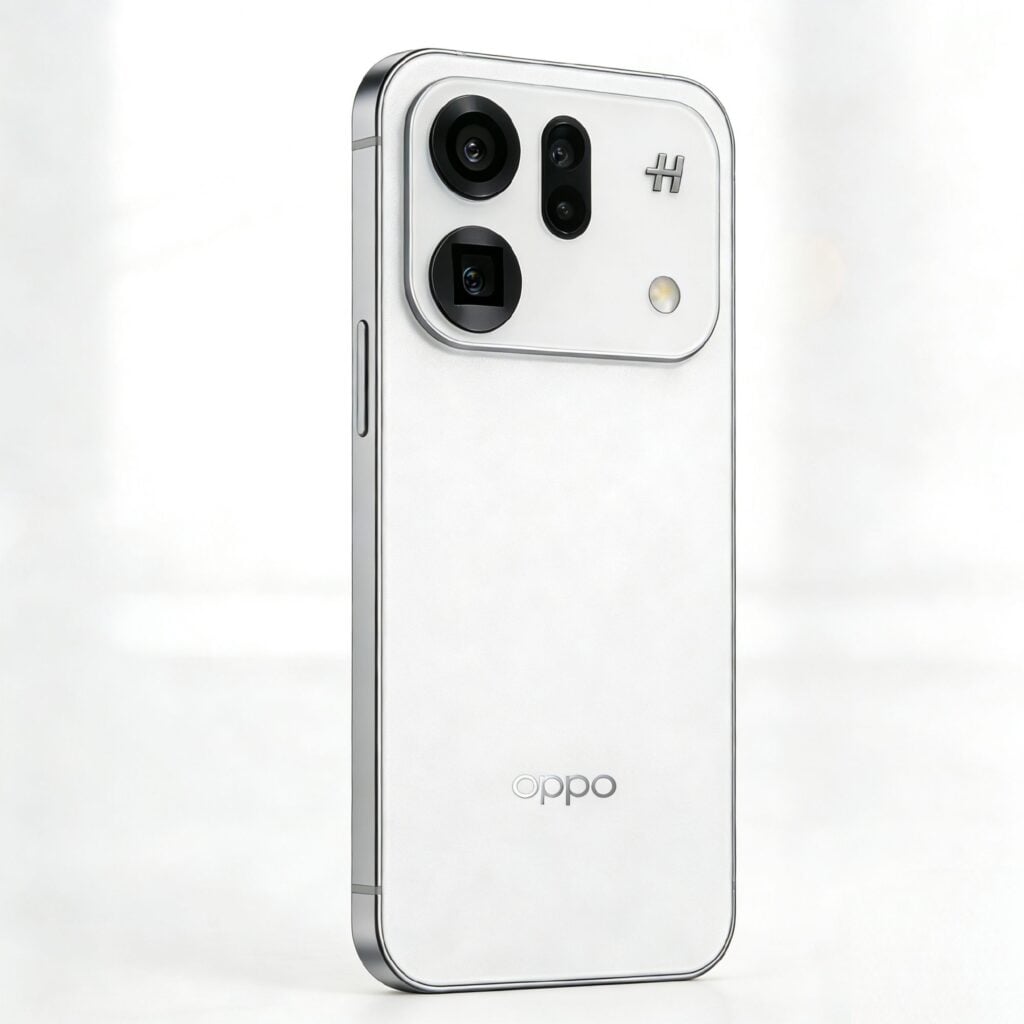
Oppo Find X9s full specifications leaked as launch draws near

Oppo is actively launching new phones in the market. After launching the Find X9 and X9 Pro globally in November, the brand announced the Reno 15 lineup in January. Earlier this month, the brand unveiled the K14x, an entry-level 5G phone in India. Now, it is said to be working on the Find X9s, a new flagship phone powered by the latest Dimensity 9-series chip. A new report by SmartPrix has revealed the key specifications of the device.

Oppo Find X9s specifications (rumored)

Oppo Find X9s Pro
Oppo Find X9s

According to the report, the Oppo Find X9s will feature a 6.59-inch AMOLED panel delivering a 1.5K resolution and a 120Hz refresh rate. This phone is said to feature the Dimensity 9500s, a new chip that went official last month.

The Find X9s is said to arrive in two configurations, such as 12GB+256GB and 12GB+512GB. It is said to pack a 7,025mAh battery with 100W wired charging, but lack support for wireless charging. It will come preinstalled with ColorOS 16-based Android 16.

For selfies, the Find X9s will have a 32-megapixel camera on the front. Its rear-facing triple camera setup will comprise a 50-megapixel main camera, a 50-megapixel ultra-wide lens, and a 50-megapixel periscope camera, which could either feature the Samsung JN5 or Sony LYT-700 sensor.

In comparison, the Find X9 has the same display, a more powerful Dimensity 9500 chip, a similar battery capacity with slightly slower 80W wired charging, and 50W wireless charging. It remains to be seen whether the X9s features exactly the same set of camera sensors that are available on the X9.

The Find X9s is expected to release in the global market, including India, in the second quarter of this year.

For more daily updates, please visit our News Section.

Stay ahead in tech! Join our Telegram community and sign up for our daily newsletter of top stories.

(source)

How modern phones are made waterproof, including foldables

If you follow new smartphone launches, you’ve probably noticed this—more and more smartphones now come with a standard IP rating. 

A while back, IP68 used to be the best ingress protection for a device. If your phone had it, it meant you bought the premium model. Now, even mid-range devices are shipping with IP68, and some brands are stacking multiple ratings like IP66, IP68, IP69, and IP69K on the same spec sheet. 

More interestingly, foldables have started showing up with official IP ratings. So what’s changed? How are phones pulling this off, especially foldables, which look like they should be allergic to water?

1. Waterproofing is a system

From the outside, making the phone water-resistant might feel like a single-feature add-on. But internally, it’s the result of multiple systems working together.

At the most basic level, engineers try to reduce the number of ways water can enter the device in the first place. And that starts with the structure.

Modern smartphones are built with extremely tight tolerances. That is, frames and back panels are fitted with minimal or zero gaps. Manufacturers precisely apply adhesive to bond layers together. The goal is to eliminate as many entry points as possible.

That said, every phone is built with some unavoidable weak spots. It has a charging port, SIM tray, and physical buttons. Companies reinforce these areas with silicon gaskets and rubber sealing rings. The SIM tray, for example, often includes a tiny waterproof ring that compresses when inserted, blocking liquid entry. 

Speakers and earpieces are even trickier as they require airflow to function. To solve this, manufacturers use hydrophobic acoustic membranes or finely engineered mesh materials. These allow sound waves to pass while preventing liquid water from flowing through.

This is the first line of defense.

2. The backup plan

However, even with such careful design and structuring, some moisture could still find its way inside. That’s why many phones include a second layer of protection.

For instance, critical components like the motherboard, connectors, and flexible printed circuit boards are often treated with a nano-hydrophobic coating. This ultra-thin layer repels water at a microscopic level.

As a result, instead of water spreading across metal contacts and causing short circuits, water beads up into droplets. These droplets are more likely to evaporate or roll away rather than linger and corrode components.

This coating doesn’t mean the phone is meant to be submerged casually. It’s a safety buffer. If water breaches the outer seals, the internal coating reduces the likelihood of immediate failure.

Modern waterproof phones almost always rely on both strategies: keep water out structurally, and minimize damage chemically if water gets in. Either approach alone wouldn’t deliver the reliability we rely on today.

3. Foldables complicate everything

All of this is already challenging enough in a traditional slab phone. Foldables raise the difficulty level a few steps higher. 

A standard phone is a sealed block. But a foldable has a hinge, moving parts, flexible screens, and ultra-thin cables that bend with every open and close. Gaps are inevitable. Movement is constant. Internal space is limited.

Waterproofing that design requires different thinking.

Samsung’s strategy in the Samsung Galaxy Z Fold series focuses on isolation. Instead of attempting to fully seal the hinge, Samsung reportedly treats the left and right halves as separate compartments. If water enters one side, internal barriers help prevent it from spreading to the other.

The hinge area itself is engineered to manage water rather than completely block it. It uses corrosion-resistant materials, specialized lubricants, drainage paths, and hydrophobic components help ensure that water doesn’t remain trapped inside. It also encapsulates the flexible circuit boards with rubberized materials and specialized sealing compounds to add further protection.

As for Oppo, it reportedly uses multi-layered sealing in Find N series foldables. It applies adhesives in combinations — back adhesive, spot adhesive, layered seals — to fill microscopic gaps around hinges and flexible boards. The idea is to create a three-dimensional protective network that maintains integrity even as the phone folds and unfolds.

Some foldables now carry IPX6, IPX8, and IPX9 ratings, meaning they’re tested against immersion and various spray conditions. That would have seemed unrealistic for a hinge-based device not long ago.

4. Waterproof doesn’t mean worry-free

It’s worth remembering that IP ratings are based on controlled lab tests, and real-world scenarios can be much harsher. For example, saltwater can corrode metal faster, or chlorinated pool water and soap can degrade seals over time. 

This is why most manufacturers note that water damage may not be covered under warranty, even for IP-rated phones. Water resistance reduces the risk, but does not eliminate it.

5. The quiet engineering win

From an engineering standpoint, modern smartphone waterproofing is less about flashy breakthroughs and more about refinement. It’s the result of tighter tolerances, better materials, smarter internal layouts, and layered defense strategies.

What’s changed isn’t just that phones can survive water. It’s that this capability is no longer limited to top-tier flagships. Mid-range devices now routinely offer protection levels that were once a flagship feature. 

Of course, don’t rinse your phone under a tap. But it does mean that when accidents happen, your odds are better than they used to be.

For more daily updates, please visit our News Section.

Tech enthusiast? Get the latest news first! Follow our Telegram channel and subscribe to our free newsletter for your daily tech fix! ⚡

New Reebok Stride Smartwatch Packs AMOLED, GPS, and Bluetooth Calling at $99

Reebok continues its expansion into wearables with the launch of the Reebok Stride smartwatch, a new budget friendly wearable that packs various assisted GPS, AMOLED display, health tracking and Bluetooth calling into a compact, modern design. This new model joins the brand’s growing lineup of smartwatches in the US, so here’s everything you need to know.

Reebok Stride Specs & Features

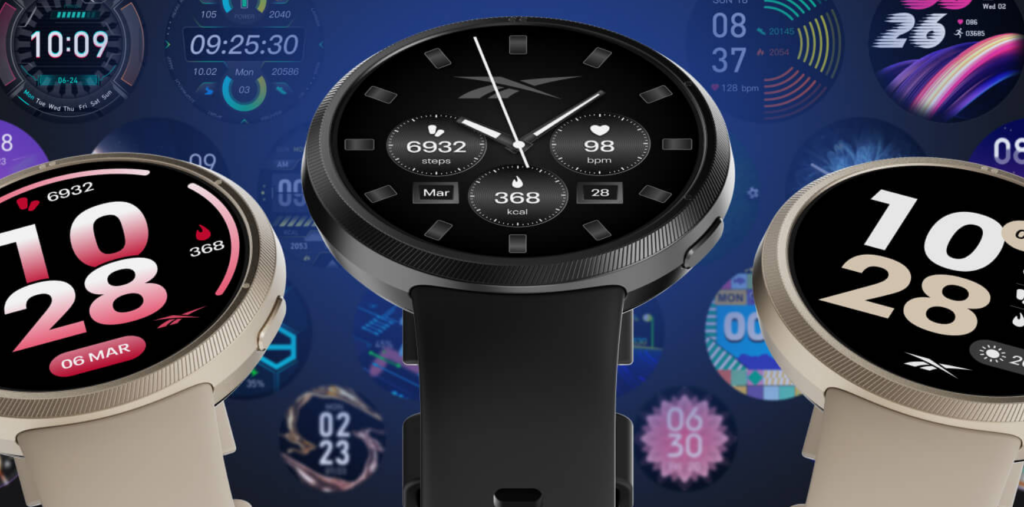
Reebok’s latest budget wearable sports a 1.43-inch AMOLED display with a 466 x 466 pixel resolution. Users can choose from over 100 built-in watch faces to personalise the look to their style. The watch is available in two colourways, namely Midnight Steel and Victory Gold. Stride supports more than 80 sports modes, including running, cycling, swimming and more. The assisted GPS also offers accurate route and distance stats.

Reebok Stride Affordable Smartwatch
Reebok Stride Smartwatch

The smartwatch also monitors key health metrics like heart rate, SpO₂ levels and sleep quality, giving users insights into their daily well being. In addition to fitness functions, Stride delivers smart notifications from your phone and even Bluetooth calling, so you can take or make calls right from your wrist. Through the companion Reebok Connect app, Stride can sync data and provide deeper activity insights, goal setting and progress tracking. It also supports integrations with popular third-party services such as Strava, Google Health, and Apple Health.

Other notable features include up to 10 days of battery life with typical use on a single full charge and an IP68 rating for water and dust resistance. In the US, the Reebok Stride smartwatch is priced at $99.99, which is just below the Icon ($119.99) and sits above the Reebok Rush ($69.99).
For more daily updates, please visit our News Section.

Tech enthusiast? Get the latest news first! Follow our Telegram channel and subscribe to our free newsletter for your daily tech fix! ⚡