Advertisement

How to Turn Off Ads in Xiaomi’s HyperOS System Apps

If you’re using a Xiaomi, Redmi or POCO phone running HyperOS, you might notice ads showing up inside many system apps, from the Downloads and Mi Browser to Music, Security and Themes. Fortunately, while Xiaomi doesn’t remove all advertising by default, you can turn most of it off with a few simple settings changes. So here’s how to clean up your phone and cut down on ads across the OS.

How to Turn Off Ads in Xiaomi HyperOS System Apps

1. Disable the MSA System Ad Service

Many of the ads you see originate from a service called MSA (MIUI System Ads), which is a telemetry-linked background app responsible for displaying recommendations and ads system-wide. Turning this off is one of the most important first steps:

  1. Open Settings
  2. Go to Fingerprints, face data & screen lock (or Passwords & security on some Xiaomi phones)
  3. Tap Authorization & revocation
  4. Toggle MSA off and tap Revoke to confirm

Doing this stops the system from serving many ads, though you’ll still need to disable certain app-specific ads separately.

2. Turn Off Personalized Ads

You can also disable targeted ads that use your data:

  1. Open Settings and then head to Privacy
  2. Select Ad services or Advertising services
  3. Turn off Personalized ad recommendations

Once again, this wouldn’t remove all advertisements, but it prevents the system from tailoring these to your behavior.

3. Disable Ads Inside Individual System Apps

HyperOS places ad toggles inside many pre-installed apps. While you’ll likely never interact with most of them, you’ll need to turn these off one app at a time to get a true ad-free experience. The exact labels may differ slightly by region or build, but they’re usually easy to spot:

  • Downloads: Open the app > menu (three dots) > Settings > turn off Show ads.
  • Mi Browser: Profile icon > Settings > Advanced > disable Show ads.
  • Mi Video Player: Profile > gear icon > disable Personalized recommendations (note: in some builds, this only lasts 90 days).
  • Music: Profile > Settings > disable Allow permanent notifications, then in Advanced settings turn off Show ads and Personalized recommendations.
  • Security: Settings > disable Show recommendations, also turn off under the Cleaner section.
  • Themes: Account > gear > disable Show ads and Personalized recommendations.
  • App Vault: Open App Vault > menu > Manage services > turn off App suggestions and Ads.

4. Disable Ads in Other Places

While HyperOS doesn’t offer a universal one-click switch for all ads (although such a toggle has been spotted in leaked test builds), you can also reduce other ad-feed interruptions:

  • Some devices include an “Ads in System Apps” toggle inside Mi Account > About Xiaomi Account
  • For persistent ads or notifications from the msa daemon, you can disable its notifications: go to Settings > Apps > Manage apps > View all apps > msa > Notifications and turn off Show notifications.
  • Advanced users sometimes set up private DNS ad-blockers (e.g., using AdGuard DNS) to block ad servers at the network level.

5. Why It’s Worth Doing

HyperOS is still evolving, and despite the various improvements over time, ads remain a controversial part of the experience. This is especially frustrating when they appear inside system apps or notifications. While a completely ad-free operation may require patience and thorough cleanup, going through these settings drastically reduces the amount of unwanted content you’ll see and improves both privacy and battery life. Keep in mind that after system updates, some settings may reset, so revisiting them occasionally helps maintain your preferred, ad-free configuration.

For more daily updates, please visit our News Section.

Tech enthusiast? Get the latest news first! Follow our Telegram channel and subscribe to our free newsletter for your daily tech fix! ⚡

DJI Osmo Pocket 4 Hands-On Video Reveals New Modes & LED Light

Fresh hands-on footage of the DJI Osmo Pocket 4 has leaked online, giving one of the clearest glimpses yet of the next evolution in DJI’s popular compact gimbal camera lineup. This video also offers us a glimpse at some of the best new features and upgrades, so let’s check them out.

DJI Osmo Pocket 4 Leaked in New Hands-On Video

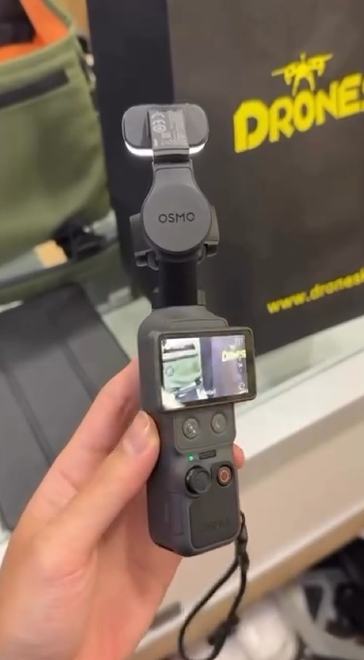
While DJI hasn’t officially announced the product, the leaked video looks authentic and suggests the company may be readying an imminent launch. The video shared by Malaysian retailer Drones Kaki (Via NotebookCheck) appears to feature a final detrail unit of the Osmo Pocket 4 in the wild. So the design shown here could be closer to the final look, and not just early prototypes.

DJI Osmo Pocket 4 Hands-On Leak

Unlike the Pocket 3, this new model appears to include an integrated LED light mounted above the camera, which could help vloggers and creators get better exposure in dim conditions. The LED seems to be on two movable hinges, giving users flexibility to aim the light as needed. Apart from this, the video shows more physical buttons and controls than the Osmo Pocket 3, which may point to improved handling and easier access to functions while filming.

Lastly, there is the new SuperPhoto Mode, which is also a familiar name popularised by GoPro. So similar to its competitor, we can expect this feature to likely use scene-analysis and intelligent image processing to optimise shots automatically, a feature often found in action cameras. This new feature could be targeting vloggers and content creators who need portable recording gear. In related news, the Osmo Pocket 4 just surfaced in the FCC database, hinting at an imminent release.

For more daily updates, please visit our News Section.

Don’t miss a thing! Join our Telegram community for instant updates and grab our free daily newsletter for the best tech stories!

Nintendo may raise Switch 2 price as AI-driven RAM shortage intensifies

Nintendo’s Switch 2 could get more expensive in 2026, and artificial intelligence may be the unlikely culprit.

According to a new Bloomberg report, Nintendo is contemplating a price hike for the Switch 2 amid surging global memory prices. The console, which launched in 2025 at $ 449.99/£395.99, may not remain at that price for long.

Nintendo Switch 2

The problem isn’t poor sales. Switch 2 has reportedly moved over 17 million units, outpacing the original Switch at launch. Instead, the issue is RAM, specifically DRAM, which has become the battleground resource in the AI arms race.

Tech giants like Meta, Microsoft, Alphabet, and Amazon are pouring hundreds of billions into AI data centers, snapping up Nvidia accelerators loaded with massive amounts of memory. Each new AI server rack can consume as much RAM as thousands of smartphones.

That demand has sent memory prices into what analysts are calling “RAMmageddon.” Bloomberg reports that the cost of one type of DRAM jumped 75% in a single month. Suppliers such as Samsung, SK Hynix, and Micron are prioritizing high-bandwidth memory for AI chips, leaving consumer electronics manufacturers fighting over shrinking DRAM capacity.

Nintendo isn’t alone. Sony is reportedly considering delaying its PlayStation 6 to 2028 or even 2029. Microsoft has already raised Xbox prices, and Sony bumped PS5 pricing last year. Even Apple and Tesla have warned investors about margin pressure tied to memory shortages.

Nintendo president Shuntaro Furukawa recently told shareholders there are no immediate plans for a price increase, but he stopped short of ruling one out. If memory costs remain elevated, Nintendo may have little choice but to protect margins.

Switch 2 may have launched just before the full force of this memory crunch hit. If Bloomberg’s reporting holds true, the era of cheaper consoles could be over, and waiting for a discount might not pay off this time.

For more daily updates, please visit our News Section.

Stay ahead in tech! Join our Telegram community and sign up for our daily newsletter of top stories! 💡

(Source)

Infinix Note 60 Ultra looks like an iPhone 17 Pro and Xiaomi 17 Pro fusion in live images

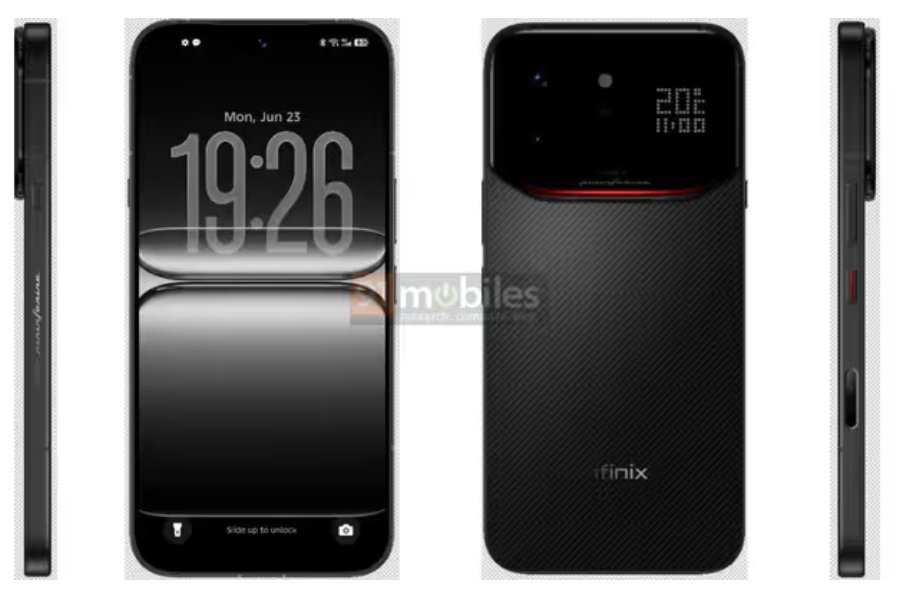
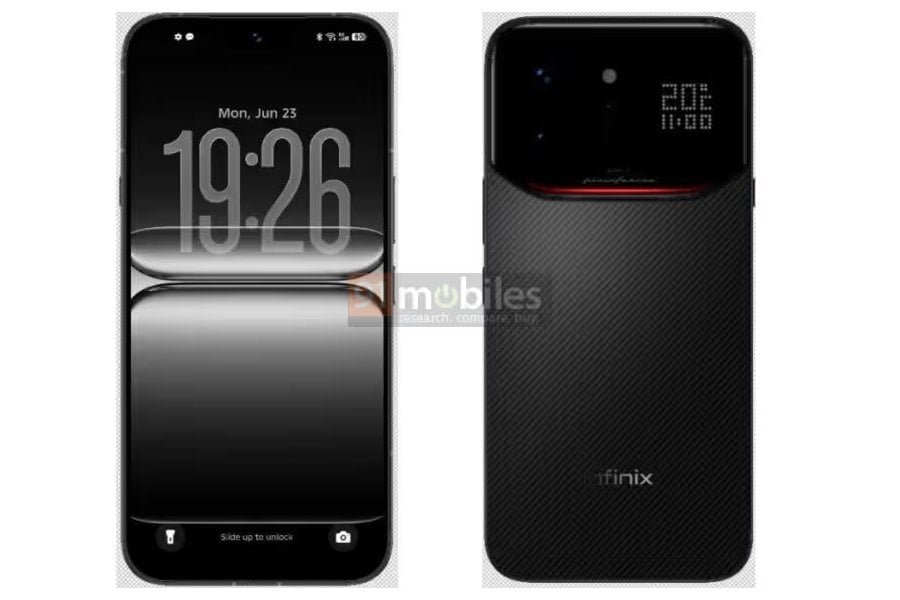
Infinix is baking a fresh batch of smartphones. Shortly after the GT 50 Pro surfaced on the web, the Infinix Note 60 Ultra has also leaked in full, revealing everything from its design to its core specs.

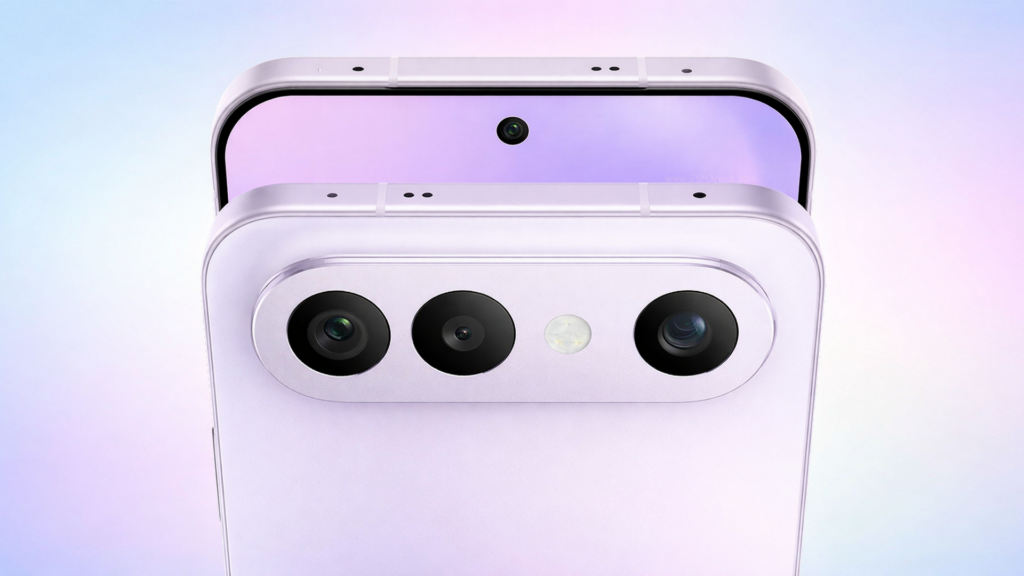
Undoubtedly, the first thing that grabs attention is the Note 60 Ultra’s back panel. It features a full-width camera module stretching from edge to edge, and it even has a secondary display on the right side. The render shows a Glyph-style clock interface and an LED light on the bottom frame of the camera module. 

Is it just me, or does the design feel like a mashup — part iPhone 17 Pro, part Xiaomi 17 Pro Max?

Infinix Note 60 Ultra Specifications (Rumored)

Anyways, the phone is rumored to feature a 6.78-inch 1.5K AMOLED display with a 144Hz refresh rate and a 2.5D curved design. Up front, there’s a 32-megapixel selfie camera, while the rear houses a 200-megapixel primary sensor with OIS, paired with an 8-megapixel secondary lens and a 50-megapixel third camera.

Under the hood, the Infinix Note 60 Ultra could be powered by a MediaTek Dimensity 8400 Ultimate chip. Interestingly, this is the same SoC Infinix is reportedly planning to use in the GT 50 Pro. It’s expected to come with 12GB of RAM and either 256GB or 512GB of storage.

Keeping everything running is a massive 7,000mAh battery with support for 100W wired fast charging. Wireless charging is also on board at 50W, along with 10W wired and wireless reverse charging. The phone is tipped to ship with Android 16 out of the box.

There’s still no official word on the launch, but with this level of detail already out, the Note 60 Ultra likely isn’t far from making its debut. We will keep you in the loop if we receive new updates. 

Tech enthusiast? Get the latest news first! Follow our Telegram channel and subscribe to our free newsletter for your daily tech fix!

For more daily updates, please visit our News Section.

(Source)

Acemagic Retro X5 Mini PC with NES-Inspired Design Launches with Ryzen AI 9 HX 370 and Radeon 890M Graphics

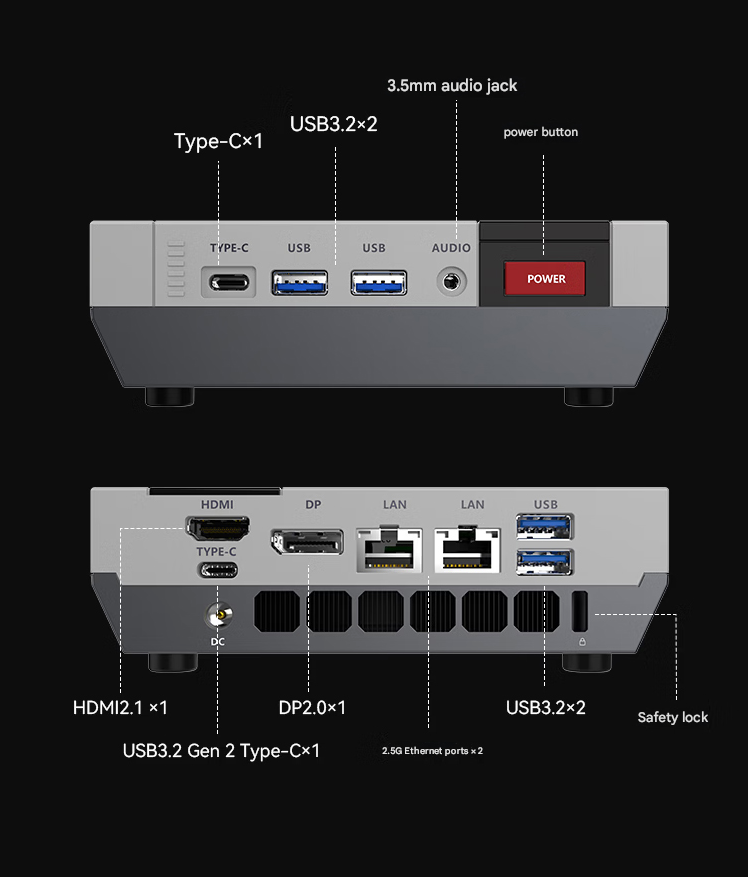
Acemagic has launched the Retro X5 mini PC in China. The compact desktop looks like the classic Nintendo Entertainment System (NES) console. The company first showed it in early February 2026, and it’s now on sale in China. A global release is expected later, and the device is already listed on Acemagic’s international website.

Acemagic Retro X5 mini PC

The retro look hides modern hardware. The Retro X5 runs on AMD’s Ryzen AI 9 HX 370 processor from the Strix Point series. The chip has 12 cores and 24 threads, 24MB of L3 cache, and can boost up to 5.1GHz. It includes AMD’s Radeon 890M graphics with RDNA 3.5 architecture, running at 2900MHz. Performance is similar to entry-level discrete GPUs like the GeForce RTX 2050. The system delivers up to 80 TOPS of combined AI performance from the CPU, GPU, and NPU.

Acemagic Retro X5 mini PC

You can install up to 128GB of dual-channel DDR5-5600 memory. Storage goes up to 4TB using two PCIe 4.0 x4 M.2 SSD slots. Acemagic includes its Fresh Air Cooling System 3.0, which uses dual copper heat pipes, copper fins, and a high-speed centrifugal fan to keep temperatures stable during gaming and AI tasks.

Acemagic Retro X5

For ports, there’s one USB4 with 100W Power Delivery, one USB 3.2 Gen 2 Type-C, two USB 3.2 Gen 2 Type-A ports, and two USB 3.2 Gen 1 Type-A ports. Display outputs include HDMI 2.1 and DisplayPort 2.0, supporting up to four 8K displays at once. Network options include dual 2.5Gb Ethernet, WiFi 7, and Bluetooth 5.4, plus a 3.5mm audio jack. The system comes with Windows 11 Pro and supports external GPUs through the USB4 port.

Pricing & availability

The Retro X5 starts at CNY 6,499 in China, which is about $941. International availability hasn’t been confirmed yet.

Tech enthusiast? Get the latest news first! Follow our Telegram channel and subscribe to our free newsletter for your daily tech fix!

For more daily updates, please visit our News Section.

70mai launches 4K A810S dash cam with GPS, 4G remote access & upgraded parking features

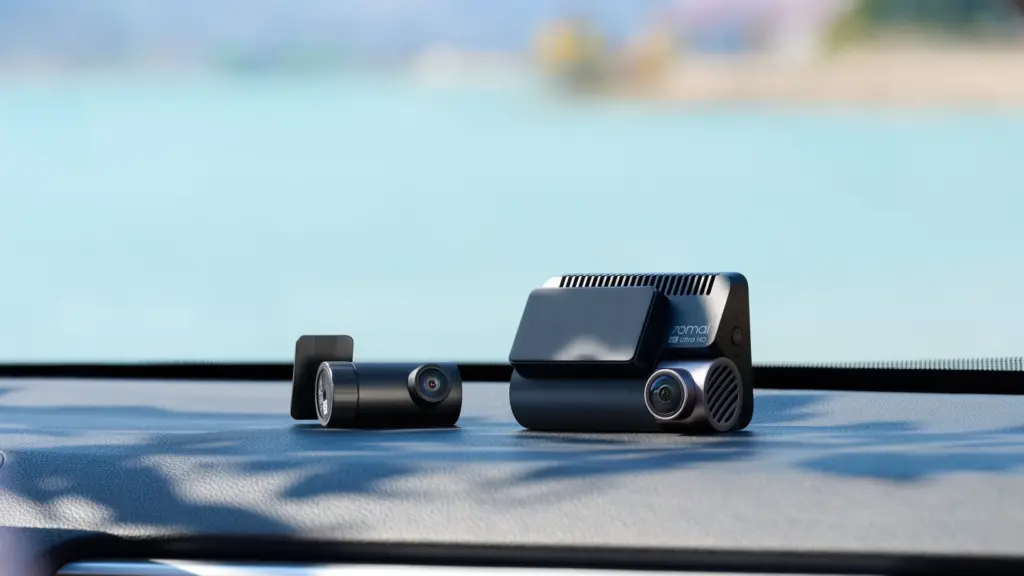
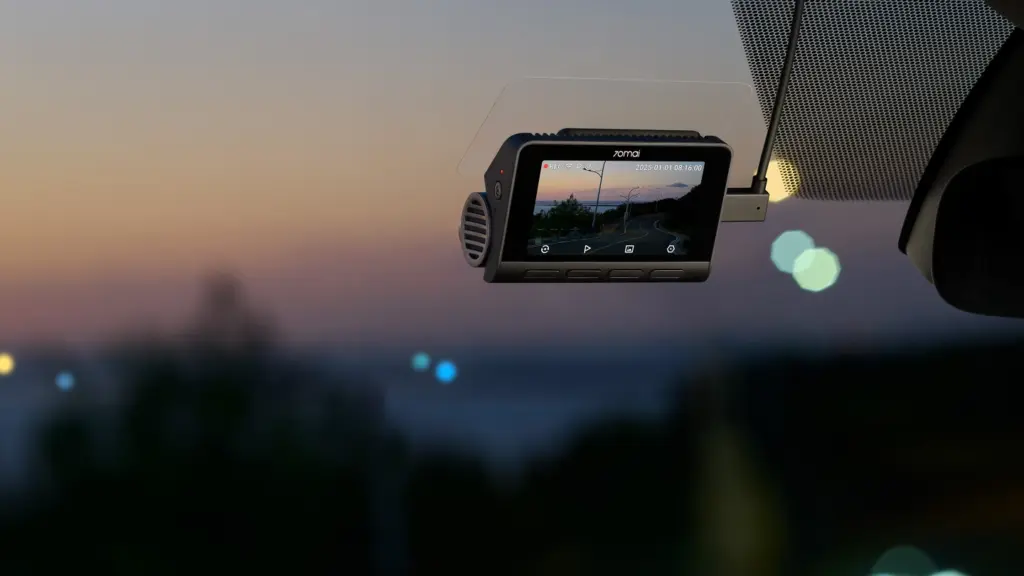
70mai has launched its latest dash cam, the 4K A810S, designed to offer high-resolution recording with advanced safety features. The new dash cam is available now on 70mai’s official website, starting at $199.

70mai A810S

70mai A810S Specifications

The A810S records in 4K at 3840 x 2160 and uses Sony’s Starvis 2 IMX678 image sensor. 70mai says the combination targets real-world scenarios where many 4K dash cams still struggle, including backlit roads, tunnel entry and exit transitions, and harsh weather glare.

The company pairs the sensor with its MaiColor Vivid+ processing and an ROI algorithm that prioritizes details in specific areas of the frame. This approach improves clarity for license plate recognition when lighting conditions change quickly.

The A810S also adds a set of safety and convenience tools, including built-in GPS and ADAS features. GPS logs your speed and route data in real time, while ADAS (Advanced Driver Assistance System) provides alerts when it detects potential hazards on the road.

70mai A810S

The A810S supports buffered emergency recording, saving up to three minutes of footage from before an impact to provide a fuller context around an incident. It also includes an adjustable G-sensor that lets you fine-tune impact sensitivity, which helps cut down on false triggers from rough or uneven roads.

For drivers who park in public areas, the A810S supports AI motion detection and 24/7 parking surveillance when paired with a hardwire kit. If it detects suspicious movement, the system starts synchronized dual-channel recording for a multi-angle view.

You can choose either an in-cabin rear camera or an exterior backup camera, and both options record 1080p HDR footage. The dash cam also supports 4G connectivity, enabling remote monitoring through the 70mai app with live streaming, parking alerts, real-time route tracking, and a Find My Car feature.

70mai A810S

The A810S replaces traditional lithium-ion batteries with a heat-resistant supercapacitor, which improves longevity and safety. It is rated to handle temperatures up to 85°C and supports microSD cards up to 512GB. Wi-Fi 6 is also onboard, allowing faster video transfers to a paired smartphone.

The camera offers multi-language voice commands, so drivers can control it without taking their hands off the wheel. It comes with a 3-inch IPS screen for quick playback and settings, and a USB Type-C port for power.

In related news, Fujifilm recently launched the instax mini Evo Cinema in India, a hybrid camera with video recording and Era Effects.

For more daily updates, please visit our News Section.

Stay ahead in tech! Join our Telegram community and sign up for our daily newsletter of top stories! 💡

Headphone Zone and KZ Launch the Thunder IEM in India for Rs. 1,999

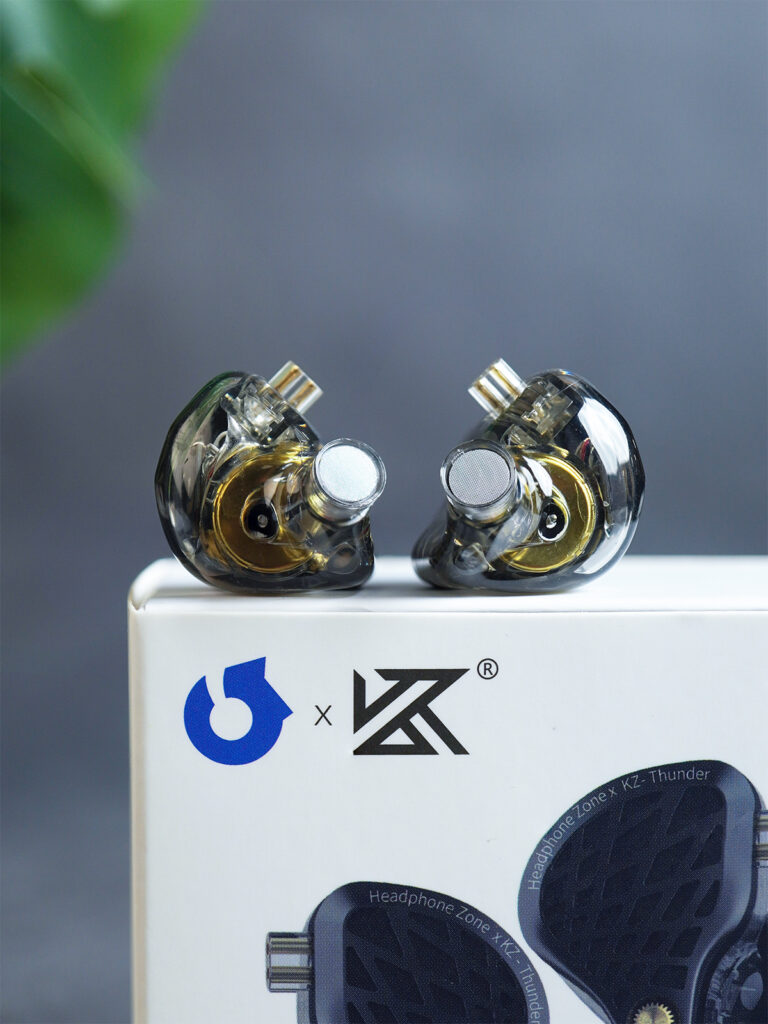
Headphone Zone has announced the launch of a new in-ear monitor (IEM) called the Thunder, a collaboration with Chinese audio brand KZ. The Thunder marks the first time the two brands have developed a fully original product from scratch.

Headphone Zone and KZ Thunder IEM

The Headphone Zone x KZ Thunder is priced at ₹1,999 ($22). It is now available for purchase on headphonezone.in. The IEM comes in two versions: one with a 3.5mm connector and another with a USB Type-C plug that includes a built-in DAC.

Headphone Zone x KZ Thunder Specs

Unlike previous collaborations, which modified existing KZ products, the Thunder introduces an entirely new design and internal architecture. This includes a newly developed 10mm dynamic driver and a balanced armature driver, connected using a custom crossover and PCB that is specific to this model.

Headphone Zone confirmed that the IEM uses a V-shaped sound signature, emphasizing deep bass and crisp highs. The design targets listeners who enjoy rock, metal, EDM, and Bollywood music that features complex instrumental layering.

The Thunder’s shells are made from transparent resin, which reveals the gold-highlighted internals. The outer faceplate features a detailed geometric pattern created exclusively for this model. The IEM uses a standard 0.78mm 2-pin cable, making it compatible with upgraded or wireless cables.

Both variants include an inline microphone and single-button control, allowing users to take calls or control media playback. The USB Type-C model includes a DAC chip built into the cable, removing the need for smartphone dongles or extra adapters.

In terms of comfort, Headphone Zone designed the Thunder using ergonomic principles. The shell shape follows the natural curve of the ear, which helps create a tight seal without discomfort during long sessions.

In related news, Headphone Zone has recently partnered with Pula to introduce the Unicrom IEM, featuring a 10mm driver and a stabilized maple wood design. Meanwhile, Tangzu has launched the Xue Tao Gaming IEM in India through Headphone Zone.

For more daily updates, please visit our News Section.

Stay ahead in tech! Join our Telegram community and sign up for our daily newsletter of top stories! 💡

9,000mAh Phones Are Here: Is The Big Battery Race the New Spec War?

Smartphone specs have always been about balance, from cameras and chips to displays and design. We’ve seen the specs race for every aspect of a phone, such as displays, chips, charging speeds, and much more. But as 2026 kicks into gear, one spec is gaining more spotlight than ever, which is the battery capacity. Phones packing 9,000mAh cells (and beyond) are now launching, offering endurance that would’ve sounded like science fiction just a few years ago. So is battery capacity becoming the newest front in the spec war? Let’s break it down.

1. The Rise of 9,000 mAh Phones

OnePlus Turbo 6
OnePlus Turbo 6

Battery sizes in flagship devices used to hover around the 5,000mAh mark, and recently, Chinese brands were pushing the boundaries with smartphones that are powered by 6,000mAh or even 7,000mAh+ cells. But these companies are showing no signs of stopping, pushing the threshold even further. A great example is the Redmi Turbo 5 Max, which combines a 9,000mAh battery with a Dimensity 9500S platform, blending endurance and performance into a single package.

You also have the OnePlus Turbo 6 and Turbo 6V that debuted with class-leading 9,000mAh cells. There are even rumors of more models like the Honor Magic 9 featuring such a gigantic battery pack. But that’s not all, devices such as the Honor Power 2 and Honor Win series pack even larger 10,000mAh cells. So, it has become clear that battery life is the next big thing.

2. What Bigger Batteries Mean for Everyday Users

Redmi Turbo 5 Max
Redmi Turbo 5 Max

So why are brands doubling down on battery size? The answer is simple: real-world endurance has become a premium feature. A larger cell usually translates to more screen-on hours, longer video playback, and extended gaming without needing a midday charge, which is a huge win for power users who don’t want to plan their day around a dying battery.

Phones with 9,000mAh or higher batteries can often push past two days of mixed use, which was once unheard of without sacrificing on design or performance. While battery capacity matters, fast-charging tech ensures those massive cells don’t become a burden. Most big battery phones pair with fast charging speeds to keep refill times reasonable.

3. Are We Entering a New Spec War?

Honor Win
Honor Win

Traditionally, the smartphone spec wars focused on chip performance, camera megapixels, refresh rates, and RAM. Battery size was often a side note, until now. In 2026, manufacturers are using battery size as a differentiator in marketing and positioning. Consumers are increasingly valuing all-day and multi-day endurance, and aggressive competition among brands is pushing both capacity and efficiency forward.

That said, this trend doesn’t replace performance or camera innovation; it complements it. A phone with a massive battery but middling performance or poor software won’t be appealing. What’s changing is that endurance is now a headline feature, not an afterthought.

4. The Takeaway

The arrival of 9,000mAh phones in 2026 reflects shifting priorities in smartphone design: users want machines that stay alive as long as they do. While battery capacity isn’t the only spec that matters, it’s now one of the most tangible ways manufacturers differentiate products in the crowded smartphone landscape. So battery size is the new spec war. As brands race to push capacity higher without sacrificing performance, weight, or design elegance, battery endurance is becoming just as critical to buying decisions as camera prowess and raw speed.

For more daily updates, please visit our News Section.

Tech enthusiast? Get the latest news first! Follow our Telegram channel and subscribe to our free newsletter for your daily tech fix! ⚡
Casio’s New Metal G-Shocks with Bold Red Dials Are Getting a Global Release

Casio is rolling out a fresh lineup of metal-bezel G-Shock watches featuring eye-catching, bold red displays across more markets beyond Japan. The GM-110YRA-8JF, GM-2100YRA-8JF, GM-5600YRA-8JF, and GM-6900YRA-8JF were initially announced earlier this week, and now they are making their way to the European market.

Casio is Bringing its G-Shock with Metallic Finish & Red Dials to Europe

The newest addition to Casio’s G-Shock family consists of four models, bringing rugged utility and standout wrist style to fans worldwide. These timepieces combine the iconic toughness G-Shock is known for with a design-forward twist that’s sure to attract both collectors and everyday wearers alike. The four models include:

  • GM-110YRA-8JF – analog-digital hybrid with a metallic red face and stainless steel bezel
  • GM-2100YRA-8JF – sleek “CasiOak”-inspired slim model with red dial accents
  • GM-5600YRA-8JF – classic square digital G-Shock with bold red display
  • GM-6900YRA-8JF – larger round body with the same vibrant red aesthetic
New Metal Casio G-Shocks with Red Displays

Each model pairs a stainless steel bezel with G-Shock’s legendary shock resistance, 20-bar (200 m) water resistance, and rugged construction. These red-dial watches aren’t just about standout looks; they retain all the practical features that G-Shock owners come to expect, like mineral glass protection, alarms, timers, and auto calendars, plus strong illumination for readability in low light.

Now, these bold red-display G-Shocks are being listed in regions like the Netherlands, Spain, and Germany. The hybrid GM-2100YRA-8A carries a 260 Euros price tag, while the digital GM-2100YRA-8A is priced at 349 Euros. Although the details for the Casio G-Shock GM-2100YRA-8A and GM-5600YRA-8 watches have yet be released. In related news, the brand recently launched the new Vintage Digital Watch with leather straps.

For more daily updates, please visit our News Section.

Don’t miss a thing! Join our Telegram community for instant updates and grab our free daily newsletter for the best tech stories!

Xiaomi is Launching the New QLED TV X Pro 75 2026 in India Later This Week

Xiaomi has just confirmed that it will be launching the QLED TV X Pro 75 (2026) model in the Indian market. This big smart TV is making its way to the region later this week, offering a QLED display tech powered home theatre experience. So here’s what we know.

Xiaomi QLED TV X Pro 75 2026 Specs & India Launch Date

The Chinese tech giant has revealed that the new TV will be announced in India on 18th February 2026. As the name suggests, the model sports a large 75-inch QLED screen. Apart from the release date, the teaser poster also confirmed a bunch of its specs and features. The promotional material uses the “MaxMagiQ” label, which is likely a marketing name for the TV’s new picture processing engine, which promises richer contrast, depper colors, and enhanced details across movies, sports, and streaming content.

Xiaomi QLED TV X Pro 75 2026

Taglines like “See the BIG Picture” and “Bigger. Better. Clearer.” suggest Xiaomi wants this smart TV to be a living-room theatre experience. Unfortunately, finer details of the TV like its HDR support, refresh rate, and resolutionare still unknown. But the teaser does confirm a “Sporting MagiQ” feature along with “Gaming on MAX and “MAX Sound”. This is likely a reference to some form of motion smoothening for sports, low latency gaming support, and enhanced integrated audio systems, respectively.

Xiaomi has set 19th February 2026 as the official launch date for the QLED TV X Pro 75 in India, and the smart TV will go on sale via the brand’s official online store as well as major retailers like Amazon India and Flipkart. We can expect traditional offline channels to also be included after the initial sales begin.

For more daily updates, please visit our News Section.

Tech enthusiast? Get the latest news first! Follow our Telegram channel and subscribe to our free newsletter for your daily tech fix! ⚡
Nothing confirms Phone (4a) and Phone (4a) Pro will launch just a day after iPhone 17e

After a series of teasers, Nothing has finally confirmed it will launch Phone (4a) and Phone (4a) Pro on March 5th.

Notice the timing? Nothing’s event is just a day after Apple will hold its “Special Experience” showcase on March 4th.

Unsurprisingly, Nothing’s announcement didn’t arrive quietly. CEO Carl Pei shared a playful invite on X, visually riffing on Apple’s minimalist event artwork. The image is altered with bright pink graffiti-style text, swapping out the date for March 5th and stamping the Nothing name front and center.

Meanwhile, Nothing’s official handle confirmed the Phone (4a) series will be announced globally and in India on the same day. While full specifications are still under wraps, leaks and early benchmarks offer some clues. 

What to expect from the Nothing Phone (4a) series?

The lineup is expected to include a standard Phone (4a) and a Phone (4a) Pro. Both models are rumored to feature UFS 3.1 storage and slightly larger batteries than their predecessors in the Phone (3a) series.

The vanilla model recently appeared on Geekbench with a Snapdragon 7s Gen 4 processor. Likewise, both phones are expected to launch in 8GB RAM and 128GB storage configurations. 

However, the two phones might differ in terms of colors. The standard model is expected to come in Black and White, while the Pro will swap White for a Silver finish.

Pei has also hinted that the Phone (4a) series will push closer to flagship territory in areas like materials, display, camera, and overall build quality. According to him, the company is focusing less on chasing specs and more on refining design and user experience.

In addition to the new phones, Nothing has confirmed it will unveil the Nothing Headphone (a). The latter is an affordable follow-up to last year’s Nothing Headphone (1). 

For more daily updates, please visit our News Section.

Stay ahead in tech! Join our Telegram community and sign up for our daily newsletter of top stories.

Vivo X300 FE RAM, storage, color options emerge

Vivo is expected to unveil the Vivo X300 FE soon after the V70 lineup, which is set to debut day after tomorrow (Feb. 19) in India. Likely, the X300 FE may go official in March as the most affordable offering in the X300 lineup. The March arrival seems possible since the phone has bagged multiple certifications and has also emerged on Geekbench. In a new development, a new leak has revealed the RAM, storage, and color options of the device.

Vivo X300 FE configs, color options

Vivo S50 Pro Mini
Vivo S50 Pro Mini

As per the leak, the Vivo X300 FE will be available in two variants, such as 12GB+256GB and 12GB+512GB. To recall, the X200 FE was also made available in the same configurations.

The X300 FE is said to arrive in blue and black options, but it is possible that it could be available in more choices depending on the market.

Vivo X300 FE specifications (rumored)

The rumored Vivo X300 FE is expected to feature a compact flagship design with a 6.31-inch LTPO AMOLED display supporting a 120Hz refresh rate and high-resolution visuals for smooth performance. It will likely be powered by the Snapdragon 8 Gen 5 chipset, paired with up to 16GB of RAM and Android 16, aiming to deliver strong flagship-level performance within a smaller form factor.

In terms of cameras, the device is expected to include a triple-camera setup featuring a 50-megapixel main sensor, a 50-megapixel 3x periscope telephoto lens, and an 8-megapixel ultra-wide camera, along with a 50-megapixel selfie camera. It may also pack a large 6,500mAh battery with 90W fast wired charging and 40W wireless charging support. It is also expected to carry other specs, such as an ultrasonic in-screen fingerprint sensor, dual speakers, and an x-axis linear motor.

To sum up, the Vivo X300 FE appears to be a rebranded version of the Vivo S50 Pro Mini, which was announced in December last year.

For more daily updates, please visit our News Section.

Stay ahead in tech! Join our Telegram community and sign up for our daily newsletter of top stories.

New light-based 3D printing builds millimeter-scale objects in fraction of a second

A research team from Tsinghua University says it has developed a 3D printing method capable of fabricating millimeter-scale objects in under a second, which is a dramatic improvement over most current volumetric techniques.

The work, published in Nature, introduces a system the team calls digital incoherent synthesis of holographic light fields, or DISH. The approach focuses on generating a complete three-dimensional light pattern inside a stationary resin volume, rather than building an object layer by layer.

Many existing volumetric printing methods, such as computed axial lithography (CAL), rely on rotating either the light source or the sample while projecting patterns into photosensitive resin. That rotation adds mechanical complexity and can limit speed and stability. It also often requires thicker resins to prevent printed structures from drifting before they solidify.

The DISH method removes rotation of the resin container altogether. Instead, the system uses a rapidly rotating optical periscope, reportedly spinning up to 10 times per second, to project multiple light patterns from different angles. These patterns are generated by a digital micromirror device and directed into the resin through a single flat optical interface.

By combining these projections in quick succession, the system forms a full 3D light intensity distribution that cures the entire structure nearly at once.

According to the paper, millimeter-scale objects can be printed in as little as 0.6 seconds. The reported volumetric printing rate reaches 333 cubic millimeters per second, with minimum feature sizes around 12 micrometers. The team also reports maintaining approximately 19-micrometer resolution across a one-centimeter depth, which exceeds the typical depth-of-field limits of standard optics.

To achieve this, the researchers used iterative optimization of holographic patterns for each projection angle, refining how light energy accumulates within the resin volume.

The technology is still at the experimental stage, but the potential applications are broad. High-speed fabrication at this scale could be relevant for micro-optical components, small robotic systems, flexible electronics, and biomedical scaffolds.

Whether DISH becomes commercially viable remains to be seen. But as a proof of concept, it pushes the boundaries of what rapid additive manufacturing can look like.

Don’t miss a thing! Join our Telegram community for instant updates and grab our free daily newsletter for the best tech stories!

For more daily updates, please visit our News Section.

(Source)

Infinix GT 50 Pro design, display, processor, camera, and battery details leak

The upcoming Infinix GT 50 Pro, which surfaced on Geekbench last month, is now back in the spotlight thanks to a new report from PassionateGeekz. This time, the leak reveals what the phone might look like and what it could offer under the hood.

Infinix GT 50 Pro Specifications 

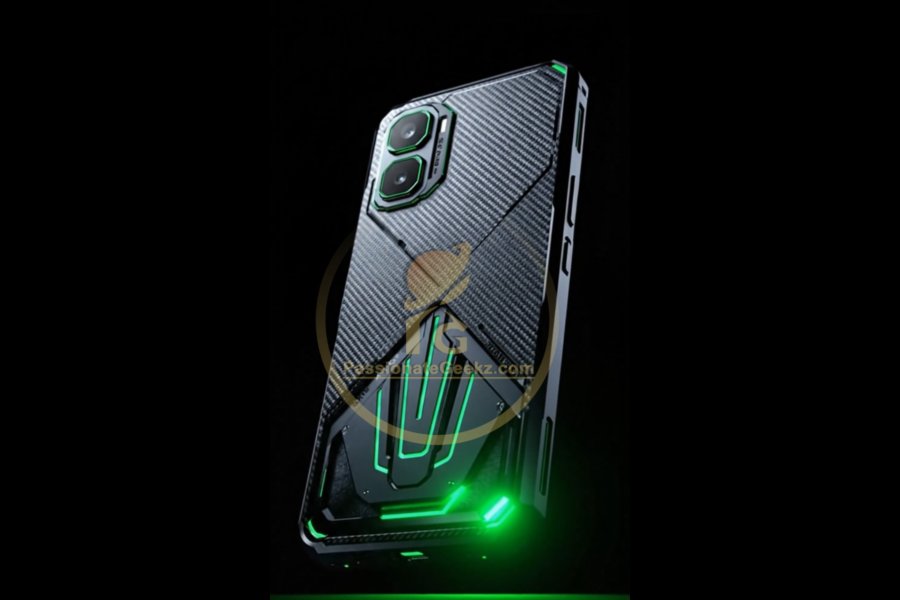
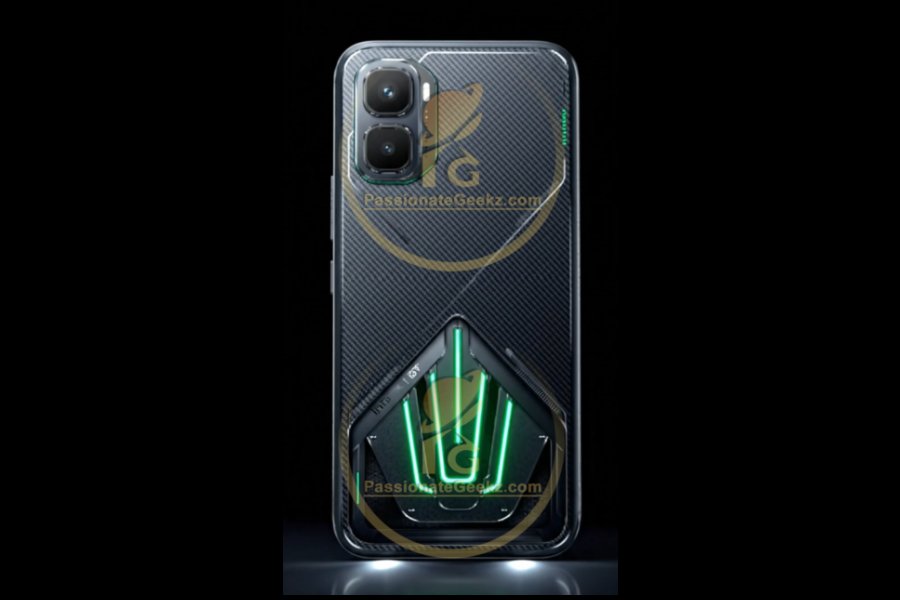
Since Infinix’s GT line focuses on a gaming-inspired design, the GT 50 Pro follows the same trend. The back panel uses a diagonal weave pattern reminiscent of carbon fiber and features green LED “claws” at the bottom.

The front is built around a 6.78-inch AMOLED display with a 1.5K resolution. The screen is tipped to offer a 144Hz refresh rate and slim bezels all around.

Powering the device is said to be the MediaTek Dimensity 8400 Ultimate chipset. It may be paired with 12GB of RAM and come in 256GB and 512GB storage options. 

The GT 50 Pro made its Geekbench run with the same setup, scoring 1,612 points in the single-core test and 6,686 points in the multi-core test.

On the camera side, the phone is rumored to include a quad-camera system. The primary is a 50-megapixel sensor with optical image stabilization and a 0.8µm pixel size. It’s expected to be accompanied by an 8MP ultra-wide lens and another 8MP sensor, along with dual flash modules. For selfies and video calls, the Infinix GT Pro could come with a 13MP front-facing camera.

As for the battery, the GT 50 Pro is tipped to either pack a 6,500mAh single-cell battery or a 6,150mAh dual-cell setup. Charging specs will include 45W wired fast charging, 30W wireless charging, 10W wired reverse charging, and 5W wireless reverse charging. 

Infinix is yet to reveal anything about the GT 50 Pro. However, now that major details are out on the web, we can expect an announcement soon.

For more daily updates, please visit our News Section.

Stay ahead in tech! Join our Telegram community and sign up for our daily newsletter of top stories.

(Source)

Apple to use Samsung’s Privacy Display tech in future MacBooks

According to tipster Ice Universe, Apple could adopt Samsung’s Privacy Display technology for MacBooks. The timing would line up with Apple’s expected shift to OLED panels across its MacBook lineup, starting with higher-end models later this decade. That detail matters because Samsung’s privacy solution relies on OLED hardware.

Samsung is preparing to introduce its Privacy Display feature on the Galaxy S26 Ultra. The system is based on the company’s Flex Magic Pixel OLED technology, which can control the direction of light at the pixel level.

When activated, the display remains clear when viewed straight on, but becomes difficult to see from the sides. Unlike traditional privacy filters, which physically darken the screen at all times, this approach can be toggled on and off.

An advantage of this implementation is that it can work selectively, potentially protecting specific apps or parts of the screen.

Why it makes sense for MacBooks

If Apple adopts similar technology, the benefit could be even more noticeable on laptops. A 14- or 16-inch display is far more exposed in public spaces than a phone screen. Anyone who’s worked on a train or in a café knows how visible the large display can be.

Right now, privacy solutions for MacBooks typically involve magnetic or adhesive filters. They work, but they reduce brightness and color accuracy. A built-in, software-controlled solution would be more elegant.

According to the leak, Apple’s 2029 MacBook lineup could adopt this Privacy Display Tech. The 2029 target sounds distant, but it reflects the likely OLED transition cycle for MacBooks. Apple is widely expected to move its Pro models to OLED first, with broader adoption later. Scaling Samsung’s privacy technology to larger laptop panels may also require some time.

For now, this remains a supply chain rumor rather than a confirmed feature. Apple hasn’t publicly indicated any plans to add built-in privacy controls at the display level.

Still, if Samsung’s rollout on the Galaxy S26 Ultra proves successful, it wouldn’t be surprising to see similar technology make its way into other product categories — even across rival ecosystems.

Don’t miss a thing! Join our Telegram community for instant updates and grab our free daily newsletter for the best tech stories!

For more daily updates, please visit our News Section.

(Source: Ice Universe)

How phone makers are fitting 8,000mAh batteries in a 7mm body

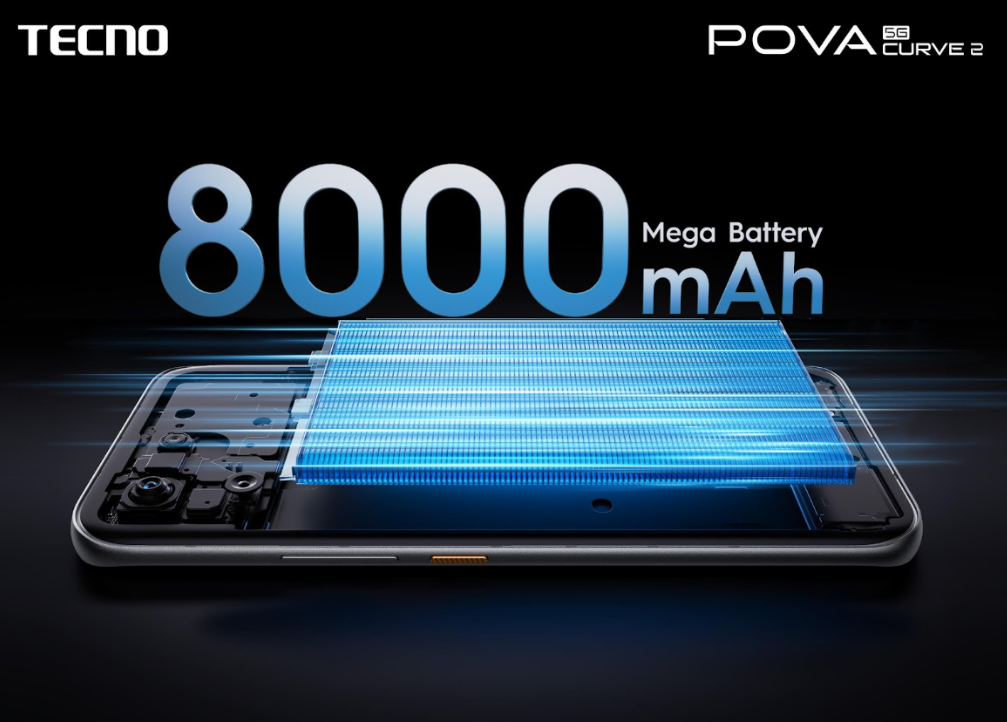
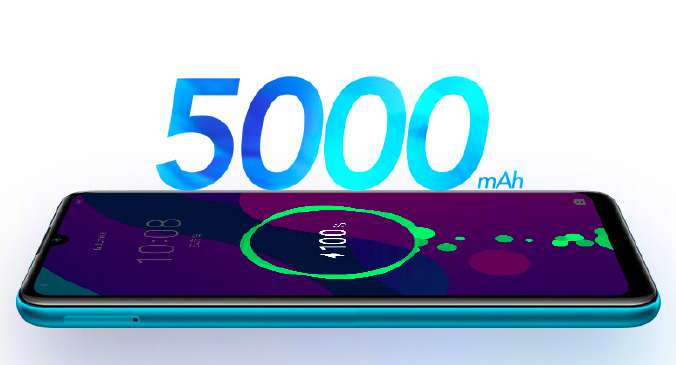
Not long ago, a smartphone with a 5000mAh battery meant a thick body that wasn’t very ergonomic in the hand. Fast forward to 2026, and we now have phones like the Tecno Pova Curve 2, which packs an 8000mAh battery into a slim 7mm body.

On paper, these numbers don’t seem like they belong together. But this is increasingly the direction parts of the smartphone industry are heading, especially among Chinese manufacturers willing to experiment with new battery chemistries.

Here’s how phones like the Pova Curve 2 fit a big battery into a compact body, and where Apple and Samsung stand among them.

1. From Graphite to Silicon-Carbon

Most smartphones today still use lithium-ion batteries with graphite anodes. (FYI, the anode is where lithium ions sit when the battery is charged.) Its long-standing use already shows how well graphite has worked for us. It’s stable, relatively inexpensive, and doesn’t expand much during charging. Meaning it’s safe for rigorous daily use.

However, graphite has its own limits. You can only store so much energy in it before you run out of room.

Enter silicon.

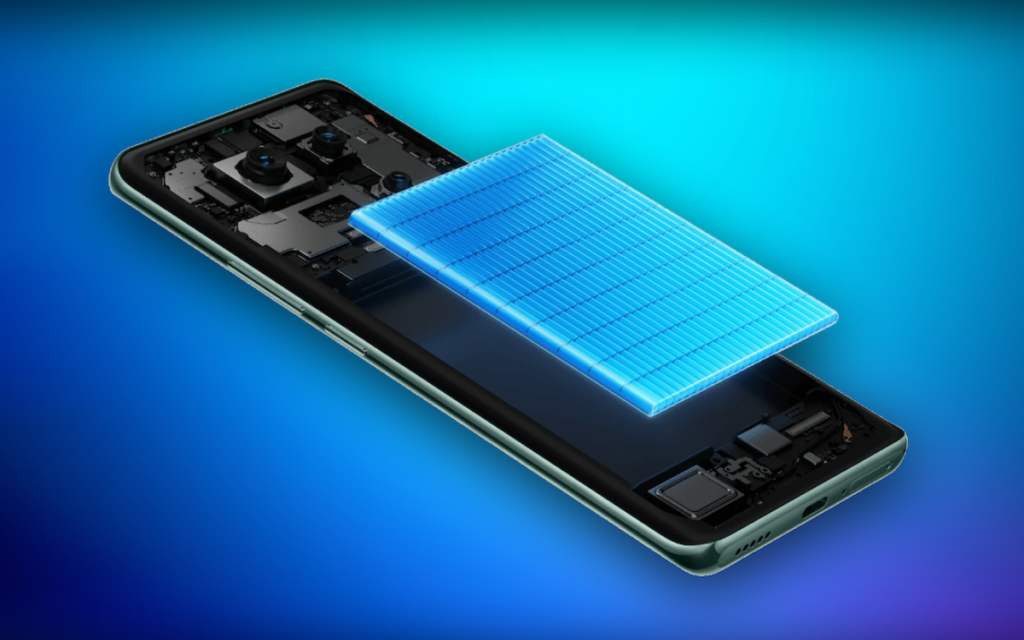
In theory, silicon can store nearly 10 times as much lithium per gram as graphite. That doesn’t mean your battery suddenly becomes ten times bigger, but it does allow manufacturers to increase energy density, i.e., more power in the same physical space.

The problem is that silicon expands dramatically when it absorbs lithium. In lab conditions, it can swell up to 300% (via Neware). So, no prize for guessing, silicon alone is not a good anode for a battery. 

That’s when companies began blending silicon with carbon, creating what we now know as a silicon-carbon (Si-C) anode.

Carbon acts as a stabilizing framework. It holds the silicon particles in place and absorbs some of the stress caused by expansion. The result is a battery that offers higher capacity than traditional graphite-based cells while remaining structurally stable enough for daily use.

It’s not perfect. Silicon-carbon batteries can degrade faster than pure graphite if not carefully managed. But the trade-offs are increasingly worth it for brands chasing bigger numbers without thicker designs.

2. Managing battery expansion

The expansion issue is the core engineering challenge here.

When lithium ions move into the anode during charging, the material swells. With graphite, this swelling is modest. With silicon, it’s much more dramatic. Over repeated charge cycles, the expansion and contraction can crack materials and reduce battery lifespan.

To deal with that, manufacturers use a few strategies:

  • They break silicon into nano-sized particles, which handle expansion better than larger chunks.
  • They embed those particles in a carbon matrix to distribute stress.
  • They blend silicon with graphite rather than eliminating graphite.

The result is incremental improvement rather than a radical redesign. But incremental is enough when the goal is to squeeze extra capacity into the same space. That’s how phones are now crossing 7,000mAh and 8,000mAh thresholds without pushing past 8mm thickness.

3. The Timeline of Si/C batteries

Silicon-carbon batteries didn’t suddenly appear in 2026. The transition has been gradual.

Around 2023, some manufacturers began experimenting with small percentages of silicon in their battery anodes, often in the 5 to 10 percent range. The gains were modest but noticeable. Phones could squeeze in slightly larger batteries without adding thickness.

By 2024 and 2025, the technology became more common, particularly among Chinese brands. Silicon content increased incrementally. Energy density improved. And instead of seeing 5,000mAh as the upper boundary for slim phones, we started seeing 6,000mAh and beyond.

Now, 8,000mAh devices are entering the conversation without looking like rugged bricks.

4. And, it’s not just one company

Tecno isn’t alone in this race. The Honor Power, launched last year, features an 8000mAh cell in a body under 8mm thick. Likewise, the iQOO Z11 Turbo has a 7600mAh battery while measuring 8.1mm. 

The foldables like Honor Magic V5 also use a silicon-carbon battery, fitting over 6,000mAh into a thin foldable chassis. That’s significant because foldables have even less internal space to work with.

The common thread isn’t just capacity. It’s energy density. Companies are packing more watt-hours per cubic millimeter than before. That’s what makes these numbers possible without turning phones into thick slabs.

5. Why Apple and Samsung are late in this

If you’re wondering why the iPhone or Galaxy line hasn’t jumped to 8,000mAh yet, there are a few likely reasons.

A part of that is philosophical. Both Apple and Samsung prioritize battery longevity and long-term stability above everything else. Meanwhile, silicon-carbon batteries, while promising, are still relatively new at scale. 

Managing swelling, maintaining cycle life, and ensuring safety across millions of units isn’t trivial for these brands. This could be the reason why the two giants are moving conservatively with battery chemistry changes.

Regulation and logistics may play a role here. Shipping high-capacity lithium batteries across global markets involves strict certification standards. Some manufacturers are more aggressive in pushing the envelope within certain regions first.

That doesn’t mean Apple or Samsung can’t adopt silicon-carbon batteries. It just means they’re unlikely to lead the first wave.

6. What comes next

If silicon-carbon tech keeps improving, it’s not long before phones with 10,000mAh or larger batteries become common in the industry. In fact, Honor and Realme have already launched their 10,000mAh phones. 

Higher silicon percentages, improved anode structures, and better thermal management could push energy density even further without the bulk that older battery tech required. However, as inspiring as it looks, there are a few looming questions around silicon-carbon batteries, like:

  • Battery life over years of use
  • Heat management during fast charging
  • Costs of advanced battery materials

These will shape how quickly the industry moves and which brands adopt the new tech first.

Don’t miss a thing! Join our Telegram community for instant updates and grab our free daily newsletter for the best tech stories!

For more daily updates, please visit our News Section.

Apple Confirms March 4 “Special Apple Experience” Event; New budget MacBook is expected alongside iPhone 17e

Apple has officially confirmed its first major event of 2026, scheduled for March 4. The company is calling it a “Special Apple Experience.” Invitations have gone out for simultaneous gatherings in New York, London, and Shanghai. The event begins at 9:00 a.m. ET (14:00 UTC / 7:30 p.m. IST). So far, Apple hasn’t mentioned a livestream, which suggests this could be a press-focused showcase rather than a global keynote.

One likely announcement is the successor to the iPhone 16e. The rumored iPhone 17e is expected to build on Apple’s entry-tier formula with features previously reserved for higher-end models.

Leaks point to MagSafe support, the A19 chip, and possibly a Dynamic Island-style OLED display. There’s also talk of an upgraded front camera. If accurate, it would narrow the gap between Apple’s “e” model and the standard iPhone lineup.

Mac updates look probable

Mac refreshes are also widely expected. The 14-inch and 16-inch MacBook Pro models could move to M5 Pro and M5 Max chips, while the MacBook Air may adopt the base M5 processor. These would be typical generational upgrades rather than major redesigns.

IPhone 17e render

More interesting is the rumored low-cost MacBook powered by an A-series chipset instead of an M-series chip. If Apple does introduce a sub-$800 MacBook using a recent iPhone processor, that would mark a notable shift in its laptop strategy.

The idea seems to be maintaining an aluminum build while lowering production costs. Some leaks even suggest more playful color options, which would be unusual for a MacBook in recent years.

Updates to the iPad and iPad Air are also rumored, possibly with newer chips. There’s even talk of a refreshed Apple Studio Display featuring Mini-LED and a higher refresh rate, though that remains less certain.

The “Special Apple Experience” label suggests Apple may want attendees to interact directly with new hardware rather than watch a tightly scripted keynote.

Don’t miss a thing! Join our Telegram community for instant updates and grab our free daily newsletter for the best tech stories!

For more daily updates, please visit our News Section.

(Source)

12.9″ budget MacBook could launch in March with A-series Chip and playful colors

Apple may finally be preparing a lower-cost MacBook, and new details suggest it won’t just be a stripped-down MacBook Air. According to Bloomberg’s Mark Gurman, the company is working on a more affordable model expected to debut around March 2026. The goal appears straightforward: bring the Mac experience to a lower price point without abandoning Apple’s typical build quality.

Pricing is rumored to land somewhere between $599 and $799, which would place it below the current MacBook Air lineup and closer to Chromebook territory.

An iPhone chip inside?

One of the more surprising details involves the processor. Instead of using an M-series chip, the new MacBook is expected to run on an A-series chip, reportedly the same Apple A18 Pro used in the iPhone 16 Pro. That would mark a major shift in Apple’s laptop strategy.

In theory, the A18 Pro should handle everyday tasks like web browsing, streaming, writing, and light productivity without issue. Rumors point to a roughly 12.9-inch IPS display, with brightness levels suitable for indoor use but probably not pushing flagship territory.

Importantly, the chassis is still expected to be aluminum. Gurman notes that Apple is reportedly using a revised manufacturing process to lower production costs while maintaining the company’s typical unibody design. That suggests Apple doesn’t want this to feel like a budget compromise in hand.

Perhaps the most interesting rumor involves color. Apple is said to be testing lighter, more playful finishes, including yellow, green, blue, and pink, alongside silver and darker gray. If that holds true, it would be the most colorful MacBook lineup in years. That positioning makes sense if students are the primary audience.

If the leaks are accurate, this model seems aimed at students, first-time Mac buyers, and users who mainly need a reliable machine for everyday computing. It would also help Apple compete more directly with entry-level Windows laptops in education and emerging markets.

There are still plenty of unknowns: battery life, port selection, storage tiers, and how macOS will be tuned for an A-series chip in a laptop form factor.

But if Apple manages to deliver solid performance, a familiar design, and a lower entry price, this could become the company’s most accessible Mac in years.

Don’t miss a thing! Join our Telegram community for instant updates and grab our free daily newsletter for the best tech stories!

For more daily updates, please visit our News Section.

(Source)

OnePlus OxygenOS B40P02 February 2026 Update Rolling Out: New Photos Features, Private Safe Updates, Stability Fixes

OnePlus has started rolling out the February 2026 OxygenOS B40P02 update to its smartphones and tablets. The rollout began on February 5, 2026, and will continue in stages, with all eligible devices expected to receive it by around March 5. As usual, the update is incremental, so not all users will get the notification at the same time.

The update carries version number B40P02 (BRB1EX01) for phones and B40P02 (BRB3EX01) for tablets. It brings improvements to the Photos app, AI Writer, Private Safe, and overall system stability.

The Photos app gets multiple upgrades. Gesture animations when swiping up or down while browsing images are now smoother and more responsive. Video editing now supports cutting, splitting, multi-clip stitching, music, text, speed adjustment, cropping, and more. The AI Eraser has been improved to produce clearer images with fewer visible traces after removing objects. The Remove Reflections feature has also been enhanced to reduce glare in document photos and portraits of people wearing glasses.

A new “Popout” option has been added to the Collage feature, allowing the subject to appear outside the frame for a layered effect. Filters now support Motion Photo, Screenshots, and screen recordings, and Edited categories, making it easier to organize content. An Auto Straighten tool can correct tilted portraits, buildings, or other images while cropping and rotating. Thumbnail parsing has also been optimized to display previews faster, but this is limited to OxygenOS 16 and supported models.

The AI Writer feature, available only on OxygenOS 16 and some devices, now supports more writing scenarios. Users can generate compositions, letters, proposals, job descriptions, and video scripts using the “Write anything” option.

Private Safe improvements are available on OxygenOS 14 and above. Adding images and files is now faster, and users can edit photos and videos directly inside Private Safe without unlocking them first. The update also includes general system stability improvements.

Eligible OxygenOS 16 devices include the following:

OxygenOS 16

  • OnePlus Open
  • OnePlus 15 series
  • OnePlus 13 / OnePlus 13R
  • OnePlus 12 series
  • OnePlus 11
  • OnePlus Nord 5
  • OnePlus Nord CE5
  • OnePlus Nord 4
  • OnePlus Pad 3 / OnePlus Pad 2

OxygenOS 15 & 16

  • OnePlus Nord 3

OxygenOS 15

  • OnePlus 10 series
  • OnePlus Nord CE4 series
  • OnePlus Nord CE3 series
  • OnePlus Pad

OxygenOS 14

  • OnePlus 9 Series
  • OnePlus 8T
  • OnePlus Nord 2T 5G
  • OnePlus Nord CE 2 Lite 5G
  • OnePlus Pad Go

OxygenOS 13.1.0

  • OnePlus 8 / OnePlus 8 Pro

OxygenOS 13.0.0

  • OnePlus Nord 2 5G
  • OnePlus Nord CE 2 5G
  • OnePlus Nord CE 5G

Tech enthusiast? Get the latest news first! Follow our Telegram channel and subscribe to our free newsletter for your daily tech fix!

For more daily updates, please visit our News Section.

(Source)

Modder Compresses GTA V to Just 2.5GB — and It Still Runs

A Brazilian modder claims to have reduced the install size of Grand Theft Auto V to under 2.5GB, down from well over 120GB in its current form.

The project, shared on X by @OptiJogos, is being called “GTA V Lite.” According to the modder, the goal wasn’t just to shrink the game files, but to see how much could be removed while still keeping the core sandbox functional.

The result is extreme. Almost everything outside the basic open-world framework has been stripped away. Story missions, cutscenes, most audio, interiors, GTA Online, and large sections of the map are gone. Even the North Yankton prologue, which alone takes up a few gigabytes, has been removed. Textures have been heavily downscaled, and only a small portion of Los Santos remains accessible.

Players are limited to Michael, with no character switching. Yet surprisingly, the game still runs. You can walk around, steal cars, interact with the police system, and trigger wanted levels. In other words, the sandbox remains, just in a very minimal form.

Opti demonstrated the build running at roughly 30FPS on a low-spec device, the kind of machine that would normally struggle with modern titles. It’s not pretty, and the visual fidelity is dramatically reduced, but it works.

Why do this?

For many players in regions where hardware prices are high and upgrades are difficult, the original version of GTA V is simply out of reach. Storage alone can be a barrier, not to mention GPU requirements.

This mod appears to be more of a technical experiment than a practical alternative. It shows how much of GTA V’s size is tied to assets rather than core systems. Strip away the cinematics, high-resolution textures, and online components, and what remains is surprisingly compact.

That said, downloading modified game builds always carries risks. Compatibility issues, missing features, and potential security concerns are worth keeping in mind.

Still, as a proof of concept, shrinking a massive open-world title down to 2.5GB is impressive, even if what remains is closer to a skeleton than the full experience.

Don’t miss a thing! Join our Telegram community for instant updates and grab our free daily newsletter for the best tech stories!

For more daily updates, please visit our News Section.

(Source)