Advertisement

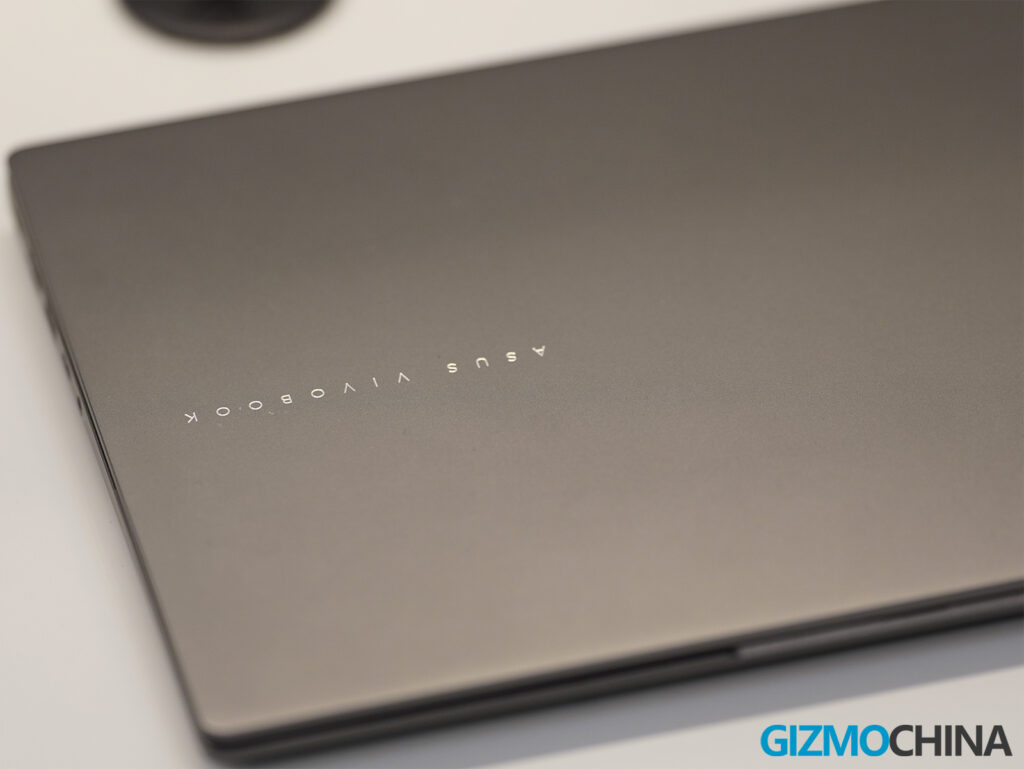
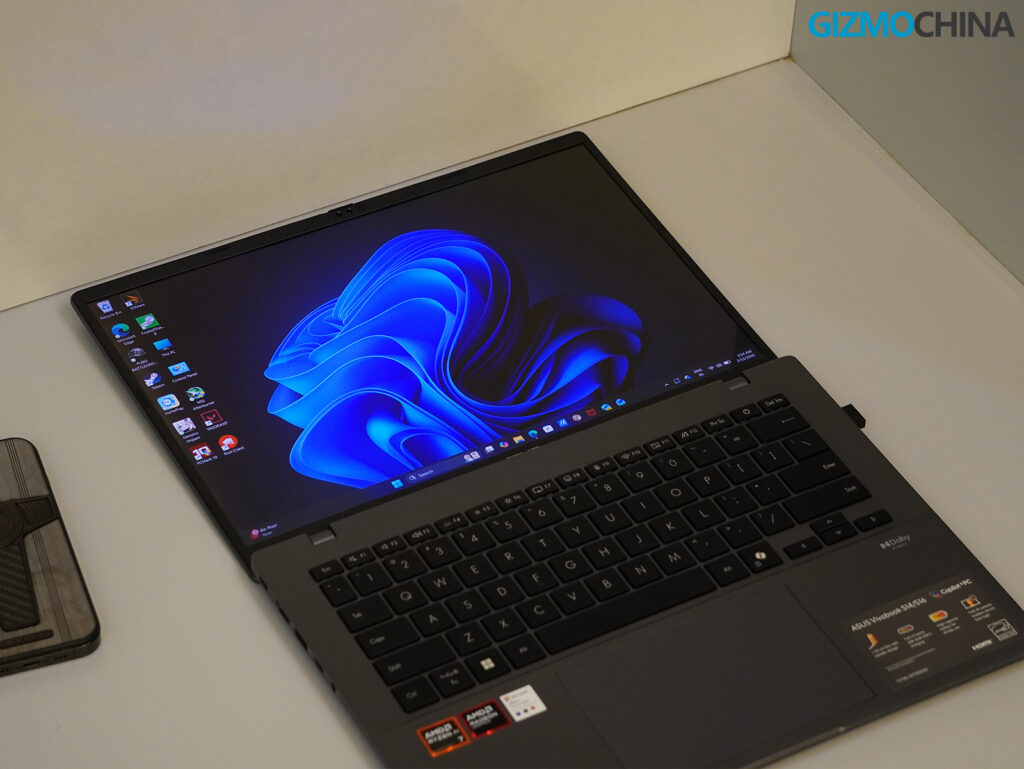
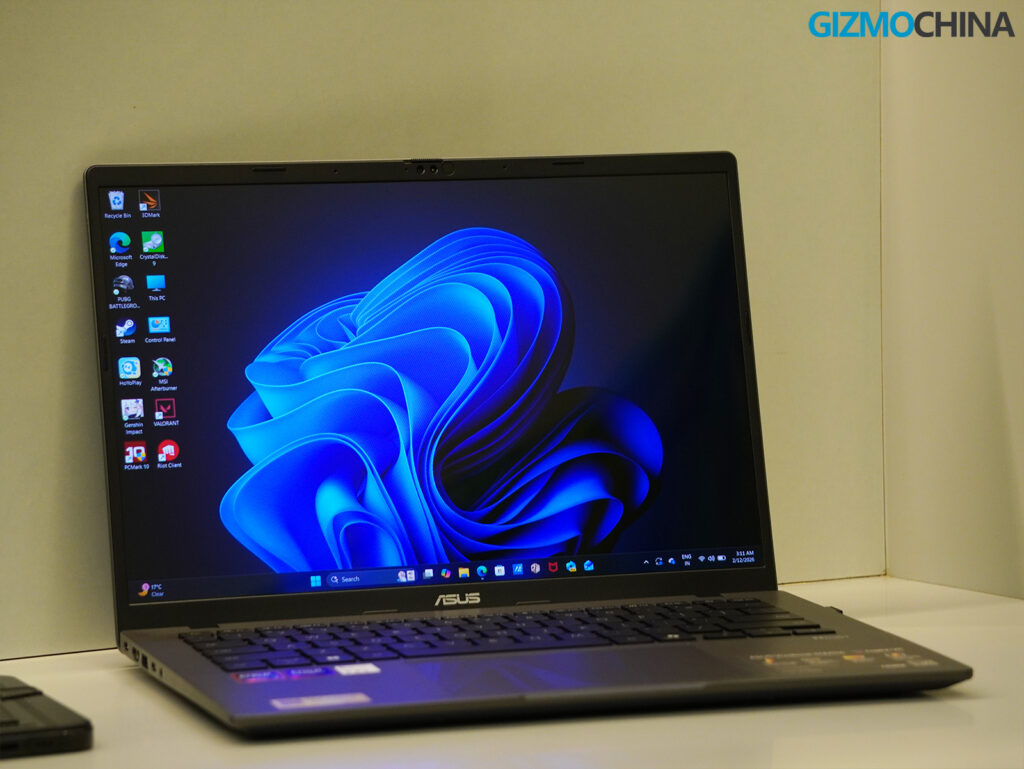
ASUS Zenbook S16, Zenbook 14 and Vivobook AI Laptops Launched in India with Ryzen AI 400 Series

ASUS India has started pan-India sales of its new AI-powered laptops, including the Zenbook S16 (UM5606GA), Zenbook 14 (UM3406GA), Vivobook S16 (M3607GA), Vivobook 16 (M1607GA), Vivobook 15 (M1502NAQ), and Vivobook 16 (M1605NAQ). The launch follows last week’s pre-booking phase. The lineup covers both premium and everyday use segments.

Zenbook S16

All models are powered by AMD Ryzen AI 400 Series processors with AMD XDNA NPUs delivering up to 50 TOPS of AI performance. These chips support on-device AI tasks, Copilot+ PC features, and ASUS apps such as MyASUS, StoryCube, AI Noise Canceling, WiFi SmartConnect, TaskFirst, and system-level tuning tools.

Zenbook S16 (UM5606GA)

The Zenbook S16 runs on the AMD Ryzen AI 9 465 processor with 10 cores and 20 threads. It comes with 32GB LPDDR5X RAM and a 1TB M.2 NVMe PCIe 4.0 SSD. The laptop features a 16-inch 3K OLED touchscreen with 2880 x 1800 resolution, 16:10 aspect ratio, 120Hz refresh rate, and 0.2ms response time. It offers 500 nits brightness, 1000 nits HDR peak brightness, 100 percent DCI-P3 color coverage, 1,000,000:1 contrast ratio, PANTONE validation, stylus support, and eye care certification.

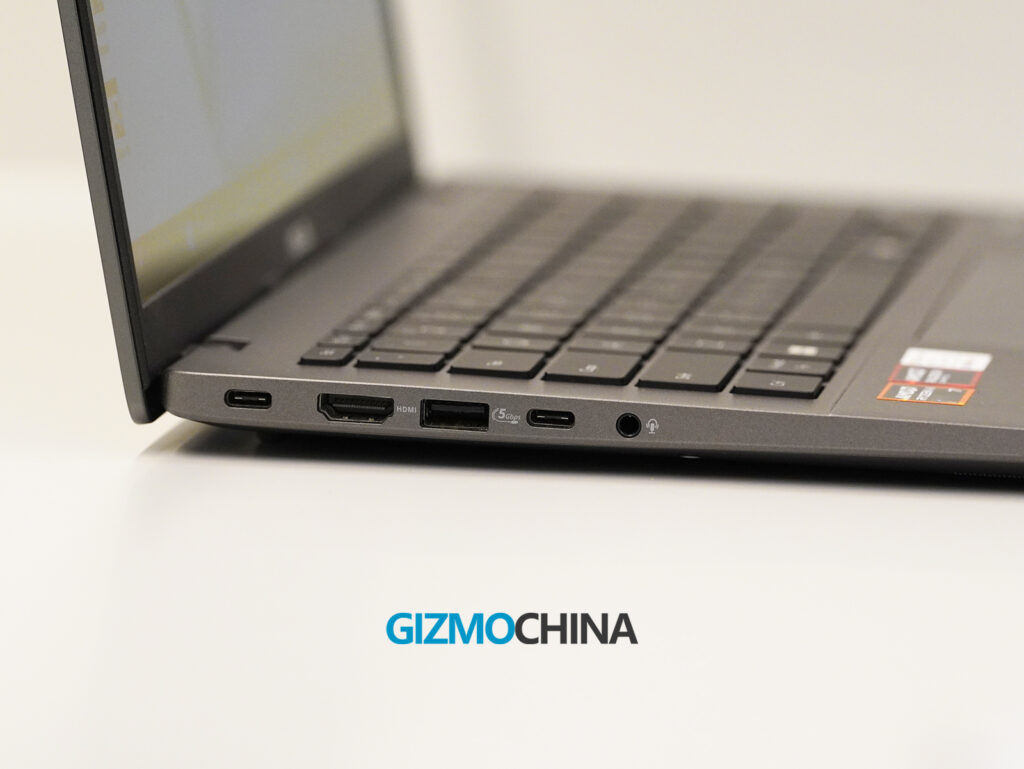
The aluminum chassis comes in Antrim Gray and measures 35.36 x 24.30 x 1.19 to 1.29 cm. It weighs 1.5 kg. Connectivity includes WiFi 7, Bluetooth 5.4, one USB-A port, two USB-C ports, HDMI 2.1, a 3.5mm audio jack, and an SD 4.0 card reader. It packs an 83Wh 4-cell battery with a 68W USB-C adapter. Security features include Microsoft Pluton. It also meets MIL-STD 810H durability standards and offers a 1-year warranty.

Zenbook 14 (UM3406GA)

The Zenbook 14 is powered by the AMD Ryzen AI 5 430 processor with 4 cores and 8 threads. It includes 16GB LPDDR5X RAM and a 1TB M.2 NVMe PCIe 4.0 SSD. The 14-inch FHD+ OLED touchscreen has a 1920 x 1200 resolution, 16:10 aspect ratio, 60Hz refresh rate, and 0.2ms response time. It delivers 400 nits brightness, 500 nits HDR peak brightness, 100 percent DCI-P3 coverage, 1,000,000:1 contrast ratio, glossy finish, reduced blue light, TÜV Rheinland and SGS eye care certification, stylus support, and an 87 percent screen-to-body ratio.
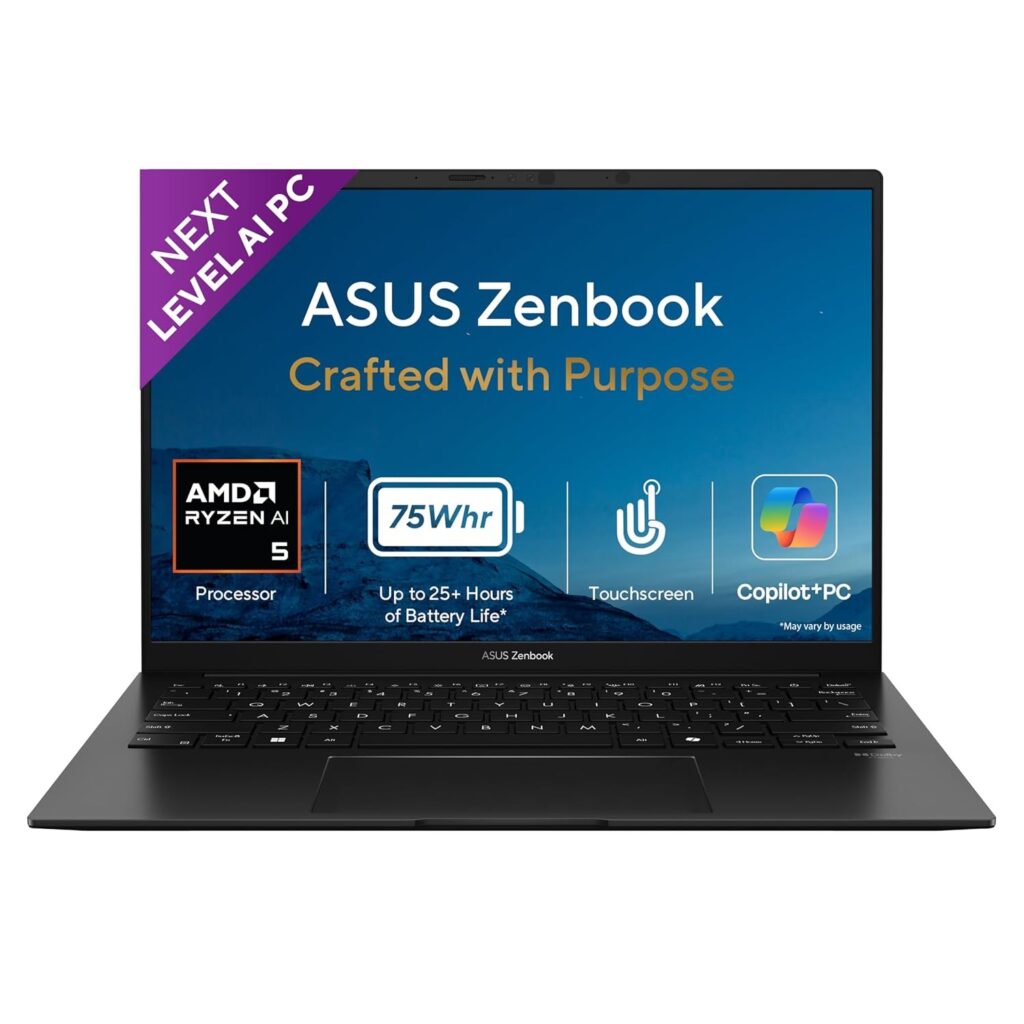
The aluminum chassis comes in Jade Black and measures 31.24 x 22.01 x 1.49 cm. It weighs 1.28 kg. It supports WiFi 6E tri-band 2×2 and Bluetooth 5.4. Ports include one USB-A, one USB 3.2 Gen 2 Type-C, one USB 4.0 Gen 3 Type-C, HDMI 2.1, and a 3.5mm combo jack. It houses a 75Wh 4-cell battery with a 68W USB-C adapter supporting 45W to 68W charging. Security is handled by Microsoft Pluton. The laptop also includes McAfee for 1 year.

Vivobook S16 (M3607GA)

The Vivobook S16 runs on the AMD Ryzen AI 7 445 processor with 6 cores and 12 threads. It comes with 16GB DDR5 onboard memory, a 1TB M.2 NVMe PCIe 4.0 SSD, one DDR5 SO-DIMM slot, and one M.2 PCIe 4.0 slot. The 16-inch FHD OLED touchscreen has a 1920 x 1200 resolution, 16:10 aspect ratio, 60Hz refresh rate, and 0.2ms response time. It offers 300 nits brightness, 1,000,000:1 contrast ratio, 1.07 billion colors, glossy finish, reduced blue light, and TÜV Rheinland certification.

The aluminum body comes in Cool Silver and weighs 1.7 kg. It measures 35.70 x 25.06 x 1.59 to 1.79 cm. It includes WiFi 6 dual-band 2×2, Bluetooth 5.4, two USB-C ports, two USB-A ports, HDMI 2.1, and a 3.5mm combo jack. It has a 70Wh 4-cell battery with a 68W USB-C adapter. Security features include firmware TPM and BIOS boot password protection.

Vivobook 16 (M1607GA)

The Vivobook 16 uses the same Ryzen AI 7 445 processor with 16GB DDR5 onboard memory, a 512GB M.2 NVMe PCIe 4.0 SSD, one DDR5 SO-DIMM slot, and one M.2 PCIe 4.0 slot. It features a 16-inch FHD+ LED display with 1920 x 1200 resolution, 16:10 aspect ratio, 60Hz refresh rate, anti-glare coating, and 300 nits brightness.

ASUS Zenbook 14

The aluminum chassis is available in Quiet Blue and Cool Silver. It measures 35.70 x 25.06 x 1.79 to 1.99 cm and weighs 1.88 kg. It supports WiFi 6 dual-band 2×2 and Bluetooth 5.4. Ports include two USB-C, two USB-A, HDMI 2.1, and a 3.5mm combo jack. It packs a 42Wh 3-cell battery with a 68W USB-C adapter. It meets MIL-STD 810H durability standards.

Vivobook 15 (M1502NAQ) and Vivobook 16 (M1605NAQ)

The Vivobook 15 (M1502NAQ) is designed for office and business use. It features a 15.6-inch Full HD display with 1920 x 1080 resolution. The screen has a matte finish, uses an IPS panel, and supports a 60Hz refresh rate. It is powered by an AMD Ryzen 7 150 processor with 6 cores and a base frequency of 3.30 GHz. The laptop comes with 16GB DDR5 RAM, expandable up to 24GB. Storage includes a 512GB PCIe NVMe SSD. Graphics are handled by AMD Radeon 660M Graphics with dynamic shared memory.

Pricing and Availability

The Zenbook S16 starts at Rs. 1,69,990. The Zenbook 14 starts at Rs. 1,15,990. The Vivobook S16 starts at Rs. 1,04,990. The Vivobook 16 (M1607GA) starts at Rs. 87,990. The Vivobook 15 (M1502NAQ) starts at Rs. 62,990. The Vivobook 16 (M1605NAQ) starts at Rs. 65,990.

The Zenbook S16, Vivobook S16, and Vivobook 16 (M1607GA) are available through ASUS Exclusive Stores, ASUS Eshop, Amazon, and authorized retailers. The Zenbook 14 is available via Amazon and ASUS Eshop. The Vivobook 15 is available through ASUS Stores, ASUS Eshop, Amazon, Flipkart, and authorized retailers. The Vivobook 16 (M1605NAQ) will go on sale in the first week of March.

For more daily updates, please visit our News Section.

Don’t miss a thing! Join our Telegram community for instant updates and grab our free daily newsletter for the best tech stories!

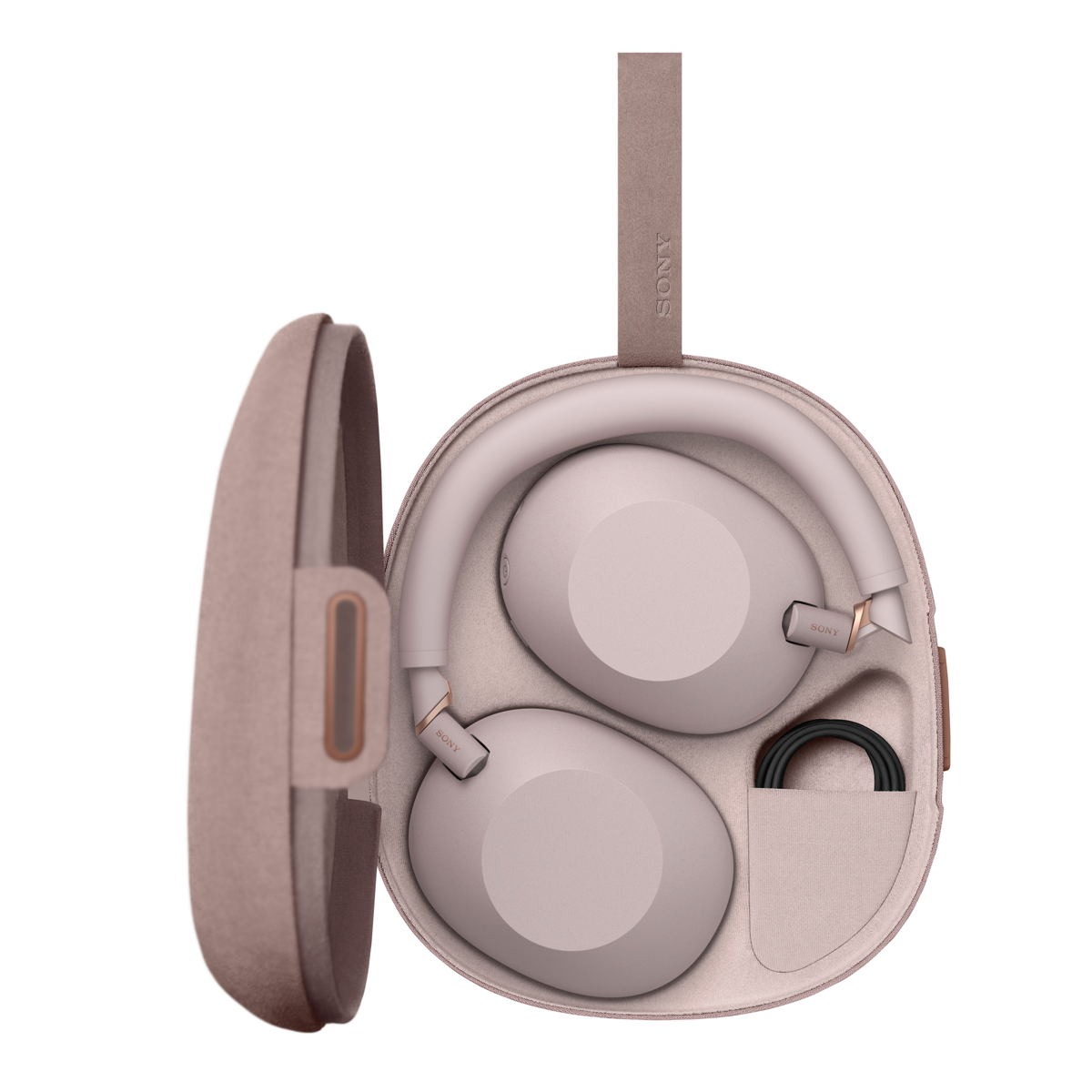
Sony Launches Sand Pink WH-1000XM6 Noise-Canceling Headphones

Sony Electronics has expanded its WH-1000XM6 flagship wireless noise-cancelling headphones with a new Sand Pink color option, joining Black, Platinum Silver, and Midnight Blue variants at $459.99 USD and $599.99 CAD.

Originally launched in May 2025, the WH-1000XM6 represents Sony’s latest premium offering, featuring the HD Noise Canceling Processor QN3, which is seven times faster than previous generations. The advanced active noise cancellation system employs twelve microphones working with an Adaptive NC Optimizer that continuously analyzes environmental conditions and wearing patterns to adjust noise reduction across different settings.

Sony WH-1000XM6

Sony redesigned the driver unit specifically for enhanced audio performance, collaborating with mastering engineers from Sterling Sound, Battery Studios, and Coast Mastering for precise tuning. The headphones support LDAC high-resolution audio and include Edge-AI with DSEE Extreme upscaling technology.

Design improvements include a vegan leather headband, soft stretchable earpads, and a reinstated foldable mechanism that enables a more compact carrying case with magnetic buckle closure. Control options combine a touch panel with tactile buttons and a dedicated mute function.

Feature highlights include Auto Ambient Sound mode for environmental awareness, Game EQ optimized for shooters, and Cinema 360 Reality Audio Upmix for immersive film experiences. Battery performance reaches 40 hours with ANC disabled.

The WH-1000XM6 utilizes Sony’s Integrated Processor V2, which powers the Adaptive Noise Canceling Optimizer to maintain consistent performance regardless of environmental changes or how the headphones sit on the user’s head.

The Sand Pink model is immediately available through Sony’s direct channels, Amazon, Best Buy, and authorized retailers.

For more daily updates, please visit our News Section.

Stay ahead in tech! Join our Telegram community and sign up for our daily newsletter of top stories.

Sony WF-1000XM6 Earbuds Launched with Improved Noise Canceling Technology

Sony has launched the WF-1000XM6 wireless earbuds, claiming a 25 percent noise cancellation improvement over the WF-1000XM5, particularly in mid-to-high frequencies encountered in everyday settings.

Sony WF-1000XM6

The earbuds deploy Sony’s HD Noise Canceling Processor QN3e and Integrated Processor V2. Each earbud now houses four microphones instead of three, paired with an Adaptive Noise Canceling Optimizer that continuously analyzes external noise and fit conditions. The system compensates for sound leakage from imperfect ear tip seals. New Noise Isolation Earbud Tips come in four sizes, and the earbuds are 11 percent slimmer, conforming to inner ear anatomy. A ventilation structure reduces internal noise from movement and chewing.

Sony WF-1000XM6

Audio processing uses dual processors with enhanced DAC amplification and 32-bit support. The driver unit combines a soft edge for bass response with a rigid dome for high-frequency extension. The package includes Hi-Res Audio Wireless, DSEE Extreme upscaling, 360 Reality Audio, 10-band EQ via the Sound Connect app, head tracking, and Background Music Effect. Sony consulted mastering engineers Randy Merrill, Chris Gehringer, Mike Piacentini, and Michael Romanowski for sound tuning.

Call quality relies on bone conduction sensors, dual microphones with AI beamforming, and AI-based noise reduction per earbud. Connectivity improvements include antennas 1.5 times larger than the previous generation. The earbuds support LE Audio and deliver up to eight hours of playback, extending to 24 hours with the charging case. Qi wireless charging is included.

The WF-1000XM6 launches at $329.99 USD ($429.99 CAD) in Black and Platinum Silver.

For more daily updates, please visit our News Section.

Stay ahead in tech! Join our Telegram community and sign up for our daily newsletter of top stories!

Casio launches new GMWBZ5000 G-Shock metal watches in the US with MIP LCD and solar power

Casio has officially released the GMWBZ5000D-1, GMWBZ5000BD-1, and GMWBZ5000GD-9 G-Shock watches in the US market. These models first debuted in Japan in November 2025 and now expand availability to global buyers. The new lineup continues the brand’s 5000-series legacy with a full-metal construction and updated internals.

Casio G-shock GMW-BZ5000GD-9 GMW-BZ5000D

Design Details

Each watch in the series features a square stainless steel case, measuring 49.3 x 43.6 x 13 mm, and a solid metal bracelet with a three-fold clasp. The GMWBZ5000D-1 uses a natural silver finish, the GMWBZ5000BD-1 adopts a black ion-plated treatment, and the GMWBZ5000GD-9 is coated in a gold ion-plated finish. All three watches maintain the signature G-Shock design but introduce a redesigned internal structure developed through AI-assisted design processes.

Casio created a new shock-resistant structure after studying decades of G-Shock performance data. Using AI, the company designed a case extension that connects with the lugs to minimize shock transmission. Inside, a resin protector absorbs impacts while preserving the strength of the full-metal exterior.

The watches use a high-contrast, full-dot Memory in Pixel (MIP) LCD for improved readability and energy efficiency. Casio enables eight display modes across two font styles, with options for dual time, day-date, and triple time layouts. The LCD offers wide viewing angles and remains visible even in direct sunlight.

Connectivity features include Bluetooth support through the Casio Watches app and Multi Band 6 radio signal calibration. Casio includes its Tough Solar charging system, which powers the watch from ambient light. The battery can run for up to 22 months in power-saving mode after a full charge.

Other functions include 38 world time zones, a 1/100-second stopwatch, a countdown timer, five daily alarms, an LED backlight, and a full auto-calendar valid through 2099. The watches are water-resistant to 200 meters and feature a screw-lock case back for added durability.

Pricing and Availability

Casio has priced the GMWBZ5000D-1 at $660, while the black and gold models retail for $720. All three models are now available through Casio’s official US channels, select online stores, and authorized jeweler-exclusive outlets.

In related news, Casio has recently launched the premium G-Shock MRGB2100D-2A in the US, featuring a titanium build and Bluetooth connectivity. The company has also introduced its latest Baby-G series with playful pastel tones and translucent straps.

For more daily updates, please visit our News Section.

Stay ahead in tech! Join our Telegram community and sign up for our daily newsletter of top stories! 💡

(Casio 1,2,3)

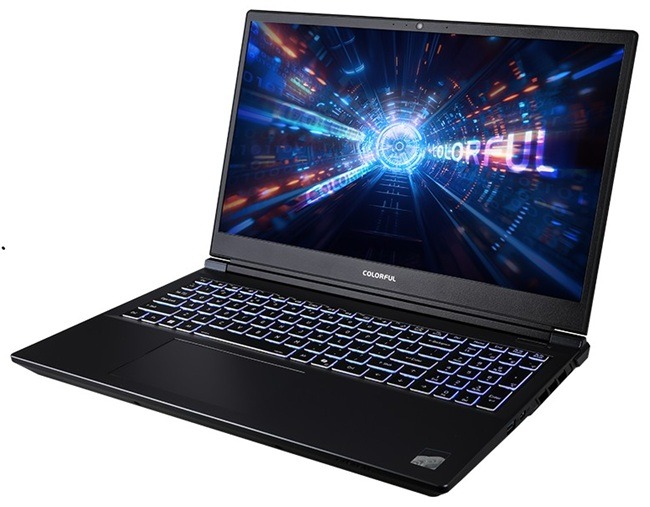
COLORFUL EVOL P15 Gaming Laptops Debut with RTX 50 Series GPUs and QHD 165Hz Display

COLORFUL Technology has announced the EVOL P15 gaming laptop series. The new lineup brings NVIDIA GeForce RTX 50 series Laptop GPUs to a 15.6-inch form factor. The series will be available in two variants with GeForce RTX 5060 and RTX 5050 Laptop GPUs. Both models come with Windows 11 Home and WPS Office pre-installed, with support for Word, Excel, and PowerPoint file formats.

COLORFUL EVOL P15

The EVOL P15 RTX 5060 model comes in a Carbon Grey chassis. It supports up to an Intel Core i7 14650HX processor with 16 cores and 24 threads. Graphics are handled by the NVIDIA GeForce RTX 5060 Laptop GPU with 8GB VRAM and DLSS 4 support.

It features a 15.6 inch IPS display with 2560 × 1440 resolution, a 165Hz refresh rate, and 100 percent sRGB color coverage. The laptop uses an Ice Cooling System with dual fans and five heatpipes. It supports up to 16GB DDR5 5200MHz memory and includes a 512GB PCIe Gen3 M.2 SSD. There is also an additional M.2 slot for storage expansion. Connectivity includes Wi Fi 6E, and it has an RGB LED keyboard.

The EVOL P15 RTX 5050 model comes in a Cloud White chassis. It supports up to an Intel Core i5 13420H processor with 8 cores and 12 threads. It is paired with the NVIDIA GeForce RTX 5050 Laptop GPU with 8GB VRAM and DLSS 4 support.

This version features a 15.6 inch IPS display with 1920 × 1080 resolution, a 144Hz refresh rate, and 100 percent sRGB color coverage. Cooling is handled by Ice Cooling System 3.0 with dual fans and four heatpipes. It supports up to 16GB DDR5 5200MHz memory and includes a 512GB PCIe Gen3 M.2 SSD with an additional M.2 slot. It supports Wi Fi 6 and includes an RGB LED keyboard.

The EVOL P15 series will launch in Q1 2026 with a two-year warranty. Pricing will be announced closer to release.

For more daily updates, please visit our News Section.

Don’t miss a thing! Join our Telegram community for instant updates and grab our free daily newsletter for the best tech stories!

Xiaomi 17 Max Roundup: Design, Display, Camera, Performance, and More

Xiaomi’s 2026 flagship lineup already has four members. Now the company is reportedly adding a sixth in the form of the Xiaomi 17 Max. That’s a lot of phones in one series. But based on what has surfaced so far, the 17 Max will have its own distinguishing feature in the lineup. 

Most of what we know so far comes from a steady stream of rumors, along with a few related reports. Nothing is official yet, but the details have been consistent enough to sketch a fairly clear picture of what Xiaomi might be planning.

An 8,000mAh battery is the headline feature

If there’s one spec that defines the Xiaomi 17 Max right now, it’s the battery.

According to multiple leaks, the phone will pack an 8,000mAh battery. That’s bigger than the already substantial 7,500mAh unit inside the Xiaomi 17 Pro Max. 

More importantly, none of the flagships from brands like Samsung or Apple come close to this capacity. So it’s not difficult to imagine Xiaomi marketing this around multi-day usage, heavy gaming, or extended video streaming without worrying about a charger.

Xiaomi could pair this with 100W wired charging and 50W wireless charging. These numbers are in line with the Pro Max model, which also supports 100W wired and 50W wireless charging, along with 22.5W reverse wireless charging.

Big display, flat panel

The “Max” name also points to a large screen, and leaks back that up. According to reports, it will feature a flat OLED display measuring either 6.8 inches or 6.9 inches. For context, the Pro Max also features a 6.9-inch 2K 120Hz OLED panel. 

One of the clearer differentiators within the Xiaomi 17 lineup is the presence of a secondary rear display on the Pro and Pro Max models. The 17 Max, despite its name, will not include this feature.

Xiaomi 17
Xiaomi 17

Multiple comments from Digital Chat Station suggest that the 17 Max will skip the rear-facing secondary screen. Instead, its design is said to be closer to the standard Xiaomi 17.

This decision likely serves two purposes. First, it helps Xiaomi maintain a clear hierarchy in the lineup. The Pro Max can keep its more experimental design elements, while the Max focuses on battery and scale. Second, it probably keeps costs and complexity down.

Snapdragon 8 Elite Gen 5 inside

Under the hood, the Xiaomi 17 Max is likely to use the same chipset as the rest of the Xiaomi 17 series, i.e., the Snapdragon 8 Elite Gen 5. That would place it on equal footing with the Xiaomi 17, 17 Pro, and 17 Pro Max in terms of raw performance. 

For users, that means the 17 Max should handle demanding games, heavy multitasking, and AI features just as well as its siblings. The real differences will likely come down to battery capacity, camera configuration, and design.

Cameras

As for the optics, early leaks suggest that the Xiaomi 17 Max might borrow the OmniVision Light Fusion 950 primary camera from the standard Xiaomi 17, while improving overall photography performance. It was also tipped to include a periscope telephoto lens that could outperform most models in the series, excluding the 17 Ultra.

More recent information, however, suggests that the 17 Max could feature a 200-megapixel Samsung ISOCELL HPE main sensor (1/1.4-inch), paired with a 50-megapixel Sony IMX8-series periscope telephoto sensor (1/1.953-inch) and a 50-megapixel ultrawide lens.

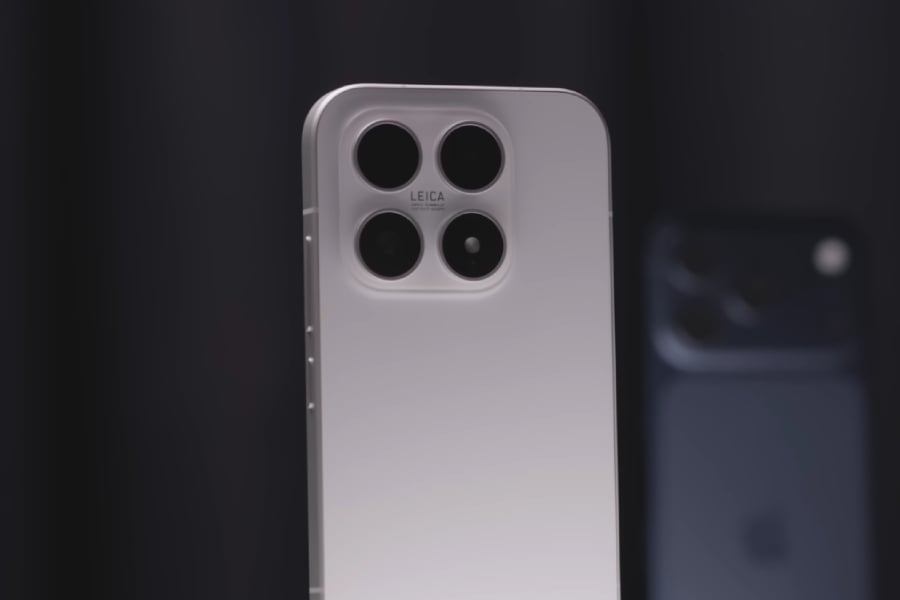
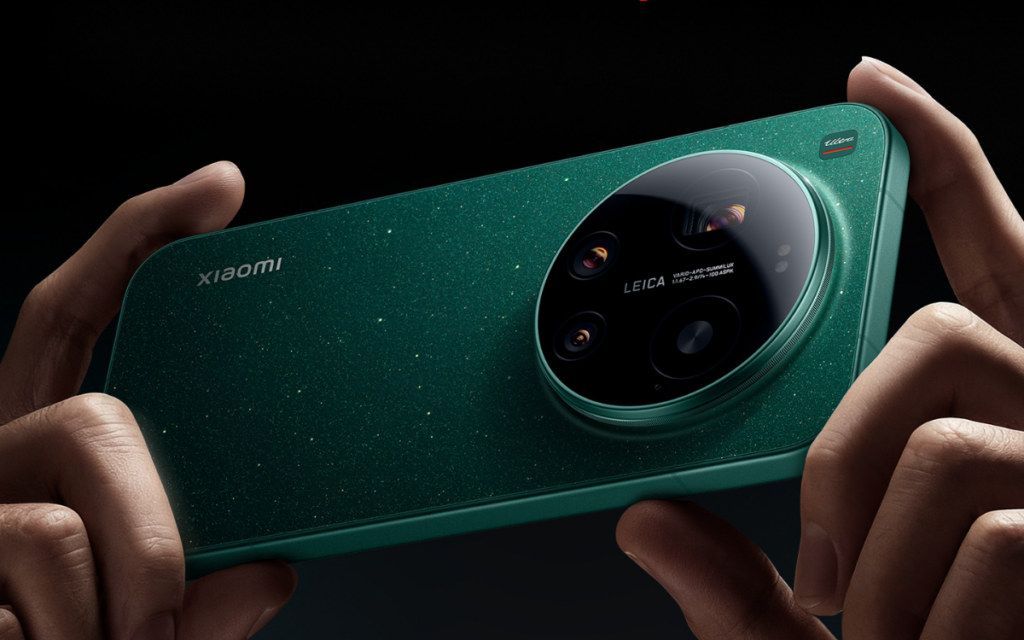
If accurate, this would be a noticeable step up from the vanilla Xiaomi 17, which reportedly uses three 50-megapixel sensors for main, telephoto, and ultrawide shots. There’s also mention that Xiaomi’s partnership with Leica will continue on the 17 Max. 

It’s worth noting that these two sets of camera leaks don’t perfectly match. Either Xiaomi adjusted the prototype configuration over time, or one of the reports reflects an earlier engineering sample. 

Until official confirmation arrives, it’s safest to assume the 17 Max will sit above the standard 17 in camera capability, but below the 17 Ultra.

Where it fits in the lineup

Even with five models in the lineup, Xiaomi has a way to create specific identities for each device.

  • The Xiaomi 17 is the standard flagship.
  • The 17 Pro and 17 Pro Max add design elements like the secondary rear display.
  • The 17 Ultra likely remains the photography-focused halo product.
  • The 17 Max might prioritize battery capacity and scale, while still offering high-end performance and strong cameras.

In some ways, the 17 Max feels like a hybrid between the standard model and the Pro Max. It may inherit much of the Pro Max’s hardware — including the Snapdragon chip and fast charging — but with a more restrained design and an even larger battery.

Launch timeline and availability

As for timing, the Xiaomi 17 Max is rumored to launch in China in Q2 2026, likely in April. The timeframe places it alongside other expected flagship launches in China, including devices like the Vivo X300s and Oppo Find X9s.

Global availability is less certain. Current speculation suggests Xiaomi may only bring the Xiaomi 17 and Xiaomi 17 Ultra to international markets. If that holds, the 17 Max could remain a China-exclusive model.

For more daily updates, please visit our News Section.

Tech enthusiast? Get the latest news first! Follow our Telegram channel and subscribe to our free newsletter for your daily tech fix! ⚡

Xiaomi 17 and Ultra price leak suggests up to 23% hike

Xiaomi’s next flagship phones may already have a price tag in India, months before their expected debut. According to tipster Abhishek Yadav, the series could start at Rs 80,000 for the standard Xiaomi 17, while the Xiaomi 17 Ultra may land at Rs 1,25,000 in the country. 

No surprises, Xiaomi hasn’t confirmed these numbers, and as with most early leaks, they should be taken cautiously. Still, the pricing suggests Xiaomi is preparing to move further into ultra-premium territory in India.

For context, the Xiaomi 15 Ultra launched at Rs 1,09,999 for the single 16GB + 512GB variant. The regular Xiaomi 15, meanwhile, had a starting price of Rs 64,999 for the 12GB + 512GB model. 

If the leak is true, the standard Xiaomi 17 would see a 23% increase over its predecessor, while the Ultra model would see a 14% hike. 

What could Xiaomi be thinking?

Xiaomi has spent the last few years refining its premium image in India, particularly with its Ultra lineup. At ₹1,25,000, the Xiaomi 17 Ultra wouldn’t just be competing on specs; it would be competing on brand perception, software polish, long-term updates, and ecosystem value. Those are areas where Samsung and Apple have historically had an edge.

Another factor affecting the price is the ongoing memory shortage that has driven up consumer device prices. Phones, of course, are one of those commodities. 

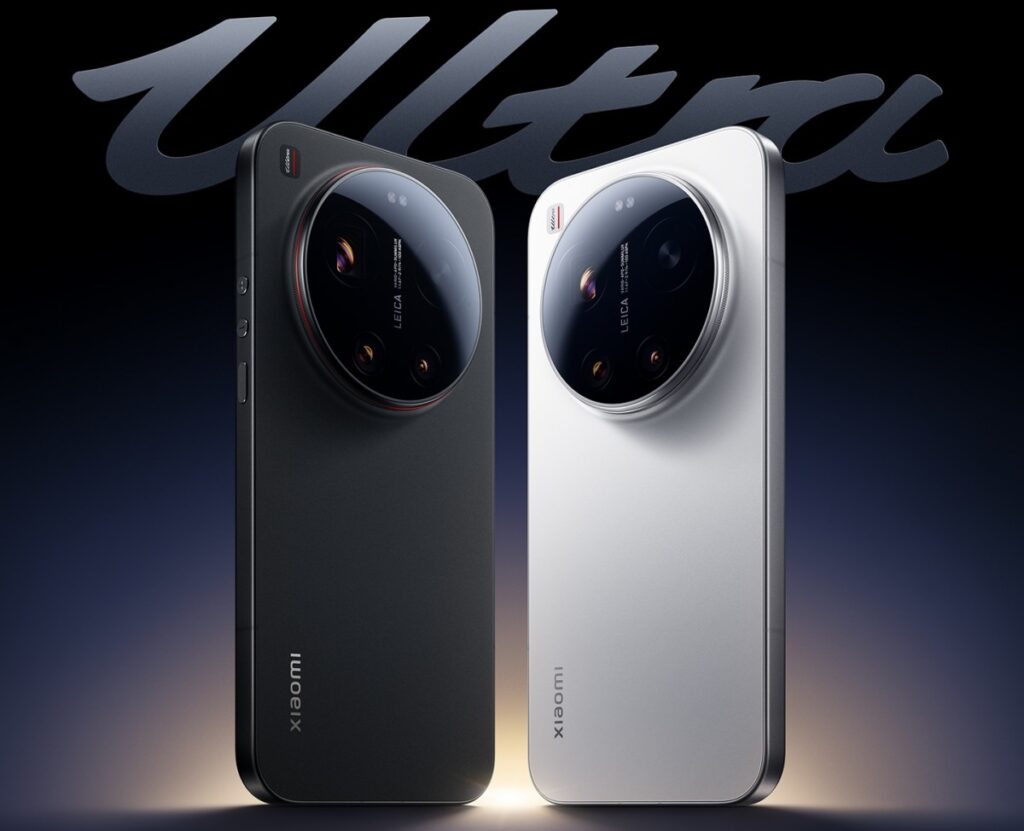
Xiaomi 17 Ultra

Meanwhile, the Xiaomi 17 itself appears to be confirmed for India. The device recently surfaced on the Bureau of Indian Standards (BIS) certification database, a common sign that a launch is in the pipeline. 

As for timing, the Xiaomi 17 and Xiaomi 17 Ultra are expected to follow a similar launch window to last year’s Xiaomi 15 series. According to earlier information from the same tipster, Xiaomi could unveil the new models around March 2026. 

For more daily updates, please visit our News Section.

Tech enthusiast? Get the latest news first! Follow our Telegram channel and subscribe to our free newsletter for your daily tech fix! ⚡

Nothing Phone (4a) runs Geekbench with Snapdragon chip and 12GB RAM

Nothing has begun setting the stage for its next midrange phones. The company recently confirmed the Phone (4a) series through CEO Carl Pei, and shortly after that, it teased new color options. Now, the standard Nothing Phone (4a) has appeared on Geekbench ahead of the launch. 

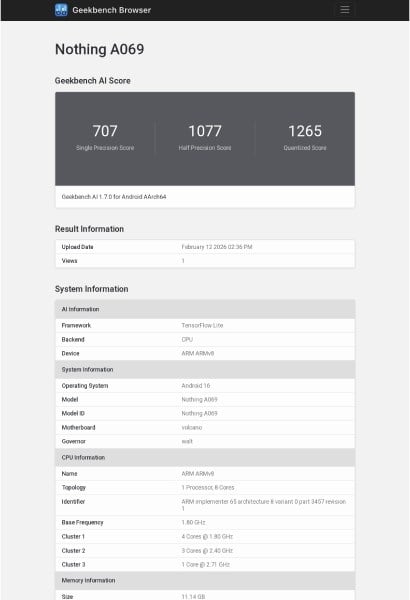
Nothing Phone (4a) Geekbench

The benchmark reveals that the Phone (4a) will run on Qualcomm’s Snapdragon 7s Gen 4, just a step up from the Snapdragon 7s Gen 3 on its predecessor. 

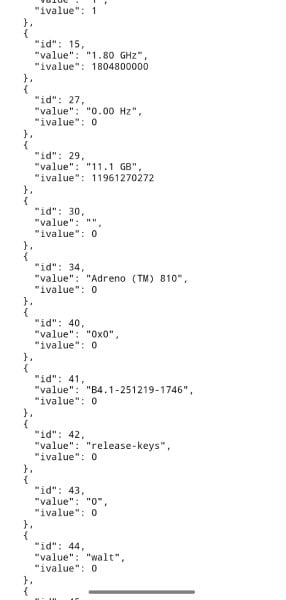
The chip features an octa-core CPU setup with one core clocked at 2.71GHz, three cores at 2.40GHz, and four efficiency cores running at 1.80GHz. Meanwhile, graphics duties are handled by the Adreno 810 GPU. 

Moreover, the tested unit on Geekbench comes with 12GB of RAM. But of course, Nothing may offer lower RAM variants at launch. Software-side is handled by Android 16 out of the box. 

As for the benchmark score, the Phone (4a) ran the AI benchmark with a single-precision score of 707, a high-precision score of 1077, and a 1265 quantized score. 

At this point, Geekbench results don’t tell the whole story. They don’t reveal anything about the display, camera system, battery size, or charging speeds. But they do confirm that Nothing is sticking with a capable midrange chip and pairing it with a relatively high amount of RAM.

The Phone (4a) will launch with the (4a) Pro and even an affordable pair of headphones, called the Headphone (a)

Unfortunately, though, there’s talk of a price increase this time around. Previous reports suggest upcoming Nothing phones could be 30% more expensive due to the ongoing DRAM shortage. 

We will know more when the device launches. Speaking of which, the new products are expected to launch in March, though Nothing hasn’t officially confirmed the date yet.

Don’t miss a thing! Join our Telegram community for instant updates and grab our free daily newsletter for the best tech stories!

For more daily updates, please visit our News Section.

(Via)

Gmktec launches NucBox G3 Pro Mini PC globally with Intel i3-10110U, up to 64GB RAM

Gmktec has launched the NucBox G3 Pro mini PC for global markets, following its earlier debut in China. The compact desktop targets users looking for an affordable and efficient system for everyday productivity, media consumption, and home server use.

Gmktec NucBox G3 Pro Specifications

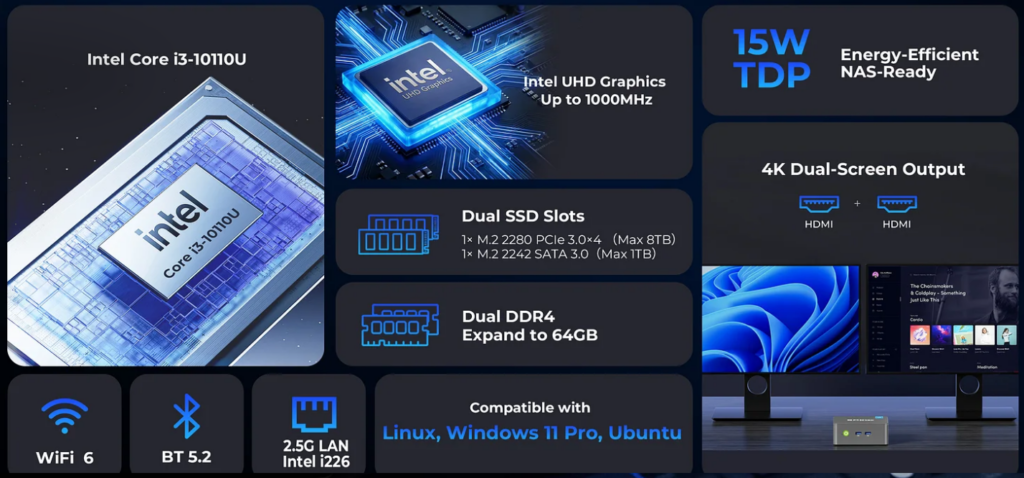
The NucBox G3 Pro runs on a 10th Gen Intel Core i3-10110U processor with two cores and four threads. The chip clocks at 2.1GHz and reaches up to 4.1GHz with Turbo Boost. Gmktec allows power tuning with three thermal profiles: Silent Mode at 8W, Balanced Mode at 10W, and Performance Mode at 15W. The CPU is paired with Intel UHD Graphics, which enables dual HDMI output at up to 4K resolution.

The mini PC is available in several configurations. The barebone model ships without RAM or storage, while prebuilt variants include 8GB RAM with a 256GB SSD and 16GB RAM with a 512GB SSD. It houses two SO-DIMM DDR4 slots supporting up to 64GB of memory and dual M.2 slots for storage expansion. One M.2 slot supports PCIe 3.0 x4 drives up to 8TB, and the other supports SATA 3.0 drives up to 1TB.

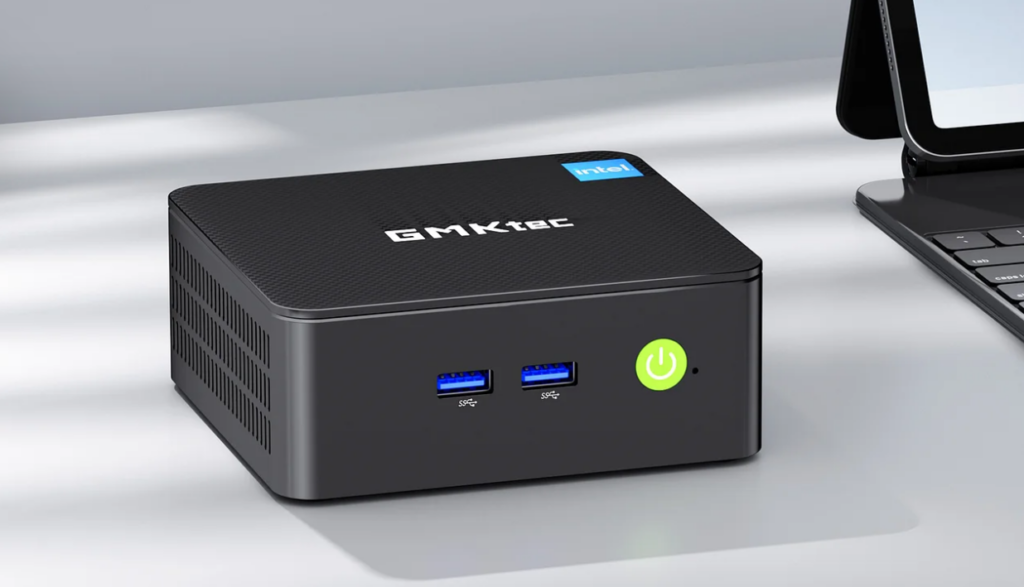
Gmktec NucBox G3 Pro

For connectivity, the G3 Pro includes Wi-Fi 6 (RTL8852BE), Bluetooth 5.2, and a 2.5G Ethernet port (Intel i226). The front panel includes two USB 3.2 Gen1 ports and a power button. The rear panel features two more USB 3.2 Gen1 ports, dual HDMI 1.4 outputs, a 3.5mm audio jack, and a DC input.

For cooling, the device comes with a single-fan and copper heat pipe cooling solution to maintain low temperatures during use. The mini PC supports dual 4K output at up to 24Hz and comes in a small chassis measuring 114 x 106 x 44mm.

The unit weighs around 280 grams and includes VESA mount support. Gmktec states the fan noise stays below 38dB during use. The NucBox G3 Pro supports Windows 11 Pro and major Linux distributions.

Pricing and Availability

The NucBox G3 Pro starts at $169.99 for the barebone model (regularly $309.99). The 8GB + 256GB version is priced at $239.99, and the 16GB + 512GB configuration sells for $299.99.

In related news, Thunderobot has recently launched the Mix Pro II Mini PC featuring Intel Core Ultra 200H processors, a glass design, and ARGB lighting, while Beelink has unveiled the SER10 Max Mini PC powered by the Ryzen AI 9 HX 470 chip, offering 86 TOPS of AI performance, DDR5 memory, and USB4 connectivity.

For more daily updates, please visit our News Section.

Stay ahead in tech! Join our Telegram community and sign up for our daily newsletter of top stories! 💡

(Gmktec)

Asus Vivobook S14 (M3407) Review: Big Battery, AI Features and a Brilliant OLED Display

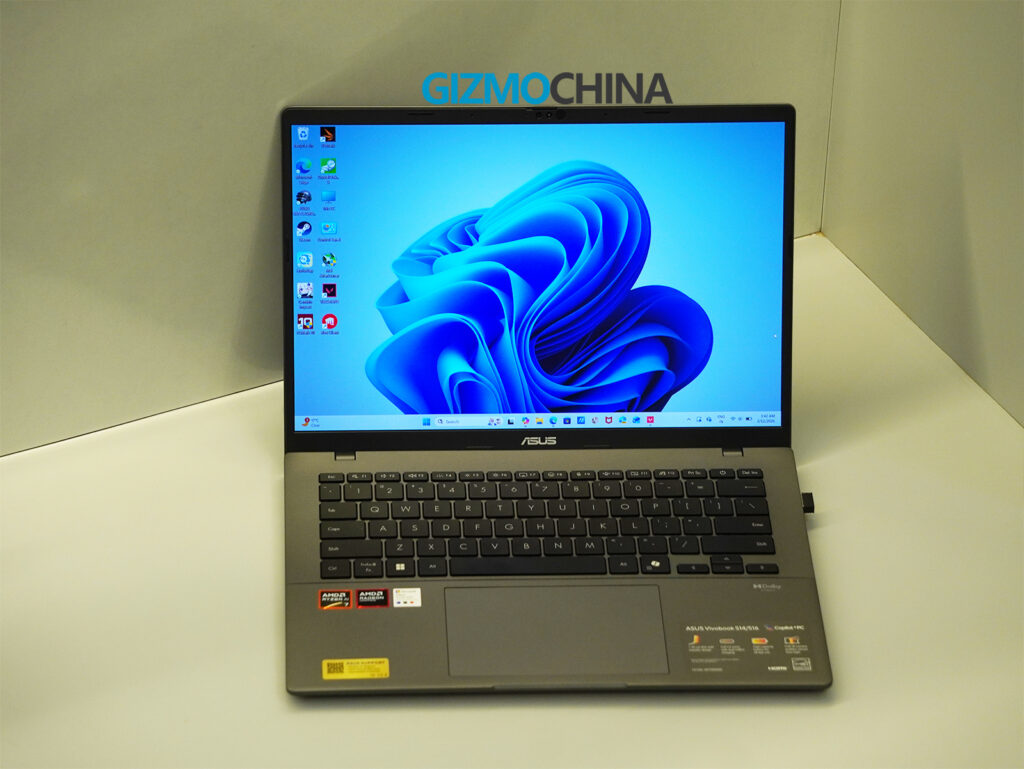
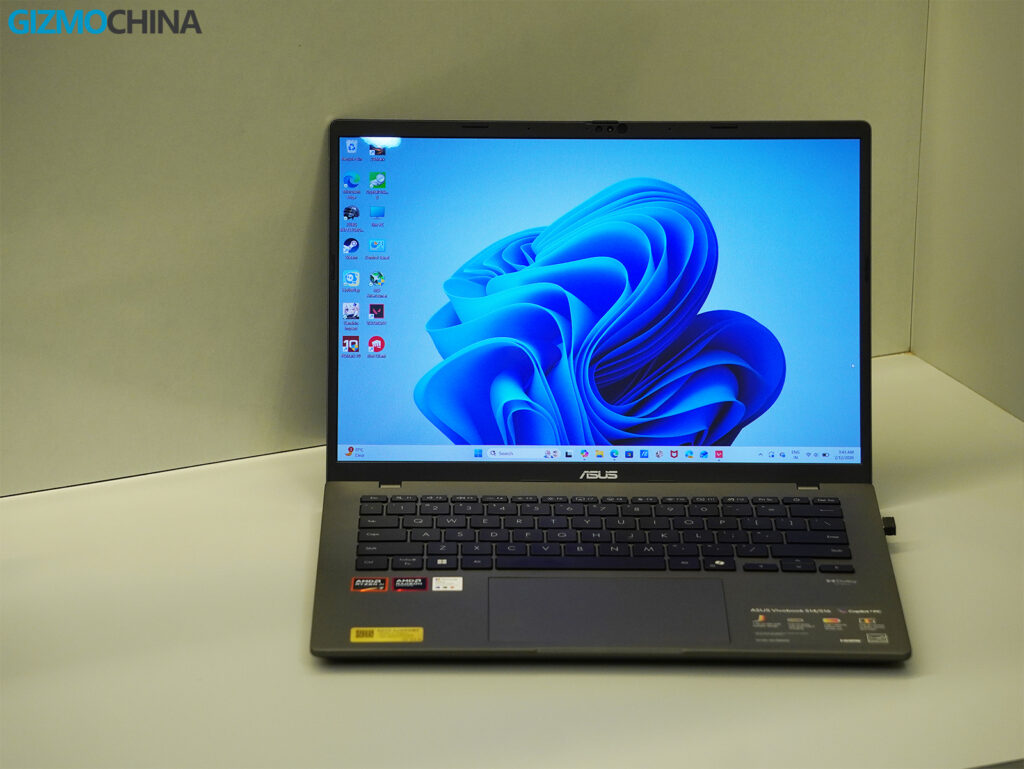
If you’ve ever wanted a no-nonsense Windows laptop that feels as sleek and sharp as a MacBook Air but with a dash of futureproof AI acceleration, the Asus Vivobook S14 (M3407KA) might be exactly what you’re looking for.

I’ve been using this machine, powered by the AMD Ryzen AI 7 350, for everything from work to light gaming, and I can say with confidence: this is a seriously competent ultraportable that doesn’t just chase trends. It builds a practical, intelligent foundation for the next generation of computing.

Asus Vivobook S14 (M3407) Review

Design and Build Quality

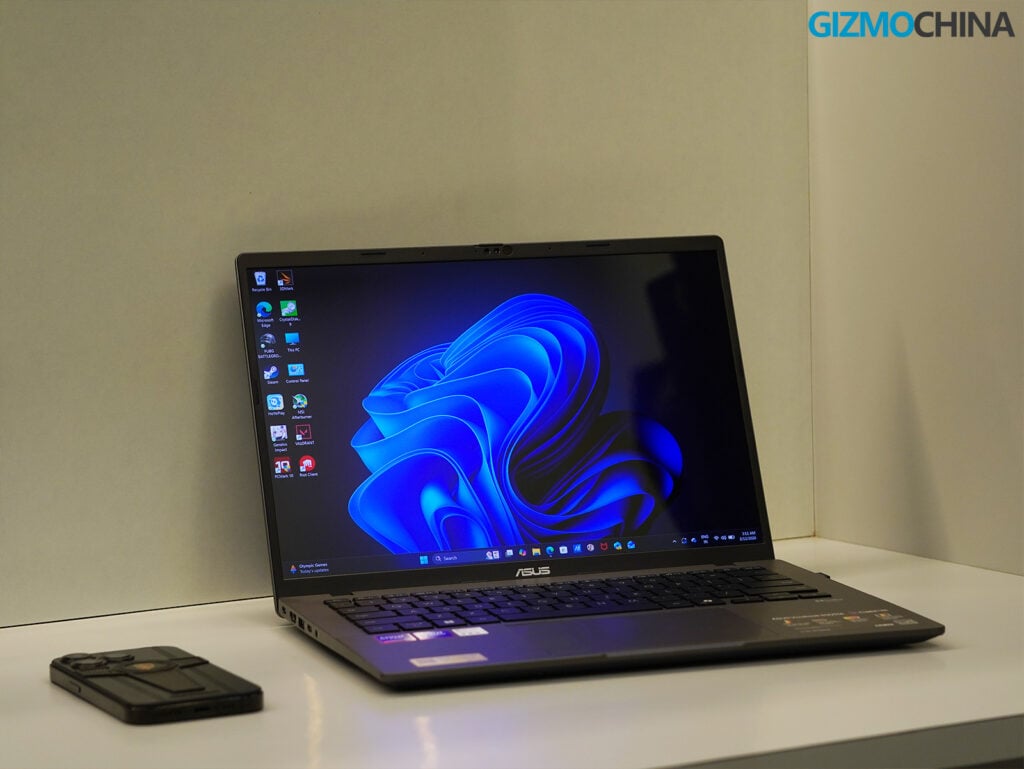
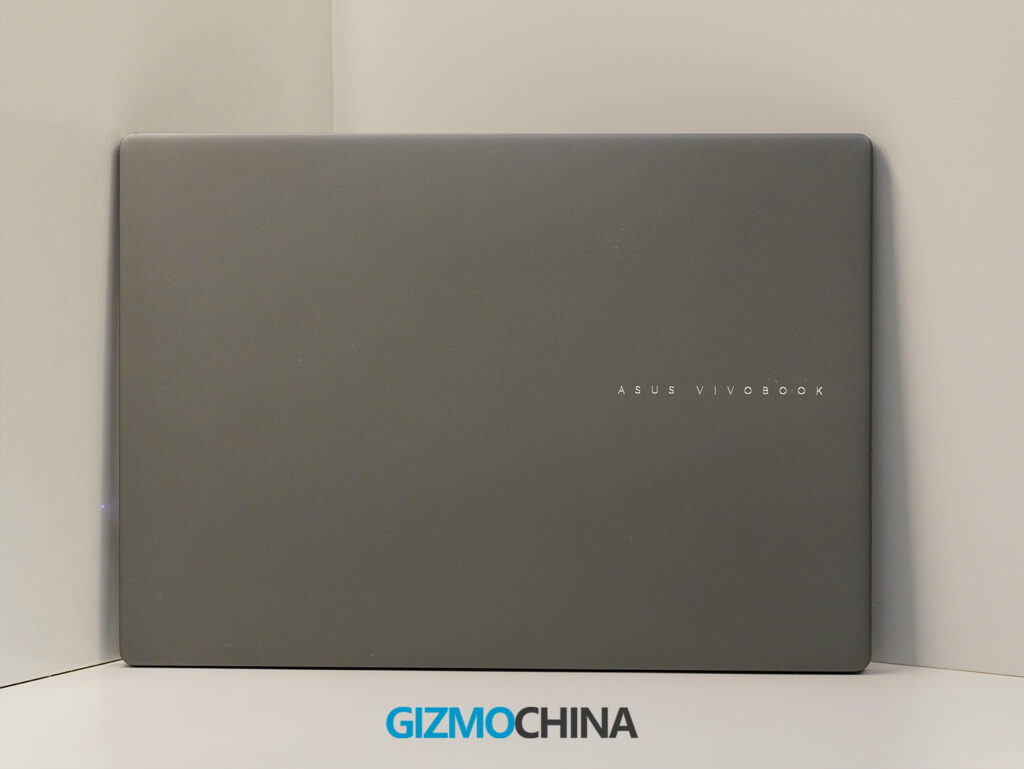
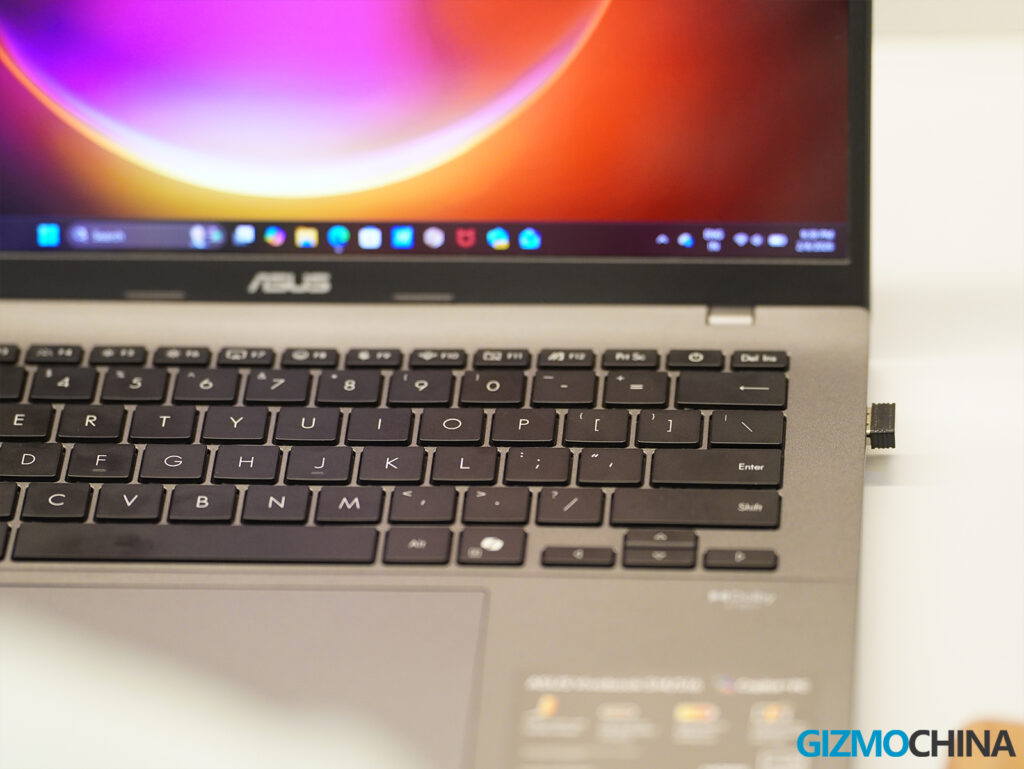
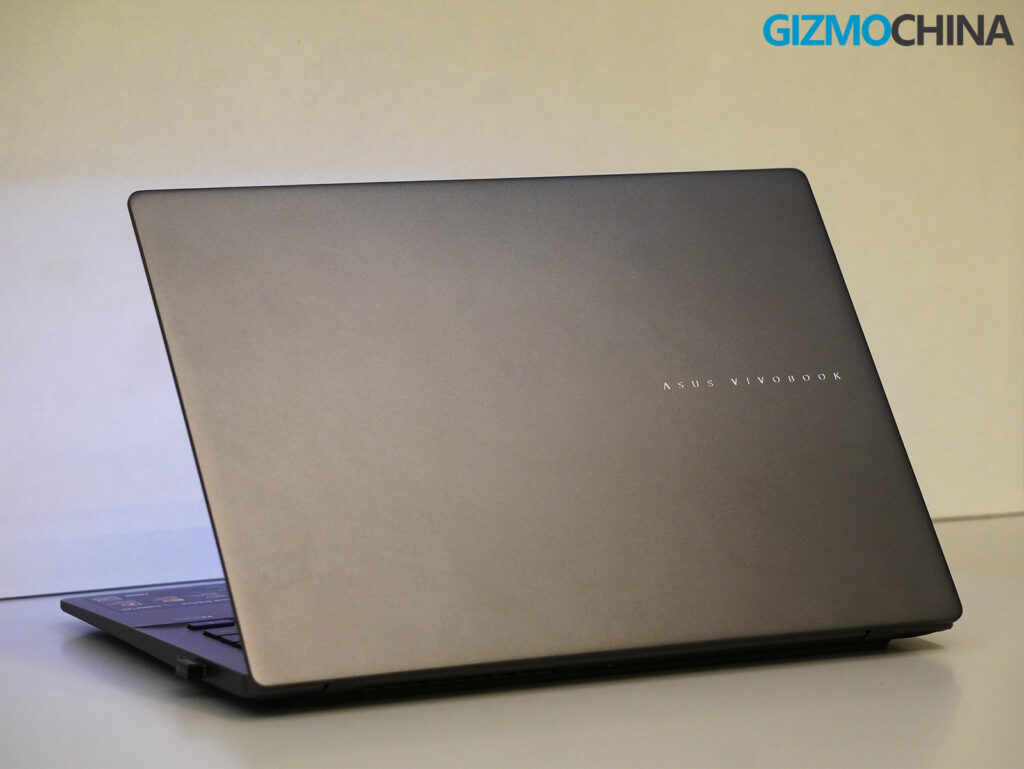
The Vivobook S14 might not be the flashiest device in the room, but it blends in well. The Matte Gray finish on my unit looks subdued and classy, with a CNC-engraved chrome Asus Vivobook logo that adds a bit of character without drawing too much attention. The overall design feels clean and minimal, and it does not attract fingerprints the way some glossier ZenBooks tend to.

It weighs just 1.4 kg and measures about 15.9 mm in thickness, which makes it easy to carry around in a backpack. Despite the lightweight design, the build feels solid. There is no flex in the keyboard deck, no noticeable screen wobble, and the hinge supports a full 180-degree lay-flat design. Asus also meets MIL STD 810H military-grade durability standards, which adds confidence when using the laptop in cafes or during travel assignments.

Asus Vivobook S14 (M3407) Review

Display

The 14-inch OLED panel with thin bezels on this laptop looks excellent. Asus labels it as a Lumina OLED display, a panel technology used across several of its professional laptops. The 1920×1200 resolution, combined with a 16:10 aspect ratio, works well for productivity. Text appears sharp, colors look vibrant without appearing exaggerated, and black levels are deep, as expected from an OLED panel.

Asus Vivobook S14 (M3407) Review

Asus claims support for 1.07 billion colors and full 100% DCI P3 color gamut coverage, making the display suitable for casual creative work such as photo editing and light color grading. Since this model is not aimed at gaming, it features a standard 60Hz refresh rate.

For eye comfort, the display supports low blue light hardware certification and DC Dimming. This avoids PWM flicker at lower brightness levels and helps reduce eye strain during extended work sessions or nighttime use.

Brightness peaks at around 300-400 nits, which is suitable for indoor use and remains usable outdoors as long as direct sunlight is avoided. The display uses a glossy finish, so reflections are visible at times, but Asus includes an anti-reflective coating to reduce glare.

Asus Vivobook S14 (M3407) Review

To be honest, the Vivobook S14’s display is class-leading for its segment. Many competitors at similar prices offer only IPS LCDs (often lower resolution or lower color gamut), whereas Asus has made OLED more accessible. The only trade-offs to be aware of are the typical ones with OLED: potential image retention if static content is left for hours. However, Asus mitigates this with pixel shifting and a screensaver timeout.

But this is a minor issue in day-to-day use. Having such a high-quality panel on a laptop geared at students and working professionals means you get an ultra-portable device that’s excellent for watching movies, doing creative hobby work, or simply enjoying a beautiful Windows UI every day. It’s a big selling point for the Vivobook S14.

Ports and Connectivity

Asus equips the Vivobook S14 with a well-balanced selection of ports. It includes two USB-C 3.2 Gen 1 ports that support both charging and DisplayPort output, along with two USB-A ports for older peripherals, a full-size HDMI 2.1 port, and a 3.5 mm audio jack.

The laptop omits an SD or microSD card slot, which could disappoint creators and photographers, but overall, it covers the essentials without the need for extra adapters.

Wireless performance is equally solid. With Wi-Fi 6E and Bluetooth 5.3, I didn’t face any hiccups during my use, whether it was pairing devices or maintaining a stable connection across tasks.

Keyboard and Trackpad

Asus Vivobook S14 (M3407) Review

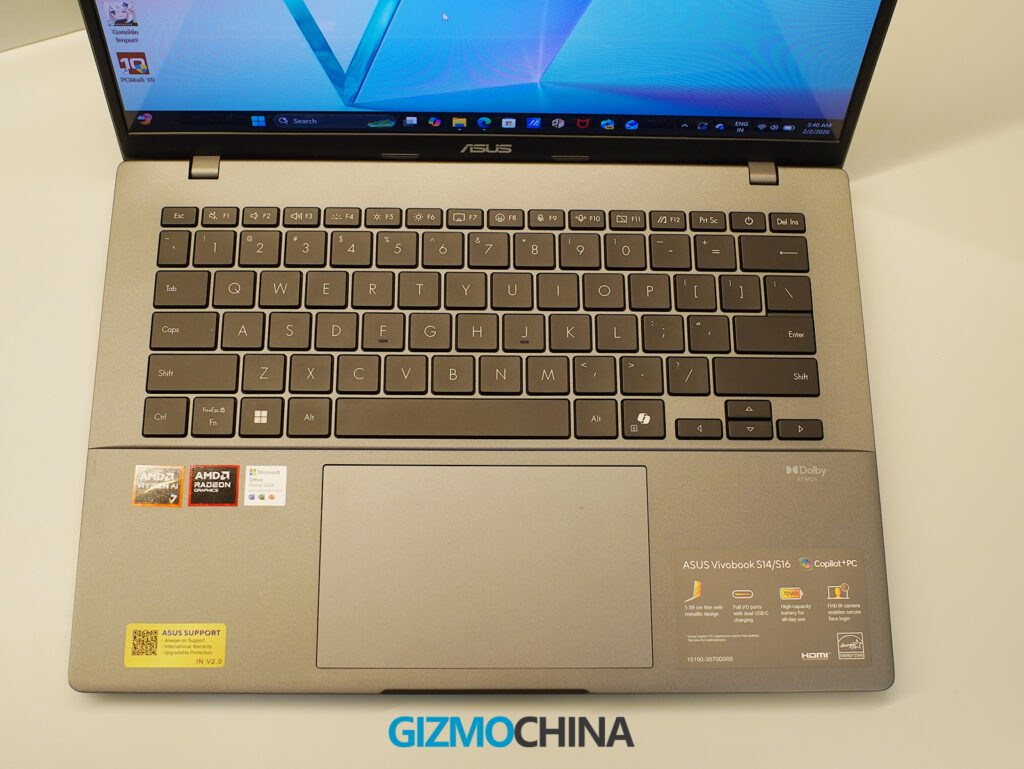
Typing on this laptop feels comfortable and precise. The keyboard provides 1.7 mm of travel, which is impressive for a thin and light device. Each key offers a quiet yet tactile response, and the deck feels solid enough to support extended writing sessions without flex. I have typed entire articles, including this one, without needing an external keyboard. It also includes a backlight for easier use in dim environments.

Asus Vivobook S14 (M3407) Review

The trackpad is spacious, smooth, and highly responsive. Its large surface area takes a little getting used to, and I initially experienced a few accidental palm touches, though it quickly became manageable. Palm rejection could use minor improvement, but it does not interfere with regular use. Clicks feel slightly firm near the edges, while tap-to-click functions accurately. Multi-finger gestures such as three-finger swipes, four-finger taps, and pinch to zoom are well supported and work seamlessly.

Benchmarks

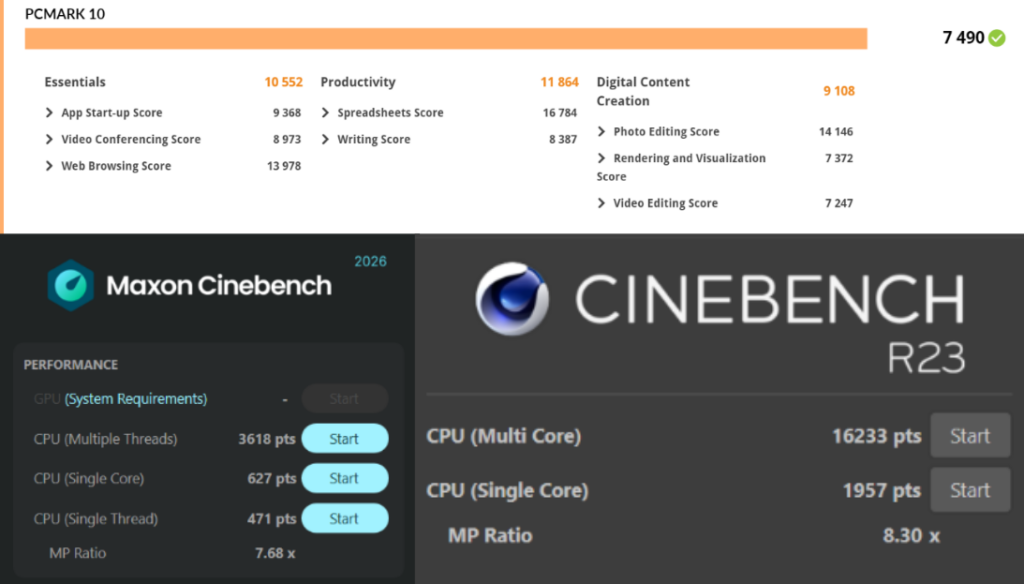
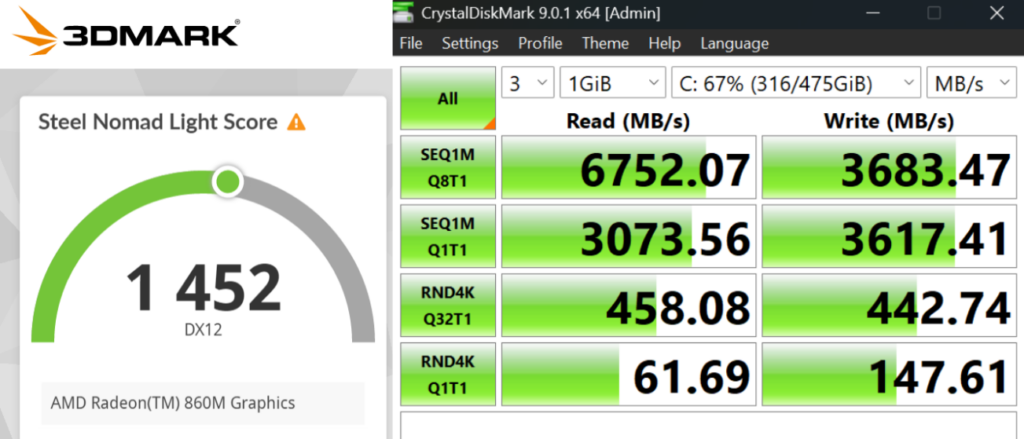
Here’s how the Vivobook S14 (Ryzen AI 7 350, Radeon 860M) performed in my benchmarking suite:

Asus Vivobook S14 (M3407) Review
  • PCMark 10: 7,490 overall – Fast and fluid in day-to-day use.
  • Cinebench R23: 1,957 (single) / 16,233 (multi) – Stellar single-core, strong multi-core.
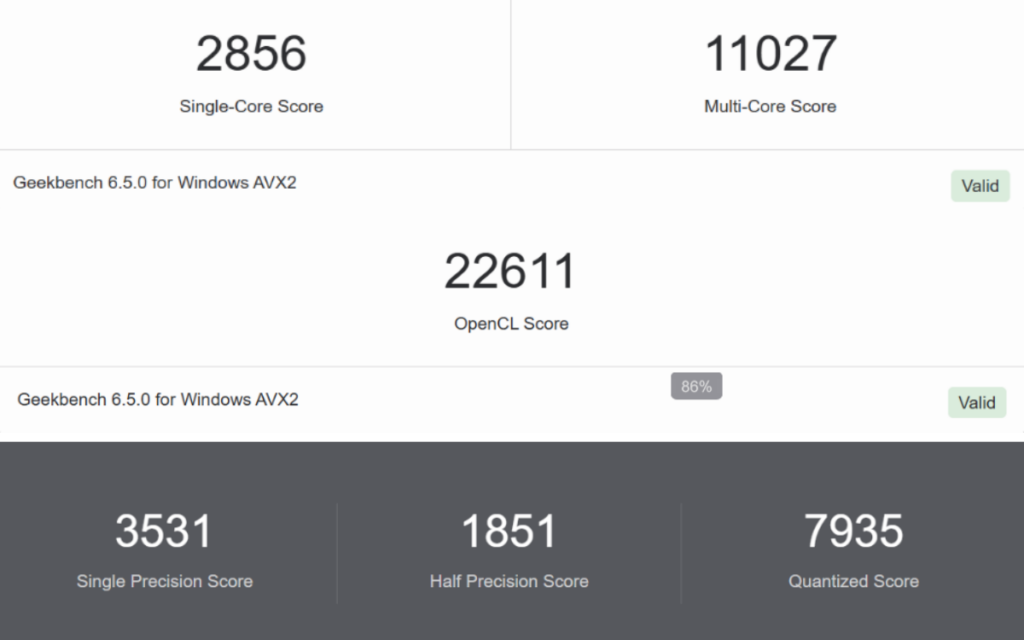
  • Geekbench 6: 2,856 (single) / 11,027 (multi) – Reinforces its everyday snappiness.
  • 3DMark Time Spy: 1,961 overall – OK for integrated graphics.
  • 3DMark Steel Nomad Light: 1,452 – Shows limitations for modern AAA gaming.
  • Geekbench AI (quantized): 7,935 – Impressive for on-device AI tasks.
  • CrystalDiskMark: 6,752 MB/s read / 3,683 MB/s write – Fast Gen 4 SSD, no slowdowns.
Asus Vivobook S14 (M3407) Review

These numbers put it in solid upper-midrange territory, above budget machines and well into premium thin-and-light territory without costing flagship money.

AI and Performance

This is where the Vivobook starts to separate itself. The Ryzen AI 7 350 features an XDNA NPU capable of 50 TOPS, and that matters, especially as Windows 11 leans into AI integration. Copilot, background blur in video calls, real-time translation, and local AI summarization all run smoother and more efficiently on this chip than on older CPU or GPU-bound systems.

Asus Vivobook S14 (M3407) Review

And it is not just theoretical. I used AI-powered features in Office apps, Windows Studio Effects, and several local applications that benefit from NPU offload, and they consistently performed without any issues. The advantage lies in the quiet and efficient operation, as AI tasks happen seamlessly in the background without draining the battery or triggering fan noise.

Asus Vivobook S14 (M3407) Review

In terms of raw performance, the laptop never felt limited during everyday workloads. It handled heavy Chrome sessions, 1080p video editing, large WordPress dashboards, and even moderate gaming with ease.

Gaming

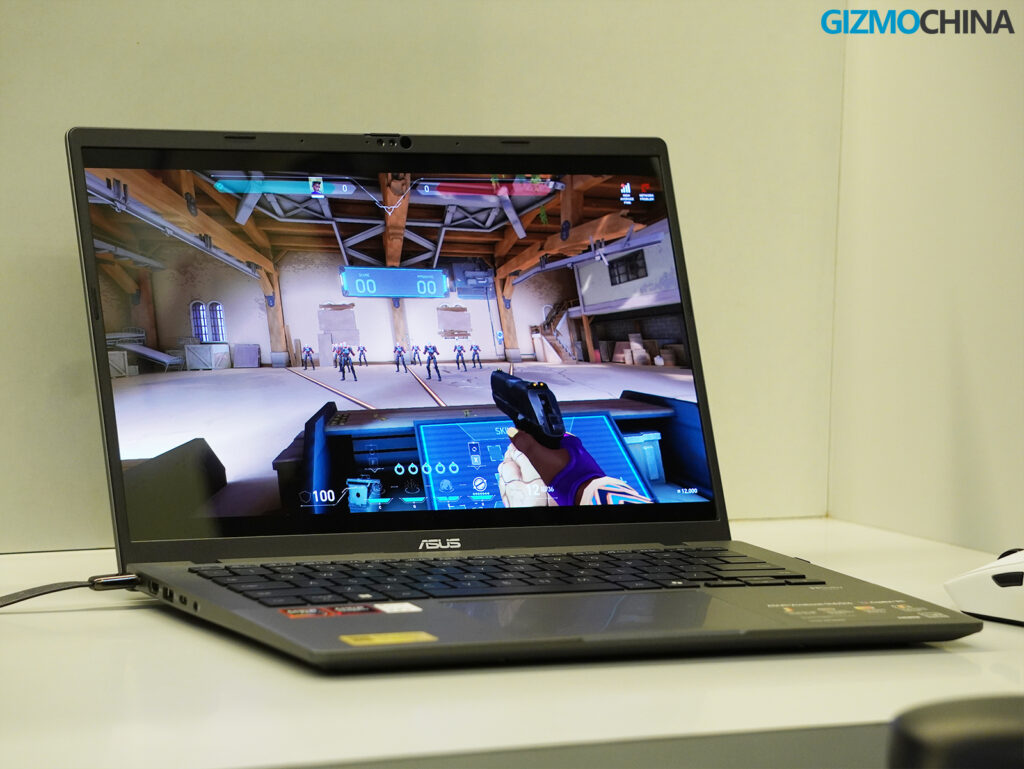
No, this isn’t a gaming laptop. But the Radeon 860M GPU with RDNA 3.5 architecture is surprisingly capable for an integrated chip. I tested a few titles:

Asus Vivobook S14 (M3407) Review
  • Valorant: 170-230 fps (Low settings, 1080p)
  • Genshin Impact: 60 fps (Low), 20-25 fps (High)
  • PUBG: ~50 fps (Lowest settings)

These aren’t groundbreaking numbers, but for an ultrabook? Very respectable. If you’re into casual gaming, this can hold its own.

Thermal and Fan Performance

Asus Vivobook S14 (M3407) Review

Asus has done an excellent job with thermal management on this laptop. Even during benchmarks or light gaming, the fans never became noticeably loud. Most of the time, they stayed silent, especially when running in Standard or Whisper mode. When pushed in Performance mode, fan noise hovered around 38 dB, producing a low whoosh rather than a distracting sound.

Asus Vivobook S14 (M3407) Review

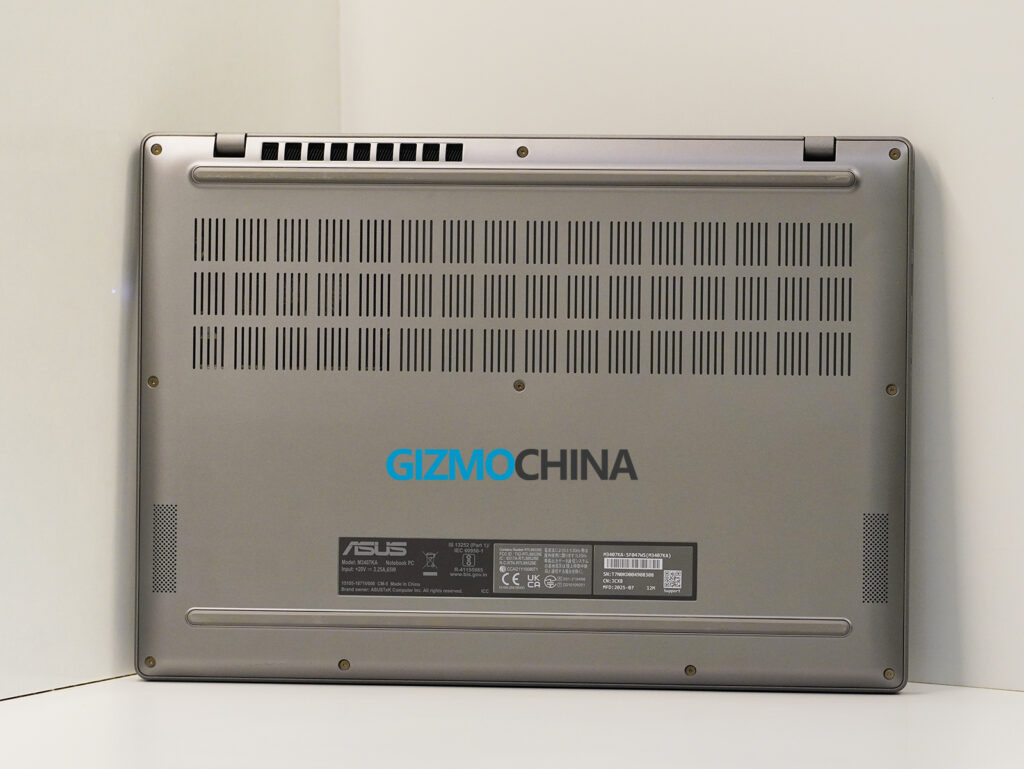
Temperatures remained in the 75s °C range under load, with very little heat buildup across the chassis. After a Valorant session, the keyboard area felt only slightly warm, and the palm rest stayed cool. This efficiency comes from the dual fan cooling system that Asus adapted from its higher wattage designs, which provides more cooling headroom than the chip actually requires.

Battery Life, Sound, and Camera

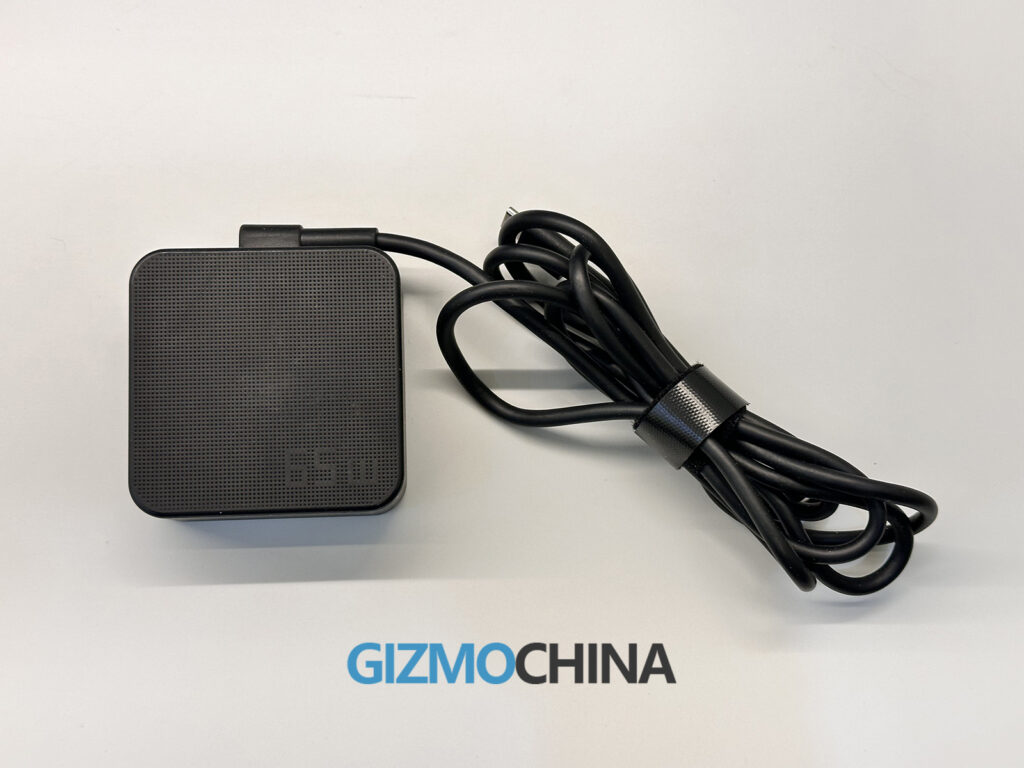
Asus claims up to 23 hours of battery life, and while I did not reach that exact figure, I consistently achieved around 10 to 12 hours in real-world use. For my workflow of writing, browsing, streaming music, and light photo editing, I only needed to charge it every other day. When recharging was necessary, the 65W USB-C fast charging brought the battery back to 50% in under 40 minutes.

Asus Vivobook S14 (M3407) Review

Audio performance is solid for a thin and light laptop. The stereo speakers deliver clear sound at high volume levels without noticeable distortion. Bass is limited, as expected, but the output remains crisp enough for calls, videos, and casual music playback. Asus’s Audio Booster tuning adds a bit of warmth and depth. For critical listening, headphones are still preferable, but the built-in speakers perform well for everyday use.

Asus Vivobook S14 (M3407) Review

The 1080p webcam also performs well. It supports Windows Hello facial recognition through an IR sensor, enabling quick and reliable logins. Video quality is good enough under good lighting conditions, and the built-in microphone array captures voices clearly for online meetings. It may not rival dedicated webcams in sharpness, but with AI background blur and enhancements, it handles video calls effectively and without any issues.

Storage and Upgradability

The Vivobook S14 delivers impressive storage performance with its PCIe Gen 4 SSD. The review unit I tested featured a 512GB NVMe PCIe 4.0 drive, while Asus also offers a 1TB option depending on the configuration. Sequential read speeds exceeded 6,700 MB/s, and write speeds reached around 3,600 MB/s in testing. These results translate into fast app launches, smooth multitasking, and quick file access.

Asus Vivobook S14 (M3407) Review

For memory, the laptop comes with 16GB of DDR5 RAM onboard, which is fast and efficient for daily productivity and creative workloads. Unlike many ultrabooks, Asus includes a DDR5 SO-DIMM slot for future upgrades, allowing users to expand memory beyond 16 GB if required.

Asus Vivobook S14 (M3407) Review

The storage is also user accessible via a standard M.2 2280 PCIe 4.0×4 slot, making it possible to replace or expand the SSD later. This mix of soldered and upgradable components gives the Vivobook S14 more flexibility than most thin and light laptops in its class.

Verdict

After spending more than two weeks with the Asus Vivobook S14 (M3407), it is clear that this is one of the most balanced ultrabooks in its category. It does not aim to be a creator’s workstation or a gaming powerhouse, but it delivers strongly on the essentials: productivity, portability, battery life, and AI readiness.

Asus Vivobook S14 (M3407) Review

The combination of Ryzen AI 7 350 processor and its integrated NPU makes it future-ready for AI-assisted tasks, while the OLED display and comfortable keyboard make daily use enjoyable and efficient.

It starts at Rs. 78,990 for this variant in India, and for students, bloggers, professionals, and anyone who values responsiveness, battery endurance, and a great screen over high-end graphics performance, this laptop is a strong fit.

For more daily updates, please visit our News Section.

Stay ahead in tech! Join our Telegram community and sign up for our daily newsletter of top stories! 💡

Infinix Note 60 Ultra’s Dimensity 8-series chip, 12GB RAM revealed via Geekbench listing spotted

Infinix appears to be preparing the launch of the Note 60 Ultra, the top-end model in the upcoming Note 60 lineup. The device was recently listed on the Carlcare service platform, which revealed its model number X6877, and now the same handset has surfaced on Geekbench. Here’s a look at the details that have emerged through the listing.

Infinix Note 60 Ultra Geekbench listing

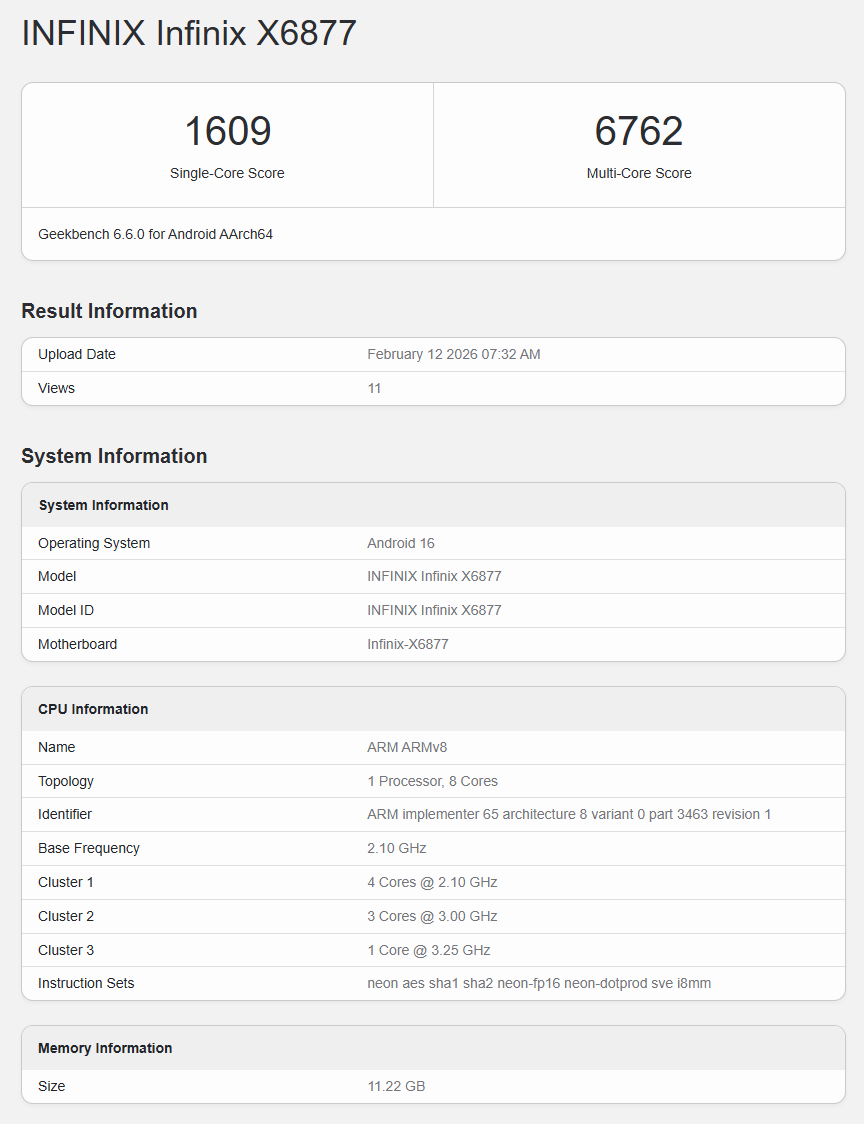
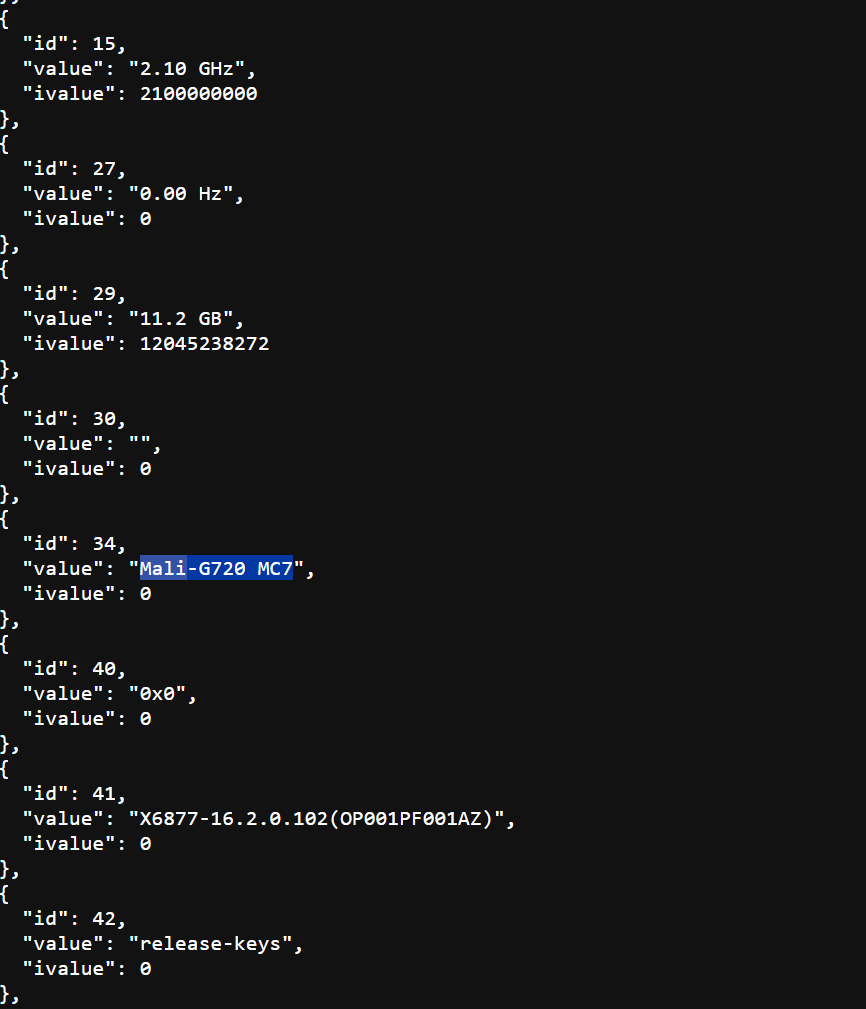
As per the Geekbench listing, the device is powered by the Dimensity 8400 Ultimate chipset. As usual, the chipset’s name is not mentioned in the listing, but the technical details available in it are sufficient to state that it features the said chipset. The processor configuration includes one core clocked at 3.25GHz, three cores operating at 3GHz, and four efficiency cores running at 2.10GHz. For graphics, it features the Mali-G720 MC7 GPU.

In terms of benchmark performance, the phone achieved 1609 points in the single-core test and 6762 points in the multi-core test on Geekbench 6.5. The listing also confirms that the device includes 12GB of RAM and runs Android 16 out of the box.

Infinix Note 60 Ultra specifications (rumored)

Rumors surrounding the Infinix Note 60 Ultra suggest it may feature a 144Hz AMOLED display and a 200-megapixel primary camera, along with Infinix XOS 16 software. The handset is also expected to include a 7,000mAh battery supporting 100W wired charging and 30W wireless charging.

Additionally, reports hint that the Note 60 Ultra will support two-way satellite communication. Infinix’s collaboration with Italian design house Pininfarina indicates that the device may adopt a more premium design approach compared to previous Note series models. The Carlcare service platform listing has also revealed that the Note 60 Ultra could arrive in two storage configurations, namely 12GB+256GB and 12GB+512GB.

The Note 60 series also include the Note 60 and Note 60 Pro. Previously seen Geekbench listings have indicated that these devices will be powered by the Dimensity 7400 Ultimate and Snapdragon 7s Gen 4 chipsets respectively, positioning the Ultra variant as the most powerful option in the lineup.

For more daily updates, please visit our News Section.

Stay ahead in tech! Join our Telegram community and sign up for our daily newsletter of top stories.

(via)

Xiaomi Tag Tracker Appears on EU Retailers, Supports Apple Find My and Google Find Hub

Xiaomi is preparing to launch its first Bluetooth item tracker, the Xiaomi Tag, with retail listings already appearing across European markets before official confirmation.

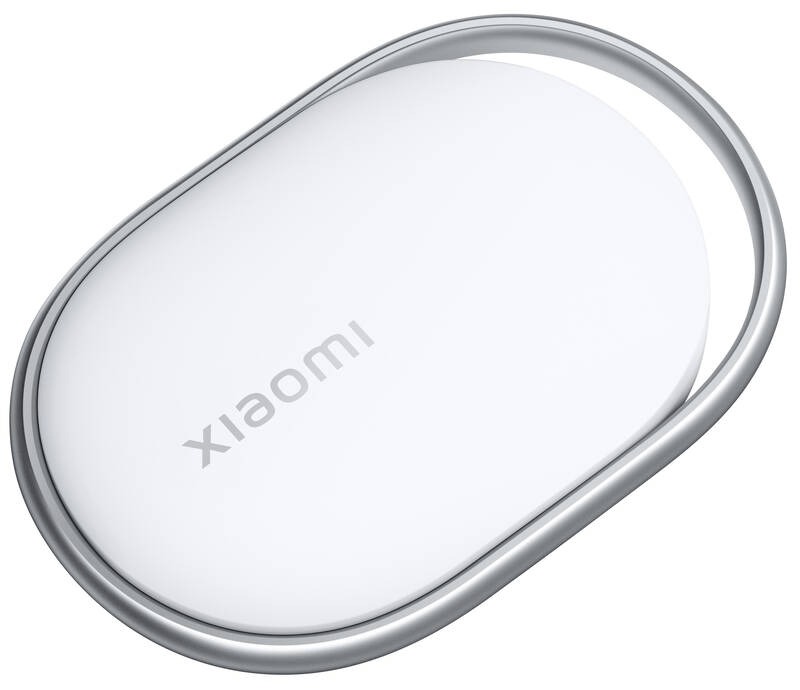
As reported by WinFuture, the Xiaomi Tag has surfaced on Xiaomi’s UK and France online stores and through third-party retailers. French pricing stands at €17.99 per unit, though some sellers offer it below €15. A four-pack costs €59.99, reducing the per-unit price to approximately €15.

The tracker measures 7.2mm thick and operates on a replaceable CR2032 battery rated for one year of use. Its plastic housing will launch in white only, according to current listings.

The Xiaomi Tag supports Bluetooth 5.4 and NFC connectivity, integrating with both Apple’s Find My network and Google’s Find Hub. This dual-platform compatibility allows iOS and Android users to track tagged items through their respective ecosystems.

Current specifications notably exclude UltraWideBand technology, despite earlier evidence suggesting UWB support in HyperOS software code. This omission has prompted speculation about a potential premium variant featuring UWB for enhanced precision tracking.

Xiaomi has not announced a launch date, though the Tag could arrive alongside new hardware ahead of MWC 2026 in early March.

The tracker’s compatibility with established networks from Apple and Google removes barriers to adoption, allowing users to leverage existing infrastructure rather than relying on a proprietary Xiaomi network.

Don’t miss a thing! Join our Telegram community for instant updates and grab our free daily newsletter for the best tech stories!

For more daily updates, please visit our News Section.

(via: WinFuture)

Asus launches ROG Kithara open-back gaming headset with 100mm planar drivers and HIFIMAN tuning

Asus is stepping a little outside its usual gaming headset formula with the new ROG Kithara. Instead of focusing on RGB lighting or wireless features, this one leans heavily into sound quality, and it does so with help from HIFIMAN, a brand better known in audiophile circles than esports arenas.

The Kithara is an open-back headset built around large 100mm planar magnetic drivers. That alone makes it unusual in the gaming space, where dynamic drivers are far more common. At $299, the Kithara is clearly aimed at enthusiasts rather than casual players.

The headset uses a fully open-back design, which helps create a wider, more natural soundstage. That can be useful for competitive games where spatial awareness matters, but it also means there’s no isolation.

Asus claims a frequency response of 8Hz to 55kHz, which is wider than human hearing, but the real takeaway is likely the tuning. It’s expected to offer a fairly balanced sound signature with good separation between bass, mids, and treble. In theory, that should make footsteps and directional cues easier to pick out without muddying everything with exaggerated low-end.

Unlike many gaming headsets, the Kithara includes a 4.4mm balanced connector, alongside standard 3.5mm and 6.3mm options, plus a USB-C adapter. The detachable boom mic uses MEMS technology and covers a typical 20Hz to 20kHz range.

The frame uses metal in key areas, including hinges and headband supports, and extra earpads are included in the box. At around 420 grams, it’s not lightweight. That’s often the trade-off with planar designs. Whether it feels comfortable over longer sessions will depend on head shape and tolerance for weight.

Reportedly, there’s no wireless mode, no active noise cancellation, and no flashy lighting. That may disappoint some ROG fans, but it seems intentional. Asus seems to be prioritizing sound over features this time.

A Different Direction for ROG

The ROG Kithara feels less like a traditional gaming headset and more like a crossover product. It’s positioned somewhere between an audiophile headphone and a competitive gaming too

Don’t miss a thing! Join our Telegram community for instant updates and grab our free daily newsletter for the best tech stories!


For more daily updates, please visit our News Section.

(Source)

ColorOS 16 February 2026 Update: Popout Feature, Reflection Removal, and PowerPoint Translation

OPPO has added a new set of features and improvements to ColorOS 16 for February 2026. This is not a major software upgrade, but a feature update focused on the Photos app and productivity tools. The goal is to improve editing, document handling, and file security.

The Photos app gets several upgrades. The new Popout feature creates a layered effect by separating the main subject from the background. This makes people or objects stand out more clearly in a photo. It works directly inside the gallery, so users do not need any third party apps.

The AI Eraser has also been improved. It now removes unwanted objects with fewer visible marks left behind. Edited areas look cleaner and more natural. The Remove Reflections tool has been upgraded as well. It reduces glare in document photos and portraits, including reflections on glasses, for clearer results.

OPPO has also introduced a limited time New Year Watermark themed around the Year of the Horse. Users can find it by going to Photos App > Select Photo > Edit > Watermark. The feature is available from February 6, 2026 to March 3, 2026. It requires OS version 13.1 and above, and Photos App version 15.75.0 and above. The feature is available in Indonesia, Malaysia, and the Philippines. The Photos app can be updated through the App Market if needed.

On the productivity side, ColorOS 16 now supports PowerPoint translation. Users can translate entire presentations into multiple languages while keeping the original formatting. The feature allows users to view the original and translated text side by side and export the translated file.

The Private Safe feature has also been improved. Adding images and files is now faster, making it easier to store sensitive content securely.

These February 2026 features will roll out in phases from February 6 to February 28. Supported devices include OPPO Find X9 Pro, OPPO Find X9, OPPO Find X8 Pro, OPPO Find X8, OPPO Find N5, OPPO Reno14 Pro 5G, and OPPO Reno14 5G. Rollout timing may vary by device and region.

For more daily updates, please visit our News Section.

Stay ahead in tech! Join our Telegram community and sign up for our daily newsletter of top stories!
(Source)

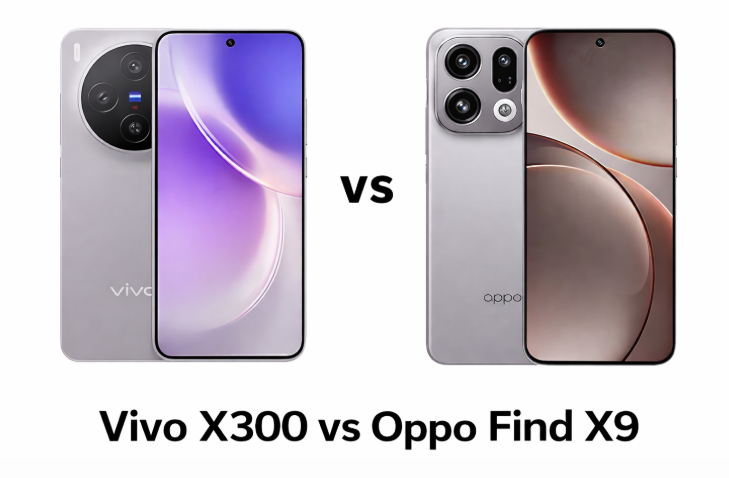
Vivo X300 vs OPPO Find X9: Same Price, But One Clearly Wins

Choosing between two flagship phones at the same price is never simple, especially when both promise top-tier performance, premium design, and next-gen cameras. The Vivo X300 and OPPO Find X9 sit in the same price bracket, target the same premium buyers, and even share the same chipset. But their priorities are different. One leans heavily into ultra-high-resolution photography and display brightness, while the other focuses on battery endurance and cinematic video features.

For buyers spending around $650 (₹76,000), this comparison matters. The real question isn’t which phone is powerful; both are, but which one better fits daily habits, content style, and long-term usage needs.

Major Features:

FeatureVivo X300OPPO Find X9Winner
BuildGlass front & back, aluminum alloy frameGlass front (Gorilla Glass 7i), glass back, aluminum frameOPPO – Gorilla Glass 7i + higher Mohs level
Water ResistanceIP68/IP69IP68/IP69Tie – Same rating
Display TypeLTPO AMOLED, 120HzAMOLED, 120HzVivo – LTPO advantage
Peak Brightness4500 nits3600 nitsVivo – Higher peak brightness
PWM Dimming2160Hz3840HzOPPO – Higher PWM frequency
HDR SupportHDR10+, HDR VividDolby Vision, HDR10+, HDR VividOPPO – Adds Dolby Vision
ChipsetDimensity 9500 (3nm)Dimensity 9500 (3nm)Tie – Same chipset
Storage TypeUFS 4.1UFS 4.1Tie – Same
Main Camera200MP (1/1.4″), OIS50MP (1/1.4″), OISVivo – Higher resolution
Telephoto50MP 3x periscope50MP 3x periscopeTie – Similar specs
Ultrawide50MP50MPTie – Same resolution
Video Features4K@120fps HDR4K@120fps, 10-bit, Dolby Vision, LOGOPPO – More advanced video formats
Selfie Camera50MP AF32MPVivo – Higher resolution + AF
Bluetooth5.46.0OPPO – Newer version
Battery (Global)6040mAh7025mAhOPPO – Larger capacity
Wired Charging90W80WVivo – Faster wired
Wireless Charging40W50WOPPO – Faster wireless
Reverse WirelessNo (reverse wired only)10W reverse wirelessOPPO – Reverse wireless support
Price~$650 / ₹76,000~$650 / ₹76,000Tie – Same price

Please Note: When you buy something using the links in our articles, we may earn a small commission at no cost to you.

1. Design and Display

Build and Feel

The Vivo X300 uses glass on both sides with an aluminum alloy frame and IP68/IP69 protection. It feels sleek and compact, making daily handling easier. The OPPO Find X9 also offers glass and aluminum construction, but adds Gorilla Glass 7i for improved scratch resistance. Both look premium, though Vivo feels more refined while OPPO gives off a sturdier impression.

Display Quality

Vivo offers a 6.31-inch LTPO AMOLED panel with a 120Hz refresh rate and an impressive 4500-nit peak brightness. OPPO features a larger 6.59-inch AMOLED display with Dolby Vision, 3840Hz PWM dimming, and 3600-nit peak brightness. Vivo leads in brightness, but OPPO’s Dolby Vision and higher PWM dimming enhance media comfort.

Verdict

Vivo wins for brightness and compact feel, while OPPO offers better durability and cinematic display support.

2. Specifications 

Performance

Both phones run Android 16 on the MediaTek Dimensity 9500 (3nm) with up to 1TB UFS 4.1 storage. Performance, gaming, and multitasking should feel equally smooth. With five major Android updates promised, longevity is strong on both sides. Real-world speed differences will be minimal.

Battery and Charging

OPPO clearly leads in battery capacity with 7025mAh and 80W wired plus 50W wireless charging. Vivo offers 6040mAh (global) with faster 90W wired and 40W wireless charging. Vivo charges slightly faster, but OPPO should last longer on a single charge. Endurance matters more for heavy users.

Verdict

Performance is tied, but OPPO takes this section due to its significantly larger battery.

3. Camera

Main and Secondary Lenses

Vivo features a 200MP main camera with Zeiss optics, supported by 50MP telephoto and ultrawide lenses. It focuses on extreme detail and sharpness. OPPO uses three 50MP sensors with Hasselblad color tuning and supports 10-bit LOG and Dolby Vision video. Vivo feels sharper for photos, while OPPO is stronger for professional-style video.

Selfie Camera

Vivo includes a 50MP autofocus selfie camera with 4K recording. OPPO offers a 32MP front camera with 4K support but no autofocus. Vivo delivers better clarity and focus for selfies.

Verdict

Vivo is better for high-resolution photography and selfies. OPPO is better for advanced video creators.

4. Pricing

Both phones are priced around $650 (₹76,000). At this level, buyers expect flagship performance and premium features. Vivo justifies the price with a 200MP camera and ultra-bright display. OPPO counters with a massive battery and Dolby Vision support. The value depends on whether camera detail or battery life is the priority.

Verdict

Both offer strong value, but OPPO offers slightly more hardware advantages at the same price.

Disclaimer:
Prices are approximate and may vary based on country, region, and applicable taxes.

5. Conclusion

Vivo stands out with its 200MP camera, Zeiss optics, and brighter LTPO display. OPPO distinguishes itself with a 7025mAh battery, Dolby Vision display and video, and Hasselblad color calibration. Vivo feels photography-focused, while OPPO feels built for endurance and multimedia.

Final Verdict

Overall, the OPPO Find X9 is the better choice. It matches Vivo in performance, delivers longer battery life, supports advanced video features, and maintains flagship display quality at the same price. Vivo remains an excellent option for photography lovers, but OPPO offers a more balanced package for most users.


Read More:

One UI 8.5 will be the last feature update for these Galaxy devices

One UI 8.5 last update device list

Samsung will debut One UI 8.5 (based on Android 16 QPR2) later this month with the Galaxy S26 series. Soon, the new software will begin rolling out to older Galaxy devices. Unfortunately, this is going to be the last feature update for many Samsung devices, which includes devices across every Galaxy lineup.

In this post, we’ve curated a list of Galaxy devices that will receive One UI 8.5 as their last feature-packed update. This also means they won’t receive One UI 9 and future One UI updates. However, that doesn’t mean the end of the road for them as they will continue to receive security patches for a while, but without the latest features or upgrades.

No more feature updates beyond One UI 8.5 for these Samsung devices

  • Galaxy S22
  • Galaxy S22+
  • Galaxy S22 Ultra
  • Galaxy S21 FE
  • Galaxy Z Fold 4
  • Galaxy Z Flip 4
  • Galaxy A73 5G
  • Galaxy A53
  • Galaxy A33
  • Galaxy M05
  • Galaxy F14
  • Galaxy F05
  • Galaxy XCover 6 Pro
  • Galaxy Tab S8
  • Galaxy Tab S8+
  • Galaxy Tab S8 Ultra
  • Galaxy Tab A9
  • Galaxy Tab A9+

To clarify, Samsung hasn’t yet announced which Galaxy devices will receive the One UI 8.5 update. However, it’s almost certain to reach every Galaxy device that received the One UI 8.0 update or launched with it. Based on that, we’ve prepared the above list.

If your Samsung device is on the list, it will soon become ineligible for future One UI releases, including One UI 9, which is expected to be released in the second half of 2026. To ensure you do not miss out on the latest features and upgrades, you will need to upgrade to a newer model. Don’t forget to check out the list of Samsung devices that promise seven major OS updates, six major OS updates, or four major OS updates to find a reliable option that will stay relevant for years to come.

Also read: Samsung One UI 8.5: Here’s everything you need to know

We’ll keep updating you with the latest developments around One UI in our Samsung section. You can visit the section regularly for the latest updates, or join our Telegram channel to get instant notifications about the latest happenings in tech.

Lenovo announces Xiaoxin Pro GT 13, its largest 3.5K tablet display yet

Lenovo has officially announced the Xiaoxin Pro GT 13 as the biggest screen tablet in the Xiaoxin series.

As the name suggests, the headline feature is the 13-inch panel with a 3504 × 2190 resolution and a 16:10 aspect ratio. That works out to a 3.5K resolution and a pixel density of 319 PPI, making it also the highest-resolution screen on a Xiaoxin tablet. The screen refreshes at 144Hz. 

Moreover, Lenovo says the tablet has a typical brightness of 600 nits and a peak brightness of up to 800 nits. It also offers 12-bit color depth, covers 99 percent of the DCI-P3 color gamut, and supports Dolby Vision for HDR content.

Lenovo says the panel carries its PureSight Pro certification and has TÜV Rheinland certifications for low blue light and flicker-free performance. It has also passed testing by the National Eye Engineering Center, which the company highlights as a sign of eye comfort and display quality.

Lenovo Xiaoxin Pro GT 13 has an understated design

Design-wise, the Xiaoxin Pro GT 13 looks familiar. Teaser images show a back panel that closely resembles the Xiaoxin Pro GT tablet Lenovo released in 2025. One noticeable change is the camera setup. Instead of a dual-camera system, this model uses a single rear camera. Lenovo has confirmed it’s a 13-megapixel sensor.

The tablet will be available in two color options: pink and silver. Both versions feature a matte metallic finish.

What Lenovo hasn’t confirmed yet is the processor. Last year’s model came with the Snapdragon 8 Gen 3, so it’s reasonable to expect something in that range again. There’s speculation that it could feature a newer Snapdragon 8 Elite or even the Snapdragon 8 Gen 5, but for now, that remains unannounced.

Lenovo is expected to share more details in the coming days. And as always, we will keep you posted on that. 

For more daily updates, please visit our News Section.

Stay ahead in tech! Join our Telegram community and sign up for our daily newsletter of top stories.
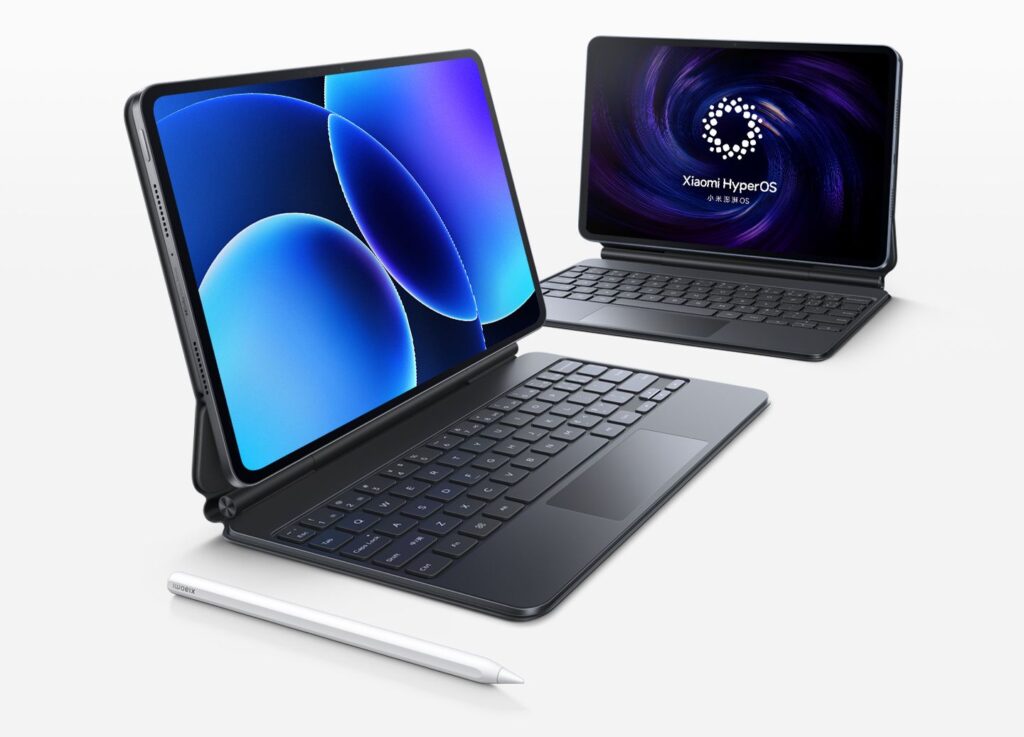
Xiaomi Pad 8, Pad 8 Pro variants, color options leaked before global launch

Xiaomi is rumored to soon hold a global launch event to announce the Xiaomi 17 and 17 Ultra. A new leak, courtesy of tipster Sudhanshu Ambhore, reveals that the Pad 8 lineup will also debut alongside the 17 series. While the specifications of the Pad 8 and Pad 8 Pro are already known since they have been available in the Chinese market for the past few months, the tipster has shared key details about the variants and colour options ahead of their global launch.

Xiaomi Pad 8, Pad 8 Pro configurations, color options

Xiaomi Pad 8 series teaser-
Xiaomi Pad 8 series teaser

The leak reveals that the Xiaomi Pad 8 will be available in 8GB+128GB and 8GB+256GB memory options, whereas the Pad 8 Pro will arrive in variants such as 8GB+256GB and 12GB+512GB. Both devices will be offered in three shades, including blue, grey, and green.

Xiaomi Pad 8, Pad 8 Pro specifications

The Xiaomi Pad 8 and Pad 8 Pro are expected to feature an 11.2-inch LCD panel that supports a 3.2K resolution, a 3:2 aspect ratio, a 144Hz refresh rate, and 800 nits of peak brightness. The Pad 8 has the Snapdragon 8s Gen 4 chip and supports 45W charging, a 13-megapixel rear camera, and an 8-megapixel front camera.

On the other hand, the Snapdragon 8 Elite-powered Pad 8 Pro offers 67W charging, a 50-megapixel rear camera, and a 32-megapixel front camera. Both devices share other common features, such as a 9,200mAh battery, HyperOS 3-based Android 16, Xiaomi Focus Touch Pen Pro support, PC-grade WPS and CAD support, and a quad-speaker setup.

These devices also offer connectivity features such as Wi-Fi 7, USB-C 3.2 Gen 1, NFC, and an IR blaster. It appears that the devices will lack support for 5G/4G connectivity.

For more daily updates, please visit our News Section.

Stay ahead in tech! Join our Telegram community and sign up for our daily newsletter of top stories.

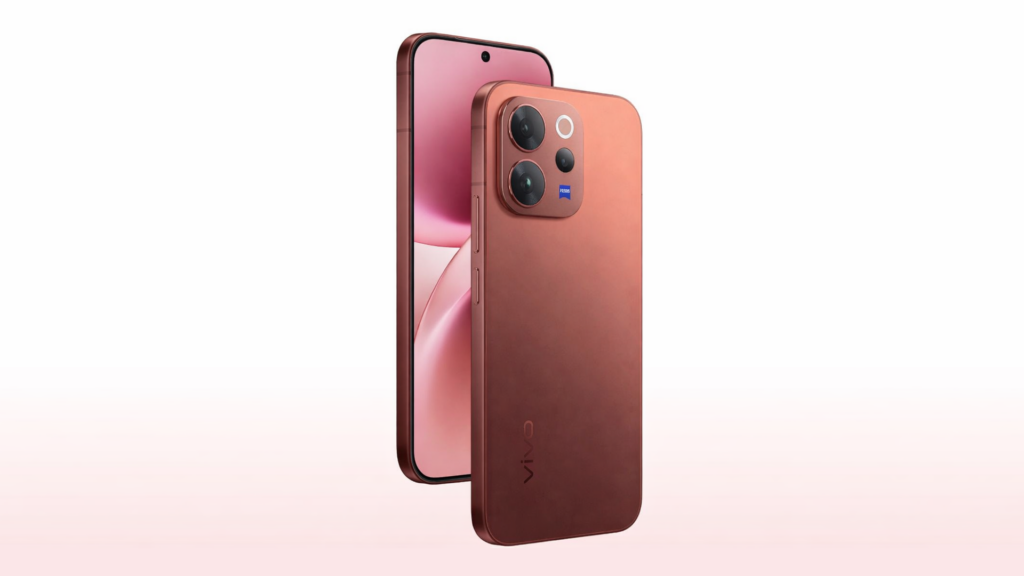
Vivo V70, V70 Elite price, pre-orders details leaked before February 19 launch

Vivo is scheduled to launch the Vivo V70 series on Feb. 19 in India, and the lineup is expected to include two models, the V70 and the V70 Elite. One of the major highlights is that the V70 Elite is tipped to become the company’s first V-series smartphone powered by a Snapdragon 8-series chipset. Ahead of the launch, a new leak has surfaced online revealing possible pricing, storage variants, and pre-order details for the upcoming lineup.

Vivo V70 series price leaked (rumored)

Vivo V70 Elite
Vivo V70 Elite

According to tipster Abhishek Yadav, the Vivo V70 could arrive in two configurations, including 8GB+256GB priced at Rs 45,999 (~$510) and 12GB+256GB at Rs 49,999 (~$555). The device is expected to be offered in Passion Red and Lemon Yellow colour options.

The Vivo V70 Elite, on the other hand, is tipped to start at Rs 51,999 (~$575) for the 8GB+256GB variant, while the 12GB+256GB model may cost Rs 56,999 (~$630) and the 12GB+512GB version could be priced at Rs 61,999 (~$685). The leak also claims that pre-bookings may begin from Feb. 12 and continue until Feb. 24, with sales likely scheduled between Feb. 25 and Feb. 28. A promotional Superweek period is also expected from February 25 to March 3.

For reference, the previous-generation Vivo V60 5G debuted at Rs 38,999 (~$430). The V60 series lineup did not have an Elite variant.

Vivo V70, V70 Elite specifications

The Vivo V70 Elite is said to feature a Snapdragon 8-series chipset, likely the Snapdragon 8s Gen 3, paired with LPDDR5x RAM and UFS 4.1 storage. It may include a 6.59-inch OLED display with 1.5K resolution, along with a 6,500mAh battery and support for 90W fast charging. Camera details suggest a triple rear setup featuring a 50-megapixel primary sensor with OIS, an ultra-wide lens, and a 50-megapixel periscope telephoto camera offering 3x optical zoom and up to 100x digital zoom. For selfies and video calls, the device is expected to feature a 50-megapixel front camera with autofocus.

The standard Vivo V70 is tipped to run on the Snapdragon 7 Gen 4 chipset and may share several display and camera characteristics with the Elite model. Both devices are expected to feature an aluminium alloy frame, IP68/69 dust and water resistance, and OriginOS 6 based on Android with up to six years of software support.

For more daily updates, please visit our News Section.

Stay ahead in tech! Join our Telegram community and sign up for our daily newsletter of top stories.

OnePlus rolls out OxygenOS 16 update to the last eligible device

OnePlus OxygenOS 16 update rollout

The OxygenOS 16 update is now rolling out to the last eligible OnePlus device, the OnePlus Pad Lite. This entire rollout has been smooth, which began in early November with high-end devices like the OnePlus Open, OnePlus 13, and gradually expanded to mid-range and cheaper Nord CE models.

As shared by OnePlus in a post on the official community, the OxygenOS 16 update for the OnePlus Pad Lite is tagged with the firmware versions OPD2481_16.0.3.500(EX01) and OPD2480_16.0.3.500(EX01). It’s currently available in India as the initial rollout, but it will soon expand to the remaining regions.

If you’re rocking a OnePlus Pad Lite, navigate to Settings > System & Updates > Software update to manually check for the available update. If it doesn’t show up, you can join the OnePlus Release Candidate Program to reduce the wait time. For this, go to Settings > System & Updates > Software update > Beta Program and tap the “update now” button to download the update.

With the OnePlus Pad Lite now joining the OxygenOS 16 party, there’s no more OnePlus device left to receive this major upgrade. However, note that the rollout progresses in batches, so it may take some time to reach all users across all regions.

To recap, here’s a list of OnePlus devices that have received the OxygenOS 16 update:

  • OnePlus Open
  • OnePlus 13, 13R, 13S
  • OnePlus 12, 12R
  • OnePlus 11, 11R
  • OnePlus 10 Pro
  • OnePlus Nord 5, Nord 4, Nord 3
  • OnePlus Nord CE 5, Nord CE 4, Nord CE 4 Lite 5G
  • OnePlus Pad 3, Pad 2, Pad, Pad Lite

Soon, OxygenOS 16 and Android 16 will become old topics as Google has already been working on its successor, Android 17. In fact, the first beta build could drop as soon as this month. You can read more about Android 17 here.

You can regularly visit the OnePlus section on Gizmochina to know which devices are getting the update. Alternatively, you can join us on Telegram to stay notified about the latest software releases, smartphone launches, AI news, and tech breakthroughs.