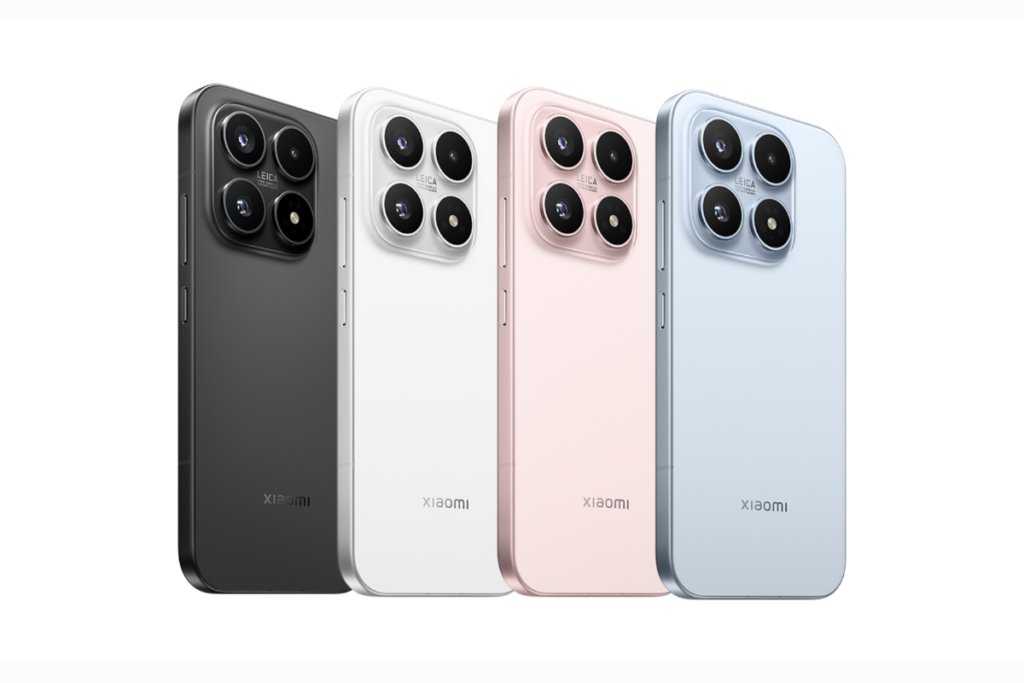
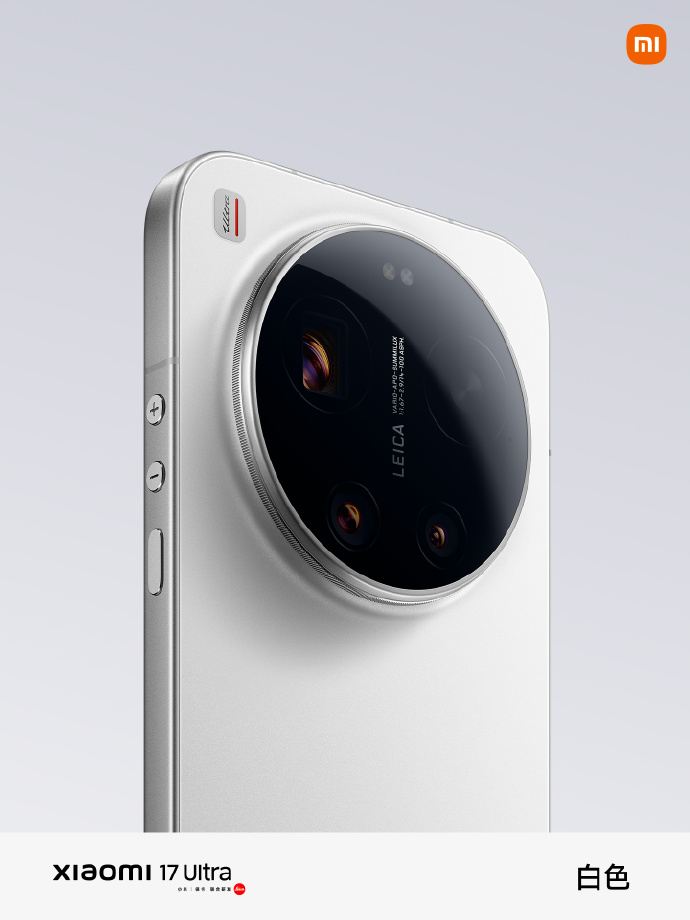
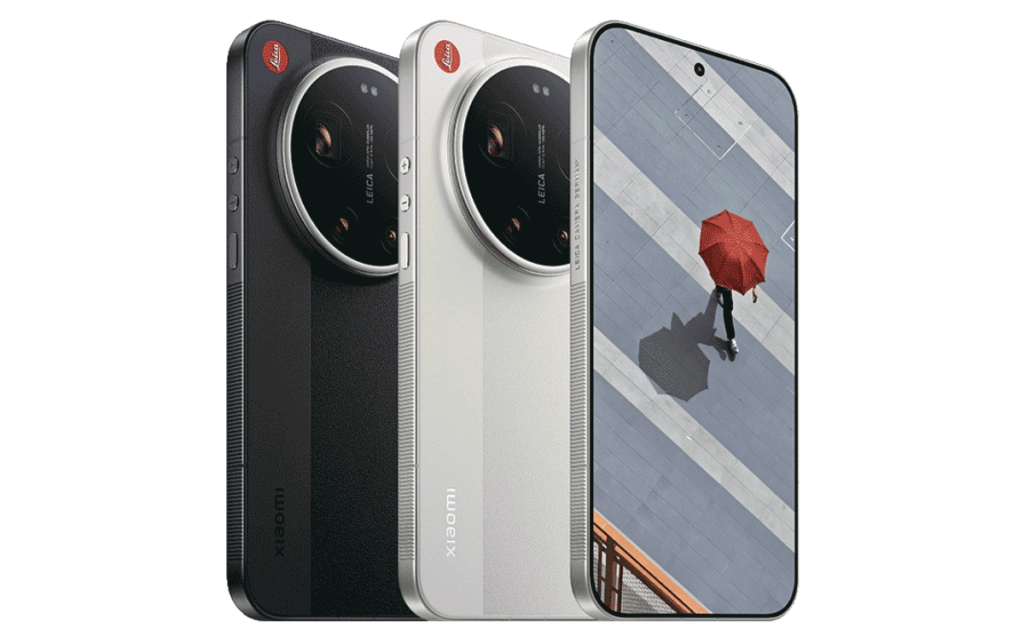
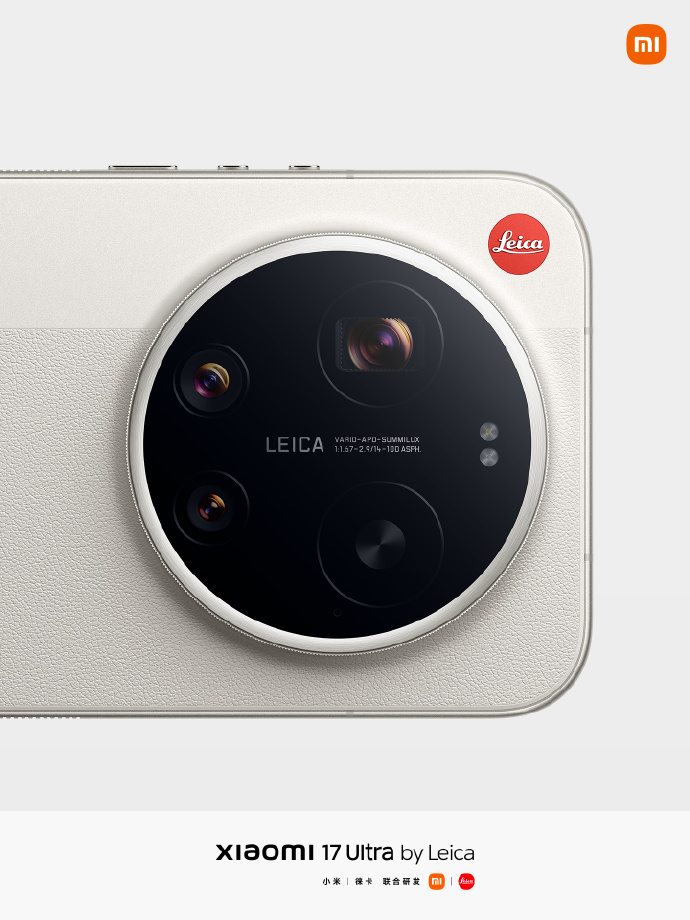
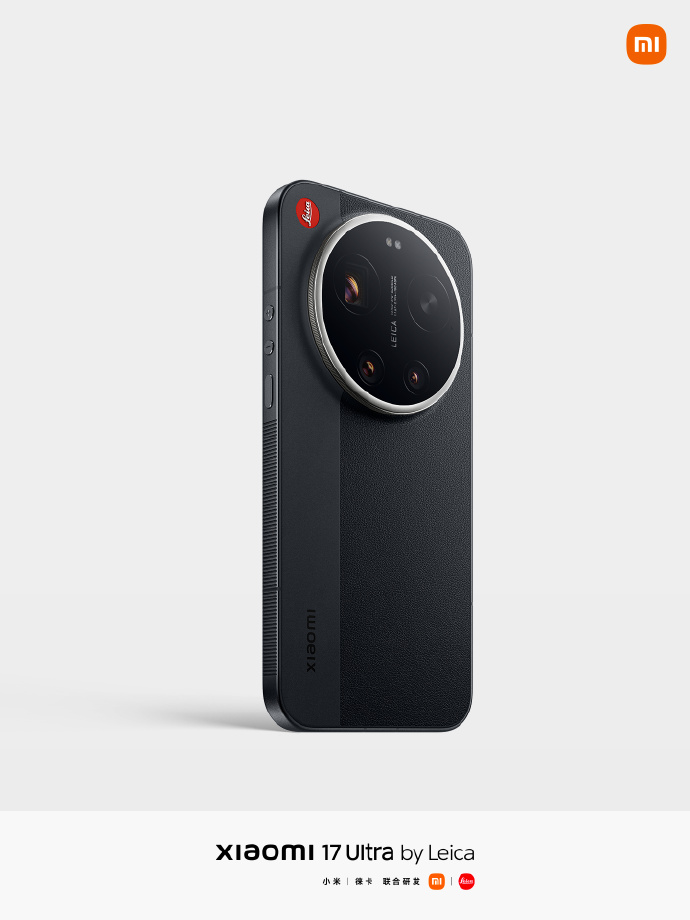
Xiaomi‘s latest flagship is expected to launch in India soon. But ahead of any official announcement, the Xiaomi 17 model just surfaced in a major certification in the region. So the countdown to its release has basically kicked off. So here’s what you can expect from this phone.
Xiaomi 17 visits BIS ahead of India launch
The Chinese tech giant’s Xiaomi 17 is a flagship grade smartphone with cutting edge specs and features. It was recently spotted on the BIS database (Bureau of Indian Standards), carrying the 25113PN0E1 model number. While the certification listing doesn’t reveal finer details like its release timeline or hardware, it does hint at an imminent release in the Indian market.
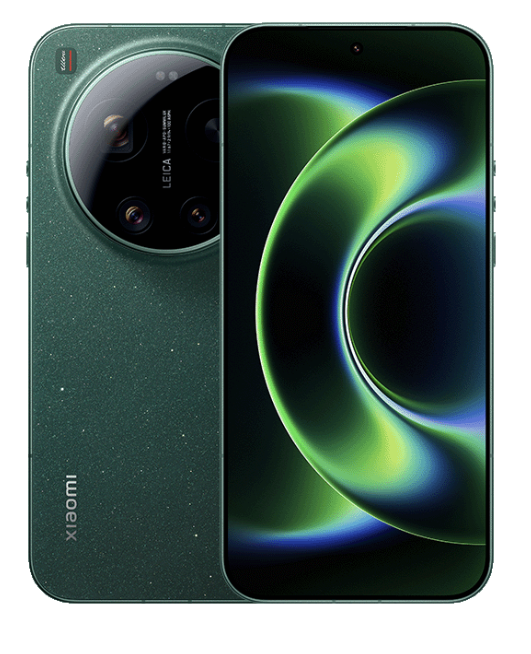
Xiaomi 17
To recall, the brand first unveiled the Xiaomi 17 in its home market of China back in September 2025. It debuted as the first wave of next gen flagships that pack Qualcomm’s latest and greatest Snapdragon 8 Elite Gen 5 SoC. This is a compact flagship phone that sports a 6.3-inch flat LTPO OLED display with a 1.5K resolution, a 120Hz refresh rate, Xiaomi Dragon Crystal Glass, DC dimming, and up to 3500 nits of peak brightness.
A massive 7,000mAh battery pack powers this device, which supports 100W wiredfast charging, 50W wireless fast charging, magnetic charging, and 22.5W wired reverse charging. For optics, the rear has a 50MP triple camera setup, while the front houses a 50MP selfie shooter. Other notable features include stereo speakers with Dolby Atmos support, an infrared sensor, and an in-display ultrasonic fingerprint scanner. The Xiaomi 17 debuted in Snow Mountain Pink and Ice Melt Blue, along with the classic white and black colorways in China, and we can expect similar specs and design for the Xiaomi 17’s Indian release as well.
For more daily updates, please visit our News Section.
A premium Motorola smartphone is arriving soon. Recent teasers have confirmed the Motorola Signature model, which is expected to be the Edge 70 Ultra, while the Chinese market is getting the Moto X70 Air Pro. Now, the latter has just surfaced on a major certification website in China, so here’s what it revealed.
Moto X70 Air Pro Spotted on 3C Certification
The Moto X70 Air Pro was spotted on the 3C database, carrying the XT2601-3 model number. Motorola’s new flagship smartphone is set to launch in China soon, with the certification confirming one key feature. While finer details are still at large, the Moto X70 Air Pro will support 90W wired fast charging, which matches other flagship grade smartphones.
Motorola Edge 70
Unfortunately, this was all the information that was revealed in the 3C certification website. Based on what we know so far, the Moto X70 Air Pro is expected to pack either the Snapdragon 8 Gen 5 or Snapdragon 7+ Gen 5 chip. The big discrepancy between the chips is based on the two GeekBench sightings that either show flagship or mid range level performance.
This chip is also coupled with 16GB of RAM, running on Android 16 OS out of the box. Other rumors specifications include a 6.7-inch flat 1.5K 120Hz OLED display on the front, 50MP triple cameras on the rear, and a sleek new design that includes elegant color options like Carbon and Martini Olive. This is all the information we have at the moment, so stick around for more.
For more daily updates, please visit our News Section.
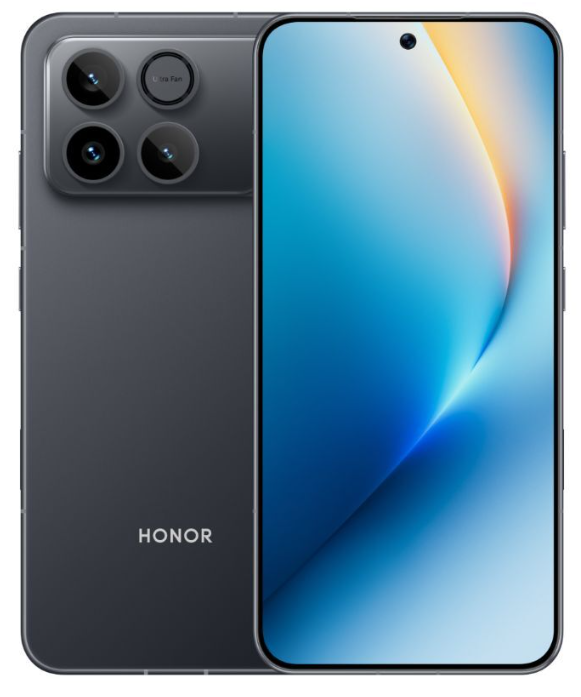
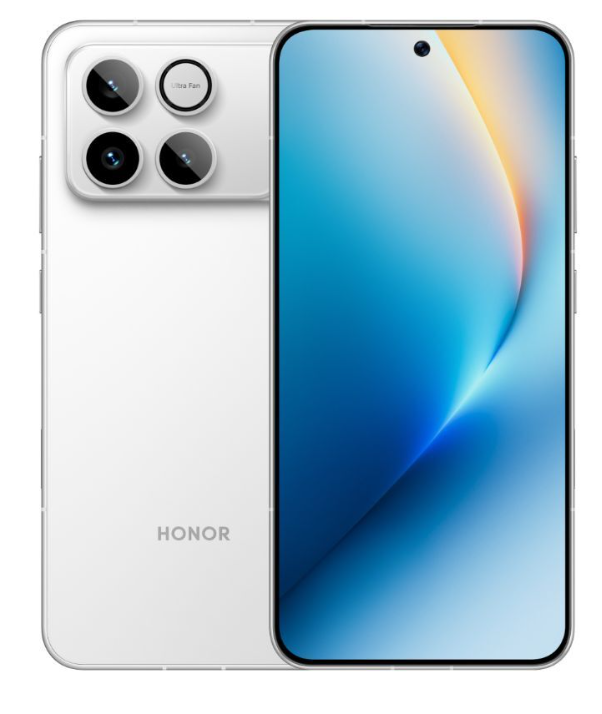
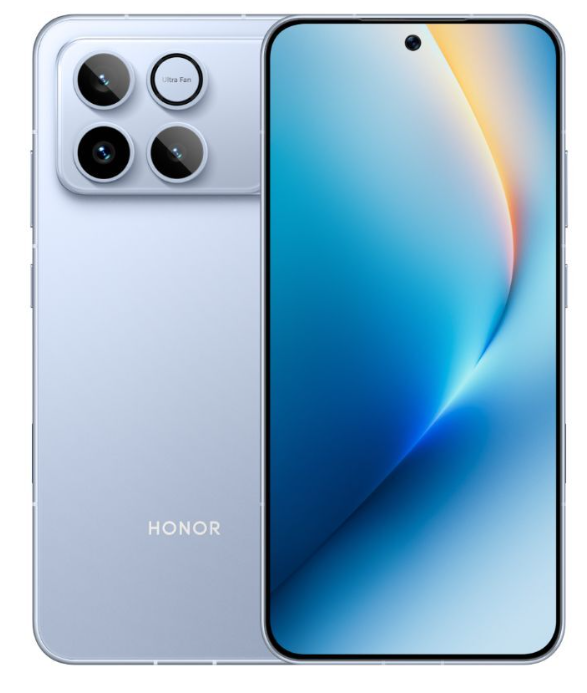
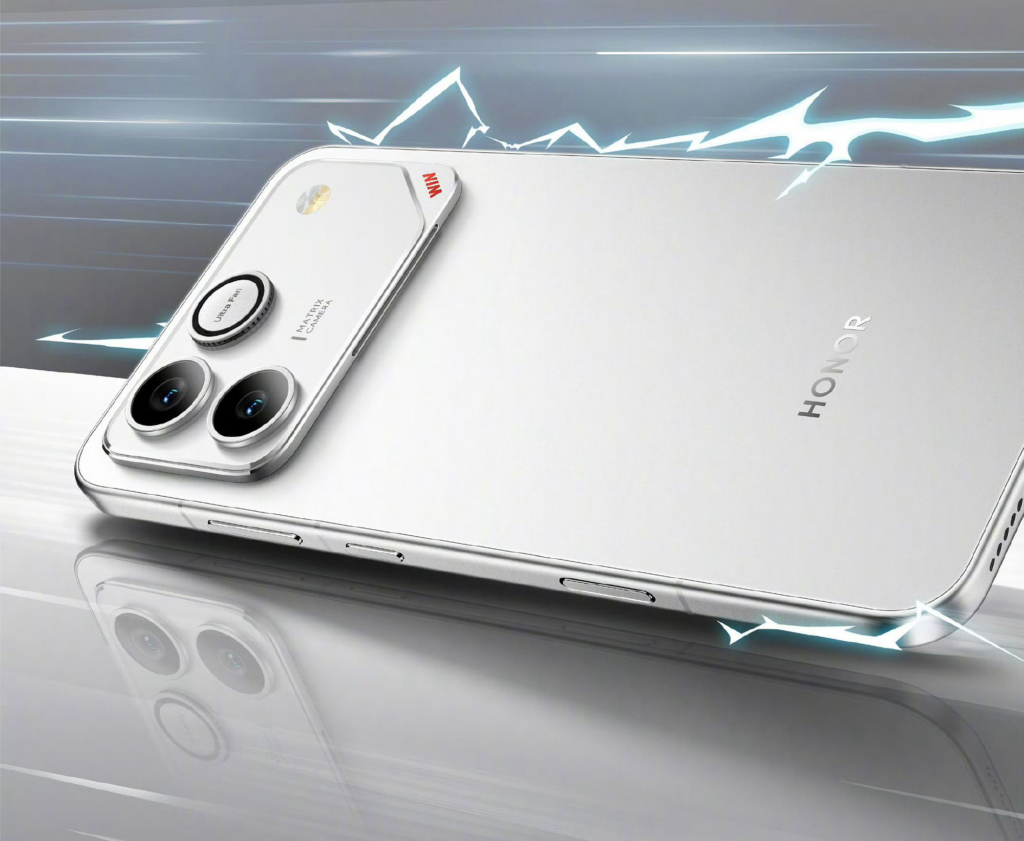
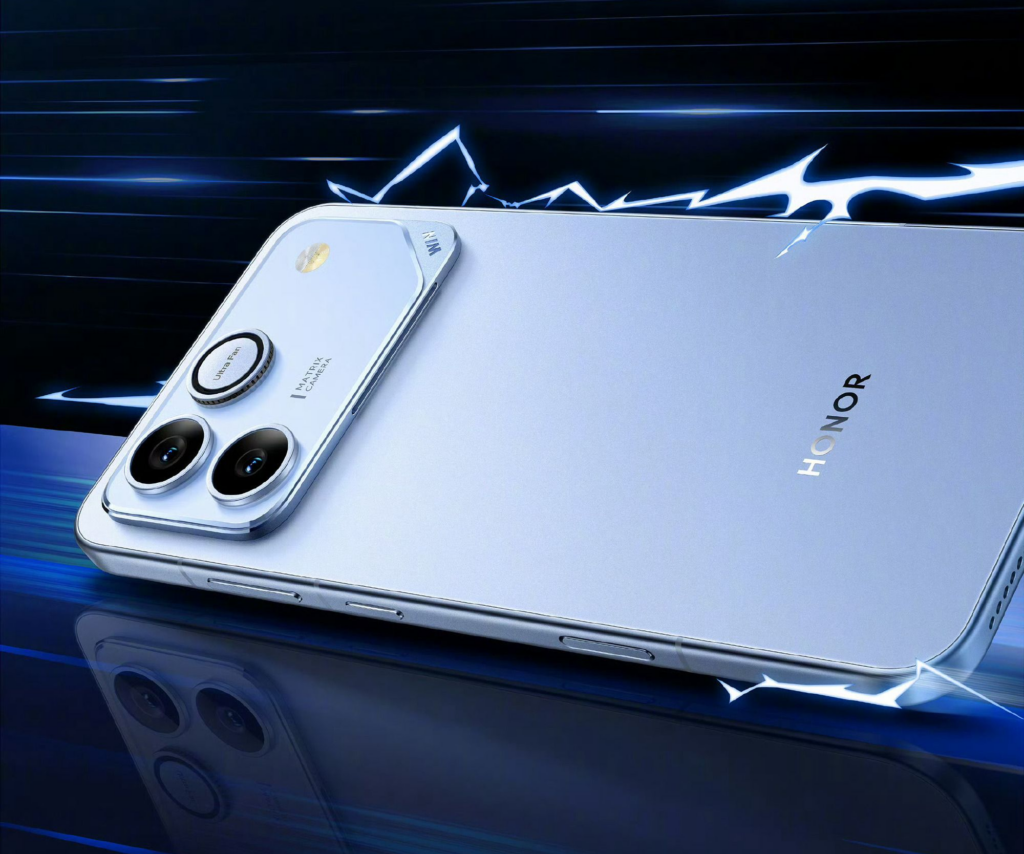
Honor WIN is designed for users who demand speed, efficiency, and high-end visuals in a flagship smartphone. Featuring a cutting-edge Snapdragon processor, ultra-smooth LTPS AMOLED display, massive battery, and professional-grade camera system, this device brings together power and versatility for productivity, gaming, and content creation.
Price & Availability
Honor WIN is available for purchase at Giztop, with prices starting as low as $699. The device is offered with global availability and supports fast express shipping, making it accessible to buyers worldwide without long delivery wait times. This makes the Honor WIN an attractive flagship option at a highly competitive price point.
Immersive 6.83-Inch LTPS AMOLED Display
Honor WIN sports a stunning 6.83-inch LTPS AMOLED display that delivers fluid motion and outstanding clarity. With a blazing-fast 185Hz refresh rate and 500Hz touch sampling rate, the screen ensures ultra-responsive interactions whether gaming, scrolling, or multitasking. It supports HDR10+ and HDR Vivid, offers Dolby Vision compatibility, 12-bit colors, and reaches an impressive 3500-nit peak brightness, making it exceptionally readable even under bright sunlight.
Powerful Snapdragon 8 Elite Gen 5 Performance
Powered by the 3nm Qualcomm Snapdragon 8 Elite Gen 5 platform, the Honor WIN offers flagship-level performance for demanding workloads. Its octa-core CPU clocks up to 4.6GHz, ensuring smooth multitasking, fast app launches, and efficient processing. Paired with 12GB or 16GB LPDDR5X RAM, the phone delivers seamless performance across productivity apps, gaming, and high-intensity tasks without compromise.
Ample Storage for Every Need
With storage options ranging from 512GB to 1TB, the Honor WIN provides more than enough room for apps, photos, videos, and large media files. This generous capacity ensures users can store content freely without worrying about space limitations, making it suitable for creators, professionals, and power users alike.
Pro-Grade Triple Camera System
Honor WIN features a powerful triple-camera setup built for versatility and detail. The primary 50MP sensor with a large 1/1.56-inch super-sensor and OIS delivers sharp, stable shots even in challenging lighting. It is accompanied by a 50MP ultra-wide lens for expansive landscapes and group photos, along with a high-resolution 200MP telephoto camera offering 3.7x optical zoom and OIS for crisp long-range photography and portrait shots.
10000mAh Battery with Super-Fast Charging
Battery endurance is one of the standout features of the Honor WIN. Equipped with a huge 10000mAh battery, the phone is built for extended usage throughout the day and beyond. It supports 100W super-fast wired charging, 50W wireless charging, and reverse wireless charging, allowing users to power other devices on the go, making it both powerful and practical.
MagicOS with Full-Screen Gesture Navigation
Pre-installed with Honor MagicOS, the device offers a smooth and intuitive software experience optimized for efficiency and productivity. Full-screen gesture support provides a fluid navigation experience, while the platform is designed to maintain responsiveness and performance as users multitask, stream, browse, and work.
Security and Connectivity
Honor WIN features an in-display fingerprint scanner for quick and secure unlocking. On the connectivity front, it supports 5G networks and comes equipped with Wi-Fi 7, offering significantly higher throughput than previous standards, with speeds reaching up to 6.9Gbps for faster downloads, stable streaming, and lag-free online performance.
Motorola has just teased the launch of a new super thin smartphone model. The company unveiled the Moto X70 Air in China back in October 2025, and now, it appears that a higher end model is in the works. Motorola’s Moto X70 Air has just surfaced in a fresh teaser poster, so here’s what we know.
Moto X70 Air Pro Teased in China
In a fresh teaser, the brand confirmed that the Moto X70 Air Pro model is in the works. Looking at the image poster, this new device will launching in China soon. While an official launch date and features are still unknown, the teaser does confirm AI powered features and a thin and light design, similar to the Moto X70 Air. To recall, Motorola launched the X70 Air in the global market as the Edge 70.
Moto X70 Air
Recently, there have been rumors of the brand working on a premium Motorola Signature smartphone, which is expected to be the new name for the Edge 70 Ultra. So the upcoming Moto X70 Air Pro could be a rebrand of the Motorola Signature that is exclusive to the Chinese market. Based on what we know so far, the Edge 70 Ultra/Signature will be powered by the Snapdragon 8 Gen 5 SoC (as seen on GeekBench).
This chip is coupled with 16GB of RAM, with the device running on Android 16 OS. Other rumored features include a 6.7-inch flat OLED display with a 1.5K resolution and a 120Hz refresh rate on the front, triple 50MP cameras on the rear, and a big battery pack. Motorola is expected to announce the Signature in the Indian market on 28th December 2025.
For more daily updates, please visit our News Section.
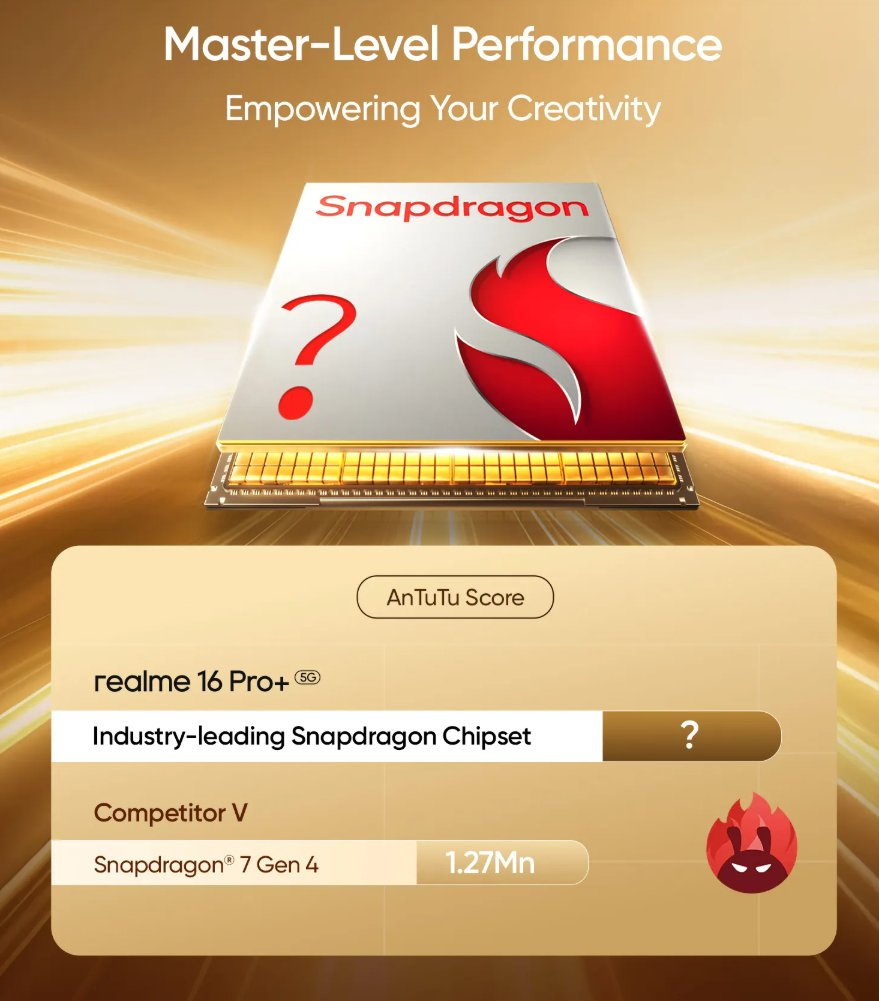
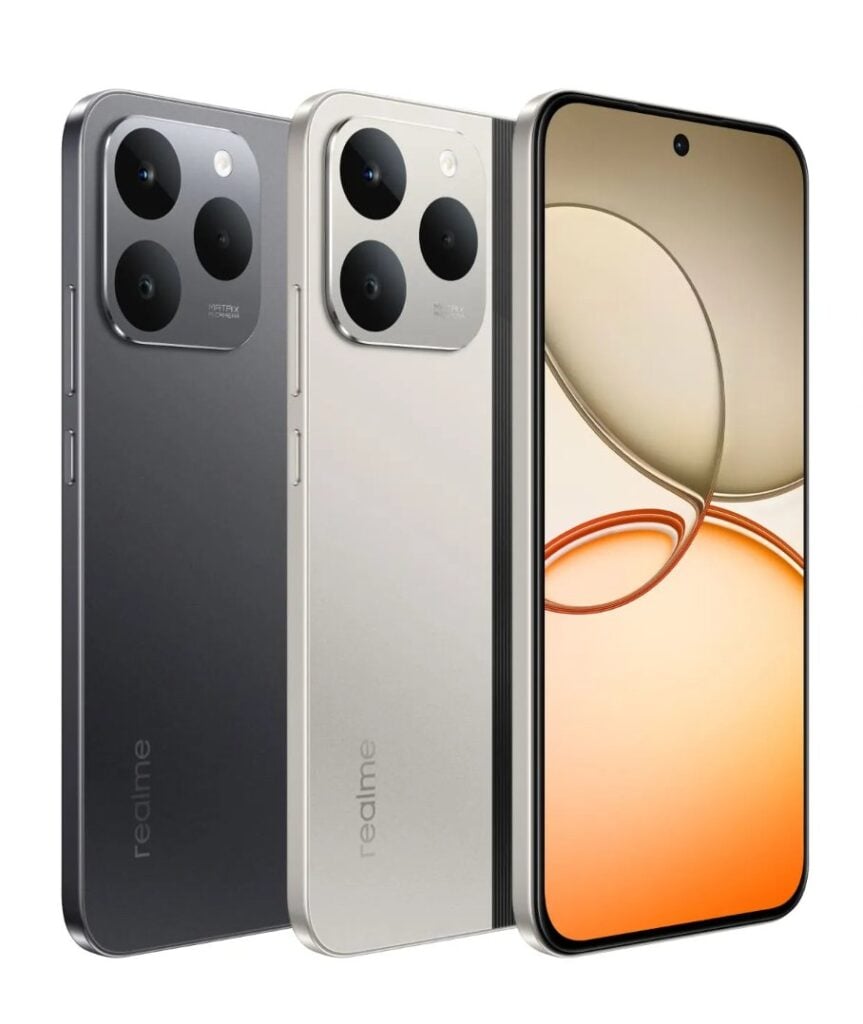
Earlier this month, Realme claimed that its upcoming Realme 16 Pro+ will ship with a processor more powerful than Qualcomm’s Snapdragon 7 Gen 4. Last week, however, the smartphone made an appearance on Geekbench with—surprisingly—the same chip that Realme said it would not use.
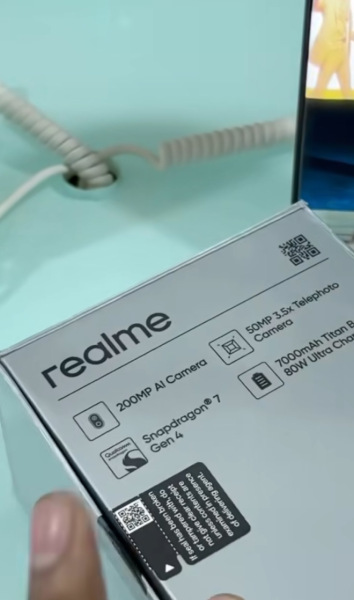
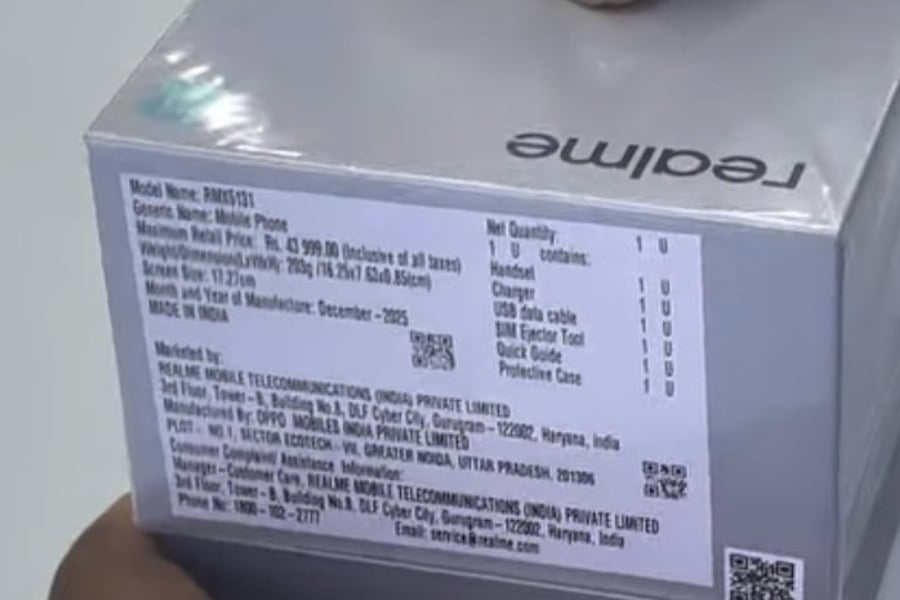
Now, the phone’s retail box image has also surfaced online. And guess what? The box imprinting confirms that the device is indeed powered by the Snapdragon 7 Gen 4.
We are not sure why Realme is doing false marketing. The source of the image is a reliable tipster, which rules out the likelihood of the image itself being doctored.
Below is the official teaser, which shows Realme 16 Pro+ has an “industry-leading Snapdragon chip,” which performs better than the Snapdragon 7 Gen 4. It’s Realme logic now, and we’ll have to wait for the company to explain the discrepancy.
Beyond the chipset confusion, the box image also reveals some previously confirmed details. The Realme 16 Pro+ packs a 200MP main camera alongside a 50MP 3.5x telephoto lens on the back. Powering the phone is a massive 7,000mAh “Titan” battery, paired with 80W fast charging.
Rest of the specs
The 16 Pro+ has already made its way to the TENAA database, revealing most of its specs. It flaunts a 6.8-inch AMOLED panel with 10-bit color depth. The front also has a 50MP selfie camera, while the rear includes an 8MP ultrawide alongside above mentioned 200MP main and 50MP telephoto.
It runs on Android 16, which is layered with Realme UI 7. Globally, it is expected to receive three OS upgrades and four security updates. Other features include an in-display fingerprint sensor and an IR blaster.
The Realme 16 Pro+ is set to launch in India on January alongside the more affordable Realme 16 Pro.
For more daily updates, please visit our News Section.
Oppo is adding a new color option to the Oppo Reno 15 lineup in China. The company has confirmed that the Oppo Reno 15 Starry Pink variant will go on sale on December 31, 2025. Pre-orders for the new color are already live in the country. The Reno 15 series was first launched in China in November with Starlight Bow, Canele Brown, and Aurora Blue finishes.
The Starry Pink version focuses on design changes. Oppo says the phone uses an industry-first starburst grating process on the rear panel. This finish creates a star-like shimmer effect that changes as the phone is tilted. The back panel is paired with a textured metal frame and high-gloss ice-clear glass. Aside from these visual updates, the Starry Pink variant is expected to offer the same hardware and features as the existing Reno 15 models.
The Oppo Reno 15 features a 6.32-inch flat OLED display with a 1.5K resolution of 2640 × 1216 pixels. The panel supports a 120Hz refresh rate, a 240Hz touch sampling rate, and up to 3600 nits of local peak brightness. It also includes 3840Hz high-frequency PWM dimming and OPPO Crystal Shield Glass protection.
The smartphone is powered by the octa-core MediaTek Dimensity 8450 processor built on a 4nm process, with clock speeds of up to 3.25GHz. Graphics are handled by the Mali-G720 MC7 GPU running at 1300MHz. The device comes with 12GB or 16GB of LPDDR5X RAM and offers 256GB, 512GB, or 1TB of UFS 3.1 storage. It runs Android 16 with ColorOS 16.
In the camera department, the Reno 15 packs a 200MP main camera with a 1/1.56-inch sensor, f/1.8 aperture, and optical image stabilization. It is paired with a 50MP ultra-wide camera with a 112-degree field of view and an f/2.2 aperture, along with a 50MP 3.5x periscope camera with OIS and an f/2.8 aperture. The rear cameras support 4K video recording at 60fps. On the front, there is a 50MP camera with an f/2.0 aperture, also capable of 4K 60fps video.
Other features include an in-display fingerprint sensor, an infrared sensor, stereo speakers, and USB Type-C audio. The phone carries IP66, IP68, and IP69 ratings for dust and water resistance. Connectivity options include 5G SA and NSA, dual 4G VoLTE, Wi-Fi 6, Bluetooth 5.4, Beidou, GPS, GLONASS, Galileo, QZSS, and USB Type-C 2.0. The device is backed by a 6200mAh battery with 80W SuperVOOC fast charging.
For more daily updates, please visit ourNews Section.
Xiaomi 17 Ultra is one of the most anticipated flagship phones of the year because it promises a true leap in mobile photography and a premium user experience. It stands out for its Leica-driven imaging approach, refined design, and focus on real-world camera versatility rather than just raw numbers. People should consider buying it if they want a smartphone built for creators, travelers, and power users, one that delivers meaningful innovation, long-lasting performance, and a genuinely flagship-level experience.
Price and Availability:
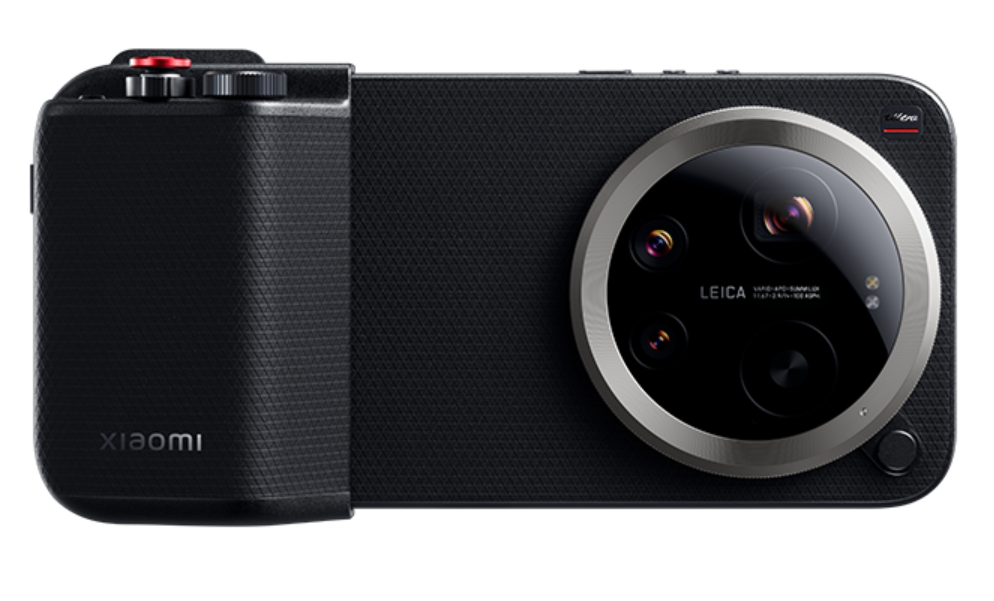
Xiaomi 17 Ultra starts at about $1199 and is available to order now from Giztop. It ships worldwide with Global and Express delivery, making it easy to get the phone no matter where you are. For photography enthusiasts who want even more creative control, you can also purchase an optional photography kit accessory for an additional price, adding tools to enhance shooting and handling.
Display
The Xiaomi 17 Ultra features a large 6.9-inch AMOLED display that delivers sharp and vibrant visuals. It supports a 120Hz refresh rate for smooth scrolling and animations, and a 240Hz touch sampling rate for fast touch response. The screen supports HDR10+ and Dolby Vision, plus up to 3000 nits peak brightness, making it easy to view even in bright sunlight. With 12-bit color depth, colors appear richer and more accurate, which is great for watching movies, browsing photos, or gaming.
Processor & Performance
This phone is powered by the latest Qualcomm Snapdragon 8 Elite Gen 5 processor built on a 3nm process. The octa-core CPU runs at up to 3.3GHz, delivering excellent performance for multitasking, gaming, and intensive apps. It comes with 12GB or 16GB LPDDR5X RAM, allowing smooth app switching and fast loading speeds. The Xiaomi 17 Ultra is made for users who need strong performance for both productivity and entertainment.
Storage Options
The Xiaomi 17 Ultra offers 512GB or 1TB internal storage, giving you plenty of space for apps, photos, videos, music, and large files. This makes it suitable for content creators, photographers, and power users who store a lot of media on their devices.
Cameras — Leica Imaging System
Xiaomi 17 Ultra features an advanced Leica Summilux camera system designed for professional-level photography.
The main camera is a 50MP 1-inch sensor with a large ƒ/1.67 aperture, offering excellent low-light performance, high detail, and natural colors. It supports OIS stabilization, fast focusing, and large pixel output for sharper images.
The phone also includes a 200MP telephoto camera with 3.2–4.3x optical zoom, telephoto macro capability, and OIS support. This camera is ideal for zoom shots, portraits, and detailed close-ups.
The 50MP ultra-wide camera offers a 115° field of view, making it perfect for landscapes, group photos, and wide-angle scenes. It also supports super macro photography.
There are multiple camera features such as Leica color modes, Super Night Mode, Street Photography mode, Object Tracking Focus, Master Lens tools, and various professional presets. The phone supports up to 8K video recording, along with 4K high-frame-rate video and advanced slow-motion modes.
On the front, there is a 50MP high-resolution selfie camera with support for 4K video, beauty effects, portrait mode, and gesture or voice-activated capture.
Battery & Charging
Xiaomi 17 Ultra is equipped with a large 6800mAh battery, designed to last all day on a single charge. It supports 90W super-fast wired charging and 50W fast wireless charging, allowing the battery to refill quickly. The phone also supports reverse wireless charging, so you can charge accessories or other devices.
Software & User Experience
The device runs on Xiaomi Hyper OS 3, which is optimized for smooth performance and clean navigation. It supports full-screen gestures and offers a fast, stable, and user-friendly interface. The system is designed to enhance productivity while keeping animations and transitions fluid.
Connectivity & Security
Xiaomi 17 Ultra supports 5G connectivity for fast internet speeds and next-generation network performance. It comes with Wi-Fi 7, offering higher bandwidth and improved stability compared to older Wi-Fi standards.
For security, the phone includes an in-display fingerprint scanner, allowing quick and secure unlocking directly from the screen.
Xiaomi 17 Ultra is a premium flagship smartphone built for users who want exceptional performance, a large and immersive display, and one of the most advanced camera systems available in a mobile device. With powerful hardware, long battery life, and fast charging support, it is ideal for creators, gamers, professionals, and tech enthusiasts who want a top-class smartphone experience.
Honor has officially introduced its new performance-focused smartphone lineup, the Honor Win series, in China. Positioned as an e-sports-centric flagship range, the series debuts with two models, Honor Win and Honor Win RT. Both devices focus on sustained gaming performance, long battery life, and thermal stability, highlighted by features such as a 10,000mAh Qinghai Lake battery, a built-in active cooling fan, a 185Hz high-refresh-rate display, and Snapdragon 8-series flagship chipsets.
Honor Win, Win RT specifications and features
Honor Win
Both Honor Win and Honor Win RT feature an identical physical footprint with a thickness of around 8.3mm and a metal frame paired with a glass-fibre rear panel. On the front, the devices sport a 6.83-inch flat LTPS OLED display with a 1.5K resolution of 2800 x 1272 pixels. The screen supports a 185Hz refresh rate, 480Hz touch sampling, and up to 5920Hz PWM dimming for eye comfort during extended gaming sessions. Additional display features include game-specific anti-dizziness modes and high peak brightness for outdoor visibility.
Under the hood, the Honor Win is powered by the Snapdragon 8 Elite Gen 5 mobile platform, while the Win RT uses the last year’s Snapdragon 8 Elite chipset. Both phones are paired with LPDDR5X RAM and UFS 4.1 storage, ensuring fast app loading and smooth multitasking.
Honor Win RT
The lineup is unified by a massive 10,000mAh Qinghai Lake silicon-carbon battery. Charging support includes 100W wired fast charging on both models, while the Honor Win also supports 80W wireless charging and up to 27W wired reverse charging. A built-in cooling fan with a rear air intake design helps maintain stable performance during prolonged gaming.
The Honor Win series runs on MagicOS based on Android 15 out of the box, with Honor confirming multiple Android version updates and extended security patch support. In terms of cameras, both phones feature a 50-megapixel front camera.
Honor Win RT
The Honor Win offers a triple rear camera setup with a 50-megapixel main sensor, a 50-megapixel telephoto lens, and a 12-megapixel ultra-wide camera. The Win RT comes with a dual rear camera system consisting of a 50MP main sensor and a 12-megapixel ultra-wide lens.
Other features include a 3D ultrasonic in-display fingerprint sensor, dual stereo speakers with Honor AI surround subwoofer technology, active cooling, and IP68, IP69, and IP69K-rated dust and water resistance. Connectivity features cover 5G, Wi-Fi 7, Bluetooth, GPS, NFC, USB Type-C, and dual SIM support.
Honor Win, Win RT price and availability
The Honor Win series is available in multiple colour options, including fast black, winning silver, and blue-themed finishes. Sales begin in China starting today through Honor’s official online store and retail partners. There’s no clarity whether these devices will be released in the global market.
Honor Win RT price:
12GB+256GB: 2,699 Yuan (~$385)
12GB+512GB: 3,099 Yuan (~$440)
16GB+256GB: 2,999 Yuan (~$425)
16GB+512GB: 3,399 Yuan (~$485)
16GB+1TB: 3,999 Yuan (~$570)
Honor Win price:
12GB+256GB: 3,999 Yuan (~$570)
12GB+512GB: 4,399 Yuan (~$625)
16GB+512GB: 4,699 Yuan (~$670)
16GB+1TB: 5,199 Yuan (~$740)
For more daily updates, please visit our News Section.
Motorola is prepping to launch a new smartphone series called the Motorola Signature in India. The device, according to rumors, will replace the Motorola Edge 70 Ultra as the company’s next flagship offering.
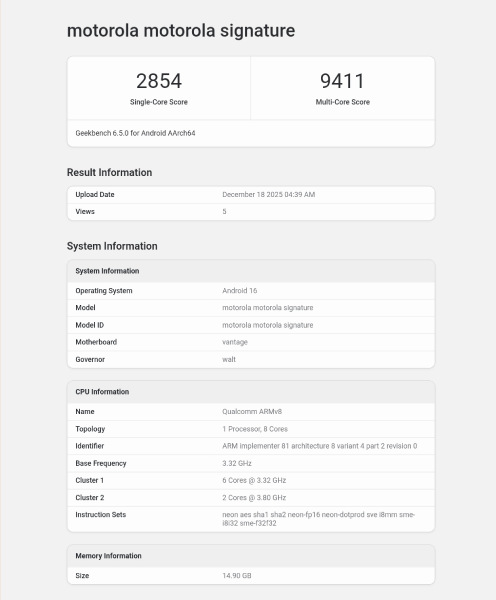
The smartphone has now surfaced on Geekbench, confirming the moniker and chipset choice.
As you can see, the benchmark listing explicitly mentions the phone as Motorola Signature, so the rumors of new series were indeed true.
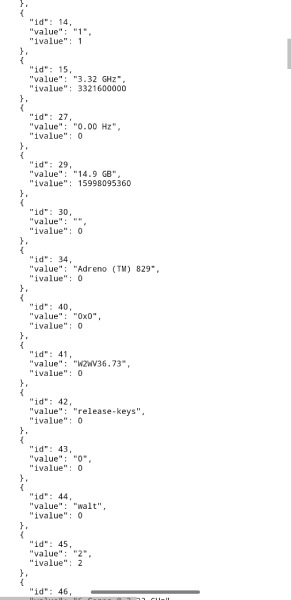
As for the performance, it is powered by Qualcomm’s Snapdragon 8 Gen 5 processor, paired with the Adreno 829 GPU. The test phone is running Android 16 and comes with 16GB of RAM.
Its Geekbench scores are in line with what you can expect from a flagship chip. The phone scored 2,854 points in the single-core test and 9,411 points in the multi-core test.
The first teaser arrives
Soon after its Geekbench spotting, the company also shared the first teaser for the Motorola Signature in India. It doesn’t reveal specs or design, but the company says to ”come back on t28, 2025.” While we are not sure, this could be a hint for the launch on December 28.
Design-wise, leaked images seen in earlier reports suggest that Motorola isn’t straying too far from its existing Edge-series playbook. The device has a rectangular camera module at the top left, housing three camera sensors and an LED flash. The overall profile also looks slim.
On the front, the Motorola Signature is expected to feature a 6.7-inch flat OLED display with a 1.5K resolution and a 120Hz refresh rate. For cameras, the phone is rumored to pack a 50MP triple-camera setup, including a main sensor, an ultra-wide lens, and a periscope telephoto camera.
Lastly, leaked information suggests the phone will be available in at least three color options: black, green, and bronze.
For more daily updates, please visit our News Section.
Honor is set to launch its first Honor Win series phones in China today. The Win and Win RT are performance-focused handhelds with Snapdragon 8 Elite chip and a massive 10000mAh battery.
Despite these beefy specs, the main talking point of Power 2 could be its design. A tipster who goes by the alias Panda is Bald shared an image showing the phone’s design, and yeah, it looks like iPhone 17 Pro.
It’s not very inspiring
The device has a panned camera module housing three lenses in Apple’s fashion. And in fact, the hero color of the Power 2 seems to be Orange, just like the new Pro iPhones. But if you don’t like a bright shade, there seems to be Black and White model as well.
Chinese manufacturers, big or small, have always tried to bring Apple’s flavor to their own devices. A recent example is the Xiaomi 17 Pro. So we shouldn’t be as surprised by Honor doing the same thing. But yeah, it’s not very inspiring.
The Honor Power 2 is also expected to feature a 6.79-inch OLED display with a 1.5K resolution and a 16MP front-facing camera. A 50MP lens will lead the rear setup.
Pairing with Dimensity 8500 is 12GB of RAM and Android 16-based Magic OS 10. Rumors say the same chip will also power Redmi Turbo 5, Poco X8 Pro, and Realme Neo 8 SE.
The Turbo 5 could be the first phone to feature the said chip, but it will remain exclusive to China. The Poco X8 Pro will arrive as a global version of the Turbo 5.
For more daily updates, please visit our News Section.
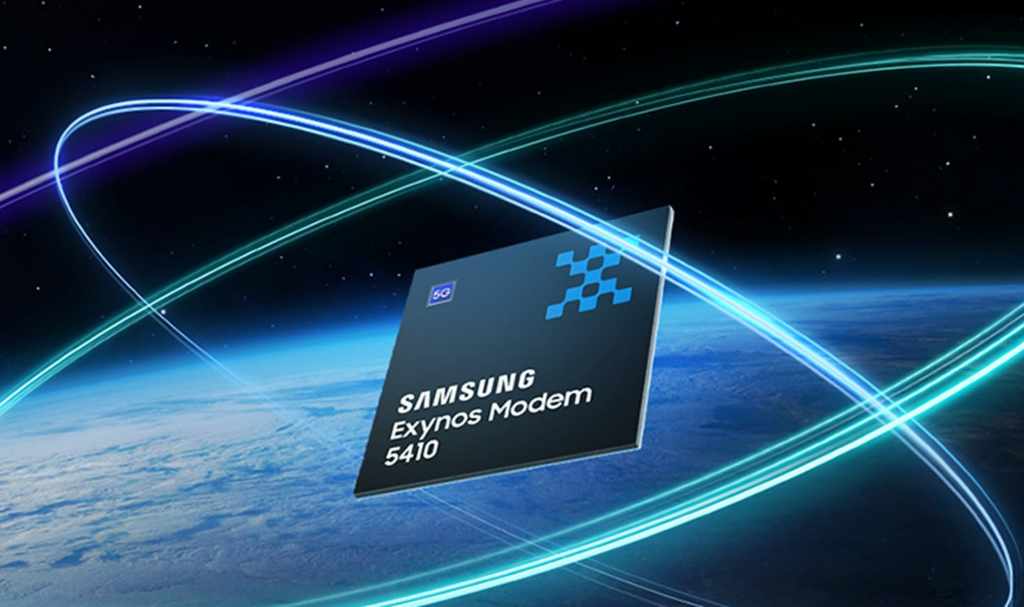
Last week, Samsung unveiled that its upcoming Exynos 2600 flagship chipset, which will power the upcoming Galaxy S26 and S26 Plus, will arrive without an integrated modem, marking a clear shift in its silicon strategy. To address this change, Samsung has now announced the Exynos Modem 5410, a new standalone connectivity solution designed to work alongside the processor and define how future Galaxy devices stay connected.
Exynos Modem 5410 promises enhanced connectivity
Exynos 5410
The all-new Exynos Modem 5410 is a standalone modem designed to pair with next-generation flagship processors. Built on a 4nm EUV process, the modem supports 3GPP Release 17 and delivers download speeds of up to 14.79Gbps through combined sub-6GHz and mmWave connectivity.
Its most notable feature is integrated satellite communication, bringing together LTE Direct-to-Cell, NB-IoT NTN, and NR-NTN on a single chip. This allows voice calls, text messaging, location sharing, and even video communication in areas with no terrestrial network coverage.
Beyond speed and coverage, Samsung has focused heavily on security. The modem supports Hybrid Post-Quantum Cryptography, ensuring sensitive data such as device identifiers remain protected against future quantum-based threats. By separating the modem from the main processor, Samsung can also manage heat more effectively while allowing each component to be optimized independently.
The Exynos 2600 is Samsung’s first 2nm flagship processor and is expected to power select Galaxy S26 models. By removing the integrated modem, Samsung has freed up silicon space for the CPU, NPU, and AMD-based GPU, prioritizing performance, efficiency, and advanced on-device AI.
For more daily updates, please visit our News Section.
Realme is getting ready to kick off 2026 with two new smartphone launches. Part of the Realme 16 series, the company will announce the 16 Pro 5G and 16 Pro+ 5G on January 6 in India. Ahead of that announcement, a fresh leak has shed some light on what the more premium Realme 16 Pro+ 5G might cost.
According to well-known tipster Paras Guglani, the Realme 16 Pro+ 5G is expected to carry a maximum retail price of Rs. 43,999. As is usually the case with early leaks, this figure isn’t official.
Realme is likely to announce launch offers, bank discounts, or limited-time deals that could bring the actual street price down. There was no Realme 15 Pro+ to compare the price to its predecessor; however, the Realme 14 Pro+ launched at Rs 29,999. So that’s indeed a steep increase in a couple of generations.
Realme 16 Pro+ 5G: What to expect
The Realme 16 Pro+ 5G is confirmed to ship with a 200MP main camera, 8MP ultrawide, and a 50MP telephoto lens. The phone will run on a Snapdragon chipset, which Geekbench shows could be a tweaked version of Snapdragon 7 Gen 4.
Design-wise, the Pro+ appears to follow a similar look to the Realme 16 Pro, with color options including Master Gold, Camellia Pink, and Master Grey.
Realme 16 Pro in Master Gold
On the software side, the phone will ship with Realme UI 7.0 based on Android 16. Realme has also committed to three years of Android OS updates and four years of security patches for 16 Pro+. The device will include intelligence features like AI Edit Genie 2.0.
The January 6 launch event won’t just be about smartphones. Realme has also confirmed the debut of the Realme Buds Air 8 and the Realme Pad 3. All of these products are expected to go on sale through Realme’s official website and Flipkart shortly after launch.
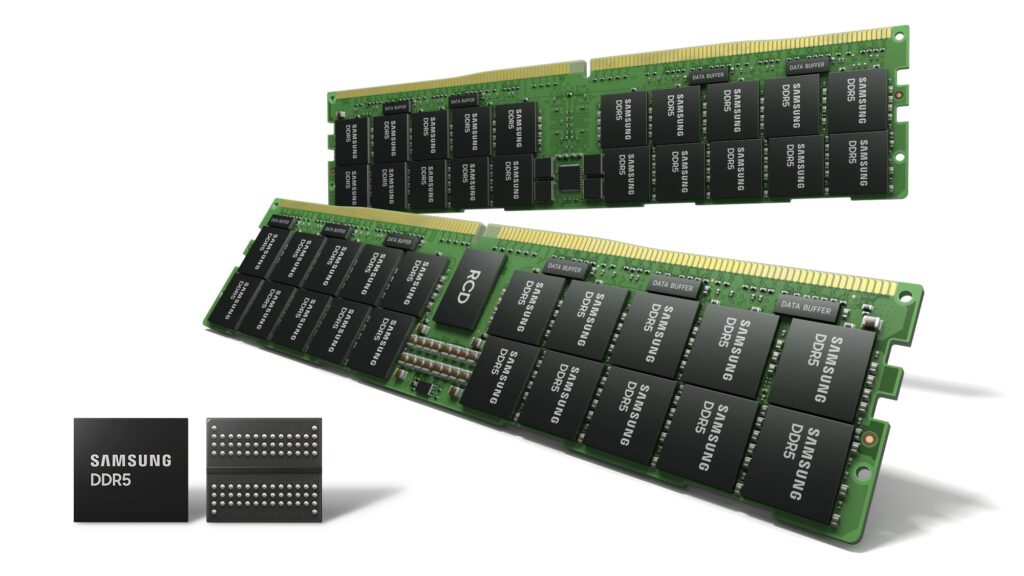
DDR5 memory prices remain high, and relief doesn’t appear to be coming anytime soon. With demand from AI servers and data centers soaking up supply, some analysts believe tight conditions could last well into 2027. For everyday PC builders, that’s pushing upgrades further out of reach.
Instead of waiting, a small group of hardware enthusiasts is trying something unusual: building DDR5 memory modules by hand.
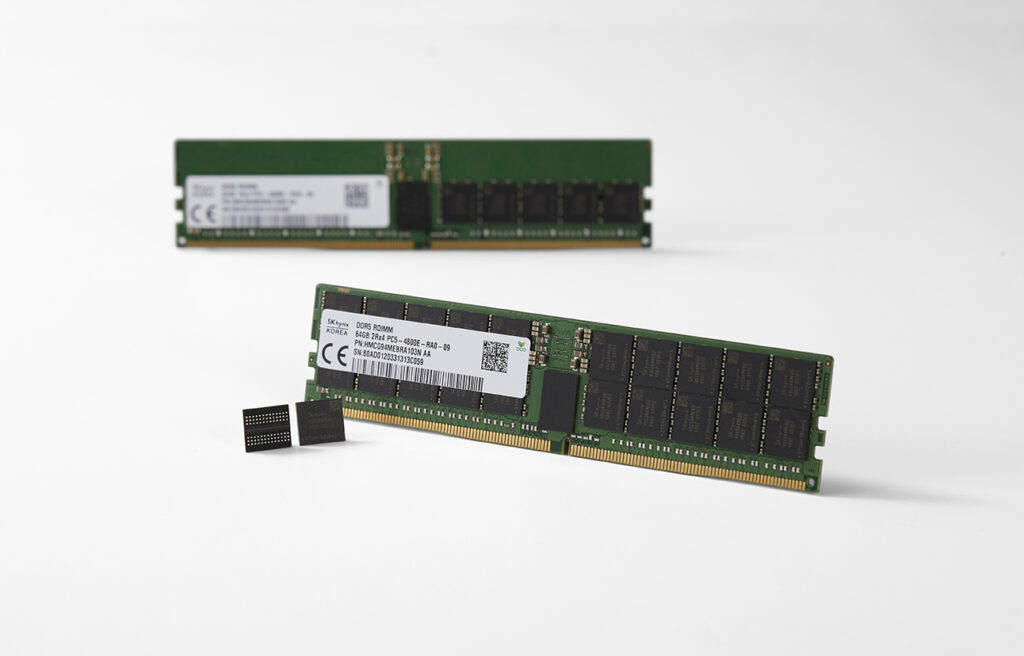
The idea isn’t entirely new. Modders have long experimented with GPU VRAM upgrades by soldering higher-capacity chips onto existing boards. Now, that same mindset is being applied to system memory. The process involves sourcing blank DDR5 PCBs, buying individual memory ICs, and assembling the module manually.
According to Pro Hi-Tech, the parts are easier to find than many would expect. Chinese manufacturers reportedly sell pre-designed DDR5 PCBs, reducing the complexity for experienced builders. The remaining challenge is precision soldering and validation.
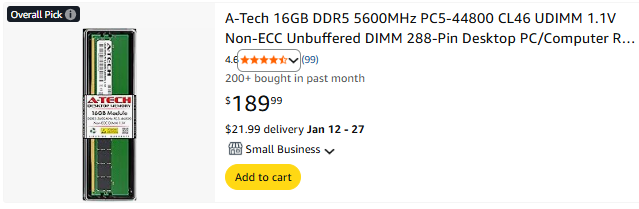
A DIY 16GB DDR5 module is estimated to cost around 12,000 rubles, or roughly $150. In comparison, branded retail options such as A-Tech’s 16GB DDR5 5600 MHz module sell for about $190. The gap could widen if component prices fall or if parts are sourced in bulk.
This approach is clearly not for everyone. It requires steady soldering skills, access to testing tools, and a willingness to risk instability or failed modules. There’s also no warranty safety net if something goes wrong.
Even so, the trend reflects growing frustration among PC builders. As DDR5 remains expensive and supply stays tight, DIY memory projects highlight how far some enthusiasts are willing to go to keep their systems moving forward.
DDR5 memory prices have been climbing steadily, pushing many PC builders to look back at DDR4 as a more affordable option. That shift hasn’t gone unnoticed. Samsung is now expected to continue producing DDR4 into 2026, even after previously signaling plans to wind it down.
The decision appears to be driven by sustained demand, particularly from enterprise customers. According to industry reports, Samsung has signed a non-cancellable, non-returnable (NCNR) supply agreement with a large client. The deal locks in fixed pricing and volumes, mainly for server and data-center use, including systems built for AI workloads.
That structure offers Samsung protection against price swings, but it also means consumer markets are unlikely to see a sudden influx of cheap DDR4. Production will continue, but much of the output is effectively spoken for.
SK Hynix is said to be taking a similar approach. While it has not fully exited DDR4 manufacturing, there are no signs of a major ramp-up. As a result, supply constraints could linger across both DDR4 and DDR5, keeping prices higher than many buyers would like.
There is, however, a silver lining for some PC users. Intel’s 12th-, 13th-, and 14th-generation processors still support DDR4 on compatible motherboards, extending the life of older platforms. Board makers are responding to that demand.
Not everyone expects prices to keep rising indefinitely. On the Hardware Unboxed Podcast, Sapphire PR manager Edward Crisler suggested memory pricing could stabilize within the next six months. He also pointed out that gamers have historically adapted well during periods of hardware shortages.
For now, DDR4’s extended production offers a stopgap rather than a solution. With enterprise customers taking priority, meaningful relief for consumers may still be some way off.
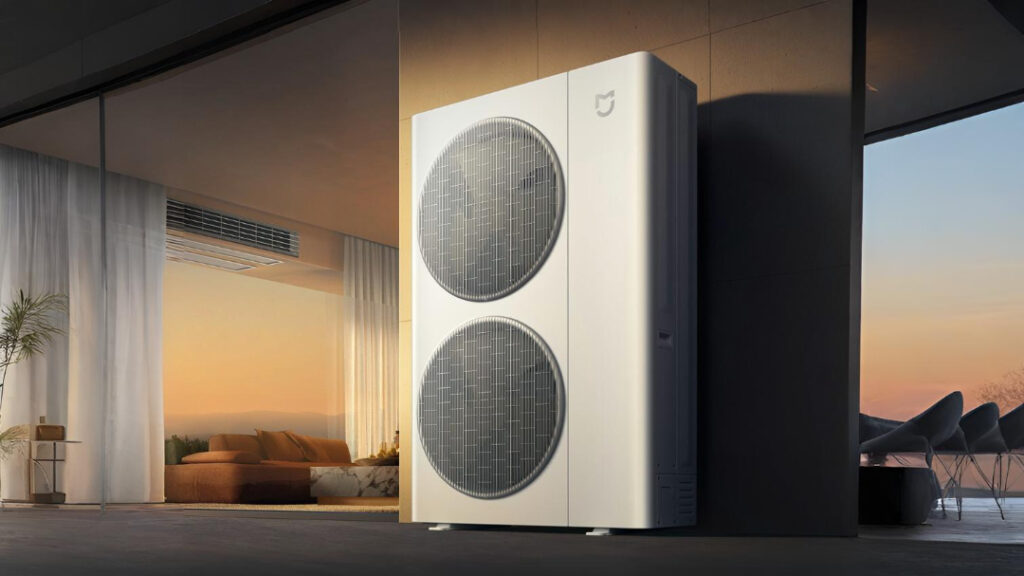
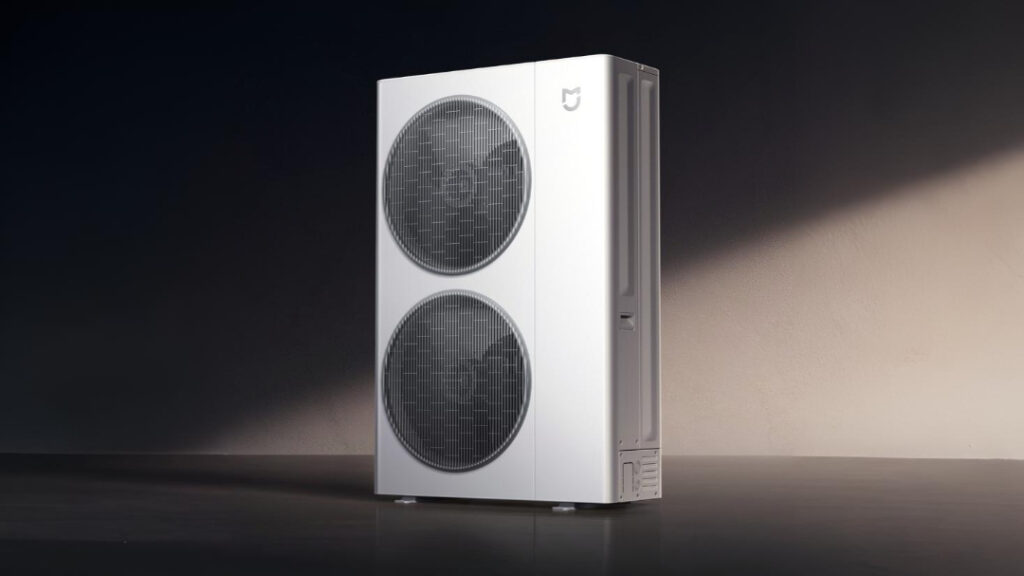
Xiaomi has launched its most advanced air-conditioning system to date at the Xiaomi × Leica imaging strategy upgrade event. The new Mijia Central Air Conditioner Pro Dual Air Wheel series is the first central air conditioner developed and manufactured by Xiaomi’s smart home appliance factory. It is available in both standard and dual-outlet versions, with configurations ranging from 5 HP to 8 HP.
Specifications
The system targets larger homes between 120 square meters and 190 square meters, offering one-to-four, one-to-five, and one-to-six indoor unit setups. The flagship model supports up to 8 HP and features a dual-outlet design for both upward and downward airflow.
Xiaomi equips the system with a dual-cylinder vapor injection compressor and triple-row condensers and evaporators, enabling stable operation from −35°C to 65°C. It sustains heating at −30°C and strong cooling above 40°C, while a 556 mm dual air wheel with dual 200W motors delivers 7,008 m³/h airflow to cool a full living room in five minutes.
The 8 HP model achieves an APF rating of 5.40, qualifying for China’s Super Grade 1 energy efficiency level. Xiaomi claims a single bedroom consumes only 2.5 kWh overnight using its 6 Hz ultra-low-frequency technology.
Xiaomi includes a 10-inch smart panel with every unit. The panel links with air purifiers, humidifiers, and fresh air systems. It can automatically adjust based on PM2.5, CO2, and humidity levels to maintain a stable indoor environment.
The top-tier dual-outlet version adds human-sensing radar to detect user position and adjust airflow accordingly. It includes cooling avoidance, heating follow, and energy-saving when unoccupied. Xiaomi also provides free installation and a 10-year warranty across all models.
Pricing
Regarding pricing, the standard 5 HP model, designed for up to four rooms, starts at 25,999 yuan ($3,639). The 6 HP and large 6 HP variants are priced at 27,999 yuan ($3,919) and 32,999 yuan ($4,619), respectively. The 7 HP version suited for one-to-six setups comes in at 37,999 yuan ($5,319), and the top-tier 8 HP standard model costs 43,999 yuan ($6,159).
The most advanced option in the lineup, the 8 HP Dual Outlet version, retails for 51,999 yuan ($7,279), offering upgraded airflow control and human-sensing features.
For more daily updates, please visit ourNews Section.
Realme sold over 100,000 units of its Narzo 90 Series within 12 hours of launch on December 23, marking the lineup’s strongest performance since 2022.
The base Narzo 90 saw 200% higher sales than its predecessor in the first 30 minutes. The Narzo 90x brought in ₹120 crore in revenue and topped Amazon’s smartphone sales for Q4 2025. Meanwhile, the P4x led on Flipkart.
Narzo 90x Specs
The Narzo 90x launched December 16 with a 6.8-inch LCD screen at 1570×720 pixels, 144Hz refresh rate, 180Hz touch sampling, and 1,200 nits peak brightness with DT-Star D+ glass.
Realme Narzo 90x
It runs on MediaTek Dimensity 6300 (2x Cortex-A76 at 2.4GHz, 6x Cortex-A55 at 2GHz) with Mali-G57 MC2 GPU. RAM options include 6GB or 8GB LPDDR4X with 128GB eMMC5.1 storage, expandable to 2TB via microSD.
The camera system has a 50MP Sony IMX852 rear sensor (f/1.8) and 8MP front camera (f/2.0), both recording 1080p at 30fps. Other features include side fingerprint sensor, single bottom speaker with 400% Ultra Volume, IP65 rating, and MIL-STD 810H certification.
The 7,000mAh battery supports 60W fast charging. It measures 166.07×77.93×8.28mm and weighs 212g. Connectivity covers 5G SA/NSA (n1/n3/n5/n8/n28B/n40/n41/n77/n78), dual 4G VoLTE, Wi-Fi ac, Bluetooth 5.3, and USB Type-C. Software is Android 15 with realme UI 6.0.
Narzo 90 Specs
The standard Narzo 90 has a 6.57-inch AMOLED display at 2372×1080 pixels, 120Hz refresh rate, 1,400 nits peak brightness, 100% DCI-P3 coverage, 2160Hz PWM dimming, and DT Star D+ glass.
It uses MediaTek Dimensity 6400 Max (2x Cortex-A76 at 2.5GHz, 6x Cortex-A55 at 2GHz) with Mali-G57 MC2 GPU. RAM is 6GB or 8GB LPDDR4X with 128GB UFS 2.2 storage, expandable to 2TB.
Realme Narzo 90
Cameras include 50MP rear (f/1.8), 2MP depth (f/2.2), and 50MP front (f/2.4). It has in-display fingerprint sensor, infrared sensor, stereo speakers, and Hi-Res audio. Protection includes IP66, IP68, and IP69 ratings.
Battery capacity matches at 7,000mAh with 60W charging. Dimensions are 158.36×75.19×7.79mm at 181g. Connectivity adds Wi-Fi 6 and Bluetooth 5.4. Software is Android 15 with realme UI 6.0.
Pricing
The Narzo 90x costs ₹13,999 (6GB/128GB) and ₹15,499 (8GB/128GB) on Amazon and realme’s store in Nitro Blue and Flash Blue. Launch offers provided up to ₹2,000 off but ended for the 90x.
For more daily updates, please visit ourNews Section.
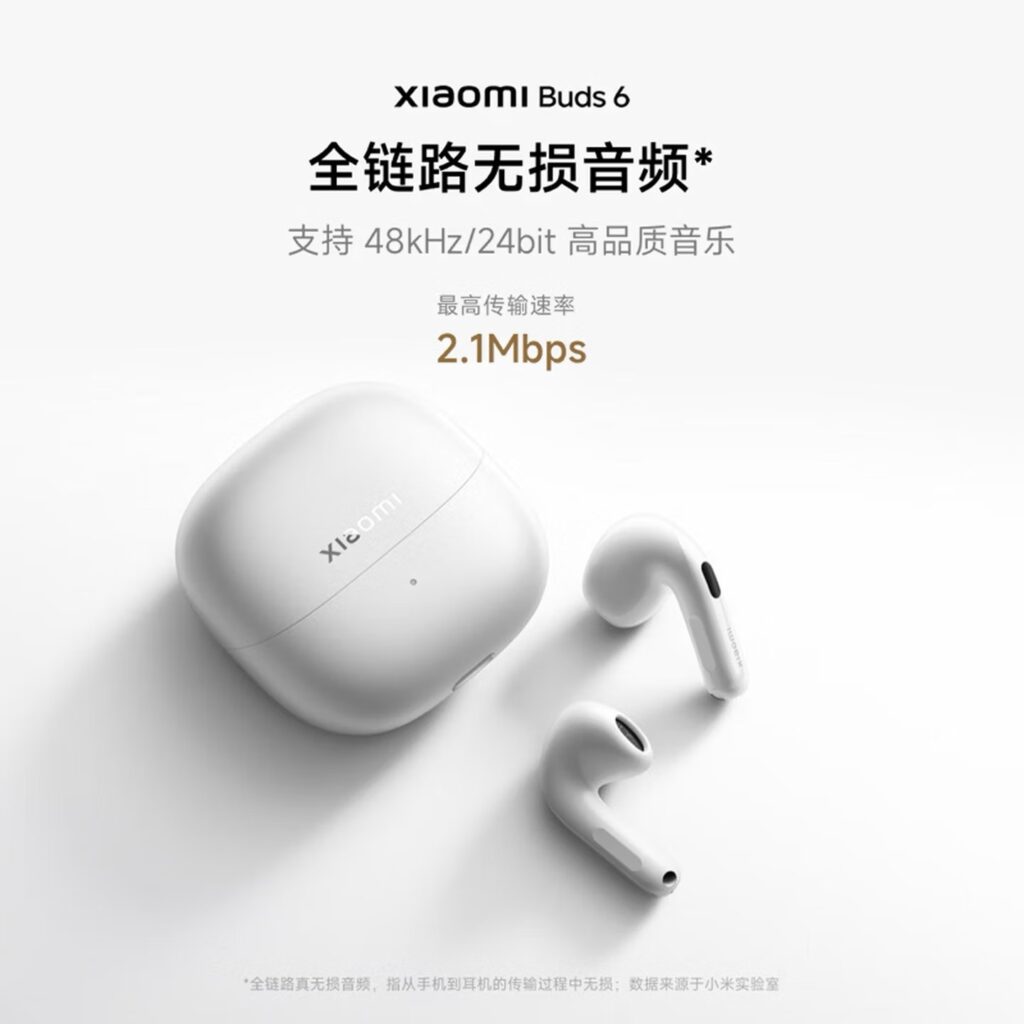
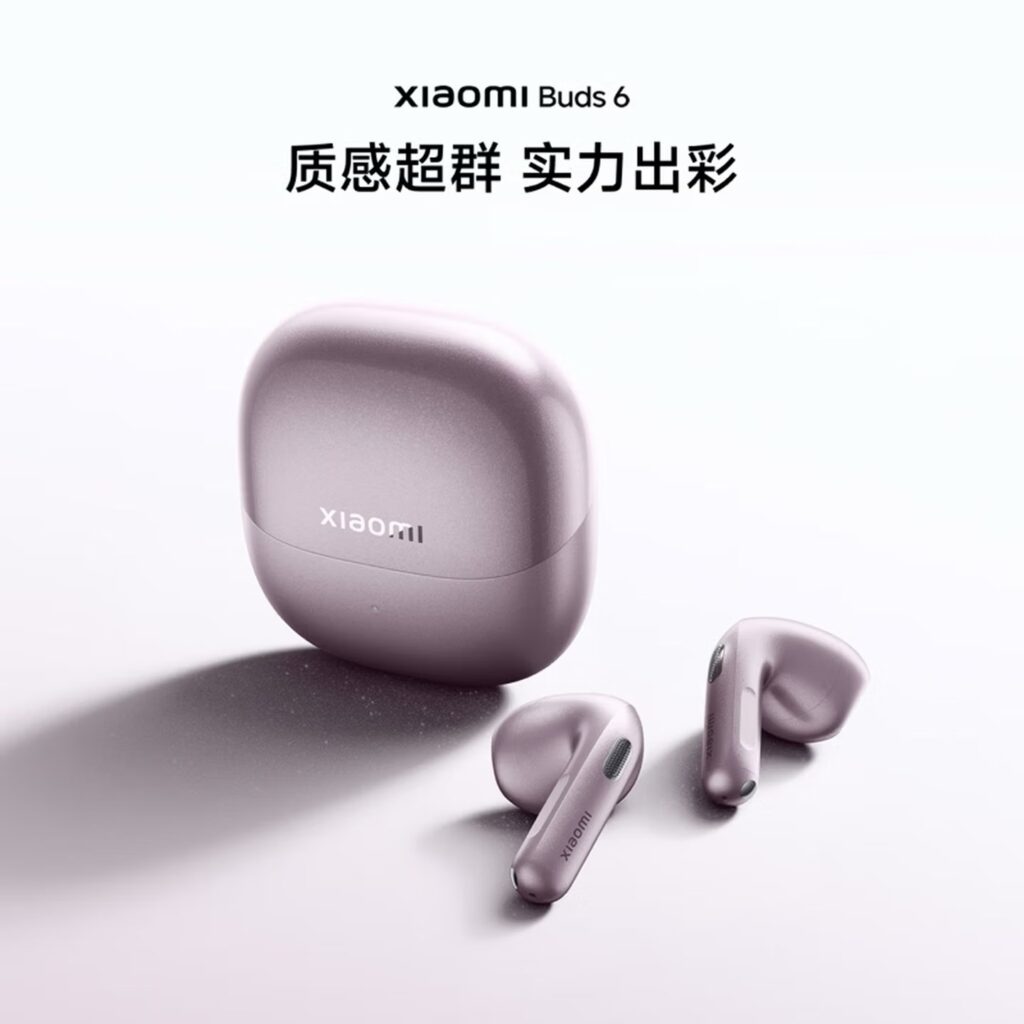
Xiaomi has officially launched the Buds 6, a new pair of flagship semi-in-ear true wireless earbuds, priced at 699 yuan ($99). The earbuds are available in four color options: Nebula Purple, Pearl White, Titanium Gold, and Moon Shadow Black.
Xiaomi Buds 6 Specifications
The Xiaomi Buds 6 features a semi-in-ear design that focuses on comfort and lightweight construction. Each earbud weighs approximately 4.4 grams. Xiaomi has adopted a biomimetic curved shape to improve long-term wearability. The earbud stem is now 12% narrower, and the sound nozzle is 11.3% thinner. The contact area has increased by 8.8% to distribute pressure more evenly across the ear. These design changes are aimed at reducing discomfort during extended listening sessions.
The charging case has a compact, pebble-shaped design that fits comfortably in the hand. The Nebula Purple variant includes a special reflective finish for a more premium appearance.
The Buds 6 is equipped with a custom triple-magnet dynamic driver system. The driver uses a 24K gold-plated diaphragm and delivers improved low-frequency sensitivity by 40% and enhanced high-frequency sensitivity by 30%. The earbuds support a wide frequency range from 16Hz to 40kHz, aiming for a balanced sound signature across bass, mids, and treble.
Xiaomi worked with Harman’s Golden Ear team to tune the Buds 6, offering Harman AudioEFX for clearer vocals and a Master mode that adds warmth and deeper bass, alongside EQ presets and custom tuning in the Xiaomi Earbuds app. The earbuds support 24-bit/48kHz audio at up to 2.1 Mbps, with SBC, AAC, aptX Adaptive, and aptX Lossless codecs, plus Snapdragon Sound and Hi-Res Audio Wireless certifications.
The earbuds come with active noise cancellation and a three-microphone AI noise reduction system. Xiaomi claims the system can handle wind speeds up to 12 m/s. Spatial audio with built-in head tracking enables immersive surround sound without relying on external hardware.
The Buds 6 supports independent recording using the earbuds or charging case, even when the case is closed. Features such as real-time transcription, AI summaries, face-to-face translation, and simultaneous interpretation are available when paired with compatible Xiaomi devices. The earbuds support Xiaomi Find and Apple Find My for location tracking.
In terms of battery life, the earbuds deliver up to 6 hours of playback on a single charge with ANC off and up to 35 hours with the charging case. With ANC enabled, playback drops to 3.5 hours and up to 20 hours with the case. The Buds 6 charge via USB-C and carry an IP54 rating for dust and water resistance.
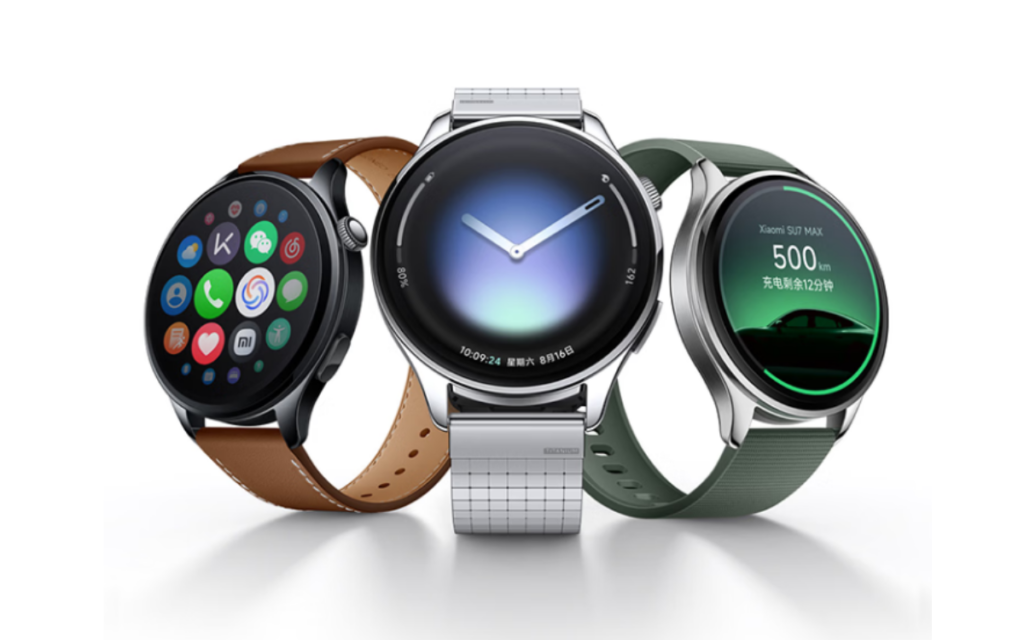
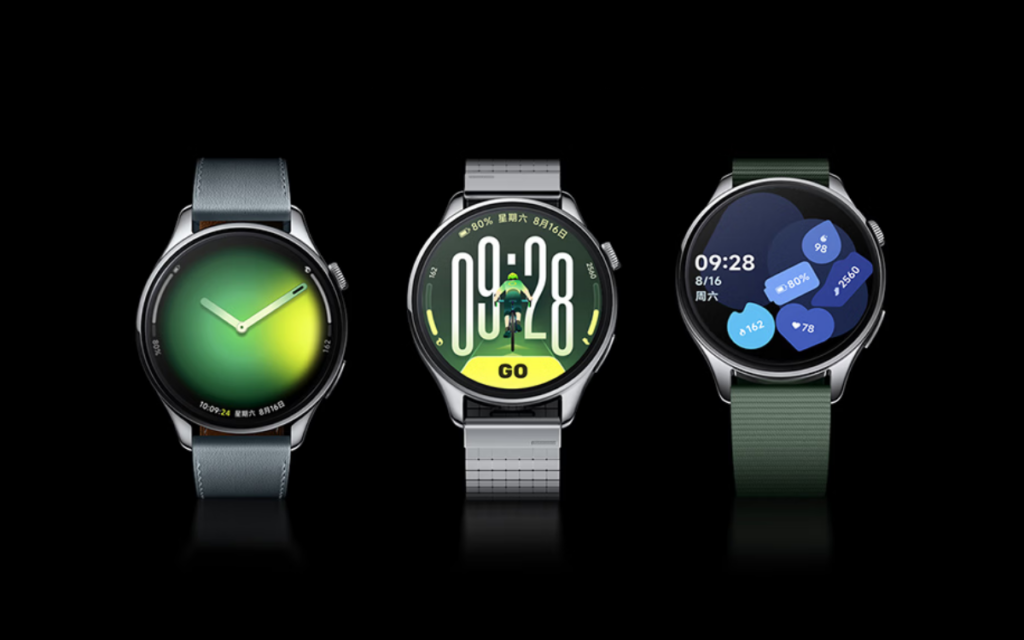
Xiaomi has officially launched the Xiaomi Watch 5 at its imaging strategy upgrade event alongside the Xiaomi 17 Ultra. The smartwatch starts at 1,999 yuan ($284) for the standard version, while the eSIM variant is priced at 2,299 yuan ($327).
Xiaomi Watch 5 Specifications
The Xiaomi Watch 5 features a 47mm stainless steel case and a 1.54-inch AMOLED display with a 2.6mm ultra-narrow bezel. The screen supports up to 1500 nits of global brightness and runs at 60Hz. Xiaomi uses synthetic sapphire glass for both the display and the heart rate sensor window to enhance durability.
The watch runs on a dual-chip, dual-system architecture. It combines a Snapdragon W5 wearable processor based on a 4nm process with the BES2800 low-power chip. The Snapdragon W5 handles high-performance tasks and visuals, while the BES2800 manages background operations and health tracking to optimize battery life. Xiaomi claims the Watch 5 can last up to six days in performance mode and up to 18 days in power-saving mode.
Xiaomi Watch 5 supports eSIM on select variants, allowing the smartwatch to connect directly to 4G networks without relying on a paired smartphone. The watch handles voice calls, text messages, WeChat, and Alipay payments independently, while also supporting music streaming and turn-by-turn navigation through Baidu Maps. Xiaomi also includes a built-in app store, offering a wide range of applications spanning fitness, social networking, navigation, and everyday utility use.
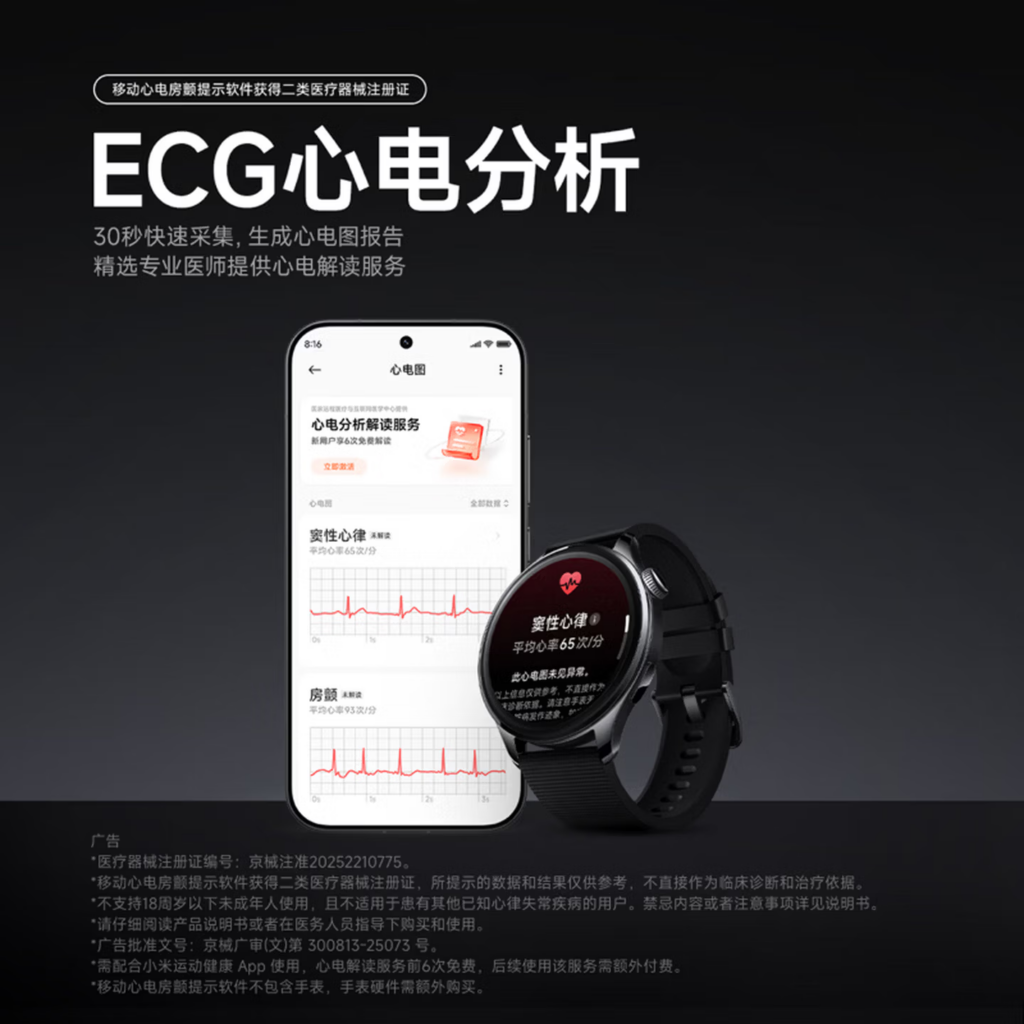
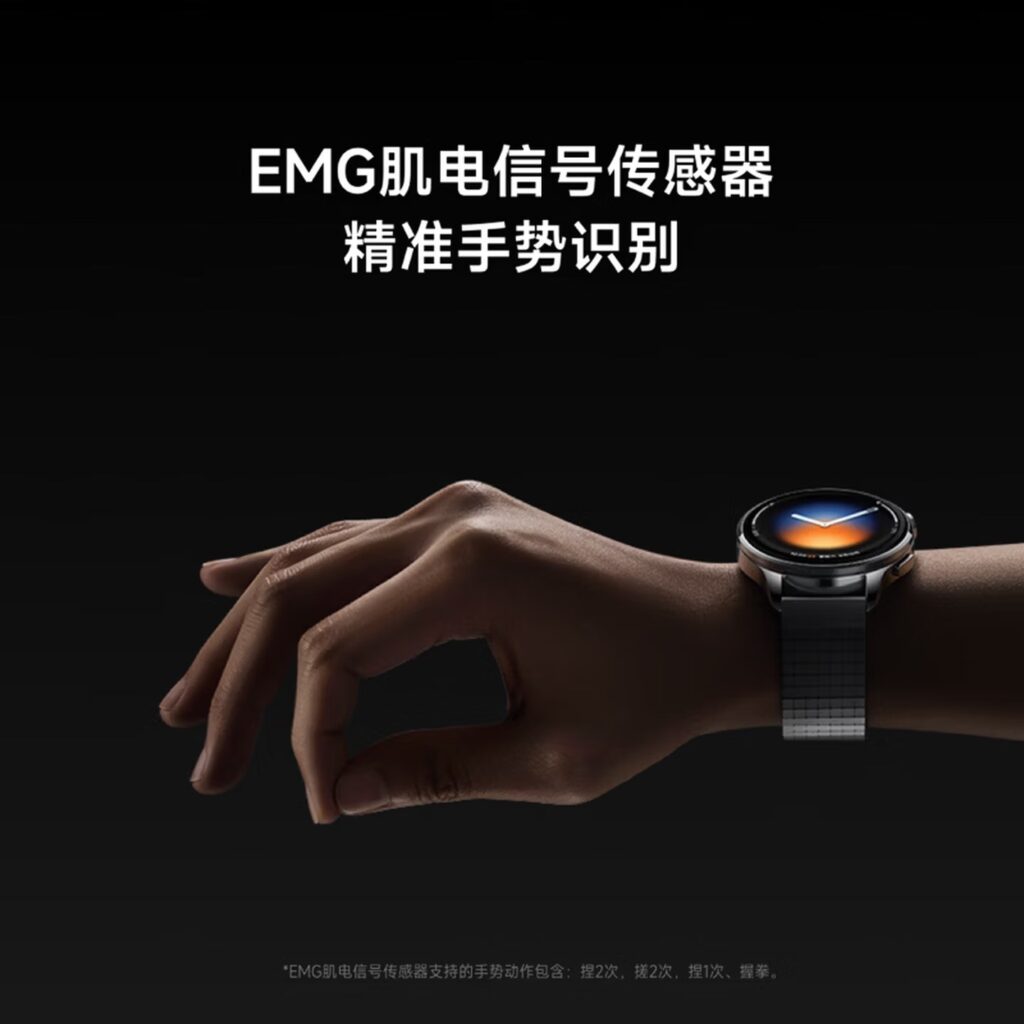
The watch includes advanced health monitoring features. It supports ECG heart rhythm analysis with 30-second readings and detailed reports. Xiaomi also introduces an EMG muscle signal sensor for the first time on a smartwatch. The sensor detects subtle electrical signals from muscles and allows users to control calls, media, alarms, and connected devices with finger movements. Additionally, it includes continuous heart rate monitoring, SpO2 tracking, sleep analysis, stress detection, and one-tap health scans.
The Watch 5 offers over 150 sports modes. It includes indoor gym modes with 3D animated guidance, automatic rep counting, and detailed performance evaluation. Outdoor features include offline maps, route navigation, deviation alerts, and track-back assistance for hiking and trail running.
The device ships with multiple strap options, including black and khaki fluoroelastomer bands, leather straps, and a premium 3D-printed titanium band. It supports contact-based charging and integrates with Xiaomi’s HyperOS system. The watch also supports the Super XiaoAi voice assistant with on-device processing.
For more daily updates, please visit ourNews Section.
Sony is not known for luxury watches, but for PlayStation’s 30th anniversary, it tried something very different. The company partnered with Hong Kong watchmaker Anicorn to release a limited-edition mechanical watch inspired by the original 1995 PlayStation console. Only 300 units are being made worldwide. The price is $780. Pre-orders opened in December 2025, and deliveries are expected by mid-2026. The watch sold out almost immediately.
The design focuses heavily on nostalgia. The stainless-steel case uses the same gray tone as the first PlayStation console. The dial features the controller symbols Triangle, Circle, X, and Square as hour markers. The hour and minute hands are shaped like the Start and Select buttons. The rubber strap includes PlayStation color symbols and matching markings. The watch does not hide its inspiration. Every surface ties back to the PS1 era.
2. This Is a Real Mechanical Watch
Inside the case is a Miyota 9039 automatic movement made in Japan. An automatic mechanical watch does not use a battery. It runs through a system of springs and gears, and it powers itself from the natural movement of the wearer’s wrist. As long as the watch is worn regularly, it keeps running without needing manual winding.
The movement is only 3.9 mm thick and provides a 42-hour power reserve, meaning it will continue running for nearly two days even when not worn. The transparent caseback allows the full movement to remain visible. This is not a decorative piece. It is a proper mechanical watch. Anicorn also added a digital element with an NFC accessory shaped like a PlayStation memory card, which connects to an online memory board.
3. Where It Stands Next to Other Luxury Collabs
Gaming and watches crossing over is not new. TAG Heuer, Seiko, and Casio G-Shock have all done game-themed models before, but those usually stick to quartz or digital setups. That is where Sony’s watch feels different. Going with a mechanical movement puts it closer to traditional watchmaking than fan merch. You can see the same mix of tech and luxury in products like the Panerai Luminor Marina Razer Edition, which was limited to 500 units and came with DLC coating and a three-day power reserve, or the Apple Watch Hermès, which pairs premium materials with everyday tech.
4. Does the Price Make Sense
At $780, the PlayStation watch sits between merch and traditional luxury watches. The price is supported by the mechanical movement, limited production, and brand value. This is not built for casual buyers. It targets collectors and long-time PlayStation fans.
5. So What Is It Really
This watch does not try to replace smartwatches or introduce new tech features. It turns gaming history into a physical collector item that also functions as a real mechanical watch. That makes it more than a novelty.
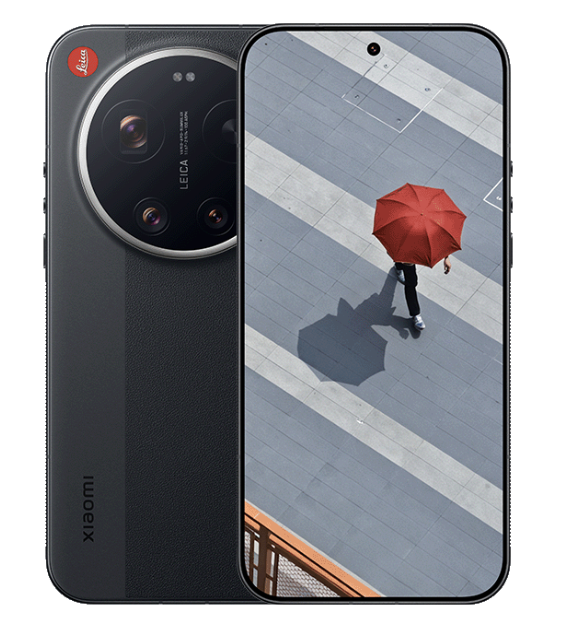
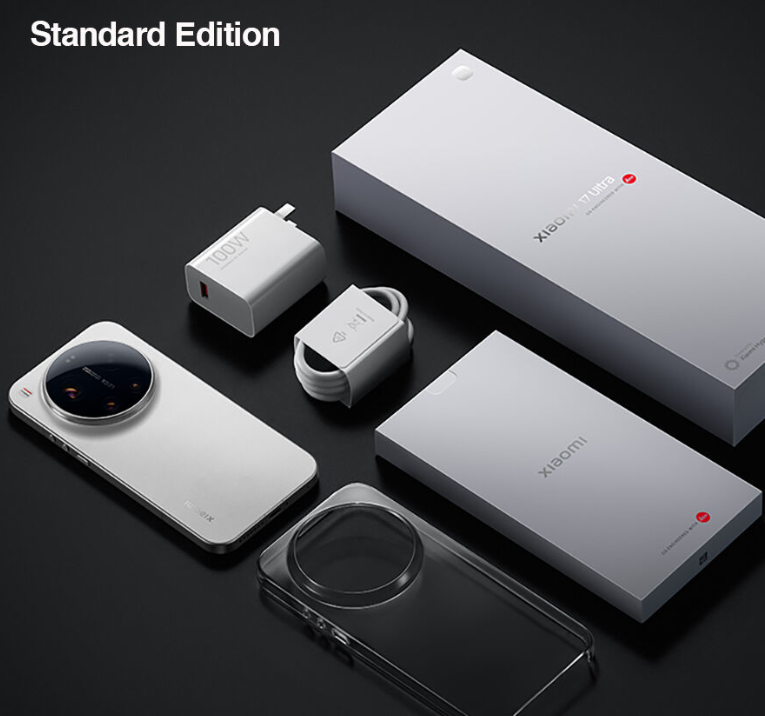
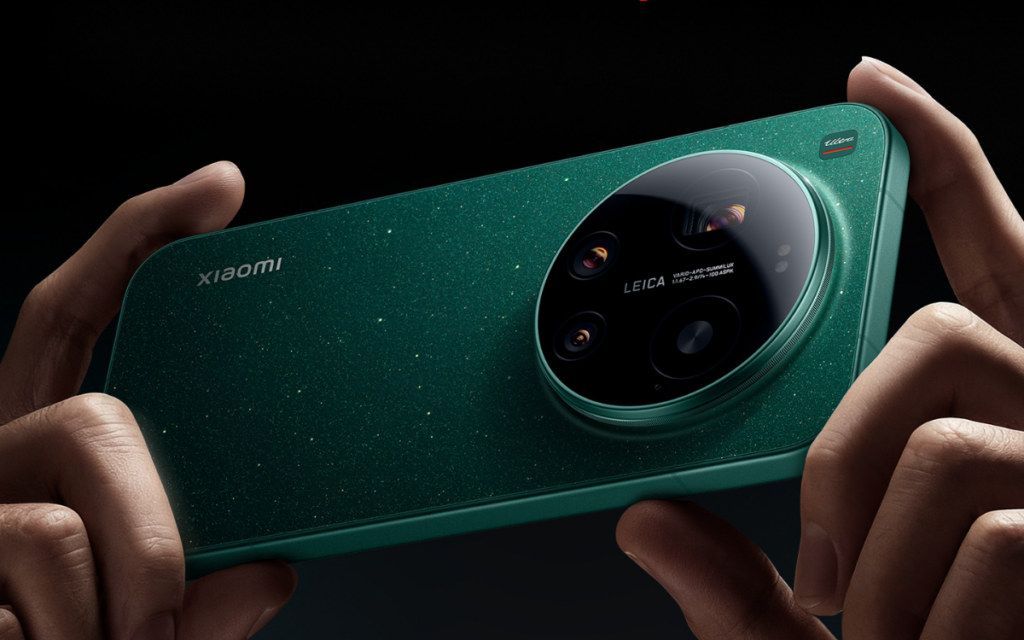
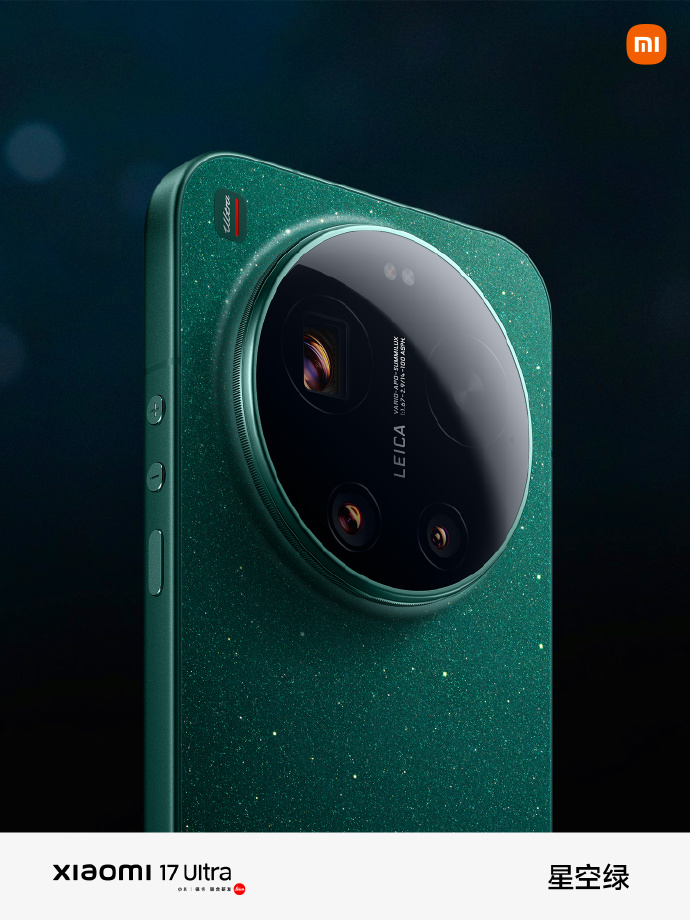
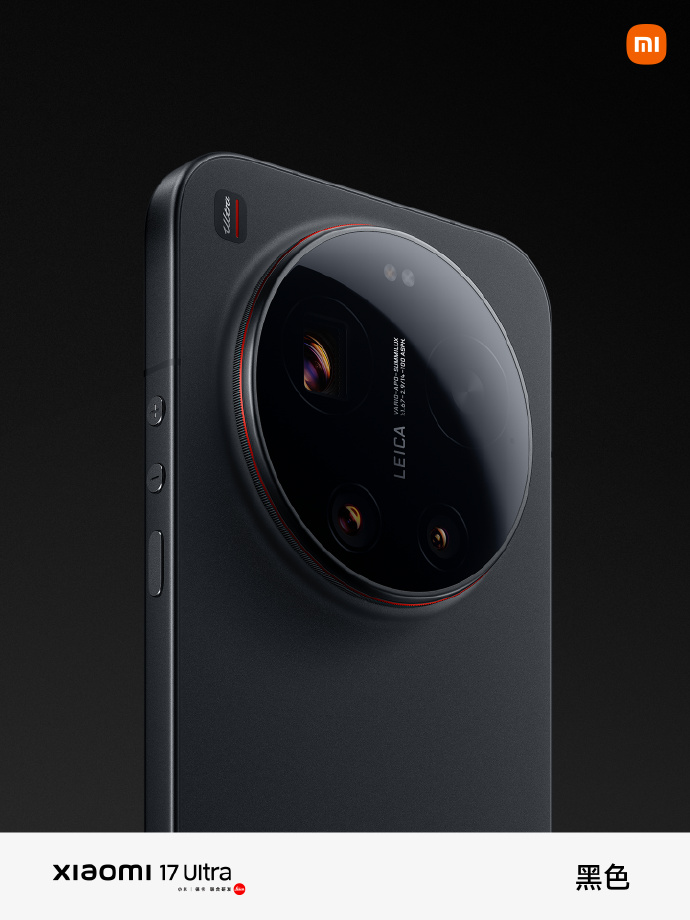
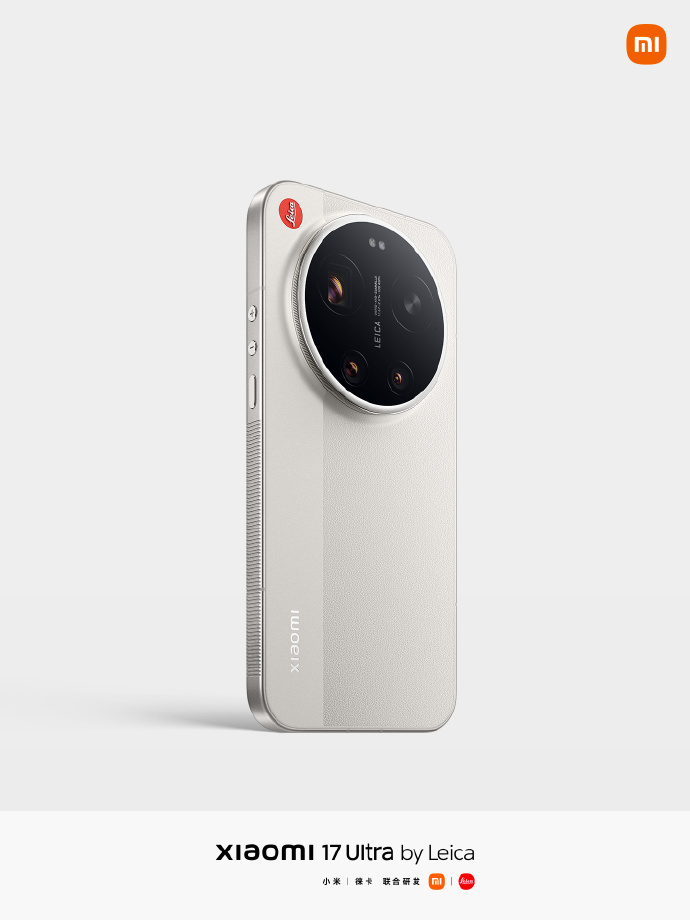
Xiaomi has officially launched its latest flagship, the Xiaomi 17 Ultra, at an event in China. Alongside the standard version, Xiaomi also introduced a special Leica Edition featuring exclusive hardware and design elements.
Xiaomi 17 Ultra Specifications
The Xiaomi 17 Ultra features a 6.9-inch M10 OLED LTPO flat display with a resolution of 2608 × 1200 pixels and 420 PPI, approaching 2K clarity. The screen reaches a peak brightness of 3,500 nits, supports HDR10+, Dolby Vision, and has an adaptive 1-120Hz refresh rate.
It offers DC dimming, 1920Hz PWM dimming, and is protected by Xiaomi Ceramic Glass 2.0. For eye comfort, the device features TÜV Rheinland triple eye-protection certification and full RGB pixel layout.
The device is powered by the Snapdragon 8 Elite Gen 5. The chipset includes two ultra-large 4.6GHz Oryon cores, six 3.62GHz performance cores, and an Adreno 840 GPU with 18MB cache. Xiaomi has incorporated a dual ring-shaped liquid cooling pump, optimized for both CPU and camera heat dissipation, improving thermal conductivity by 50%.
The phone runs Xiaomi HyperOS 3.0, offering a deeply integrated software experience. New ecosystem features allow Xiaomi phones to mirror and control Apple devices, including iPhones, iPads, and Macs. Xiaomi-to-Xiaomi and iPhone-to-Xiaomi two-way mirroring is also supported.
The 17 Ultra focuses heavily on imaging. The main camera uses a 1-inch Light Fusion 1050L sensor co-developed with Leica, delivering 50MP resolution and 14EV native dynamic range. It incorporates LOFIC ultra-dynamic range tech, promising unmatched night and backlit photography.
The telephoto camera is a 200MP Leica continuous optical zoom lens, supporting lossless optical zoom between 75mm and 100mm, extending digitally to 400mm. The system includes Leica’s APO certification, 3G+5P floating lens, and supports 30cm telephoto macro shots.
The ultra-wide sensor is a 50MP shooter with a 115° FOV and 5cm macro support. On the front, a 50MP selfie camera supports 4K 60fps recording.
Under the hood, the phone is equipped with a massive 6,800mAh Jinshajiang battery, the largest in any Xiaomi Ultra device. It supports 90W wired, 50W wireless, 22.5W reverse wired, and 20W reverse wireless charging. It also supports 90W PPS universal protocol for wider charger compatibility.
The 17 Ultra weighs 223.4g and measures 8.29mm thick, making it the thinnest Ultra to date. It features an in-display ultrasonic fingerprint sensor, stereo speakers with Dolby Atmos, USB-C 3.2 Gen 2, Wi-Fi 7, Bluetooth 6.0, NFC, and satellite communication support. The phone is rated IP66, IP68, and IP69 for water and dust resistance.
Xiaomi 17 Ultra Leica Edition
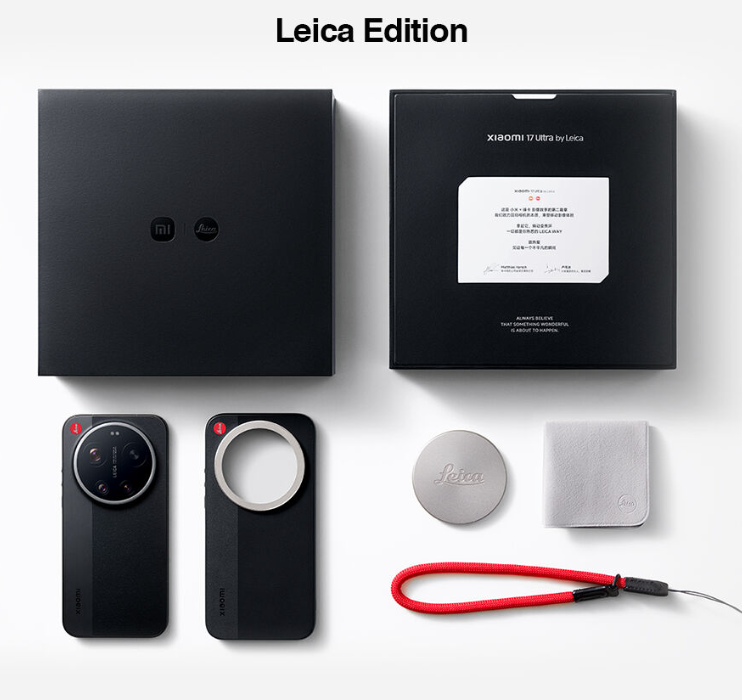
Xiaomi also unveiled a Leica Edition of the 17 Ultra, tailored for photography enthusiasts who value classic camera design and manual control. This version features Leica’s iconic red dot branding on the rear and comes in a distinctive two-tone finish inspired by Leica’s M-series cameras, available in black and off-white. The mid-frame includes precision-machined knurling that replicates the tactile feel of Leica lens rings. It also features a unique Master Zoom Ring built into the frame, giving users mechanical control over key photography parameters such as focal length, white balance, and exposure.
On the software side, the Leica Edition includes an exclusive “Leica Moment” mode with M9-style color rendering, M3 + MONOPAN 50 black-and-white film simulations, and a classic 3:2 full-frame aspect ratio. The phone is also equipped with a dedicated encryption chip for added privacy and supports dual-satellite communication using BeiDou and TianTong systems. Xiaomi ships this model in a Leica-themed gift box that includes a magnetic protective case, a Leica-style lens cap, a lanyard, and a cleaning cloth.
Pricing and Availability
Standard Xiaomi 17 Ultra:
12GB + 512GB – 6,999 yuan (≈ $980)
16GB + 512GB – 7,499 yuan (≈ $1,050)
16GB + 1TB – 8,499 yuan (≈ $1,190)
Xiaomi 17 Ultra Leica Edition:
16GB + 512GB – 7,999 yuan (≈ $1,120)
16GB + 1TB – 8,999 yuan (≈ $1,260)
All models are available for pre-order now, with open sales starting on December 27, 2025 in China.
For more daily updates, please visit ourNews Section.
We use cookies on our website to give you the most relevant experience by remembering your preferences and repeat visits. By clicking “Accept”, you consent to the use of ALL the cookies.
This website uses cookies to improve your experience while you navigate through the website. Out of these, the cookies that are categorized as necessary are stored on your browser as they are essential for the working of basic functionalities of the website. We also use third-party cookies that help us analyze and understand how you use this website. These cookies will be stored in your browser only with your consent. You also have the option to opt-out of these cookies. But opting out of some of these cookies may affect your browsing experience.
Necessary cookies are absolutely essential for the website to function properly. This category only includes cookies that ensures basic functionalities and security features of the website. These cookies do not store any personal information.
Any cookies that may not be particularly necessary for the website to function and is used specifically to collect user personal data via analytics, ads, other embedded contents are termed as non-necessary cookies. It is mandatory to procure user consent prior to running these cookies on your website.