Advertisement

Lenovo launches Watch GT Pro with dual-frequency GPS, 27-day battery & health tracking

Lenovo has launched the Watch GT Pro smartwatch in China. The new model targets outdoor and fitness enthusiasts with features such as dual-frequency GPS and up to 27 days of battery life. The Watch GT Pro is priced at 899 yuan ($128) and is now available on JD.com.

Lenovo Watch GT Pro

Lenovo Watch GT Pro Specifications

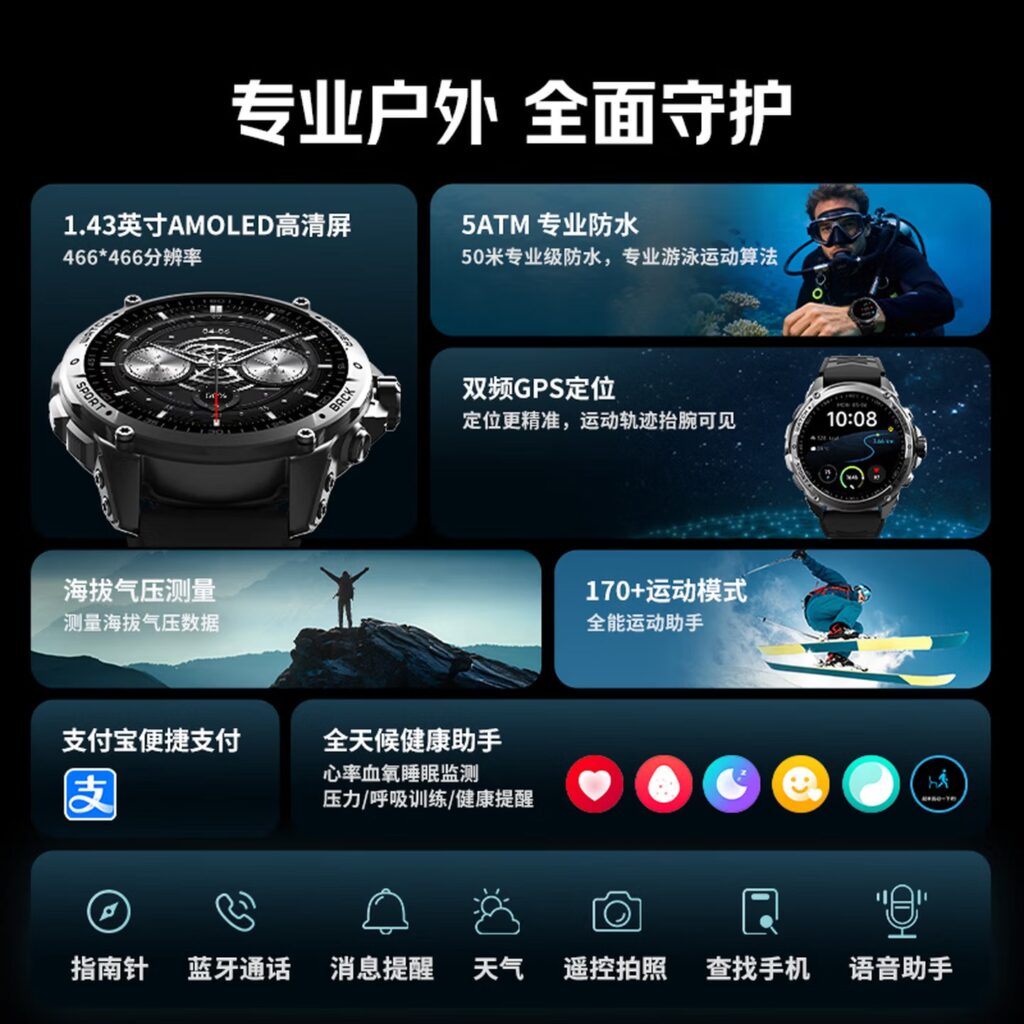
The smartwatch features a 1.43-inch AMOLED display with a resolution of 466×466 pixels. The panel uses Corning glass to protect the screen against scratches.

Lenovo has built the watch with a zinc-magnesium alloy frame, a fiberglass-reinforced nylon back, stainless steel buttons, and a silicone strap. The watch supports both Android and iOS platforms. It comes equipped with Bluetooth 5.3 and allows users to make Bluetooth calls, check call history, and view notifications directly from the watch.

The dual-frequency GPS system improves location tracking accuracy during outdoor activities. Lenovo has also included sensors for altitude and barometric pressure, along with a digital compass. These features aim to support navigation and fitness tracking in real-time.
Lenovo Watch GT Pro

The Watch GT Pro supports over 170 sports modes, covering both indoor and outdoor workouts. It supports 5ATM water resistance, rated for depths of up to 50 meters. Lenovo has also added a dedicated swimming algorithm that tracks strokes, pace, laps, duration, and calories burned.

Health features include continuous heart rate monitoring, SpO2 tracking, sleep monitoring, stress measurement, and guided breathing exercises. Sleep tracking breaks down light, deep, and REM sleep stages to provide insights into sleep quality.

The watch comes with a 470mAh lithium polymer battery. The company claims it can last up to 27 days on a single charge in long endurance mode and about 7 days under heavy usage. Charging takes around three hours via a magnetic cable.

In related news, Rogbid has recently launched the Enduro smartwatch with a 1100mAh battery and up to 100 days of standby, while Fastrack has introduced the Cosmix smartwatch featuring a metallic curved design, health tracking, and an AMOLED display.

For more daily updates, please visit our News Section.

Stay ahead in tech! Join our Telegram community and sign up for our daily newsletter of top stories! 💡

(JD)

OnePlus Turbo live images emerge, specs leak reveals 144Hz display, Snapdragon 7-series chip, 9,000mAh battery, more

OnePlus is gearing up to launch the OnePlus Turbo series of smartphones in January in China. Expected to launch in January, the Turbo series is expected to include two models, powered by the Snapdragon 8s Gen 4 and the Snapdragon 7-series chip. A new leak, courtesy of AndroidHeadlines, has seemingly revealed the design and specs of the Snapdragon 7-series variant.

OnePlus Turbo “Prado” design, specs revealed

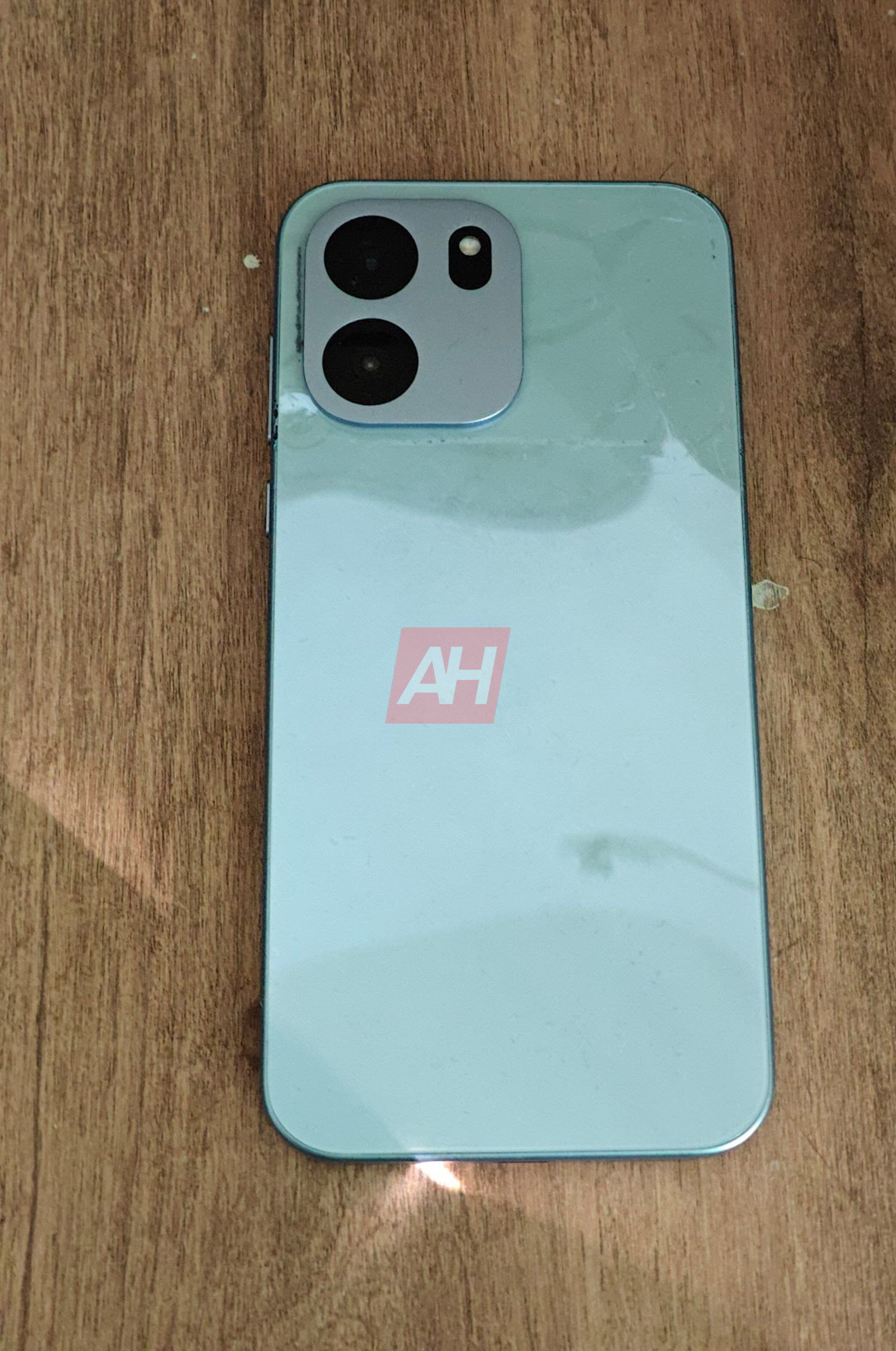
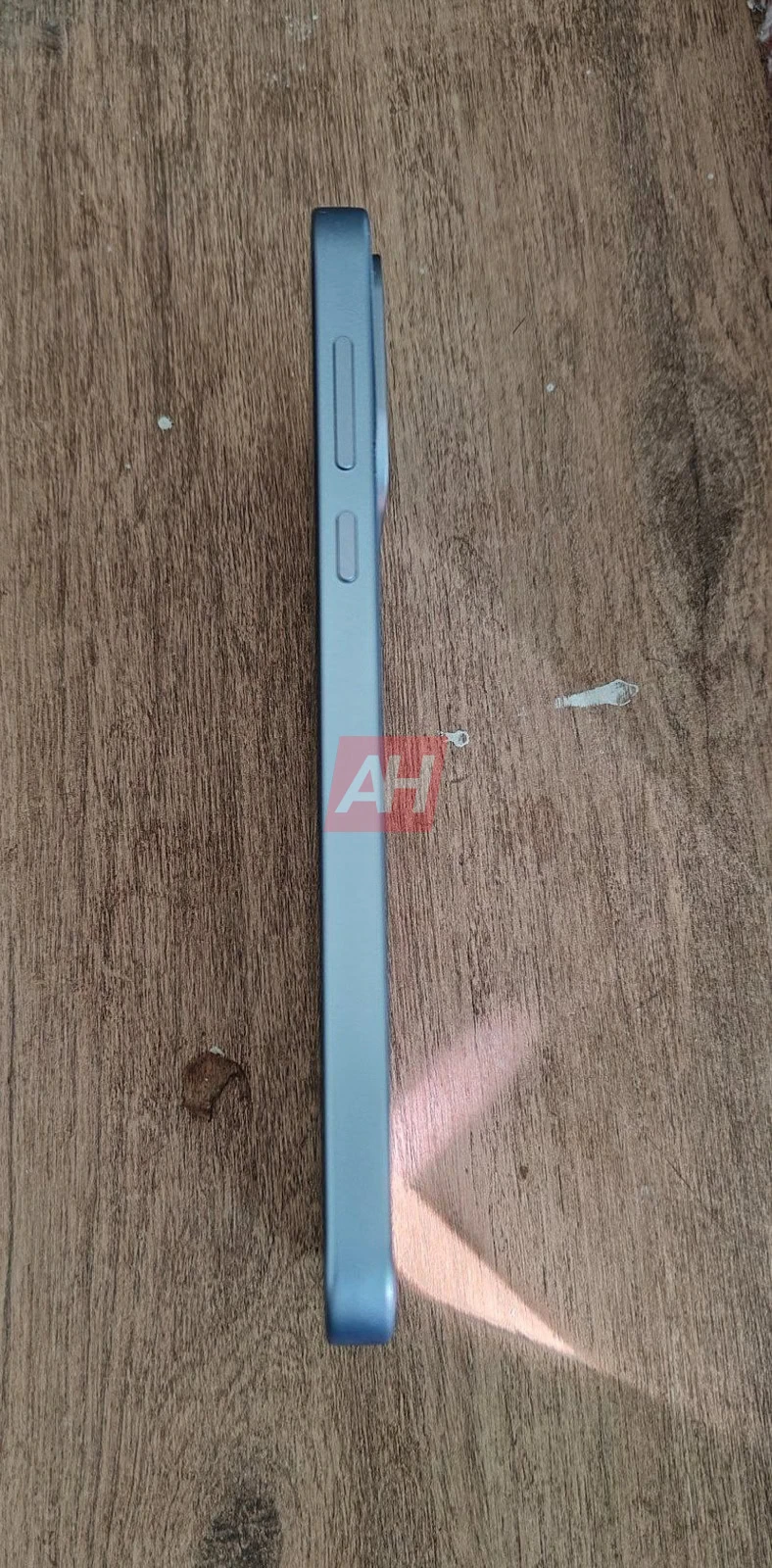
Design-wise, the OnePlus Turbo (codenamed Prado) reportedly sticks to a familiar layout with a rear camera module positioned in the upper-left corner. The phone is said to use a glossy plastic back, hinting at aggressive pricing for markets like India. Two color options are currently being tested, a greenish blue shade and a standard black finish.
According to information shared by Android Headlines, this device is expected to debut in China first. Outside China, it is likely to arrive under the Nord branding, following OnePlus’ existing regional strategy. The device is said to feature a massive 9,000mAh battery paired with 80W fast charging, positioning it well above typical mid-range phones in terms of endurance.

The display is another area where the Turbo appears to stand out. Leaks point to a 6.8-inch flat OLED panel with a 1.5K resolution and a 144Hz refresh rate. Powering the device is expected to be the Qualcomm Snapdragon 7s Gen 4 chipset, paired with up to 8GB RAM and 256GB storage, running OxygenOS 16 based on Android 16. Camera specifications include a 50-megapixel primary sensor, an 8-megapixel ultrawide camera, and a 32-megapixel front-facing camera.

While OnePlus has not confirmed a launch date, current leaks suggest a March 2026 debut, possibly around Mobile World Congress in Barcelona.

For more daily updates, please visit our News Section.

Stay ahead in tech! Join our Telegram community and sign up for our daily newsletter of top stories.

OnePlus Pad Go 2 Availability Expands to US, UK, and Europe

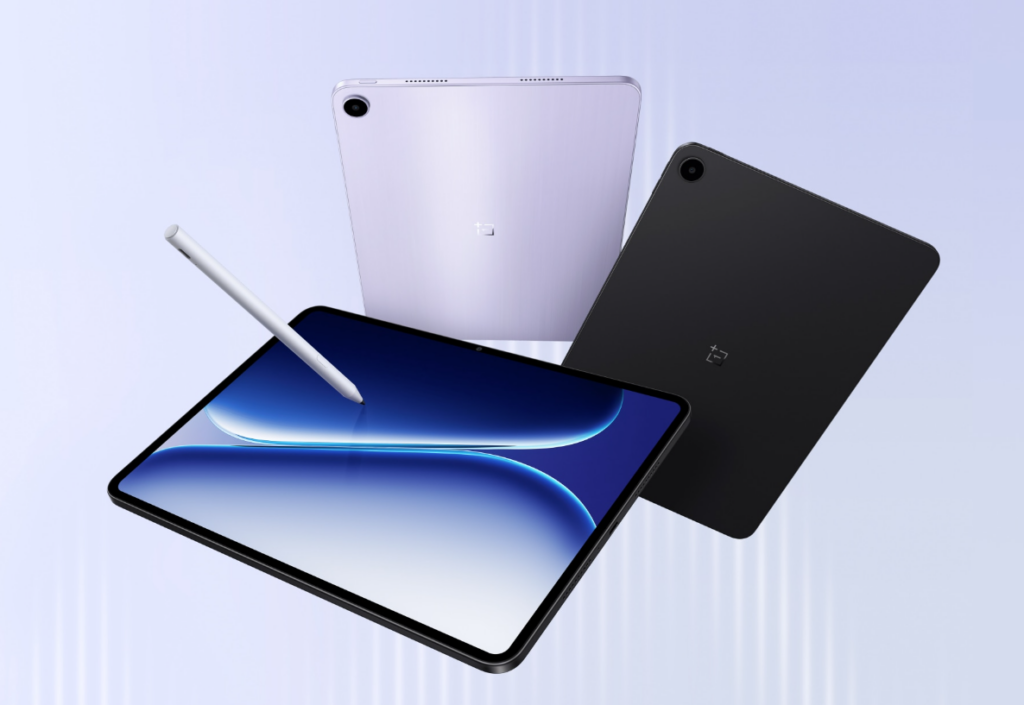
OnePlus has started selling the Pad Go 2 tablet in more global markets. The midrange tablet was unveiled in the third week of December 2025 and first went on sale in India. It is now available in the US, UK, and several European countries through OnePlus’ official website.

OnePlus Pad Go 2

In terms of pricing, the OnePlus Pad Go 2 starts at €299/$399.99 and £269 for the base model with 8GB of RAM and 128GB of storage. The higher 8GB + 256GB variant with 5G support is priced at €399 in Europe and £349 in the UK.

OnePlus Pad Go 2 features

The tablet features a 12.1-inch LCD display with a 2.8K resolution. It supports an adaptive refresh rate of up to 120Hz. Brightness reaches 600 nits in regular use and up to 900 nits in high brightness mode. The display also supports Dolby Vision and covers 98 percent of the DCI-P3 color gamut, which makes it suitable for streaming, browsing, and everyday productivity tasks.

Powering the Pad Go 2 is the MediaTek Dimensity 7300-Ultra chipset, built on a 4nm process. OnePlus is offering the tablet with 8GB of RAM across all variants. Storage options include 128GB and 256GB of UFS 3.1 storage.

On the software side, the tablet runs OxygenOS 16 based on Android 16. It includes OnePlus’ Open Canvas feature for multitasking, allowing multiple apps to run side by side. AI features such as AI Writer and AI Recorder are also built into the system. Audio output is handled by a quad-speaker setup.

The OnePlus Pad Go 2 packs a 10,050mAh battery. It supports 33W SuperVOOC fast charging and also offers 6.5W reverse wired charging for smaller accessories. For cameras, the tablet includes an 8-megapixel rear camera and an 8-megapixel front camera, mainly intended for video calls and basic photography.

For more daily updates, please visit our News Section.

Tech enthusiast? Get the latest news first! Follow our Telegram channel and subscribe to our free newsletter for your daily tech fix!

Vivo X300 FE, Jovi X300 FE bag Bluetooth SIG certification, may launch soon

Devices that surface in the Bluetooth SIG certification usually go official within a time span of around one month. Therefore, it appears that the Vivo X300 FE may debut by late January or February 2026, as it has received approval from the Bluetooth SIG authority. The Bluetooth SIG listing also reveals a dedicated variant for the Brazilian market.

Vivo X300 FE Bluetooth SIG certified

Vivo X300 FE BLuetooth SIG certified
Vivo X300 FE Bluetooth SIG certified

As can be seen above, the Bluetooth SIG authority has approved the Vivo X300 FE, which bears the model numbers V2537 and V2542. The listing also mentions the Jovi V2505 model number.

For those who are unaware, Vivo launches its phones under the Jovi name in Brazil to avoid trademark conflicts with Telefónica Brasil, which already owns the “Vivo” brand for telecommunications services there. Therefore, the Jovi X300 FE is just a rebranded version of the Vivo X300 FE exclusively for Brazil.

Vivo X300 FE specifications (rumored)

Vivo S50 Pro Mini
Vivo S50 Pro Mini

Rumors are rife that the Vivo X300 FE will be a rebranded version of the Vivo S50 Pro Mini, which recently debuted in China. The S50 Pro Mini is equipped with a 6.31-inch OLED LTPO display that offers a 1.5K resolution and a 120Hz refresh rate. For security, it has an ultrasonic in-screen fingerprint sensor and runs on OriginOS 6-based Android 16.

The S50 Pro Mini has a 50-megapixel front camera, while its back panel features a 50-megapixel main camera with OIS support, an 8-megapixel ultra-wide lens, and a 50-megapixel periscope telephoto camera with 3x optical zoom. Under the hood, it is powered by the Snapdragon 8 Gen 5 chipset and houses a 6,500mAh battery with 90W wired and 40W wireless charging support. It also features a metal middle frame and has an IP68/69-rated dust- and water-resistant chassis.

For more daily updates, please visit our News Section.

Stay ahead in tech! Join our Telegram community and sign up for our daily newsletter of top stories.

These Chinese EV Brands Are Poised to Disrupt the Global Market in 2026

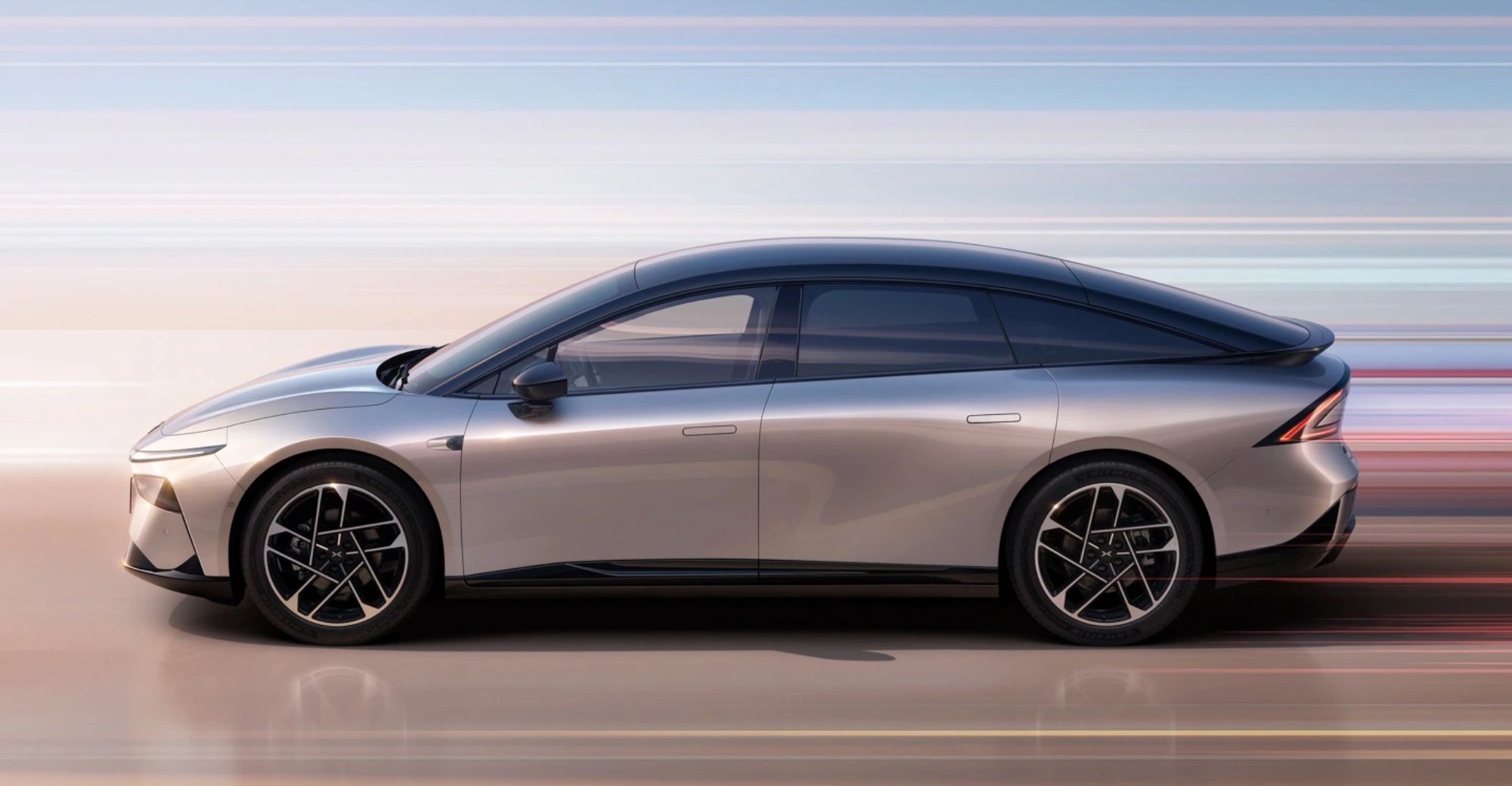
In late 2025, the global electric vehicle market has shifted in favor of Chinese manufacturers. They now account for 43% of global EV sales, with eight of the top ten best-selling EV models coming from China. These brands are moving faster, integrating vertically, and treating cars as digital products rather than mechanical ones.

1. BYD

BYD Car

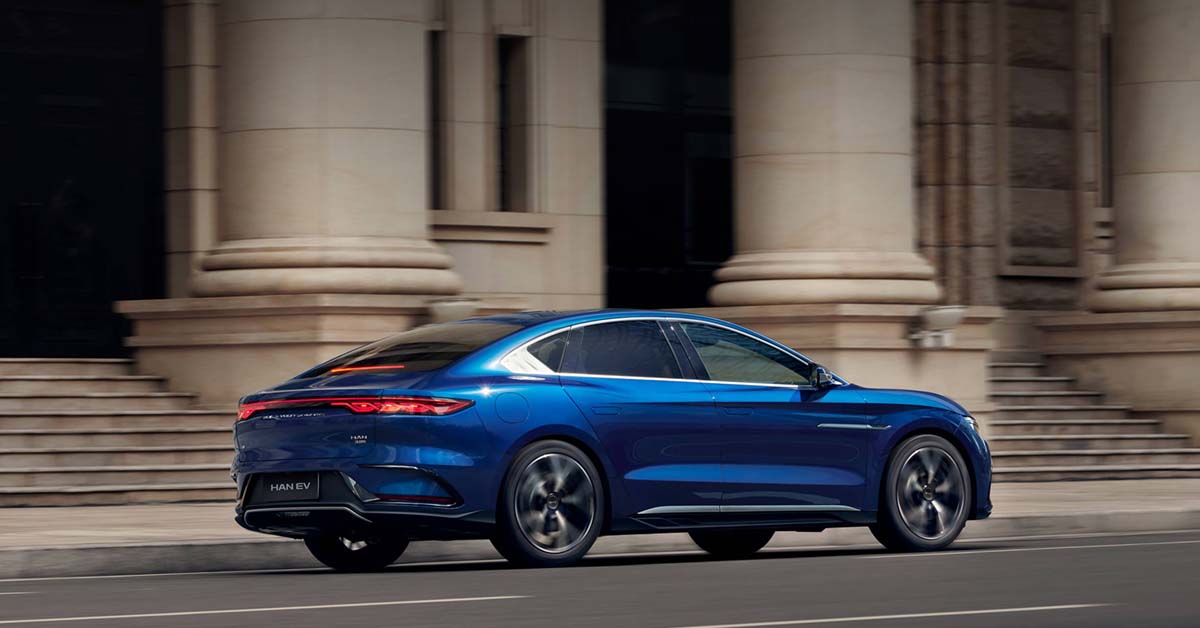
BYD is currently the world’s largest EV maker by volume. It builds its own batteries, motors, and chips, including its signature Blade Battery. This approach has allowed the company to lower costs and reduce reliance on external suppliers. Models like the Seagull continue to undercut global rivals on pricing, while still offering competitive range and features.

In 2025, BYD expanded production into Hungary and Brazil to avoid import tariffs and meet rising demand. The company also pushed into the premium space with its Yangwang sub-brand, which now competes directly with established luxury automakers.

Additionally, the company is all set to launch the Seal 08 and Sealion 08 in Q1 2026, targeting the premium segment with its next-generation Ocean Aesthetic 2.0 design language.

2. Xiaomi

Xiaomi SU7 Ultra

Xiaomi entered the EV market with the SU7 sedan and quickly scaled to over 200k units in less than a year. The vehicle runs on HyperOS, which connects seamlessly with Xiaomi’s smartphones and smart home devices. This integration has attracted a younger, tech-savvy audience that values digital experiences.

In mid-2025, Xiaomi launched the YU7 SUV. It introduced a 900V electrical system and a zero-gravity seat design. The company ramped up production to more than 40,000 vehicles per month, a rate most legacy brands have not achieved in their early years.

3. NIO

NIO is solving one of the most persistent EV challenges: charging time. Its global battery swap network now includes over 4,000 stations. Each swap takes under three minutes and removes the need to plug in.

NIO expanded its lineup in 2025 by introducing two new sub-brands. Onvo targets family buyers, while Firefly caters to the European market with compact luxury vehicles. The brand has opened new locations in the Netherlands and Norway and plans to enter the UK, Belgium, and Luxembourg in early 2026.

4. Geely

Geely owns brands like Volvo, Polestar, and Lotus. It has used this global footprint to launch its own premium EVs under the Zeekr brand. The Zeekr 001 received a major update in late 2025, including a 900V platform and ultra-fast charging speeds using Geely’s new Golden Brick battery. The vehicle can charge from 10% to 80% in about 7 minutes.

Geely’s SEA (Sustainable Experience Architecture) platform allows it to build a wide range of EVs across multiple brands. This structure supports rapid development and reduces costs, giving Geely a clear advantage in scaling its EV efforts.

5. XPeng

XPeng has solidified its position as the leader in AI-centric mobility. Its 2025 lineup shifted fully to “AI-defined” vehicles, including the vision-based P7+ and the X9 MPV with adaptive AI suspension. The Mona M03 became a best-seller by offering advanced driver-assist tech for under $20,000, and a Mona SUV is set to arrive in early 2026 to challenge the Tesla Model Y.

The company’s partnership with Volkswagen brought major scale advantages, culminating in the VW ID. UNYX 07, powered entirely by XPeng’s software and its in-house Turing AI chip. XPeng also secured Level 3 autonomous driving permits in China and saw its Net Promoter Score top Germany’s rankings. With expansion into the UK, Australia, and South Korea, XPeng is positioning itself as the most advanced AI-first carmaker in the world.

6. What the West Is Getting Wrong

Chinese EV companies move quickly. Their development cycles average 18 to 24 months. Most Western automakers still take 4 to 6 years to bring new models to market. Chinese firms build much of their own supply chains, while Western brands depend on Tier-1 suppliers. The focus in China is on software, user experience, and in-car AI. In contrast, many global brands still prioritize traditional metrics like paint quality and ride feel.

High tariffs in the US and EU have slowed some exports, but Chinese automakers are adapting. BYD and Geely have set up production hubs overseas. Others are increasing their plug-in hybrid offerings to remain competitive while EV policies remain unclear.

For more daily updates, please visit our News Section.

Stay ahead in tech! Join our Telegram community and sign up for our daily newsletter of top stories! 💡

Vivo V70 gets certified in multiple countries, launch imminent

There have been reports that Vivo may unveil the Vivo V70 in the first quarter of 2026. It appears that its arrival is close at hand, as it has bagged multiple certifications in the past few days. Continue reading ahead to learn what to expect from this phone.

Vivo V70 certified by SIRIM, SDPPI, and NBTC

Recent reports have revealed that the upcoming Vivo phone with model number V2538 will hit the market with the Vivo V70 moniker. In the past few weeks, the device has bagged approvals from certification bodies in Europe, India, and the UAE. Now, the device has also been certified in countries such as Malaysia, Thailand, and Indonesia.

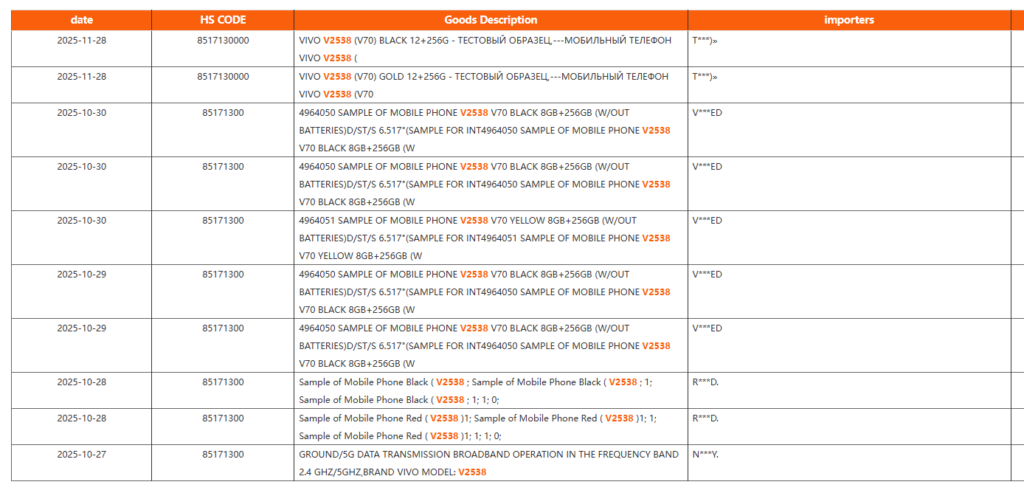
As can be seen above, SIRIM (Malaysia), NBTC (Thailand), and SDPPI (Indonesia) have approved the Vivo V70, hinting that its launch could be only a few weeks away in these countries. The handset is also listed in the NBD trade database, revealing variants such as 8GB+256GB and 12GB+256GB. It states that the device will be equipped with a 6.517-inch display.

Vivo V70 NBD database listing

The listing also reveals colour options such as red, yellow, gold, and black. According to a recent report, the device could be priced at around Rs 45,000 (~$500) in India. Another leak revealed that the V70 series will also include other models, such as the Vivo V70 Lite 5G, V70 Elite 5G, and V70 FE 5G. However, these devices may not be available in all the markets where Vivo is active.

Reports suggest that the Vivo V70 could be based on the Vivo S50, which recently debuted in China. It may arrive with similar specifications as the S60 but offer a Snapdragon 7 Gen 4 chip instead of the Snapdragon 8s Gen 3. Readers can visit this post to know more about the S50.

For more daily updates, please visit our News Section.

Stay ahead in tech! Join our Telegram community and sign up for our daily newsletter of top stories.

Kindle Colorsoft 16GB Hits $189.99 – Holiday Sale 2025

As the Holiday season 2025 draws to a close, Amazon is offering a significant discount on its latest e-reader technology. The Kindle Colorsoft 16GB, which normally retails for $250, is currently listed for just $189.99. On Black Friday, it also offers up to 50% off its devices, including Fire TV Stick, Kindle, Echo Show 5, and more.

The Kindle Colorsoft, as the moniker points out, is a notable deviation from the traditional monochrome Paperwhite series. It features a new 7inch high contrast display specifically engineered to render colors with a paper-like quality. This makes it ideal for viewing book covers, novels, travel guides, and other content in vibrant detail. Users can also utilize color-coded highlighting in shades of pink, blue, orange, and yellow to better organize their notes and favorite passages.

The 16GB base variant lacks some of the premium features available in the $240 Signature Edition. Such as wireless charging and an auto-adjusting front light, it maintains the core essentials that define the Kindle experience.

It is fully waterproof, features a battery claimed to last up to 8 weeks on a single USB-C charge, and includes an adjustable warm light for comfortable reading in any environment.

Please Note: When you buy something using the links in our articles, we may earn a small commission at no cost to you.

For those looking for different options, Amazon has extended holiday pricing across the entire Kindle lineup. Deals include the Kindle Scribe starting at $280, the standard Kindle for $90, and the Paperwhite for $135. However, the 16GB Colorsoft stands out as the most affordable way to access Amazon’s new color e-ink technology.

Hence, if you are interested in picking one, head over to Amazon for more details.

Realme Neo 8 rumored to debut in January with Snapdragon 8 Gen 5, Samsung display

The Realme Neo 8 has once again surfaced in leaks, with fresh information shedding light on when the device could make its official debut. While the company has not confirmed anything yet, reliable tipster Digital Chat Station has been consistently revealing its details. The latest leak focuses mainly on the phone’s launch timing, while also reaffirming several previously leaked specifications.

Realme Neo 8 launch timeframe (rumored)

Realme Neo 8 launch timeframe by DCS

According to information shared by Digital Chat Station on Weibo, the Realme Neo 8 is expected to be announced in January 2026 in China. Although an exact launch date has not been mentioned, the timeline suggests that Realme may kick off the new year with this Neo-branded smartphone. This aligns with the brand’s recent strategy of unveiling performance-centric devices early in the year.

Realme Neo 8 specifications (rumored)

Previous reports indicate that the Realme Neo 8 will be powered by Qualcomm’s Snapdragon 8 Gen 5 chipset, positioning it firmly in the flagship performance segment. The device is said to feature a flat Samsung AMOLED LTPS display with a 1.5K resolution, along with an ultrasonic in-screen fingerprint sensor. On the software side, it is expected to ship with Android 16, layered with Realme UI 7.

Battery capacity appears to be another highlight. The Neo 8 is rumoured to house a single-cell battery of around 8,000mAh, which would be a noticeable jump over its predecessor. The phone is also tipped to feature a metal frame paired with a glass back, along with IP68 and IP69 ratings for dust and water resistance.

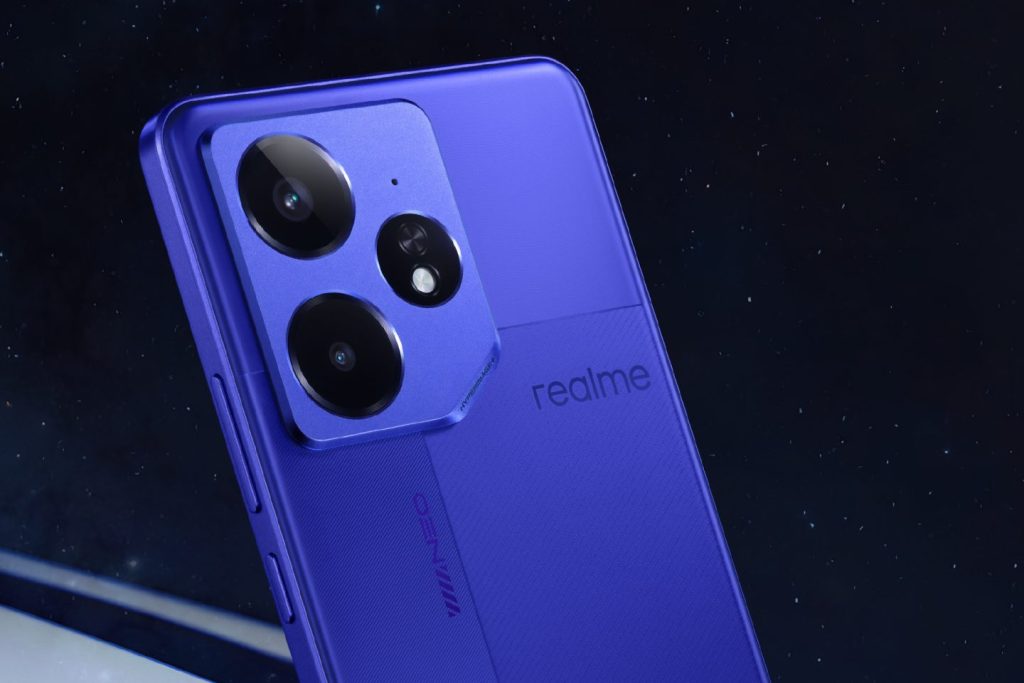
Realme Neo 7
Realme Neo 7

With its flagship chipset, large battery, and premium build, the Realme Neo 8 is expected to compete with upcoming performance-focused smartphones such as the recently released OnePlus Ace 6T and the upcoming Moto X70 Ultra, and iQOO Z11 Turbo, which are also expected to debut in early 2026 in China.

Additionally, the Realme Neo 8 lineup is expected to expand beyond a single model. Reports suggest that Realme may introduce multiple variants, including the Neo 8 Turbo, the Dimensity 8500-powered Neo 8 SE, and the Neo 8x, with launches likely planned for the first half of 2026.

For more daily updates, please visit our News Section.

Stay ahead in tech! Join our Telegram community and sign up for our daily newsletter of top stories.

Oppo Pad Air 5 launched with 120Hz display, Dimensity 7300-Ultra, and 10,050mAh battery

Oppo has officially launched the Oppo Pad Air 5 tablet in China, bringing a large 120Hz display, the MediaTek Dimensity 7300-Ultra chipset, and a massive battery. The tablet is aimed at users seeking a balanced mix of performance, display quality, and battery life.

Oppo Pad Air 5 specifications and features

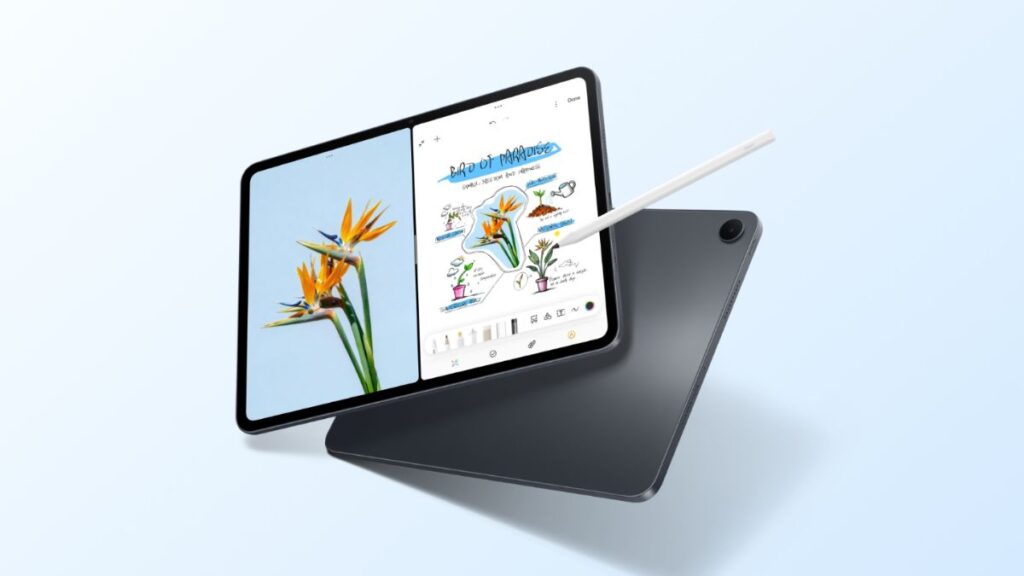
The Oppo Pad Air 5 features a slim and lightweight design, measuring 266.01 x 192.77 x 6.83mm in thickness. It weighs approximately 597 grams for the Wi-Fi version and around 599 grams for the SIM variant.

The tablet comes with a 12.1-inch LCD display offering a 7:5 aspect ratio, a 2800 x1980 resolution, and up to 120Hz refresh rate. The screen delivers up to 600 nits of typical brightness and 900 nits peak brightness, supports 1 billion colours, and covers 98 percent DCI-P3 in Vivid mode and 100 percent sRGB in Natural mode.

Oppo Pad Air 5
Oppo Pad Air 5

The device is powered by the MediaTek Dimensity 7300-Ultra processor, featuring an octa-core CPU with clock speeds of up to 2.5GHz. It is paired with LPDDR5X RAM and UFS 3.1 storage. A 10,050mAh battery keeps the tablet running and supports up to 33W SuperVOOC Flash Charge, along with UFCS, PPS, and PD charging standards.

The Pad Air 5 runs ColorOS 16.0 out of the box. For imaging, it features an 8-megapixel rear camera and an 8-megapixel front camera, with support for 1080p video recording. Other features include keyboard and stylus support, Wi-Fi 6, 5G, Bluetooth, a USB Type-C port, and face unlock support. To sum up, it is a rebranded version of the OnePlus Pad Go 2, which recently debut markets outside China.

Oppo Pad Air 5 price and availability

The Oppo Pad Air 5 is available in several configurations. The 8GB+128GB variant is priced at 1,899 Yuan (~$270), while the 8GB+256GB model costs 2,199 Yuan (~$312). The 8GB+256GB Soft Light version is priced at 2,399 Yuan (~$340).

The 12GB+256GB variant is priced at 2,499 Yuan (~$355), and the 12GB+256GB Soft Light version costs 2,699 Yuan (~$383). It comes in three shades: Starlight Powder, Starlight Pink, and Space Gray.

For more daily updates, please visit our News Section.

Stay ahead in tech! Join our Telegram community and sign up for our daily newsletter of top stories.

Casio G-Shock x Maison Kitsuné Paris-Inspired Watch Now Available in United States

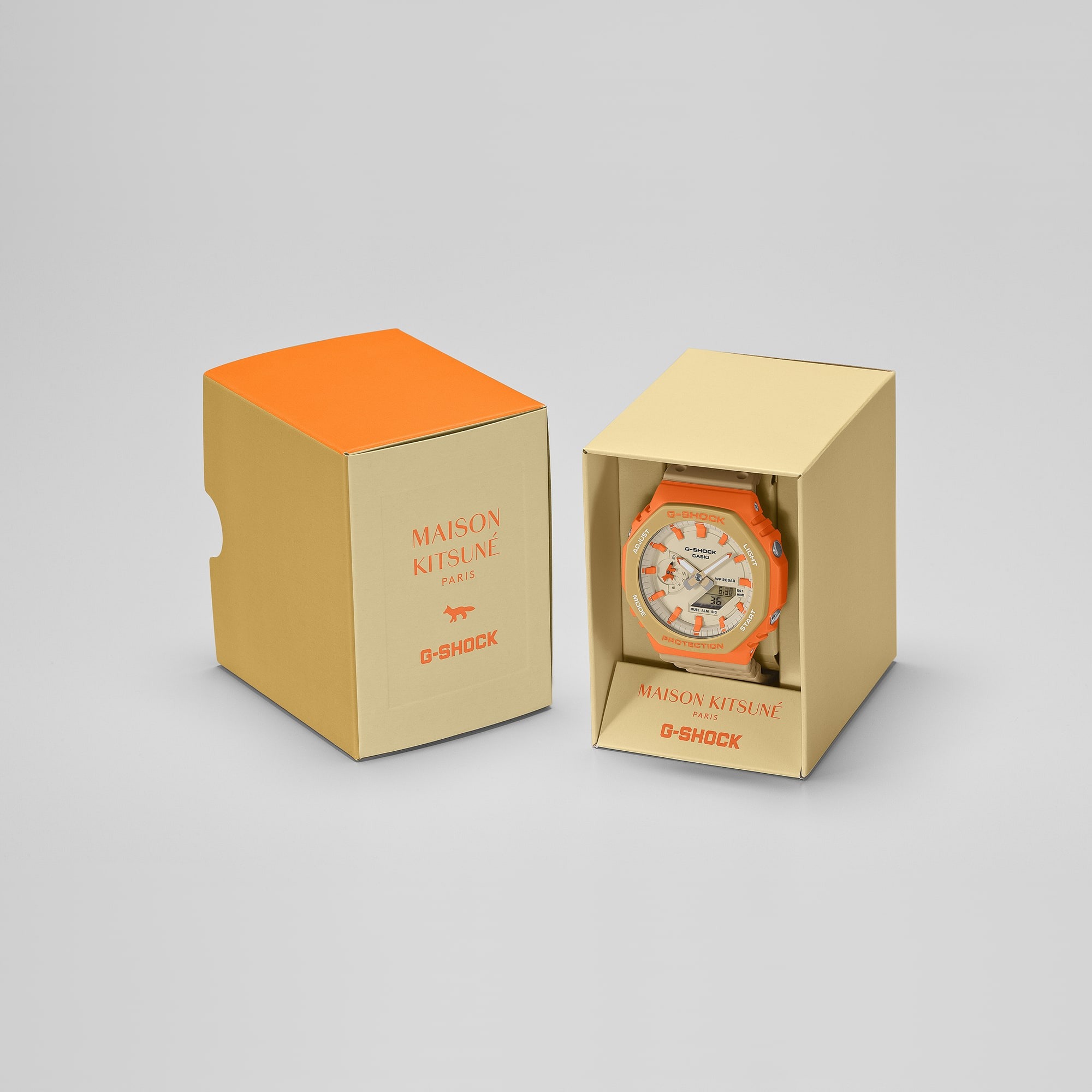
Casio has released its G-Shock GA-2110MK-5A collaboration with Maison Kitsuné in the US. The watch costs $210 and is available through Casio.com and authorized retailers. The release follows a staggered global launch. Japan got the watch in November (for ¥33,000), followed by European markets earlier this month (priced at €180).

The watch is built on the GA-2100 platform, known for its slim octagonal case. It uses Maison Kitsuné’s “camaieu” design approach with soft beige and cream colors inspired by Parisian architecture. A bright orange resin bezel represents sunset over Paris. The watch comes in color-matched packaging.

Maison Kitsuné’s fox logo appears on the 9 o’clock inset dial and at the case-strap junction. Additional logos are on the band loop and case back.

The watch includes shock resistance, 200-meter water resistance, and Carbon Core Guard construction. Battery life is approximately three years using two SR726W cells. The mineral glass face has Neobrite luminous material. Double LED lights illuminate both analog and digital displays with selectable 1.5-second or 3-second duration settings.

Features include a 1/100-second stopwatch that measures up to 24 hours, a countdown timer with one-second increments up to 24 hours, five daily alarms, and hourly time signals. World time covers 48 cities across 31 time zones with daylight saving adjustment. The automatic calendar runs until 2099.

The case measures 48.5 × 45.4 × 11.8 mm and weighs 51 grams. The bio-based resin band fits wrists from 145 to 215 mm. Accuracy is rated at ±15 seconds per month. The watch offers a hand-shift feature that moves analog hands out of the way for digital display viewing.

Please Note: When you buy something using the links in our articles, we may earn a small commission at no cost to you.

Don’t miss a thing! Join our Telegram community for instant updates and grab our free daily newsletter for the best tech stories!

For more daily updates, please visit our News Section.

(via: Notebookcheck)

iQOO Z11 Turbo revealed, official specs include Snapdragon 8 Gen 5, 200MP camera, and more

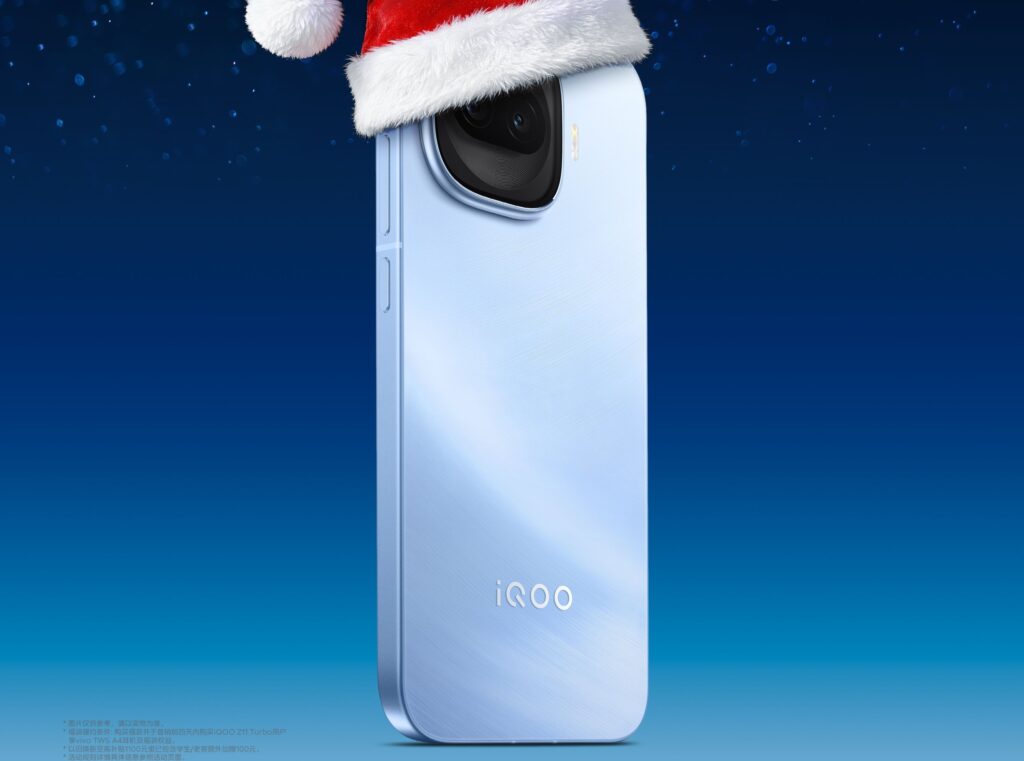
Over the past few days, iQOO has been teasing the arrival of the iQOO Z11 Turbo in China. A recent teaser released by the brand offered a glimpse of the phone’s design. Today, an iQOO Product Manager not only shared a new image revealing its rear design but also confirmed its key specifications.

iQOO Z11 Turbo design revealed

iQOO Z11 Turbo
iQOO Z11 Turbo

The above image showcases the iQOO Z11 Turbo’s design for the first time. It reveals a glass back, flat edges, a squircle-shaped camera island housing the camera sensors, a vertical pill-shaped LED positioned next to it, and iQOO branding at the bottom. While the front of the device has not been revealed yet, it is officially confirmed to feature a flat display.

iQOO Z11 Turbo specifications (rumored)

According to the iQOO Product Manager, the iQOO Z11 Turbo will feature a 6.59-inch OLED screen, which reportedly supports LTPS technology and a 1.5K resolution. It is claimed to offer battery life that significantly exceeds other performance phones with a similar screen size. Recent leaks have revealed that it will pack a massive 7,600mAh battery.

Under the hood, the iQOO Z11 Turbo will be powered by the Snapdragon 8 Gen 5 chipset. For photography, it will be equipped with a 200-megapixel primary camera.

According to a recent Weibo post by reliable tipster Digital Chat Station, the Z11 Turbo will feature a 32-megapixel front camera and a secondary 8-megapixel camera on the back. He has also revealed that the device will be equipped with an ultrasonic in-screen fingerprint sensor.

In terms of durability, the device will feature a metal middle frame and IP68/69-level dust and water resistance.

iQOO Z11 Turbo price, release timeframe (rumored)

iQOO is yet to reveal the iQOO Z11 Turbo’s launch date. However, with 2025 coming to an end soon, it appears that the phone is slated for a January 2026 launch. The iQOO executive confirmed that the device will be priced at around 2,500 Yuan (~$355).

For more daily updates, please visit our News Section.

Stay ahead in tech! Join our Telegram community and sign up for our daily newsletter of top stories.

Honor Power 2 gets spotted with upcoming Dimensity 8500 on Geekbench

Tomorrow, Honor will unveil the Honor Win and Win RT, gaming-focused flagship phones in China. In January 2026, the brand is expected to announce the Honor Power 2, which is said to pack a huge battery along with upper mid-range specifications. Speculation is rife that the device will come equipped with a Dimensity 8-series chipset. Ahead of the expected launch, the phone has appeared on Geekbench benchmarking, revealing key details about its chipset.

Honor Power 2 Geekbench listing

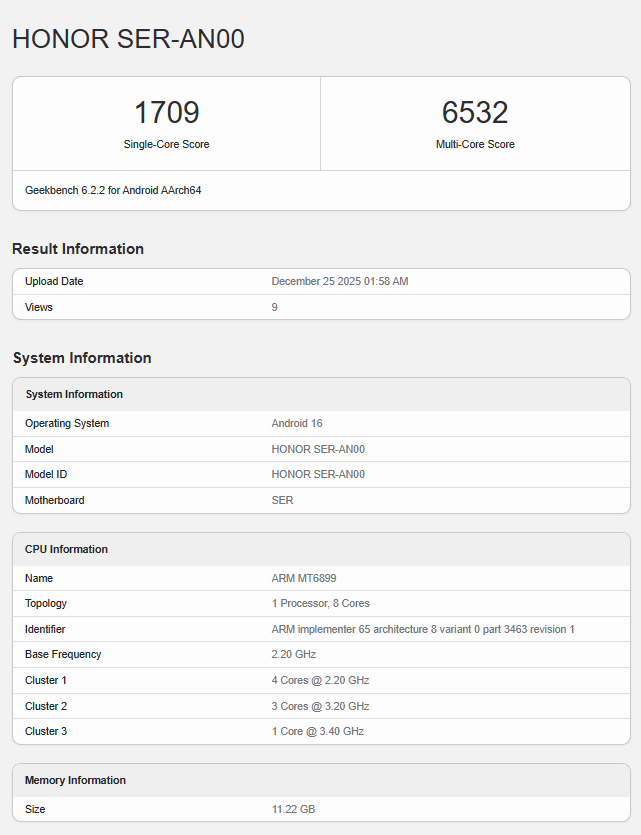
Reports have revealed that the Honor Power 2 will feature the upcoming Dimensity 8500 chipset. This chip is also expected to power other phones, such as the Redmi Turbo 5 / Poco X8 Pro and Realme Neo 8 SE. The screenshot above seemingly reveals the Honor Power 2’s Geekbench listing, where it is reportedly labelled with the SER-AN00 model number.

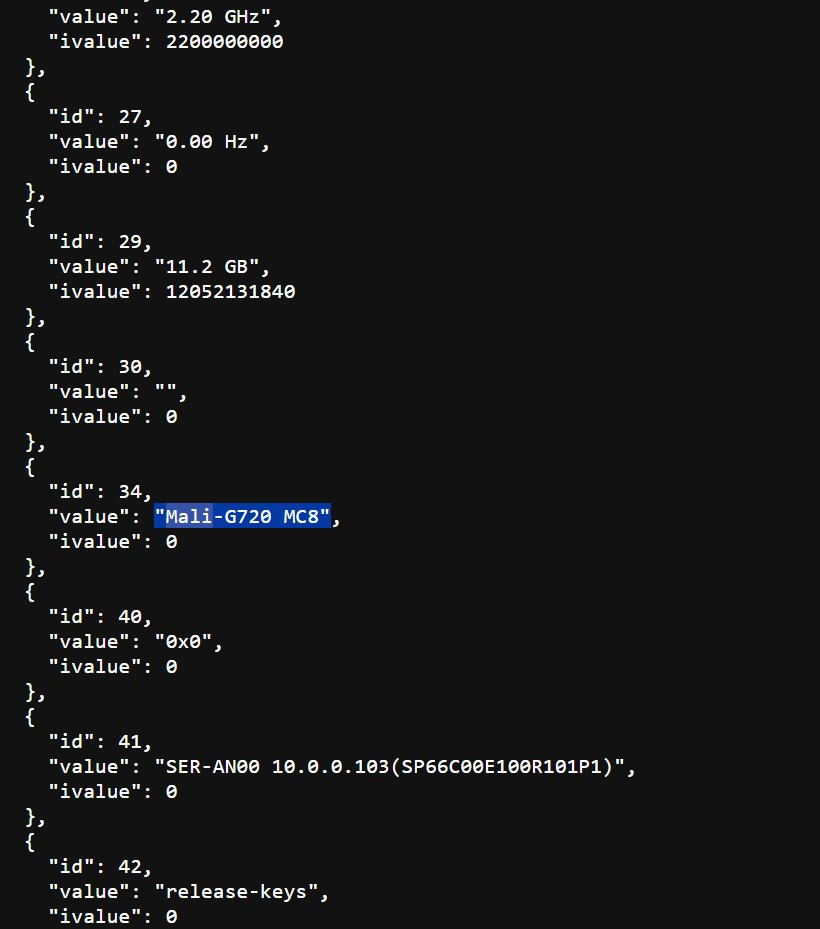
The Geekbench listing reveals that it is powered by an upcoming MediaTek chip, which includes a prime CPU core clocked at 3.40GHz, three cores operating at 3.20GHz, and four cores running at 2.20GHz. For graphics, it is equipped with the Mali-G720 MC8 GPU.

Based on a previous leak, it can be said that this chip could be the upcoming Dimensity 8500. The handset has managed to score 1,532 points in the single-core test and 5,632 points in the multi-core test.

In comparison, the existing Dimensity 8400 chip has a 3.25GHz Cortex-A725 prime core, three Cortex-A725 cores clocked at 3.3GHz, four Cortex-A725 cores running at 2.1GHz, and a Mali-G720 MC7 GPU. This chip scores around 1,400 to 1,500 in the single-core test and around 5,600 in the multi-core test.

Coming back to the Honor Power 2 Geekbench listing, the device is equipped with 12GB of RAM and Android 16, with the MagicOS 10 layer on top.

Speaking of the phone, rumours suggest that the Honor Power 2 will arrive with a 6.79-inch OLED 1.5K display, a 16-megapixel front camera, and a 50-megapixel main camera on the back. It goes without saying that the major highlight of the phone will be its battery, which is said to be around 10,080mAh. The device will offer 80W charging and is expected to arrive in shades such as Midnight Black, Snow White, and Sunrise Orange.

Other Dimensity 8500 phones

The Dimensity 8500 is also expected to power the Redmi Turbo 5, Poco X8 Pro, and Realme Neo 8 SE. The Turbo 5 could be the first phone to feature the said chip, but it will remain exclusive to China. The Poco X8 Pro will arrive as a global version of the Turbo 5.

For more daily updates, please visit our News Section.

Stay ahead in tech! Join our Telegram community and sign up for our daily newsletter of top stories.

(via)

25 Xiaomi devices set to receive HyperOS 3 update before 2026

Xiaomi could be expanding HyperOS 3‘s reach to as many as 25 devices before the end of 2025. Based on internal server listings, the company has already finished builds of HyperOS 3 for a wide range of phones and tablets, suggesting imminent launch.

According to tracking data spotted on HyperOSUpdates.com, multiple HyperOS 3 builds are currently marked as “ready to release” on Xiaomi’s servers. The label confirms these updates are not part of an internal test or public beta phase anymore. Instead, they are the final builds that can be pushed to users through a staged rollout at any time.

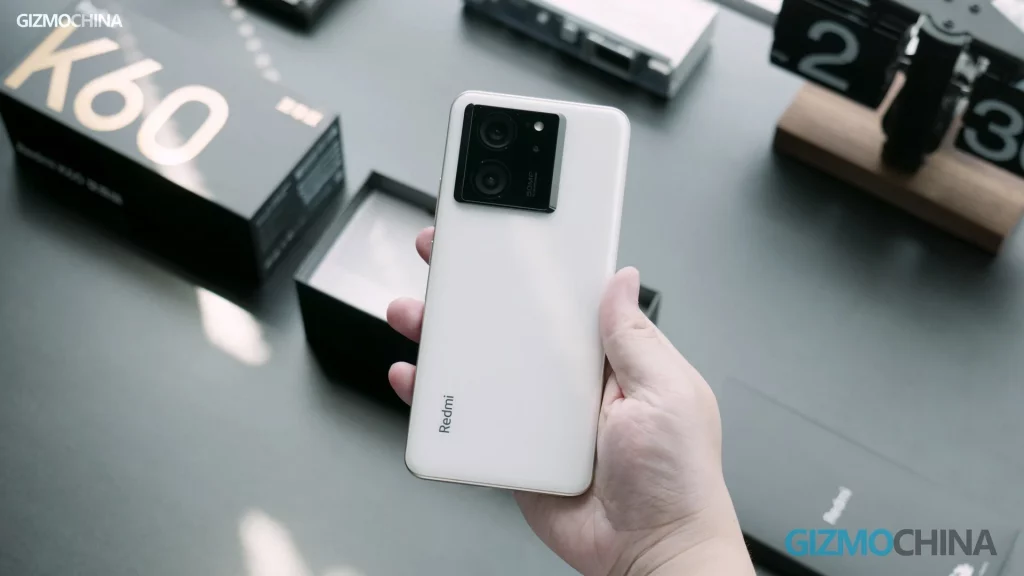
REDMI-K60-Ultra-Review
Redmi K60 Ultra

If the information holds up, Xiaomi could release the update in the remaining week of December.

List of Xiaomi devices ready for HyperOS 3 release 

Here’s the list of Xiaomi, Redmi, and Poco with “ready to release” HyperOS status:

Cihaz ModeliDurum
Xiaomi Pad 6 Max 14Ready to release
Xiaomi Pad 6 ProReady to release
Xiaomi 13T ProReady to release
Redmi K60 UltraReady to release
Redmi K60Ready to release
POCO F5 ProReady to release
Redmi 15Ready to release
POCO C75Ready to release
POCO F6Ready to release
POCO X6 NeoReady to release
POCO Pad M1Ready to release
POCO M6 Pro 4GReady to release
POCO M7 4GReady to release
POCO M7 Pro 5GReady to release
Redmi 15 4GReady to release
Redmi Note 15Ready to release
Redmi Pad ProReady to release
Redmi Pad 2 ProReady to release
Redmi Pad 2Ready to release
Redmi A4Ready to release
Redmi Pad SE 4GReady to release
Redmi Note 13 Pro+Ready to release
Redmi Note 13 Pro 4GReady to release
POCO M7 5GReady to release
Redmi 14C / Redmi A3 ProReady to release

To note, not every device will receive the same underlying Android version. Higher-end models, such as the Pad 6 Max 14, Pad 6 Pro, and Redmi K60 Pro variants, are confirmed to run HyperOS 3 on top of Android 15. Other devices are expected to ship with different Android bases, depending on their hardware and update policies.

For more daily updates, please visit our News Section.

Stay ahead in tech! Join our Telegram community and sign up for our daily newsletter of top stories! 💡

(Via)

OnePlus makes Turbo series official: 165Hz refresh rate, Fengchi gaming kernel confirmed

After weeks of leaks and rumors, OnePlus has finally made things official. The company is launching a new Turbo series smartphone in China soon. OnePlus is positioning the new lineup as a “performance and battery life supernova” that will inherit the performance genes of its flagship phones.

According to the brand, the upcoming OnePlus Turbo delivers the “strongest battery life” in its segment, along with what the company calls an “unprecedented gaming experience” for its price range.

Adding to the announcement, OnePlus China President Li Jie says the Turbo series will bring several gaming-focused technologies previously limited to high-end models. These include a 165Hz ultra-high refresh rate display, the company’s Fengchi gaming kernel, and what OnePlus calls an “e-sports triple core.”

Li says these features have already been well received by professional players and hardcore gamers, and that the Turbo series will bring them to a much wider audience.

OnePlus Turbo specifications

As far as the specs are concerned, the OnePlus Turbo is said to feature a 6.78-inch flat LTPS OLED panel with a 1.5K resolution and a 165Hz refresh rate.

Under the hood, an AnTuTu listing confirms the phone will be powered by Qualcomm’s Snapdragon 8s Gen 4 chipset. It scored 2,609,327 points on the benchmark.

OnePlus 15R

The phone will feature flagship-grade LPDDR5X RAM and UFS 4.0 storage. Memory option ranges from 12GB RAM with 256GB storage to a top-end 16GB RAM and 512GB storage variant. In China, the phone is expected to launch in Unique Black, Ocean Green, and Light Chaser Silver shades.

Fueling the phone could be a massive 9,000mAh battery with fast charging support. Other specifications include a metal middle frame and an ultrasonic in-display fingerprint sensor. 

Interestingly, a previous report also points to another OnePlus Turbo-series phone with V branding. This model is expected to feature a Snapdragon 7-series chipset, a 165Hz display, and a large battery. Its color options include Unique Black, Nova White, and Fearless Blue. More details on this variant are expected to surface soon.

For more daily updates, please visit our News Section.

Stay ahead in tech! Join our Telegram community and sign up for our daily newsletter of top stories.

(Source 1, 2)

Redmi A7 Pro and Poco C81’s display, processor, and battery details leak

Xiaomi’s next budget smartphones, under the Redmi and Poco brands, have made their first appearance on certification sites. We’re talking about the Rsdmi A7 Pro and the Poco C81, which will be nearly identical in terms of hardware but are likely headed to different markets.

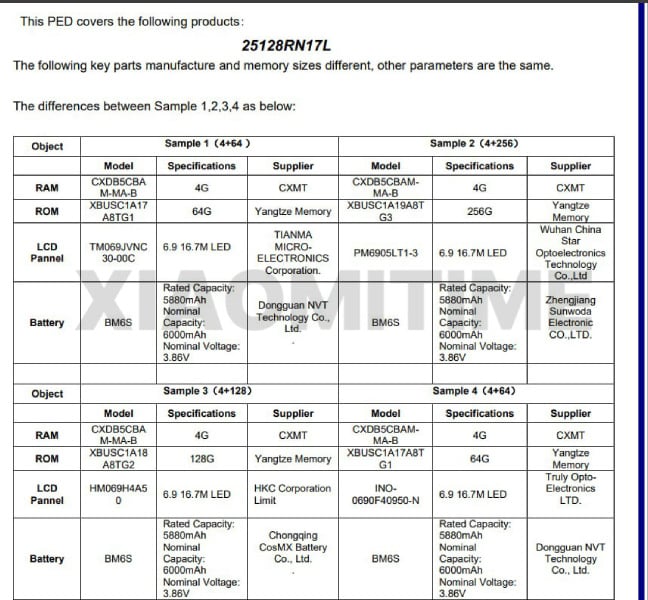
Both devices have been listed in GSMA IMEI and FCC listings, which reveal most of their core specifications. The IMEI database confirms that the Redmi A7 Pro carries the model number 25128RN17A, while the Poco C81 uses identifier 25128RN17G.

The near-identical naming confirms their close relationship, but what’s even more interesting is that the fact that Redmi is jumping straight from the Redmi A5 to the Redmi A7 Pro. Yes, the company is skipping the Redmi A6 altogether. Poco C81, on the other hand, succeeds Poco C71.

Redmi A7 Pro / Poco C81 Specifications 

The FCC listing also confirms that both phones will feature a large display measuring just under seven inches. It’s an IPS LCD panel with a waterdrop notch, which is about as classic budget-phone design as it gets in 2025.

Under the hood, the Redmi A7 Pro and Poco C81 are expected to run on the Unisoc T7250. It’s a 12nm chip with a mix of performance and efficiency CPU cores, paired with a Mali-G57 GPU. 

Memory options could top out at 4GB of LPDDR4X RAM and 64GB or 128GB of slower eMMC storage. On the software side, the phones could ship with Android 15 or the lighter Android 15 Go Edition.

One of the more notable details is the battery. Xiaomi is said to be equipping these phones with a 6,000mAh cell. Charging, however, remains modest at 15W over USB-C, and the certification listings suggest that a charger won’t be included in the box.

Last but not least, there’s no mention of specific sensors, but the phones are expected to feature a single rear camera, keeping things simple. 

For more daily updates, please visit our News Section.

Stay ahead in tech! Join our Telegram community and sign up for our daily newsletter of top stories! 💡

(Source)

Logitech launches G304 X gaming mouse with 57g weight, Hero 25K sensor and 106h battery

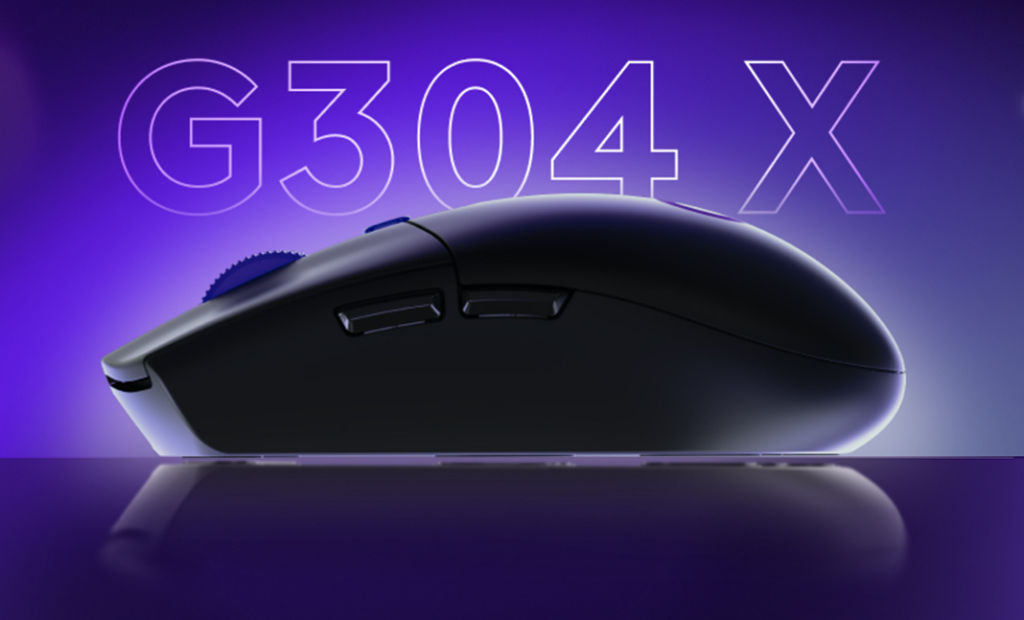
Logitech G has officially launched the G304 X Lightspeed wireless gaming mouse in China, an upgraded version of its popular G304 and G305 models. The new mouse keeps the familiar outer shell of the original but introduces several key improvements in power, weight, connectivity, and tracking performance.

Logitech G304 X

Logitech G304 X Specifications

The most significant change comes from the switch to a built-in 290mAh lithium battery. This replaces the AA battery found in previous models and helps reduce the mouse’s weight to approximately 57 grams. Logitech has also redesigned the internal layout to achieve a more centered balance, which improves control and stability during fast-paced gameplay.

The G304 X supports dual-mode connectivity. It can connect wirelessly through Logitech’s updated Lightspeed 2.4GHz technology or operate via USB-C in wired mode. The company claims that the latest version of Lightspeed improves latency and interference resistance, making the mouse more reliable in crowded wireless environments.

Logitech G304X Gaming Mouse

The mouse features the Hero 25K optical sensor, which offers tracking accuracy across a range of 100 to 25,000 DPI. Logitech plans to raise this to 25,600 DPI through a future software update via the Logitech G Hub. The sensor supports a 1000Hz polling rate, 400+ IPS tracking speed, and 40G acceleration tolerance.

The built-in battery delivers up to 106 hours of wireless use on a full charge. It also supports fast charging, with a 10-minute top-up providing around 11 hours of use, and allows gaming while charging via the USB-C cable.

Logitech G304X Gaming Mouse

Logitech includes onboard memory that stores one default profile, with support for up to five profiles through G Hub software. The mouse uses PTFE feet for smooth gliding and features primary switches rated for 20 million clicks.

The G304 X is compatible with Windows 10 or later and macOS 12 or later. Logitech is offering the mouse in four color options: black, white, purple, and pink. It comes with a two-year limited hardware warranty.

Please Note: When you buy something using the links in our articles, we may earn a small commission at no cost to you.

In related news, Logitech has recently launched the MX Master 4 mouse in India, bringing haptic feedback to its flagship productivity lineup.

For more daily updates, please visit our News Section.

Stay ahead in tech! Join our Telegram community and sign up for our daily newsletter of top stories! 💡

Samsung launches new Odyssey gaming monitors, with the world’s first 6K 3D display

Samsung has just revealed its most ambitious Odyssey gaming monitor lineup to date. Its latest announcement brings breakthrough display technologies built for gamers and creators alike. The top of the lineup brings the world’s first glasses free 3D 6K gaming monitor, while one model pushes the limit with a super smooth 1,040Hz refresh rate. So let’s check them out.

Samsung 6K 3D Odyssey Gaming Monitor

1. Odyssey 3D (G90XH)

The new Odyssey 3D gaming monitor is easily a highlight of the announcement. This is the world’s first 6K gaming monitor, which brings an immersive 3D experience. The monitor can dynamically adjust depth and perspective based on the viewer’s position, delivering layered 3D visuals without requiring any headset or eyewear. It sports a tall 32-inch screen with a 165Hz refresh rate that boosts to 330Hz with Dual more, 1ms GtG response time. As of right now, select games like The First Berserker: Khazan and Lies of P: Overture are already optimized to make use of this 3D depth effect.

2. Odyssey G6 (G60H)

For gamers focused on competitive speed and responsiveness, Samsung’s Odyssey G6 (G60H) pushes refresh rates into new territory. This 27-inch panel claims the world’s first 1,040Hz refresh rate through its Dual Mode technology, while still offering a native QHD resolution at up to 600Hz. High refresh combined with adaptive-sync support that includes both Nvidia G-Sync and AMD’s FreeSync Premium for a smooth and responsive image. This makes the G6 especially appealing to pro gamers and enthusiasts chasing every advantage in reaction time and clarity.

3. Odyssey G8 Series

Samsung is expanding its Odyssey G8 family with three distinct models that deliver a blend of high resolution and high refresh capabilities:

  • Odyssey G8 (G80HS): A 32-inch IPS LCD with 6K resolution, a 165Hz native refresh rate, and Dual Mode support to push refresh up to 330Hz at 3K resolution. This model hits the sweet spot for players who want both visual fidelity and performance.
  • Odyssey G8 (G80HF): A 27-inch monitor featuring a 5K panel (5,120 × 2,880), a 180Hz native refresh rate, and Dual Mode up to 360Hz in QHD mode for those seeking sharp visuals without sacrificing smoothness.
  • Odyssey OLED G8 (G80SH): The OLED entry in this group sports a 4K QD-OLED panel with a 240 Hz refresh rate, deep blacks thanks to VESA DisplayHDR True Black 500 certification, and vibrant HDR10+ support. The display delivers striking contrast and color, making it perfect for cinematic single-player games and content creation workflows.
  • All three models support adaptive sync and premium gaming features to ensure fluid gameplay across a variety of titles and GPU configurations.

4. Future-Ready Connectivity and Ecosystem

Across the Odyssey lineup, Samsung includes modern connectivity standards such as HDMI 2.1 and DisplayPort 2.1, ensuring bandwidth for high refresh and resolution combinations. These connections are essential for taking full advantage of 6K output and rapid refresh modes from high-end graphics cards.

For more daily updates, please visit our News Section.

Tech enthusiast? Get the latest news first! Follow our Telegram channel and subscribe to our free newsletter for your daily tech fix! ⚡

Alleged Samsung Wide Fold dummy looks surprisingly similar to Apple’s iPhone Fold

Apple and Samsung may be heading toward the same idea for their next foldables. A fresh leak suggests both companies are working on a shorter, wider folding phone—one that trades height for a more practical, pocket-friendly shape.

According to well-known leaker Ice Universe, dummy units of the rumored iPhone Fold and a so-called Samsung Wide Fold show striking similarities. Both devices adopt a wider layout. The approach is closer to what Oppo attempted with the early Find N models.

The goal appears simple: make both the inner and outer display more useful. The cover display is easier to type on, while the wider inner screen makes more sense for watching and reading content. When unfolded, both devices reportedly feature an inner display with a 4:3 aspect ratio, giving them a tablet-like feel.

Ice Universe claims the iPhone Fold would use a 7.58-inch inner screen, paired with a 5.35-inch outer display. Samsung’s wide foldable is said to be slightly larger, with a 7.6-inch inner panel and a 5.4-inch cover screen. On paper, the difference is minimal, and assuming similar thickness and weight, the two phones could feel nearly identical in the hand.

The key difference, at least for now, seems to come down to execution. Hinge design and software optimization are likely to separate the two.

The leak arrives as interest around Apple’s first foldable continues to grow. CAD-based renders of the iPhone Fold have been circulating for months. Samsung’s wide foldable now looks like a direct response.

So is Samsung actually moving away from its tall foldable design in favor of a wider one to match Apple or broader industry trends? Probably not. The rumored Wide Fold may simply be an additional model rather than a full replacement. Reports suggest Samsung is working on two Galaxy Z Fold devices for 2026, indicating the company may continue offering both form factors side by side.

Don’t miss a thing! Join our Telegram community for instant updates and grab our free daily newsletter for the best tech stories!

For more daily updates, please visit our News Section.

(Source)

New Oppo Pad 5 may launch with the Reno 15 series in India

Oppo is preparing to release the Reno 15 series of smartphones in India soon. But it seems like these mid range devices might not be arriving alone, as a fresh sighting has hinted that the Oppo Pad 5 could be launching in the region as well.

Oppo Pad 5 India Launch Near?

To recall, the Chinese tech giant is expected to unveil the Reno 15 series in India sometime next month. Meanwhile, the Oppo Pad Air 5 will be launching in China tomorrow (25th December 2025). But in a surprising twist, the Oppo Pad 5 has just surfaced on the brand’s official website. The company first released the Oppo Pad 5 as a flagship tablet. However, the global version doesn’t appear to be a premium model.

Oppo Pad 5
Oppo Pad 5 (Global Version)

In other words, the Oppo Pad 5 global/Indian variant might be a rebranded model of another existing tablet. Looking at this model, the design appears quite similar to the Oppo Pad Air 5. Looking at the official listing, the Oppo Pad 5 will arrive in India with 8GB of RAM and 128GB of internal storage. The WiFi only model surfaced on the website with a tall 12.1-inch display with a 2.8K resolution and eye comfort features.

A black color option can be seen along with support for a stylus. Other notable features that we can expect from the Oppo Pad Air 5 include a massive 10,050mAh battery pack, 33W wired fast charging, a display with 900 nits peak brightness, and a Dimensity 7300 SoC (rumored).

For more daily updates, please visit our News Section.

Don’t miss a thing! Join our Telegram community for instant updates and grab our free daily newsletter for the best tech stories!

Galaxy Z TriFold put through brutal folding test — here’s how it held up

With two hinges and a screen that folds in three sections, Galaxy Z TriFold pushes Samsung’s foldable design further than ever. But with that ambition comes a big question: how long will dual dual-hinge foldable actually last?

Samsung Galaxy Z TriFold how is it different

A South Korean YouTube channel, Omokgyo Electronics Shopping Mall, recently tried to find out. In a multi-day livestream, the team ran the Galaxy Z TriFold through a relentless folding test, opening and closing the device around the clock to see where it would give in.

Samsung officially rates the phone for 200,000 folds, a figure meant to reflect years of regular use. The test, however, was anything but regular. Three hosts took turns continuously folding and unfolding the device with almost no breaks.

Did it survive?

Early warning signs appeared after 61,000 folds, when one hinge began making faint creaking noises. The second hinge followed at around 121,000 cycles. By roughly 144,000 folds, the hinges had lost much of their tension. The phone could still open, but it no longer stayed fully flat on its own.

Notably, the display itself never failed. Despite the stress placed on the hinges, the large foldable screen remained fully functional until the end of the test.

That final number falls short of Samsung’s stated durability rating, but the context matters. Non-stop mechanical folding isn’t how people use their phones, and the fold-counting sensors attached during the test may have affected hinge movement. In everyday use, the TriFold could still come much closer to Samsung’s claim.

For reference, Samsung rates the Galaxy Z Fold 7 at up to 500,000 folds, highlighting how much more demanding the tri-fold design is. As with any first-generation product, improvements are likely in future models.

For now, the test suggests potential buyers of the Galaxy Z TriFold should not worry about the durability and reliability of the device, though there’s still room for refinement as the form factor matures.

Don’t miss a thing! Join our Telegram community for instant updates and grab our free daily newsletter for the best tech stories!

For more daily updates, please visit our News Section.

(Source)