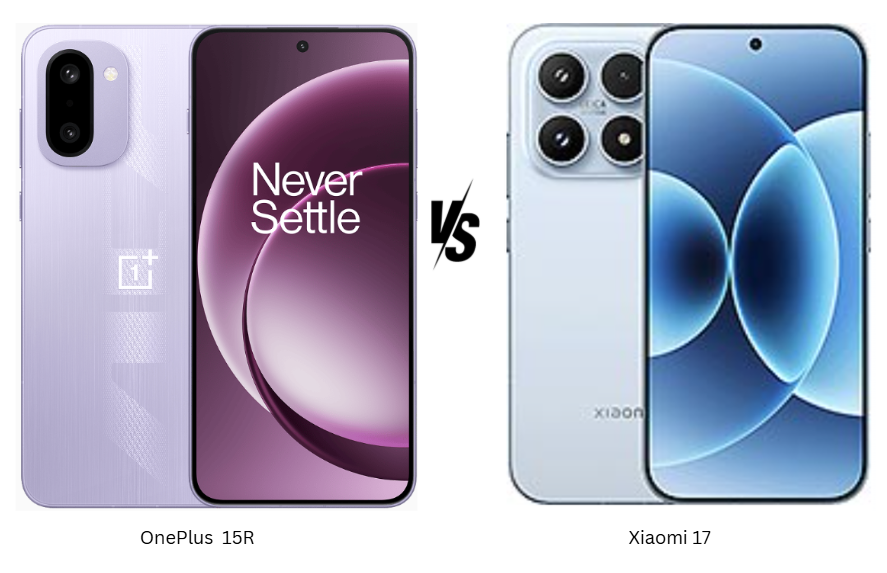
OnePlus 15R vs Xiaomi 17 comparison is a clash of two flagship philosophies aimed at the same buyer but with very different priorities. This is for users who want serious power and a premium feel without paying ultra-flagship prices. One phone is built around long-term performance and reliability, the other around features, flexibility, and value. Lining them up side by side matters because the “better” choice depends less on specs and more on how you actually use your phone every day.
OnePlus 15R focuses on a bold, performance-driven design that feels tough and purposeful. Its ceramic-like coating and solid construction give it a confident, no-frills flagship vibe aimed at heavy users. Xiaomi 17 takes a more refined route, emphasizing elegance and polish. The glass finish and cleaner design language make it feel more premium and lifestyle-focused. Xiaomi feels designed to impress visually, while OnePlus feels built to last under demanding use.
Display Quality
OnePlus prioritizes smoothness with an ultra-high refresh rate that makes scrolling and gaming feel exceptionally fluid. Xiaomi counters with LTPO tech, richer colors, and stronger HDR formats, making media consumption feel more cinematic. Xiaomi’s screen feels more immersive for movies, while OnePlus feels faster and more responsive during daily use.
Verdict
Xiaomi 17 feels more refined and visually premium, while OnePlus 15R feels tougher and more performance-focused.
2. Specifications
Performance
Both phones deliver flagship-level performance, but their tuning differs. OnePlus 15R emphasizes sustained output, making long gaming sessions and multitasking feel stable and predictable. Xiaomi 17 pushes higher peak performance, feeling faster in short bursts and heavy creative tasks. HyperOS adds features and polish, while OxygenOS feels lighter and more focused. Xiaomi feels quicker, OnePlus feels steadier.
Battery and Charging
OnePlus stands out with excellent endurance, easily lasting through heavy days. Xiaomi balances slightly lower capacity with extremely fast wired and wireless charging, reducing downtime significantly. Xiaomi feels more convenient, while OnePlus feels more dependable.
Verdict
Xiaomi wins on speed and charging flexibility; OnePlus excels in sustained performance and battery longevity.
3. Camera
Main and Secondary Lenses
Xiaomi 17 clearly targets camera-focused users with a versatile triple-camera setup and Leica tuning. It offers better zoom, richer colors, and stronger video features, especially for HDR content. OnePlus 15R delivers reliable and clean results but keeps things simpler, lacking the creative flexibility of a telephoto lens. Xiaomi encourages experimentation; OnePlus prioritizes consistency.
Selfie Camera
Xiaomi’s front camera feels sharper and more reliable for both photos and video. OnePlus remains solid but less impressive in comparison.
Verdict
Xiaomi 17 is the better choice for photography and video, while OnePlus 15R is dependable but less versatile.
4. Pricing
OnePlus 15R is positioned as a premium performance phone, asking users to pay more for endurance and stability. Xiaomi 17 undercuts it while offering stronger cameras, faster charging, and more flagship features overall. The added wireless charging and storage options make Xiaomi feel aggressively priced. OnePlus still appeals to users who value battery life and software simplicity, but Xiaomi delivers more for the money.
Verdict
Xiaomi 17 offers better value overall, while OnePlus 15R charges extra for reliability and performance consistency.
Disclaimer: Prices are approximate and may vary based on country, region, and applicable taxes.
5. Conclusion
OnePlus 15R stands out with its large battery, ultra-smooth display, and stable performance tuning aimed at power users. Xiaomi 17 feels more well-rounded, combining a premium display, versatile cameras, and faster charging into a single package. Xiaomi focuses on covering every flagship feature, while OnePlus focuses on doing fewer things extremely well.
Verdict
If you had to choose just one, the Xiaomi 17 is the smarter pick for most buyers. It delivers a more balanced flagship experience with stronger cameras, faster charging, richer display tech, and better overall value for money. While the OnePlus 15R impresses with sustained performance and battery endurance, the Xiaomi 17 simply gives you more of what users care about day-to-day, especially if your priorities include photography, media, and versatility.
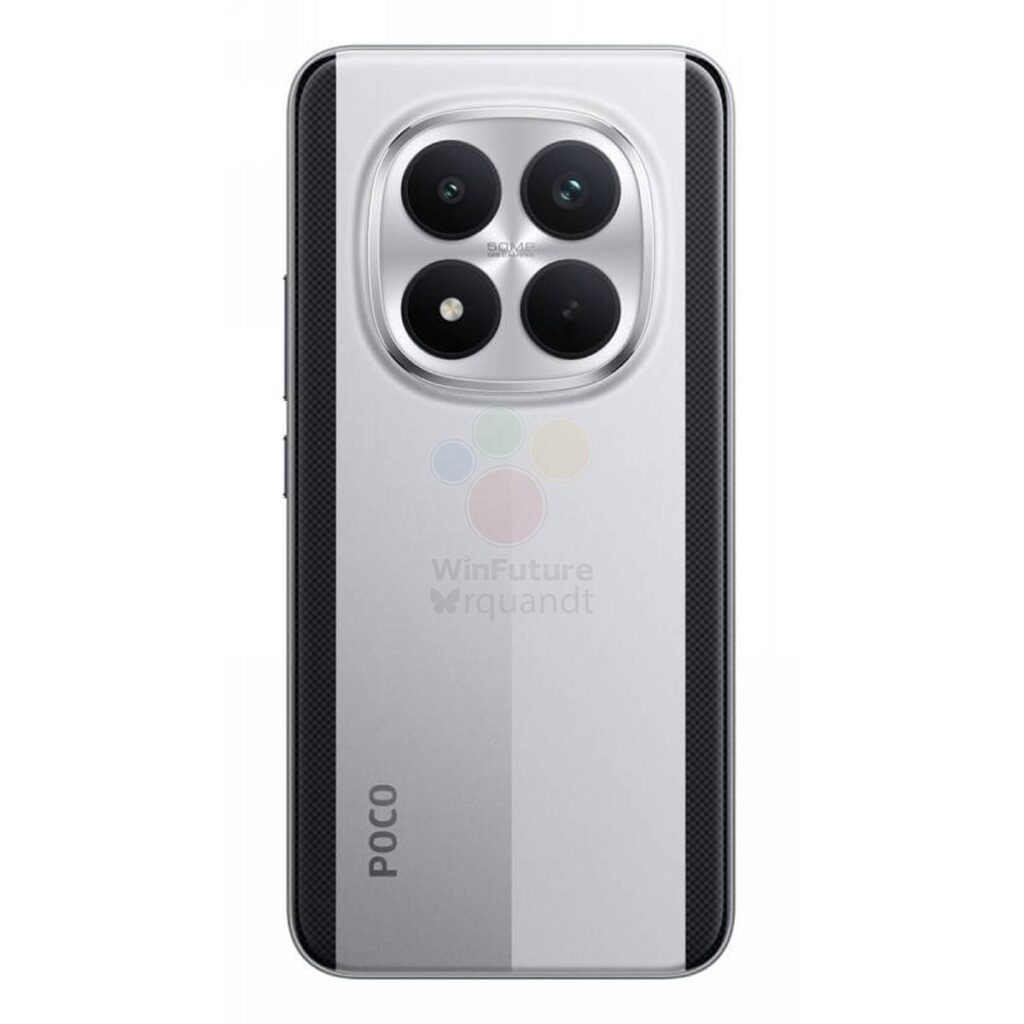
Xiaomi is gearing up to bring a new lineup of mid range POCO smartphones to the global market. Earlier teasers have revealed that the POCO M8 series will launch soon. But a fresh leak has revealed that the POCO M8 and POCO M8 Pro might not be arriving together. We also get more details regarding their specs as well, so here’s everything you need to know.
POCO M8 and POCO M8 Pro Rumored Launch Window
The latest information arrives from known tipster Yogesh Brar, who shared the details on X (formerly Twitter). Brar stated that the POCO M8 series will be debuted in the Indian market in the middle of next month, which is January 2026. While this is in line with our previous reports, he later clarified that the POCO M8 Pro will get a mid Q1 2026 launch. In other words, the POCO M8 Pro could be unveiled sometime in February rather than January.
Poco M8 Pro
POCO M8 and M8 Pro Leaked Specifications
In the tweet, the tipster also revealed a bunch of key details of the upcoming smartphones. The POCO M8 Pro is expected to sport a tall 6.88-inch OLED display with a 1.5K resolution and a 120Hz refresh rate. For photography, the device might offer a 50MP + 8MP dual camera setup on the rear and a 32MP selfie shooter on the front. Under the hood, it might be equipped with the Snapdragon 7s Gen 4 and house a massive 6,500mAh battery pack that supports 100W wired fast charging.
Meanwhile, the POCO M8 could feature a 6.7-inch OLED display with an FHD+ resolution and a 120Hz refresh rate. We only have details for the 50MP main camera on the rear and a 20MP selfie shooter on the front. It may arrive with a Snapdragon 6 Gen 3 chip and be powered by a 5,520mAh battery with 45W fast charging support.
For more daily updates, please visit our News Section.
Honor has just shared a series of teasers for its upcoming Honor Win and Win RT smartphone models. These devices are bringing class leading battery sizes, high end water and dust resistance rating, and much more. So here’s everything that was revealed.
Honor Win Teaser
To recall, the Chinese brand will officially unveil the Honor Win series in its home market on 26th December 2025. But ahead of the announcement, Honor has confirmed that the Win lineup will carry an IP68, IP69, and IP69K rating for protection against the elements. It will also pack a 3D ultrasonic in-display fingerprint scanner for security. While there were rumors of the devices carrying a huge battery pack, the latest teasers have confirmed a gigantic 10,000mAh Qinghai Lake battery.
Other notable features that were revealed in the teasers include a proprietary communication system that consists of a dual-chip architecture that pairs a dedicated Wi-Fi signal chip and the Honor C1+ RF enhancement chip. This should help boost the network indoors and in areas with weaker network connectivity. Based on what we know so far, the Honor Win is expected to sport a tall 6.83-inch OLED screen offering a 1.5K resolution, a 185Hz refresh rate, and uniform 1.4mm bezels.
The Honor Win model is equipped with the Snapdragon 8 Elite Gen 5 chip, paired with LPDDR5x Ultra RAM and UFS 4.1 storage. While the base Win is rumored to feature a 50MP triple camera setup, the Win RT is believed to have a dual camera system. This is all the information we have at the moment, so stick around for more.
For more daily updates, please visit our News Section.
Aside from its flagship S26 lineup, Samsung is also prepping to launch the Galaxy Book 6 Pro in the first quarter of 2026. Ahead of the release, the laptop has now cleared the Safety Korea certification, which gives us our first real look at the device.
Here’s your first look at Galaxy Book 6 Pro
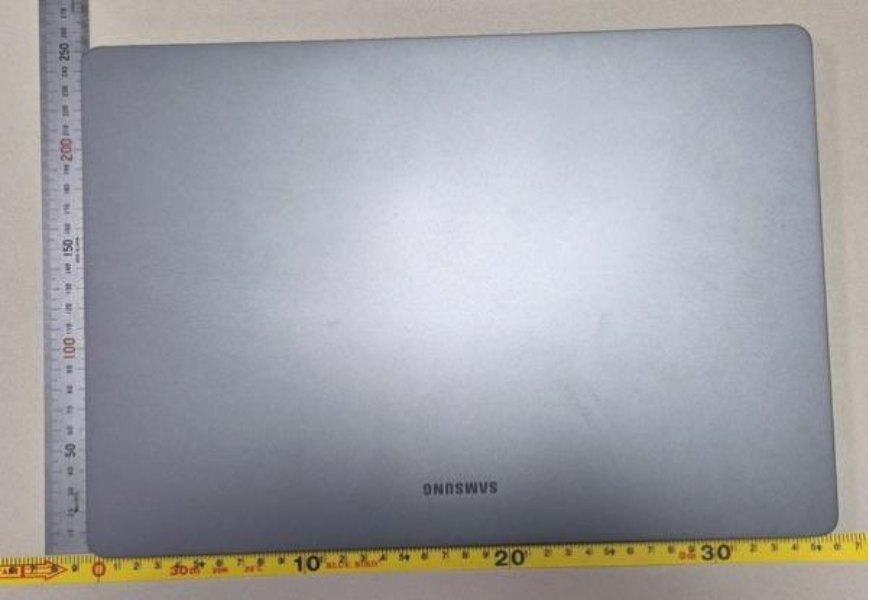
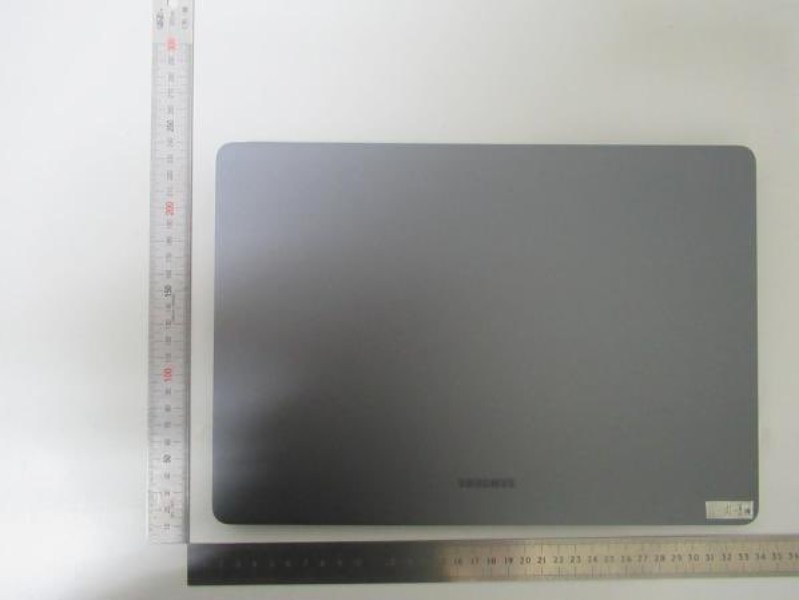
Design-wise, the Galaxy Book 6 Pro doesn’t stray far from its predecessor. It sports a grey finish and sleek look, exactly what we have come to expect from Samsung’s Galaxy Book series. The only noticeable tweak is the placement of the Samsung logo, now sitting closer to the top edge rather than slightly off-center as on the previous model.
The certification images reveal two variants: a larger model measuring 360mm by 250mm, likely the 16-inch version, and a smaller 330mm by 225mm model, which should be the 14-inch version. Their model numbers are listed as NT960XJG and NT940XJG, respectively.
16-inch Galaxy Book 6 Pro14-inch Galaxy Book 6 Pro
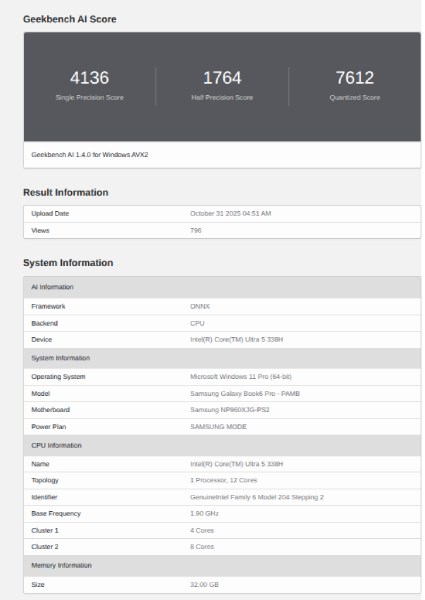
As for the performance, a Geekbench listing suggests the Galaxy Book 6 Pro will be powered by Intel’s upcoming Panther Lake Core Ultra 338H processor, paired with an Intel Arc GPU, 32GB of RAM, and 16GB of graphics memory.
Galaxy Book 6 Pro Geekbench
Moreover, a report from SamMobile claims that the 14-inch Galaxy Book 6 Pro will feature a 65.9 Wh battery. The 16-inch model will have a bigger 76.6 Wh cell. The report goes on to say that the Galaxy Book 6 Ultra will have a 78.64 Wh cell.
As for when Samsung will officially unveil it, CES 2026 seems like the most likely stage. The Galaxy Book 5 Pro debuted at CES 2025, and its predecessor landed at CES 2024, so an early 2026 reveal would be in line with Samsung’s usual cadence.
For more daily updates, please visit ourNews Section.
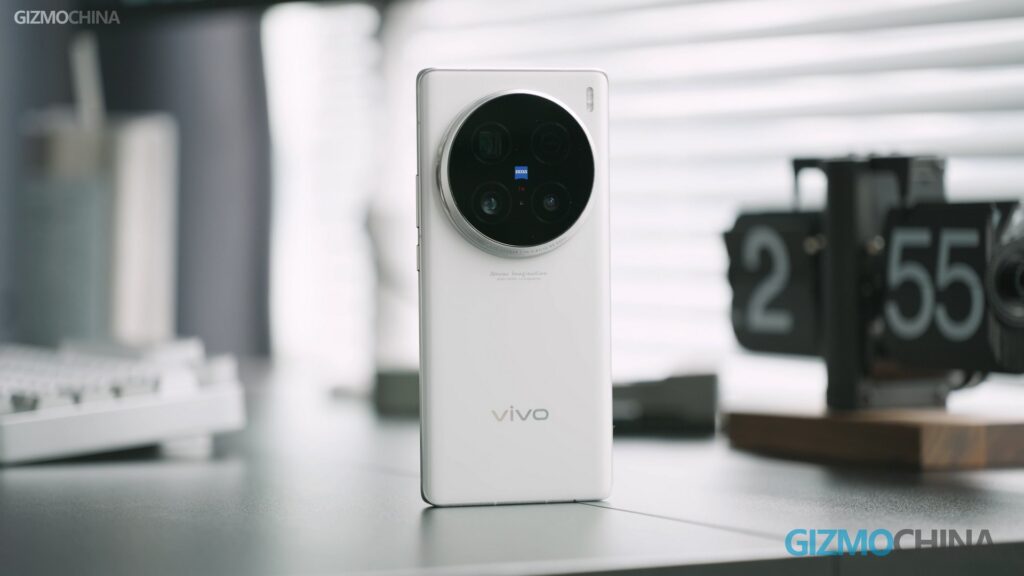
The Vivo X100 Ultra starts receiving the awaited OriginOS 6 update, nearly a month after its siblings, the Vivo X100 and X100 Pro, picked it up. The Android 16-based update introduces plenty of useful upgrades throughout the system, along with a set of new features that make OriginOS 6 feel like a true major upgrade.
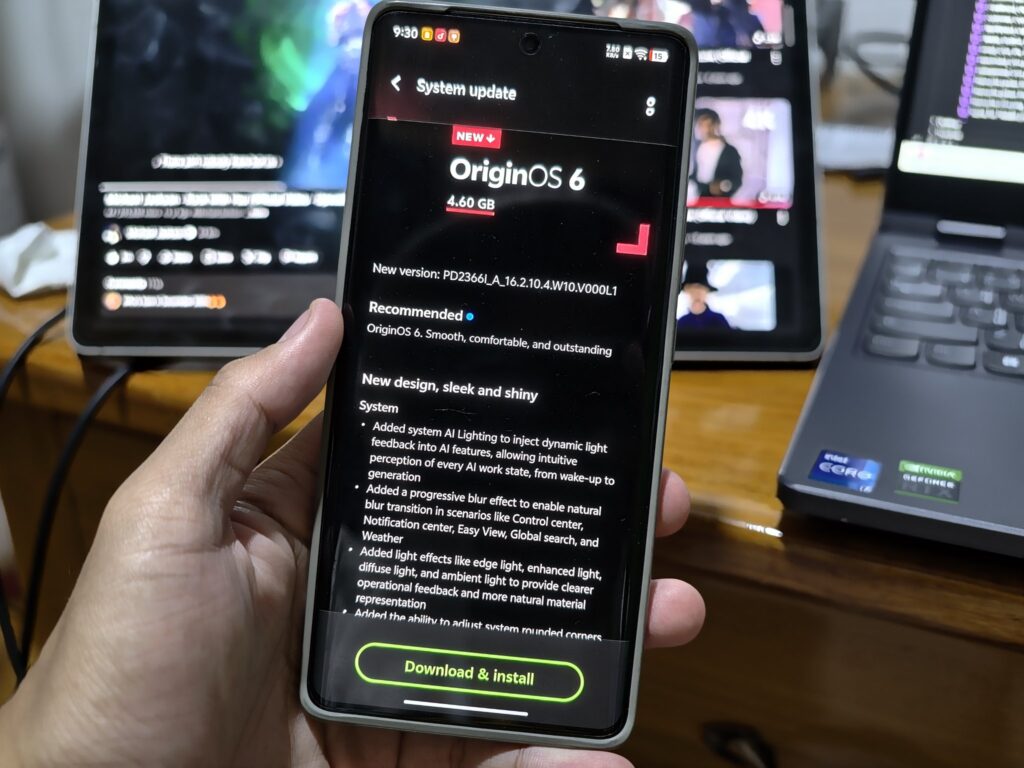
As spotted by Ytechb, the latest update for the Vivo X100 Ultra is now rolling out in select regions, including India. It’s tagged with the firmware version PD2366I_A_16.2.10.4.W10.V000L1.
If you’re rocking a Vivo X100 Ultra and haven’t upgraded to OriginOS 6 yet, go to the system update section inside the Settings app to fetch the latest update. Please note that updates are typically rolled out in batches, so they may take a few days to reach all users.
The OriginOS 6 update for the X100 Ultra has a download size of about 4.6GB. Ensure that your device has sufficient storage before downloading the upgrade, and that it has at least 40% battery to ensure a smoother installation. For additional safety, you can back up important data before the installation.
After upgrading to OriginOS 6, Vivo users, especially those switching from Funtouch OS, will experience numerous changes throughout the system. It introduces the Origin Island feature, which shows real-time updates, smart notifications, and timely suggestions. This feature also enables drag-and-drop sharing between apps.
The Control Center has been redesigned, along with the notification center, to make it feel modern and well-organized. The update also features improved lighting effects, better blur and transparency, and a new system font for improved readability.
The lock screen can now be more personalized with new clock styles, deeper layout controls, and new widgets. Furthermore, OriginOS 6 introduces several under-the-hood changes, resulting in faster app launches, more fluid animations, and better multitasking. It also brings meaningful quality-of-life upgrades, such as cross-device features for Windows and Mac, AI-powered captions and search, improved notes, file management, and optimized battery efficiency.
You can read the complete changelog on this page, detailing every single change and new feature.
Be sure to regularly visit the Vivo section on Gizmochina to get the latest updates. Or, if you prefer your news instant and on-the-go, hop into our Telegram channel for rapid-fire software updates and all the biggest tech headlines.
Redmi is taking its time to bring the Redmi Pad 2 Pro to India, but the wait is finally over. The company has confirmed that the tablet will officially launch in the country on January 6, alongside the Redmi Note 15 5G.
An Amazon landing page for the Redmi Pad 2 Pro is already live, and it confirms a massive 12,000mAh battery inside. We expect Redmi to share more details as the lead-up to launch, but since the Pad 2 Pro has been available in the UAE and European markets for a while now, we have a pretty clear picture of what to expect.
Here’s a quick rundown of its specifications.
Redmi Pad 2 Pro: specifications
The Redmi Pad 2 Pro features a 12.1-inch LCD with a 2.5K resolution and a 120Hz refresh rate. The touch sampling rate reaches 360Hz, and the device is bright up to 600 nits.
Redmi also has a Matte Glass variant with AG nano-texturing of the Pad 2 Pro, but it’s not clear if the company will bring this model to India.
Powering the tablet is Qualcomm’s Snapdragon 7s Gen 4 that features Cortex-A720 and Cortex-A520 CPU cores, paired with an Adreno 810 GPU.
Memory options include 6/8GB LPDDR4X RAM and 128/256GB UFS 2.2 storage. There’s also support for microSD expansion up to 2TB.
On the software side, the Redmi Pad 2 Pro runs Android 15 with Xiaomi’s HyperOS 2 on top. For cameras, the tablet keeps things simple. There’s an 8MP front camera and an 8MP rear camera on the Wi-Fi model, while the 5G variant upgrades the rear sensor to 13MP.
Both cameras support 1080p video recording at 30fps, which should be perfectly adequate for video calls, online classes, and occasional document scanning.
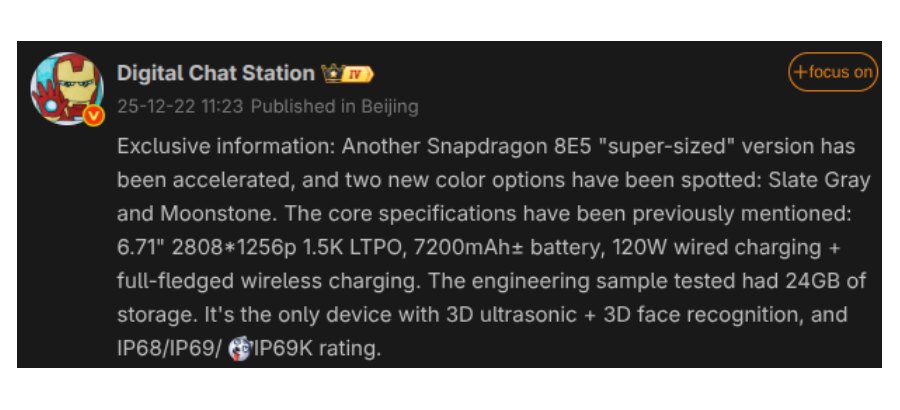
Just as chatter around the Honor Magic 8 RSR picked up earlier this week, a fresh leak has offered a clearer look at what Honor is preparing behind the scenes. The information comes from a well-known tipster, Digital Chat Station, who shared the details on Weibo.
Honor Magic 8 RSR Specifications
According to the leak, Honor will power the Magic 8 RSR with the Snapdragon 8 Elite Gen 5 processor. This will be paired with up to 24GB of RAM and likely 1TB of storage, much like the Magic 7 RSR.
Up front, the phone is expected to feature a 6.71-inch LTPO display with a resolution of 2808 × 1256 pixels. The screen will also be home to a 3D face scanner, though Honor will equip the phone with a 3D ultrasonic fingerprint sensor as well.
Moving on, the company is said to be using a 7200mAh cell to keep things running. Charging options include both 120W wired and wireless options.
The Magic 8 RSR is also tipped to carry IP68, IP69, and even IP69K ratings and will be available in two color options: Slate Gray and Moonstone.
If these specs sound familiar, that’s because they are. As expected, the Honor Magic 8 RSR will heavily borrow from the Magic 8 Pro, with the main differences coming down to design and color options.
Beyond the Magic 8 RSR, Honor is also preparing two surprise devices as part of the Magic 8 lineup: the Magic 8S and the Magic 8 Air. We shared everything we know so far about these devices in a report yesterday, if you want to check it out.
The same report suggests that the Magic 8 Air and Magic 8 RSR will launch in mid to late January.
For more daily updates, please visit ourNews Section.
Xiaomi is gearing up for a packed product launch day on December 25. Alongside the already confirmed Xiaomi 17 Ultra, the company has officially announced two new accessories, the Xiaomi Watch 5 and the Xiaomi Buds 6, both of which will debut alongside the flagship phone.
Xiaomi Watch 5
Xiaomi claims the Watch 5 is a “fully intelligent flagship” smartwatch. At its core, it runs on Qualcomm’s Snapdragon W5 wearable platform, which is built on a 4nm process and uses a quad-core Cortex-A53 CPU.
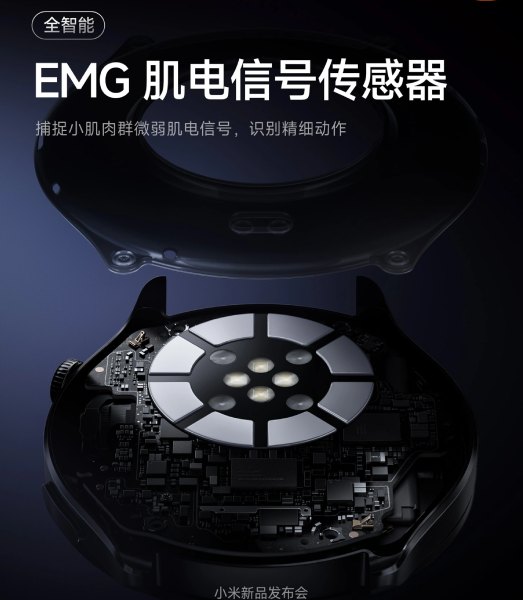
The watch is also the first from Xiaomi to feature an EMG (electromyography) signal sensor, in addition to an ECG (electrocardiogram) sensor.
The company hasn’t gone into detail yet on what the new EMG will bring to the table, but it usually detects the tiny electrical signal from the wrist muscle as you intend to make gestures. Simply, it translates your hand movements into digital commands to control the watch.
In terms of design, the Watch 5 has a round dial and a sapphire glass that rates 9 on the Mohs hardness scale. The casing is also said to be forged from one-piece stainless steel. The watch will be available in stainless steel and brown and green strap options.
Xiaomi Buds 6
Xiaomi also confirmed that it will launch its new flagship semi-in-ear earbuds, the Xiaomi Buds 6, on the same evening. The official poster confirms its three color options: Pink, White, and Black.
The Buds 6 feature a biomimetic curve design and promise “CD-level lossless original sound.” Beyond audio, Xiaomi is highlighting smart features like intelligent recording, translation, and AI-based summarization.
For context, last year’s Xiaomi Buds 5 launched at 699 yuan and offered features like semi-in-ear active noise cancellation, Qualcomm lossless audio, spatial audio, and up to 39 hours of total battery life with noise cancellation turned off. The Buds 6 will likely build on that foundation, though pricing and full specifications are still unknown.
For more daily updates, please visit our News Section.
Recent reports have claimed that the upcoming Vivo X300 Ultra will be the only phone with dual 200-megapixel cameras. However, a new leak that has surfaced suggests that Oppo has revised the Find X9 Ultra’s camera setup, and it is now tipped to feature dual 200-megapixel cameras.
Oppo Find X9 Ultra’s revised camera specs leaked
Oppo Find X9 Ultra’s new camera details emerge
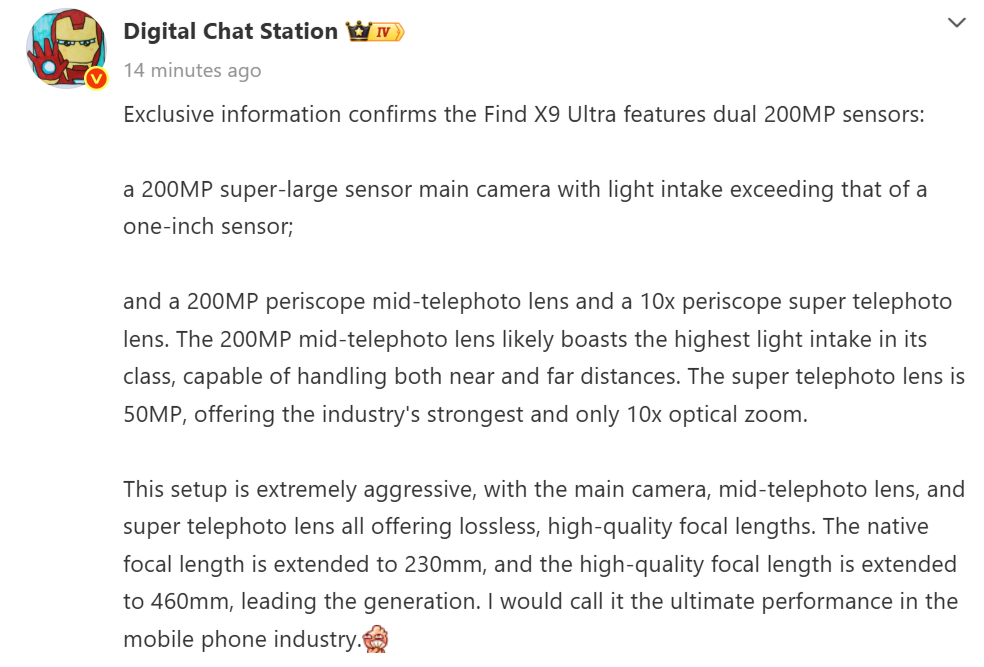
According to a new leak shared by Digital Chat Station, the Find X9 Ultra is reportedly equipped with a dual 200-megapixel camera system, marking a first for the segment. The primary camera is described as a 200-megapixel super-large sensor with light intake claimed to surpass that of current one-inch class sensors. This suggests Oppo may be prioritizing sensor area efficiency and optics to improve real-world imaging, especially in challenging lighting conditions.
The leak further claims that the phone will include two periscope cameras. One is a 200-megapixel mid-range periscope telephoto designed for high-quality lossless zoom at moderate focal lengths.
The second is a dedicated ultra-long-range periscope offering 10x optical zoom, reportedly built around a 50-megapixel sensor. If accurate, this would make it the only smartphone camera system with native 10x optical zoom at this level, targeting both distant subjects and close-range photography without heavy digital cropping.
Earlier reports had suggested a more conventional setup, including a 200-megapixel Sony IMX09E main camera with optical image stabilisation, a 50-megapixel ultra-wide camera, and dual 50-megapixel periscope telephoto lenses. The new information, however, indicates that Oppo may have revised its imaging hardware significantly, focusing on native focal lengths stretching up to 230mm, with high-quality extensions reaching 460mm. This approach could allow consistent image quality across wide, mid-telephoto, and extreme zoom ranges.
Beyond cameras, the Find X9 Ultra is expected to be powered by Qualcomm’s Snapdragon 8 Elite Gen 5 processor. Other rumored features include an ultrasonic in-display fingerprint sensor, ColorOS 16 based on Android 16, and a battery exceeding 7,000mAh with support for 80W wired charging and 50W wireless charging. It is expected to launch by Q1 2026 in China.
For more daily updates, please visit our News Section.
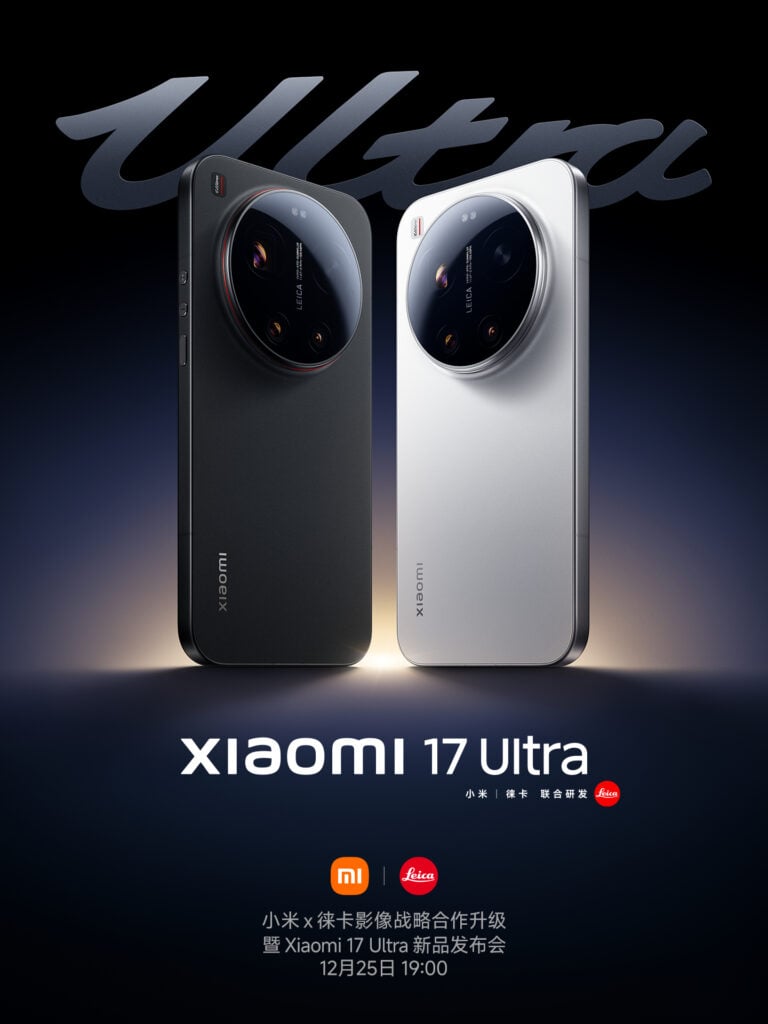
The Xiaomi 17 Ultra has been officially scheduled for launch on Dec. 25 in China, marking the debut product from a deeper partnership with Leica. The company has shared initial posters showing black and white colour options, along with hints of major advancements in camera technology. More details about its design and features are emerging ahead of the event.
Xiaomi 17 Ultra design revealed
Xiaomi 17 Ultra design revaeled
The Xiaomi 17 Ultra features a centred circular camera island with Leica branding in the middle. It retains the Ultra badge on the upper left of the rear panel. Volume buttons are now separate circular keys for a better feel.
The phone switches to a flat display with large, rounded corners, making the overall look cleaner. The camera bump is slightly smaller than before, and there is no secondary rear screen this time.
Xiaomi 17 Ultra key specs at a glance
Xiaomi calls this the next-generation night photography champion, with big improvements in low-light performance and telephoto capabilities. The Xiaomi 17 Ultra’s rear setup includes three lenses: a 1-inch primary sensor from Omnivision, model OV50X, using advanced LOFIC technology for better dynamic range in challenging scenes like fireworks or dark environments. The standout addition is a 200-megapixel periscope telephoto from Samsung, certified with Leica APO optics. This larger module allows continuous optical zoom across a wide range, excellent macro shots, and superior clarity at distance.
The phone runs on the latest Snapdragon 8 Elite Gen 5 processor, paired with a high-efficiency flat screen. It may pack a massive 6,800mAh battery with 100W wired and 80W wireless charging support. It includes dust and water resistance, ultra-wideband support, and satellite connectivity on higher variants. Due to rising component costs, it is expected to arrive with an increased starting price of 6,999 Yuan (~$999).
This early release aims to let users capture better photos during the holiday season.
For more daily updates, please visit our News Section.
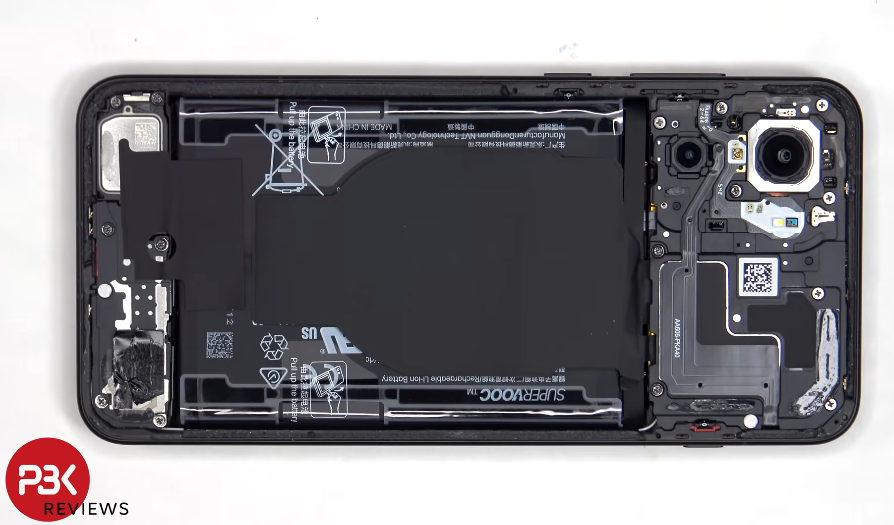
While some of the changes on the OnePlus 15R have raised questions, a new teardown video has revealed that some things are still solid. The company is sticking to a welcome aspect of its predecessor that reduces worry for anyone who dreads expensive and complicated phone repairs. So here are all the details.
OnePlus 15R teardown & repairability
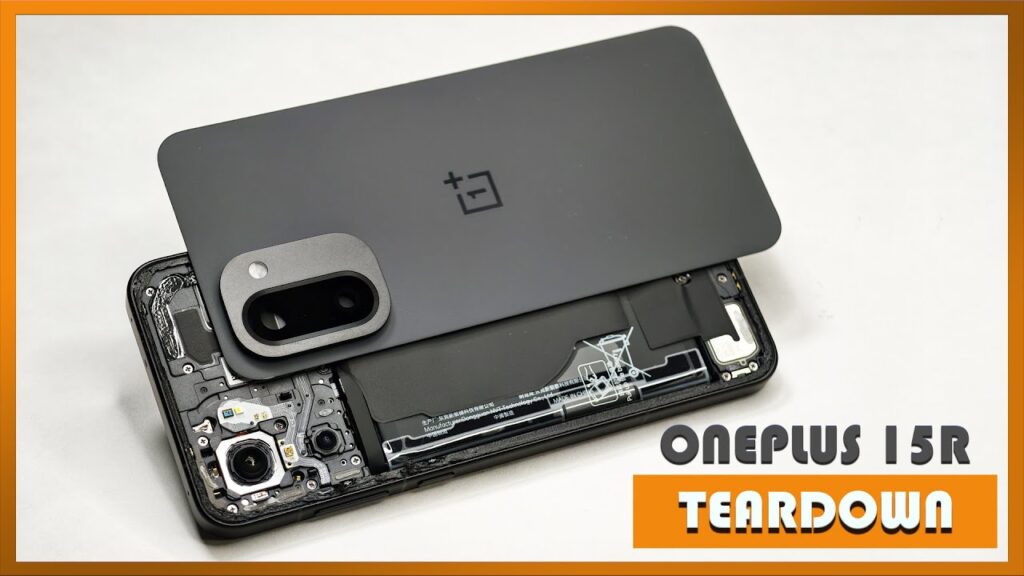
According to a detailed teardown by PBKreviews on YouTube, the brand’s new value flagship phone has managed to earn a strong 8.5 out of 10 repairability score. In the video, the tech channel praised the Chinese brand for its smart engineering choices, like common Philips screws and modular camera parts that simplify disassembly. There are also other aspects, such as an easy-to-remove battery with pull tabs and accessible core components, that helped achieve the high repairability scores.
Although battery cables are underneath graphite film and copper tape, the overall process remains simpler than on many other devices. But it’s not all perfect here. The glass backplate still sticks via adhesive. So you’ll need careful heating to avoid cracking during removal. Screen replacements can be the hardest task, as one needs to disassemble multiple internal layers before the display flex cable becomes accessible.
OnePlus 15R Teardown
Overall, the OnePlus 15R teardown paints a picture of a smartphone that strikes a smart balance between modern build quality and repair-friendly design. Apart from the repairability, the teardown also offers us a proper look at the OnePlus 15R, showcasing its dual camera sensors, motherboard, and other key hardware.
For more daily updates, please visit our News Section.
Buying or building a new PC next year could become more expensive. New forecasts from IDC suggest 2026 may see noticeable price increases across the PC industry, driven largely by a renewed shortage of memory components.
At the center of the issue is what analysts describe as a new “memory supercycle.” Demand for DRAM and related components is rising sharply, fueled by AI servers, AI-capable PCs, and a wave of upgrades linked to Windows 10 reaching end of support. Supply, however, is struggling to keep up.
As per industry signals cited by IDC, memory prices have already been climbing, and further increases appear likely. Graphics cards, smartphones, and even gaming handhelds are all expected to suffer from this ongoing memory shortage and price hike.
Several major PC makers, including Lenovo, Dell, HP, Acer, and ASUS, have also reportedly warned of tougher market conditions. Some suppliers are said to be preparing price increases of around 15–20% from the second half of 2026, alongside revised supply contracts.
IDC expects global PC shipments to fall by about 4.9% in 2026. The decline could be steeper if memory shortages worsen. Larger OEMs may be better positioned, as they can leverage their scale to offer competitive, pre-built systems. Custom PC builders, by contrast, are likely to feel the impact more directly, with higher prices for individual components.
The situation could also affect the rollout of so-called AI PCs. Many AI features, including Microsoft’s Copilot+ requirements, depend on higher memory configurations. With supplies tight, some manufacturers may scale back the memory size.
With memory production increasingly focused on higher-margin AI servers, consumers may end up paying the price. For buyers considering an upgrade, earlier may be cheaper.
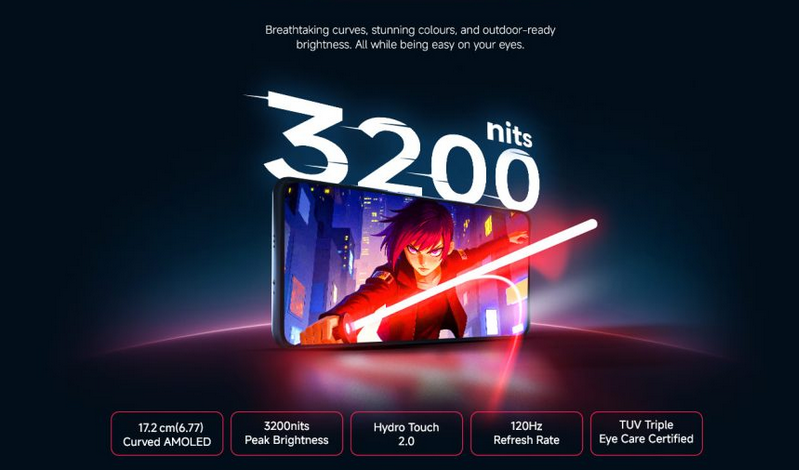
Xiaomi has already started teasing the arrival of the latest Redmi Note series smartphones, while leaks have revealed a bunch of its key details. Now, a fresh microsite listing has confirmed the display features of the base Redmi Note 15 5G, so here’s everything you need to know.
Redmi Note 15 5G Display Specs
The Chinese tech giant’s upcoming Note 15 model was spotted on a dedicated microsite that listed the device with a tall 6.77-inch display. This is a curved AMOLED panel that offers a 120Hz refresh rate and Hydro Touch 2.0, which is another term for wet touch responsiveness. The Redmi Note 15 5G will also offer flagship level brightness levels with a peak brightness of 3200 nits. While not officially confirmed, the display will likely have an FHD+ resolution.
Redmi Note 15 5G Full Display Specs
Xiaomi is also aiming for a comfortable viewing experience on this model, thanks to its TÜV Triple Eye Care certification. Based on what we know so far, the brand’s latest mid range smartphone will launch in India on 6th January 2026. It is set to be equipped with the Qualcomm Snapdragon 6 Gen 3 SoC along with a sizeable 5,520mAh battery pack, which is expected to support 45W wired fast charging.
In a recent leak, the Indian pricing details of the Redmi Note 15 5G were also revealed. A tipster states that the 8GB + 128GB model will launch for Rs 22,999 (roughly 257 US Dollars), while the 8GB + 256GB variant costs Rs 24,999 (roughly 279 US Dollars). This is all the information we have at the moment, so stick around for more.
For more daily updates, please visit our News Section.
Galaxy Z Fold 7 deals are still live, so even if you missed the massive November holiday sales, the December discounts are still in effect. Samsung is offering $720 off its flagship foldable, with no trade-in required. That brings the 256 GB model to $1,399.99 and the 512 GB version down to $1,399.99.
You can still get an instant $1,000 discount on the Galaxy Z Fold 7 with an eligible trade-in, with the highest values going to devices like the Galaxy S25 Ultra or the Galaxy Z Fold. Trading in a Galaxy S25 nets you up to $600 off, while most other phones fall below $400 in credit, making the flat $400 no-trade offers a smarter play in many cases. Either route lets you shave a hundred off the Galaxy Z Fold 7’s price, and with the full $1,000 trade-in bonus, the phone can drop to as little as $999 across all four available colors.
The dual trade-in structure caps your max savings at two devices, which naturally raises the question of whether sacrificing something like a Galaxy S25 Ultra is worth it. For many upgraders, parting with a top-tier phone feels justified because the Galaxy Z Fold 7 is widely regarded as Samsung’s best foldable yet, combining refined hardware, thinner and lighter ergonomics, and a fundamentally improved camera system. Its slim profile and optimised form factor help it feel almost like a standard smartphone when folded, while still delivering the expansive inner display that makes the Fold line so compelling.
A newly filed lawsuit in the United States is drawing attention to the legal and ethical boundaries of artificial intelligence. As per reports, interactions with ChatGPT contributed to a fatal incident involving a mentally ill user.
The complaint was filed in San Francisco Superior Court and brought by the heirs of an 83-year-old woman. She was killed by her son, Stein-Erik Soelberg, before he died by suicide. Soelberg was a 56-year-old former technology manager from Connecticut, who reportedly suffered from severe paranoid delusions in the months leading up to the incident.
According to court filings, the plaintiffs argue that ChatGPT failed to respond appropriately to signs of mental illness during conversations with Soelberg. They claim the chatbot reinforced false beliefs rather than challenging them or directing the user toward professional help.
One example cited in the lawsuit involves Soelberg expressing fears that his mother was poisoning him. The AI allegedly responded in a way the plaintiffs describe as validating, including language such as “you’re not crazy,” instead of encouraging medical or psychiatric intervention. The lawsuit characterizes this behavior as sycophantic and argues that the model has a tendency to affirm users. Needless to say, it can become dangerous when interacting with individuals experiencing delusions.
At the heart of the case is a broader legal question: whether AI systems like ChatGPT should be treated as neutral platforms or as active creators of content. The plaintiffs contend that Section 230 of the Communications Decency Act—which generally shields online platforms from liability for user-generated content—should not apply, since ChatGPT generates its own responses rather than merely hosting third-party material.
If the court accepts that argument, it could have significant implications for the AI industry. A ruling against OpenAI may force companies to implement stricter safeguards, particularly around detecting signs of mental health crises and escalating responses when users appear delusional or at risk.
As the case proceeds, it is likely to become a reference point in ongoing discussions about AI safety, accountability, and the limits of automated assistance in sensitive real-world situations.
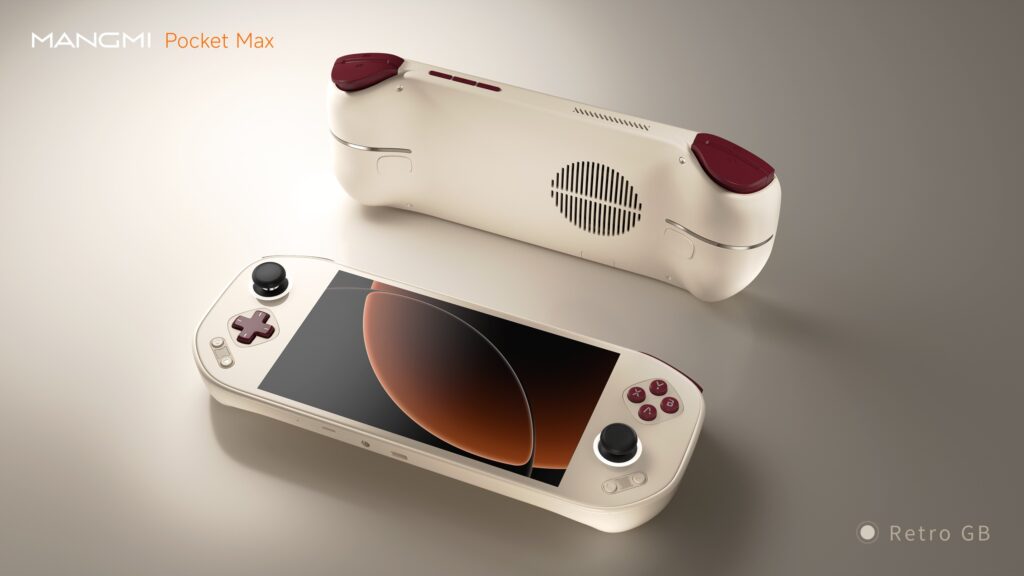
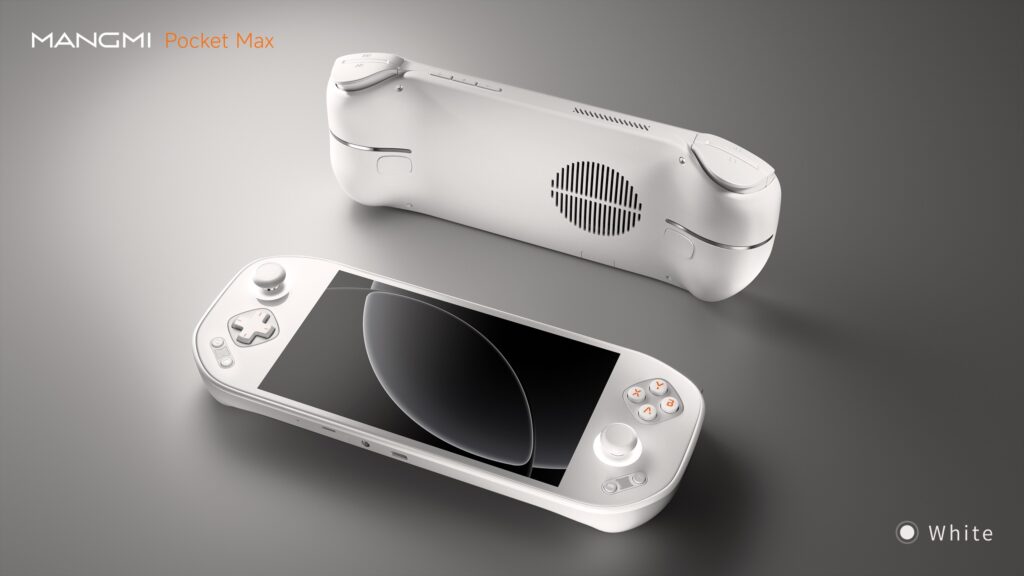
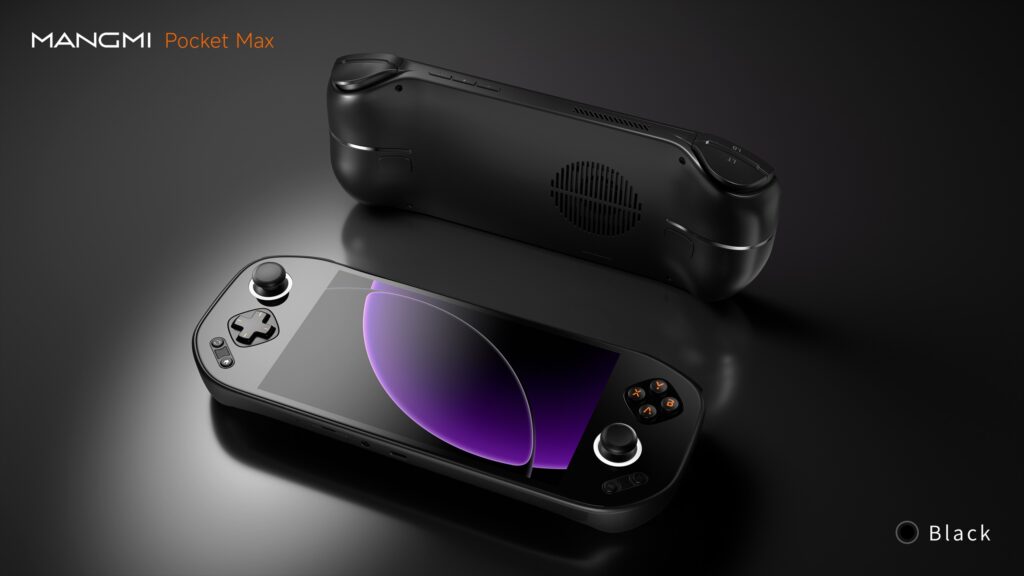
Mangmi has officially unveiled the Pocket Max handheld console, confirming several key features and showcasing the device in new color variants. The company shared updated renders on its X channel, revealing that the device will be available in Black, White, and Retro GB color options.
The Pocket Max features a 7-inch OLED display with a 144Hz refresh rate and a Full HD resolution. According to Mangmi, the screen supports HDR, a 100,000:1 contrast ratio, and 155% sRGB color gamut coverage. The front of the device uses a glass panel that extends beyond the display area.
The Retro GB variant features a beige body with dark red shoulder buttons, D-pad, and ABXY buttons, drawing inspiration from classic handheld consoles. The Black and White models come with more standard matching controls, while all three include active cooling systems with visible air intake and exhaust vents on the back and top.
The rear of the Pocket Max includes two extra shoulder buttons that are expected to support custom macro functions. Three additional buttons for volume, power, and sleep mode are placed on the top of the device.
Mangmi has not confirmed the full internal specifications of the Pocket Max. However, leaks and reports suggest that the device will be powered by a Qualcomm Snapdragon 865 chipset. The price point is expected to be around $200.
The company is currently conducting a community poll on its Discord server to gather feedback on preferred color variants. The final color lineup for launch may depend on the results of this ongoing vote. More hardware details are expected to be shared before the end of the year or early in 2026.
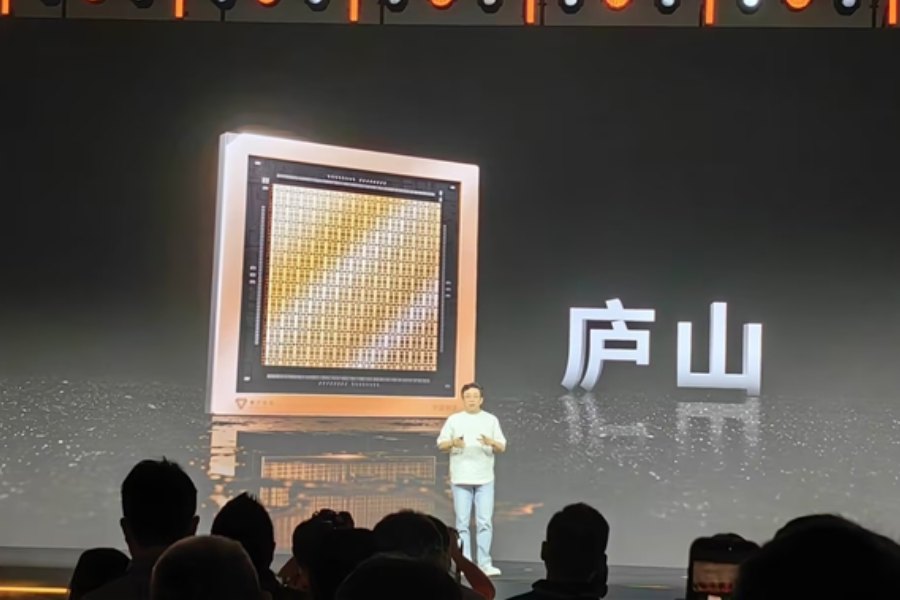
Chinese GPU maker Moore Threads made a major announcement this week at its MUSA 2025 Developer Conference. The company unveiled its new Huagang (or “Flowerpot”) architecture, which will power two new GPUs launching next year.
According to Moore Threads, the architecture features redesigned compute units that boost compute density by 50 percent and improve energy efficiency by about 10 percent. It also introduces a new instruction set, adds support for asynchronous programming, and improves thread scheduling efficiency, core ingredients for modern graphics and AI workloads.
Moore Threads Lushan and Huashan GPU
One of the GPUs built on this architecture is Lushan, which replaces Moore Threads’ aging MTT S80 and S90 graphics cards.
Moore Threads claims substantial performance gains across the board, including up to 15× better performance in AAA games, 50× stronger ray tracing, and 64× higher AI computing performance.
The company also promises significant improvements in geometry processing and texture fill rates, along with a roughly fourfold increase in memory capacity from 16GB to 64GB.
Beyond gaming, Moore Threads designed Lushan to handle professional workloads such as CAD and CAE software. The GPU also features a new “UniTE” unified rendering architecture with a dedicated AI hardware block.
The second GPU, Huashan, targets AI computing. The chip apparently uses a dual-chiplet design with 9 HBM modules, and Moore Threads directly compared it to NVIDIA’s Hopper and Blackwell GPUs.
The company claims Huashan’s floating-point performance (supports both FP4 and FP64) is close to NVIDIA’s Blackwell B200, with comparable total bandwidth and even stronger memory access capabilities. The GPU is scalable to over 100,000 units via MTLink 4.0 interconnect at 1314 GB/s.
Moore Threads says it plans to launch the first Lushan-based consumer graphics card in 2026, with Huashan products arriving around the same time.
For more daily updates, please visit our News Section.
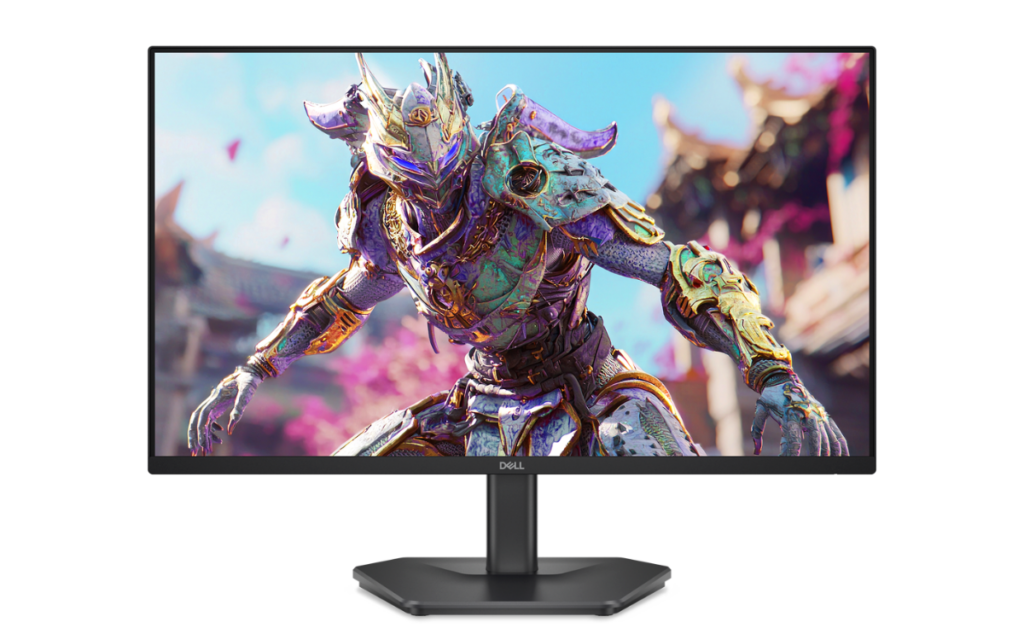
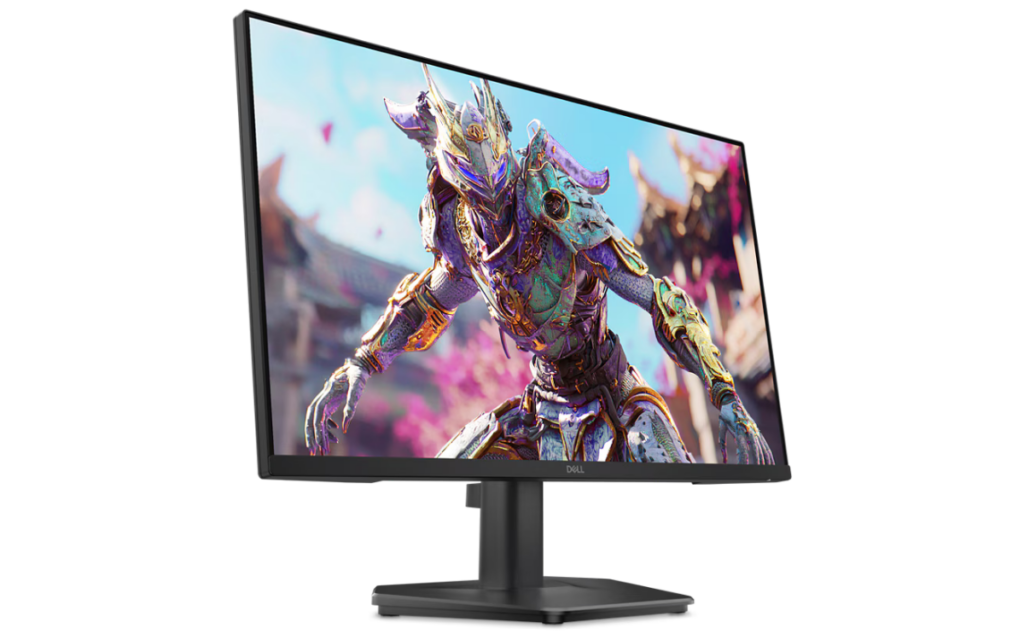
Dell has introduced two new entry-level gaming monitors in China under its SE HG series. The new models, SE2426HG and SE2726HG, target budget-conscious gamers and feature FHD 240Hz Fast IPS panels with AMD FreeSync Premium support.
Dell SE2426HG/SE2726HG Specifications
The SE2426HG features a 23.8-inch screen, while the SE2726HG comes with a larger 27-inch display. Both monitors use a 1920 × 1080 Fast IPS panel with a refresh rate of 240Hz and a gray-to-gray (GtG) response time as low as 0.5 milliseconds in Extreme mode. Dell lists brightness at 300 nits and a native contrast ratio of 1000:1. Color coverage reaches 99% of the sRGB gamut, and both models support HDR10.
Dell has included anti-glare treatment, low blue light mode, and flicker-free technology to improve comfort during long gaming or work sessions. The panels offer 178-degree viewing angles in both horizontal and vertical directions.
In terms of ports, both monitors come with two HDMI 2.1 TMDS ports and one DisplayPort 1.4, all of which support 1080p at 240Hz with HDR and variable refresh rate enabled. Dell includes a 1.8-meter HDMI cable in the box.
The monitors use a tilt-only stand and do not support height or swivel adjustments. However, they are compatible with 100 × 100 mm VESA mounts. The bezels measure 5.9 mm on the top and sides, while the bottom bezel is slightly thicker at 14.69 mm.
Pricing and Availability
Dell has priced the SE2426HG at 749 yuan ($106) and the SE2726HG at 949 yuan ($134) on its official Chinese website. Both models come with a 3-year limited hardware warranty.
In related monitor news, Asus has recently unveiled the ROG Strix XG27JCG, the world’s first 5K gaming monitor with a 180Hz refresh rate and dual-mode support, while Philips has launched the Evnia 27M2N5500XD gaming monitor with a refresh rate that goes up to 1000Hz.
For more daily updates, please visit our News Section.
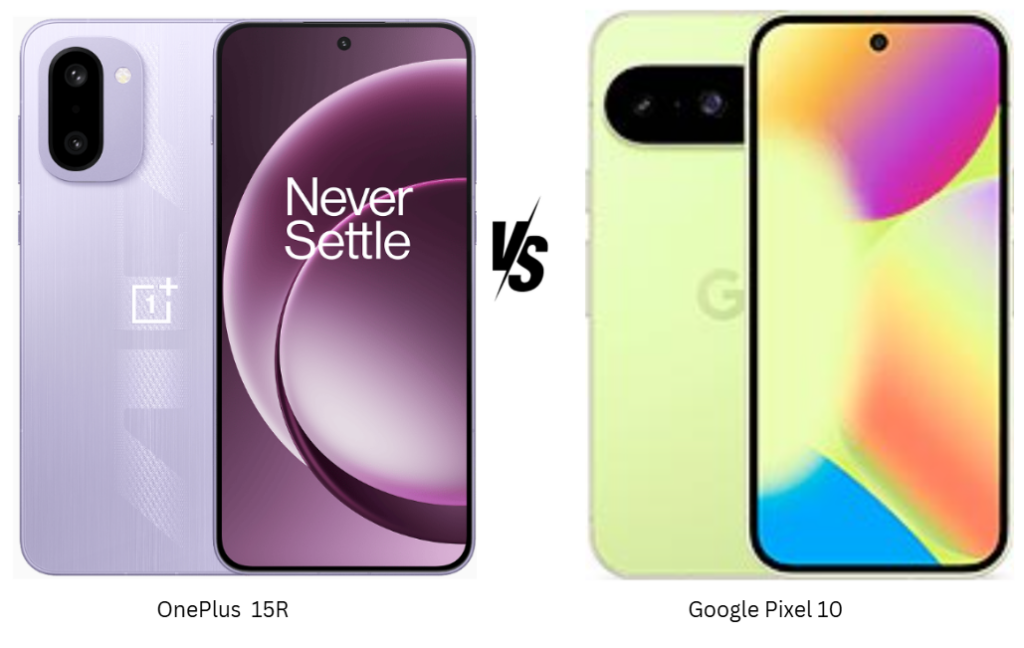
If you’re spending flagship-level money and plan to keep your phone for years, the choice between the OnePlus 15R and Google Pixel 10 becomes surprisingly personal. One speaks to buyers who want instant speed, bold visuals, and that “wow” feeling every time the screen lights up. The other targets users who care about smarter software, camera reliability, and a phone that quietly improves with time. This comparison matters because both promise a premium Android experience, but reward very different priorities.
The OnePlus 15R adopts a bold, performance-first design with premium materials and added durability features that make it feel purpose-built rather than decorative. The ceramic-like rear coating and stronger protection give it a confident, rugged character that suits heavy daily use. The Pixel 10 takes a different route, focusing on clean lines and a more refined glass finish. Its design feels calmer and more lifestyle-oriented, prioritizing comfort and visual balance over toughness. While the OnePlus feels engineered for power users, the Pixel feels crafted for everyday elegance. Both feel premium, but they clearly target different personalities.
Display Quality
OnePlus dominates on visual intensity with a faster refresh rate, higher peak brightness, and richer color depth. Scrolling, gaming, and HDR content feel more dramatic and fluid. The Pixel’s OLED panel is excellent for color accuracy and HDR consistency, but it feels more restrained. It favors balance and efficiency rather than visual extremes. The difference is noticeable: OnePlus feels exciting, Pixel feels reliable.
Verdict
OnePlus 15R wins for display impact and rugged confidence, while Pixel 10 suits users who prefer refined design and dependable visuals.
Please Note: When you buy something using the links in our articles, we may earn a small commission at no cost to you.
2. Specifications
Performance
The OnePlus 15R delivers clear flagship-level speed thanks to its Snapdragon chipset and faster storage across configurations. Heavy multitasking, gaming, and sustained performance feel effortless, with OxygenOS keeping things responsive. The Pixel 10’s Tensor G5 focuses more on AI-driven experiences than raw power. Daily performance is smooth, but it doesn’t feel as aggressive under pressure. The Pixel prioritizes intelligence and efficiency, while the OnePlus prioritizes speed and consistency.
Battery and Charging
Battery endurance is a strong advantage for the OnePlus 15R, paired with significantly faster wired charging that reduces downtime. It feels freeing not having to plan around charging. The Pixel 10 counters with wireless charging, reverse charging, and bypass charging, which add flexibility rather than speed. Pixel charging feels thoughtful; OnePlus charging feels liberating.
Verdict
OnePlus 15R is better for power users who value speed and endurance, while Pixel 10 suits users who prefer smart power management and charging versatility.
3. Camera
Main and Secondary Lenses
Google’s strength in computational photography remains evident. The Pixel 10 consistently delivers balanced photos, excellent HDR, reliable zoom, and strong video processing with minimal effort. Features like Best Take and advanced HDR make images feel intelligently refined. The OnePlus 15R produces sharp, vibrant photos with strong stabilization and high-frame-rate video, but its simpler secondary camera setup limits versatility. OnePlus relies more on hardware performance, while Pixel relies on software intelligence. As a result, Pixel photos often feel more polished straight out of the camera.
Selfie Camera
The OnePlus selfie camera offers higher detail and sharper results, which work well for social media and video calls. Pixel’s wider-angle selfie camera is better for group shots and vlogging, even if the detail is lower. OnePlus favors clarity; Pixel favors flexibility.
Verdict
Pixel 10 wins for overall camera intelligence and consistency, while OnePlus 15R is better for sharp selfies and high-frame-rate video.
4. Pricing
At around $700, the OnePlus 15R delivers strong value by offering flagship performance, a superior display, faster storage, and a much larger battery at a lower price. It clearly prioritizes hardware per dollar. The Pixel 10, priced closer to $800, justifies its premium through longer software support, exclusive AI features, satellite safety tools, and class-leading camera processing.
The extra cost pays for refinement rather than raw power. OnePlus feels generous and aggressive, while Pixel feels deliberate and future-focused. The better deal depends on whether specs or experience matter more.
5. Conclusion
The OnePlus 15R stands out with its ultra-smooth display, Snapdragon-powered performance, fast charging, and exceptional battery life. It delivers immediate, noticeable advantages for demanding users. The Pixel 10 shines through long-term software support, AI-driven features, satellite safety, and one of the most dependable camera systems available. These strengths quietly improve daily life rather than impressing at first glance. OnePlus excites instantly; Pixel rewards patience.
Verdict
Choose the OnePlus 15R for performance, display quality, battery life, and value. Choose the Pixel 10 for camera reliability, smarter software, and long-term updates. Both are excellent, but they serve very different priorities.
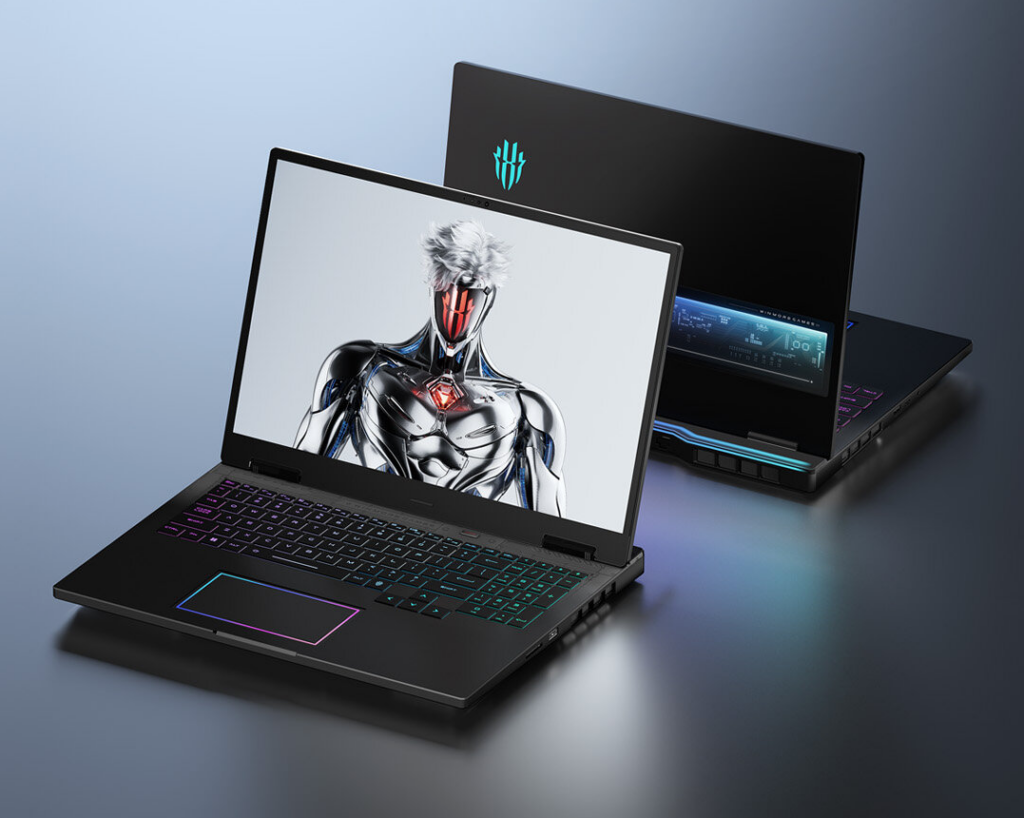
We first heard the news of Lenovo working on the first gaming laptop with a rollable display earlier this month, bringing an ultrawide gaming experience with a portable form factor. But now, the hardware of the Legion Pro Rollable has just been revealed, and it might pack some of the best hardware for a high end gaming experience.
Lenovo Legion Pro Rollable Specifications
The latest information arrives from a Windows Latest report. Lenovo is rumored to equip the Legion Pro Rollable gaming laptop with Intel’s top mobile chip, which is the Core Ultra 9 275HX CPU. This is expected to be coupled with Nvidia’s GeForce RTX 5090 GPU. If this configuration seems familiar, the report states that this new gaming laptop is based on the Legion Pro 7i.
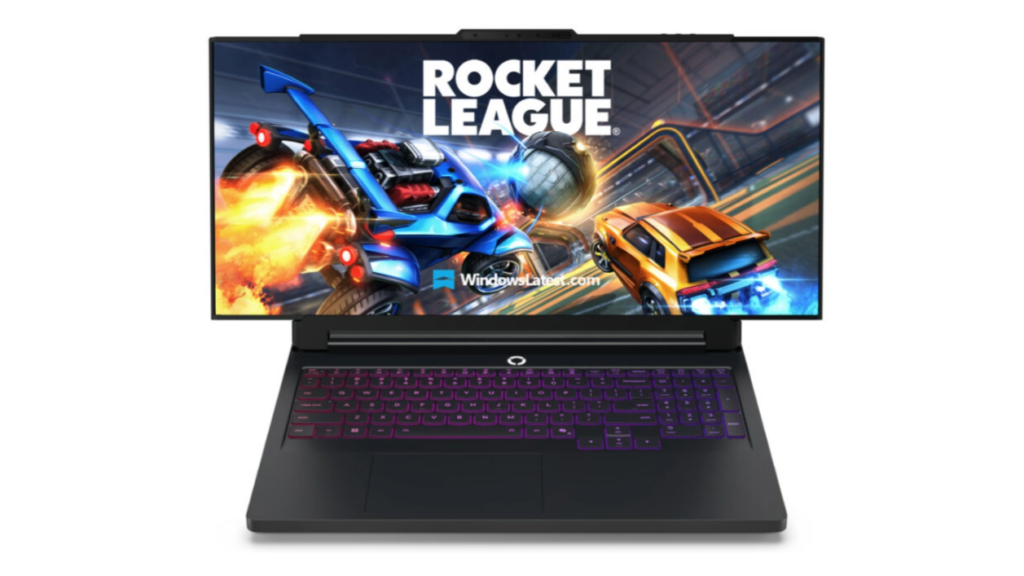
Lenovo Legion Pro Rollable gaming laptop
While these are definitely impressive specifications, the highlight of the Legion Pro Rollable is its rollable PureSight OLED screen. It has a base display size of 16 inches, but it can extend by rolling out to a max screen size of 21.5 inches. This also helps turn it from a traditional 16:9 aspect ratio to an ultra wide 21:9 aspect ratio. Not only does this allow for a more immersive gaming experience, but one would also see an improved visual experience with cinema shot at this aspect ratio.
The report adds that the rollable OLED display uses dual motors on the sides for the display extending function. Lenovo is reportedly making this a low noise process by using low friction materials. Furthermore, Windows Latest claims that the Legion Pro Rollable gaming laptop will also pack various AI tools like Lenovo’s AI Engine+, Smart FPS, AI Frame Gaming Display, AI Screen Detection, and more. Keep in mind that this is still just an unconfirmed report, and we can expect to hear more about this notebook during the upcoming CES 2026 event.
For more daily updates, please visit our News Section.
We use cookies on our website to give you the most relevant experience by remembering your preferences and repeat visits. By clicking “Accept”, you consent to the use of ALL the cookies.
This website uses cookies to improve your experience while you navigate through the website. Out of these, the cookies that are categorized as necessary are stored on your browser as they are essential for the working of basic functionalities of the website. We also use third-party cookies that help us analyze and understand how you use this website. These cookies will be stored in your browser only with your consent. You also have the option to opt-out of these cookies. But opting out of some of these cookies may affect your browsing experience.
Necessary cookies are absolutely essential for the website to function properly. This category only includes cookies that ensures basic functionalities and security features of the website. These cookies do not store any personal information.
Any cookies that may not be particularly necessary for the website to function and is used specifically to collect user personal data via analytics, ads, other embedded contents are termed as non-necessary cookies. It is mandatory to procure user consent prior to running these cookies on your website.