Advertisement

Samsung beats Qualcomm and MediaTek with world’s first 2nm smartphone chip

Samsung's 2nm Exynos 2600 chip

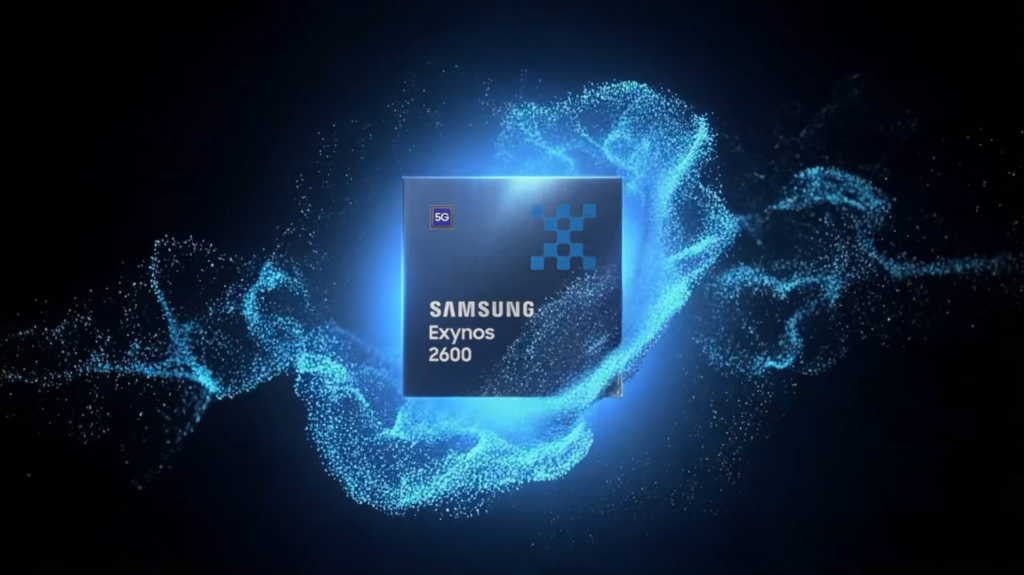
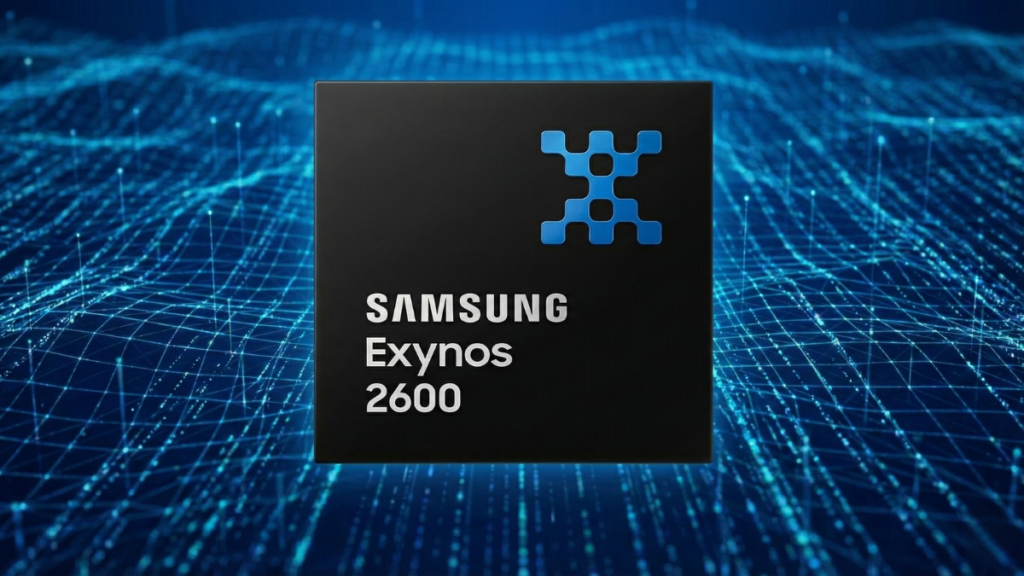
Qualcomm and MediaTek were earlier supposed to be among the first brands to push 2nm smartphone chips into the market, but Samsung has quietly taken the crown by announcing Exynos 2600 — the world’s first smartphone chip built using 2nm GAA (Gate-All-Around) manufacturing process.

The Exynos 2600 sits above the Exynos 2500, promising notable improvements in performance, thermal efficiency, and AI capabilities. Although not officially confirmed, this chip is likely to power some of the upcoming Galaxy S26 series phones in many regions.

The latest Exynos chip features a 10-core CPU based on Arm’s latest v9.3 architecture, which includes C1-Ultra and C1-Pro cores. Samsung didn’t include any low-power little cores, as the CPU only comprises big and high-performance cores.

The Exynos 2600’s CPU comprises one prime C1-Ultra core clocked at 3.8GHz, three high-performance C1-Pro cores at 3.25GHz, and six efficiency-tuned C1-Pro cores at 2.75GHz. This new structure is claimed to have improved the CPU performance by up to 39%.

Gamers should also notice some improvements, as the new Xclipse 960 GPU is claimed to offer twice the compute performance of its predecessor and up to 50% better ray tracing performance. The chip also introduces Exynos Neural Super Sampling (ENSS) technology, which further improves gaming performance by leveraging AI-based resolution upscaling and frame generation technologies.

The South Korean giant has taken a step forward towards fixing the heating issues associated with Exynos chips by introducing the new Heat Path Block (HPB) technology. It improves heat transfer using High-k EMC materials, which are said to be as effective as a heat sink, and lowers thermal resistance by up to 16%.

The Exynos 2600 chip features an AI engine with a 32K MAC NPU and brings support for ARM’s Scalable Matrix Extension 2 (SME 2), which can accelerate AI and ML-based applications and provide enhanced support for matrix operations. Samsung claims the upgraded NPU delivers a 113% increase in AI performance over its predecessor, Exynos 2500.

The chip supports up to 320MP single-camera or 64MP + 32MP dual-camera configurations. Additionally, it enables zero shutter lag for 108MP shots. The chip can do 8K/30fps and 4K/120fps HDR video recording, with support for Samsung’s APV codec for higher-quality videos. Samsung claims the improved ISP is also up to 50% more efficient.

Other specs include LPDDR5x RAM, UFS 4.1 storage, 4K displays at a refresh rate of up to 120Hz, and HDR10+ playback.

Eynos 2600
AnnouncedDecember 2025
Process nodeSamsung’s 2nm (GAA)
CPU cores10-core
CPU cores1 x 3.8 GHz — C1-Ultra
3 x 3.25 GHz — C1-Pro
6 x 2.75 GHz — C1-Pro
GPU & gamingSamsung Xclipse 960 GPU
Ray tracing support
Heat Path Block (HPB)
Exynos Neural Super Sampling (ENSS)
NPUAI engine with 32K MAC NPU
MemoryLPDDR5X
StorageUFS 4.1
Cameraup to 320MP single camera
64MP + 32MP dual cameras
up to 108MP camera with zero shutter lag
8K/30fps video recording
4K/120fps HDR video recording
Visual Perception System
Deep Learning Video Noise Reduction
Advanced Professional Video (APV) codec

Qualcomm and MediaTek will join in next year

From the specs sheet and brand claims, the Exynos 2600 appears to offer solid gains across CPU, GPU performance, and API capabilities. Particularly, the latest measures to fix heating issues could build more confidence in potential buyers. However, Qualcomm and MediaTek aren’t sleeping either.

The two chip giants are working towards announcing their 2nm smartphone chips. According to reports, those could be called: Snapdragon 8 Elite Gen 6 and Dimensity 9600. Both will reportedly use TSMC’s 2nm (N2P) manufacturing process.

MediaTek and Qualcomm usually release their latest flagship chips around September. That’s when you can expect them to unveil their 2nm flagship chips. That’s still months away, but in the meantime, we’re likely to hear more about these chips through various leaks.

Be sure to join our Telegram channel so that you don’t miss out on the latest tech leaks and breakthroughs. You can also sign up for our daily newsletter of top stories.
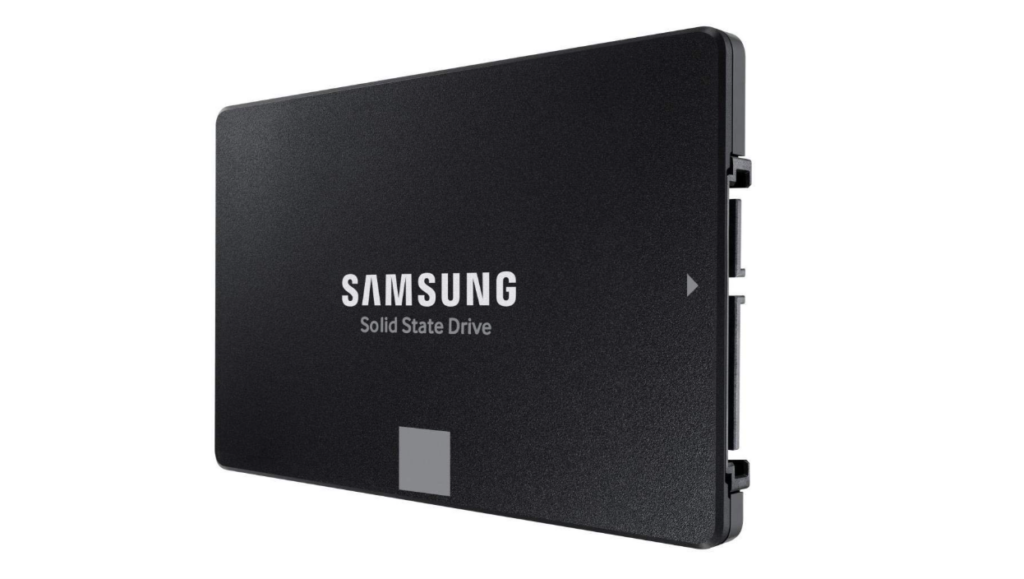
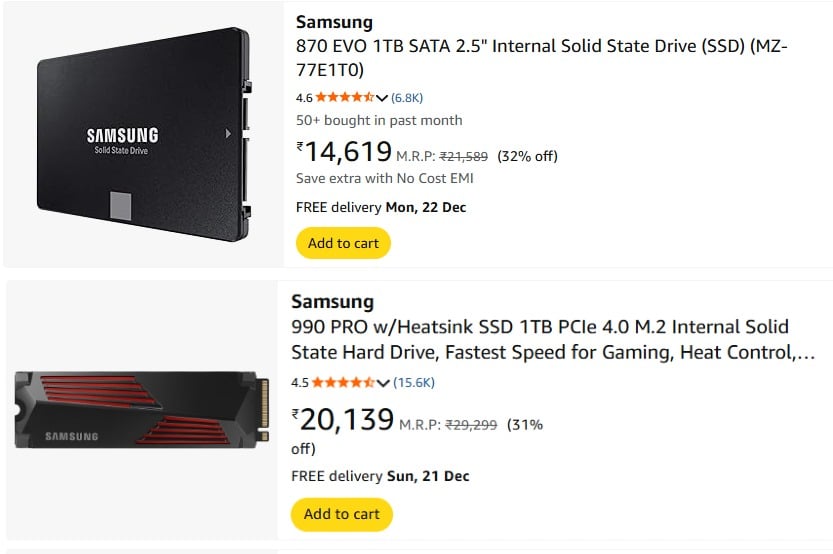
Samsung responds to rumors of SATA SSD discontinuation

Recent rumors suggesting Samsung was preparing to discontinue its SATA SSD lineup have stirred anxiety across the storage market, but the company has now stepped in to shut those claims down.

The speculation originated from a report by YouTube channel “Moore’s Law Is Dead”, which claimed Samsung was planning to phase out its SATA-based consumer SSDs. The timing of the report only amplified concerns, arriving shortly after Micron confirmed it was exiting the consumer SSD space altogether. With SATA drives still playing a key role in PC upgrades and budget systems, fears of shortages and price spikes quickly followed.

For those less familiar with the topic, SATA SSDs use the same interface as older hard drives and are typically limited to speeds of around 500–550 MB/s. They remain widely compatible with older desktops and laptops, making them one of the most affordable and popular upgrade options. NVMe SSDs, by comparison, are significantly faster but usually come at a higher cost and require newer hardware support. If Samsung were to discontinue SATA SSDs, the impact would be felt most by people upgrading or building a budget PC. SATA SSDs are also a very good option for use cases that require bulk storage rather than speed.

Fortunately, Samsung has made its position clear. Responding directly to the circulating reports, a company spokesperson stated that “the rumor regarding the phasing out of Samsung SATA or other SSDs is false.” In other words, Samsung has no plans to pull the plug on its SATA SSD business at this moment.

That said, broader pressures in the memory and storage market haven’t disappeared. Ongoing supply constraints, largely driven by surging demand for AI-focused hardware, are expected to push prices higher across various memory products, including SSDs, over the coming months.

For now, though, Samsung’s statement removes one major uncertainty. While the storage market may still be heading into a turbulent period, SATA SSD users can at least be confident that Samsung isn’t abandoning the segment just yet.

Please Note: When you buy something using the links in our articles, we may earn a small commission at no cost to you.

Don’t miss a thing! Join our Telegram community for instant updates and grab our free daily newsletter for the best tech stories!

For more daily updates, please visit our News Section.

(Source)

Japanese maker Dynabook launches its first Snapdragon laptop with 28 hours of battery life

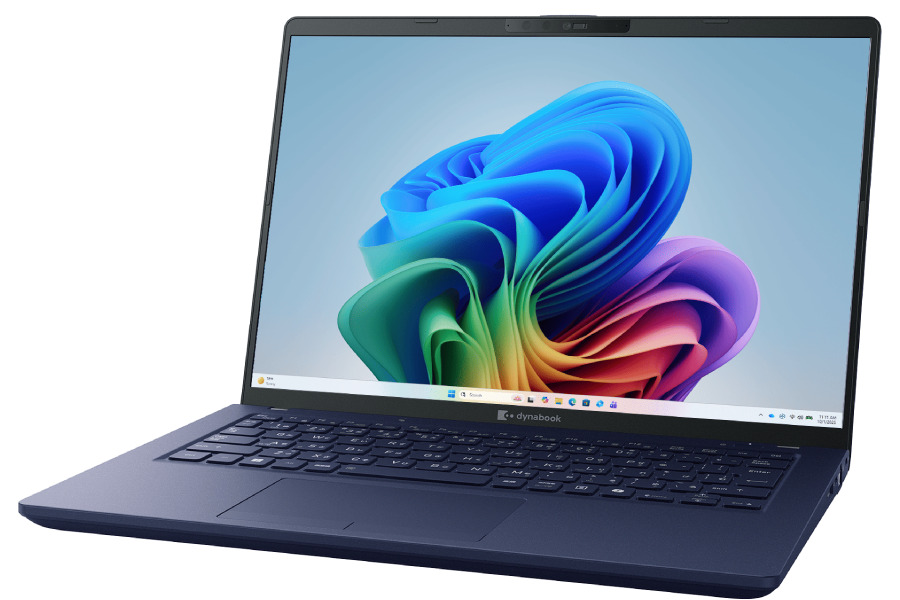
Japanese PC brand Dynabook has quietly stepped into the Snapdragon-powered PC era. The company has launched the Dynabook XD5 in Japan, and it’s the first Dynabook laptop powered by a Qualcomm Snapdragon processor.

Dynabook XD5 Specifications

At the heart of the XD5 is the Snapdragon X Plus X1P-42-100, an 8-core chip with a boost clock of up to 3.4GHz. It’s paired with 16GB of RAM and 512GB of SSD storage. Qualcomm says the chip’s NPU can deliver up to 45 TOPS, making the XD5 ready for on-device AI features.

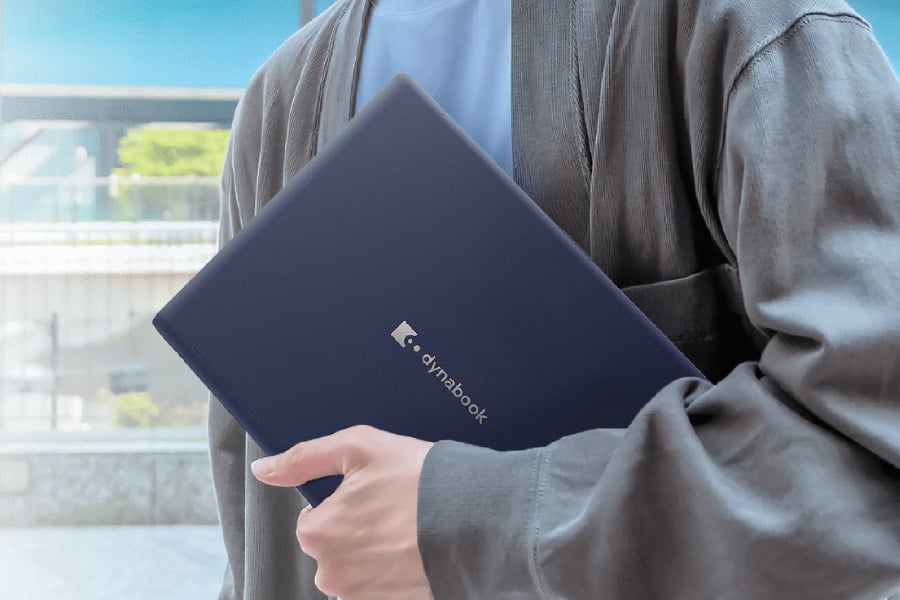
But specs only tell part of the story. The XD5 is also impressively light. It weighs just 974 grams and flaunts a 14-inch display. The screen itself is a 1920 × 1200 TFT LCD panel. 

Since this is a Snapdragon-powered laptop, the Dynabook XD5 is rated to deliver up to 28 hours when idle and around 16 hours of video playback. The laptop uses a user-replaceable lithium polymer battery, which is becoming increasingly rare in modern thin-and-light designs.

For connectivity, the XD5 includes two full-function USB4 ports, two USB-A ports (5Gbps), HDMI 2.1 (TMDS), a 1GbE Ethernet port, a microSD card reader, and a 3.5mm combo audio jack. Wireless options are equally modern, with Wi-Fi 7 and Bluetooth 5.4 on board.

On the software side, Dynabook is adding its own touches. The XD5 comes with Dolby Atmos support and a smartphone integration feature called “Dynabook Smartphone Connection,” which lets you sync your phone and PC a bit smoothly. There’s also a physical webcam shutter.

Dimension-wise, the laptop measures roughly 312.4 × 222.5 × 18.7–18.9mm.

Price and Availability

The Dynabook XD5 retails for 219,780 yen (~ USD 1400) in Japan for the sole 16/512GB model. And it’s available for purchase starting today.

For more daily updates, please visit our News Section.

Stay ahead in tech! Join our Telegram community and sign up for our daily newsletter of top stories.

(Source)

Xiaomi 17 Ultra’s massive battery size revealed, much bigger than Xiaomi 15 Ultra

Xiaomi is all set to announce the Xiaomi 17 Ultra next week in China, but so far, the brand hasn’t shared any significant details about its specifications or design. A new leak that surfaced today has revealed that the Xiaomi 17 Ultra will house a massive battery, much bigger than that of the Xiaomi 15 Ultra.

Xiaomi 17 Ultra battery size, charging speed (rumored)

Xiaomi 17 Ultra battery size leak

According to a Weibo post by tipster Bald Panda, the Xiaomi 17 Ultra will house a 6,800mAh battery. It will offer 100W wired charging and wireless charging support. The same leak also reveals that it will be available in shades, such as black, white, green, and purple.

In comparison, the Xiaomi 15 Ultra, which debuted at the beginning of this year, features a 6,000mAh battery. However, the 17 Ultra’s battery is still smaller than that of the 17 Pro, which houses a 7,500mAh unit.

Coming back to the 17 Ultra leak, its dimensions are 77.6 x 8mm, and it weighs 227 grams. In comparison, the 15 Ultra measures 75.3 x 9.4mm and weighs either 226 or 229 grams.

According to other reports, the Xiaomi 17 Ultra will arrive with a flat 6.8-inch 2K LTPO display, moving away from previous curved panels. Under the hood, it is tipped to run the Snapdragon 8 Elite Gen 5 chipset, paired with up to 16GB of LPDDR5x RAM and up to 1TB of UFS 4.1 storage.

The standout feature is a redesigned triple-camera system co-created with Leica. It features the industry’s first Leica APO-certified 200-megapixel periscope telephoto lens, designed to virtually eliminate chromatic aberration. This is joined by a 1-inch OmniVision OV50X 50-megapixel main sensor and a 50-megapixel ultra-wide lens, ensuring professional-grade optics for every shot. For selfies, it will feature a 50-megapixel front camera.

For more daily updates, please visit our News Section.

Stay ahead in tech! Join our Telegram community and sign up for our daily newsletter of top stories.

Realme 16 Pro Series Launch Set for January 6 With 200MP Portrait Camera Focus

Realme has confirmed that the Realme 16 Pro Series will launch in India on January 6, 2026. The upcoming Number Series refresh focuses on two areas: a new design language and advanced portrait photography.

realme 16 Pro

For this generation, Realme has once again partnered with industrial designer Naoto Fukasawa. The design is called “Urban Wild Design” and combines natural textures with a clean, modern look. A major highlight is the use of an industry-first bio-based organic silicone material. Realme says this material improves durability while offering a softer and more comfortable feel. The phones also feature handcrafted “all-nature” curves, which are designed to improve grip and overall in-hand comfort.

Realme 16 Pro+ image
Realme 16 Pro+

The Realme 16 Pro Series will be available in four Master Design colour options: Master Gold, Master Grey, Camellia Pink, and Orchid Purple.

Cameras are a key focus for the series. The devices will feature a 200MP Portrait Master system built around a 200MP LumaColor Camera. According to Realme, the setup is designed for high-definition solo and group portraits, consistent bokeh across multiple focal lengths, and more accurate skin tone reproduction. The series will also debut LumaColor IMAGE, Realme’s self-developed portrait imaging technology. This software is said to balance light and color intelligently to produce more layered images in different lighting conditions. To support its claims, Realme has set up the LumaColor IMAGE LAB in collaboration with TÜV R. Teaser images showing 3.5x and 10x zoom hint at the return of a periscope telephoto camera.

Recent certification listings have revealed details about the higher-end Realme 16 Pro+. A device believed to be the Chinese variant has appeared on TENAA with model number RMX5130. It measures 162.45 x 76.27 x 8.49mm and weighs 203 grams. The phone is listed with a 6.8-inch AMOLED display with a 2800 x 1280 resolution and over one billion colours. It features a quad rear camera setup including a 200MP primary sensor, an 8MP ultra-wide camera, and a 50MP sensor, with support for up to 3.5x optical zoom. A 50MP front camera is also listed.

The Realme 16 Pro+ is expected to run Android 16 with Realme UI 7, be powered by a tweaked Snapdragon 7 Gen 4 chip, offer up to 24GB RAM and 1TB storage, and pack a 6,850mAh rated battery with possible 80W fast charging. The Realme 16 Pro also recently made an appearance on Geekbench featuring the MediaTek Dimensity 7300 processor, which is notably a downgrade compared to the Snapdragon 7 Gen 4 present on the Realme 15 Pro.

For more daily updates, please visit our News Section.

Stay ahead in tech! Join our Telegram community and sign up for our daily newsletter of top stories.
(Source)

OnePlus 15R vs OnePlus 13R: Is it Worth the Upgrade or Not?

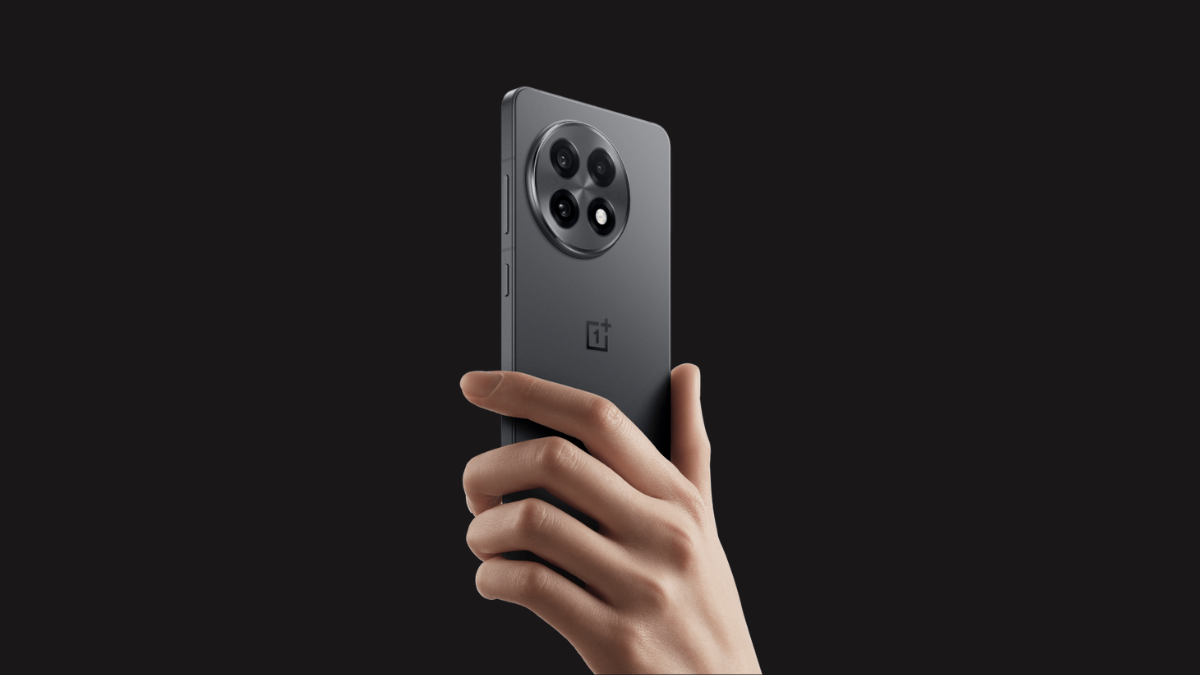
The budget flagship segment is heating up again with the launch of the OnePlus 15R, which is positioned as a lite flagship that builds on the successor to the OnePlus 13R. While both phones belong to the powerful yet affordable OnePlus R series, the newer 15R promises a fresh design, bigger battery, faster performance, and more. But when pitting it against the 13R, which still delivers strong performance and a versatile camera system, the choice isn’t as clear-cut as it might seem at first glance. So here’s how these two stack up.

1. Performance

OnePlus 15R
OnePlus 15R

The biggest difference between these two phones lies under the hood. The OnePlus 15R is powered by Qualcomm’s Snapdragon 8 Gen 5, a 3nm chipset that offers noticeable gains in both CPU and GPU performance compared to its predecessor, helping it handle heavy multitasking and gaming more smoothly. In comparison, the OnePlus 13R is based on the older Snapdragon 8 Gen 3 platform.

While this is still a capable and reliable processor for gaming and other intensive workloads, the 15R definitely pulls ahead thanks to its newer silicon, improved cooling solution. You won’t notice any difference in general use like social apps, web browsing, and media playback, but if performance longevity and future-proofing are priorities, the 15R’s edge is clear.

Please Note: When you buy something using the links in our articles, we may earn a small commission at no cost to you.

2. Visual Experience

Both phones feature a tall AMOLED display with a 1.5K resolution. However, there are some notable pros and cons to the panels on both phones. The OnePlus 15R upgrades the refresh rate to 165Hz, but this is only accessible in certain games and not unlocked by default (which is still 120Hz).

On the other hand, the 13R has a 120Hz LTPO panel that brings improved power efficiency since the refresh rate can go as low as 1Hz. While neither display radically changes how you consume videos or browse content, the higher refresh rate on the 15R gives it a slight advantage for competitive gaming.

3. Different Approaches to Photography

OnePlus 13R vs OnePlus 12R

OnePlus brought a major shift in focus with its entire OnePlus 15 series, which is evident when you compare to last year’s OnePlus 13 lineup. The OnePlus 13R has a more versatile camera setup that consists of a triple camera module on the rear. You get a 50MP main camera along with an 8MP ultra wide angle lens and a 50MP telephoto shooter with 2x optical zoom.

In contrast, the 15R simplifies the experience with a dual camera system on the rear. The 50MP + 8MP camera setup returns, but the telephoto shooter is dropped entirely. So you miss out on the versatility this year. But it does have an edge in selfie shots thanks to a 32MP front camera that also supports autofocus.

4. Battery & Charging

OnePlus 15R battery

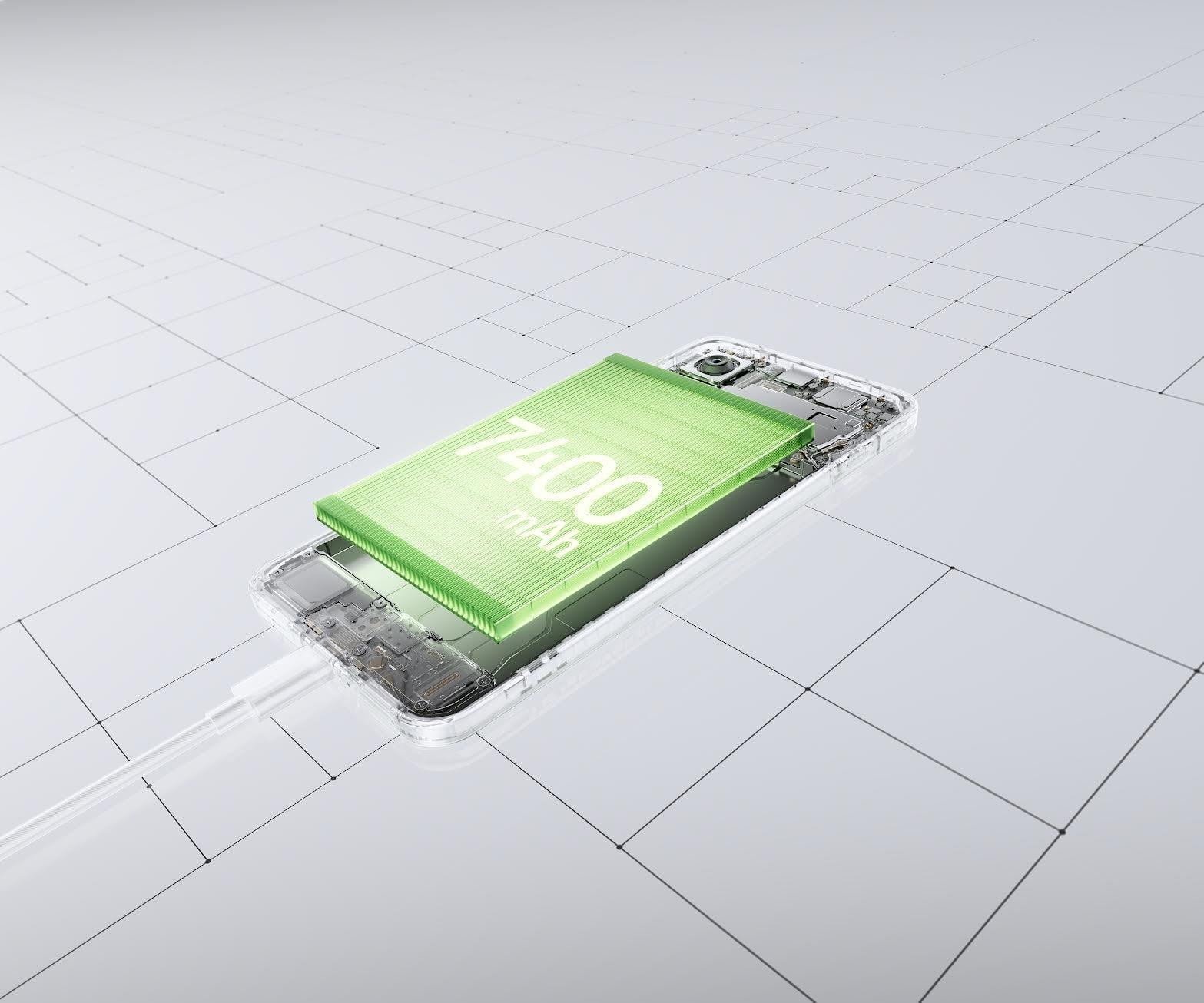
Battery life has become a major selling point for the 15R. It packs a huge 7,400mAh cell, one of the largest in the OnePlus lineup. In other words, you can expect a noticeably longer battery life even with heavy use. Meanwhile, the OnePlus 13R has a 6,000mAh battery pack. While this is a smaller cell, it still brings all day battery life. Both models also get 80W wired fast charging.

5. Pricing & Verdict

The OnePlus 15R is the more future-proof device with an advanced chipset, bigger battery, smoother display, enhanced selfie camera, and updated software. But the OnePlus 13R still holds strong as a balanced, more affordable option with a more versatile camera setup, especially if you consider the recent discounts. Unless you’re upgrading from an older phone, it is hard to recommend upgrading from the 13R to the 15R.

For more daily updates, please visit our News Section.

Tech enthusiast? Get the latest news first! Follow our Telegram channel and subscribe to our free newsletter for your daily tech fix! ⚡

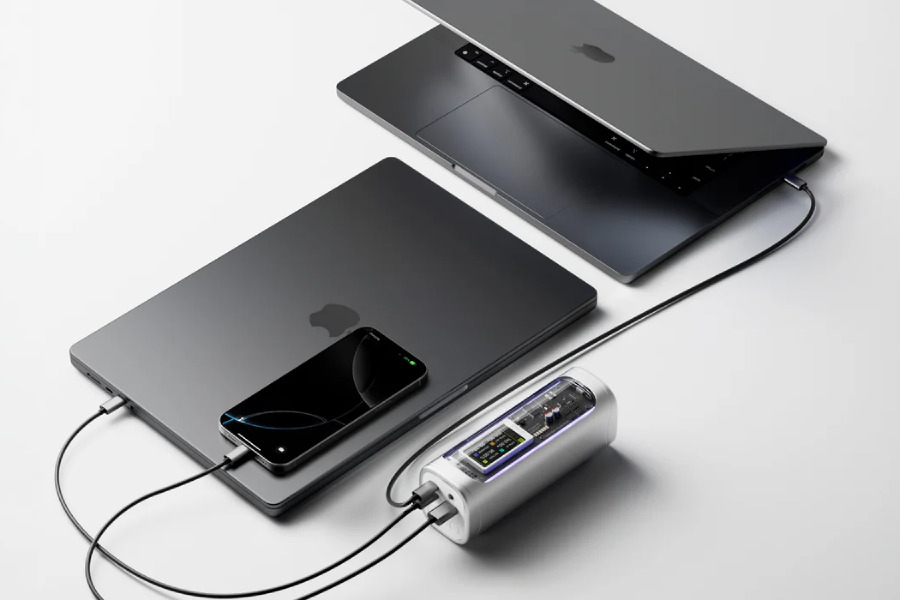
Sharge’s new 300W power bank has 24,000mAh battery and transparent design

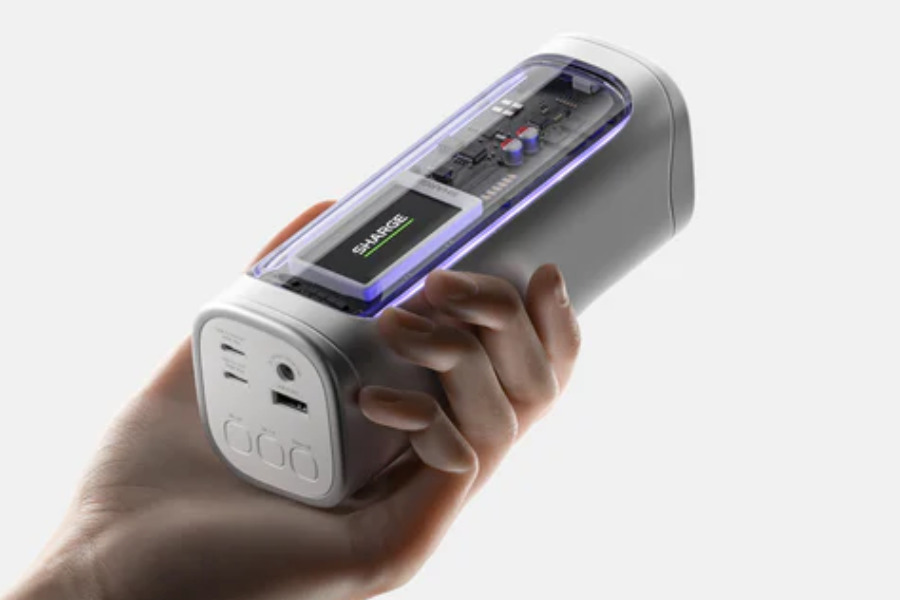
Sharge is getting ready to expand its lineup of high-powered charging accessories with a new 300W powerbank. Called the Shargeek 300, the company has started teasing the battery pack with a semi-transparent design and RGB lighting. 

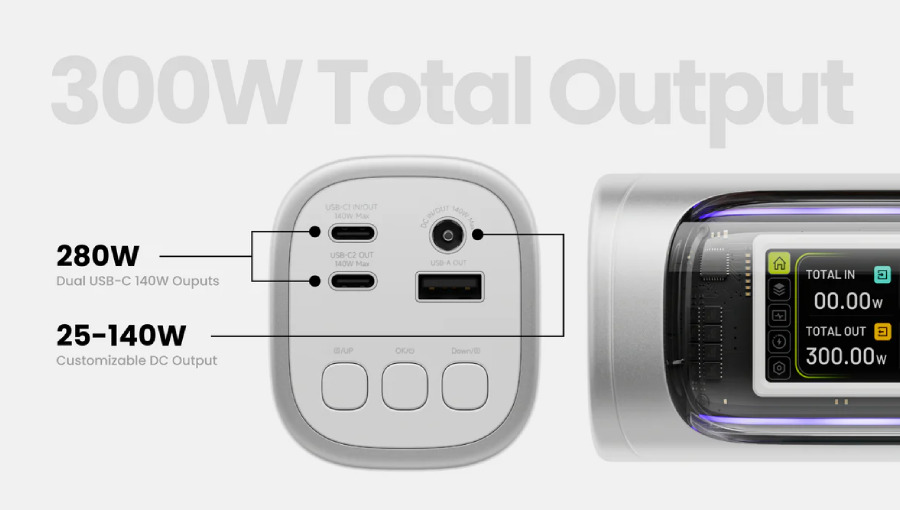
The headline feature is right in the name. The Shargeek 300 can deliver up to 300W of combined output across its ports. That’s enough to run or charge devices that are usually off-limits for power banks, including gaming laptops. 

To make that possible, Sharge has included a DC output port alongside more familiar USB options. The DC port can supply up to 140W on its own, making it suitable for a wide range of gear, from laptops and game consoles to monitors.

Alongside the DC output, the Shargeek 300 comes with two USB-C ports and one USB-A port. The dual USB-C ports support the PD 3.1 fast charging standard and can deliver up to 140W each, or 280W combined.

Shargeek 300W powerbank has 24000mAh battery

Inside, the power bank packs a 24,000mAh battery, which sits right at the upper limit allowed for carry-on air travel in many regions. It can be recharged with up to 140W of input power. 

As with other Shargeek products, design plays a big role here. The aluminum alloy body has a silver-gray finish, and one side is partially transparent. Behind that window is a color display that shows real-time information such as input and output power, temperature, and remaining battery capacity. There’s also an RGB light strip if you want an extra visual flair.

The Shargeek 300 made its public appearance at CES 2025 and has already been through a crowdfunding campaign. 

Now, Sharge is offering an early-bird sign-up with a promised 20 percent discount for subscribers. However, the company hasn’t confirmed a final launch date, retail price, or whether the product will fully rely on crowdfunding when it becomes available.

For more daily updates, please visit our News Section.

Tech enthusiast? Get the latest news first! Follow our Telegram channel and subscribe to our free newsletter for your daily tech fix!

(Source)

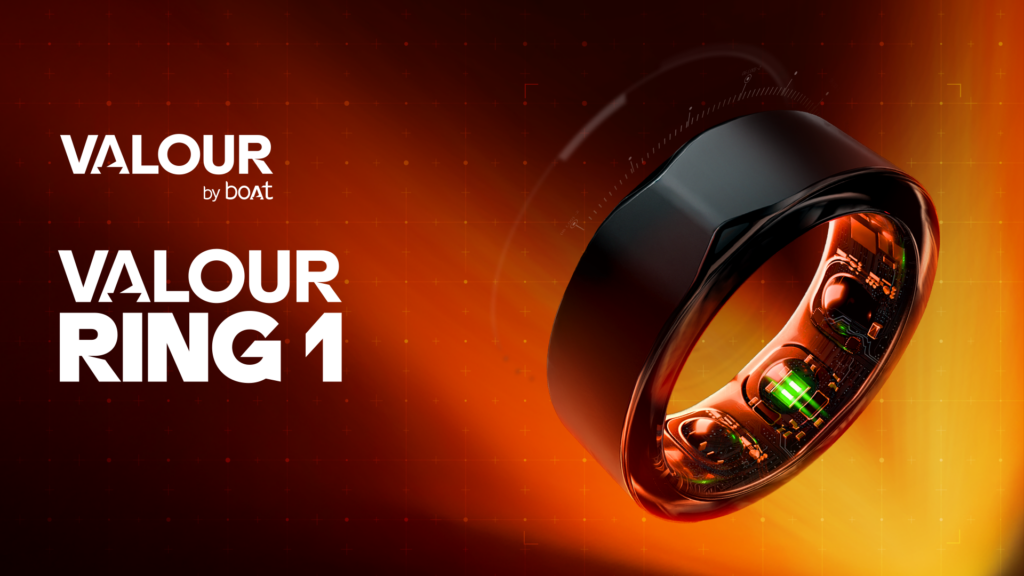
boAt Introduces Valour Ring 1, a Smart Ring with 24×7 Health Tracking in a Lightweight Titanium Design

boAt has launched the Valour Ring 1 under its performance-focused Valour sub-brand. The smart ring is built for users who treat fitness as a daily habit and want continuous health tracking without relying on a smartwatch or a screen.

The ring is designed to work quietly in the background, collecting health data throughout the day and night. It is meant for users who want consistent insights into recovery, workouts, and daily movement without relying on a screen. The focus is on simplicity, accuracy, and comfort, making it suitable for long-term, everyday wear.

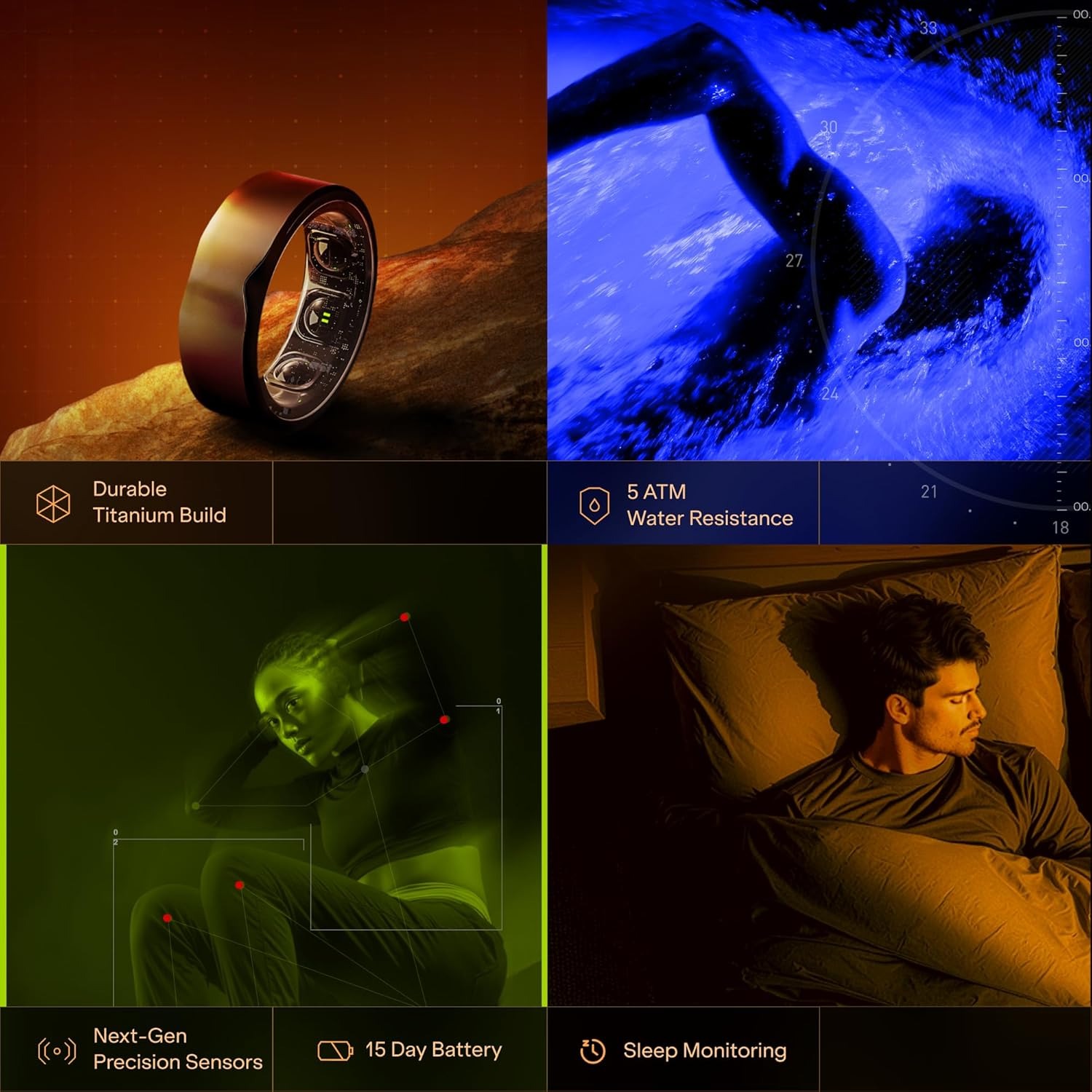
The Valour Ring 1 features a lightweight titanium frame and weighs less than 6 grams. It comes in a Carbon Black matte finish with a clean and minimal design. boAt offers the ring in sizes 7 to 12 to ensure a secure fit across different users. To avoid sizing issues, boAt provides a home sizing kit that allows users to measure their finger before confirming the order, ensuring a precise and comfortable fit.

Health tracking is the main strength of the Valour Ring 1. It supports 24×7 heart rate monitoring, heart rate variability insights, SpO₂ measurement, step and activity tracking, skin temperature insights, stress monitoring, and VO₂ Max estimation through the boAt Crest app. Sleep tracking includes detailed sleep stage analysis along with daytime nap detection. The ring also supports more than 40 sports modes, covering activities such as running, cycling, strength training, and walking. The Crest app has received an updated interface that is simpler and easier to use. boAt is also bundling a health benefits package worth INR 5,000 with the ring.

The Valour Ring 1 is powered by an advanced chipset and next-generation precision sensors to ensure reliable tracking throughout the day. Battery life is rated at up to 15 days on a single charge. Charging is handled through a Type-C charging dock, with a full charge taking under 90 minutes. The ring is built for daily use, with a 5 ATM water resistance rating for swimming and showers, and a 6H pencil scratch resistance rating for durability.

Please Note: When you buy something using the links in our articles, we may earn a small commission at no cost to you.

Pricing & availability

The boAt Valour Ring 1 is priced at INR 11,999 and will be available via Amazon, Flipkart, boat-lifestyle.com, and select retail stores across India.

For more daily updates, please visit our News Section.

Tech enthusiast? Get the latest news first! Follow our Telegram channel and subscribe to our free newsletter for your daily tech fix!

Stop Waiting for the Perfect Foldable: Why 2026 Still Won’t Be Their Year

Foldable phones have been “the future” for nearly seven years now. Every launch cycle brings progress in the form of thinner hinges, less visible creases, stronger materials, and better water resistance. And to be fair, those improvements have added up. Foldables in 2025 are noticeably better than the ones that felt like fragile experiments in 2019 or 2020.

Still, 2025 wasn’t the year foldables became perfect. And to be honest, 2026 won’t be either.

That doesn’t mean foldables are standing still. They’ll continue to look nicer, feel lighter, and break less often. Some of them already function as genuinely good phones. 

But if you’re waiting for the moment when foldables stop feeling like a compromise and start feeling like the obvious default, you’re probably going to keep waiting. Not because manufacturers aren’t trying, but because the core problems of foldables aren’t close to being solved.

The hardware problem isn’t finished — it’s just quieter

Phone makers love to talk about hinges and creases, and that makes sense. They’re the most visible reminders that foldables are still bending the rules of what a phone screen is supposed to do. By 2026, the crease will likely be less noticeable than it was a few years ago. Hinges will feel firmer and more refined. Dust resistance will continue to improve.

However, none of that alters the fundamental tension at the heart of a foldable: it’s a phone and a fragile tablet trying to coexist in the same body.

Glass doesn’t like being bent. Even the most advanced ultra-thin glass scratches more easily than standard smartphone glass. It reflects light differently along the fold. And every time you swipe across it, there’s a subtle reminder that this display is doing something it was never originally designed to do.

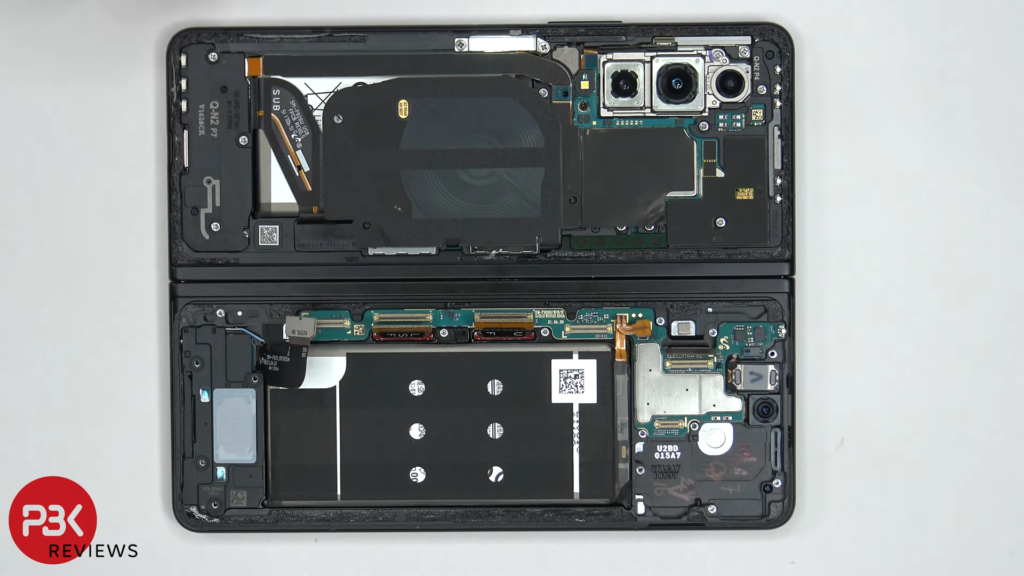
Hinges have improved, too, but they haven’t become simpler. If anything, they’ve become more complex. More moving parts mean more things that can wear out or fail. Even when foldables don’t outright break, they tend to age poorly. After a year or two, hinges can loosen, screen protectors can bubble, and the device starts to feel tired in a way slab phones usually don’t.

Repairs are still expensive

Even if durability continues to improve, repair economics remain a blunt reality. When the most expensive part of a foldable fails, like the inner folding display or the hinge mechanism, it will cost you a fortune to repair. For instance, repairing the latest Huawei Mate X7’s screen can buy you a brand new Xiaomi 17.

Samsung

Some manufacturers try to soften the blow with schemes and offers. Samsung, for example, subsidizes a first-time inner screen repair within the first year on recent Galaxy Z Fold models. But once you’re out of warranty, replacing a folding display on a flagship foldable can easily cost hundreds of dollars.

That’s not a minor footnote. It’s a real part of the ownership equation. High repair costs discourage mainstream buyers and complicate second-hand sales or family hand-downs. Foldables don’t just cost more upfront; they demand more commitment over time.

Software is still playing catch-up

Hardware is only half the story. Software is the other half, and it’s still uneven.

Foldables change everything about how screens behave. Aspect ratios, orientations, postures, and transitions between folded and unfolded states. Apps need to adapt gracefully, maintain state as the device changes shape, and make good use of extra screen space without feeling awkward or stretched.

Android has made real progress here. Google has introduced tools and guidelines for optimizing large-screen and foldable devices, and some apps already perform exceptionally well on devices like the Galaxy Z Fold or Pixel Fold. But building great foldable experiences takes time, testing, and often a full rethink of layouts and interaction patterns.

What makes this better and worse is that not every manufacturer designs foldables in the same way. Oppo thinks a foldable should be wide, giving it a more tablet-like feel, while Samsung goes for a taller 10:9 aspect ratio. Since there isn’t a single standard for how a foldable should be made, it becomes even more difficult for app developers to optimize apps for every screen.

Battery life remains a quiet disappointment

Foldables combine large displays, powerful chips, and limited internal space — which is a bad equation for battery life.

Yes, battery tech improves every year. Chips become more efficient. Software optimization gets smarter. But foldables still consume more power simply because they do more. Driving a near-tablet-sized screen at high brightness and high refresh rates isn’t energy-efficient, no matter how you optimize around it.

In everyday use, foldables often struggle to match the endurance of similarly priced slab phones. By 2026, the gap may shrink, but foldables still won’t lead the pack. Fast charging helps mask the issue, but it doesn’t solve it.

For a category that’s supposed to represent the future of smartphones, “good enough” battery life feels underwhelming.

Cameras are still a second priority

Foldables are expensive. You’d expect them to have the best cameras available. They usually don’t.

The limitation is space. Hinges, dual displays, and complex internal layouts take priority, and camera systems often get whatever room is left. That’s why many foldables lag behind traditional flagships in sensor size, zoom capabilities, and low-light performance.

Galaxy Z Fold 7 camera

Cameras will improve, but expectations matter. If a phone costs more than every other flagship on the market, it should at least match them. Foldables are often marketed as productivity devices, and for creators, productivity includes shooting and editing video. 

However, it’s hard to recommend a foldable as a primary shooting phone when cheaper slab phones consistently deliver better results.

Prices aren’t coming down

Foldables are already expensive, and 2026 won’t make that easier. Memory costs are rising, and that pressure is showing up across consumer electronics. We’ve already seen price increases in new smartphone launches, and companies like Xiaomi have even raised prices on tablets months after release.

Foldables will feel that pressure more than most categories. When a product already sits at the top end of pricing, even modest component increases hit harder.

The elephant in the room

A lot of optimism around 2026 revolves around Apple. Rumors of a foldable iPhone have circulated for years, and Apple’s entering the category would inevitably reshape the conversation.

But Apple is cautious. It doesn’t rush new form factors, and it doesn’t ship products until it’s comfortable with hardware reliability, software maturity, and long-term repair support. 

If Apple does release a foldable, it will be because it believes the trade-offs are acceptable. Even then, a single Apple product wouldn’t magically fix pricing, repair costs, or the broader app ecosystem. The industry might pivot harder toward foldables, but that’s not the same as a market that’s ready to flip overnight.

So, should you buy a foldable in 2026?

If you already like the idea and can afford the price (and the risk), today’s foldables are the most polished they’ve ever been. They’re usable as daily phones, and many early pain points have been meaningfully reduced.

But if you’re buying one because you think 2026 is the year foldables finally become the obvious, sensible choice for everyone, that’s a… gamble.

The practical advice is simple: choose a model with strong repair support in your region, consider manufacturer insurance, and be honest about whether the foldable form factor actually fits how you use your phone. If you want a low-maintenance device that can take abuse and last for years without special care, a conventional flagship still wins on value and peace of mind.

For more daily updates, please visit our News Section.

Stay ahead in tech! Join our Telegram community and sign up for our daily newsletter of top stories.
Honor Win to feature a 6.83-inch 185Hz OLED screen, scores 4.4M on AnTuTu

Honor is all set to launch the Honor Win and Win RT performance-focused flagship phones on Dec. 26 in China. Today, the brand released the following poster to reveal the chipset and AnTuTu score of the Honor Win. At the same time, a few leaks from reliable sources have also surfaced, revealing their key details.

Honor Win performance revealed

The above poster reveals that the Honor Win is powered by the Snapdragon 8 Elite Gen 5 chip, paired with LPDDR5x Ultra RAM with speeds of up to 10.7Gbps, and UFS 4.1 storage. This combination has allowed the device to score 4,409,382 on AnTuTu v10, claims the brand.

A recent report revealed that the device will have 16GB of RAM and 16GB of virtual RAM. Honor claims that the Honor Win can run heavy-load games continuously for five hours with zero stutter, zero frame drops, and zero jitter.

The above image shared by tipster Bald Panda reveals that the Honor Win packs a massive 6.83-inch OLED screen offering a 1.5K resolution and a 185Hz refresh rate. The tipster claims that the screen is surrounded by slim 1.4mm bezels on all four sides.

A recent leak by tipster Digital Chat Station revealed that the Honor Win’s humongous 10,000mAh battery will support 100W wired and 80W wireless charging. On the other hand, the Win RT will be a more affordable model equipped with the Snapdragon 8 Elite chip and a 10,000mAh battery with 100W charging, but it will lack wireless charging support.

The Honor Win is said to feature a 50-megapixel triple camera setup, including a telephoto camera, whereas the Win RT has a dual-camera setup. Both phones will feature built-in cooling for heat dissipation. The Win series is confirmed to arrive in three colour options: black, white, and blue.

For more daily updates, please visit our News Section.

Stay ahead in tech! Join our Telegram community and sign up for our daily newsletter of top stories.

Honor Magic V6 foldable to arrive with lethal combo of Snapdragon 8 Elite Gen 5, 7,200mAh battery

Until the Nubia Fold arrived with a 6,560mAh battery, the Honor Magic V5, which packs a 6,100mAh unit, held the title of the foldable phone with the largest battery. A new leak now suggests that Honor may once again reclaim this crown, as the upcoming Magic V6 is said to feature a battery that is at least 1,000mAh larger than its rivals.

Honor Magic V6 key specifications leaked

Honor Magic V6 specs leaked

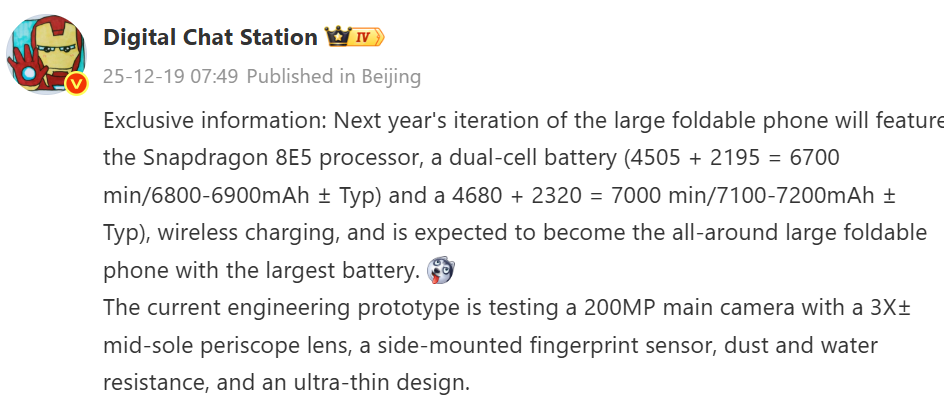
The Oppo Find N6 is expected to debut in Q1 2026 as the year’s first foldable phone. 2026 will also see the arrival of foldable phones from brands like Vivo, Xiaomi, Samsung, and even Apple. However, these phones are unlikely to beat the Magic V6 when it comes to battery endurance. As per a new leak by tipster Digital Chat Station, the forthcoming Snapdragon 8 Elite Gen 5-powered Honor Magic V6 has entered the development stage and has two battery size options.

The first packs a 6,900mAh dual-cell battery, while the other variant may feature an even larger 7,200mAh battery. To recall, the Magic V5 was also available in two battery variants, namely 5,820mAh and 6,100mAh, in China. The tipster added that the V6’s battery could be around 1,000mAh larger than those found in foldable phones from other brands.

While the leak does not reveal information about the wired charging speeds of the V6, it does confirm support for wireless charging. The current engineering prototype of the device is said to feature a 200-megapixel main camera along with a mid-tier periscope telephoto camera offering 3x optical zoom.

Despite packing a massive battery, the Magic V6 is expected to sport an ultra-thin design. The device is also tipped to feature a side-mounted fingerprint scanner along with dust and water resistance.

There’s no word about the Honor Magic V6’s launch date. Likely, it may debut by mid-2026 just as the Magic V6 launched in June this year.

For more daily updates, please visit our News Section.

Stay ahead in tech! Join our Telegram community and sign up for our daily newsletter of top stories.

Dreame’s first phone’s specs leaked, has a user-replaceable battery

Back in September this year, Dreame Technologies confirmed plans to enter the smartphone market not just in China, but globally. Known primarily for its premium robot vacuum cleaners and smart home appliances, the brand has built a reputation around engineering-focused products. That background is precisely why its first smartphone has drawn early attention, even before an official launch timeline is clear.

Dreame Smartphone E1 specifications (rumored)

Dreame First phone leak
Dreame Smartphone E1’s specs leaked

The upcoming Dreame Smartphone E1 has reportedly cleared EU Energy Label certification under the model number W5110, while a user manual linked to the same model has surfaced online. These listings appear to confirm several hardware details ahead of an official announcement. The phone is said to feature a 6.67-inch AMOLED display, but there is no information about its reosltuion and refresh rate.

In terms of photography, the Dreame E1 is tipped to include a triple rear camera setup led by a 108-megapixel primary sensor, accompanied by a 2-megapixel depth sensor and a 2-megapixel macro camera. An additional decorative lens is also visible in the design sketches. On the front, the phone is expected to offer a 50-megapixel selfie camera, along with an in-display fingerprint scanner for biometric authentication.

Battery capacity appears to be set at 5,000mAh, with support for 33W wired charging. The certification documents also mention IP64-rated dust and splash resistance. Interestingly, while the battery is listed as user-replaceable in the EU database, the manual advises against attempting to remove it, suggesting a sealed design in practice.

The E1t will come with connectivity features, such as 5G, NFC, and 3.5mm audio jack. The listing has no information about the chipset, RAM, and storage of the device.

As of now, Dreame has not confirmed pricing or availability, but the early details suggest a cautiously ambitious start for its first smartphone. Share your thought about the E1 phone by commenting below.

For more daily updates, please visit our News Section.

Stay ahead in tech! Join our Telegram community and sign up for our daily newsletter of top stories.

(via)

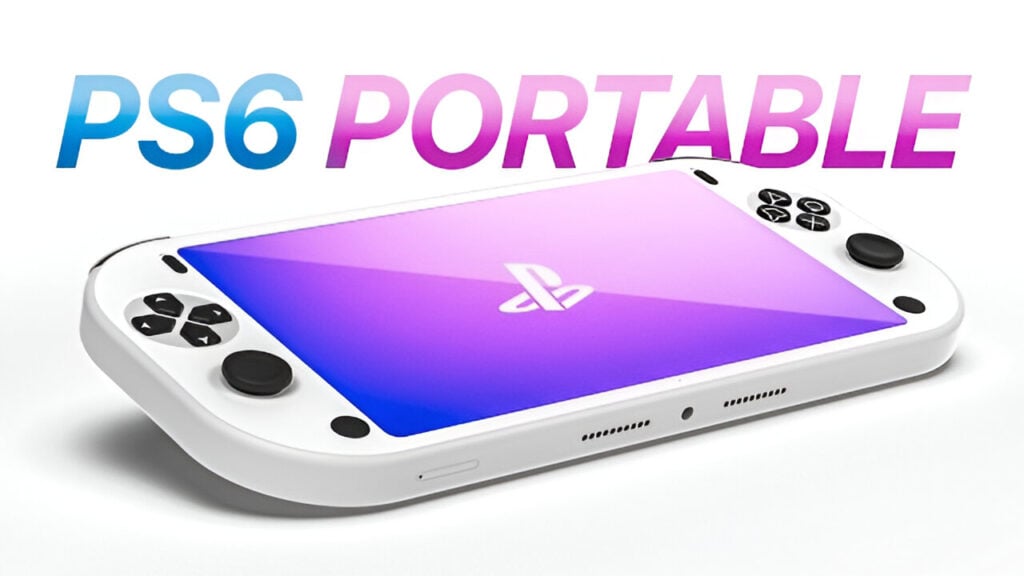
PS6 handheld leak points to Sony preparing developers for lower-power hardware

Talk of Sony’s next-generation PlayStation hardware has been circulating for months, and a new leak adds weight to the idea that a dedicated PS6 handheld is part of the plan. According to the latest claims, Sony is already pushing developers to design games around more constrained CPU configurations—an approach that strongly hints at a portable console alongside the standard PS6.

The information comes from YouTuber Moore’s Law Is Dead (MLID), who says Sony has been advising studios to optimize games for systems with different CPU, GPU, and memory limits. This lines up with earlier rumors suggesting Sony is working on two PS6 variants: a traditional home console and a lower-power handheld designed for portable play.

MLID connects this strategy to recent changes on the PS5. Sony has been encouraging support for Low Power and Power Saver modes, with Power Saver Mode now included by default in the PS5 software development kit. According to MLID, these power-focused features are currently a higher priority than PS5 Pro-specific optimizations, suggesting Sony is laying groundwork for future compatibility.

One notable detail from the leak is a reported requirement for games to run on just eight CPU threads. The handheld is said to use four Zen 6c cores, providing those eight threads for gaming tasks, alongside two additional low-power cores for background processes. In contrast, the standard PS6 would use a more powerful CPU configuration.

A referenced internal document reportedly notes that “games may run in environments with different CPU configurations,” reinforcing the idea of a multi-console PS6 ecosystem. By setting these constraints early, Sony could ensure future games scale smoothly across both home and portable hardware.

The PS6 family is still years away, and Sony has made no official comments. Still, the SDK updates and optimization guidance suggest portable gaming is already a key consideration in Sony’s next-generation plans.

Don’t miss a thing! Join our Telegram community for instant updates and grab our free daily newsletter for the best tech stories!

For more daily updates, please visit our News Section.

(Source)

Exynos 2600 launched with 2nm GAA technology, stronger on-device AI, improved thermals

The Exynos 2600 has been officially detailed as the Samsung’s next-generation flagship mobile processor, offering a glimpse into how future smartphones may handle performance, efficiency, and on-device intelligence. Built on a 2nm GAA process, the chip introduces changes across CPU, AI, graphics, and thermal design.

The 2nm GAA, or Gate-All-Around process, is Samsung’s most advanced semiconductor manufacturing technology, designed to improve power efficiency and transistor control compared to earlier FinFET-based nodes. Reports suggest that the Exynos 2600 will power the upcoming Galaxy S26 and S26 Plus, while the S26 Ultra may feature the Snapdragon 8 Elite Gen 5 for Galaxy.

Exynos 2600 specifications

Exynos 2600
Exynos 2600

The Exynos 2600 is equipped with a deca-core CPU based on Arm v9.3 architecture, combining one high-performance C1-Ultra core, three performance-focused C1-Pro cores, and six efficiency-tuned middle cores. Samsung has moved away from traditional little cores, aiming to balance sustained performance and efficiency across everyday tasks and demanding workloads.

The company claims meaningful gains in both computing performance and power consumption, helped by architectural changes and support for advanced instruction sets that improve on-device machine learning responsiveness.

AI is a central theme of the Exynos 2600, with an upgraded NPU that enables faster generative AI tasks while reducing latency and power draw. This allows more complex AI features such as image editing and intelligent assistance to run directly on the device.

On the graphics side, the Xclipse 960 GPU brings improved ray tracing and AI-based upscaling through ENSS technology, targeting smoother gameplay even under limited power budgets.

Samsung has also introduced a Heat Path Block, a new thermal solution that improves heat dissipation efficiency, helping the chip maintain stable performance during prolonged gaming or AI workloads.

Camera and multimedia capabilities also see upgrades, with support for sensors up to 320-megapixel, advanced video noise reduction, and 8K video playback. Together, these changes position the Exynos 2600 as a platform focused on sustained performance rather than short bursts, shaping Samsung’s vision for future flagship smartphones.

For more daily updates, please visit our News Section.

Stay ahead in tech! Join our Telegram community and sign up for our daily newsletter of top stories.

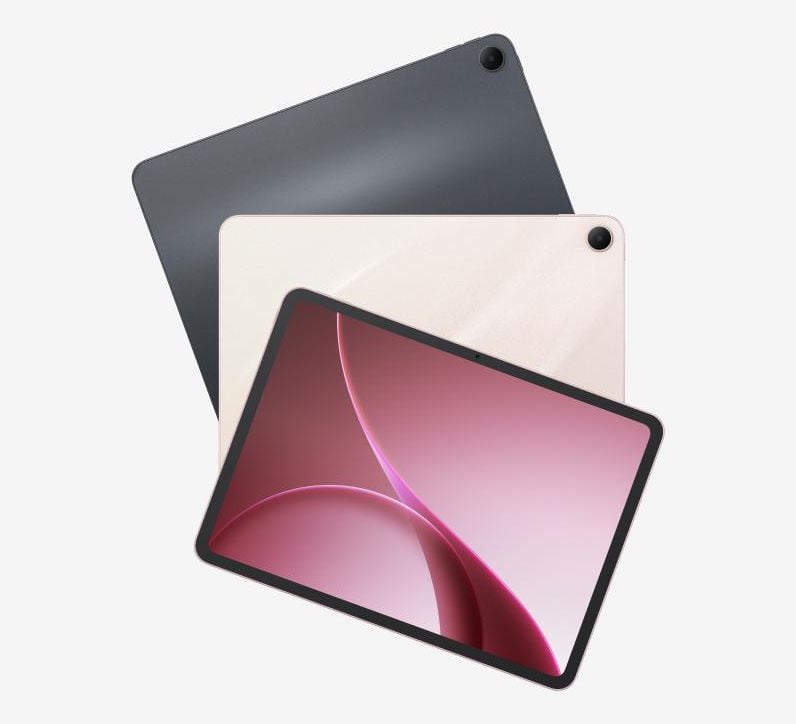
Oppo Pad Air 5 to launch on December 25, design, key specs, variants revealed

Oppo has confirmed that it will launch a new tablet named the Oppo Pad Air 5 on December 25 in China. Its pre-order page is now live on the Oppo Shop, and the listing has revealed its design, key specifications, and variants ahead of the official announcement. Here’s a look at what to expect from the device.

Oppo Pad Air 5 design, key specifications

Oppo Pad Air 5 launched
Oppo Pad Air 5

The Oppo Pad Air 5 is confirmed to feature a 2.8K resolution display, run on ColorOS, and pack a 10,050mAh battery. These specifications sound familiar, but more on that a bit later.

The pre-order page reveals that the Oppo Pad Air 5 will arrive in Wi-Fi-only and Wi-Fi + 5G versions. The tablet will be sold in shades such as Space Gray, Starlight Powder, and Starlight Pink.

Oppo Pad Air 5
Oppo Pad Air 5

The Wi-Fi edition will be offered in configurations such as 8GB + 128GB, 8GB + 256GB, and 12GB + 256GB. The 5G version will only be available in Space Gray with an 8GB + 128GB configuration.

Rebranded OnePlus Pad Go 2

OnePlus Pad Go 2
OnePlus Pad Go 2

The above-mentioned specifications suggest that the Oppo Pad Air 5 could be a rebranded version of the OnePlus Pad Go 2, which recently debuted in other markets. Therefore, it is likely that the Pad Air 5 may pack a 12.1-inch LCD 2.8K 120Hz display, a Dimensity 7300-Ultra chipset, LPDDR4x RAM, UFS 3.1 storage, and a 10,050mAh battery with 33W charging.

The device could be equipped with a pair of 8-megapixel cameras on the front and rear. For audio, it may feature a quad-speaker setup and include face unlock for biometric authentication.

The Oppo Pad Air 5 will be a successor to the Oppo Pad Air 2, which was launched back in 2023. To recall, the Pad Air 2 was also a rebranded version of the OnePlus Pad Go released in markets outside China.

For more daily updates, please visit our News Section.

Stay ahead in tech! Join our Telegram community and sign up for our daily newsletter of top stories.

OnePlus Turbo to offer 9,000mAh battery, Snapdragon 8-series chip, 165Hz display

OnePlus recently confirmed that it will soon unveil a new series called the OnePlus Turbo. Expected to arrive in January 2026, the lineup will include performance-focused phones that will rival Turbo-branded devices from other brands. A new leak, courtesy of tipster Digital Chat Station, has revealed the key specifications of an upcoming OnePlus Turbo model.

OnePlus Turbo key specifications tipped

OnePlus Turbo key specs tipped

According to tipster DCS, the OnePlus Turbo will be the first device within the Oppo–OnePlus ecosystem (Ouga group) to feature a 9,000mAh-class battery, paired with a dual-cell design. This move is said to signal a wider shift, with performance-oriented phones entering an era of ultra-large batteries.

The tipster adds that the formula of an 8-series chipset, a 9-series battery, and a 165Hz display makes for a “perfect Turbo,” positioning the device as especially appealing to users who prioritize battery endurance. Some reports have claimed that this device would be equipped with the Snapdragon 8s Gen 4 chipset.

To recall, OnePlus China President Li Jie Louis recently said that the OnePlus Turbo will inherit the brand’s flagship-level performance DNA while delivering class-leading battery life, bringing gaming experiences previously unseen in its price segment. He further claimed that the Turbo series aims to be “exceptionally strong” in both performance and endurance within its category.

At present, the Ace 6T, which debuted with an 8,300mAh battery earlier this month in China, holds the title of the largest-battery phone from OnePlus. It appears that the OnePlus Turbo will soon take over this title. Some vague reports claim that this device may get rebranded as a OnePlus Nord 6 series phone in the global market, but it is advisable to wait for further reports.

For more daily updates, please visit our News Section.

Stay ahead in tech! Join our Telegram community and sign up for our daily newsletter of top stories.

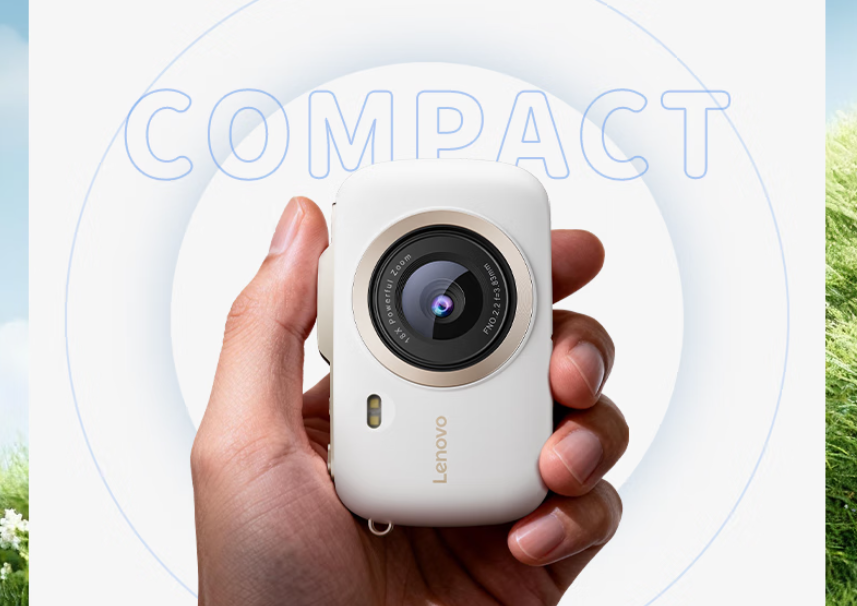
Lenovo launches X1 digital camera with 12MP Sony sensor, 4K video & 18x zoom

Lenovo has officially launched the X1 digital camera in China, with pre-orders now open at a starting price of 349 yuan ($50). The camera targets users who want a simple and approachable option for shooting photos and videos without the complexity of professional equipment.

Lenovo X1 digital camera

Lenovo X1 Camera Specifications

Lenovo positions the X1 as an easy-to-use device that delivers reliable image quality with minimal setup, making it suitable for vlogs, travel footage, and everyday casual recording as an alternative to smartphone photography.

The Lenovo X1 comes in a compact, retro-inspired body and uses a 12-megapixel Sony 1/3-inch CMOS sensor. It supports up to 18x digital zoom and includes 20 built-in beauty filters that allow users to adjust image tone and skin smoothing. The camera records 4K video at 30fps and features intelligent shooting modes that help with scene recognition and automatic exposure control.

Lenovo X1 digital camera

The X1 comes with a 2.8-inch display featuring 2.5D curved glass. The camera includes an LED fill light for low-light shooting, a lanyard hole for easy portability, and a standard tripod mount. It supports OTG file transfer, allowing users to move videos and photos directly to smartphones or other devices without a PC. The device supports external storage via a TF card slot with a maximum capacity of 128GB.

Lenovo X1 digital camera

The X1 runs on a 950mAh built-in battery. Lenovo has also added a triangular port layout and a 2.5-degree angled structure to improve grip comfort and handling during long sessions.

In related news, Leica has recently introduced the Q3 Monochrom, a new 60MP black-and-white compact camera, and also announced the SL3 Reporter, a full-frame camera that supports 8K video, in-body image stabilization, and an aramid fiber body.

For more daily updates, please visit our News Section.

Stay ahead in tech! Join our Telegram community and sign up for our daily newsletter of top stories! 💡

(JD)

CATL successfully deploys humanoid robots to quality-critical work on EV batteries

Humanoid robots have been a popular talking point in recent months, but most examples so far have involved carefully staged demos rather than real factory work. CATL, the world’s largest EV battery maker, now claims it has crossed that gap, quietly rolling out humanoid robots on an actual production line.

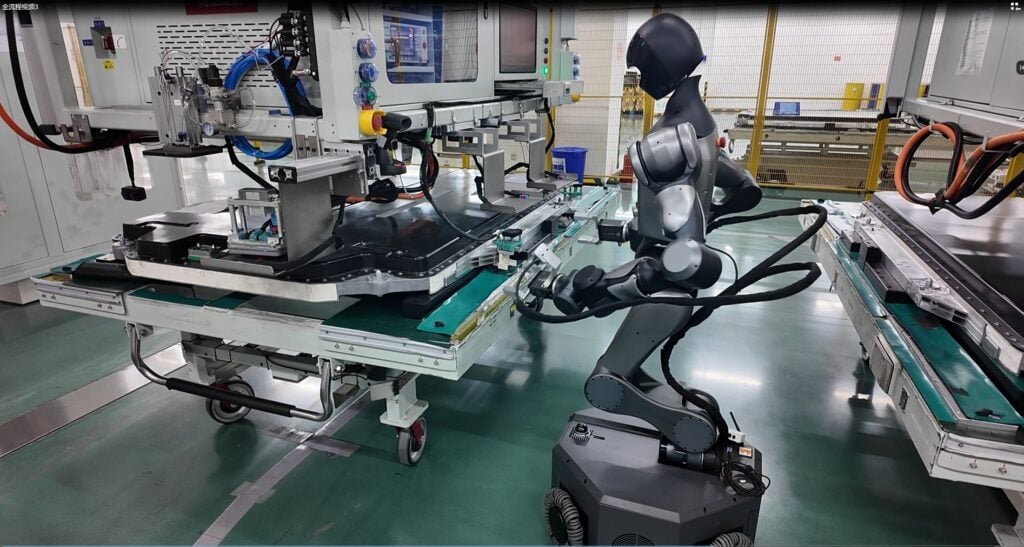
The company says it has completed large-scale deployment of its Moz humanoid robot at a battery pack factory, making it the first power battery production line to use humanoid “embodied intelligence” robots at scale. Moz was developed by Spirit AI, a CATL subsidiary focused on robotics and automation.

Rather than handling simple pick-and-place jobs, Moz is reportedly positioned at quality-critical stages of the production process. Its main task involves attaching battery connectors, a job that demands high precision, consistency, and careful control of applied force. According to CATL, the robot has reached performance levels comparable to experienced human workers, delivering a reported 99% success rate in connector insertion.

That level of reliability is achieved through an end-to-end vision system that allows the robot to adapt in real time. Moz can compensate for slight misalignments in materials or connection points by adjusting its posture and movements on the fly. It also monitors how much force it applies, ensuring wiring harnesses are secured firmly without damaging fragile components.

CATL contrasts this with reports of difficulties faced by other humanoid robots during factory trials, including overheating joints and failures in complex mechanical assemblies. While those systems have drawn attention through public demonstrations, many have yet to prove they can operate continuously in demanding industrial environments.

The timing is notable, as China’s humanoid robotics sector is expanding rapidly, with some analysts already warning of potential overcapacity similar to what the country experienced in EV manufacturing. CATL’s deployment suggests that, at least in some cases, humanoid robots are moving beyond experiments and into practical, revenue-generating roles on the factory floor.

Don’t miss a thing! Join our Telegram community for instant updates and grab our free daily newsletter for the best tech stories!

For more daily updates, please visit our News Section.

(Source: CATL)

DRAM crisis could trigger fresh GPU shortages in 2026

Just as the PC market is starting to move past the chaos of previous GPU shortages, new signs suggest another supply squeeze may be forming—this time driven by memory, not chips.

Rising DRAM prices are reportedly forcing Nvidia to rethink its gaming GPU strategy, with production cuts expected in early 2026. According to industry sources, Nvidia plans to reduce output of GeForce RTX 5000-series gaming cards by as much as 30–40% in the first half of the year. The move comes as memory costs surge and manufacturing capacity is increasingly redirected toward higher-margin server and AI accelerators.

One early casualty of the situation appears to be Nvidia’s rumored GeForce RTX 5000 Super lineup. The refresh was expected to deliver up to 50% more VRAM at the same price point across both desktop and laptop GPUs, but the plan has reportedly been scrapped due to DRAM supply constraints.

Affordable, higher-memory models are likely to be hit hardest. The GeForce RTX 5060 Ti 16GB and RTX 5070 Ti are said to be among the most affected, as larger VRAM configurations are becoming increasingly expensive to produce.

Nvidia is said to expect softer gaming demand in 2026, partly due to a lighter release calendar. Still, cuts of this scale risk repeating a familiar pattern: limited availability, rising prices, and frustrated buyers.

The impact may extend well beyond graphics cards. Analysts warn the broader DRAM crunch, fueled by explosive demand from AI companies such as OpenAI, could push laptop prices up by at least 20%. Budget notebooks may fall back to 8GB of RAM, smartphones could ship with just 4GB again, and even upcoming gaming devices may see higher price tags.

As AI continues to dominate silicon priorities, consumers—and especially gamers—could be left paying the price.

Stay ahead in tech! Join our Telegram community and sign up for our daily newsletter of top stories!

For more daily updates, please visit our News Section.

(Source | Image)

How the OnePlus Watch Lite Compares to Full-Featured Wearables: Simple vs Smart

The smartwatch market is already quite diverse. On one end, you have feature-packed smartwatches running complex platforms like WearOS, offering app stores, Google integration, and advanced health features. On the other, simpler yet capable smartwatches like the OnePlus Watch Lite are cropping up. But in a world where “smart” often equals better, let’s see what the OnePlus Watch Lite brings to the table and how it compares to full-featured wearables.

1. What the OnePlus Watch Lite Brings to the Table
OnePlus Watch Lite
OnePlus Watch Lite

The OnePlus Watch Lite is designed to hit an affordable price point while delivering the essentials most users care about. It sports a 1.46-inch AMOLED display with impressive 3000 nits of peak brightness and sapphire crystal glass for added durability. It supports over 100 sports modes and robust health tracking options like heart rate, SpO₂, sleep, stress levels, and more.

It offers other standard smartwatch essentials like notifications and Bluetooth calling as well. OnePlus claims up to 10 days of battery life, which is a major highlight for the smartwatch. However, there’s a key architectural difference. The Watch Lite runs on the OxygenOS Watch rather than Google’s Wear OS. That means it lacks support for third-party app downloads, mobile payments, and other platform-wide features common in other Wear OS devices.

2. Pros and Cons of Wea rOS

Samsung Galaxy Watch 8
Samsung Galaxy Watch 8 Series

The Wear OS is based on Google’s popular Android platform. It is one of the most capable smartwatch ecosystems, matching Apple’s watchOS. With Wear OS, you get native support for Google services like Gmail, Maps, Calendar, Wallet, YouTube Music, and access to the Google Play Store for apps tailor-made for your wrist.

On a Wear OS device, you can respond to messages, use Google Assistant or its successor Gemini for voice actions, install fitness or productivity apps, download custom watch faces, and even make contactless payments through Google Wallet. Put simply, it is an extension of your smartphone, from both personalization options to connectivity.

But just like always, there’s a catch. Since Wear OS is a high level operating system designed to support a broad ecosystem of apps and services, it’s more demanding on the battery pack, which impacts endurance as it needs more computing power. This is why many Wear OS smartwatches typically offer 1 to 3 days of battery life instead of the multi-day endurance seen in simpler wearables.

3. Simplicity as a Strength

OnePlus Watch Lite

This is where simplified smartwatches like the OnePlus Watch Lite find their spot. It gets rid of the bells and whistles of full Wear OS platforms for a simple experience and practical battery life. You have a consistent performance, essential health tracking features, and most of the other key functions of a full-fledged smartwatch. But it also has one big advantage, which is dual phone pairing. The OnePlus Watch Lite lets users sync two devices at once, including Android and iOS pairings.

4. Verdict

Simplicity can still be premium with its experience. Consistent and reliable performance, excellent battery life, and essential features without any overwhelming complexity. But if you want a smartwatch that does everything, from payments to third party app downloads or ecosystem services, Wear OS powered options are still ahead.

For more daily updates, please visit our News Section.

Don’t miss a thing! Join our Telegram community for instant updates and grab our free daily newsletter for the best tech stories!