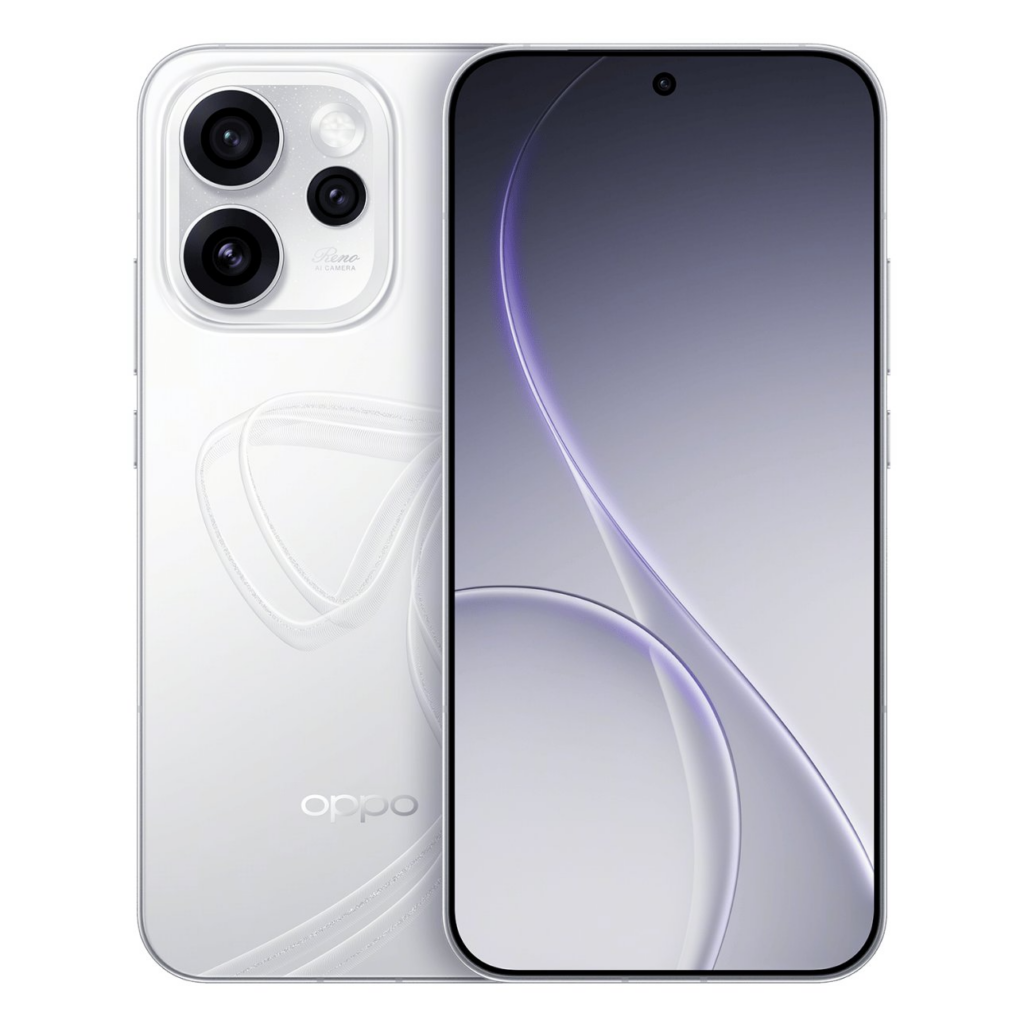
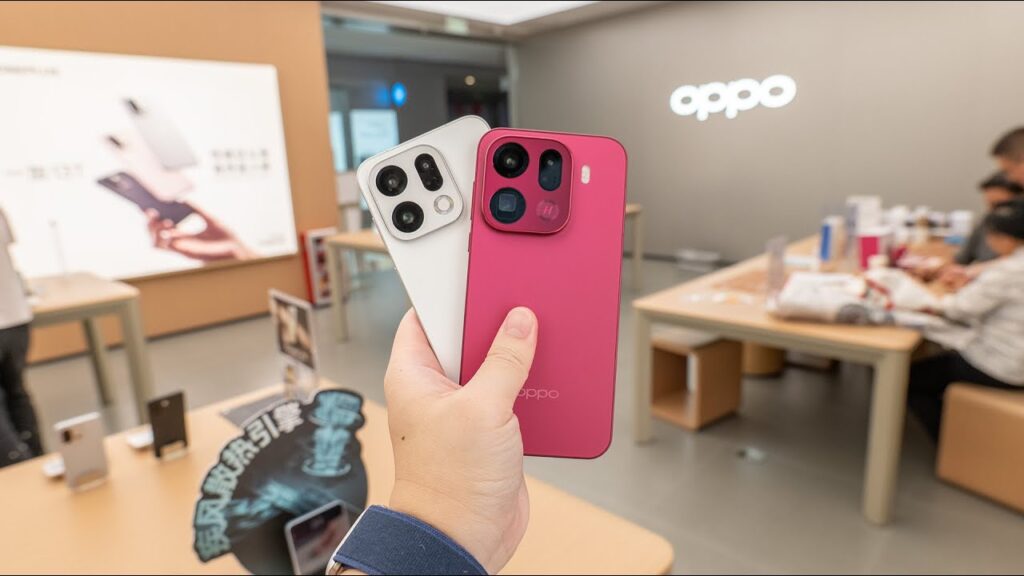
Oppo debuted its Reno 15 series in its home market of China, with more models releasing soon after. The latest model to hit the market was the budget friendly Reno 15c, and there are even rumors of a Reno 15 Pro Max model. But a fresh leak has hinted that there is another model in the works. The Reno series might be getting its first ever compact phone, which could be the Oppo Reno 15 Pro Mini.
Oppo Reno 15 Pro Mini Leaked
The Chinese tech giant is reportedly working on a new Reno 15 series phone that could be the first of its kind. In a new report from 91Mobiles, the Reno 15 Pro Mini model is in the works. Industry sources close to the matter have revealed that the brand is working on a smartphone with Reno’s premium design and a relatively compact screen. It will reportedly sport a 6.32-inch AMOLED screen with bezels that might be 1.6mm thin.
Oppo Reno 15 Pro
We also get some details regarding its design. The Reno 15 Pro Mini could measure just 187 grams heavy and measure 7.99mm thick. The report further adds that this model could launch in a Glacier White color option with a ribbon design, similar to the Reno 15 Pro model. So we can also expect a glass back panel and a rugged design that likely offers an IP66 + IP67 + IP69 rating for water and dust resistance.
As of right now, finer details like its release timeline or hardware are still unknown. But the overall specs could be similar to its larger sibling, the Reno 15 Pro, or fall somewhere between it and the base Reno 15. Keep in mind that this is still just an unconfirmed report, so take this news with a pinch of salt for now.
For more daily updates, please visit our News Section.
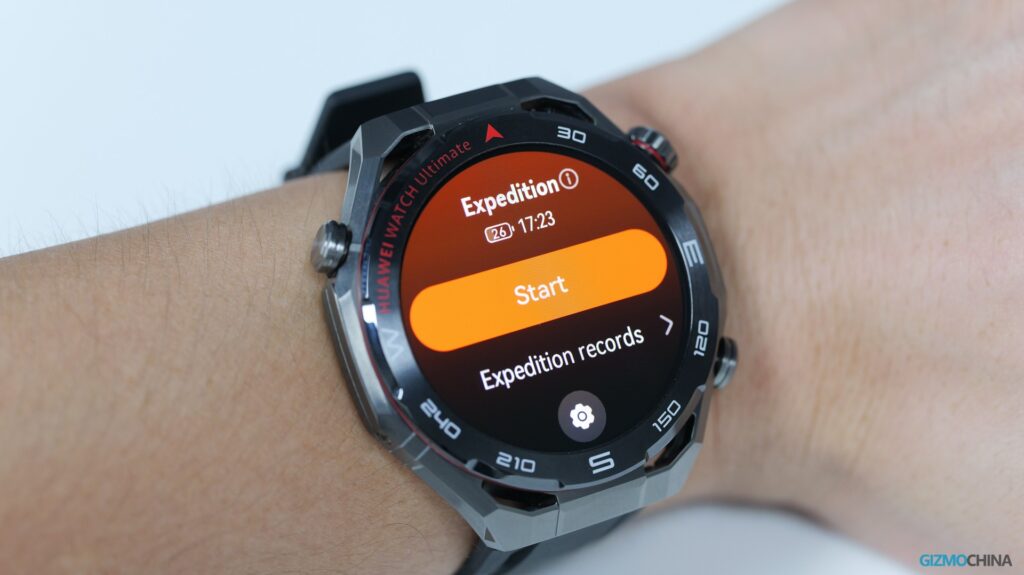
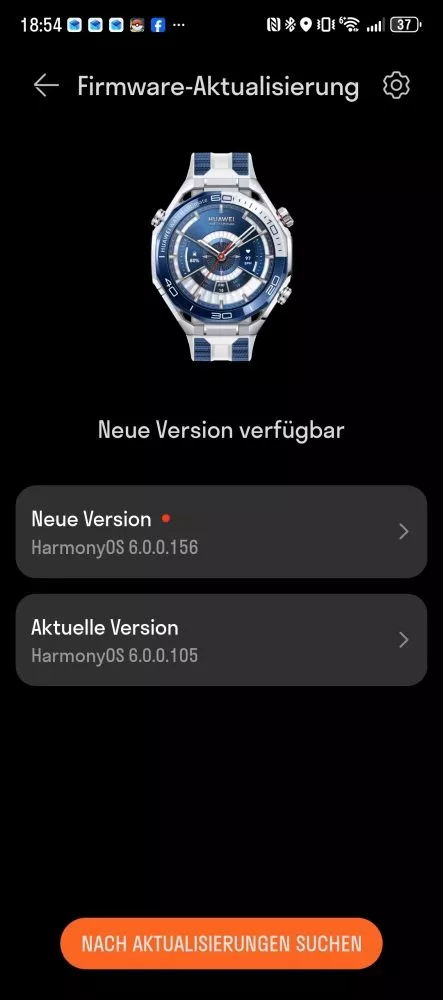
Huawei is fine-tuning the Watch Ultimate 2 after launch, and it is now getting a meaningful software update that adds a few genuinely useful features. The latest build is HarmonyOS 6.0.0.156, which is rolling out globally and is over 1GB in file size. According to reports, users in Europe have already started receiving the update.
One of the biggest changes is improved eSIM behavior, especially when it comes to power saving. With the update installed, the watch can now handle calls and SMS messages over eSIM even while in power-saving mode. It’s far more practical for extended use without a phone nearby.
Huawei has also enabled VoLTE by default for supported eSIM providers. There’s no manual toggle for this option, but it should result in better call quality where supported.
Another notable addition targets fitness-focused users. The Watch Ultimate 2 can now connect directly to external sensors, including heart rate straps, power meters, speed sensors, and cadence sensors. This brings the watch closer to dedicated sports watches, especially for cycling and structured training, where external sensors are sometimes preferred over wrist-based tracking.
Aside from feature additions, the update includes general system optimizations and stability improvements, though Huawei hasn’t gone into detail on what’s changed behind the scenes.
The update is being rolled out in stages and can be installed through the Huawei Health app or directly on the watch via Settings > System & updates > Software updates.
In short, this update makes the Watch Ultimate 2 feel more complete, particularly for users who rely on standalone connectivity and advanced fitness tracking without carrying their phone everywhere.
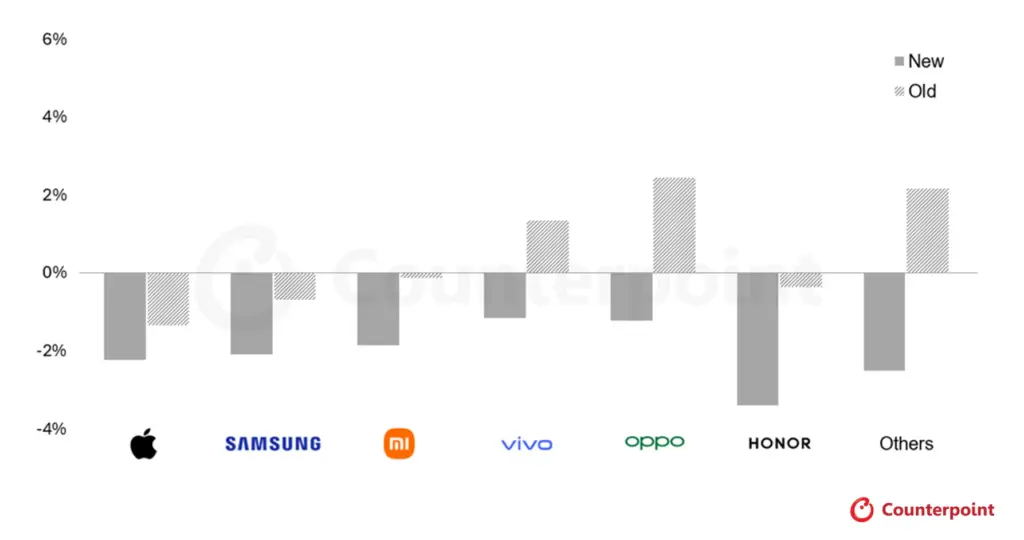
Global smartphone shipments are expected to fall 2.1% in 2026 due to a sharp rise in memory prices, according to a revised forecast from Counterpoint Research. The research firm downgraded its earlier projection by 2.6 percentage points, with Chinese brands like Honor, Oppo, and Vivo facing the steepest shipment cuts.
The low-end smartphone segment is likely to suffer the most. Counterpoint reports that BoM (bill of materials) costs for devices under $200 have jumped by 20% to 30% since early 2025. Mid-range and premium segments have also seen increases of 10% to 15%. The firm expects memory prices to rise another 40% through Q2 2026, which could push BoM costs even higher by 8% to over 15%.
Average selling prices (ASPs) are also being revised upward. Counterpoint now forecasts a 6.9% YoY ASP increase in 2026, compared to its earlier estimate of 3.6% from September 2025.
OEMs are adjusting their strategies to manage rising costs. Some have started cutting back on low-end SKUs and reducing specifications on select models. Senior analysts confirmed that companies are scaling back features like camera hardware, display quality, and RAM capacity to preserve margins. Several brands have resumed using older components or redirected users toward higher-priced Pro variants.
Recent smartphone launches, including the OnePlus 15 and iQOO 15 in India, debuted at significantly higher prices than their predecessors. Reports also suggest Samsung may raise prices for its upcoming Galaxy S26 and current A series.
The memory crisis has already impacted other categories. Xiaomi and Honor have raised tablet prices in China. Analysts expect more brands to follow as DRAM supply remains tight due to growing AI data center demand. Counterpoint warns that brands lacking scale or vertical integration will struggle to balance profitability and shipment volumes in 2026.
For more daily updates, please visit ourNews Section.
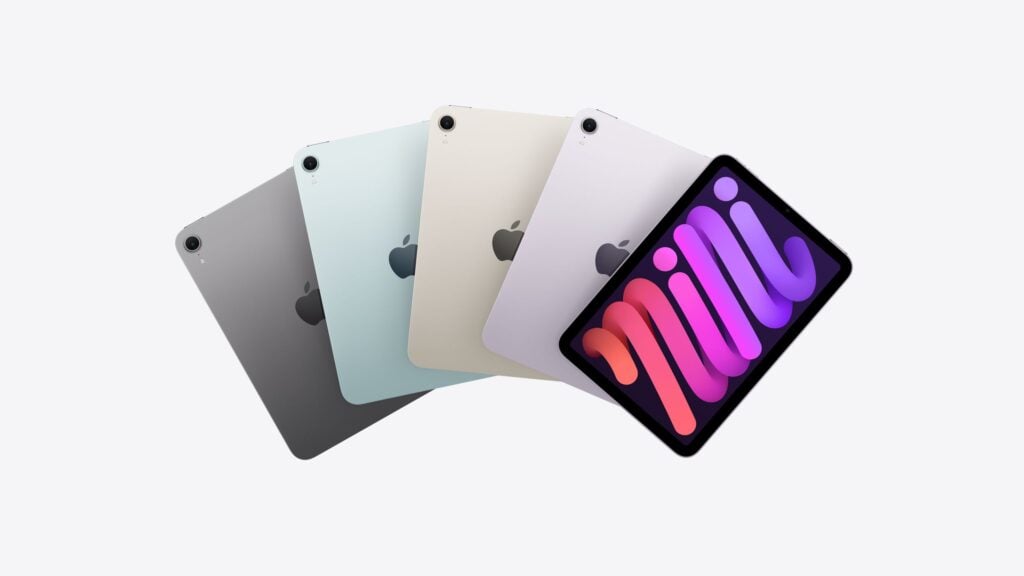
Apple’s iPad mini has always been about striking a balance—small enough to carry anywhere, but powerful enough to feel like a “real” iPad. If recent leaks are anything to go by, the upcoming iPad mini 8 might push that idea further than expected, especially when it comes to raw performance.
According to details pulled from an internal iOS 26 build, Apple is already testing the next-generation mini. Earlier rumors suggested the tablet would move on from the A17 Pro to something more substantial, possibly the A19 Pro—the same chip expected to power upcoming iPhone Pro models. That alone would have been a healthy upgrade, with performance gains reportedly in the 20–30% range.
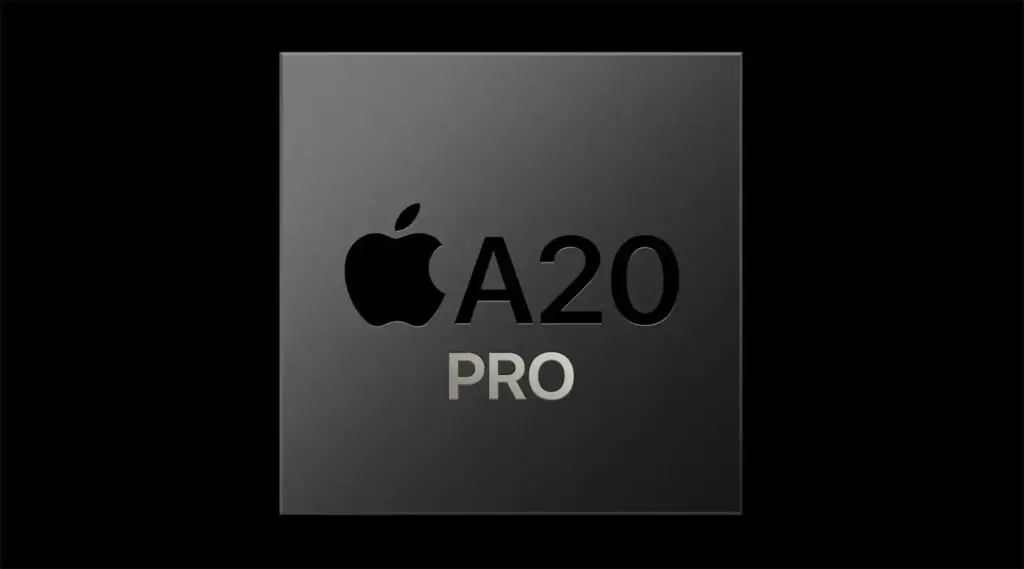
But a new leak shared by Weibo tipster Kang hints that Apple may be aiming even higher. The iPad mini 8 is now said to be running on the A20 Pro, a chip expected to debut with the iPhone 18 lineup and Apple’s first foldable. If accurate, this would make the mini one of the first iPads to adopt Apple’s next-generation 2nm silicon.
The A20 Pro is rumored to offer roughly 15% higher performance and up to 30% better power efficiency compared to the current 3nm chips. For a compact tablet, that could translate into noticeably faster apps, stronger gaming performance, and improved battery life—areas where the mini already punches above its weight.
There’s also talk of a display upgrade. The iPad mini 8 is rumored to feature an 8.5-inch OLED panel, a first for the mini lineup. That said, it’s expected to stick to a 60Hz refresh rate, keeping it below the Pro models but still offering better contrast and color than LCD.
Apple is reportedly targeting a Q3 2026 launch, so plans could still change. Still, if these leaks hold up, the iPad mini 8 could end up being far more powerful—and more premium—than anyone expected from Apple’s smallest tablet.
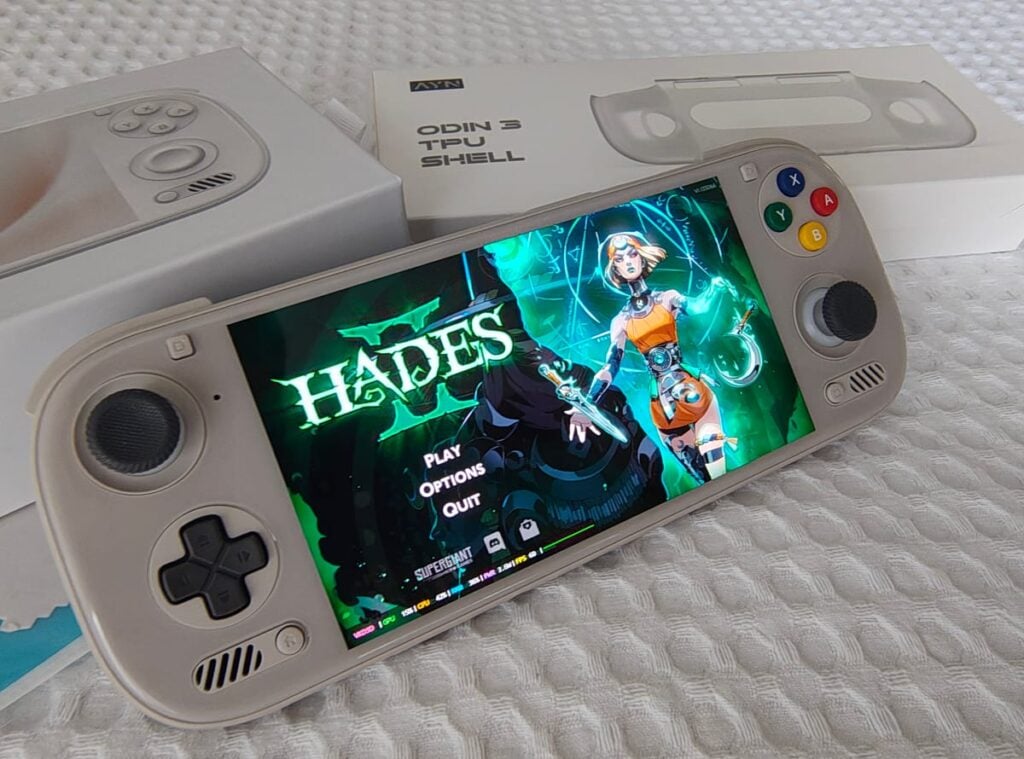
Rising memory prices are starting to cause real-world delays, and it’s no longer just smartphone makers and PC builders feeling the impact. The latest fallout has reached the gaming handheld space, with AYN confirming shipment delays for its top-tier Odin 3 Ultra model due to a sharp increase in RAM costs.
AYN said deliveries of the Odin 3 Ultra—configured with 24GB of RAM and 1TB of storage—have been pushed back to mid-January 2026. The company pointed directly to “skyrocketing” RAM prices and a short-term memory supply crunch as the reason behind the delay.
To ease the situation, AYN is offering affected customers two options. Buyers can either keep their Ultra preorder and wait for the revised shipping timeline, or switch to the slightly toned-down Odin 3 Max, which comes with 16GB of RAM and 512GB of storage. Those choosing the Max will receive a refund for the price difference, as the Max is currently priced at $449, compared to $519 for the Ultra.
Aside from memory and storage, the two models are largely identical. Both are powered by Qualcomm’s Snapdragon 8 Elite chipset and feature active cooling, a 6″ 120Hz OLED display, an 8,000mAh battery, expandable storage via microSD, a 3.5mm headphone jack, and external display support. For most users, the downgrade primarily affects multitasking headroom and storage space rather than raw performance.
The situation highlights how broader component pricing trends are beginning to affect even niche hardware categories. If RAM prices remain elevated, companies and consumers may be forced to rethink configurations.
The situation mirrors concerns already brewing in the smartphone market, where rising memory costs could lead to more conservative RAM configurations. This could become an issue for entry-level models running feature-heavy custom UI skins, as well as premium flagships expected to handle increasingly complex AI features on-device. How the industry looks once the dust settles will be worth watching.
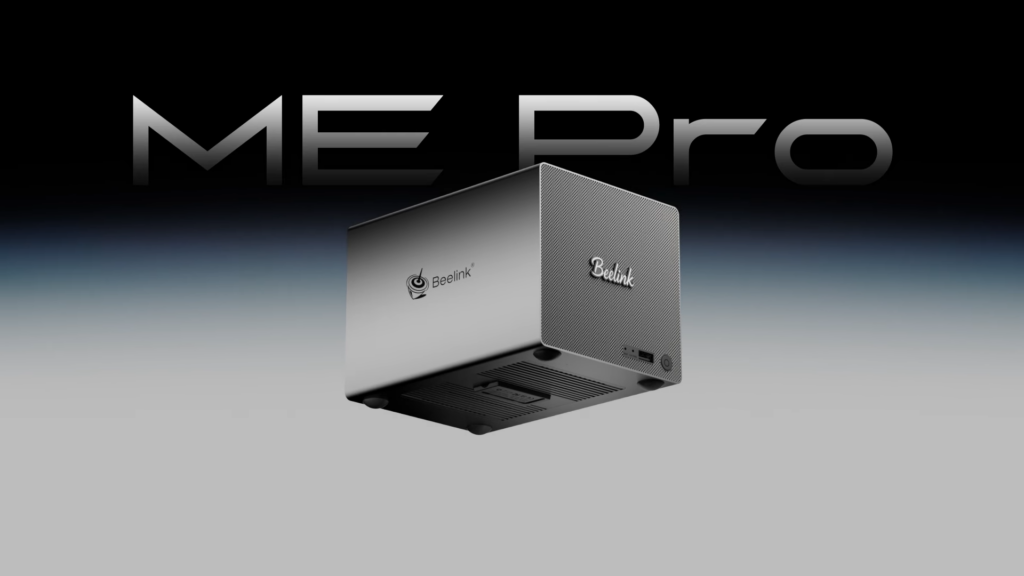
Beelink has launched the ME Pro NAS mini PC in China. The device combines mini PC and NAS functionality and is aimed at home users, creators, small offices, and data storage use cases. It is now available for pre-order on JD.com in standard and business editions.
Beelink ME Pro NAS Specifications
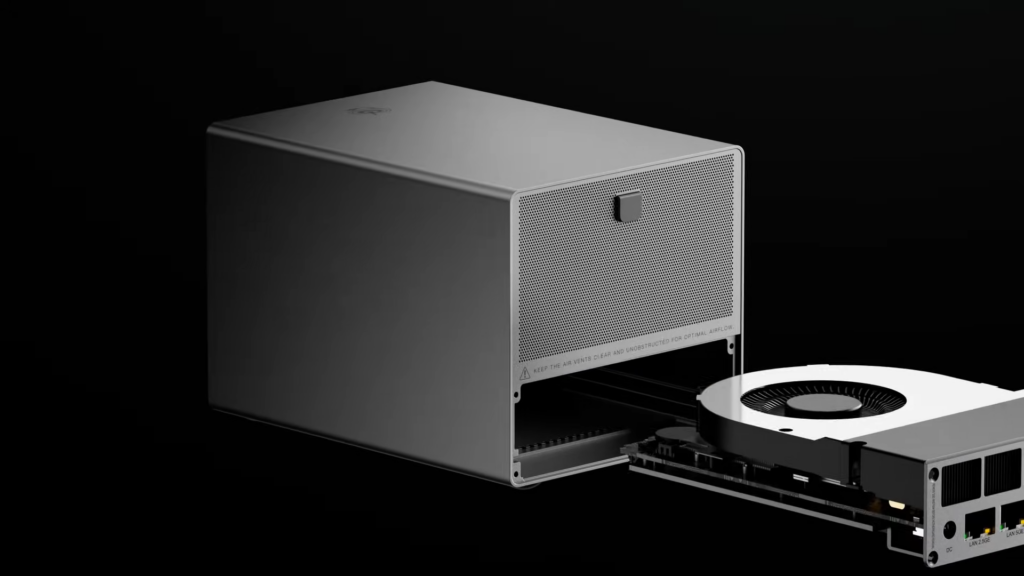
The ME Pro features a unibody metal chassis and a compact footprint of 166×121×112 mm. Beelink claims the device is 50% smaller than traditional dual-bay NAS systems. The upper section houses two 3.5-inch drive bays, while the motherboard is located in a separate lower compartment. The metal body includes multiple ventilation areas to maintain stable airflow and reduce internal temperatures.
The device runs on the Intel N95 processor with four cores, four threads, and a turbo clock of up to 3.4GHz. It includes a 6MB L3 cache and supports up to 25W power for improved performance.
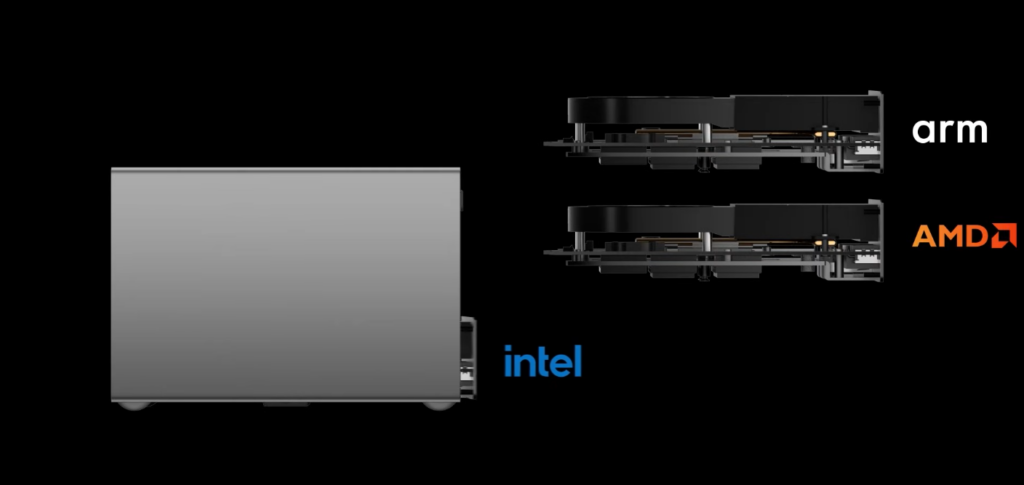
The ME Pro uses 12GB of LPDDR5 memory operating at 4800MT/s. The internal layout follows a drawer-style modular design that allows users to upgrade or replace the motherboard in the future.
The NAS supports up to 72TB of total storage. It features three M.2 2280 SSD slots, including one PCIe 3.0 x2 slot and two PCIe 3.0 x1 slots, each supporting SSDs up to 4TB. The system also includes two SATA bays compatible with both 2.5-inch and 3.5-inch drives, with support for drives up to 30TB each.
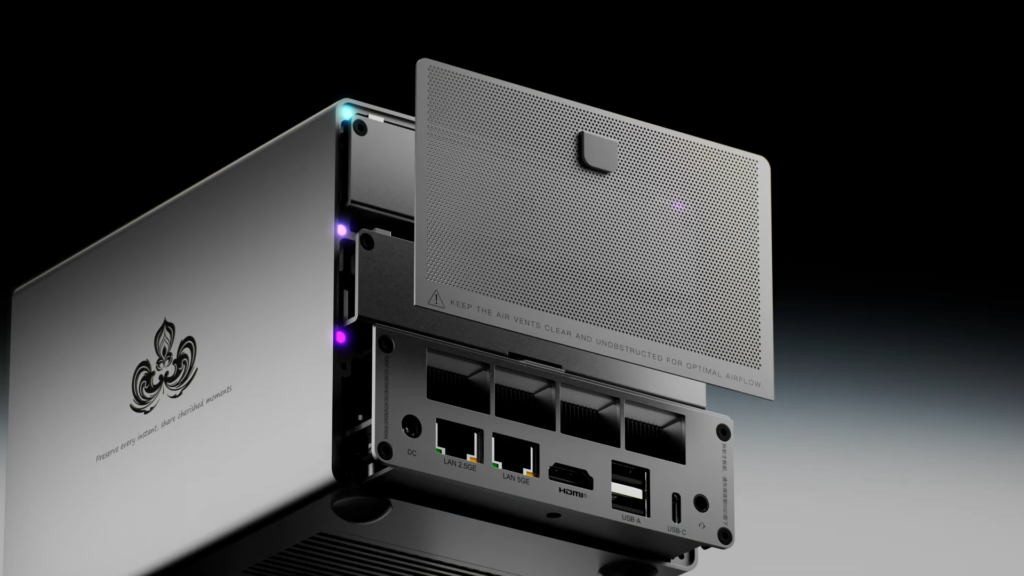
For networking, the ME Pro includes one 5 GbE port and one 2.5 GbE port. These ports support link aggregation, allowing up to 7.5 Gbps combined throughput. Wireless connectivity includes Wi-Fi 6 and Bluetooth 5.4, powered by the MT7920 module.
The system offers several I/O options, including one USB-A 3.2 Gen 2 port (10Gbps), one USB-C port with 10Gbps data and video output, one HDMI 2.1 port (4K@60Hz), two USB 2.0 ports, a 3.5mm audio jack, DC input, reset pinhole, and a CMOS clear pin.
Pricing
Coming to the pricing, the standard edition is priced at 1,848 yuan ($258.72) and includes 12GB of RAM with no internal storage. The business edition costs 1,999 yuan ($279.86) and adds a 128GB drive along with a five-year Feiniu FN Connect premium subscription.
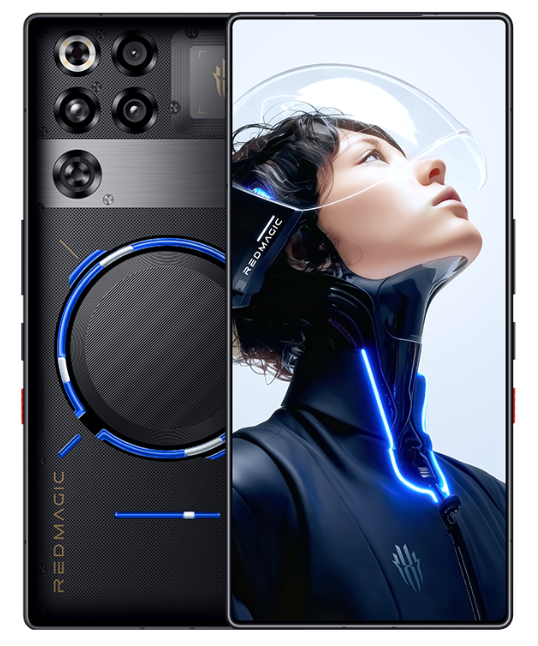
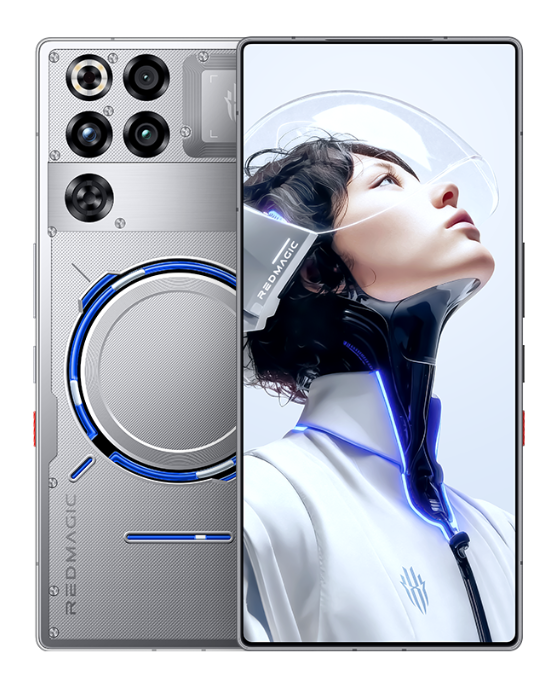
Red Magic 11 Pro+ Global ROM is a high-performance gaming phone made for users who want speed, power, and long battery life. Although it is a Chinese edition, it comes flashed with the Global ROM, supporting Google Mobile Services, the Google Play Store, and OTA updates. This allows the phone to work smoothly in most countries while delivering a gaming-focused user experience through Red Magic OS 11.0.
Price and Availability
The Red Magic 11 Pro+ Global ROM is available at Giztop with a starting price of $899, making it a competitive choice among flagship gaming phones. Both global shipping and express shipping options are available, allowing buyers in many countries to select faster delivery if needed. At this price, the phone delivers high-end performance, cutting-edge cooling, and long battery life, making it ideal for gamers, power users, and anyone who wants a premium Android device with full Google support and regular OTA updates.
Flagship-Level Performance
The phone is powered by the Qualcomm Snapdragon 8 Elite Gen 5 processor along with the REDMAGIC RedCore R4 chip. With RAM options of 12GB, 16GB, or 24GB and up to 1TB of fast UFS 4.1 Pro storage, it can handle heavy games, multitasking, and large files with ease.
High-Refresh AMOLED Display
The Red Magic 11 Pro+ features a 6.85-inch AMOLED display with a 144Hz refresh rate and a fast touch response. It offers rich colors, high brightness, and smooth visuals, making it ideal for gaming, streaming, and everyday use.
Camera and Cooling
The phone includes a 50MP main camera with OIS, a 50MP ultra-wide camera, and a 2MP macro camera. A 16MP front camera handles selfies and video calls. To manage heat, it uses a multi-layer cooling system with an internal fan, vapor chamber, and advanced thermal materials.
Battery, Charging, and Audio
A large 7500mAh battery ensures long usage, while 120W wired and 80W wireless charging help recharge the phone quickly. Stereo speakers provide clear and immersive sound, making the Red Magic 11 Pro+ a strong choice for serious mobile gamers.
Samsung grabbed headlines in 2025 with the Galaxy Z Fold 7’s ultra-thin design, but early leaks suggest the company may shift focus to its flip lineup next year. According to new rumors, the Galaxy Z Flip 8 could be in line for more noticeable upgrades. The Fold 8, on the other hand, will reportedly stick to a more conservative, refinement-focused update.
X tipster @TheGalox_ claims Samsung is working on a considerably slimmer body for the Z Flip 8. While no exact measurements have leaked so far, the move makes sense. The Z Fold 7 finally feels like a bar phone when folded (8.9mm), while the Flip 7 measures 13.7mm when folded. Many of the structural changes from the Fold 7 could be carried over to the next Flip model, making it significantly more attractive.
But what about the battery? “It’ll be the first time in many years it gets thinner while keeping or even increasing the current battery size,” says the tipster.
In fact, thickness remains one of the biggest pain points for clamshell foldables, especially when folded and carried in a pocket. Any meaningful reduction here would be a welcome change for everyday use.
The leaks also point to display improvements, though specifics are still under wraps. Samsung has been steadily improving its foldable panels year over year, so this could involve further crease reduction, better durability, or refinements to brightness and efficiency.
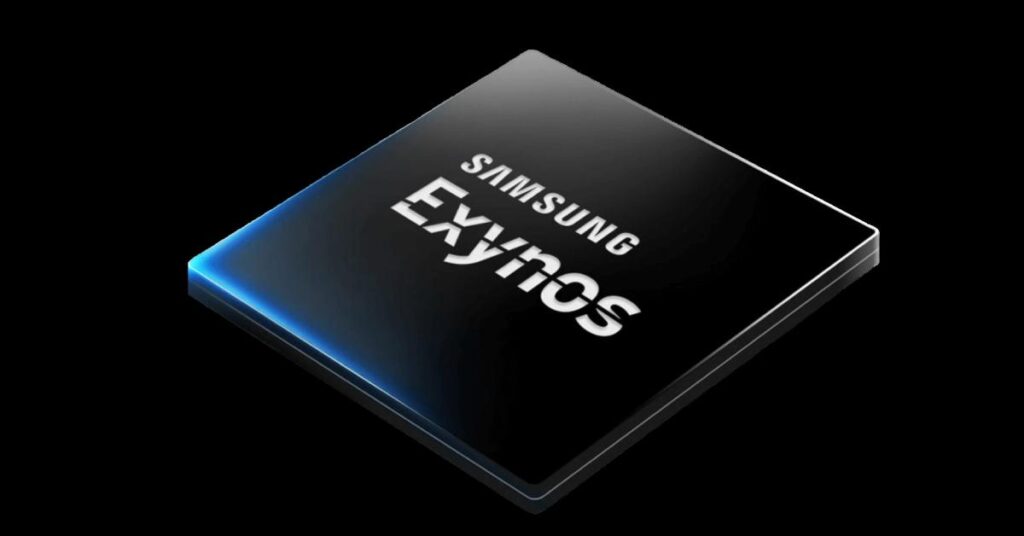
On the performance side, the Galaxy Z Flip 8 is expected to continue Samsung’s push toward in-house silicon. The device is rumored to ship with the Exynos 2600, the same chip likely to power parts of the Galaxy S26 series.
As for timing, the Galaxy Z Flip 8 is still expected to follow Samsung’s usual schedule, with a launch in the second half of 2026. There are no signs of delays or major production issues at this stage.
That said, it’s still early in the leak cycle, and details are likely to change. But if the latest rumor holds up, the Galaxy Z Flip 8 could end up being a much more substantial upgrade than its predecessor.
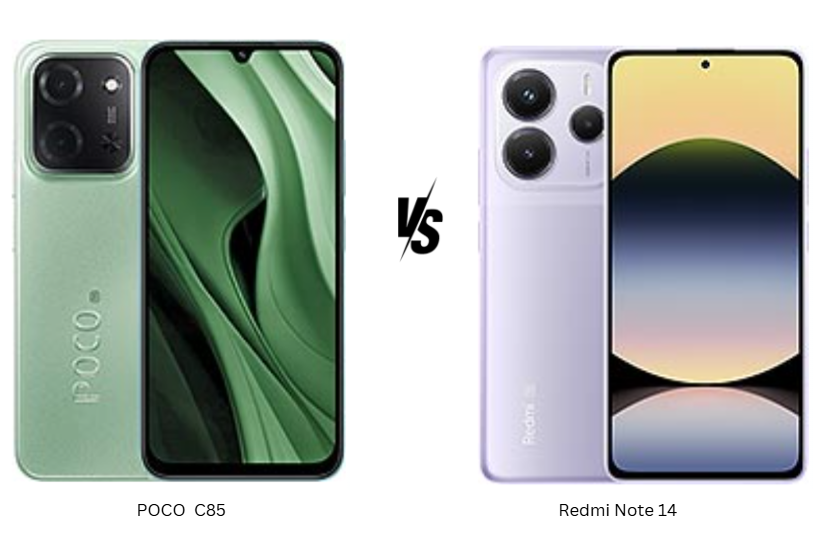
Budget phones no longer play by budget rules. The Poco C85 and Redmi Note 14 sit close in price but represent two very different ideas of value, one built around doing the basics for as long as possible, the other focused on feeling more premium without crossing into flagship territory. This comparison matters because many buyers are choosing between “good enough” and “worth paying extra for.” When both phones promise strong everyday reliability, the real question becomes which one actually feels better to live with over time.
The Poco C85 focuses on practicality, prioritizing durability and everyday usability over premium flair. Its design feels straightforward and functional, clearly aimed at users who value toughness and simplicity. The Redmi Note 14, on the other hand, leans toward a more refined, premium-inspired approach. Gorilla Glass protection, slimmer visual lines, and a cleaner finish give it a more polished in-hand experience that feels closer to mid-range standards. For users who enjoy a phone that looks and feels more “finished,” the Redmi naturally feels more satisfying.
Display Quality
Display quality is where the gap becomes obvious. Poco C85’s large LCD panel with a high refresh rate delivers smooth scrolling and decent brightness for daily use, but sharpness and contrast are limited. The Redmi Note 14’s AMOLED display brings richer colors, deeper blacks, HDR support, and significantly better clarity. High brightness and advanced PWM dimming also make it more comfortable for extended viewing, especially at night.
Verdict
For basic usage, the Poco display is serviceable. For visual impact and comfort, the Redmi Note 14 clearly feels superior.
2. Specifications
Performance
The Poco C85 is built for efficiency rather than power. Its chipset handles everyday tasks like browsing, streaming, and social media reliably, but heavy gaming or multitasking pushes its limits. It feels tuned for stability, not speed. The Redmi Note 14 delivers a noticeable step up in performance, thanks to newer cores and a stronger GPU. Apps open faster, animations feel smoother, and gaming performance is more consistent, making it better suited for demanding users.
Battery and Charging
Battery capacity favors the Poco C85, which is clearly designed for endurance. It comfortably lasts through long days and suits users who prioritize uptime. Charging speeds are respectable but not class-leading. The Redmi Note 14 balances a slightly smaller battery with much faster charging, making short top-ups more practical. In daily use, this trade-off often feels more convenient than raw capacity alone.
Verdict
The Poco excels in longevity, while the Redmi feels faster, smoother, and more responsive overall.
3. Camera
Main and Secondary Lenses
The Poco C85 keeps things simple with a single high-resolution main camera supported by basic features. In good lighting, it produces usable shots with decent colors, but detail and dynamic range fall short when conditions are less ideal. The Redmi Note 14 takes photography much more seriously. Its high-resolution main sensor with optical stabilization delivers sharper images, better low-light results, and more consistent video. The inclusion of an ultra-wide camera adds flexibility that the Poco completely lacks, making the Redmi more versatile for travel and everyday creativity.
Selfie Camera
Selfie performance further highlights the difference. The Poco’s front camera is adequate for casual use and video calls, but the results look soft. Redmi’s higher-resolution selfie camera produces clearer images and more reliable skin tones, which feel better suited for social media users.
Verdict
For photography, the Poco is functional. The Redmi Note 14 feels like a true step up in camera confidence.
4. Pricing
Poco C85 is priced at around $150, making it a strong choice for buyers who want basic reliability and long battery life at the lowest possible cost. It clearly targets students and casual users who don’t want to stretch their budget.
The Redmi Note 14 comes in at roughly $200, and the extra $50 brings meaningful upgrades that improve everyday use. The phone feels more polished and better equipped for long-term ownership, which makes the higher price easier to justify.
Verdict
Choose the Poco C85 to save money. Choose the Redmi Note 14 if spending more for a better overall experience feels worthwhile.
Disclaimer: Prices are approximate and may vary based on country, region, and applicable taxes.
5. Conclusion
Poco C85 stands out with its massive battery, dedicated microSD slot, and simple, no-nonsense approach. It is designed to last long hours and handle basics reliably, which makes it appealing in regions where charging access and durability matter most. The Redmi Note 14 counters with a premium AMOLED display, optical image stabilization, stereo speakers with Dolby Atmos, faster charging, and a more powerful chipset. These features collectively elevate daily usage rather than focusing on a single headline spec.
Verdict
Poco C85 feels like a smart, budget-conscious choice built around endurance and practicality. The Redmi Note 14 feels more refined, balanced, and future-ready.
For users who want a phone that looks better, performs better, and captures better photos, the Redmi clearly feels more satisfying. For those who want maximum battery life and savings without unnecessary extras, the Poco remains a sensible pick.
The chipset has always been a crucial part of a smartphone, but today it matters more than ever. From gaming performance and connectivity to battery life, camera processing, and AI features, the processor plays a central role in determining how a phone performs day-to-day — making the right choice increasingly important.
For years, Qualcomm’s Snapdragon chips were the go-to choice for most users. But MediaTek has dramatically closed the gap in recent years, and in some cases, it even pulled ahead. So, which one should you actually pick for your next upgrade? Let’s break it down.
Snapdragon and MediaTek: A quick background
Qualcomm’s Snapdragon chips have dominated the Android flagship market for over a decade. Major brands, including Samsung, Xiaomi, and OnePlus, have heavily relied on Qualcomm to power their high-end smartphones. Over time, Snapdragon has also earned a strong reputation for strong performance and reliable connectivity.
MediaTek, on the other hand, was primarily known for entry-level and mid-range chips. That perception has changed significantly with the rise of the Dimensity series. Today, MediaTek offers flagship-grade processors with modern CPU designs, powerful GPUs, and impressive power efficiency — often at a lower cost to smartphone manufacturers.
As a result, the two chipmakers now compete head-to-head across nearly every price segment.
Performance and gaming: where Snapdragon still holds an edge
Snapdragon chips have long been dominating smartphone gaming, and that’s still true. That said, MediaTek has aggressively filled the gap in recent years.
Modern Dimensity chips feature powerful GPUs that can match, or even outperform, Snapdragon chips on benchmarks. However, during longer gaming sessions, Snapdragon-powered phones generally deliver more consistent frame rates. MediaTek-powered phones exhibit relatively higher thermal throttling during extended gaming, but newer flagships have significantly improved in this regard.
This makes Snapdragon the safer choice for sustained gaming performance, although MediaTek chips still offer more than enough power for casual and even moderate gamers.
In CPU benchmarks, Snapdragon chips tend to have a slight edge in single-core performance, resulting in marginally faster app launches and smoother UI interactions. MediaTek’s recent Dimensity chips often perform better in multi-core workloads. In real-world use, however, these differences are subtle, and most users won’t notice a meaningful gap during everyday tasks like browsing, social media, or video streaming.
Battery life and efficiency: MediaTek’s quiet strength
MediaTek chips have consistently received praise for their excellent power efficiency, particularly in mid-range and upper mid-range segments. Dimensity chips are often optimized for sustained efficiency, resulting in longer screen-on time and reduced heat buildup.
Snapdragon chips are still efficient, especially recent generations, but MediaTek-powered phones deliver comparable or even better battery life at similar price points.
Camera and imaging: Snapdragon has a slight edge
Camera performance isn’t just about the sensor or megapixel count; the chipset also plays an important role. The image signal processor (ISP) on a chip processes the raw data (captured by the sensor) into usable image data, after which the OEM applies its own processing and tuning.
Snapdragon still holds a slight reliability edge due to years of ISP optimization and broader software support, particularly for video recording. MediaTek’s flagship chips have made major strides, but camera results still depend heavily on how well OEMs tune the imaging pipeline.
Connectivity and network reliability
Both Snapdragon and MediaTek offer modern connectivity features, including advanced 5G support, Wi-Fi standards, and Bluetooth enhancements.
In the US, however, the Snapdragon may have an edge due to carrier-specific optimizations. This is because of Snapdragon’s dominance in the region. That said, modern MediaTek flagships also perform reliably in most regions, including the US.
For the majority of users, connectivity differences between the two are unlikely to be a deciding factor, as both integrate modern connectivity features.
Pricing and value: where MediaTek shines
Pricing is one of MediaTek’s biggest advantages. Smartphones powered by MediaTek chips are typically more affordable than comparable Snapdragon-powered devices — that’s also true for flagship phones.
MediaTek chipsets often offer better specifications on paper for the same price, and this advantage is especially noticeable in the mid-range segment. Snapdragon-powered phones tend to cost more, reflecting brand perception, premium modem technology, and the long-standing maturity of their ecosystem.
Snapdragon vs MediaTek: which one should you choose?
Choose Snapdragon if you prioritize sustained gaming performance, consistent camera results, and reliable connectivity.
Choose MediaTek if you want excellent performance and battery efficiency at a lower price, and you’re comfortable trading a bit of ecosystem maturity for better value.
Both Snapdragon and MediaTek make capable chips. The choice ultimately depends less on the brand name and more on how the phone is optimized and how you plan to use it.
Xiaomi has announced a major increase in research and development spending as it pushes toward becoming a global leader in hardcore technologies. At the 2025 Human Car Home Ecosystem Partner Conference on December 17, Xiaomi Group President Lu Weibing confirmed that the company will invest 200 billion yuan (approximately $28.4 billion) in R&D over the next five years.
For the current year, Xiaomi expects its R&D spending to reach between 32 and 33 billion yuan (about $4.5-4.7 billion). That figure is projected to rise to around 40 billion yuan (roughly $5.7 billion) in 2026. This represents a sharp increase compared to the 105 billion yuan (around $14.9 billion) Xiaomi invested between 2021 and 2025. The company’s R&D spending is set to double over the next five years.
The increased investment is already translating into new products and technological advancements. Xiaomi has unveiled its MiMo foundation model, a self-developed AI model designed for efficient inference across smartphones, smart home devices, and cars. Despite having a smaller parameter size compared to industry giants, MiMo is positioned as a high-performance solution for real-world applications.
Xiaomi is also expanding its efforts in chip development. The company has invested over 13.5 billion yuan (approximately $1.9 billion) in its Xring chip project. The R&D team now includes more than 2,500 engineers. Xiaomi is preparing to accelerate mass production of the next-generation Xring O2 chip. Due to U.S. technology restrictions, the chip will remain on the 3nm process node rather than advancing to 2nm.
According to Xiaomi’s third-quarter financial report, the company’s R&D team has grown to 24,871 people, marking a new record. The company believes its growing investment in research is critical to maintaining competitiveness in areas such as imaging, fast charging, AI, and its integrated Human Car Home ecosystem.
For more daily updates, please visit ourNews Section.
Xiaomi is set to expand its flagship lineup with the launch of the Xiaomi 17 Ultra, a new top-end model positioned above the existing range. The Xiaomi 17 series debuted in China in September 2025 with three variants: Xiaomi 17, Xiaomi 17 Pro, and Xiaomi 17 Pro Max. The upcoming 17 Ultra is expected to become the most premium offering in the lineup.
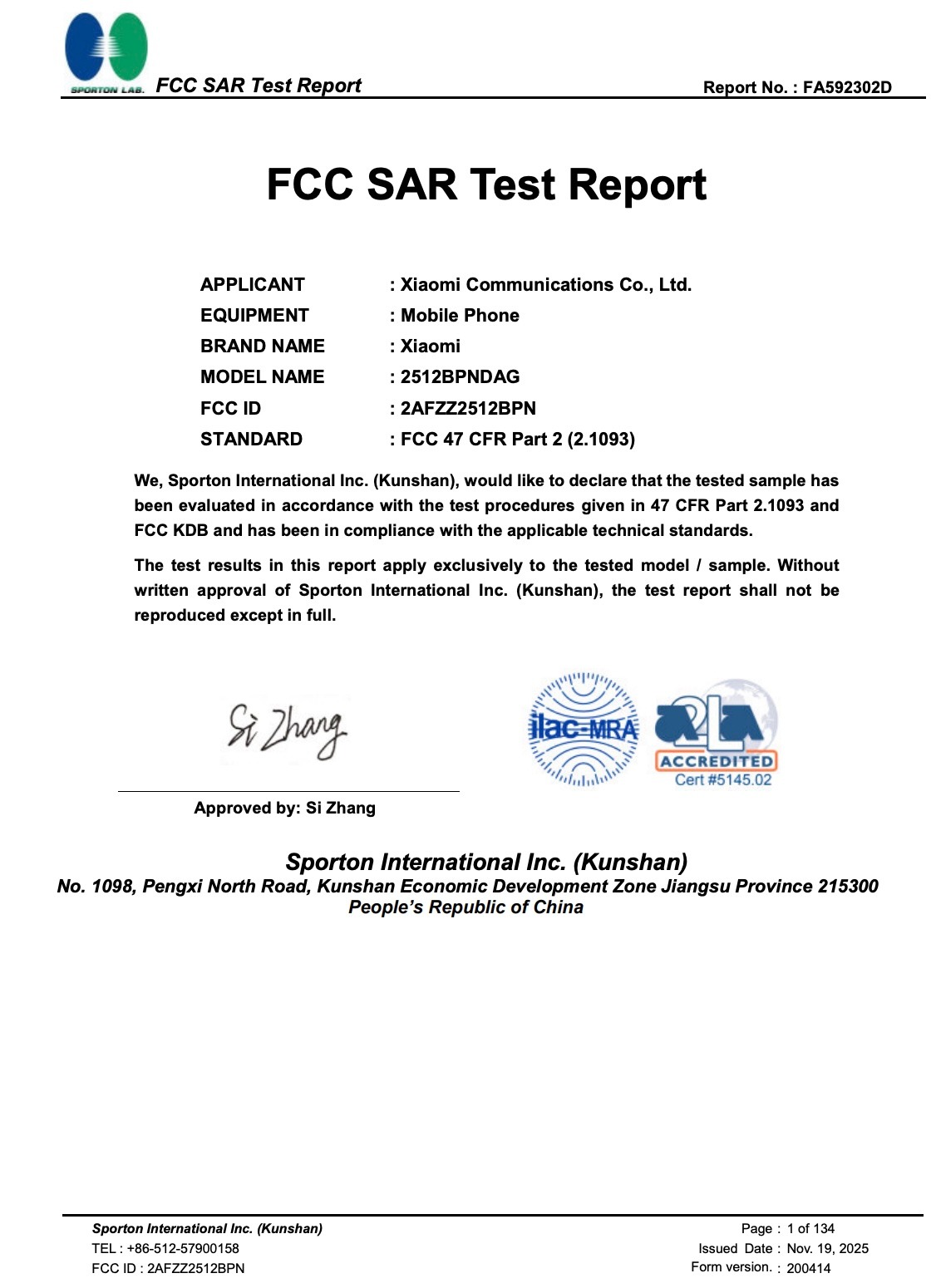
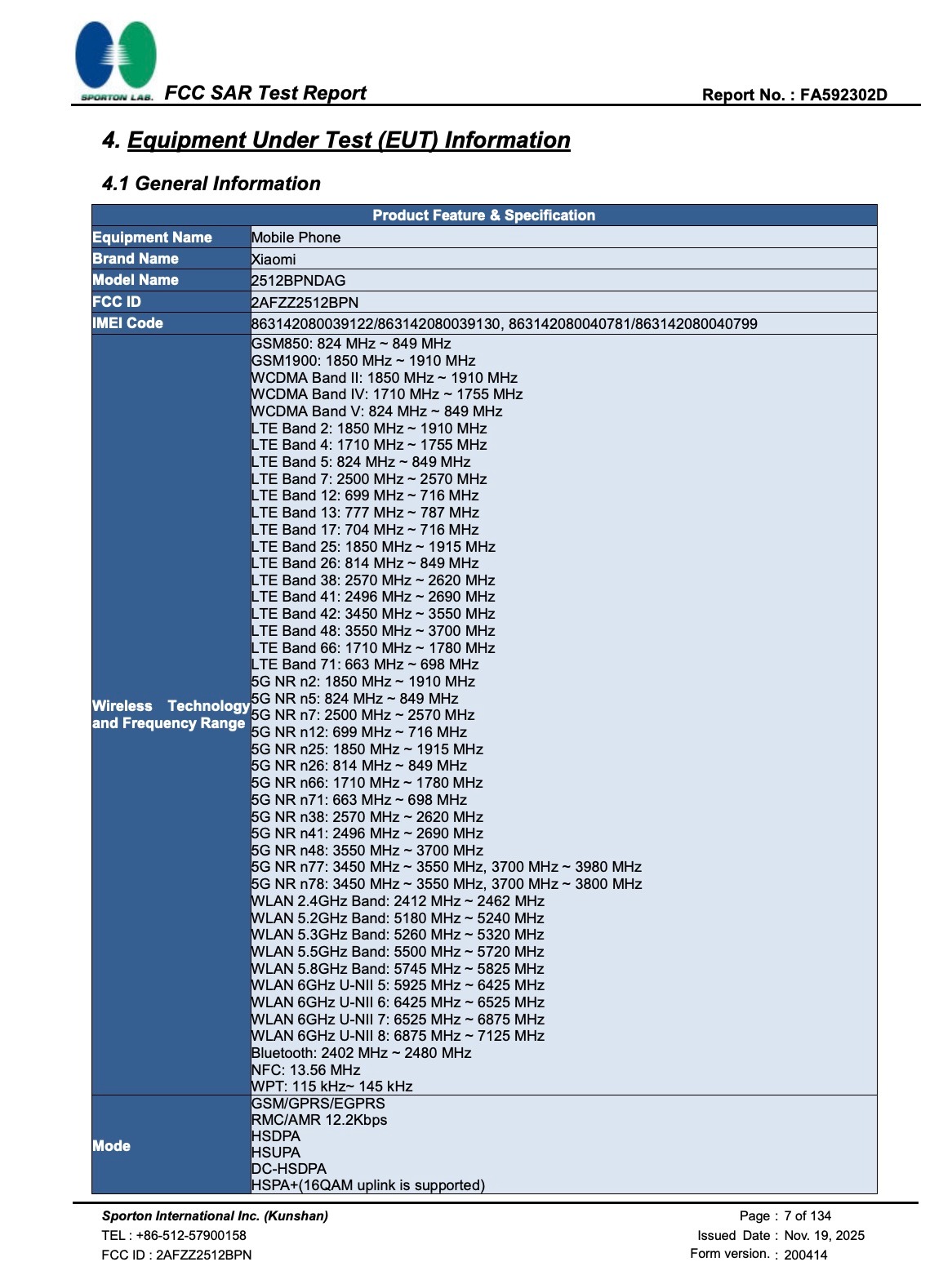
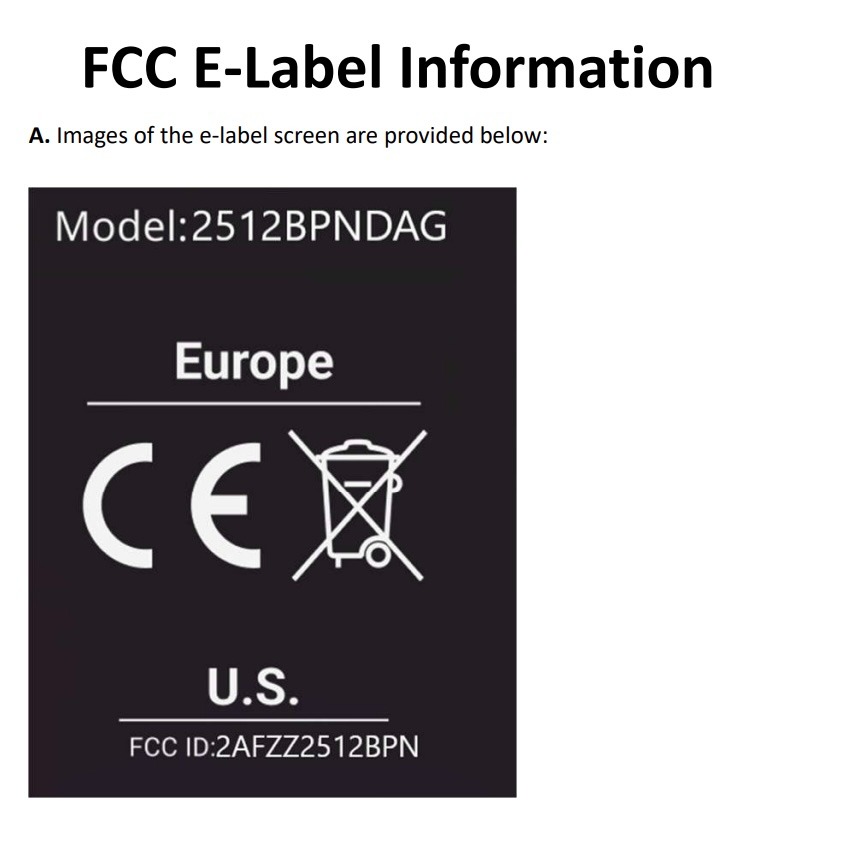
The Xiaomi 17 Ultra has now appeared in multiple regulatory listings, pointing to an upcoming launch. The latest sighting comes from the US Federal Communications Commission. The FCC certification confirms that the phone will run HyperOS 3 out of the box. It also lists key connectivity features, including 5G support, Wi-Fi 7 based on the 802.11be standard, and Bluetooth Low Energy.
This FCC filing follows earlier certifications. The Chinese version of the Xiaomi 17 Ultra, with the model number 2512BPNDAC, was previously approved by China’s 3C authority. The global variant, carrying the model number 2512BPNDAG, has also been spotted in the IMEI database.
Xiaomi has not shared an official launch date yet. However, we pretty much know that the launch will take place sometime next week in China. The global release is expected to follow in January 2026.
Specifications have not been confirmed by Xiaomi, but several details have surfaced through leaks. The Xiaomi 17 Ultra is rumored to be powered by the Snapdragon 8 Elite Gen 5 processor. Battery capacity is expected to be close to 7,000mAh, which would make it one of the largest batteries in a flagship smartphone.
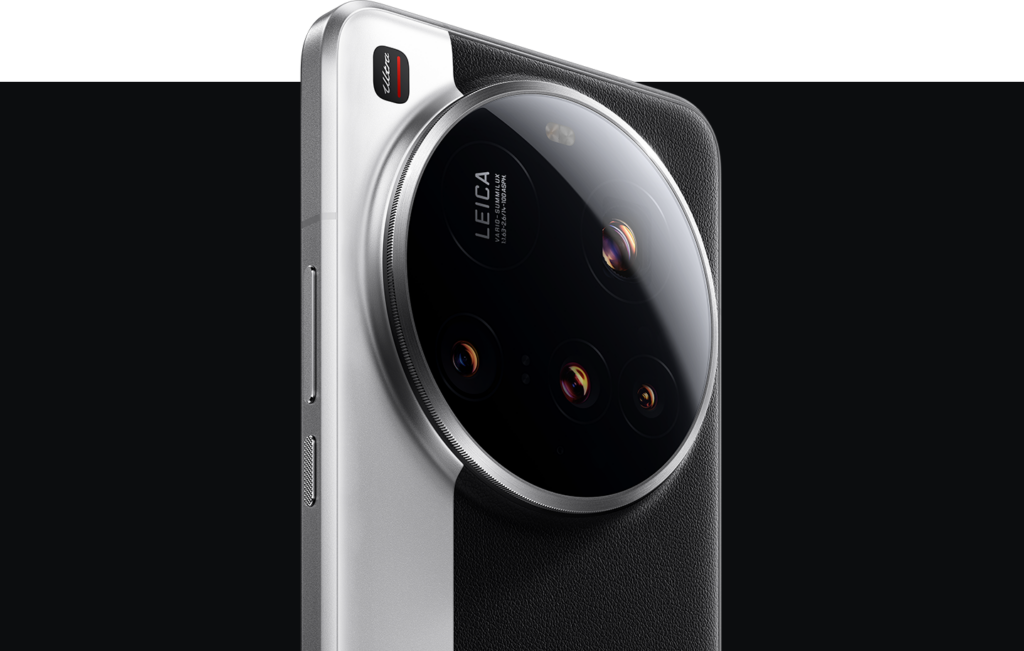
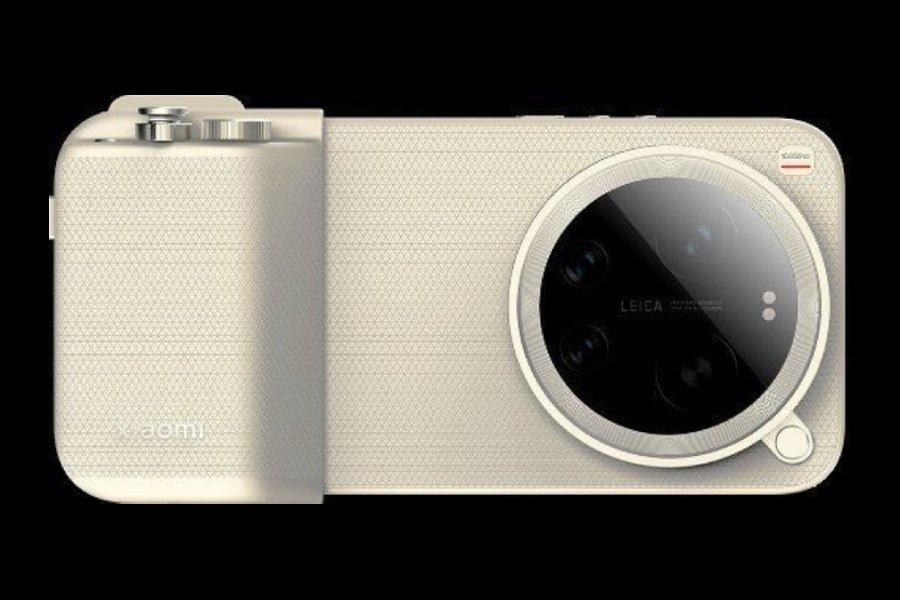
The main focus of the Xiaomi 17 Ultra is expected to be its camera system. The device is confirmed to feature a Leica-branded camera system and is tipped to use OmniVision’s new 1-inch 50-megapixel OV50X sensor as its main camera, offering large pixel sizes and improved HDR processing. Alongside it, the phone is likely to include a 50-megapixel ultra-wide camera with macro capabilities and a 200-megapixel periscope telephoto camera that could deliver up to 5x optical zoom.
For more daily updates, please visit our News Section.
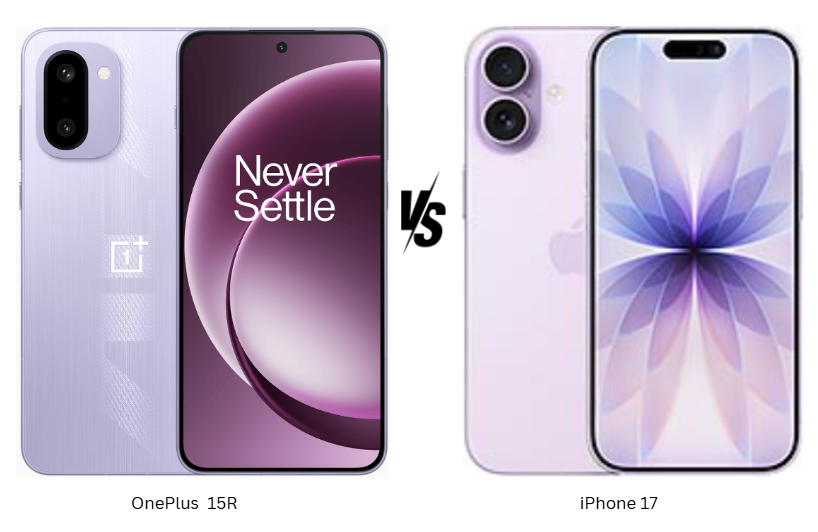
On paper, the OnePlus 15R and the iPhone 17 sit in the same premium bracket, but in reality, they represent two completely different ideas of what a modern smartphone should be. One chases speed, spectacle, and value; the other bets on restraint, refinement, and long-term trust. Buyers looking at these two aren’t choosing a phone so much as choosing a philosophy, which is why this comparison matters.
The OnePlus 15R leans into a bold, performance-centric identity, with a design that feels engineered for intensity rather than minimalism. Its ceramic-like coating and industrial finish give it a rugged, modern personality that appeals to users who like their phones to feel purposeful and tech-forward. The iPhone 17, in contrast, continues Apple’s clean, restrained aesthetic. The smooth glass and refined frame deliver a polished, premium feel that blends effortlessly into everyday use. OnePlus feels more expressive and aggressive, while the iPhone feels calmer and more universally refined.
Display Quality
OnePlus prioritizes visual impact with a fluid, ultra-smooth AMOLED panel that makes scrolling, gaming, and animations feel effortlessly fast. It feels tuned for users who notice responsiveness immediately. Apple’s OLED panel focuses on color accuracy, consistency, and cinematic HDR, creating a display that feels natural and balanced rather than flashy. While OnePlus impresses instantly, the iPhone’s display tends to feel more comfortable during long viewing sessions.
Verdict
OnePlus 15R feels more exciting and bold, while iPhone 17 feels more polished and timeless.
Please Note: When you buy something using the links in our articles, we may earn a small commission at no cost to you.
2. Specifications
Performance
The OnePlus 15R is built for raw speed, delivering a performance profile that feels aggressive and future-proof, especially for gaming and heavy multitasking. Apps open instantly, sustained workloads remain smooth, and the overall experience feels tuned for power users. The iPhone 17 counters with Apple’s signature efficiency-focused performance. Everything feels tightly optimized, fluid, and predictable, with fewer background slowdowns over time. While OnePlus feels faster on the surface, Apple’s performance feels more controlled and consistently reliable across years of use.
Battery and Charging
OnePlus clearly prioritizes endurance and convenience, offering long usage confidence and fast top-ups that reduce downtime anxiety. It suits users who value charging speed and flexibility. Apple focuses on efficiency rather than raw capacity, pairing dependable daily battery life with ecosystem-friendly charging options. It feels designed around steady routines rather than power bursts.
Verdict
OnePlus 15R favors power and speed, while iPhone 17 prioritizes long-term efficiency and stability.
3. Camera
Main and Secondary Lenses
The OnePlus 15R camera system focuses on versatility and high-frame-rate video flexibility, appealing to users who enjoy experimenting with motion, lighting, and dynamic scenes. Results are vibrant and social-media ready, often favoring contrast and punch. The iPhone 17 emphasizes consistency and realism, delivering dependable colors, excellent dynamic range, and industry-leading video reliability. Apple’s footage feels more cinematic and predictable, especially in mixed lighting, making it a safer choice for content creators who want minimal post-processing.
Selfie Camera
OnePlus delivers sharp, detailed selfies with a focus on clarity and smooth video stabilization. Apple’s front camera goes further with depth sensing and advanced HDR, producing more natural skin tones and stronger video presence for calls and vlogs. The difference becomes noticeable during video, where Apple feels more refined.
Verdict
OnePlus offers creative flexibility, but iPhone 17 delivers more consistent, professional-grade results.
4. Pricing
The OnePlus 15R positions itself as a high-performance flagship killer, offering cutting-edge hardware, aggressive features, and a premium design at a comparatively lower entry price. It clearly targets buyers who want maximum specifications per dollar and are comfortable choosing performance over ecosystem depth. The value proposition feels strong, especially for users upgrading frequently or prioritizing hardware-first experiences.
The iPhone 17 sits at a higher price point, but that premium extends beyond raw specifications. Buyers are paying for long-term software support, deep ecosystem integration, resale value, and a refined user experience that ages gracefully. While it costs more upfront, the overall ownership experience often feels more predictable and stable over time.
OnePlus 15R delivers stronger hardware value, while iPhone 17 justifies its price through longevity, ecosystem benefits, and consistency.
5. Conclusion
OnePlus 15R stands out with its fast-paced personality, prioritizing display fluidity, charging speed, and performance intensity. It feels designed for users who enjoy tweaking, gaming, and pushing hardware to its limits. The experience feels energetic and forward-looking. The iPhone 17’s strengths lie in polish, reliability, and ecosystem intelligence. Features like satellite connectivity, deep hardware-software integration, and long-term updates make it feel less experimental but more dependable.
Verdict
OnePlus 15R is the better choice for users who want excitement, speed, and maximum value from cutting-edge hardware. It feels ideal for enthusiasts who upgrade often and prioritize performance-first experiences. The iPhone 17 makes more sense for users who value stability, camera consistency, and seamless integration across devices. It may feel less dramatic, but it delivers a refined experience that remains satisfying long after the initial excitement fades.
Xiaomi unveiled the Xiaomi 15 Ultra in February this year, and it has already confirmed that the 17 Ultra is debuting next week in China. This indicates that the new flagship is launching much earlier than previously anticipated, shifting the typical release cycle significantly. With the first official teasers appearing online, the question arises whether consumers should hold off on their current purchases to wait for this premium device. Here’s a look at what to expect from the Xiaomi 17 Ultra.
Xiaomi 17 Ultra design emerge in mock render, reveals triple camera sensors confirmed
While the upgrades sound promising, pricing may be the biggest concern. Tipster Digital Chat Station recently claimed that rising memory prices mean upcoming phones will either increase prices or cut specifications. Xiaomi’s strong push into the premium segment further supports this view.
According to the tipster, Xiaomi has found success in the high-end space this year, and the Xiaomi 17 Ultra, positioned as the ultimate flagship, is unlikely to compromise on hardware to maintain pricing. Consequently, a price hike appears inevitable, especially if the base variant starts with 512GB of storage. Likely, it may arrive with a starting price of 6,999 Yuan (~$999).
For those wondering about the 17 Ultra’s global launch, it is expected to debut with the Xiaomi 17 in March next year.
So, should you wait? If camera improvements, stronger performance, and a refined flagship experience matter more than price, the Xiaomi 17 Ultra already looks worth holding out for.
The Gemini 3 Flash has been officially introduced by Google as the latest addition to its AI model lineup. Designed to improve speed and efficiency, the new model signals a shift in how Google wants everyday users and developers to interact with Gemini. Here’s a look at what the latest model offers.
Gemini 3 Flash focuses on speed without losing intelligence
Gemini 3 Flash
Google positions Gemini 3 Flash as a faster alternative that still retains the advanced reasoning, multimodal understanding, and tool-handling capabilities seen in Gemini 3 Pro. According to the company, the new model surpasses Gemini 2.5 Flash across benchmarks and outperforms Gemini 2.5 Pro in several areas, while remaining significantly quicker and more cost-efficient. In some evaluations, Gemini 3 Flash performs on par with Gemini 3 Pro and even exceeds it in tasks involving multimodal reasoning, workflow execution, and long-horizon tool use.
For developers, this means stronger support for demanding use cases such as video analysis, data extraction, visual question answering, and agent-driven software tasks. Google also highlights that Gemini 3 Flash delivers these gains while being lighter on computing resources, making it a practical option for large-scale deployment and real-time applications.
Gemini 3 Flash is now rolling out as the default model in the Gemini app, replacing Gemini 2.5 Flash. Users can access it through two modes, one optimised for quick responses and another designed for more complex problem-solving. Gemini 3 Pro remains available as a separate option for advanced mathematics and coding tasks.
The model is also becoming the default engine for AI Mode in Google Search globally, enabling more nuanced queries and context-aware responses. In the US, users can additionally access Gemini 3 Pro and advanced image-generation tools through AI Mode. For developers, Gemini 3 Flash is available in preview via Google AI Studio, Gemini CLI, Android Studio, and other platforms, marking one of Google’s fastest AI rollouts to date.
For more daily updates, please visit our News Section.
iQOO is reportedly working on a couple of new Z-series phones for the Chinese market. A recent Weibo post by reliable tipster Digital Chat Station revealed that it may include a Snapdragon 8 Gen 5-powered model, which may eventually end up as the iQOO Z11 Turbo Pro. In a newer Weibo post, the tipster has mentioned a Z-series mid-range phone. Considering that the Snapdragon 8 Gen 5 is not a mid-range chip, it appears that the tipster could be talking about another Z-series model and not the Z10 Turbo Pro.
iQOO Z-series phone with 200MP camera
As can be seen above, DCS’s Weibo post suggests that iQOO could be evaluating a Z-series mid-range phone with ultrasonic fingerprint authentication, a metal frame, and a 200-megapixel large-sensor main camera. The tipster notes that this is an early-stage discussion and that the details are not final.
In the comments section, DCS revealed that this device may feature the Samsung HP5 200-megapixel camera sensor. He also mentioned that competing models in the same price range have a plastic frame or an optical in-screen fingerprint sensor.
While some have speculated that it could be the iQOO Z11 Pro, there is no concrete evidence to back this claim. As far as the alleged iQOO Z11 Turbo Pro is concerned, it is expected to feature a 6.59-inch OLED panel that offers a 1.5K resolution and the Snapdragon 8 Gen 5 chipset. The other details of the device are under wraps.
As far as other iQOO phones are concerned, a recent report revealed that the rumoured iQOO 15 Ultra flagship phone has been delayed, whereas the iQOO 15 Mini has been cancelled.
For more daily updates, please visit our News Section.
Choosing between the OnePlus 15R and the Samsung Galaxy S24 isn’t just about brand preference; it’s about timing, priorities, and how long a phone is expected to stay relevant. Buyers comparing these two are typically torn between a newer, future-focused release and a proven flagship from an earlier cycle. With both sitting in a similar price bracket, this comparison matters because it highlights how launch year, long-term value, and evolving user expectations can change what “best choice” really means.
OnePlus 15R and Galaxy S24 take very different design philosophies. OnePlus goes for a bold, modern flagship look with aggressive styling, premium coatings, and a “tech-forward” identity that feels built for power users. The ceramic-like finish and tougher water resistance add confidence for long-term use. Samsung, by contrast, sticks to a refined, compact, minimalist design that feels instantly familiar and polished. It prioritizes comfort, pocketability, and brand consistency. The S24 feels like a device designed to disappear into daily life, while the OnePlus 15R feels like a statement phone meant to be noticed.
Display Quality
OnePlus clearly plays the spec card here with an ultra-smooth, ultra-bright AMOLED panel designed for gaming, scrolling, and media consumption. The experience feels dramatic and immersive. Samsung’s LTPO AMOLED focuses more on efficiency, accuracy, and balance, delivering excellent color tuning and adaptive refresh behavior. It may feel less flashy, but it’s extremely controlled and consistent for everyday use.
Verdict
The OnePlus 15R feels more exciting and future-facing, while the Galaxy S24 feels more refined and timeless.
Please Note: When you buy something using the links in our articles, we may earn a small commission at no cost to you.
2. Specifications
Performance
OnePlus 15R benefits heavily from its much newer launch timeline. Shipping in early 2026 with a next-generation Snapdragon chipset and Android 16, it is positioned for longer relevance and higher sustained performance. It feels tuned for gaming, heavy multitasking, and long-term power users. The Galaxy S24 still performs excellently, but its 2024 silicon and Android version place it a full generation behind. For most daily tasks, it remains smooth, but demanding workloads highlight the age gap more clearly than expected.
Battery and Charging
Battery strategy is where the difference becomes obvious in daily life. OnePlus focuses on endurance and speed, delivering a phone that feels designed for heavy use without anxiety. Fast wired charging reinforces that “always ready” feeling. Samsung leans into balance, offering wireless and reverse charging convenience, but the smaller battery and slower charging feel conservative by 2026 standards.
Verdict
OnePlus 15R feels built for the future, while the Galaxy S24 feels optimized for a previous generation’s priorities.
3. Camera
Main and Secondary Lenses
Samsung’s camera system still reflects years of refinement. The addition of a dedicated telephoto lens gives the Galaxy S24 greater flexibility, especially for portraits and zoom shots. Colors, HDR, and video stabilization feel predictable and reliable, which suits casual and professional users alike. OnePlus, however, focuses more on computational photography and sensor quality rather than lens variety. Its main camera performs strongly in most conditions, but the lack of optical zoom limits creative flexibility. Video performance is solid, though Samsung still feels more “broadcast-ready.”
Selfie Camera
OnePlus offers higher-resolution selfies with a more dramatic look, appealing to social media users. Samsung’s front camera prioritizes consistency and accurate skin tones, which feels safer for professional calls and content.
Verdict
Samsung wins on camera versatility and maturity, while OnePlus delivers strong results but with fewer creative tools.
4. Pricing
On paper, both phones sit at roughly the same price point, but timing changes everything. Galaxy S24 was launched in early 2024, meaning buyers are paying flagship-level pricing for hardware that is already two years old by the time the OnePlus 15R arrives. Samsung partially offsets this with long software support and ecosystem features, which still hold strong value for loyal users. However, from a pure hardware-for-money perspective, the OnePlus 15R clearly offers more modern internals, a newer platform, and better longevity at the same cost.
Galaxy S24 feels fairly priced for its launch year, but less competitive when viewed from a 2026 lens. OnePlus positions the 15R aggressively, making it feel like a better deal for users who prioritize raw capability and future-proofing.
Verdict
At the same price, the OnePlus 15R delivers stronger value simply because it belongs to a newer generation.
The Galaxy S24 still shines through ecosystem features like Samsung DeX, wireless charging, refined camera tuning, and long-term update promises. It feels like a dependable all-rounder designed for stability, productivity, and brand trust. The OnePlus 15R, however, represents a newer wave of flagship thinking, bigger battery focus, faster charging, higher refresh display, and cutting-edge silicon. Its newer Android version and launch timeline make it feel better aligned with how phones will be used over the next few years.
Verdict
When launch timing is considered, the decision becomes clear. The Galaxy S24 remains an excellent compact flagship, but it now feels like a polished product from the previous generation. The OnePlus 15R feels more forward-looking, more powerful, and better suited for buyers spending flagship money in 2026.
For long-term value, performance, and future readiness, the OnePlus 15R makes more sense. Samsung still wins for ecosystem lovers, but OnePlus wins overall.
Xiaomi is bringing a new tablet to the Indian market soon. A fresh teaser has confirmed that the Redmi Pad 2 Pro 5G will make its debut soon in the region, while also confirming its availability details. So here’s everything you need to know about its expected specs, launch details, and more.
Redmi Pad 2 Pro 5G Teased in India
Redmi Pad 2 Pro Teaser
The Chinese tech giant shared a fresh teaser poster that showcases a new tablet model. Looking at the image, we can see the “Pro” moniker right above a tablet, with the bottom carrying “Redmi XXX 2 XXX”. It is pretty clear that this is the Redmi Pad 2 Pro, which was released globally back in September 2025, alongside the Xiaomi Pad Mini and 15T series.
Xiaomi did not reveal any finer details like the launch date, features, or pricing of this tablet in this teaser, but it does confirm the Amazon India and Flipkart availability. This microsite listing also stated that new teasers will follow soon after, revealing more specs in the coming days.
Redmi Pad 2 Pro
Redmi Pad 2 Pro Expected Specifications
Based on what we know so far, the Redmi Pad 2 Pro sports a tall 12.1-inch LCD display with a 2.5K resolution, up to 120Hz adaptive refresh rate, a 360Hz touch sampling rate, Dolby Vision, DC dimming support, and up to 600 nits of peak brightness. Under the hood, this global version of this tablet is packed with the Snapdragon 7s Gen 4 that is coupled with up to 8GB of RAM and 256GB of internal storage.
A massive 12,000mAh battery pack powers the Redmi Pad 2 Pro, which supports 33W wired fast charging and 27W reverse charging. Other notable features include quad speakers with Dolby Atmos, WiFi 6, Bluetooth 5.4, a slim 7.5mm metal body, and optional Keyboard and Stylus accessories.
For more daily updates, please visit our News Section.
Just yesterday, OnePlus unveiled a bunch of new products in the global market. The highlight was the budget flagship, OnePlus 15R, which debuted along with the OnePlus Watch Lite and the OnePlus Pad Go 2. While the 15R is going on sale on December 22 and the budget smartwatch hasn’t been confirmed for an Indian release, the OnePlus Pad Go 2 has just rolled out in the region. So here’s everything you need to know.
OnePlus Pad Go 2 Specifications
The new affordable tablet from the Chinese brand sports a tall 12.1-inch LCD panel with a 2.8K resolution, up to 120Hz adaptive refresh rate, 900 nits of peak brightness, and Dolby Vision. Under the hood, the OnePlus Pad Go 2 is equipped with MediaTek Dimensity 7300 Ultra SoC, which is coupled with 8GB of RAM and up to 256GB of UFS 3.1 storage.
A massive 10,050mAh battery pack powers this device, which supports 33W wired fast charging. For optics, there is an 8MP shooter on the front and back. Other notable features include Android 16 OS based OxygenOS 16 custom skin out of the box, quad speakers with Dolby Atmos, Bluetooth 5.4, WiFi 6, and various productivity related features like screen mirroring, drag-and-drop file sharing, and more.
OnePlus Pad Go 2
Pricing, Availability, & Offers
The OnePlus Pad Go 2 arrives in the Indian market in two color options, namely Lavendar Drift and Shadow Black. It is also available in three different variants, so here are the pricing details:
All three variants are currently on sale via the brand’s official website, Amazon India, OnePlus experience stores, and offline retails like Reliance Digital, Croma, and others. As a part of the introductory launch offer, the OnePlus Pad Go 2 is selling with an instant bank discount of 2,000 INR for select credit card holders. You also get a free OnePlus Pad Go 2 Stylo worth Rs 3,999.
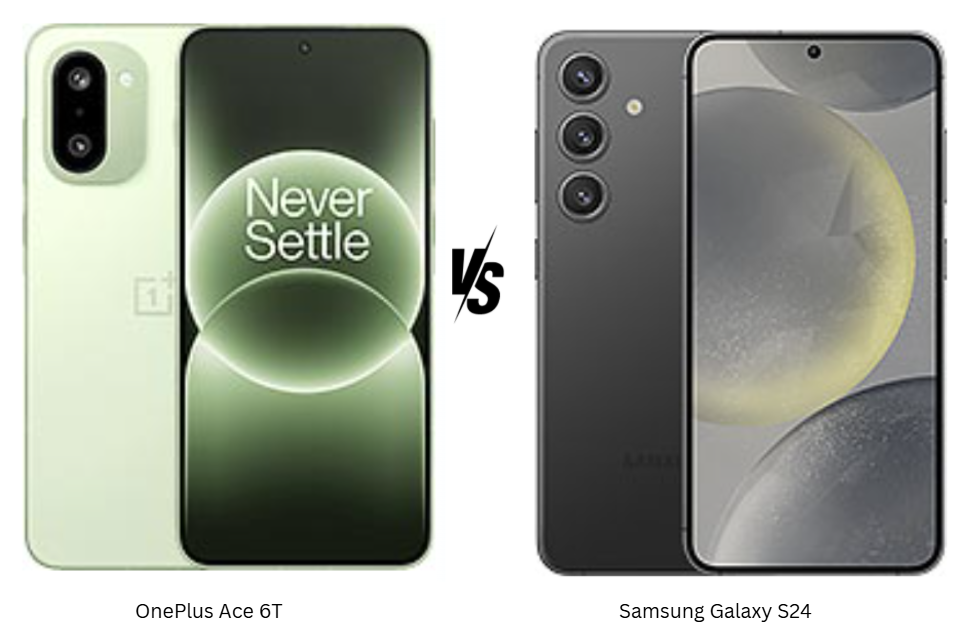
OnePlus Ace 6T vs Samsung Galaxy S24 comparison isn’t just about choosing a phone; it’s about choosing a philosophy. One promises flagship-level power at an aggressive price, while the other delivers a carefully polished premium experience built for long-term use. Buyers looking at these two devices are typically weighing raw value against refinement, making this comparison especially important for anyone deciding whether performance or long-term stability matters more in daily life.
The OnePlus Ace 6T focuses on visual boldness and durability, using a premium glass-and-metal construction with added ceramic-like coating for a distinctive finish. It feels engineered for power users who value robustness and modern design flair. The Samsung Galaxy S24, by contrast, prioritizes refinement and compact elegance. Its Armor Aluminum frame and Gorilla Glass Victus 2 create a cleaner, more understated premium feel that fits comfortably into daily professional use. The Samsung approach feels more universally polished, while the OnePlus design leans toward performance-first aesthetics.
Display Quality
OnePlus pushes display boundaries with an ultra-smooth high-refresh AMOLED panel, extremely high peak brightness, and rich HDR formats. Content feels immersive and gaming-friendly, especially during fast motion. Samsung counters with a color-accurate LTPO AMOLED display that dynamically adapts refresh rates for efficiency and consistency. While it is less extreme on paper, Samsung’s tuning feels more natural and balanced for long viewing sessions.
Verdict
The Ace 6T feels exciting and bold, while the Galaxy S24 feels refined and dependable.
Please Note: When you buy something using the links in our articles, we may earn a small commission at no cost to you.
2. Specifications
Performance
The OnePlus Ace 6T is built around a next-generation flagship chipset paired with extremely fast storage and generous memory options. Everyday interactions feel instant, and sustained gaming performance remains stable with fewer slowdowns. Samsung’s Galaxy S24 offers top-tier performance as well, but its experience varies by region due to different chipsets. Still, optimization and thermal management feel mature, making daily usage consistently smooth rather than aggressively fast.
Battery and Charging
Battery life is a defining strength for the Ace 6T. Its large-capacity silicon-carbon battery and ultra-fast wired charging make it feel nearly impossible to drain in a single day. Quick top-ups significantly reduce charging anxiety. Samsung’s smaller battery focuses more on efficiency than brute capacity, delivering reliable day-long endurance but much slower charging speeds. Wireless charging and reverse wireless charging add convenience, though not speed.
Verdict
OnePlus feels built for heavy users and gamers, while Samsung prioritizes balanced, predictable performance.
3. Camera
Main and Secondary Lenses
Samsung clearly leads in camera versatility. Its triple-camera system covers wide, ultra-wide, and true optical zoom, making it far more adaptable for travel, portraits, and video recording. Samsung’s video capabilities, including higher resolutions and advanced stabilization, feel more creator-focused. The OnePlus Ace 6T delivers solid image quality from its main sensor, with pleasing colors and reliable stabilization, but its secondary camera feels more functional than exciting.
Selfie Camera
Samsung’s front camera benefits from better autofocus and higher video quality, making it stronger for video calls and social content. The OnePlus selfie camera performs well in good lighting but lacks the same level of detail and dynamic range.
Verdict
Samsung feels tailor-made for photography and video, while OnePlus cameras are competent but not the main attraction.
4. Pricing
Pricing dramatically separates these two phones. The OnePlus Ace 6T delivers flagship-level performance, massive battery capacity, and ultra-fast charging at a price that feels aggressively consumer-friendly. It offers exceptional value for users who prioritize speed, endurance, and hardware over brand ecosystem features. The Galaxy S24 costs significantly more, but that premium buys long-term software support, stronger cameras, a refined design, and ecosystem extras like DeX and wireless charging.
For value-focused buyers, the Ace 6T feels like getting more than what is paid for. For users who want stability, longevity, and a well-rounded flagship experience, the Galaxy S24 justifies its higher price with polish rather than raw specs.
The OnePlus Ace 6T stands out with its massive battery, ultra-fast charging, high refresh-rate display, and cutting-edge performance hardware. It feels tailored for power users, gamers, and anyone who values speed and endurance above all else. Samsung’s Galaxy S24 differentiates itself through long-term software support, superior camera versatility, wireless features, and seamless ecosystem integration that extends beyond the phone itself.
Verdict
The Ace 6T feels like a performance monster offering incredible value, while the Galaxy S24 feels like a refined flagship built for longevity and everyday reliability. Choosing between them depends less on specifications and more on priorities: raw power and charging speed versus camera quality, software support, and ecosystem polish.
In the end, for most users who want the most capability for the price, the OnePlus Ace 6T makes more sense and offers better value.
We use cookies on our website to give you the most relevant experience by remembering your preferences and repeat visits. By clicking “Accept”, you consent to the use of ALL the cookies.
This website uses cookies to improve your experience while you navigate through the website. Out of these, the cookies that are categorized as necessary are stored on your browser as they are essential for the working of basic functionalities of the website. We also use third-party cookies that help us analyze and understand how you use this website. These cookies will be stored in your browser only with your consent. You also have the option to opt-out of these cookies. But opting out of some of these cookies may affect your browsing experience.
Necessary cookies are absolutely essential for the website to function properly. This category only includes cookies that ensures basic functionalities and security features of the website. These cookies do not store any personal information.
Any cookies that may not be particularly necessary for the website to function and is used specifically to collect user personal data via analytics, ads, other embedded contents are termed as non-necessary cookies. It is mandatory to procure user consent prior to running these cookies on your website.