In September 2021, Xiaomi unveiled the female-focused Xiaomi CIVI smartphone in China. In April this year, the company unveiled the Xiaomi CIVI 1S as an updated version of the original model. The only improvements that it offered were an enhanced chip and a new color variant. It was reported in May that the company is working on the Xiaomi CIVI 2. Now, the alleged CIVI 2 has appeared in the database of the 3C certification platform (via), which indicates that it may not take too long to go official. At the same time, the alleged Redmi 11A has been approved by the 3C authority.
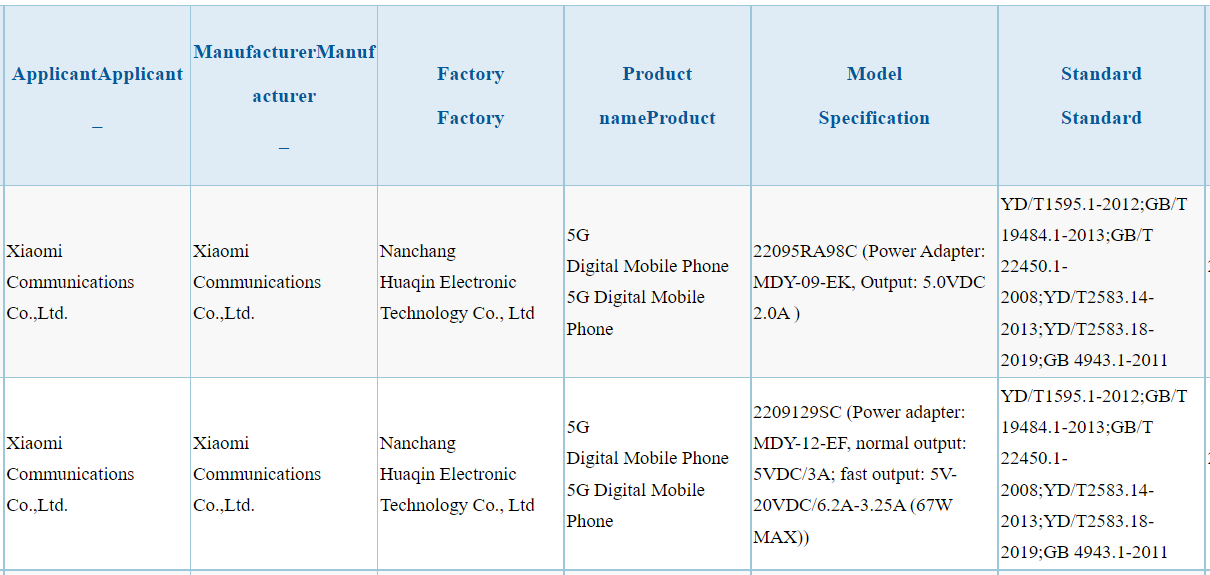
In the below-shown screenshot, two Xiaomi devices with model numbers 2209129SC and 22095RA98C have bagged 3C certification. Both models carry support for 5G connectivity. The former has been spotted with a 67W fast charger, whereas the latter has appeared with a 10W charger.
XIaomi CIVI 2, Redmi 11A 3C certified
It is speculated that the 2209129SC Xiaomi device may break cover as the Xiaomi CIVI 2. On the other hand, the 22095RA98C device could be an entry-level phone, which may debut with the Redmi 11A moniker.
Rumors have revealed that the Xiaomi CIVI 2 will be equipped with the Snapdragon 7 Gen 1 chipset. To recall, last year’s CIVI featured the Snapdragon 778G, and the CIVI 1S is powered by the Snapdragon 778G+ chip.
The CIVI 2 will house a 120Hz OLED panel that offers a Full HD+ resolution and Dolby Vision. It is likely to feature a curved AMOLED panel like the existing CIVI models. The OLED panel will come integrated with a fingerprint scanner. There is no information available on CIVI 2’s battery capacity and camera configurations. However, it is believed that the device will come equipped with an improved selfie and rear cameras.
As far as the Redmi 11A is concerned, the rumor mill is yet to reveal its specifications.
MediaTek is among the leading chipset maker for smartphones, and the company has also expanded its portfolio to other devices, including Smart TVs and IoT products. Now, the company has launched a new chipset for routers, dubbed MediaTek T830.
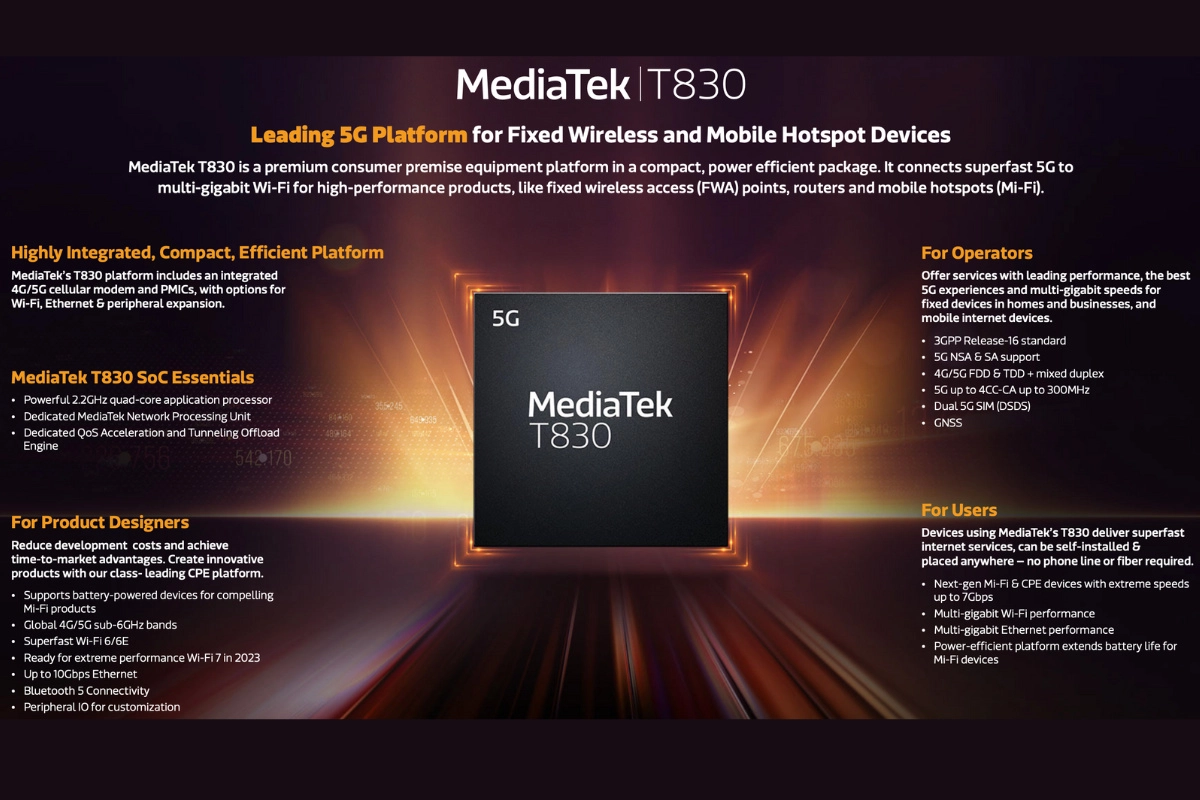
The newly announced MediaTek T830 chipset is aimed at Wi-Fi routers as well mobile hotspot devices and comes with support for 5G connectivity.
The MediaTek T830 5G chip uses the company’s own M80 modem with support for the sub-6GHz band for global 5G connectivity. It has a quad-core ARM Cortex-A55 CPU which is paired with a 3GPP Release-16 cellular modem.
It also comes with a Network Processing Unit (NPU) that supports 20Gbps speed through 5G cellular to ethernet or Wi-Fi connections that too without the need for CPU involvement.
JC Hsu, Corporate Vice President and General Manager of MediaTek’s Wireless Communications Business, said, “As the leader in 5G CPE solutions, MediaTek is working with Tier-1 operators around the world to bring fast, reliable connectivity to consumers and businesses. This highly integrated platform represents the latest advancements in both 5G and Wi-Fi connectivity and enables our customers to build extremely high-performance multi-gigabit 5G CPE products in the smallest form factors possible.”
The MediaTek T830 5G chip can be paired with the company’s Filogic Wi-Fi connectivity solutions. For 5G FWA routers, the T830 can be combined with the Filogic 680 (Tri-band 4×4 Wi-Fi 7), and for 5G Mobile hotspots, the T830 can be paired with the Filogic 380 (dual-band 2×2 Wi-Fi 7). It also comes with capabilities for new Wi-Fi 7 features such as MLO (Multi-Link Operation) and support for 320MHz wide channels.
Last month, Honor officially launched its latest tablet in its home country China — Honor Tablet 8. Now, the company has started selling the Dawn Blue color version with 8GB RAM and 128GB internal storage for the price of 1,999 yuan (~$295).
The other color version of the tablet, Mint Green, will be available for purchase in the Chinese market from 31st August. The base model with 4GB RAM starts at 1,499 yuan, and there’s also a 6GB RAM model that costs 1,799 yuan. Both the models were available for purchase in China, but the 8GB RAM model goes on sale for the first time.
Coming to the specifications, the Honor Tablet 8 features a 12-inch 2K LCD that offers a screen resolution of 2000 x 1200 pixels. The screen has a narrow bezel of 7.2mm and comes with a 10:6 aspect ratio and 1.07 billion colors.
Under the hood, the device is powered by the Qualcomm Snapdragon 680 processor, coupled with up to 8GB of RAM and 128GB of internal storage. In the camera department, there’s a 5-megapixel camera sensor on the back and a 5-megapixel snapper at the front side for taking selfies and video calling.
It has Rheinland hardware-level low blue light, Rheinland no flicker, and eye protection certification from the National Eye Engineering Center. It also supports Huawei’s Histen sound effects and DTS:X Ultrasound for a better sound experience.
The tablet runs the Magic UI 6.1, which comes with support for multi-screen collaboration, an application split screen that offers free adjustment of three-speed windows, as well as new upgraded Smart desktop experiences. The Honor Tablet 8 is powered by a 7,250mAh battery and comes with support for 22.5W fast charging.
Yesterday, Vivo unveiled the Dimensity 1300-powered Vivo V25 Pro smartphone in India. At the same time, the company also unveiled the vanilla Vivo V25. However, it hasn’t confirmed the price and availability of the V25. The vanilla model features a 90Hz AMOLED display, a less powerful Dimensity chip, 64-megapixel triple rear cameras, and 44W fast charging.
Vivo V25 specifications and features
The Vivo V25 has a 6.44-inch AMOLED display with a waterdrop notch. It supports a Full HD+ resolution, a 90Hz refresh rate, and HDR10+. Like the Pro model, the vanilla model features an in-screen fingerprint scanner. The device will come preloaded with Android 12 OS, which is overlaid with FunTouch OS 12.
Vivo V25
The Dimensity 900 chip is at the helm of the V25. It comes with 8 GB / 12 GB of RAM and 128 GB / 256 GB of storage. It houses a 4,500mAh battery, which carries support for 44W fast charging.
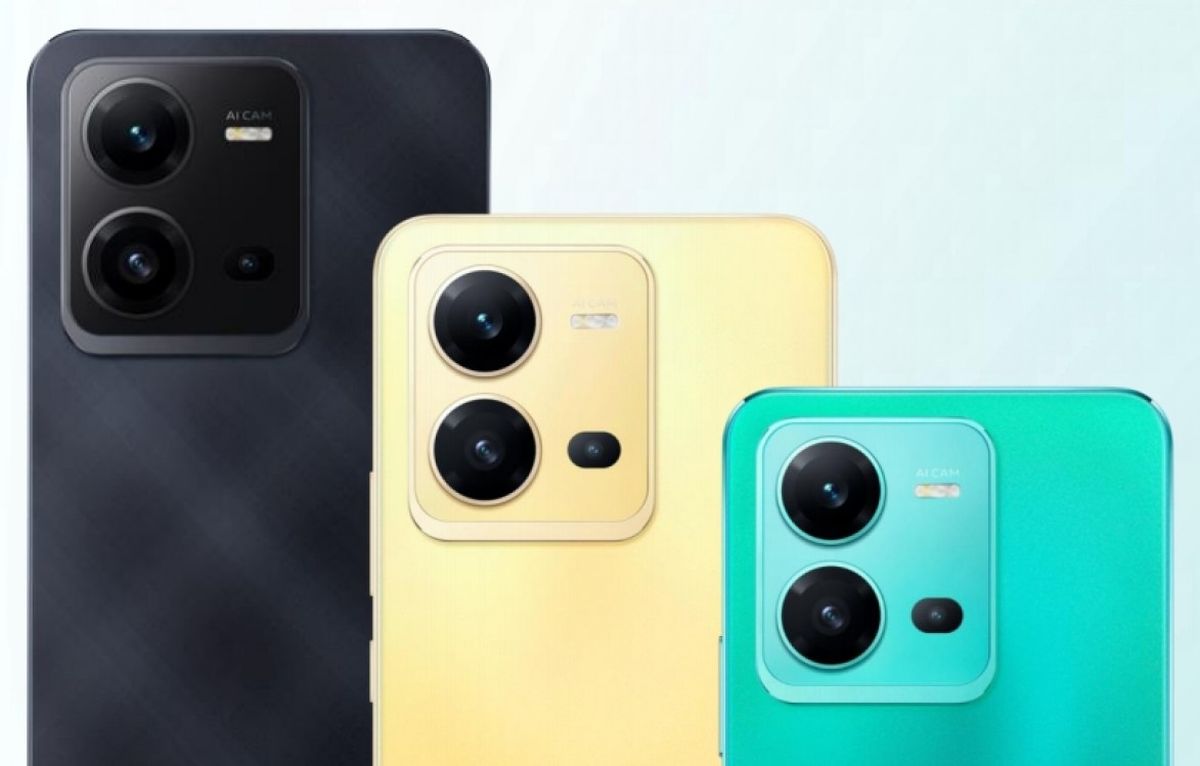
The V25 has a 50-megapixel front-facing camera with autofocus support. The squarish camera module on the backside of the device has an OIS-assisted 64-megapixel main camera. It will be assisted by an 8-megapixel ultra-wide snapper and a 2-megapixel macro camera.
The V25 offers other features like dual SIM, 5G, Wi-Fi 6, Bluetooth 5.2, and a USB-C port. The device comes in colors like Diamond Black, Aquamarine Blue, and Sunrise Gold. All three color variants feature fluorite AG glass back, but only the blue and gold editions can change colors like the V25 Pro.
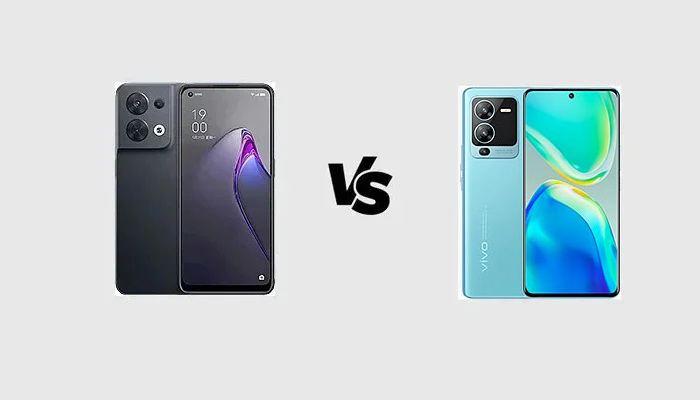
Vivo renewed its amazing V series with two new devices: the Vivo V25 and the Vivo V25 Pro. The latter is an amazing upper-midrange phone equipped with great cameras, a very nice display, a high-end chipset, and even fast charging speeds. It is definitely one of the best value for money phones, but it is also a great rival for the OPPO Reno8 5G. These two phones feature the same processor and their specifications are in the same range; even the prices are not so different. That is the reason why we think it is worth comparing them. So, here is a comparison between the main specifications of the OPPO Reno8 5G and the Vivo V25 Pro.
OPPO Reno8 5G vs Vivo V25 Pro
OPPO Reno8 5G Global
Vivo V25 Pro
DIMENSIONS AND WEIGHT
160.6 x 73.4 x 7.7 mm,
179 g
158.9 x 73.5 x 8.6 mm,
190 g
DISPLAY
6.43 inches, 1080 x 2400 pixels (Full HD+), AMOLED
6.56 inches, 1080 x 2376 pixels (Full HD+), AMOLED
Triple 50 + 2 + 2 MP, f/1.8 + f/2.4 + f/2.4
32 MP f/2.4 front camera
Triple 64 + 12 + 2 MP, f/1.9 + f/2.2 + f/2.4
32 MP f/2.5 front camera
BATTERY
4500 mAh, fast charging 80W
4830 mAh, Fast Charging 66W
ADDITIONAL FEATURES
5G, dual SIM
5G, dual SIM
Design
If you look at the rear sides of these phones, then the OPPO Reno8 5G is much more attractive. It has a very original rear design, with a protruding camera module coming out gradually from the cover and a very impressive gradient color option. Even if you look at the profile, you will find a better view: the OPPO Reno8 5G is a thinner and lighter phone compared to the Vivo V25 Pro. But the Vivo mid-ranger is superior when it comes to the design of the front side: it has a higher screen to body ratio, with narrower bezels around the display. The Reno has a pretty thick chin on the lower part which makes the front glass uglier, but it is the only one protected by Gorilla Glass 5.
Display
On the paper, the Vivo V25 Pro looks to have a superior display. It is an AMOLED panel with a diagonal of 6.56 inches, a Full HD+ resolution of 1080 x 2376 pixels, the HDR10+ certification, a 120 Hz refresh rate, and an in-display fingerprint reader. The OPPO Reno8 5G has a display with a diagonal of 6.4 inches, a Full HD+ resolution, a 90 Hz refresh rate, and an in-display fingerprint scanner. Both the handsets show vivid colors and deep blacks, but the Vivo features a higher refresh rate and a better image quality thanks to the HDR certification, as well as a thinner chin below the panel and a wider diagonal. Unfortunately, the Reno has just a mono speaker, while the V25 Pro has dual speakers, so it produces better audio.
Specs & Software
The processors of these two phones are exactly the same: they feature a Dimensity 1300 mobile platform by Mediatek built with a 6 nm production process with an octa-core architecture. The SoC is composed of a Cortex A78 CPU running at a max frequency of 3 GHz, three Cortex A78 CPUs running at a frequency of 2.6 GHz, and four Cortex A55 CPUs running at 2 GHz, as well as a Mali G77 MC9 GPU. This is a very good SoC for both basic users and gamers, it is not the best chipset by MediaTek but it is one of the most powerful ones. These two devices also feature the same memory configurations, with up to 12 GB of RAM and up to 256 GB of UFS 3.1 native storage. They run Android 12 out of the box customized by ColorOS 12.1 and Funtouch OS 12, respectively.
Camera
The rear cameras of the Vivo V25 Pro look more convincing. It features a triple rear camera composed of a 64 MP main sensor with OIS, a 12 MP ultrawide lens with a FOV of 120 degrees, and a 2 MP macro camera. The rear cameras support 4K video recording at 30 fps, while the front camera has a 32 MP resolution and supports 4K video recording at 30 fps as well. The OPPO Reno8 5G has a triple rear camera composed of a 50 MP main sensor, an 8 MP ultrawide lens, and a 2 MP macro camera. The front camera is a 32 MP snapper with 1080p video recording.
The Vivo V25 Pro is the king of battery life here because it sports a bigger 4830 mAh battery. On the other hand, the smaller battery of the OPPO Reno8 5G supports 80W fast charging, which is a faster charging technology. But it has a capacity of just 4500 mAh and, given that these two phones have the same processor, the battery life will be shorter in most of the scenarios.
Price
You need at least $400/€393 in order to purchase the OPPO Reno8 5G in India, while the starting price of the Vivo V25 Pro roughly translates into $432/€440. Unfortunately, the V25 Pro has limited availability, while the Reno8 5G is going to be available almost everywhere in the global market as it will launch in Europe soon.
The Vivo V25 Pro wins the comparison due to its better display, superior camera, and bigger battery. But the Reno8 features a more interesting design, faster charging, and a better operating system.
OPPO Reno8 5G Global vs Vivo V25 Pro: PRO and CONS
Xiaomi is yet to release the 12T series in the global market and rumors about the Xiaomi 13 series have already started making headlines. A recent report suggested that the upcoming series will have a single-cell 100W Battery, In-House Charging Chip, and 50W Wireless Charging. Now, a new leak reveals some interesting details about the design and display of the upcoming Xiaomi 13 series.
According to Chinese tipster Digital Chat Station, the vanilla Xiaomi 13 will come with a standard straight screen with 1080P resolution, whereas the higher-end Xiaomi 13 Pro may have a curved screen with 2K resolution, LTPO + E6 material. Both devices are claimed to have center-punched camera cutouts.
Further, the tipster revealed that Xiaomi is manufacturing the devices using a new packaging process which helps to keep the bezels narrow. It is said the company is using the COP packaging process which involves bending a part of the screen to reduce the bezels. Xiaomi has previously used this process in the Civi 1S smartphone.
Xiaomi 13 series is rumored to be equipped with a single-cell battery and support 50W wireless charging. Moreover, it is also said to use the company’s in-house Surge P1 chip for more effective power management.
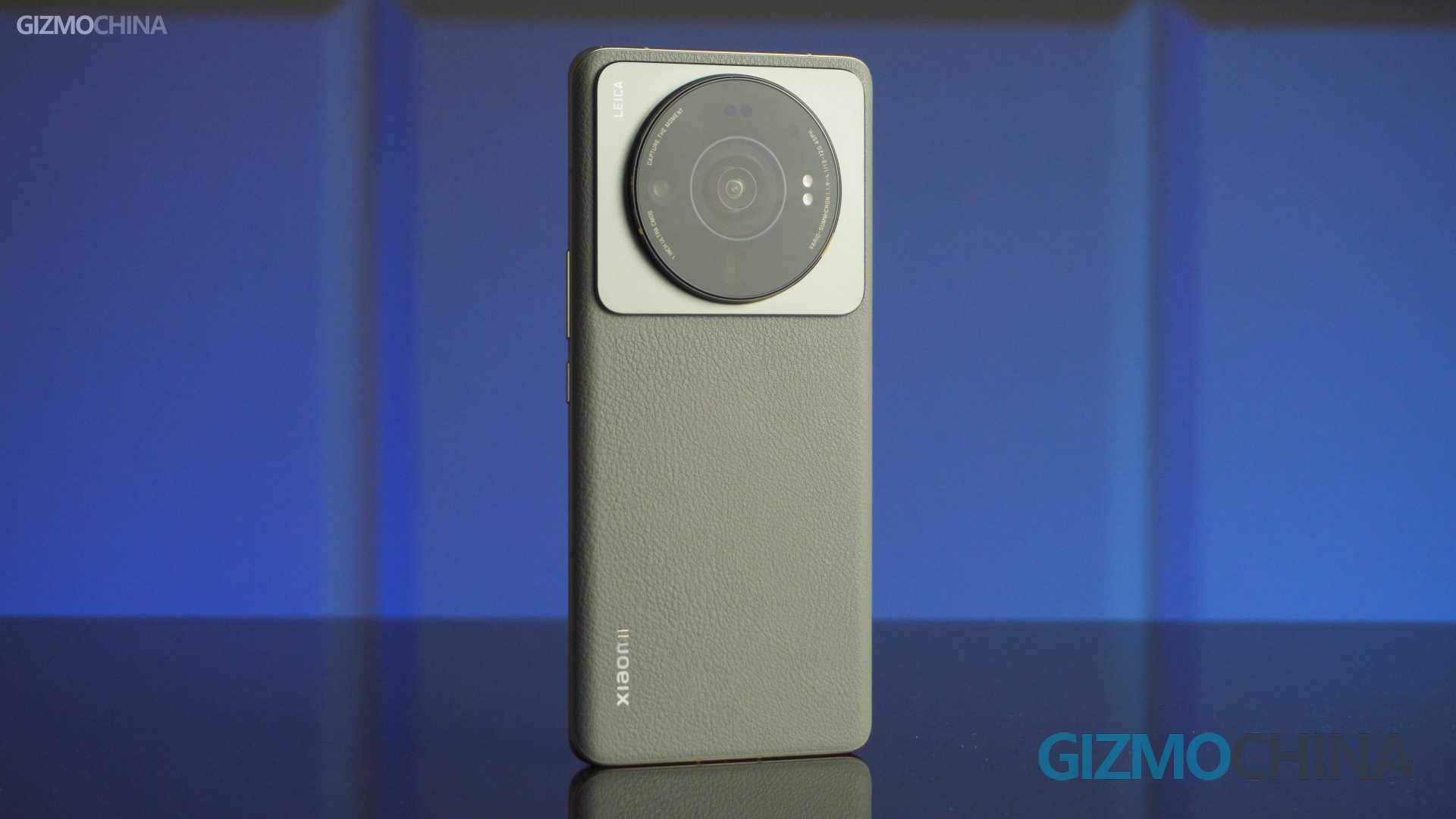
Xiaomi 12S Ultra
As per previous reports, the upcoming series will be powered by Qualcomm’s Snapdragon 8 Gen 2 processor (not released yet). Also, there will likely be no MediaTek Dimensity variants like this year. The Xiaomi 13 series is expected to have a high-resolution 2K screen supporting a 120Hz refresh rate.
As mentioned, the series may include two devices- Xiaomi 13 and the Xiaomi 13 Pro. It could launch in November this year. We hope to learn more details about it in the coming days.
Google officially announced the Pixel Tablet at its annual developer’s conference on May 11, 2022. However, details about the upcoming tablet are still pretty short. We know that it may release in 2023 and will be equipped with a Tensor chip. Today, some new information regarding the tablet has surfaced online. The upcoming Pixel tablet might debut with a 64-bit-only version of Android 13.
According to a recent tweet by Mishaal Rahman, Google is testing 64-bit-only builds of Android 13 for a device named “Tangor,” which is said to be the codename for the Pixel tablet. The lack of 32-bit support will definitely reduce RAM usage, but it also means that the tablet will no longer be able to run 32-bit applications. However, this shouldn’t be a big deal as most apps in the Play Store need to support 64-bit due to Google’s 2019 mandate.
Interesting: "Move tangor to 64-bit only"
Tangor, the rumored Pixel Tablet, may ship with a 64-bit-only build of Android 13. That should reduce memory use, but it means the tablet won't be able to run any 32-bit apps.https://t.co/C3d3Y5pS24pic.twitter.com/1SKh3pPcG6
To recall, Apple had already moved to a 64-bit-only architecture for iOS back in 2017. If the Pixel Tablet ships with a 64-bit-only version of Android 13, it will be among the first Android devices to do so.
As mentioned, the Google Pixel tablet is expected to debut in 2023. Since there’s still almost a year to the launch, we can expect it to be powered by the Tensor 2 or 3 chipset. It will likely run the latest version of Android out of the box. It may also get support for the stylus. Further, it is claimed that the Pixel Tablet will lack support for 4K video recording. It would also not support many of the photo and video features found on the Pixel 6 series.
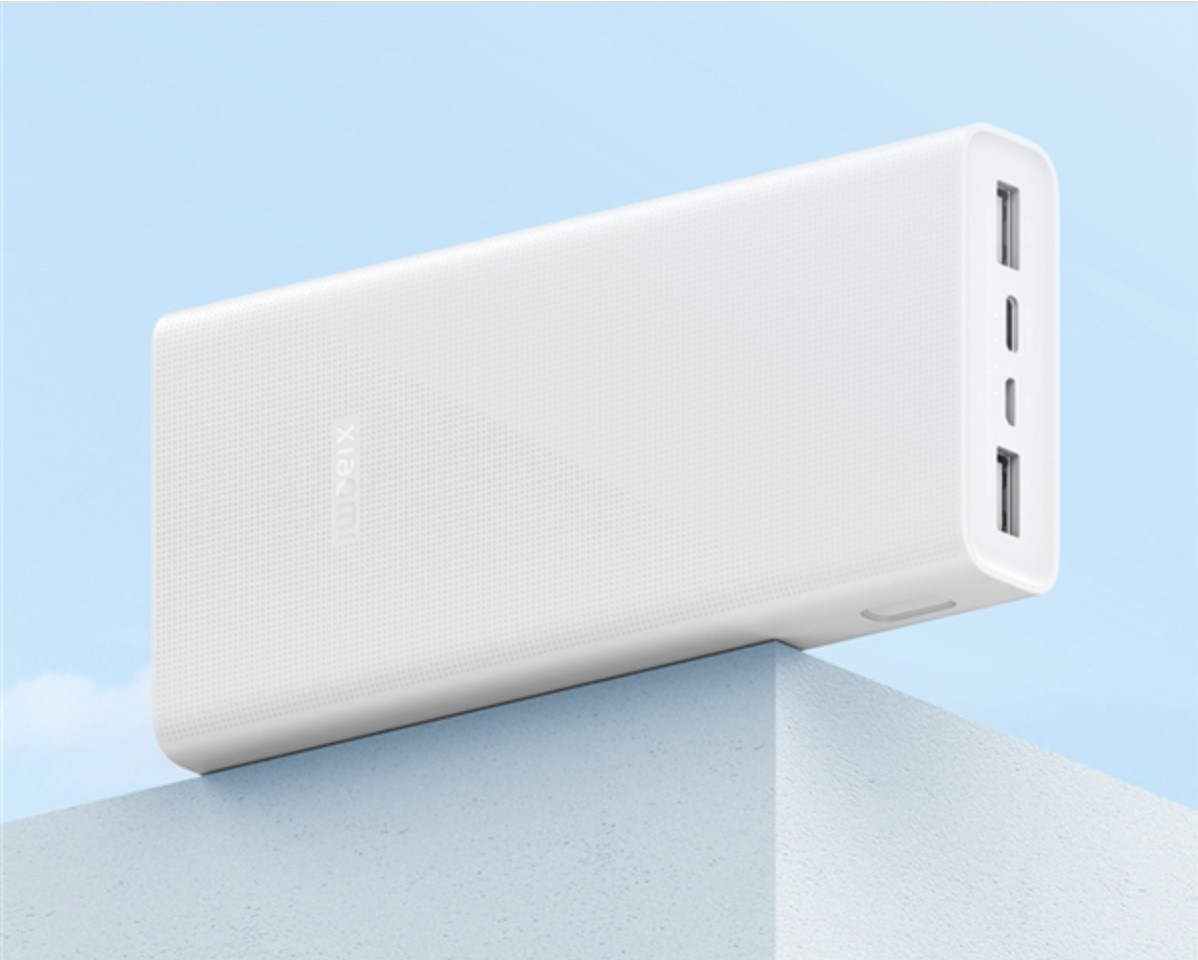
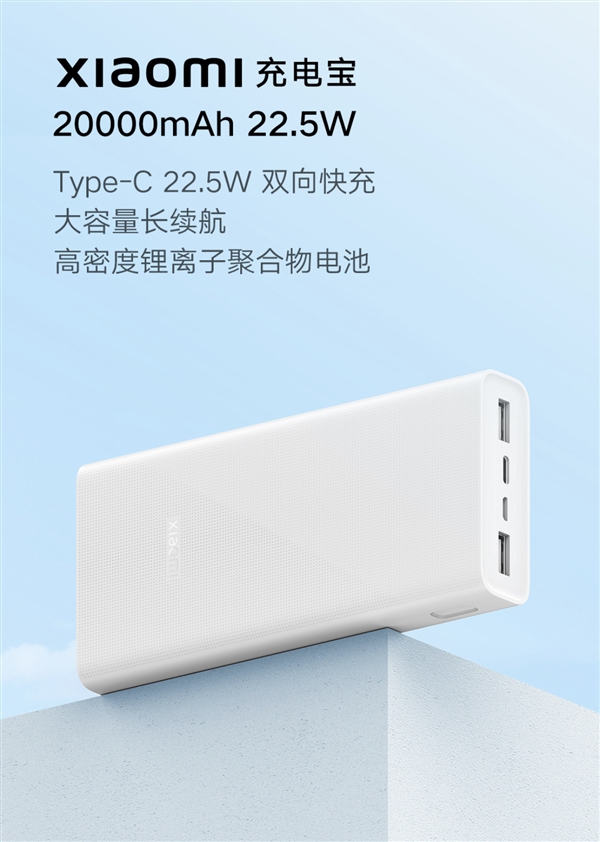
Xiaomi has launched a new power bank with a mammoth 20000mAh battery capacity. What makes the new power brick stand out is that it supports Type-C two-way fast charging and can charge three devices at the same time.
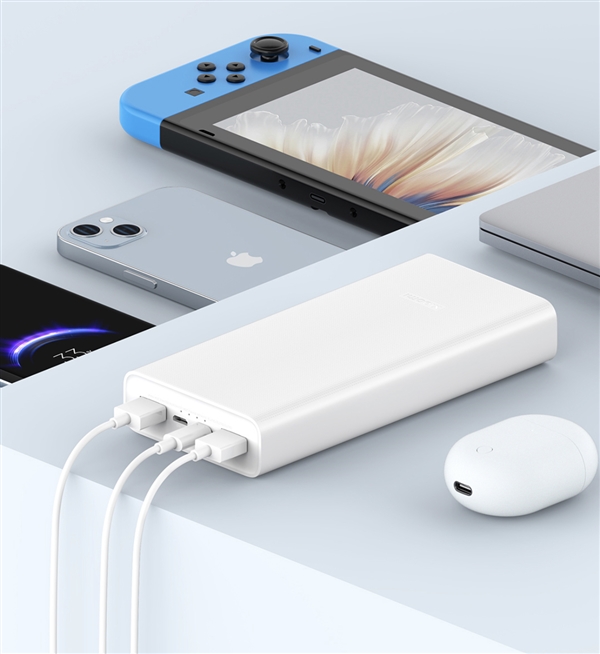
Xiaomi 20000mAh power bank has two USB-A ports and one Type-C port, with a maximum single-port output power of 22.5W. If the Xiaomi Type-C to Lightning data cable is used or any other standard cable, it can charge the iPhone from 0-58% in 30 minutes.
The huge 20000mAh capacity ensures that the power bank can charge mobile phones multiple times, like an iPhone 13. Two USB-A ports and one Type-C port support simultaneous output and can charge three devices at the same time, not only for fast charging of mobile phones of different brands but also for tablets, Switch, and other devices. Double-click the button to turn on the 2-hour low-current charging mode to charge the Xiaomi Bluetooth headset and Xiaomi bracelet.
The Type-C interface supports two-way open charging and supports up to 22.5W MAX input power. It can be used with the Xiaomi GaN charger Type-C 33W charger, and the power bank can be self-charged in about 6.9 hours.
The power bank utilizes a matte design supplemented by gradient etching, which effectively improves the grip. The body is made from PC+ABS plastic environmental protection material which is non-slip, scratch-resistant, and durable.
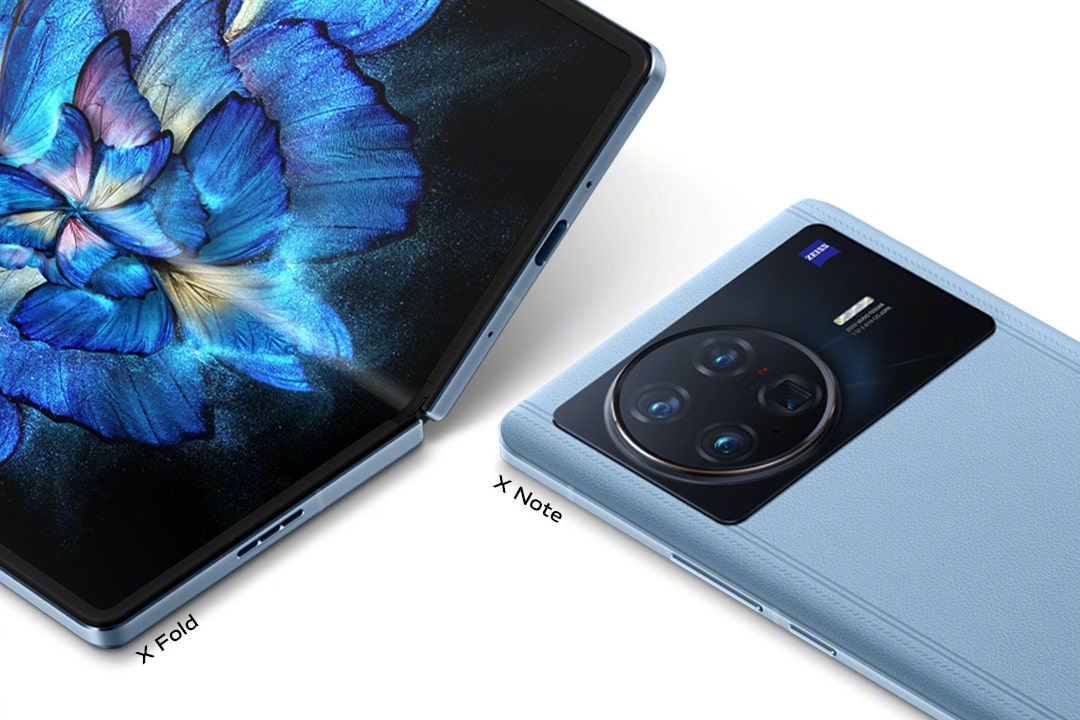
A tipster Digital Chat Station has hinted that a Vivo foldable could be released next month. The new Vivo foldable was named the X Fold S and is among several phones slated for launch soon by the OEM. The new foldable expectedly will compete with the Galaxy Z Fold 4, Mate Xs 2, and the Mix Fold 2.
The foldable smartphone industry has seen much activity since the release of the Galaxy Z Fold 3 and Z Flip 3. Several brands have emanated thereafter and this has seen significant improvement in the design and functionality of these foldable display smartphones. The hinge design of foldable phones has become more durable with minimal observed creases. The Vivo X Fold S will thus be joining a growing field when it arrives in September.
Some models from iQOO, a Vivo sub-brand are also expected to be released soon. The iQOO Z6 will support 5G network connectivity and 80W fast charging, among other features. The iQOO Neo7 will be powered by MediaTek’s Dimensity 9000+ SoC but the full specs and availability of the two phones are yet to be released. It is however expected that the two iQOO smartphones will be launched before the end of 2022.
There are still other Vivo devices that are lined up for release within 2022 including the X90 series. The tipster also hinted that some of the upcoming Vivo products released may also be connected with the unveiling of Qualcomm’s next Gen chipset in November.
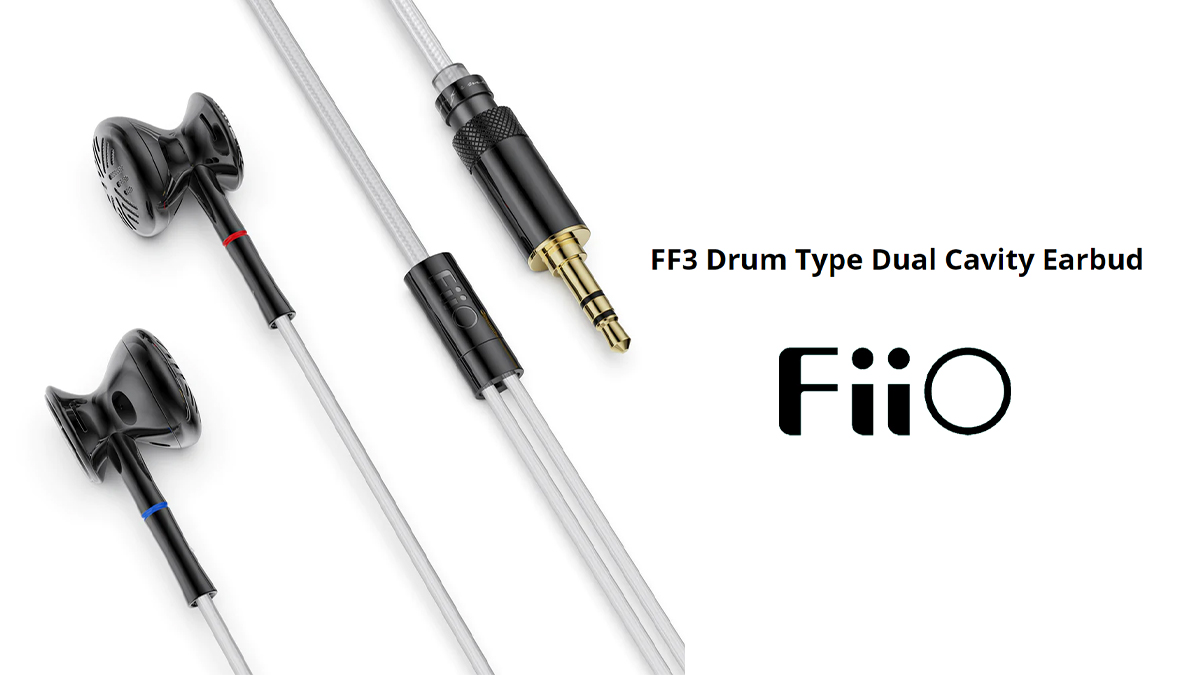
FiiO is rolling out the FF3 dual cavity earbuds in India. The new wired earbuds come with a solid alternative to the traditional in-ear design of most earbuds. It has a distinctive drum shape design with 14.2mm LCP diaphragms. This comes on the heels of the recent India launch of the FiiO KA2 portable DAC/Amplifier for both Android and iPhone.
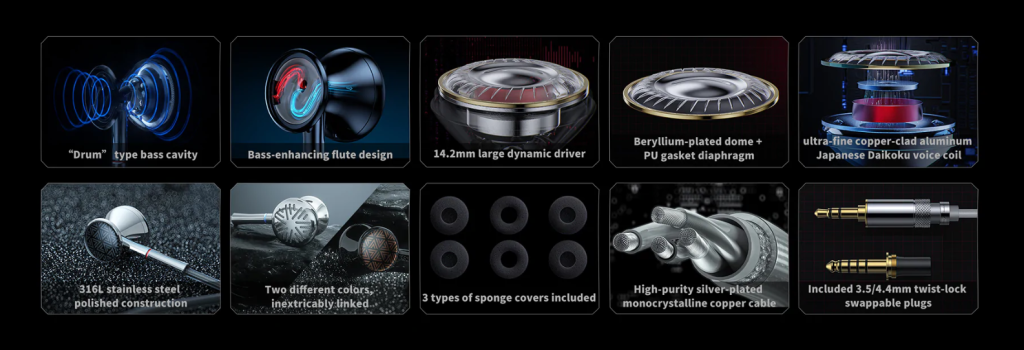
The FF3 earbuds have the potential to reproduce audio at lower frequencies up to 90Hz, as the tube design lengthens the airflow channel. The design also increases air damping and delivers enhanced audio performance. The dual cavity design offers deeper bass while the diaphragms are coated with beryllium. The FiiO FF3 has three pairs of sponge covers or ear tips to give a snug fit and quality audio output. Each pair of tips has a distinct name and vary both in size and sound. You have the bass-enhancement, balanced, and transparent treble-focused tips. The cables are high-purity, silver-coated with enhanced hygiene.
The wired earbuds have an audio jack or plug that is versatile and easy to access. The audio jack has a twist-lock swappable option that can be used for 3.5mm or 4.4mm connectors.
The FiiO FF3 will be available in Elegant Black and Cosmic Silver colors. A 1-year warranty is offered for the device, which can be purchased directly from the Fiio website. An introductory offer of Rs. 8,399 ($106) is available but the earbuds’ original price is Rs. 9,990 ($126).
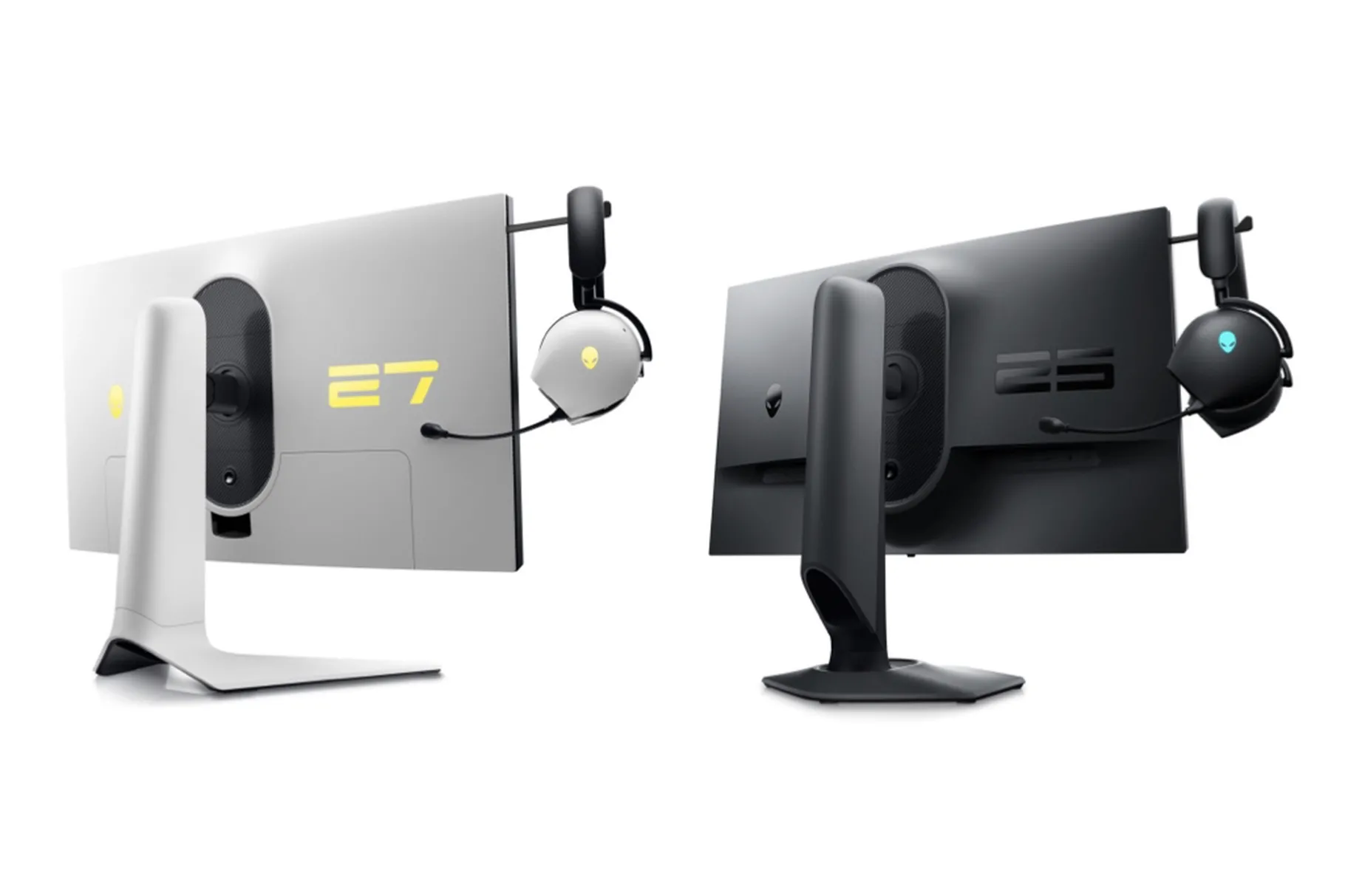
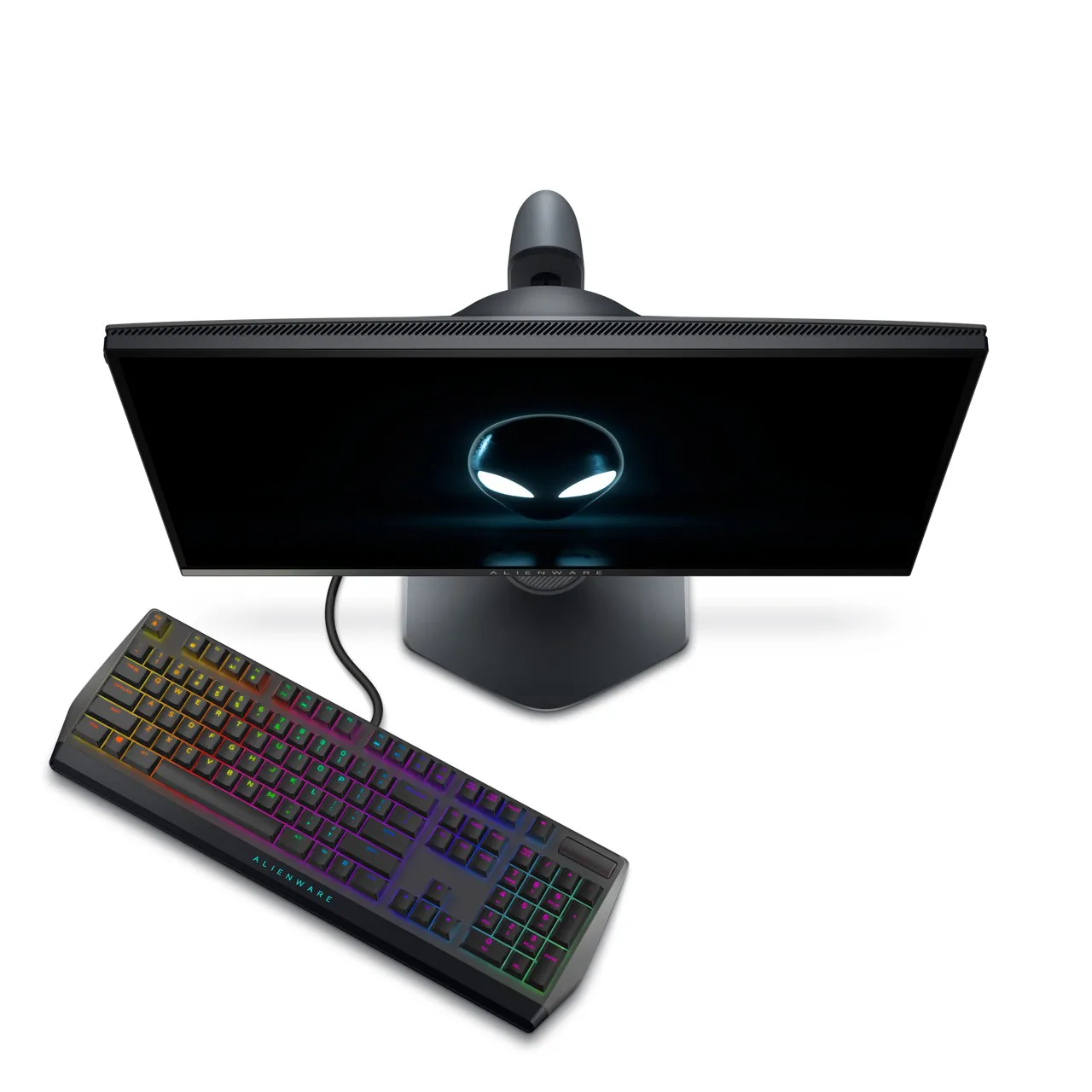
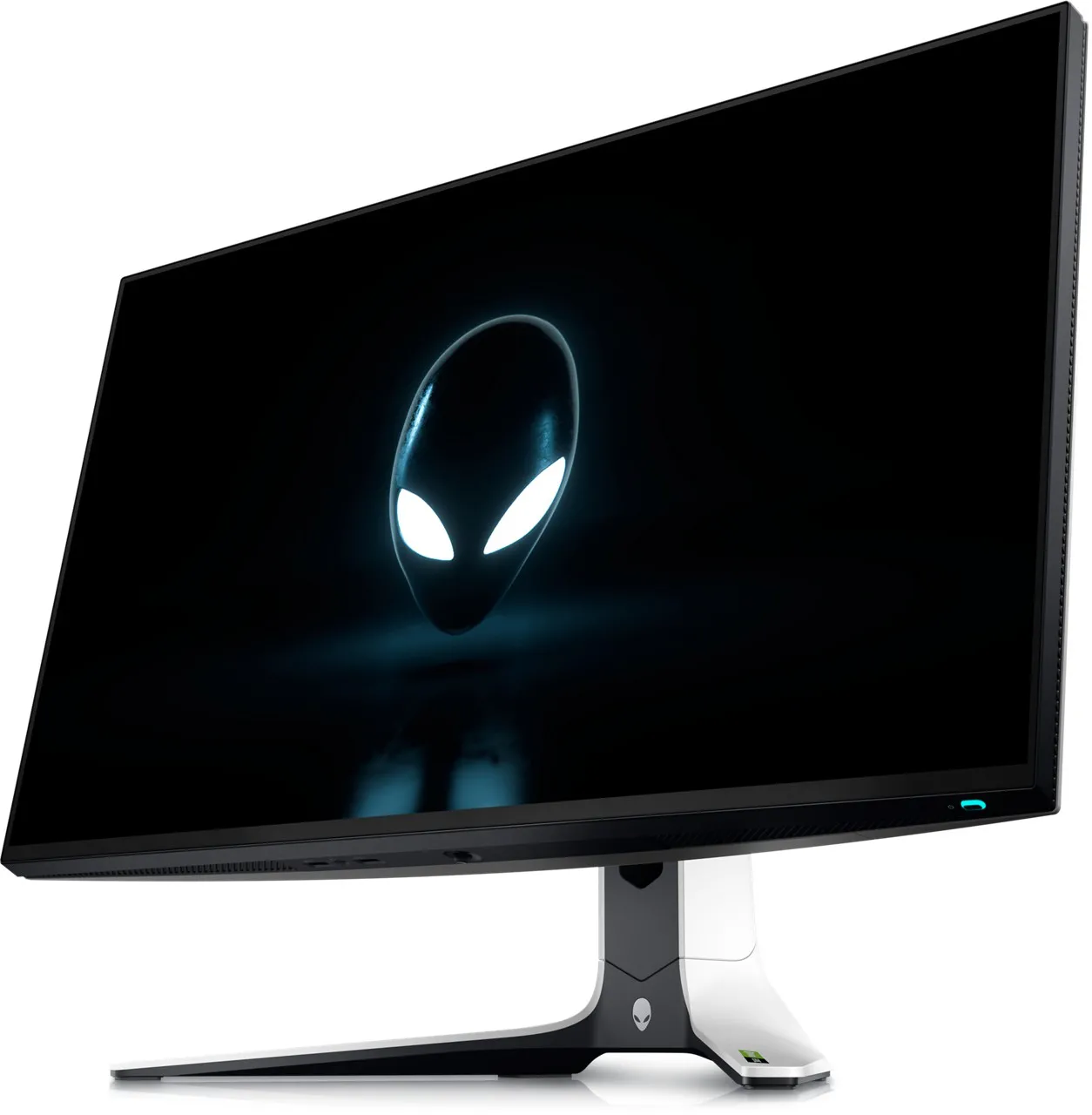
The latest pair of Alienware gaming monitors come with a slimmer design and features well suited for high-speed gaming. The 25-inch model offers a 360Hz variable refresh rate and the 27-inch model can reach 280Hz with the Quad HD option. The new monitors also feature a slide-out headset stand to place your headphones.
The new Alienware gaming monitors have smaller bases and have optimized the desk space available for gamers to the fullest. The 25-inch model (AW1523HF) has a matte black plastic design that belies its gaming capabilities. It has a 1080 pixels FHD IPS screen with Vesa AdaptiveSync and HDR 10 support. The 27-inch model (AW2723DF) has DisplayHDR 600 certification, full sRGB color space, and DCI-P3 color spectrum. It also offers the Creator Mode option and is color-accurate in editing photos and videos. The IPS panel includes both Nvidia G-Sync and AMD FreeSync Premium Pro.
The new gaming monitors have a similar connectivity architecture including two HDMI 2.0 ports, USB-B 3.2 Gen 1 upstream, and four USB-A downstream ports. The monitors also have line-out and headphone jacks, as well as a DisplayPort 1.4 port. The refreshed Joystick control operates on the OSD settings screen. The two models do not have USB-C connectivity, hence can’t be used as a laptop docking station. The models also do not have external power bricks and overall, the new gaming monitors offer basic PC games support. There are still monster monitors in the market with up to 500Hz variable refresh rates.
Dell is offering a three-year warranty for the new Alienware gaming monitors. This includes an advanced exchange service if you encounter any problems. The two models will arrive sequentially in the space of one month, starting with the 25-inch model on September 7. The 27-inch monitor arrives on October 6. The gaming monitors are priced at $499.99 and $649.99 respectively.
In recent years, declining smartphone shipments have become the new norm. A Canalys report revealed that global smartphone shipments fell by 9% in Q2,2022. The situation is only expected to get worse in the coming days. And it seems like Samsung has already anticipated the downfall as the company has reportedly dropped its smartphone shipment target for 2022.
According to a report by Korean publication TheElec, Samsung is re-evaluating its production strategy for 2022. The company has revised its smartphone shipment target for this year from the previous 300 million units to 260 million units.
The original manufacturing target was 334 million smartphones. Out of the total 334 million units, 284 million would have been manufactured in Samsung’s own facilities, while the remaining 50 million going to joint development manufacturers in China. However, the company is now reconsidering its decision and had reportedly revised the numbers.
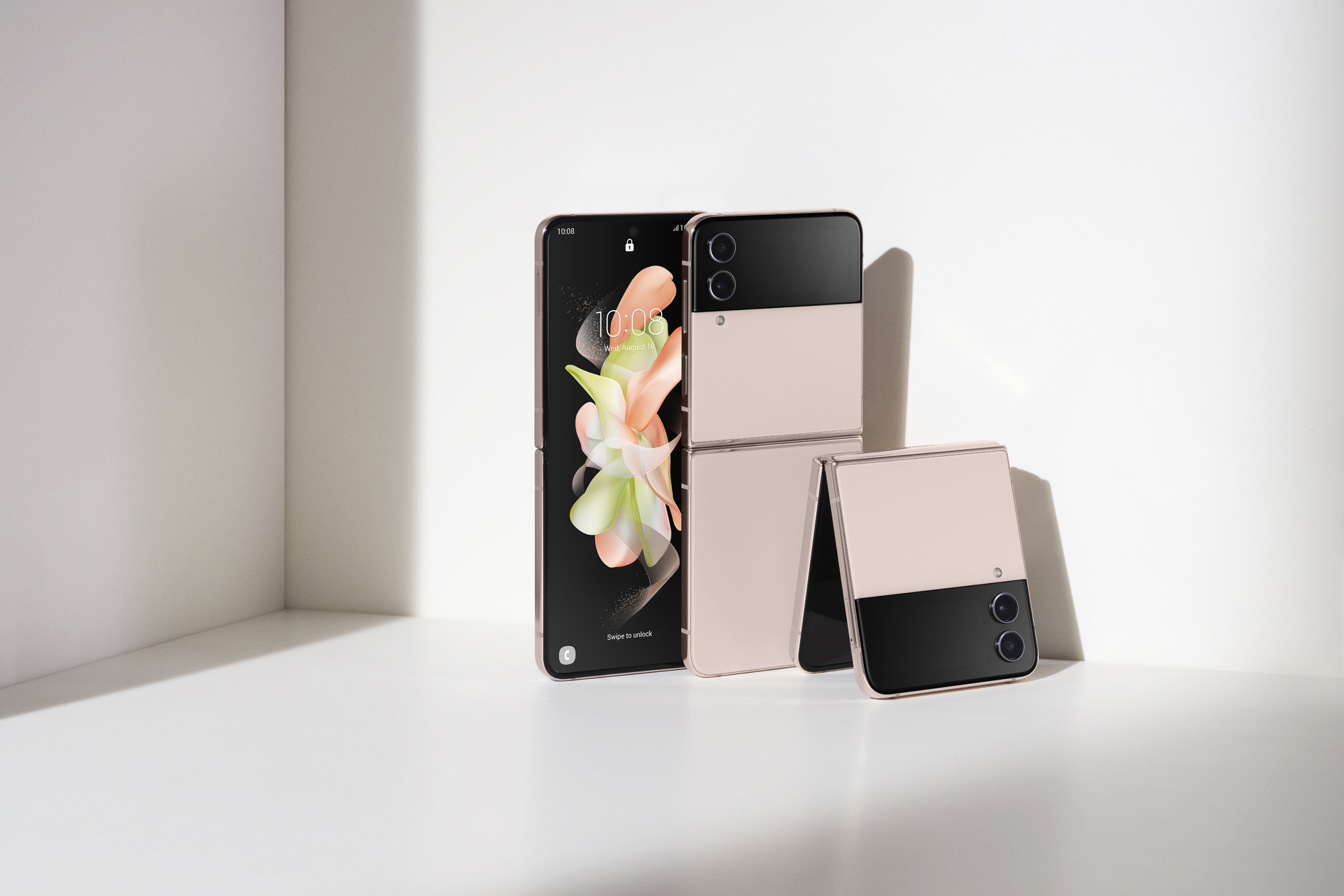
Latest Samsung Galaxy Z Flip 4
As per the publication, the South Korean company is planning to manufacture 34 million units of smartphones on its own between October and November. This is far less than prior quarters and the same time period years ago.
For reference, Samsung faced a lot of challenges in 2020 due to the pandemic and it still shipped 250 million smartphones that year. The pandemic eased off a bit in 2021, which clearly benefitted the company as it manufactured 300 million units and shipped 270 million of them. Its new goal for 2022 is less than that, even if it successfully ships the projected units, which is unlikely.
According to sources, the reduced targets this year are due to rising inflation, lower consumer demand, and supply chain issues. Not only Samsung, but almost all OEMs are suffering due to these issues. The only company that seems to be unaffected is Apple.
Xiaomi is expected to soon launch its new 12T series of smartphones. The lineup is said to include the Xiaomi 12T and the Xiaomi 12T Pro, which could be a rebranded Redmi K50 Ultra. Recently, both smartphones have been making rounds at various certification sites. Today, the higher-end Xiaomi 12T Pro has been spotted on Thailand’s National Broadcasting and Telecommunications Commission (NBTC) website, hinting at an imminent Asian launch.
As initially spotted by tipster Mukul Sharma, the Xiaomi 12T Pro has appeared on the NBTC certification website with model number 22081212UG. As usual, the listing did not reveal many details about the device except that it will come with 5G 4G LTE network connectivity, dual-SIM as well as NFC support. NBTC, as spotted, has granted approval to the smartphone.
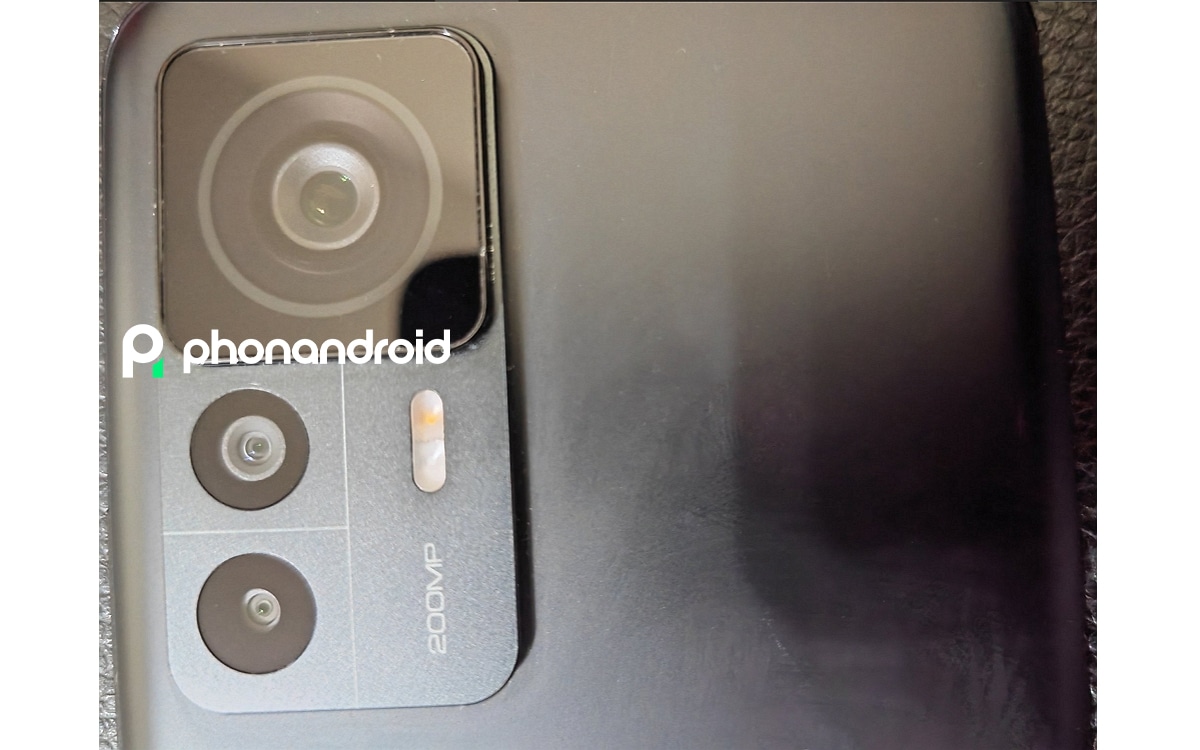
Xiaomi 12T Pro Live Image
Recently, the Xiaomi 12T Pro has also been spotted on FCC with the same model number. The listing revealed it will come in 12+256GB, 8+256GB, and 8+128GB RAM and storage configurations.
Xiaomi 12T Pro specs (expected)
The Xiaomi 12T Pro will be equipped with a 6.67-inch OLED FHD+ display and will offer 144Hz refresh rate. The display will also feature an in-screen fingerprint sensor for security. Under the hood, the device will be powered by Qualcomm’s latest Snapdragon 8+ Gen 1 chip paired with up to 12GB LPDDR5 RAM and 256GB UFS 3.1 storage. It will run on Android 12-based MIUI 13.
As far as the cameras are concerned, the device could house a triple rear camera setup consisting of a 200MP Samsung HP1 primary sensor (with OIS, EIS), an 8MP ultra-wide unit, and a 2MP macro snapper. On the front, it may have a 32MP snapper for selfies and video calls. Further, it is expected to have a 5,000mAh battery with 120W fast charging support.
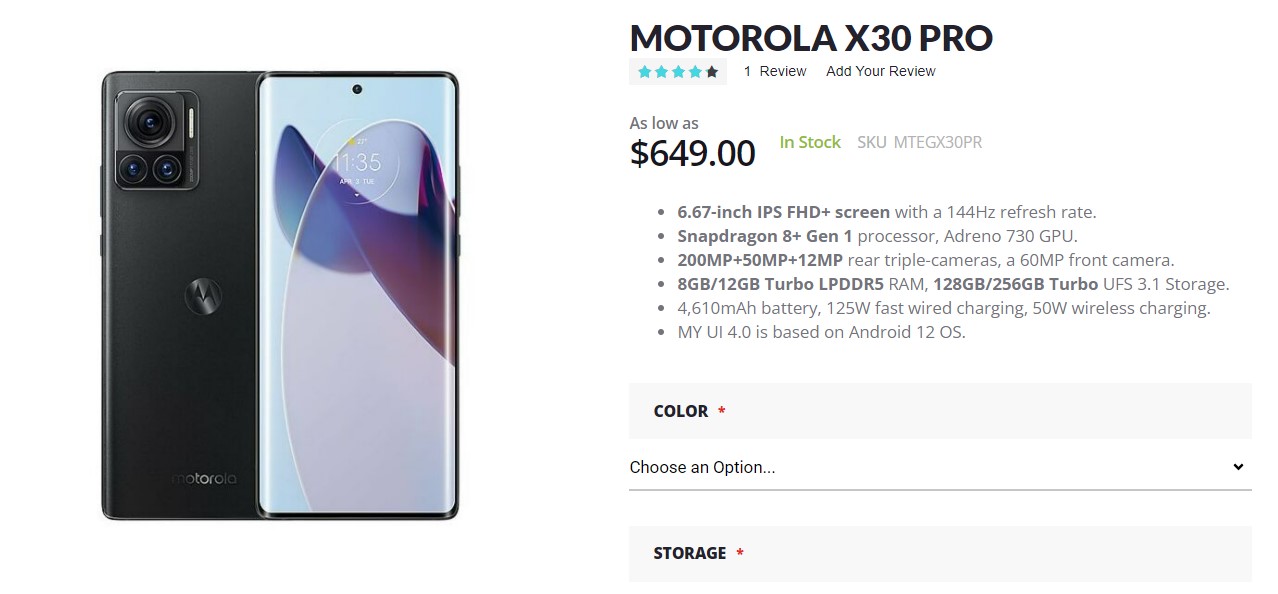
Motorola X30 Pro the latest entry in the X30 series is now available on Giztop for a starting price of $649 only. Please note that this price is applicable to the base variant only.
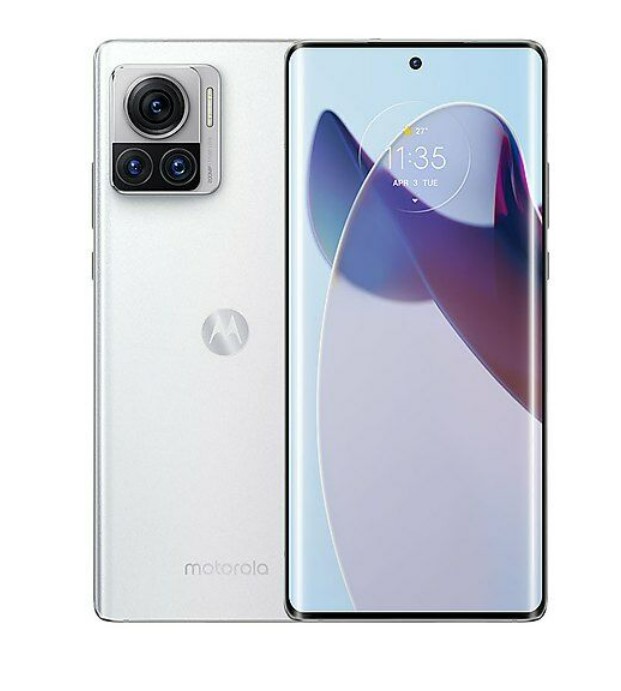
Motorola Edge X30 Pro features a 6.67” IPS FHD+ display and 144Hz refresh rate. The smartphone is powered by Snapdragon 8+ Gen 1 processor and comes with Adreno 730 GPU. Available in multiple memory variants viz. 8GB/ 12GB Turbo LPDDR5 RAM and 128GB / 256GB storage the smartphone comes in Black and White color variants.
The smartphone comes with a triple rear camera setup with a Samsung ISOCELL HP1 200MP primary camera which is 1/1.22″ in size, a 50MP secondary sensor, and a 12MP 121° ultrawide angle sensor that also doubles as a macro camera. For your selfies, you have a 60MP sensor in the front. Fueled with a 4610mAh battery Motorola X30 Pro supports 125W wired fast charging and 50W wireless charging.
For more information on such exciting deals and offers check out our deals hub.
Prior to launch, Nothing Phone (1) was hyped up for its transparent back panel design and the LED Glyph interface. Popular YouTuber JerryRigEverything who does comprehensive tests on smartphones did a teardown of the Nothing Phone (1) recently. It revealed the secrets of the device’s Glyph interface. Additionally, the YouTuber also uploaded the latest video that shows the count of the total LED lights.
The teardown of the Nothing Phone (1) reveals the smartphone’s innards. The Glyph grid is made up of hundreds of tiny individual LED lights (more on this later). The Nothing Phone (1) features an entire assembly dedicated to the aesthetics of the device. The smartphone sports a glass back panel and upon removing it, there are several pieces of plastic that are simply glued with no screws holding them. The YouTuber adds that there are 10 silver screws that hold down the larger plastic segments. The diffuser strips on the Glyph LEDs are attached with high-precise sticky tape that hides the yellowish tint. If the sticker is removed, the LEDs emit a Blueish colour hue when they are lit instead of the standard White colour.
Underneath all the plastic segments, the Nothing Phone (1) is just another Android phone. It has a wireless charging coil in the centre under the giant layer of plastic. The YouTuber says that individual components like LED lamps, buttons, ports, and battery are all replaceable however, it would require removing the rear panel’s adhesive and then dismantling the Glyph interface.
In another video that was uploaded yesterday, JerryRigEverything counted all the LED lights on the back panel. Nothing claims that it used over 900 lights for the Glyph interface. And the count also turned out to be close. The YouTuber counted 468 LEDs in total and he soon realised that the LEDs are on the both sides of the strip. So doubling the count brought the actual number of LEDs present on the phone to 972.
The founder of Realme has just shared some insights regarding the company’s future goals and even expressed his gratitude towards the customers for their support. He also shared a short speech regarding the 828 Fan Festival as well, so let’s have a look.
I'm happy to celebrate realme's fourth 828 Fan Festival with each of you. realme is now entering the second stage of growth, we will further refine our focus on targeted, long-term growth. More exceptional Number Series smartphones will come soon. #KeepItReal#realme828FanFestpic.twitter.com/EP60fbuqqr
In a recent tweet, Sky Li stated that Realme will soon be celebrating its fourth 828 Fan Festival. He further added that this arrives as the Chinese smartphone maker is entering its second stage of growth. During this period, the brand will be focusing on refining its goals for long term growth and launch even more “exceptional Number Series smartphones” in the market soon.
For those unaware, the fourth 828 Fan Festival is set to kick off starting from 28th August 2022. But prior to this event, the founder of the company expressed his gratitude to the brand’s 140 million strong fans. Thus, the senior official also reaffirmed that the company will place more emphasis on product quality and market focus as well. It is planning on adopting a new strategy, which is dubbed “Simply Better.”
To put things simply, Realme is expanding its research and development by 58 percent compared to last year. Through this, it promises to deliver exceptional Number Series phones in the near future. These new models will arrive with a stylish package but with an accessible price tag to better appeal to the youth demographic.
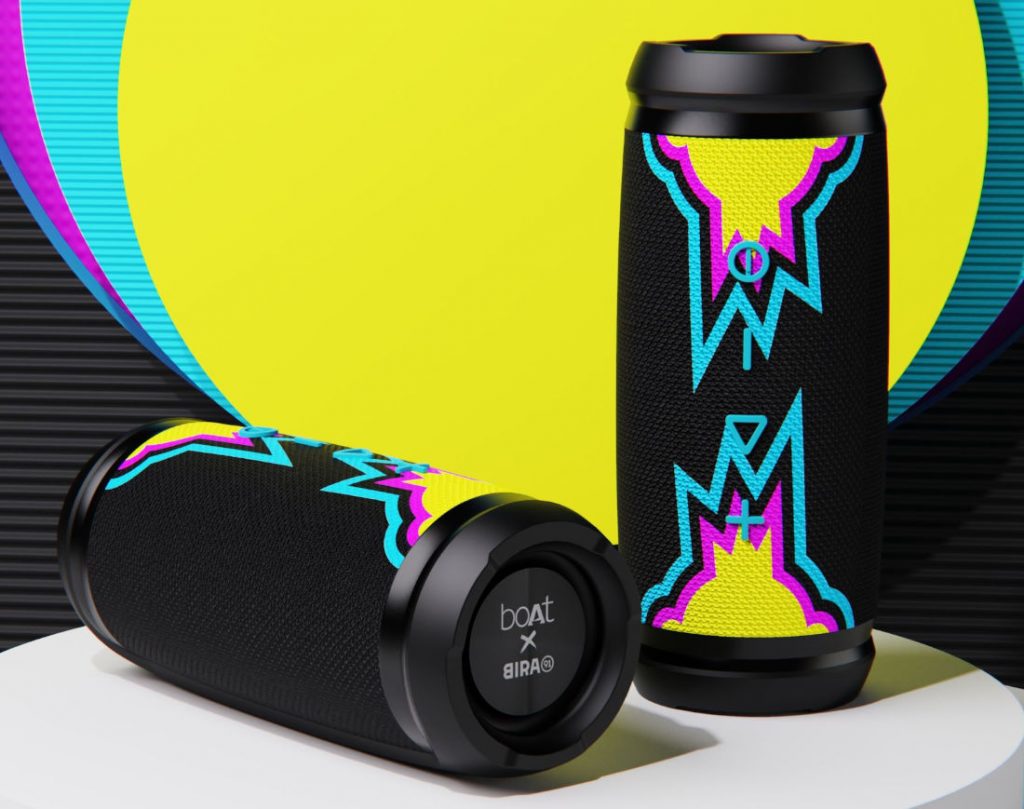
boAt India is celebrating a milestone of producing 1 million made-in-India units within a single quarter. This comes amidst the company’s Rock in India program aimed at demonstrating its support for local content in India. It has continued to showcase the efforts of its staff in the production process of each item, akin to watching a musician create music.
boAt has provided a track that highlights the hustling and fervor in India, as well as celebrates its factory symphony. The track was done in conjunction with Indian music composer Mayur Jumani. The move is aimed at changing how Indians listen to music. The record of 1 million units produced in a single quarter, echoes India’s passion for breaking records, according to the company.
The boAt brand had ramped up its Indian operations within this year. The boAt Rockerz, Bassheads, Airdopes, power banks, and cables have been produced in India. The move is a massive boost for the Make in India initiative introduced by the government in 2014. This was aimed at diversifying the supply base of the Indian economy and tapping from its massive human and material resources.
In addition to the Make in India initiative, the Production Linked Incentive Scheme has aided boAt in significantly expanding its local manufacturing capacity. The incentive regime by the government has also enabled brands like boAt to minimize supply chain and logistics disruptions, taking great advantage of the economics of scale.
boAt projects a massive market share for Indian companies in the hearables segment of the audio accessories market as well as wearables. It is projected that Indian brands would account for up to 40% and 30% of the hearables and wearables market. This will be driven mainly by successes in the Make in India program. boAt says it will continue to support the Indian manufacturing system for a brighter and more successful future for the brand.
Infinix Hot 12 has launched in India today. It arrives as the successor to the last year’s Hot 11. The Hot 12 is the third device in the Hot 12 series after the Pro and Play variants. The latest offering is slotted below the Hot 12 Pro. Read on to know what the smartphone offers out of the box.
Infinix Hot 12 specifications and features
The Infinix Hot 12 comes with a 6.82-inch display bearing an HD+ resolution and a waterdrop notch. It features a 90Hz refresh rate and 460 nits peak brightness. Design-wise, the device flaunts a dual-tone back panel where the top portion has vertical stripes. There is a rectangular camera module and a conventional fingerprint scanner.
The Infinix Hot 12 sports a triple rear camera setup comprising a 50MP main sensor, a 2MP depth unit, and an AI lens. There is an 8MP front-facing selfie snapper.
Internally, the Infinix Hot 12 is equipped with a MediaTek Helio G37 octa-core processor. It packs 4GB RAM along with 3GB virtual RAM support. The device offers 64GB onboard storage expandable via a microSD card slot. The smartphone draws its power from a 6,000mAh battery unit with support for 18W charging. It runs on XOS 10 based on Android 11.
Infinix Hot 12 price in India
The Infinix Hot 12 costs Rs 9,499 and is offered in 7degree Purple, Turquoise Cyan, Exploratory Blue, and Polar Black colours. The smartphone will go on sale starting August 23rd from Flipkart.
Oppo has just announced the date for one of its major annual events. The company’s ODC 2022 event (Oppo Developers Conference) will be hosted around the end of this month. So let’s have a look at some of the expected announcements.
As per the official announcement, the theme of this year’s Developers Conference based around the core concept of integrating smart/intelligent living into all things. In simpler terms, the company basically plans on focusing on topics such as interconnection of multiple terminals and future smart services. Furthermore, the event will also include Oppo sharing its software and hardware for its developers and partners.
Looking at the poster shared by the Chinese tech giant, the Oppo Developers Conference 2022 event will kick off on August 30 and will be a two day event ending on August 31. During this event, the company will also be showcasing the ColorOS 13 build, which will be based on Google’s latest Android 13 operating system.
Apart from this, there will also be focus on IoT (Internet of Things) products, their integration, innovations, and more. There will also be multiple talks related to expanding developer support and more news regarding upcoming technologies as well during this event. So stick around for more, as we will be covering any notable announcement that the brand might make during this event later this month.
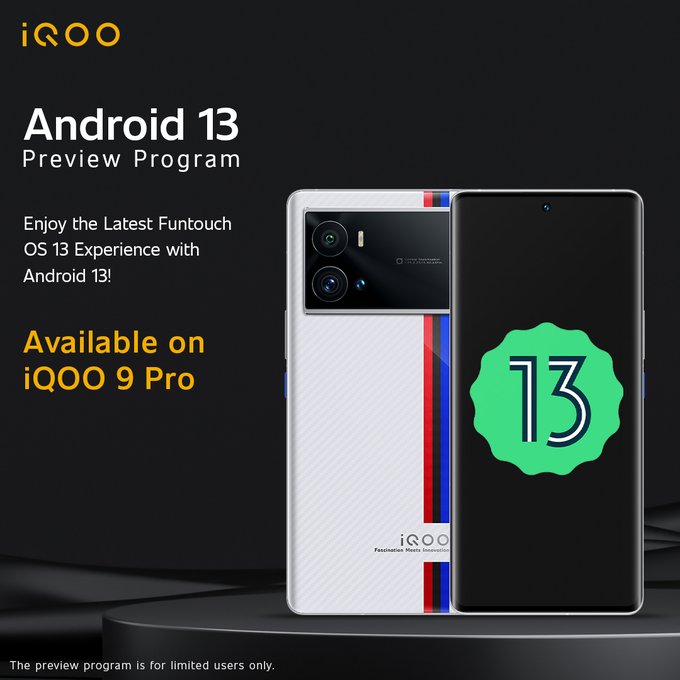
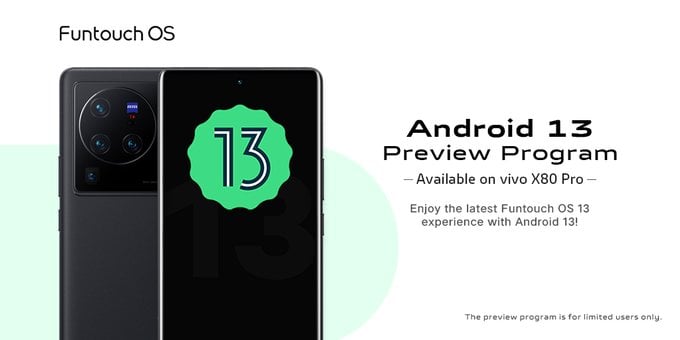
Earlier this week, Vivo announced that from its official Indian Twitter handle that its flagship X80 Pro smartphone will soon be receiving the Android 13 Preview build. Although, its not the only model as the iQOO 9 Pro is also confirmed to receive the Preview later this month. So let’s have a look.
Notably, both smartphones from the Chinese OEMs are set to receive the Android 13 Preview build by August 23. However, for both programs, there are only availability for 500 users. In other words, only the first 500 to register to the program will receive this build. As of right now, both the Vivo and iQOO registrations are open.
For those unaware, this preview will have the X80 Pro and iQOO 9 Pro officially run on the Android 13 OS based FunTouch OS 13. Notably, this Android 13 build is a Developer Preview and is primarily aimed at developers only. As per the official Vivo website, the company recommends that consumers do not upgrade their smartphones with this build.
But enthusiasts that have used preview builds before, they can check out the company’s developers website to manually download and install the Android 13 Developer Preview on their X80 Pro. On the other hand, iQOO 9 Pro owners can simply go to Settings > System Update > Settings Icon > Trial version.
We use cookies on our website to give you the most relevant experience by remembering your preferences and repeat visits. By clicking “Accept”, you consent to the use of ALL the cookies.
This website uses cookies to improve your experience while you navigate through the website. Out of these, the cookies that are categorized as necessary are stored on your browser as they are essential for the working of basic functionalities of the website. We also use third-party cookies that help us analyze and understand how you use this website. These cookies will be stored in your browser only with your consent. You also have the option to opt-out of these cookies. But opting out of some of these cookies may affect your browsing experience.
Necessary cookies are absolutely essential for the website to function properly. This category only includes cookies that ensures basic functionalities and security features of the website. These cookies do not store any personal information.
Any cookies that may not be particularly necessary for the website to function and is used specifically to collect user personal data via analytics, ads, other embedded contents are termed as non-necessary cookies. It is mandatory to procure user consent prior to running these cookies on your website.