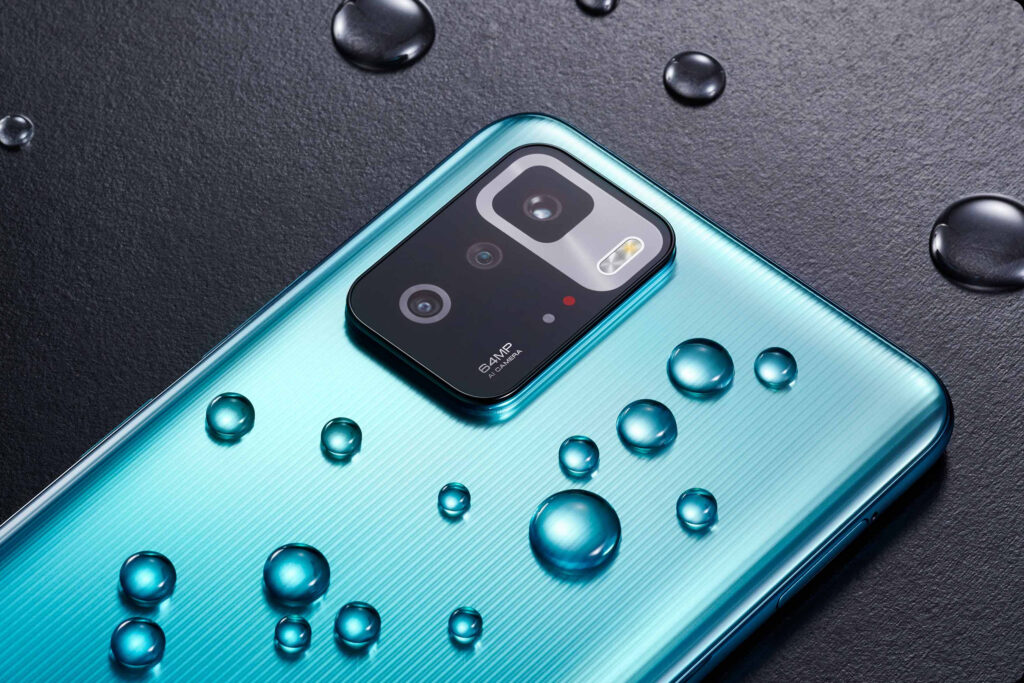
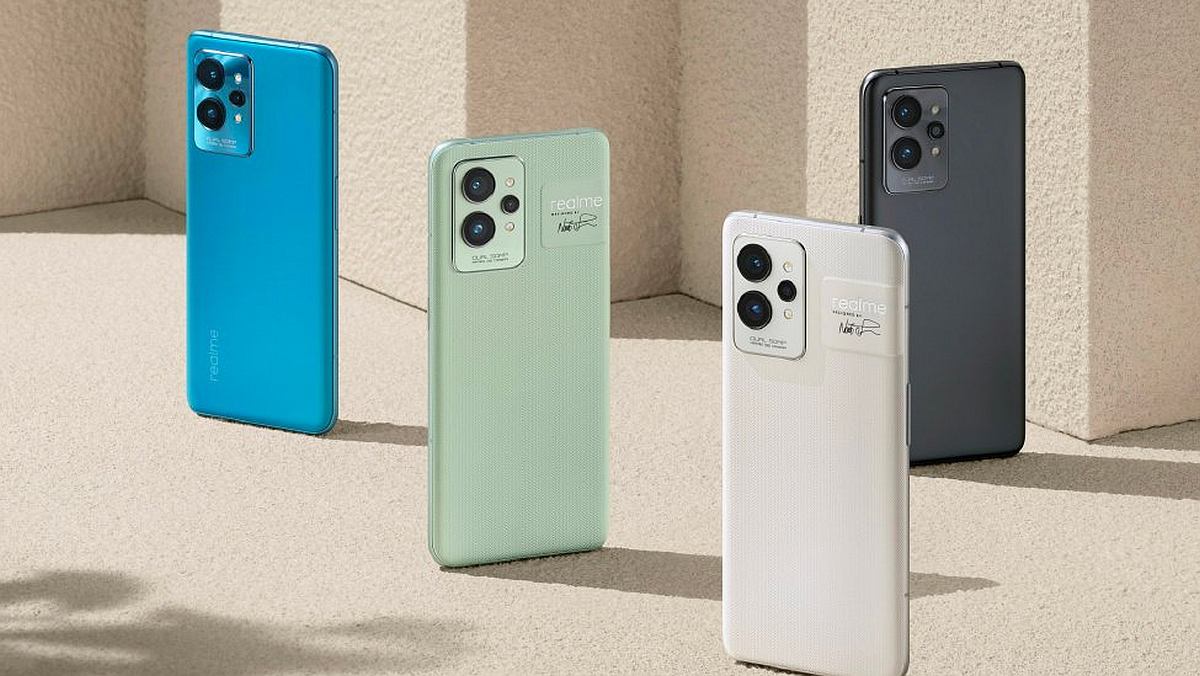
As scheduled, realme has finally launched the realme C35 in India. The smartphone was first announced in Thailand a month earlier. It even made its way to Malaysia before coming to India. Let’s check out its features, in addition to its price and availability in the new market.
realme C35
realme C35 Price and Availability in India
The realme C35 will retail at the following price tags in India.
4GB + 64GB – ₹11,999
4GB + 128GB – ₹12,999
Customers can pick it up in either Glowing Black or Glowing Green color options. The first sale is scheduled for at 12 PM on March 12 via Flipkart and realme’s official website.
realme C35 Specifications and Features
The realme C35 is built around a 6.6-inch display (LCD) with a resolution of 2408 x 1080 pixels (FHD+), 401 PPI, and up to 180Hz touch sampling rate. The dewdrop notched panel offers a 90.7% screen-to-body ratio and up to 600 nits peak brightness level.
The device is powered by a UNISOC T616 SoC coupled with LPDDR4x RAM and UFS 2.2 storage. As for software, It boots realme UI 2.0 based on Android 11.
On the rear, the phone houses a triple camera setup consisting of a 50MP primary sensor, a 2MP macro shooter, and a 2MP monochrome sensor. Whereas, on the front, it has an 8MP snapper for selfies and video calls.
The handset comes with multiple connectivity options like dual SIM, 4G, dual-band WiFi, Bluetooth 5.0, GNSS, and USB Type-C. It also arrives with a dedicated MicroSD card slot, a 3.5mm headphone jack, and a side-mounted fingerprint.
The realme-branded smartphone draws power from a 5,000mAh battery, which has support for 18W fast charging. Finally, it measures 164.4 x 75.6 x 8.1mm in dimensions and weighs 189g.
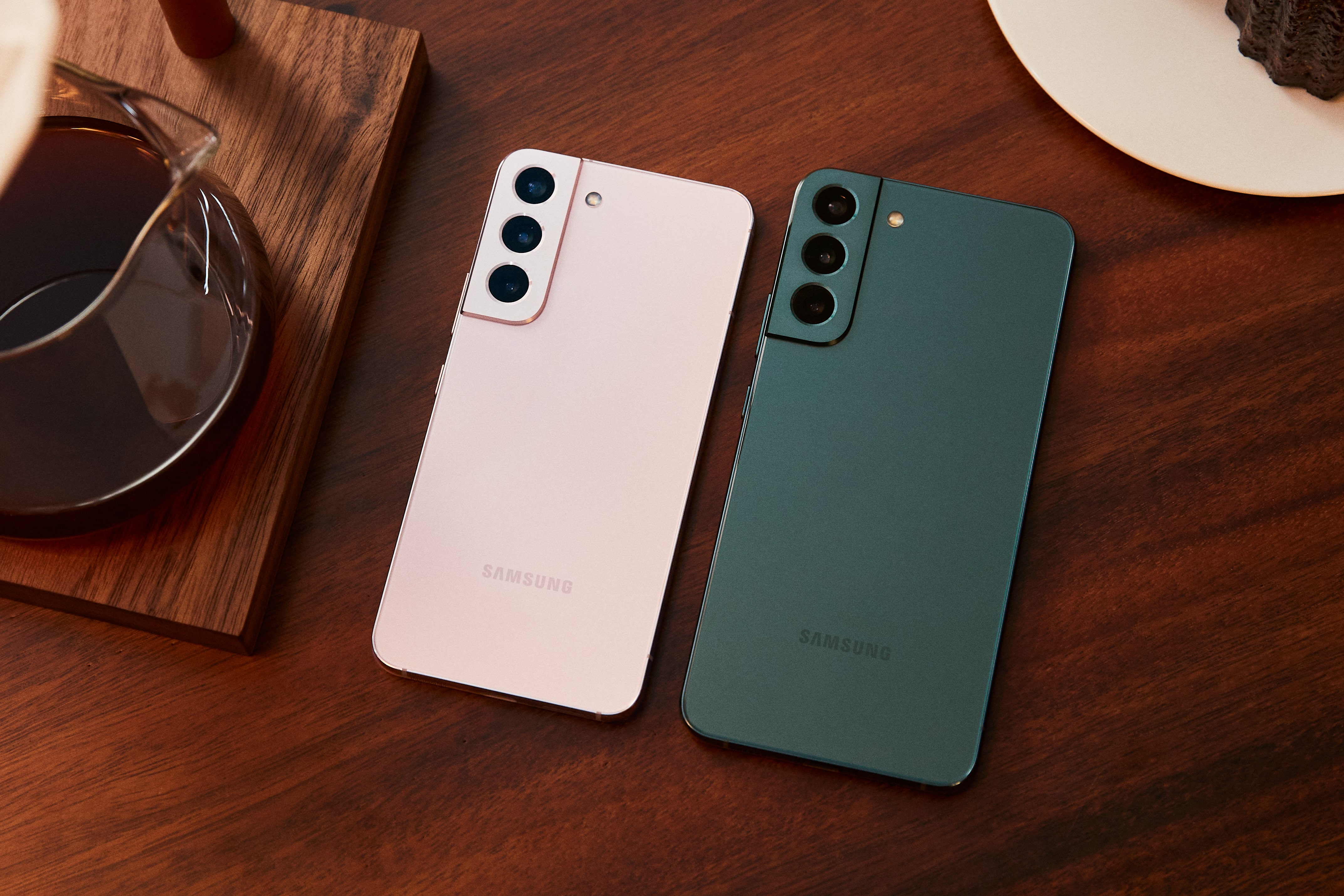
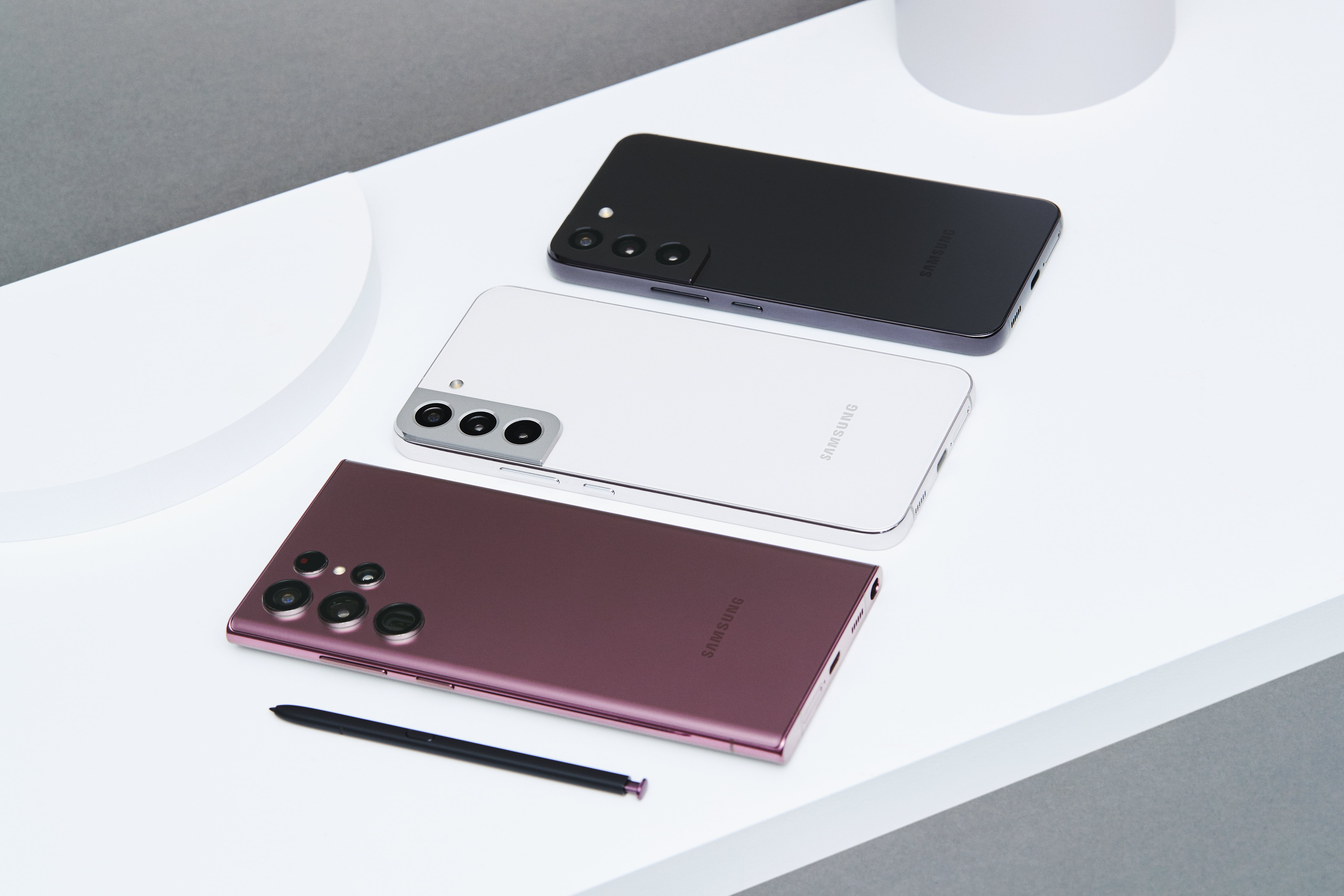
Recently, it was found that Samsung Galaxy S22 series of smartphones were limited the performance of certain applications. So now, GeekBench has officially delisted the entire flagship lineup from its database.
For those unaware, the South Korean tech giant’s Galaxy S22 series was limiting the performance of more than 1,000 apps. These applications were also the ones that were added to the Game Optimization Service (GOS) list. The GOS is supposed to optimize the performance of these apps and prevent the smartphone from throttling due to thermal issues. However, the GOS was found to be limited the performance of the apps listed on GOS. In other words, they were not utilizing the proper potential of the smartphone’s chipset.
Notably, the list of apps found in the GOS included the likes of Snapchat, LinkedIn, Microsoft Office, and a number of games as well. On the other hand, benchmarking apps like GeekBench and 3DMark were not a part of the list. Although, GeekBench still decided to delist the Galaxy S22 series and some older smartphones from its database on the GeekBench browser due to this GOS issue.
Following this GOS controversy, an GeekBench also conducted an extensive internal testing, which found that older Galaxy models also use GOS. This includes the Galaxy S21 series, Galaxy S20 series, and even the Galaxy S10 series as well. Thus, all of these smartphone models have been delisted on the known benchmarking platform since they technically manipulate the benchmark’s results. Samsung stated in its defense that the GOS is only meant to prevent heating issues during long gameplay.
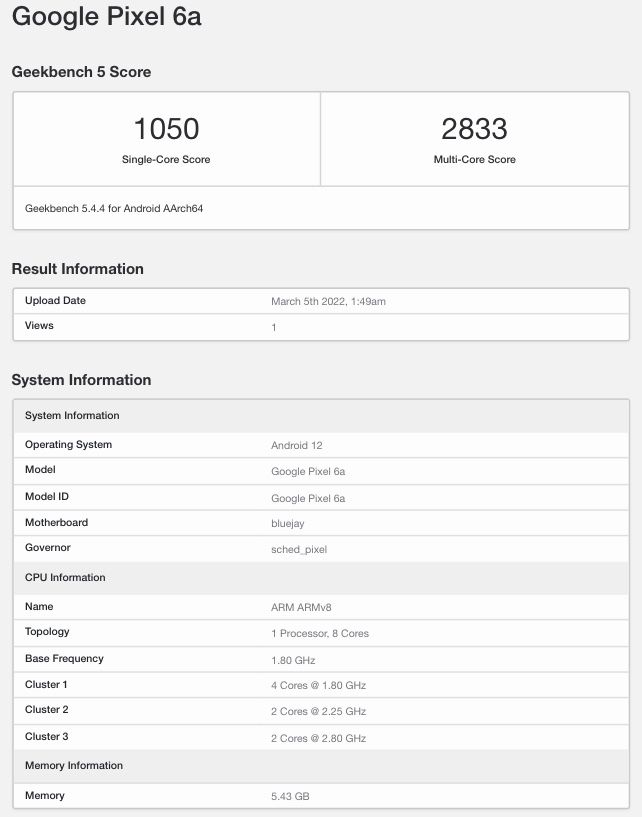
Google Pixel 6a is rumored to launch in May this year. Today, the unannounced mid-ranger from Google was spotted in the database of the Geekbench benchmarking site. The listing suggests that the company could be internally testing the performance of the device before its official announcement.
The Google Pixel 6a scored 1050 and 2833 points in the single-core and multi-core tests of Geekbench 5, respectively. The handset is powered by an octa-core SoC that comprises two 2.80GHz CPU cores, two 2.25GGHz CPU cores, and four 1.80GHz CPU cores. The chipset includes the Mali-G76 graphics.
These details confirm that the Pixel 6a will feature the Tensor chip, which fuels the Pixel 6 and Pixel 6 Pro smartphones. The Geekbench also reveals that the Tensor will be accompanied by 6 GB of RAM. The device will run on Android 12 OS.
The Google Pixel 6a rumors have revealed that it will be equipped with a 6.2-inch OLED panel that offers a Full HD+ resolution. It is expected to feature a Sony IMX355 8-megapixel camera for selfies and video calls.
The rear side of the phone will sport a dual-tone design similar to the Pixel 6 and Pixel 6 Pro. The horizontal camera strip will be equipped with a Sony IMX363 12.2-megapixel main camera, a SonyIMX386 12-megapixel ultrawide lens, and an LED flash.
The Pixel 6a is said to measure 158.6 x 74.8 x 8.9mm. For security, it will come with an in-screen fingerprint scanner. The other details of the phone are yet to be revealed.
The predecessor Pixel 5a was released in limited markets. It is speculated that the Pixel 6a will be made available in wider markets including India. At present, there is no information on the pricing of the device.
After upgrading its 2021 premium smartphones to the Android 12-based MIUI 13 update in China, Xiaomi is now providing a similar treatment to the mid-rangers from last year. The latest such device to get the fresh software update is Redmi Note 10 Pro 5G.
Redmi Note 10 Pro 5G
Xiaomi has started rolling out MIUI 13 update for the Redmi Note 10 Pro 5G in China. The new system update for the handset arrives with build number V13.0.3.0.SKPCNXM. Apart from bringing new MIUI features, it also bumps up the Android version to Android 12.
Like any OTA (Over-The-Air) software update, this one is also being seeded out in batches. This means only a select few users are receiving the fresh software right now. The availability of the update will be extended if the early adopters don’t face any major issues.
Further, the Redmi Note 10 Pro 5G is also sold as POCO X3 GT in international markets. The rebranded smartphone should also start receiving the update in the coming days.
Redmi, the sub-brand of Xiaomi, launched the Redmi Note 10 Pro 5G in China in late May 2021. The handset debuted with MIUI 12.5 based on Android 11. It was updated to MIUI 12.5 Enhanced Edition in October.
Since MIUI 13 and Android 12 are its first major MIUI and Android updates, the phone will likely receive at least one more major MIUI as well as Android updates in the future.
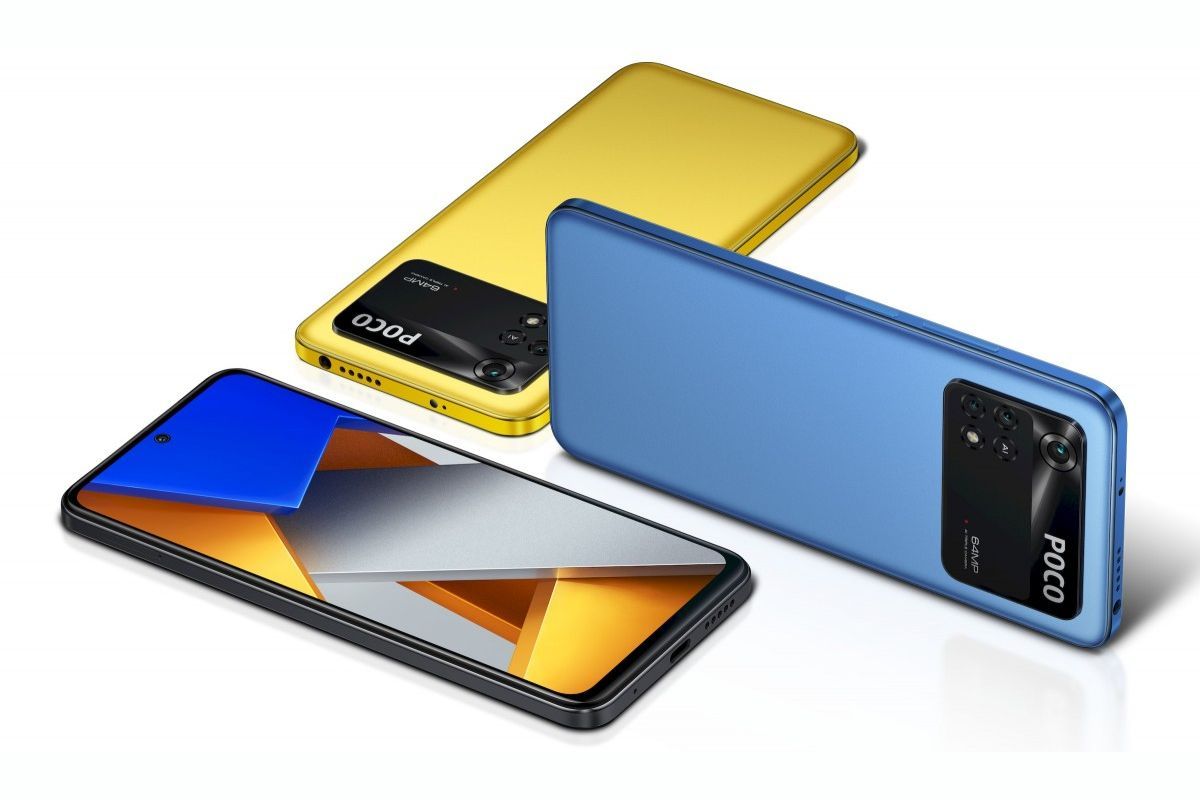
POCO M4 Pro 4G was announced on Feb. 28 in India. As confirmed on the launch date, the M4 Pro will be available for purchase for the first time today (March 7). Here is all the information on the pricing and offers for those who are looking forward to purchasing the POCO M4 Pro.
POCO M4 Pro price, offers
Starting today at 12 pm (local time), the POCO M4 Pro will be available for purchase through the Flipkart retailer site. The handset will be available in three variants such as 6 GB RAM + 64 GB storage, 6 GB RAM + 128 GB storage, and 8 GB RAM + 128 GB storage. The prices for these variants are Rs 14,999 ($195), Rs 16,499 ($214), and Rs 17,999 ($234).
POCO M4 Pro 4G
HDFC Bank credit card owners can get an instant discount of Rs 1,000 (~$13) on purchasing the POCO M4 Pro. Those who have the Flipkart Axis credit card can benefit from 5% unlimited cashback. The handset comes in colors like POCO Yellow, Cool Blue, and Power Black.
POCO M4 Pro 4G specifications
The POCO M4 Pro 4G has a 6.43-inch AMOLED display that offers a Full HD+ resolution and Gorilla Glass 3 protection. The MediaTek Helio G96 chipset is present under the hood of the device. It come with LPDDR4x RAM and UFS 2.2 storage. For additional storage, it has a shared SIM slot for adding a microSD card.
The handset has a 16-megapixel camera for snapping selfies and video calls. The rear shell of the smartphone features a 64-megapixel primary camera, an 8-megapixel ultrawide lens, and a 2-megapixel macro camera. It has a 5,000mAh battery that supports 33W fast charging. It also features MIUI 13 based on the Android 12 OS, and a side-facing fingerprint scanner.
Earlier this year, at the Consumer Electronics Show (CES) in January, Samsung had announced three new monitors, including the Samsung Smart Monitor M8 which has a slim design and features for home and office usage.
Today, the Samsung Smart Monitor M8 officially goes on sale in South Korea for the price of 850,000 won, which is approximately $692. For one week, from 7th March to 14th March, it will be sold exclusively through Kakao Makers, and from 15th March, the product will be available to purchase from offline and online stores across the country.
The Samsung Smart Monitor M8 is just 11.4mm thick, making it significantly thinner than the previous models. It features a 32-inch 4K Ultra HD display that supports 99% sRGB color, 400 nits of brightness, and 1.07 billion colors.
Unlike other monitors, this one is a hybrid that can double up as a Smart TV. It is powered by the same Tizen platform and ships with an IR remote. Running the Tizen OS, it also doubles as a SmartThings Hub, providing full compatibility with Samsung’s IoT ecosystem.
It has a magnetic and moveable SlimFit camera that can be attached to the monitor and supports video chat apps like Google Duo. There’s also a Workspace feature which acts as a hub for work-related things and supports apps like Microsoft 365.
There’s a USB Type-C port with support for video and power delivery and supports 65W fast charging. The South Korean giant has also said that the users will be able to the Smart Monitor M8 to stream games and connect wireless controllers to it.
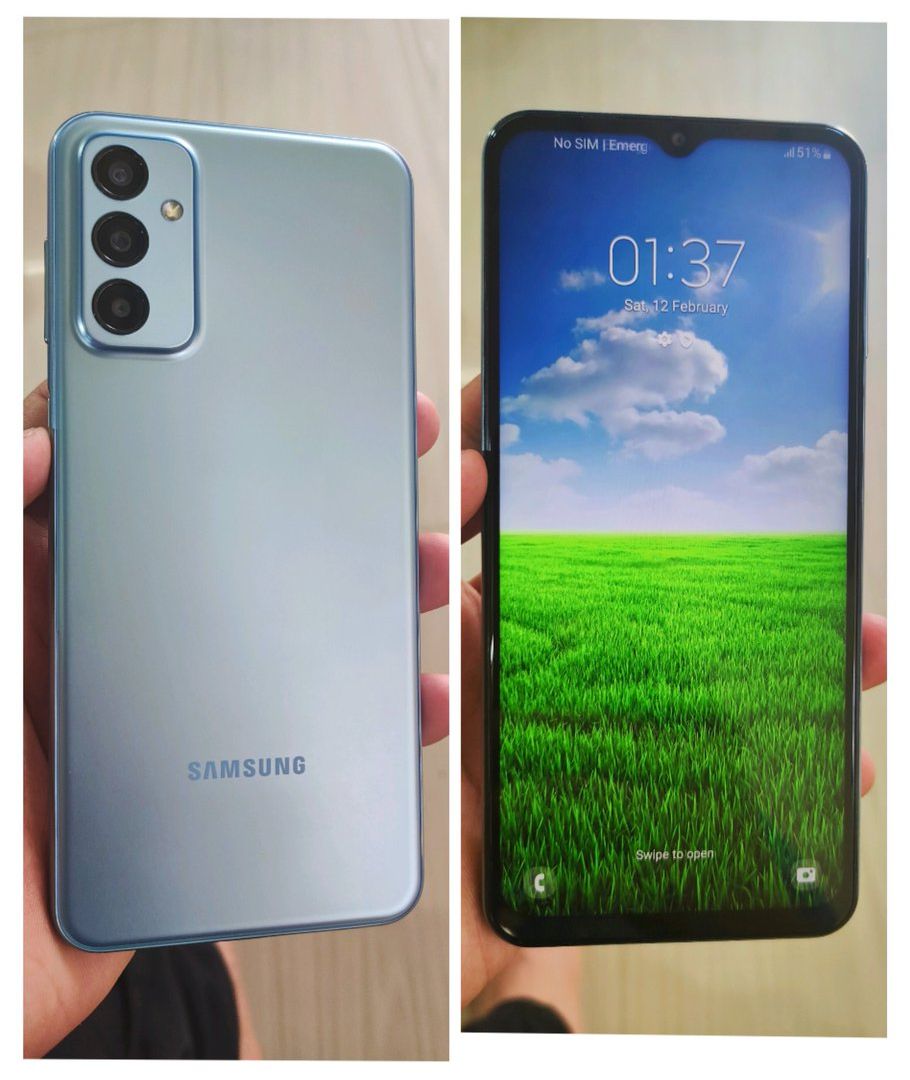
Samsung will be announcing the Galaxy F23 smartphone on March 8 in India. The landing page of the phone is now live on the Flipkart retailer site and Samsung India’s website. The company has confirmed that the device will come in two colors such as Aqua Blue and Forest Green. Now, a Twitter user has shared live images of the Aqua Blue edition of the Galaxy F23 to showcase its appearance in real life.
As can be seen in the new images, the Galaxy F23’s front features a waterdrop notch display with thick bezels. Its back panel has a matte finish with a triple camera unit placed at the top-left corner. The right side of the device is fitted with a volume rocker and a power key, which is integrated with a fingerprint scanner.
Samsung Galaxy F23 live shot | Source: Twitter / Taknikiworld
Samsung Galaxy F23 key specifications
The Galaxy F23 has a 120Hz refresh rate supporting display with Gorilla Glass 5 protection. The device is powered by the Snapdragon 750G chipset. Apart from these details that were confirmed last week, the F23 landing page has some fresh information on its specifications.
The Galaxy F23 will arrive with support for 12 5G bands. Its rear camera setup includes a 50-megapixel primary camera, a 123-degree ultrawide lens, and a third camera. It will be packed with a 5,000mAh that supports 25W fast charging. A recent report by 91mobiles revealed that the retail package of the F23 will not include a charger.
Rumors have it that the Galaxy F23 will be a rebranded version of the recently unveiled Galaxy M23 handset. Hence, the F23 may come with a 6.6-inch LCD FHD+ display, 4 GB of RAM, 128 GB of internal storage, an 8-megapixel front camera, a 50-megapixel (main, OIS) + 8-megapixel (ultrawide) + 2-megapixel (depth) triple camera unit, and a 5,000mAh battery.
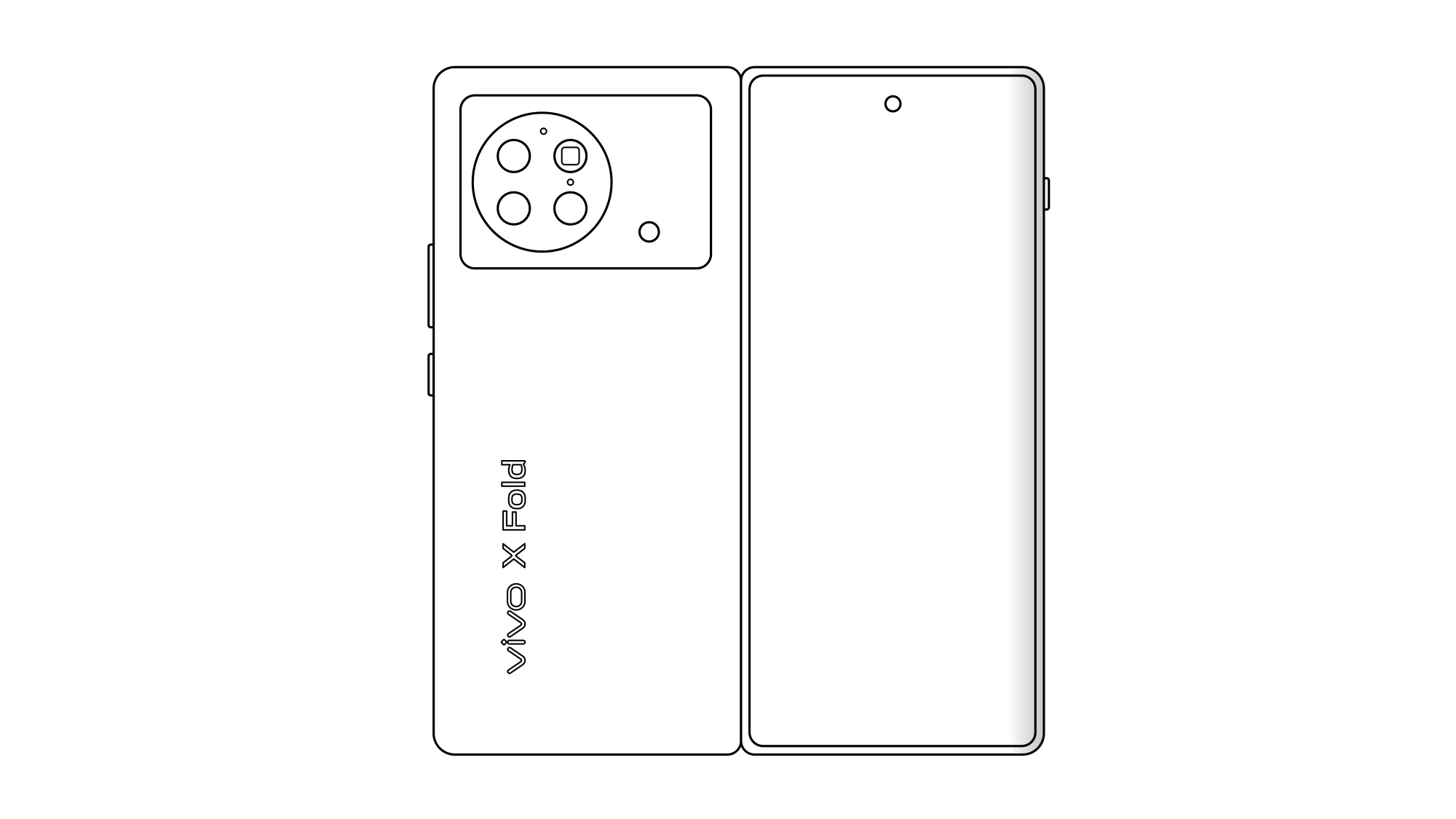
Vivo X Fold is likely to launch as early as this month in China. It will arrive as Vivo’s first foldable smartphone. Well-known tipster Digital Chat Station has released a schematic to reveal what to expect from the design of the X Fold.
The Vivo X Fold’s schematic shows that its cover display will have a curved edge and a centrally aligned punch-hole. The rear side of the device has a circular module placed inside a rectangle block. It serves as a home for an LED flash and a quad-camera unit. An unknown key, a volume rocker, and a power button are available around the sides of the X Fold.
Vivo X Fold schematic by Digital Chat Station
Recent reports have revealed that the Vivo X Fold can be opened like a book to access its inner foldable display, which flaunts a punch-hole design. Both screens are rumored to be integrated with an ultrasonic in-screen fingerprint scanner.
Vivo X Fold specifications (rumored)
Beginning from the front, the Vivo X Fold is expected to feature a 6.5-inch FHD+ OLED display with a 120Hz refresh rate. It is likely to arrive with an 8-inch internal display that offers a QHD+ resolution and a 120Hz refresh rate. The foldable phone will be powered by the Snapdragon 8 Gen 1 mobile platform.
The rear camera module of the Vivo X Fold will be headlined by a 50-megapixel camera. It will be assisted by a 48-megapixel ultrawide lens, a 12-megapixel telephoto camera with 2x optical zoom, and an 8-megapixel periscope telephoto lens with 5x optical zoom. The device will draw power from a 4,600mAh battery. It will come with support for 80W rapid charging and 50W wireless charging. At present, there is no word on the other cameras, RAM, and storage capacities of the X Fold.
Apple is all set to host its “Peek Performance” event tomorrow, i.e. 8th March, marking the technology giant’s first official launch event of this year. At the event, the company is expected to launch a new iPhone SE and iPad Air.
Now, a new report has surfaced online which reveals other products that the Cupertino-based giant has up its sleeves to be launched at the upcoming event.
In the Power On newsletter, Bloomberg’s Mark Gurman has said that a new Mac Mini could be launched during Tuesday’s launch event. It also adds that the Cupertino-based giant could also preview a new external monitor.
The report adds that Apple completed development on the next-generation external display “months ago” and had planned to launch it shortly after it debuted the 14-inch and 16-inch MacBook Pro models.
For those who are unaware, the technology giant has been working on two external displays, with one of them being a direct successor to the high-end Pro Display XDR and another being a more affordable consumer-level display.
Based on the information available for so, it appears that we will get to see the next-generation iPhone SE and iPad Air with 5G connectivity support at the upcoming launch event, along with a new monitor from the brand, as well as new Mac models powered by the M2 chipset.
A couple of days ago, it was reported that Apple is working on a new Studio Display with 7K screen resolution and A13 Bionic chipset. However, the launch of this high-end product is expected to take place in 2023.
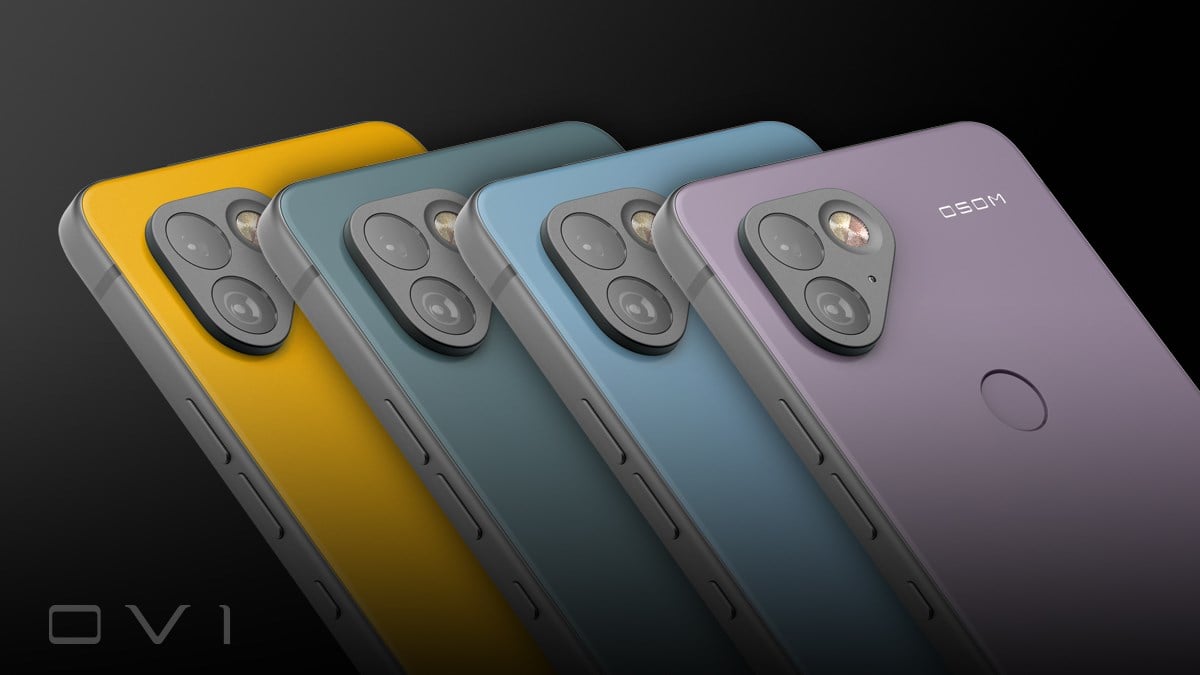
OSOM is a new smartphone brand formed by some of the former members of the Essential company. It is gearing up to launch its first smartphone in the market, dubbed as OSOM OV1, and ahead of the launch, some details about the device have surfaced online.
During the Mobile World Congress, the company’s founder and CEO Jason Keats shared some details with Android Police about the upcoming smartphone.
The OSOM OV1 will be made using high-quality materials that aren’t found in many smartphones, including stainless steel, titanium, and ceramic. It has also been revealed that the camera module and the power and volume keys will make use of titanium, while the mid-frame of the device will use stainless steel. The back of the smartphone will be made of zirconium ceramic.
Under the hood, the device is said to come powered by a chipset that is “based on the Snapdragon 8 series” but the exact processor model has not been confirmed yet. We expect it to be powered by the Snapdragon 8 Gen 1 or the upcoming “Plus” variant of it.
On the backside, the camera module on the device will include a dual-camera setup consisting of a 48-megapixel primary sensor and a 12-megapixel secondary lens. On the front side, there will be a 16-megapixel snapper for taking selfies and video calling.
The smartphone will feature an OLED display but details about the screen resolution, refresh rate, and others still remain unknown. It is known that the device will be running the Android operating system out-of-the-box. The Dual SIM smartphone will have support for 5G ultra-wideband connectivity.
As for the pricing, the OSOM OV1 is said to cost less than $1,000 when it goes official sometime in the second half of this year. It will come in four color options — Solar Yellow, Borealis Green, Twilight Blue, and Dusk Purple. Earlier, the device was expected to launch at MWC but it is now said to launch in Summer.
As the fitness band market slowly matures into a saturation point like the current generation of slab smartphones, the next expected upgrade would be more screen real estate for the user to utilise. For smartphones, the next generational leap is set to be foldables, like the Samsung Galaxy Z Fold 3 and Oppo Find N, and rollables such as the Oppo X 2021 and TCL concept devices with their flexible displays.
For fitness bands, Xiaomi seems to think that flexible displays are the future for fitness bands as well because the company has been developing a new design for its fitness bands by utilising flexible displays.
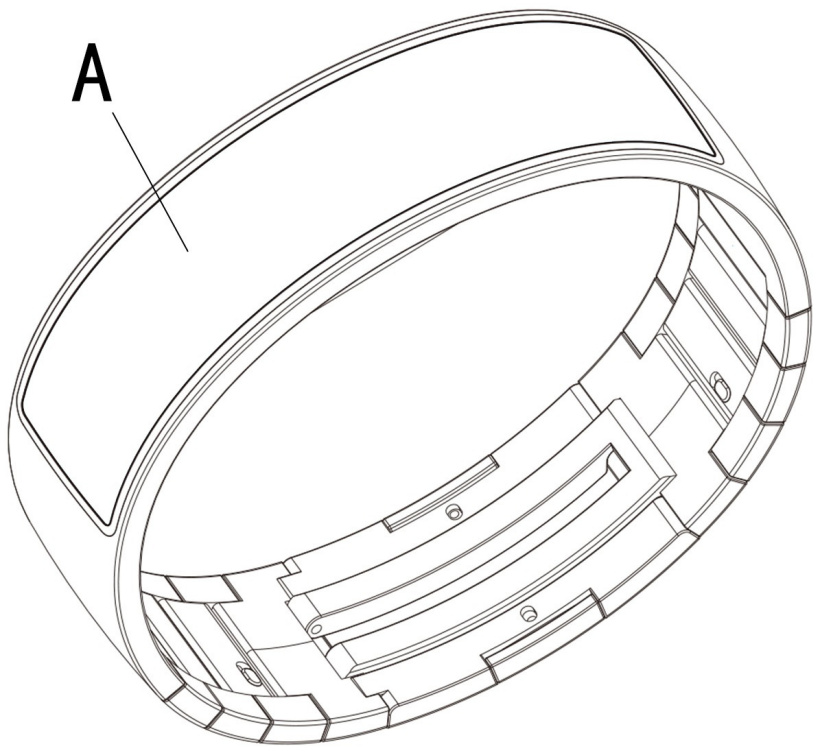
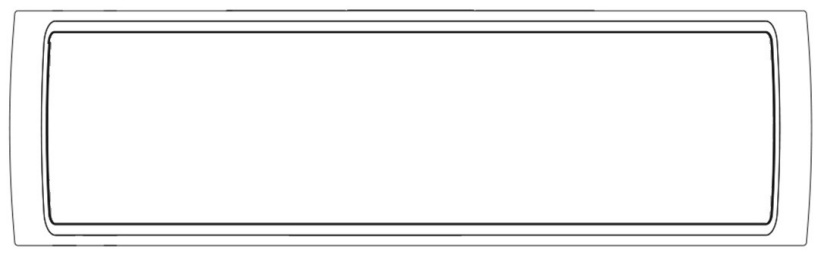
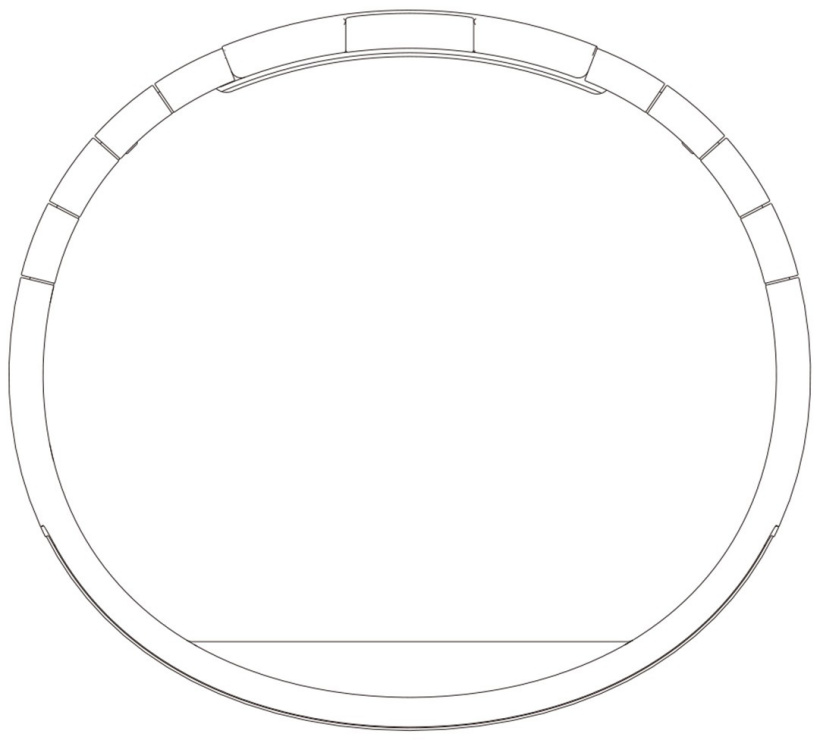
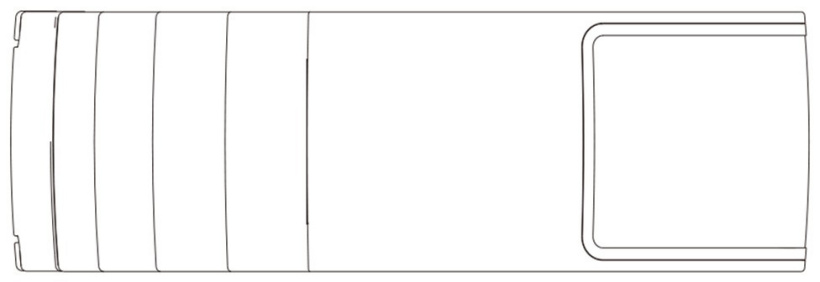
The news comes from one of China’s patent databases as Xiaomi recently got approved of its design patent to build a fitness band that includes a rollable-type flexible display in the build of the device. The design of the device is as follows, whereby ‘A’ is pointing at the section where the flexible display will be installed.
Xiaomi Flexible Display Patent for Fitness Bands
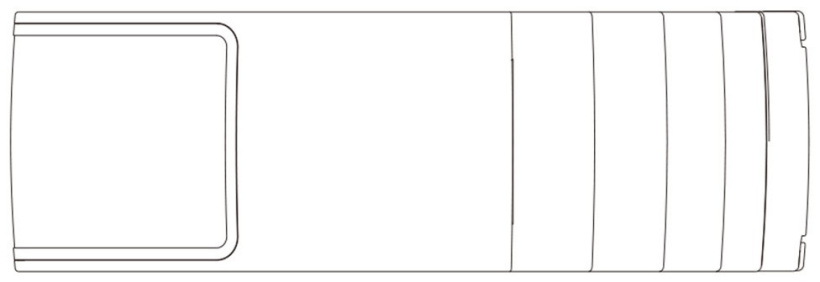
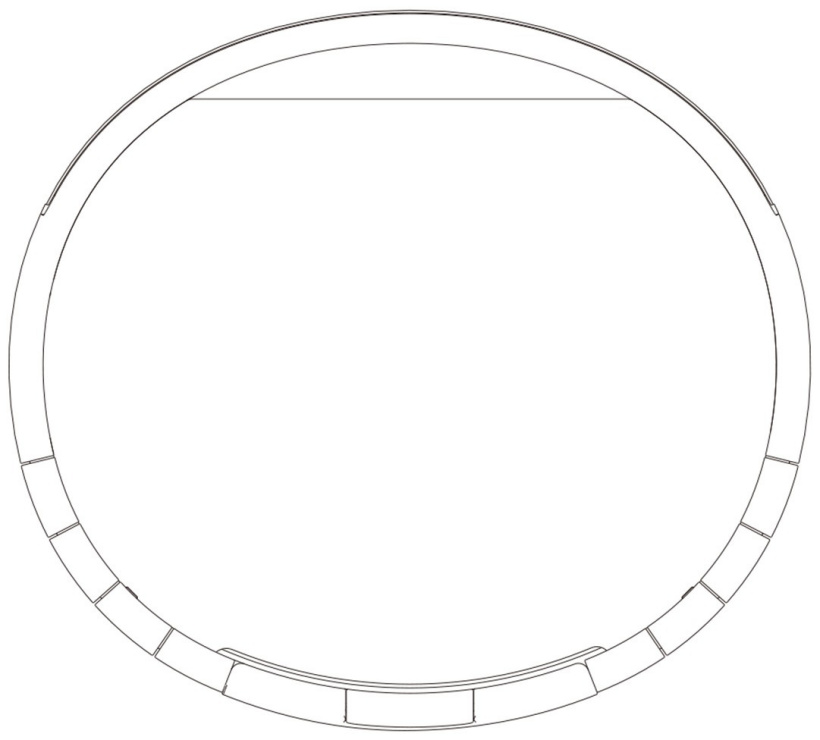
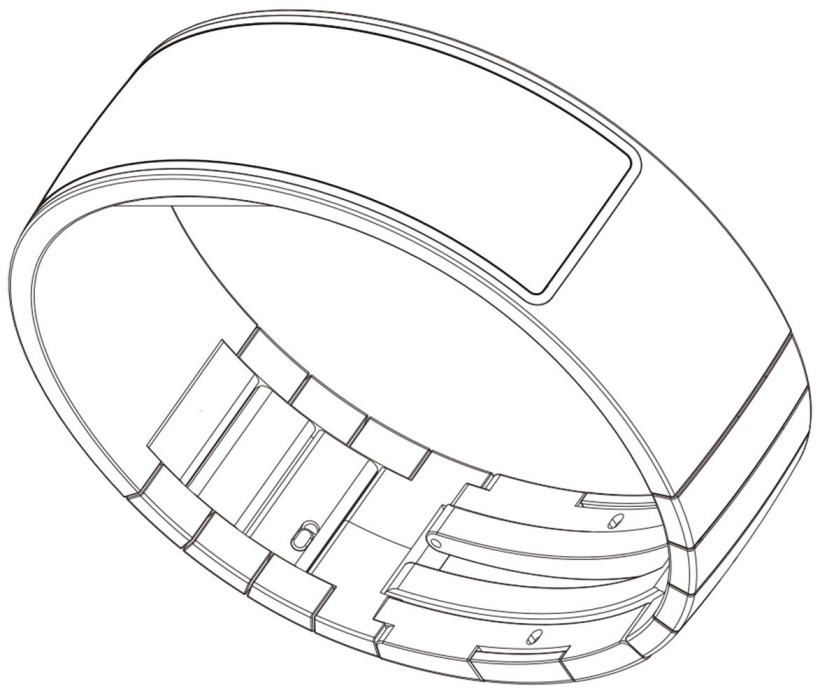
According to the patent listing, the name of the patent design is called “Smart Bracelet”, and its function is categorised under wearables. The patent highlights that the unique design of smart band focuses on the shape and ergonomics of the fitness band.
The patent includes views of the design of the fitness band from multiple angles and it is as follows:
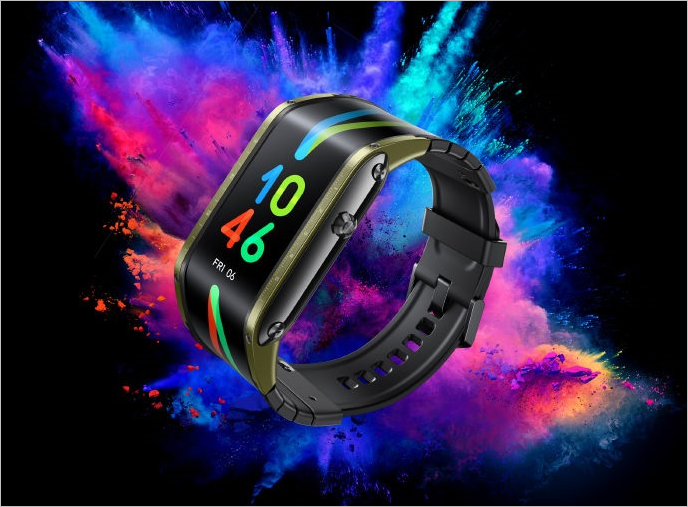
Xiaomi is not the first manufacturer that has experimented with flexible display for wearables, as back in 2020, Nubia had released its Nubia Watch with a flexible display that rolled up until it could wrap the front of your wrists.
Nubia Watch 2020
The Nubia Watch features a 4.01-inch super flexible AMOLED screen that tends to wrap around the wrist. The dial is made from a lightweight aluminium alloy manufactured using a nano-injection process while it uses biomedical-grade ceramics on the side. The overall lightweight design makes it lighter to wear.
The Nubia Watch was launched on Kickstarter and carried a starting price of $179 in September 2020.
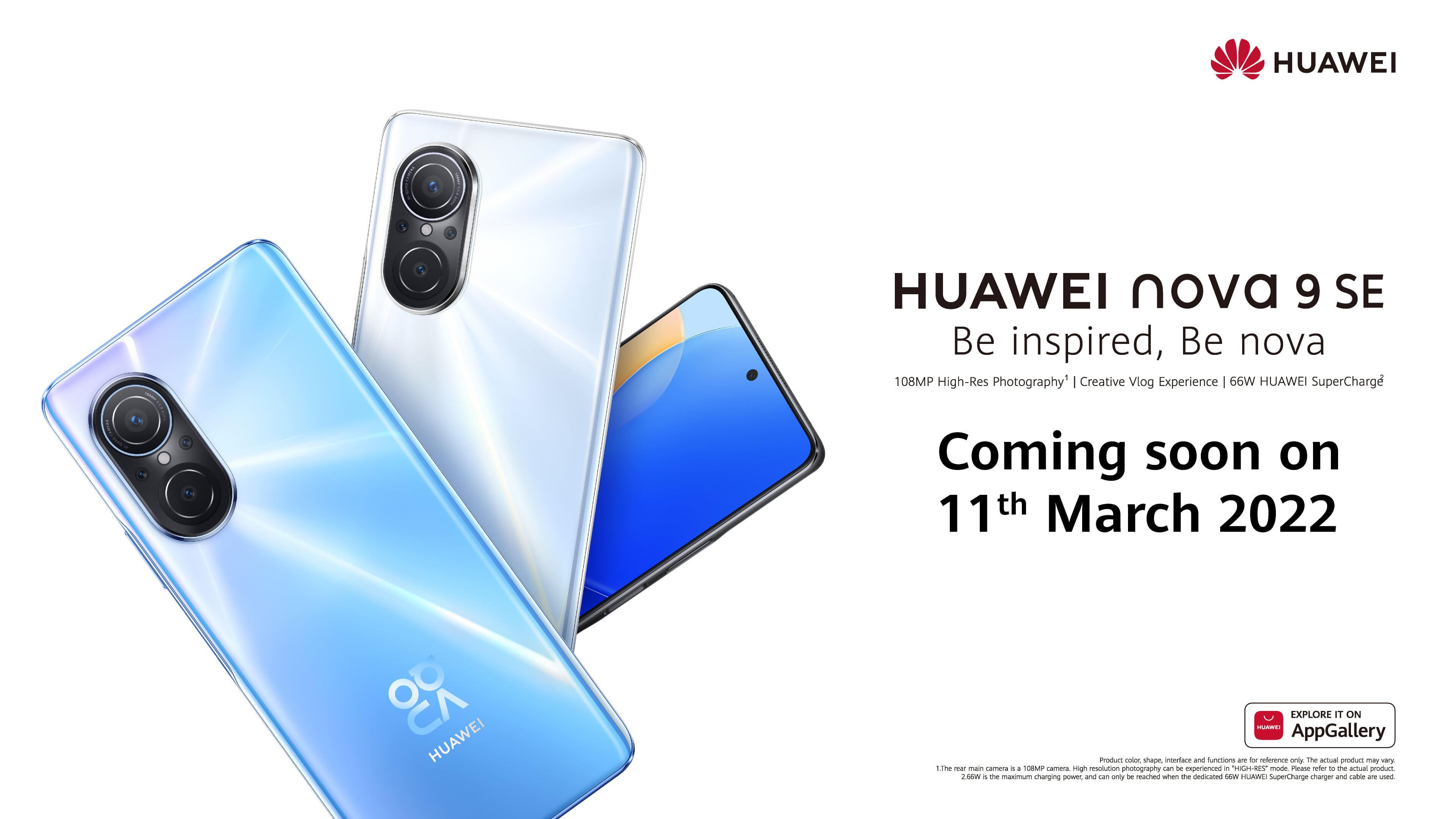
We’ve been hearing leaks and rumours of Huawei’s latest addition to the Nova family, the Huawei Nova 9 SE for the past few weeks, and Huawei even showed a teaser of the upcoming device on Twitter.
After days of teasing the launch, Huawei has finally confirmed the launch date of the Huawei Nova 9 SE. The device will be launching first globally in Malaysia on 11 March 2022, at 3 PM MYT across all Huawei Malaysia channels such as its Official Huawei Malaysia Website and Official Huawei Facebook Page.
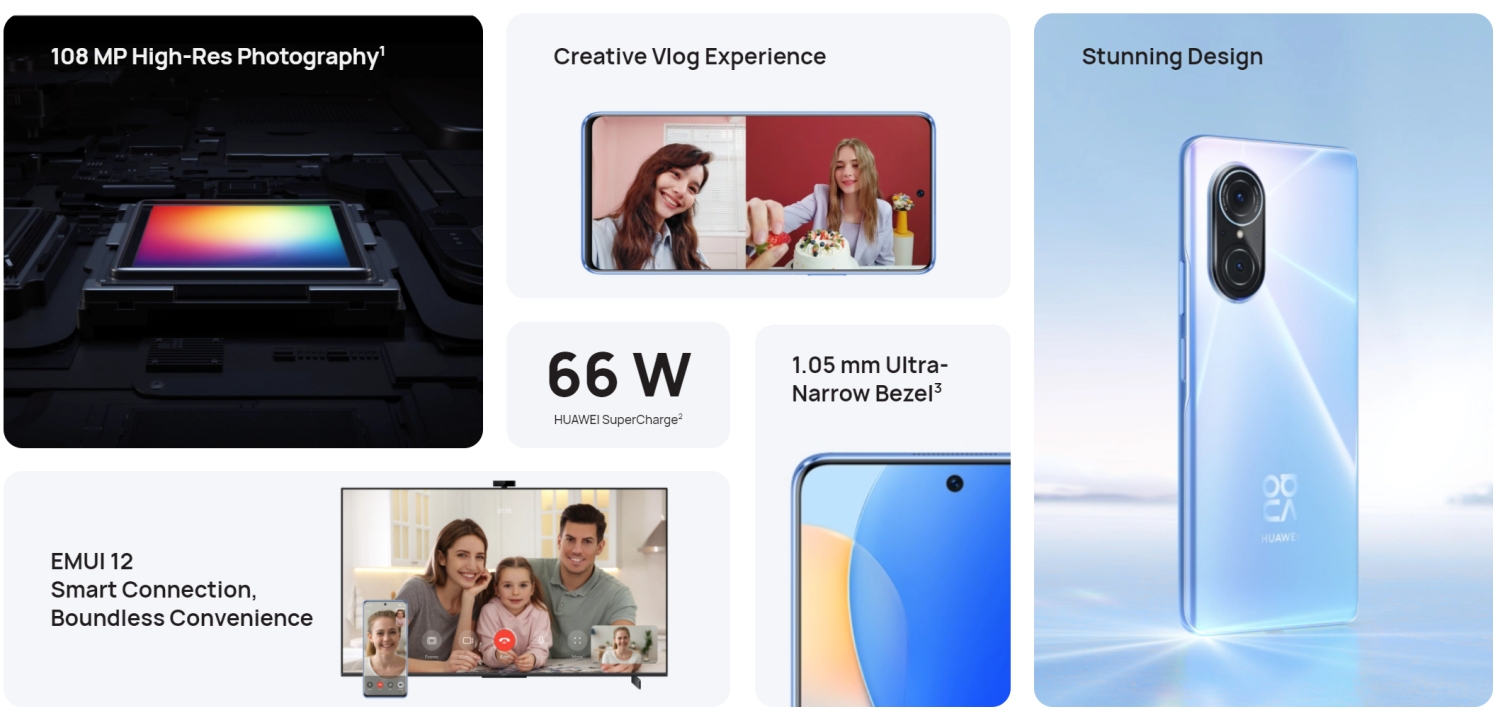
Let’s start with the design, the Huawei Nova 9 SE shares similarity with its more premium siblings such as the standard Nova 9 and the Huawei P50 series with its double camera island ring setup with a curved ergonomic back design. The front features a 6.78″ hole-punch display with ultra-thin 1.05mm thin bezels, and as to whether the display is an IPS or AMOLED and its refresh rate, Huawei is saving the details for the launch on March 11th.
According to the product landing page, Huawei lists that the Huawei Nova 9 SE is running on Qualcomm’s latest 6nm processor with 4G connectivity, and as to our knowledge, the only Qualcomm processor with 4G connectivity only is the Snapdragon 680, found on the Redmi Note 11(Global).
Another highlighting feature of the Huawei Nova 9 SE is its camera. The Nova 9 SE features a 108MP camera that Huawei claims to bring “high-res” photography for the masses, and bring a creative vlog experience for those on the go. The device also features Huawei’s 66W Supercharge which can top-up your phone within 30 minutes to last a full day.
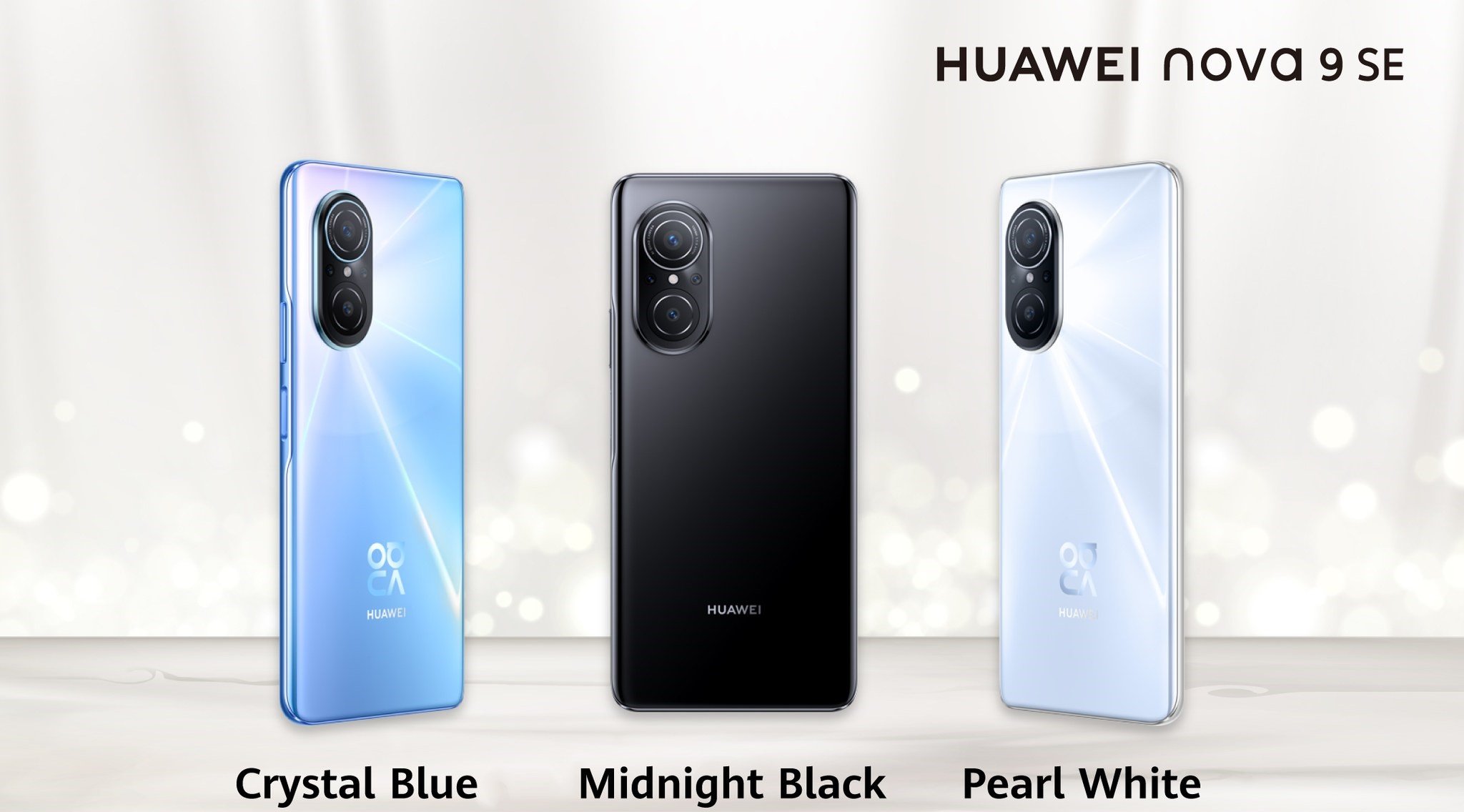
Coming to colours, the Huawei Nova 9 SE will be coming in 3 dazzling colours: Crystal Blue, Midnight Black, Pearl White.
Huawei Malaysia is currently running an Early Bird Campaign, whereby interested buyers can reserve a spot with a payment of RM20 non-refundable deposit(5 USD) for 1 Nova 9 SE unit at the company’s official website here to participate in the lucky draw with Huawei vouchers worth RM3,442(823 USD). After the campaign, buyers can complete the balance payment from 11 March until 18 March 2022.
For more details on the specs and pricing of the Huawei Nova 9 SE, stay tuned on 11 March, as here at Gizmochina, we’ll be reporting on the story as well.
US startup Kytch has filed a $900 million lawsuit against the fast-food chain, McDonald’s for the latter’s unfair claims that had vicariously affected the company. Kytch had worked to invent and sell a device that was meant to fix the ice cream machines in the McDonald’s franchise. However, in the course of the evolution of the Kytch solution, McDonald’s pulled the plug and terminated the arrangement. The Kytch legal complaint against McDonald’s was filed a few days back and Kytch is accusing the company of false advertising and tortious interference in its contracts with customers. The Kytch co-founders are therefore asking for $900 million in damages for the stated infringements.
The complaint relates to Kytch’s phone-sized gadget which was designed to be installed inside McDonald’s ice cream machines. Since 2019 when the Kytch devices started to be installed in McDonald’s franchises, the device was able to help owners of McDonald’s ice cream machines remotely monitor and troubleshoot their devices. But a November 2020 email from McDonald’s to its franchisees directed them to immediately remove the Kytch device from their ice cream machines.
McDonald’s had stated that the Kytch device violated the ice cream machine’s warranties and intercepted their confidential information. McDonald’s also alleged that the Kytch device posed a safety threat that could lead to serious human injury. Kytch insists that these claims were false and defamatory.
Kytch also stated pointed to an alleged demarketing campaign which also led to McDonald’s promoting a new ice cream machine built by another company and offering similar features as the Kytch’s device. McDonald’s latest lawsuit is not the first by Kytch, as the company had also sued McDonald’s and others for allegedly stealing its trade secrets.
McDonald’s says it has committed no crime and the Kytch claims were meritless. It remains to be seen how the case pans out when the legal fireworks begin.
The just-released and updated Mavaro Neo e-bike from Cannondale packs several features including its extended range on a single charge, which is up to 175km. The new Mavaro Neo e-bike has an in-built Garmin radar as an added navigational feature. The Garmin radar alerts the driver of vehicles that are approaching the bike from behind.
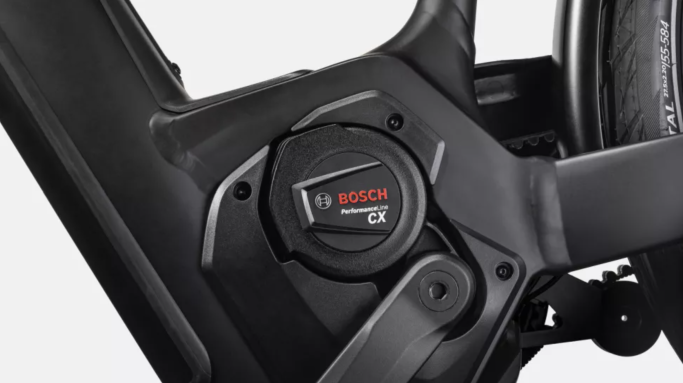
The Cannondale Mavaro Neo e-bike sports the Bosch e-bike smart system including its high-capacity battery. That is the main reason for the above 100-mile range on offer with the e-bike. The bike also enjoys an upgrade of power assistance absent in the previous model. The Flow app is also part of the Bosch e-bike ecosystem that offers the rider firm control over the performance and behavior of the bike. It allows users to also receive OTA updates and need to take the bike to a designated service facility for updates is no more needed.
The e-bike’s settings are customizable to suit the rider’s choices in terms of the modes and configuration in tandem with individual driving styles. The Mavaro Neo e-bike is a low-maintenance model. It has a belt drive system that does not require lubrication and tensioning together with its step-less hub gearing setup.
As per pricing, the updated Mavaro Neo e-bike can be gotten directly from Cannondale for $7,800. Two frame sizes are available and it is unclear how the new e-bike will sit on the market, as several current models are in the segment are about half the price of the new e-bike.
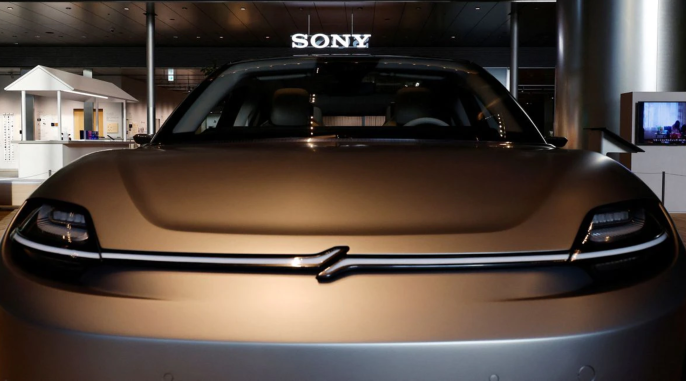
Japanese giants Sony and Honda are planning to jointly manufacture electric vehicles. The two companies have already signed a memorandum of understanding that highlights the roadmap to the accomplishment of the goal of a Sony-Honda EV. A joint venture arrangement will be used for the new partnership although this has not been finalized yet. The plans entail the formation of the new company this year and the first EVs from the joint venture are expected to roll out by 2025.
This exciting pairing holds a lot of promise as traditional automakers continue to transit into the fast-expanding EV space. Several tech companies have also pursued similar engagements with automakers for the production of electric vehicles. An Apple electric vehicle has remained on the rumor radar for a while and some other tech companies have similar plans. Honda will manufacture the first model while Sony is expected to develop its mobility platform, while the new company will drive the design, development, and sales of the EV. Both Sony and Honda will thus bring their technical strengths and expertise in the manufacturing of the EV.
Sony has a strong presence in imaging, telecommunications, and entertainment. It comes to the table with a repertoire of exciting tech products and capabilities that could yield a mouth-watering electric vehicle even with autonomous capabilities. In a statement, Sony’s CEO Kenshiro Yoshida says the company’s purpose is to fill the world with emotion using a mix of creativity and technology. Yoshida underscored the vast expertise also presented by Honda and says their goal is to manufacture mobility solutions centered upon safety, entertainment, and adaptability. Sony indeed has made progress in the development of electric vehicles and it already had two concept cars.
In a statement as well, Honda’s CEO Toshiro Mibe also highlighted the innovative leanings of the new company. Mibe stressed that the new company will leverage Honda’s cutting-edge technology while maintaining a focus on safety and the environment. Both Sony and Honda share a historical connection. The new company will hold a lot of promise and its takeoff is expected within this year.
Yamaha has updated its electric bicycle line with the unveiling of its refreshed Wabash RT and CrossCore RC. The two models come with Yamaha’s newly minted PWSeries ST mid-drive motor. The two models are capable of a top speed of 28mph and the two bikes are both built on sturdy frames. While the Wabash RT is suitable for off-road riding, the CrossCore RC is a conventional road running electric bike.
Yamaha Power and Assist Bicycles is the arm focused on the production of the Yamaha electric bikes and it says both models reflect the finer ideals of the company in producing functional and efficient models. The company says there is a growing need for electric bicycles as fitness and mobility tools, and the two e-bikes will be useful in several scenarios.
The PWSeries ST motor has a capacity of 500W and provides four levels of pedal assist to reach the top speed of 28mph. Four sensors namely for the torque, crank cadence, wheel speed, and bike angle, combine to continuously calculate and apply the precise amount of power while riding. Both bikes reflect massive improvements from the original 2019 Wabash RT and CrossCore RT models. They also come with individual innovations and features that put them in good stead in their respective rid segments.
As per pricing and availability details, the price of the Wabash RT is $4,099 while the CrossCore RC will cost $3,099. The two models will be available in the summer and there will be a few color options on offer.
The Realme GT2 and GT2 Pro were unveiled first in China in January. Both devices were announced for the global markets last week. New information reveals that the GT2 Pro will be launched in India this month. A report by MySmartPricehas leaked the RAM, storage, and color variants of the GT2 Pro for the Indian market.
Citing Mukul Sharma as the source, the publication reported that the Realme GT2 Pro will be arriving in India in two options such as 8 GB RAM + 128 GB storage and 12 GB RAM + 256 GB storage. It will be made available in three color options, such as Paper Black, Paper White, and Paper Green. At present, there is no information on the pricing of the GT2 Pro for India.
Now that the Realme GT2 Pro is tipped to launch this month in India, it is likely to soon confirm the launch date in the coming days. It is unclear whether the vanilla Realme GT2 will be launching alongside the Pro model in the country.
Realme GT2 Pro specifications
The Realme GT2 Pro has a 6.7-inch AMOLED LTPO 2.0 display that offers a Quad HD+ resolution and a 120Hz refresh rate. The Snapdragon 8 Gen 1 chipset is present under the hood of the GT2 Pro. The device will include LPPDR5 RAM, UFS 3.1 storage, and a 5,000mAh battery that supports 65W fast charging.
The GT2 Pro will be equipped with a 32-megapixel front-facing camera. Its rear camera setup will comprise a 50-megapixel Sony IMX766 primary camera, a 50-megapixel ultrawide lens with a 150-degree FOV, and a 2-megapixel microscope camera. For security, it has an in-screen fingerprint scanner. The device will come preinstalled with Realme UI 3.0 and the Android 12 OS.
Apple is expected to announce the successor to the iPhone SE (2020) on March 8. It is unclear if the next one will be called the iPhone SE (2022) or iPhone SE 3. A couple of days ahead of the launch, an Apple analyst Ming-Chi Kuo has shared key details about the design, chipset, and color variants of the iPhone SE (2022).
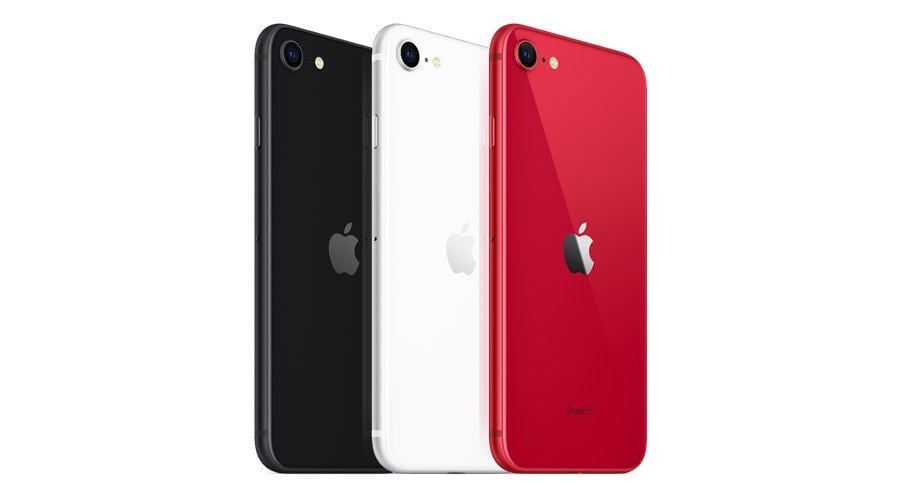
According to Kuo, the iPhone SE (2022) will have a form factor similar to the iPhone SE (2020).Like the predecessor model, the iPhone SE (2022) will come in multiple color variants and storage capacities of 64 GB, 128 GB, and 256 GB.
The iPhone SE (2022) will come in color variants such as white, black, and red. The device will be driven by the Apple A15 Bionic chipset, and it will carry support for 5G connectivity (mmWave and sub-6GHz). Kuo added that the iPhone SE (2022)’s mass production this month. It is expected to ship around 25 to 30 million units of the phone in 2022.
Apple iPhone SE (2020)
It appears that the support for 5G connectivity will be the only major improvement on the iPhone SE (2022) as compared to its predecessor. Based on previous reports, it can be said that the iPhone SE 3 may retain the 4.7-inch LCD display and a physical home button at the front integrated with the Touch ID fingerprint scanner.
The March 8 event will also see the arrival of a couple of other Apple products. The iPad Air 5 is likely to launch with some upgraded features such as an Apple A15 chip, 5G support, a 12-megapixel FaceTime camera, and Centre Stage support. Other products that could be announced include an M2 chip-powered MacBook Air, a 23-inch Mac with an HDR display and an M1 Pro/Max chip, and a Mac Mini with an M1 Pro/Max chip.
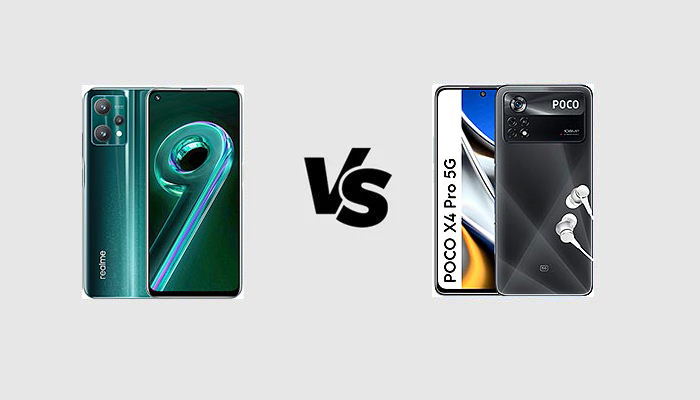
POCO X4 Pro 5G has just hitten the global shelves with amazing specifications at a very affordable price. Despite it being an upgrade of the POCO X3 Pro, its performances are not superior because the processor mounted is actually inferior. But the rest of the specifications are definitely better, that is the reason why it is a better phone for average users. However, this year it has an important rival on the global market: the Realme 9 Pro. Given that it comes with very similar specifications and a similar price, it is hard to establish which one offers the higher value for money, at least for non-expert people. This comparison between their specifications will let you find out.
Triple 64 + 8 + 2 MP f/1.8, f/2.2 and f/2.4
16 MP f/2.1 front camera
Triple 108 + 8 + 2 MP, f/1.9 + f/2.2 + f/2.4
16 MP f/2.4 front camera
BATTERY
5000 mAh, 33W fast charging
5000 mAh, fast charging 67W
ADDITIONAL FEATURES
Dual SIM slot, 5G
Dual SIM slot, 5G
Design
The Realme 9 Pro has a more elegant and suggestive design. Its color variants are very attractive and it is a more compact phone than the POCO X4 Pro 5G. Further, it has an important killer feature: the color-changing back cover. If you put the Realme 9 Pro under direct sunlight for about twelve seconds, it will change its colors. The color-changing back cover is only available on the Sunrise Blue color variant which goes from pink to blue and vice versa if placed under sunlight. The POCO X4 Pro 5G has a more aggressive design, more suitable for gamers. Further, it features the IP53 certification making it dust resistant and splash resistant.
Display
The POCO X4 Pro 5G is the winner of this comparison if we consider the displays. It comes with an AMOLED panel showing brighter colors and deeper blacks. It has a Full HD+ resolution of 1080 x 2400 pixels, a 120 Hz refresh rate, the HDR10 certification improving the image quality on streaming platforms, a peak brightness of up to 1200 nits, and a wider 6.67-inch diagonal. Unfortunately, the Realme 9 Pro has an inferior IPS LCD panel. It sports the Full HD+ resolution of 1080 x 2400 pixels and a 120 Hz refresh rate, but the color reproduction is less impressive. Both the phones come with an in-display fingerprint reader, but the POCO X4 Pro 5G is the only one with stereo speakers.
Hardware/Software
Realme 9 Pro and POCO X4 Pro 5G are powered by the Qualcomm Snapdragon 695 5G mobile platform built at 6 nm and running at a max frequency of 2.2 GHz. It is a good and sufficient chipset for everyone, including gamers and power users. It remains a midrange SoC, but it is never disappointing. The phones come with up to 8 GB of RAM, but the POCO mid-ranger offers more internal storage: up to 256 GB instead of just 128 GB. On the other hand, the Realme 9 Pro runs Android 12 out of the box, while the POCO X4 Pro 5G is still based on Android 11. Both the phones feature a micro SD slot to expand the internal storage, as well as a UFS 2.2 native storage.
Camera
The POCO X4 Pro 5G is the winner of the camera comparison thanks to a better 108 MP main sensor capturing a higher level of detail in bright light conditions. The sensor is paired with an 8 MP ultrawide camera and a 2 MP macro camera. In both cases, the selfie camera is a 16 MP sensor, but the Realme 9 Pro provides a brighter f/2.1 focal aperture.
Battery
The batteries of these two phones come with the same, good 5000 mAh capacity, but the POCO X4 Pro 5G is supposed to last longer on a single charge because it has a more efficient AMOLED display. Further, it chargers quicker thanks to 67W fast charging.
Realme 9 Pro vs Xiaomi POCO X4 Pro 5G: Price
You need less than €300/$328 to purchase the base variant of the Realme 9 Pro in Europe, while the POCO X4 Pro 5G starts from €329/$360. However, the POCO mid-ranger wins the comparison thanks to a better display, superior camera, and faster charging.
Although Wi-Fi 6 and 6E adoption rates are still relatively low in 2022, ZTE has already jumped ahead of the competition by offering an even faster consumer-ready internet solution at its MWC Convention this year, Wi-Fi 7.
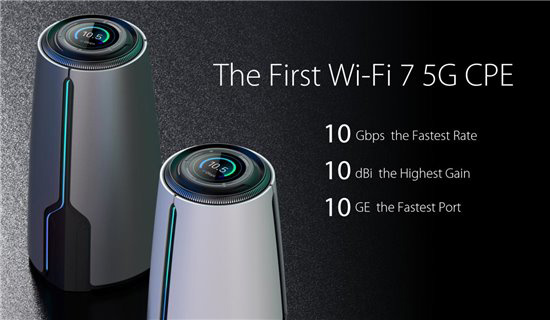
At MWC 2022, ZTE unveils the world’s first Wi-Fi 7 consumer-ready product, called the ZTE MC888 Flagship. The MC888 Flagship is a Wi-Fi 7 5G CPE(Customer Premises Equipment) device that receives cellular data such as 4G LTE/5G which then converts them into WiFi signals for users to connect to. Normally CPEs are most commonly seen in hospitals, factories and villages, as CPEs save the cost and hassle of installing fibre optic cables in these areas.
ZTE Wi-Fi 7 MC888 Flagship
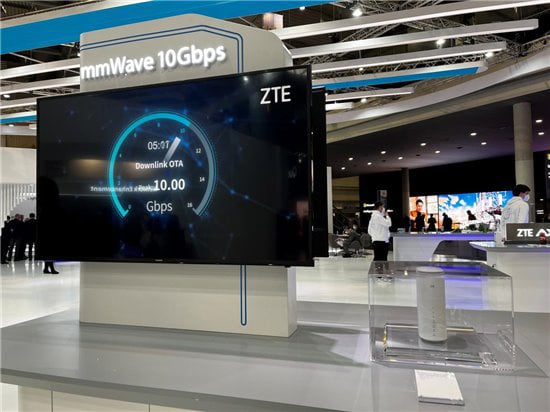
Back to the highlights of the ZTE MC888 Flagship. Under the hood, the device supports global sub6 and mmWave frequency bands, whilst adopting ZTE’s smart antenna X technology. Said technology features the industry’s highest antenna gain, reaching 10dBi. It is worth mentioning that the MC888 Flagship adopts the world’s first auxiliary antenna technology to achieve high-power mmW antenna transmission. With the LED screen on the router, you can also monitor network signal changes in real-time, as the device automatically rotates and tracks and locks the mmWave signals, to achieve peak Internet speeds of up to 10Gbps.
Currently, the MC888 Flagship holds the record for the world’s fastest Wi-Fi 7 solution, and its support for 2.4GHz/5GHz/6Hz frequency bands, with up to 19GBps speeds if all three bands were utilised to their full potential. And since the router runs on Wi-Fi 7 technology, it includes many new key features of Wi-Fi 7, such as a 320MHz bandwidth, multi-link operation (MLO), and 4K QAM ensure that 256 users can be able to use the Wi-Fi network with extremely fast and stable speeds. Wi-Fi 7 also brings wider signal coverage, in relation to that it supports more users connecting the network at once.
From the exterior, ZTE mentioned that the MC888 Flagship was designed to resemble some sort of futuristic outer-space rocket. The design of the top metal decorative ring takes inspiration from the thrusters found on rockets. The 3 sets of colour-changing LED strips on the sides of the router combined with the futuristic UI interface on the router’s circular touch screen, provides the users with the experience that they are using industry-leading Internet with industry-leading convenience.
ZTE hopes the design elevates the router’s immersive experience. At the same time, the MC888 Flagship is equipped with the world’s fastest 10 Gigabit Ethernet port, providing reliable 10 Gigabit connection for computers, Smart TVs, 8K video streaming, etc.
ZTE mentions that it will be bringing the Wi-Fi 7 MC888 Flagship to market by the end of 2022, but expect a higher premium since this is 1st Generation Wi-Fi 7 product that is coming to market.
We use cookies on our website to give you the most relevant experience by remembering your preferences and repeat visits. By clicking “Accept”, you consent to the use of ALL the cookies.
This website uses cookies to improve your experience while you navigate through the website. Out of these, the cookies that are categorized as necessary are stored on your browser as they are essential for the working of basic functionalities of the website. We also use third-party cookies that help us analyze and understand how you use this website. These cookies will be stored in your browser only with your consent. You also have the option to opt-out of these cookies. But opting out of some of these cookies may affect your browsing experience.
Necessary cookies are absolutely essential for the website to function properly. This category only includes cookies that ensures basic functionalities and security features of the website. These cookies do not store any personal information.
Any cookies that may not be particularly necessary for the website to function and is used specifically to collect user personal data via analytics, ads, other embedded contents are termed as non-necessary cookies. It is mandatory to procure user consent prior to running these cookies on your website.