Following Huawei, Oppo has now also announced its own official smart car solution. The new in vehicle system is dubbed Carlink and the company aims on shipping the technology in about 15 million cars by next year.
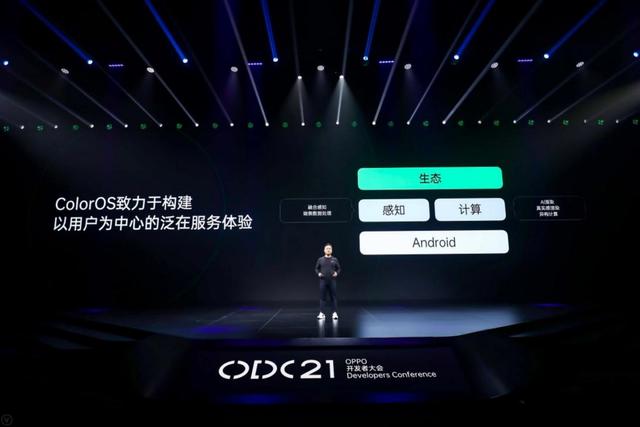
The Chinese tech giant made the announcement during its OPPO Developer Conference 2021 event. Wu Henggang, the President of the brand’s software engineering division stated that the company has built the Carlink smart car solutions for smart travel. The new technology seeks to bring a new travel service experience that will be seamless while being interconnected across multiple terminals with hardware and software level optimizations.
The senior official also added that the company is targeting to ship the new system in 15 million cars by the year 2022. Notably, the Oppo Carlink is an all scenario mobility solution that will be available for not just four wheel cars but even two wheeled vehicles like scooters. It will offer functions like digital car keys, vehicle management tools through a smartwatch, and even an in car smart screen solution as well. The brand added that it has already started working with more than 70 partners that include automobile makers, two wheeler manufacturers, Tier 1 suppliers, and other automobile based service providers as well.
The President further added that Carlink is a part of the brand’s efforts in the smart car segment, in which it aims on developing and even accelerating the arrival of automotive solutions. Henggang also said that the smartphone and car systems are two independent systems that usually have no means of interaction. But now, Oppo seeks to change this by partnering up with various brands in the automobile industry and have launched the Open Alliance for Intelligent Connected Vehicles to establish a unified industry standard. Other members include major names like Vivo, Xiaomi, SAIC, Changan Automobile, and Geely.
Honor had launched its Tab V7 Pro tablet a couple of months ago in the Chinese market. A couple of days ago, the Honor Tab V7 Pro 5G 8GB RAM and 256GB storage model was made available in China for 3,699 yuan, which is around $575.
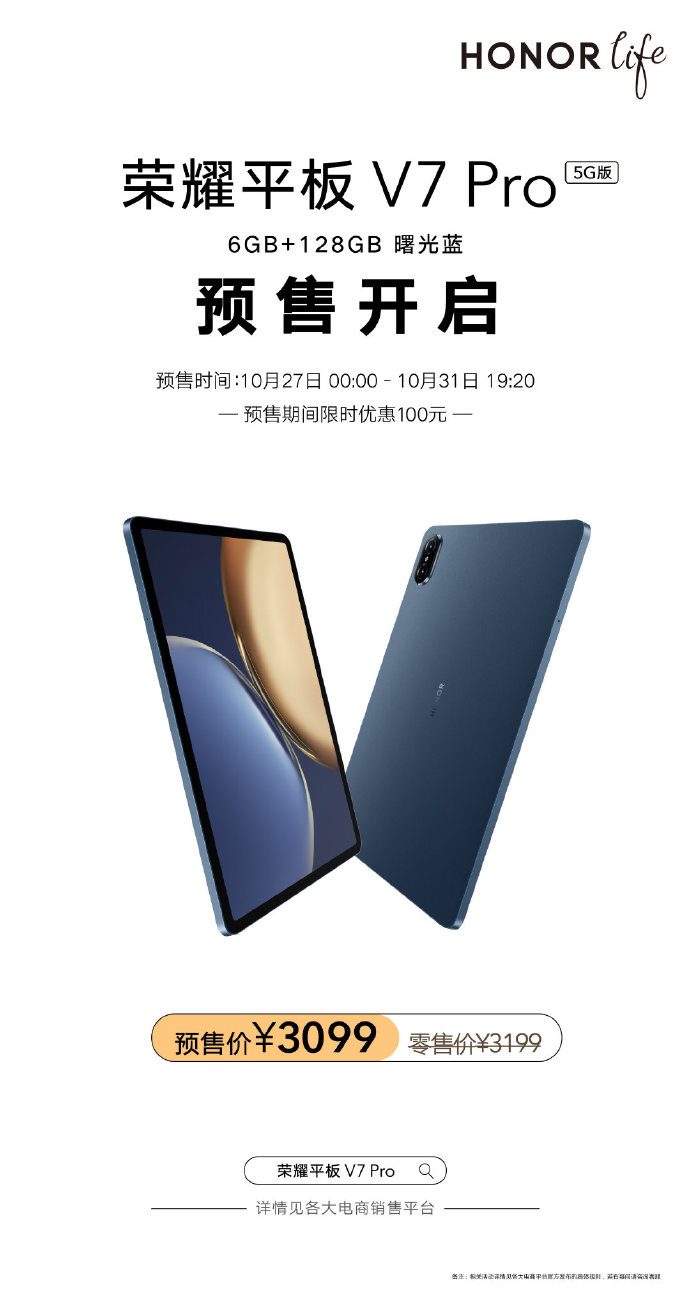
Now, the company has started taking pre-orders for the 6GB RAM and 128GB storage variant of the Honor Tab V7 Pro 5G. It is priced at 3,199 yuan which roughly converts to $500. But the company is offering a 100 yuan discount for those who pre-order the device, bringing down the cost to 3,099 yuan. It will be available for pre-order till 31st October.
The Wi-Fi-only variants of the tablet come in three memory options — 6GB RAM with 128 GB storage, 8GB RAM with 128GB storage, and 8GB RAM with 256GB storage, costing 2,599 yuan (~$400), 2,799 yuan (~$431), and 3,299 yuan (~$508) respectively.
The Honor Tab V7 Pro features an 11-inch LCD screen that offers a 2K screen resolution of 2560 x 1600 pixels, a 16:10 aspect ratio, 276ppi pixel density, a 120Hz refresh rate, and a DCI-P3 color gamut.
Under the hood, the device is powered by MediaTek Kompanio 1300T chipset, making it the world’s first device to feature this newly announced SoC. It is equipped with a 7-layer cooling system for heat dissipation. It also carries support for RAM extension technology.
In the camera department, there’s a 13-megapixel main camera and a 2-megapixel macro lens. The tablet runs the Android 11 operating system with Magic UI 5.0 on top that has been optimized for multi-tasking and offers features like multi-window function, split-screen, drag and drop, and more.
The device is powered by a 7,250mAh battery that carries support for 22.5W rapid charging. Other features on the device include quad speakers, Dual SIM, Wi-Fi 6, 5G, Bluetooth 5.1, and a USB-C port. This newly launched Honor tablet also carries support for the Magic Pencil 2 stylus and a keyboard case for a desktop-like experience.
Earlier today, OPPO held its annual developer conference in Shanghai. This year’s event was called OPPO Developers Conference 2021 (ODC21). At the event, the company showcased many new developments. One of the most interesting ones was ray tracing on smartphones.
OPPO Reno6 Pro 5G
For years, ray tracing had been exclusive to computers. This feature enables the physical behavior of light in a digital environment to produce life-like content.
Ray tracing made its debut on gaming consoles with the release of Sony PlayStation 5 and Microsoft Xbox Series X/S in late 2020. Now, it is expected to trickle down to mobile devices like smartphones as early as 2021.
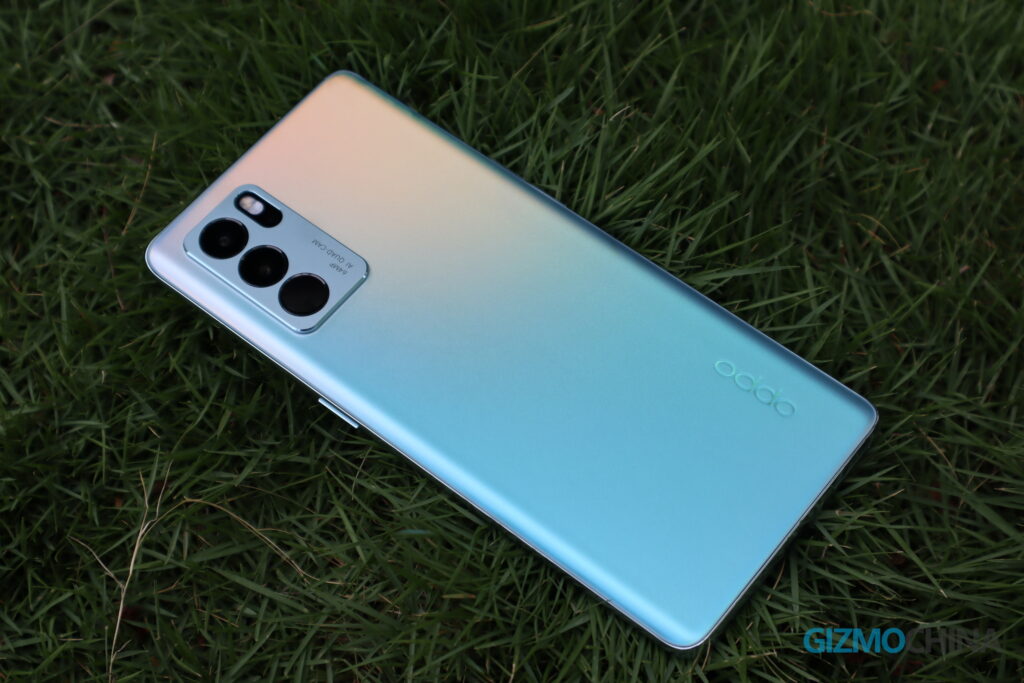
Ahead of that, OPPO demoed ray tracing on one of its current-gen OPPO Reno6 series phones at the OPPO Developers Conference 2021. Although the company did not mention the handset used, it appears to be an OPPO Reno6 Pro 5G as the MediaTek Dimensity 1200 chipset present inside the device has support for ray tracing.
OPPO stated that its ray tracing technology is based on Vulkan API and it is part of ColorOS. The firm also revealed that its tech can not only be used in games but also in live wallpapers, image filters, AR applications, and more.
Ray tracing on OPPO smartphones is expected to debut in 2022. The Chinese company will not be the only one to offer this tech next year. Samsung has also confirmed to debut ray tracing-supported new Exynos chipset with AMD mRDNA GPU. The new silicon will likely power the upcoming Galaxy S22 series.
Google has just released a new promotion video for its Pixel 6 series of smartphones. In the video, the company shares 113 reasons “Why You Should Switch to Pixel.” But rather than taking on a major brand in the industry, the company has surprisingly decided to take a jab at a company that doesn’t event compete in the same market anymore.
The search engine giant shared a new video on YouTube, in which, the company calls out LG at one point. For those unaware, LG had exited the smartphone market earlier this year, and now, it seems like Google seeks to find prospective customers among the South Korean brand’s audience. While the company did not explicitly state LG’s name in the Pixel 6 promotional video, it does hint at the brand who stopped making smartphones. In the near nine minute video, Google stated that “the maker of your old phone stops making phones,” as one of the reasons to switch to Pixel smartphones, which is a clear jab at LG.
The video in itself doesn’t offer a lot of substance behinds its “113” reasons that should make us switch over to the Pixel series. So, we can say that these are meant primarily for entertainment purposes. Funnily, the company even adds in the video that certain brands are more known for their washing machines rather than “organizing the Internet and mapping the world.” In other words, this could even be a swing at South Korea’s Samsung Electronics as well.
Smartphones today are media powerhouses that can do so much more than what they were initially designed for – calls. They have managed to make other devices like clocks, cameras, navigation devices, credit cards, and even laptops redundant.
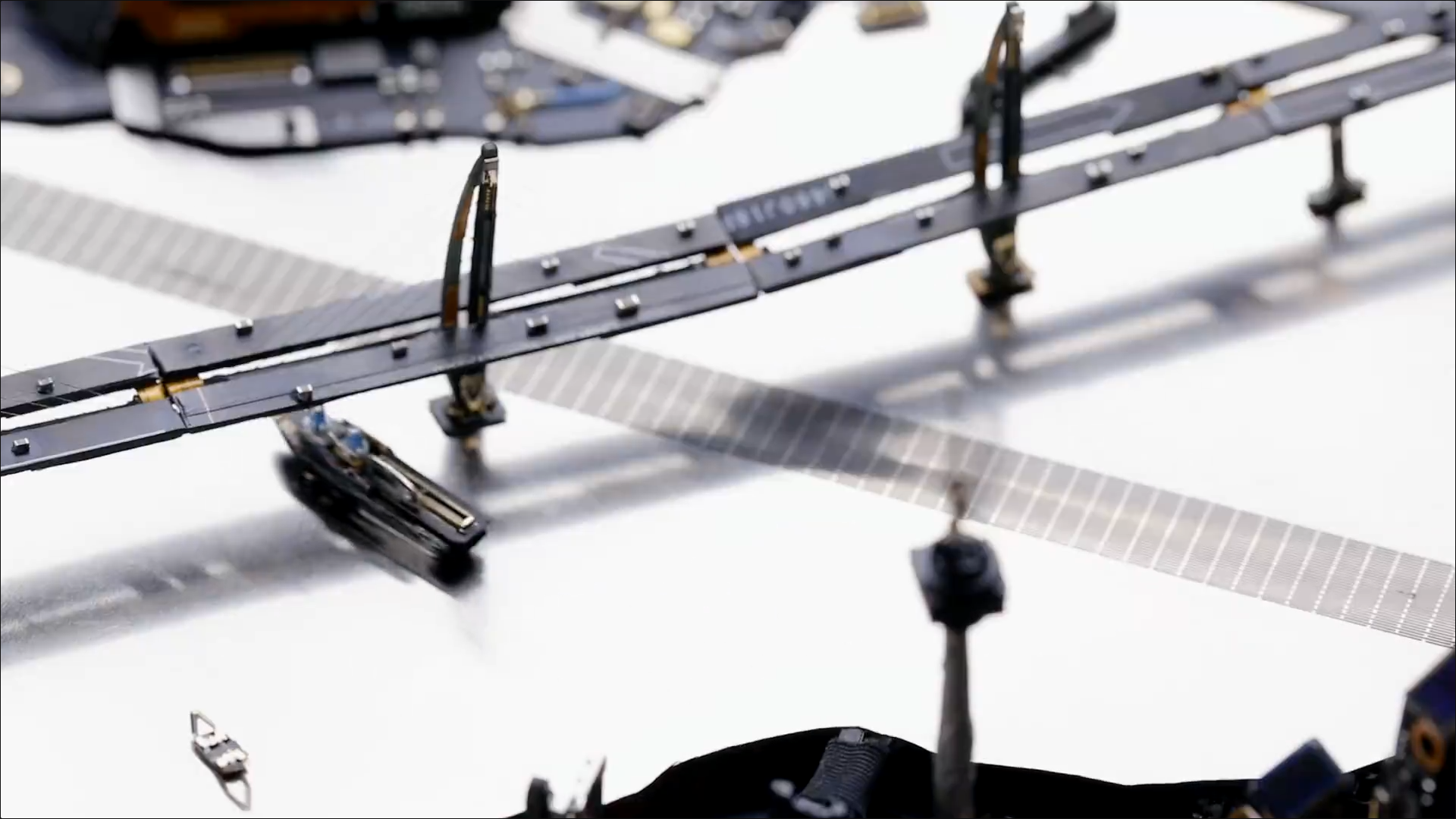
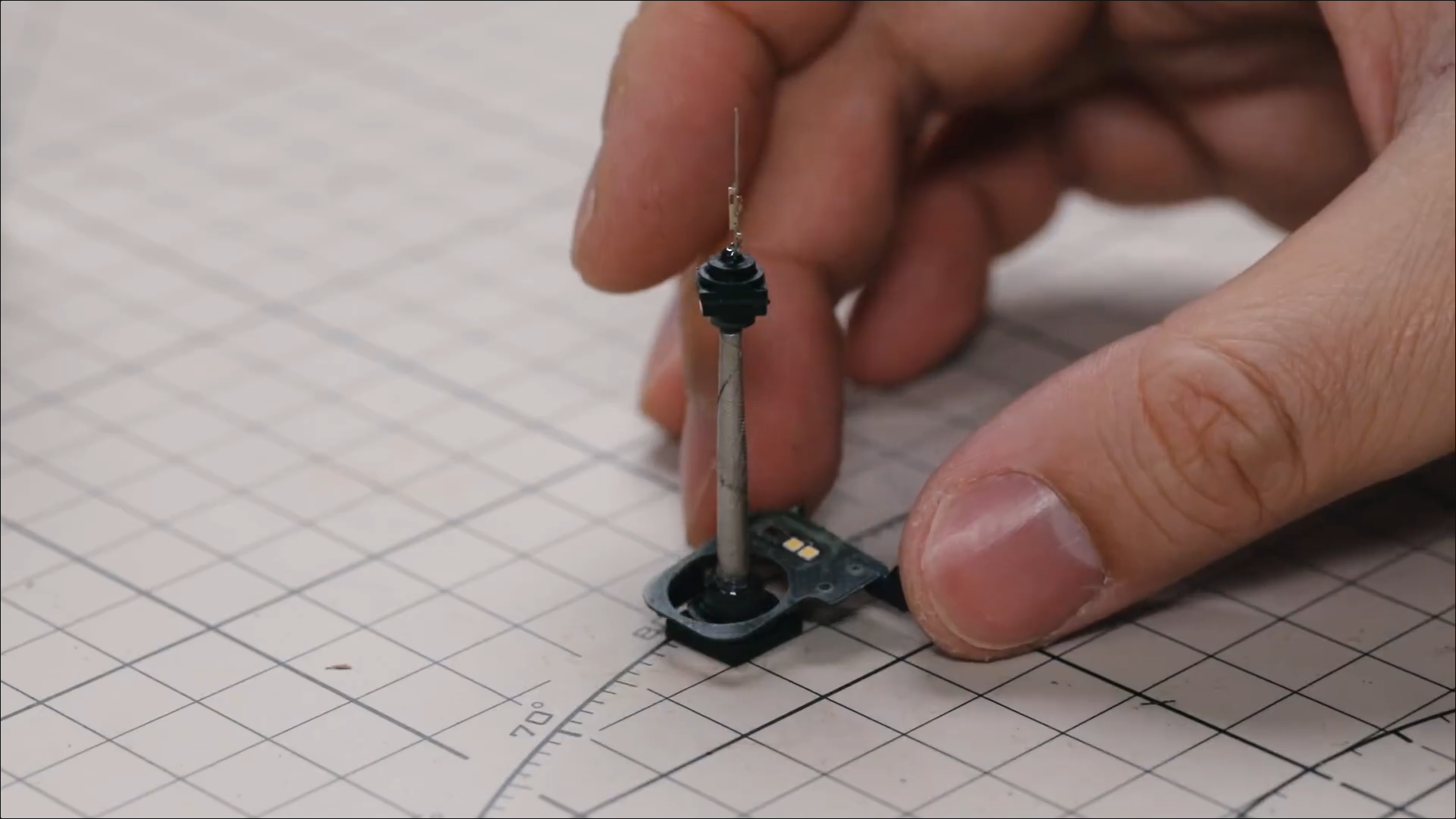
But who could’ve possibly thought that a smartphone like the Xiaomi Mi Mix Fold can also be used to build a tiny model of a part of the Shanghai city itself?
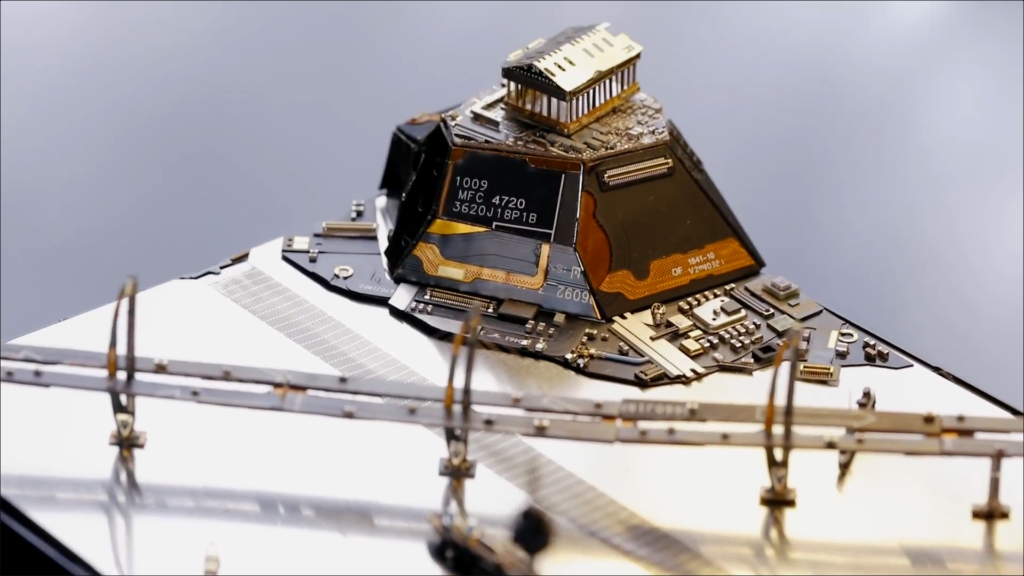
In a new promo video posted on Weibo, the Xiaomi Mi Mix Fold has been stripped down to its tiniest components. It isn’t a usual disassembly video though.
An artist has used the phone’s parts to build a model of the Shanghai Pudong area complete with the famous Shanghai bridge and the Shanghai Oriental Pearl TV Tower. But what’s cooler is that all of the models can be fitted into a tiny globe that also appears to be made of the Xiaomi Mi Mix Fold.
1 of 4
Of course, the poor phone is beyond reassembly now. But with a model this beautiful, it’s pretty clear that the ‘sacrifice’ has not been in vain.
The model is very much along the lines of the Mi 11 disassembly video from early this year where the phone was turned into a dragon sculpture.
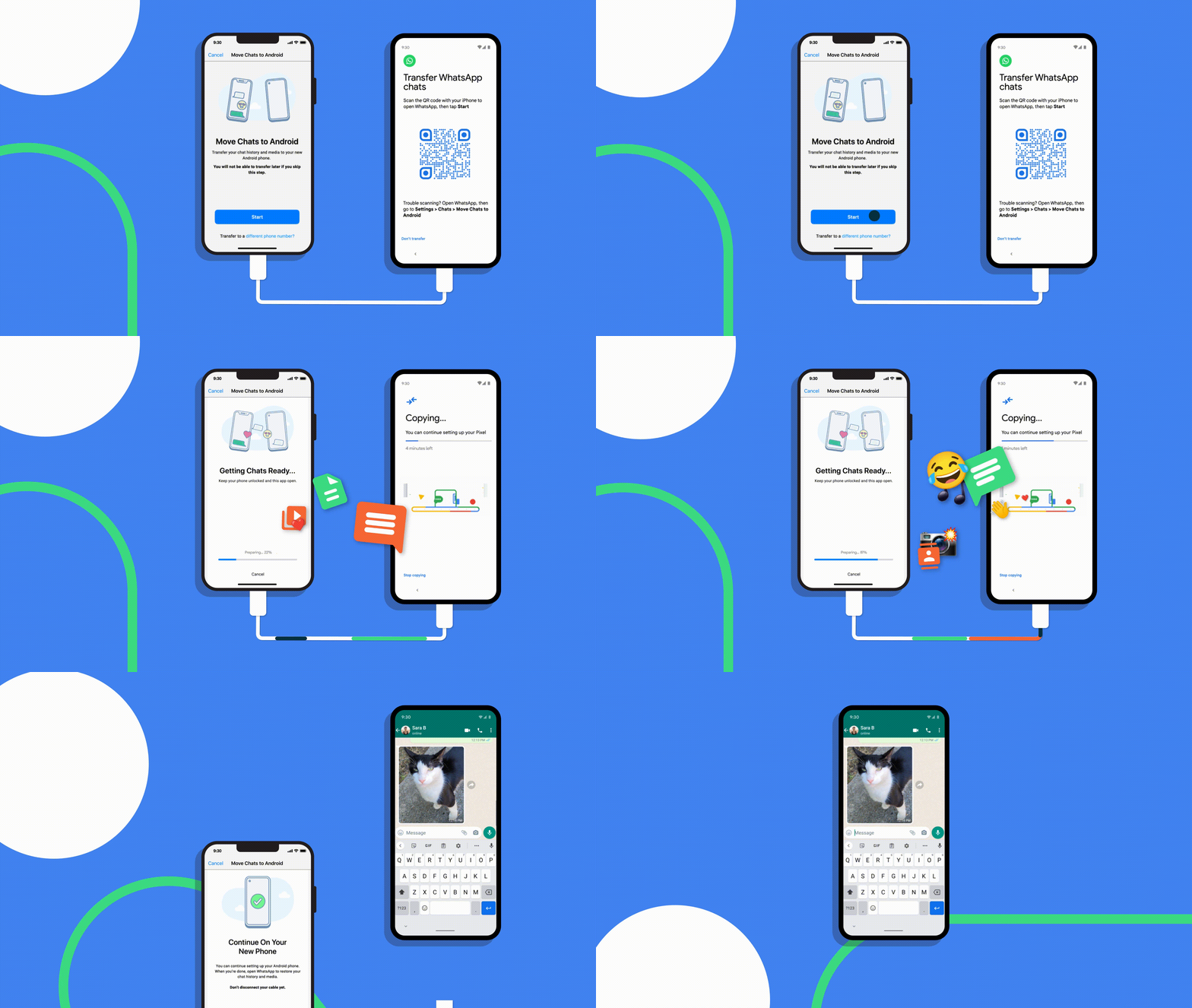
Google has just announced that the WhatsApp chat transfer feature that lets users migrate chat history from iPhones to Android will now be available on “all Pixel smartphones.”
According to an official blogpost, the search engine giant is bringing support for the highly requested chat migration feature for its Pixel devices. Furthermore, the new feature will also “become available on new smartphones that launch with Android 12.” For those unaware, Samsung smartphone were the first to receive this feature, but now, we can expect a better experience for anyone moving from iOS to Android as they won’t lose any of their messages/chats.
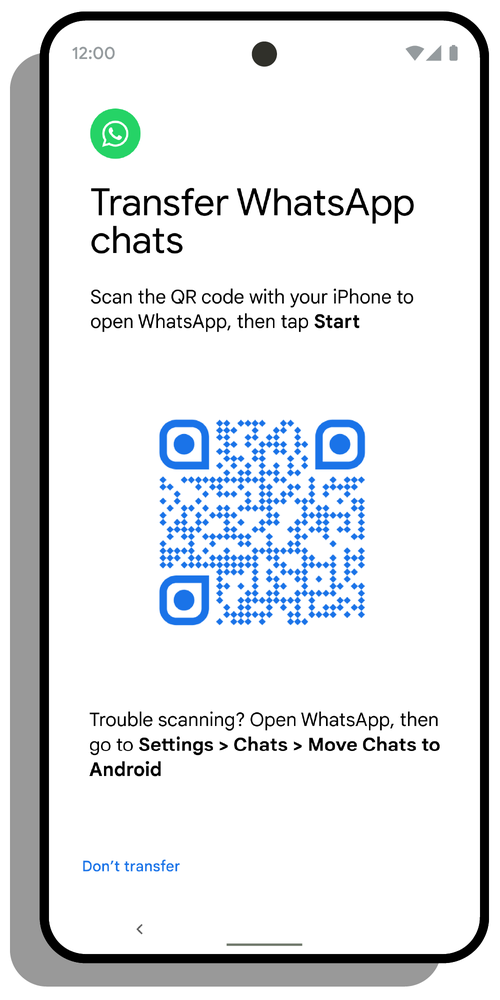
Google added that the process is simple and would only require a USB Type C to lightning port to get started. One has to just connect both smartphones and will be promoted while setting up a new Android device to scan a QR code that will be displayed on the iPhone. Scanning this would launch WhatsApp on the Android handset and begin the process of transferring all of the existing conversations, media, and more over to the new device.
For years, losing your chat history when migrating between iPhones and Android has bee n major issue and deterrent to those seeking to shift smartphone ecosystems. But with this update, life would become a bit easier for those making the move. Google stated that other smartphone brands can now add support for the feature when updating their smartphone to Android 12 OS. So apart from newly released smartphones, some existing models would also gain access to this feature sometime in the near future.
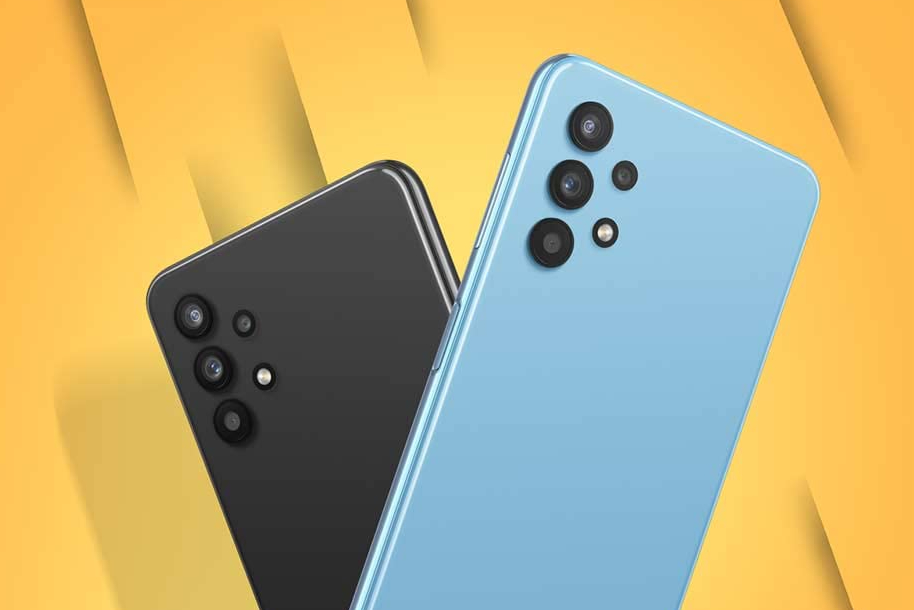
At the end of August, Samsung launched the Galaxy M32 5G in India. Just two months later, the successor of this smartphone called Galaxy M33 5G appears to be in the works. Let’s take a look at what’s known about his handset so far.
Samsung Galaxy M32 5G
According to a report by GalaxyClub, a new Samsung 5G smartphone with model number SM-M336B is currently under development. The publication says that this device will most likely go official as Galaxy M33 5G.
The same source recently revealed the existence of the Galaxy A33. It also suggested this phone will probably arrive in a single 5G version.
Since the Galaxy M32 5G is nothing but a rebadged Galaxy A32 5G, GalaxyClub implies that the upcoming Galaxy M33 5G and Galaxy A33 could be one and the same. These two handsets are expected to release in 2022.
Apart from this duo, the South Korean tech giant is also working on multiple other Galaxy A series models like Galaxy A13 5G, Galaxy A53, and Galaxy A73. We also know the main highlights of these devices.
The Galaxy 73 is said to debut as the first Samsung mid-range smartphone with a 108MP primary camera. Further, the Galaxy A53 could come in an orange color option. Finally, the Galaxy A13 5G is expected to go official as the most affordable 5G smartphone from Samsung to date.
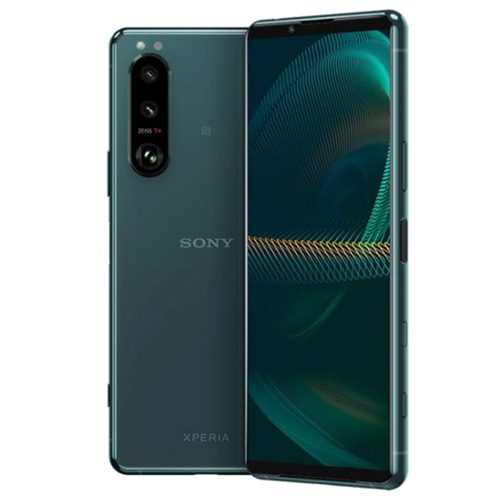
Earlier this year, in the month of April, Japan-based Sony had announced two of its latest flagship smartphones — Xperia 1 III and Xperia 5 III, as a successor to the Xperia 1 II and Xperia 5 II, respectively.
While the Sony Xperia 5 III has been available for purchase in the United States, the UK, and Australia, the device is yet to go on sale in China. That’s about to change as now the company has officially announced the Xperia 5 III in the Chinese market.
Sony has also confirmed that the Xperia 5 III smartphone will be available for purchase in China from early December but the exact launch date is not known. Further, the company has also revealed that the device will cost 6,599 yuan, which is around $1,034. It will be available in three color options — Black, Pink, and Green.
Coming to the specifications, the smartphone features a 6.1-inch Full HD+ OLED display that offers a 120Hz refresh rate and a 21:9 aspect ratio. Under the hood, the device is powered by the Qualcomm Snapdragon 888 chipset, coupled with 8GB of RAM and 256GB of internal storage.
In the camera department, Sony says that the phone is jointly developed with Alpha 9 series mirrorless camera engineers. The triple-camera system includes a 12-megapixel primary sensor, a 12-megapixel ultrawide sensor, and a 12-megapixel telephoto zoom lens.
The phone has a side-mounted fingerprint sensor and comes with a two-step physical camera shutter button. The company has also decided to retain the 3.5mm headphone jack. The device also supports 360 live sound effects, and Hi-Res audio playback.
Unlike the global version, the Xperia 5 III smartphone in China will be running Meizu’s Flyme OS out-of-the-box, based on the Android operating system, to offer a localized experience and will also come with support for Alipay and WeChat mobile payments. It is powered by a 4,500mAh battery and supports 30W fast charging technology.
Google has officially announced its latest version of the Android mobile operating system and the rollout of this new update has also begun. Now, it’s time for smartphone markers to unveil their custom UI skins.
South Korean technology giant Samsung has today shared a promotional video for the upcoming One UI 4. The Samsung One UI 4 Beta is already available for some Samsung phones and the stable version is expected to be available in a couple of weeks.
In the promotional video shared by the company, towards the end, Samsung reveals that there will also be One UI Book 4 which is aimed at laptops. As the name clearly says, this will be a version of the custom skin for the laptops from the brand.
Once released, the Samsung One UI Book 4 will be available for the Galaxy Book Pro 360, Galaxy Book Pro, Galaxy Book Flex 2, Galaxy Book, and Galaxy Book Odyssey. We also expect it to be available to the upcoming or future laptops from the company.
Similar to how One UI 4 affects smartphones, the One UI Book 4 will change the look of the Windows operating system and apps to be in line with Samsung’s design. The aim behind this seems to offer a similar visual experience across its phones and laptops.
As of now, there’s not much known about how the upcoming One UI Book 4 will look or what elements will be changed in the Windows operating system. Given that Windows is not open source like Android, there isn’t much that Samsung can do. We will have to wait for its release or for the South Korean giant to share more information.
This is also something major that the company is doing to further integrate its features into Microsoft‘s Windows OS. Prior to this custom skin, Samsung was an early adopter of a system that allows Android phones and Windows to work together. Also, Samsung is also bundling some Microsoft apps on its smartphones.
Tomorrow, Honor will be announcing the Honor X30i and Honor X30 Max smartphones in China. The brand has been teasing the slim and lightweight design of the X30i since the past few days. Today, the company released the first promo video of the X30i to showcase its design and color variants.
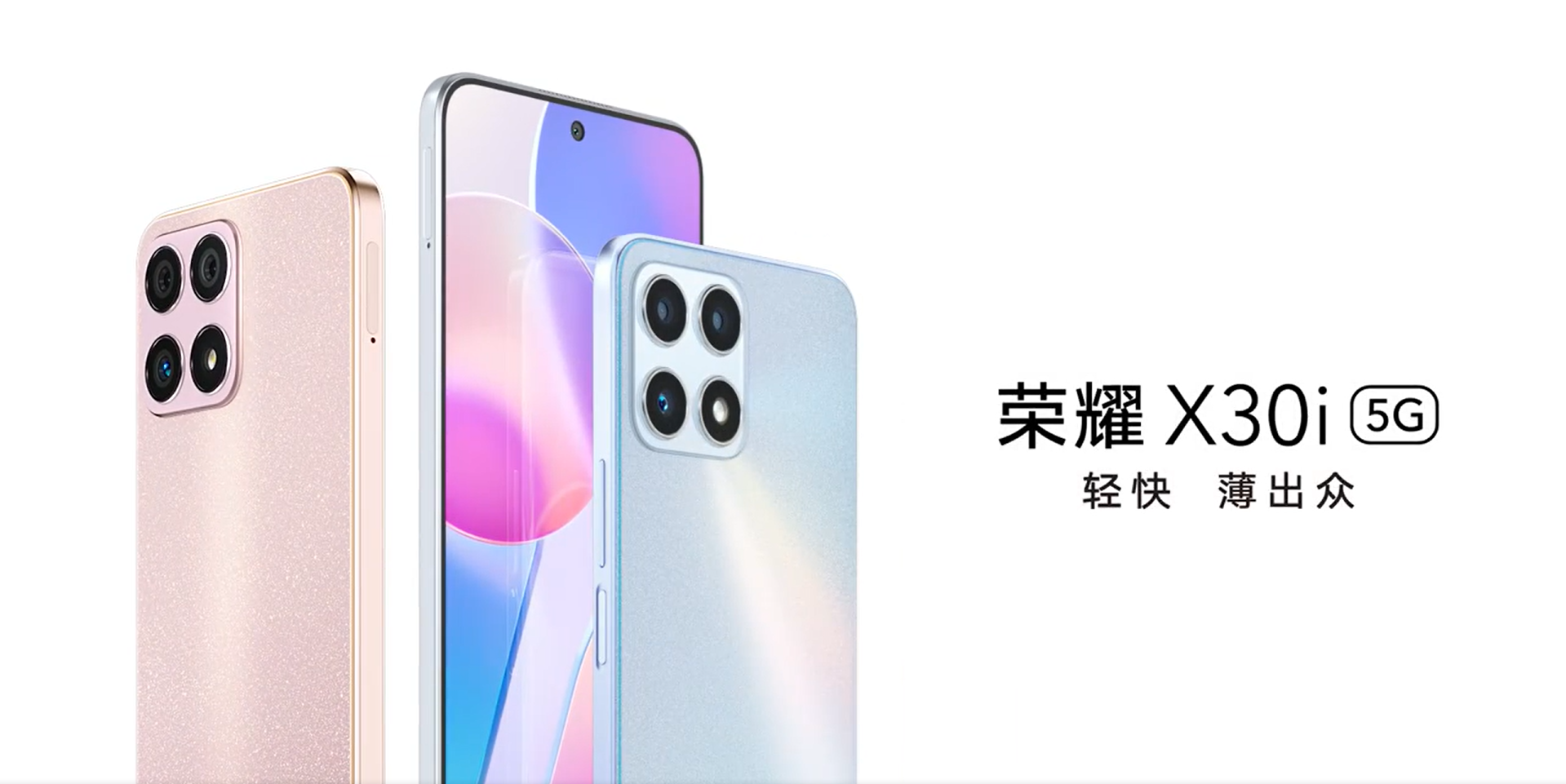
Honor X30i design
The promo video of the Honor X30i that its right edge has a volume rocker and a power button, which is embedded with a fingerprint scanner. Its left edge has a SIM slot. The top edge of the phone features a microphone, whereas its bottom side has a 3.5mm audio jack, a USB-C port, and a speaker grille.
The display of the X30i features a centrally positioned punch-hole. Its back panel has a squarish camera module, which includes three cameras and an LED flash. The below-shown screenshot from the video shows the Titanium Silver and Rose Gold color editions of the smartphone. It is speculated that the handset will also come in Charm Sea Blue and Night Black colors. The company claims that the X30i measures 7.45mm in slimness and weighs 175 grams.
Honor X30i specifications (Rumored)
A recent leak revealed that the Honor X30i will feature a 6.7-inch LCD screen that delivers an FHD+ resolution, a 90Hz refresh rate, and a 180Hz touch sampling rate. It is likely to house a 4,000mAh battery that will carry support for 22.5W fast charging.
Honor X30i
The Dimensity 810 chip may fuel the X30i. For photography, it may feature an 8-megapixel front camera, and a 48-megapixel + 2-megapixel + 2-megapixel triple camera unit on the back. At present, there is no information available on the pricing of the device.
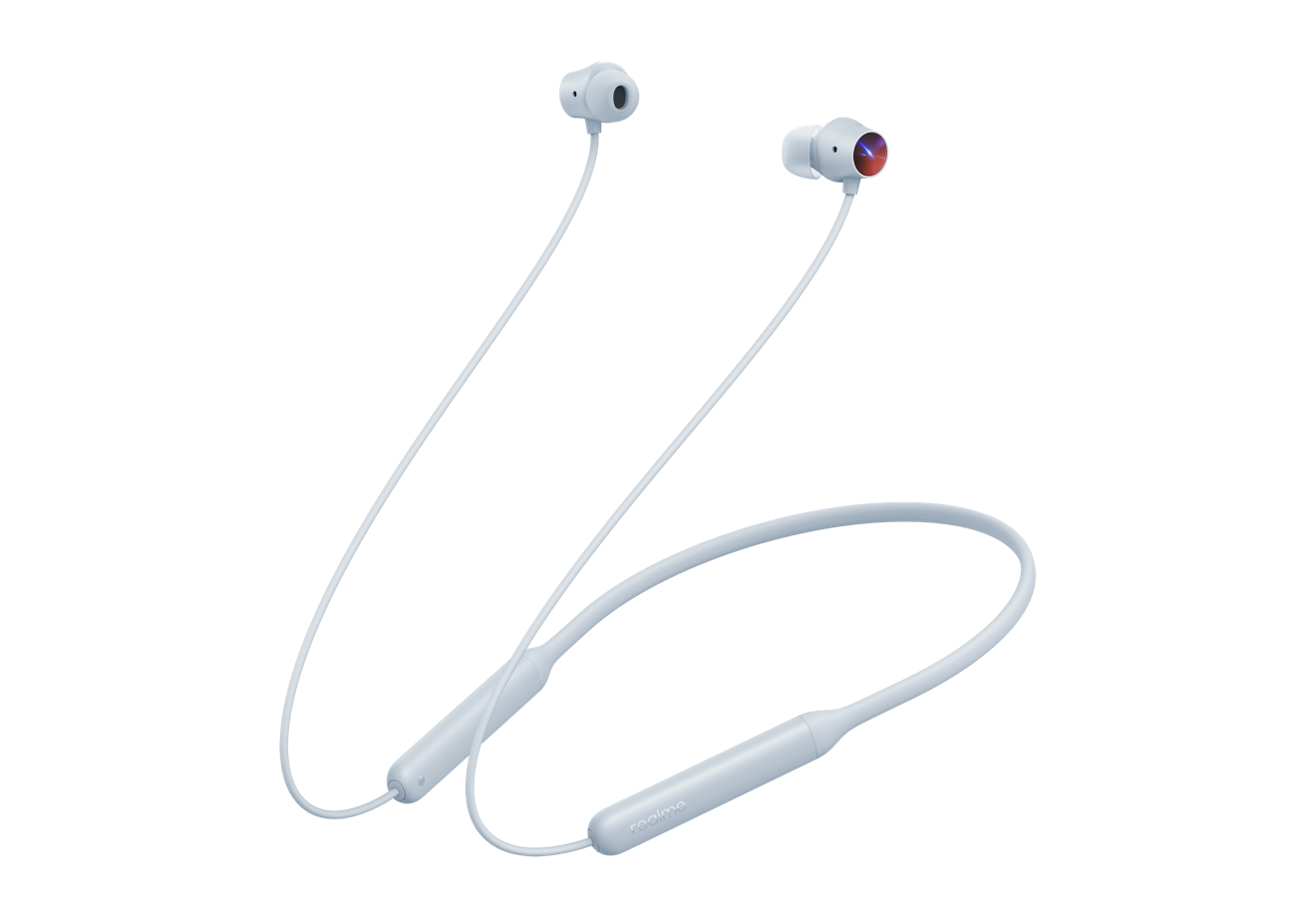
Realme is gearing up to launch the Realme Buds Wireless 2 Class in India, claims My Smart Price. Probably, it will go official by early November since the festive season is drawing near.
Currently, the product portfolio of Realme India includes three Bluetooth wireless neckbands such as Buds Wireless 2, Buds Wireless 2 Neo, and Buds Wireless Pro. Among the three neckbands, the Neo variant lacks support for active noise cancelation.
Unfortunately, there is no information available on the features of the upcoming Buds Wireless 2 Classic. There is a possibility that the upcoming Classic model will be a tweaked version of the Buds Wireless 2.
Realme buds Wireless 2
The Buds Wireless 2’s ANC feature can eliminate up to 25db of noise. It is braced with Vocplus AI noise cancellation for calls. It carries support for Sony LDAC Hi-Res audio playback. It is equipped with a 13.6mm bass boost driver and carries support for Bluetooth 5.0 connectivity.
The Buds Wireless 2 is an IPX5 rated water-resistant device. It promises up to 18 hours of battery life with ANC turned on. It takes around 50 minutes to fully charge the Buds Wireless 2. The company claims that it can last for around 12 hours when it is charged for 10 minutes. It is available with a price tag of Rs 2,299 (~$360) in India.
In related news, a recently shared image by Realme CEO Madhav Sheth revealed that the company may soon launch Realme Pad and Realme Book in Neo Green color. It also suggested that Realme Wireless Mouse-Silent and Realme Watch T1 smartwatch could also be launching in India soon.
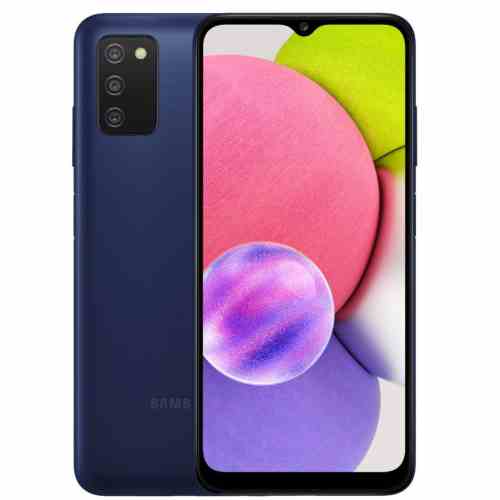
Samsung is gearing up to launch the Galaxy A03 entry-level smartphone. India and Russia could be the first markets to receive the handset. While recent reports have revealed key details of the Galaxy A03, its appearance has remained a mystery. Tipster Sudhanshu Ambhore has shared case renders of the Galaxy A03 to reveal its design.
Recent reports have suggested that the upcoming Galaxy A03 could be positioned lower than the existing Galaxy A03s handset. The case render images show that it could be arriving a slightly different rear design as compared to the A03s.
The images show the Galaxy A03 will be sporting a teardrop notch display with a noticeable chin. Its right edge will feature a volume rocker and a power key. The bottom edge of the A03 has a 3.5mm audio jack, a microphone, a USB-C port, and a speaker grille.
Another microphone seems to be present on the top edge of the A03. The back panel of the phone features a square-shaped camera module, which houses a triple camera unit and an LED flash. To recollect, the Galaxy A03s features a rectangle-shaped camera housing for its triple camera unit.
Samsung Galaxy A03 specifications (Rumored)
The Galaxy A03’s Geekbench listing revealed that it will be powered by the Unisoc SC9863A chipset and 2 GB of RAM. This indicates that the device may offer 32 GB of built-in storage and it may run on Android 11 Go edition. For additional storage, it may feature a dedicated microSD card slot. The device is expected to house a 5,00mAh battery. Its other specifications are under wraps.
The Galaxy A03 may borrow some of its specs from the A03s handset. The A03s features a 6.5-inch PLS LCD HD+ display, a 5-megapixel front camera, and a 13-megapixel triple camera unit. It features an Helio P35 chip, 3 GB / 4 GB of RAM, 32 GB / 64 GB of storage, a microSD card slot, a 5,000mAh battery with 15W fast charging, and a side-facing fingerprint scanner.
Taiwan Semiconductor Manufacturing Company, the world’s leading contract manufacturer of chips, has today officially announced its N4P process, which is an enhanced version of the company’s 5nm platform.
This new N4P process marks the third enhancement of TSMC‘s 5nm process and is claimed to offer around an 11 percent hike in performance over the original N5 technology and around 6 percent improvement over the N4 process.
As for the power efficiency, the company claims 22 percent better efficiency compared to the original N5 technology and the transistor density is also said to be 6 percent higher.
Talking about this new process, the company said: “N4P demonstrates TSMC’s pursuit and investment in continuous improvement of our process technologies. The process was designed for easy migration of 5nm platform-based products, which enables customers to not only better maximize their investment but will also deliver faster and more power-efficient refreshes to their N5 products.”
A couple of months ago, the Taiwan-based company had announced its plan of delaying the 3nm process node and there’s no update regarding it. This indicates that the next-generation A16 Bionic chipset for the iPhone 14 lineup could be using a 4nm process instead of the rumored 3nm process.
For the initiated, the current-generation Apple A15 Bionic process found in the iPhone 13 lineup is manufactured by TSMC using a 5nm (N5P) process. The upcoming MediaTek Dimensity 2000 SoC is also claimed to be in development using the 4nm process.
Samsung Foundry, the biggest rival of TSMC, is also delaying the release of its 3nm chips which means that the next-generation Qualcomm Snapdragon 898 chipset, which will be powering next year’s flagship smartphones, will be made using 4nm node.
In April, OPPO unveiled the OPPO A95 5G smartphone in China. Recent reports have revealed that the company is gearing up to launch its 4G version in other markets. It was spotted at certification platforms like NBTC, FCC, TKDN, and CQC last month. Now, it has appeared on the Geekbench benchmarking site with some of its key specs.
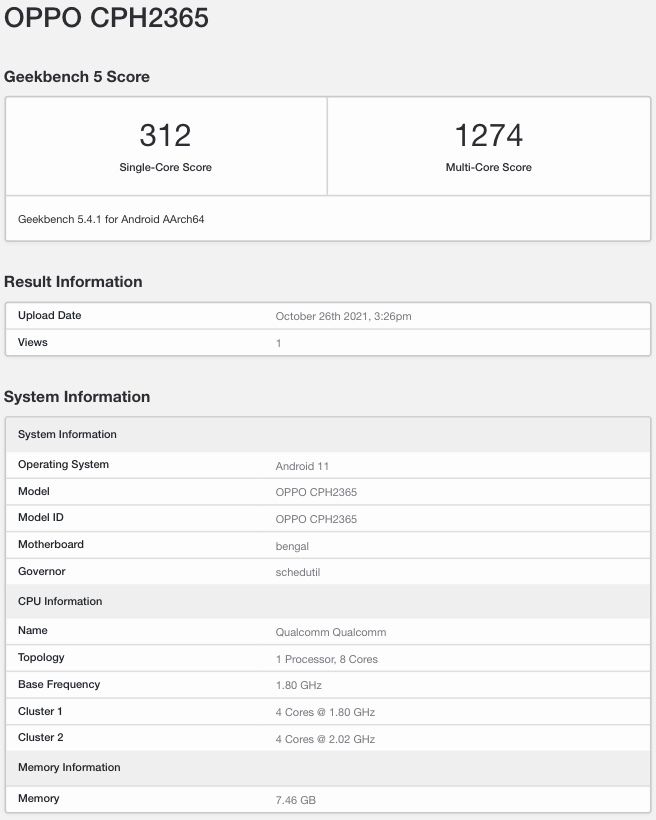
OPPO A95 4G’s Geekbench listing mentions the device with its CPH2356 model number. It is powered by an octa-core chipset by Qualcomm, which includes four CPU cores working at 1.80GHz and four CPU cores clocking at 2.02GHz. The source code of the listing revealed that the chipset includes Adreno 610 GPU. These clues including the ‘bengal’ codename reveal that the A95 4G is powered by the Snapdragon 662 mobile platform.
The SoC is assisted by 8 GB of RAM, and it runs on Android 11 OS. In the single-core and multi-core tests of Geekbench, the handset scored 312 and 1274 points, respectively.
Previously seen certification listings of the OPPO A95 4G revealed it will come loaded with ColorOS 11.1. It will be equipped with a triple camera unit, and a 5,000mAh battery that supports 33W fast charging, and a 3.5mm audio jack. The retail package of the device is expected to include a pair of earphones. The other specifications of the OPPO A95 4G are under wraps.
The A95 will be arriving as the successor to the OPPO A94 4G that debuted in March this year. The handset came with specs like a 6.43-inch FHD+ AMOLED display, Helio P95 chipset, 8 GB of RAM, 128 GB of internal storage, and a 4,310mAh battery that supports 30W fast charging. It has a 32-megapixel front camera, and a 48-megapixel (main) + 8-megapixel (ultrawide) + 2-megapixel (macro) + 2-megapixel (depth) quad-camera unit.
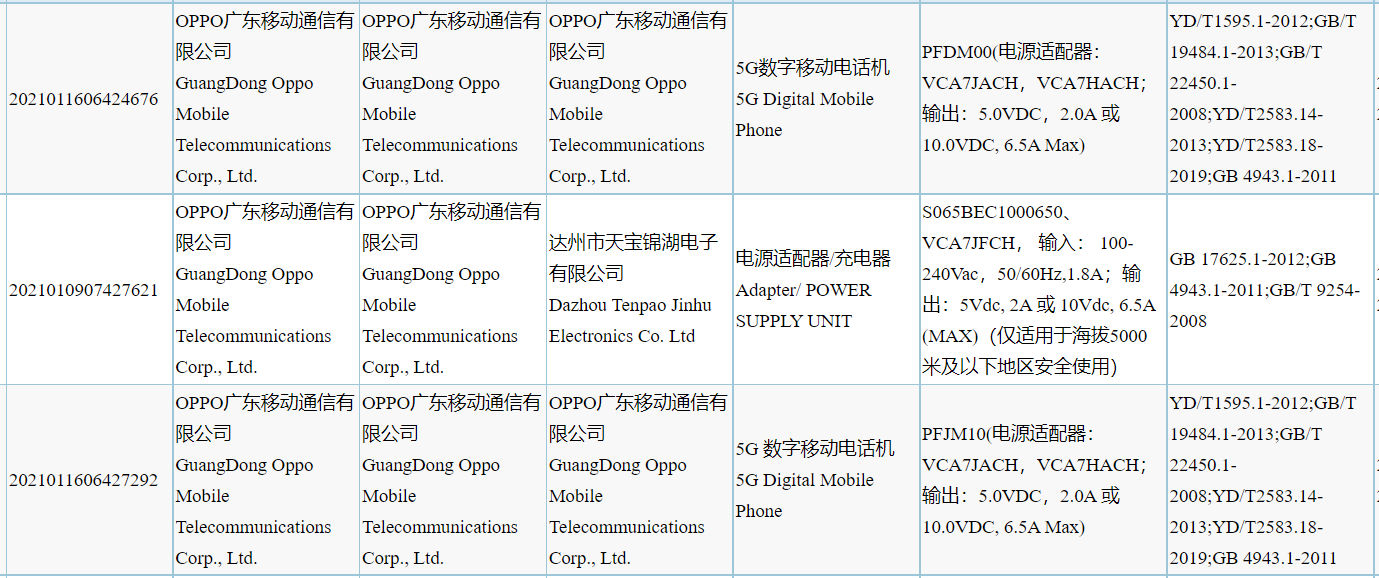
Two new OPPO phones with model numbers PFJM10 and PFDM00 have received certification from the 3C authority of China. The Chinese manufacturer is rumored to announce Reno7 series of smartphones in November in China. Hence, it appears that the PFJM10 and PFDM00 smartphone may arrive in the Chinese market as the Reno7 models.
The PFDM00 and PFJM10 OPPO phones are 5G-enabled devices. Both handsets are likely to come with an OPPO charger with VCA7JACH model number. The listing reveals that the charger supports up to 65W fast charging. Probably, the PFDM00 and PFJM10 models may debut in the Chinese market as the Reno7 and Reno7 Pro.
OPPO is also working on a new foldable phone for the home market. The alleged OPPO Fold is also expected to arrive with support for 65W fast charging. Hence, it is advisable to wait for further reports to know the final monikers of the PFJM10 and PFDM00 OPPO smartphones.
A recent report revealed that the Reno7 lineup may not include the Reno7 Pro+ flagship phone. It is speculated that the vanilla Reno7 will come with a 6.5-inch OLED FHD+ 90hz display, Dimensity 920 chipset, LPDDR4x RAM, UFS 3.1 storage, and a 4,500mAh battery that supports 65W rapid charging.
It may feature a 32-megapixel front camera, and its rear-facing triple camera unit may include a Sony IMX766 50-megapixel main camera, a Sony IMX355 ultrawide snapper, and a 2-megapixel portrait lens. The Reno 7 Pro is likely to feature the Dimensity 1200 chipset and a quad-camera unit. There is no information available on its detailed specs.
Earlier this month, the rumor mill leaked plenty of information on the upcoming OPPO A54s smartphone. Now the smartphone is listed on Amazon Italy’s website with all its specifications and images. The listing states that the A54s will be available for purchase starting from Nov. 13.
OPPO A54s specifications
As per the Amazon listing, the OPPO A54sd has a 6.52-inch IPS LCD display with a teardrop notch. It offers an HD+ resolution. The device has a thickness of only 8.4mm and weighs 190 grams.
OPPO A54s
The listing does not mention the OPPO A54s’ chipset. Past reports have revealed that it will come equipped with the Helio G80 SoC. The device is equipped with 4 GB of RAM and 128 GB of built-in storage. For additional storage, the A54s features a microSD card slot. It runs on ColorOS 11.1 based Android 11.
The OPPO A54s has an 8-megapixel front-facing camera. Its rear panel has a 50-megapixel primary camera, a 2-megapixel macro lens, and a 2-megapixel depth sensor. It is backed by a 5,000mAh battery, which supports 10W charging. Some of the features of the A54s include dual 4G VoLTE, Wi-Fi, GPS, NFC, USB-C, a 3.5mm audio jack, a side-mounted fingerprint scanner, and IPX4 rated chassis.
OPPO A54s pricing
The OPPO A54s is listed with a price tag of €229.99 (~$267) and it comes in colors like Pearl Blue and Crystal Black. As mentioned above, its sales are set to begin on Oct. 25 on the retailer site.
The Samsung Developer Conference kicked off today, and during the keynote address, Samsung unveiled its Cloud Gaming Platform for its Tizen TVs.
Cloud gaming is steadily growing in popularity especially since there are now big players such as Xbox’s xCloud, Google’s Stadia, NVIDIA GeForce Now, and Amazon’s Luna in the new entertainment category. Samsung is now ready to join the fray and it is starting with its Tizen-powered smart TVs.
Unfortunately, Samsung has not revealed the details of its cloud gaming platform, so we don’t know how it will work and what types of games will be available on the service. However, Samsung did reveal some other plans for Tizen TVs:
Video communication – Samsung says a partnership with Google will allow users to enjoy better video calling on TVs via AI-enabled focus and zoom features.
Samsung Health – Smart TVs with a webcam will be able to analyze a user’s movement during a workout and provide real-time feedback.
HDR10+ for realistic gaming – Tizen TVs will also feature HDR10+ with automated settings for low-latency and HDR calibration.
Samsung says it will also launch “Tizen for Business”, a service that will support interactive e-boards in schools and kiosks as well as displays in restaurants, airports, and train stations. Businesses will be able to monitor these displays in real-time and easily apply settings to multiple devices with a simple touch.
Non-Samsung Tizen TVs are coming
Samsung also revealed its plans to license Tizen to other TV manufacturers through what it calls “Tizen TV Platform Licensing”. It said manufacturers that want to launch a premium TV platform like Tizen can do so quickly and with minimal cost. The decision to license Tizen for TVs to other manufacturers will not only help the manufacturers but also help Tizen increase its popularity.
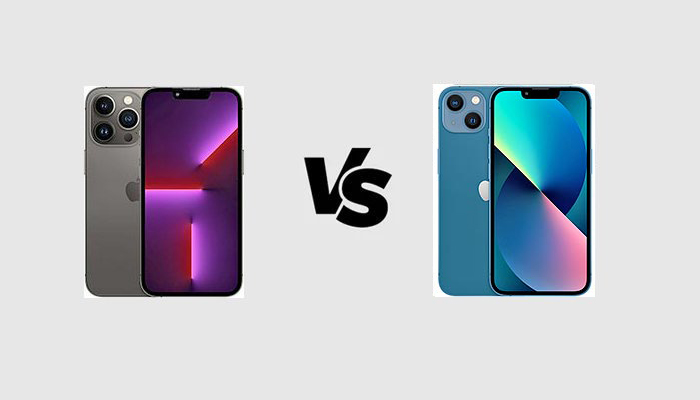
The iPhone 13 lineup is composed of four models and that is the reason why it is not easy for everyone to choose the best. The vanilla iPhone 13 might be enough for you, but if you are a more advanced user, you might need a superior device such as the iPhone 13 Pro. These two handsets come with the same dimensions, but the Pro variant has a few important upgrades which improve the image quality, the camera quality, the performance, and more. But do you really need them? This comparison between iPhone 13 and its costlier sibling iPhone 13 Pro will clear your ideas in regards.
Apple iPhone 13 Pro vs Apple iPhone 13
Apple iPhone 13 Pro
Apple iPhone 13
DIMENSIONS AND WEIGHT
146.7 x 71.5 x 7.7 mm,
204 g
146.7 x 71.5 x 7.7 mm,
174 g
DISPLAY
6.1 inches, 1170 x 2532 pixels (Full HD+), Super Retina XDR OLED
6.1 inches, 1170 x 2532p (Full HD+), Super Retina XDR OLED
Given that they belong to the same series, the iPhone 13 and the iPhone 13 Pro have similar aesthetics. They have the same dimensions and the same weight, but the Apple iPhone 13 is lighter. On the other hand, the iPhone 13 Pro provides a higher build quality thanks to a stainless steel frame: the vanilla version has a traditional aluminum frame which is less resistant to drops and scratches. Both the phones have Ceramic Shield protection and the IP68 certification making them waterproof and dustproof. Further, they have a notch that is 20 percent smaller if compared to the one found on the iPhone 12.
Display
iPhone 13 and 13 Pro are equipped with a Super Retina XDR OLED display sporting a diagonal of 6.1 inches and a Full HD+ resolution of 1170 x 2532 pixels. But the display of the iPhone 13 Pro is slightly more advanced: both come with HDR10 certification and Dolby Vision, but only the iPhone 13 Pro has a high 120 Hz refresh rate, while the vanilla version has a standard refresh rate. Further, the Pro variant has a higher brightness going up to 1200 nits (peak). iPhone 13 and 13 Pro have a notch housing a hardware sensor for 3D facial recognition. Even though they have OLED displays, none of these devices has a fingerprint reader because Face ID is their main authentication method.
Specs & Software
The iPhone 13 and the 13 Pro are powered by the same processor: the Apple A15 Bionic built at 5 nm which is one of the most advanced processors in the whole smartphone market. What changes in their hardware department is the RAM: you get just 4 GB of RAM with the vanilla version and 6 GB of RAM with the Pro variant. Further, the iPhone 13 Pro has an additional configuration with 1 TB of internal storage, while the iPhone 13 offers up to 512 GB of native storage. The phones run iOS 15 out of the box and they will get seven years of major updates.
Camera
With the iPhone 13 Pro, you get a better camera setup and a higher amount of cameras on the rear side. Besides a 12 MP main sensor with an f/1.5 focal aperture (brighter than the f/1.6 focal aperture of the iPhone 13), there are also three other sensors: a 12 MP telephoto camera with 3x optical zoom, a 12 MP ultrawide sensor, and a TOF 3D LiDAR scanner for AR appliances. The vanilla iPhone 13 has just a dual camera and its secondary sensor is a 12 MP ultrawide camera like the Pro version, but with a darker focal aperture: f/2.4 instead of f/1.8.
Alongside the price, the only advantage of the iPhone 13 when compared to its Pro sibling is the battery life. The vanilla version has a bigger battery than the Pro variant, that is why its battery life can be longer. The charging technologies are the same.
Price
The starting price of the iPhone 13 is $799/€899, while the iPhone 13 Pro starts from $999/€1099. If we exclude the battery life, the Pro variant is superior in every aspect, but you do not necessarily need it since the iPhone 13 is still an amazing high-end phone. Which one would you pick?
Apple iPhone 13 Pro vs Apple iPhone 13: PRO and CONS
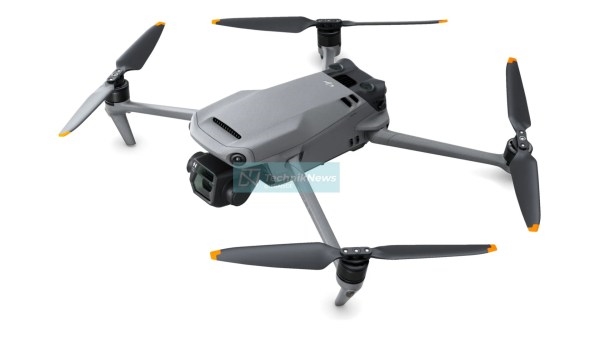
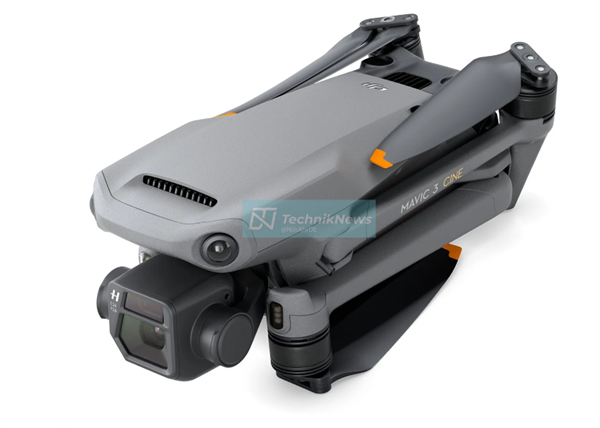
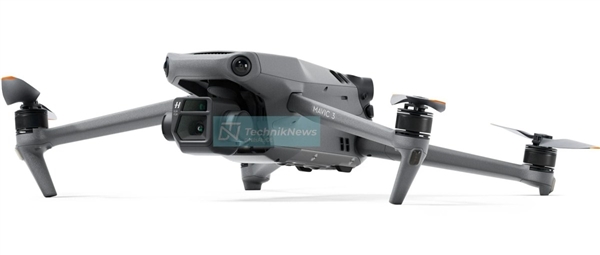
Ahead of its November 5 launch, German blogger Nils Ahrensmeier has leaked the official renders of DJI Mavic 3 and a relatively unknown Mavic 3 Cine drone. The renders show the DJI Mavic 3 still uses a folding design, which is more portable overall. The streamline of the body is very similar to the previous generation, but there is a very eye-catching change. Its gimbal camera adopts a dual-camera solution. Hasselblad’s logo is very conspicuous, suggesting the camera may have been jointly developed with the renowned German photography expert.
Judging from the information marked on the body of this dual-camera module, the two cameras should correspond to independent wide-angle and telephoto functions. The wide-angle lens has an aperture of f2.8, and the telephoto lens should support 7x zoom. A wider range of application scenarios supports more shooting methods.
Earlier there was news that the DJI Mavic 3 will support 5.7K video shooting while supporting ProRes RAW video recording, as well as improved picture quality.
In addition, the Mavic 3 is said to feature a built-in 1TB storage capacity and will cram a 5000mAh or 6000mAh capacity battery, which can provide more than 40 minutes of flight time.
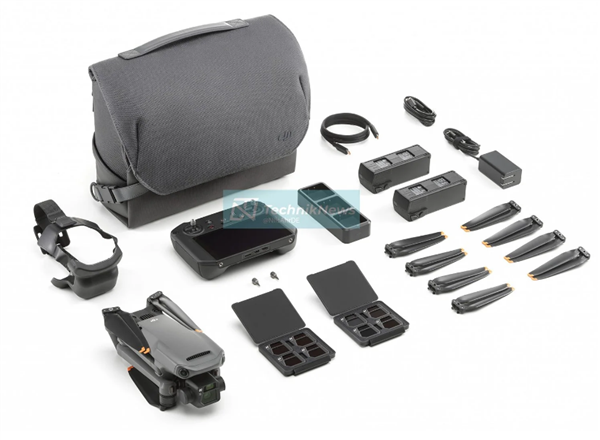
At the same time, the Mavic 3 will also come with an improved obstacle detection function with the obstacle avoidance sensors on the front and rear of the fuselage moved to the sides. The device will also be bundled with standard accessories such as a remote control similar to that of the Mavic Air 2S.
DJI will also be launching a Mavic 3 Cine which is likely designed for filmmakers and the camera will feature ND filters. The model has the word ‘Cine’ stamped on the propellers. It also comes with a remote control having support for on-screen display.
Earlier this month, the Samsung Galaxy A03 passed the Wi-Fi Alliance certification hinting at an imminent launch. Now, the device has made it to the Samsung official pages reaffirming its existence.
The Samsung Galaxy A03 has appeared on the Samsung India and Samsung Russia website. Ahead of any official announcements, the company has already created a landing page. The landing page showcases its model number SM-A032F/DS. The DS suggests that it will be a dual-SIM smartphone.
Unfortunately, the landing doesn’t reveal anything apart from its model number. Although there’s nothing to learn, the listing confirms that the phone may launch sooner than expected. We can expect the phone to go official in the coming weeks.
Samsung Galaxy A03 Specifications(Rumored)
The Samsung Galaxy A03 will come powered by the UNISOC SC9863A chipset and 2GB of RAM. The smartphone is expected to have 32GB of onboard storage with support for a microSD card slot.
According to the FCC listing, the phone packs a 5,000mAh battery and may come with some fast charging support. It runs on Android 11 out of the box with Samsung’s OneUI on the top.
Other than this, the phone’s other specs are yet to be learned. We expect it to feature a 6.5-inch screen with an HD+ resolution. It could have a 13MP + 2MP + 2MP triple camera system at the rear and a single camera at the front. The 4G is expected to come with a USB Type-C port at the bottom and a 3.5mm headphone jack for audio needs.
We use cookies on our website to give you the most relevant experience by remembering your preferences and repeat visits. By clicking “Accept”, you consent to the use of ALL the cookies.
This website uses cookies to improve your experience while you navigate through the website. Out of these, the cookies that are categorized as necessary are stored on your browser as they are essential for the working of basic functionalities of the website. We also use third-party cookies that help us analyze and understand how you use this website. These cookies will be stored in your browser only with your consent. You also have the option to opt-out of these cookies. But opting out of some of these cookies may affect your browsing experience.
Necessary cookies are absolutely essential for the website to function properly. This category only includes cookies that ensures basic functionalities and security features of the website. These cookies do not store any personal information.
Any cookies that may not be particularly necessary for the website to function and is used specifically to collect user personal data via analytics, ads, other embedded contents are termed as non-necessary cookies. It is mandatory to procure user consent prior to running these cookies on your website.