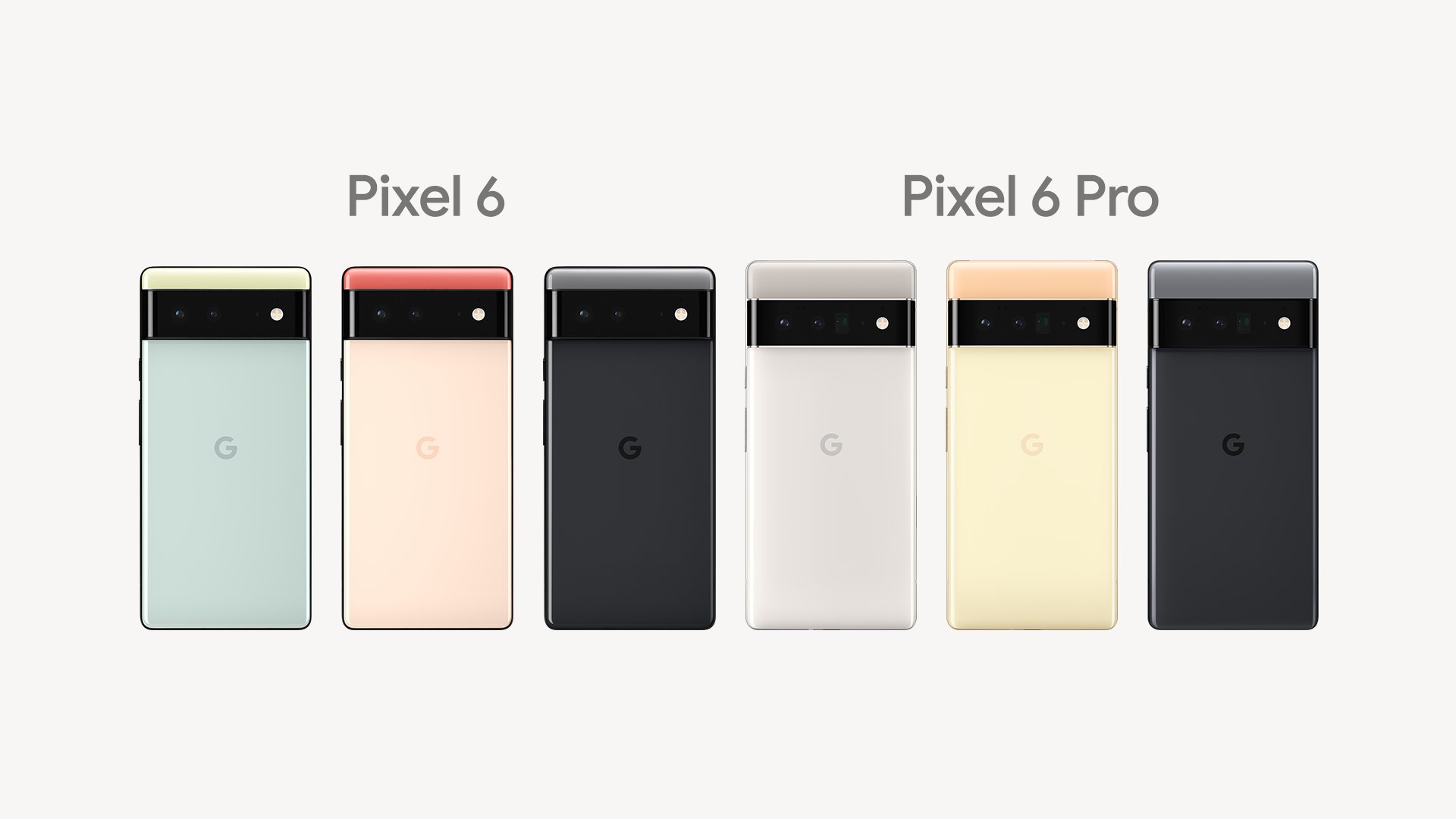
Yesterday, Google announced the highly anticipated Pixel 6 and Pixel 6 Pro smartphones. Apart from featuring top-notch cameras and high refresh rate displays, the Pixel 6 duo is powered by the company’s custom-made chip called Tensor. Here is the listing of the countries that will be receiving the Pixel 6 and Pixel 6 Pro smartphones.
Pixel 6 and Pixel 6 Pro
The Pixel 6 and Pixel 6 Pro are now available for pre-orders in the following countries:
Australia – AUD 999 / AUD 1,299
Canada – CAD 799 / CAD 1,179
France – EUR 649 / EUR 899
Germany – EUR 649 / EUR 899
Japan – JPY 74,800 / JOY 116,600
Republic of Ireland – EUR 649 / EUR 899
Taiwan – NTD 18,990 / NTD 26,990
United Kingdom – GBP 599 / GBP 849
United States – USD 649 / USD 899
In the European countries, buyers who pre-order the Pixel 6 or Pixel 6 Pro between Oct. 19 and Oct. 27 will get a free pair of the Bose 700 Noise Cancelling headphone, which costs $379. In the U.S, select retailers are offering Pixel Buds A-series for free.
The Pixel 6 duo will start shipping from Oct. 28 in the U.S. The release date will be different for other countries. However, the shipments are likely to begin on Nov. 1 in the other regions.
According to Lu Weibing, General Manager of Redmi, the upcoming Note 11 series of smartphones are the latest addition to its popular Note lineup and arrives with its popular cost effective formula. The senior official stated that the series features 6 major functional upgrades along with a change in its design as well. Notably, he referred to the upcoming Note 11 series as “Note Reborn” on his official Weibo account (a Chinese microblogging website).
Interestingly, he even added that the new Note 11 can be considered a part of the K40 series. In other words, the new devices will be as powerful as the flagship K series of smartphones. Talking about the expected specs of the device, the Redmi Note 11 5G will feature a 120Hz LCD display, a 13 megapixel front camera, a 50 megapixel rear camera, MediaTek Dimensity 810, and house a 5,000mAh battery that supports 33W fast charging.
On the other hand, the Note 11 Pro+ 5G will arrive with 120Hz OLED display, a 16 megapixel selfie shooter, a 108 megapixel rear camera, Dimensity 920 chipset, and will be powered by a 5,000mAh battery with 67W rapid charging. Furthermore, JD.com listing for the new series even revealed a Note 11 Pro+ 5G variant as well, which also houses a 5,000mAh battery that supports up to 120W fast charging.
Sony released a new trailer yesterday for its upcoming Xperia product claiming that it has the ‘best smartphone camera’. The company has been able to generate much hype for the upcoming phone without providing any details about it at all – an oddity in an industry where pre-launch leaks have become a norm. We aren’t complaining though as it all adds to the suspense. After all, the best surprises are the unexpected ones.
The mysterious event will be held on October 26 (Oct. 25 in the US) and all we know about it is that “a new Xperia is coming” with a focus on professional photography and videography above everything else.
By this, one might think that the curtains are about to be lifted on a sequel to the Xperia Pro. But as it stands, Sony has gotten a few professional photographers to praise more affordable and less impressive models like the Xperia 1 III and even the mid-range Xperia 5 II in the teaser, so it doesn’t necessarily mean that Sony will be unveiling an absolute flagship model.
As for what’s next, Sony seems to have gotten a content creator, photographer, and filmmaker to spend time with the device and they’ve all got nice things to say about it like: “It almost felt like it was a camera attached to a phone”, so there’s that.
Another known thing about the phone includes the implementation of a dedicated shutter button – something that has become a staple on Sony smartphones of late.
Apart from this, well, you’ll have to wait for next week’s event, although it is possible that Sony will be dropping some more teasers beforehand.
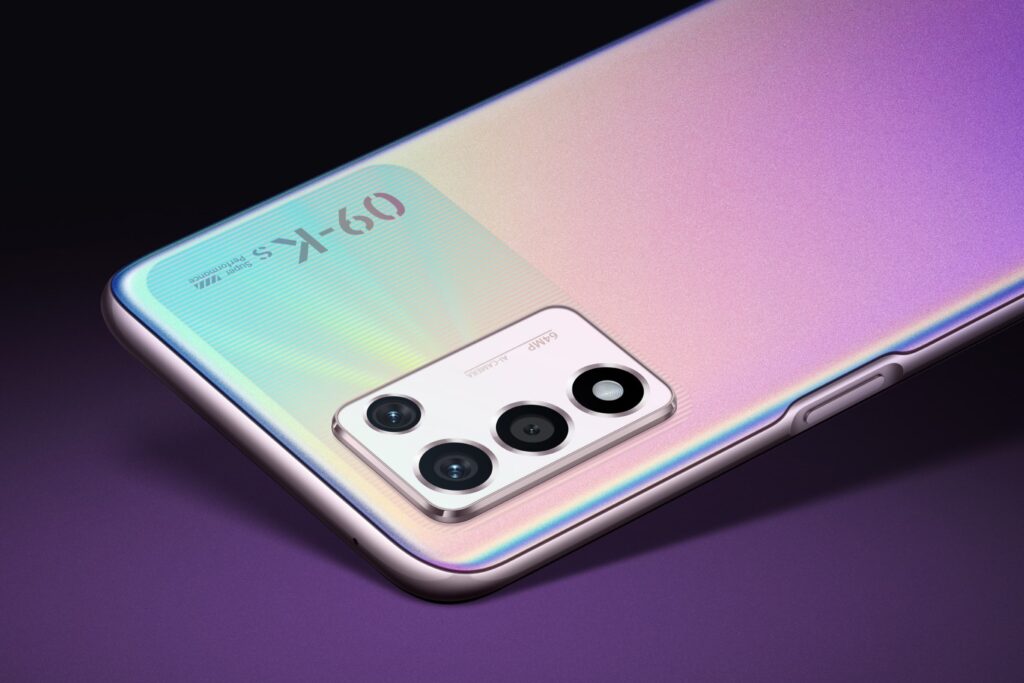
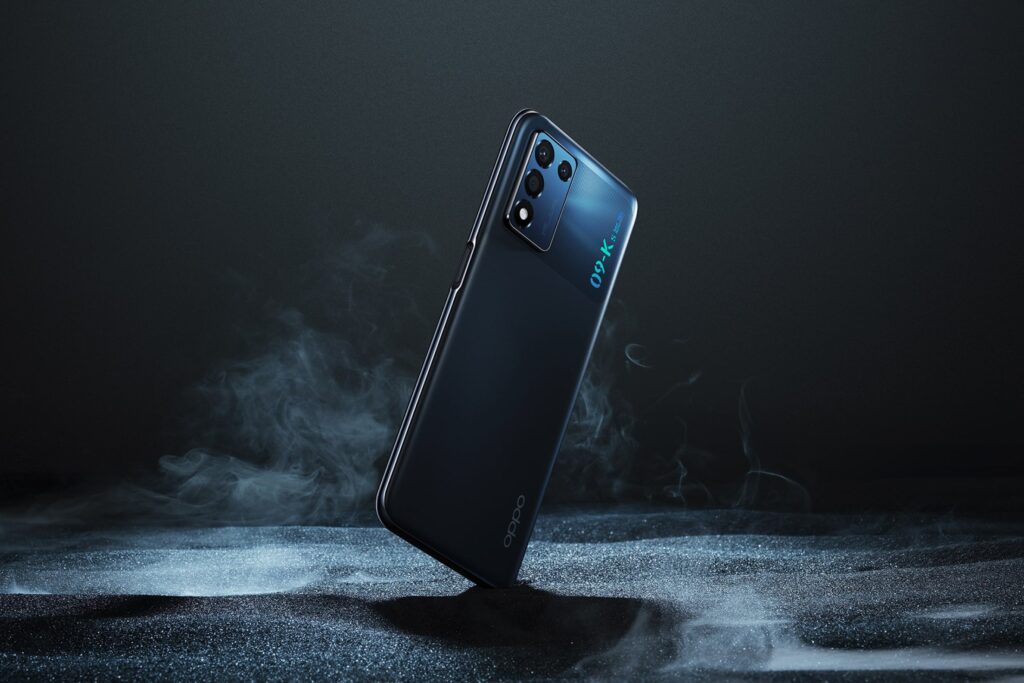
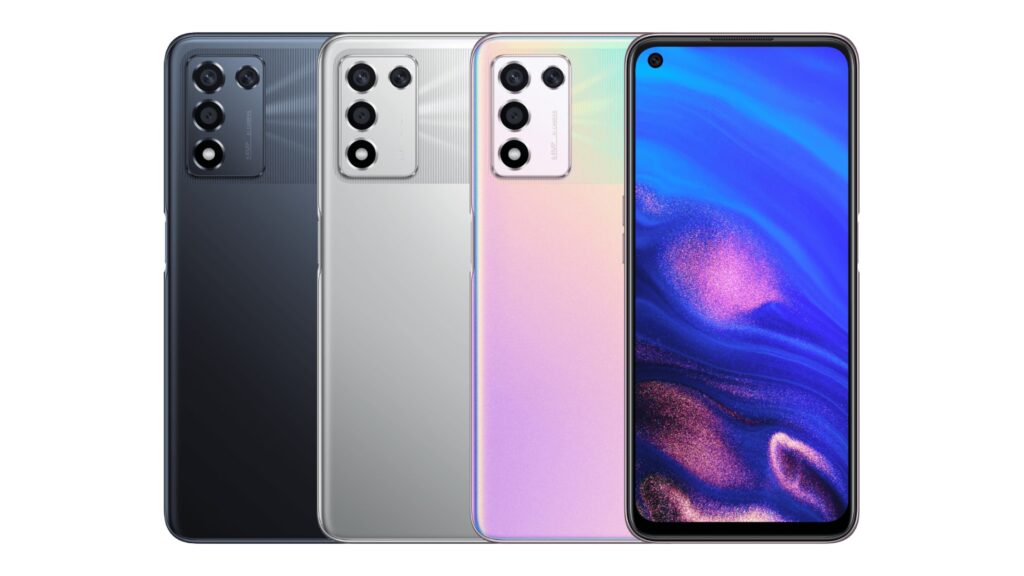
After teasing for days, OPPO has finally launched the OPPO K9s in China. It is the third model in the OPPO K9 series of smartphones after OPPO K9 and OPPO K9 Pro. Interestingly, this phone appears to be a tweaked version of realme Q3s that went official yesterday.
OPPO K9s Specifications and Features
The newly unveiled OPPO K9s is almost identical to the realme Q3s in terms of both design and features. The two devices only differ in display size, screen refresh rate, rear camera setup, and software departments.
Talking about the dissimilarities first, the K9s sports a 6.59-inch TFT LCD panel with a 120Hz refresh rate, while the Q3s includes a 6.6-inch TFT LCD screen with a 144Hz refresh rate. The former has a 64MP (wide) + 8MP (ultra-wide) + 2MP (macro) triple camera setup as opposed to a 48MP (wide) + 2MP (monochrome) + 2MP (macro) triple camera array on the latter.
The final difference is software. The OPPO handset runs ColorOS 11.2 baked on Android 11, whereas the realme phone boots Android 11-based realme UI 2.0, which is a clone of ColorOS 11.
Coming to common features, the OPPO K9s flaunts an FHD+ (1080 x 2412 pixels) display with 16.7 million colors, 401 PPI, 240Hz touch sampling rate, and 90.8% screen-to-body ratio. The panel has a punch-hole at the top left corner, 96% NTSC color gamut, 100% DCI-P3 color gamut, 600 nits peak brightness, and Panda Yiqiang Glass protection.
It is powered by a Qualcomm Snapdragon 778G chipset paired with up to 8GB LPDDR4x RAM and 128GB UFS 2.2 storage. The handset gets its juice from a 5,000mAh battery with support for 30W fast charging.
As far as connectivity is concerned, it comes with dual-SIM card slots, 5G, dual-band WiFi 6, Bluetooth 5.2, GNSS (GPS, BeiDou, GLONASS, GALILEO, QZSS), USB Type-C port, and 3.5mm headphone jack.
Other features of the smartphone include a 16MP selfie camera, side-mounted fingerprint sensor, accelerometer, ambient light sensor, gyroscope, proximity sensor, compass, liquid cooling system, x-axis linear motor, and virtual mechanical keyboard.
Last but not least, the OPPO K9s measures around 164.43 x 75.88 x 8.52mm in dimensions, weighs 199g, and arrives in the following three color options.
Obsidian Warrior (Black)
Neon Silver Sea (Silver)
Magic Purple Quicksand (Purple)
OPPO K9s Price and Availability
The OPPO K9s is priced at ¥1,699 ($266) and ¥1,899 ($297) for the 6GB + 128GB and the 8GB + 128GB memory configurations respectively in China. However, for a limited time, both variants will be discounted by ¥200 ($31). Hence, their price comes down to ¥1,499 ($235) and ¥1,699 ($266).
OPPO K9s Price
6GB + 128GB – ¥1,699 ($266)
8GB + 128GB – ¥1,899 ($297)
The device will go on sale from November 1. At present, it’s not known whether this product will make its way to international markets.
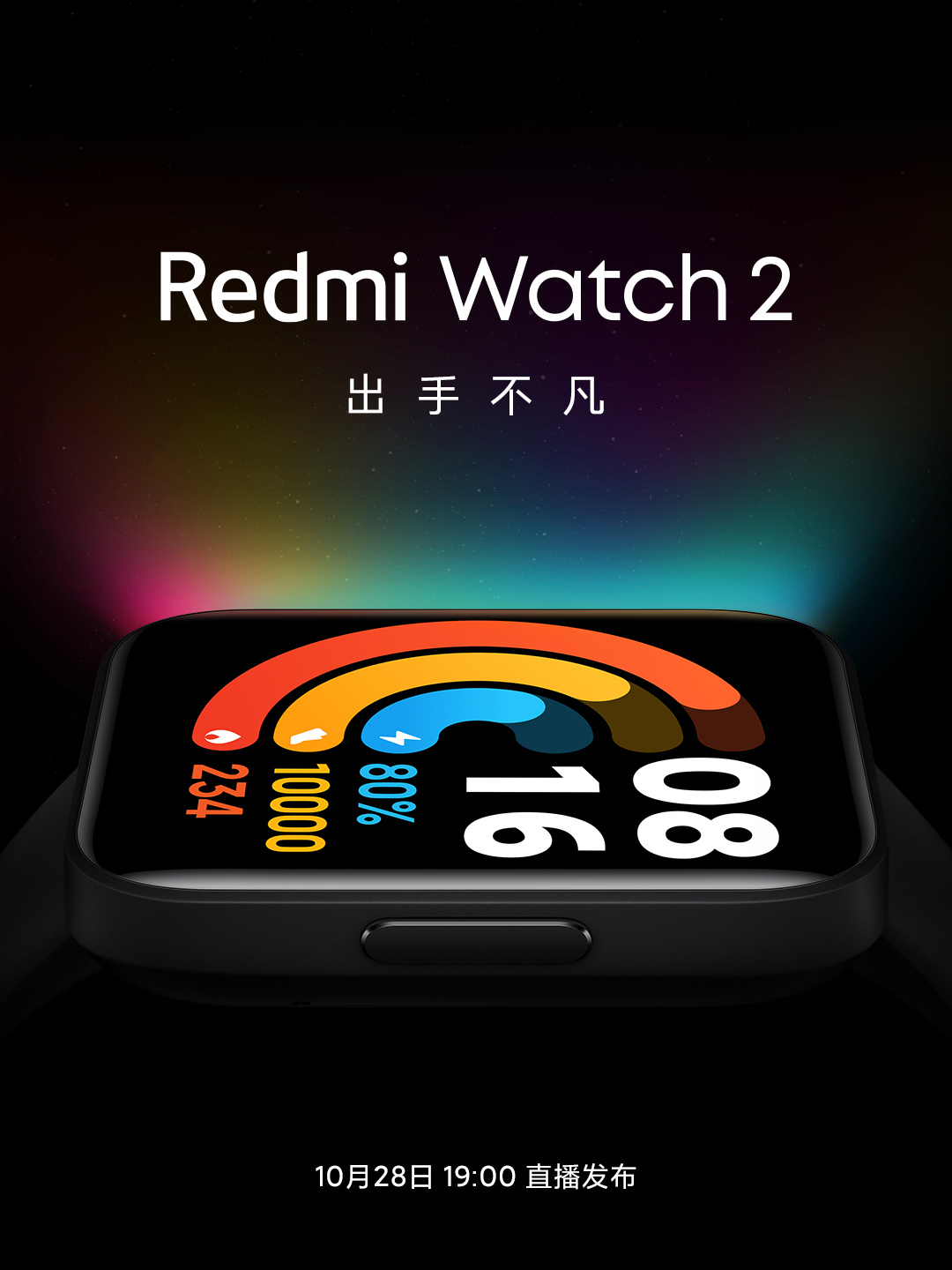
Redmi has confirmed the Redmi Watch 2 launch date for China. The company will be announcing it at 7 PM (local time) on Oct. 28. It will be unveiled along with the Redmi Note 11 series of smartphones.
The official poster of the Redmi Watch 2 reveals that it will continue to sport a square-shaped display like the predecessor model. Unfortunately, the company has not revealed any information on the specifications of the device of the Redmi Watch 2. With around a week remaining for the launch, the Chinese manufacturer is expected to reveal some of its details in the coming days.
It is speculated that the Redmi Watch 2 will come with improvements in departments like screen, sports tracking, health tracking, appearance, usage experience, and charging. It is likely to come loaded with RTOS.
To recollect, the original Redmi Watch, which debuted in November 2020 last year came with a 1.4-inch LCD panel that offers 320 x 320 pixels resolution. It offered health tracking features like 24/7 heart rate tracker and sleep monitor. It carried support for tracking 11 kinds of sports activities.
The Redmi Watch was able to last for up to 10 days on a single charge. Its other features include air pressure detection, built-in GPS, 5ATM water resistance, and Bluetooth 5.1 connectivity. It was introduced at a price of 269 Yuan (~$42) in China. It is likely that the Redmi Watch 2 will be arriving with a similar price tag in the home market.
The Double Eleven (Nov. 11) shopping festival of China is drawing near. At present, many smartphone OEMs in China are announcing new phones and discounts on their existing devices ahead of the Double Eleven event. Today, Xiaomi took to Weibo to announce massive discounts on its smartphones like Xiaomi MIX Fold, MIX 4, Xiaomi 11 Pro, Xiaomi 11, and Xiaomi 10S.
The Xiaomi Mi MIX Fold had debuted with a starting price of 9,999 Yuan (~$1,536) in China. With a price cut of 2,500 Yuan (~$390), it will be available with an attractive starting price of 7,499 Yuan (~$1,172). It is Xiaomi’s first foldable phone that features an 8.01-inch foldable AMOLED panel that delivers 1860 x 2480 pixels and a 60Hz refresh rate. It has a 6.52-inch AMOLED display that offers a 90Hz refresh rate on the outside.
The Snapdragon 888 SoC powers the MIX Fold with up to 16 GB of RAM and up to 512 GB of storage. It has a 20-megapixel front camera and a 108-megapixel (main) + 8-megapixel telephoto/macro liquid lens + 13-megapixel (ultrawide) triple camera unit. It houses a 5,020mAh battery, which supports 67W fast charging. For security, it features a side-facing fingerprint scanner.
Xiaomi MIX Fold and MIX 4
The Xiaomi MIX 4 had debuted with a price of 4,999 Yuan (~$782). Now with a price drop of 800 Yuan (~$125), it will be available for 4,199 Yuan (~$657) during the 11.11 shopping festival in China. The MIX 4 is the company’s first smartphone with an under-display camera.
The MIX 4 has a 6.67-inch AMOLED FHD+ 120Hz display, Snapdragon 888 SoC, up to 12 GB of RAM, up to 512 GB of storage, a 20-megapixel under-display camera, and the same 108-megapixel triple camera unit as MIX Fold, a 4,500mAh battery that supports 120W fast charging and 50W wireless charging. Both MX Fold and MIX 4 are exclusively available in China.
The Xiaomi 11 Pro is another China-exclusive phone that has received a price cut. It had debuted for 4,499 Yuan (~$703), and now it will be available for 3,999 Yuan (~$625) during the upcoming sale.
The Xiaomi 11 and Xiaomi 10S have received 300 Yuan (~$47) price cut. They had debuted for 3,799 Yuan (~$594) and 2,999 Yuan (~$469), and now Xiaomi has reduced their costs to 3,499 Yuan (~$547) and 2,699 Yuan (~$422) for the 11.11 sale.
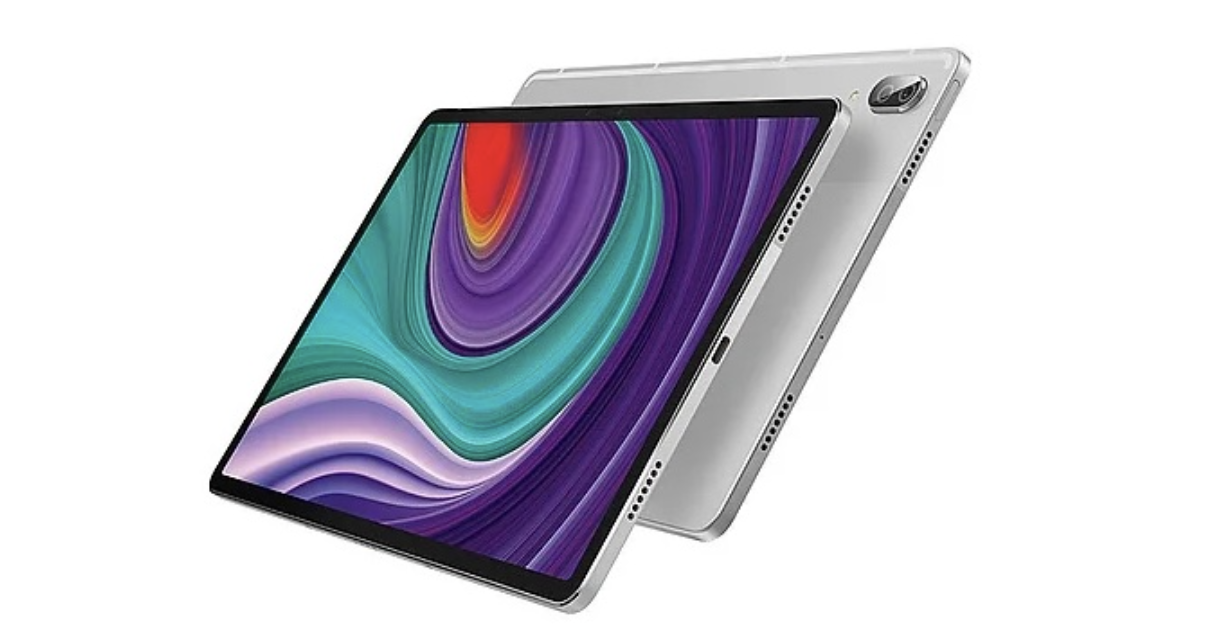
Lenovo has been teasing its new Xiaoxin Pad Pro 12.6 tablet for a long time now and recently, it was revealed that the device will be made official in the month of November but no specific date was announced.
Now, Lenovo China’s Director of Consumer Product Marketing has revealed that the company will be hosting a launch on 2nd November where the Lenovo Xiaoxin Pad Pro 12.6 will be officially launched.
Along with this new tablet, the company has also teased a few other products in the recent past, including Savior Blade 9000K 2022 Desktop, Savior Y9000K 2021 Exploration Edition, YOGA 16s 2022, YOGA Pro 14s Carbon 2022, and other models. But at this time, it is not known if any of these are getting launched along with the new tablet.
Previously leaked details related to the Lenovo Xiaoxin Pad Pro 12.6 reveal that it will feature a 12.6-inch Samsung E4 AMOLED display with a screen resolution of 2560 x 1600 pixels, a 120Hz refresh rate, and a 360Hz touch sampling rate. It will also come with support for HDR10+, DC Dimming, and TUV Rheinland EyeSafe protection.
It is expected to come powered by the Qualcomm Snapdragon 870 chipset — the same chipset that is powering the Xiaoxin Pad Pro 2021. The device is also said to have a massive 10,200mAh battery with support for 45W fast charging technology.
Further, it has been revealed that the tablet will be running the ZUI 13 custom user interface based on the Android 11 operating system. It is said to come with a new visual language, a new desktop/dock area layout, and an improved PC mode.
As for the pricing, the Lenovo Xiaoxin Pad Pro 12.6 is expected to cost similarly to the older Xiaoxin Pad Pro model, which means that it could be priced in the sub CNY 2,999(~$465) range. To know for sure, we’ll have to wait for few more days for the official launch event to take place on 2nd November.
Facebook is the largest social media platform right now and the company has grown so much more with its acquisition of other social media and communication platforms like Instagram and WhatsApp.
Now, to reflect the company’s focus on building the metaverse, Facebook is planning to change its company name as early as next week, reports The Verge, citing sources with direct knowledge of the development.
While not much is known at this point in time, it’s likely that the company will have a new parent company and Facebook, Messenger, Instagram, WhatsApp, Oculus, and other products will be positioned under the new parent company.
The development comes at a time when antitrust regulators in the United States as well as in other regions are trying to break the company up.
The new name for the company is a closely guarded secret and even the full senior leadership isn’t aware of it. There’s a possibility about the new name to have something to do with ‘Horizon.’
It is said that the company’s CEO Mark Zuckerberg is planning to talk about the name change at the annual Connect conference taking place on 28th October. But there’s a possibility that the announcement could happen earlier than that.
The rebrand could also help separate some of the futuristic work that the company is doing and could give that team a breather from the intense scrutiny that the social media platform Facebook is facing related to its operation.
Facebook has set up a dedicated metaverse team which Mark Zukerberg says is going to be a big part of the next chapter “for the way that the internet evolves after the mobile internet.” He also added that the company will be doubling down in this area.
In 2015, Google had reorganized the company’s holding structure and announced Alphabet as the parent company as it wanted to signal about no longer being just a search engine but a growing conglomerate with companies working in several areas.
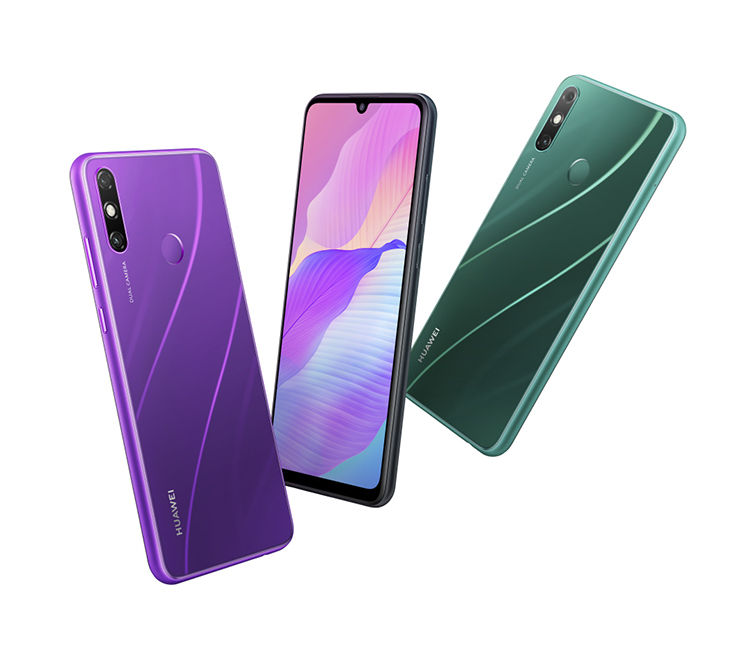
Just a day ago, we reported about Huawei gearing up to launch a new smartphone in its home country, named Huawei Enjoy 20e, ahead of the Double 11 Sale as the phone was listed on the company’s website. Today, the device seems to have been launched and is now listed on JD.com for pre-order.
There are two variants of the Huawei Enjoy 20e — 4GB RAM with 64GB internal storage and 4GB RAM with 128GB internal storage, both of them costing 999 yuan (~$156) and 1,199 yuan (~$188) respectively.
For a limited time, the company is offering a 50 yuan discount, bringing down the cost to 949 yuan (~$148) and 1,049 yuan (~$164). The device is offered in three color options — Qijing Forest (Green), Phantom Purple, and Magic Night Black.
The smartphone features a 6.3-inch HD+ TFT LCD IPS display and is powered by the MediaTek Helio P35 processor. It packs 4GB of RAM and 64/128GB internal storage. Apparently, there’s a high-end variant which is powered by the HiSilicon Kirin 710A processor but that device hasn’t been released yet.
In the camera department, the device comes with a dual-camera setup on the back that includes a 13-megapixel primary sensor and a 2-megapixel depth-of-field lens. On the front side, there’s an 8-megapixel snapper for taking selfies and video calling.
The device also comes with the Huawei SuperSound audio solution that is claimed to offer a maximum volume of 86dB for an immersive audio experience while playing games or watching videos on the smartphone.
The Huawei Enjoy 20e is running EMUI 10.1 custom user interface which is based on the company’s own HarmonyOS 2 operating system. It is powered by a 5,000mAh battery and comes with a Super Power Saving mode that automatically shuts down the apps and power-consuming processes to improve battery life.
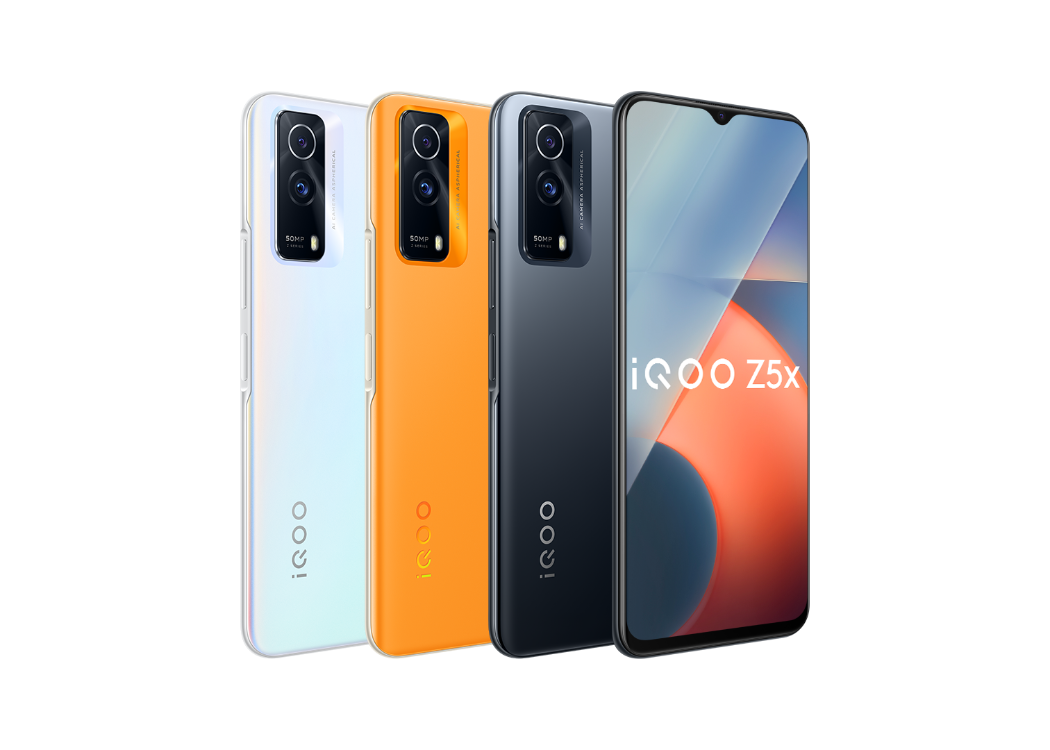
iQOO Z5x has silently launched in China. It is a new mid-range phone from the brand that comes equipped with a high refresh rate display and a big battery. The Dimensity 900 chipset is present under the hood of the device, and it features 50-megapixel dual cameras for photography. Here is all the information on the specifications, features, and pricing of the iQOO Z5x.
iQOO Z5x specifications and features
The iQOO Z5x features a 6.58-inch LCD panel with a teardrop notch. It offers a Full HD+ resolution of 1080 x 2400 pixels, a 120Hz refresh rate, and a 240Hz touch sampling rate. It is equipped with a selfie camera of 8-megapixel. The vertical camera setup available on the backside of the device has a 50-megapixel primary camera, a 2-megapixel secondary lens, and an LED flash.
iQOO Z5x
The Z5x is fueled by the Dimensity 900 chipset, which is accompanied by up to 8 GB of RAM and 256 GB of built-in storage. The handset runs on iQOO UI based Android 11 OS. For additional storage, it has a side-facing fingerprint scanner.
The iQOO Z5x is packed with a 5,000mAh battery, which carries support for 44W fast charging. It offers other features such as dual Sim, 5G, Wi-Fi 6, Bluetooth 5.0, GPS, USB-C, a 3.5mm headphone slot, and a side-facing fingerprint scanner.
iQOO Z5x pricing and availability
Here is the pricing of the different variants of the iQOO Z5x:
6 GB RAM + 128 GB storage – 1,599 Yuan (~$250)
8 GB RAM + 128 GB storage – 1,699 Yuan (~$266)
8 GB RAM + 256 GB storage – 1,899 Yuan (~$297)
The iQOO Z5x comes in colors like Lens Black, Fog Sea White, and Sandstone Orange. Its presale will begin at 8 PM (local time) in China today (Oct. 20). It is unclear whether the company has plans to release the iQOO Z5x in markets outside China.
Redmi Note 11 series launch date has been confirmed. Today, the company confirmed through its Weibo account that the Note 11 lineup will be made official at 7 PM (local time) on Oct. 28.
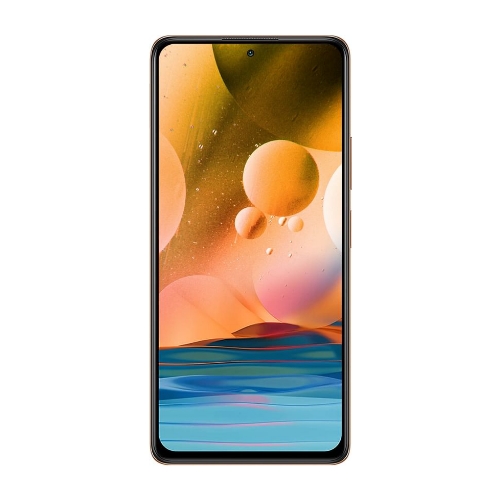
The below-shown poster shows that the Redmi Note 11 series phone will be equipped with a centrally positioned punch-hole. The top edge of the device has a 3.5mm audio jack, an IR blaster, a microphone, and a JBL tuned speaker. Its right edge has a volume rocker and a power key. Its rear shell has an LED flash assisted triple-camera unit.
The Note 11 lineup is now listed on JD.com for reservations. The retailer site has listings for three phones such as Note 11 5G, Note 11 Pro 5G, and Note 11 Pro+ 5G. The listings show that the shipment of the Note 11 models will begin on Nov. 1 in China.
The Redmi Note 11 Pro and Note 11 Pro+ listings reveal that these devices will be available in variants like 6 GB RAM + 128 GB storage, 8 GB RAM + 128 GB storage, and 8 GB RAM + 256 GB storage. The Note 11 Pro will come in colors like Mysterious Blackland, Shallow Dream Galaxy, Time Quiet Purple, and Misty Forest. On the other hand, the Note 11 Pro+ will come in the same three colors except Shallow Dream Galaxy.
Redmi Note 11, Note 11 Pro specifications (Rumored)
A recent leak revealed that the Redmi Note 11 5G will come with key specs like a 120Hz LCD screen, a 13-megapixel front camera, a 50-megapixel rear camera, Dimensity 810, and a 5,000mAh battery with 33W fast charging. The Note 11 Pro+ 5G will be available with key specs such as a 120Hz OLED screen, a 16-megapixel front camera, a 108-megapixel rear camera, Dimensity 920 chipset, and a 5,000mAh battery with 67W rapid charging.
Earlier this year, in the month of April, Honor had launched a smartphone dubbed as Honor Play 5T Vitality Edition for the price of 1,299 yuan. Now, the company is all set to launch a new smartphone under the Vitality Edition branding in China.
Today, Honor has confirmed by sharing a teaser poster that the Honor Play5 Vitality Edition will be officially launched in the company’s home market China on 25th October. We expect the company to share more details about the phone through teasers in the coming days, ahead of the official launch.
It appears that the company is making a lineup of devices for the upcoming Double 11 sale in China which will take place on 11th November. Along with this device, the company is also set to launch Honor X30 Max and Honor X30i.
The Honor Play5 smartphone was officially launched in China in May this year. It features a 6.53-inch OLED display that offers a Full HD+ screen resolution of 1080 x 2400 pixels. There’s a waterdrop notch on top of the screen that houses a 16-megapixel selfie snapper.
On the backside, the device features a quad-camera setup that includes a 64-megapixel primary camera sensor, an 8-megapixel ultrawide lens, a 2-megapixel macro lens, and a 2-megapixel depth sensor, along with an LED flash.
Under the hood, it is powered by the MediaTek Dimensity 800U processor, coupled with 8GB of RAM and 128/256GB of internal storage. The phone runs the Android 10 operating system with Magic UI 4.0 on top and is powered by a 3,800mAh battery which comes with support for 66W fast charging technology.
As we recently reported, along with the Pixel 6 series smartphones, Google has also launched a new subscription service named Google Pixel Pass. This new offering includes a combination of hardware and services from the tech giant.
The Pixel Pass is being made available in two different plans — $45 per month and $55 per month, depending on the smartphone that you choose to get.
Those who subscribe to the Pixel Pass will be getting either the Pixel 6 or Pixel 6 Pro smartphone. The company is also promising to upgrade the smartphone after two years but the device needs to be financed through Google.
Not just that, along with the new device, the company is also bundling other key Google services, including YouTube Premium, Google Play Pass, and Google One with a 200GB cloud storage plan that usually costs $3 per month.
Google is bundling services worth around $20 with the plan and $25 or $35 monthly for the phone payments and an additional $5 per month for the protection plan. Thus, the users will be getting a modest discount when purchasing the $45/month or $55/month Pixel Pass subscription plan.
It’s noteworthy that this is available only if the customer buys it directly from Google. Also, it appears that the program is currently limited to users in the United States.
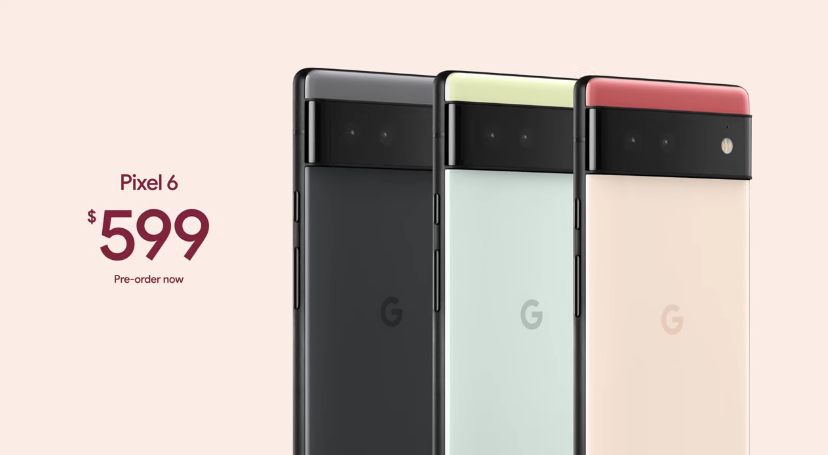
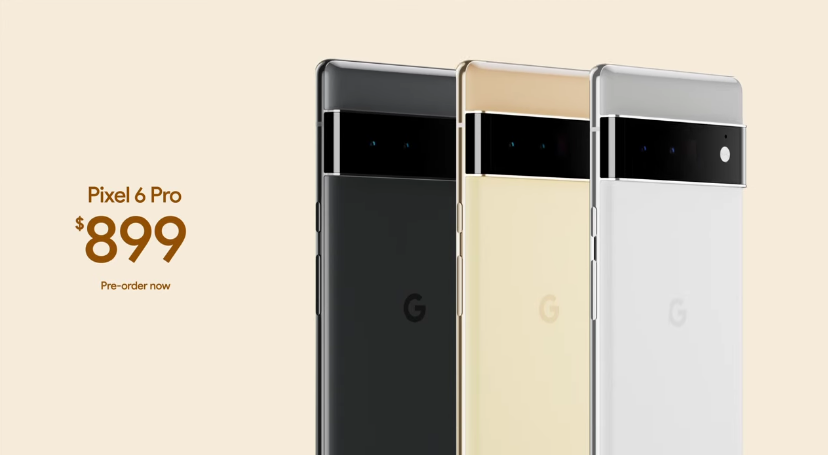
Google has just launched its latest flagship smartphones in the market — Pixel 6 and Pixel 6 Pro, for the starting price of $599 and $899 respectively. Both the devices are now up for pre-order and will start shipping from 28th October.
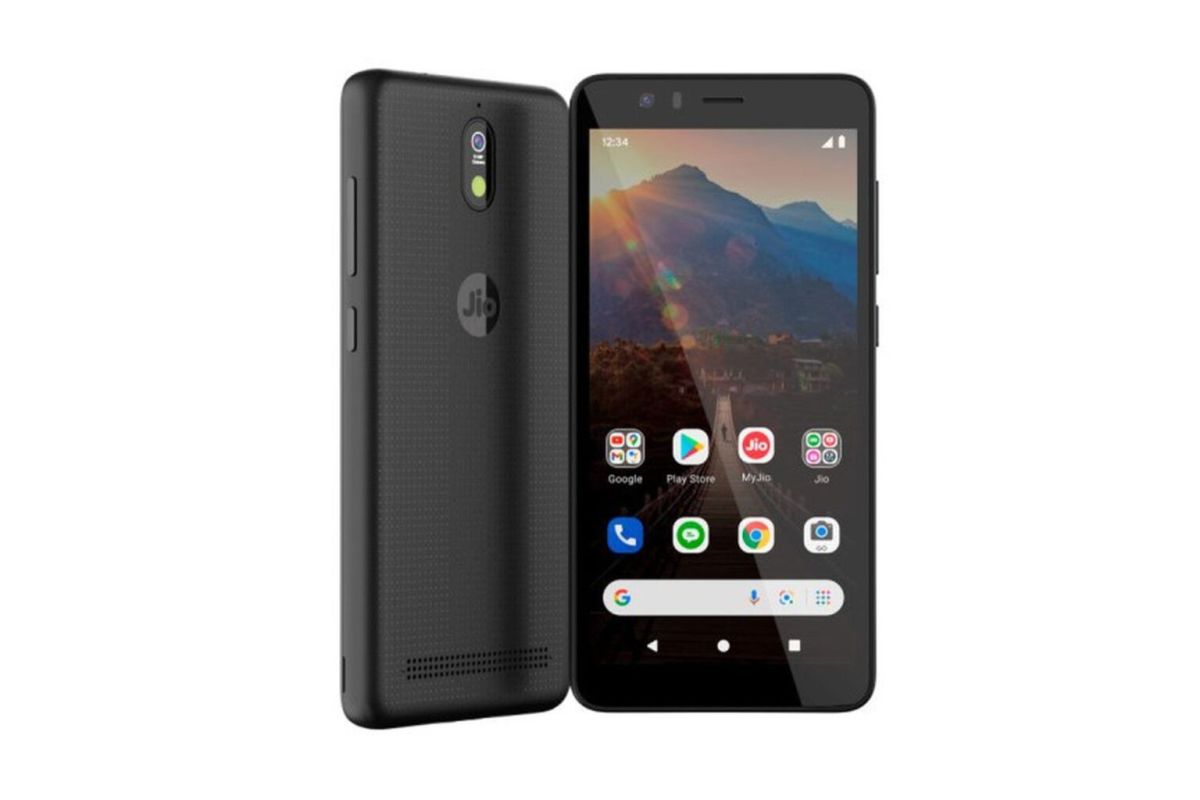
Jio Phone Next was announced in June through India-based Reliance Jio’s 44th Annual General Meeting (AGM). At that time, the company claimed that it will be made available in the market on September 10thv. However, the company released a statement last month to say that it will be available for purchase in time for the Diwali festive season, which suggested that it could be released in the Indian market by October end or early November. While the company confirmed some of the key features of the JioPhone Next, it did not reveal any specifications. Now, the handset has appeared at the Google Play Console with some of its key specs.
JioPhone Next 4G visits Google Play console listing. 😎
The Jio Phone Next’s Play Console listing shows that its display carries support for an HD resolution of 720 x 1440 pixels. The device is powered by the Snapdragon 215 mobile platform and 2 GB of RAM. It runs on Android 11, which appears to be the Go edition.
Past reports have claimed that the JioPhone Next has a 5.5-inch display, an 8-megapixel selfie camera, and a 13-megapixel rear snapper. The 2 GB RAM variant of the device may offer 16 GB of storage, whereas the 3 GB RAM model may come with 32 GB of storage. The phone may house a 2,500mAh battery.
JioPhone Next
Jio and Google have collaborated to offer an optimized experience on the JioPhone Next. The device will offer some other features like on-screen translation, automatic read aloud, India-centric filters for camera, and Google Assistant. It is also said to be equipped with custom editions of Google Duo and Camera Go. Probably, it will be priced between Rs 5,000 (~$66) and Rs 7,000 (~$93) in the country.
Earlier this month, Google officially announced the stable version of the Android 12 operating system for the smartphone. However, unlike the previous version, this time, Google didn’t roll out the latest update to its own smartphones nor did the company announce a timeline for the same.
But now, after officially launching the latest Google Pixel 6 and Pixel 6 Pro smartphones in the market, the technology giant has also started rolling out the Android 12 update to the Pixel series of smartphones.
It’s noteworthy that the latest Pixel 6 lineup already comes pre-installed with the latest Android 12 OS. The rollout of this new update for other devices comes after the company released the final Beta 5 version of Android last month.
While the latest Android 12 comes with several new features and functionalities, one of the major changes comes in the form of the revamped interface. This time, the company is using the new Material You user interface.
Apart from the new design, the latest version of the operating system also comes with new widgets and notification design, privacy dashboard and security enhancements, scrolling screenshots, Nearby share, and more. For a detailed list of features available with Android 12, check out this article.
Earlier, Google had revealed that the Android 12 update will be made available for devices from companies like Samsung, OnePlus, OPPO, Realme, Tecno, Vivo, and Xiaomi later this year. Some of these brands have already announced their own custom user interfaces based on the latest Android 12, including ColorOS 12 from OPPO and One UI 4.0 from the South Korean giant Samsung.
The new MacBook Pro laptops have a notch, a design that was copied from the iPhone series. However, unlike the iPhones whose notch houses not only a front-facing camera but other components for Face ID, the notch on the MacBook Pro doesn’t have components for a biometric scanner. So why is it there and why is it that wide? Actually, there are a couple of other components alongside the 1080p webcam.
A photo has surfaced on the web and it is of the camera module for the Macbook Pro. Posted by Twitter user David Pogue (@Pogue), the photo shows that there is more than just a 1080p camera on the module.
As you evaluate your opinion on the MacBook Pro’s notch, keep in mind that it houses more than just a 1080p camera. It also houses the TrueTone sensor (colors consistent in all lighting conditions), light sensor (adjusts brightness/keyboard illumination), and “camera on” LED. pic.twitter.com/XpKvhvtEWn
As seen in the photo, there is a component flanking the 1080p camera on the left while an LED is on the right. The component on the left is the TrueTone and ambient light sensors. The former measures ambient light color and brightness and uses the information to automatically adjust the white balance of the display to match the environment. Apple‘s TrueTone technology made its debut on the 2016 iPad Pro and is now available on the iPhones and MacBooks.
The light sensor adjusts the brightness of the display as well as the keyboard’s backlight based on ambient light while the LED on the right of the camera is the camera indicator light that comes on when the camera is in use. All of these components were previously “hidden” by the bezel but are now visible since it has trimmed the bezels for more screen estate.
If Apple were to include the components for Face ID, the notch will be a bit wider. It has been able to shrink the Face ID module on the iPhone 13 series by moving the dot projector from the edge to the middle and combining it with the flood illuminator into a single module. So along with that and the infrared camera, that’s two more components to add to the existing ones on the MacBook Pro.
Sure, it could pack Face ID into the MacBook Pro and keep the bezel but with the bezel significantly reduced, the area occupied by this module now digs into the screen.
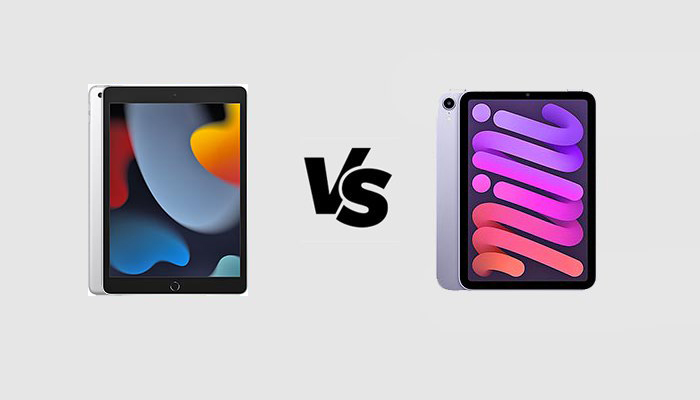
Recently Apple launched two brand new tablets for those who want to save money instead of going for those powerful iPad Pros with Apple Silicon M1. We are talking about the 9th generation of the Apple iPad 10.2 which is actually the most affordable last-generation tablet by Apple, and the new iPad Mini 6 providing high-end specifications in a very compact body. The iPad Mini 6 is smaller but more expensive, however, it can still be considered a “budget tablet” by Apple. Are you wondering which one is the best for you? This comparison between the specifications of Apple iPad 9th gen and Apple iPad Mini 6th gen should clear your ideas in regards.
Apple iPad 9th gen vs Apple iPad Mini 6th gen
Apple iPad 9th gen
Apple iPad Mini 6th gen
DIMENSIONS AND WEIGHT
250.6 x 174.1 x 7.5 mm, 487 grams
195.4 x 134.8 x 6.3 mm, 293 g
DISPLAY
10.2 inches, 1620 x 2160p (Full HD+), Retina IPS LCD
The Apple iPad Mini 6th gen has probably the best design ever seen on a tablet. It is very compact, it has a very high screen to body ratio, it is very thin and very lightweight. The bezels around the display are narrow and the borders are flat, just like the most recent iPhones. On the other hand, the Apple iPad 9th gen has a very old design: the bezels around the display are so thick that there is space for the old Touch ID. Nothing changed if we compare it to the previous 8th gen Apple iPad in terms of aesthetics, but the new model retains a great build quality just like the iPad Mini 6th gen. Both the tablets are entirely made of aluminum.
Display
The only important differences between the displays of Apple iPad 9th gen and Apple iPad Mini 6th gen are the size and the pixel density. The Apple iPad 9th gen has a wider display with a diagonal of 10.2 inches, while the iPad Mini 6th gen has a diagonal of just 8.3 inches and it is the smallest tablet by Apple. The pixel density is higher on the iPad Mini 6th gen because it has a smaller display, but the resolutions are similar. Both are Retina IPS LCD panels with a 500 nit typical brightness and scratch-resistant glass. Do not expect big differences when it comes to image quality. These tablets do have fingerprint readers, but in different positions: the iPad 9th gen has the Touch ID below the display just like the older iPads, while the iPad Mini 6th gen has a side-mounted fingerprint scanner on the power key. You can connect a stylus and a keyboard to these tablets, but while the iPad Mini 6th gen allows using 2nd gen Apple Pencil, you can use only the first generation with the iPad 9th gen.
Specs & Software
If you are looking for the strongest hardware department, then go for the iPad Mini 6th gen without thinking twice. It is fueled by the Apple A15 Bionic mobile platform built at 5 nm: the same chipset as the iPhone 13 series, paired with 4 GB of RAM and either 64 GB or 256 GB of native storage depending on the chosen variant. With the Apple iPad 9th gen, you get an Apple A13 Bionic chipset which is the same as the iPhone 11 series, as well as 3 GB of RAM and 64 or 256 GB of native storage. The performance boost you can get with the iPad Mini 6th gen is very important. The handsets run iPadOS 15 out of the box with all the latest new features.
Camera
The iPad Mini 6th gen is a better camera phone for a simple reason: it provides an upgraded rear camera. On the rear, it has a 12 MP sensor with a bright f/1.8 focal aperture, while the iPad 9th gen has an old 8 MP sensor with an f/2.4 focal aperture. The front cameras are the same: 12 MP f/2.4 sensors with 1080p video recording at 60 fps. The iPad mini 6th gen is the only one that can record 4K videos at 60 fps.
Given that the iPad 9th gen is bigger, it has room for a bigger battery and that is the reason why its battery life is longer. Alongside the price and the display size, this is the only big advantage of the iPad 9th gen over the iPad Mini 6.
Price
The 9th gen iPad has a starting price of $329, while the iPad mini 6th gen starts from $499. Does it make sense to spend more? If you want to get better performance, a superior camera, and more compact dimensions, yes it does.
Apple iPad 9th gen vs Apple iPad Mini 6th gen: PRO and CONS
US tech giant Google Tuesday held a launch event that heralded the arrival of the much-anticipated Pixel 6 and Pixel 6 Pro smartphones. The models have been a long time coming and they did arrive alongside a second-generation model of the Google Pixel Stand.
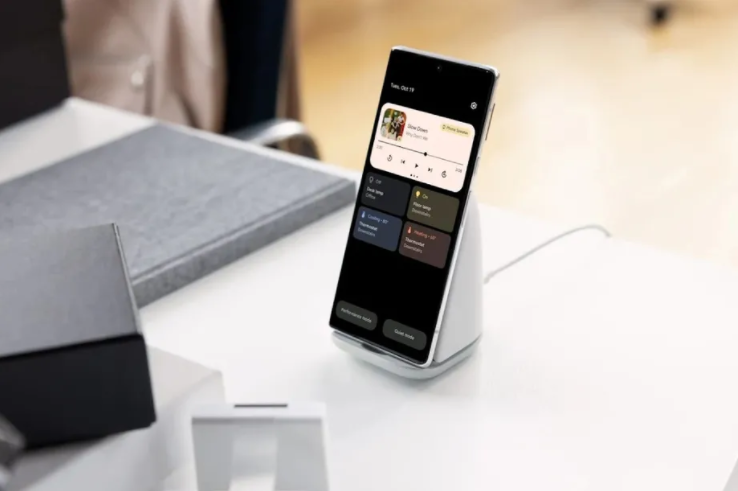
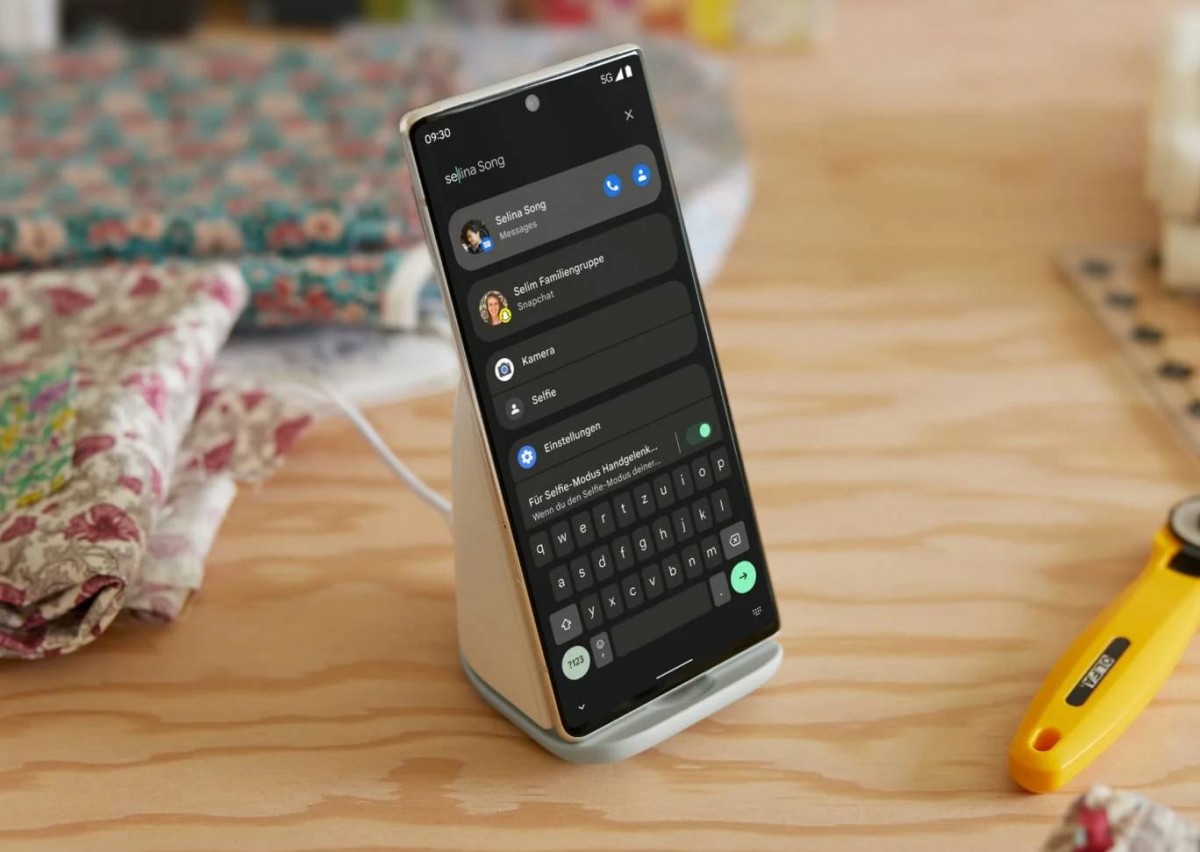
The Pixel Stand (Second Generation) utilizes the Qi charging standard just like its predecessor. The wireless charger can deliver up to 23W charging to the new Pixel 6 and 6 Pro models. It also supports 15W fast charging to other Qi-compliant devices.
In terms of the design, the second-gen Pixel Stand is manufactured from recycled TPU and polycarbonate material, giving it a lightweight build. It weighs just 71g. Inside the hood, the wireless charger packs a dual coil wireless charging system with one of the coils dedicated to charging wearable devices. The gadget also arrives with an active cooling fan that helps keep it cool while in operation. Google says the fan is near-silent while in operation.
The Pixel Stand isn’t available to buy yet and there is no fixed date for its launch just yet. However, the gadget carries a $79 price tag which is the same as the previous generation model. The device will be shipped with a USB Type-C charging adapter of 30W rating as well as a 1.5m long Type-C cable. It is presently listed on Google’s official online store.
A tipster has released some images of three additional color variants of the Samsung Galaxy Buds 2. Tipster @FrontTron was the first person to publish images of the three new color variants of the Galaxy Buds 2 namely Absolute Black, Maison Kitsune, and Vivid Lemon. The Maison Kitsune Edition of the Galaxy Buds 2 is designed in a shade of pastel green and sports the Kitsune graphics (Kitsune is a Japanese word that means fox).
Maison Kitsuné is a French-Japanese fashion label and also an electronic music record. The Maison Kitsuné brand was created in 2002 by the trio of Loaëc, Kuroki, and Åbäke (graphic design collective). There is a high likelihood that the Galaxy Buds 2 Maison Kitsune variant could be a limited edition version.
The Samsung Galaxy Buds 2 was part of the lineup in August 2021 when the Galaxy Z Fold3 and Z Flip3 were unveiled. The initial launch of the earbuds was in four color variants namely: Graphite, Lavender, Olive, and White. The new additional color variants, if confirmed, follow the trajectory of the Galaxy Buds+.
Your first look at the new Samsung Galaxy Buds2 collaboration with Maison Kitsune, featuring its iconic fox and stars design. pic.twitter.com/HNOCWaDrkC
As per the tipster, Samsung could announce new color variants of the Galaxy Buds 2 alongside the new Galaxy Z Flip 3 colors during the upcoming Galaxy Unpacked 2021 Part 2 event. As of now, there is no information about the pricing or availability of these new color variants. Samsung could provide some confirmation of the leak as the scheduled Galaxy Unpacked event draws closer.
The Pixel 6 and Pixel 6 Pro are Google’s new smartphones and they come with significant upgrades in all areas. From a revamped design to better cameras to Google’s first mobile processor and software that is designed to take advantage of the hardware for a smooth experience, Google claims its new phones bring big upgrades.
Pixel 6 and Pixel 6 Pro specifications
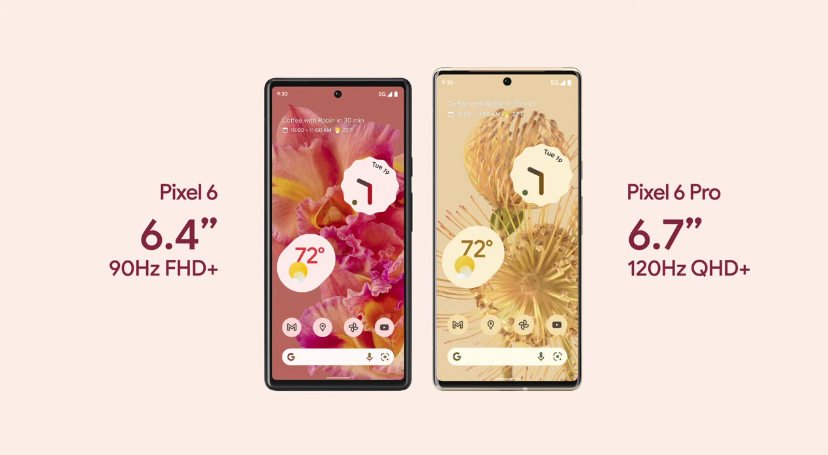
The Pixel 6 has a 6.4-inch FHD+ Smooth Display with a 90Hz refresh rate while the Pixel 6 Pro packs a bigger 6.7-inch screen with a QHD+ LTPO display and a 120Hz refresh rate. The two phones have Gorilla Glass Victus on the front for protection against scratches while the Pixel 6 swaps Gorrila Glass Victus for Gorilla Glass 6 for the glass back.
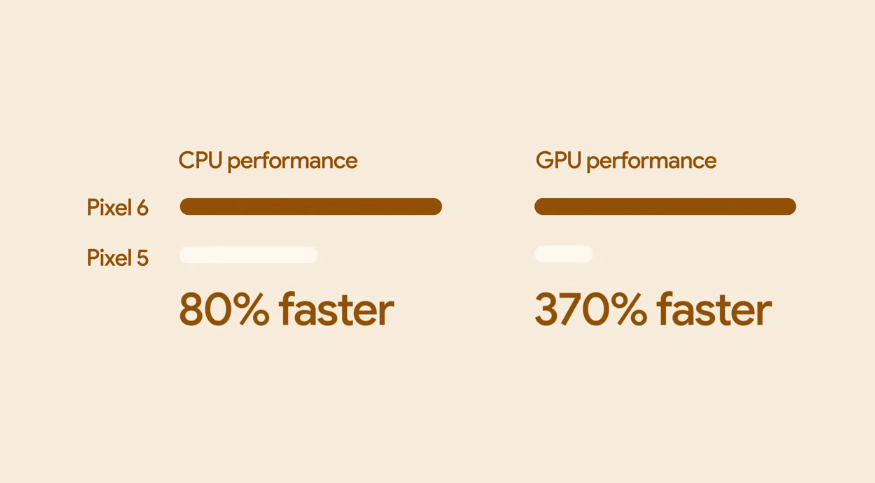
The Tensor processor is Google’s first smartphone chipset. The SoC has 2 high-performance cores, 2 mid-cores, and 4 high-efficiency cores. It also has a 20-core GPU. Compared to the Pixel 5 which has a Snapdragon 765G processor, Google says the Tensor chipset has a CPU performance that is 80% faster and a GPU performance that is 370% faster. The chip is paired with 12GB of RAM and 128GB, 256GB, or 512GB of storage on the Pixel 6 Pro while the Pixel 6 has 8GB of RAM and 128GB or 256GB of UFS 3.1 storage. As expected, there is no storage expansion.
The Pixel 6 series both have an in-display fingerprint scanner and a Titan M2 security chip. The Tensor chip also has a security core built-in that works with the Titan M2 to protect the phones against attacks. They have dual SIM support (one nano-SIM and one eSIM), WiFi 6E, stereo speakers, IP68 water and dust resistance, and a fingerprint-resistant coating.
There is a 5003mAh battery inside the Pixel 6 Pro and a 4614mAh battery inside the Pixel 6. The two devices support 30W fast wired charging, fast wireless charging (21W on the Pixel 6 and 23W on the Pixel 6 Pro using the Pixel Stand), and reverse wireless charging. They don’t ship with a charger but if you have a USB-PD compatible charger available, that should be fine. You can also charge wirelessly with a Qi-certified EPP charger but the charging speed will be capped at 12W.
The Pixel 6 series will run Android 12 out of the box and will receive 5 years of security updates.
Pixel 6 and Pixel 6 Pro cameras
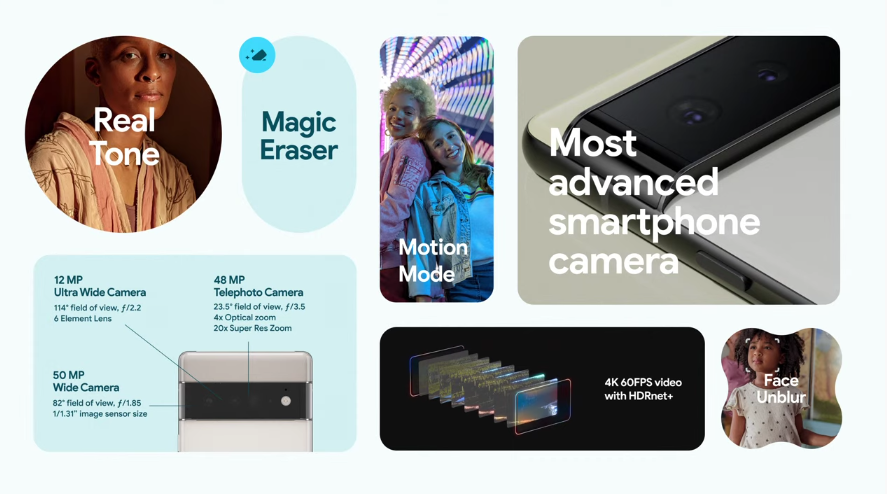
There is a 50MP main camera on both phones as well as a 12MP f/2.2 ultrawide angle camera with a 114° field of view. The 50MP sensor has an 82° field of view, an f/1.85 aperture, and a 1/1.31” sensor size. Google says that the phones capture 2.5x more light than the Pixel 5. The Pixel 6 Pro gets a third rear camera – a 48MP sensor with a telephoto lens that brings 4x optical zoom. The front-facing camera is an 11.1MP sensor on the pro model and an 8MP sensor on the non-pro variant.
The Pixel phones are known for packing impressive cameras thanks to the software. The Pixel 6 series takes the Pixel camera prowess to a new level with features such as Face Unblur which combines photos from two different cameras to remove the blur on faces when you take photos of fast-moving subjects such as kids. Magic Eraser will remove unwanted objects and persons from your photo.
There is also Motion Mode which detects if there is a fast-moving object in a photo such as a moving vehicle or the wheels of a bicycle and applies a motion blur to the object while keeping the subject sharp and in focus. The most important of them all for people of color is Real Tone which is a better image algorithm that authentically replicates the skin tone of the subject.
Pixel 6 Series Price and Availability
The Pixel 6 is priced at $599 for the 128GB version and $699 for the 256GB version while the Pixel 6 Pro is priced at $899 for the 128GB version. The 256GB and 512GB versions are not listed in the U.S. The two phones are already available for pre-order now and will be available for purchase on October 28.
The Pixel 6 will be available in Sorta Seafoam, Kinda Coral, and Stormy Black while the Pixel 6 Pro can be purchased in Cloudy White, Sorta Sunny, and Stormy Black. Those who pre-order in the U.S. get a free Pixel Buds A-Series.
We use cookies on our website to give you the most relevant experience by remembering your preferences and repeat visits. By clicking “Accept”, you consent to the use of ALL the cookies.
This website uses cookies to improve your experience while you navigate through the website. Out of these, the cookies that are categorized as necessary are stored on your browser as they are essential for the working of basic functionalities of the website. We also use third-party cookies that help us analyze and understand how you use this website. These cookies will be stored in your browser only with your consent. You also have the option to opt-out of these cookies. But opting out of some of these cookies may affect your browsing experience.
Necessary cookies are absolutely essential for the website to function properly. This category only includes cookies that ensures basic functionalities and security features of the website. These cookies do not store any personal information.
Any cookies that may not be particularly necessary for the website to function and is used specifically to collect user personal data via analytics, ads, other embedded contents are termed as non-necessary cookies. It is mandatory to procure user consent prior to running these cookies on your website.