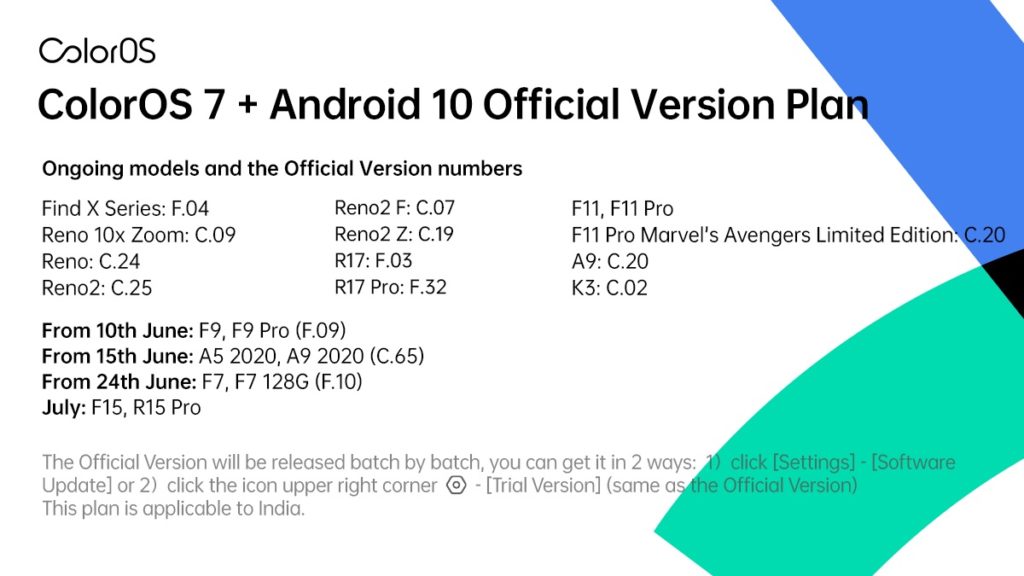
Oppo announced ColorOS 7 back in November 2019 but the company is yet to update its devices. In fact, it only started releasing stable updates in early April for the first batch of handsets in China. Since then, the brand has been seeding out updates to various phones across different regions. Now, it also shares the stable update timeline for India.
Last, when we covered ColorOS 7, Oppo had released stable update timeline for Europe and Australia. Now, we are back with the same for India.
So far, the company has updated the following smartphones to ColorOS 7 in India.
Oppo Find X Series
Oppo Reno 10X Zoom Editon
Oppo Reno
Oppo Reno 2
Oppo Reno 2 F
Oppo Reno 2 Z
Oppo R17
Oppo R17 Pro
Oppo F11
Oppo F11 Pro
Oppo F11 Po Marvel’s Avengers Limited Edition
Oppo A9
Oppo K3
The above-mentioned devices are currently receiving the update in batches. Users can check for the update by navigating to Settings -> Software Update -> Gear Icon -> Trial Version. The company says the trial version is nothing but a stable build.
Further, the brand also announced the ColorOS 7 stable update timeline for smartphones that are yet to receive in India.
From June 10
Oppo F9
Oppo F9 Pro
From June 15
Oppo A5 2020
Oppo A9 2020
From June 24
Oppo F7
Oppo F7 128GB
In July
Oppo R15
Oppo R15 Pro
If you happen to own an Oppo smartphone that has received ColorOS 7 stable update in India, then do share your experience in the comment section below.
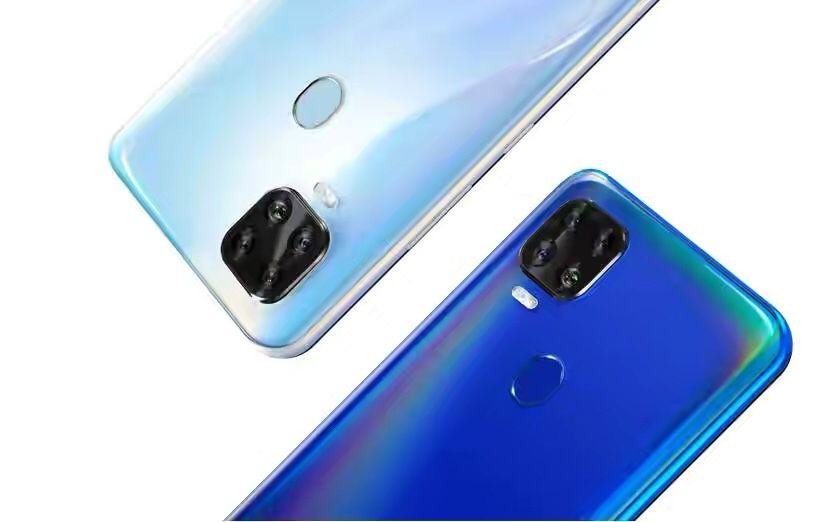
ZTE is set to launch its next smartphone in a few days. The device will be called Axon 11 SE and will be the first handset to support 5G on all four carriers in China. Unlike other brands, ZTE is not teasing the features of its upcoming phone. But thanks to TENAA and now TMall and JD listings, we know most of the specs of this device.
The TMall and JD listings of ZTE Axon 11 SE do not have the renders of the device except for the above low-quality one but they do reveal some of the primary specs of the handset.
According to them, the upcoming 5G phone from ZTE will sport a 6.53-inch FHD+ LCD screen. It will be powered by MediaTek Dimensity 800 SoC paired with 6GB / 8GB RAM and 128GB / 256GB internal storage.
Further, it will feature a quad-camera setup consisting of a 48MP primary sensor, an 8MP ultra-wide shooter, and two 2MP snappers (likely macro and depth). As for selfie, it will come with a single 16MP camera at the front.
As per TENAA listing, the handset will run Android 10 and will be backed by a 4,000 mAh battery. Other features of the ZTE Axon 11 SE includes USB Type-C, 3.5mm headphone jack, and a rear-mounted fingerprint sensor.
The phone will be officially announced on June 1 and as far as pricing is concerned, it is expected to cost under 2,000 Yuan ($280).
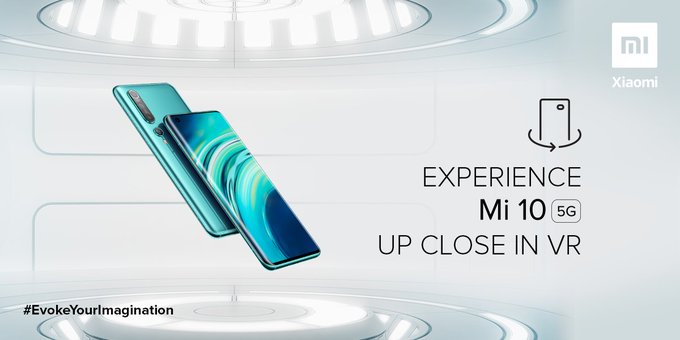
Do you remember the Mi 10 Youth Editionvirtual unboxing from exactly a month ago? The Mi 10 5G has gotten a similar treatment (there is no unboxing). This means you can get a virtual “hands-on” experience of Xiaomi’s flagship phone.
The VR experience allows you to see what the phone looks like to the tiniest detail. You can even switch between the two color variants available which are Twilight Grey and Coral Green.
The Mi 10 5G was announced back in February in China before making its way to other markets and then India early this month.
The phone has a 6.67-inch FHD+ screen with a punch-hole at the top left corner. It is powered by a Snapdragon 865 processor with up to 12GB of RAM and 256GB of storage.
The Mi 10 5G has a 108MP quad-camera setup on the back. The other three sensors are a 13MP ultrawide camera, a 2MP macro camera, and a 2MP depth sensor. There is also a 20MP camera in front for selfies.
Xiaomi ships the phone with a 4780mAh battery with support for 30W fast wired and 30W fast wireless charging. It also supports 5W reverse wireless charging. The phone has an in-display fingerprint scanner, NFC, an IR blaster, stereo speakers, and runs Android 10 out of the box.
Rumours have been rife about Samsung‘s next-generation Galaxy Fold model. The Galaxy Fold 2 is expected to be launched around August 2020. It is already over a year since the company unveiled the first-gen Fold but the tech giant kept fans busy with an impressive Galaxy Z Flip foldable model which was unveiled in February this year.
Samsung Galaxy Fold 2 render by Benjamin Geskin
The company has now reportedly commenced mass production of the Galaxy Fold 2 smartphone parts through major partners. Based on recent report details about Galaxy Fold 2 is expected as early as June. The company will use UTG (ultra-thin glass) used in the Galaxy Z Flip in the Fold 2. UTG is considered to be superior to CPI (transparent polyimide) present in Galaxy Fold.
The Galaxy Fold 2 is rumoured to house a larger outer Dynamic AMOLED LTPS display of 6.23 inches. The 60Hz panel that will also feature a punch-hole cutout is said to support 819 x 2267 pixels. In comparison, the original Galaxy Fold has a 4.6-inch outer screen and an inner flexible display of 7.3 inches. The outer display of Fold 2 may have the punch-hole at the top-centre position. The phone will be available in 4G and 5G variants, both powered by Qualcomm’s Snapdragon 865 SoC.
There are rumours that the Fold 2 will be unveiled alongside the Galaxy Note 20 and Galaxy Note 20+ at its Unpacked event sometime in August.
Huami’s Amazfit line of smartwatches is sold in key markets including India. A few days ago it was reported that the Amazfit Bip S will be announced in India on June 3. Today, it has been confirmed that the rugged smartwatch, the Amazfit T-Rex, will also make its way to the country.
Just like the Amazfit Bip S, the Amazfit T-Rex will be sold by Amazon when it launches in the second week of June. There is even a promotional page already live on the site.
The Amazfit was announced earlier this year at CES 2020 with a price tag of ¥799 (~$111). Available in five colors, the Amazfit T-Rex is Huami’s most durable watch. It has a rugged design and boasts 12 military certifications.
The watch packs a 1.3-inch AMOLED display with several watchfaces to choose from. There is a high-precision GPS chip from Sony inside. The Amazfit T-Rex has 14 sports modes including elliptical training, hiking, climbing, and trail running. It is also water-resistant up to 50 meters.
Other features include 24-hour heart rate monitoring, call reminder, app notification support, and more. Its battery life is put at 20 days and it goes up to 66 days in basic watch mode.
We have no idea how much it will cost in India but Huami should price it competitively. You can sign up to be notified about its availability here.
DxOMark has been existing for over a decade but it came into light after the company started reviewing smartphone cameras. The original Google Pixel was one of the first phones to be advertised with the DxOMark score. Last year, the company even began to review audio performance of handsets. Having said that, it has now released the list of best camera, selfie, and audio smartphones.
Image Source: DxOMark
DxOMark Camera and DxOMark Audio teams review smartphones on a regular basis when new devices hit the markets. They never publish stories on best smartphones for camera, selfie, and audio since it can be easily known from the website’s homepage.
Surprisingly, they did publish them now and here we are doing a PSA. The company has posted three different posts for each category and listed the best device along with runner-ups. That being said, let us take a look at the winners.
DxOMark Best Smartphone Cameras
DxOMark has divided this category into 6 sub-categories and the Huawei P40 Pro wins 4 of them since it is still the unbeatable king with an overall camera score of 128.
Anyway, here are the winners and runner-ups of DxOMark best smartphone cameras.
Best for Photo
Winner
Runner-ups
Huawei P40 Pro
Honor 30 Pro Plus
Huawei Mate 30 Pro 5G
Best for Video
Winner
Runner-ups
Huawei P40 Pro
Honor 30 Pro Plus
Xiaomi Mi 10 Pro
Best for Wide
Winner
Runner-ups
Samsung Galaxy S20 Ultra
Samsung Galaxy S20 Plus
Samsung Galaxy Note 10 Plus
Best for Night
Winner
Runner-ups
Huawei P40 Pro
Honor V30 Pro
Honor 30 Pro Plus
Best for Zoom
Winner
Runner-up
Huawei P40 Pro
Xiaomi Mi 10 Pro
Best for Bokeh
Winner
Runner-ups
Samsung Galaxy Note 10+ 5G
Honor V30 Pro
Samsung Galaxy S20 Ultra
DxOMark Best Smartphone Selfie Cameras
This category includes two sub-categories and they are selfie photo and selfie video respectively. Unsurprisingly, Huawei P40 Pro wins in both with some Samsung Galaxies as runner-ups.
Best for Selfie Photo
Winner
Runner-ups
Huawei P40 Pro
Huawei Nova 6 5G
Samsung Galaxy S20 Ultra
Best for Selfie Video
Winner
Runner-ups
Huawei P40 Pro
Samsung Galaxy S20 Ultra
Samsung Galaxy Note 10+ 5G
DxOMark Best Smartphones For Audio
This is the only category in which the Huawei P40 Pro neither wins or nor gets a runner-up tag. The Xiaomi Mi 10 Pro wins in this category for audio playback, whereas the Honor V30 Pro performs well in audio recording.
Best for Audio Playback
Winner
Runner-ups
Xiaomi Mi 10 Pro
Huawei Mate 20 X
Oppo Find X2 Pro
Best for Audio Recording
Winner
Runner-ups
Honor V30 Pro
Huawei Mate 30 Pro 4G / 5G
Xiaomi Mi 10 Pro
The Huawei P40 Pro excels in the camera department unlike any other smartphone released so far as per DxOMark. Unfortunately, this handset is hard to recommend due to the lack of GMS (Google Mobile Services) and other crucial daily used apps.
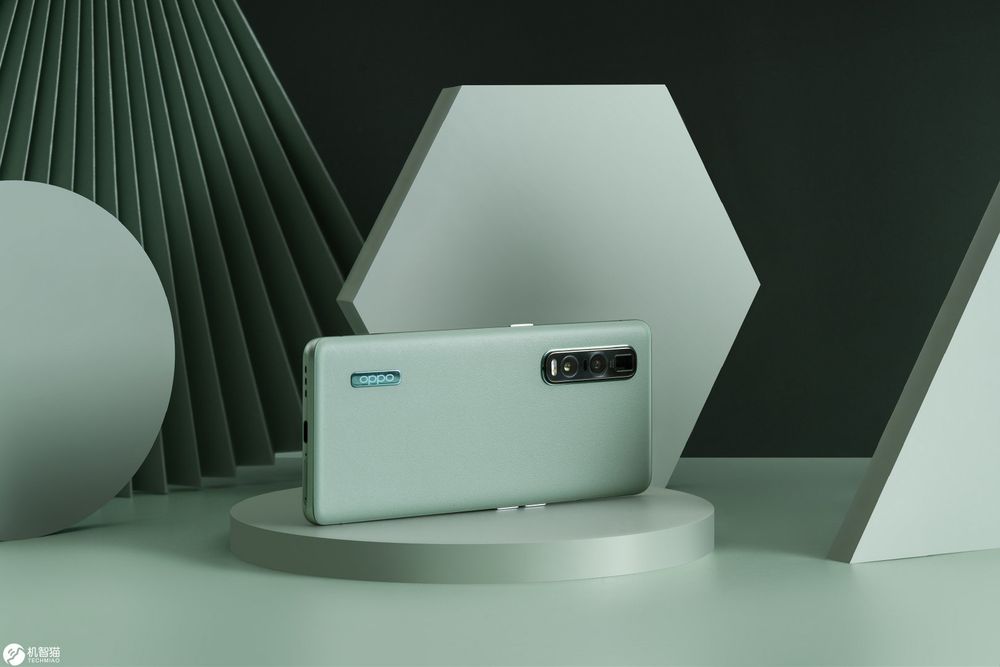
OPPO was first rumoured to be working on its own chipset called OPPO M1 in November 2019. The company indeed confirmed this in January 2020 but is yet to share further details. Apparently, the Chinese tech giant is still recruiting experts for the project.
A new report claims the BBK subsidiary is poaching MediaTek and UNISOC engineers in its bid to woo them over. Jeffery Ju, MediaTek’s former co-chief operating officer is reported to have been hired. While Ju left MediaTek in 2017, OPPO is also looking to hire another top executive from MediaTek’s 5G smartphone chip development in a couple of months. The report also tips OPPO as spreading its tentacles to pick up executives from Qualcomm and Huawei’s HiSilicon unit, adds the report.
OPPO’s effort to commence chip manufacture isn’t unrelated to Huawei’s predicament even though the company believes owning the chip design capability will give it more control over its supply chain, according to sources. The path to outputting a workable chipset isn’t a rapid one, though. It might take up to a year before a chipset is born. The success of such chipset against those from Qualcomm and Mediatek looks bleak. Recall Xiaomi made a similar effort with the Surge S1 but since then nothing as heard about the self-developed chip. We hope to get more details of the OPPO chipset in the coming months.
Internet fraud is as old as the internet itself but in recent times, it has gained widespread notoriety as scammers are more active these days than before. The prevailing COVID-19 pandemic is being exploited as a large number of persons are still relying on the internet for almost everything ranging from work or school classes to socializing and shopping.
Google has now unveiled a program which is aimed at helping internet users spot scams and stop scammers from having a filled day going forward. In a blog post, Google’s VP and Chief Internet Evangelist Vint Cerf noted that there have indeed been record-high scam reports in recent months, and according to the Federal Trade Commission (FTC), $1.9 billion were lost to scams just in 2019. Several scams revolving around COVID-19 are said to have seen victims lose more than $40 million to fraudsters. In addition, highly plausible scams about overdue payments or bogus contest winnings are reportedly causing trusting internet users to lose over $3,600 every minute.
The search giant is thus launching the Scam Spotter program to educate internet users on identifying and preventing scams. All details of the program can be found at ScamSpotter.org. The Google VP advises that we all share the website with friends and family members, especially with seniors who research have shown lose the most from scams.
The program’s teachings revolve around three simple rules to consider when dealing with a suspicious email, phone call or message:
Slow it down: Are they telling you it’s urgent? Take your time and ask questions to avoid being rushed into a bad situation.
Spot check: Are they claiming to be from a specific institution? Do your own research to double-check the details you’re getting.
Stop! Don’t send: Are they asking you to go to the store and get gift cards? If you think a payment feels fishy, it probably is.
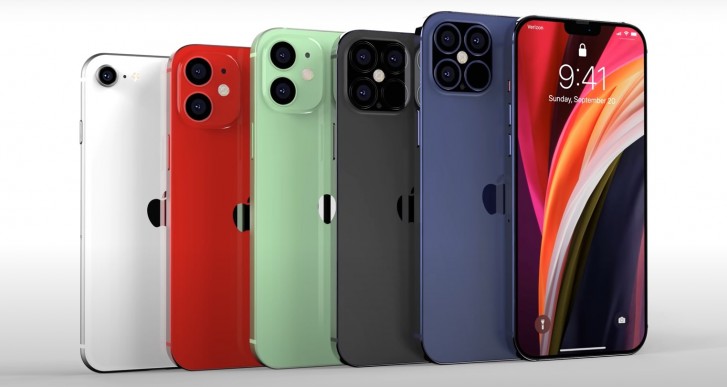
Turns out reports that Apple will ditch Samsung for BOE in sourcing OLED display panels for the upcoming iPhone 12 may not be accurate. Market research firm DigiTimes has disclosed that Samsung Display has secured the majority of orders for the iPhone 12’s OLED displays.
Until recently, Apple has stuck to LCD screens on its iPhone models but all that changed with the iPhone X. The model became the first iPhone to have an OLED screen and to ditch the home button. Since then, Apple had retained the use of OLED panels only on the top-end variant but continued to utilise LCD displays for all others. That will change with the iPhone 12 as there are reports that the US company will use OLED displays on all models. The iPhone 12 will also be Apple’s first 5G phone.
DigiTimes reports that Samsung will receive 80% of the orders while LG Displays and BOE Technology will share the remaining 20%. Samsung was Apple’s sole OLED display supplier for the 2017 iPhone X. LG received some orders in 2018 while BOE was added in 2019. Considering the volume of OLED panels that would be needed for all four iPhone 12 models, it makes sense for the Cupertino-based company to share the orders among the three firms. Samsung may not have the capacity to be the sole supplier and having three display manufacturers removes the risks of Samsung not being able to meet up with display panel orders for the 2020 flagship iPhones.
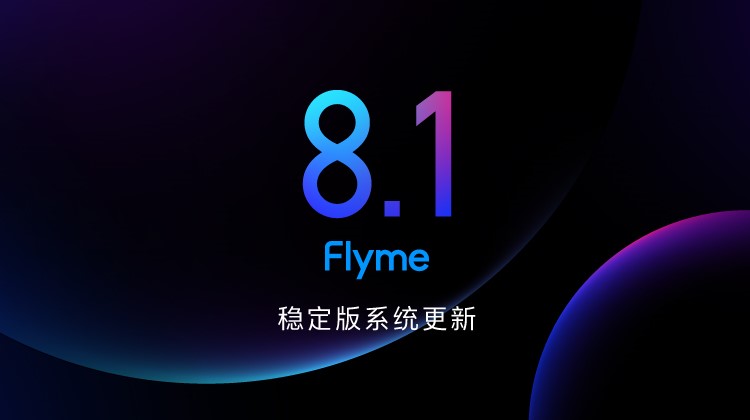
At the Meizu 17 series launch, the company also unveiled Flyme 8.1, the latest version of its mobile software. Now, only after three weeks from the announcement, the brand has released a stable build for all the supported / eligible devices.
The Flyme 8.1 is an incremental update to Flyme 8 released last year. The base Android OS has been now upgraded to Android 10 from Android Pie remains the same as before on all the devices but they get most of the new features introduced with the launch of Meizu 17 series.
One of the notable new features is OneMind 4.0 AI Engine, which the brand claims to be 30% better than its forerunner OneMind 3.5. The new version of Flyme also brings small window mode 2.1 similar to newly introduced floating windows in MIUI 12.
Other features of Flyme 8.1 by Meizu include 300 deep Android customization improvements and optimizations, improved Aicy voice assistant, new live wallpapers as well as in-display fingerprint sensor animations, and more.
As mentioned in the beginning, Flyme 8.1 stable update is live for all the 10 eligible devices and they are as listed below.
Meizu 16T
Meizu 16S Pro
Meizu 16S
Meizu 16th
Meizu 16th Plus
Meizu 16Xs
Meizu Note 9
Meizu X8
Meizu Note 8
Meizu 16X
Anyway, the update is currently limited to China and Meizu is yet to announce the rollout of Flyme 8.1 global stable builds.
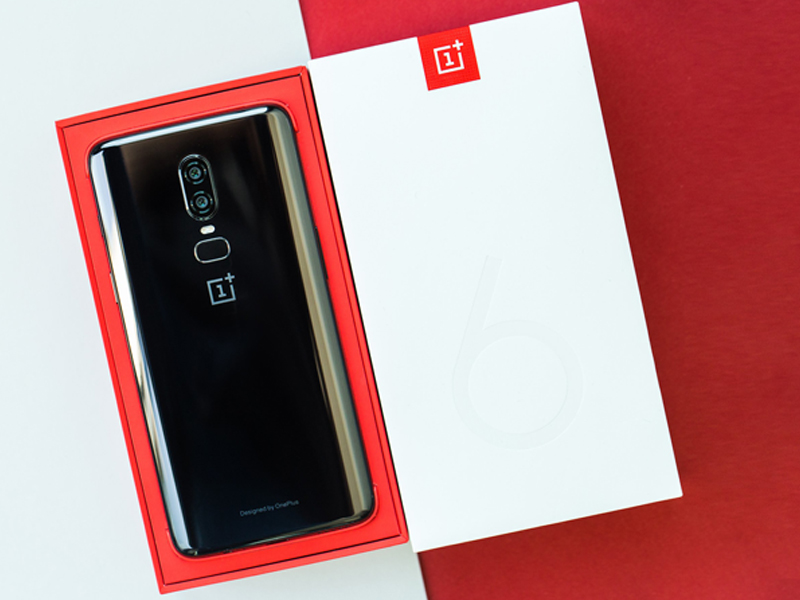
Earlier in April, OnePlus dropped OxygenOS Beta support for OnePlus 6 / 6T ahead of OnePlus 8 series launch Now, these two handsets are receiving OxygenOS 10.3.4 stable update with May 2020 security patch, some bug fixes, and new features.
The new build brings May 2020 security patch and updated OnePlus launcher (v4.1.6). It also improves system stability and fixes some general bugs.
Further, the update also fixes the issues with default country in assisted dialling when SIM2 is in roaming state. Additionally, it also adds Work-Life Balance and Epic Games Store for Indian variants of the handsets.
That being said, here’s the official changelog of OxygenOS 10.3.4 stable update for OnePlus 6 and OnePlus 6T.
System
Updated launcher version to 4.1.6
Updated Android Security Patch to 2020.05
Improved system stability and fixed general bugs
Phone
Fixed the issue with default country in assisted dialing when SIM2 is in roaming state
Newly added Work-Life Balance to help prioritize notifications and allocate time wisely (India only)
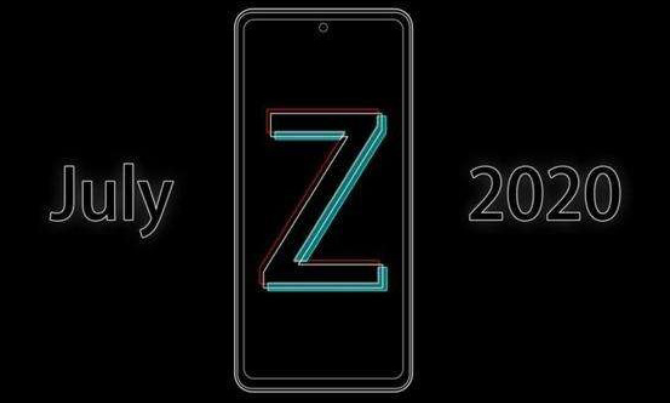
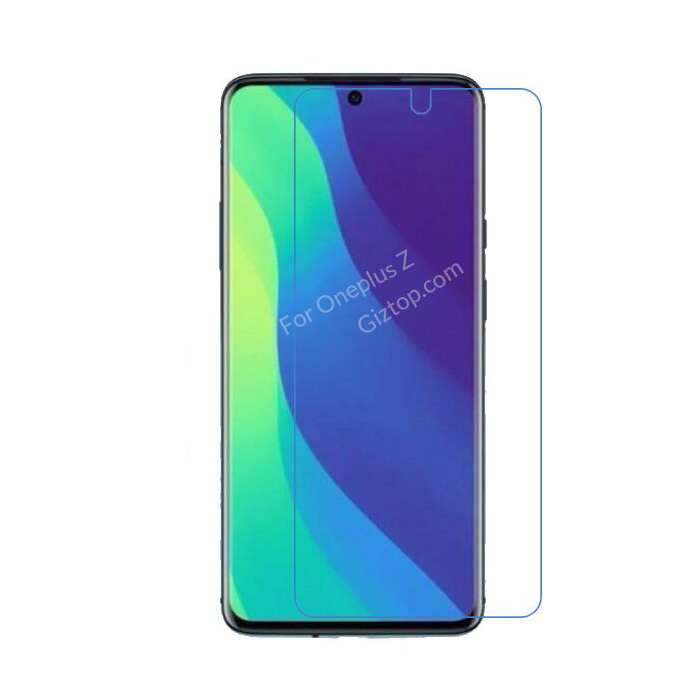
OnePlus is yet to officially confirm the OnePlus Z but the company’s CEO did hint that it would expand to other cheaper products categories in a bid to create an ecosystem. Lau also confirmed that the products will be launched in India first. There are strong indications that OnePlus Z is one of the products.
While we look forward to getting any details of the launch, the OnePlus Z has just featured in a new leak. The leak bothers on the tempered glass screen protector which just appeared on Giztop. The protector is accompanied by the render of the upcoming affordable model showing the front design.
The OnePlus Z has featured in previous leaks which show the front design. This new leak reaffirms the design which includes centrally placed punch-hole and curved edge display. The display also features narrow bezels on all sides but that of the chin is slightly prominent. The earpiece is also nested on the top edge while the volume rockers and power buttons are at the right edge.
That is about all the important details we can pick up from the leaked image. But earlier leaks tipped the model to pack a Snapdragon 765 chipset and a USB-C port.
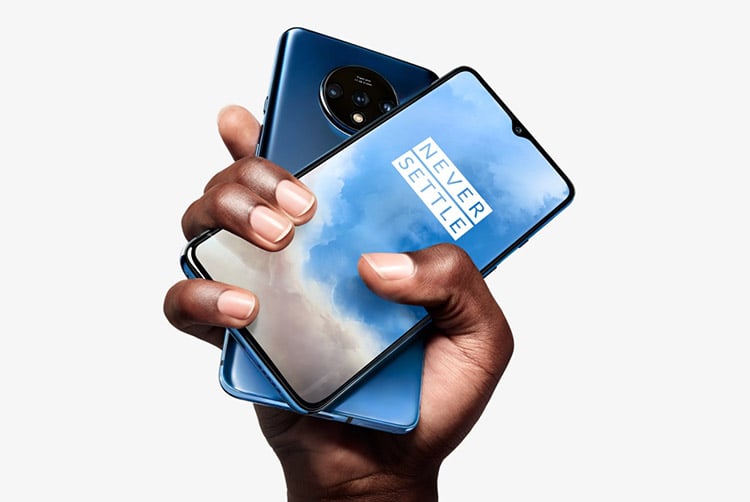
Last week, the OnePlus 7 / 7T series receivedOxygenOS Open Beta 14 / 4. Now, a week later, these handsets are receiving OxygenOS 10.3.3 / 10.0.11 stable update. Apart from May 2020 security patch, the new build also brings a number of new features and fixes to these devices.
The software build number for these handsets vary from each other due to region-specific features. Thus, we have listed the models with their respective builds for better understanding.
According to OnePlus, the latest update for theOnePlus 7 / 7T series optimizes volume adjustment, improves battery life, improves system stability, and also fixes general bugs.
Further, the update adds Dolby Atmos support for OnePlus Bullets Wireless Z along with lens stain detection. Additionally, the new stable update also brings Epic Games Store in Game Space (India only) and 960fps slow-motion video recording at 720p forOnePlus 7T series.
Anyway, here’s the official changelog for OxygenOS 0.3.3 / 10.0.11 stable update that is being rolled out to OnePlus 7 / 7T series worldwide.
System
OnePlus Bullets Wireless Z can now be integrated with Dolby Atmos for better sound quality
Optimized the volume adjustment to improve user experience
Improved the battery life user experience
Improved system stability and fixed general issues
Updated Android Security Patch to 2020.04
Camera
Supported the slow-motion recording at 720p at 960fps (7T series only)
Adding lens stain detection
Phone
Newly added Epic Games in Game Space (India only)
As with any OTA update, it is being rolled out in batches and hence, might take time to reach every unit.
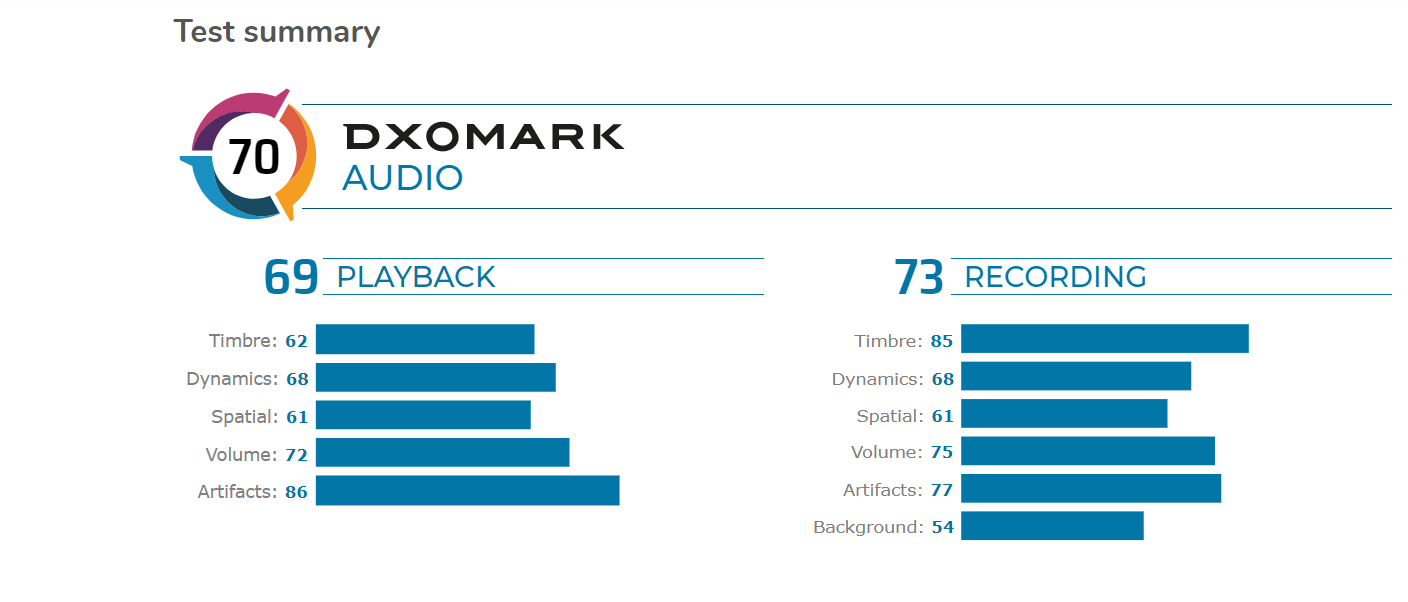
The Apple iPhone SE 2020 has just received its Audio scores from DxOMark, a known rating firm. It achieved 70 points in the testings, which is one of the best within the mid range segment the device targets.
With a score of 70, the iPhone SE 2020 is just below Apple iPhone 11 Pro Max, and iPhone 11 and right above the Dolby/AKG-boosted Samsung Galaxy S20 Ultra. This is indicative of the flagship level audio quality in a device targetted for the mid range segment. DxOMark used various testing methods and the firm’s review is generally seen as accurate within the industry.
Notably, the audio score iPhone SE 2020 received is only 1 point lower than Apple’s current flagship iPhone 11 series. This had the handset come in at the 7th position in the leaderboard for audio. The smartphone received a score of 69 for playback, with aspects like artifacts, volume, and dynamics receiving an impressive rating. Furthermore, it achieved a score of 73 recordings, in which timbre, volume, artifacts, and others that also received a good review.
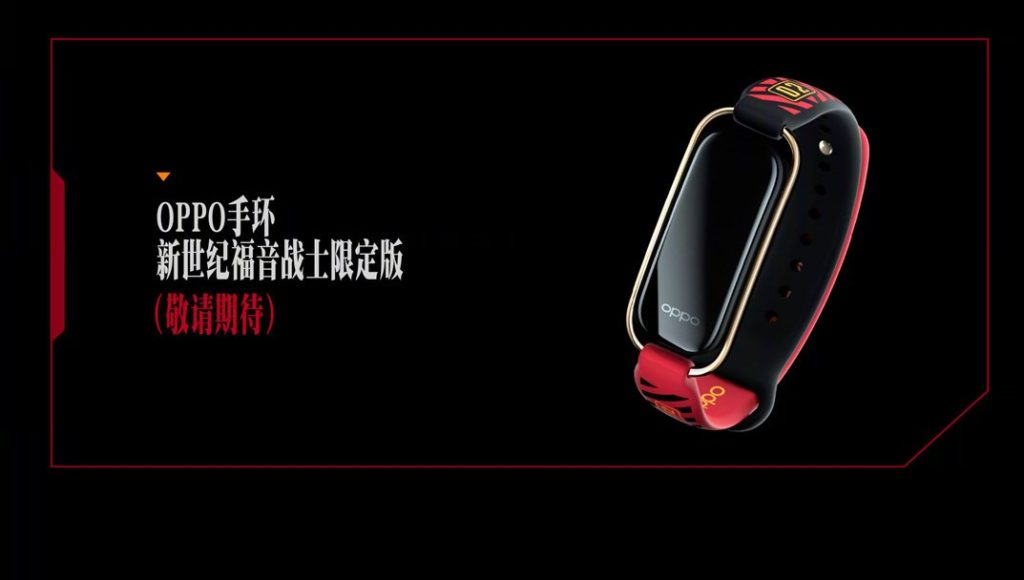
Oppo is celebrating the 25th anniversary of Neon Genesis Evangelion anime by launching a number of limited edition products. One of those accessories is Oppo Band EVA Limited Edition. I am sure you are surprised as me since there’s no regular Oppo Band, to begin with. So where did this come from?
Oppo has been lately making various accessories apart from smartphones. The Chinese tech company revealed its plans for launching AIoT devices last December at Oppo Innovation Day conference.
The company teased a smartwatch, AR Glasses, 5G CPE hub, TWS, and more. Some of these products are available for purchase. Interestingly, the brand has not mentioned anything about Oppo Band up until now.
The Oppo Band has now made its first appearance as an EVA Limited Edition accessory along with others. But since the company is yet to announce the regular version of this wearable officially, the price of the limited edition is kept under wraps.
According to some bloggers on Weibo, the Oppo Band could debut alongside the Reno 4 series whose launch date is yet to be announced by the company. That said, we can only confirm that it will feature a 2.5D curved display going by the render shared by the company.
Anyway, we expect the company to drop more teasers of Oppo Band in the coming days if it is indeed launching with Reno 4 series.
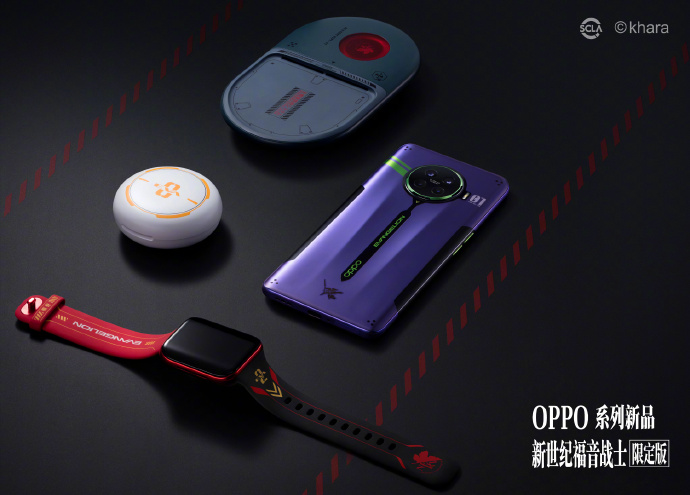
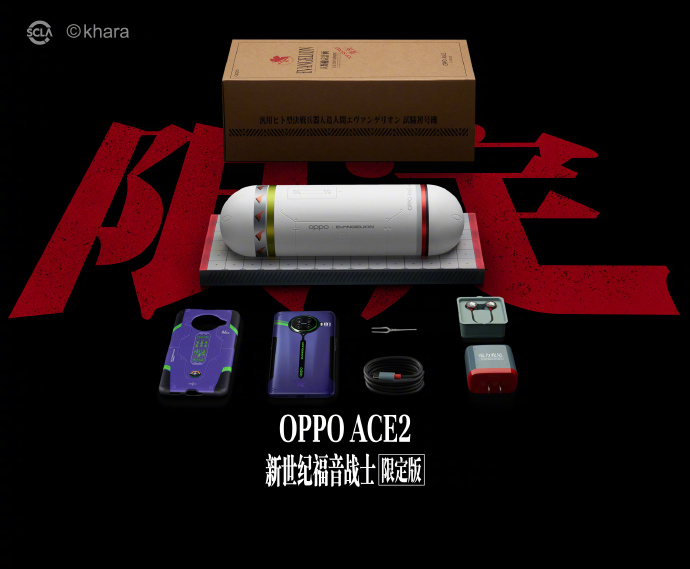
Oppo Ace2 EVA Edition has just been officially launched. The flagship smartphone has been released alongside 4 cool themed accessories, which are based around the iconic Anime series Neon Genesis Evangelion.
The Oppo Ace2 EVA Edition is basically identical to the original Ace2, but with a unique aesthetical design based around the anime. It features the iconic color scheme of the series’ EVA (giant man controlled mechas/robots) with a purple primary on top of which angular green stripes and branding are etched. This design is also mirrored in the protective case that is also offered alongside the handset. Notably, the box in which the smartphone arrives in is also an easter egg in the form of a white capsule.
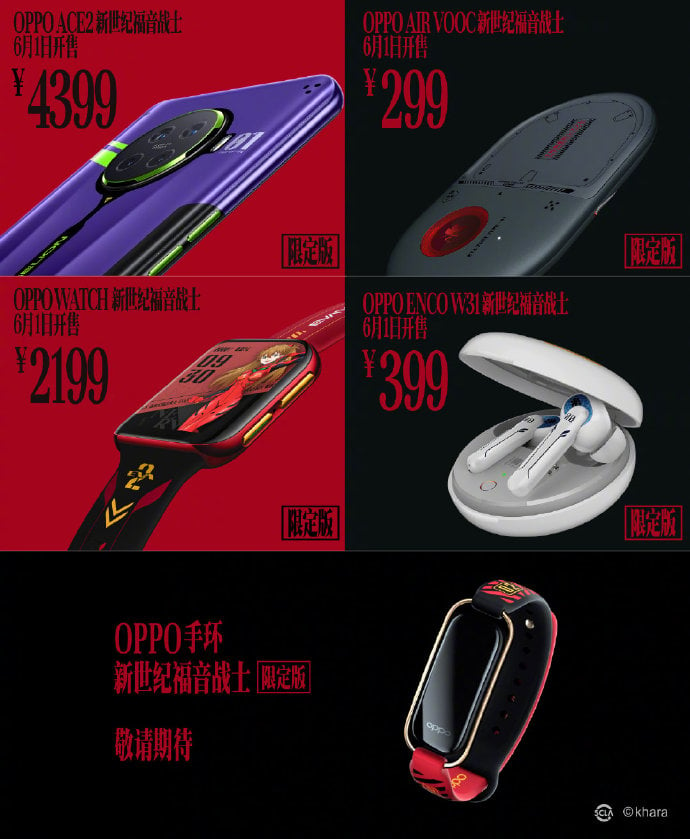
Alongside the smartphone, the Chinese tech giant is also offering a bunch of other limited edition peripherals. This includes an Enco W31 TWS earbuds, Oppo Air VOOC wireless charger, Oppo Watch, and a new Band as well. These products also feature unique aesthetics based around the show and are also available in limited quantities. The Oppo Ace2 EVA Edition is priced at 4,399 Yuan (roughly $614) and only has 10,000 units available.
The Oppo Enco W31 TWS earbuds will be available for 399 Yuan (roughly $55) while the Oppo Watch and Air VOOC Wireless Charger will go for 2,199 Yuan and 299 Yuan (roughly $307 and $41) respectively. The price for the new EVA themed Band has yet to be announced but for those interested, the entire lineup of EVA Edition products goes on sale on 1st June 2020 and you can click on the link here.
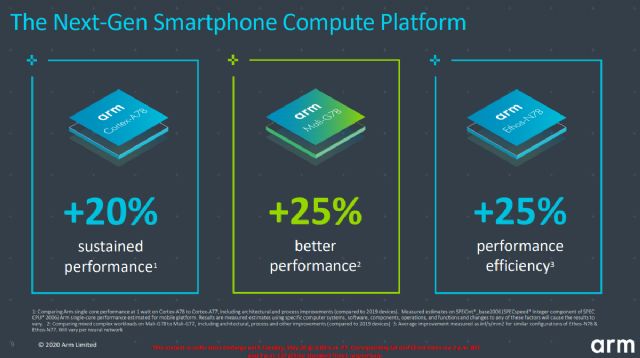
Samsung recently completed the post production for its upcoming 5nm chipset, Exynos 992. And now, reports from South Korea reveal that the mass production of the new 5G processor begins in August 2020 and will feature ARM’s latest Cortex-A78 cores and Mali G78 GPU.
The new cores and GPU technology is said to be more powerful and efficient than the previous generation’s Cortex-A77 cores and Mali-G77 GPU. ARM claimed that the new core generation will be 20 percent more energy efficient than its predecessors with a 25 percent bump in GPU performance as well. Unlike the Exynos 990, the Exynos 992 SoC is said to bring major upgrades over just minor improvements.
A notable improvement is the shift to the new 5nm fabrication process, which will be the company’s first. In comparison, Qualcomm’s current flagship mobile processor, the Snapdragon 865, uses a custom version of the ARM Cortex-A77 cores and Cortex-A55 for low power tasks. So we can expect the Exynos 992 SoC to rival the Snapdragon 865 Plus, which may launch later this year.
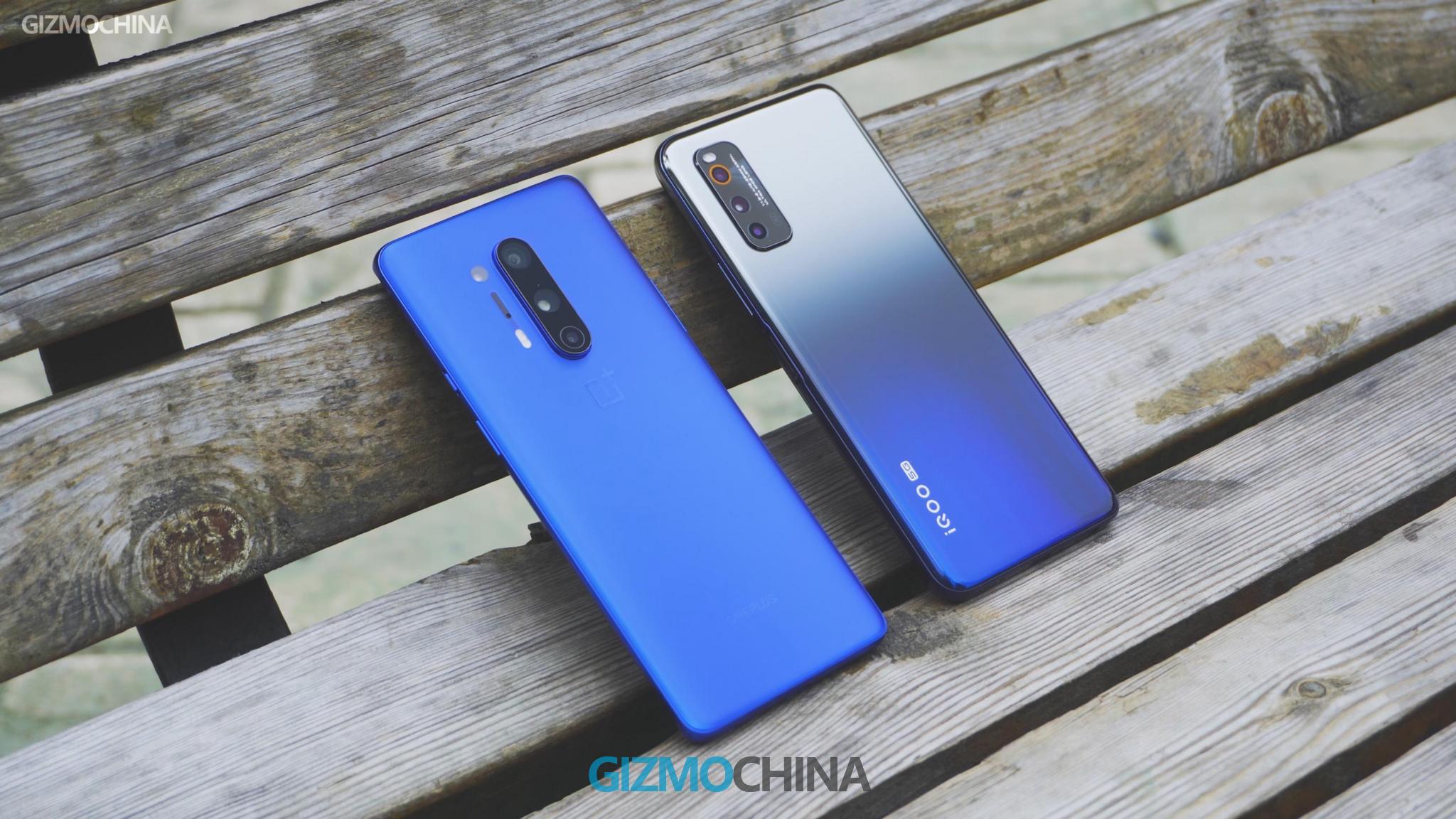
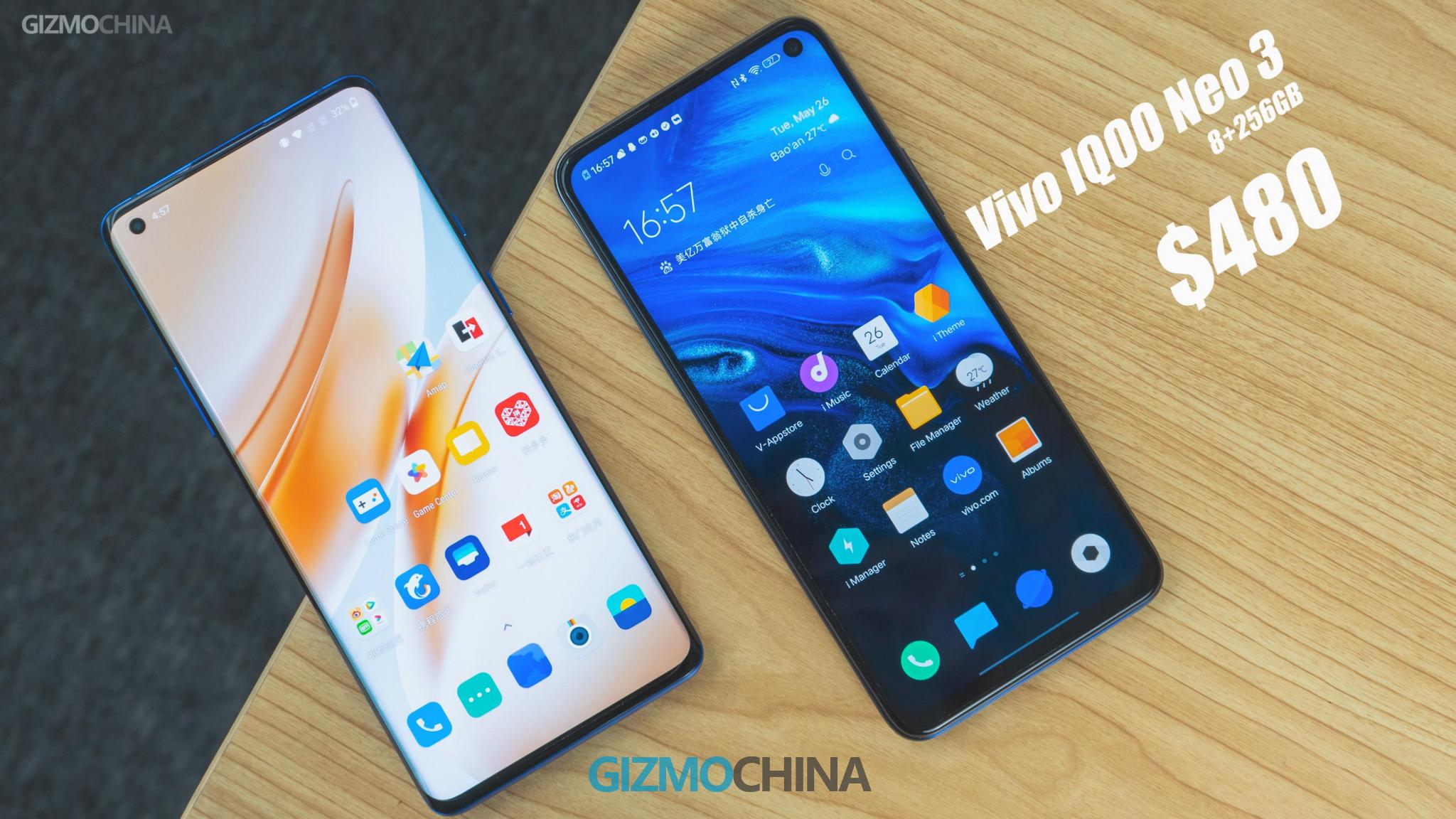
In the last review, we compared the cameras on the OnePlus 8 Pro vs Huawei P40 Pro. This time let’s take a closer look at gaming on the OnePlus 8 Pro. And for this, we pit the OnePlus 8 Pro vs iQOO Neo 3.
The latest iQOO Neo 3 is a really cost-effective gaming phone. Even if you consider the top-end version, it only costs around 480 USD. Compared to the OnePlus 8 Pro’s price tag starting from 899 USD, I think it’s worth looking at the performance of both the devices in terms of gaming. The price difference is huge and if you are looking for a high-end gaming smartphone, it’s worth checking out if the affordable iQOO Neo 3 can be as good as the top-end players.
OnePlus 8 Pro vs iQOO Neo 3: Display
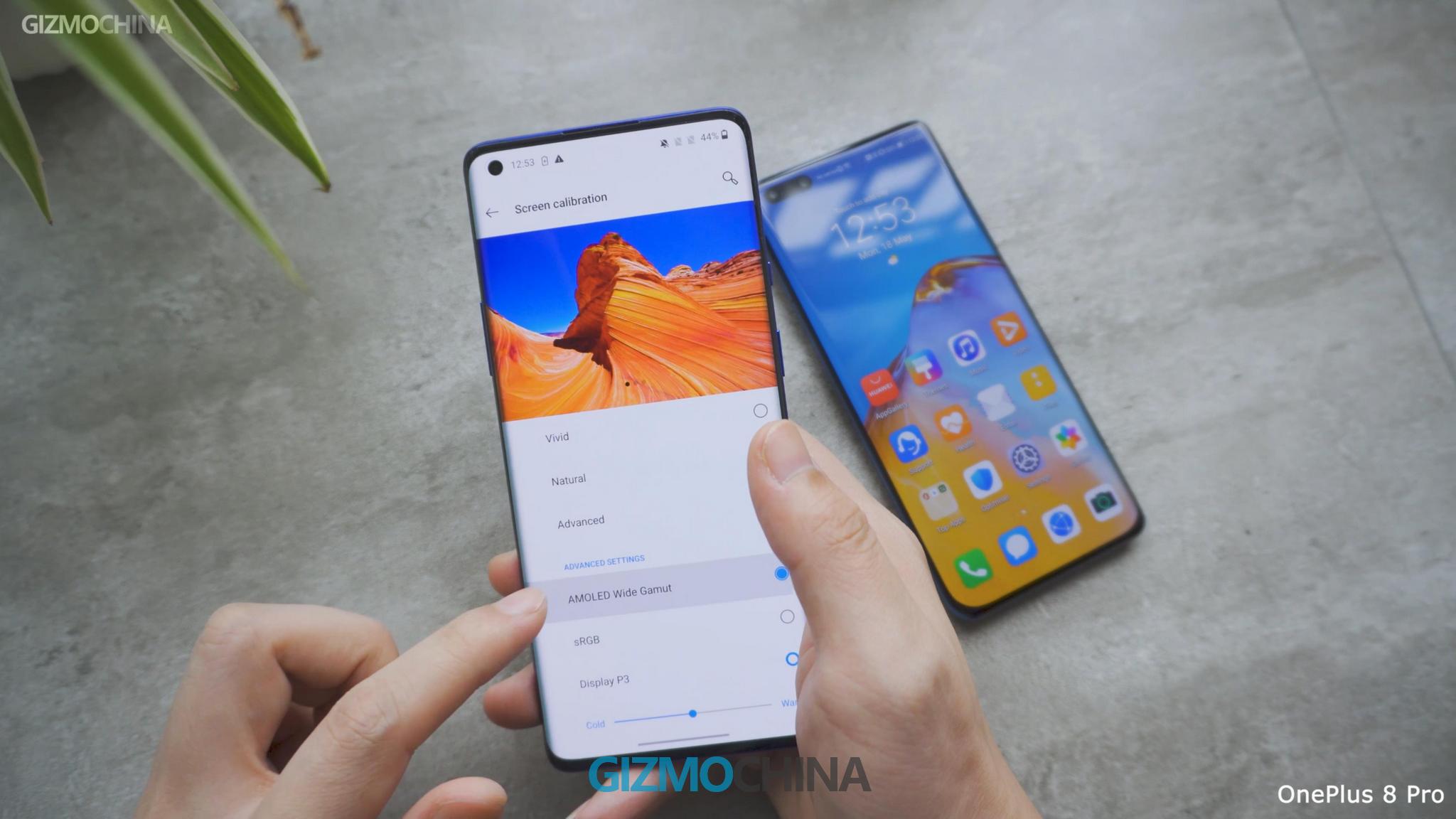
Let’s start with their displays. For the OnePlus 8 Pro, the 6.78-inch display is pretty amazing just like we saw in the last video. This customized Samsung Super AMOLED display features up to 120Hz refresh rate with 2k resolution, which is already better than most current smartphone displays. In addition to this, OnePlus continues the excellent tuning of its displays including high color accuracy under different color modes.
The tested result of delta E is even lower than 1 in the standard mode, making it one of the best smartphone displays in the market right now. But it’s not just about right color tuning, the phone’s display is also able to boost its peak brightness under strong sunlight. OnePlus also developed a video frame interpolation technology (you can read more about MEMC tech here) for playing videos in specific apps and included players, which used to be applied on some high-end TV sets for smoother video output, adapting to the high-refresh-rate display.
While, for iQOO Neo 3, the 6.57-inch display amazingly supports up to 144Hz refresh rate. In the last few weeks, we saw just how useful the 144Hz display of Red Magic 5G is for improving gaming experience and system fluency. And this time, iQOO has given us an even cheaper model with the same quality display. But compared to the OnePlus 8 Pro, the display gap between 120Hz and 144Hz is hard to perceive.
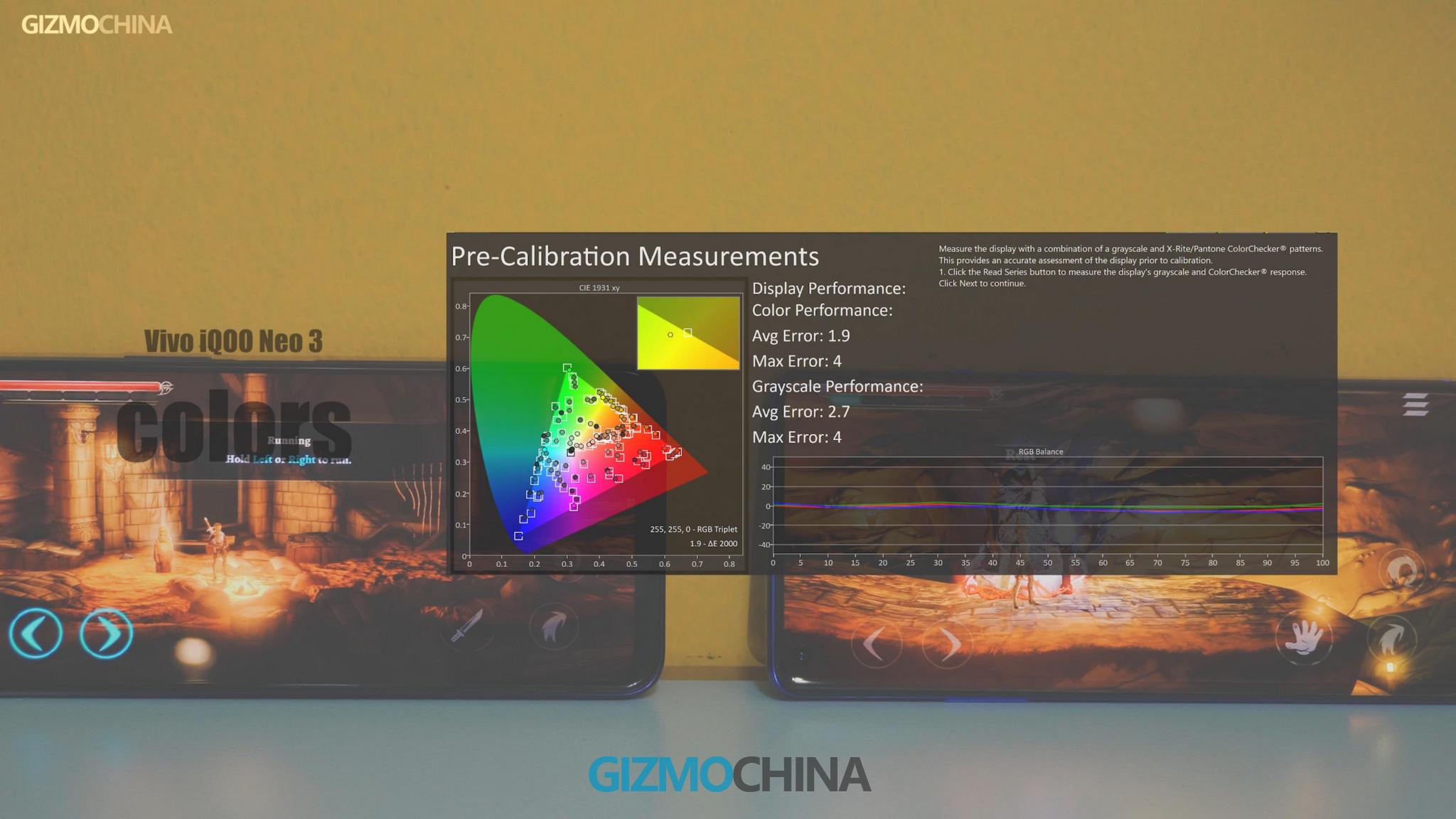
Meanwhile, it’s important to note that iQOO Neo 3 comes with an LCD 1080P display, which forces it to use a side fingerprint-reader. Although it responds fast enough, the in-screen fingerprint reader of the OnePlus 8 Pro provides a more comfortable user experience besides being fast. As for the display colors, although it’s not as accurate as the OnePlus 8 Pro, the standard mode delta E also gets a pretty decent score at 1.9. But when we switch to the default mode, the number rises to 3.8. As for the gaming experience, there is no doubt that OnePlus will have a better visual experience.
By the way, the front cameras are pretty small, so it doesn’t take up a lot of the display space. It is also worth adding that the iQOO model can be a fingerprint magnet if you remove the screen protector because it doesn’t have an oleophobic coating on the display, unlike the OnePlus 8 Pro.
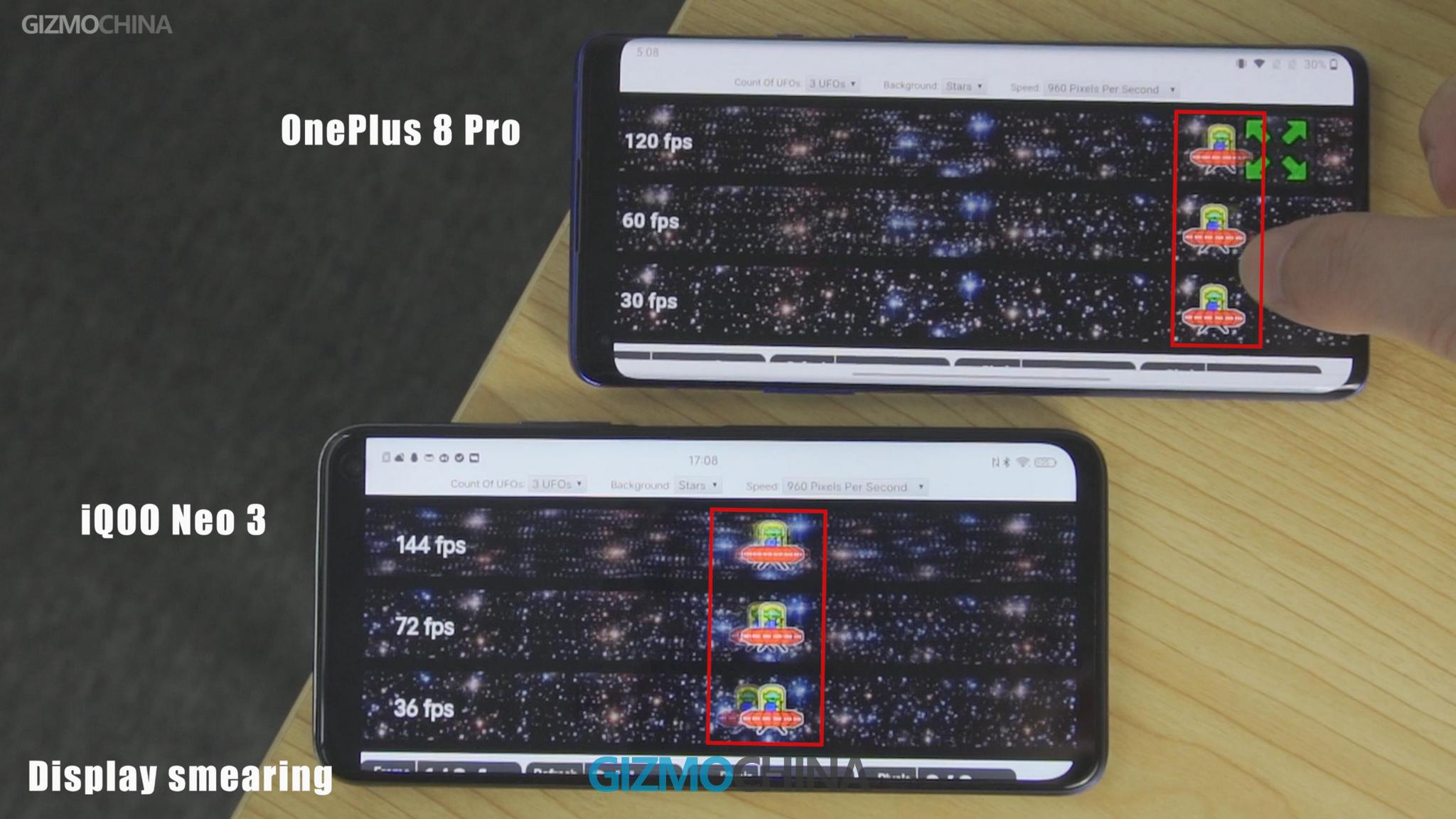
I would also like to add that despite having a higher refresh rate, the iQOO Neo 3 isn’t unsusceptible to display smearing. As you can see here in this image (or check the review video at the start of this article), the display on the iQOO models smears a bit. So the OnePlus 8 Pro does a better job in the display department.
In addition to better visuals, gamers should also be interested in the sound output of a smartphone during gaming. Both phones come with dual speakers for creating stereo audio. But here we would like to give credit to the OnePlus 8 Pro, it sounds much better, no matter for music or gaming. But the Neo 3 has 3.5mm earphone jack, so if you are going to take the Neo 3, make sure to use your wired headphone to experience better sound quality.
OnePlus 8 Pro vs iQOO Neo 3: Benchmark Performance
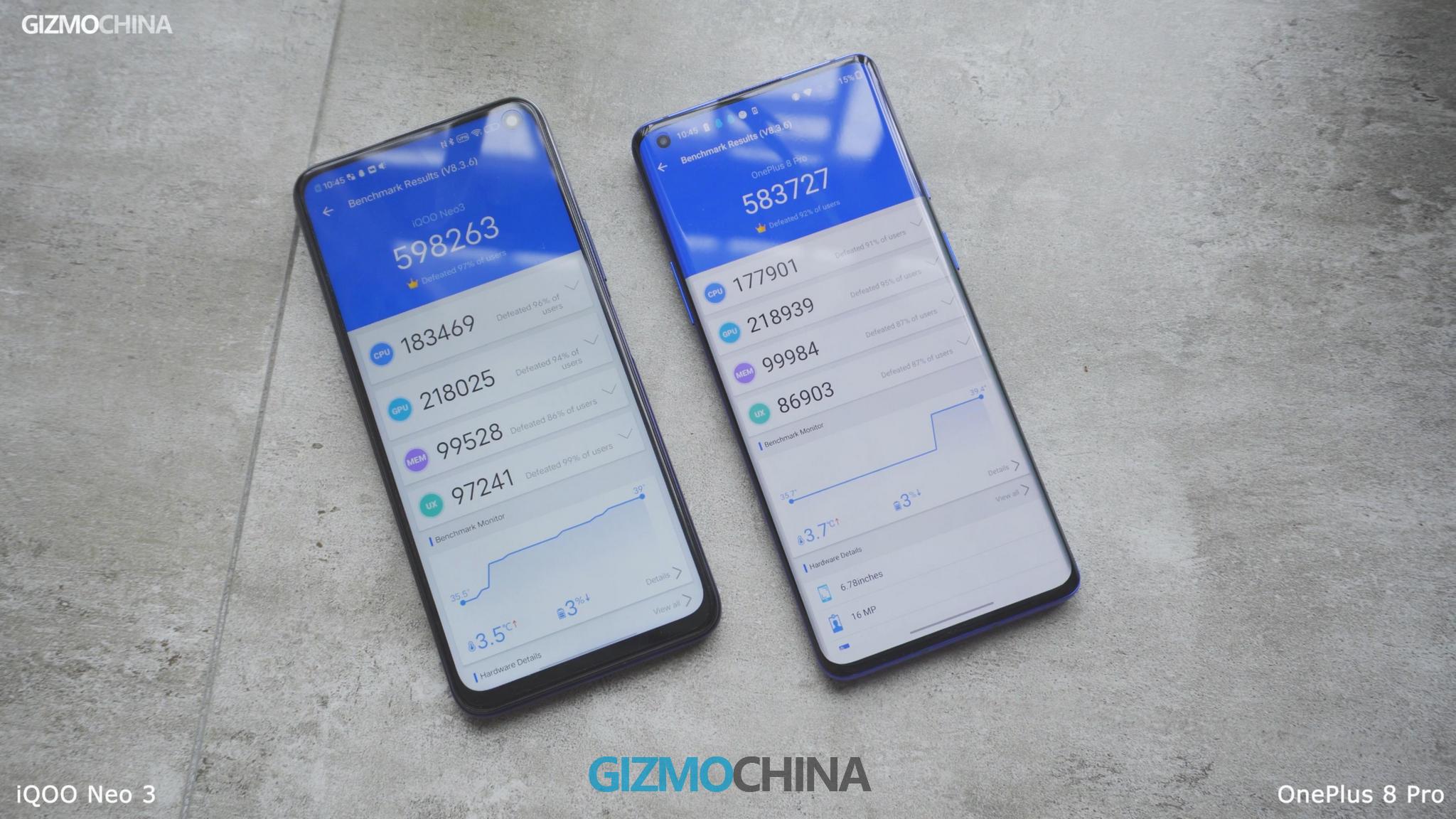
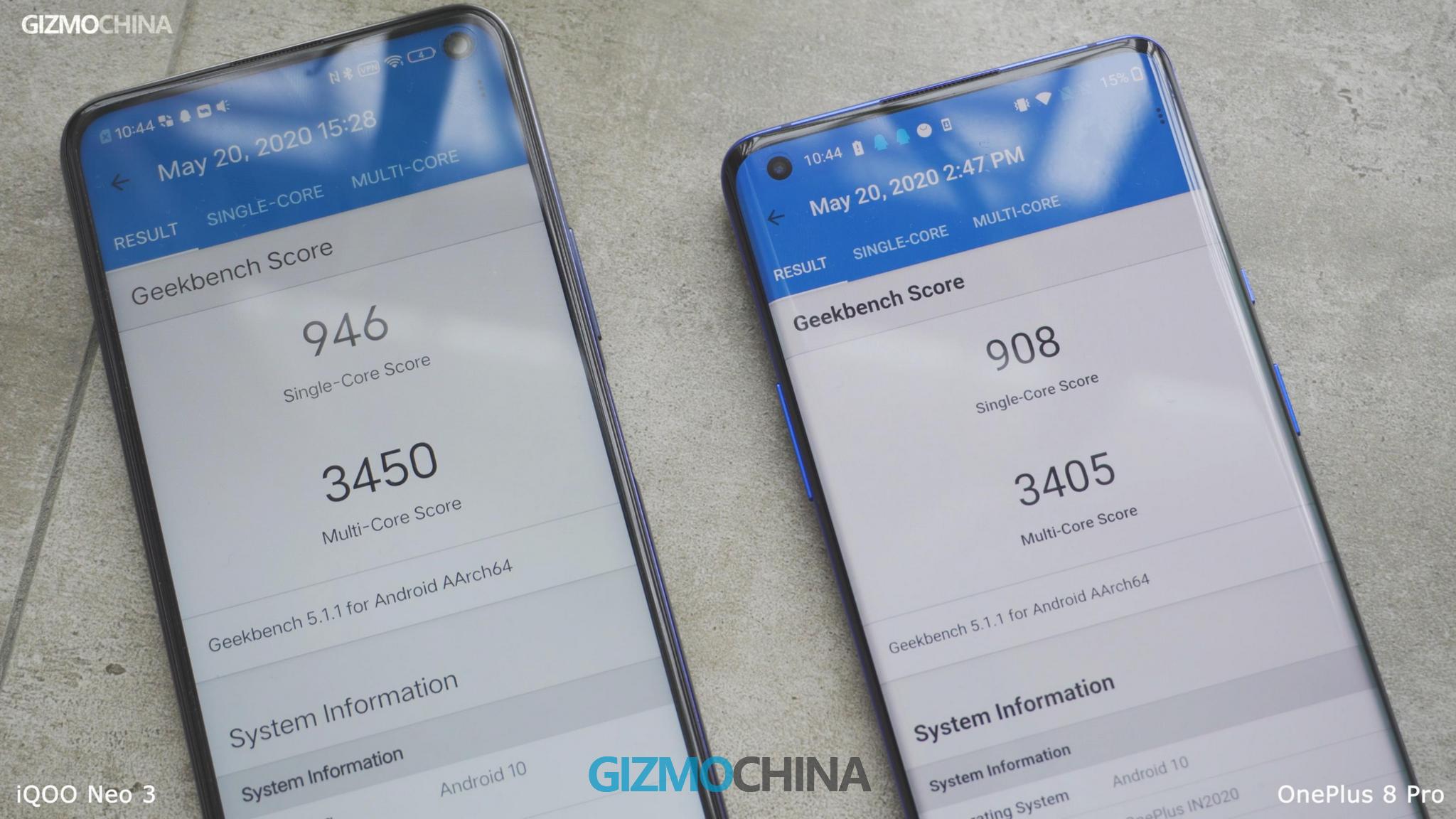
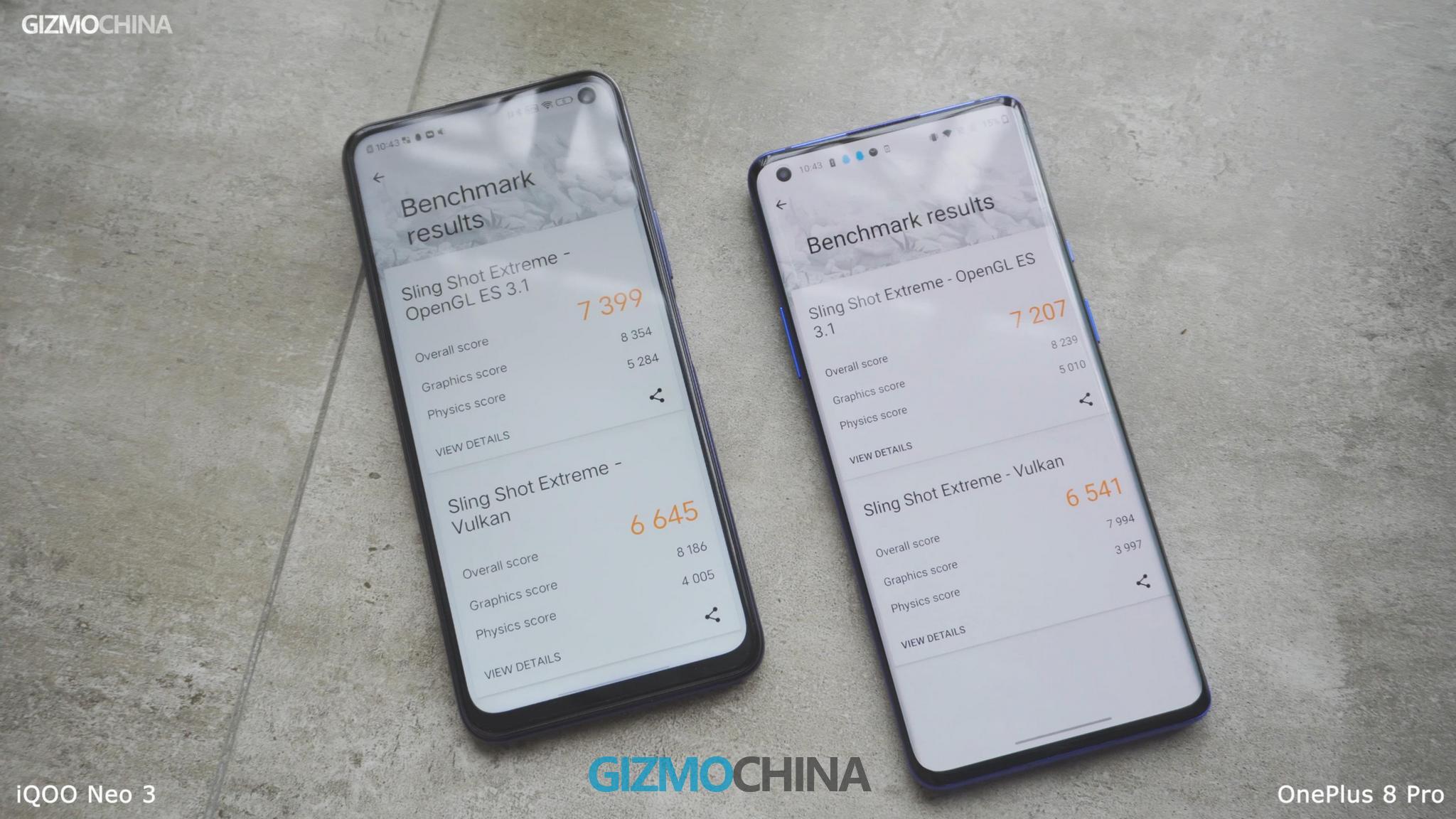
Before we move on to the actual gaming test, let’s run some typical benchmark apps. In 3Dmark, the iQOO Neo 3 takes the lead and the result is closer to Redmagic 5G that we’ve tested before. And 7207 point for the OnePlus 8 Pro was also good enough for a Snapdragon-865 model. And the results in Geekbench 5 is similar to what we got in 3Dmark. The iQOO model still takes the lead in both single-core and multi-core test but there is a small gap between them. In the Antutu benchmark, the overall score of the Neo 3 is also a bit higher than the OnePlus 8 Pro but the GPU test tells us there should be a very small gap in their gaming performance.
1 of 3
But are they really close to each other when we actually play games? Of course not.
OnePlus 8 Pro vs iQOO Neo 3: Gaming
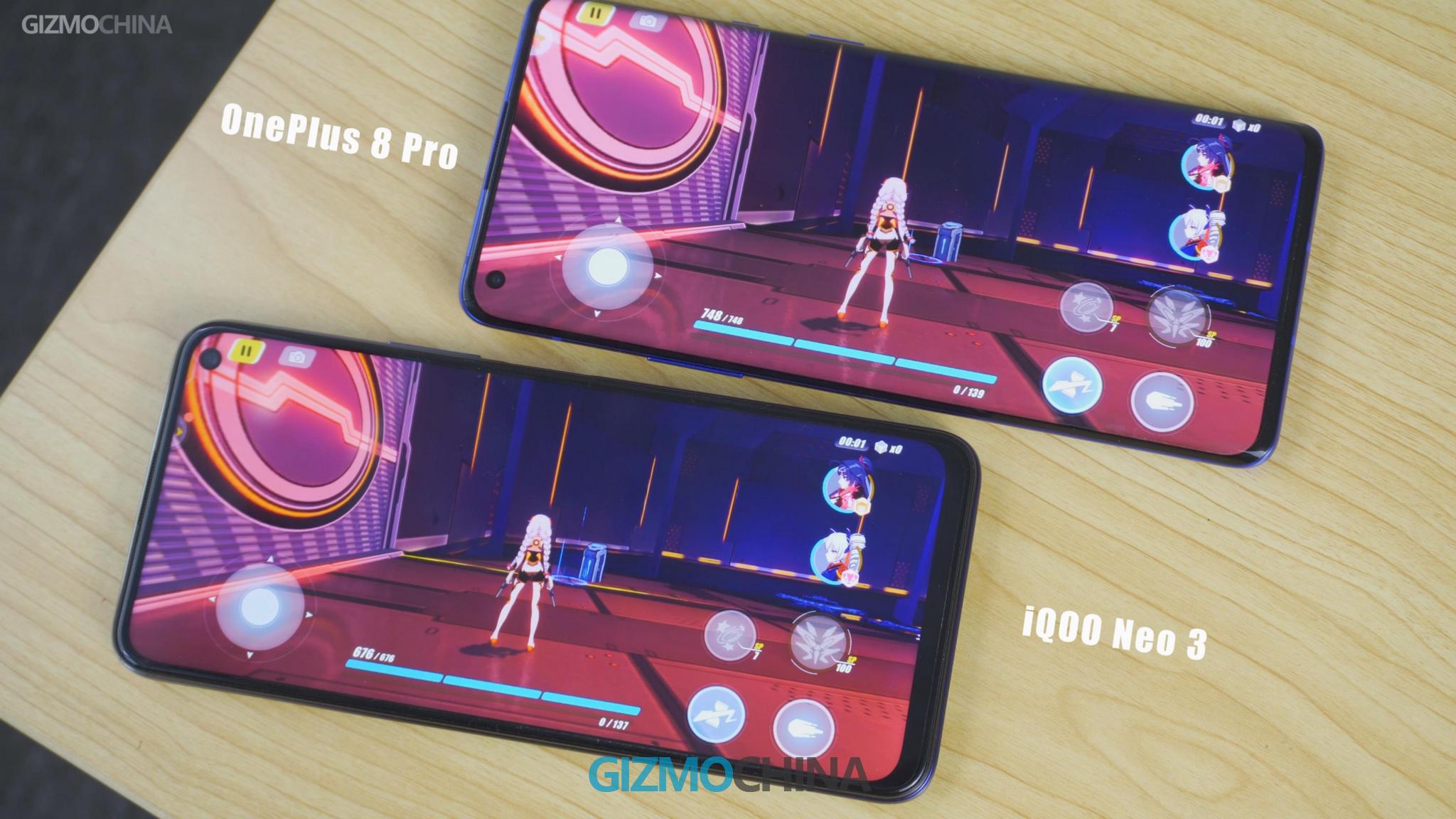
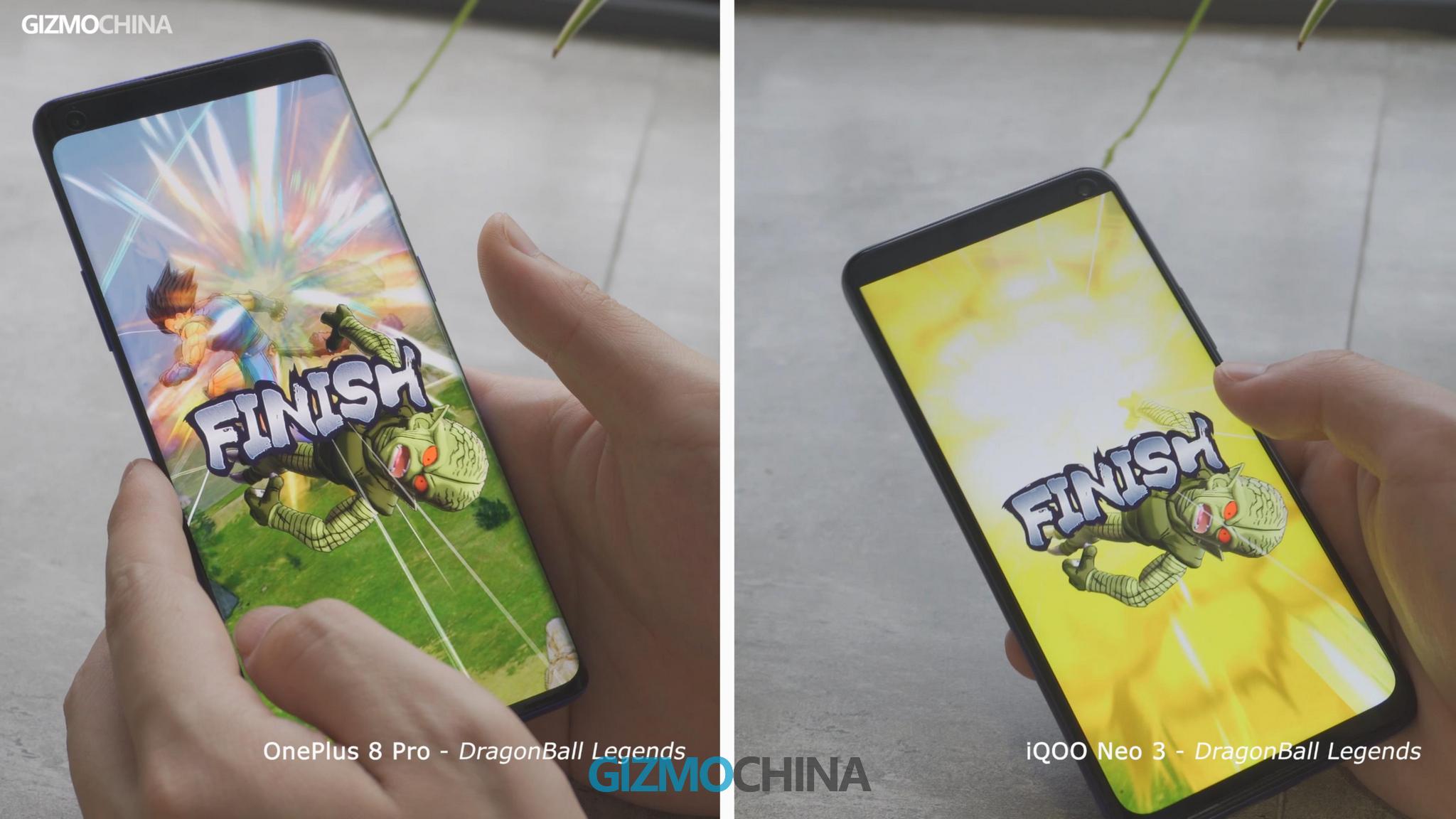
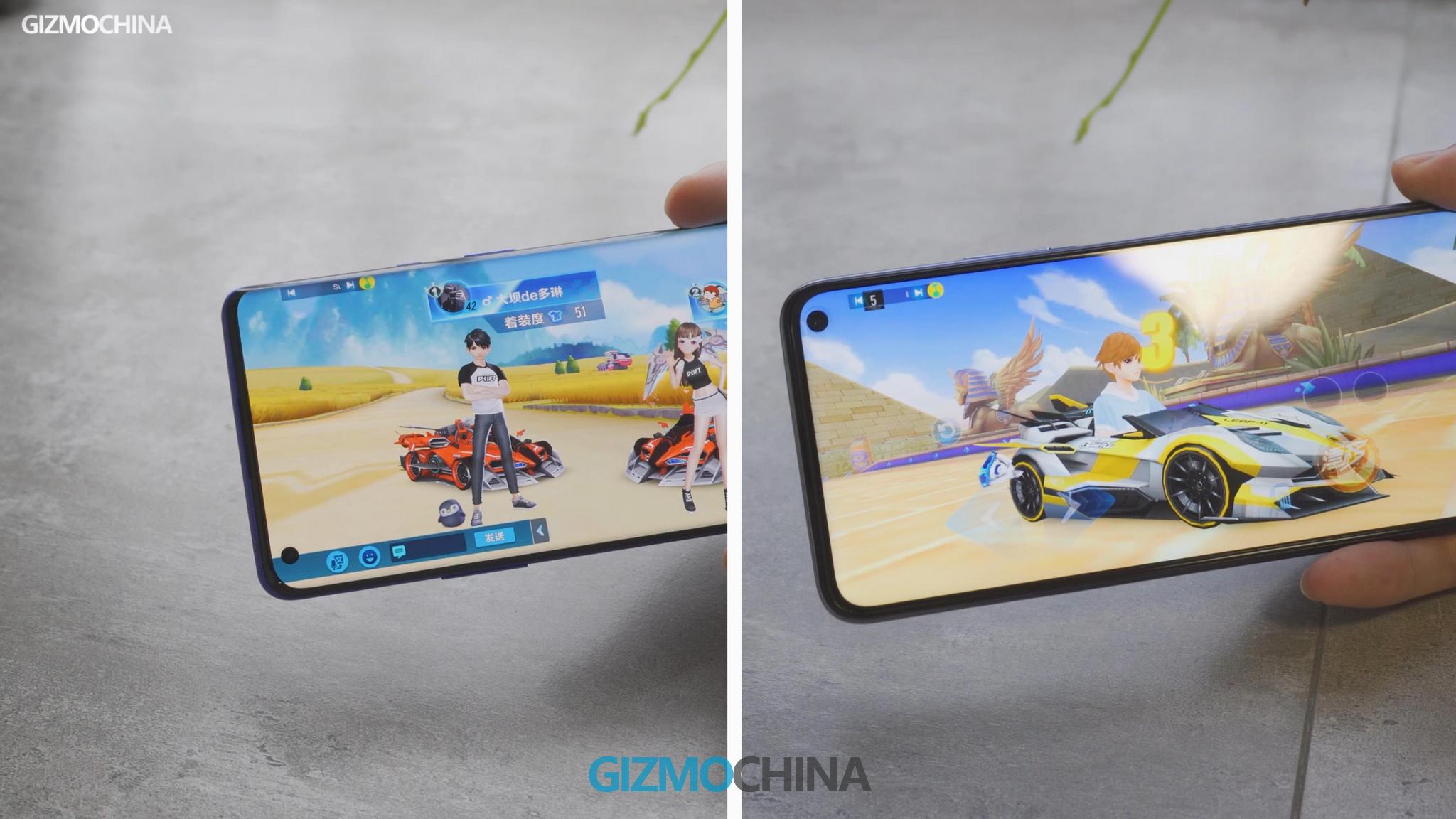
In the actual gaming test, the better display quality of the OnePlus 8 Pro will naturally provide better image quality including better resolution and better colors. So when it comes to gameplay, it was really fun to play games on the OnePlus 8 Pro.
When you consider Android games supporting high framerates like 120fps or even higher, all I can tell you is that there are only a few popular games that allow you to fully use the highest frame rate, whether its the OnePlus 8 Pro or the iQOO Neo 3.
Maybe you’ve already seen a list of 120fps android games on the internet. Then I have to say the list does not hold true for all high-refresh-rate smartphones – at least according to our test. The games mentioned in most lists were only able to run high at framerate on the iPad. We tested so many games on the list on both these phones, but hardly any game performed over 60fps.
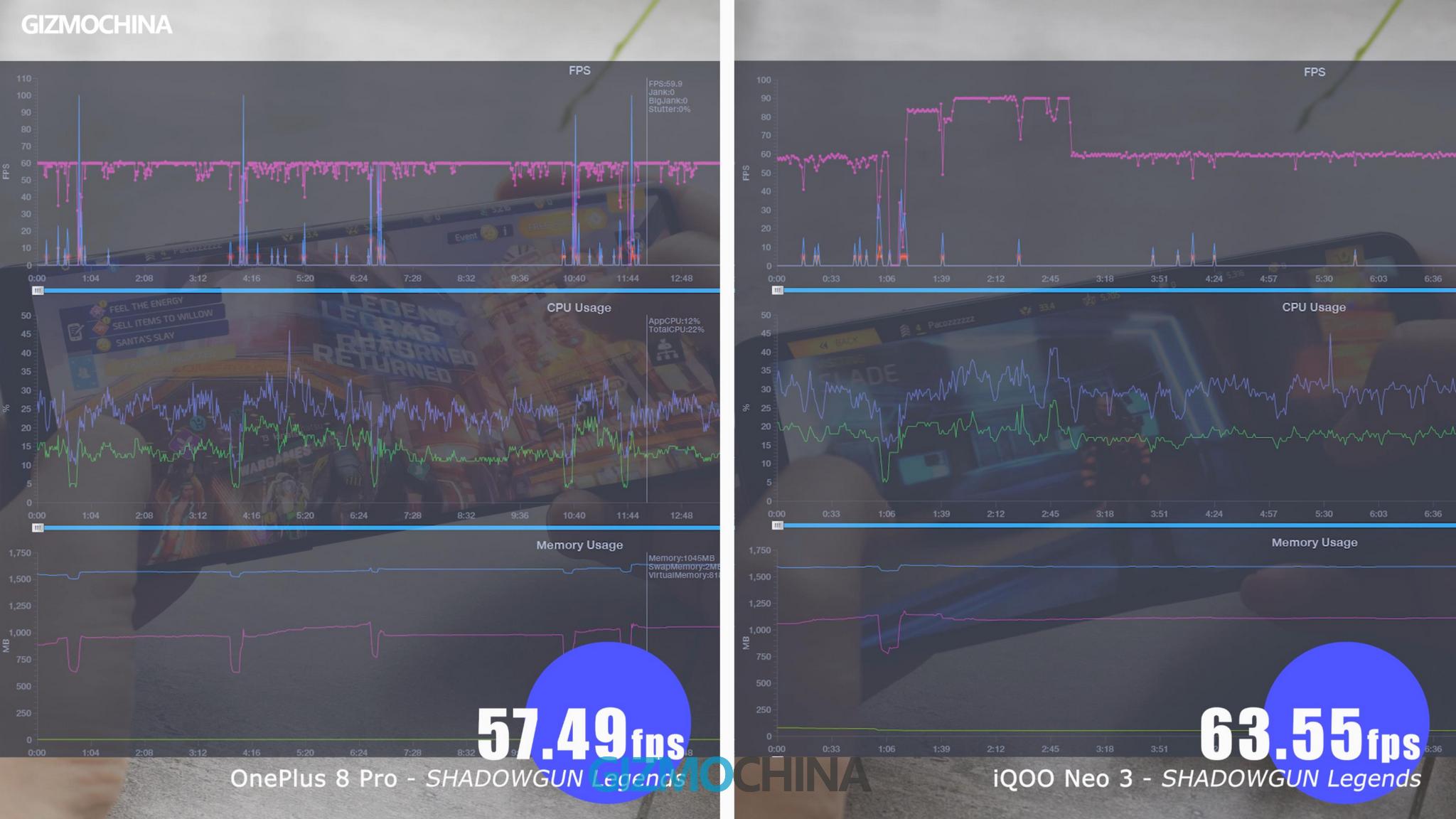
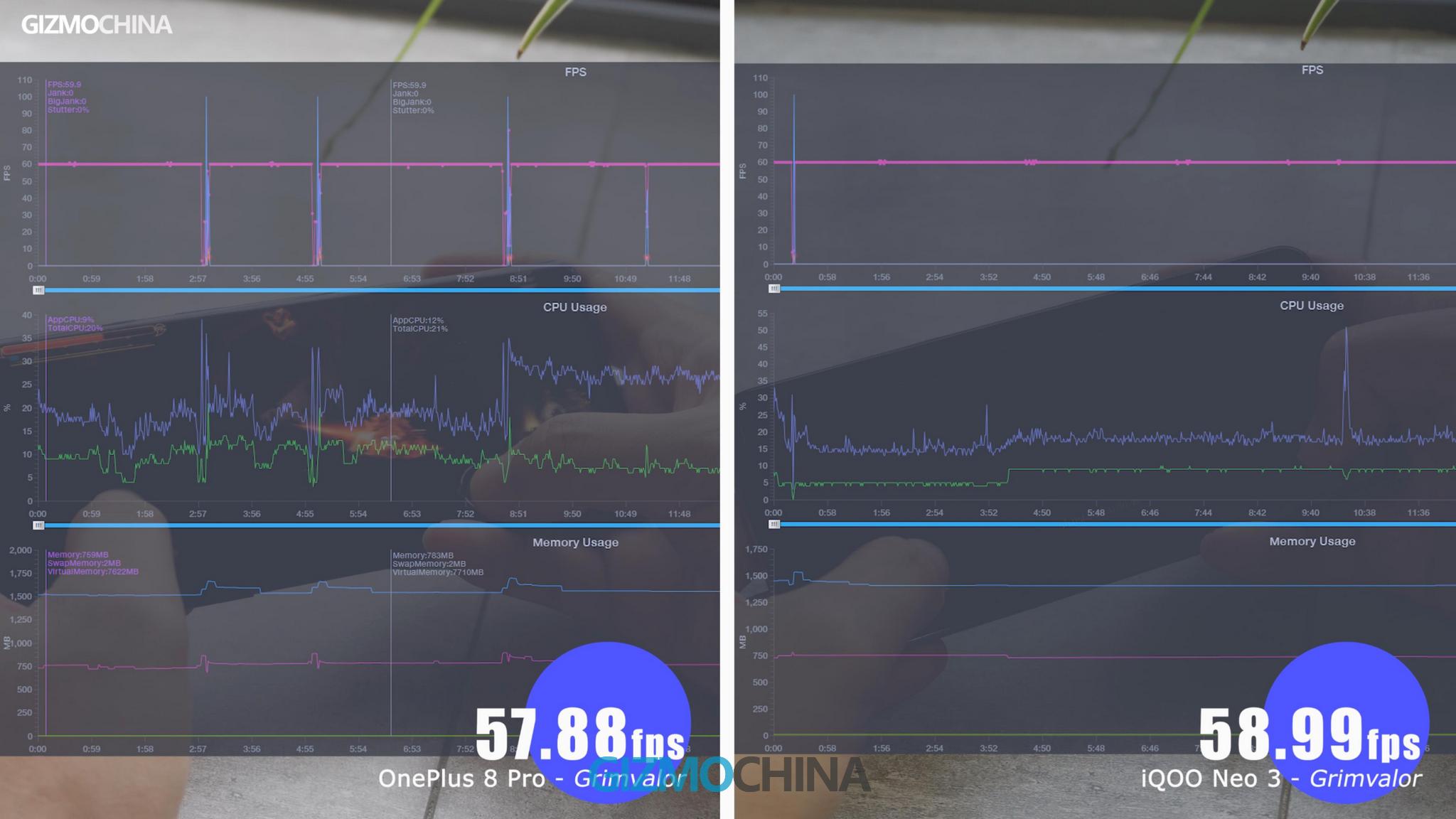
On almost all games, the OnePlus model with snapdragon 865 handled graphics very well and was able to stably maintain 60 fps framerate. On the other hand, the iQOO Neo 3 sometimes was able to have up to 90fps framerate in certain games. For example, in shadow-gun legends, the Neo 3 could peak at 90fps over a short period but suddenly fell down to 60fps level. It seems that iQOO Neo 3’s system would allocate the CPU resources according to the phone temperature automatically. But we checked the CPU temperature and the hand-perceived heat and confirmed that it wasn’t really very high for the phone to throttle the CPU performance. So it was surprising to see the performance drop down on the iQOO Neo3 even without a significant rise in temperature.
1 of 5
OnePlus 8 Pro vs iQOO Neo 3 gaming
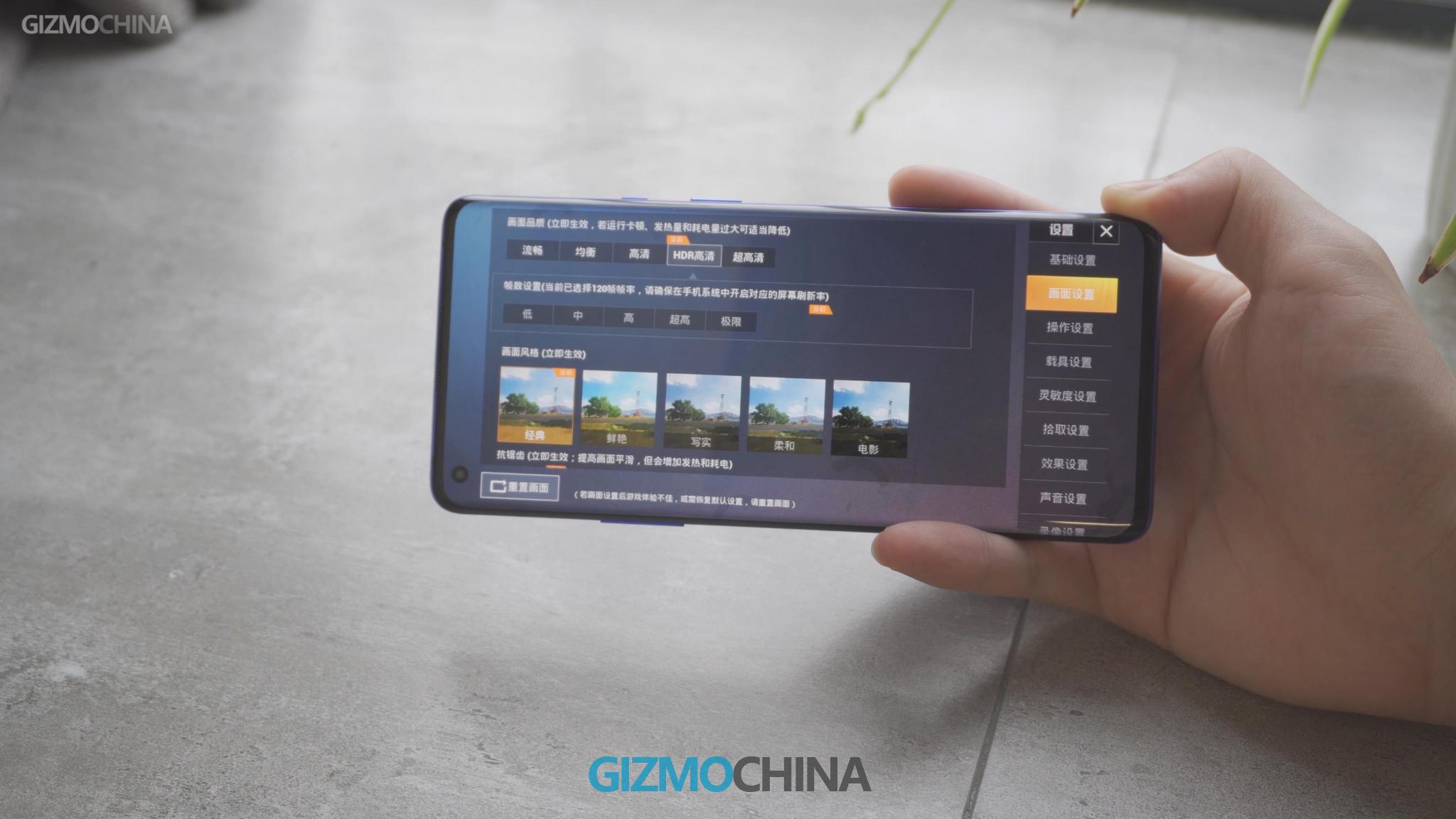
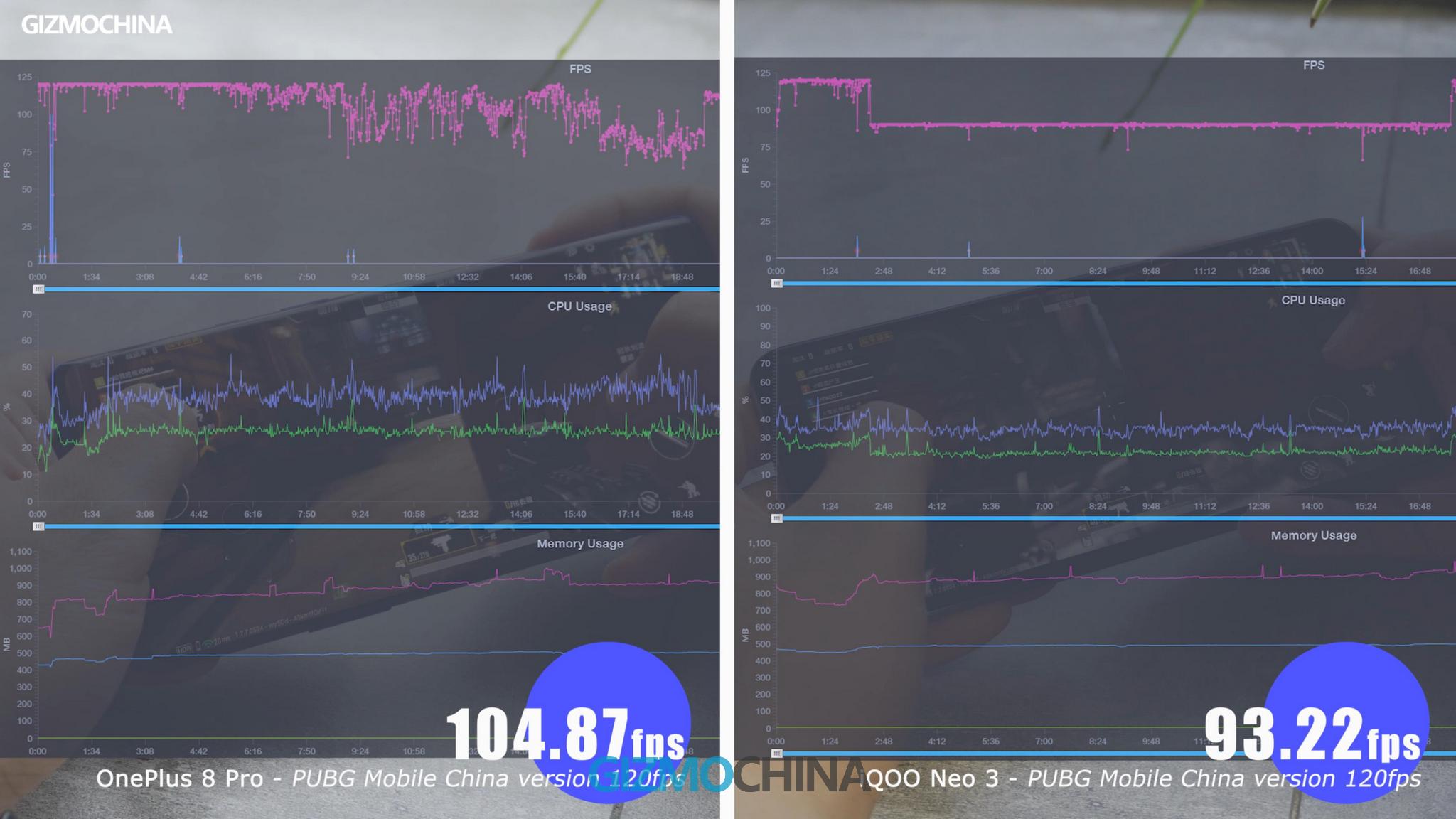
And then we tested running the PUBG Mobile China version where we applied the highest graphic settings including HDR quality and 120fps mode on these two models. In the 30-min gaming test, the iQOO Neo 3 still got the problem of framerate reduction. The strategy used by the Neo 3 is more likely to maintain a stable framerate over a period while controlling the temperature well. So overall, although it could peak at 120fps, the average framerate for the Neo 3 only remained at 93.2fps. For the OnePlus 8 Pro, the result was better than expected. Though it fluctuated a lot during combat, the average framerate still remained at 104.9fps.
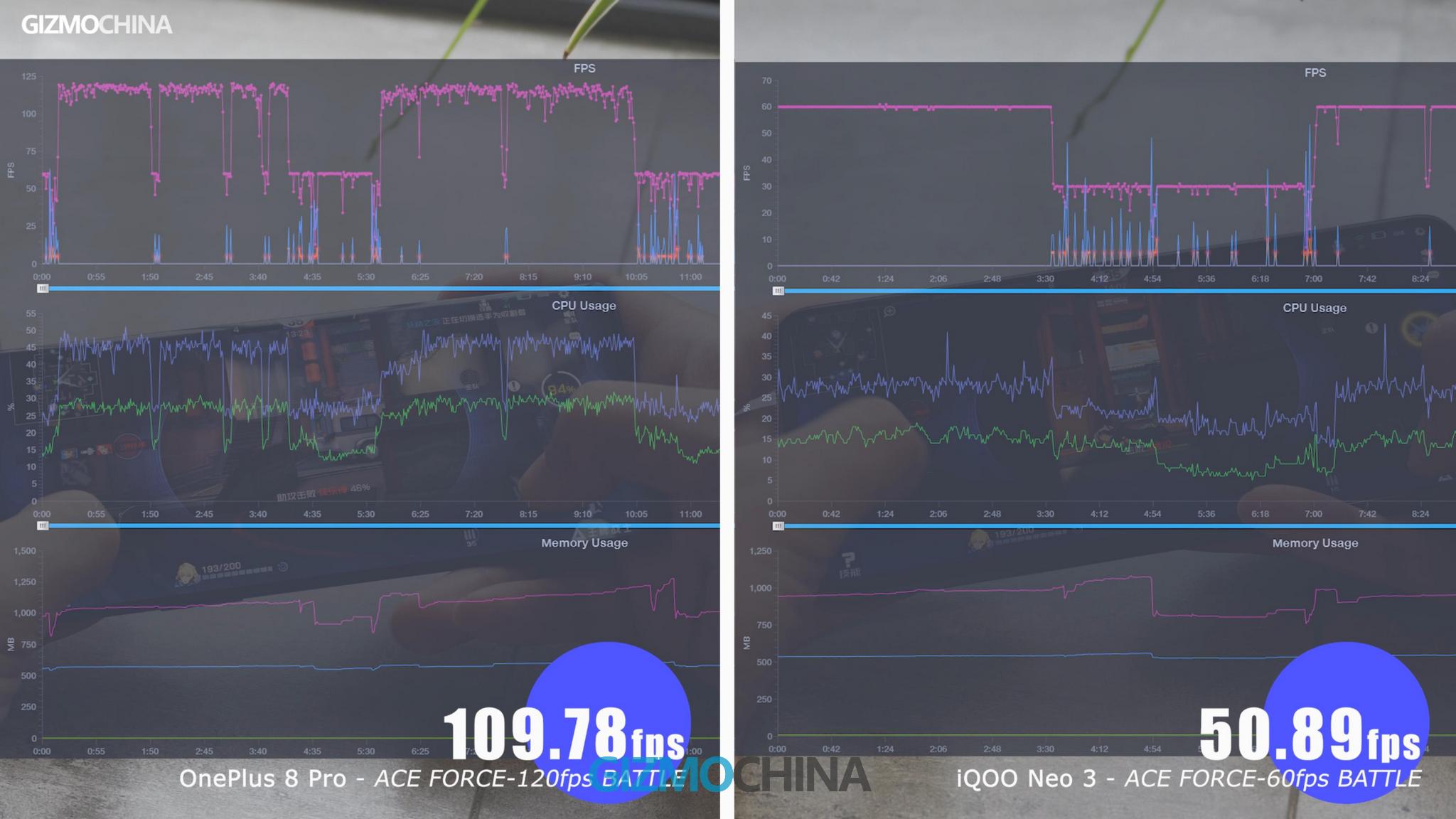
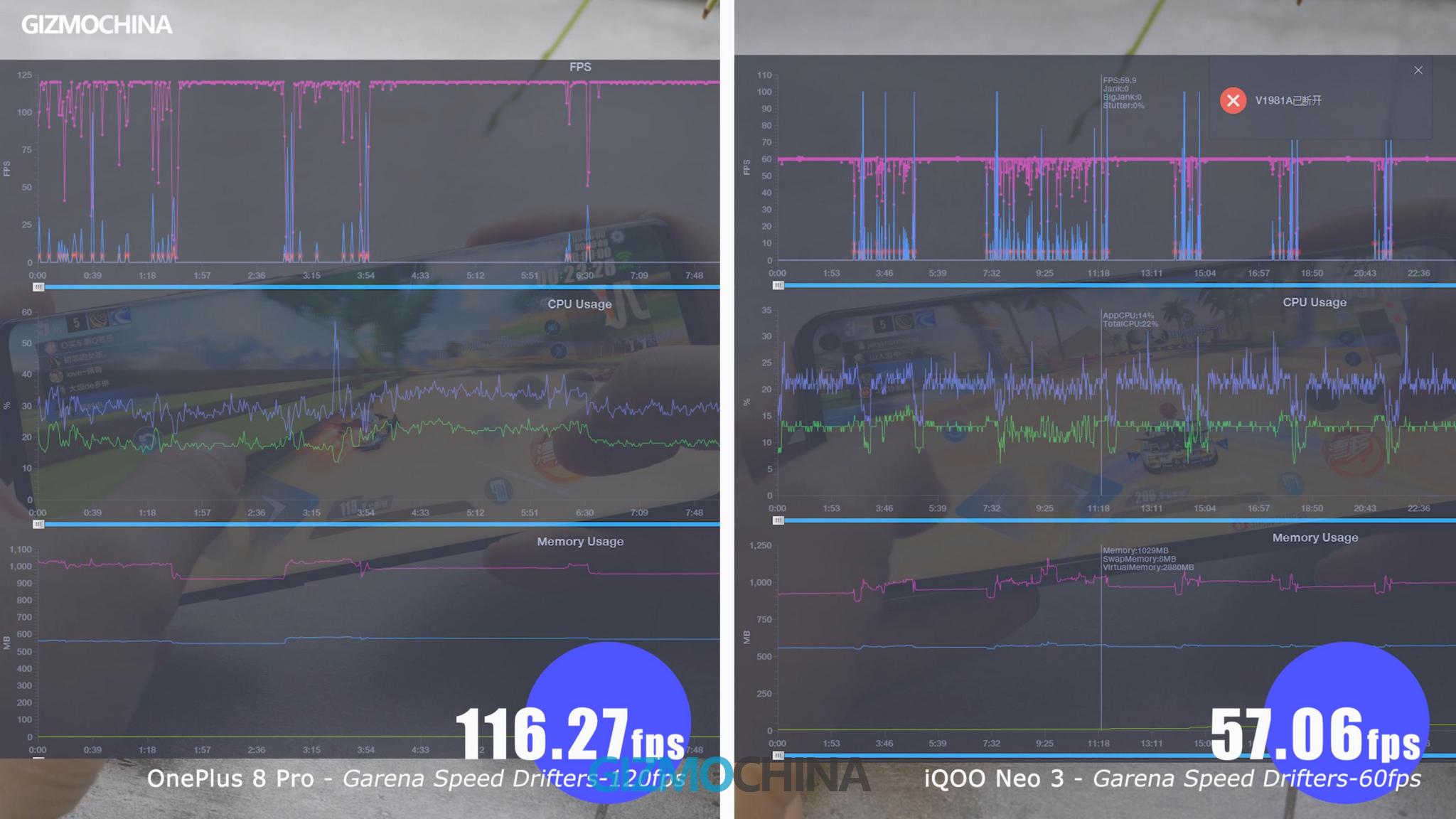
And for OnePlus 8 Pro, there are two more Chinese games supporting 120fps. One is called Garena Speed Drifters, another one is Ace force. But neither of them is available on the Google Play store. For Garena Speed Drifters, the 8 Pro ran at an average of 116fps, but the game did not support high framerate for the Neo 3, so it only ran at 57fps on it. The FPS game Ace force, which is very similar to the PC game overwatch, could run at 109.8fps on the OnePlus 8 Pro, but only run at 58.95fps on the Neo 3 due to the framerate limitation. Note that now the OnePlus 8 and 8 Pro can both run Fornite at 90fps!
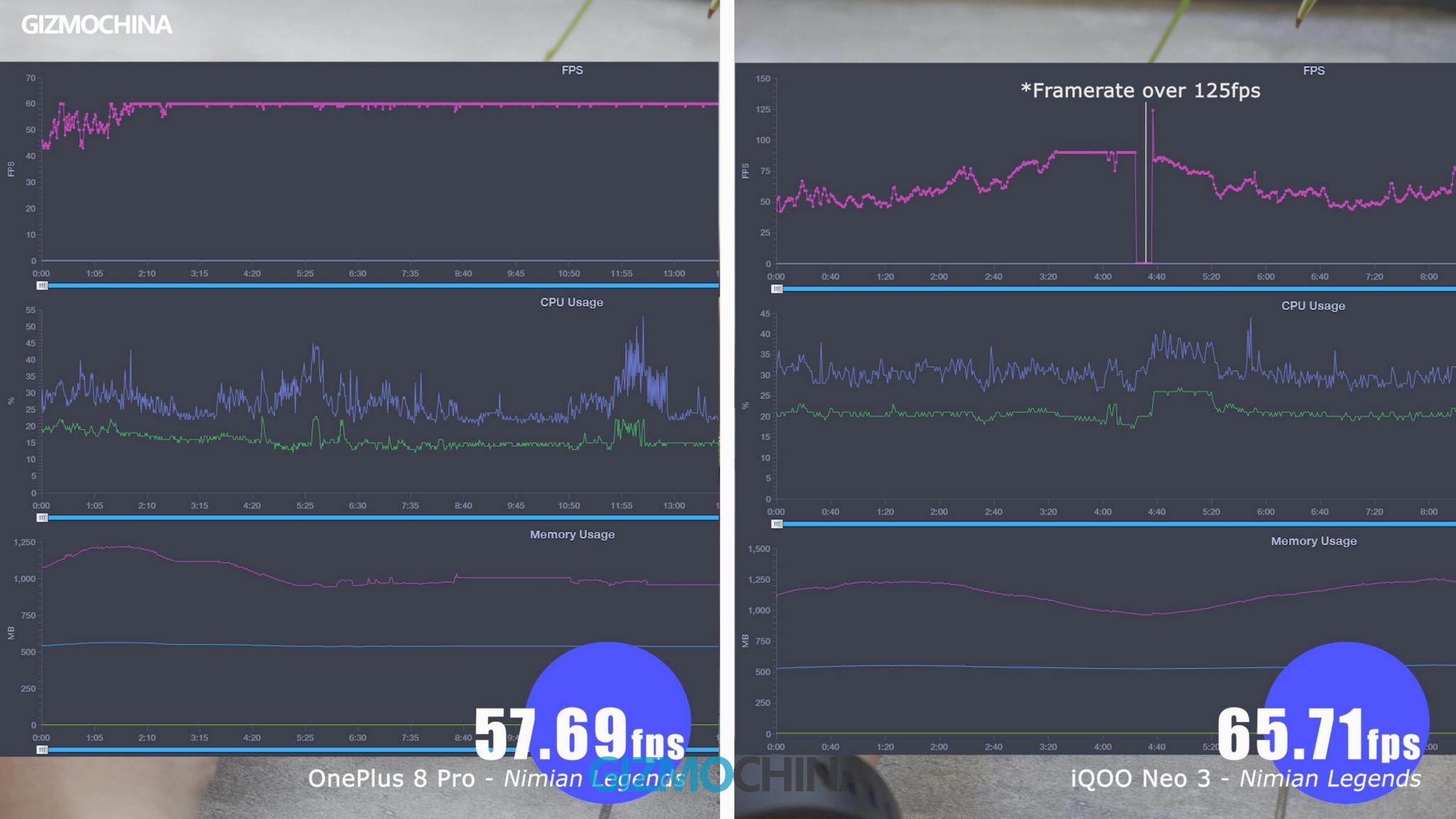
And in the end, we did the stress test with the Nimian Legend. The Neo 3 was able to peak at 144fps framerate under simple scenarios and run at an average of 65.7fps, while the OnePlus 8 Pro met with frame limitation again and ran at 60fps maximum framerate. But the average framerate wasn’t bad at 57.7fps.
So there are still a lot of obstacles to pursue high framerate gaming experience on Android phones. Whether its 144Hz on the Neo 3 or the 120Hz on the OnePlus 8 Pro, both phones couldn’t fully unleash their power of the excellent displays and SOCs. It seems that game developers and phone manufacturers haven’t come to an agreement to provide the best mobile gaming experience for users yet in most games.
Although the OnePlus model achieved better performance in certain optimized games that were customized for higher framerate for the OnePlus 8 Pro, most of them were not available for global users. And the occasional heating issue on the OnePlus 8 Pro is also a negative factor for hardcore gamers.
As for iQOO Neo 3, the problem is more complicated. It often automatically cut down the performance to cool down the CPU. While this helped the phone stay cool most of the time, we also lost gaming performance as a result.
OnePlus 8 Pro vs iQOO Neo 3: Battery Life & Charging
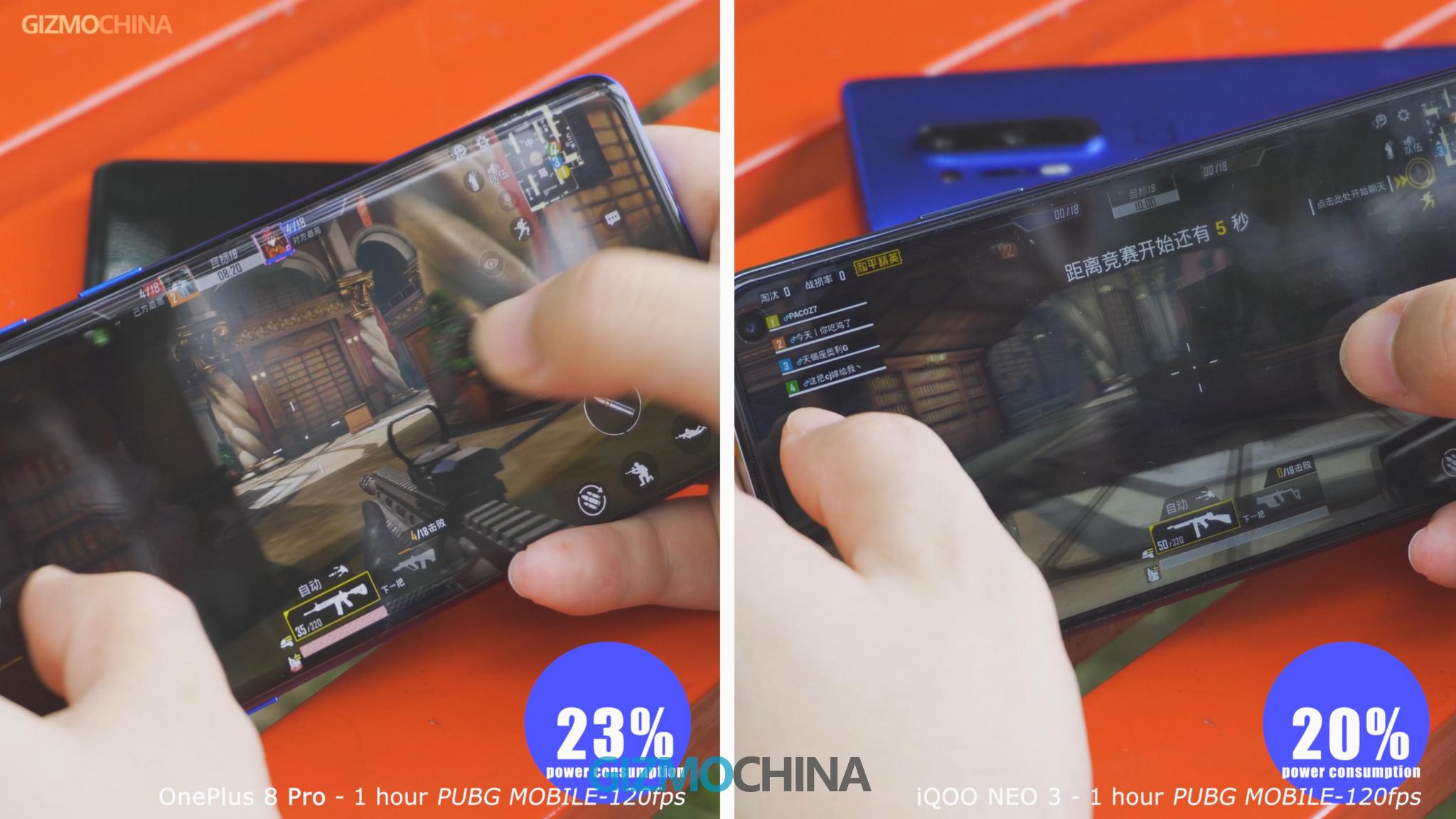
In daily use, battery life and charging efficiency are also important for a gamer. As compared to most smartphones, the OnePlus 8 Pro generally consumed more power when the display was switched to the high-resolution and high-refresh-rate mode. In our 1-hour PUBG Mobile test, the OnePlus 8 Pro with the highest display options consumed 23% of power, while the iQOO neo 3 consumed around 20% in the 144Hz mode.
1 of 2
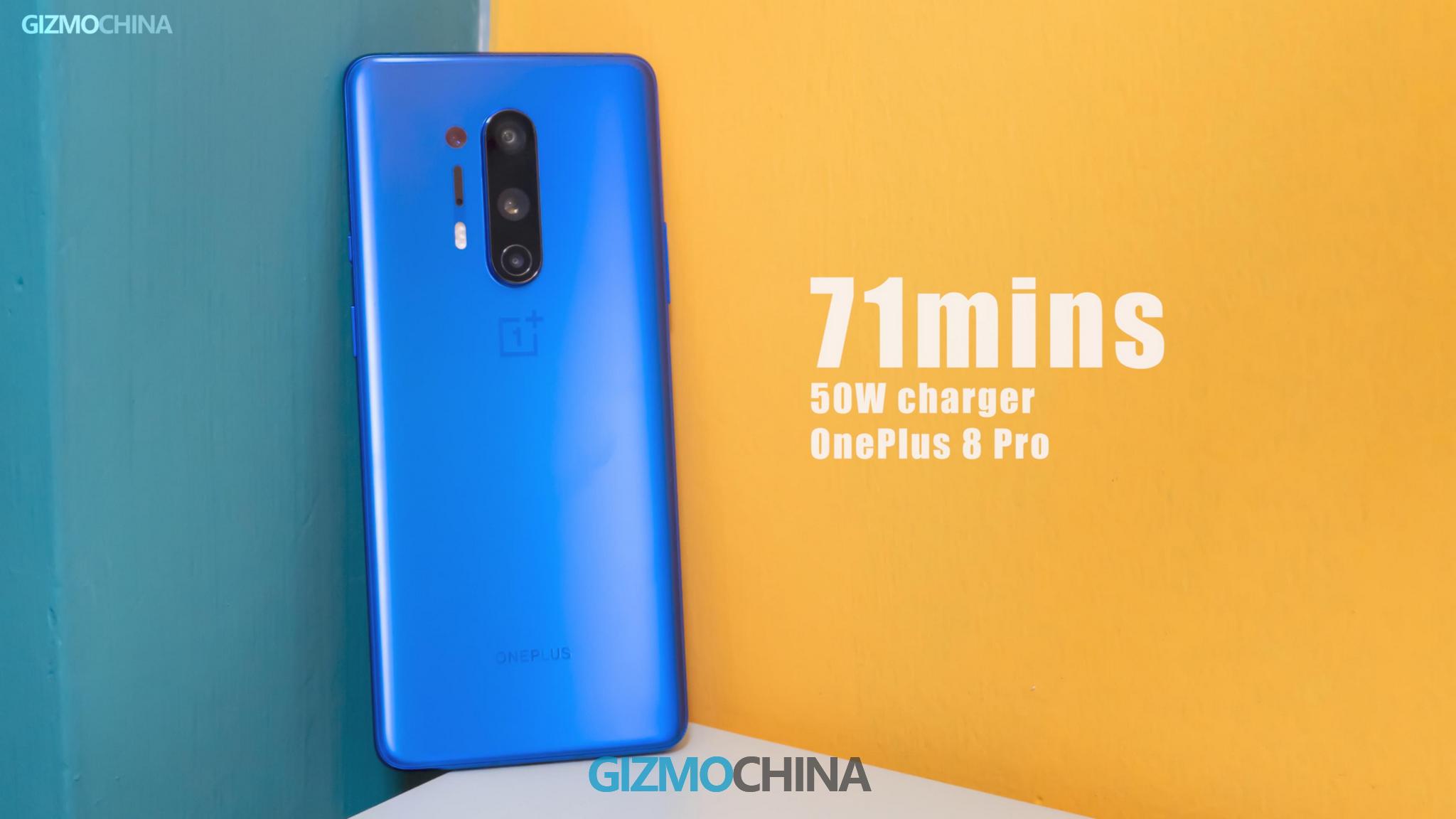
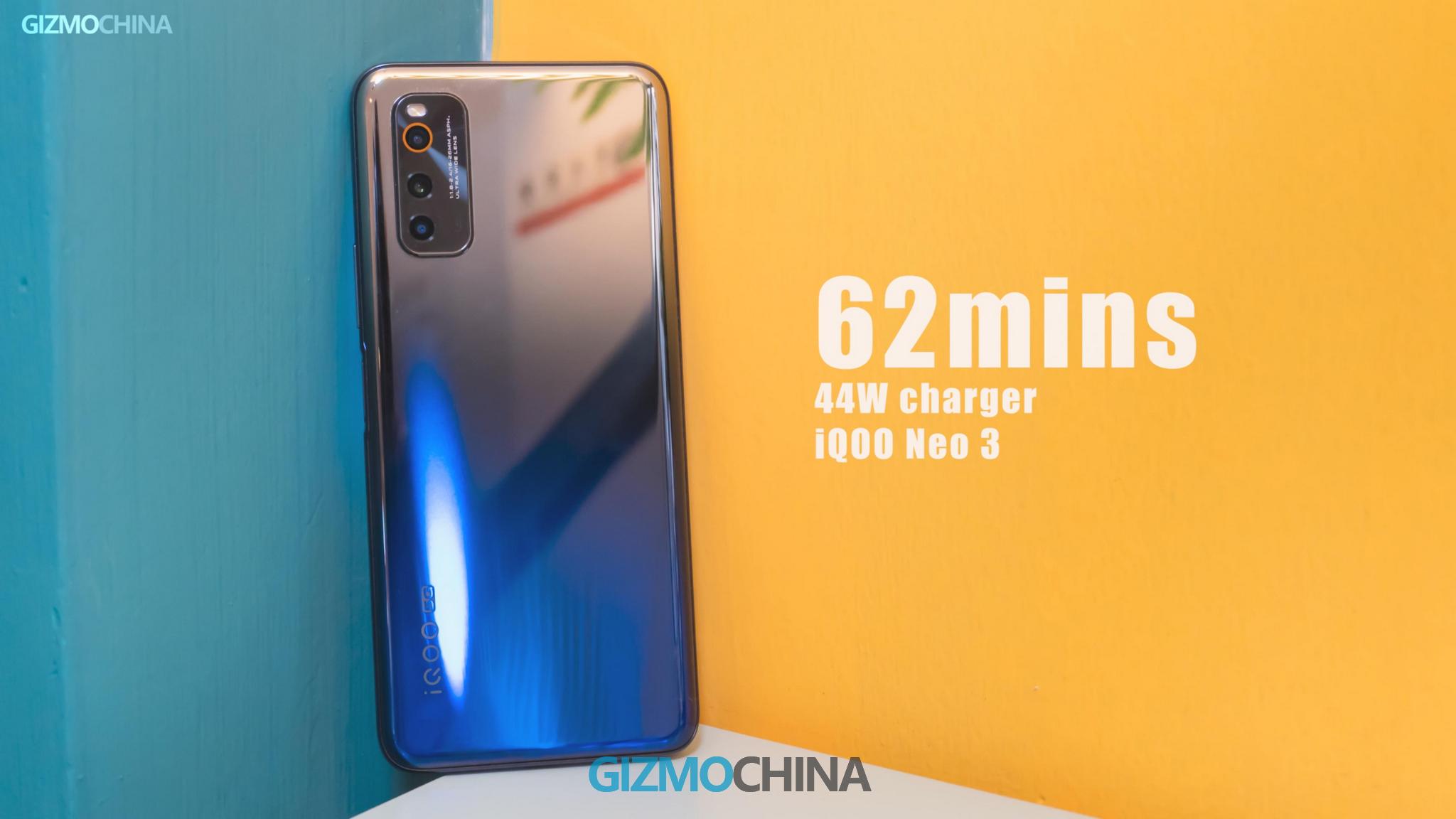
These two models feature a 4500mAh battery. In our 100% charging test, the OnePlus 8 Pro took 71 mins to fully charge with its 50W charger. And it only took 62 mins for the Neo 3 to finish the test. In addition to the tests we did, in daily use, the OnePlus 8 Pro sometimes gave me a feeling of battery anxiety as the premium display really consumed a lot of power.
So that’s it. There’s no doubt that the OnePlus 8 Pro has better gaming graphics and more stable performance. However, it doesn’t mean that the iQoo Neo 3 totally lost the competition. On the contrary, the Neo 3 achieved better cooling and also a higher peak frame rate during gameplay.
More importantly, iQOO Neo 3 is a LOT cheaper! Just imagine you’re able to pay half price of the OnePlus 8 Pro to get similar gaming experience.
So if you are looking for a gaming smartphone but don’t want to spend a lot of money, the iQOO Neo3 is a very good option. The OnePlus 8 Pro offers a slightly better gaming experience and is definitely more feature-rich too. So if you have the money, you’ll not be disappointed with OnePlus 8 Pro’s gaming performance either.
Huawei Technologies has built up its reserves for important US made Chips, which will last for up to 2 years. According to sources, the move was made by the Chinese tech giant to safeguard its operations against US sanctions.
Sources revealed that the ample reserves were primarily for server grade processors made by Intel and Xilinx for programable chipsets. These processors are apparently the ‘most essential components’ that Huawei uses for its base stations and emerging cloud business. For those unaware, the Chinese vendor is a major player in the 5G networking infrastructure and equipment industry and is also developing cloud based services, similar to Amazon.
Image Via Asia Nikkei
The recent sanctions from the US government had cut off the chip supply to Huawei, but it seems that the company had already prepared in advance. It currently has an inventory that will last for 1.5 or up to 2 years. However, analysts have claimed that the reliance on stockpiled chips could end up hindering the company’s competitiveness.
Huawei had recently revealed that it had spent 167.7 billion Yuan ($23.45 billion) in stockpiling chipsets, components, and more in 2019, which is a significant jump of 73 percent from 2018. In particular, it seems that Huawei was more focused on building reserves for programmable chips from Xilinx, since it’s difficult to replace the processors at the moment, even from its own chip designer, HiSilicon.
Similarly, the company has also increased stocks for memory components like NAND and DRAM from Samsung, SK Hynix, Micron, and Kioxia during the same period. So, judging by how this looks, it would seem that Huawei is preparing for a battle of attrition against the US government. The impacts of the new US regulations will likely impact the Chinese OEMs operations, but only time will tell.
Xiaomi recently launched the MIJIA Smart Electric Kettle Pro in its home market China for a price of 249 yuan, which roughly converts to $35. Now, just a day after that, the company has introduced the MIJIA Smart Electric Kettle 1S which as the same indicates, is cheaper compared to the Pro model.
The company has confirmed that the MIJIA Smart Electric Kettle 1S is priced at 149 yuan which is approximately $21 and will be available for purchase in China from 1st June.
It has a capacity of 1.7 liters and the company has added a new insulation button to keep the temperature at 55-degree celsius. As per the company, that temperature is most suitable for immediate drinking.
The product packs a 1800W high-power concentrating heating ring, same as the Pro model. As per the company, it takes about six minutes to completely boil a full volume of water. With the British STRIX thermostat, it can offer precise temperature control and stop when the water is boiled.
Additionally, the inner liner, spout, and inner cover are made of food-contact 304 stainless steel which is touted to be safe and healthy and without odor. This is the same material used for the Pro variant as well.
The fuselage has double-layer anti-scalding design, hollow insulation to make sure that when there’s boiling water inside, the outside body of the product doesn’t heat up. Xiaomi‘s MIJIA Smart Electric Kettle 1S also comes with several other features which include easy to clean, triple safety protection for power, electric shock protection, heat preservation indicator, among others.
We use cookies on our website to give you the most relevant experience by remembering your preferences and repeat visits. By clicking “Accept”, you consent to the use of ALL the cookies.
This website uses cookies to improve your experience while you navigate through the website. Out of these, the cookies that are categorized as necessary are stored on your browser as they are essential for the working of basic functionalities of the website. We also use third-party cookies that help us analyze and understand how you use this website. These cookies will be stored in your browser only with your consent. You also have the option to opt-out of these cookies. But opting out of some of these cookies may affect your browsing experience.
Necessary cookies are absolutely essential for the website to function properly. This category only includes cookies that ensures basic functionalities and security features of the website. These cookies do not store any personal information.
Any cookies that may not be particularly necessary for the website to function and is used specifically to collect user personal data via analytics, ads, other embedded contents are termed as non-necessary cookies. It is mandatory to procure user consent prior to running these cookies on your website.