A number of phone manufacturers have battery replacement plans where you can send in your old phone and have the battery replaced. The advantage is that you get to hold on to your phone for much longer and this also means there is less e-waste. Xiaomi also has its own battery replacement program and for a limited period, the service will cost 50% less.
The news has been well-received especially by owners of the Mi 6 flagship which launched in 2017 as it means the 2-year-old flagship can be held on to for longer. Its battery replacement is supposed to cost ¥99/15 (¥59 cost of battery + ¥40 for the replacement charge). However, the price slash means you only have to pay ¥49.5 (~$7).
The price slash began yesterday and it will run until the 10th of November. You also get a free screen protector applied for you. We have no info about the price for other models but since this is limited to China, not a lot of our readers will be able to take advantage of the price slash.
Google is finally rolling out the November security patch to enhance the overall security of the smartphone. It is a significant upgrade as it fixes 38 security vulnerabilities making Android much safer and secure. The new security patch is gradually rolling out to all the compatible Pixel devices like Pixel 2 series, Pixel 3 series and the recently launched Pixel 4 and Pixel 4 XL. Surprisingly, the November Security patch is not rolling for the first Pixel series, which was launched in 2016.
The November security patch has resolved 6 high-severity bugs in the main framework that could enable a remote attacker to execute arbitrary code under the privileged process. Similarly, several high-severity bugs in media framework and system are fixed in the November security patch.
Apart from the usual Security patch, the Pixel 4 series also received new camera enhancements which will improve the overall picture quality. Google has not highlighted any specific feature that has been upgraded in the Pixel 4 series camera but will enhance the picture quality. The update also added, “Smooth Display improvements” to fix the refresh rate adjustment issue, which was reported by several users and even got an eye of prominent media houses.
Pixel 2 and Pixel 2 XL series also received some improvements and new features. A notable Xbox Bluetooth controller mapping feature support has arrived for almost every Pixel device excluding the first generation Pixel. There were several improvements related to Google Assistant hotword, fix for devices getting stuck in bootloop, and a lot more changes are part of the latest update.
The new update will get on to each supported Pixel device by the end of this week. You can manually check for the update by heading to the settings panel. Moreover, if you want to flash the OTA or factory image, then head over to the source below.
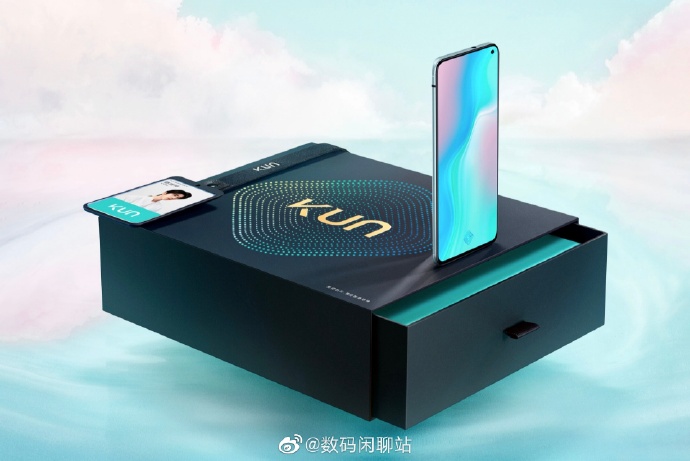
While there are several phones with a punch-hole display from multiple manufacturers, only the Galaxy S10 series actually have one with an AMOLED display. It also means the Galaxy S10 and its siblings are the only with an in-display fingerprint scanner. That will change when the Vivo S5 launches.
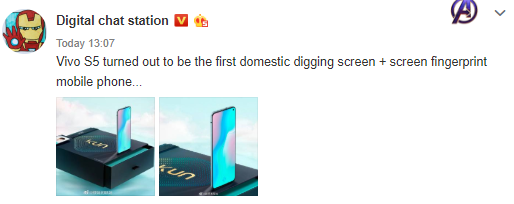
The Vivo S5 will be the first Chinese phone with a punch-hole display and an in-display fingerprint scanner. Since it will have an in-display fingerprint scanner, it means its an AMOLED display. The info was revealed on Weibo by @Digital Chat Station.
This is definitely good news for fans of the punch hole design as this means that there will be several other alternatives to the Galaxy S10 series. Based on this, we can say for sure that the Redmi K30’s dual-punch hole display will be an AMOLED screen. Its predecessor has an AMOLED screen albeit one with a notch and it will not make any sense to fall back to LCD for the Redmi K30.
The OnePlus 8 and OnePlus 8 Pro scheduled to arrive next year will also have punch hole displays and will definitely be AMOLED. We do not know other manufacturers that will jump on the train but there surely will be multiple options to choose from in the coming months.
The Vivo S5 will be announced on November 5. Other than its display and that it will come with quad rear cameras, the rest of the phone’s specs are still unknown.
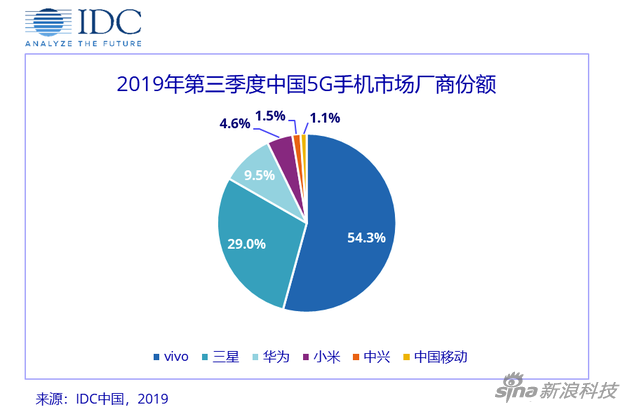
Research firm IDC has today announced the result of market share in the Chinese market for 5G smartphones in the third quarter of 2019. According to the data revealed, Vivo, Samsung, and Huawei were the top three brands for 5G.
The report also reveals that the top three brands accounted for 92.8 percent of the market share for 5G smartphones in China for Q3 2019. Vivo ranked first in terms of market share, capturing 54.3 percent of the market.
There are two 5G smartphones from Vivo available in the market — iQOO Pro 5G and Vivo NEX 3, costing 3,798 Yuan (~$543) and 5,698 Yuan (~$815.05) respectively. Samsung, on the other hand, comes second with a market share of 29 percent. It is selling two devices in the market — Samsung Galaxy Note10 Plus and Samsung Galaxy A90 5G, costing 7,999 Yuan (~$1,144) and 4,999 Yuan (~$715) respectively.
IDC analysis adds that the 5G smartphone market in China is currently divided into two parts — “budget flagship” and “premium flagship”. While Vivo covers both these categories with its 5G devices, Huawei and Samsung have presence in the “premium flagship” market.
Apart from these three brands, Xiaomi is mainly present in the mid-to-high-end segment while ZTE and China Mobile have presence in the segment costing 4,000-4,500 Yuan which is around $572-644.
According to the “IDC China Smartphone Market Monthly Tracking Report”, as of September 2019, the total shipment of 5G smartphones is about 485,000 units.
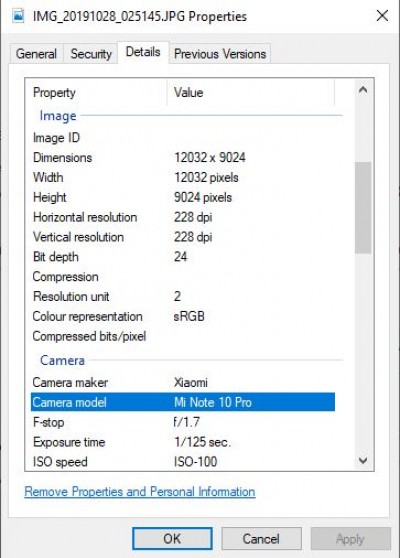
A camera sample of the Mi Note 10 published on the Mi community by Xiaomi Poland revealed the existence of Mi Note 10 Pro. The post has a downloadable high-resolution Halloween-themed image in the Google Drive link. The EXIF data clearly states that the image was captured using a 108-megapixel camera on the Mi Note 10 Pro. The resolution of the image is a mammoth 12032 x 9024 pixels and size 71.8 MB.
This is not the first time the Mi Note 10 Pro was mentioned online. The device previously appeared on Thailand’s National Telecommunication and Broadcasting Commission (NBTC) during certification. The model number is M1910F4S. According to initial reports, the Mi Note 10 Pro is likely to feature a similar design as the Mi Note 10/CC9 Pro. The smartphone could be powered by the Snapdragon 855+. However, it is too early to speculate any further. Probably, the Mi Note 10 Pro may go official alongside the Mi Note 10.
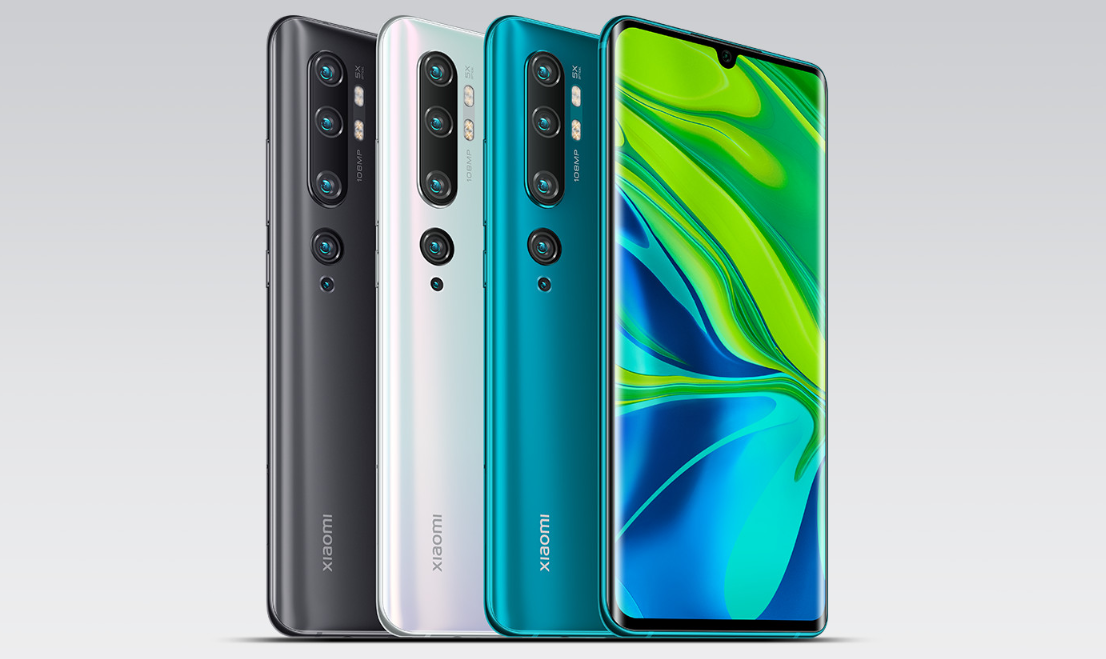
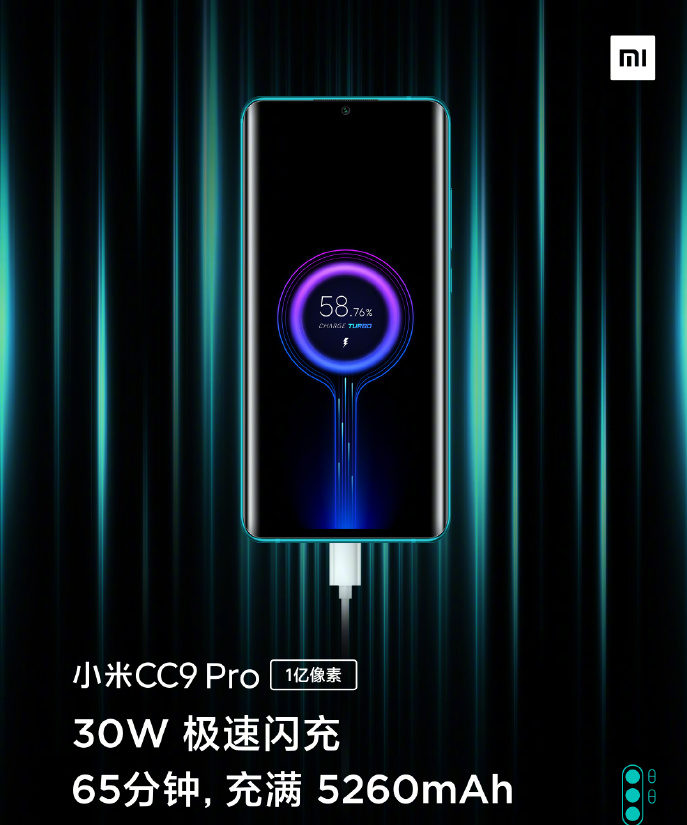
The Xiaomi Mi CC9 Pro has a 6.47-inch full HD+ curved OLED display with an in-screen fingerprint scanner. The device has the Snapdragon 730G under the hood that is paired with up to 8GB of RAM. It draws power from a 5,260 mAh battery that supports 30W fast charge. It is the “world’s first” smartphone with a 108-megapixel penta-camera setup.
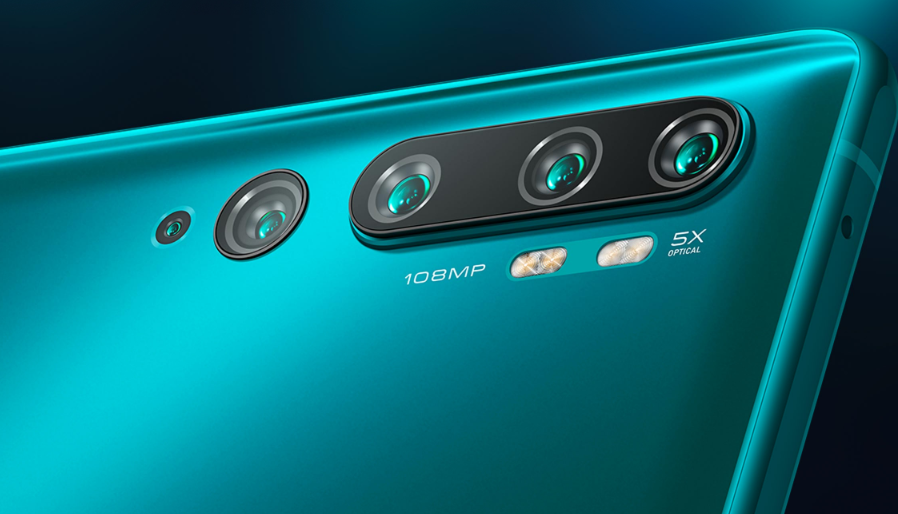
The device uses Samsung’s 108-megapixel primary lens, coupled with a 20-megapixel ultrawide sensor with a 117-degree field-of-view. There is an OIS-assisted periscope 5-megapixel telephoto unit with 5x optical zoom, 10x and 50x hybrid zoom. The penta-camera system also features a 12-megapixel portrait lens and a 2-megapixel macro unit. For capturing selfies, it has a selfie snapper of 32-megapixel housed in the waterdrop notch at the front. It has arrived in China with a starting price of 2,799 Yuan (~$399).
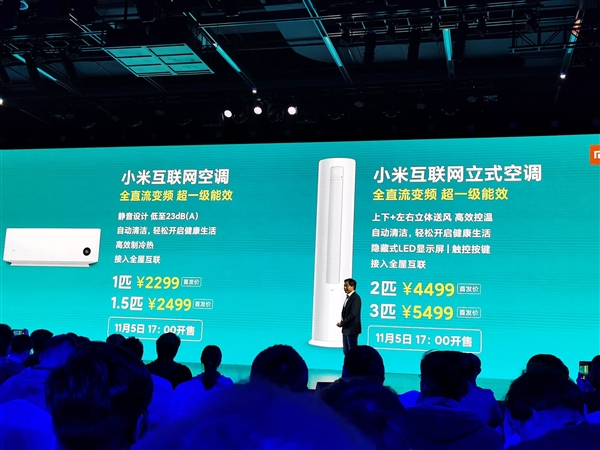
Xiaomi‘s had plenty of big launches today, ranging from the impressive Xiaomi CC9 Pro to the new Mi Watch. This unveiling however, while not as big of a deal, was equally interesting to us. Amidst the TVs and smartphones, Xiaomi made time to launch two air conditioners, those being the Internet Air Conditioner and Internet Vertical Air Conditioner.
These new air conditioners put a heavy emphasis on saving power while still cooling very well. They all feature full DC frequency conversion technology to achieve this goal, which is a nice sentiment. The devices all follow the company’s minimalist design language, and they all come in the single white colour option. They also all feature mini displays for info.
On top of all this, the air conditioners also adopt a silent design, generating only 23dB of noise at the highest. They support automatic cleaning and as previously assumed, they’re also IoT devices. This means they can freely connect and interact with your other IoT devices. This continues Xiaomi’s focus on IoT devices, and it’s good to see them not drop the idea.
The pricing of the air conditioners is dependent on the horsepower of the model. The hanging house models come in a 1HP and 1.5HP variants that cost 2299 yuan ($329) and 2499 yuan ($358) respectively. The vertical models on the other hand come in 2HP and 3HP variants, for 4499 yuan ($644) and 5499 yuan ($787), making them significantly pricier.
After taking the Indian market by storm, Xiaomi now plans to make its presence felt in Japan. According to the latest report on Nikkei Asian Review, the confirmation came directly from Wang Xiang, Head of International Operations at Xiaomi. The Chinese tech giants plan to introduce its extensive range of smartphones and wearable devices by 2020. Although a deadline has not been announced yet, Wang maintains, “We should be able to establish our presence in Japan by 2020. The sooner the better”.
The list of products that Xiaomi plans to introduce is currently under wraps. According to Wang, the company plans to offer devices that the Japanese audience will enjoy. He claims Xiaomi is looking for local telecom companies to partner with, without taking names. Like the US, telecom companies are the largest smartphone distributors in Japan. Smartphone companies that do not have tie-ups typically struggle to gain a foothold in the country.
During the interactive media session on Oct. 4, Wang tried to downplay concerns about data privacy with Chinese companies. He referred to Xiaomi’s successful streak in Europe during the past decade in which the company made its foray in numerous European markets. He said, “We cooperate with companies like Google, and have a clean track record of adhering to personal data laws in Europe. We will do the same in Japan.”
The fourth-largest smartphone supplier in the world, Xiaomi plans to proactively establish its retail channels outside China. As of June 30, 2019, Xiaomi operates 520 Mi Home Stores outside China, recording year-on-year growth of over 90%. According to Akira Sugawara, a Senior Market Analyst at IDC, “With Japan racing towards adopting the 5G spectrum, Xiaomi might be able to find opportunities, as most major Japanese smartphone manufacturers are eyeing the premium category”.
“Xiaomi might find the perfect opportunity as the gap between market demand and supply increases. Even in the 4G sector, Japanese consumers are looking for value-for-money devices. If Xiaomi manages to offer its products within the $250 – $400 mark, It should be quite successful” Sugawara continues. “OPPO increased its shipment in the third quarter of 2019. Xiaomi might try to take a piece of the pie.”
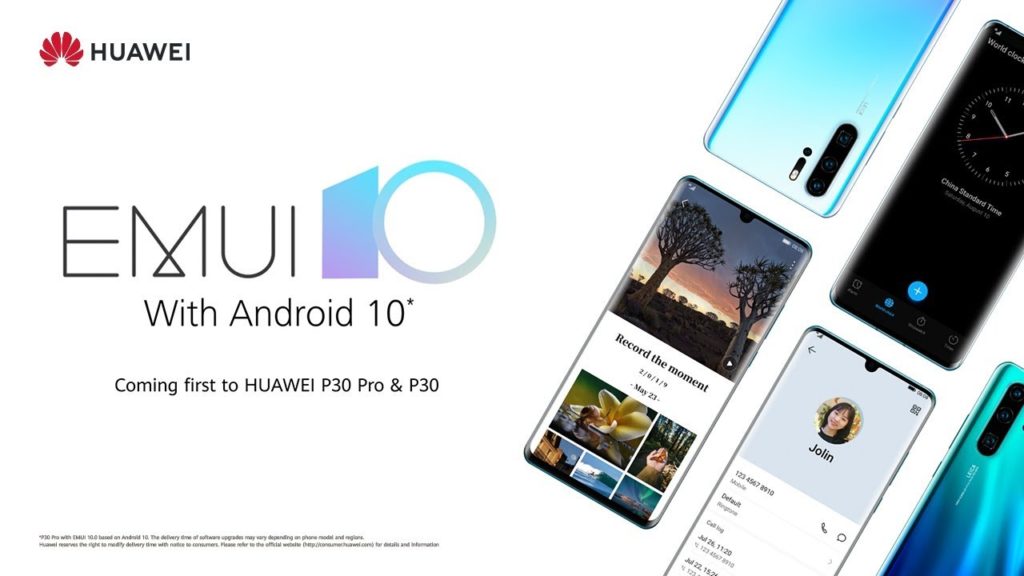
Huawei recently unveiled the roadmap for EMUI 10 update rollout on over 30 devices. Initially, the flagship devices are slated to get the update, and later the update will roll out on the remaining devices listed in the road map. The Chinese electronics maker is planning to fully rollout the EMUI 10 on the 30 listed devices by Q2 2020. However, after rolling out the EMUI 10 for Huawei P30 and P30 Pro, Huawei is commencing the EMUI 10 beta testing for Nova 5 Pro and Huawei MediaPad M6.
The application for Nova 5 Pro beta testers is open from November 5th to November 10th. Whereas, the owners of MediaPad M6 can apply for beta testing from November 5th to November 15th. Huawei will recruit 500 beta testers supporting log version, and another 1500 testers without the log version. The beta testers will have first-hand access to all the new features before the official release. Before proceeding for the Beta 10 upgrade, make sure your Nova 5 Pro (SEA-AL10) is running EMUI 9.1.1.175 firmware version, and all the MediaPad M6 variants are on EMUI 9.1.1.160 version.
In the beta testing program, Huawei will bring all the Android 10-based features along with other EMUI based enhancements. While applying for the beta tester, you should pay proper attention to details, and upon successful registration, you will be notified by SMS notification.
Apply for EMUI 10 Beta Program
The user needs to install a beta user app and then follow the instructions below.
Open beta user app and accept terms and conditions.
Now, login with the Huawei ID with an appropriate phone number and email.
Select “Personal” from the bottom bar > tap on “Join Project” > select “Available Project” and finally Sign Up.
Note: Before applying, make sure you’re on the latest version of the EMUI, and the device should not be rooted. There will be some bugs and third-party apps can behave abnormally. Your device must have 6GB of free internal space. Otherwise, the upgrade may fail.
EMUI 10 features
EMUI 10 features various new advancements and performance tweaks. It comes with a whole new UX inspired by a Magazine style layout depicting cleaner UI elements, new screen transitions, menus and notifications panel. The new colourful Always-On-Display brings a unique charm to the device.
Dark Mode support
Enhanced security with a distributed system.
Mutual aid sharing to improve hardware capabilities.
One-Touch Screen Sharing
Multi-Screen Sharing collaboration
Huawei HiCar
ARK Compiler
GPU Turbo
Super File System
Lin Turbo
It also incorporates the Android 10 features, which will improve the overall performance and security of the device.
The EMUI 10 Beta recruitment is only for Huawei Nova 5 Pro and Huawei MediaPad M6. However, the devices like Huawei 10 lite, Mate 20 family, P30 series and others are already receiving the EMUI 10 beta update.
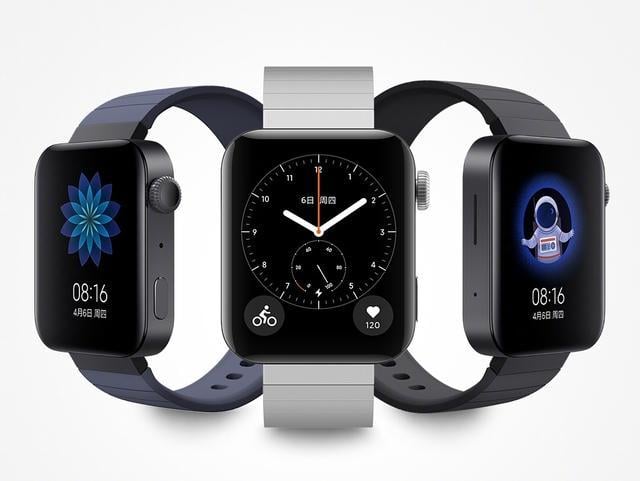
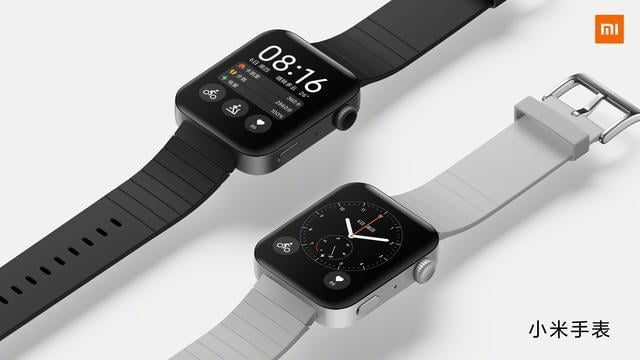
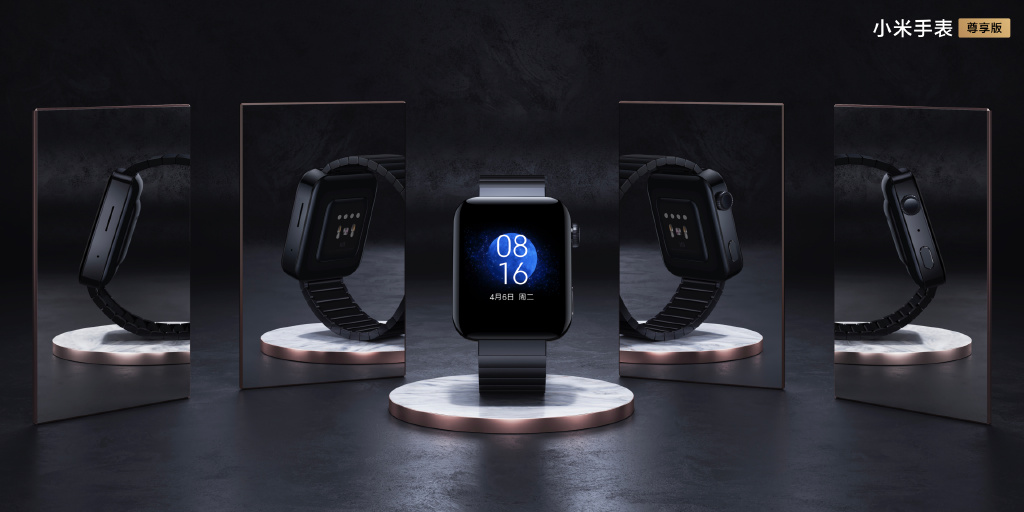
Xiaomi has officially announced the Mi Watch today at an event in Beijing, China. This marks the first true smartwatch from the company, after launching four successive generations of the fitness-centric Mi Band series since 2014. Xiaomi’s first real smartwatch is special not just because it’s feature-rich, but also because the company has a reputation of shaking-up every industry that it enters.
Xiaomi Mi Watch Is A Cheaper Apple Watch
Xiaomi has shamelessly copied the Apple Watch for the Mi Watch’s design and that’s not necessarily a bad thing. Apple Watch is one of the best smartwatches available in the market today and taking inspiration from the best is always a good sign. But I just wish it wasn’t an exact replica of the Apple Watch, especially since Xiaomi has released a number of original designs in the past, including the Mi Mix Alpha and the original Mi Mix.
Apple Watch
Mi Watch
Now that we have established that the Mi Watch design isn’t original, let’s take a closer look at its body. The smartwatch comes with a square touchscreen display protected by sapphire Corning gorilla glass 3. The watch features a 1.78-inch AMOLED curved display with 326 PPI. The back of the watch is made out of ceramic.
There’s a crown on the right that can be used to navigate through the watch UI. Apart from the crown, there’s a multi-purpose button as well as a microphone on the right side. On the left, you have another microphone hole along with a speaker vent. The Mi Watch features an aluminum alloy body with a matte finish, but it has sharper curves than the Apple Watch. At the bottom, you’ll see the pins for the charging dock and the heart rate monitor.
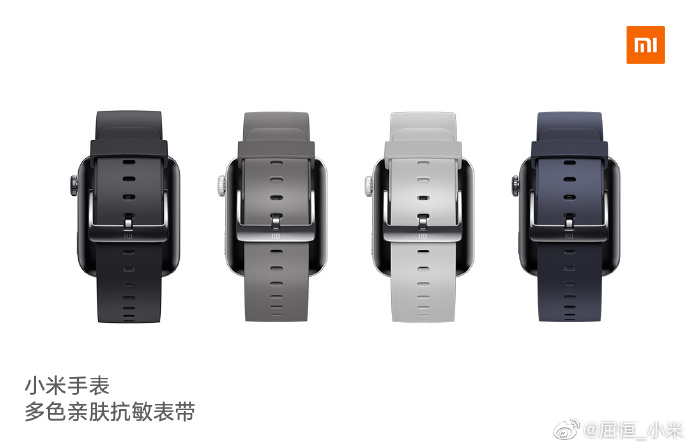
Coming to the strap, Xiaomi is offering removable straps made out of fluoro rubber which is skin-friendly and anti-allergic. There are multiple color options including white, blue, silver, and black. Note that the strap buckle comes with the MI branding in a metallic black shade.
Xiaomi Mi Watch is the first to use the SD3100 4G chip
Inside, the Xiaomi Mi Watch comes with the Snapdragon Wear 3100 4G chipset featuring four Cortex A7 cores clocked at 1.2GHz. The company is calling it the first wearable with Snapdragon 3100 4G, probably because the Fossil Gen 5 watches with Snapdragon 3100 didn’t have cellular connectivity.
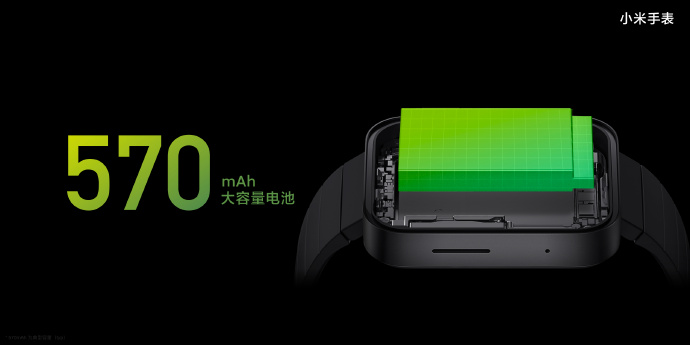
One of the highlights of the Mi Smartwatch is its battery. The watch features one of the biggest batteries ever seen on a smartwatch featuring 570mAh in capacity. In comparison, watches like the 46mm Huawei Watch GT 2, the Galaxy Watch Active 2 (44mm), or even the Apple Watch 5 come with just 455mAh, 340mAh, and 296mAh batteries respectively. The company claims the Mi Watch can last up to 36 hours or up to two days on a single charge.
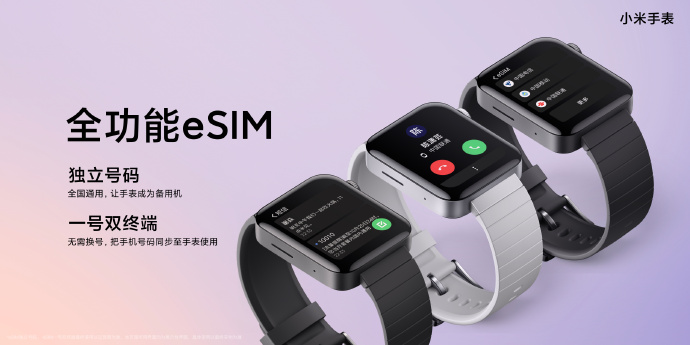
The Xiaomi smartwatch will be loaded with features such as NFC, Bluetooth 4.2, Wi-Fi (n), GPS, an independent vibration motor, and a pretty large speaker. Just like the top-end smartwatches of 2019, the Mi Watch also supports eSIM, which ensures you can connect to the internet via cellular network as well as make and receive calls independently.
Mi Watch is Powered By Google’s WearOS
In a surprise move, Xiaomi is adopting Google’s WearOS platform for its new smartwatch. However, like its smartphones, the WearOS running on the Xiaomi watch will be customized with its own MIUI for Watch skin. The company will offer a number of interesting watch faces for the watch. It also, unsurprisingly, comes integrated with Xiaomi’s own XiaoAI assistant.
Apart from the usual fitness-centric features found on a wearable, Xiaomi smartwatch supports heart rate monitoring, blood oxygen VO2 max sensor, sleep monitoring, and body energy monitoring. In one of the marketing videos, Xiaomi confirmed that the Mi Watch is safe for swimming as well.
40+ apps have been optimized
QQ is also available on the watch
Powered by the WearOS platform, the Xiaomi Mi watch comes with its own in-built app store that will offer 40+ optimized apps for the new watch. This includes popular Chinese apps like QQ, WeChat, and Keep (fitness). Thanks to NFC, the Mi Watch can also be used to make payments in China.
The Mi Watch is also capable of connecting to and controlling smart home appliances at your home.
Xiaomi Mi Watch Is Priced Aggressively
The Xiaomi Mi Watch is priced at 1299 yuan ($185 or Rs. 13,116) in China. The watch is up for reservations from 5 PM today (November 5) and will go on sale at 12 AM sharp on November 11th in China.
Just like the Mi CC9 Pro, there’s an exclusive edition that features a sapphire glass display with a polished stainless steel body and a stainless steel strap. The exclusive edition looks a lot more premium than the regular one and will retail for 1999 yuan ($285 or Rs. 20,184). The exclusive edition will go on sale in December 2019.
Along with the Mi TV 5 Pro series, Xiaomi also launched the Mi TV 5 series, which as the name suggests, is a lighter version of the Mi TV 5 Pro. Similar to the Pro variant, the Mi TV 5 comes in three models — 55-inch, 65-inch, and 75-inch.
The major difference between the standard model and the Pro model is that unlike the Pro variant, the Mi TV 5 doesn’t come with Quantum Dot display. Also, the internals differ compared to the Pro version. It too runs the company’s own PatchWall interface which Xiaomi has designed for Smart TVs.
It comes with just 3GB of RAM and 32GB of internal storage. For comparision, the Pro version comes with 4GB of RAM and 64GB of eMMC storage. Similar to the Pro model, this one too comes with Dolby Atmos and DTS support and has 2 x 8w Stereo speakers.
In terms of design, both the Pro variant and the standard variants are same, featuring just 5.9mm thickness, which is less than the thickness of iPhone 11 measuring 8.1mm. The bezel surrounding the display is 47.1 percent narrower compared to the Mi TV 4, measuring just 1.8mm. The device is made up of aluminium and comes with a screw-less design.
Coming to the pricing, the Mi TV 5’s 55-inch model costs 2,999 Yuan (~$428) while the 65-inch and 75-inch models are priced at 3,999 Yuan (~$571) and 7,999 Yuan (~$1,142) respectively. It will go on sale from 11th November in China.
Vivo has been steadily increasing its market share in India. As of Q3 2019, its market share in the country is 17 percent. The company seems to be working on a strategy to take over the second spot from Samsung that now holds a market share of 20 percent in India. The Vivo V17 Pro that was introduced in September has reportedly encountered lackluster sales. Fresh information shared by 91mobiles reveals that the company may discontinue the V17 Pro. The publication has also claimed that the Chinese firm will be introducing a cheaper Vivo V17 handset by the end of this month.
The publication has learnt from a company executive whose named has not been disclosed that the Vivo V17 will be debuting in India by the last week of November. The Vivo V17 will be up for purchase in India by the first week of December.
The device is expected to cost around Rs. 25,000 (~$353). However, there are no details on the specs of the phone. It could be featuring a dual selfie camera system and quad rear cameras. As far as V17 Pro is concerned, it will be gradually phased out after the release of Vivo V17.
The Vivo V17 Pro comes with a 6.59-inch S-AMOLED display with notch-less design. It supports 20:9 aspect ratio and 1080 x 2400 pixels full HD+ resolution. The display is integrated with an under-display fingerprint reader. The Snapdragon 675 chipset powers the phone with 8 GB of RAM. It has an internal storage of 256 GB. The Android 9 Pie OS coupled with FunTouch OS 9.1 UI runs on the device.
The 4,100mAh present inside the Vivo V17 Pro supports 18W dual-engine fast charging. For shooting selfies, it has a 32-megapixel + 8-megapixel (ultrawide) dual selfie pop-up camera system. The back panel of the phone has a 48-megapixel + 8-megapixel (ultrawide) + 13-megapixel (telephoto) + 2-megapixel (depth) quad camera setup.
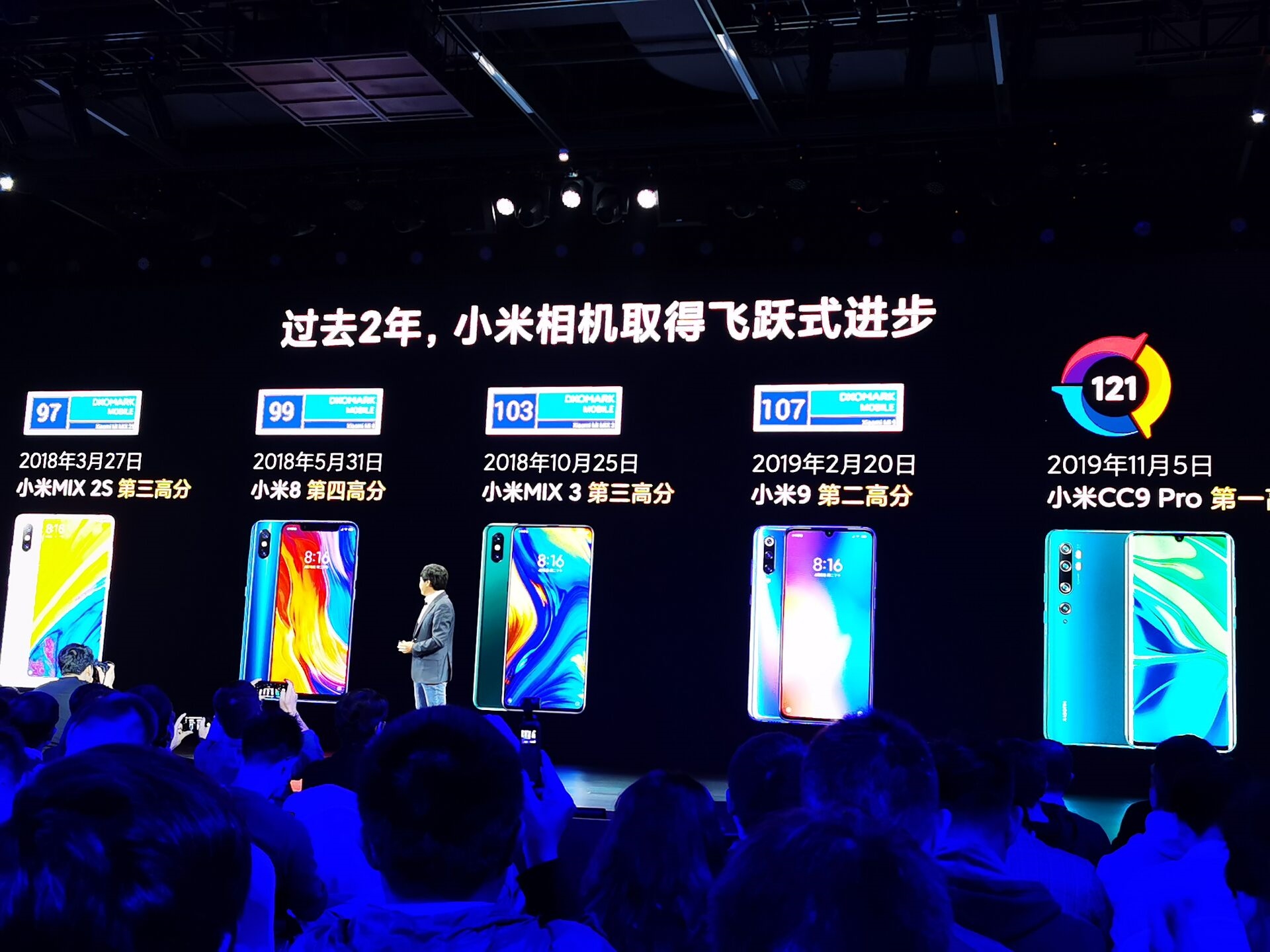
Xiaomi have never been known for their camera performance, but the latest Xiaomi Mi CC9 Pro has broken that tradition. Reputed smartphone camera reviewers DxOmark have taken the Mi CC9 Pro’s penta camera setup for a test run, and they’ve determined that it’s not just an excellent camera, but also one of the best cameras in the smartphone industry.
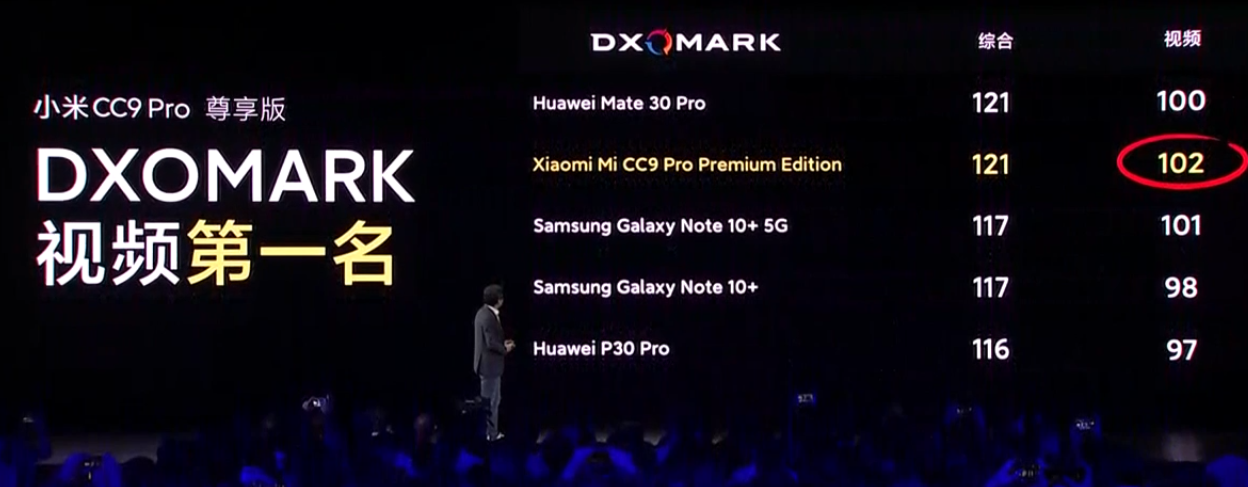
With an overall score of 121, the Xiaomi Mi CC9 Pro Premium Edition has tied with the Huawei Mate 30 Pro for the highest overall camera score of any phone tested so far. Its Photo score is two points lower than the Mate 30 Pro’s (130 versus 132), although it is still one of the highest photo scores ever, even beating devices like the Galaxy Note 10+
As if that weren’t enough, the new device also tops the list in the zoom subcategory with a score of 109. This is thanks to its two different focal length telephoto cameras, as well as an imaging pipeline that uses them to provide high-quality telephoto images across an entire range of different focal lengths.
The Xiaomi CC9 Pro’s video score of 102 on the other hand is the highest ever recorded by DxOmark, edging out devices like the Google Pixel 4 and the Samsung Galaxy Note 10+ 5G. The overall Video score is derived from performance and results across a range of attributes, and it’s a huge sign of improvement from Xiaomi. It’s definitely a huge surprise from them, and we can’t wait to see what else lies in store.
Xiaomi Mi CC9 Pro is now official. It is the phone to commercially arrive with 108-megapixel camera sensor. After the Nokia 9 PureView, it is the second phone to boast five rear-mounted cameras. This upper mid-range phone is powered by Snapdragon 730G processor. The Mi CC9 Pro with its curved OLED display boasts a premium appeal. It is the largest battery phone from the company. All this is offered at an enticing starting price of 2,799 Yuan (~$399).
Xiaomi Mi CC9 Pro Specifications and Features
The Xiaomi Mi CC9 Pro flaunts a waterdrop notch enabled edge-to-edge curved AMOLED display of 6.47 inches. It delivers 1080 x 2340 pixels full HD+ resolution. The TUV Rheinland approved screen does well in filtering harmful blue rays. The 19.5:9 aspect ratio display offers 400000:1 contrast ratio, HDR, 600-nits brightness and DCI-P3 wide color gamut.
There is breathing light feature on the display that allows its edges to blink when the phone receives a notification. The Chinese firm has proudly boasted that it is the world’s first phone to feature ultra-thin optical in-display fingerprint sensor. It comes with a larger fingerprint recognition area and can be unlocked even with very dry or wet fingers.
Coming to the main feature of the Xiaomi Mi CC9 Pro i.e. the 108-megapixel penta-lens camera system. The first lens in the rear-facing camera system of the phone is a 4-axis OIS assisted 5-megapixel super telephoto lens that supports 5x optical zoom, 10x hybrid zoom and 50x hybrid zoom. Next is a 12-megapixel portrait sensor with a pixel size of 1.4micon. The third sensor is the Samsung-made 108-megapixel main sensor with f/1.7 aperture and 4-axis OIS. The regular edition has 7P lens, but the Premium Edition has 8P lens.
Next comes a 20-megapixel ultrawide lens with 117-degree field-of-view. The fifth one is a 2-megapixel macro lens with a focal length of 1.5cm. Assisting the five cameras are the pair of dual LED flash units (one is hard light and the other one fires soft light). The Mi CC9 Pro is optimized to be used for making vlogs. Placed on the front is f/2.0 aperture 32-megapixel selfie camera.
The rear cameras of the Mi CC9 Pro offers features like Ai beauty, AI scene recognition, AI smart slimming, AI studio light effect, portrait mode, super night scene mode, macro video shooting, 960fps slow-motion HD video shooting and 4K video shooting. The selfie snapper supports 3D beauty, front HDR, display flash, panorama, AI scene recognition and Mimoji. The Mi CC9 Pro is now leading the DxOMark benchmarks. The Mi CC9 Pro and Mate 30 Pro are placed first with a tied score of 121. The Mi CC9 Pro DxOMark score is an average of 130 points in photography tests and 102 points in videography tests.
Xiaomi Mi CC9 Pro is powered by the Snapdragon 730G processor which is the next best SoC from Qualcomm after the Snapdragon 855+ found on flagship phones. The SoC is coupled with up to 8 GB of RAM. The highest model of the CC9 Pro has 256 GB of native storage. The smartphone draws power from a humungous 5,260mAh battery. Gladly, the company has added support for 30W fast charging on the device. It allows the phone to completely charge in 65 minutes.
The Android 9 Pie OS flavored with MIUI 11 skin runs on the Xiaomi Mi CC9 Pro. There is Game Turbo 2.0 technology onboard for accelerated GPU performance while gaming. The other connectivity features that can be found on the device are dual 4G VoLTE, Wi-Fi 802.11ac, Bluetooth 5.0, GPS, multi-functional NFC, GPS, IR blaster, USB-C and 3.5mm headphone jack. Lastly, the Mi CC9 Pro features a 1CC large loudspeaker coupled with smart PA that can produce up to twofold audio output when compared to speakers found on other phones. It supports Hi-Res audio. The handset measures 157.8 x 74.2 x 9.67mm and it weighs 208 grams. There is no microSD cards slot on the device.
Xiaomi Mi CC9 Pro Price and Availability
The Xiaomi Mi CC9 Pro’s variants and their pricing are listed below:
Magic Green, Ice and Snow Aurora and Phantom Black are the three color editions of the Xiaomi Mi CC9 Pro. The smartphone goes on pre-sales from today. Starting from Nov.11, it will be made available for purchase. The Chinese firm is also selling exclusively made protective cases for Mi CC9 Pro smartphone.
In the international markets, Xiaomi will be selling the Mi CC9 Pro as Xiaomi MI Note 10. The latter will go official in Spain tomorrow. The Chinese manufacturer will be also debuting the Mi Note 10 Pro in the international markets in the near future.
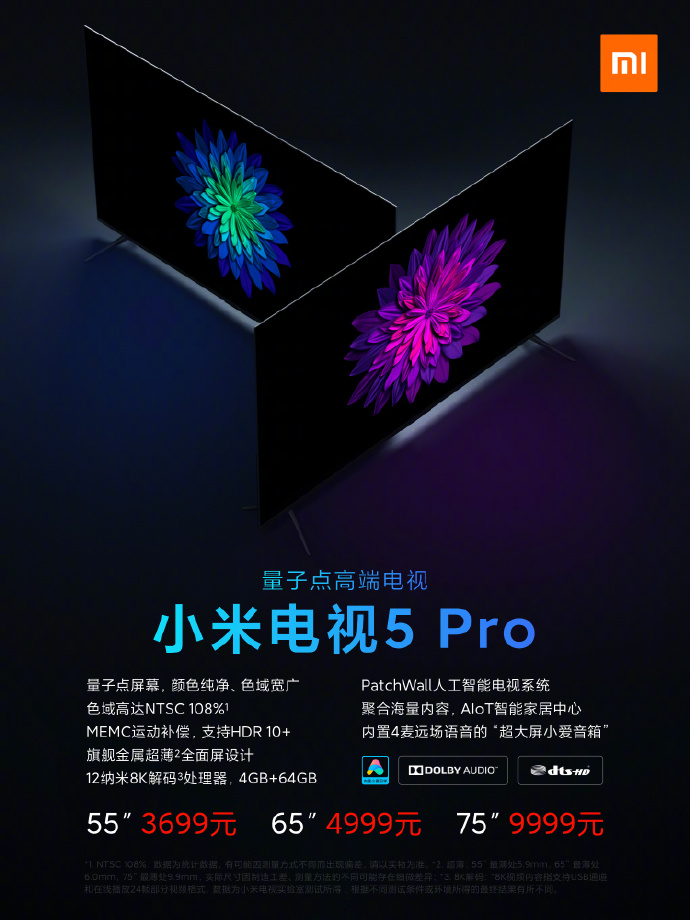
As expected, China-based Xiaomi has today launched its new Mi TV 5 Pro lineup in its home country, expanding its existing lineup of Smart TVs in the country. The new Mi TV 5 series comes in three different screen sizes — 55-inch, 65-inch, and 75-inch.
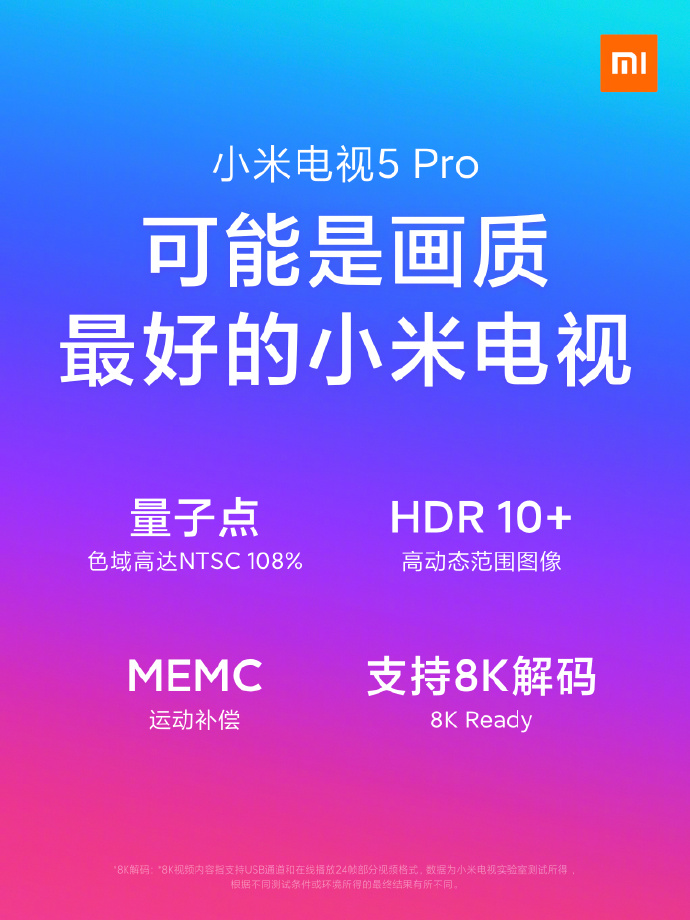
The Mi TV 5 Pro lineup comes with a Quantum Dot QLED display panel which comes with support HDR10+, support MEMC motion compensation, support 8K decoding, 108 percent NTSC color gamut. With Quantum Dot display technology, the company is eyeing the premium segment.
It comes with MEMC dynamic image-quality compensation technology that allows smoother motion pictures and shows details in crisp and clear manner, claims the company. The device is powered by a 12nm Amlogic T972 chipset with support for 8K video recording which is claimed to be 63 percent higher than the previous-generation CPU.
The Mi TV 5 Pro also comes packed with 4GB of RAM and 64GB of internal storage to ensure smoother performance. As usual, this new Smart TV from Xiaomi comes with the company’s own PatchWall user interface. It also comes with features like Dolby Audio and DTS HD Sound.
In terms of thickness, the Mi TV 5 Pro measures just 5.9mm, which is less than the thickness of iPhone 11 measuring 8.1mm. The bezel surrounding the display is 47.1 percent narrower compared to the Mi TV 4, measuring just 1.8mm. The device is made up of aluminium and comes with a screw-less design.
Coming to the pricing, the 55-inch model of the newly launched TV is priced at 3,699 Yuan which roughly converts to $537. On the other hand, the 65-inch and 75-inch model costs 4,999 Yuan and 9,999 Yuan that roughly converts to $713 and $1,425 respectively.
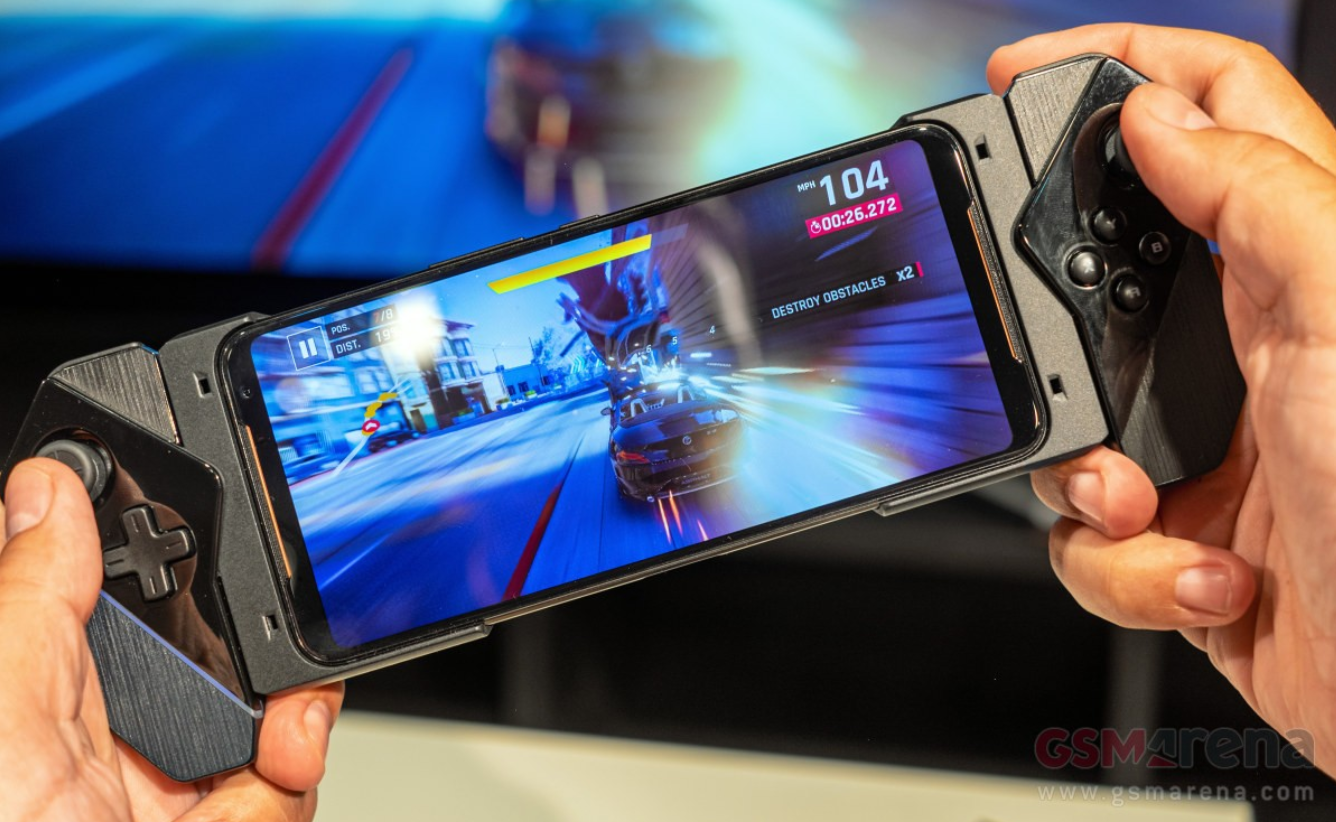
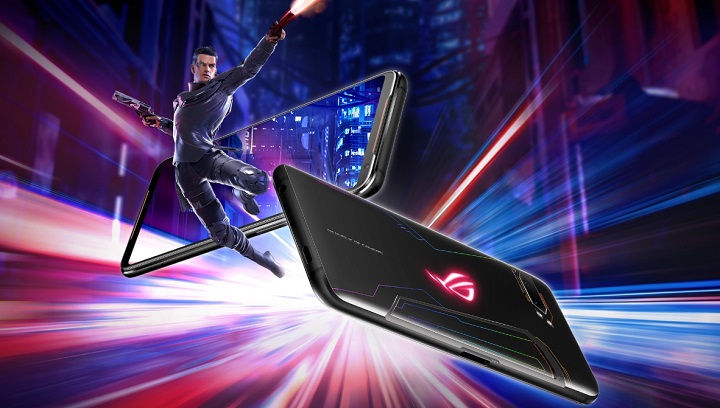
ASUS, the Taiwanese company is one of the first smartphone makers to launch a gaming smartphone and so far, it has launched a couple of devices in the ROG Phone lineup.
Now, a new report coming from China claims that the company is expected to ship less than 400,000 units of its second-generation gaming smartphone — ASUS ROG Phone II in the year 2019.
The main reason behind falling short of shipping 400,000 units of the gaming smartphone is touted to be the shortfall in components supply and not-so-smooth production planning at the company’s production facility in China.
However, according to the Ministry of Economic Affairs (MOEA), Asustek Computer has been appraised as the most valuable Taiwan-based global brand in 2019 for the seventh consecutive year.
Coming to the ASUS ROG Phone II, the smartphone flaunts a 6.59-inch AMOLED display with a 120Hz refresh rate, 10-bit HDR, Gorilla Glass 6 protection, 1ms response time, a 49ms touch latency, and a touch sampling rate of 240Hz.
It comes with an in-display fingerprint sensor, has stereo front-facing speakers with DTS:X 7.1 surround sound, and an NXP 9874 Smart Amplifier. It is the first smartphone to be powered by Qualcomm Snapdragon 855 Plus chipset and comes packed with up to 12GB RAM and 512GB internal storage.
Coming to the camera department, the device comes equipped with a dual-camera setup on the back, featuring a 48MP Sony IMX586 primary camera and a 13MP super wide-angle camera. On the front side, it features a 24MP snapper for taking selfies and video calling.
It also has improved touch-sensitive triggers on the side with better haptic feedback. There is also a liquid cooling system called GameCool II with a 3D vapor chamber. The famous Aura logo is also on the back and is customisable too. The phone is powered by a 6,000mAh battery with 30W fast charging support.
There is a USB Type-C port at the bottom that supports USB 2.0 transfer, Quick Charge 3.0 and USB Power Delivery 3.0. The side-mounted USB-C port supports USB 3.1 Gen 2 transfer speeds (up to 10GBps), 4K video output thanks to DisplayPort 1.4, Quick Charge 3.0, Quick Charge 4.0, and USB Power Delivery 3.0.
Today, Xiaomi will be holding a launch event in China to announce the Xiaomi Mi CC9 Pro smartphone that will come equipped with 108-megapixel penta-lens camera system. The Chinese manufacturer will be also unleashing its first Mi Watch and the same event will be used to unveil Xiaomi Mi TV 5 series. The launch event will be livestreamed so that Xiaomi fans across the globe can view it.
The unveil event will kick off from 2 PM (local time) in China. The event will be livestreamed on Mi.com and the company’s official Weibo page. The launch event will be in Chinese language. GizmoChina will be covering the launch stories of all the Xiaomi devices that will be made official today.
Xiaomi Mi CC9 Pro
The Xiaomi Mi CC9 Pro has a 6.47-inch curved OLED full HD+ display with waterdrop notch and under-display fingerprint reader. The Snapdragon 730G is present under the hood of the device. It may come with up to 12 GB of RAM and up to 256 GB of native storage. It has a 108-megapixel penta-lens camera system that supports up to 5x optical zoom and 50x digital zoom. It has a front camera of 32-megapixel. The 5,260mAh battery of the device supports 30W fast charging.
Xiaomi Mi Watch
The Xiaomi Watch (or Mi Watch) will be sporting a design similar to Apple Watch. It will have a squared-shaped display with 3D curved sapphire glass, a circular crown on its right side and it will carry support for e-SIM. It will be powered by Snapdragon Wear 3100 and it will run on the customized version of MIUI. The other features of the smartwatch include large-sized battery, GPS, NFC and Wi-Fi.
The Xiaomi Mi TV 5 series will be equipped with 4K Quantum Dot screen that will carry support for 108 percent NTSC, HDR10+ and MEMC. It is said to be 47 percent thinner than the Mi TV 4. The Amlogic T972 processor will be powering it along with 4 GB of RAM. It will offer a big internal storage of 64 GB. For immersive audio experience, the Mi TV 5 will come with quad speakers powered with Dolby and DTS audio. Also, it will feature 9th-gen image quality engine and 8K video decoding support.
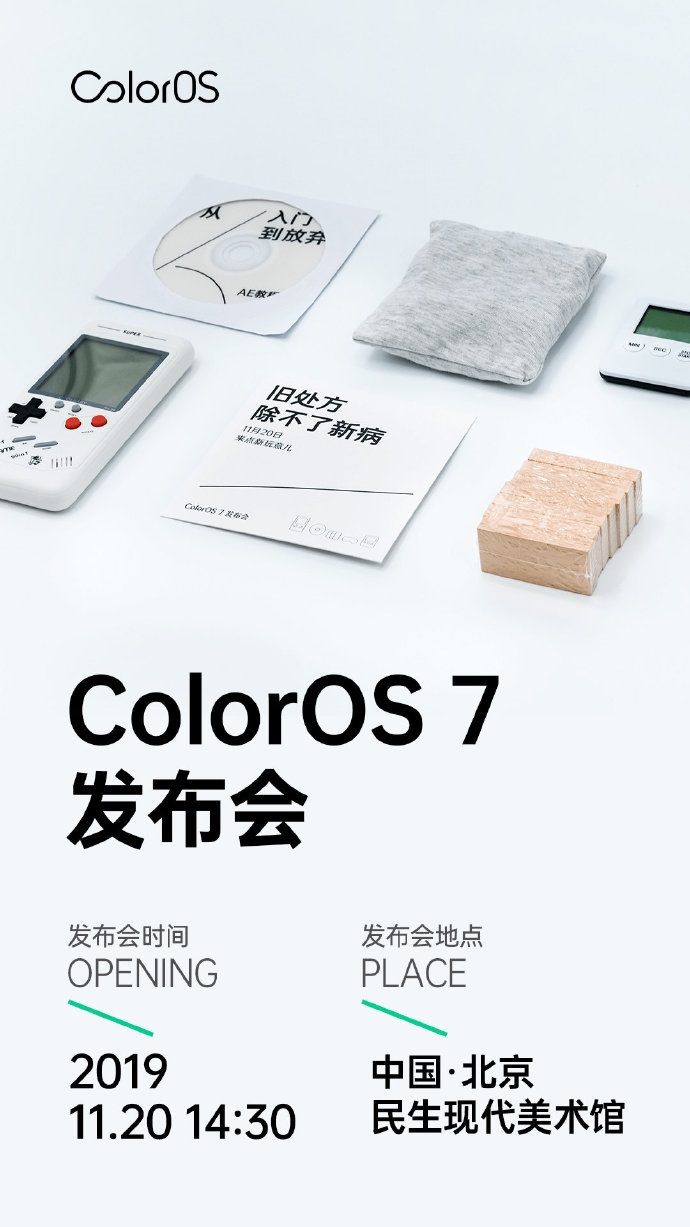
Yesterday, we reported that OPPO will be launching its new ColorOS 7 custom user interface in this month and now the company has officially confirmed that the ColorOS 7 will go official in China on 20th November.
While the company has not revealed what new feature will be a part of this upcoming user interface, the launch announcement poster hints at some of the features that we should expect from OPPO. It seems that ColorOS 7 will be focusing on improving the performance, gaming experience, and many other aspects.
Shen Yiren, Vice President of Oppo had earlier revealed that the ColorOS 7 will be released for the company’s flagship smartphone Oppo Reno 10X Zoom Edition. Apart from that nothing much is known about this operating system.
Earlier this month, Madhav Sheth, CEO of Realme India had revealed that the company will not be launching the RealmeOS as rumored. Instead, the company will be getting an exclusively customised version of the ColorOS 7 designed for Realme smartphones.
A few Chinese smartphone manufacturers like Xiaomi and Huawei have already announced a newer and updated version of their own custom Android skin. Now, Oppo has confirmed that it will also be joining the list.
The Chinese company had launched ColorOS 6 last year in November which comes with a updated user interface, Game Boost 2.0, updated camera, gaming, and security features, among others.
While nothing much is known about the upcoming ColorOS 7, we expect it to be based on the latest Android 10 operating system. It remains to be see what additional features the company is planning to add in this new version of the custom skin, although we don’t expect to see a major overhaul in terms of interface design.
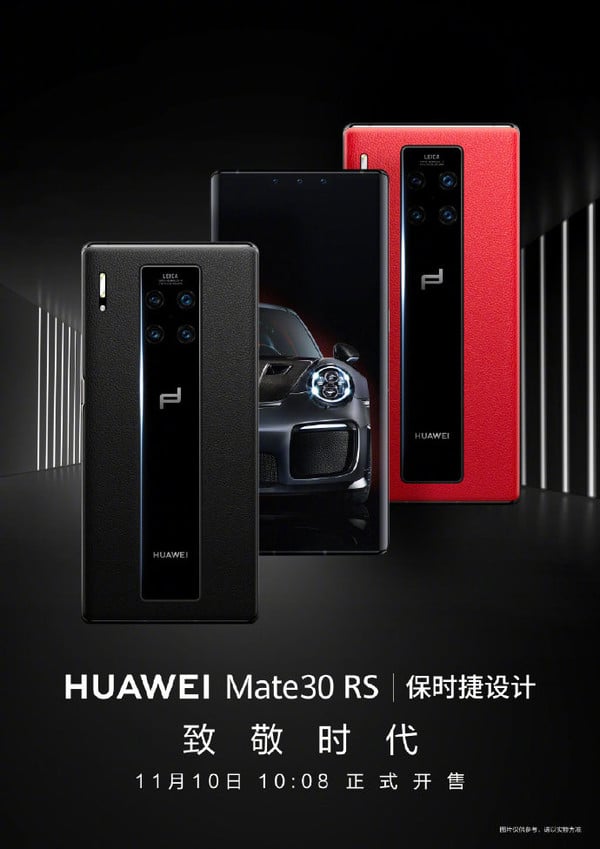
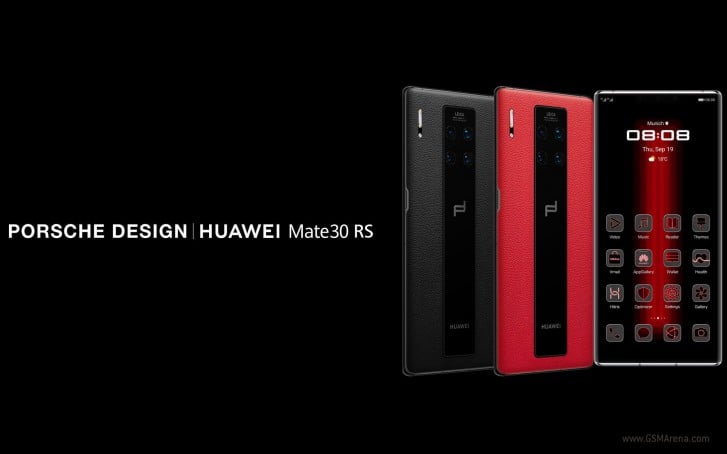
In China, the Huawei has been selling the 4G and 5G editions of the Mate 30 and Mate 30 Pro flagship phones. The Chinese manufacturer is now gearing up to release the premium Mate 30 RS Porsche Design smartphone in the home market. Today, it has confirmed that the Mate 30 RS will be available for purchase in China from Nov. 11.
The Huawei Mate 30 RS Porsche Design smartphone will be up for buying at 10:08 AM on the said date. The handset has 12 GB of RAM and a massive internal storage of 512 GB (UFS 3.0). It will be available with a pricing of 12,999 Yuan (~$1,850). In Europe, the Mate 30 RS is priced at 2,095 euros (~$2,330).
In terms of specifications, the Mate 30 RS Porsche Design mirrors the Mate 30 Pro 5G smartphone. The premium smartphone comes in Red and Black colored leather back. There is a thick vertical glass strip that houses the four cameras. The LED flash is placed at the upper-left corner of the back panel.
The Huawei Mate 30 RS Porsche Design is fitted with a 6.53-inch OLED Horizon Display that has 88-degree curvature at its right and left edges. The Kirin 990 chipset that is integrated with 5G modem powers the smartphone.
The quad camera setup of the Mate 30 RS includes a 40-megapixel f/1.6 aperture wide-angle primary lens, a 40-megapixel f/1.8 aperture ultrawide lens, an 8-megapixel telephoto lens with f/2.4 aperture and a 3D ToF (Time of Flight) sensor. The quad cameras support up to 3x optical zoom, 5x hybrid zoom and 30x digital zoom. The frontside of the phone has a 32-megapixel selfie camera that it is coupled with a 3D ToF camera.
The Mate 30 RS draws power from a 4,500mAh battery. The smartphone is equipped with support for 40W wired charging and 27W fast wireless charging. The smartphone can be used for charging other devices through its reverse charging feature. The phone carries support for Face ID and it also features an in-display fingerprint scanner. It lacks a 3.5mm audio jack. The other features of the phone include hybrid SIM slot with support for nanoSD card, NFC and IR. Lastly, the device has an IP68 rated dustproof and water-resistant chassis.
A mobile phone is no longer a device used to just making and receiving phone calls or SMS messages. The device has come a long way and is currently used for performing multiple tasks including making videos.
YouTubers, vloggers, and mobile photographers who fancy capturing memorable moments using their mobile phone cameras resort to using all sorts of mobile phone accessories to get the desired output. The most popular among these useful accessories is a handheld gimbal stabilizer as it aid steady video shooting in addition to offering various other functions.
Considering their popularity and undying demand, it is hardly surprising that the market is crammed with all sorts of gimbal stabilizers. On the downside, they aren’t easy on the pocketbook. In fact, a top-branded gimbal stabilizer could set you back a pretty penny.
Settling for a low-priced alternative isn’t recommended. Is there a high-end gimbal stabilizer that doesn’t cost a bomb is probably the burning question popping inside your head right now. If you are in the market for a high-end gimbal stabilizer that doesn’t carry a steep price tag, we got good news for you.
The feature-rich Cinepeer C11 3-axis smartphone handheld gimbal stabilizer has gone up for sale bearing a considerably lowered price as part of its global launch on Gearbest. The Cinepeer C11 3 would normally set you back $119, but much to the relief of those on a tight budget, it is now available for only $89 on the Chinese online store.
This is a noteworthy 25 percent reduction in the device’s original asking price. An absolute steal at this price, the Cinepeer C11 Gimbal Stabilizer can be deemed as an entry-level smartphone stabilizer that boasts advanced features and adopts a sophisticated design.
An ideal videography partner, Cinepeer C11 offers multiple modes for recording videos, which comes in handy for a novice video shooter. Aside from being a great choice for beginners, the C11 is perfect for professional filmmakers who are willing to explore the vast possibilities that can be achieved with your smartphone.
The main features of the Cinepeer C11 gimbal stabilizer include its ability to minimize shaky footage, and ease of switching between landscape and portrait. Moreover, it comes with four filming options including the Following mode, Lock mode, Full Following mode, and POV mode.
Other equally exciting features are dolly zoom, timelapse / motion lapse / hyperlapse, panorama, object tracking, two-way charging, ergonomic grip, superior quality materials, coupled with exquisite workmanship, and ZY Play app. You can click here to visit the promotion page by clicking here and check out more details about the Cinepeer C11 gimbal stabilizer before placing your order.
With over a hundred pieces sold at the time of writing, this promo is slated to end in 13 days. The global launch time will be from November 4th to December 4th, while this flash sale will come to an end on December 4th.
You can check out equally amazing deals and products under the More Deals category on the promotion page. The More Zhiyun section, on the other hand, features a slew of heavily discounted gimbal stabilizers from Zhiyun.
The rumor mill is actively spilling information on the Galaxy A51 smartphone that is expected to go official in Q1 2020. A recent report had revealed that Samsung has started producing the Galaxy A51 in India. A fresh leak has revealed key specifications of the smartphone well of its launch.
Leakster Ishan Agarwal has revealed that the Galaxy A51 is equipped with a 6.5-inch Super AMOLED display. The A51 is expected to come equipped with One UI 2.0 based Android 9 Pie OS pre-installed. It could be packed with a 4,000mAh battery. For capturing selfies, it may feature a front camera of 32-megapixel. The primary sensor of the camera setup placed on its rear could be of 48-megapixel.
The Galaxy A51 had appeared on Geekbench benchmarking platform last month. It had revealed that the phone is fueled by Exynos 9611 chipset and 4 GB of RAM. Previous reports have revealed that the phone will be hitting the markets in 64 GB and 128 GB storage editions.
The screen of the Galaxy A51 likely to feature a small notch and it is expected to deliver full HD+ resolution. Like the Galaxy A50s, the upcoming Galaxy A51 could be equipped with an in-display fingerprint reader.
The images of the internal components have revealed that it will be equipped with a L-shaped quad camera system and it will be featuring a USB-C port and a 3.5mm audio jack. The handset could be available in silver, black and blue color variants.
It appears that the Galaxy A51 may not be too different from the Galaxy A50s that had gone official in September. In India, the Galaxy A50s is priced at Rs. 20,999. Hence, it is likely that the Galaxy A51 will be also costing around Rs. 21,000.
The Galaxy A50s has a 6.4-inch S-AMOLED full display with under-display fingerprint sensor. The Exynos 9611 chipset powers the phone’s 4 GB and 6 GB RAM variants. It comes in 64 GB and 128 GB storage choices. On its rear is a 48-megapxiel + 8-megapixel + 5-megapixel triple camera system and it has a front-facing camera of 32-megapixel. The device is backed by a 4,000mAh battery that supports 15W fast charging.
We use cookies on our website to give you the most relevant experience by remembering your preferences and repeat visits. By clicking “Accept”, you consent to the use of ALL the cookies.
This website uses cookies to improve your experience while you navigate through the website. Out of these, the cookies that are categorized as necessary are stored on your browser as they are essential for the working of basic functionalities of the website. We also use third-party cookies that help us analyze and understand how you use this website. These cookies will be stored in your browser only with your consent. You also have the option to opt-out of these cookies. But opting out of some of these cookies may affect your browsing experience.
Necessary cookies are absolutely essential for the website to function properly. This category only includes cookies that ensures basic functionalities and security features of the website. These cookies do not store any personal information.
Any cookies that may not be particularly necessary for the website to function and is used specifically to collect user personal data via analytics, ads, other embedded contents are termed as non-necessary cookies. It is mandatory to procure user consent prior to running these cookies on your website.