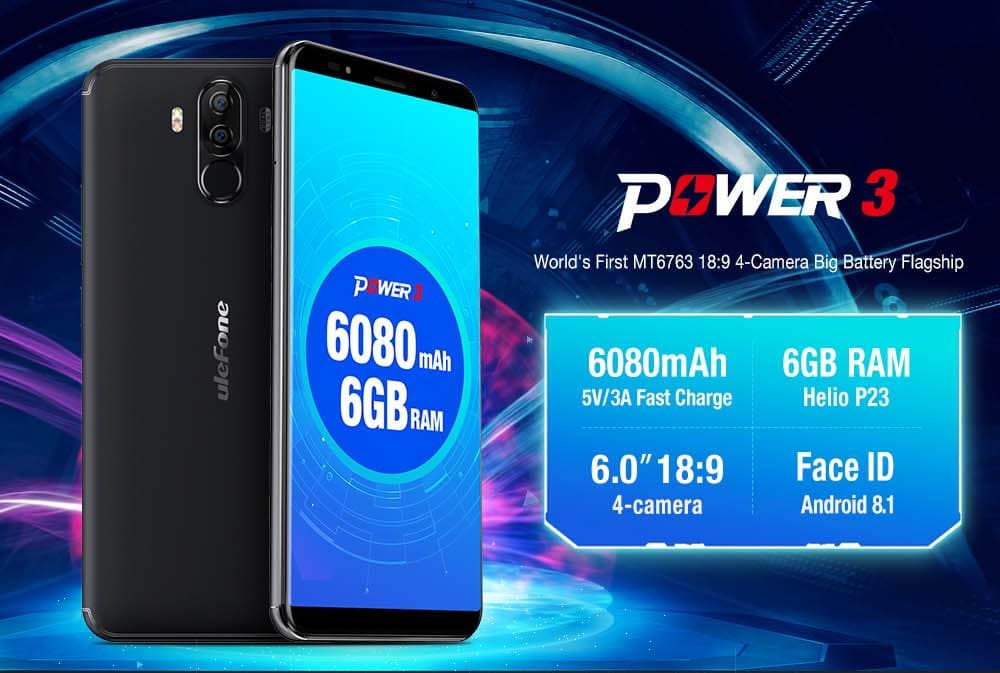
Ulefone Power 3 4G smartphone sports a massive 6-inch display with a screen resolution of 2160 x 1080 pixels. Moreover, it is backed by a robust 6080mAh battery, which makes it ideal for people who have low battery anxiety.
Despite being crammed with a myriad of jaw-dropping specs and features, Ulefone Power 3 did not garner huge popularity among smartphone enthusiasts since it bears a relatively steep price tag. But that’s about to change.
Much to the delight of those who have restlessly been waiting to get their hands on the Power 3 smartphone without spending a lot of money, AliExpress is currently offering 20% discount on the handset’s original asking price of $299.99. This gives budget-conscious buyers an opportunity to buy the Ulefone-branded power packed handset.
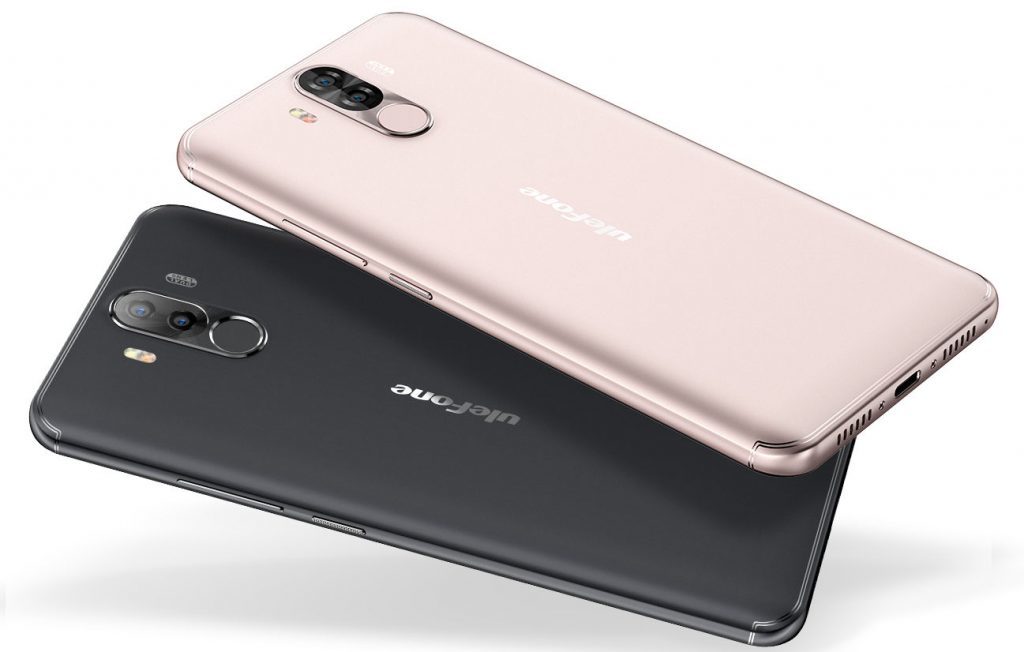
You now need to shell out just $239.99 to buy Ulefone Power 3 smartphone, which offers 6GB of RAM and 64GB of internal storage. The black and gold color versions of the Power 3 smartphones are up for grabs at this discounted price on AliExpress.
It is imperative for you to bear in mind that only 14 pieces were available at the time of writing. On top of that, the promo is slated to end in 4 days so head straight to this link and buy Ulefone Power 3 smartphone for just $239.99 before the promo ends.
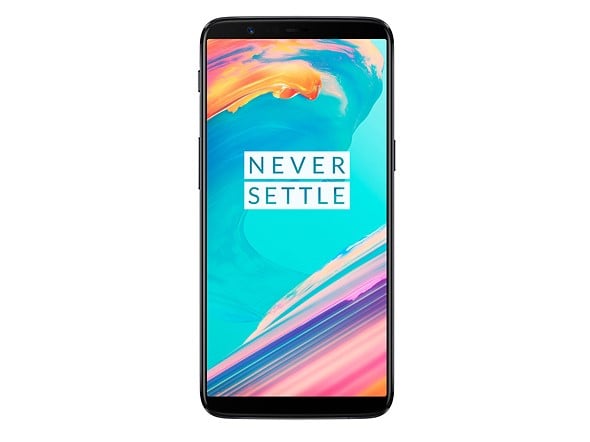
In December 2017, the rumor mill had revealed the arrival time of Snapdragon 845 powered flagship phones from different brands this year. It stated that OnePlus would be debuting the OnePlus 6 smartphone in June this year. Today, through an interview with CNET, OnePlus CEO Pete Lau confirmed that the company’s next flagship smartphone would be powered by Snapdragon 845 and it will be debuting late in the second quarter of this year.
Talking about the Snapdragon 845 for the rumored OnePlus 6, Lau claimed that the company chose it since there was no other choice. He did not confirm on the name of the next flagship phone from OnePlus, but the naming pattern that it has been using for its smartphones suggests that it will be launching as OnePlus 6.
As far as OnePlus 6T is concerned, Lau said he is not 100 percent sure whether the company will be releasing a second smartphone in this year. OnePlus co-founder Carl Pei had said in an earlier interview that the company has not planned to launch OnePlus 6T yet. It will be launched only if there is any new feature in the market which is not available on the OnePlus 6.
This year, OnePlus will be attempting to launch its smartphones through local carriers in the U.S. Hence, the company will soon begin talks with one or more wireless operators in the U.S. However, he did not specifically confirm whether the OnePlus 6 will be releasing through U.S. carriers this year.
When the company had newly entered the U.S. market, it saved money by selling smartphones through invitation system meaning that it manufactured smartphones according to the number of invitations that buyers received. However, when its smartphones became very popular, it axed the invitation system.
While talking about making its phones available through the U.S. carriers Lau said that only when the right opportunity and time arrives, OnePlus will consider experimenting with it. Market analysts have estimated that around 85 percent to 90 percent consumers in the U.S. purchase smartphones through their carrier. Hence, selling its phones through carriers will certain allow OnePlus to increase its market share in the U.S.
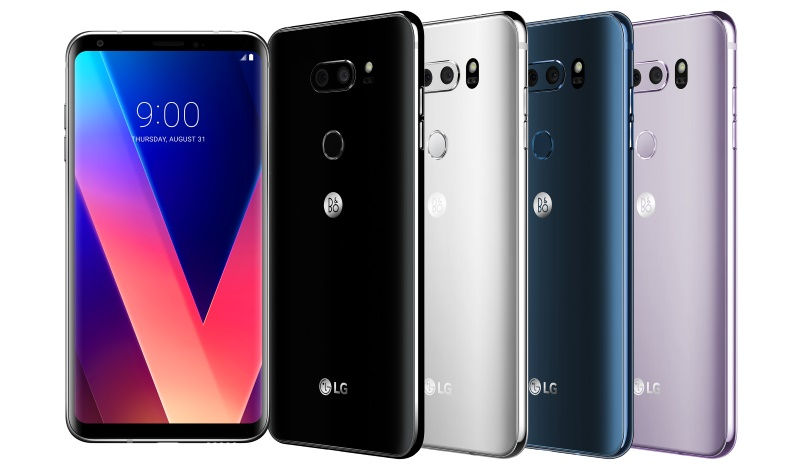
Since the past few years, LG has been launching G series smartphones in the first quarter of the year and it has been releasing the V series smartphones in third quarter of the year. In a bid to help its struggling smartphone business that has encountered losses in 11 straight quarters, LG has decided that it will not be setting a regular timeline for launching its smartphones.
On Wednesday, when LG Electronics Vice Chairman Cho Sung-jin was asked about the estimated launch time of the LG G7 during the Consumer Electronics Show (CES) 2018, he responded by saying that the company won’t be announcing new phones just because rivaling companies are doing so and it will be launching new smartphones only when it is needed. It However, he added that the company will continue to launch more variants of the G series and V series smartphones.
LG has been doing well in home appliance business and other sectors, but it has met with very slow growth in the smartphone business. In 2017, it had released the LG G6 and LG V30 with full screen design, but most of its earnings did not come from its flagship smartphones, but from budget phones. Compared to 2016, LG was to reduce its losses in mobile business by 40 percent in 2017. Analyst are of the view that LG’s mobile business will suffer in this year too, but it will continue to reduce it losses.
Cho did not directly confirm that the company is changing the strategy towards mobile business because of the losses it has been facing. Instead, he said that it is necessary to retain a good platform for a long time while stating the concerns about the supply of materials for lithium batteries. A recent report had also revealed that LG is planning to rebrand its G series of smartphones. Hence, it is speculated that the company may launch the LG G7 with a different moniker.
Will LG’s new strategy for its mobile business allow it to reduce its losses and become a better brand? Share us your views by adding your comments below.
HMD Global kicked off the year with the launch of the Nokia 6 (2018) smartphone. A week later, it has followed it with another launch. However, this is not a phone but the Nokia BH-501 Bluetooth earphones.
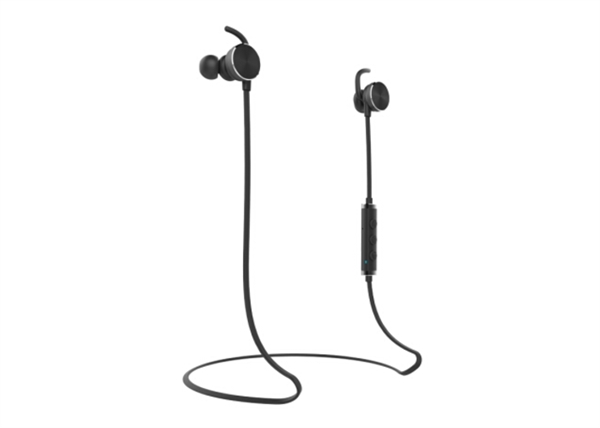
The Nokia BH-501 Bluetooth earphones has an aluminium body with a brushed material finish. The BH-501 is 50cm long, weighs 15g, and comes in only black. It also has an in-line remote with three buttons for music playback and for answering calls.
The highlight of the earphones is its 3-day battery life and 144 hours of standby time, though HMD has refused to disclose its battery capacity.
While it is not advertised as sports earphones, the Nokia BH-501 Bluetooth earphones actually has an IP55 rating. This means it can survive jets of water projected from a distance.
There is no mention as to when the Nokia BH-501 will go on sale and which retailers will have them in stock.
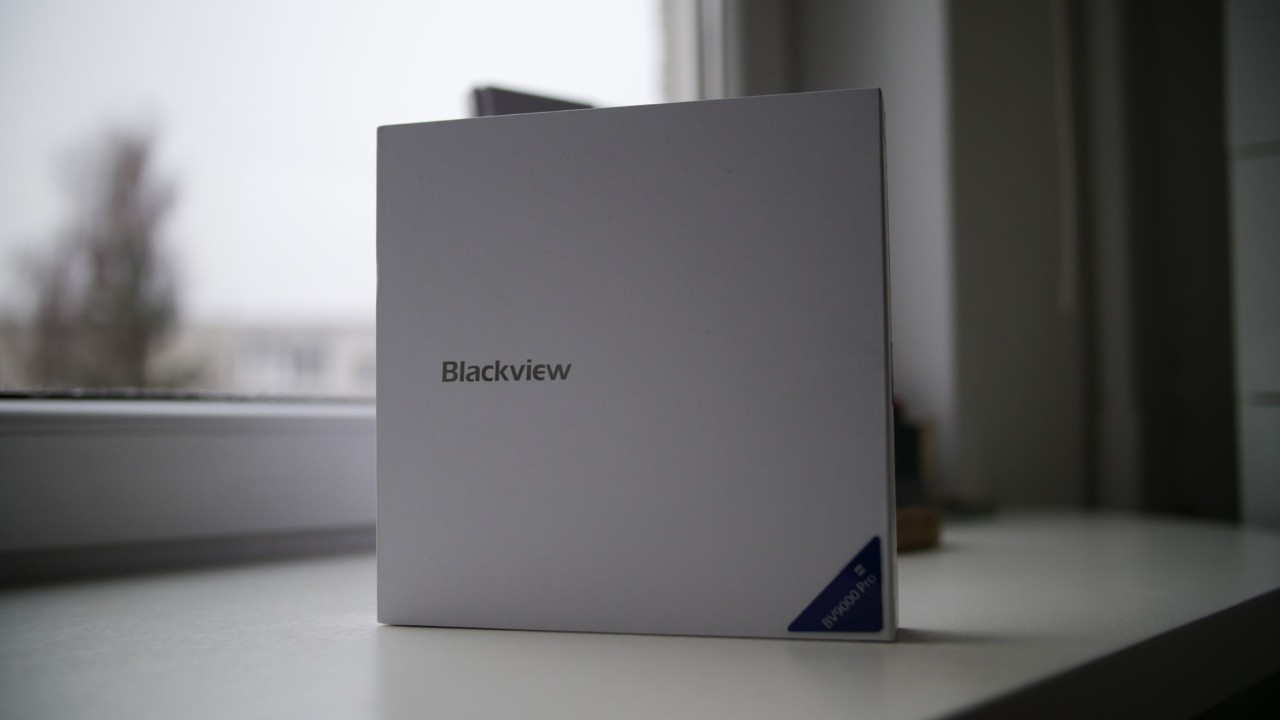
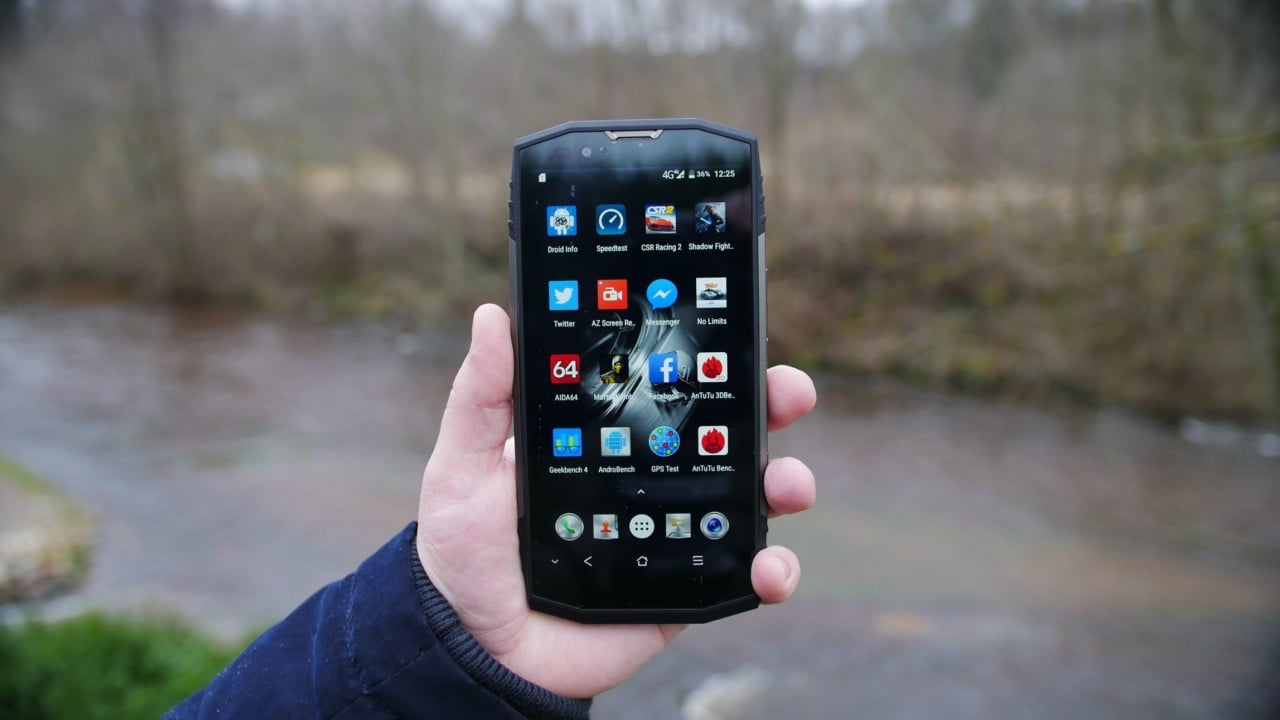
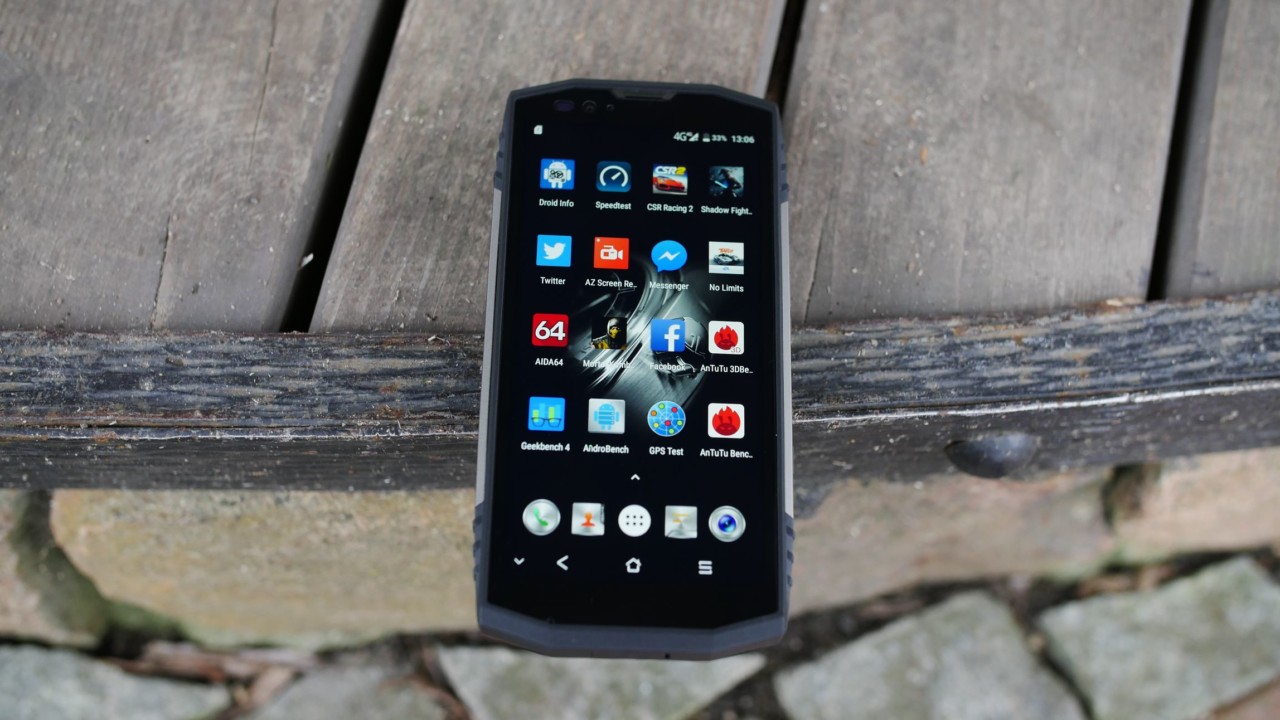
The company Blackview is known for producing all sorts of budget phones but their rugged devices series is one of the most popular on the market. The reason for that is the company manages to find a good balance between design, rugged properties, great specifications and of course, the price. Learn more in the Blackview BV9000 Pro review.
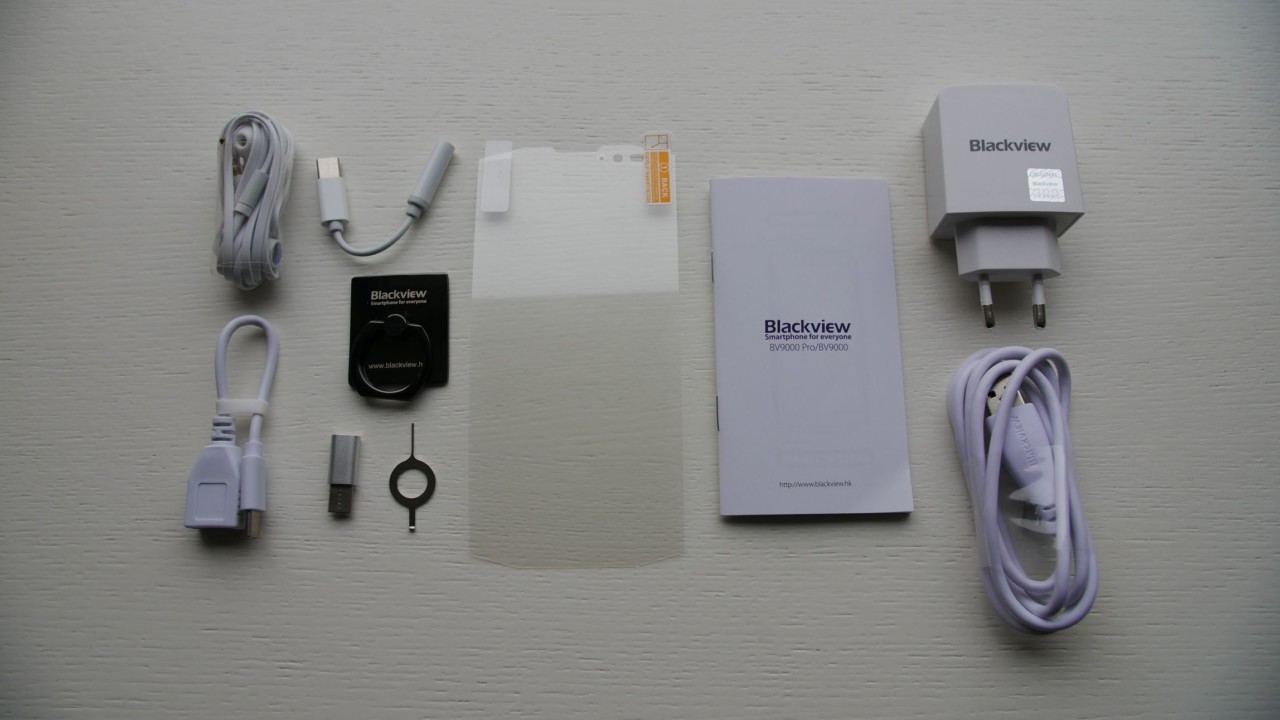
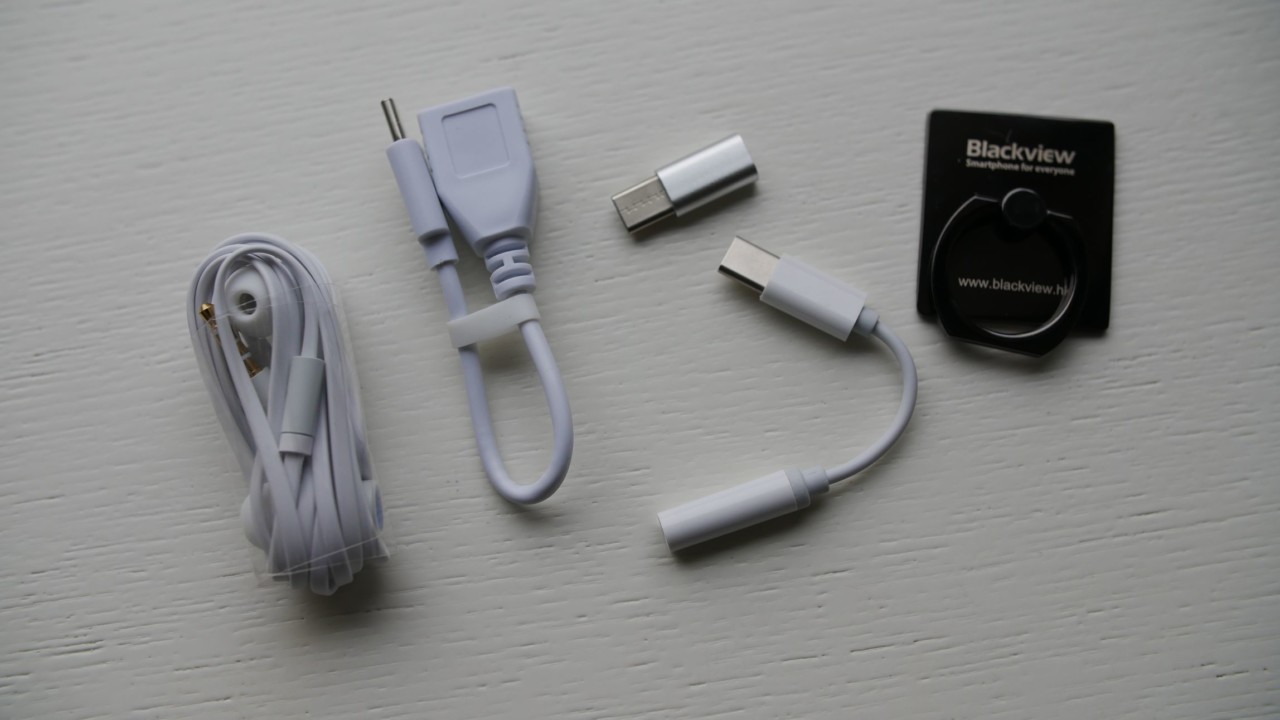
The phone ships with all the usual items and some extras include a screen protector, a pair of earphones, USB OTG cable, 3.5mm to USB C adapter, and micro USB to USB c adapter.
DESIGN and DISPLAY
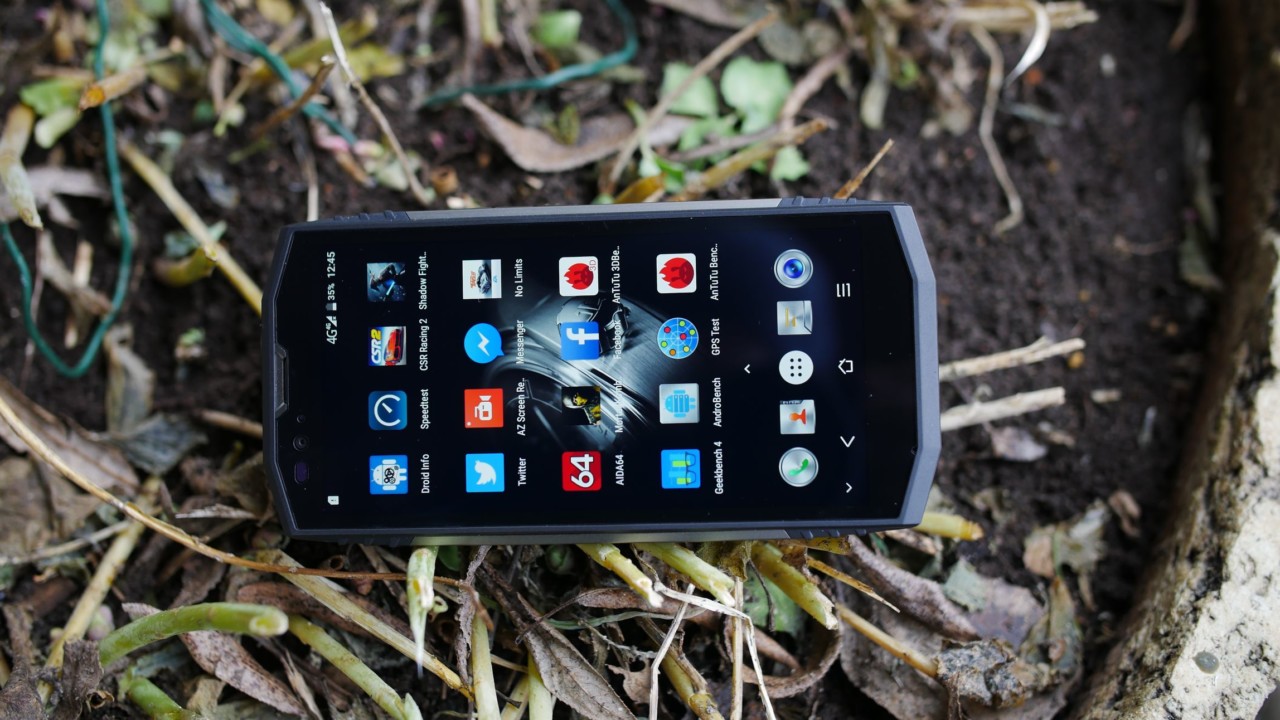
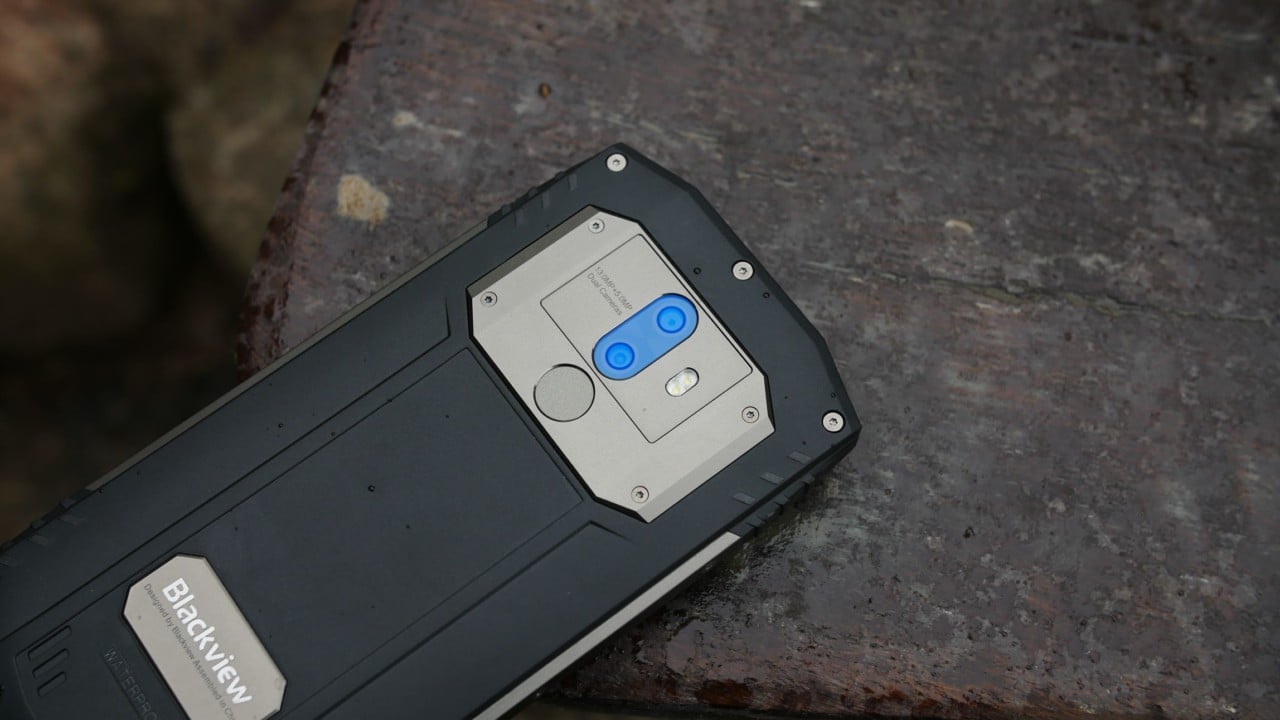
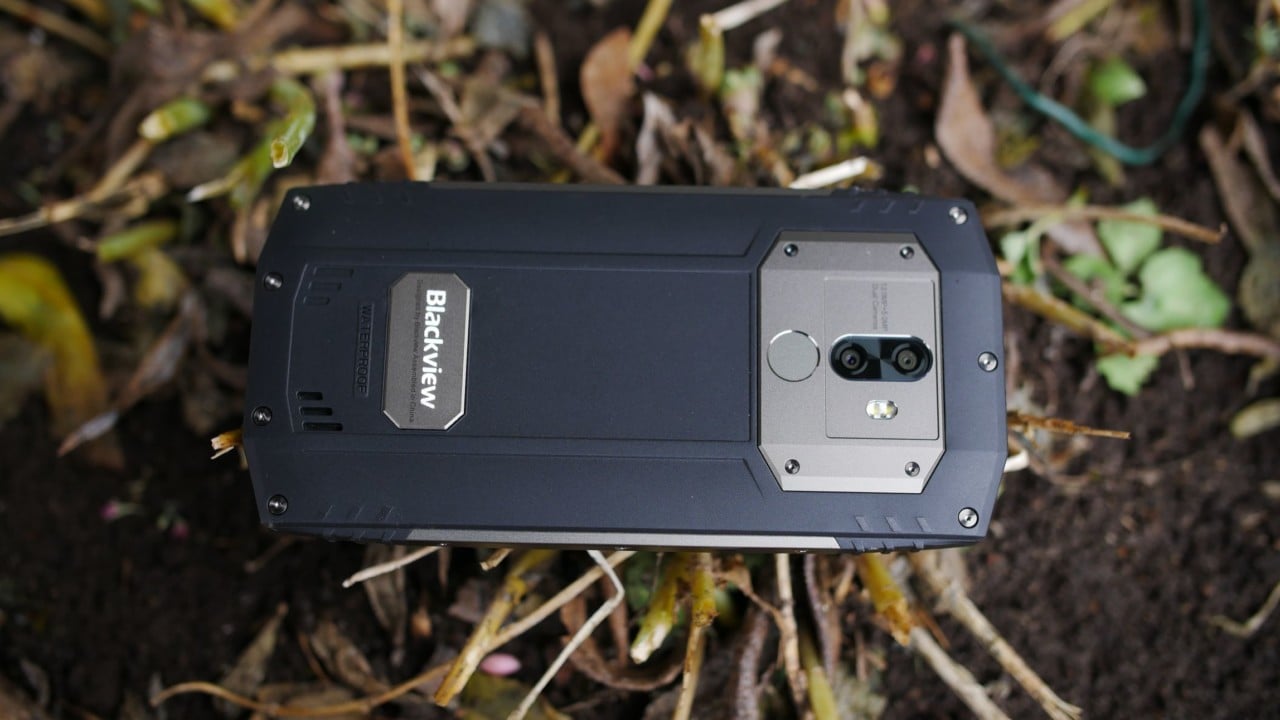
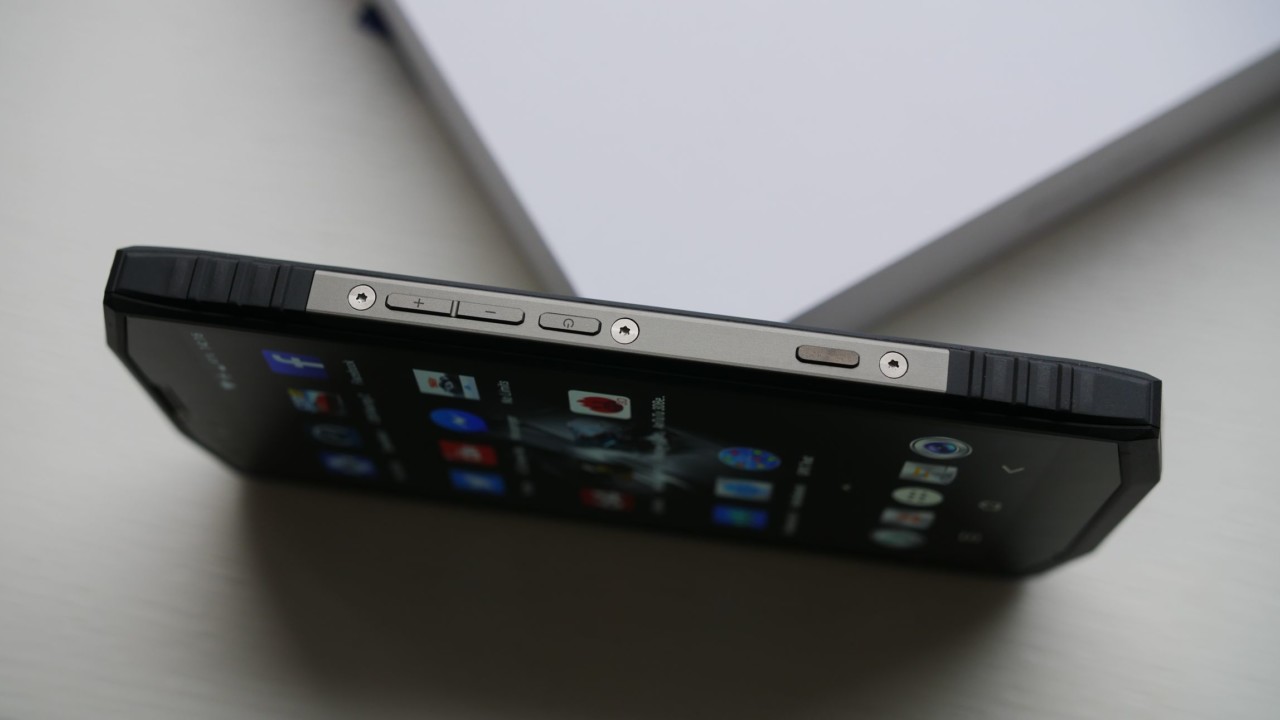
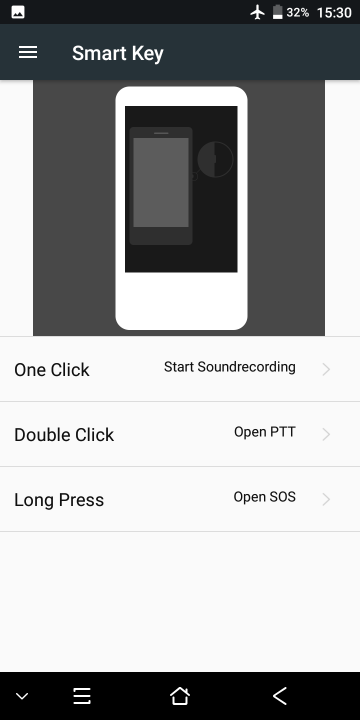
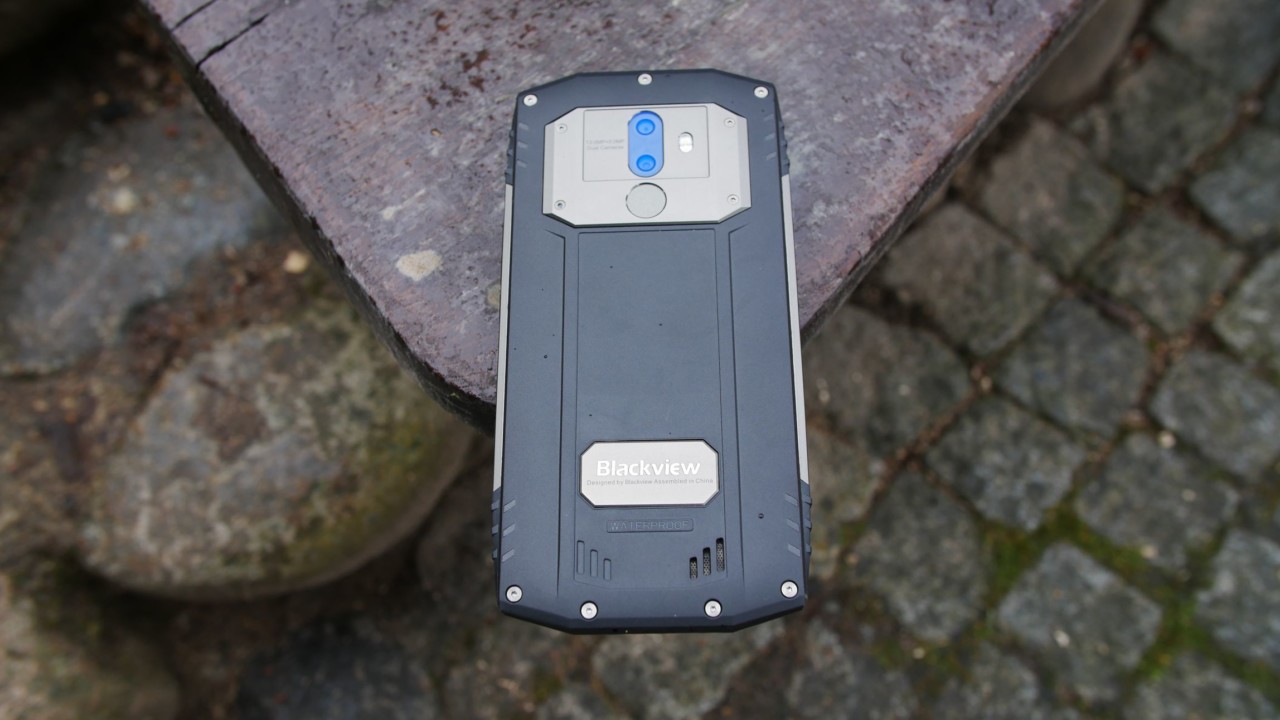
It is obvious that the BV9000 Pro is a rugged phone since it is thick and heavy but I have to say this is one of the best-designed and well-built rugged smartphones, just like my previously reviewed Blackview rugged phones. The build quality is excellent as the phone uses mostly metal and rubber in its construction. I love some extra features like a highly customizable smart key.
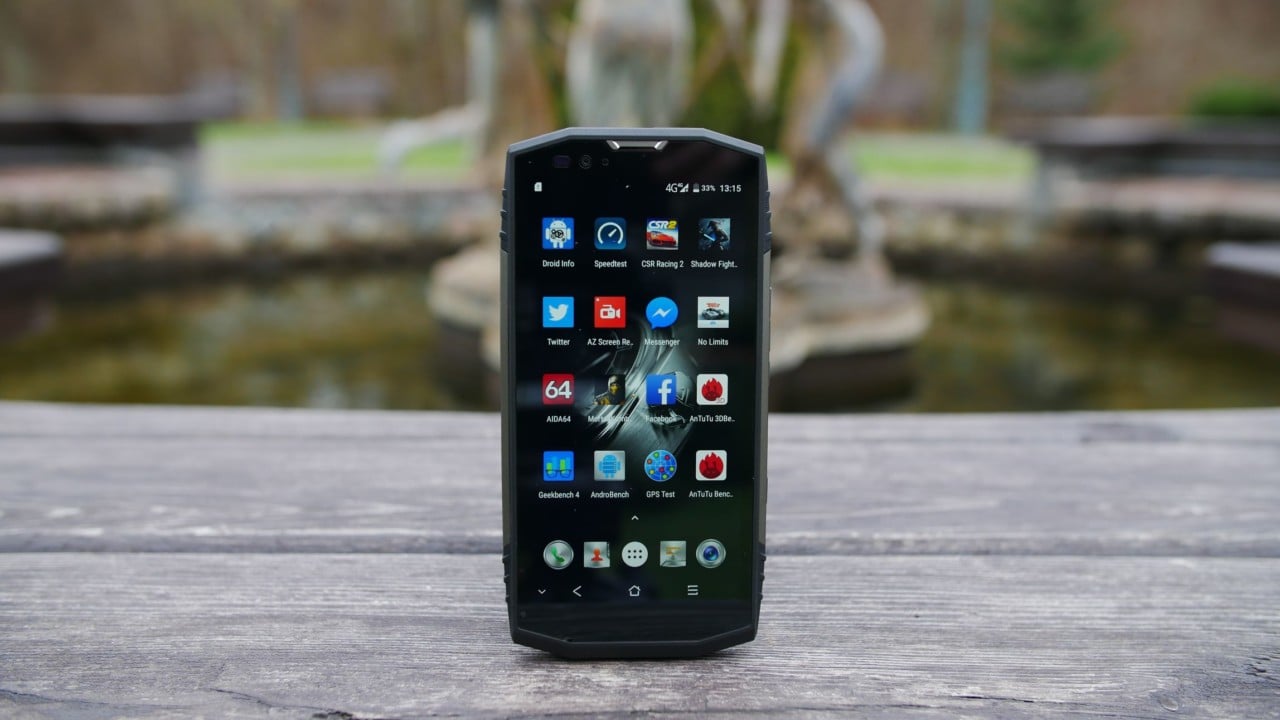
We now have 18:9 aspect ratio display that I found to be pretty sharp and vibrant both indoors and outdoors. The phone has the IP-68 rating meaning that it is water and dust resistant. Also, the rugged body assures that the phone will survive a few accidental drops. Unlike the BV8000 Pro, there are flaps that cover the ports to avoid water damage.
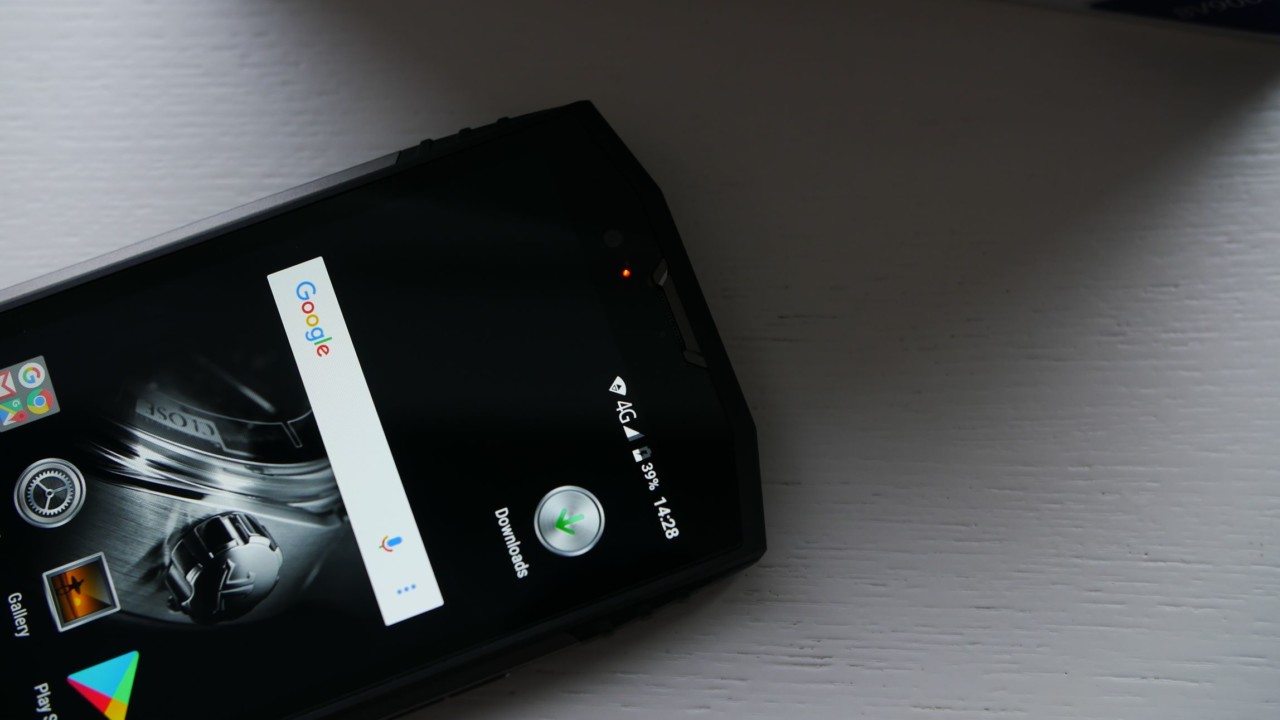
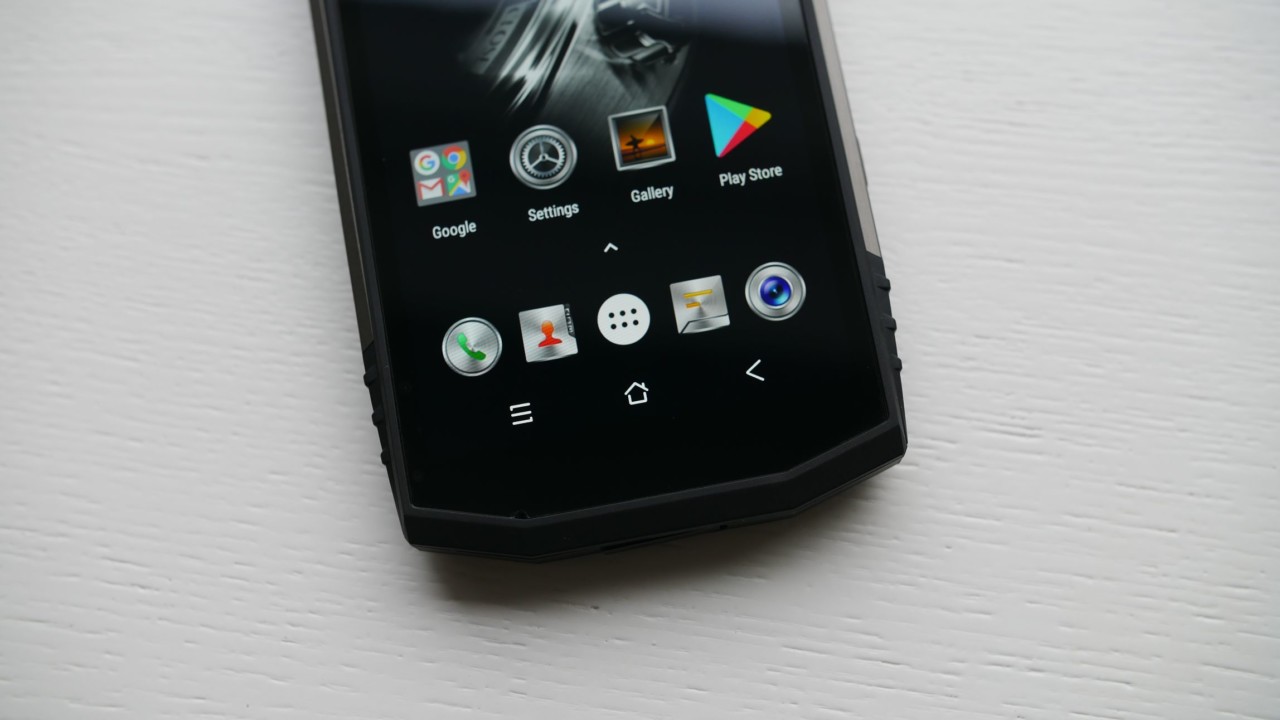
Just above the display, we have an 8MP shooter for selfies. It is great that we have a multicolor and customizable LED notification light. Gone are the capacitive keys, which are now implemented on the screen.
As for optics, we now have a dual camera setup that I will cover a bit later in the review.
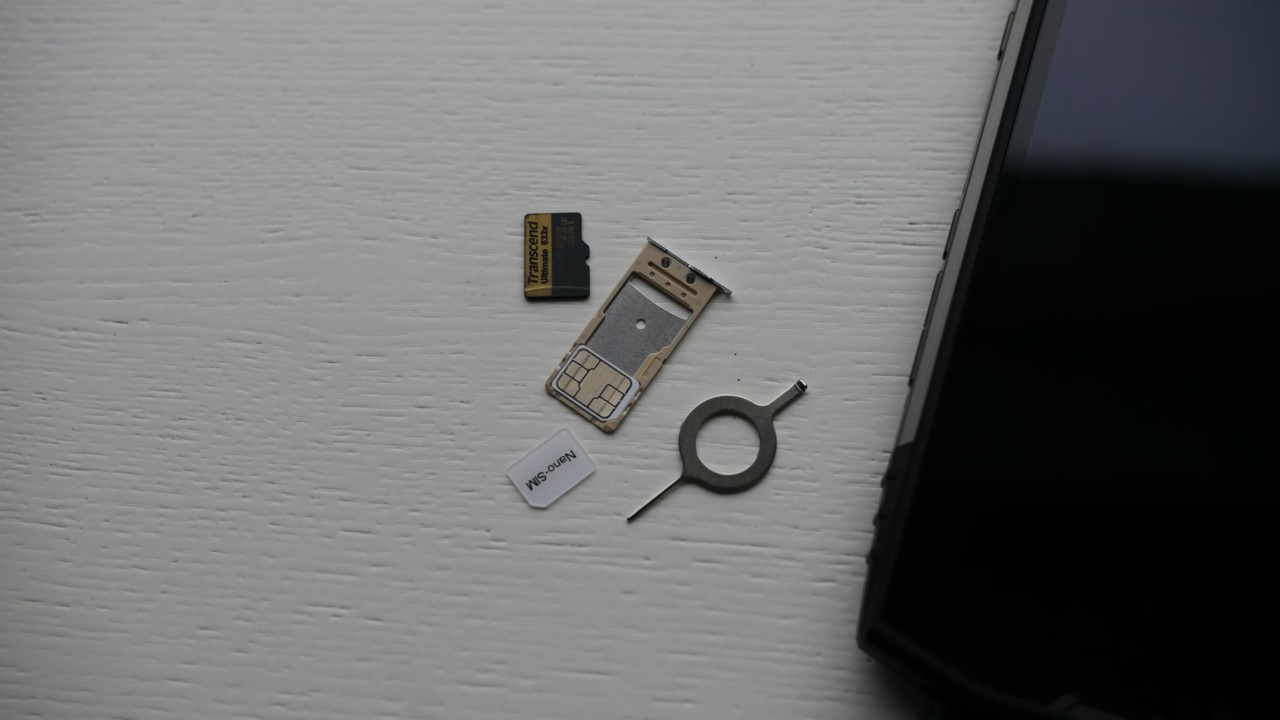
You can access two SIM card slots and the microSD card slot easier, you don’t need to remove the backplate like on a previous generation model.
I found the fingerprint scanner to be quite accurate even though the display could light up a bit faster.
Unfortunately, there is no headset jack but the sound quality via the supplied adapter is pretty good. Finally, the loudspeaker is one of the loudest I’ve ever heard and the quality is quite good but the sound could be more balanced.
HARDWARE and PERFORMANCE
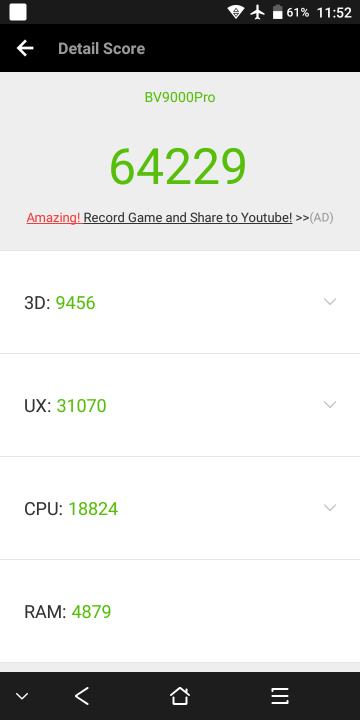
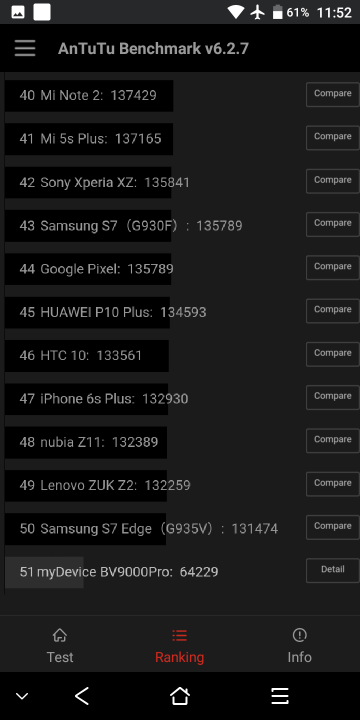
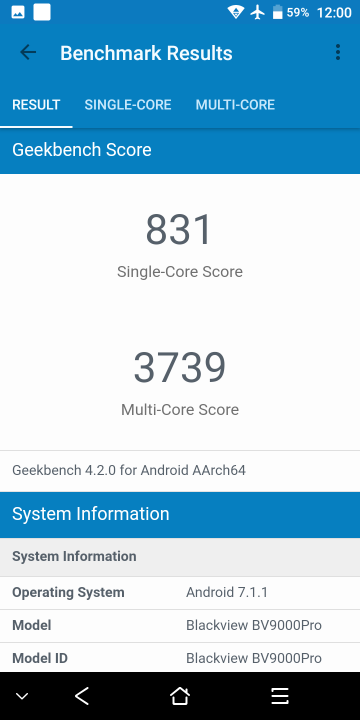
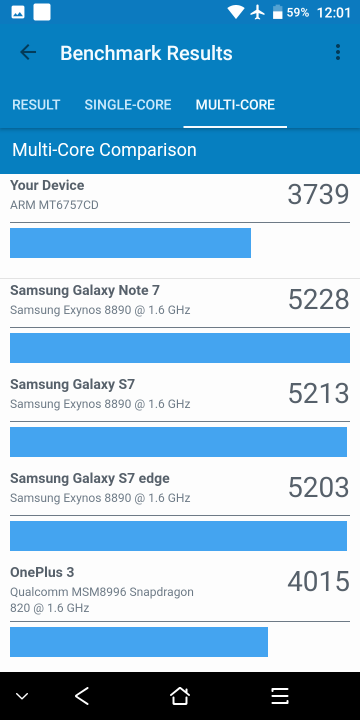
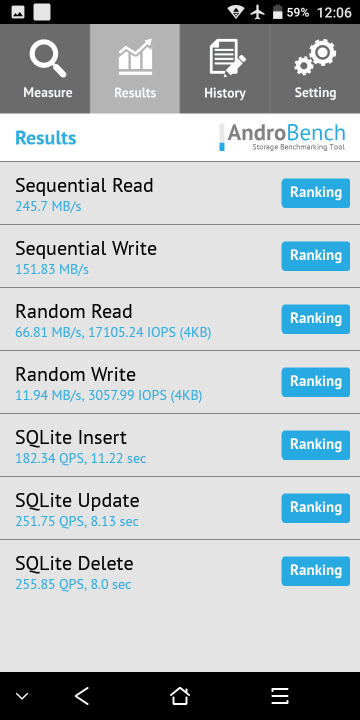
When it comes to hardware, the Blackview BV9000 Pro is one of the most powerful budget rugged phones out there.
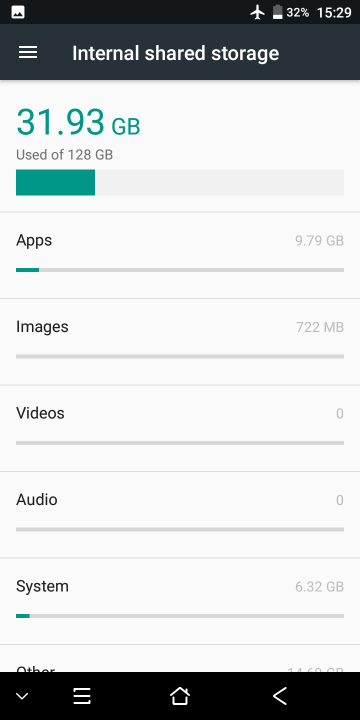
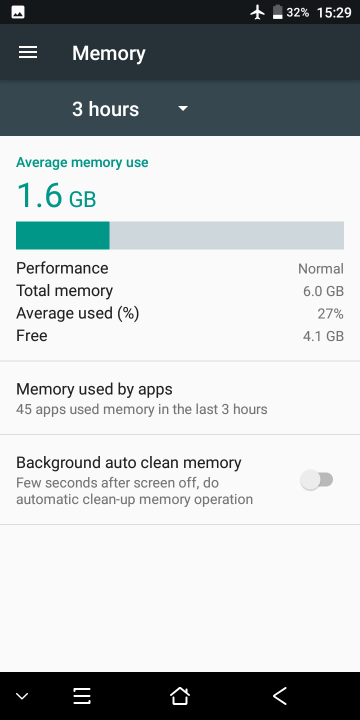
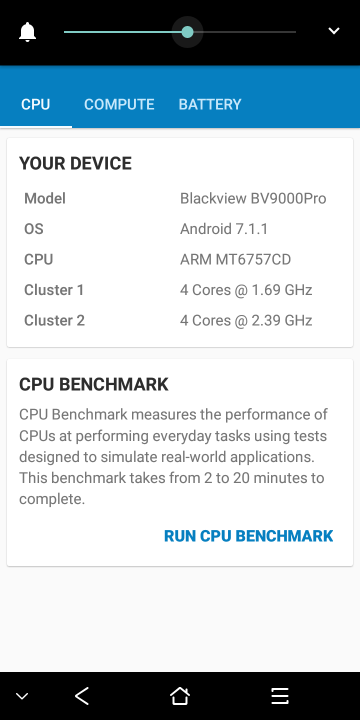
The phone ships with an octa-core MTK6757CD chip (2.6GHz), 6GB of RAM and 128GB of expandable storage.
The gaming performance is just great. All the 3D games work without any issues even if you play them on the very highest graphics settings, which is very impressive for a budget phone. Finally, I didn’t notice any overheating issues.
USER INTERFACE
As far as user interface goes, we are looking at a heavily customized Blackview’s skin that is built on top of Android 7.1.
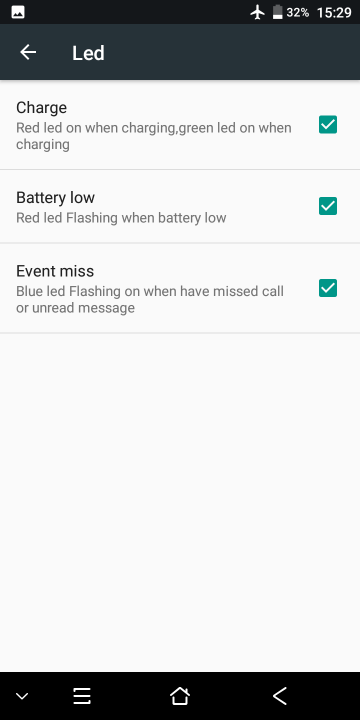
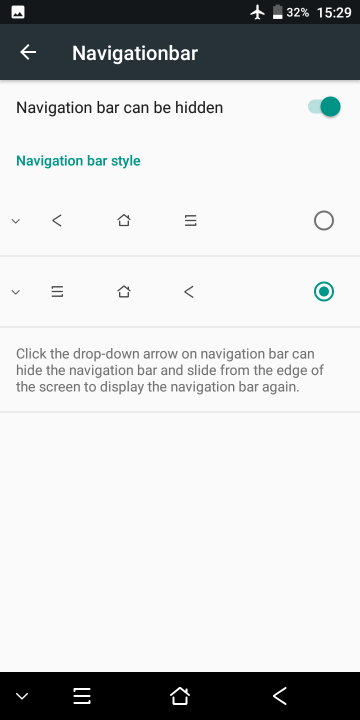
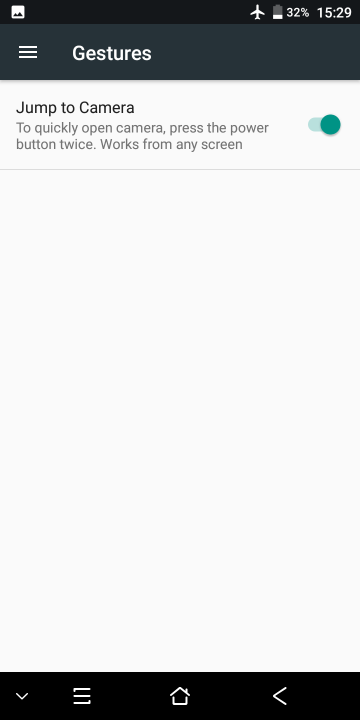
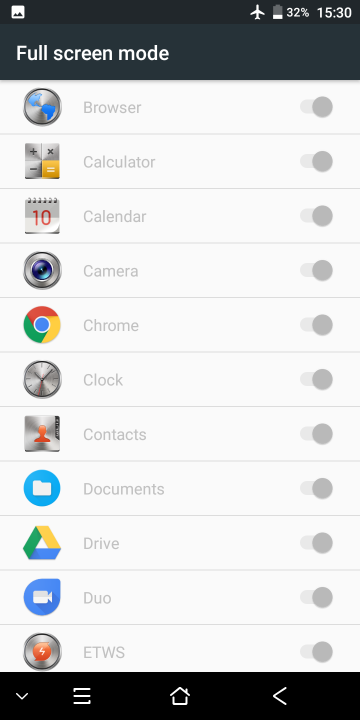
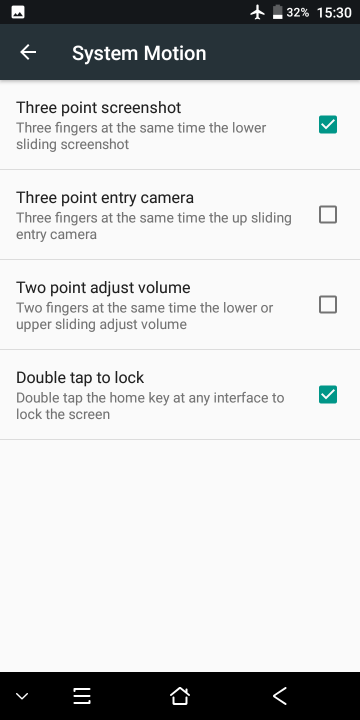
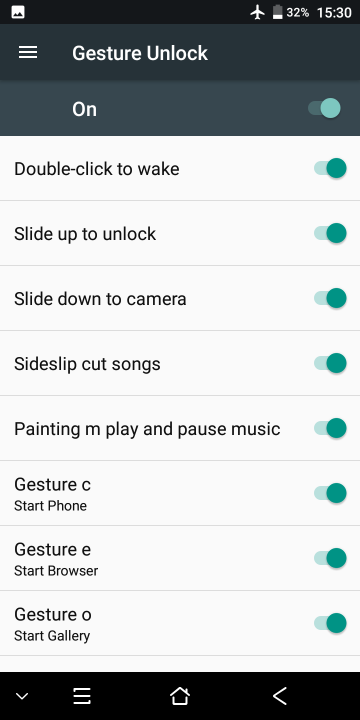
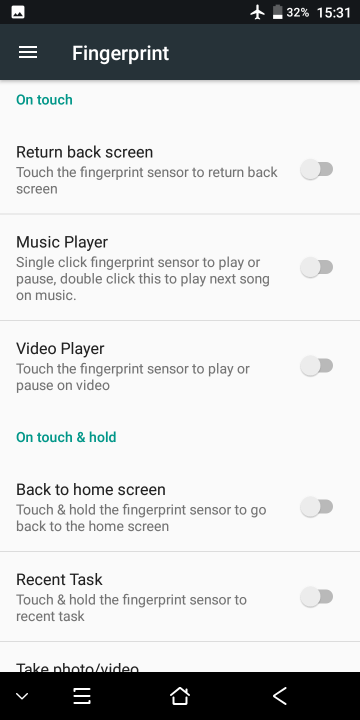
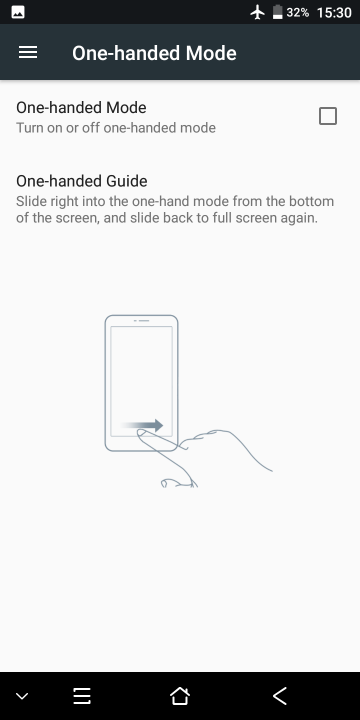
I’m glad that this time around they kept the app tray and there are customization options and extra features. You can customize the navigation bar, LED notification light, use some gesture controls that work fine or choose from quite a few fingerprint gestures if you wish so. Overall, it would have been nice to have Android 8 out of the box but I’m happy with the day to day performance as the phone is really fast and smooth even after installing plenty of apps.
BENCHMARKS
IMAGE QUALITY
The overall image quality is pretty good even if you take pictures on a cloudy day like I did. Sure, some of the shots could be more detailed but I at the end of the day, this is still a budget phone and I’m happy with the results.
The portrait shots are also surprisingly good in comparison to most of the budget Chinese phones I’ve recently tested.
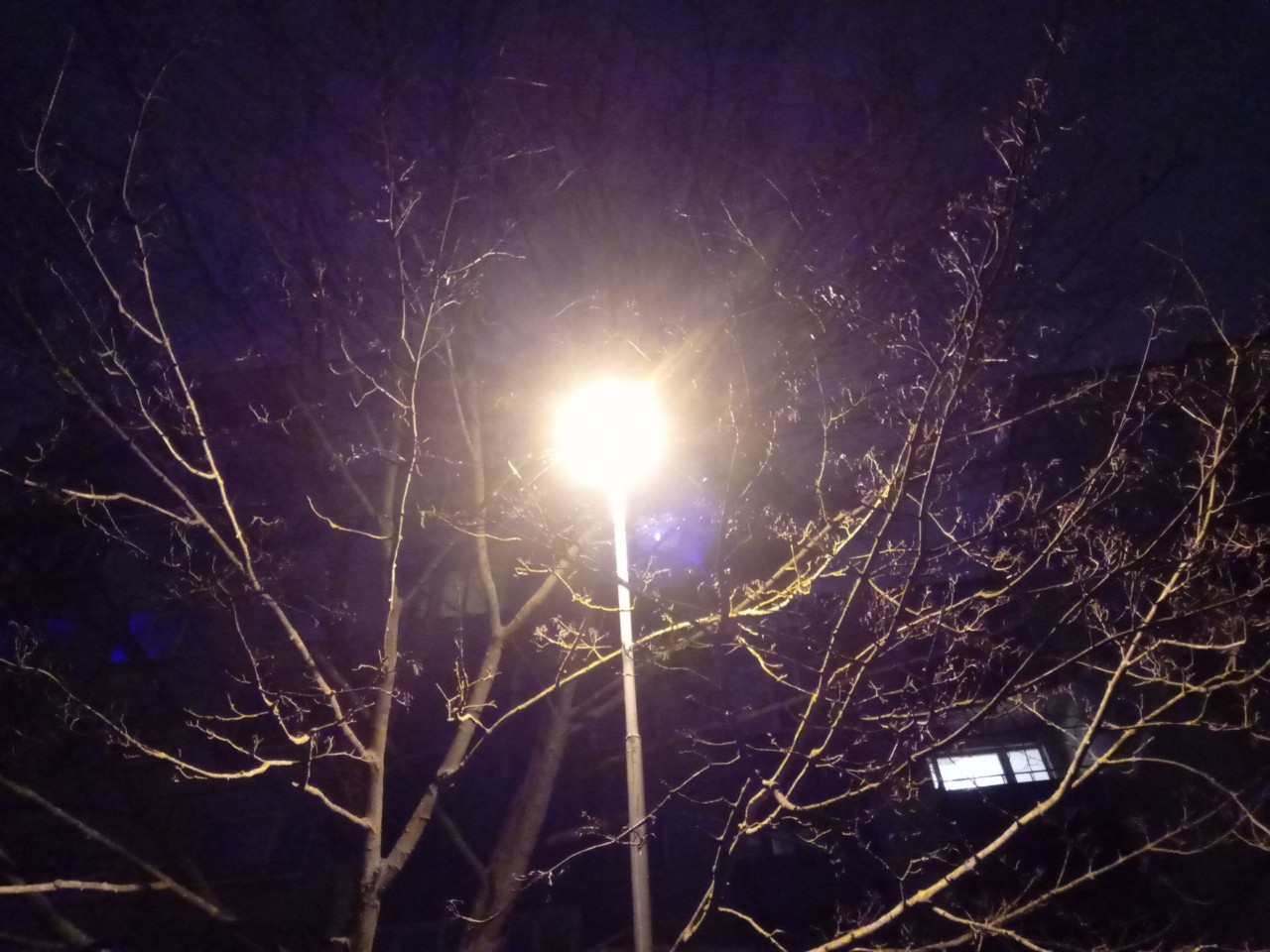
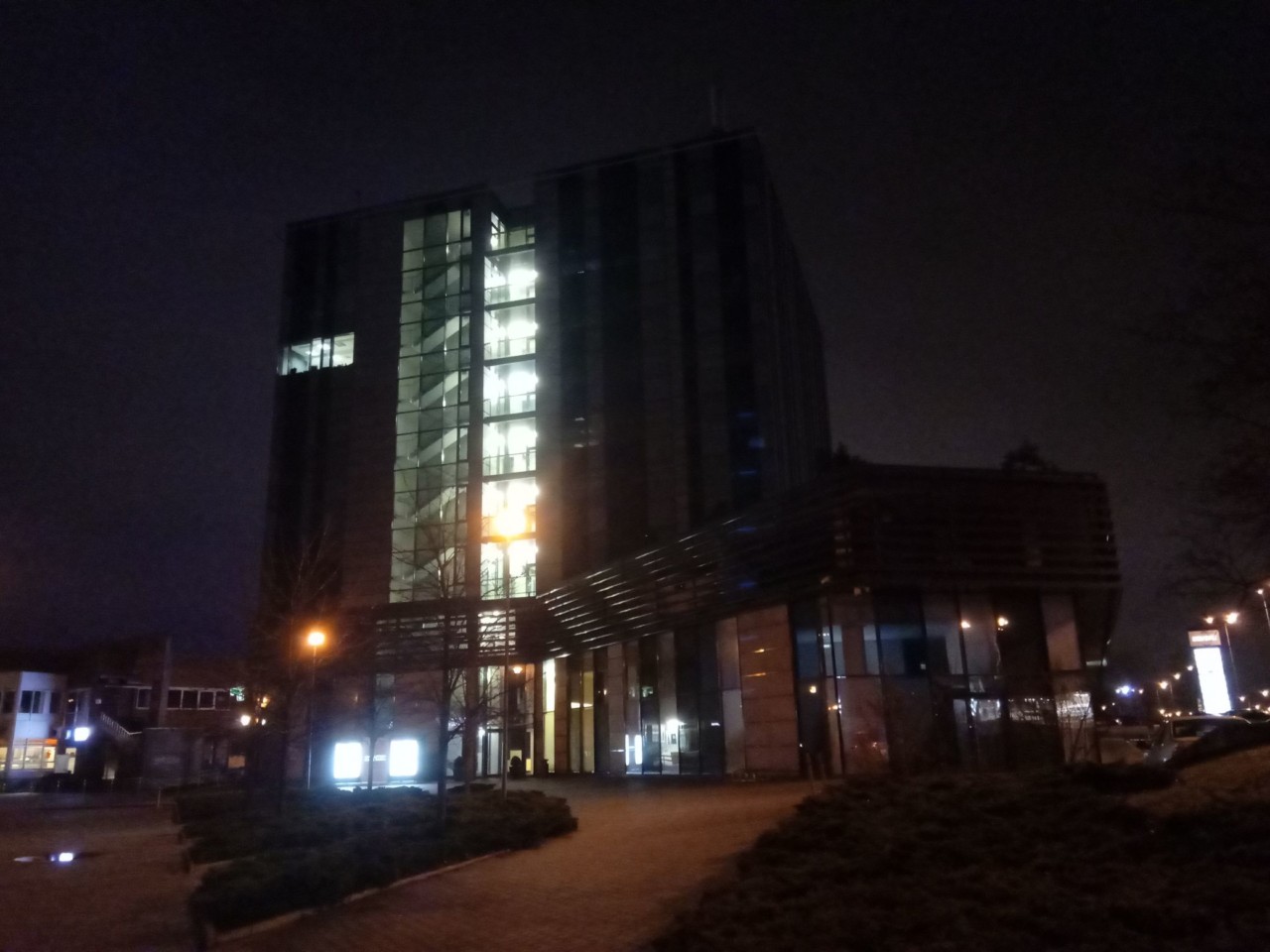
The night image quality, however, does not impress.
On a positive note, selfies taken with the 8MP camera look pretty good.
The phone can shoot videos in 4k and 1080p. The 4k video quality does not really impress as it could be much more detailed. There are also quite a few video artifacts going on and there is no continuous auto-focus.
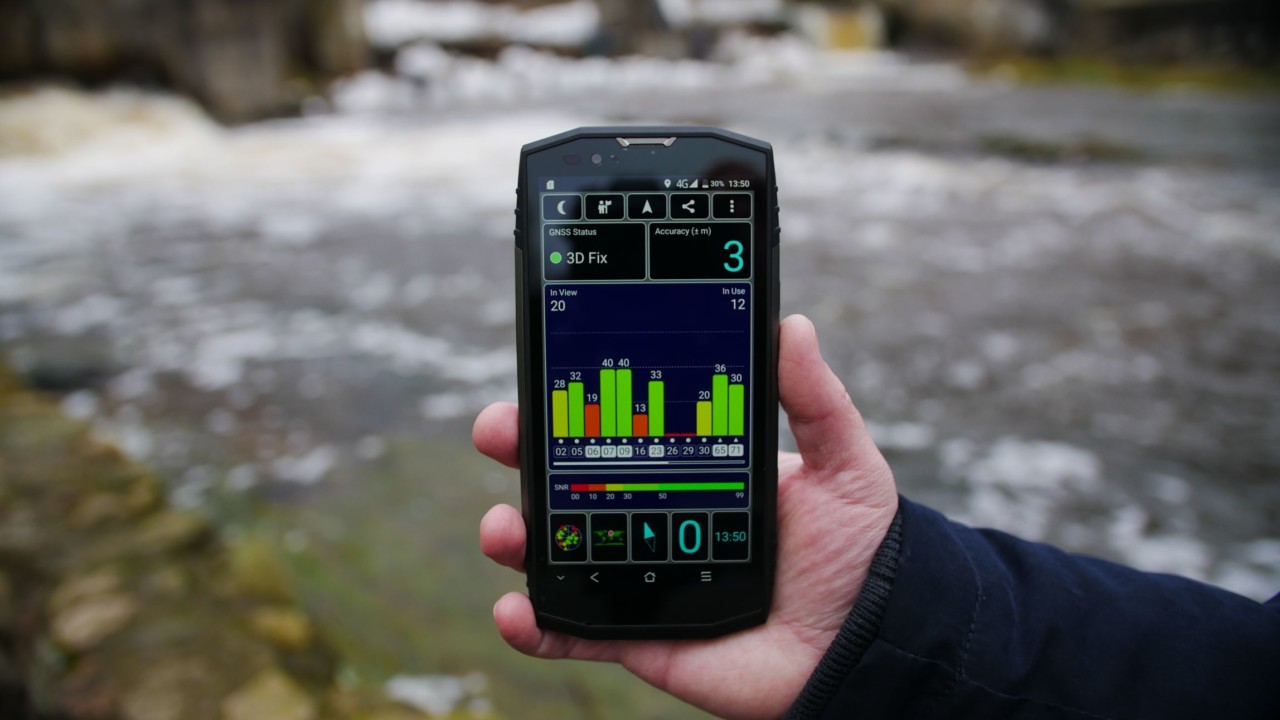
I didn’t have any connectivity issues with this device as the call quality and signal reception are pretty good, and even the GPS lock speeds and accuracy were okay. The phone has quite a few sensors including a gyroscope, so you will be able to use the device with VR headsets.
BATTERY LIFE
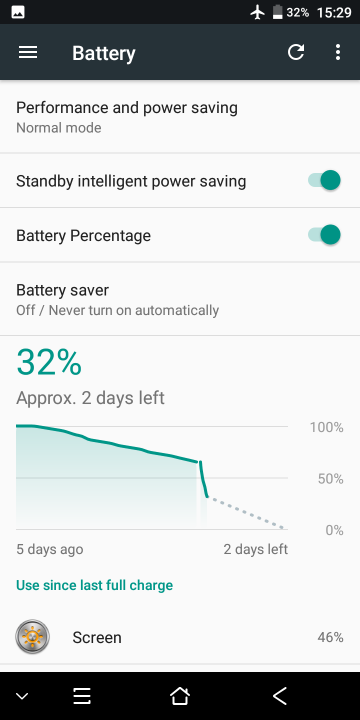
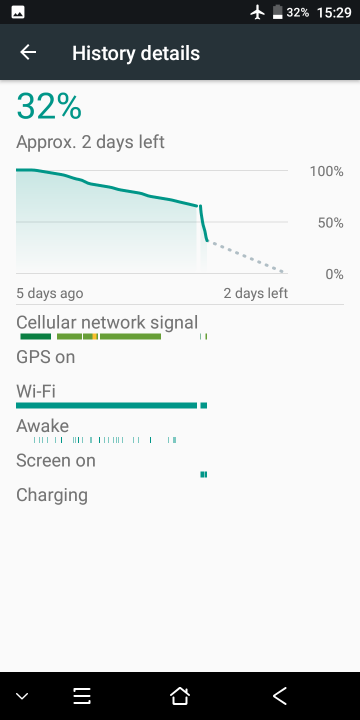
The Blackview BV9000 Pro ships with a built-in 4180mAh battery that performs just great. I could constantly get over 7 or 8 hours of screen-on time but your mileage may vary, depending on the usage.
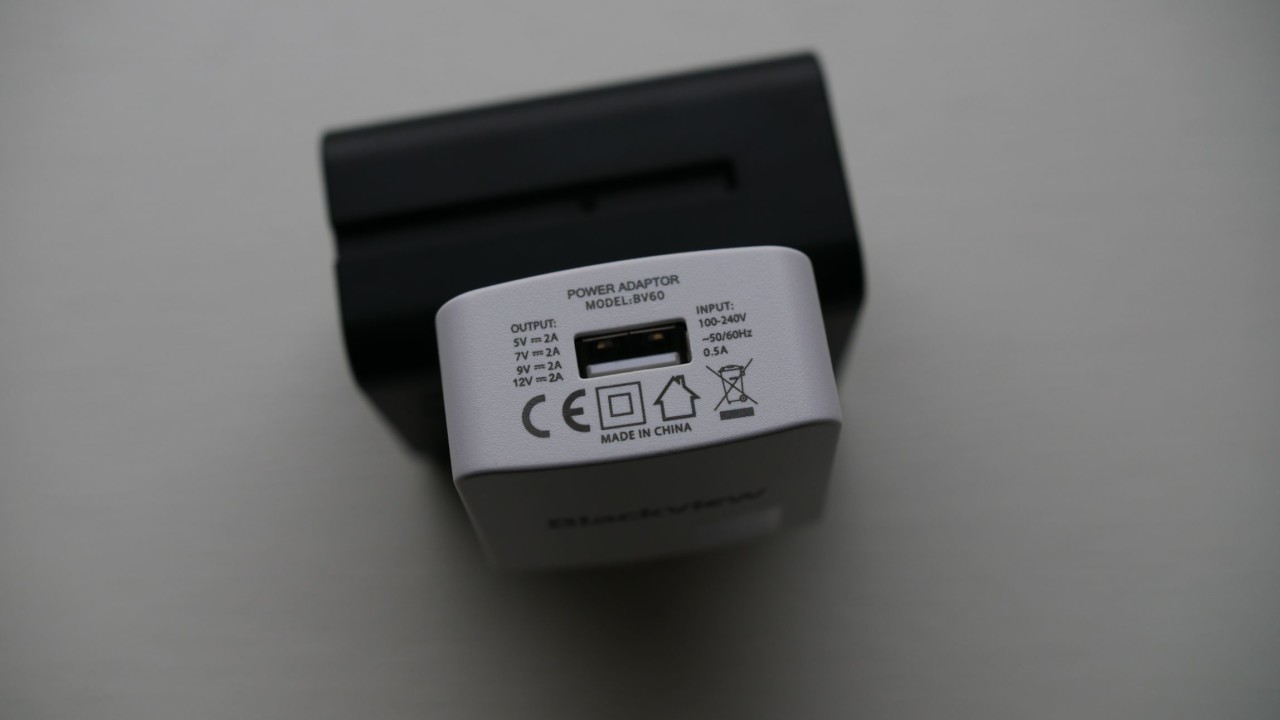
Finally, the phone ships with the fast charger that can fully charge the battery in about 1.5 hours.
CONCLUSIONS
Blackview BV9000 Pro is a great-looking and well-crafted device that was built with the power users in mind who usually work in harsh weather or environmental conditions.
The phone is very fast on the daily basis, it can handle most of the 3D games, daylight image quality is pretty good and the battery life is great. However, the phone lacks the headset jack and video and sound recording quality could be better.
I still believe that Blackview BV9000 Pro is one of the most powerful and one of the best budget rugged phones out there, despite a few shortcomings.
Another legal battle between two of the biggest smartphone makers is over: Huawei vs Samsung. The Chinese giant accused the most famous Korean smartphone maker of infringing its patent, and a court in Shenzhen, China, has upheld the claim. The court has ruled in favor of the Chinese company and issued a ban on Samsung from infringing its wireless communication technologies.
The court stated that Samsung must stop manufacturing and selling products that use the patent in question, which relates to mobile technology and design. The legal battle took place in May 2016: according to Huawei, Samsung infringed its patent in both the U.S. and China. To be accurate, 4G technologies, operating systems and user interfaces were at the center of the accusation.
About a month later, the Chinese company sued Samsung again and requested 12 million dollars from the Korean smartphone maker. In response to the Chinese company, Samsung claimed RMB 161 million damage from Huawei. But Samsung lost the battle and was ordered by the court to pay RMB 80 million of cash damages to Huawei. Now, Samsung retains the right to appeal to a higher court in order to overturn the court decision that ordered it to stop manufacturing and selling products that use the Huawei’s patent.
Sony has published an official hands on video which highlights the main features of its three new smartphones showcased at CES 2018: Sony Xperia XA2, XA2 Ultra, and Xperia L2. The video shows the design of each phone in a detailed way, highlighting the absence of side bezels on the XA2 series and the fingerprint reader placed on the back, for the first time in the XA series. The video has also a special focus on the camera performances of the three devices in normal photos, videos, and selfies.
According to the video, Sony Xperia XA2, XA2 Ultra and Xperia L2 are a big step forward if we compare them with their predecessors launched in 2017. Sony Xperia XA2 has a 5.2-inch display with a much higher screen-to-body ratio than XA1, but still with a 16:9 aspect ratio. The resolution is Full HD with 1080 x 1920 pixels. Sony has finally switched from MediaTek to Qualcomm SoCs for its midrangers: this handset sports a nice octa-core Snapdragon 630 SoC, paired with 3 GB of RAM and 32 GB of internal storage which you can expand with a micro SD.
The primary camera is a 23 MP resolution shooter and it can record 4K videos, while the secondary sensor has an 8 MP resolution. The battery has a 3300 mAh capacity, while the operating system installed is Android Oreo. Sony Xperia XA2 Ultra distinguishes from the standard version with the presence of a bigger display (6 inches FHD), more RAM (4 GB), a dual selfie camera (16 + 8 MP wide angle) and a bigger battery (3580 mAh). At last Sony Xperia L2 will be the cheapest one, but it is still a phablet with a 5.5-inch HD display. This handset sports a low-end quad-core MediaTek MT6737T processor, but it has 3 GB of RAM and 32 GB ROM like the XA1. The cameras have 13 and 8 MP resolutions (rear and front respectively), while the battery has a 3300 mAh capacity.
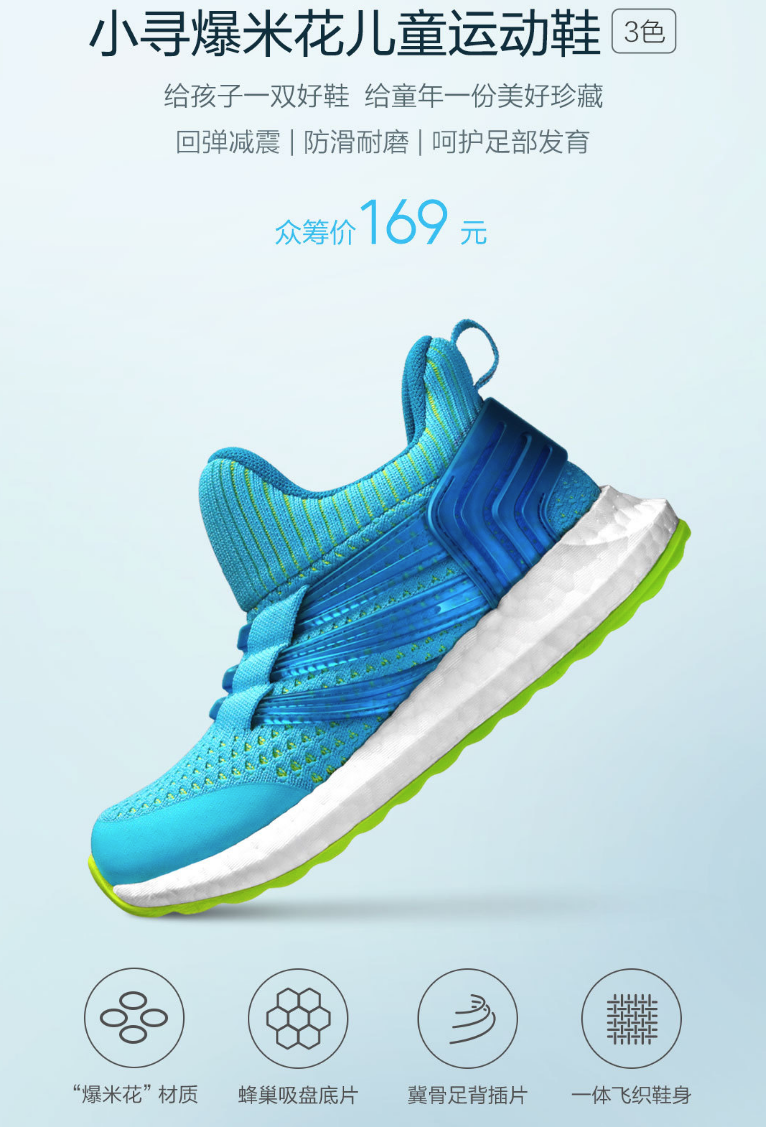
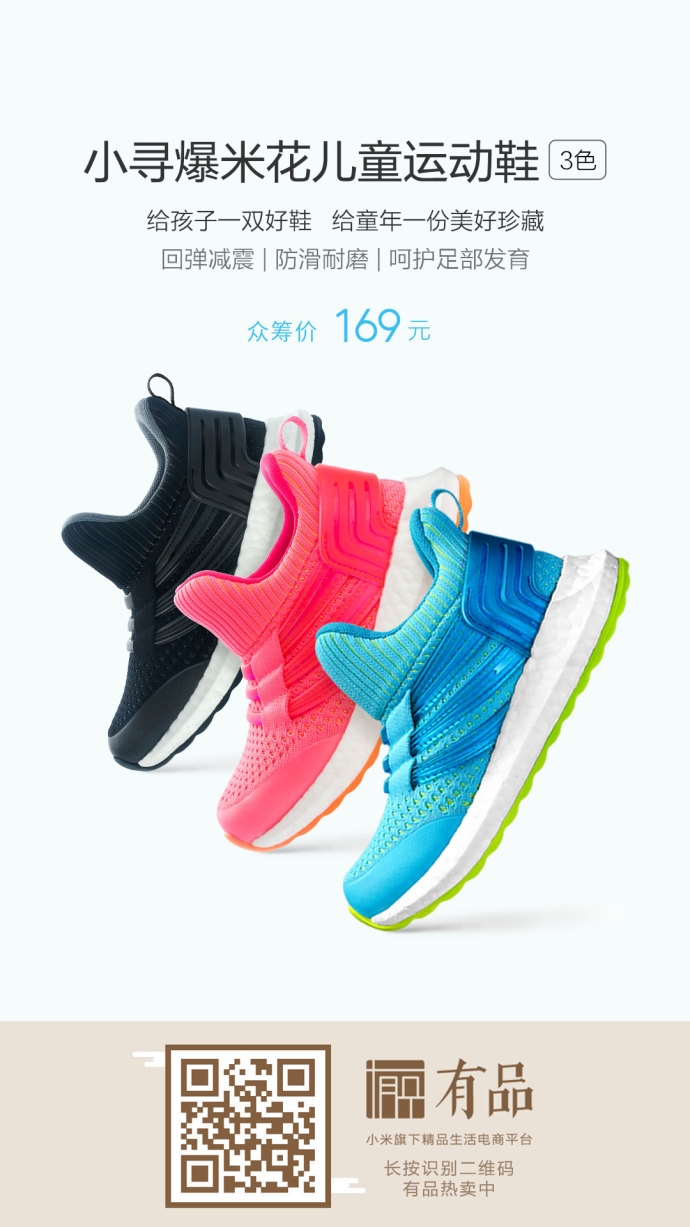
Xiaomi has kickstarted its product launch for the year 2018 under the MIJIA crowdfunding platform and already we have covered the launch of a few crowdfunding products, the 147th being the Smart Female Thermometer. The Chinese tech giant has now launched its 148th crowdfunding product and it is a pair of Children Sports Shoes that comes in with a price tag of just 169 Yuan (~$26).
A first look at the pictures of the Children sports shoes gives a clear impression of the topnotch quality it exudes.This is in line with the strict quality control at play for products not manufactured directly by Xiaomi but launched under its crowdfunding platform.
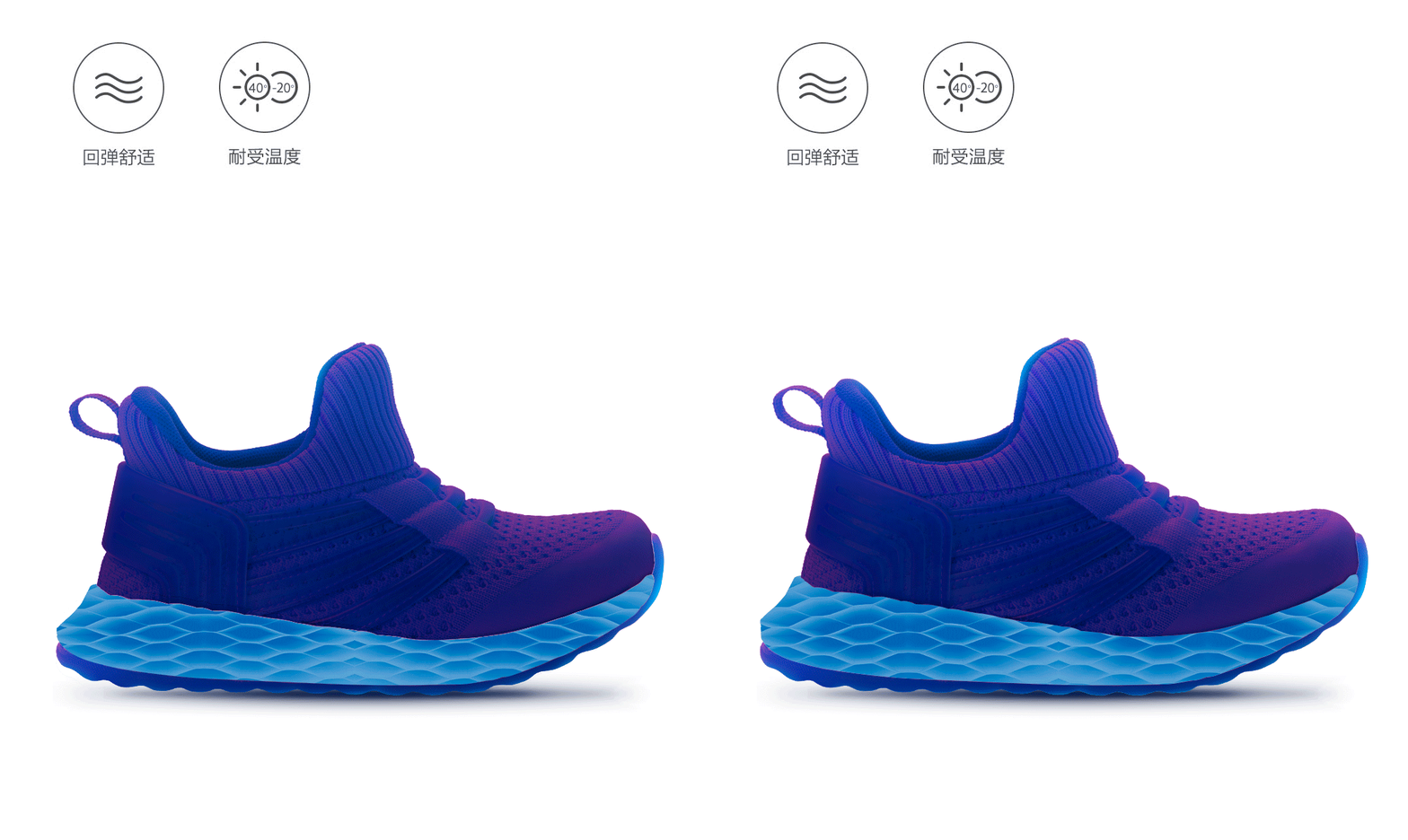
The Xiaomi Children Sports Shoes comes with a spongy sole which has shock absorbing capability. This feature helps protect the children’s knees and take care of the development of their feet. The sole has a honeycomb design and also has more anti-slip properties. The heels are shaped like horseshoes in order to give the kids some stability while walking or running. The side of the shoe is made of a lacquered perforated two-colour woven material. The back is also designed and covered with a reflective material which has a maximum reflective brightness that can be seen 50 meters away. This ensures the kids can safely be seen by commuters while walking at night.
The Children Sports Shoes is presently up for funding at Mi home and it costs just 169 Yuan (~$26). The XiaomiChildren Sports Shoe is similar in design to that of Nike and Adidas but it is 3-4 times cheaper than the two.
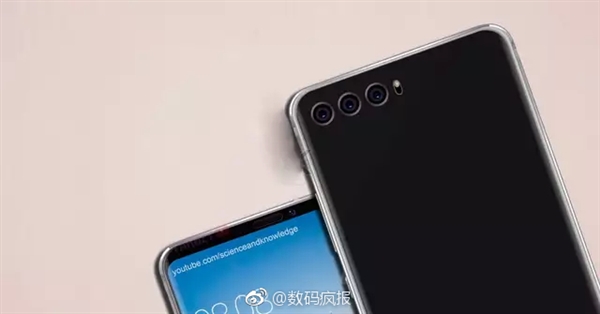
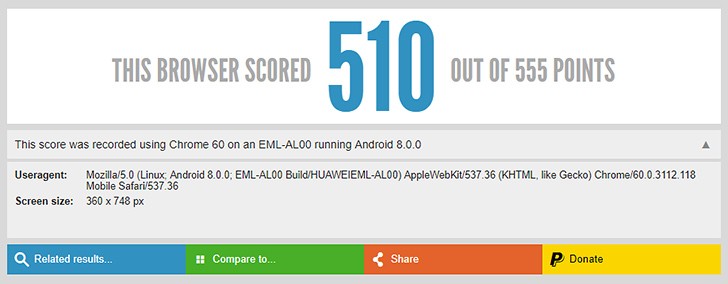
Most of the leaks published in the last few weeks suggest that Huawei is going to abandon the classic 16:9 aspect ratio for its most important series of smartphones. Today an HTML compliance benchmark surfaced and, according to it, Huawei P20 will have a display with an unusual 18.7:9 aspect ratio. The test has been performed with a mobile browser, which usually shows only 1/3 of the real resolutions of the devices. According to the benchmark the resolution is 360 x 748 pixels, and if we multiply it by 3 we obtain 1080 x 2244 pixels, that should be the real resolution of the upcoming flagship.
The test also highlights that Huawei P20, identified with the codename EML-AL00, has Android 8.0 Oreo installed on the software side. The number of pixels in the resolution makes us think that Huawei P20 will have a notch on the upper part of the front panel, like the one of Apple iPhone X. So, expect a phone with a very high screen-to-body ratio. In the last months, Huawei has released many phones with the 18:9 aspect ratio, so it is indeed impossible that Huawei P20 will come with a 16:9 display. According to the latest leaks, the Huawei P20 series will be composed of at least 4 models: Standard, Pro, Plus and Lite.
The first three phones are expected to house a triple camera configuration co-engineered with Leica, with a resolution of 40 MP and a 5x hybrid zoom. On the front side, the Huawei P-Series (except the Lite version) should sport a 24 MP selfie camera, and it should be Leica co-developed as well. We also expect to see a new 3D facial recognition technology which may even be more accurate and safer than Apple’s Face ID. Under the hood, there will be an octa-core Kirin 970 SoC with a dedicated Neural Processing Unit (NPU) for AI, paired with 6 or 8 GB of RAM.
Following Google’s shutdown of Project Ara and the failure of the LG G5 & Friends, Motorola’s Moto Z series are the only phones that still offer modularity with their various Moto Mods. There is the Essential Phone too but with only one accessory for now.
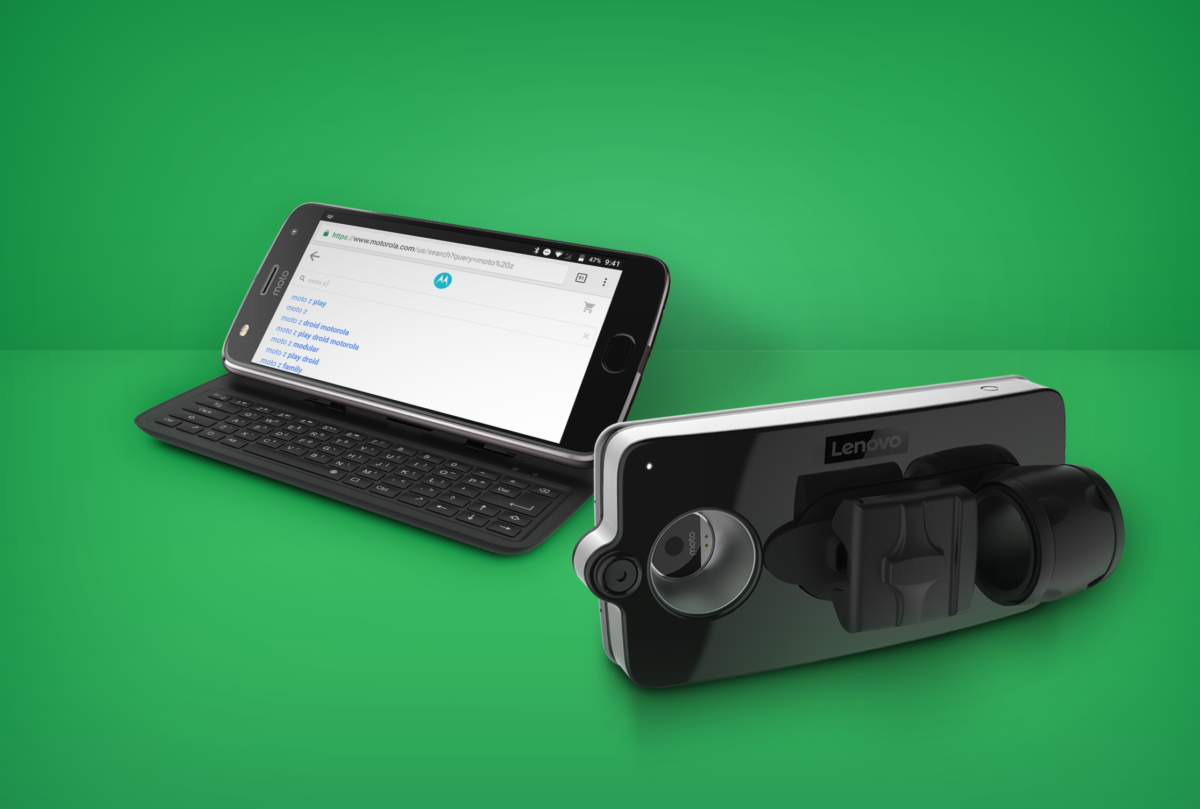
Now in its third year, Motorola has announced two new Moto Mods for the Z series. One is the Lenovo Vital – a health monitor mod, and the other is the Livermorium Slider Keyboard – a QWERTY keyboard that slides out and tilts like the Nokia E7.
Lenovo Vital
This is Motorola’s thickest Mod till date as it adds nearly an inch or so to the phone. The Lenovo Vital measures heart rate, respiratory rate, oxygen saturation, body temperature, and blood pressure from the finger (systolic and diastolic).
The Lenovo Vital will launch in April for $395.
Livermorium Slider Keyboard
This Moto Mod was developed by Livermorium and is the winner of the Transform the Smartphone Challenge. Unlike the Lenovo Vital, this adds only a few millimeters of thickness to the phone.
The Livermorium Slider Keyboard has a full QWERTY backlit keyboard that slides out and also tilts at an angle of 60°. If you are one of those who miss the good old Nokia phones with a QWERTY keyboard, this is for you.
The keyboard is mostly useful for those who find typing long posts with an on-screen keyboard difficult (yes, some people still don’t know about swyping). It also comes in handy when using split-screen multi-tasking and one of the apps needs you to type, in which case the on-screen keyboard covers nearly half of the screen.
The Livermorium Slider Keyboard will sell for $99 and be available in Winter 2018.
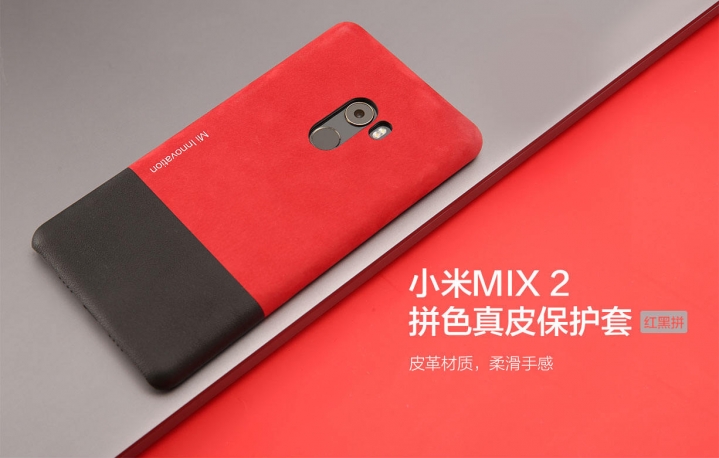
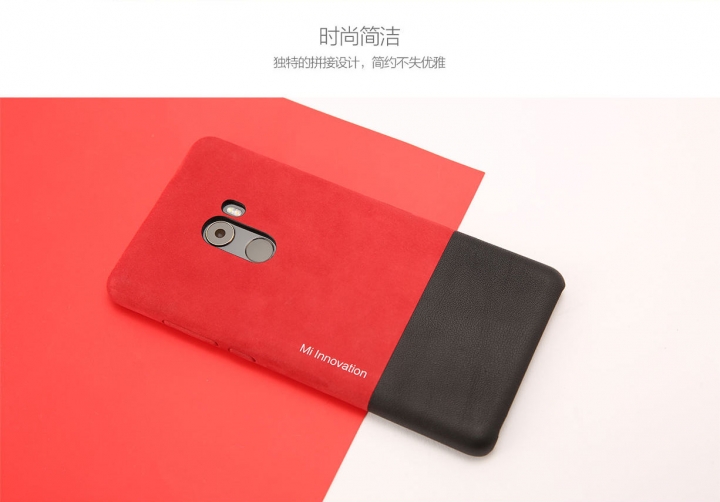
Xiaomi has introduced a sleek leather case for its latest bezel-less Mi Mix 2 flagship. The leather case is of good quality just the Mi Mix 2 it is meant to protect. Xiaomi has always designed the corresponding good quality case
for the protection of that precious Mi smartphone of yours. The cases are usually easy to use and nice-looking. This new protective case for the Mix 2 is no different.
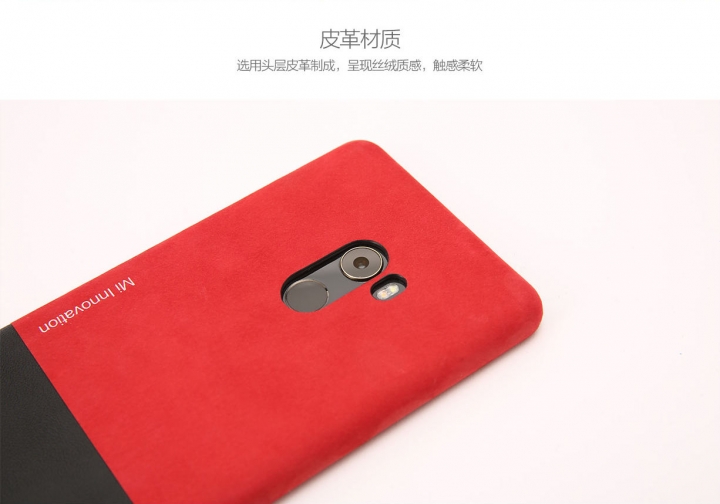
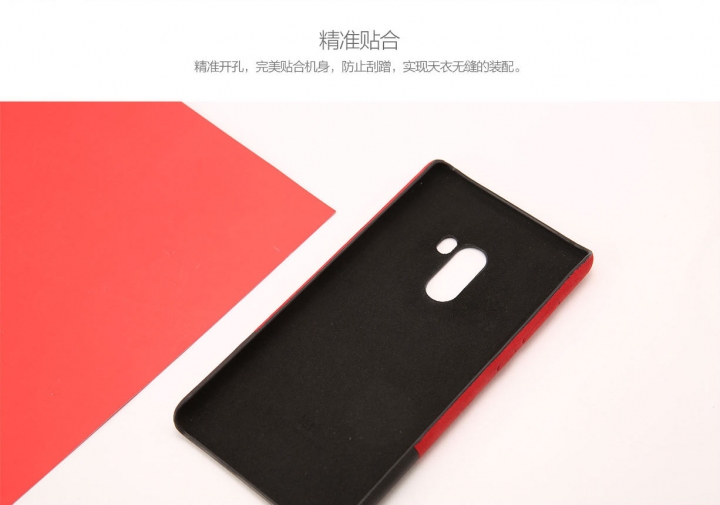
The Mi Mix 2 protective leather case comes with a non-slip, perforated leather material which is comfortable to hold. It isn’t bulky, a perfect fit for the Mi Mix2 and also, it is not too thin, just enough to protect the flagship smartphone from damage. It comes with Black and red colour, with the upper 3/4 having a black coating and the lower 1/4 coated in red. The protective case can sit on the dashboard of your car and won’t slip off when you apply the breaks suddenly. Moreso, the Mi Mix 2 fits into the protective case with precision.
The new Mi Mix 2 Protective leather case is presently on sale at Mi.com and it costs just 99 Yuan ($15). Presently, the base variant of the flagship Mi Mix 2 sells for around 2999 Yuan ($462). You’ll agree buying a sleek leather protective case to protect the device for $15 isn’t too much.
Meizu’s first 18:9 phone, the M6s, is set to launch on January 17. Although, that is roughly a week from now, news of the Meizu M6s have not stopped pouring in. This time it is the phone’s Geekbench listing that is the focus.
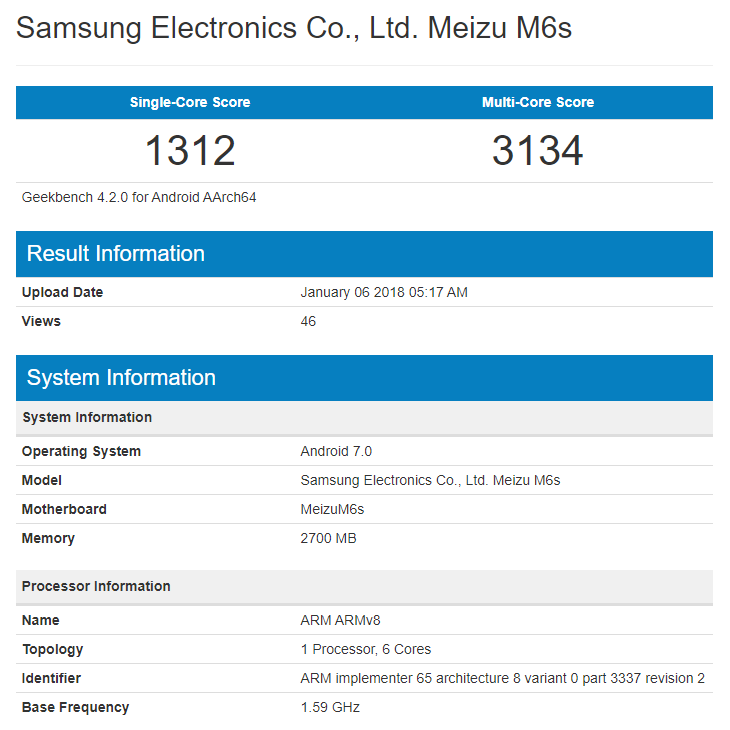
Benchmarked as the “Samsung Electronics Co. Ltd. Meizu M6s”, the listing mostly reveals details we are already familiar with. The Meizu M6s runs Android 7.0, has 3GB of RAM, and is powered by a 1.59GHz hexa-core processor.
The processor according to previous reports is Samsung’s 14nm Exynos 7872 with a Mali-G71 GPU. The chip itself hasn’t been formally unveiled by Samsung even though the phone’s launch is less than a week away.
In terms of performance, the Meizu M6s scores 1312 points in the single-core test and 3134 points in the multi-core test. Judging from the scores, the chipset does perform better than the Snapdragon 625 in the single core test but lags behind it in the multi-core test.
There are new rumors that the Meizu M6s will have a MediaTek variant for the version released globally. We advise you to take it with a pinch of salt.
Meizu doesn’t have a tradition of releasing the same phone with different processors. Also, the last time a rumor similar to this surfaced was in the case of the M6 Note. There was even a photo proof that there would be a Helio P25 variant of the phone, but it never happened.
Meizu is expected to launch a new mBlu S6 smartphone on January 17 and already, invitations have already been sent out in that regard. The Meizu mBlu S6 or M6s is expected to feature a full-screen design with an 18:9 aspect ratio. The renders of the m6s are already in the public domain via leaks and recently, its TENAA certification. So, we already know the design we expect to see on the M6S and that design will be one without the trademark mBack button which is traditionally on all Meizu smartphone.
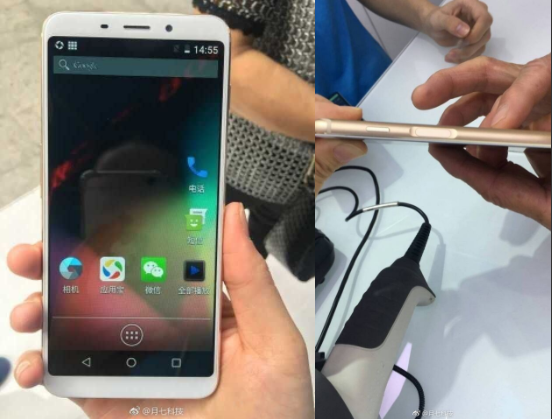
The mBack button functions as a navigational button as well as the fingerprint unlock button and also wakes up the device. So, in the absence of a front home button and a rear-mounted sensor on the device, the device has been shown to pack a side-mounted fingerprint sensor. A video of a working Meizu M6s has leaked online showing its navigation button and perhaps, a new unlock pattern! The video is a short clip, with the full-screen smartphone being operated by a user. The device uses onscreen navigation button which we believe can be docked and undocked at will. The user seems to just tap the onscreen home button and then tap the area around the bottom bezel and the device was woken up. We can’t say if this also unlocks the device when it is set to fingerprint unlock.
The Meizu mBlu S6 or M6S is expected to feature a large 5.7-inch 18:9 display with 1440 x 720p (HD+) resolution. The back features the U-shaped antenna band design while at the rear is the mblu logo, which confirms that the S6 will be the first mblu branded smartphone to be released by the company. The volume rocker buttons are located on the left side of the device while at the right side, you’ll find a power button and side-mounted fingerprint sensor. The M6S will be fired up by an hexa-core Exynos 7872 (4 x A53 + 2 x A73) chip with Mali-G71 GPU powering the graphics. The processor is paired with a 3GB RAM and the device has 32GB of storage. In addition, there is a 3000mAh battery with 9V / 2A 18W fast charging support. We’ll have to wait until the device is launched to get more details. Meanwhile, you can watch the leaked Meizu M6S video from here.
OPPO and Vivo have decreased the profit margins that they were offering to retailers in India. This has resulted in both the Chinese manufacturers to lose around 10,000 sales stores in the country.
According to Economic Times, OPPO and Vivo used to offer trade margins of around 25 to 23 percent to large retailers. However, these companies have now cut down the profits margin to 14 to 13 percent. The smaller sales outlets that were previously receiving trade margins of 15 to 16 percent are now getting profit margins of 5 to 6 percent. This is the reason why around 10,000 stores have discontinued the sales of OPPO and Vivo phones in the country.
Sangeetha Mobile, a well-known retailer from Tamil Nadu, India has stopped selling OPPO and Vivo phones due to sharp decline in the profit margins. The other reason why the retailer has halted the sales of smartphones from these Chinese brands in Tamil Nadu is that both the companies are reportedly offering varied trade margins in different states of the country, which makes it difficult for retailers with multiple outlets located in different states of the country to sell their smartphones.
Even other retailers of India such as Big C, Lot Mobile, Poorvika, Mobiliti World have considerably reduced or stopped the sales of phones from OPPO and Vivo. OPPO India has confirmed that the decision to reduce profit margins have resulted in the decline of stores that sold its smartphones.
OPPO India claimed that the reason behind reduction of trade margins is that some outlets were unable to sell smartphones after the introduction of GST (goods and service tax) and some stores were not able to meet its expectations. It added that the company will be focusing more on mid-range and high-end devices. On the other side, Vivo India claimed that it will be adding more stores this year and denied the reports claiming that its retail network has shrunk.
The CEO of an unnamed retailer said that it is the strategy of OPPO and Vivo to cut down on investment after reaching a certain market share. He added that both the companies are replicating the same strategy that they had applied in China. Industry experts are of the view that OPPO and Vivo will have facing tough competitions from rivaling brands in India. Cutting down on the investment can have adverse effect on the market share of both the companies in the country.
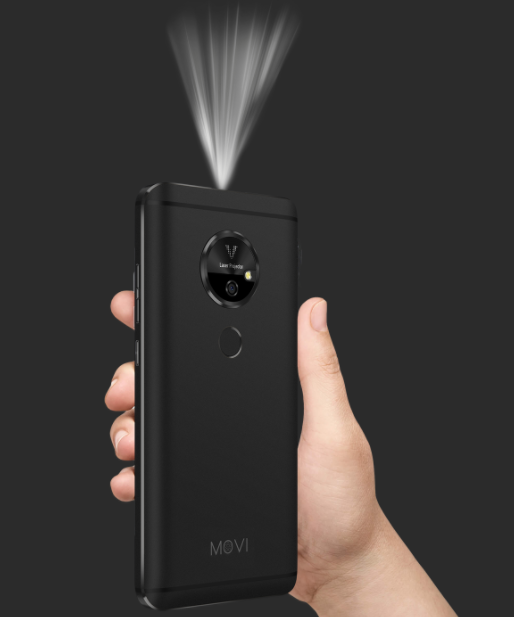
Every once in a while, we see manufacturers launch phones with one or more unusual feature. There are phones with thermal imaging cameras (Caterpillar S60) and others with a near infrared spectrometer (Changhong H2). One other feature that we have seen in a phone is a built-in projector and a prime example is the Samsung Galaxy Beam. A new phone called the Moviphone, showcased at CES 2018, joins the short list of phones with a built-in projector.
The Moviphone is made by American company Wireless Mobi Solutions. Its selling point is its built-in projector with a projection size of up to 100-inches at a 720p resolution. It does this with the aid of a 50 lumens projection module located at the top of the device.
In terms of specs, the Moviphone has a 5.5” display with a 1920 x 1080 resolution. It is powered by MediaTek’s MT6750V processor and comes in 3GB + 32GB ROM and 4GB + 64GB variants. It also supports storage expansion (128GB max).
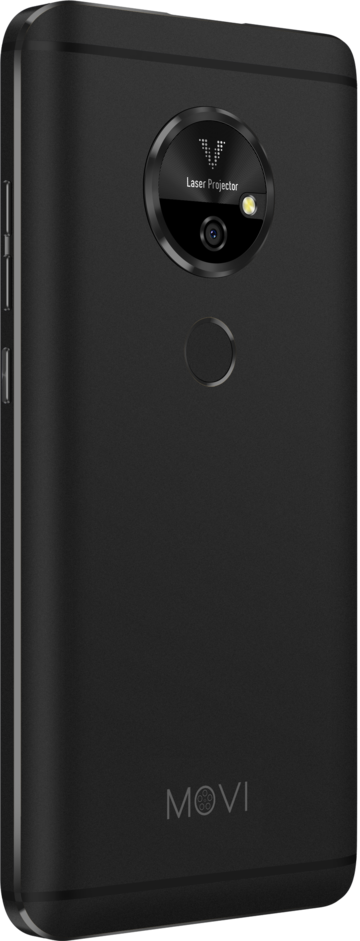
It packs a 13MP rear camera housed in a circle like the Moto series. Beneath the camera is a fingerprint scanner. There is also an 8MP camera for selfies.
The Moviphone has dual SIM support (micro+nano/microSD) and packs a 4000mAh battery. The company says the battery should last up to 4 hours with the projector turned on. The Moviphone runs Android Nougat.
With respect to design and build, the Moviphone has a metal body with a black coat. There is a 2.5D glass in front and the phone uses on-screen buttons. Physical buttons are on the right and SIM tray is on the left.
Considering it has a built-in projector, the phone is a bit thick. The dimensions on the site says it measures 153.06 x 75.64 x 10.28 mm and weighs about 200g.
The Moviphone is priced at $599 and can be ordered on the official website. It comes unlocked and supports all wireless carriers in the US.
Tech buffs are eager to try out smartwatches and test their ability to perform but much to their dismay, these devices come bearing steep price tags. As a result, only a few are willing to shell out a fortune in order to own a relatively limited device.
If you’ve been waiting with bated breath to get your hands on a smartwatch without burning a big hole in your pocket, we have good news for you. The xWatch EX16 smartwatch is currently selling for only $19.99 on GizTop.
Despite bearing an affordable price tag, the device is crammed with awe-inspiring features. Let’s take a gander at some of its features.
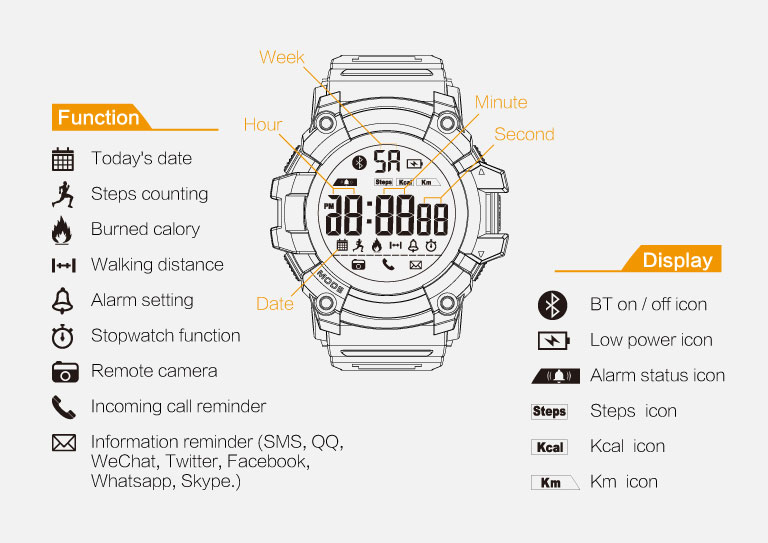
The xWatch EX16 uses Bluetooth 4.0 to connect to Android-powered devices. The smartwatch notifies its wearer of an incoming call, message or even update from Facebook, Twitter, and other networking applications.
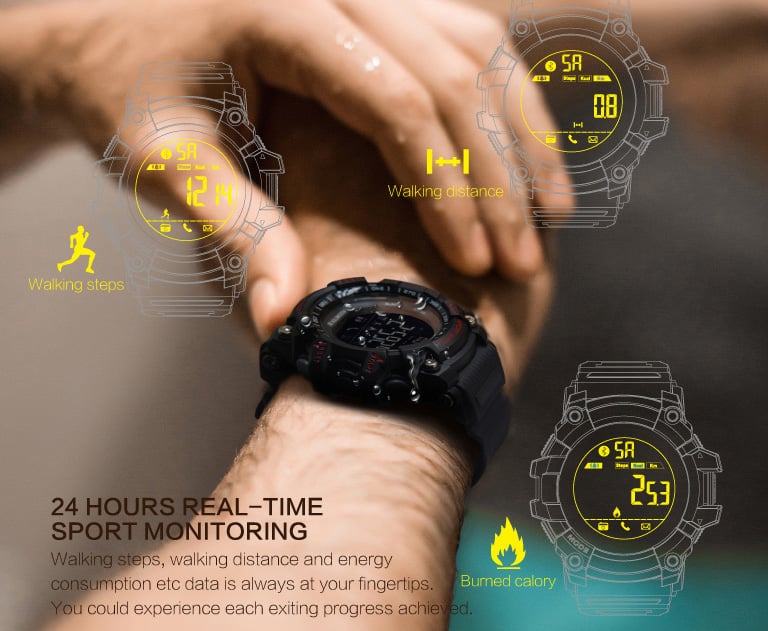
As if that weren’t enough, the xWatch EX16 smartwatch is also capable of counting steps, distance and calories burned. Moreover, you can use the device to control the camera app of any Android-powered smartphone. But if that doesn’t impress you much, GizTop’s promo definitely will.
As part of the site’s latest promo, buyers get a $10.00 discount on this already low-priced device by using coupon code ‘XWE16’ at the time of checking out. In other words, you can get your hands on the xWatch EX16 smartwatch for just $9.99. Head straight to this link and use the aforesaid coupon code before the promo comes to an end.
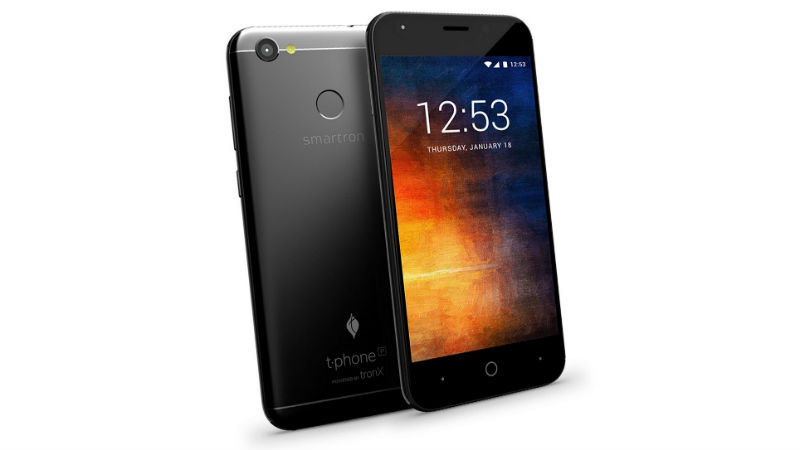
Smartron has today introduced a new model in its smartphone portfolio in India. The company has launched Smartron t.phone P at a price of Rs. 7,999 (approximately $126). It will be exclusively available through Flipkart from 17th January.
Previously, the company, founded about two years ago, had launched two phones in the Indian market — the original t.phone and the srt.phone, named after Indian cricketer Sachin Tendulkar.
The phone comes with a 5.2-inch HD display with 1280 x 720 pixels screen resolution. Under the hood, it is powered by Qualcomm Snapdragon 435 processor octa-core processor, having four processing cores clocked at 1.4GHz and the other four cores at 1.1GHz. It packs 3GB of RAM and 32GB of internal storage, along with a microSD card slot, which enables users to further expand storage capacity up to 128GB.
Along with that, Smartron is also offering 1,000GB of free cloud storage through its t.cloud service. For added security purposes, the device comes loaded with a fingerprint sensor, placed on the back panel.
On the camera front, the device features a 13-megapixel rear camera with LED flash and f/2.2 aperture, and a 5-megapixel front-facing camera with a f/2.2 aperture and low-light flash for taking selfies and video calling. The device runs on Android 7.1 Nougat operating system.
Connectivity options on the device include 4G VoLTE, Wi-Fi 802.11 b/g/n, Bluetooth 4.1, GPS/ A-GPS, and Micro-USB with OTG support. The phone is fuelled by a 5,000mAh battery that is touted to provide two days of power on a single charge. It supports a fast-charging technology that enables a full-day charge in 90 minutes of time.
Xiaomi has a longstanding reputation for quality products and this cuts across several categories. Coming in from the toys section is the news that Xiaomi’s Mi Finger Block and Mi Robot Builder Rover were among the recently announced Tillywig awards for 2018.
Tillywig is an outfit which provides retail buyers, news media, parents, and consumers with product information and reviews of superior children’s products available in today’s marketplace. The products are usually tested and then determined to have high entertainment and/or educational value. The factors that are considered during the evaluation include ease of first use, replay value, quality/appearance, social interaction/fun factor, creativity, motor skills/thought processes.
The Mi Finger Block and Mi Robot Builder Rover were both adjudged to have fully satisfied the criteria and that isn’t a surprise. The Mi Finger Block is a fascinating, pocket-sized plaything that invites constant manipulation, freeing the mind to wander or focus as it pleases. The block consists of eight small cubes connected in a manner which allows the separate segments to rotate inward or outward in a smooth, rolling motion. When clamped with the fingers, the can change shape from a rectangle to an L-shape block, as if it has a life of its own. The continuously-changing block functions as a stress reliever and builds one’s dexterity, both for the kids and adults alike.
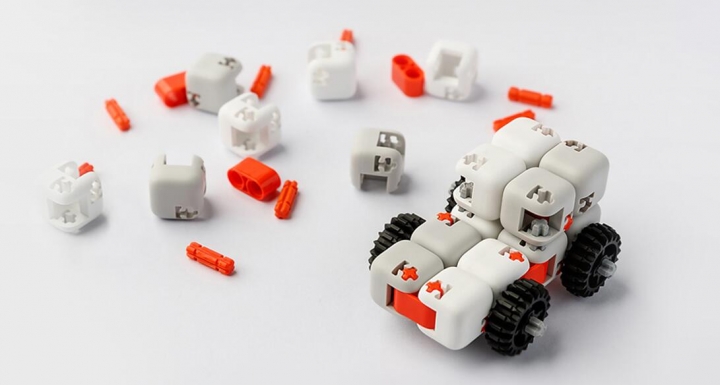
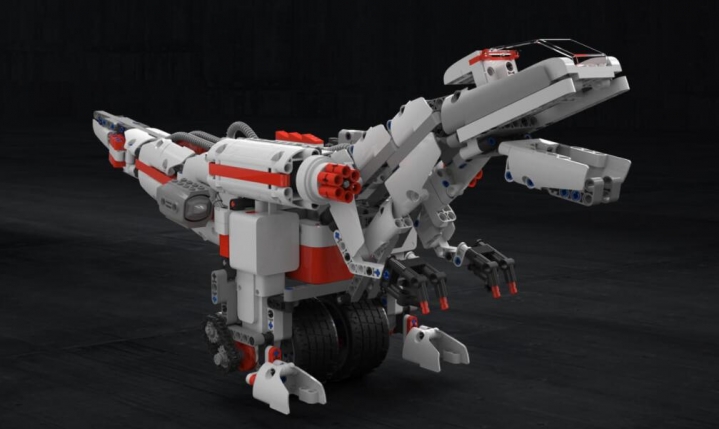
The Mi Robot Builder Rover, on the other hand, is a more interesting toy set for the kids. It consists of building blocks which can be built to take different shapes. Kids can assemble the blocks that are over 1000 pieces alone or in a group to form a formidable looking robot. The robot models which can be built with the blocks include rover, snow truck and tank. The toy also comes with a tank-like tread with which the robot is mounted in order to move across the floor. There is a smartphone app which can be downloaded free and with which the kids control the robot’s movements and behaviour in a myriad of ways. The robot’s behaviour can also be manipulated in real time by using onscreen controllers that allow for dazzling manoeuvres.
Both products are manufactured by Beijing AIQI Technology Co., Ltd. which is a subsidiary of Xiaomi Inc. As for the prices, the Mi Finger Block costs just $9.90 while the Mi Robot Builder Rover is priced at $139.99.
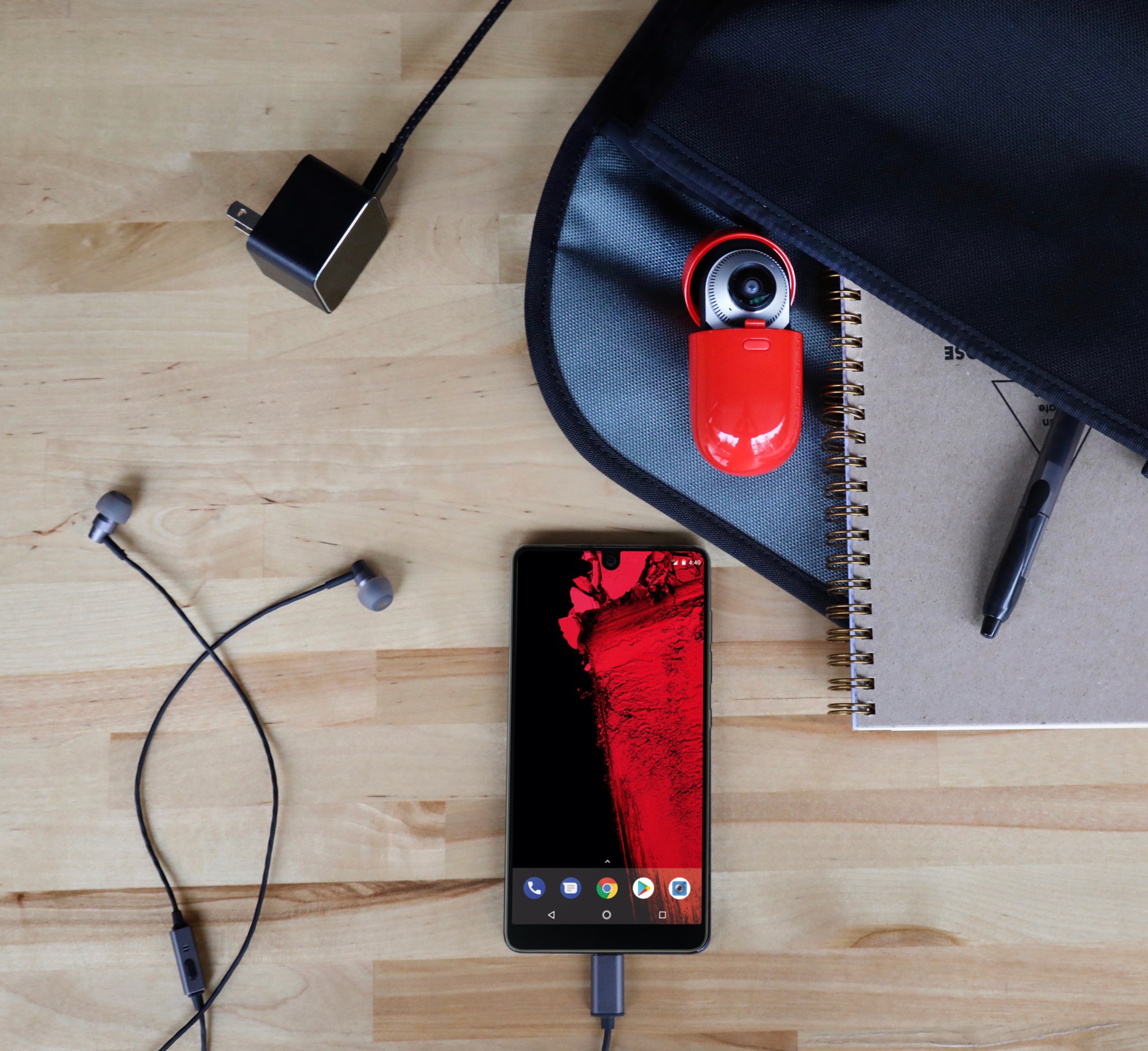
Yesterday, Essential took to Twitter to announce that it now sells accessories for its phone. Prior to the announcement, if you wanted to purchase a replacement accessory for your phone, you had to settle for those made by third parties.
The inventory on the online shop not only includes standard accessories like the $39 27W fast charger with braided USB cable and the $15 USB-C to 3.5mm audio jack connector, but also some new accessories.
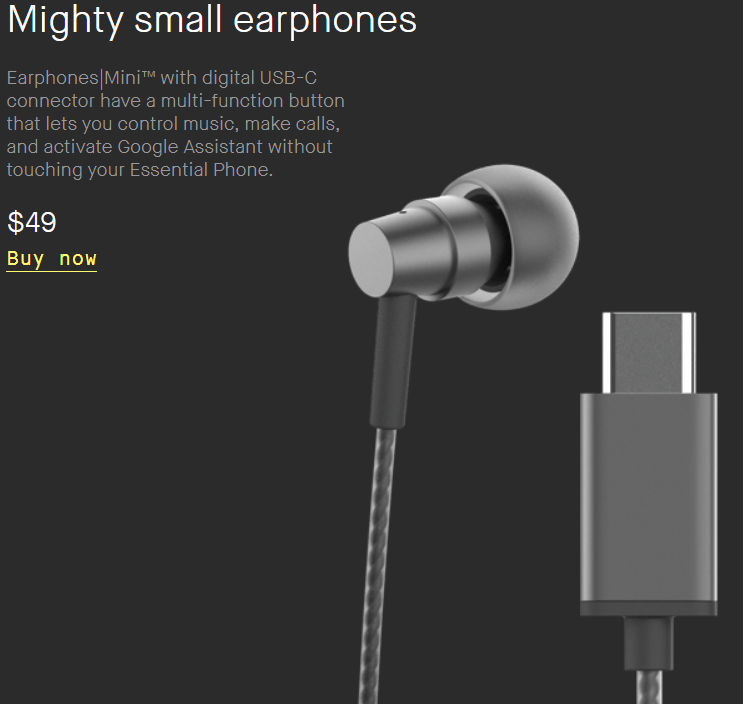
There are two USB-C earphones – the Earphones|HD with high-res audio for $99 and the Earphones|Mini for $49. Both earphones support USB Audio Class 2, work with a Mac or PC, and have a multi-function button for controlling music playback, answering calls, and activating Google Assistant. They are also tangle free and come with a custom-built hard shell case.
Obstructions and slower connection speeds because of access point distance are some of the common problems associated with Wi-Fi routers at home. Yesterday at the Consumer Electronics Show (CES) 2018, Huawei announced a wireless network system called Wi-Fi Q2. A wireless Mesh network system that allows devices to communicate with each other have resolved the aforementioned problems by placing multiple satellite access points.
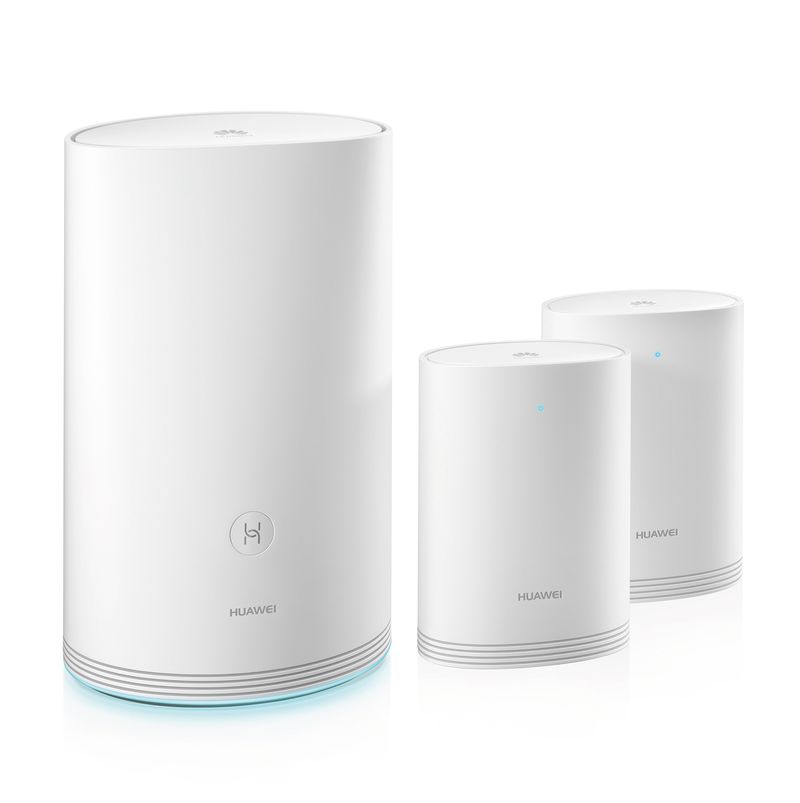
The WiFi Q2 will ensure that there is a strong Wi-Fi signal throughout the house. This can be done in different ways. The first way is to use a base and two satellites that makes use of PLC (Power-Line Communication) technology to transfer gigabit data through electrical, telephone and coaxial wiring. This model can create a Wi-Fi blanket for up to five rooms.
WiFi Q2 with one base, two satellites
The other one comprises of three hybrid base units that uses wired and wireless connections. It is ideal for providing coverage for up to five to seven rooms. Both the Huawei WiFi Q2 models can deliver maximum speeds of up to 1867 Mbps. It is pretty fast considering the fact that average global internet connectivity speed ranges between 10 to 20 Mbps. It defaults a 5 GHz network instead of the older 2.4 GHz.
The WiFi Q2 mesh network system can support a maximum of 192 devices at the same time and up to 16 hotspots. Also, it only takes 100 milliseconds for it to switch between satellites. Apart from Wi-Fi encryption and password protections, it also carries support for security algorithm that safeguards against brute force attacks. It has a dedicated channel for Internet-of-things connections.
The Huawei WiFi Q2 with one base and two satellites carries a pricing of $299 and the option with three bases is priced at $349. The Chinese manufacturer will be selling more base stations and satellites separately later this year.
As of this writing, there is no information on when it will be arriving in the market. Apart from selling smartphones like Huawei Mate 10 Pro and Mate 10 Pro Porsche Design, the WiFi Q2 mesh system is another attempt from the company to gain brand recognition in the U.S. The company has also signed up “Wonder Woman” actress Gal Gadot as its Chief Experience Officer to popularize its devices in the U.S.
We use cookies on our website to give you the most relevant experience by remembering your preferences and repeat visits. By clicking “Accept”, you consent to the use of ALL the cookies.
This website uses cookies to improve your experience while you navigate through the website. Out of these, the cookies that are categorized as necessary are stored on your browser as they are essential for the working of basic functionalities of the website. We also use third-party cookies that help us analyze and understand how you use this website. These cookies will be stored in your browser only with your consent. You also have the option to opt-out of these cookies. But opting out of some of these cookies may affect your browsing experience.
Necessary cookies are absolutely essential for the website to function properly. This category only includes cookies that ensures basic functionalities and security features of the website. These cookies do not store any personal information.
Any cookies that may not be particularly necessary for the website to function and is used specifically to collect user personal data via analytics, ads, other embedded contents are termed as non-necessary cookies. It is mandatory to procure user consent prior to running these cookies on your website.










































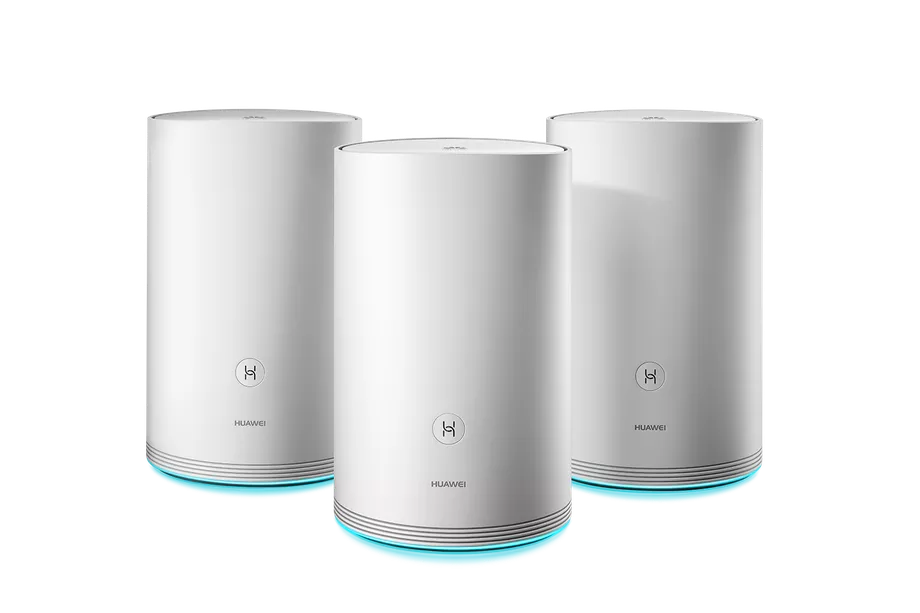 WiFi Q2 with three hybrid base