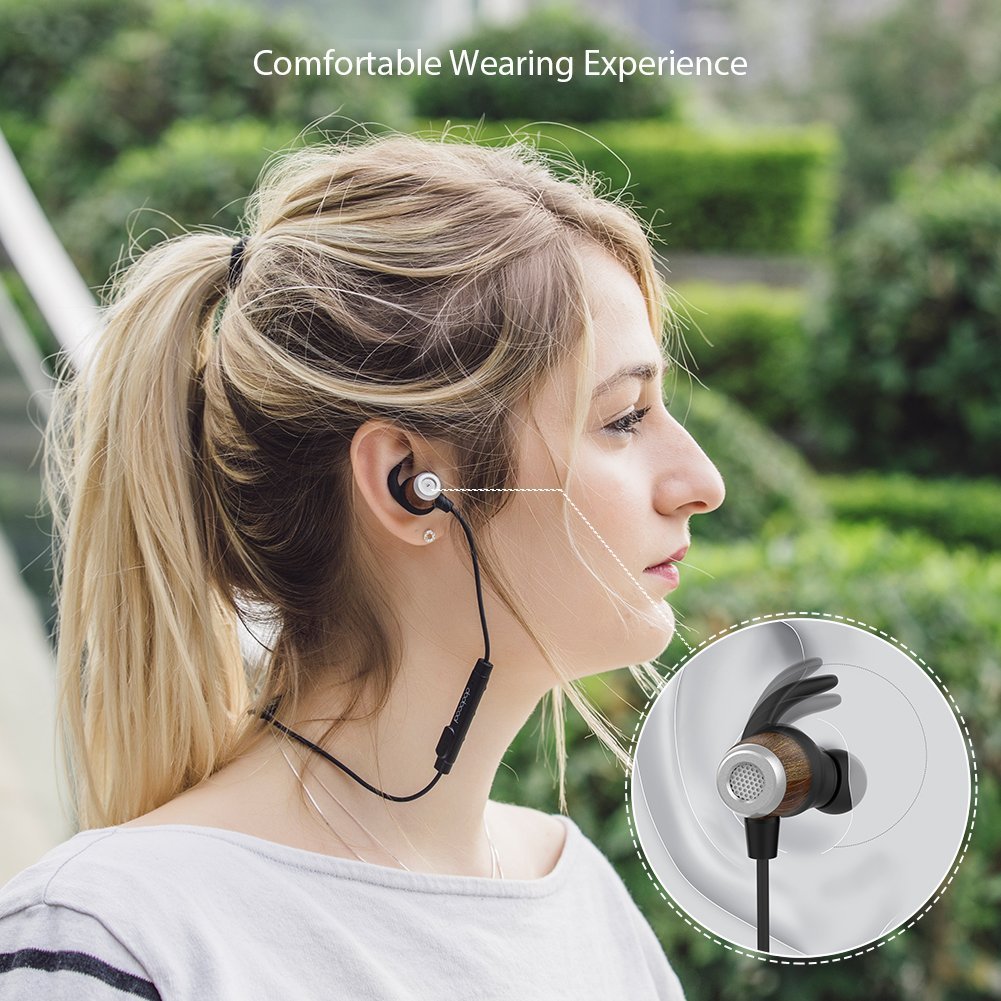
Music lovers, rejoice. You can now delight in high-quality stereo audio with dodocool Wireless Stereo Wood IPX5 in-ear headphone which comes with HD Mic that supports hands-free phone calls as well.
Thanks to its Ergonomic design gives you well-balanced and relaxed listening experience. Moreover, it comes in three sizes of ear caps that can be interchanged for improved reliability and comfort while filtering ambient noise.
If you’ve restlessly been waiting to get your hands on dodocool Wireless Stereo Wood in-ear headphone, we have good news for you. Bearing an affordable $25.99 price tag, dodocool Wireless Stereo Wood In-ear headphone is currently up for grabs on Amazon.
However, Indian music lovers who want to buy this headphone are in for a huge disappointment as the American e-commerce giant does not ship this item to India.
Its built-in magnetic design allows users to attach the two earphones together and don them as a necklace around their neck. Moreover, dodocool Wireless Stereo Wood in-ear headphone is water and sweat-resistant.
In other words, you don’t need to worry about water and sweat penetrating the earphone from any direction correlating to IPX5 under IEC standard 60529. You can buy dodocool Wireless Stereo Wood IPX5 in-ear headphone by heading straight to this link.
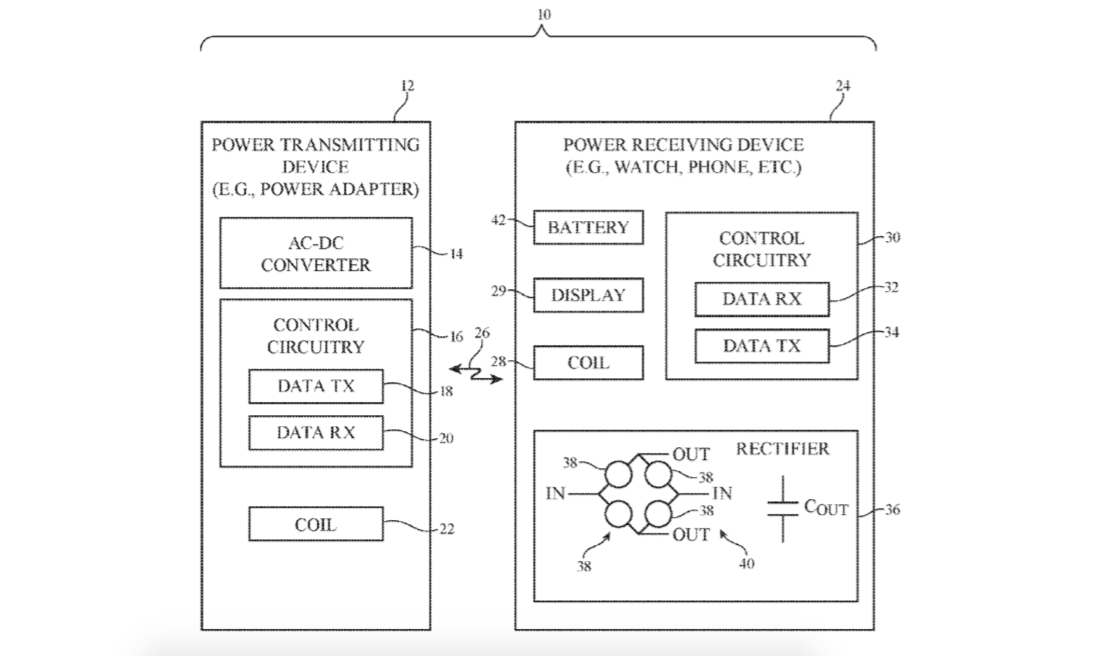
Apple has filed a patent application with the US Patent and Trademark Office which aims to solve the problem of long-range wireless charing. However, there is also one more addition to the proposed solution — power scheduling.
As usual, the patent application filed by Apple has the wordings as general as possible – encompassing both wired and wireless charging. However, the company’s focus is clearly on the long-range wireless charging.
Along with providing long-range wireless charging solution, the patent also describes an unique power scheduling system that enables users to set up wireless charging transfers in a particular order. For example, you can set your iPhone to get the power first, followed by iPad and then the Apple Watch.
This long-range wireless charging system from Apple is similar to that of Energous’ WattUp — a ‘power-at-a-distance’ wireless charging system, which was recently approved by the Federal Communications Commission (FCC). However, the solution from Energous lacks the power scheduling feature.
The patent application from Apple notes that it is “configured to wirelessly transmit power over the wireless power transfer link.” The summery of the patent says that the “system may have a power adapter with multiple ports for supply power.”
The company has said that the electronic devices for charging purposes may include devices such as cellular telephones, wristwatch devices, laptop computers, and tablet computers. Further, it adds that the power adapter may supply power using wired links and wireless links.
Apple has filed two patent — one deals with scheduling for a truly wireless charger while the other explores hiding wireless charging equipment inside other structures, such as enclosures, furniture, vehicles, etc. The first patent was filed on June 9, 2017, and the second was filed on June 1, 2017. While both application were published a couple of days ago, neither of them have received approval.
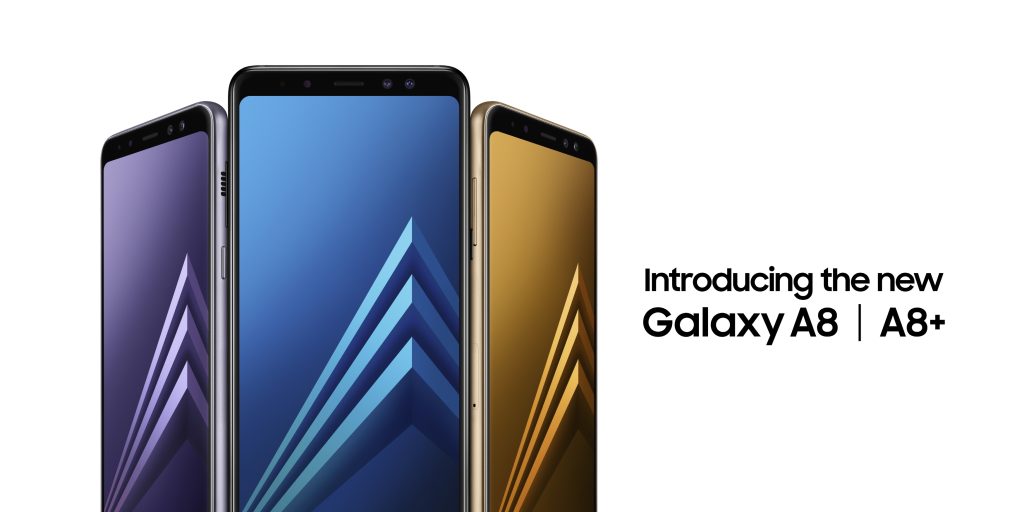
In December 2017, Samsung had announced the Galaxy A8 (2018) and Galaxy A8+ (2018). At that time, it was only revealed that the Galaxy A8 duo will go on sale starting from January 2018. According to a South Korean publication, Samsung will be selling the Galaxy A8 in partnership with mobile carrier KT Corp. starting from this week in the home country.
Samsung will start with the pre-orders of the Galaxy A8 (2018) from Tuesday. Its shipments are slated to begin on Friday. The publication has stated that the Galaxy A8 (2018) will be available with a price tag of 599,500 won (~$560) in South Korea. Depending on the carrier plans, users will be avail it with discounted pricing.
The report did not mention whether the larger Galaxy A8+ (2018) would be also arriving in South Korea. The Galaxy A8 borrows several features from its high-end Galaxy S8 phone such as Infinity Display design, Samsung Pay and Gear VR support. It is first phone from the company to come with dual front-facing cameras that features a 16-megapixel sensor and an 8-megapixel sensor.
The rear side of the phone is fitted with a 16-megapixel camera. Its 5.6-inch display supports 18.5:9 aspect ratio and screen resolution of 1080 x 2220 pixels. It is driven by Exynos 7885 chipset and 4 GB of RAM. It includes a 3,000mAh battery. Some of the other features of the phone include rear-mounted fingerprint scanner, USB-C, Bluetooth 5.0, 4G LTE and Wi-Fi 802.11ac. In South Korea, it will be availed in color choices like Black, Blue and Gold. The Galaxy A8 duo are also expected to get showcased at the Consumer Electronics Show (CES) 2018 that will be held in the coming week.
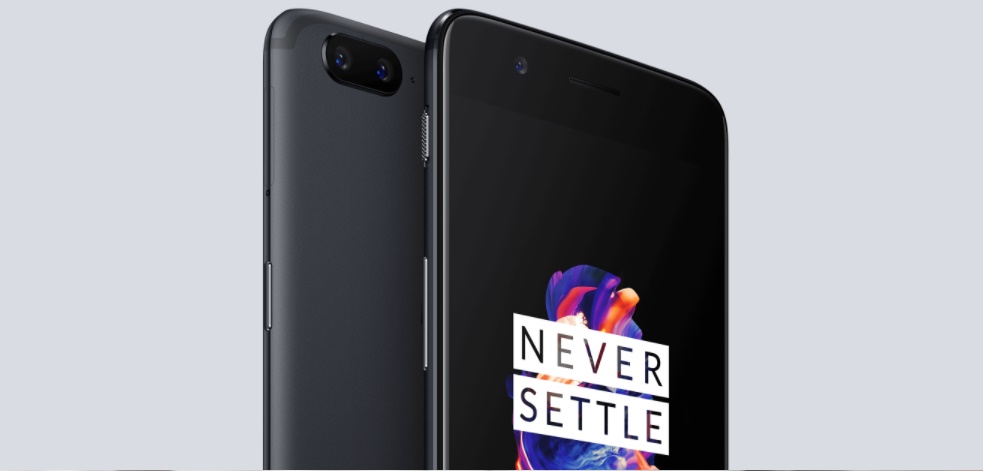
One of the most revolutionary features of the new OnePlus 5T is Face Unlock, a method of authentication through face recognition. A new Open Beta of OxygenOS has just rolled out, and now even OnePlus 5 received the innovative Face Unlock feature. The update can be downloaded only by OP5 users who registered for beta testing and it’s around 1.6GB in size. If you are one of these users, we suggest you download the new Open Beta 3 through a Wi-Fi connection in order to save your data.
Face Unlock is a similar feature to Face ID which is present on the new Apple iPhone X, but unlike Face ID it only works via software. By using the front camera, OnePlus 5 can now recognize the face of its owner and unlock the phone in 0.4 seconds. Face Unlock is even faster than Face ID, but it is less safe and the company has already admitted that it is not suitable to be used for mobile payments and other important things which need security. According to Carl Pei (the CEO of the company), there was a really strong demand for this feature, so the company has decided to follow the feedbacks of its community and implement the feature on the OP5 as well.
Face Unlock is not the only change implemented in the Open Beta 3 for the OnePlus 5. Among other changes, there is a fix for the 5G band in the Wi-Fi connection and there are also optimizations for vibration. A new app shortcut has been added to the Launcher and a new security patch has been included as well. It is the December security patch, which is the latest one released by Google (the next one will come in a few days as new security patches get released every month). For people who adhered to the beta testing phase, the update comes via OTA.
Sony’s upcoming mid-range phone, the Xperia XA2 Ultra has appeared in a leaked photo. The photo reveals a number of details, but the key being the design which……is more or less the same as last year’s.
The Xperia XA2 Ultra keeps the huge bezels of its predecessor, the XA1 Ultra, although the lower one is a bit smaller. GFXBench says the display is 6.0” with a 1920 x 1080 resolution, so expect this phone to be big. There are a few new additions though.
First, the XA2 Ultra now packs dual front facing cameras positioned at opposite sides. One of the cameras is a 16MP sensor but the other isn’t known yet. The phone still has a front LED flash which now sits on the left side of the bezel.
Another change in the design is the absence of a cut-out at the base. The XA1 Ultra has a slit on the lower bezel that made one think it has stereo speakers but it was just there for design purposes. Now, that it is gone, we can presume that the XA2 Ultra won’t be getting stereo speakers either.
The photo shows the “About Phone” under the settings menu. As we can see, the model number is H4233 which confirms this is indeed the Xperia XA2 Ultra. It is running Android 8.0.0 Oreo and has November’s security patch installed.
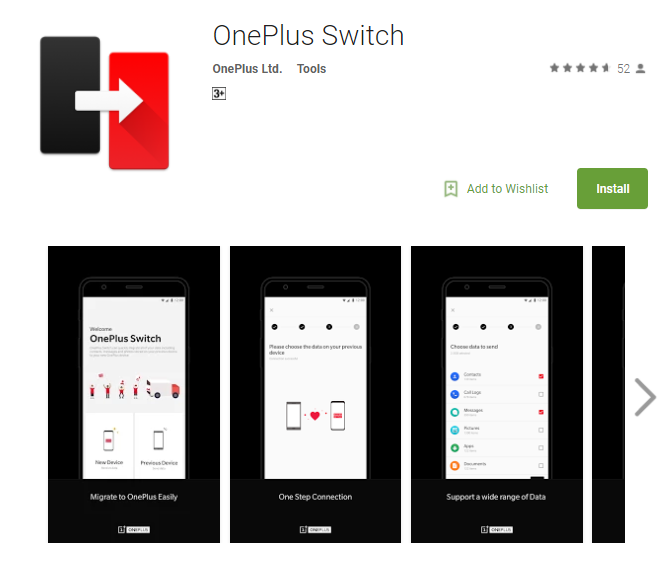
Just before the end of 2017, OnePlus added a new app to the Play Store – the OnePlus Switch. The app has only one job – to help move your data from your old phone to your new OnePlus phone.
Phone migration apps are not new and a bunch of major manufacturers have one. Apple’s first app on the Play Store is actually Move to iOS, whose function is to help move your data from an Android phone to an iPhone or iPad.
According to the app description, the OnePlus Switch will help you move your contacts, messages, call logs, calendar, photos, videos, audio files, and apps. OnePlus adds that app data isn’t available at the moment but will be added soon. The app which is 8.64MB in size will work on devices running Android 5.0 lollipop and above.
From the screenshots provided, it is pretty easy to move your data. Once you have the app installed, both phones will connect via Wi-Fi and you can select the data you want to move. The duration for the transfer is shown and you also get a fun animation while the process is on.
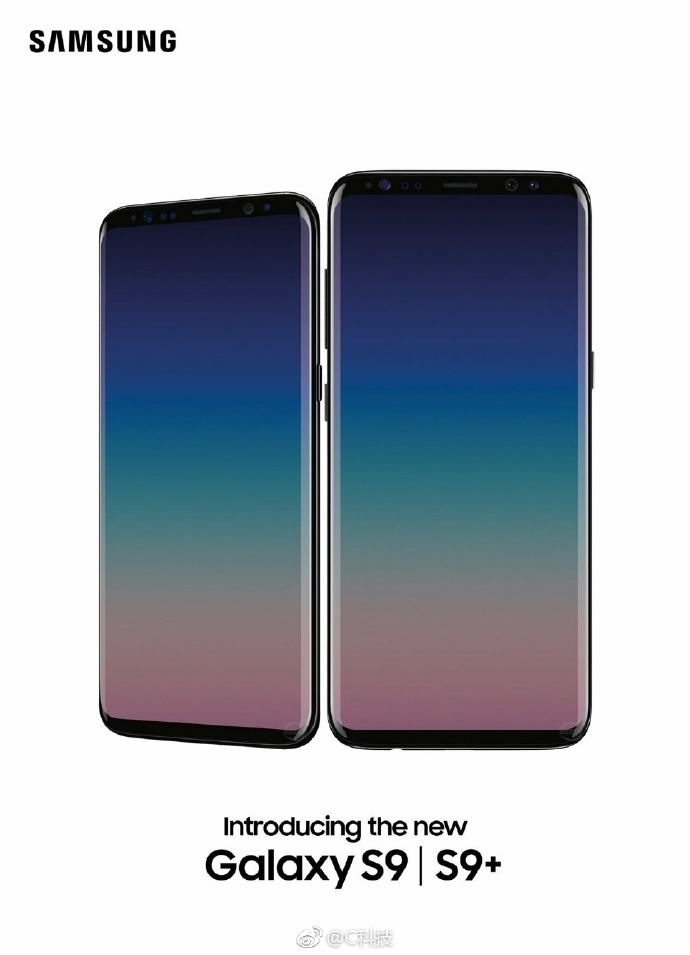
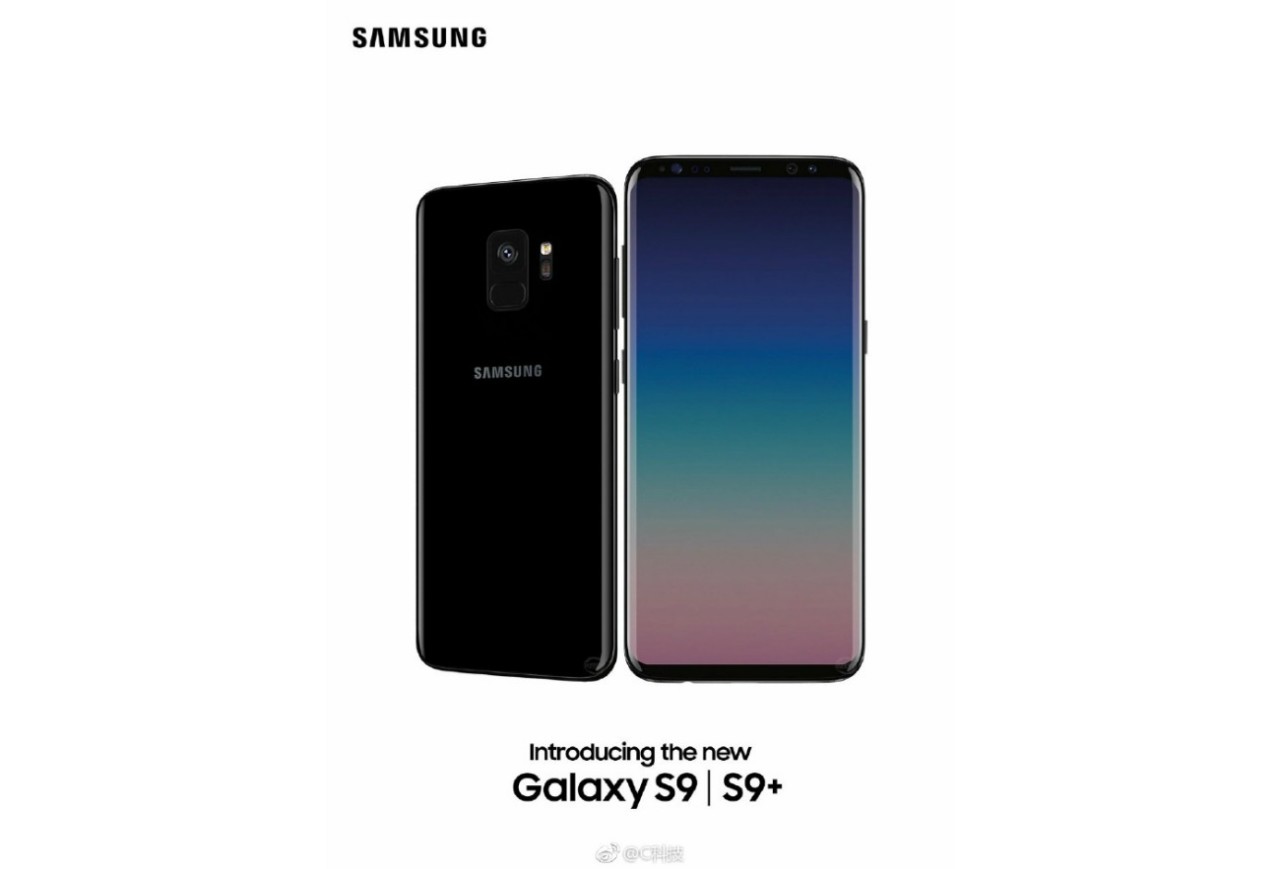
New S9 renders have surfaced, and they are not the first showing us the design of Samsung Galaxy S9 and S9+, the upcoming flagships from the Korean giant at the first place in the global smartphones market. The new leak confirms what we have seen before: in terms of design, S9 and S9 Plus will be just a slight upgrade over their predecessors S8 and S8+. We can see the standard version of the upcoming flagships, which will also be the cheapest one, on both the front and the back side, while S9 Plus only appears on its front side.
According to the new renders surfaced on Weibo, the design of Samsung Galaxy S9 will be very similar to the Galaxy S8, but the screen-to-body ratio will be even higher. The display will be curved, with almost absent bezels on the sides and very narrow bezels on the upper and lower part. The front panel is exactly the same on both the devices (S9 Plus is just bigger), and we can also notice a 3.5 mm audio jack on the lower border. It is possible to see a volume rocker and a power key on the left side, and an alleged Bixby physical key on the right one.
The rear side of Samsung Galaxy S9 shows a single camera, while S9+ is expected to come with a dual camera setup in a vertical configuration. Under the camera, there is a fingerprint reader, while on the right there is a LED flash and an autofocus laser sensor. Galaxy S9 and S9+ have already been certified in the U.S. by FCC and according to rumors, they will be officially unveiled this week at CES 2018, in Las Vegas. The handsets will be equipped with the Snapdragon 845 SoC for the U.S. version and Samsung Exynos 9810 for the European one. We still do not have info about their prices.
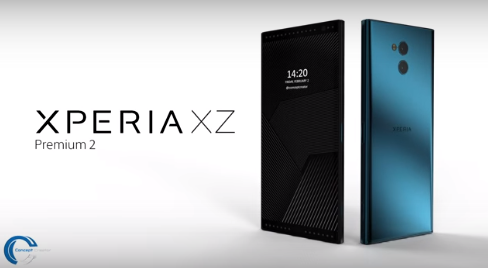
Sony is set to change the design of its phones this year. There is no confirmation yet if it will cut across all models, but we at least expect the flagships to be among. One of them is the Xperia XZ Premium 2 whose renders have surfaced online.
The Xperia XZ Premium was one of the first Snapdragon 835 phones announced last year though it didn’t go on sale until much later due to availability of the Snapdragon 835 chip. Its successor is the Xperia XZ Premium 2 and it has an entirely different look in these renders made by Concept Creator.
First, the bezels have been greatly reduced to make way for the tall display with an 18:9 aspect ratio. Even with the smaller bezels, the phone still sports dual front facing speakers. Although, instead of the slits we are familiar with, they are circular holes cut into the bezels.
On the rear, the phone does look like its covered in metal, but judging from the design of its predecessor, it is most likely glass. Notwithstanding, there is a big change on the rear and that is the dual rear cameras arranged in a vertical position.
And just like the XZ Premium, the Premium 2 has a USB-C port at the bottom and a 3.5mm audio jack at the top.
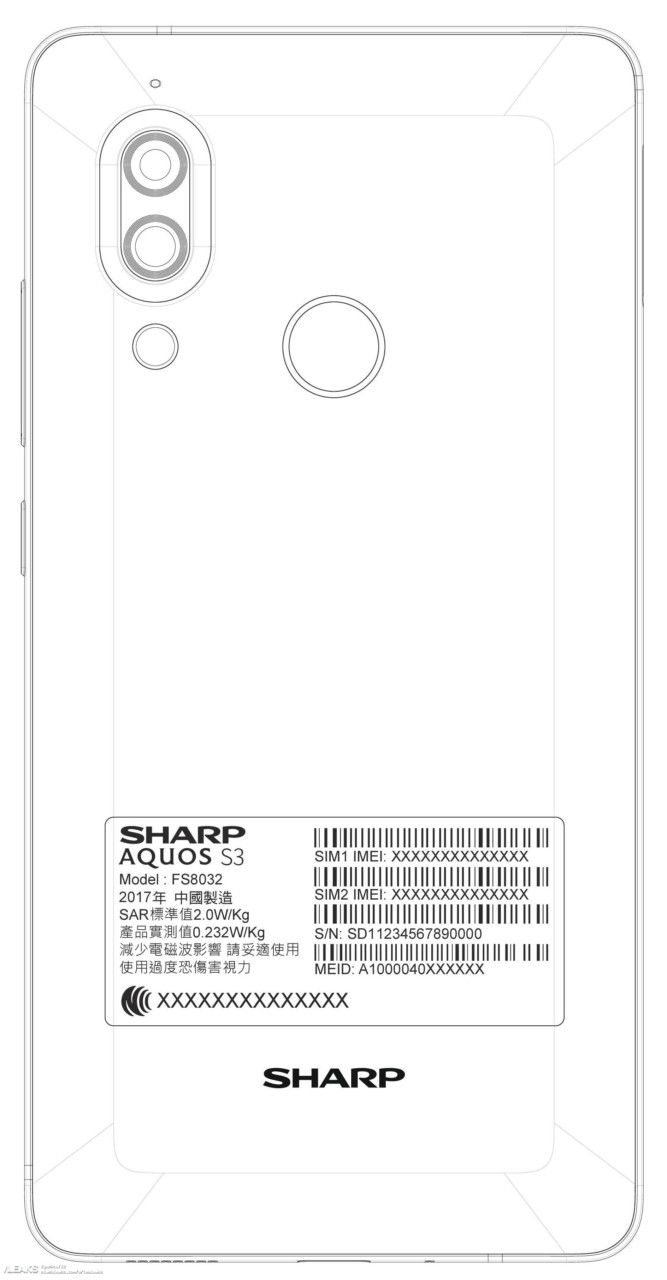
Sharp had unveiled the Aquos S2 smartphone in August 2017. It appears that the company will be soon announcing the Aquos S3 as its successor phone as it has been certified by NCC, Taiwan’s certification body.
The original Aquos S2 features 5.5-inch display that offers an aspect ratio of 17:9. It is driven by Snapdragon 630 chipset and 3,020mAh battery. It comes in 4 GB RAM + 64 GB storage and 6 GB RAM + 128 GB storage models.
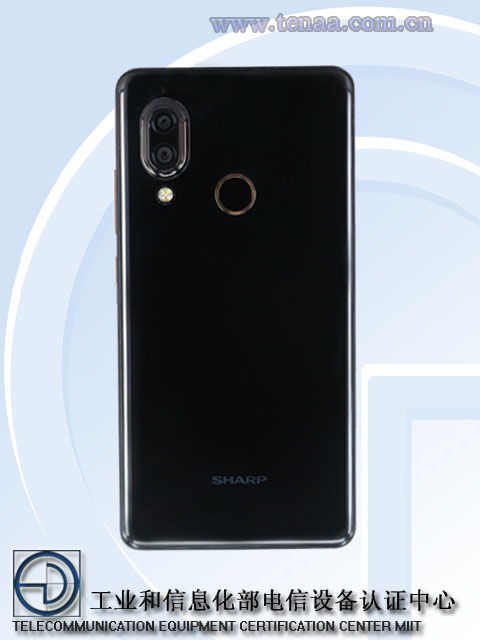
The above image that has surfaced through NCC certification shows that the Aquos S3 has a model number of FS8032. It also reveals that it is equipped with a vertically dual camera and a rear-mounted fingerprint scanner. This handset has also appeared on Geekbench benchmarking site with specs like Snapdragon 630 chipset, 4 GB of RAM and Android 8.0 Oreo. In single-core test, it has scored 880 and in multi-core test, it has scored 4237.
In the previous month, the Sharp FS8015 had received TENAA certification in China. Not only he specs, but also the images of the phone had surfaced on TENAA. The design of the back panel shown above and the rear appearance of the FS8015 are same. This indicates that the FS8015 could be the upcoming Sharp Aquos S3.
According to the TENAA listing, the handset features a 5.99-inch display that produces 18:9 aspect ratio. It features either Snapdragon 630 or Snapdragon 660 chipset. It will be also coming in models like 4 GB RAM + 64 GB storage and 6 GB RAM + 128 GB storage. It is packed with a 3,100mAh battery. For photography, it features 12-megapixel + 13-megapixel dual camera setup on its back panel whereas it is equipped with a front-facing camera of 16-megapixel.
There is no confirmation on the launch date of the Sharp Aquos S3. It is speculated that the Japanese firm would be debuting the smartphone later this month.
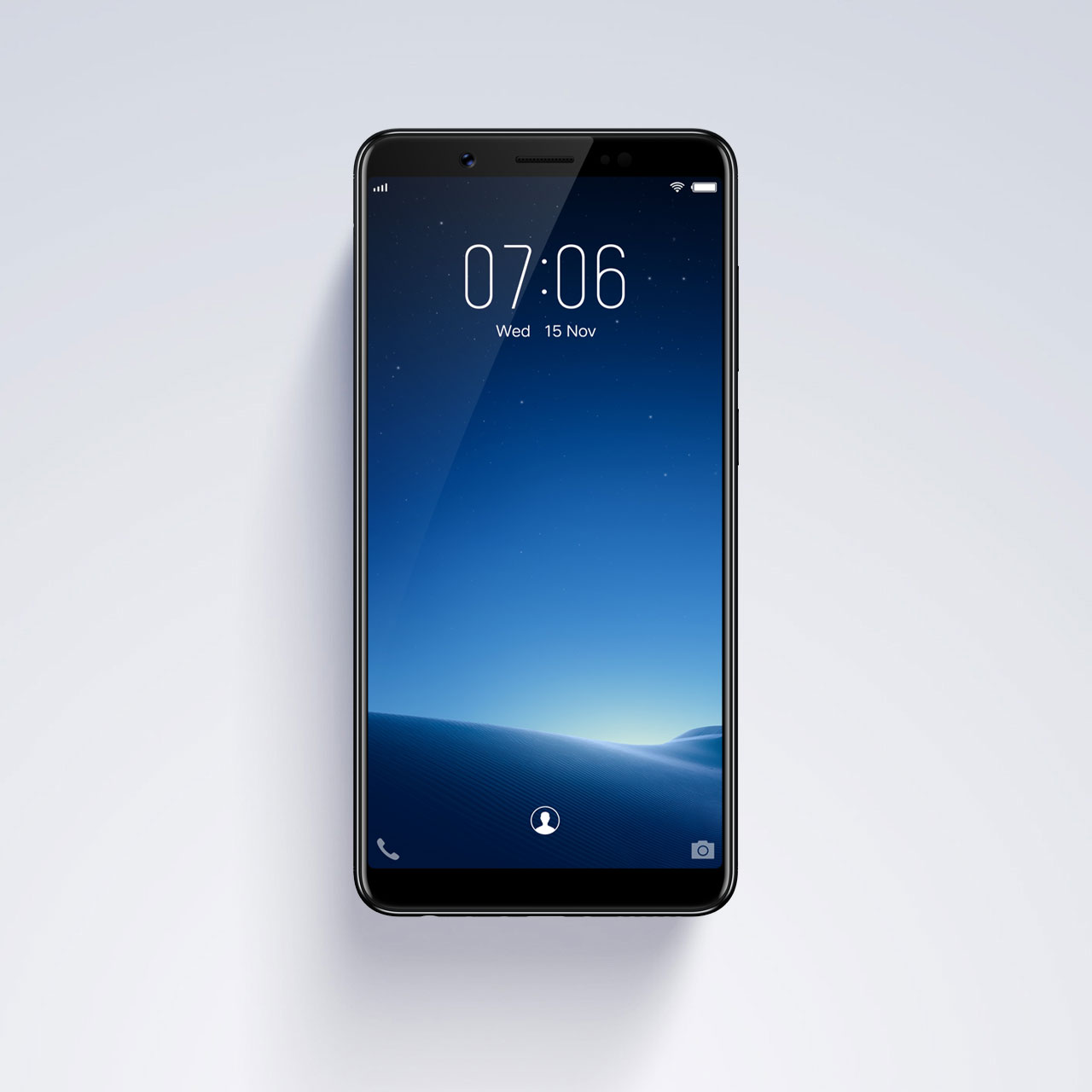
Vivo is consistently expanding its reach in Southeast Asian countries. It has already entered markets like Malaysia and Thailand in the recent past. In December, the company had entered Taiwan by the launch of Vivo V7 and Vivo 7+. Both the smartphones are now available for buying in the country.
The Vivo V7 and V7+ are respectively priced at NT$9,900 (~$331) and NT$10,900 (~$365) in Taiwan. The company is aiming to gain a share of 5 percent in the smartphone market in the country. It has collaborated with Taiwan Mobile and Synnex Technology to promote its smartphones in the local market.
The Vivo V7 and V7+ respectively offer a screen-to-body ratio of 83.6 and 84.4 percent. The V7 has a 5.7-inch screen that produces HD+ resolution whereas the V7+ has a larger display of 5.99 that also delivers the same resolution. These handsets are the first phones to be powered by Snapdragon 450 chipset. These phones also feature 4 GB of RAM. The native storage of the Vivo V7 is 32 GB whereas the inbuilt storage of V7+ is 64 GB.
The V7 duo are equipped with 24-megapixel front-facing camera and a rear-mounted 16-megapixel camera. They are running on FunTouch OS 3.2 flavored Android 7.1.2 Nougat. The V7+ is equipped with AK4376A Hi-Fi audio chip. The V7 includes a 3,000mAh battery whereas the V7+ has 3,225mAh battery.
After Samsung, Apple, Huawei and OPPO, Vivo is the fifth largest smartphone brand in the world. It is working Synaptics to debut the first phone with under-display fingerprint scanner.
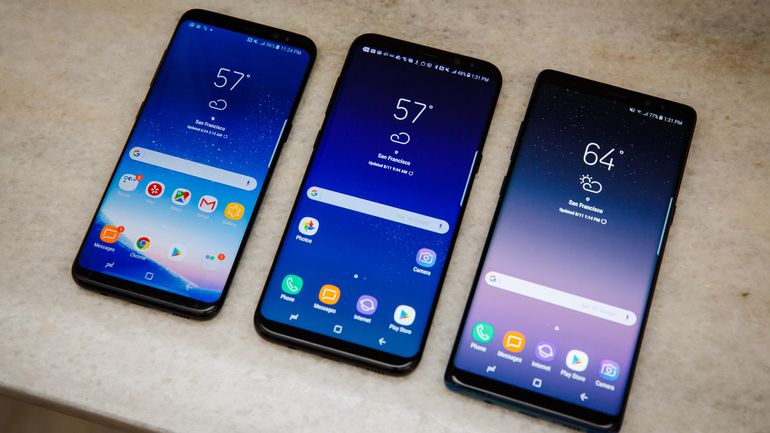
In the previous week, a new issue had surfaced on Samsung Galaxy Note 8. Its users are complaining that they are unable to charge the phone once its battery comes down to 0 percent. Not only the users of Galaxy Note 8 are facing this issue, but also the owners of Galaxy S8 and S8+ are encountering this problem. In an official statement, Samsung has said that only few users have encountered the issue and it can only comment on it after more users come across it.
After the debacle of Galaxy Note 7, Samsung has been using a strict procedure to check the quality and performance of the batteries of its devices. Unlike the issue on the Note 7, the battery related problem that has appeared on the Galaxy S8, S8+ and Note 8 do not seem to be a hazardous problem. However, the South Korean tech giant is in the process of investigating the issue.
Preliminary reports claim that the issue could be associated only with the carrier variants of the affected phones in the U.S. Samsung is selling the Snapdragon edition of the aforementioned flagship phones through the U.S. carriers. However, it could not be confirmed whether the Snapdragon models are the only ones that are affected.
According to Samsung, only a few customers have complained about the issue. The company claims that only when it receives more information about the affected devices, it will be able to comment on it and find a proper solution for the problem. Here is the official statement:
“Of course, Samsung is taking all reports of this kind seriously, we only received a very small number of customer inquiries that could be linked to charge management, and unfortunately we can only comment on the matter further if we have more detailed information about the affected devices.”
Users who are facing this issue are advised to contact Samsung’s customer support department. One of the representatives from the company has suggested users on the official forum site to seek a replacement device if their S8, S8+ or Note 8 have bricked after the batter was completely exhausted. As of this writing, there is no confirmation on whether the company is sending out replacement units.
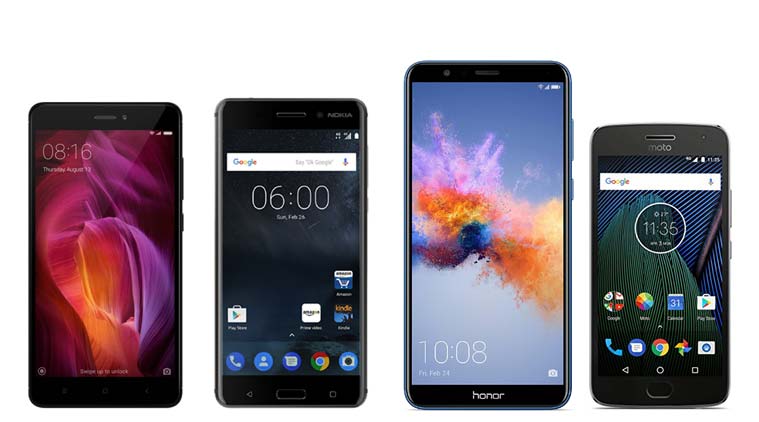
2017 finally came to an end and we can definitely say that it was a great year for the Chinese smartphones market. With artificial intelligence, bezel-less displays, and face recognition, we finally saw some innovation which has been missing for a while. Chinese phones are getting every day closer to the best brands in terms of displays, performances, camera, and innovation. We think it is time to make a balance of this year and to establish which are the best smartphones launched in 2017. So, we categorised the best smartphones of this year into price ranges: take a look below to know everything about them and, possibly, let us know if you agree with us.
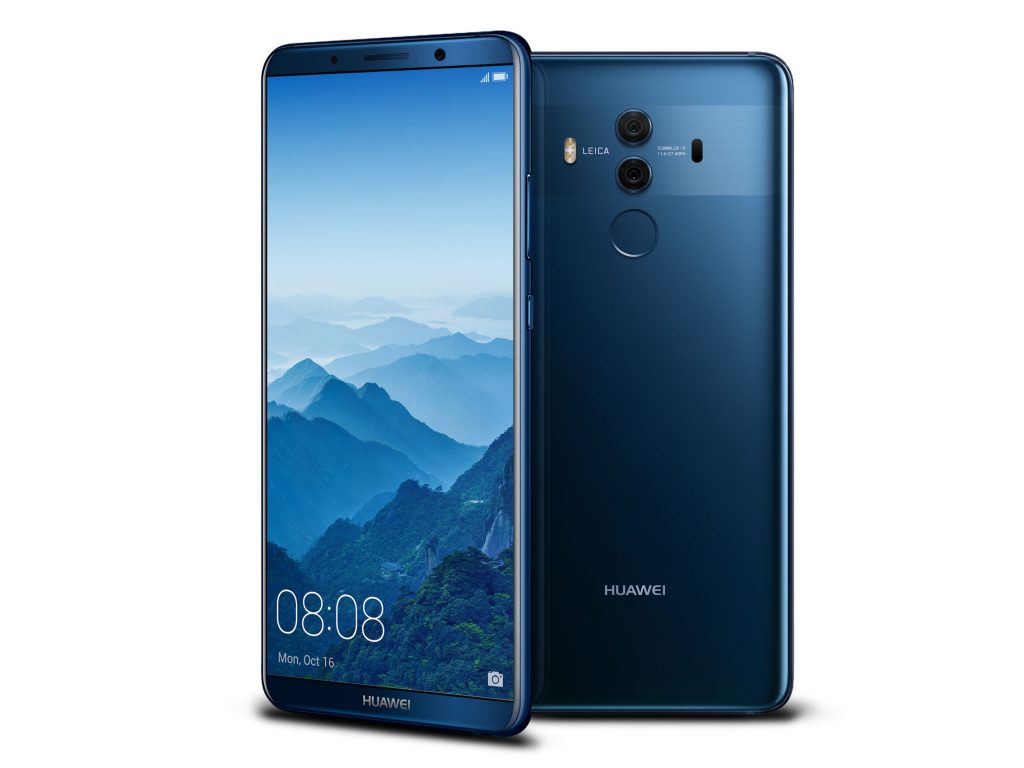
We think Huawei Mate 10 Pro is definitely the best Chinese phone launched in 2017. It is perfectly balanced and offers amazing performance under every aspect. Its dual camera made in cooperation with Leica is surely the most impressive thing. It provides incredible detail, good colors, and outstanding photos in low light conditions (our Huawei Mate 10 Pro review here!), and it has been rated as one of the best smartphones cameras ever by DxOMark. The phone sports an impressive SoC, Kirin 970, with a Neural Processing Unit for AI. Artificial intelligence is able to perform many useful tasks on this handset, and this is an additional value over its other top-end features. Huawei Mate 10 Pro is also the 2017 flagship with the biggest battery (4000 mAh) and it is a waterproof device, unlike other Chinese phones.
Hardware: Snapdragon 835, 6/8 GB RAM, 64/128 GB ROM
Software: Android Nougat, OxygenOS 4.7
Camera: Dual 16 + 20 MP f/1.7
Battery: 3300 mAh
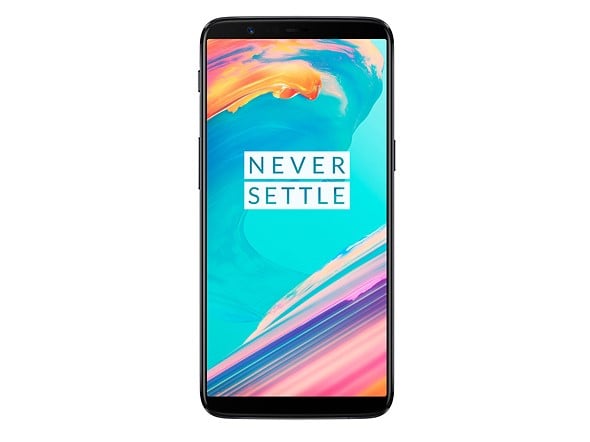
Performance is the strongest point of this device, and performances are usually the main concern for people who choose to buy a Chinese handset. Thanks to Snapdragon 835, 8 GB of RAM (in the most powerful variant) and an incredible software optimization, OnePlus 5T is one of the fastest and smoothest Android phone ever. It can handle every app or game that you throw at it with easy and it is also the perfect phone for productivity and multi-tasking.
PRO: Best performances, good camera, nice display, borderless, competitive price
Hardware: Snapdragon 835, 6/8 GB RAM, 64/128/256 GB ROM
Software: Android Nougat, MIUI 9
Camera: 12 MP f/2.0
Battery: 3400 mAh
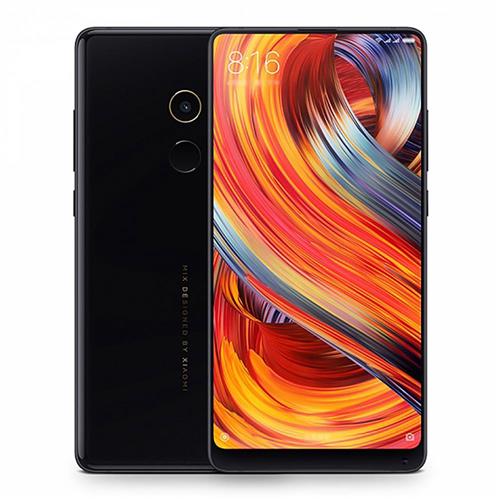
Xiaomi Mi Mix 2, together with Honor View 10, can be considered the best value for money flagships. Even though it can found at an affordable price, it has the best smartphone SoC launched in the market by Qualcomm in 2017: Snapdragon 835. It is paired with 6 or 8 GB of RAM depending on the version, and these components make Xiaomi Mi Mix 2 one of the best smartphones in terms of performance. MIUI 9 is an ever evolving user interface with many additional features. The design is another strong point of this device: with a ceramic back and one of the highest screen-to-body ratio, it is the king of bezel-less flagships that won’t cost you a fortune. The camera could be better, but the price justifies it and keeps everyone surprised.
PRO: Incredible performances, nice software, very narrow bezels, affordable price
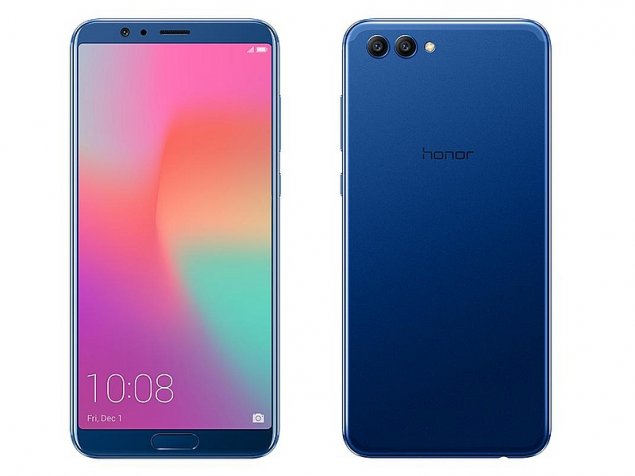
Huawei Honor V10 can be defined as a cheap version of the Huawei Mate 10 Pro. Even though its price is much lower, there are not so many differences between Honor V10 and the best Chinese flagship. It has the same SoC: Kirin 970 with AI, a similar borderless FHD+ display and a battery which is a bit smaller but remains huge (4000 mAh vs 3750 mAh). The difference is in the camera: it is good, but not at the same level of Mate 10 Pro. Also, Honor View 10 does not offer any kind of certification for water-resistance.
PRO: Great performance, big battery, affordable price, Android Oreo out of the box, AI
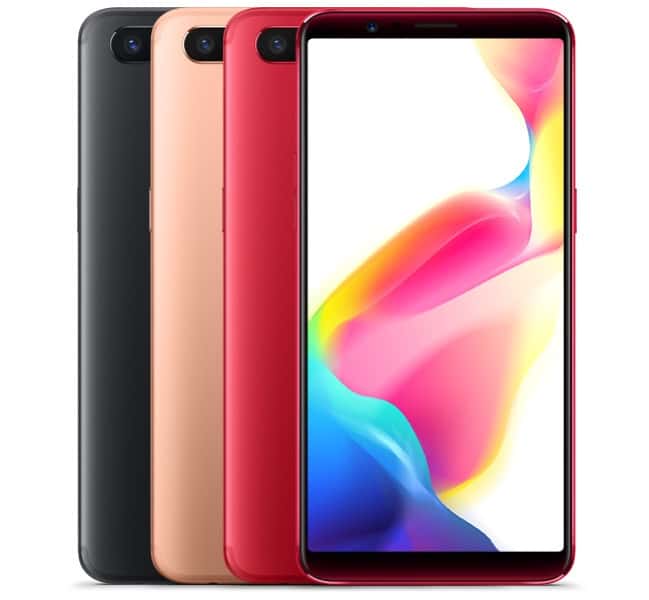
Oppo R11s is a perfect phone for Chinese customers, who are not mainly focused on performance, but they care a lot about the camera. This is an outstanding camera phone, and it is hard to find a better camera phone at the same price. The phone has powerful dual cameras on its rear and also an excellent front camera which supports AI to beautify selfies. Even though it is focused on camera, its hardware side is far from being bad: the powerful and efficient Snapdragon 660 SoC can provide very good performance, and the borderless display can provide a good viewing quality with brilliant colors and a low energy consumption.
PRO: Very nice display, Good hardware side, Great camera, borderless
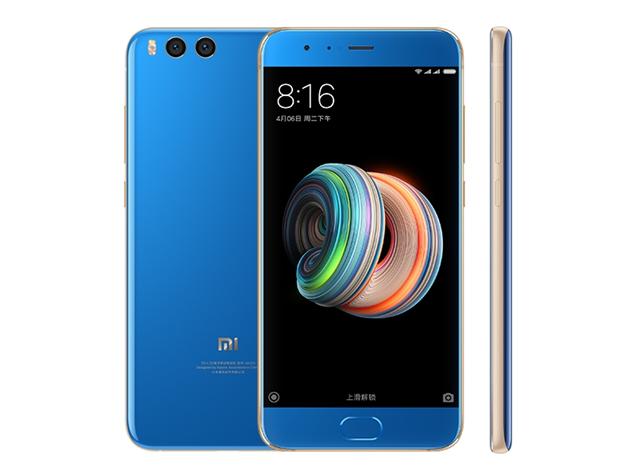
Xiaomi Mi Note 3 is the best camera phone by Xiaomi, even though it is not its most powerful flagship by the company. And it is also one of the best camera phones ever made in this price segment. This device supports lossless optical zoom and the amount of details captured by its dual camera setup is impressive. Unfortunately, it has bezels, which is kind of disappointing considering this year’s trend. But this opens up space for a front Home button with a fingerprint reader embedded. Further, the Snapdragon 660 and 6 GB of RAM offer incredible performances in daily use and multi-tasking.
PRO: Super camera, Nice hardware, big battery, affordable price
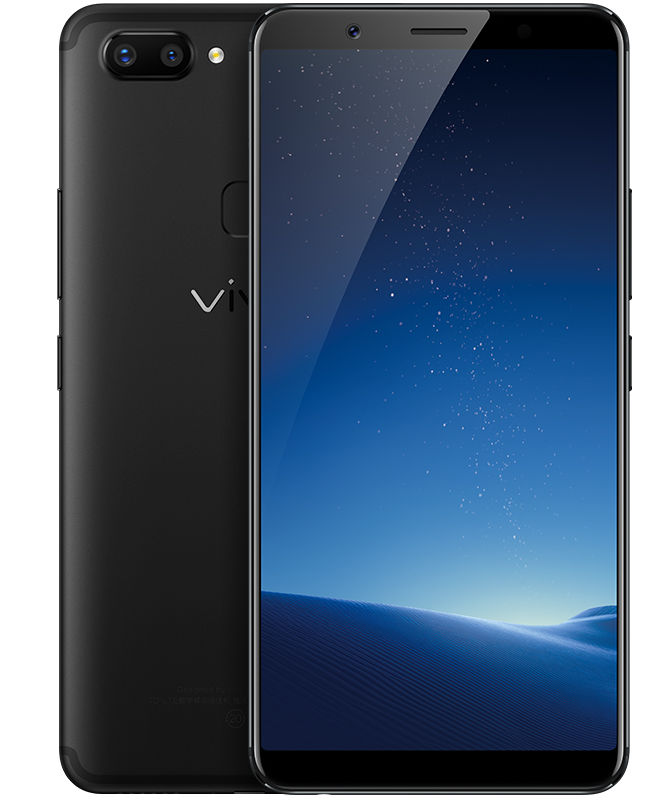
Vivo X20 is not so different from Oppo R11s. It is another phone focused on the camera department, and it can be found at an even more affordable price. Both the main dual camera setup and the single selfie camera are amazing if we consider the price of the handset, even though we like the Oppo R11s a bit more. The bezel-less display is another great component of this device with the AMOLED technology providing deep blacks and vivid colors. Another strong point is surely the hardware side: Snapdragon 660 is not the best SoC ever, but if we exclude the Snapdragon 8xx series, it is the best choice in the Android market.
PRO: Nice display, Good hardware side, satisfying camera, good borderless design
CONS: Limited availability
Huawei Nova 2s also deserves a mention in this section: it is an incredibly powerful phone thanks to its Kirin 960 SoC and up to 6 GB RAM, it has a wide bezel-less display and also an amazing dual camera. Yet it is sold at an incredibly aggressive price (around 400 euros/475 dollars).
Best midrange smartphones of 2017
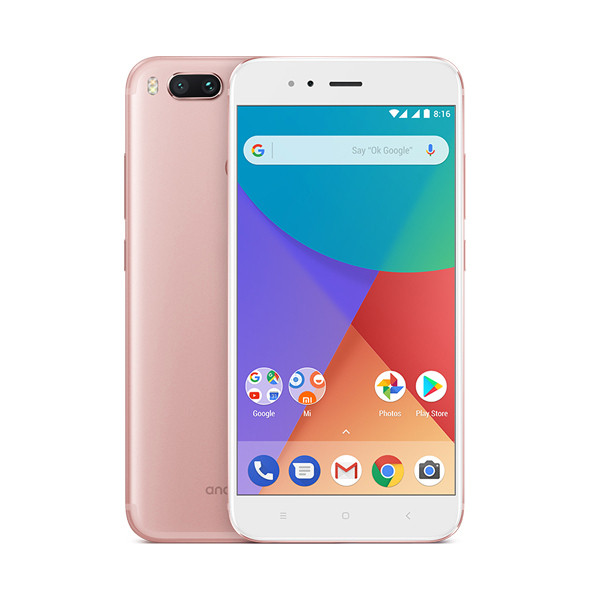
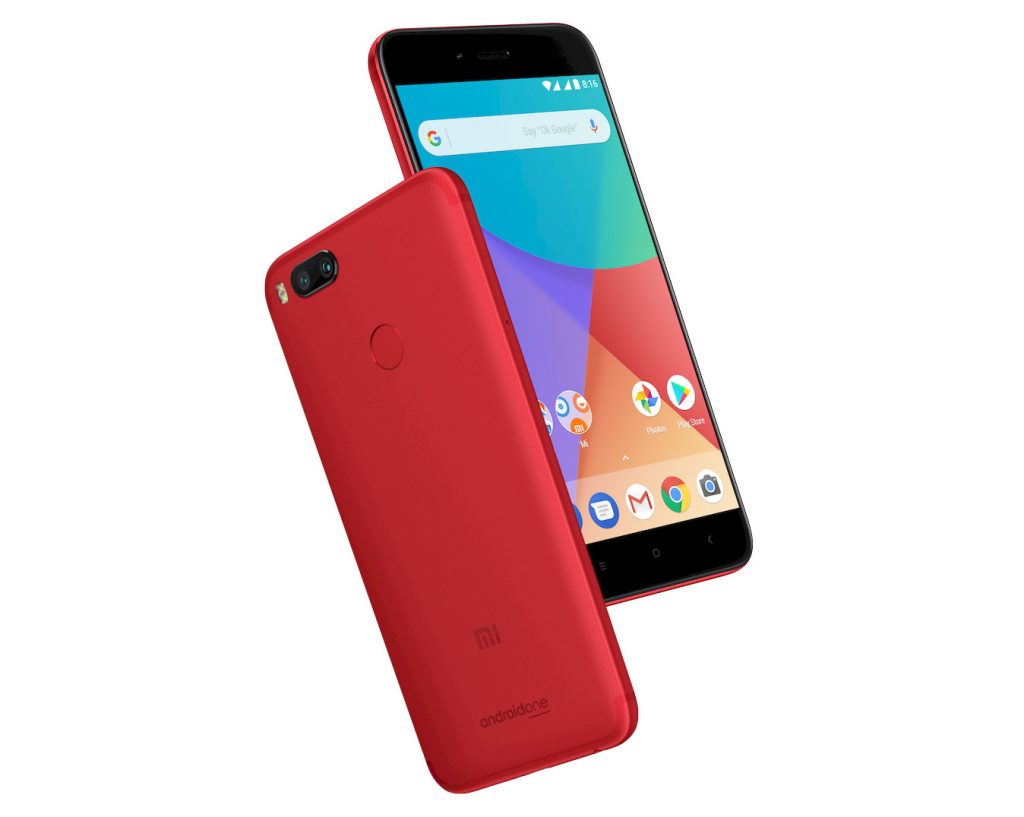
Xiaomi Mi A1
Display: 5.5 in FHD LTPS IPS LCD
Hardware: Snapdragon 625, 4 GB RAM, 64 GB ROM
Software: Android Nougat, Android One
Camera: Dual 12 MP f/2.2
Battery: 3080 mAh
Xiaomi Mi A1 is the first Xiaomi phone which is made for an international audience. It deserves a spot in the ranking of the best smartphones not only for its incredible quality-price ratio but also because it has Android One installed and a very capable camera. Android One is a stock version of Android which is supported directly by Google with constant updates and no bloatware. Its camera department consists of a dual camera setup with a 12 MP resolution which can be defined the best smartphone camera in its price range (under 200 euros). The phone also has an elegant design and large RAM and storage: these things are useful to run many apps at the same time and to store many files.
PRO: Great price, nice and efficient hardware, good camera department, Android One
Hardware: Snapdragon 625, 3/4 GB RAM, 16/32/64 GB ROM
Software: Android Nougat, Flyme 6.0
Camera: Dual 12 + 5 MP f/1.9
Battery: 4000 mAh
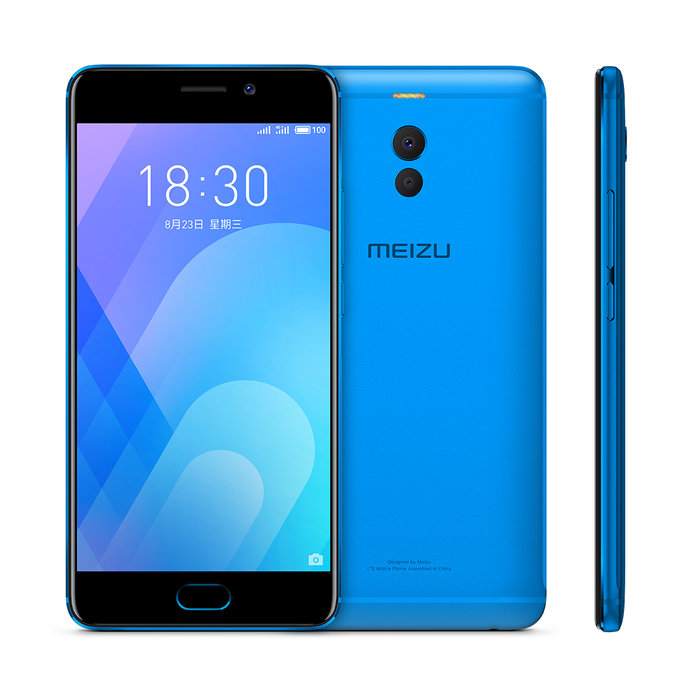
Meizu managed to be one of the best Chinese companies in the past few years in the mid-range market, but in 2017 it did not have so much success worldwide. This is probably the reason why the company decided to launch its first phone with a Snapdragon SoC in 2017. And it was a very good choice if we look at its performance and efficiency, especially because its price is very competitive. Another big advantage of the M6 Note is the battery: it is very big and well-optimized. Further, even though the phone has bezels, the display is big and comfortable.
PRO: Nice hardware for the price, very affordable price, big battery, interesting camera
In this period, it seems that Honor 7X has become the best choice for people in search of a phone with the best quality-price ratio. Every aspect of this phone is impressive, yet it does not cost much. The device sports a big and bezel-less display which is very hard to find in its price range. It has a great hardware, you can choose between two configurations that are always sufficient for every use. The phone also has a decent camera and a big battery. In our opinion, the phone impresses everyone (except the most advanced ones) with its well-balanced features.
PRO: Borderless display, good hardware, big battery, pretty nice camera, low price
Hardware: Snapdragon 450, 2/3 GB RAM, 16/32 GB ROM
Software: Android Nougat, MIUI 9
Camera: 12 MP f/2.2
Battery: 3300 mAh
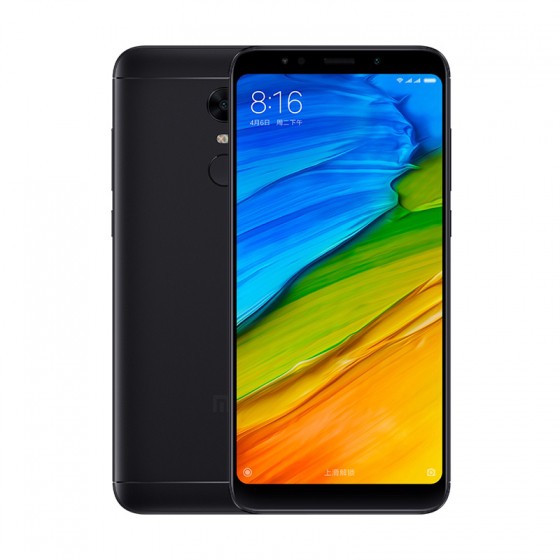
Xiaomi Redmi 5 is one of the cheapest phones with a borderless display, also making it one of the most interesting ones. It is very compact, but it has a big 18:9 display which is very comfortable. It can be purchased with a price tag which is slightly superior to 100 euros ($120), but it has a more than sufficient hardware configuration and a satisfying camera. The battery is big as well, so the battery life is far from being disappointing. With this phone, you will be able to run heavy apps with an above-average smoothness, a thing which is hard to do with phones in the same price range.
PRO: Amazing Price, bezel-less design, big and comfortable display, big battery
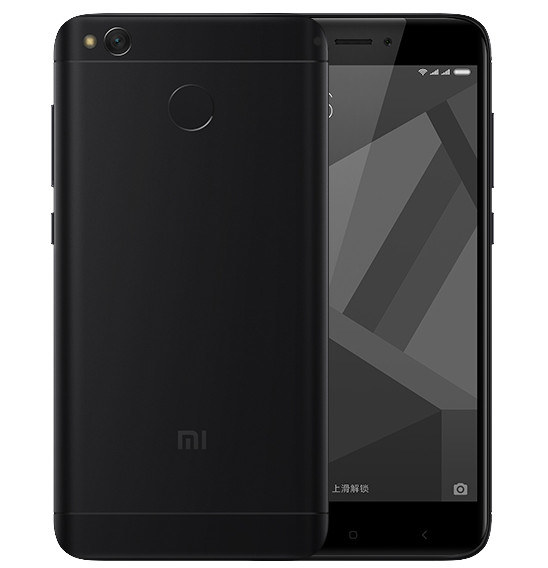
Xiaomi Redmi 4X is the best device for people in search of a handset with great performance, an outstanding battery life and a price around 100 dollars. It has a huge 4100 mAh battery and an excellent hardware side if we consider that it can be purchased at such an affordable price. Snapdragon 435, 3 GB of RAM and 32 GB ROM can provide a very nice multi-tasking experience, and its 5-inch display makes it compact and easy to hold.
PRO: Compact design, Great hardware, very affordable price, very big battery
CONS: Still Android Marshmallow out of the box
So, these were our best Chinese smartphones for 2017. Do you think any other model should be added or removed from this list?
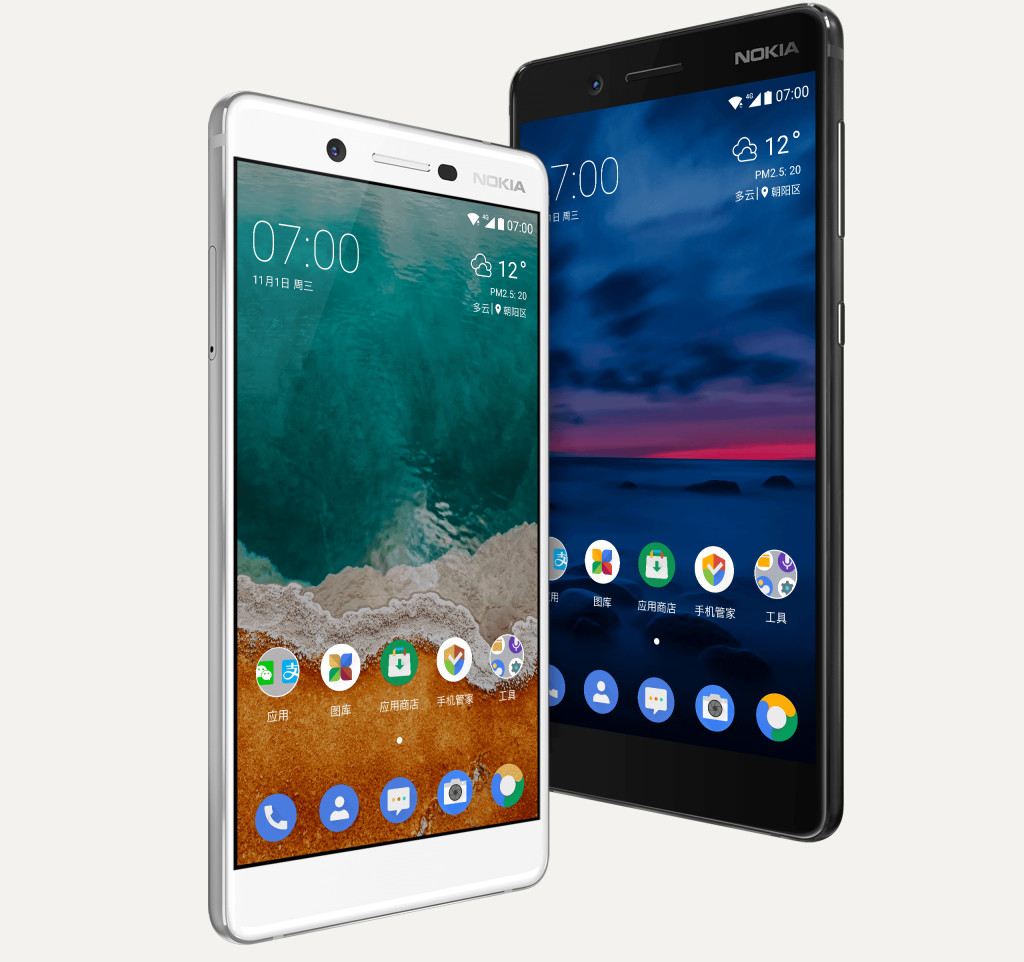
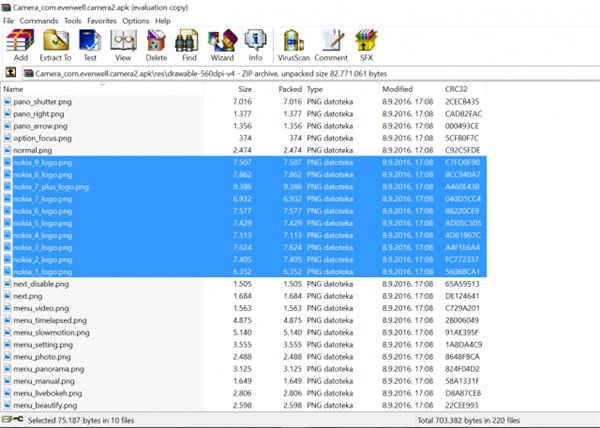
This year HMD Global released a number of Android smartphones under the popular Nokia brand. They include the Nokia 6, Nokia 3, Nokia 5, Nokia 8, Nokia 7, and Nokia 2. Come next year we sure will be getting more, first in line should be the Nokia 6 (2018) and the Nokia 9. However, the Nokia camera app has revealed two more new phones – the Nokia 4 and the Nokia 7 Plus alongside the rumored Android One Nokia 1.
The discovery was made when the apk of the camera app was unpacked. The file revealed a list of HMD Global Nokia phones which includes already released ones and also unreleased ones. Out of the unreleased ones are the Nokia 4 and Nokia 7 Plus which we have never heard of before.
There is no info as to when anyone of the two phones will hit the market. However, with the info we now have, Nokia has at least 5 phones planned for next year if we add the Nokia 6 (2018), Nokia 9, and Nokia 1.
For 2017, MediaTek released only one high-end chip – the Helio X30. and the processor only powered two devices – the Meizu Pro 7 Plus and the Meitu V6. Next year, MediaTek will be announcing two high-end chips called the Helio P40 and Helio P70 and we hope they power more devices.
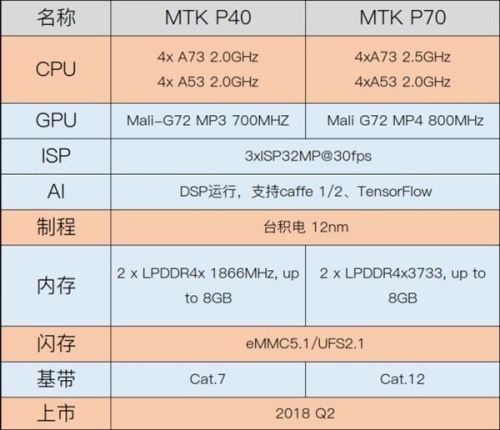
Both the Helio P40 and Helio P70 will be 12nm chips built by TSMC and are reported to arrive in Q2 2018. Below are their full configuration details:
Helio P40
We first heard of the Helio P40 some few months ago. However, this new leak brings new details.
The processor will be an octa-core chip with 4x A73 cores clcoked at 2.0GHz and 4x A53 cores clocked at 2.0GHz. Its GPU is a Mali-G72 MP3 clocked at 700MHz and it will come with three ISPs with support for up to 32MP.
The Helio P40 will support up to 8GB LPDDR4x (1866MHz) RAM and eMMC 5.1 and UFS 2.1 storage. The Helio P40 will also have AI capabilities with support for TensorFlow and Cat.7 LTE.
Helio P70
The Helio P70 will also be an octa-core chip with the same A73 and A53 cores but will have the former clocked at 2.5GHz. It will come with a more powerful Mali G72 MP4 GPU clocked at 800MHzbut have the same AI capabilities as the P40.
The P70 will support up to 8GB of LPDDR4x RAM and will have Cat.12 LTE.
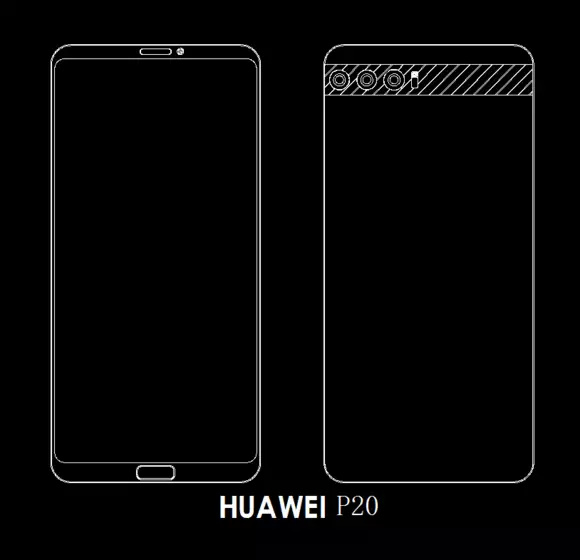
The Huawei P11 won’t be coming, instead it will be replaced by the Huawei P20. The name won’t be the only change coming to Huawei’s next flagship. There are also reports that it will come with three cameras on the rear. Images said to be schematics of the flagship series have leaked and they show the Huawei P20, P20 Plus, and a new P20 Pro all with triple rear cameras with various designs.
For those who don’t remember, about a month ago there were a bunch of promotional images leaked by Evan Blass that showed the next Huawei P-series will come with “40MP, 3 lens rear (5x hybrid zoom) + 24MP selfie” developed by Leica. That leak is the genesis of the triple rear camera story.
According to the schematics, the Huawei P20, P20 Plus, and P20 Pro will all have thin bezels with an 18:9 display but only the Huawei P20 Pro will have a notch at the top and also a rear mounted fingerprint scanner.
Moving to the back, the three phones differ greatly. The Huawei P20 will have its three cameras arranged horizontally and positioned on the left side. The P20 Plus, on the other hand will have its own cameras arranged vertically but will also be on the left.
Last but not the least is the new Huawei P20 Pro which will also have a vertical arrangement but will be positioned in the middle with the fingerprint scanner below it.
The design of the phones will not be the only differences. It is reported that the Huawei P20 and P20 Plus will come with the Kirin 970 processor while the P20 Pro will come with a new and slightly more powerful Kirin 975 processor. All three of them are expected to have 6GB of RAM.
The Android One Xiaomi Mi A1 has started to receive a stable update that brings Android Oreo to the phone. The announcement was made yesterday via the official Xiaomi Twitter account.
According to the tweet, to receive the update you have to make sure that you are already running the latest December update which is version 7.12.19. Even at that, the update which is 1107.4MB in size and comes with December’s security patch will be rolling out in batches.
We're ending the year with an O! #MiA1 users, stay tuned as we're rolling out your long-awaited update in batches but make sure you're already on the latest December update (7.12.19) to receive Android O! pic.twitter.com/GhRtDnyJn4
The Xiaomi Mi A1 is actually the same device as the Mi 5X but runs Vanilla Android instead of MIUI. So for those who own the MI 5X and have actually ported the ROM of the Mi A1 to their phone, this update should also work for you. As at the time of writing, the ROM isn’t yet on the MIUI site, so you may have to check later.
The Mi A1 packs a 5.5” 1920 x 1080 display, 4GB of RAM, and 64GB of storage. It is powered by the Snapdragon 625 mobile platform.
Apart from the fact that it runs Pure Android, another highlight of the phone is its dual 12MP rear cameras – the same as the ones on the Mi 6. There is also a 5MP camera in front for selfies.
Real life images of a smartphone identified as an upcoming OPPO model have appeared online. The smartphone is unfortunately covered in a protective shell which hampers the full view of the device’s design. However, the little part that is visible shows the device features a full-screen design.
OPPO isn’t new to full-screen smartphones as it caught up with the trend early on with the launch of the OPPO R11s this year. However, since the trend is still expected to continue in 2018, it is no surprise if OPPO is already set to release its first for 2018. From what we can see, the device will feature a rear-mounted fingerprint sensor obviously due to the full-screen design and it utilises on-screen buttons. A couple of features that are hard to miss include the numerous modules on top of the display screen. Apart from the selfie camera, there is a front flash and three other sensors whose functions we can’t say for now. It is possible OPPO is working on some sort of facial recognition technology different from the one presently featured on its smartphones. In addition, the phone volume rocker keys are located on the left-hand side while the power button and SIM tray will be on the right side.
We should note, though, that the leaked smartphone’s design has some similarities to the OPPO R11S. So this could be the R11s being bandied around with an attractive protective shell but that doesn’t explain the unusual-looking sensors on top of the screen. Also, the rear camera module seems to have a different design from the R11s. Thus, we’ll have to wait for more leaked details to emerge before the actual identity of this OPPO model could be unravelled.
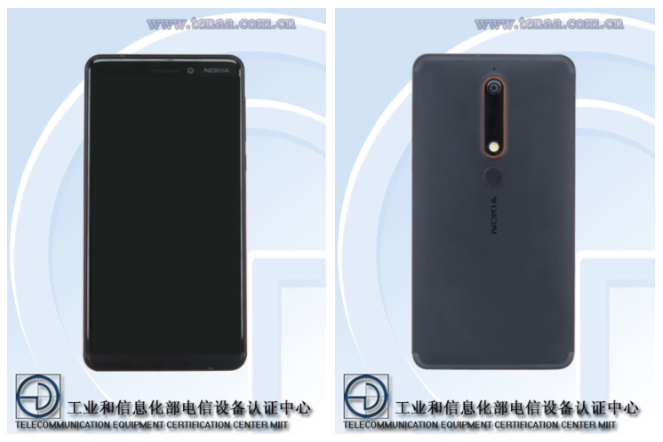
The Nokia TA-1054 first appeared on TENAA a few weeks ago. But back then, only the images of the phone which is said to be the Nokia 6 (2018) were provided. Now, the full specifications have been made available with the same pictures we first saw. So this is not a different phone.
However, it is important to mention that while the image of the front of the phone does look it has an 18:9 display, thanks to the reduced bezels, TENAA lists the screen as 5.5” with a resolution of 1920 x 1080 (16:9 aspect ratio). The dimensions of the phone is also provided as 148.8 x 75.8 x 8.15 mm.
The Nokia 6 (2018) will pack 4GB of RAM with 32GB or 64GB of built-in storage. There is also support for storage expansion (128GB max.) The phone is powered by an octa-core processor clocked at 2.2GHz.
There is 16MP sensor on the rear and an 8MP up front for selfies. The phone surprisingly runs Android 7.1.1 Nougat. It also packs the same 3000mAh battery as the first-gen Nokia 6. The TENAA listing adds that the device will be available in white, blue, and black.
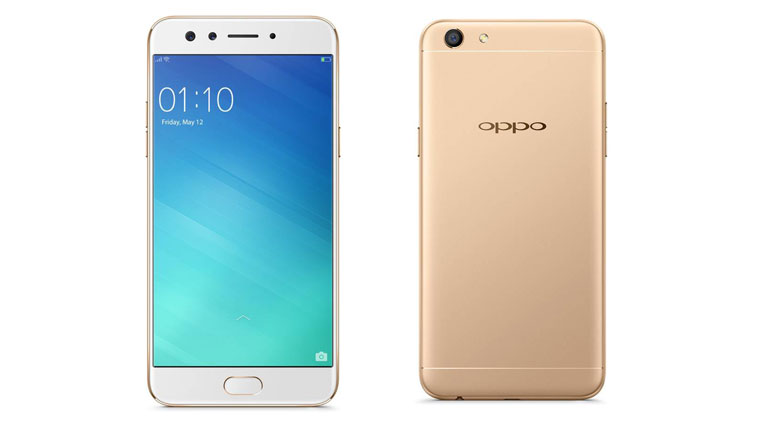
Oppo, the China-based smartphone manufacturer has announced a price cut of Rs. 2,000 (around $31) on Oppo F3 phone in India. After the price cut, the device is now available for purchase in at a price of Rs. 16,990 (approximately $266).
To recall, the Oppo F3 was launched in India earlier this year in May for Rs. 19,990, which roughly converts to $313. However, the phone had earlier received a price cut of Rs. 1,000 in September, bringing down its effective price to Rs. 18,990 (approximately $297). Currently, the phone is available in India in two colour options — Gold and Black.
As the name itself suggests, the Oppo F3 is a toned-down and more affordable model compared to its bigger sibling Oppo F3 Plus. The phone features a 5.5-inch Full HD In-Cell 2.5D curved display with 1920 x 1080 pixels screen resolution. The display is protected from the minor scratches by a layer of Corning Gorilla Glass 5 on top.
Under the hood, the device is powered by 1.5GHz MediaTek MT6750T octa-core processor, coupled with Mali-T860 GPU, 4GB RAM and 64GB of onboard storage. There is also a microSD card slot which allows users to further expand storage capacity up to 128GB.
The highlight of the phone is its dual-selfie camera setup on the front side. The device features a 16-megapixel primary snapper along with an 8-megapixel wide-angle secondary camera. It comes with several software features such as Smart Facial Recognition, Beautify 4.0, Selfie Panorama, Screen Flash, among others.
At the back, the device comes with a single 13-megapixel camera sensor, along with dual-tone LED flash, phase detection autofocus and f/2.2 aperture. The camera is capable enough to shoot videos in Full HD resolution.
Connectivity options include Dual SIM, 4G VoLTE, WiFi 802.11 a/b/g/n (dual-band), Bluetooth 4.1 Low Energy, GPS with A-GPS. There is also a front-mounted fingerprint sensor for added protection. Running on Android Marshmallow based Color OS 3.0, the device is powered by a 3,200mAh non-removable battery.
We use cookies on our website to give you the most relevant experience by remembering your preferences and repeat visits. By clicking “Accept”, you consent to the use of ALL the cookies.
This website uses cookies to improve your experience while you navigate through the website. Out of these, the cookies that are categorized as necessary are stored on your browser as they are essential for the working of basic functionalities of the website. We also use third-party cookies that help us analyze and understand how you use this website. These cookies will be stored in your browser only with your consent. You also have the option to opt-out of these cookies. But opting out of some of these cookies may affect your browsing experience.
Necessary cookies are absolutely essential for the website to function properly. This category only includes cookies that ensures basic functionalities and security features of the website. These cookies do not store any personal information.
Any cookies that may not be particularly necessary for the website to function and is used specifically to collect user personal data via analytics, ads, other embedded contents are termed as non-necessary cookies. It is mandatory to procure user consent prior to running these cookies on your website.

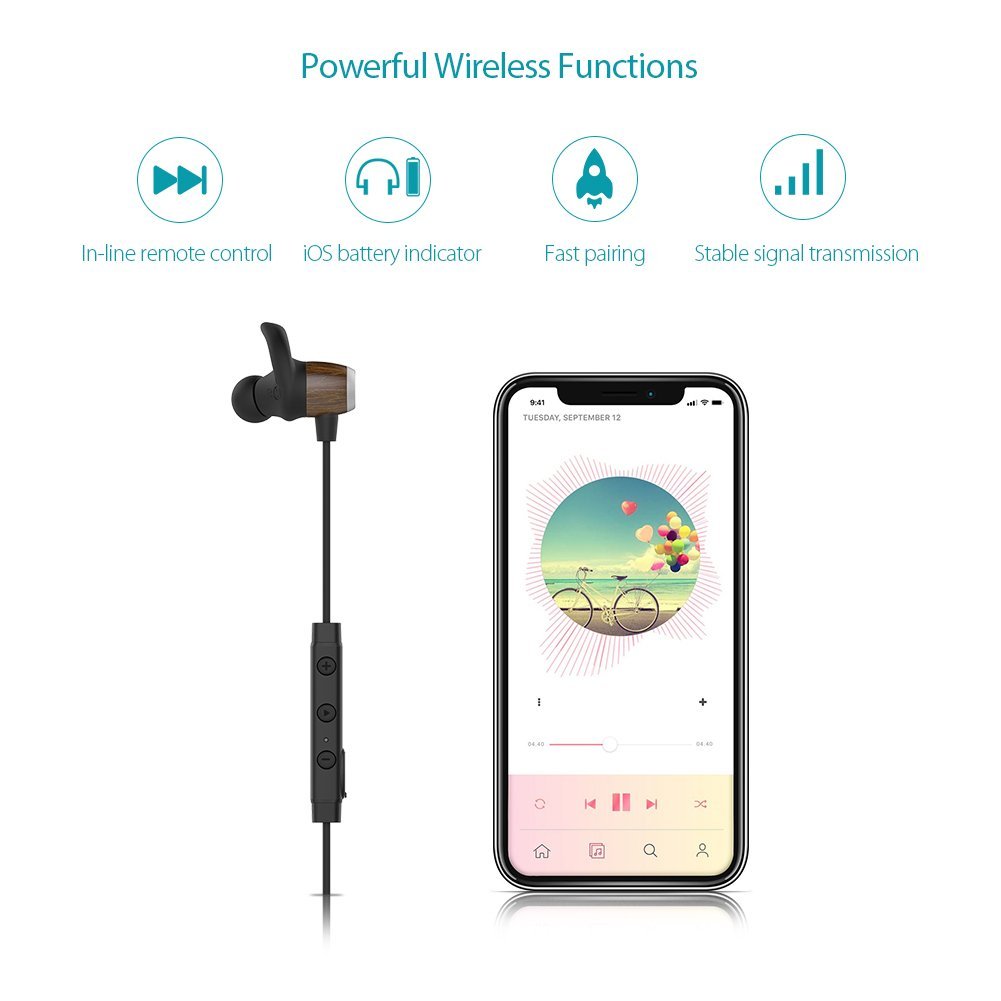 Music lovers, rejoice. You can now delight in high-quality stereo audio with dodocool Wireless Stereo Wood IPX5 in-ear headphone which comes with HD Mic that supports hands-free phone calls as well.