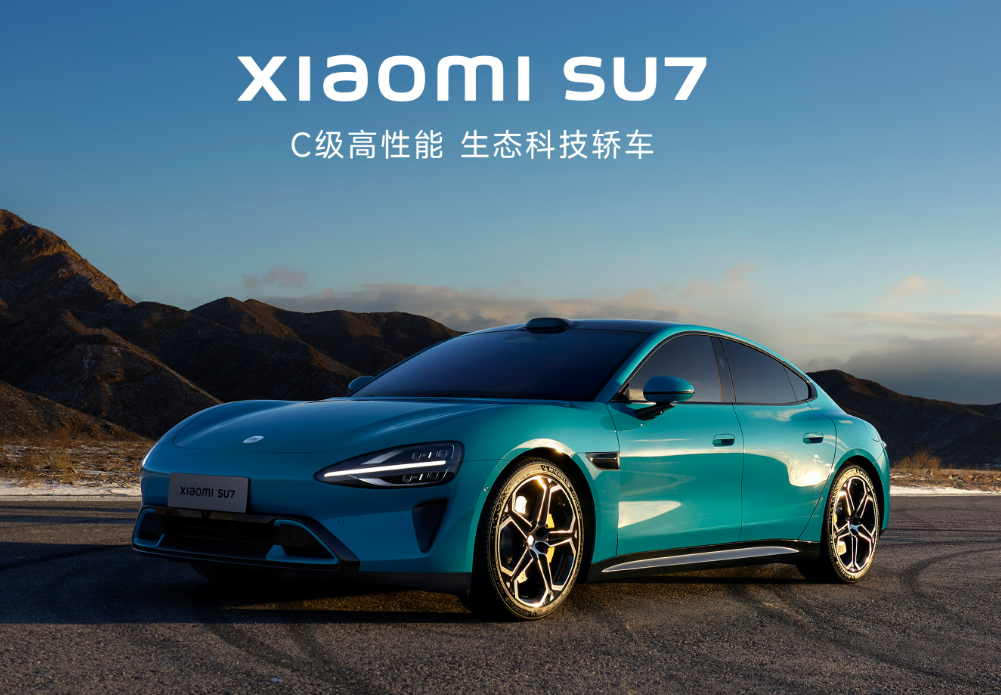
Chinese tech powerhouse Xiaomi is still basking in the impressive success story of its first electric car- the SU7. The company, as we previously reported, has kickstarted its efforts in the development of a second electric vehicle. Multiple reports have surfaced to further illuminate the fact that the smartphone giant is developing a compact electric SUV. Bloomberg (paywalled) is the latest authoritative platform to highlight the development of a second Xiaomi electric vehicle.
The Xiaomi SU7 electric sedan was a huge hit when it debuted in China last year. After it was revealed, Xiaomi recorded more than 50,000 orders within the first 30 minutes of going on sale in China later on. Xiaomi Automotive reported that up to 10,000 units of the SU7 were built within the first 32 days of its production. The Xiaomi sub-brand is on track to deliver 100,000 units of the SU7 by the year’s end.
The Xiaomi SU7 comes with an impressive infotainment system consisting of a 16.1-inch 3K central console and a 56-inch head-up display. The model also features Snapdragon-based infotainment software with enhanced AI capabilities in learning driver and passenger behavior. The SU7 also highlights an almost perfect integration with Xiaomi smartphones and other smart devices.
A recent Bloomberg report says Xiaomi is developing a new model that will take the shape of a compact SUV. The report says that Xiaomi has benchmarked its upcoming model against the Tesla Model Y, and this view has been further stated by other sources. The general specifications, battery setup, and onboard tech that will be featured in the model have not been stated yet. It is however expected that the new Xiaomi compact SUV will build on the innovative aspects of the SU7, including its exciting infotainment architecture.
Xiaomi continues to inch higher in the EV market and it expects further progress with the release of its second model. The model is expected to be released by 2025 at the earliest, but Xiaomi’s production facility is expected to expand beyond its current 10,000 capacity per month. Xiaomi is planning an expansion that will see it delivering up to 300,000 units per year.
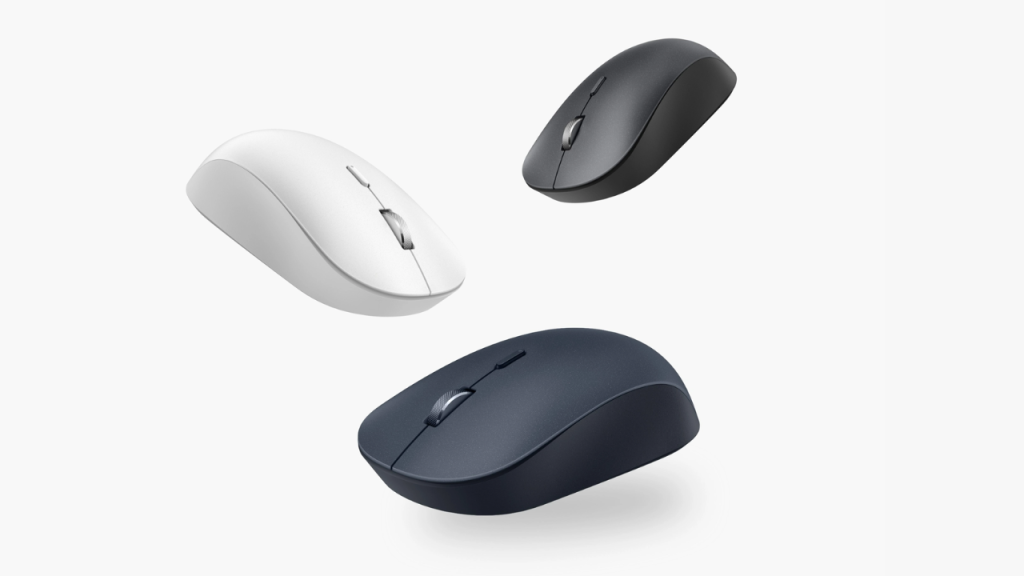
Huawei has expanded its peripheral offerings with the introduction of two new wireless mice in the Chinese market: the Huawei Wireless Mouse (2nd Gen) and the Huawei Wireless Mouse Starlight Edition. Both mice boast impressive features designed to enhance productivity and user experience. Let’s check out the quick specs.
Huawei Wireless Mouse (2nd Gen) Specifications:
The 2nd Gen wireless mouse prioritizes power and performance. It supports Nearlink connection, a proprietary technology that offers a 1kHz reporting rate and a significant boost in anti-interference capability. This translates to quicker response times and a more stable connection, even in cluttered environments.
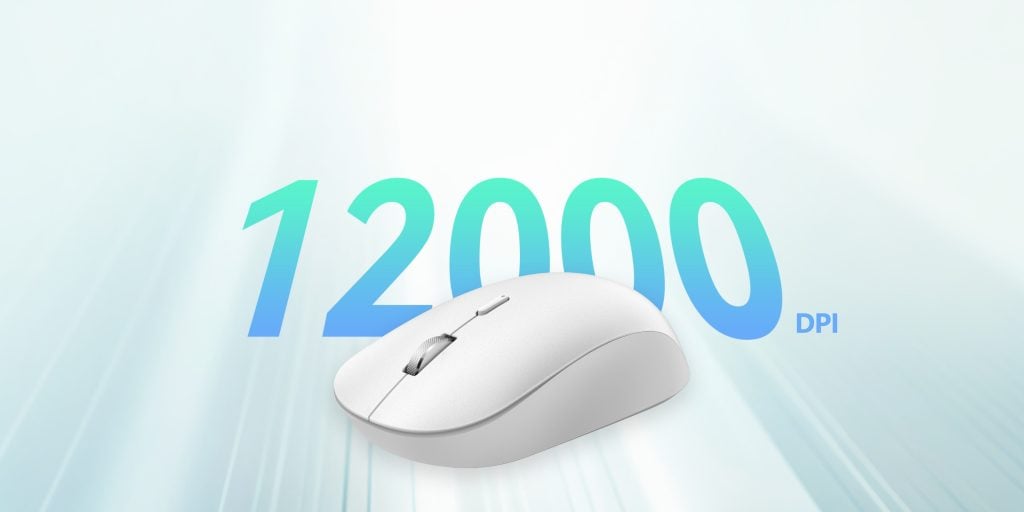
Gamers will appreciate the high maximum DPI of 12000, enabling precise tracking for fast-paced action. The mouse also features four adjustable DPI levels (400, 800, 1600, and 3200) for adapting to different tasks.
Designed for comfort during extended use, the 2nd Gen mouse boasts an ergonomic design and a mica particle surface that provides a delicate, non-slip grip. Additionally, dustproof gold micro switches and a sealed encoder structure enhance durability.
For added versatility, the mouse offers dual-mode connectivity: Nearlink and Bluetooth 5.1. Users can connect to a PC via the included USB-A receiver for Nearlink functionality or leverage Bluetooth for wireless pairing with various devices. The mouse can remember connections for three devices, allowing for seamless switching between them using the dedicated Swift Switch button.
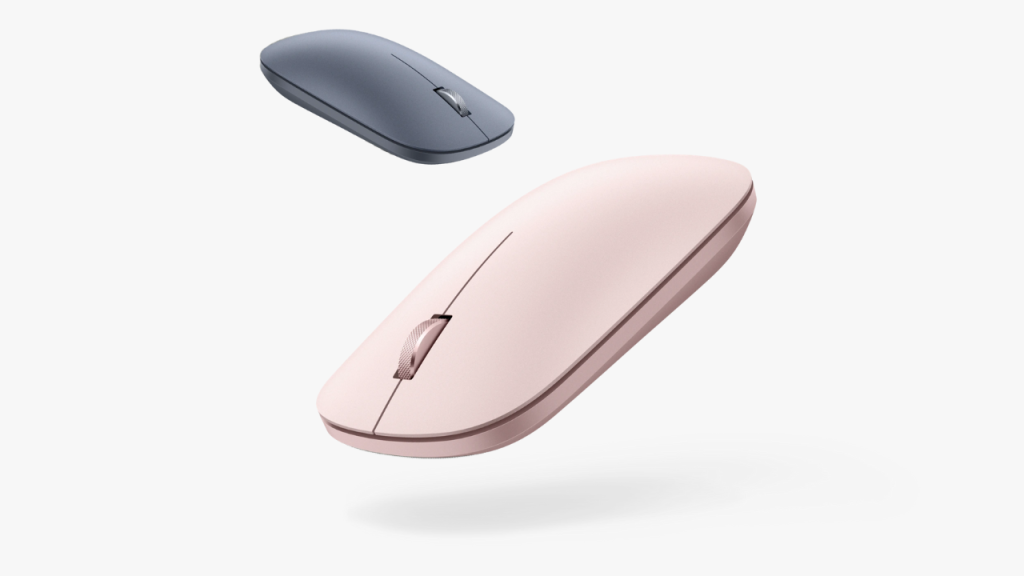
The Starlight Edition prioritizes aesthetics and user comfort. It features a soft-touch velvet material that feels warm and gentle on the skin, available in stylish colors like Ink Black, Clear Blue, and Dawn Pink.
Despite its focus on style, the Starlight Edition doesn’t compromise on functionality. It also utilizes NearLink technology for a stable connection and boasts automatic device discovery for effortless pairing. The mouse can operate smoothly on various surfaces, including glass, making it a practical choice for diverse workspaces.
The Starlight Edition offers Bluetooth 5.4 connectivity and supports a DPI range of 800 to 4000, adjustable through Huawei PC Manager or HiLink. Similar to the 2nd Gen mouse, it provides multi-device connectivity and Swift Switch functionality.
Pricing and Availability
The Huawei Wireless Mouse (2nd Gen) starts at 199 Yuan (approximately $28) and is available for pre-order in China starting today. The Huawei Wireless Mouse Starlight Edition starts at 229 Yuan (approximately $32).
The Acer TravelLite has just launched in India with a 12th-generation Intel Core i5 Processor and a 49Wh battery. The company has now launched a new thin and light laptop in China, called the ‘Extraordinary Go’. Similar to the first one, it is also powered by a 12th-generation Intel Core i5 processor but supports much faster charging and a larger battery capacity. So let’s take a look at what this new laptop has to offer.
A lightweight laptop with 3 different performance modes and 100W adapter
This laptop weighs only 1.49kg, equips a 58Wh battery, and comes with a 100W Gallium Nitride power adapter. According to the company, it offers a theoretical battery life of 8 hours. However, it will vary depending on the usage.
Upon opening the lid you’ll be looking at a 14-inch IPS panel with a 16:10 wide aspect ratio. It comes with a Full HD resolution and a 60Hz refresh rate. The panel also boasts a 45%NTSC color gamut rating, which is not recommended for video or photo editing. However, it should be okay for use cases that don’t require an accurate representation of color such as dealing with text.
A highlight of this machine is the support for 180-degree opening and closing of the lid. It also features a Full HD camera and a backlit keyboard.
The Extraordinary Go equips the 12th generation Intel Core i5-12450H processor which comes with a 45W performance release. For cooling it boasts dual heat pipes and dual fans. You can also switch between three performance modes using Fn+F to find the perfect balance between performance and battery life based on your workflow.
For wireless connectivity, it supports WiFi 6 and Bluetooth.
This laptop supports LPDDR5 high-speed memory paired with dual M.2 slots PCIe Gen4 high-speed SSDs. It comes pre-installed with 16GB 4800MHz memory.
Ports:
3.5mm jack
RJ45
3xUSB 3.2 Gen1
MicroSD card slot
Type-C (full function)
HDMI 1.4
Pricing and availability:
This laptop comes in the Arctic Gray color and is currently available for pre-order in China for 2,999 Yuan (~$415)
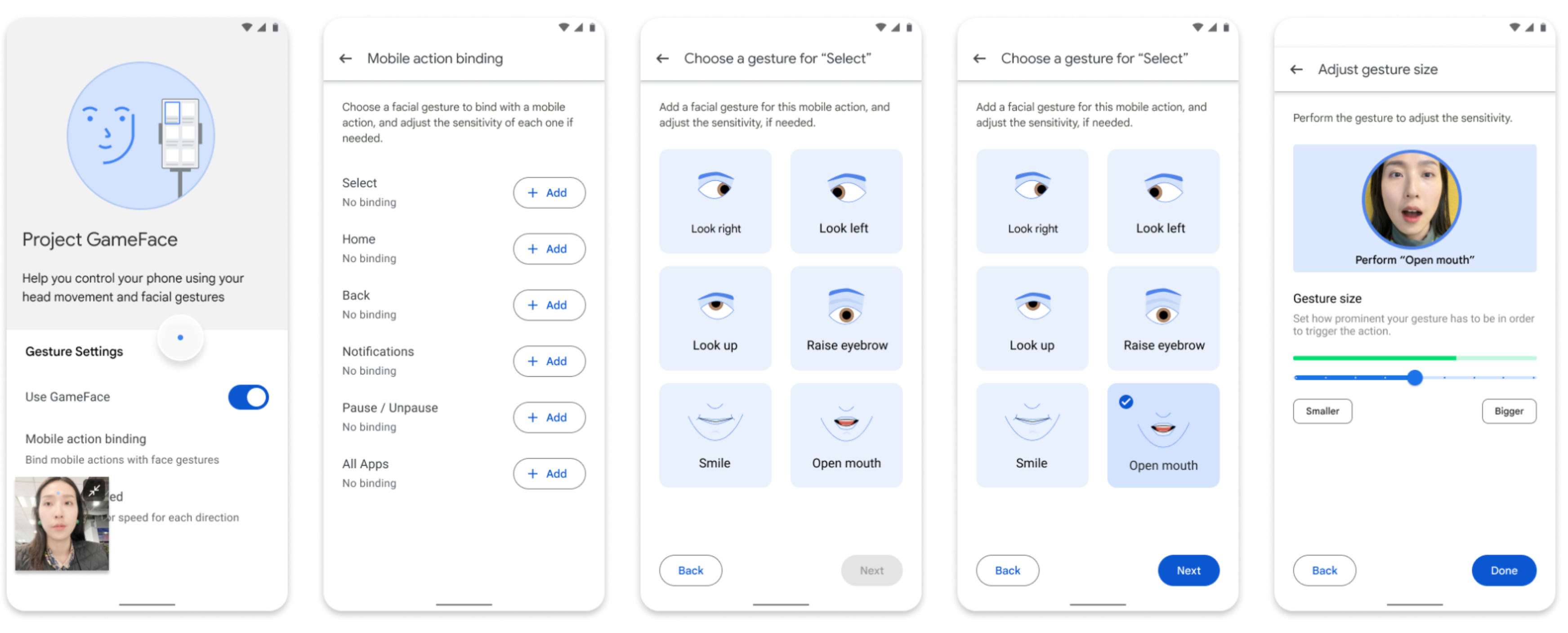
Google announced on Tuesday that the code for Project Gameface, its hands-free gaming “mouse” controlled by facial expressions, is now open-source for Android developers. This allows developers to integrate this accessibility feature into their apps. Users can then control the cursor with facial gestures or head movements, such as opening their mouth to move the cursor or raising eyebrows to click and drag.
Project Gameface utilizes the device camera and a facial expressions database
Project Gameface, originally announced for desktops at last year’s Google I/O, uses the device’s camera and a database of facial expressions from MediaPipe’s Face Landmarks Detection API to manipulate the cursor.
“Through the device’s camera, it seamlessly tracks facial expressions and head movements, translating them into intuitive and personalized control,” explained Google in its announcement. “Developers can now build applications where their users can configure their experience by customizing facial expressions, gesture sizes, cursor speed, and more.”
While initially designed for gamers, Google has partnered with Incluzza, a social enterprise focused on accessibility in India, to explore expanding Gameface to other settings like work, school, and social situations.
The inspiration for Project Gameface came from quadriplegic video game streamer Lance Carr, who has muscular dystrophy. Carr collaborated with Google on the project with the goal of creating a more affordable and accessible alternative to expensive head-tracking systems.
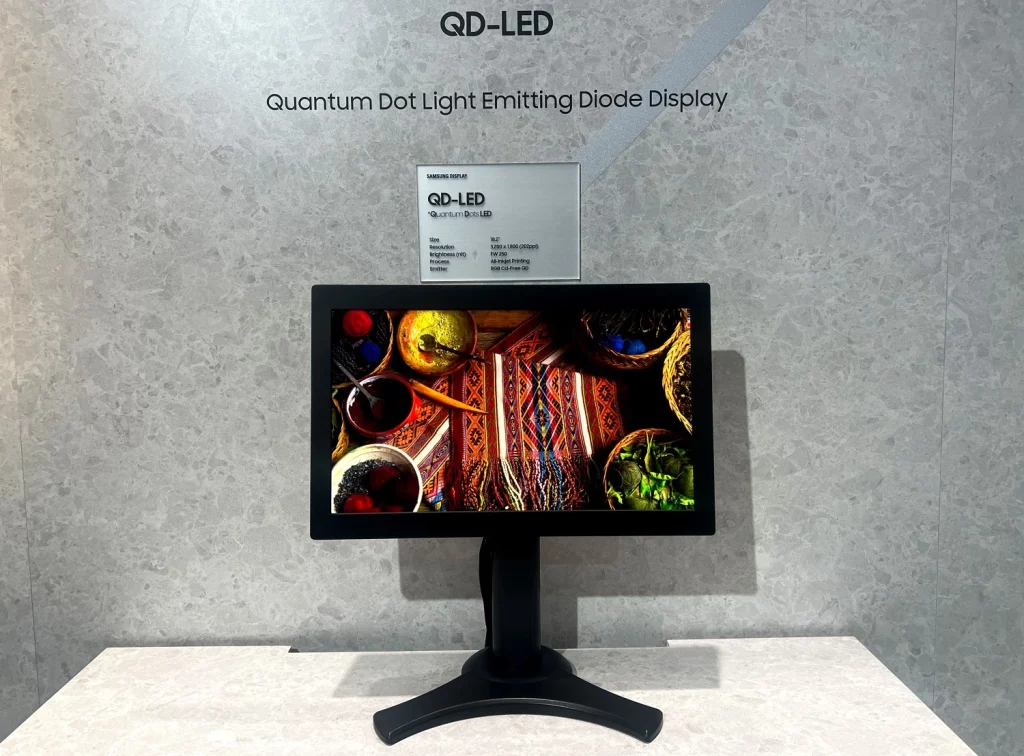
Samsung Display showcased a next-generation display technology called QD-LED (quantum dot LED) at the Society for Information Display (SID) Display Week 2024. Currently, OLED is the only commercially available self-luminous display tech, but it suffers from screen burn-in, aging, and limited brightness due to organic materials.
OLED suffers from screen burn-in and limited brightness , but not QD-LED
Existing quantum dot displays use photoluminescence, requiring a light source to enhance color. QD-LED combines high efficiency of self-luminous displays with the superior color accuracy and wide color gamut of quantum dots. It emits light directly through current and boasts higher material stability than OLED due to inorganic quantum dots.
Samsung’s prototype QD-LED panel measures 18.2 inches, ideal for large laptops, with a resolution of 3200×1800 and a pixel density of 202PPI. This panel utilizes inkjet printing for large-area pixel patterning, significantly improving production efficiency.
Samsung’s environmentally friendly QD-LED panel avoids traditional cadmium compound quantum dots and relies on a cadmium-free process. Notably, the related paper received the prestigious “Annual Outstanding Paper Award” from SID.
AI and handheld gaming? Nvidia and MediaTek‘s rumored team-up has sparked excitement. A recent leak hints at a surprising collaboration between tech giants Nvidia and MediaTek. The rumor suggests they’re co-developing an ARM-based system-on-chip (SoC) specifically designed for artificial intelligence applications. But that’s not all! The whistleblower, XpeaGPU, has dropped another exciting tidbit: Nvidia might be eyeing the handheld gaming market with its own ARM-based SoC.
The upcoming Switch 2 may also sport an upgraded Tegra CPU
XpeaGPU reveals MediaTek is currently working on a next-generation gaming handheld SoC that will be infused with Nvidia’s graphics processing muscle. This news has sent shivers down the spines of Chinese manufacturers, with several already expressing interest in the chip. XpeaGPU clarifies that this SoC is a separate endeavor from other joint projects undertaken by the two companies.
Nvidia is no stranger to the handheld gaming arena. They previously ventured into the market with the Tegra SoC-powered Shield console. Interestingly, the ever-popular Nintendo Switch also relies on the same Nvidia chipset. Currently, AMD reigns supreme in the home console market, with their chips powering most handheld devices, including the Steam Deck.
The rumor mill churns out whispers of a potential Switch 2 sporting an upgraded Tegra SoC, boasting graphics performance that rivals the GeForce RTX 2050. However, the real game-changer would be Nvidia developing a brand new SoC tailored specifically for handheld gaming.
The most intriguing part about this rumor is Nvidia’s choice of partner. They’ve opted for MediaTek instead of the usual high-end SoC leader, Qualcomm. This unexpected alliance has gamers and tech enthusiasts eagerly awaiting further developments and Nvidia’s potential return to the handheld gaming scene.
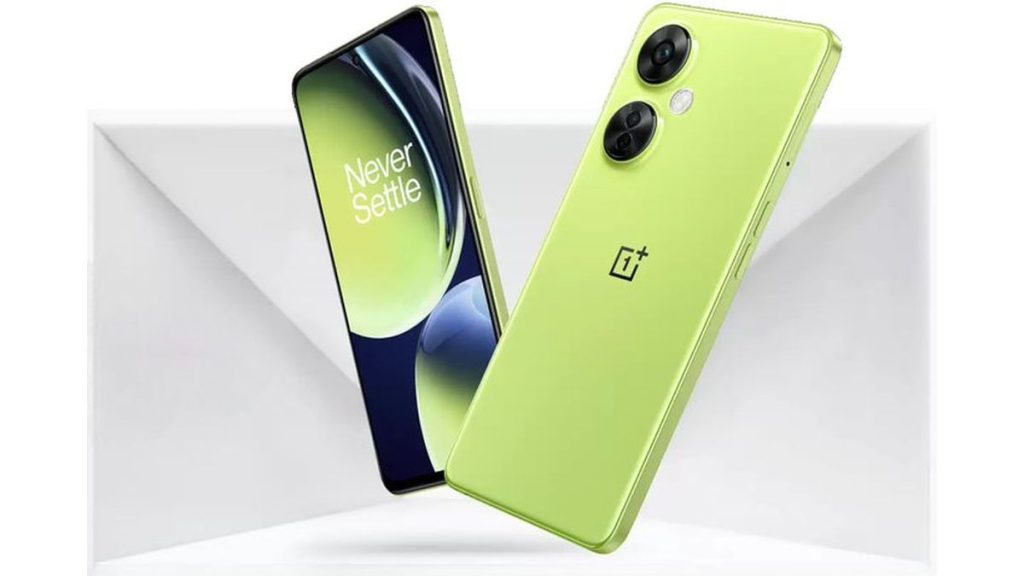
OnePlus has started pushing a new OxygenOS 14.0.0.700 update for its popular budget-range Nord CE 3 Lite 5G smartphone. This update deals with multiple buds, improves the performance and connection stability, and improves security.
The update fixes an issue where the secure keyboard wouldn’t show up automatically on the lock screen. It also makes some third-party music players more reliable, preventing them from becoming unresponsive.
Connectivity features have been improved as well, with more stable Wi-Fi and Bluetooth connections. The camera has also been tweaked to stop flickering in some apps and to work more smoothly overall. The update also includes improvements like better system stability and the latest Android security patch for May 2024.
The update is being sent out in phases in the IN region. It’s starting with a small group of users and will reach more people in the next few days. Users in India can report any problems with the update by using the Google Dialer and typing *#800#.
Nokia is one of the few brands offering a close-to-stock Android experience on its smartphones. This means that the brand doesn’t need to change much when Google releases a new version of Android OS. In other words, Nokia devices can get software before devices from many other brands, but the story has not played out that way in recent years.
Nokia hasn’t been impressive with the software rollout in recent years. But, like every year, we hope for some improvement from the brand. Anyway, if you have a Nokia smartphone, you must be wondering if that is eligible for the Android 15 upgrade; after all, the new OS is the talk of the town, for good reasons.
So, here are the Nokia phones that are most likely to get the Android 15 update:
Nokia XR21
Nokia X30
Nokia G60
Nokia G42
This is not the final list by any means. It has been prepared based on the software update policy for Nokia smartphones. We’ll update it once we have official information on the same.
Nokia’s owner, HMD Global, typically offers two major OS updates and two or three years of security updates for Nokia smartphones. Sadly, this doesn’t apply to budget and entry-level phones. They hardly receive any Android OS updates.
Android 15: When Will It Start Rolling out to Nokia Phones?
Android 15 is currently in the development phase, with multiple developer previews and beta builds out for the testers. As per the official timeline by Google, the beta phase should last until June 2024, and then it will undergo a platform stability phase for bug fixing and final touches.
Although we don’t have an official release date for Android 15 as yet, everyone is expecting it to drop around the same time as last year, sometime in October. It’s likely to be announced alongside the Pixel 9 series, which will be the first phone to run the latest Android OS out of the box.
So, can you expect HMD Global to start rolling out the new OS in October? Well, it doesn’t seem to be happening if we consider the company’s past OS rollouts.
Android 14 was released in October last year, and many smartphone brands started rolling it out to their phones in the same month. However, HMD Global was too late to join the party in January this year. Since then, the brand hasn’t made significant changes to its software rollout plan, so expect a lazy roll out again.
But is Android 15 worth the wait? Let’s check out the top features in the next section.
Android 15 will bring plenty of exciting features, and I can confidently say it will be a much better upgrade than Android 13 and Android 14. Here are the major features in Android 15 discovered so far:
Circle to Search
Google might integrate the “Circle to Search” feature natively into Android 15. This feature lets you search for anything on your screen by drawing a circle around it.
Circle to Search was first available to the Galaxy S24 series models, and Google later adopted it for the Pixel 8 series. Now, it seems all Android 15 devices might support this exciting feature.
Satellite Connectivity Support
Android 15 adds support for satellite connectivity. This means you’ll be able to send texts to your friends even if you don’t have cell towers nearby, as long as you have access to the open sky. The new OS supports satellite connectivity for SMS apps and preinstalled RCS apps. In other words, this feature on Android 15 will not be limited to emergency uses only.
On-Device AI Capabilities
During the Google I/O 2024 event, the tech giant confirmed that Android 15 will bring on-device AI capabilities without revealing the actual usage. So, we’ll have to wait and see how it plays out.
Find My Phone Network
With the new Find My Phone network, all Android 15 phones can ping each other via Bluetooth and contribute to the network to help someone find their lost device. The nearby Android device part of Find My network can pick up Bluetooth signals from the broadcasting device and upload the encrypted location details to Google’s servers, which can be decrypted by the broadcasting device owner.
Google is also expected to introduce an offline device finding feature that will allow users to locate their device even if it is offline. As of now, It’s only a rumor, but even if it arrives, only selected models will get it because of hardware limitations.
Gemini Assistant
Android 15 says goodbye to Google Assist, as all devices running the new OS will have Gemini as their default assistant.
App Archiving
The app archiving feature lets you uninstall apps while keeping the user data around. So, the next time you reinstall the app, you can continue where you left off.
Google already offers the app archiving feature through the Play Store, which means you can archive and restore apps only through the Play Store. However, Android 15 removes this restriction by allowing any apps, including those installed outside the Play Store, to be archived.
Notification Cooldown
Another helpful addition to Android 15 is the “Notification Cooldown” feature. It is designed to stop people from getting overwhelmed by too many notifications from the same app. This new feature lowers the volume of successive notifications from the same app.
Partial Screen Sharing
Android 15 will allow users to share and record a single app rather than the entire screen. This feature is already available on Pixel devices and now extends to all Android 15 devices.
High-Quality Webcam
Android 15 introduces a new high-quality webcam mode that significantly improves video quality. You must tap the “HQ” symbol in the webcam preview to enable it. It disables power optimizations on the device to offer better video quality, resulting in increased battery drain.
Which Nokia smartphone do you own, and what are your expectations with Android 15? Share your thoughts in the comments below. Don’t forget to check out our Android 15 section for the latest news about the new OS.
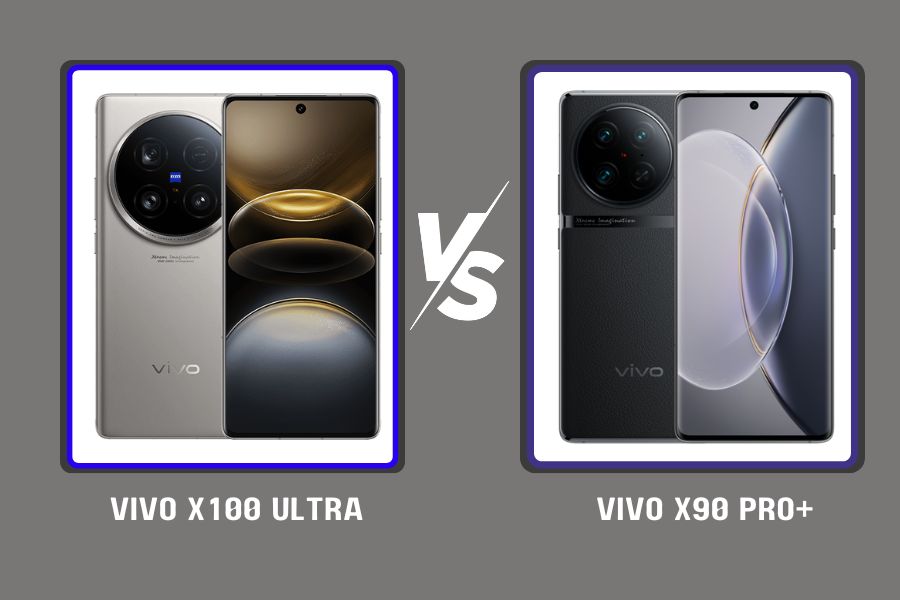
Vivo‘s X-series has consistently pushed the boundaries of smartphone photography. Last year, the company’s X90 line, especially the X90 Pro Plus impressed with its innovative camera system. Building on this success, Vivo introduced the X100 series this year.
While the Pro Plus was last year’s flagship, Vivo decided to take it up a notch with the introduction of the Ultra model in 2024, the Vivo X100 Ultra.
With this in mind, we wanted to compare last year’s flagship with this year’s. So here’s a deep dive into their specs, features, and, of course, camera capabilities.
Both phones have near-identical 6.78-inch LTPO AMOLED displays with a 120Hz refresh rate and 1440 x 3200 resolution. However, the X100 Ultra edges out the X90 Pro Plus with a slightly higher peak brightness of 3000 nits compared to 1800 nits.
In terms of everyday use, the difference in brightness might be negligible. But for those who prioritize using their phone outdoors in bright sunlight, the X100 Ultra might offer a slightly better viewing experience.
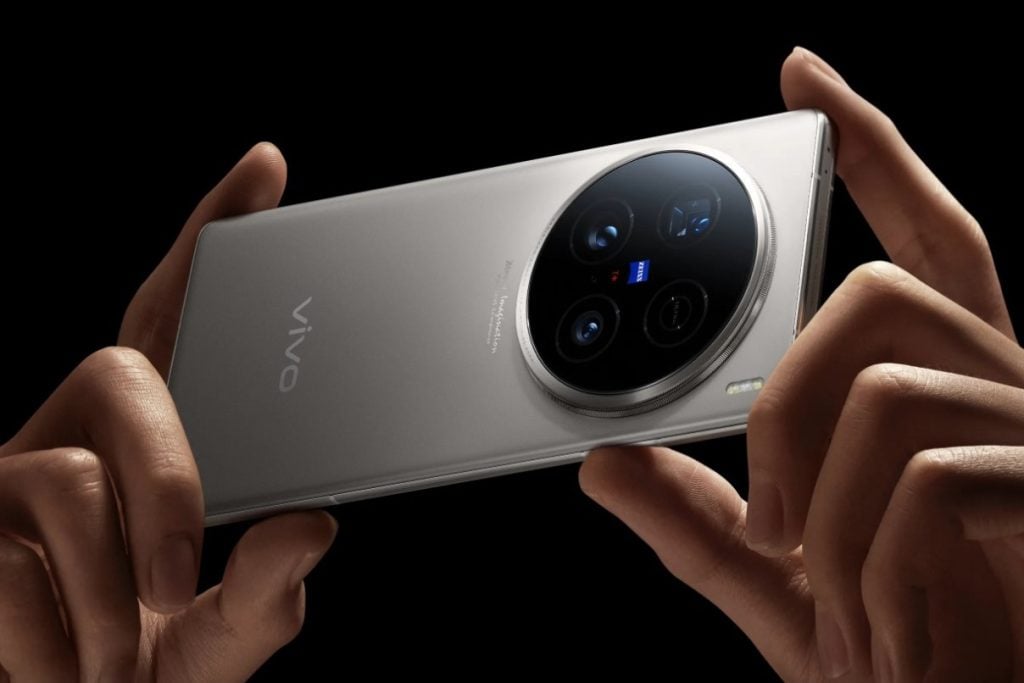
Design-wise, there’s not much difference between the two. Both sport a sizable circular camera island on the back and a punch-hole cutout on the front. Additionally, both are IP-rated for protection against dust and water. However, the X100 Ultra boasts a superior IP69 rating, while the X90 Pro Plus has an IP68 rating. Here’s a breakdown of the difference:
IP68: It signifies that the phone can withstand dust ingress and is protected against continuous immersion in water up to 1.5 meters deep for 30 minutes.
IP69: It is a more rigorous rating, indicating the phone can withstand high-pressure, high-temperature water jets. This level of protection is beneficial for users who work in harsh environments or those who frequently expose their phones to water streams.
2. Performance
The X100 Ultra is powered by the newer Snapdragon 8 Gen 3 processor, whereas the X90 Pro Plus features the Snapdragon 8 Gen 2. While the newer chip offers some performance improvements, real-world usage between the two might be difficult to distinguish for most users.
Both processors are top-of-the-line and will handle demanding tasks with ease. Memory options include up to 12GB of RAM and 512GB of storage for the X90 Pro whereas the X100 Ultra comes in up to 16GB of RAM and 1TB of storage. They boot on Origin OS 4 based on Android 14.
3. Camera
The camera systems are where these phones see the biggest differences. The X100 Ultra takes a more specialized approach with a triple-lens setup:
50MP main sensor with gimbal OIS
200MP periscope telephoto lens with 3.7x optical zoom
50MP ultrawide sensor
The X90 Pro Plus opts for a quad-lens setup with more versatility:
50.3MP main sensor
64MP periscope telephoto lens with 3.5x optical zoom
50MP telephoto lens with 2x optical zoom
48MP ultrawide sensor
The X100 Ultra boasts a massive 200MP periscope telephoto lens that should offer superior zoom capabilities. However, the megapixel count isn’t everything, and image quality will depend on factors like image processing, and software.
The X90 Pro Plus offers a dedicated 2x optical zoom lens, which some users might find more practical than relying solely on digital zoom.
For casual photographers, the X90 Pro Plus might offer more well-rounded camera functionality. But for those who prioritize extreme zoom capabilities, the X100 Ultra could be the better choice.
4. Battery
The X100 Ultra packs a larger 5500mAh battery compared to the X90 Pro Plus’s 4700mAh battery. While both support fast wired charging, the X90 Pro Plus has a slight edge with its 100W charging compared to the X100 Ultra’s 80W. However, the larger battery of the X100 Ultra might lead to longer battery life.
5. Other Features
Both phones offer similar features like an under-display fingerprint sensor, stereo speakers, and no expandable storage. The X100 Ultra differentiates itself with support for emergency SOS via satellite feature, but that’s only available on the 1TB model.
6. Verdict
The Vivo X100 Ultra is the clear winner for those seeking the absolute best in terms of performance, camera zoom capabilities, battery life, and cutting-edge features. However, this likely comes at a premium price.
The Vivo X90 Pro Plus remains a compelling choice, offering excellent overall performance, a versatile quad-camera system, and fast charging at a potentially more attractive price point.
Ultimately, the best phone for you depends on your priorities and budget. If you prioritize zoom photography, the latest processor, and a feature-packed experience, the X100 Ultra is the way to go. If you value a strong all-rounder at a potentially better value, the X90 Pro Plus is a solid option.
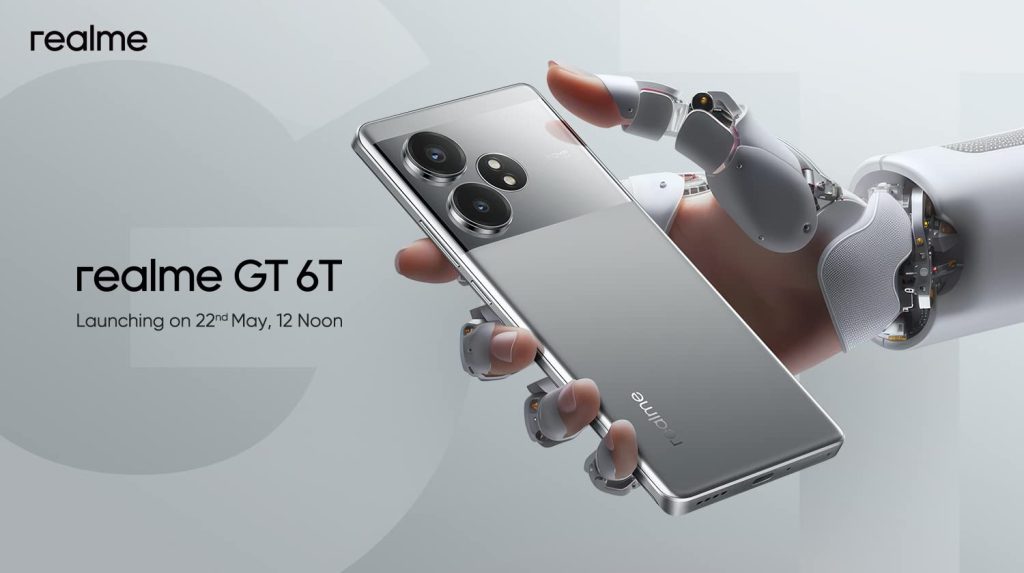
Realme is set to launch the GT 6T smartphone in the Indian market on May 22. The brand has released several teasers claiming that this will be the first device in India to feature the Snapdragon 7+ Gen 3. Additionally, it has been largely confirmed that the GT 6T is a rebranded version of the China-exclusive Realme GT Neo 6 SE. Here’s a rundown of what to expect from the Realme GT 6T.
Design-wise, the Realme GT 6T is a 1:1 copy of the GT Neo 6 SE, featuring a two-tone design with two camera bumps, along with a third cutout that holds a dual flash module. It has a flat edge that curves towards the back, making gripping easy and comfortable.
On the front, we expect the device to feature a 6.78-inch OLED panel with super slim bezels. The phone is expected to use BOE’s 8T LTPO AMOLED panel, which could offer a peak brightness of up to 6000nits, with 1.5K (2780 x 1264 pixels) resolution and an adaptive refresh rate of 0.5-120Hz. That being said, the typical global maximum brightness of the phone will likely be limited to 1600 nits, with a maximum manual brightness of 1000 nits. Since the brand is promoting the GT 6T as a gaming-focused device, we can also expect it to have a 2500Hz instantaneous touch sampling rate for precise touch response.
2. Performance
As mentioned above, the Realme GT 6T is confirmed to feature the recently released Snapdragon 7+ Gen 3 chip. This chip is based on TSMC’s 4nm process and has a peak clock speed of 2.8GHz. Qualcomm has designed this chip for performance-oriented mid-range devices. Realme has also teased that the GT 6T can achieve an AnTuTu score of above 1.5 million points, which means that you won’t have to worry about frame drops while gaming.
Leaks indicate that the GT 6T will be available in three configurations: 8GB + 128GB, 12GB + 256GB, and 12GB + 512GB. All three variants will use LPDDR5x RAM. On the other hand, the 128GB model will use UFS 3.1 storage, while the other two will use UFS 4.0 storage.
To keep thermals in check, the phone will use a dual vapor chamber cooling system, which is claimed to be the industry’s largest. It will provide a 9-layer cooling solution that will keep the device from overheating during long gaming sessions.
3. Optics
The camera is one of the few departments where the brand has not revealed any official details, however, there is a high chance that Realme will ship the GT 6T with the same camera hardware as the Realme GT Neo 6 SE. So, we can expect the GT 6T to come with an OIS-assisted Sony IMX882 50MP primary camera, paired with an 8MP Sony IMX355 ultra-wide unit. As for the front side, the device could come with a 32MP Sony IMX615 selfie snapper.
4. Battery
The GT 6T has already been confirmed to feature a 5500mAh battery with support for 120W fast charging. The brand claims that the 120W fast charger can fill up 50% of the battery in just 10 minutes, giving users enough juice for a day’s worth of use.
5. Pricing
Although pricing has not been revealed yet, a leak from earlier revealed that one of the variants of the device will cost ₹31,999 in India. This is expected to be the price of the 12GB + 256GB variant, while the 8GB RAM + 128GB and 12GB + 512GB variants are expected to cost ₹29,999 and ₹35,999.
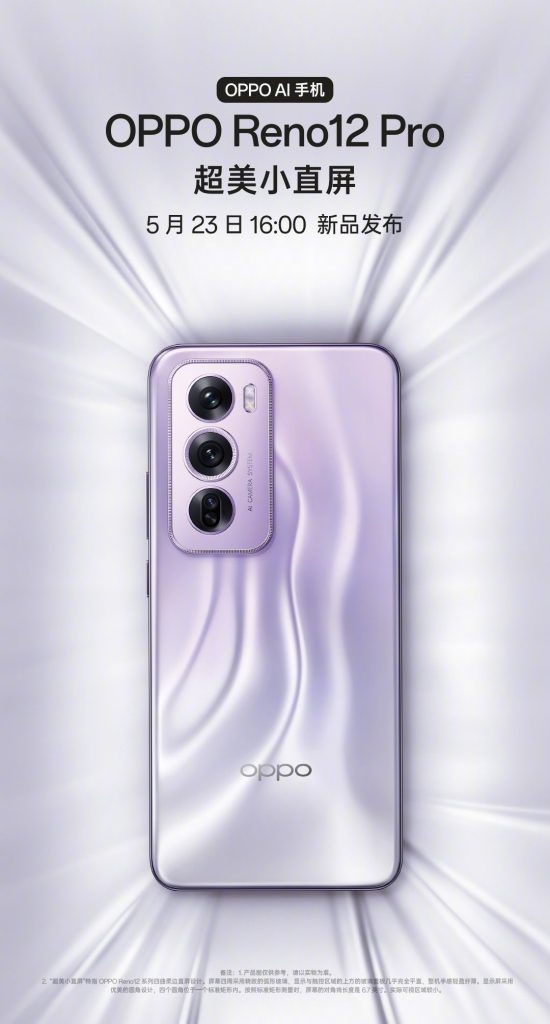
Earlier today, OPPO confirmed the launch of the Reno 12 series smartphones in China. The lineup is set to comprise of a standard and pro variant. They will arrive as the successor to the Reno 11 and Reno 11 Pro that debuted last November. Now, ahead of the launch next week, OPPO has revealed the design and colour variants of the upcoming offerings on microblogging platform Weibo.
OPPO Reno 12 series design revealed officially
The OPPO Reno 12 is teased in a Silver color option whereas the Reno 12 Pro will be available in a Violet hue. However, the latter seems to have a lighter shade at the bottom of the back panel. Both phones have a wave-like pattern design. The upcoming offerings feature rounded corners and a rectangular camera island at the top left corner. It houses three camera sensors and an LED flash unit.
The volume rocker and power buttons are located on the right side of the OPPO Reno 12 series. The latter also protrudes suggesting that both devices may come with an in-screen fingerprint scanner. The rest of the details about the OPPO Reno 12 duo remain under wraps for now. We can expect the brand to tease more details leading up to the launch event next week.
As per leaks and rumours, the OPPO Reno 12 series is expected to come with a 6.7-inch OLED display, a 50MP front camera, and a triple rear camera setup comprising of a 50MP main sensor, 8MP ultra-wide-angle lens, and a 50MP telephoto unit. The Reno 12 Pro will reportedly be powered by a Dimensity 9200 Star Speed Edition whereas the standard model is tipped to be equipped with a Dimensity 8250. Both phones are expected to be backed by a 5,000mAh battery with support for 80W charging.
Dreame Technology has released a new smart floor scrubber. It’s a company that focuses on high-end cleaning appliances including cordless vacuum cleaners, robot vacuums and mops, and more. The latest of them is called the Chai Mi H30 Ultra Mix. It serves multiple purposes such as scrubbing, vacuum cleaning, mite removal, etc. Last year the company released the DreameBot D9 Max robotic vacuum cleaner in the Indian market.
Chai Mi H30 Ultra Mix
The H30 Ultra Mix claims a number of industry-first cleaning functions. It offers a dual-mode self-cleaning technology with 100°C and 75°C boiling water. It reportedly achieves a stain removal rate of 100%, and a germ removal rate of 99.9999%. The noise it creates is similar to a home appliance fan.
This floor scrubber claims to be able to effectively remove Escherichia coli, Klebsiella pneumoniae, Staphylococcus aureus, and other bacteria. It is the first device to come with an active zero-tangle technology that effectively prevents hairs from getting tangled. The device comes with a 20000Pa suction power and can clean and dry simultaneously. It is the first 5-minute gentle constant temperature drying function, which can maintain a constant high temperature throughout the entire process. It can sterilize itself by raising the temperature to 175°C.
This cleaning tool is also the first to achieve 180° constant motion water vapor separation, and the flat-laying design with the 360° flexible and smooth twisting helps it easily explore places that are otherwise hard to reach.
Surprisingly, this powerful tool runs on a battery. It boasts a 5000mAh battery and can run 48 minutes with it. It comes with a 900mn clean water tank and a 650ml capacity for the sewage. While the battery life may not seem impressive, it’s not meant to be used continuously for a whole day like a smartphone.
Pricing and availability:
The product is currently available for reservation and is expected to go on sale on June 7. It is priced at 4499 Yuan (~$623).
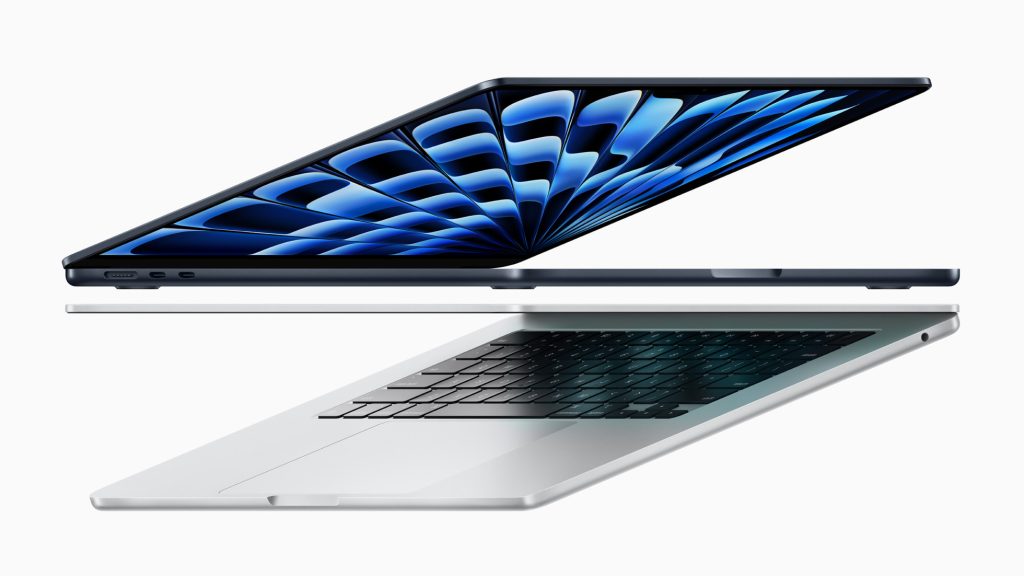
Apple unveiled the iPad Pro 2024 last week surprisingly powered by the M4 chipsets. The company’s M3 processors are not even a year old. The latest generation iPad Pros feel like an overkill with the powerful hardware and the limitations of iPadOS. In the past, Apple has also touted them as laptop replacements. This also blurs the line between the company’s tablets and laptops. Unlike the iPads, MacBooks lack a touchscreen and versatility. Now, Apple’s VP of iPad and Mac Product Marketing has revealed how both devices compare and if the Cupertino-based tech giant will add touchscreen support on its laptops.
Apple may have not given up on touchscreen Macs yet
The latest-generation iPad Pro is indeed superior to the Macs. But it disappoints due to the poorly optimized iPadOS. In an interview with The Wall Street Journal’s Joanna Stern, Apple VP Tom Boger compares the two devices. He reveals that the company does not see iPads and MacBooks as competitors. Instead, they complement each other. The iPad works as a ‘touch-first’ device while the Mac is meant for ‘indirect manipulation’ by using a keyboard, mouse, or trackpad.
WSJ’s Joanna asked if Apple would release a touchscreen Mac and tried to get an answer or a hint. Boger stated that the iPads are for touch, but Macs are not. This is because macOS offers a different paradigm of computing. He added that many users have both devices with iPad as a way to extend work from Mac. Apple’s Continuity feature makes things easier and seamless as well.
Stern also asked Boger if Apple might change its plans for a touchscreen MacBook. The Apple executive was quoted saying “Oh, I can’t say we never change our mind”. This suggests that the Cupertino-based tech giant has kept the doors open on launching a touchscreen MacBook, although the chances might be slim.
Previously Mark Gurman had reported that Apple is working on a touchscreen MacBook and aiming for a 2025 release date.
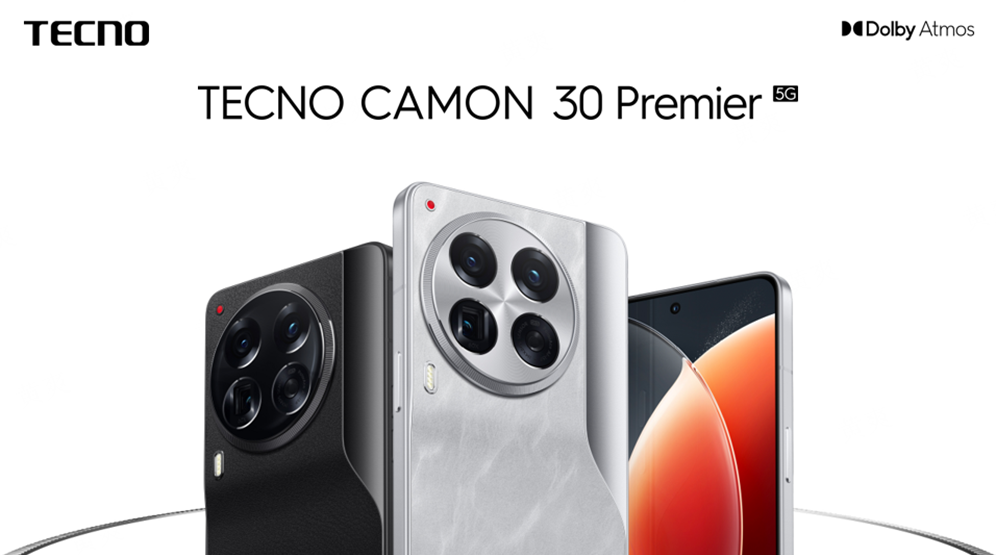
The Tecno Camon 30 series was first announced earlier this year during the MWC 2024 event (Mobile World Congress). Now, the brand’s latest mid-range devices are set to launch in global markets like India soon. So here are all its expected specs and features and what you should look forward to.
The Camon 30 Premier is the most premium model out of the four devices in the series. It sports a tall 6.78-inch LTPO AMOLED display that offers 1.5K resolution (1264 x 2780 pixels) and up to 144Hz refresh rate. Under the hood, the device is equipped with the Dimensity 8200 Ultra SoC, which is paired with 12GB of RAM and 512GB of internal storage. As per the official announcement, this model even supports virtual RAM expansion of up to 12GB.
A large 5,000mAh battery pack powers this device, which supports 70W wired fast charging. It runs on the Android 14 OS based HiOS 14 custom skin out of the box, along with an in-screen fingerprint scanner, Dolby Atmos support, and an IR blaster. For optics, you get three 50-megapixel cameras for the primary, ultra wide angle, and pericope telephoto lens (70mm, up to 60x hybrid zoom). The main rear sensor offers OIS (Optical Image Stabilization) as well as a dedicated ISP and Tecno’s Polar Ace Imaging System. Meanwhile, the front camera is also a 50-megapixel sensor but with dual flash and autofocus.
2. Tecno Camon 30 Pro
Tecno’s Camon 30 Pro and Premier are quite similar in terms of specs. Although, the Camon 30 Pro does cut some corners. The display is nearly identical with a 6.78-inch AMOLED panel, but it lacks LTPO support. You still get a 144Hz refresh rate and Full HD+ resolution (1080 x 2436 pixels). Under the hood, it also features the Dimensity 8200 Ultra chip but with only 8GB of RAM and 256GB of internal storage.
The battery capacity, charging rates, and other minor features are the same as the Premier model. However, the photography department also has a major difference. While the primary and ultra wide remain untouched, the telephoto lens is replaced with a 2-megapixel depth sensor. So you miss out on the zoom shots. But, it still retains the 50-megapixel selfie camera with autofocus and flash.
3. Tecno Camon 30 5G
The Camon 30 5G was also announced back in February 2024 as a more affordable option between these three 5G mid range phones. It sports a tall 6.78-inch FHD+ AMOLED display similar to the Camon 30 Pro, but with a lowered 120Hz refresh rate. The device is powered by a Dimensity 7020 SoC, which is paired with 8GB of RAM and 256GB of internal storage. The 5,000mAh battery pack makes a reappearance along with 70W wired fast charging.
The selfie camera is a 50-megapixel sensor with autofocus and LED flash. On the other hand, the rear packs a 50-megapixel primary sensor with OIS, a 2-megapixel depth sensor, and an AI lens. It also features Android 14 based HiOS 14, an in-display fingerprint sensor, dual stereo speakers, an IR blaster, and glass and leather back variants.
4. Tecno Camon 30
Arriving at the entry level model, the Tecno Camon 30 is the only 4G smartphone in the series. The MediaTek processor that runs this device is the Helio G99 Ultimate SoC. The chip is expected to be paired with at least 8GB of RAM, which may go up to 12GB. For storage, it is rumored to offer 256GB capacity. Another notable inclusion is NFC, which is skipped on every other Camon 30 series model. Apart from this, it is practically identical to the Camon 30 5G in terms of display, camera, OS, and other minor features.
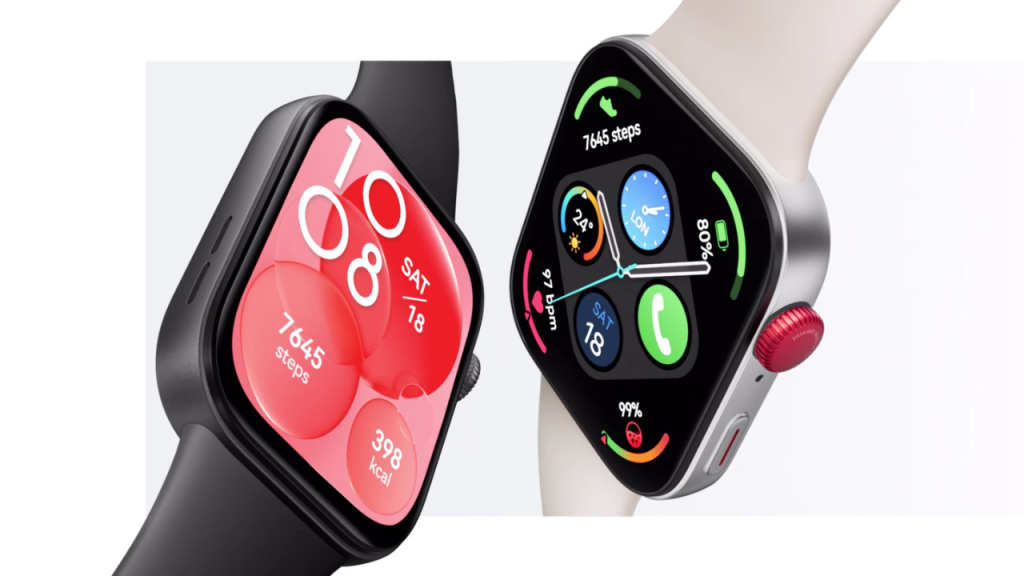
Huawei has launched its latest smartwatch, the Watch Fit 3, in China. The watch boasts a sleek design, a vibrant display, and a range of health and fitness features. The watch launched globally earlier this month. Let’s check out its key specs.
Huawei Watch Fit 3 Specifications:
The Watch Fit 3 features a 1.82-inch rounded rectangular AMOLED display with a peak brightness of 1500 nits, a PPI of 347, and a 60Hz refresh rate. The display boasts a sleek design with a screen-to-body ratio of 77.4%. The watch itself features a square-shaped premium aluminum alloy body with curved edges and a thin profile of just 9.9mm. It weighs only 26 grams without the strap, making it comfortable for extended wear.
The Watch Fit 3 comes equipped with Huawei’s TruSeen 5.5 heart rate monitoring system, promising accurate heart rate tracking even during exercise. It also offers blood oxygen saturation (SpO2) measurements. The speed of blood oxygen detection has been enhanced, and the PPG sensor can promptly notify users of potential risks related to atrial fibrillation and premature beats.
The watch includes sleep monitoring with Huawei’s TruSleep technology, which tracks sleep stages and quality. Additionally, it provides insights into respiratory health and offers personalized sleep hygiene tips.
For fitness enthusiasts, the Watch Fit 3 boasts over 100 workout modes, including a new Track Run mode that utilizes built-in GPS for accurate route and lap distance tracking. It also features automatic exercise detection for six workout types and on-wrist fitness courses with animated guides for various exercises.
The Watch Fit 3 offers Bluetooth calling, independent music playback, and real-time reminders for daily tasks. It also features a remote shutter function for controlling smartphone cameras and is 5 ATM water-resistant, making it suitable for various weather conditions.
The smartwatch comes with Always-On Display (AOD). It promises up to 10 days of battery life under certain conditions, such as limited Bluetooth calling and music playback. With AOD enabled, the battery life reduces to around 4 days. The watch also supports quick charging, offering a full day’s worth of battery life with just 10 minutes of charging.
Pricing and Availability
The Huawei Watch Fit 3 comes in six color options and is currently available for purchase in China. The price starts at 999 Yuan (approximately $138) for the fluoro rubber and nylon strap version, while the genuine leather strap version costs 1199 Yuan (approximately $166).
The pre-sales for the Watch Fit 3 started at 16:08 today, with official sales scheduled to begin at 10:00 on May 20th.
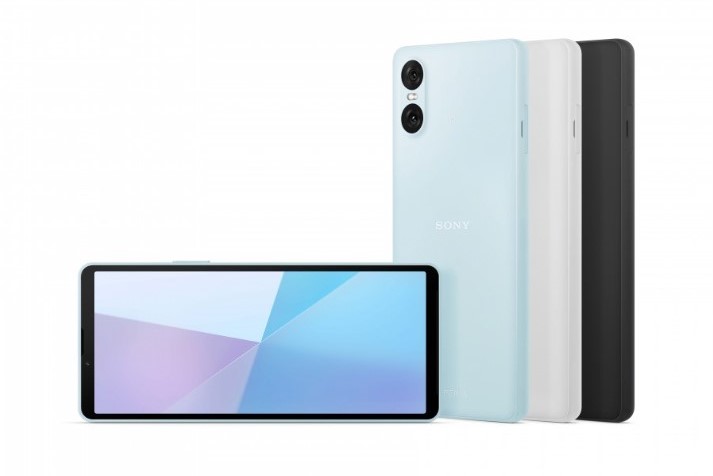
As expected, Sony unveiled two new Xperia phones today. These are the Xperia 1 VI and Xperia 10 VI. The former is a flagship offering whereas the latter is a mid-range device. The Xperia 10 VI arrives as the successor to the last year’s Xperia 10 V. The brand has made slight changes to the latest offering. Read on to learn more.
Sony Xperia 10 VI specifications and features
The Sony Xperia 10 VI continues the tradition of top and bottom bezels on the tall 21:9 aspect ratio screen. It features a 6.1-inch Triluminious OLED display bearing an FHD+ resolution and 60Hz refresh rate. There is Corning Gorilla Glass Victus protection. The smartphone is IP68-certified dust and water-resistant. There is a side-mounted fingerprint scanner embedded in the power button.
The Sony Xperia 10 VI features a minimalistic look with a raised pill-shaped area at the top left of the back panel that has two camera sensors sandwiched by an LED flash unit. The camera setup includes a 48MP main sensor with OIS accompanied by an 8MP ultra-wide-angle lens. Sony has dropped the telephoto unit from its predecessor. There is an 8MP front-facing selfie snapper.
Audio-wise, the Sony Xperia 10 VI is equipped with front-firing stereo speakers with 360 Reality Audio Certified, DSEE Ultimate, stereo recording, and aptX adaptive.
Internally, the Sony Xperia 10 VI houses the Snapdragon 6 Gen 1 processor. It packs 8GB RAM and 128GB storage expandable via microSD card slot. The smartphone draws its power from a 5,000mAh battery with support for 30W fast charging. Software-wise, it ships with Android 14 with three years of guaranteed OS updates and four years of security patches.
The Sony Xperia 10 VI is offered in Black, White, and Blue colors. It carries a price tag of Euros 399 and GBP 349 in the European and UK markets respectively. The phone is up for pre-orders with sales commencing from mid-June.
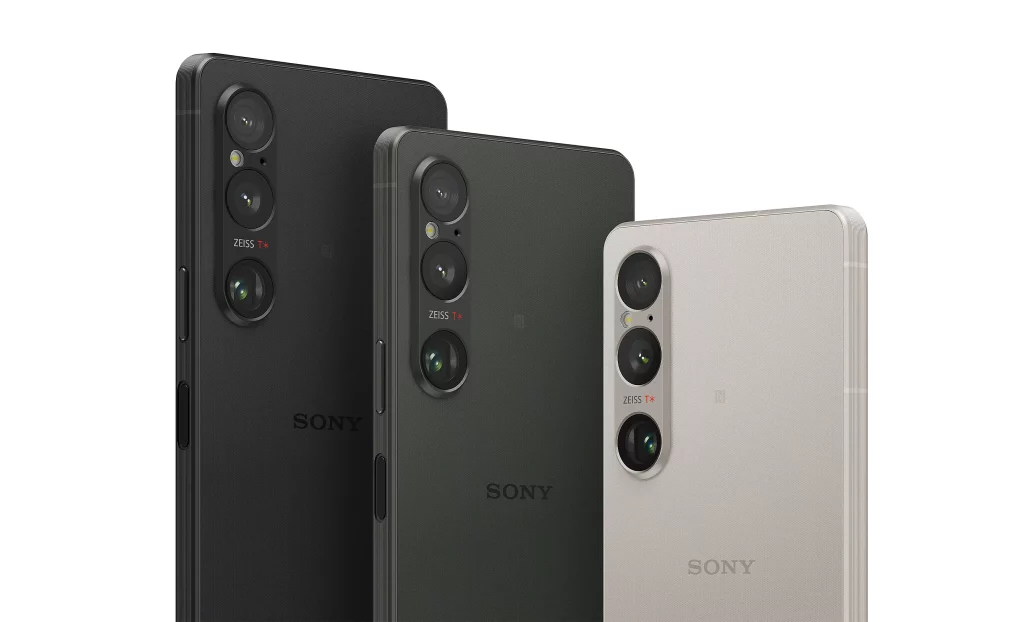
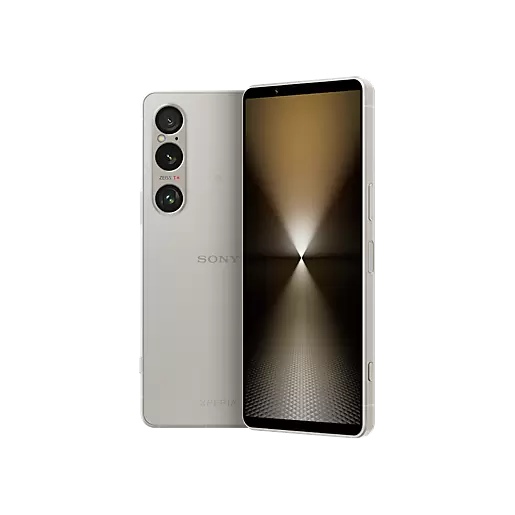
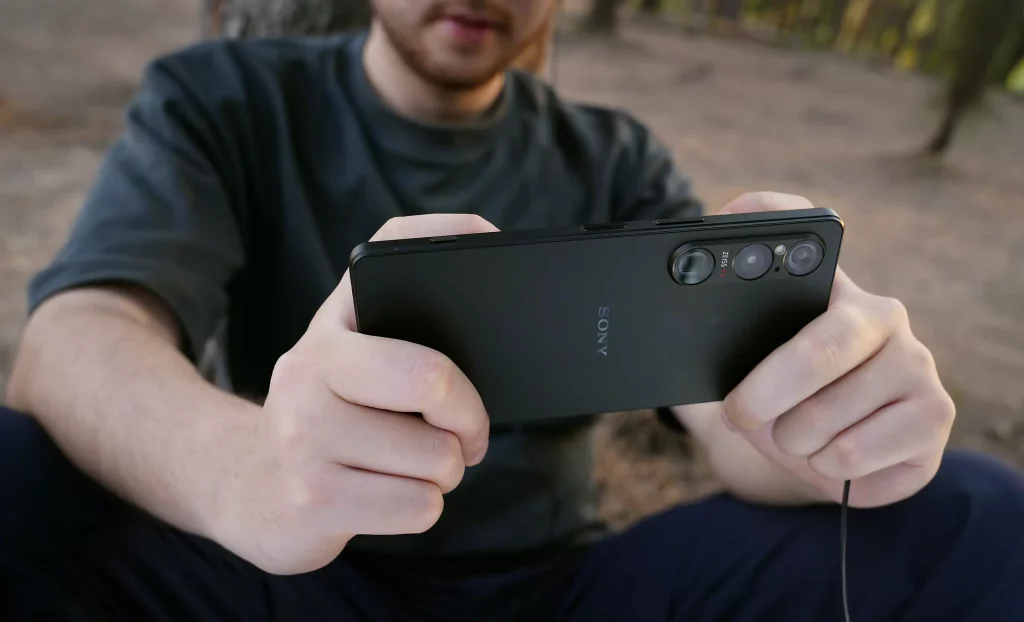
Earlier today, Sony held a virtual launch event to debut its new Xperia smartphones, with the spotlight on the flagship Xperia 1 VI. The phone has a new processor, some improvements in the camera department, and a more conventional design.
Design & display
The Xperia 1 VI continues to follow Sony’s minimalistic design philosophy, offering a boxy design with flat edges and a flat back. The back also has a pill-shaped camera island, reminiscent of its predecessor.
The biggest change in design comes from the display, which is now a more conventional 19.5:9, rather than the 21:9 cinema aspect ratio. This change has made the smartphone shorter and wider compared to its predecessor.
Sony has also decided to ditch the 4K OLED display in favor of a 6.5-inch FHD+ (1080 x 2340 pixels) panel. The phone still uses an OLED panel which has HDR certification, full coverage of the DCI-P3 color gamut & X1 for mobile. It offers a 1-120Hz refresh rate, 240Hz touch sampling rate, and 240Hz Motion blur reduction. The display, along with the back comes with Corning Gorilla Glass Victus 2 protection. Despite the changes to the aspect ratio, the phone still has massive top and bottom bezels.
Performance
Under the hood, the Xperia 1 VI packs a Snapdragon 8 Gen 3 processor, that has onboard Andreno 750 graphics. The processor is paired with up to 12GB LPDDR5X RAM and 256GB of UFS 4.0 storage (512GB model will be available in Japan and East Asia). Sony also offers memory expandability up to 1.5TB via microSD card. To tackle thermals, the phone has included a vapor chamber cooling system.
For audio, the device offers full-stage front stereo speakers that come with improvements in bass, clarity, and the spread of sound across width and depth compared to its predecessor. It also has a 3.5mm jack for wired listening and has included technologies like 360 Reality Audio, 360 Reality Audio hardware decoding, 360 Spatial Sound, Dolby Atmos, LDAC, DSEE Ultimate, Qualcomm aptX HD audio and LE Audio for a rich audio experience.
The battery pack offers a 5,000mAh capacity, paired with 30W USB PD fast charging as well as Qi Wireless charging. For connectivity, it has support for 5G, 4G VoLTE, Wi-Fi 6E 802.11 ax, and Bluetooth 5.4 LE. For navigation, the phone supports GPS and GLONASS. Additionally, it has a USB 3.2 Type-C port, NFC, and a side-mounted fingerprint sensor for security. It has an Android 14-based operating system, and Sony promises to deliver three Android version updates and four years of security support.
Cameras
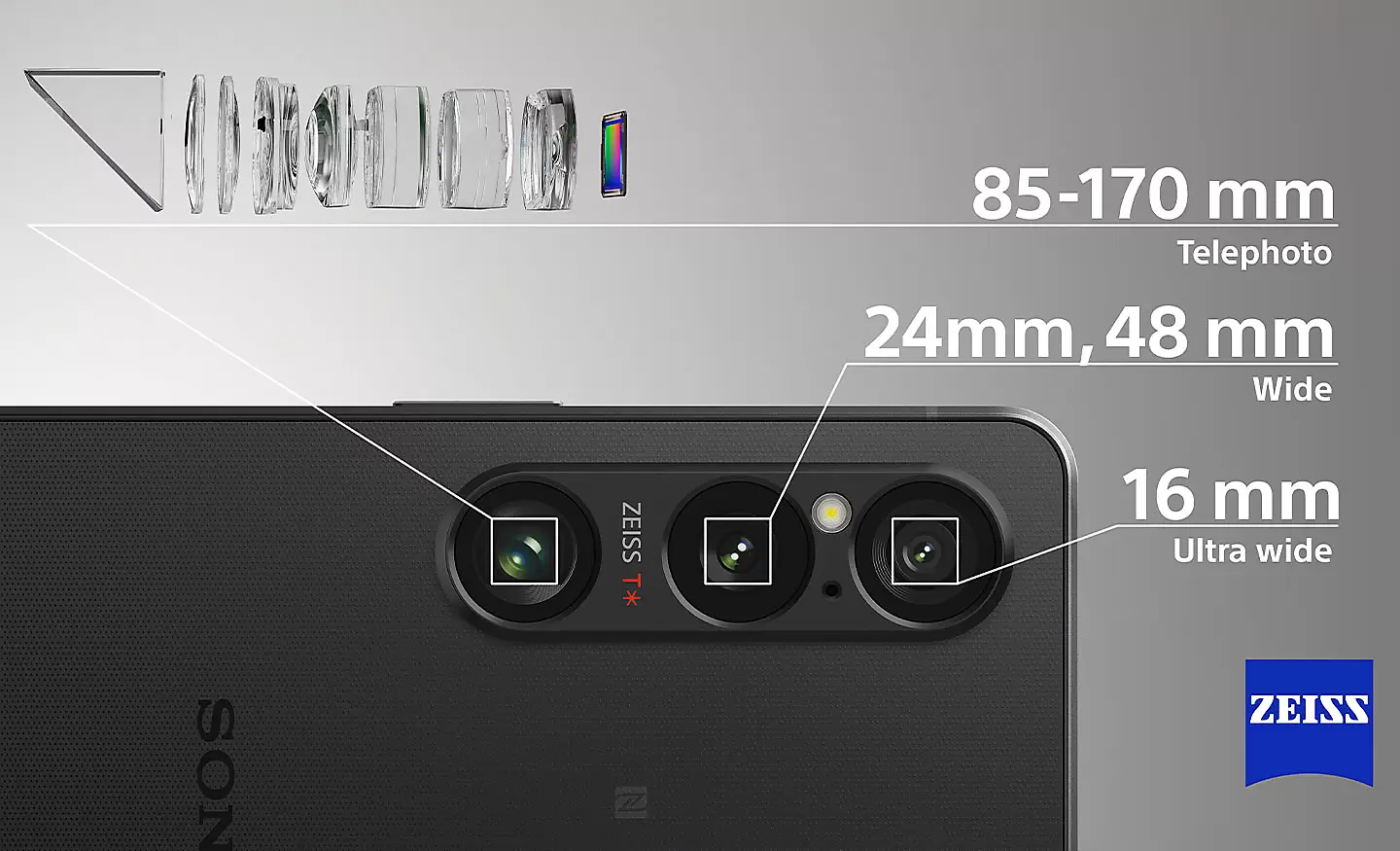
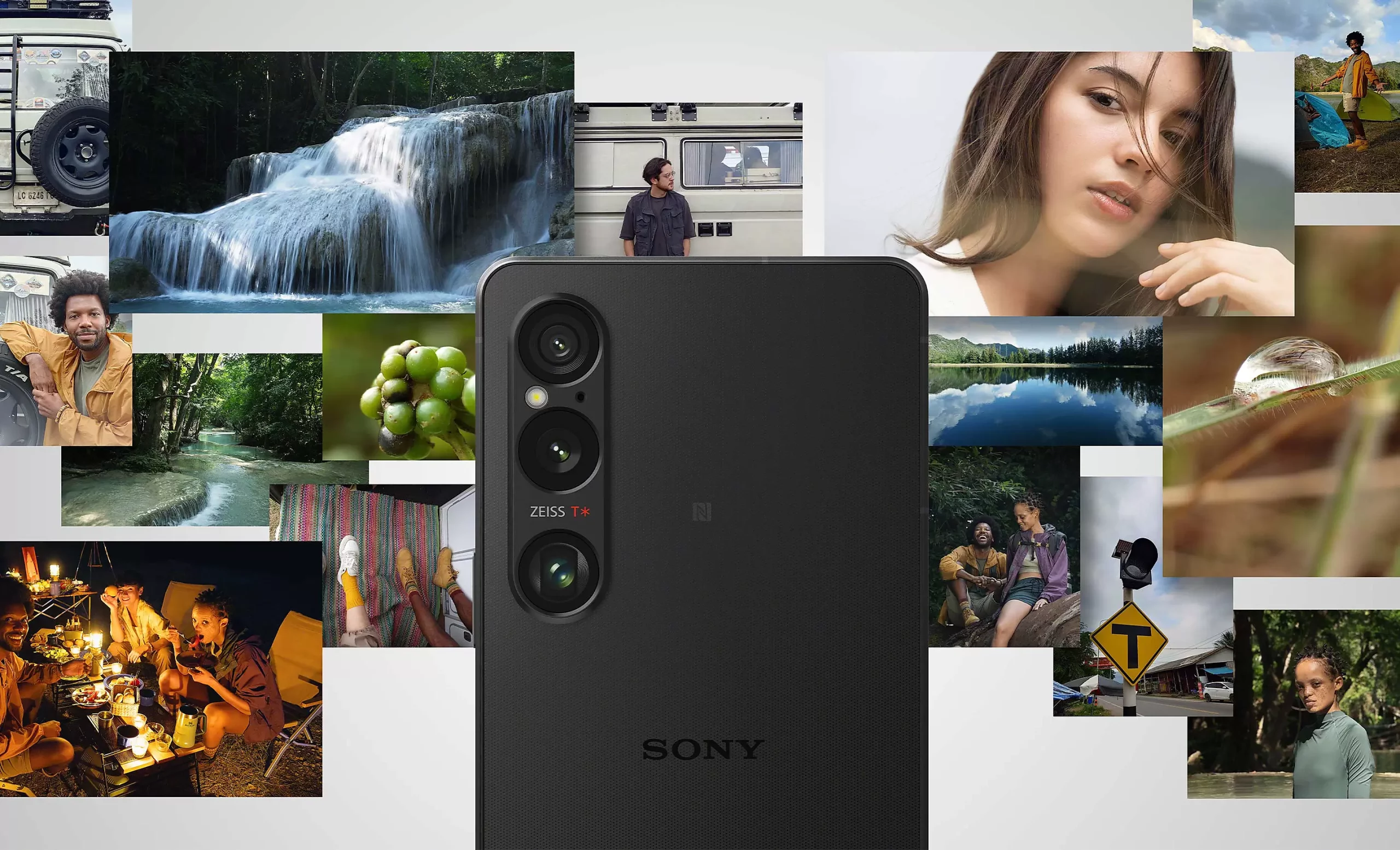
Coming to the main highlight of the phone, the camera system features a 48MP primary unit with a 1/1.3.5″ Exymor T sensor in it. This is the same sensor as last year’s flagship Xperia model. It has an f/1.9 aperture with Hybrid OIS and EIS support. The second camera on the back is the 12MP ultra-wide with an f/2.2 aperture and a 16mm focal length. The third and last camera on the back is a telephoto camera with a 1/3.5″ sensor, and an improved 85mm-170mm optically-zoom lens that offers 3.5x to 7.1x optical zoom (21.3x hybrid zoom). All of the rear cameras have ZEISS T* coated lenses.
The front camera houses a 12MP 1/2.9″ Exmor RS mobile sensor with f/2.0 aperture and 84° field of view. The camera system of the Xperia 1 VI is capable of recording videos in up to 4K 120FPS. Sony has also revamped the camera app on the Xperia 1 VI to make it more accessible and user-friendly for point-and-shoot users. The Pro mode is still there for users who prefer customizing the camera settings to their liking.
Pricing & availability
The Xperia 1 VI starts at €1,399/£1,299 and will be available from early June. It comes in Black, Platinum Silver, and Khaki Green.
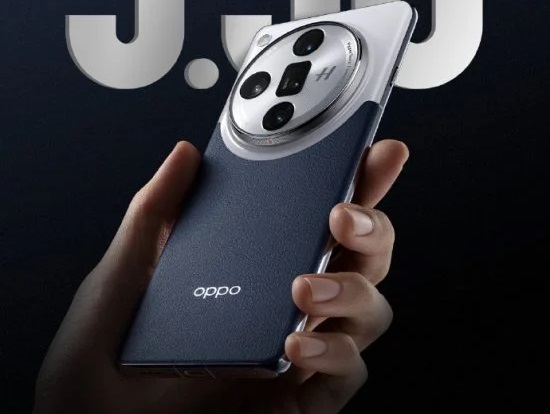
Oppo launched the Find X7 Ultra Satellite Edition towards the end of March this year. However, the Find X8 series has already entered the rumor mill. Previously it was reported that the Find X8 series devices (Find X8 and Find X8 Ultra) will launch before the end of this year. However, a recent rumor claims that the new series will have a new model and that the Ultra model will be launched later.
Find X7 Ultra Satellite Edition
The Find X8 series could have three models
Now the same tipster Digital Chat Station claims that the Find X8 series will have three models this time around. He also adds that the base and the upper model might be released as soon as October, and the Ultra model will come out separately in Q1 2025. According to the rumor, the series will offer a new design, a revamped camera system, possibly different battery sizes, and as usual, an improved fast charging.
Based on what we know so far, the new series will use both the upcoming flagship chips from MediaTek and Qualcomm. However, it’s currently unclear which models will be used in each model. According to a previous rumor, the Ultra model may use the Snapdragon 8 Gen 4 chip.
The addition of a new model in the middle and a separate release of the Ultra model is similar to Xiaomi’s approach to its recent flagships, where the Ultra model was released months after the release of the base and middle variants.
Some previous reports also note that Oppo aims to compete directly with the upcoming Xiaomi 15 series with its Find X8 series devices. The Find X7 series was launched in January this year, whereas the Xiaomi 14 and Xiaomi 14 Pro launched in October last year. So, it could be a reason for the company to accelerate development, as reported earlier by DCS, and aim to release the new series within this year while scheduling the launch of the Ultra model for early next year.
Microsoft continues to expand the Xbox Game Pass library. Recently, the platform has been in the spotlight for adding games like Madden NFL 24, Bluey, and Warhammer 40K to the service. The latest Xbox Game Pass update has once again thrilled gamers by unveiling an exciting lineup of new titles for May 2024.
Xbox Game Pass May Wave 2 Unlocks New Titles!
Microsoft has unveiled a new lineup of games coming to Xbox Game Pass. This wave includes a variety of titles for console, PC, and cloud users. Here’s an overview of the upcoming additions:
Brothers: A Tale of Two Sons (May 14): Available on Cloud, Console, and PC. This narrative-driven adventure game features unique dual-character controls as players embark on a quest to save their father.
Chants of Sennaar (May 15): Available on Cloud, Console, and PC. An atmospheric puzzle game where players decode ancient languages and uncover the secrets of a divided tower.
EA Sports NHL 24 (May 16): Available on Cloud via EA Play. The latest installment in the NHL series, offering enhanced gameplay and realistic graphics.
Senua’s Saga: Hellblade II (May 21): Available on Cloud, PC, and Xbox Series X|S. A highly anticipated sequel continuing Senua’s journey through a dark and psychological narrative.
Humanity (May 30): Available on Cloud, Console, and PC. A thought-provoking puzzle game exploring human nature and societal complexities.
Xbox Game Pass subscription prices
Plan
Price (per month)
Xbox Game Pass for Console
$10.99
PC Game Pass
$9.99
Xbox Game Pass Ultimate
$16.99
It’s important to note that the prices listed above are for the US. Microsoft’s Xbox Game Pass pricing may vary depending on your country.
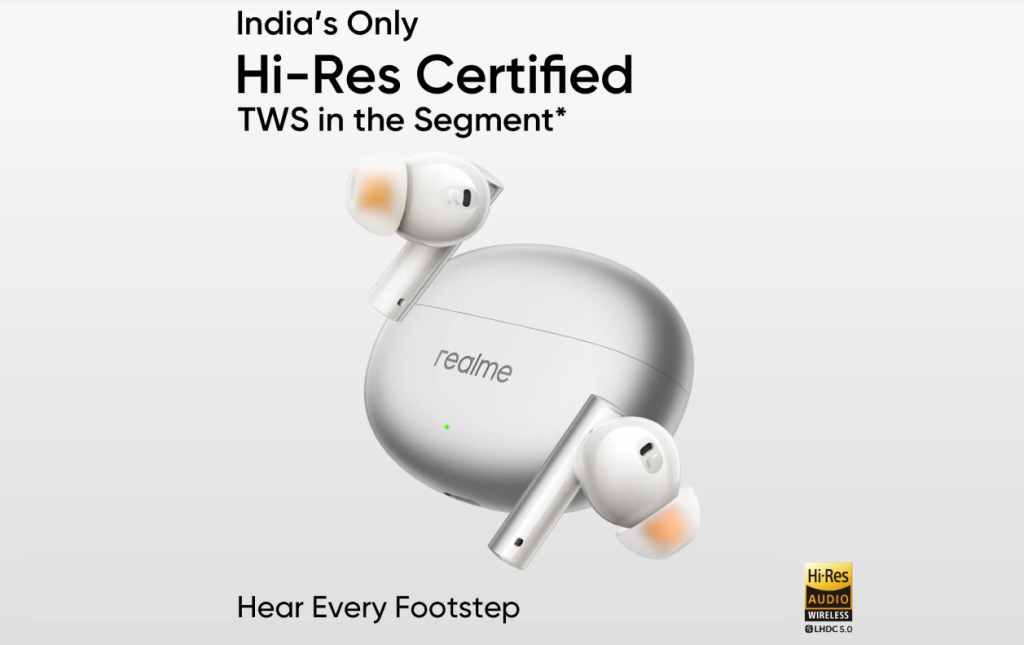
Realme is gearing up to launch the GT 6T smartphone in India on May 22. The brand has now confirmed that it also plans to debut the Realme Buds Air 6 TWS earbuds in the country along with the new smartphone. iThe brand has also claimed that these earbuds will be the first in its segment to feature Hi-Res Audio.
Realme Buds Air 6 specs:
These earbuds were launched earlier this month in China. So, we expect the same specifications and features in the Indian variant. With that in mind, we can expect the Buds Air 6 to have 12.4mm titanium-plated dynamic drivers. We can expect LHDC 5.0 and Hi-Res Audio support, as well as 50 decibels of Active Noise Cancellation (ANC). For mobile gamers, the TWS could feature a dedicated gaming mode that reduces latency to 55ms. Another key feature that will likely be onboard the device is dual connectivity.
Like the Chinese model, we can expect up to 40 hours of battery life with the charging case, as well as 7 hours of playback with a quick 7-minute charge time. Other features could include IP55 water and dust resistance, Bluetooth 5.3, and touch controls.
The Realme Buds Air 5, which debuted in India back in August 2023 had a price tag of Rs. 3,699. So we can expect its successor to also launch with around the same price tag.
We use cookies on our website to give you the most relevant experience by remembering your preferences and repeat visits. By clicking “Accept”, you consent to the use of ALL the cookies.
This website uses cookies to improve your experience while you navigate through the website. Out of these, the cookies that are categorized as necessary are stored on your browser as they are essential for the working of basic functionalities of the website. We also use third-party cookies that help us analyze and understand how you use this website. These cookies will be stored in your browser only with your consent. You also have the option to opt-out of these cookies. But opting out of some of these cookies may affect your browsing experience.
Necessary cookies are absolutely essential for the website to function properly. This category only includes cookies that ensures basic functionalities and security features of the website. These cookies do not store any personal information.
Any cookies that may not be particularly necessary for the website to function and is used specifically to collect user personal data via analytics, ads, other embedded contents are termed as non-necessary cookies. It is mandatory to procure user consent prior to running these cookies on your website.