Advertisement

IDC Q1 2024: Vivo leads Indian smartphone market followed by Samsung, Poco surpasses OnePlus

According to the International Data Corporation’s (IDC), India’s smartphone market shipped 34 million units in the first quarter of 2024, reflecting an 11.5% year-over-year growth. This marks the third consecutive quarter of increased shipments, driven by new launches, promotional activities, and microfinancing schemes.

Top 10 smartphone brands in Q1 2024

Vivo emerged as the top smartphone brand in India, surpassing Samsung. This achievement is attributed to Vivo’s robust portfolio across various price segments and strong support for offline partners. Vivo’s strategic focus on the mass budget segment, where it holds a significant share, has been particularly impactful.

Samsung, now in second place, saw a mixed performance despite new product launches. While Samsung experienced growth in the premium segment, where it closely trails Apple with a 44 percent share, its overall shipments declined.

Poco achieved a significant milestone by surpassing OnePlus. It registered more than 65 percent year-over-year shipment growth in the online channel, becoming the second leading brand in the entry-level segment and showing strong performance in the online sales arena. OnePlus faced challenges, particularly in the mid-premium segment where it leads with a 38 percent share but saw an overall market decline. Despite strong positions in specific segments, OnePlus’s shipments did not match the growth of competitors like Poco.

Apple recorded a robust first quarter, with a 19 percent year-over-year growth. The success was driven by the iPhone 14 and 15 models, which accounted for 56 percent of Apple’s shipments. Apple continues to dominate the super-premium segment, holding a 69 percent market share.

To sum up, the top 10 smartphone brands in Q1 2024 include Vivo, Samsung, Xiaomi, Oppo, Realme, Apple, Poco, OnePlus, Motorola, and Tecno. As can be seen in the table above, Poco and Motorola experienced significant YoY growth of 72 precent and 110 percent, respectively.

RELATED:

(source)

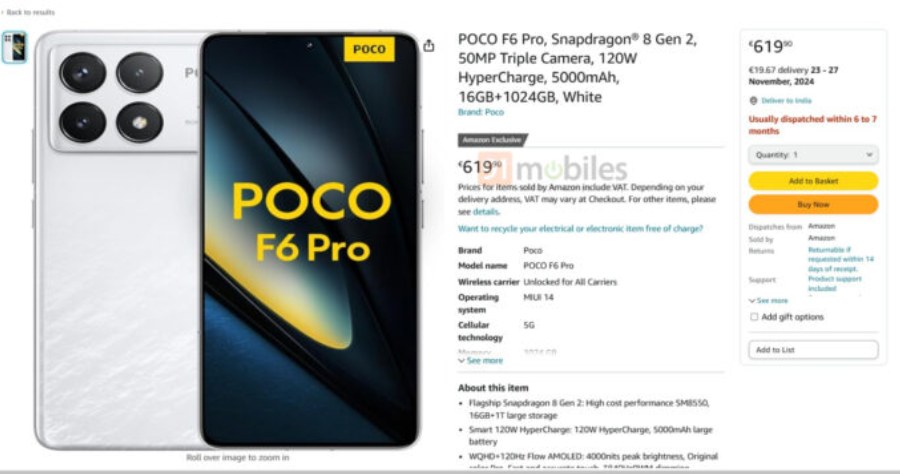
Poco F6 Pro prematurely listed on Amazon with price; it costs much less than Poco F5 Pro

The Poco F6 series will be officially unveiled on May 23rd, but leaks are already giving us a good idea of what to expect. In fact, Xiaomi itself confirmed that these phones are basically rebranded versions of their existing China-exclusive phones. 

So the focus of most buyers might now have been shifted to price as Poco is known for its competitive pricing strategy. 

It looks like you won’t have to wait long for that, as tipster Sudhanshu Ambhore has stumbled upon what seems to be an early listing for the Poco F6 Pro on Amazon. 

Poco F6 Pro Price

Although the listing shows only the top-tier variant with 16GB of RAM and a massive 1TB of storage, its price tag is quite impressive at €619.90. 

That’s even lower than the starting price of last year’s Poco F5 Pro whose 12/512GB configuration was launched at €649.90. So F6 Pro’s base variant will likely have a very aggressive price. 

In addition to pricing, the Amazon listing confirms earlier rumors about the specifications of the Poco F6 Pro. It’s expected to come with a Qualcomm Snapdragon 8 Gen 2 processor and a 5000mAh battery that supports 120W fast charging.

The display is rumored to be a WQHD+ panel with a smooth 120Hz refresh rate. It will also have a peak brightness of 4000 nits for excellent visibility in bright outdoor conditions.

When it comes to the camera setup, leaks suggest that the Poco F6 Pro will sport a triple-camera system, led by a 50MP main sensor. Although details about the other cameras are scarce, they could be an ultrawide and a macro sensor. For selfies and video calls, there will be a 16MP front-facing camera.

Interestingly, the leaked information mentions that the Poco F6 Pro will come with MIUI 14 pre-installed, rather than Xiaomi’s latest HyperOS skin. It seems like a typo, as it wouldn’t make sense for the phone to ship with MIUI as HyperOS has been for around months now.

Related:

(Via)

M1 iPad Air Now Affordable: Major Discounts at Amazon and Walmart

The tech world is excited as Amazon and Walmart have dramatically reduced the price of the M1 iPad Air, making it more affordable for everyone. Apple enthusiasts and consumers now have an opportunity to own one of the most powerful tablets on the market at an unbeatable price. Here are the details…

Amazon, Walmart Offer Huge Discounts on M1 iPad Air 5

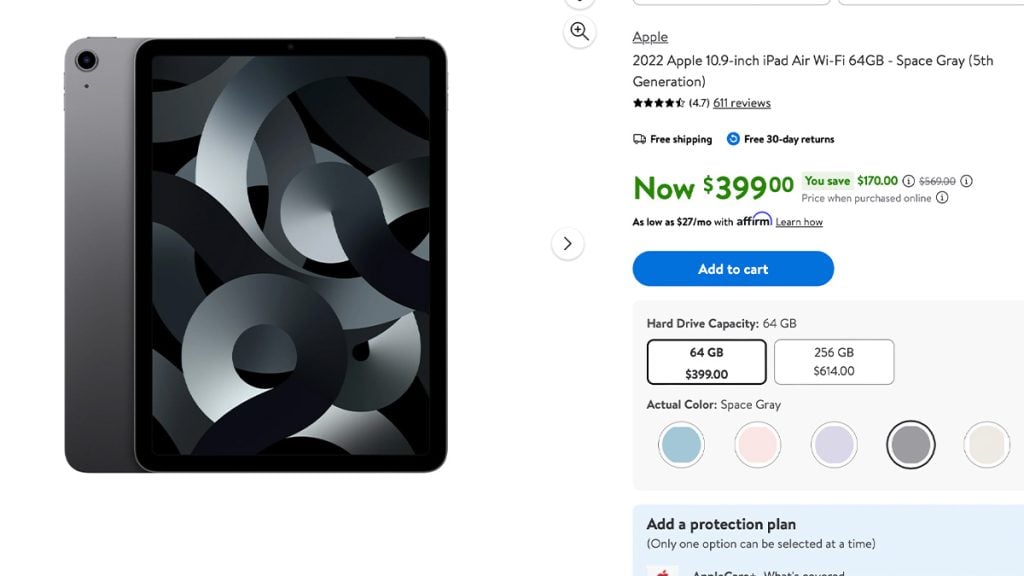
Originally priced at $569.00, the 64 GB Wi-Fi version of the iPad Air is now available for just $399.00 at Walmart. This $170.00 price drop makes the device an attractive option for those looking for a high-performance tablet without breaking the bank.

For users needing more storage, the 256 GB Wi-Fi model has also seen a price cut, now retailing for $614.00, down from $749.00. This $135.00 discount ensures that users who require more space for apps, media, and files.

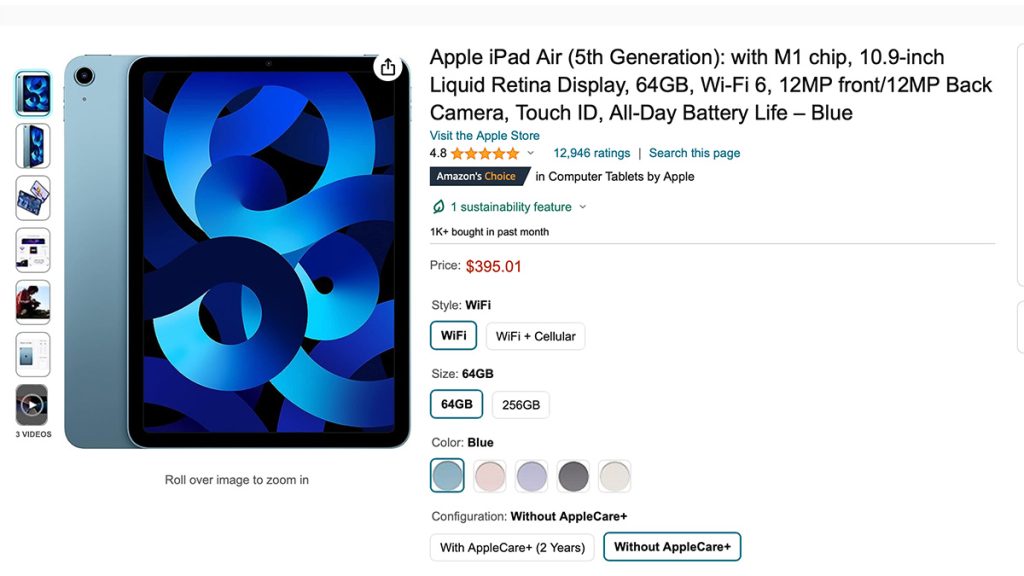
Amazon has also stepped up with competitive pricing. The 64 GB Wi-Fi model is available for $395, while the 256 GB Wi-Fi version can be purchased for $639, reflecting a 15% savings from the original price.

However, it’s worth noting that this discount is limited to the available stock. Therefore, it’s advisable to act quickly. If you want to buy the M1 iPad Air (5th Generation) from Amazon, click here, and if you want to purchase it from Walmart, click here.

M1 iPad Air (5th Generation) Specifications

FeatureSpecification
Display10.9-inch Liquid Retina display (2360 x 1640 pixels)
ChipApple M1 chip
Storage64 GB or 256 GB
Cameras12 MP Wide rear camera, 12 MP Ultra Wide front camera with Center Stage
Video Recording4K video recording at 24 fps, 25 fps, 30 fps, or 60 fps
AudioStereo speakers
ConnectivityWi-Fi 6, Bluetooth 5.0, USB-C connector
Battery7600 mAh
ColorsSpace Gray, Starlight, Pink, Purple, Blue
Other FeaturesTouch ID sensor, Apple Pencil (2nd generation) support

RELATED:

Cherry launches XTRFY M50 gaming mouse with unique RGB lighting & customizable scroll wheel

German peripheral manufacturer Cherry has released the XTRFY M50 wireless gaming mouse in the Chinese market, boasting features designed for both performance and customization. The M50 comes in Black and White colors and it is now available on JD.com at a price of 549 yuan (approximately $76). Let’s delve into its key specs.

Cherry XTRFY M50 Mouse

Cherry XTRFY M50 Mouse Specifications:

The M50 mouse is equipped with a Pixart 3311 sensor and a main control microswitch from Huano Huarong, known for its reliable performance. It supports four DPI levels up to 5000 and offers a polling rate that can be adjusted between 125 and 1000Hz, ensuring precision and responsiveness.

The mouse measures 122.4mm in length, 63mm in width, and 39mm in height, weighing a light 87 grams. This design is geared towards providing a comfortable fit in the palm, supporting prolonged gaming sessions without strain.

The standout feature of the M50 series is its RGB lighting effects. The mouse includes a unique circular RGB light strip that extends from the tail to the base and it’s adjustable. This feature not only adds to the visual excitement but also allows users to personalize their gaming setup.

In terms of connectivity, the Cherry M50 is versatile, supporting triple-mode connections. It can connect via a 2.4GHz wireless connection, Bluetooth 5.2, or a USB-wired setup, offering flexibility. Additionally, the mouse is equipped with a USB-A to USB-C data cable and a 2.4G wireless receiver, ensuring a variety of connection options are readily available.

The mouse boasts an impressive battery life of approximately 100 hours, with a quick charging time of about two hours. It supports intelligent charging while in use, meaning gamers can continue playing while the mouse recharges, minimizing downtime.

The M50 also comes with a multi-functional scroll wheel. The scroll wheel is designed to perform multiple functions, including forward and backward scrolling, left and right tilting, and a downward click. This multifunctionality enhances user experience by allowing for customizable shortcuts.

Additionally, the Cherry M50 features dedicated driver support through proprietary software. This software provides five customizable configuration profiles where users can adjust settings such as RGB lighting effects, CPI, and polling rate. The mouse is compatible with both Mac and Windows systems.

RELATED:

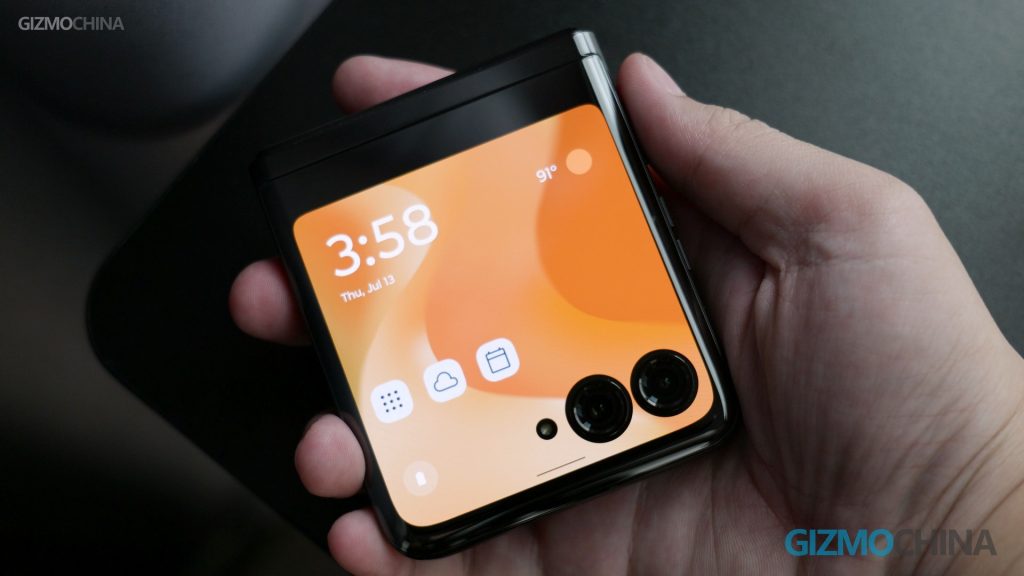
Moto Razr 50 Ultra full specifications revealed ahead of launch

Real-life images of the Motorola Razr 50 Ultra have already surfaced on the web revealing the dimension of the device. Now almost all the key specifications of the Razr 50 Ultra (or the Moto Razr+ 2024) have surfaced on the web thanks to OnLeaks. So let’s take a look.

Motorola Razr 40 Ultra

Motorola Razr 50 Ultra leaked specifications:

Just as the predecessor Moto Razr 40 Ultra, the successor also houses a 6.9 2640 x 1080 resolution flexible pOLED inner display and a 3.6″ cover display.

Unlike the display, the chipset is upgraded from the Snapdragon 8+ Gen 1 to the newly released Snapdragon 8s Gen 3. According to the leak, it is paired with 12GB RAM and 256GB storage. For those unfamiliar, the Moto Edge Edge 50 Ultra and the recently released iQOO Z9 Turbo also uses this chipset. It equips 1x Cortex-X4 core clocked at 3GHz, 4x Cortex-A720 cores clocked at 2.8GHz, and 3x power efficient Cortex-A520 cores.

Another big upgrade is the rear camera system of this phone. The 12MP and 13MP sensors are replaced by 50MP ones. The ultra-wide angle lens is also reportedly replaced by a 2x telephoto. However, the 32MP selfie stays the same as before.

The phone also equips a slightly larger 4000mAh battery as compared to the 3800mAh capacity of its predecessor. It will support both wired and wireless charging.

The water-repellent coating is also replaced by an IPX8 dust and water-resistant rating. The IPX8 means the device can be submerged in up to 1.5 meters of fresh water. However, it’s not protected from dust. The phone will also offer eSIM support.

This phone will be the company’s first clamshell to sport the Hello UI, a custom skin based on Android 14.

Pricing and availability

The Razr+ 2023 (8GB + 256GB variant) was launched with a price tag of $999. It seems that the price tag will stay the same.

The Razr+ 2024 will be available in three color options: Midnight Blue, Spring Green, and Hot Pink. It will be available in the US for $999 for the 12 GB RAM + 256 GB storage variant. You can expect the phone to be launched in June.

Related:

(Source)

Vivo X100s Pro vs Vivo X100 Pro: What are all the upgrades?

Vivo just unveiled the new X100s series of flagship smartphones in China. The newer devices arrive about half a year after the X100 series and are basically a mid-year refresh. But what are all the upgrades? And what are the new changes? Let’s find out.

Vivo X100s Pro vs Vivo X100 Pro

1. Vivo X100s Pro vs X100 Pro: Slight bump in performance

The Vivo X100 Pro was first announced back in November 2023. It featured MediaTek’s flagship grade processor, the Dimensity 9300. Now, the successor X100s Pro model has launched with an updated chipset, which is the Dimensity 9300+ SoC. This new chip offering improved performance thanks to a higher boost clock speed of 3.4GHz, but it even offers improved APU performance of 10 percent in on-device AI related tasks as well.

2. Design & Display

Apart from the chipset, the differences between the two models are quite negligible. The X100 Pro sports a tall 6.78-inch curved LTPO AMOLED display that offers an FHD+ resolution, a 120Hz refresh rate, and 3000 nits of peak brightness, which is basically mirrored on the newer X100s Pro as well.

Even in terms of design, the two high-end devices look practically identical with a curved display on the front and a glass panel with a large circular camera island on the back. Both devices offer water and dust resistance, but the newer X100s Pro features an IP69 rating over the IP68 rating of the X100 Pro.

3. Colors: Not as bright anymore

The Chinese brand seems to have opted for a more sober color scheme on the X100s Pro. To recall, the Vivo X100 Pro came in Star Trail Blue, Sunset Orange, White Moonlight, and Cheyne Black color options. But now, the X100s Pro is only available in Titanium, White, and Black/Dark Gray variants.

4. Camera: More of the same

Vivo might have determined that the X100 Pro’s camera hardware was great since it seems like it has returned on the X100s Pro. Even the official website shows that the camera setup has returned untouched. The Vivo X100 Pro and X100s Pro feature a triple camera setup on the rear.

All three sensors are a 50-megapixel shooter. The primary is a one-inch sensor that offers OIS (Optical Image Stabilization), which is paired with an ultra wide angle lens, and a Zeiss APO super-telephoto camera that offers 4.3x optical zoom and 100x hybrid zoom. Meanwhile, the devices house a 32-megapixel shooter for selfies and video calls.

5. Price Hike

The pricing of the two smartphones follows the same philosophy. So there are barely any changes again. The Vivo X100 Pro started from CNY 4,999 ($700) for its 12GB + 256GB model. The 16GB RAM + 256GB, 16GB RAM + 512GB, and 16GB RAM + 1TB options cost CNY 5,299 ($726), CNY 5,499 ($800), and CNY 5,999 ($822) respectively.

Vivo has managed to keep the starting price of the Vivo X100s Pro the same at CNY 4,999 for the 12GB + 256GB variant. But for the 16GB + 512GB and 16GB + 1TB versions, you pay CNY 5,599 ($774) and CNY 6,199 ($857) respectively. So there is a marginal hike in price for the updated X100s Pro.

RELATED:

Xiaomi 15 series will be more expensive than its predecessor

The Xiaomi 15 series has been a topic of speculation for some time. Both the vanilla and Pro models today appeared on the IMEI database hinting at what’s to come. 

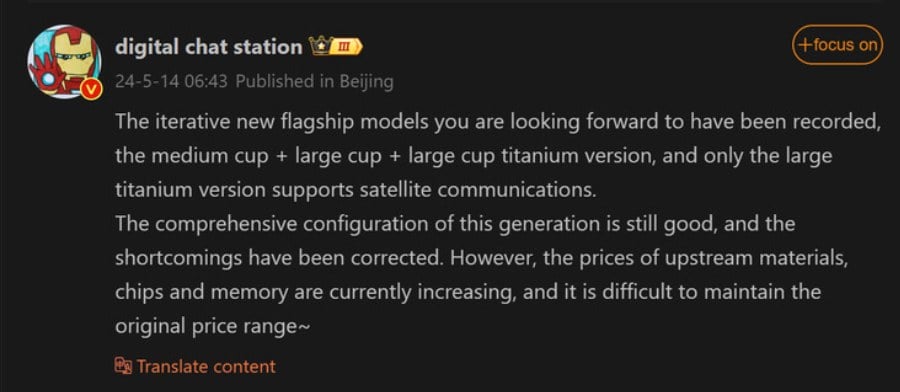
In another news of the day, a credible source Digital Chat Station on Weibo suggests that Xiaomi will struggle to maintain the launch prices of the Xiaomi 14 series for its successor. 

This isn’t entirely surprising considering the rising costs of chips, memory, and other materials. For reference, the Xiaomi 14 started at CNY 3,999 (around $552) in China, while the 14 Pro began at CNY 4,999 (around $691). 

As expected, international prices were even higher, with the base variant of Xiaomi 14 starting at €999 (around $1,077). Based on the new leak, it seems like the price will climb even higher for the Xiaomi 15 series.

The higher price tag could put Xiaomi’s phones in a precarious position for users, especially considering that Samsung and Apple, with their stronger brand value, offer their latest flagships at similar, if not lower, prices than Xiaomi’s alternatives. 

For example, the Galaxy S24 series starts at $799.99 and goes up to $1,199.99 for the Ultra version. That’s already cheaper than the Xiaomi 14’s starting price. So if the price goes up, it will be even more challenging for Xiaomi to position its flagship competitively against its rivals.

As far as specs are concerned, both the Xiaomi 15 and 15 Pro will have Snapdragon 8 Gen 4 at their core and a triple-camera sensor on the back, with each sensor boasting 50 megapixels. 

Design-wise, they are likely to resemble their resemble their predecessors. Xiaomi will also introduce a Titanium version of the Xiaomi 15 Pro with satellite communication support as revealed in the IMEI listing. But both the 15 Pro and 15 Pro Titanium are said to be China-exclusive, like their predecessors. 

Related:

Poco F6 Pro design revealed ahead of launch; confirms its a Redmi K70 rebrand

Poco has a global launch event scheduled for May 20, 2024, where it plans to debut the Poco F6 series smartphones. The series will consist of two devices: the Poco F6 and the Poco F6 Pro. Yesterday, the brand indirectly confirmed that the Poco F6 is a rebrand of the Redmi Turbo 3 smartphone by revealing its design. Now, the brand has also revealed the design of the Poco F6 Pro, which is similar to the Redmi K70 (China exclusive).

Poco F6 Pro

A recently shared teaser on X (formerly Twitter) has revealed the design of the Poco F6 Pro. It has flat sides, a slightly curved back panel for a comfortable grip, and the same rectangular camera module with four cutouts as the Redmi K70. So at this point, we can expect the Poco F6 Pro to be an exact copy of the Redmi K70, just with a different name and branding.

Poco F6 Pro expected specs:

Redmi K70

The upcoming Poco F6 Pro is expected to feature a Snapdragon 8 Gen 2 processor, potentially paired with up to 16GB of RAM. It’s likely to sport a 6.67-inch OLED display with a 2K resolution and a smooth 120Hz refresh rate. For its camera setup, there could be a 50MP primary camera with OIS, along with an 8MP ultra-wide lens and a 2MP macro sensor. On the front, it might have a 16MP selfie camera. The device is rumored to come with a sizable 5,000mAh battery and support for 120W fast charging.

RELATED:

(Source)

Google tries to run ChromeOS on Android devices to compete with Samsung DeX

Google’s mobile OS, Android hasn’t offered a true desktop experience when connected to a monitor despite Android is out for a long time. Both Microsoft’s Continuum for Lumia and Samsung’s DeX aimed to offer a desktop-like experience when connecting phones to external monitors. While they achieved some success, neither solution became widely adopted. However Google never supported this kind of thing natively. Now this might change, though, as Google seems like working on a solution.

Instead of adapting the Android for desktops, Google took a different approach. They created ChromeOS, a lightweight operating system specifically designed for giving users the desktop experience. ChromeOS powers some laptops today, especially in laptops given in schools. While it hasn’t reached Windows’ dominance, ChromeOS just offers a user-friendly alternative.

Google’s ChromeOS works on Android blazing fast

Recent reports by Android Authority suggest Google might be exploring ways to bring ChromeOS to the Android devices. Additionally, Google will allow OEMs to run ChromiumOS on their devices, which is the open-source version of ChromeOS. There is no official evidence yet showing that Google is currently trying to merge both platforms. However, we know that Google was working on a hybrid architecture called “Andromeda,” which was a combination of ChromeOS and Android-based systems, although it was later canceled.

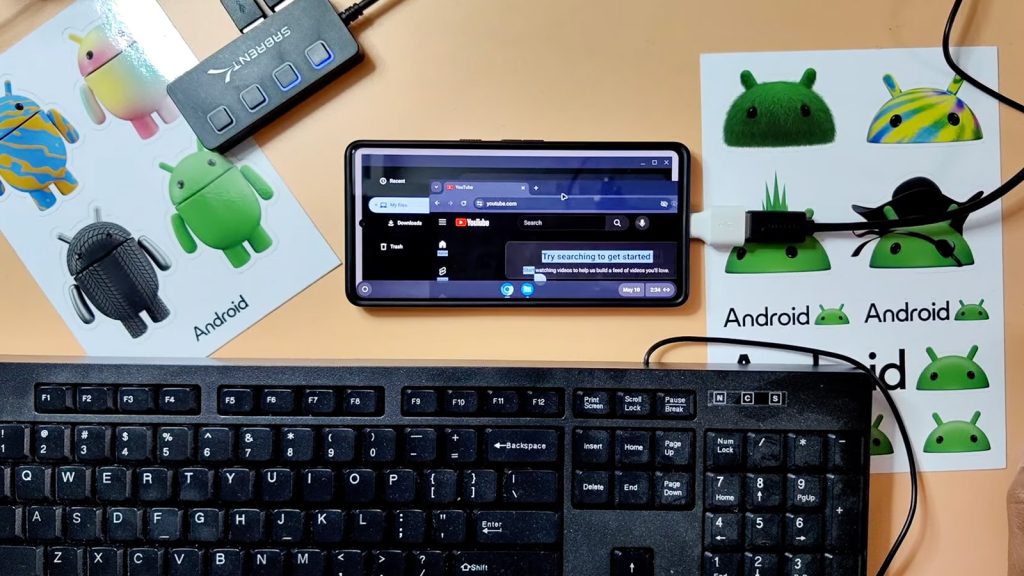
Android Authority team has achieved running ChromiumOS on a virtual machine within Android, codenamed “ferrochrome.” This made possible with Google’s VL Launcher app and Android’s Virtualization Framework (AVF), hinting at the potential for running ChromeOS on Android devices in the future.

In the video shared by Android Authority, ChromiumOS runs very smoothly on the Pixel 7 Pro. While we can’t claim that Google has already turned Android devices into desktop machines, the ability to run ChromiumOS on Android is quite exciting. We may see some interesting steps from Google in the future.

Related:

Redmi K70 Ultra tipped to feature independent display chip

Word on the street is that Redmi is adding another phone to the Redmi K70 lineup – the K70 Ultra. A new leak has spilled the beans on some of the key features of the upcoming device.

The leak came from a Weibo tipster known as Smart Pikachu, who revealed that the Redmi K70 Ultra will boast a hefty 5500mAh battery. That’s 500mAh more than its predecessor, the Redmi K60 Ultra, while the charging is tipped to be the same at 120W. 

Redmi K70 Ultra Specs Leak

On the front, it is said to have a 1.5K resolution display. The leak also suggests an independent dual-core chip for the display. The latter could be similar to the K60 Ultra’s X7 display chip that helps the device achieve a native frame rate of 144 fps in compatible games.

Moreover, the latest leak also corroborates with earlier ones from another Weibo source, Digital Chat Station. That is, the phone will be powered by MediaTek’s latest Dimensity 9300+ chipset. As of now, the recently released Vivo X100s Pro is the sole device equipped with this chip.

Redmi K60 Ultra featured
Redmi K60 Ultra

The tipster also hints at a unique “deep joint design architecture,” likely meaning a customized version of the Dimensity 9300+ tailored specifically for the Redmi K70 Ultra.

In terms of design, the phone will have a sturdy metal middle frame complemented by a textured glass back panel. Additionally, the K70 Ultra is expected to offer dust and water resistance for protection against accidental damage or environmental factors.

The Redmi K70 Ultra is expected to launch in June or July this year.  A tweaked version of the same device with the Xiaomi 14T Pro branding is rumored to be released later this year in the global market.

Related:

OpenAI launches GPT-4o: GPT-4’s premium features are now free!

OpenAI launched a new model, GPT-4o, yesterday, which will roll out to the public over the next few weeks. It offers premium features of the GPT-4 along with a refreshed web UI. During the announcement, OpenAI’s CTO Mira Murati demonstrated some of the capabilities of their new model. So let’s take a look.

GPT-4o announcement

GPT-4o is more efficient and can listen and see better

According to the company, GPT-4o takes “a step towards much more natural human-computer interaction”. The new model can process text, images, and audio and is able to assist its users based on that. The voice mode now works more seamlessly with faster responses and better understanding. Previously, the voice mode was used to utilize three different models for transcription, intelligence, and text-to-speech output together. Not to mention it causes delays in response. In comparison, the GPT-4o handles all of that natively.

Using the camera on your phone you can now share information with the model and ask questions based on that easily using the voice mode. Reportedly, the new model can respond to voice inputs in 232 milliseconds, which is similar to the response time of us, humans. The model can also respond in a variety of tones matching user preferences. The model is better and faster as compared to GPT-4 Turbo at understanding non-English languages. GPT-4o can now also work as an interpreter.

Notably, the GPT-4o will also be available to the API, so that developers can build and power AI apps using the capabilities of the new model.

While the new model offers the features for free, the premium users will be allowed to use five times the resources as compared to the new model.

The company has also launched a ChatGPT app for Apple’s macOS-based desktops. The app for macOS offers a deeper integration into the platform. OpenAI wants to make it easier for users to integrate the tool into their workflows. With a keyboard shortcut (Option + Space) users will be able to reach the conversation page of the tool easily.

Related:

(Source)

boAt Airdopes 800: Latest Dolby Audio powered TWS launched in India

boAt has just unveiled a brand new truly wireless earbuds in India. The latest hearables are a part of its popular Airdopes lineup and are dubbed the Airdopes 800. It features some notable specs and features despite its affordable pricing, so let’s check it out.

boAt Airdopes 800 Specs

The brand’s latest Airdopes 800 arrives in the region a couple of weeks after the Storm Call 3 smartwatch’s release. The Airdopes 800’s highlighting features is undoubtedly the Dolby Audio support. This isn’t a common feature at this price segment. These earbuds offer an in-ear design with 10mm titanium drivers that supports boAt Signature Sound technology. All of these features also appear quite similar to the boAt Nirvana 525 ANC, which was the first from the brand to offer Dolby Audio.

boAt Airdopes 800

It supports Bluetooth 5.3 and even offers a Beast mode that lowers atency down to just 50ms. For calls, the Airdopes 800 comes with ENx technology, which is basically ENC thanks to its quad mic setup. Other notable features include 40 hours of total playback, boAt Hearable App support, adaptive EQ modes, multipoint connection, and touch controls.

Pricing and Availability

The boAt Airdopes 800 is available in multiple color options, namely Interstellar Blue, Interstellar White, Interstellar Green, and Interstellar Black. It is listed on both Amazon and Flipkart. It has a special launch price of 1,799 INR, with its first sale set to kick off on 17th May 2024.

RELATED:

Nothing Phone (2a) Green Line Mystery: Update or Hardware Issue?

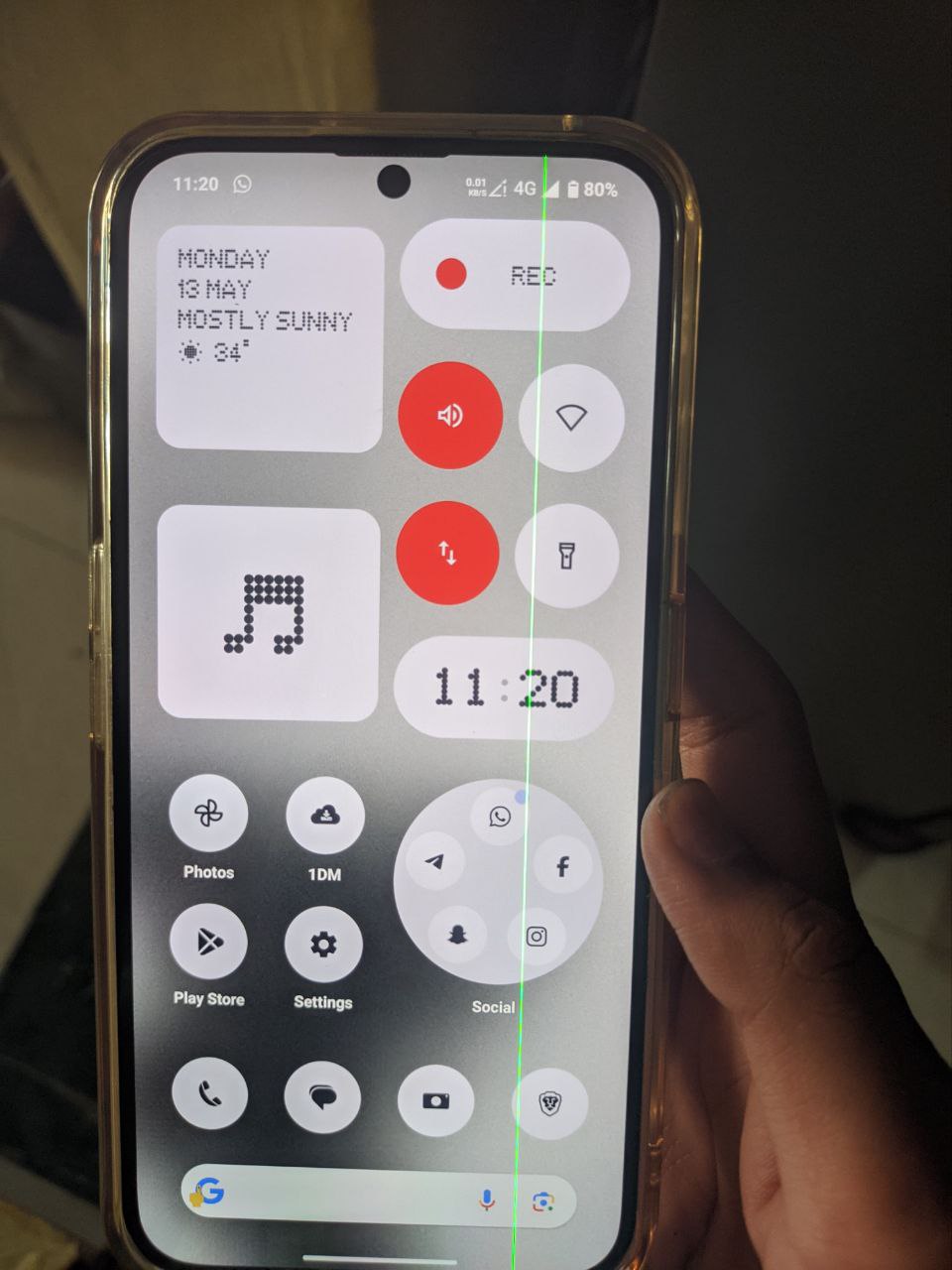
London-based tech brand Nothing recently unveiled its budget-range Nothing Phone (2a) in many markets including India. At launch, the device was riddled with performance and camera issues, however, nothing has managed to fix the majority of them with multiple updates. That being said, the infamous “green line issue” has now reared its ugly head on the Phone (2a).

This is a well-known issue on smartphones that use an OLED display. We have previously documented many cases of Samsung, Motorola, and OnePlus smartphones struggling with this issue. An X (Twitter) user has posted a couple of pictures as well as a video of a Phone (2a) with a vertical green line on the right side of the display. The image also reveals that the device has the latest Nothing OS 2.5.5.a update, which was announced around 19 days ago. This appears to be the first reported case of a green line appearing on the Phone (2a).

The Twitter user hasn’t specified the origin or timing of this problem. It’s important to highlight that most instances of the green line issue on OnePlus and Samsung devices have occurred post software updates. Although brands haven’t openly addressed the cause of this post-update problem, upon investigation, it appears that software updates altering display parameters, particularly voltage settings, may lead to an electrical fault in the display, manifesting as the green line of dead pixels.

That being said, there are also other reasons for green lines to appear on smartphone displays, including physical damage due to dropping, bending, or applying too much pressure on the display and the display connector or the flex cable connecting to the motherboard being damaged or defective.

Coming back to the Nothing Phone (2a), we weren’t able to find any other reports of the green line issue on X (formerly Twitter), or on the Nothing Community forums, so it appears to be an isolated issue for now. Stay tuned for more updates on the matter.

RELATED:

Samsung Galaxy F55 on Flipkart: Key specs revealed ahead of May 17 launch

The Samsung Galaxy F55 has just been spotted on a popular e-retailer in India. This model is highly anticipated for its unique design. But the sighting on Flipkart has revealed even more details regarding its specs and features. So here are all the details.

Samsung Galaxy F55: What we know so far

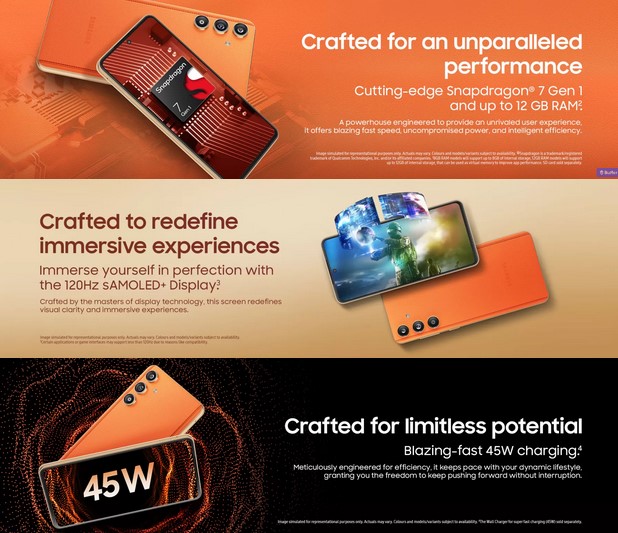
The South Korean tech giant’s Galaxy F55 recently had a dedicated microsite go live on Flipkart. This webpage confirmed that it will be equipped with the Qualcomm Snapdragon 7 Gen 1 SoC. The processor is paired with either 8GB of 12GB of RAM. Furthermore, the device supports virtual RAM expansion of 8GB and 12GB on the respective variants. Not only that, buyers can even expand the storage via a microSD card slot.

Samsung Galaxy F55

Samsung showcased the 120Hz Super AMOLED display on the upcoming Galaxy F55 on Flipkart. The front will also pack a 50-megapixel selfie shooter. Meanwhile, the rear arrives with a triple camera setup that consists of a 50-megapixel primary sensor with OIS (Optical Image Stabilization), 5-megapixel ultra wide angle lens, and a 2-megapixel sensor. One can even record from the front and rear cameras at the same time thanks to the dual recording feature.

Other notable features include 45W wired fast charging, in-display fingerprint scanner, Knox Security, Quick Share, Voice Focus, and guaranteed four Android OS upgrades nad five years of security updates. The Samsung Galaxy F55 will be launching in the region on 17th May 2024, so stay tuned for more.

RELATED:

Amazon’s new Fire TV Stick 4K launched in India with Wi-Fi 6

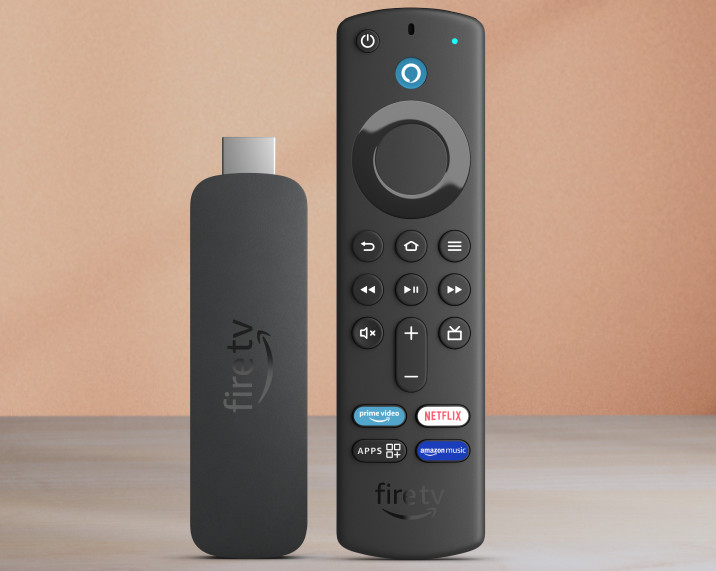
The new Amazon Fire TV Stick 4K has been unveiled in India. This is coming several months after the model was originally introduced last year. The gadget supports Wi-Fi 6 connectivity and comes with an enhanced 1.7GHz quad-core processor. The model also comes with superior audio and video quality, as well as immersive graphics for games.

Amazon Fire TV Stick 4K

Features & Pricing

The new Amazon Fire TV Stick 4K is about 30% more powerful than its predecessor. The RAM capacity is also slightly higher at 2GB than the previous model with 1.5GB RAM. The TV stick delivers 4K Ultra HD image quality, Dolby Vision, HDR, HLG, and HDR10+ support. The device also features Dolby Atmos Audio and comes with Alexa Voice Remote. According to Amazon, the reduced carbon footprint of the Fire TV Stick has been achieved every cycle with its choice of sustainable materials. The design of the Fire TV Stick 4K achieves overall lifetime energy consumption.

Amazon Devices India says that the TV stick delivers lifelike, ultra-cinematic video content, and users will enjoy advanced and high-performance streaming at home. It delivers an immersive user experience and there are some added subscription services to further spice the product. It can stream media from streaming services like Netflix, YouTube, and Prime Video.

Amazon Fire TV Stick 4K

The new Amazon Fire TV Stick 4K can be purchased from Amazon India and other physical and online retail platforms in the subcontinent. The price of the Amazon Fire TV Stick 4K is Rs. 5,999 ($72). The overall improved performance of the new Amazon Fire TV Stick 4K and its decent sustainability rating should engender demand for the product in India.

RELATED:

Xiaomi Electric Scooter 4 Pro (2nd Gen) with a top speed of 25km/h and 60km range launched in Europe

Chinese tech giant Xiaomi has officially unveiled a new e-scooter model for the European market. The Xiaomi Electric Scooter 4 Pro (2nd Gen) was earlier released in China in March 2024. It is now being offered at a discount in Germany while its availability is imminent in several other European markets. The company also launched the Xiaomi Electric Scooter 4 Lite (2nd Gen).

Xiaomi Electric Scooter 4 Pro (2nd Gen)

Features

The Xiaomi Electric Scooter 4 Pro (2nd Gen) is a standing e-scooter that comes with several improvements from the original model. It has a more powerful electric motor and a longer range than its predecessor, as well as an integrated display. Back in March 2024, the Xiaomi Electric Scooter 4 Pro (2nd Gen) was first listed on Xiaomi’s global website. European pricing for the model then surfaced subsequently. The scooter has a 1,000W peak power and a top speed limited to 25km/h in line with local regulations.

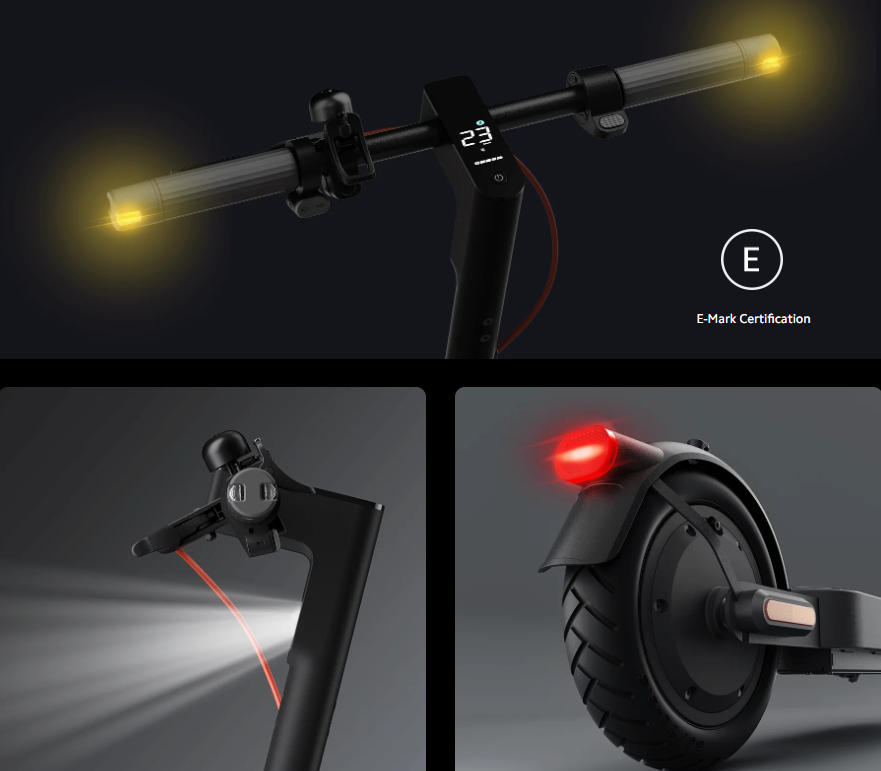
Customers can choose between three modes and the scooter features a 468Wh battery with a range of 60km. A display is present at the center of the handlebars and shows the current speed, as well as battery status. The scooter also features 10-inch wide tires, automatic lights, and indicators. It has a carbon steel frame and can fold in half for easier transportation.

The Xiaomi Electric Scooter 4 Pro (2nd Gen) is available in Germany at a discounted price of €499.99 ($540) but its original price is €549.99 ($593). In the UK, the scooter is priced at £449.99 ($565). The scooter has also appeared in product listings in France, Spain, and Sweden but the product is not yet available in these countries.

RELATED:

(source)

Oppo launched the first K series phone that reaches 2100 nits of peak brightness

Oppo K12 was launched in China towards the end of last month. Now the company has launched another K series smartphone – the Oppo K12x. The phone comes in two different colors – titanium air gray and condensed green. Now let’s take a look at what the phone has to offer.

Oppo K12x (Credit: Oppo)

OPPO K12x specifications and features

The Oppo K12x weighs around 191 grams and is 8.1mm in thickness. Looking at the front you will see a 6.67-inch FHD+(1080×2400) flat AMOLED panel with thin bezels (92.2% screen-to-body ratio). The display reached 600 nits in normal lighting conditions and 1200 nits in outdoor environments with strong lighting conditions. The panel can even reach 2100 nits of local peak brightness during certain scenarios like HDR video playback. Speaking of colors, the panel covers 100% sRGB and DCI-P3 color gamut rating and can switch between 120Hz and 60Hz refresh rates.

On top of that, the touch controls also work with wet hands and the hardware level low blue light emission solution ensures eye safety.

The Oppo K12x runs on Snapdragon 695 5G chipset which is fabricated on TSMC’s 6nm process. It is paired with LPDDR4x RAM and UFS 2.2 storage. To power the system, the phone equips a 5500 mAh battery and supports 80W fast charging. The company promises 4 years of smooth experience under normal usage.

It offers a dual camera setup on the back – a 50MP main camera with f/1.8 and 5P lens, paired with a 2MP depth sensor. It also equips a 16MP camera on the front.

Pricing and availability

The phone goes on pre-sale starting today in China and is expected to hit the shelves on May 20. It is available in three different storage and memory configurations:

  • 8GB+256GB: 1299 yuan (~$179)
  • 12GB+256GB: 1,499 yuan (~$207)
  • 12GB+512GB: 1799 yuan (~$248)

Related:

Xiaomi Human Body Sensor with three years of battery life launched under crowdfunding

The Xiaomi Human Body Sensor has been announced in China via a crowdfunding campaign. The new Xiaomi Human Body Sensor is the latest gadget to be integrated into the Xiaomi smart home ecosystem. The Xiaomi smart home ecosystem is comprehensive already but the company has further introduced another great product into the system.

Xiaomi Human Body Sensor

Features

Previously, third-party human body sensors were integrated into the Xiaomi smart home ecosystem. With the introduction of the new Xiaomi smart Human Body Sensor, users can now get the full complement of the Xiaomi smart home ecosystem. It is smaller than most of the human body sensors currently on sale and can be easily placed in hidden locations. The smart human body sensor gets power from a CR2450 battery. The battery can last for up to three years and there is no need to be bound by wiring.

The gadget uses an ultra-low-power millimeter-wave radar that can capture breathing, chest budges and other small movements, and other small movements. It also features a deep fusion algorithm infrared sensors and infrared rapid response sensors for static and motion detection. It also features a built-in illumination sensor which controls the lighting of the gadget. The Xiaomi Human Body Sensor can achieve dynamic and static sensing, as well as 130 degrees ultra-wide-angle sensing. There are powerful magnets on the device and a solid adhesive base for ease of installation anywhere. You can also flexibly adjust the detection angle for the device.

Xiaomi Human Body Sensor

Pricing & Availability

The Xiaomi Human Body Sensor is available on Xiaomi Mall and Xiaomi Youpin, with the crowdfunding campaign commencing on May 15. The crowdfunding price of the gadget starts at 119 yuan ($17), but the original price starts at 149 yuan ($21).

Realme GT 6T Teased: 10 minutes charging for full day use

The Realme GT 6T is set to be released in India next week. But ahead of the official announcement, the company has yet again shared another teaser for this device. This highlighted the upcoming smartphone’s massive battery and blazing fast charging speeds. So let’s have a look.

Realme GT 6T: Big Battery & Fast Charging

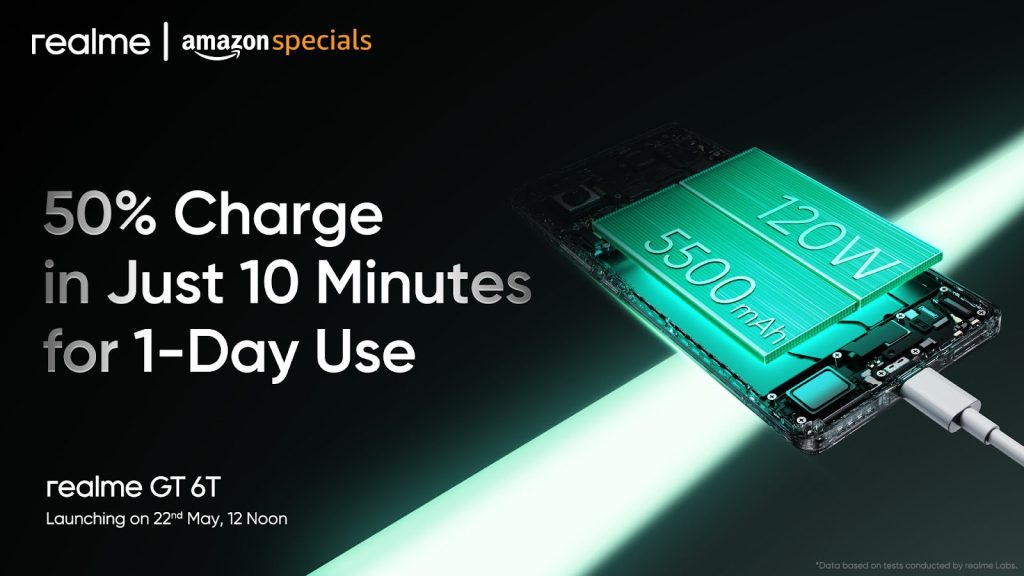
The Chinese brand’s latest teaser confirmed that the Realme GT 6T will be powered by a massive 5,500mAh battery pack. It also supports an impressive 120W fast charging. This is notable for an upper mid range smartphone. The company even claims that the device can offer you a full day of use on just 10 minutes of charging.

Realme GT 6T

This is a tall claim since it is only true if you can stretch the battery life with just a 50 percent charge. The 120W SuperVOOC charging is offered via the brand’s 120W Gallium Nitride charger, which promises to be compact and come with efficient heat dissipation. The battery pack itself is also divided between two halves of 2750mAh cells that allow for doubling the charging power, as per Realme.

To recall, Realme will be unveiling the GT 6T in India on 22nd May 2024. It will arrive with the Premium Nano Mirror Design. This model is expected to be the first device to be powered by the Qualcomm Snapdragon 7+ Gen 3 SoC in the region. So stay tuned for more as we will be covering the launch event next week.

RELATED:

Xiaomi 15 series makes first (sort of) official appearance

New details about the upcoming Xiaomi 15 series keep popping up regularly, and this time, they’re from what seems to be an official source – the IMEI database. Though it’s not a full reveal, the sightings give us some hints about Xiaomi’s upcoming flagships.

Android Headlines spotted entries for Xiaomi 15 devices within the database. The standard Xiaomi 15 appears with three model numbers: 24129PN74G, 24129PN74I, and 24129PN74C. The Xiaomi 15 Pro carries the model number 24101PNB7C. Notably, the first four digits of these numbers likely point to an estimated launch date.

Interestingly, the model number for the Xiaomi 15 Pro (24101PNB7C) appears to indicate an October 2024 launch (“2410” signifying October) while the vanilla Xiaomi 15 might launch sometime in December. 

Xiaomi mostly jointly launches its Pro and vanilla flagships, but things could change this time around. The report also suggests that the Xiaomi 15 Pro might be exclusive to the Chinese market, just like the Xiaomi 14 Pro. The standard Xiaomi 15, on the other hand, will likely see a global launch.

The IMEI database also throws up another interesting tidbit – a “Xiaomi 15 Pro Ti Satellite” with the model number 2410DPN6CC. This suggests a Pro variant with titanium frames and satellite connectivity. But it also seems to be China-exclusive based on the ending “CC.”

It’s worth noting that Xiaomi isn’t new to titanium frames, with the Xiaomi 14 Pro already featuring one. Similarly, satellite connectivity isn’t a first for the brand either, having been offered on the 14 Pro and 14 Ultra in China. The Xiaomi 15 Pro Satellite appears to be a continuation of this trend.

Related: