Advertisement

Vivo Watch 3 ECG version debuts in China with a premium look

Vivo has launched the new Vivo Watch 3, featuring a stylish black metal case and leather strap. This latest model, presented alongside the Vivo X100 Ultra smartphone, now includes an electrocardiogram (ECG) to check for heart rhythm irregularities.
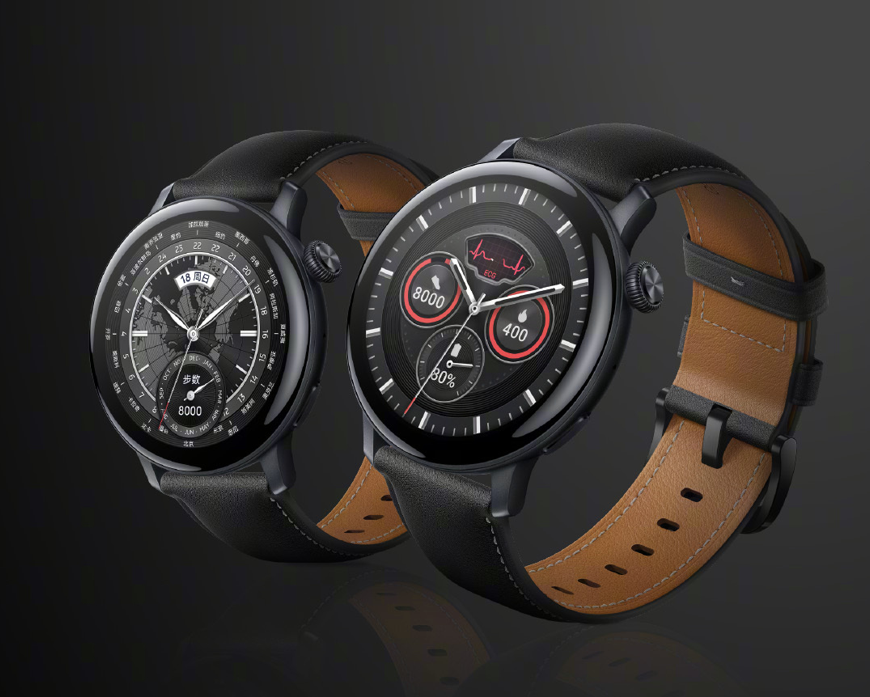
Vivo Watch 3 ECG version

The new ECG feature completes checks in just 30 seconds and is primarily designed to spot conditions like atrial fibrillation. Alongside ECG, the Vivo Watch 3 continues to offer heart rate and blood oxygen level monitoring, supports over 100 sports modes, and tracks cycling and sleep patterns.

Vivo Watch 3 ECG version specs

The watch features a 1.43-inch AMOLED panel, with an Always-on display and up to 100 different watch faces to choose from. The battery life of the Vivo Watch 3 lasts up to 16 days under normal use but drops to about three days when using the always-on display and LTE features. The watch includes NFC for contactless payments and a built-in GPS that works independently of a smartphone.

Availability and Pricing

The Vivo Watch 3 ECG version is currently only available in China priced at 1,499 yuan ($207). The price is expected to rise to 1,699 yuan after the initial offer period ends ($235).

RELATED:

(Source)

Have a Look at the Geekbench 6 Score for the 9-core M4 Chip in the New iPad Pro

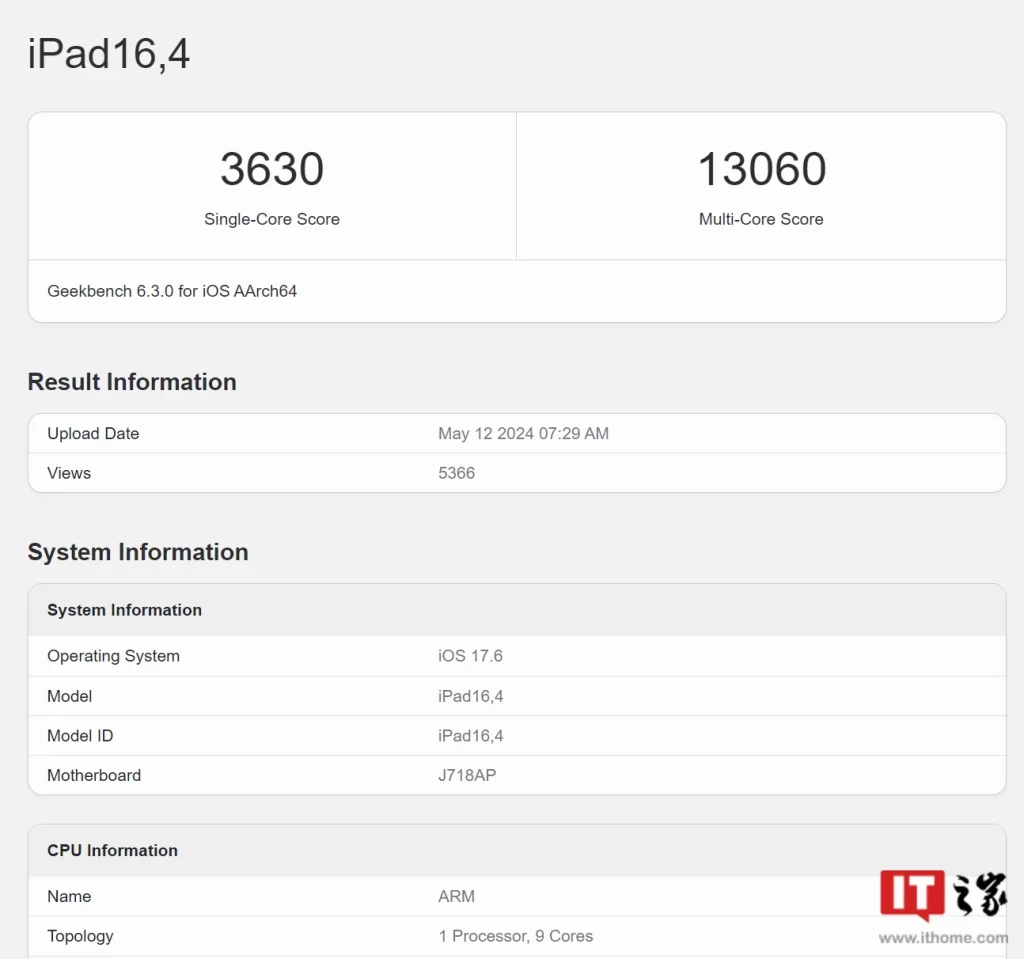
Benchmark leak reveals a 9-core M4 chip variant in the upcoming iPad Pro. This slightly less powerful version scores around 13,000 points on Geekbench 6’s multi-core test, still offering a 13% improvement over the prior M3 chip and a whopping 35% leap over the M2 in the previous iPad Pro.

The 11-inch and 13-inch iPad Pro with 256GB and 512GB storage will have the M4 chip

Here’s a breakdown of the multi-core scores:

10-core M4: 14600 points (estimated)
9-core M4: 13,000 points
8-core M3: 11600 points
8-core M2: 9600 points
Interestingly, the 9-core model seems to be running the unreleased iPadOS 17.6, while the 10-core version is on 17.4. The first iPadOS 17.6 public test might be coming soon.

Geekbench iPad Pro

Storage capacity also determines the M4 chip variant. The upcoming 11-inch and 13-inch iPad Pros with 256GB and 512GB options will get the 9-core M4, while the 1TB and 2TB models pack the stronger 10-core version. All iPads will have 10-core GPU graphics processors.

The official launch of the new iPad Pro is set for Wednesday.

RELATED:

(Via)

ASUS’s ROG Tessen Mobile Game Controller is Here, and the Foldable Design is Quite Interesting

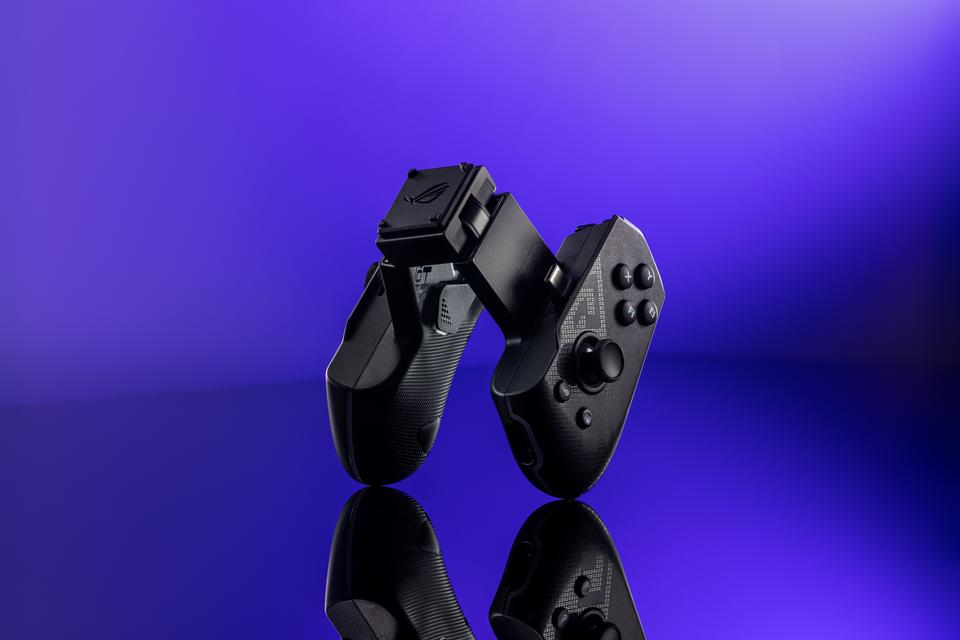
The ASUS ROG Tessen mobile game controller, unveiled earlier this year, is finally here. This unique controller boasts a foldable design for easy portability, weighing just 136 grams. ASUS claims it’s the market’s first foldable option, perfect for mobile gaming on the go. The game controller was previously leaked, check out our coverage here!

The controller’s RGB lighting effects are also a nice touch to the overall aesthetic

The Tessen packs features to enhance your mobile gaming experience. It includes aluminum alloy programmable back keys for customization, rubber support pads compatible with most phone cases (thickness 7-14.5mm), and a console-level joystick for precise control (18mm height, 22° range of motion). Mechanical micro switches ensure responsive cross keys and ABXY buttons, while a USB Type-C interface allows for connection and 18W pass-through charging. For a personalized touch, the Tessen also features Aura RGB lighting effects.

ASUS ROG Tessen

ASUS has yet to reveal the Tessen’s price and exact release date, but stay tuned to Gizmochina for future updates!

RELATED:

(Via)

ChatGPT Now has a Desktop App for Mac Users, Windows Version to Follow Later

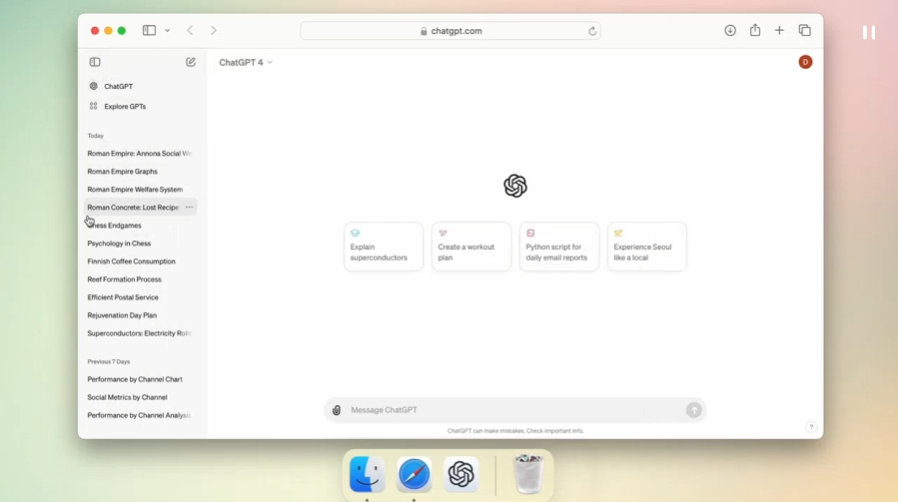
OpenAI has released a bunch of updates for ChatGPT, including a desktop app, improved interface, and a powerful new language model. Mac users with Plus subscriptions get early access to the new ChatGPT desktop app, with wider access coming soon. A Windows version is planned for later this year. This app integrates with your workflow, letting you minimize it and ask questions about what’s on your screen through text or voice. You can simply press Option + Spacebar to ask questions, and even take screenshots and discuss them within the app.

OpenAI is making GPT-4o available to all users free of charge

OpenAI has also streamlined ChatGPT’s web interface for a more natural and user-friendly experience. The goal is to minimize interface friction and let users focus on collaborating with ChatGPT.

Finally, OpenAI is making its new, powerful large language model GPT-4o available to all users, free of charge. This upgrade promises significant improvements in ChatGPT’s capabilities.

These updates position ChatGPT as a more versatile and accessible tool, empowering users with a powerful language model and a desktop app for a smoother workflow.

RELATED:

(Via)

Unveiling the Zhiji L6, A Feature-Packed Electric Sedan with a Solid-State Surprise

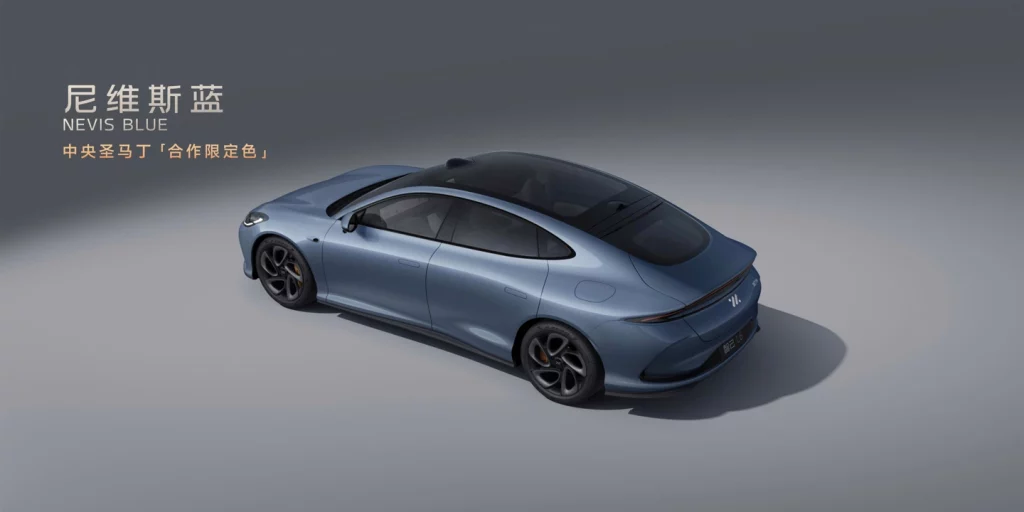
Zhiji Motors has launched its second electric sedan, the L6. The car is packed with innovative tech and it L6 boasts five variants offering varying ranges, performance levels, and price points (starting at ¥199,900). The nearly 5-meter long L6 boasts a spacious interior with a panoramic roof and four-door double-layered silent glass. It comes in seven colors, including a unique collaboration shade called “Nevis Blue.”

Thanks to the new chassis, the car can crab walk and has a small turning radius

The L6 debuts the “Skin Lizard” chassis system, a first in China. This intelligent system manages all six degrees of freedom of the car, enabling “crab walking” maneuvers and a tight turning radius (less than 5 meters). This tech is claimed to enhance parking, stability, and emergency maneuvers.

Zhiji L6 Electric

Inside, the L6 features a triple screen setup with a massive 26.3-inch main display and a vertical 10.5-inch control screen. The car offers driver-assistance features like automatic parking and highway driving assistance. Additionally, it boasts a “new generation of ISC smart light language system” that displays messages like “Auto Driving” to enhance safety.

The L6 comes in rear-wheel drive and four-wheel drive configurations. It offers three traditional battery options with ranges exceeding 650km and a groundbreaking “Lightyear” solid-state battery option with a targeted 1,000km range (CLTC). This battery boasts ultra-fast charging, reaching 400km of range in just 12 minutes. Power options range from a single motor with 216kW to a dual-motor setup with a combined output of 579kW, enabling a 0-100 km/h sprint in a scorching 2.74 seconds.

The Zhiji L6 arrives loaded with features, promising exceptional performance, range, and futuristic tech, making it a strong contender in the electric vehicle market.

RELATED:

(Via)

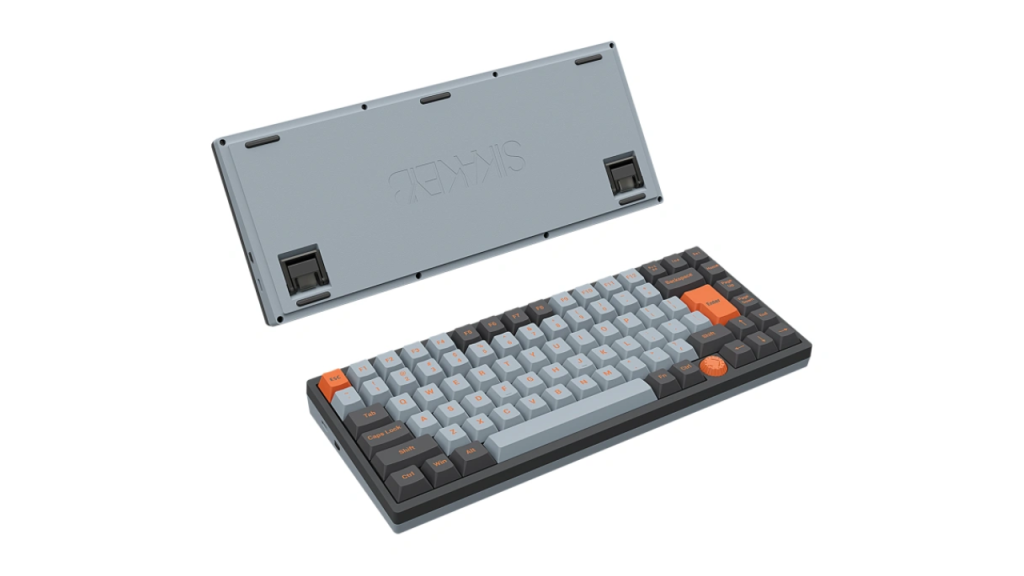
Sikakeyb launches Castle CK75 mechanical keyboard with Gateron Magnetic Jade switches, RGB lighting

Sikakeyb has launched the Castle CK75 mechanical gaming keyboard, designed with a focus on competitive gaming. This model is set at a retail price of $216.99 and is available in Yellow and Grey color variants. Let’s check out its key specs.

Sikakeyb Castle CK75 Keyboard

Sikakeyb Castle CK75 Keyboard Specifications:

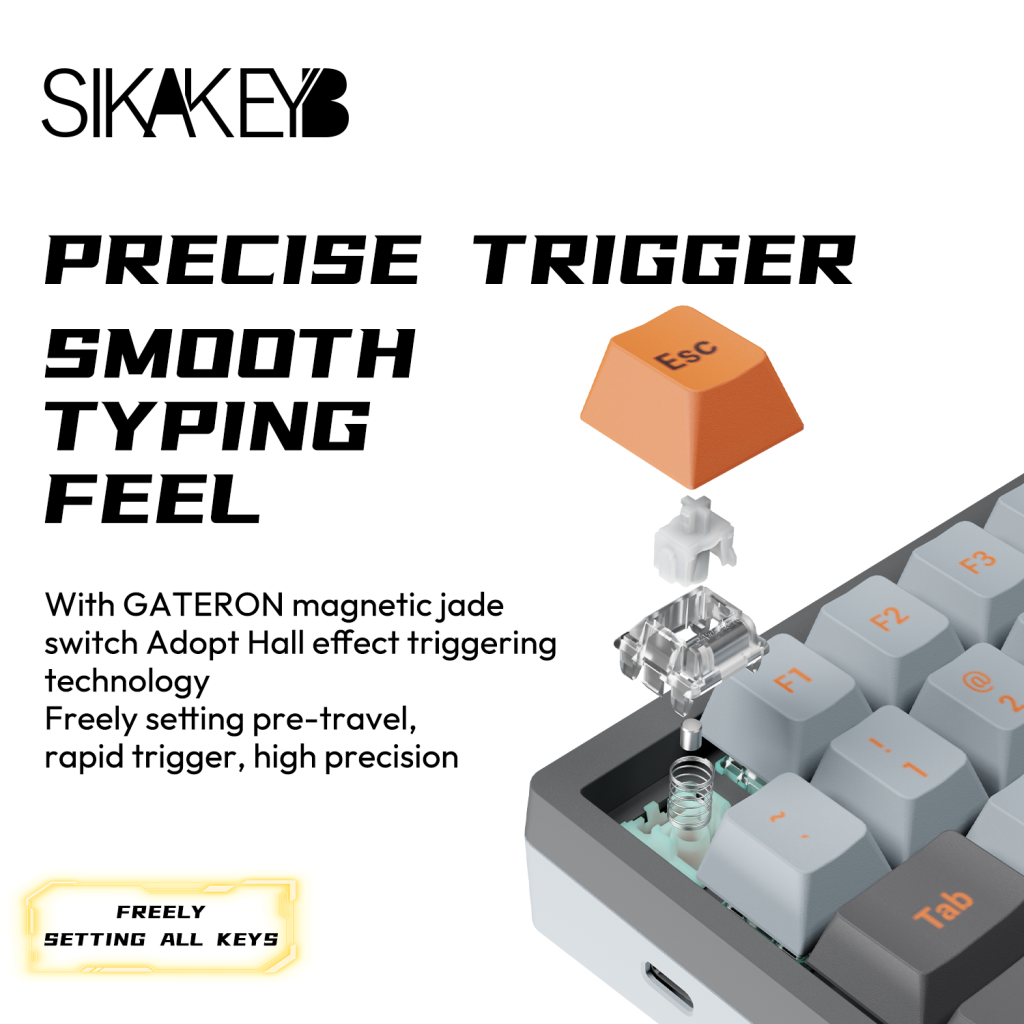
The Castle CK75 features an 83-key Tenkeyless (TKL) layout and is equipped with the latest generation of Gateron Magnetic Jade Switches, which are known for their rapid triggering capabilities and dynamic keystroke adjustments. In terms of dimensions, the keyboard measures 315.75 x 129.25 x 28.63mm and weighs approximately 805 grams, offering a compact yet robust design.

The mechanical keyboard features advanced trigger adjustment capability. It allows for a highly precise adjustment of the trigger point, with an accuracy of 0.01mm, within a range of 0.04mm to 4.0mm. This feature enables users to tailor their typing experience from an instantaneous response to a more laid-back feel, depending on their personal preferences or gaming needs.

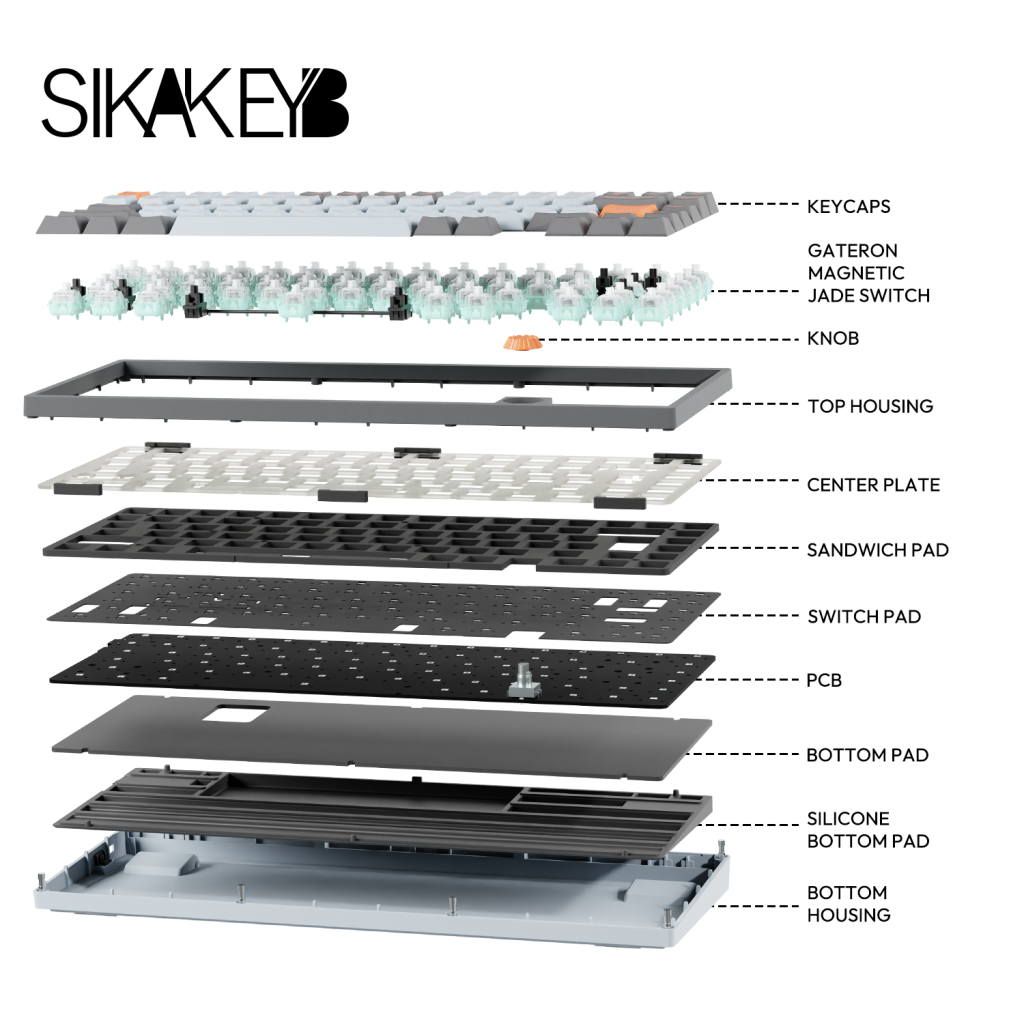
The keyboard also offers a smooth typing experience, thanks to its magnetic switches which provide silky smooth feedback. Additionally, the keyboard is built with a gasket-mounted internal structure. This design helps to absorb the pressure of keystrokes and is complemented by multiple layers of internal padding including silicone and PORON materials, which enhances the overall comfort and reduces the sound of keystrokes.

For those who appreciate aesthetics as much as functionality, the Castle CK75 does not disappoint. It features dynamic RGB backlighting with multiple lighting effects that can be customized and adjusted. The keycaps are made from high-quality PBT material using dye-sublimation for lasting durability, and the chassis is constructed from sturdy ABS material.

The connectivity of the Castle CK75 is via a single-mode Type-C wired connection that supports an 8000Hz polling rate, ensuring a low-latency performance that is essential for competitive gaming. Moreover, the keyboard is compatible with the HM Solution Driver Software, which allows for further customization of the magnetic trigger points and RGB backlighting.

RELATED:

Sony Xperia 10 VI Expected Features: More Power, New Cameras in a Familiar Compact Package

Sony is gearing up to launch its next generation of Xperia smartphones, and the Xperia 10 VI is shaping up to be a compelling option in the mid-range market. While the official reveal is set for May 15th, leaks and rumors have painted a clear picture of what to expect from this upcoming device.

Sony Xperia 10 VI

1. Design and Build

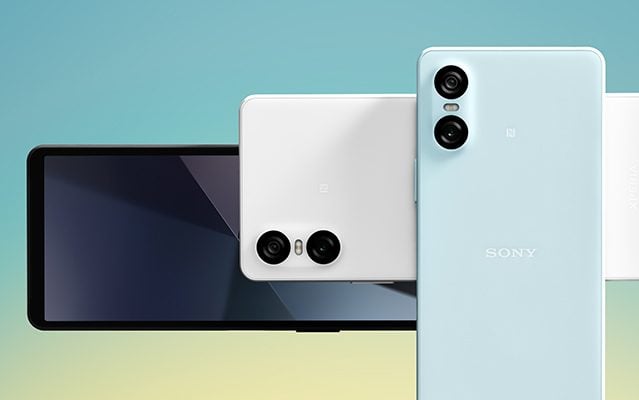
The Xperia 10 VI is likely to retain the design of the Xperia 10 V. This means the device will feature the unconventional long-form factor with thick bezels housing the front-facing stereo speakers. Leaked press renders showcase the phone in three colors: Black, White, and Light Blue.

The back panel undergoes a significant change with a new camera layout. Unlike its predecessor, the Xperia 10 VI ditches the triple camera system for a dual camera setup with an LED flash in the middle. The volume rocker and power button with integrated fingerprint sensor remain conveniently located on the right side. The phone is expected to retain the beloved 3.5mm headphone jack on the top edge.

Durability is a strong point for Sony phones, and the Xperia 10 VI is no exception. Leaks suggest it will maintain the IP65/IP68 ratings for dust and water resistance, offering peace of mind against the elements. Sony will likely offer various protective covers for those who want extra security for their device.

2. Display

The Xperia 10 VI is rumored to retain the tall 21:9 aspect ratio display that Sony is known for. However, there might be a slight increase in width compared to the Xperia 10 V. While the exact resolution remains unconfirmed, it is expected to be an OLED panel, offering excellent contrast and viewing angles. The refresh rate details are unknown but since it is launching in 2024, at least a 90Hz display is expected. Its previous iteration featured a 60Hz display.

3. Performance

Under the hood, the Xperia 10 VI is expected to pack a Qualcomm Snapdragon 6 Gen 1 SoC. This is a significant upgrade from the Snapdragon 695 found in the Xperia 10 V, offering a performance boost for everyday tasks and multitasking. The 4nm manufacturing process of the Snapdragon 6 Gen 1 should also improve power efficiency, potentially leading to even better battery life.

The leaked Geekbench benchmark scores hint at a noticeable performance improvement, particularly in the multi-core department. This translates to smoother performance when running demanding applications and games. With 8GB of RAM expected, the Xperia 10 VI should offer good multitasking capabilities as well.

4. Camera

The camera department is where the Xperia 10 VI sees the most significant changes. Sony has ditched the telephoto lens found on the Xperia 10 V, opting for a dual-camera setup. The primary sensor is rumored to be a 50MP LYT600 sensor with a larger 1/2-inch size, promising better low-light performance and image quality. The secondary sensor is a 50MP LYT500 ultra-wide sensor, offering a broader perspective for capturing landscapes and group shots.

While the lack of a dedicated telephoto lens might be a concern for some users, Sony is rumored to be implementing a 2x zoom option using the high-resolution main sensor. How this zoom functionality translates to image quality remains to be seen. The Xperia 10 VI will also likely feature a single front-facing camera for selfies and video calls.

5. Battery and Storage

The Xperia 10 VI is expected to retain the impressive 5000mAh battery from its predecessor. This, coupled with the potentially more power-efficient Snapdragon 6 Gen 1 SoC, should translate to excellent battery life. Sony has yet to reveal any details about fast charging capabilities, but it’s safe to assume the Xperia 10 VI will support at least 30W fast charging, similar to the Xperia 10 V.

Storage options are also unconfirmed, but it is expected to come with 128GB of inbuilt storage for the base variant. The phone will likely offer expandable storage via a microSD card slot.

6. Software

The Xperia 10 VI is expected to launch with the latest Android 14 operating system out of the box. This translates to access to the newest features and functionalities from Google. Sony is known for providing a clean and bloatware-free software experience, so users can expect a near-stock Android experience with minimal pre-installed apps.

7. Launch and Availability

Sony has officially scheduled a product launch event for May 15th, where the Xperia 10 VI is expected to be unveiled alongside its flagship sibling, the Xperia 1 VI (check out the expected features of Xperia 1 VI). Specific details about pricing and availability are yet to be revealed, but we can expect Sony to announce them during the launch event.

RELATED:

Samsung Galaxy Watch 6 Classic is up for grabs at a jaw-dropping price

If you’re looking for a good WearOS-based smartphone, then here’s the best offer on the Samsung Galaxy Watch 6 Classic. It is available for a price of $266, consisting of a $133 discount on top of $399. The price is for the 47mm Galaxy Watch 6 Classic in black, which usually retails for $399.

There’s another option of a silver variant with a white strap, it is available for a slightly higher price,i.e., $285. It is also down from the normal price of $399.

Please Note: When you buy something using the links in our articles, we may earn a small commission at no cost to you.

Samsung Galaxy Watch 6 series is the latest iteration from the Korean giant in the wearables market. It brings an OLED touchscreen with an with an IP68-certified and military-grade design. It does have a 5ATM rating, which confirms it is suitable for swimming and water-based activities. On top of that is the rotating bezel, which enables easy navigation. It is a kind of tactile control that is always better than touch control in any case.

The watch offers the ability to measure blood pressure, heart rate, and body temperature. It is capable of generating ECG reports and can even offer information about VO2 Max and stress. Further, there’s support for sleep monitoring and other usual features that are present in its predecessors.

In order to use the smartphone with all its features, the buyer should have a Samsung Galaxy smartphone. Otherwise, the user has to compensate for some of the features. The connectivity segment supports WearOS, WiFi, 4G, NFC, GPS, and Bluetooth 5.3.

It is a good deal and worth considering if you’re planning to grab a powerful and useful smartwatch with better support.

Related:

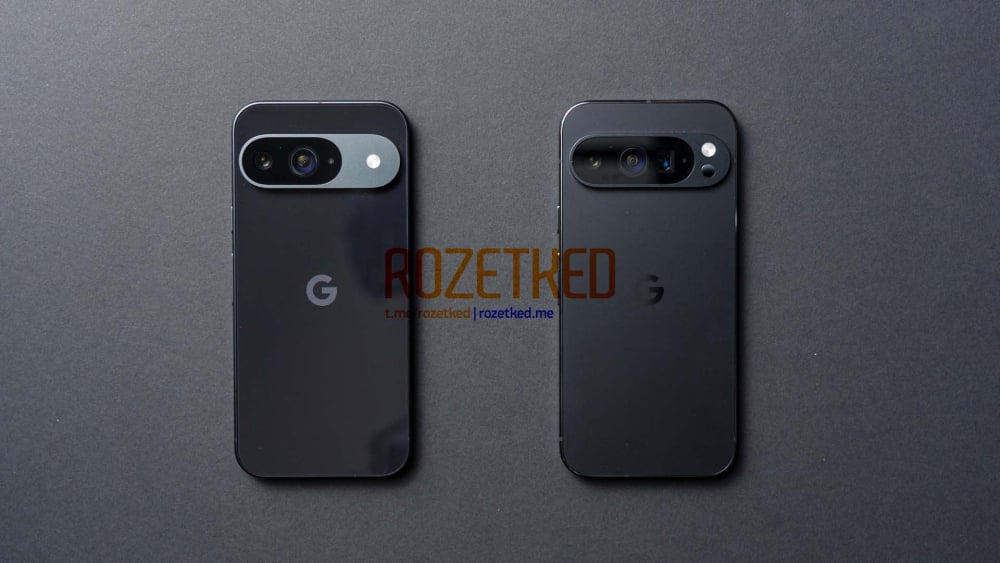
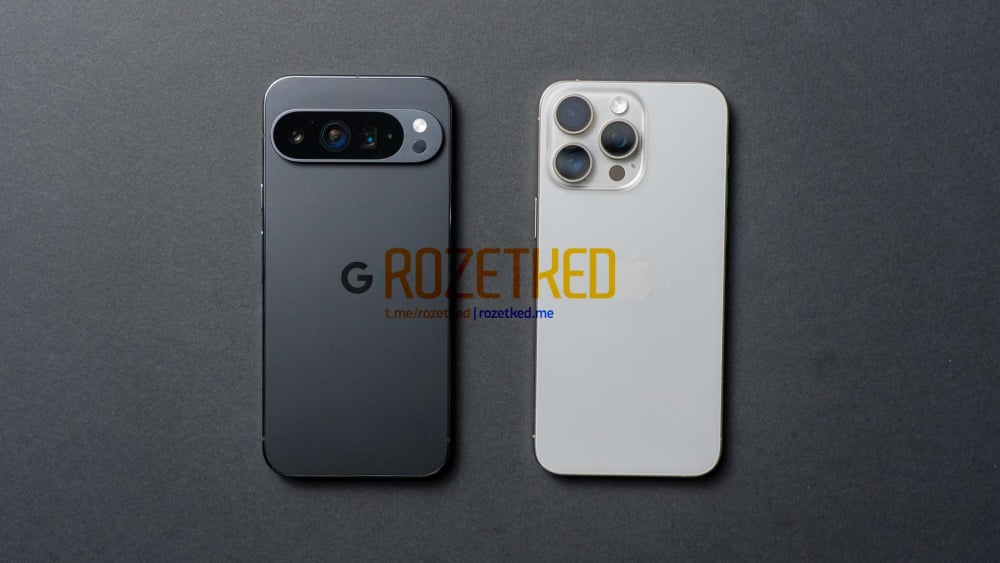
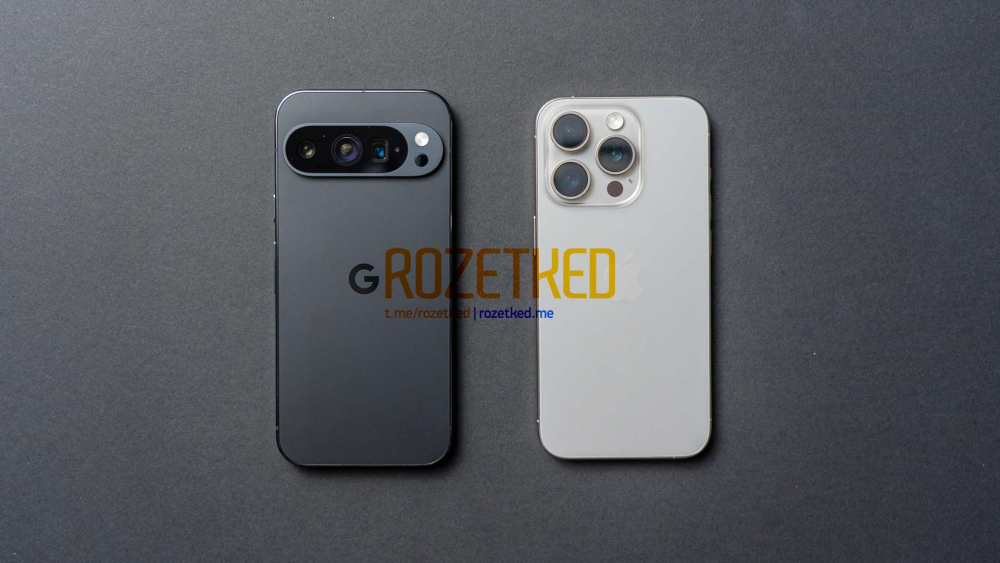
Pixel 9 series hands-on images leaked, the compact Pro is finally here

The compact Pixel is finally here! Rumors suggested for quite some time that Google was about to unveil a more compact Pro model, and now it’s finally here: Pixel 9 Pro and Pixel 9 Pro XL. While we can’t call it “official” yet, the leaks reveal the hands-on images of upcoming Pixel series. The introduction of two distinct Pro models isn’t entirely unprecedented, as Apple has been following a similar strategy with its iPhones, releasing “Pro” and “Pro Max” models that boast superior camera hardware.

Pixel 9 series hands-on images

According to Rozetked‘s leaks, the Pixel 9 series features three different models: Pixel 9 (Tokay), Pixel 9 Pro (Caiman), and Pixel 9 Pro XL (Komodo). As per Rozetked’s details, they have the Pixel 9 coming with a 12GB+128GB RAM and storage, while the Pixel 9 Pro models have a 16GB+128GB configuration.

Considering that 128GB is now the minimum storage option in today’s smartphone market, it’s quite pleasing to see the regular Pixel 9 come with 12GB of RAM, especially since all storage and RAM configurations of the Pixel 8 came with 8GB of RAM only.

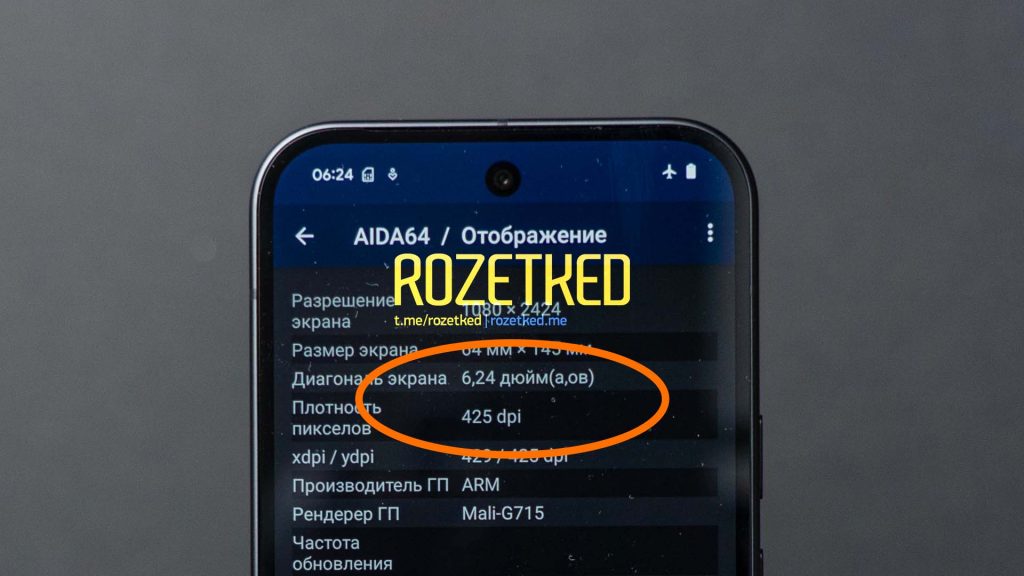
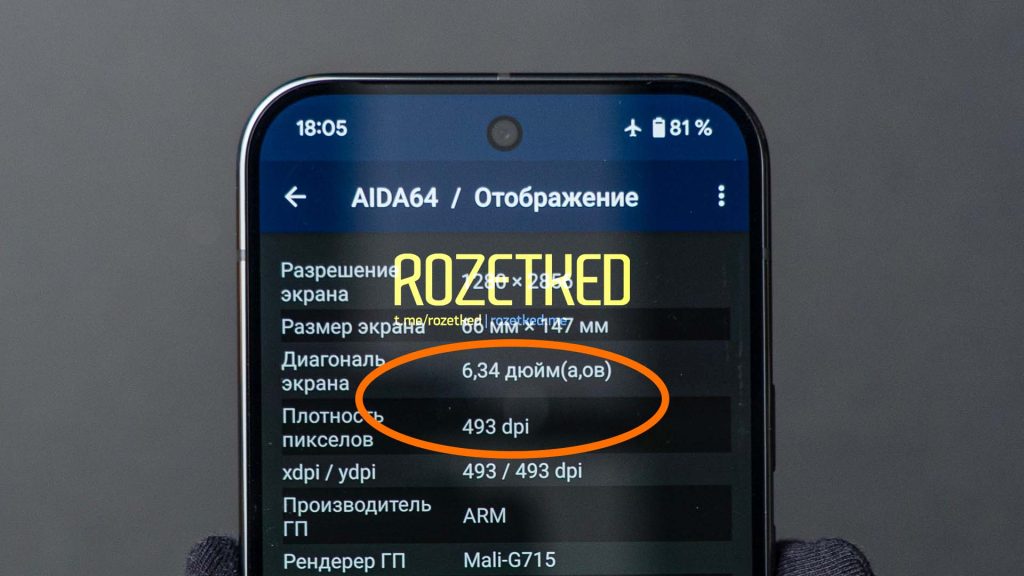
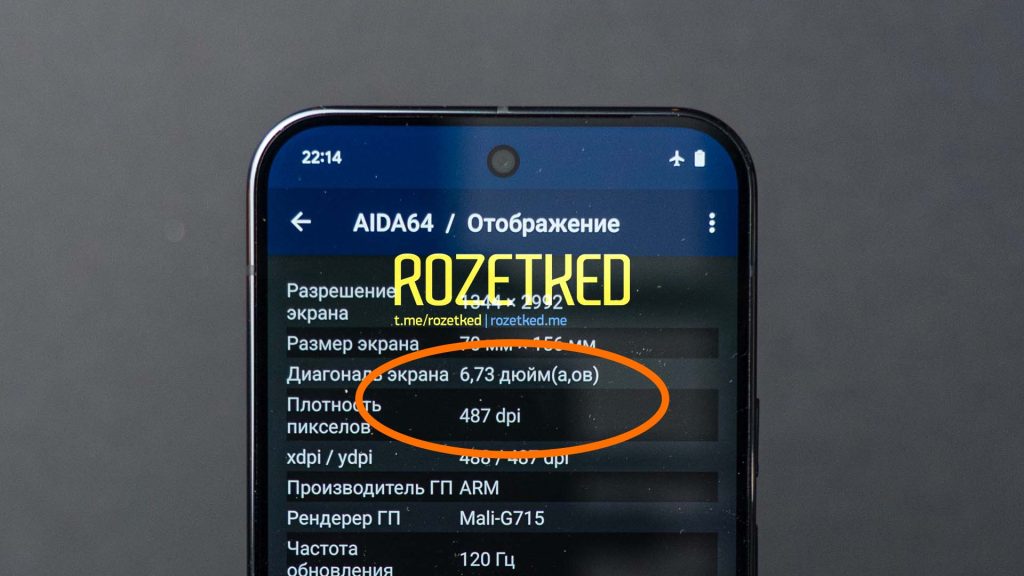
Pixel 9 features a 6.24-inch screen, Pixel 9 Pro has a 6.34-inch screen, and Pixel 9 Pro XL comes with a 6.73-inch screen. Considering that the regualr Pixel 8 had a 6.20-inch screen, it’s noteworthy that Google now offers Pro cameras and maintaining the compact size at the same time. Additionally, PPI values of the screens are 425, 493, and 487 respectively. Furthermore, the bezels of the Pixel 9 are slightly thicker compared to the Pro models. All phones displays’ feature a 120Hz refresh rate.

While the regular Pixel 9 comes with a 0.5x and 1x dual-camera setup. Pixel 9 Pro and Pixel 9 Pro XL feature a triple-camera setup consisting of 0.5x, 1x, and 5x lenses (all cameras are 50 MP). Additionally, while the Pixel 9 lacks UWB, the 9 Pro and 9 Pro XL support it.

Related:

Zuckerberg says power shortage could be the next bottleneck in AI development

Meta CEO Mark Zuckerberg recently shared his thoughts about the growth and future of data centers that focus on the development of AI in an interview. According to him, the shortage of AI accelerator cards is in the process of being alleviated. He noted that it was a big issue over the last few years to get the GPUs that are key to the development of artificial intelligence models due to supply chain shortage. Now it is in the process of being alleviated.

The investment in data centers is still growing exponentially. For example, Chinese smartphone manufacture Meizu have lately shifted its focus from smartphone to the development of AI and is also likely building the infrastructure key to the development.

However, as more and more companies are starting to build their data centers and focus on AI development, the power requirement to run the data centers could become the next bottleneck.

He gave an idea of the power requirements of data centers. Currently, the overall power consumption of a newly built single data center can reach 50~100MW, or even 150MW. He believes that it will grow in the future and there could be single data centers with a power requirement of 300MW to even 1GW. For context, it is the equivalent generation capacity of a meaningful nuclear power plant.

On top of that, building new power plants and the transmission system is a “very heavily regulated government government function.” It means that approvals for the construction of supporting energy facilities (including power stations, substations, and power transmission systems) for large data centers will be slower and it could result in a bottleneck to the development of data centers.

In short, the energy industry is different from AI development, where capital investment cannot reap results in a short period of time, and the development of new power stations is much slower than the data center itself. Notably, digital infrastructure investment management company DigitalBridge also holds a similar view. It recently stated at its earnings conference that the company will run out of power quotas within the next 1.5 to 2 years.

Related:

(Source)

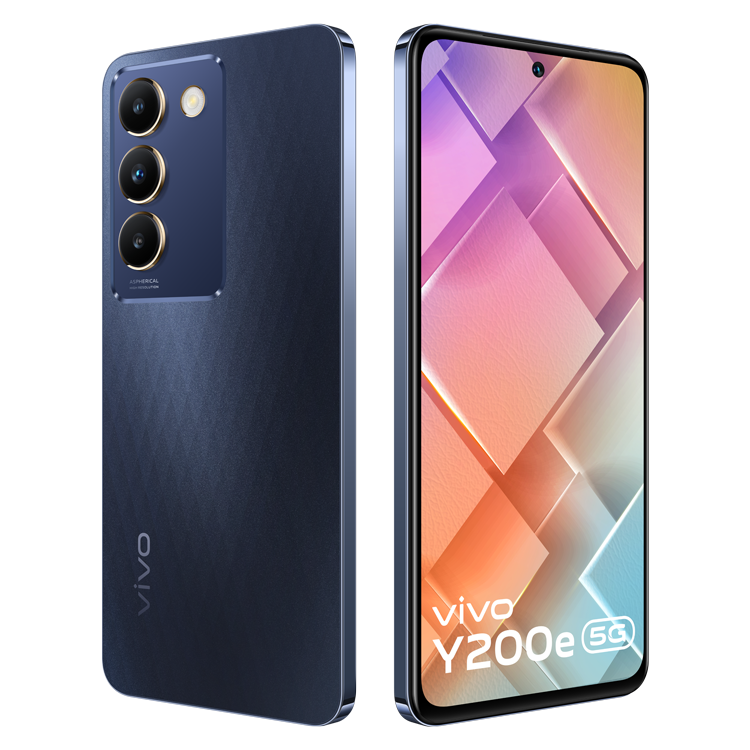
Vivo Y200 Pro price range & specs tipped ahead of launch

Vivo is planning to launch the Y200 Pro smartphone in India in the coming days. Certifications and Google Play Console listing have revealed that it is more than likely a rebrand of the Vivo V29e.

Vivo Y200e 5G -  Black Diamond
Vivo Y200e 5G

Now, 91mobiles has revealed some of its key specs, as well as its price range. As per the publication, the Vivo Y200 Pro will launch in the Indian market with a price tag under the Rs 25,000 mark. Currently, the Vivo V29e also has a starting price tag of below Rs 25,000.

Moving on to the specifications part, the Vivo Y200 Pro will likely feature a 120Hz 3D curved AMOLED display. The primary camera will come with an anti-shake camera featuring optical image stabilization technology. The phone’s camera system will reportedly feature upgrades in photography and portraits. That being said the device will still feature the aged Snapdragon 695 chip, instead of the new and improved Snapdragon 6 Gen 1 chip. Other details are still under wraps.

Vivo Y200 Pro expected specs:

Going by the assumption that the Vivo Y200 Pro does turn out to be a rebranded Vivo V29e, we can expect it to feature a 6.78-inch curved-AMOLED display with FHD+ resolution, 120Hz refresh rate and a peak brightness of 1300 nits.

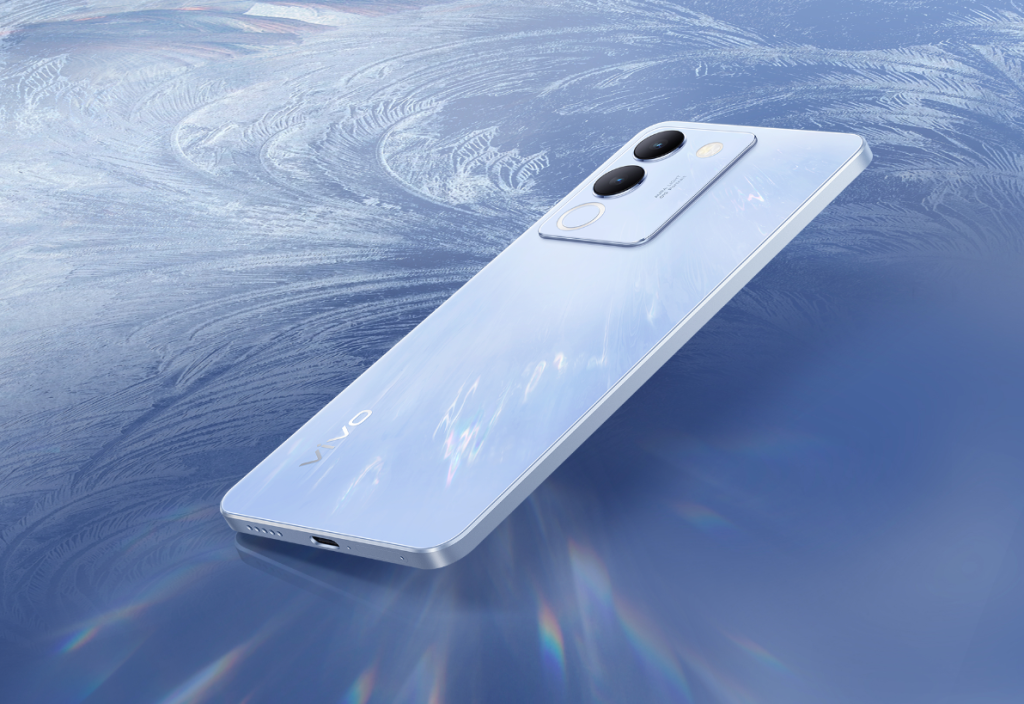
vivo V29e global
Vivo V29e

For optics, it could feature an OIS-assisted 64MP primary sensor, an 8MP ultrawide camera, and a 50MP selfie snapper. The hardware could draw power from a 5,000mAh battery that supports 44W fast charging.

Vivo will likely confirm details about the Y200 Pro in the coming days. Till then, we suggest readers take these above-mentioned specifications with a grain of salt and stay tuned for more.

RELATED:

(Source)

Huawei Mate 70 series to come with a “super core” Kirin chip

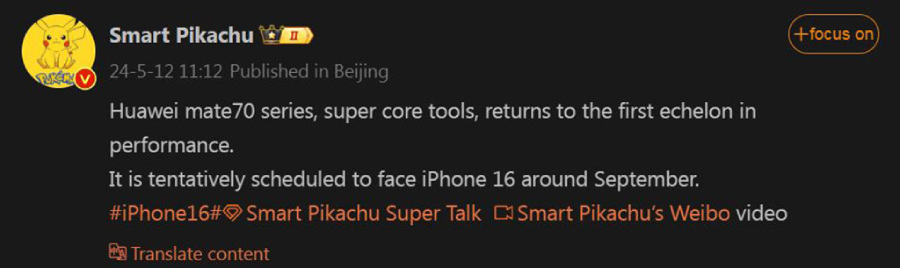
A fresh new leak about the Huawei Mate 70 series suggests major improvement in performance thanks to an alleged “super core” Kirin chip. Words for it come from Weibo tipster @SmartPikachu, who claims that the new Kirin SoC could elevate the Mate 70 to the top ranks in terms of performance.

The exact nature of the “super core” remains unclear. It’s possible Huawei might implement a revamped core configuration within the Kirin chip specifically for the Mate 70. However, details are scarce at this point.

Performance rumors for the Mate 70 aren’t new. Earlier leaks hinted at a Kirin benchmark score exceeding 1.1 million points, possibly placing in line with the Snapdragon 8+ Gen 1. While lacking specifics, these leaks suggest a noticeable performance improvement for Huawei’s upcoming flagship phones.

Additionally, the tipster hints at a possible launch timing clash between the Mate 70 and the iPhone 16 series later this year. While an October or September release for the Mate 70 is not confirmed, it could set the stage for a showdown between these tech giants upon their respective launches.

The Mate 70 series is also rumored to be the first to come pre-installed with Huawei’s new HarmonyOS NEXT operating system. 

The OS will ditch support for Android apps completely and the platform already has over 4000 native apps from Chinese corporations and businesses. That number will grow in the near future. 

Additional leaks suggest Huawei is already ramping up production for the Mate 70, with a target to increase stick by 40-50% compared to the Mate 60 series. However, these claims, along with the aforementioned features, are all leaks and rumors, and official details from Huawei are still forthcoming.

Related:

New BYD Song PLUS DM-i Model unveiled in China with tail mark adjustment and engine upgrade

In the latest release of the “Road Motor Vehicle Manufacturer and Product Announcements” catalog of China, a noteworthy addition has caught the attention of automotive enthusiasts. The report gives details of the new BYD Song PLUS DM-i model, marking the 383rd batch of announcements.

The new version keeps the same overall design as the previous one but makes noticeable changes to the rear details and swaps the “BUILD YOUR DREAMS” logo for the “BYD” emblem. Despite these changes, the vehicle stays the same size, measuring 4775mm long, 1890mm wide, and 1670mm tall, with a wheelbase of 2765mm.

source: BYD

The latest BYD Song PLUS DM-i model now features the “BYD472QC” engine while keeping its 1.5-liter plug-in hybrid setup. However, the engine’s maximum power output has decreased slightly from 81 kilowatts to 74 kilowatts. In contrast, the electric motor in the new model shows an increase in power, capable of delivering up to 160 kilowatts compared to the prior model’s 145 kilowatts.

For prospective buyers, the pricing structure remains competitive and diverse, catering to varying preferences and needs. The existing Song PLUS DM-i Honor Edition, priced at 129,800 yuan, offers a range of options including the 71km luxury model, 110km flagship model, 110km flagship PLUS, 150km flagship PLUS, and 150km flagship PLUS 5G, with prices ranging up to 169,800 yuan.

This comprehensive update highlights BYD’s commitment to innovation and responsiveness to market demands, positioning the new Song PLUS DM-i model as a compelling choice.

Related:

(via)
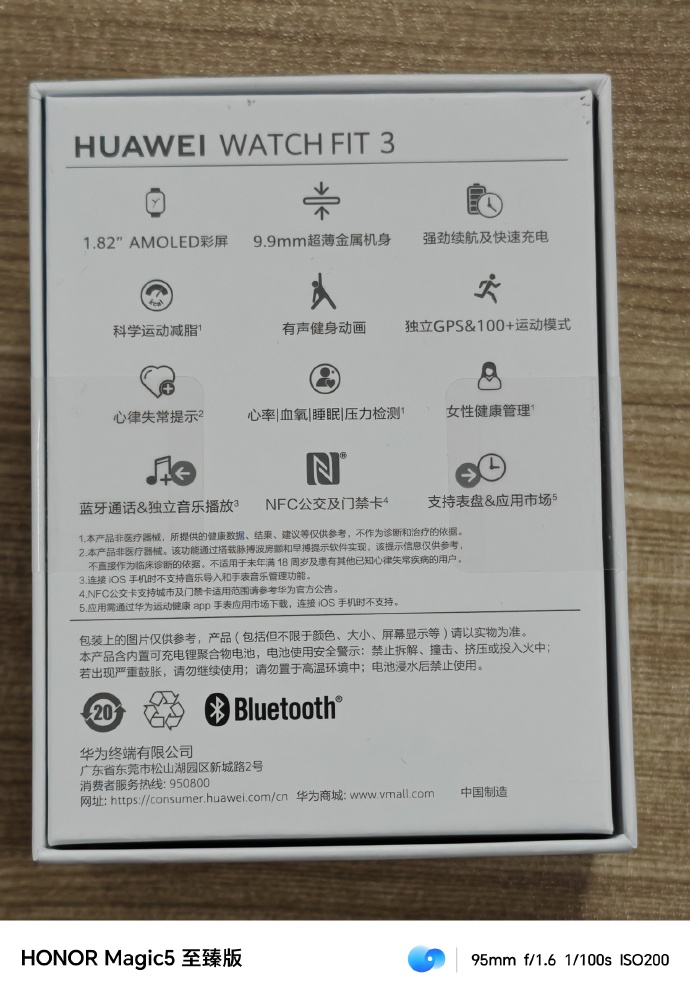
Huawei Watch Fit 3 could disappoint Chinese users due to potential lack of WeChat app

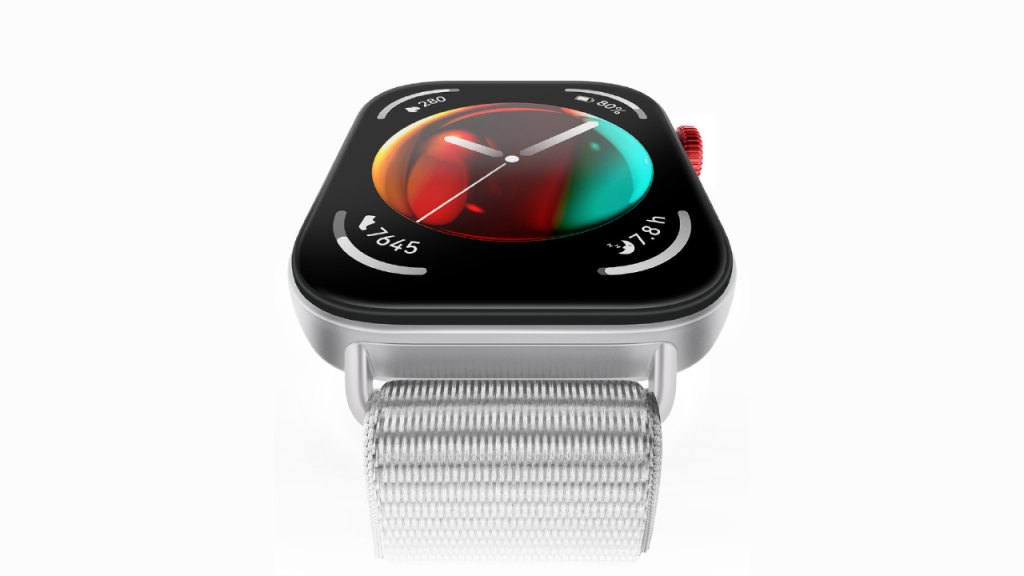
Huawei recently announced the Watch Fit 3 in the global market. The watch sports a sleek design with a 1.82-inch AMOLED display, 1500 nits brightness, and a 77.4% screen-to-body ratio. It promises up to 10 days of battery life. With a starting price of €160, it positions itself as a competitive option in the smartwatch market.

Huawei Watch Fit 3

Early Unboxings Reveal Missing Fan-Favorite Feature

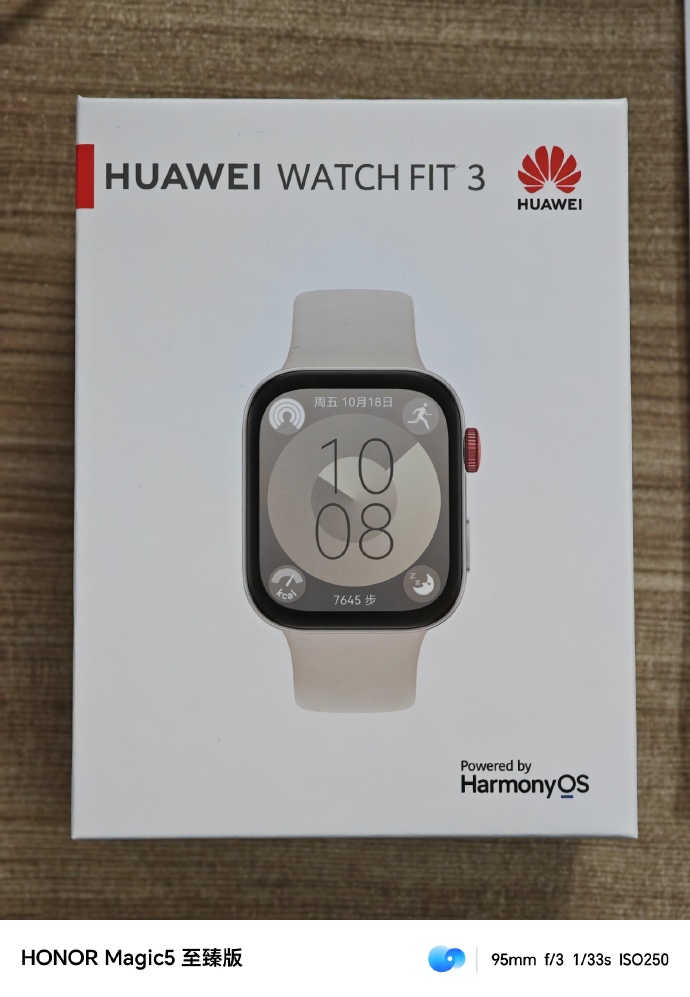
The smartwatch is scheduled to launch in China on May 15th. However, just days before its official China release, the Huawei Watch Fit 3 has hit a snag with fitness tracker enthusiasts. According to Weibo tipster “Uncle who looks at the mountain”, stores unpacking the smartwatch revealed it doesn’t come with the highly anticipated WeChat smartwatch app pre-installed.

Huawei-Watch-Fit-3-may-lack-wechat

This news comes as a blow, considering the dedicated WeChat smartwatch app launched in July 2022. Developed by the WeChat team itself, it boasted features specifically designed for smartwatch users, including voice-to-text messaging, viewing images, voice replies, and even animated emoticon support.

Netizens, eager to ditch their phones for on-wrist communication, expressed disappointment on forums like Pollen Club, with some commenting “there is still no WeChat.” This frustration likely stems from the Watch Fit 2‘s experience. Internal testing reportedly included the WeChat app, but optimization issues ultimately led to its cancellation.

Despite the setback, there’s a glimmer of hope. The leaked information only suggests the app isn’t pre-installed. Here are two possibilities: Huawei might deliver the WeChat app through an over-the-air (OTA) update after launch. This approach would allow for further optimization and bug fixes before deployment. Alternatively, the retail version hitting shelves on May 15th in China could come pre-loaded with the app.

However, the lack of confirmed WeChat support casts a shadow over the launch. With WeChat being a dominant communication platform in China, its absence on a smartwatch can be a significant drawback for many users.

RELATED:

(Via)

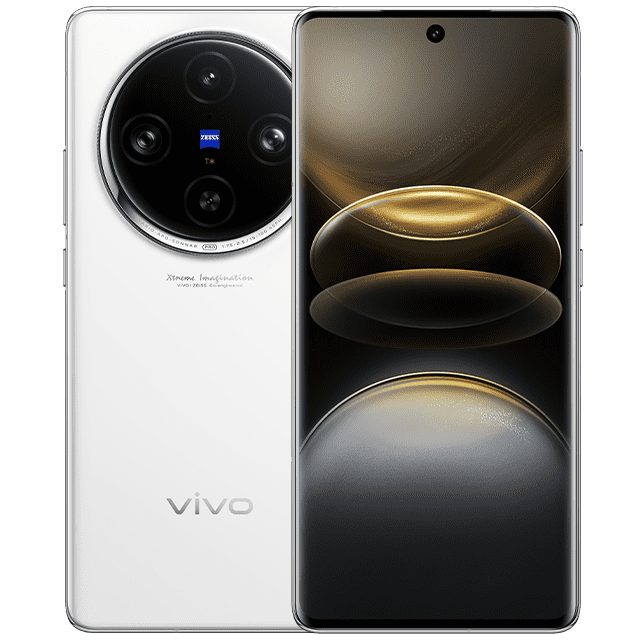
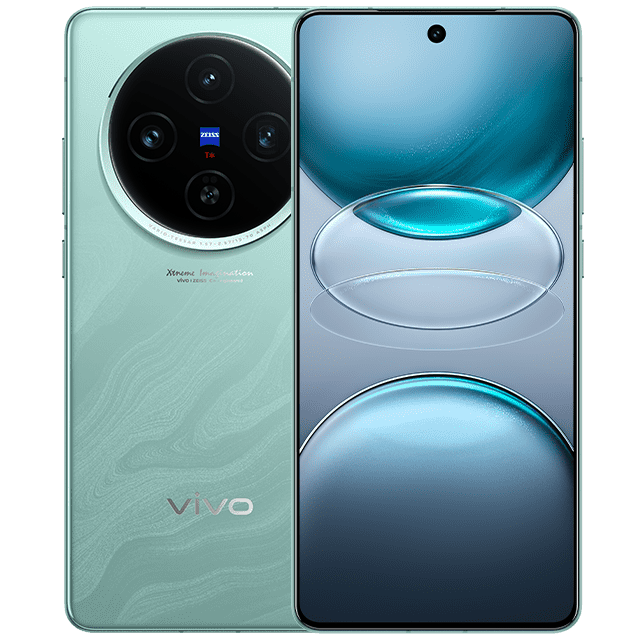
Vivo X100s & X100s Pro launched with Dimensity 9300+ SoC, 100W fast charging & 1″ camera sensor

Earlier today, Vivo held a launch event to debut the Vivo X100 Ultra smartphone in China. Along with the Ultra model, the brand has also unveiled the Vivo X100s and X100s Pro smartphones as well. These new phones feature the new and improved Dimesnity 9300+ processor, instead of the Dimensity 9300 featured on the X100 and X100 Pro. This newly launched chip has a higher boost clock speed of 3.4GHz, as well as improved APU which provides a 10% boost in on-device AI tasks.

Vivo X100s Pro

Vivo X100s & X100s Pro specs & features:

The Vivo X100s and X100s Pro both feature a 6.78-inch LTPO AMOLED display (flat display on the X100s and curved display on the X100s Pro) that delivers a crisp 2800 x 1260 resolution with a 120Hz refresh rate. The displays offer a 93.43% screen-to-body ratio, 3000 nits peak brightness, as well as 1.07 billion colors and 100% coverage of the DCI-P3 color gamut.

As mentioned above, both smartphones feature a Dimensity 9300+ processor with up to 16GB of LPDDR5X RAM and up to 1TB of UFS 4.0 storage. Vivo has included the new V3 imaging chip in the X100s Pro, while the X100s retains a V2 chip.

For optics, the X100s Pro features a triple camera setup with a 50 MP f/1.75 main camera (one-inch sensor), paired with a 50MP f/2.5 Zeiss APO super-telephoto camera (4.3x optical zoom) and a 50MP f/2.0 ultra-wide-angle camera. On the other hand, the X100s offers a 50MP f/1.57 main camera, paired with a 64MP f/2.57 telephoto camera with 3x optical zoom and a 50MP f/2.0 ultrawide lens. Both camera systems are capable of 100x digital zoom. The Pro model offers up to 8K video recording, while the non-Pro model is limited to 4K. As for selfies, both models feature a 32MP front camera with a f/2.0 lens.

The X100s is equipped with a 5100mAh battery, while the Pro model features a larger 5400mAh unit. The Pro model comes with the option of 100W wired and 50W wireless charging, while the vanilla variant comes with only 100W wired charging support. Both models have received an IP69 rating, indicating strong resistance to high-temperature water jets, on top of the standard IPX8 rating for submersion.

Pricing & availability

The vivo X100s and X100s Pro come in Titanium, White, and Black/Dark Gray colors, with the standard version also offering a Green variant. Pricing is listed below.

Vivo X100s Pro:

  • 12GB RAM + 256GB storage: 4999 yuan ($961)
  • 16GB RAM + 512GB storage: 5599 yuan ($774)
  • 16GB RAM + 1TB storage: 6199 yuan ($857)

Vivo X100s:

  • 12GB RAM + 256GB storage: 3999 yuan ($553)
  • 16GB RAM + 256GB storage: 4399 yuan ($608)
  • 16GB RAM + 512GB storage: 4699 yuan ($650)
  • 16GB RAM + 1TB storage: 5199 yuan ($719)

RELATED:

Pixel 8a vs Pixel 8: Should You Go For The Latest Mid-Ranger Or The Older Flagship?

Last week, Google quietly announced the Pixel 8a. The phone arrives with significant upgrades compared to its predecessor, i.e. the Pixel 7a.

The search giant’s mid-range Pixel-A series offerings are slightly toned-down versions of the flagship non-Pro number series devices. The latest Pixel 8a borrows the same design language, processor, and notably the longer software support policy from the more premium Pixel 8. 

Pixel 8a vs Pixel 8: which one makes sense?

There are only slight differences between the Pixel 8a and Pixel 8. However, the main differentiating factor between the two phones is in terms of pricing.

Additionally, the Pixel 8 is also nearly six months old now (as of writing this article). It is often found at discounted prices during sales. This begs the question of whether it makes sense to purchase the latest mid-ranger Pixel or the premium offering. 

In this article, we have compared everything between the Pixel 8a and Pixel from specifications to pricing that should help you make the correct buying decision. 

1. Design and display

The Pixel 8a and Pixel 8 have identical designs with rounded corners and a horizontal bridge housing two cameras inside a pill-shaped cutout. The former is IP67 certified whereas the latter has an IP68 rating for dust and water resistance. The Pixel 8’s front and back panels are shielded by Gorilla Glass Victus which is stronger than the Gorilla Glass 3 protecting the Pixel 8a’s front fascia. 

The display specs are similar on both the Pixel 8a and 8. Although the screen size on the two phones is 6.1 and 6.2 inches, both have an OLED panel with FHD+ resolution, 2,000 nits peak brightness, a 120Hz refresh rate, and support for HDR10. 

2. Camera

The camera is where the Pixel 8a is different compared to the Pixel 8. The latest mid-range has a 64MP 1/1.73″ main sensor with f/1.9 aperture, dual-pixel PDAF and OIS support. There is a 13MP ultra-wide-angle lens. It is capable of recording up to 4K videos at 60fps. Up front also, the device features a 13MP selfie snapper. 

On the contrary, the Pixel 8’s dual camera setup comprises a 50MP 1/1.31 main with f/1.7 and a 12MP ultra-wide sensor. There is a 10.5MP front-facing snapper. This camera hardware is comparatively better than the one on the Pixel 8a.

Anyways, both phones come with features like Best Take, Auto HDR, Ultra HDR, Audio Erase, and more. 

3. Hardware

The Pixel 8a and Pixel 8 are powered by Google’s in-house Tensor G3 processor. Both pack 8GB RAM and are offered in 128GB and 256GB storage options. The Pixel 8a is backed by a 4,492mAh battery with support for 18W wired and 7.5W wireless charging. On the other hand, the Pixel 8 runs on a larger 4,575mAh cell with support for faster 27W wired and 18W wireless charging. 

Software-wise, both the Pixel 8 and Pixel 8a are eligible for seven years of OS updates and security patches. 

4. Pricing and availability 

The Pixel 8a carries a price tag of $499 / EUR 549 / Rs 52,999 and $559 / EUR 609 / Rs 59,999 for the 128GB and 256GB variants respectively. Meanwhile, the same configurations of the Pixel 8 retail at $438 / EUR 599 / Rs 75,999 and $694 / EUR 749 / Rs 82,999 respectively. That makes the device a lot cheaper than the latest mid-range offering. 

5. Verdict

In our opinion, it doesn’t make any sense to go for the latest Pixel 8a over the six-month-old Pixel 8. This is mainly due to the difference in prices of both devices. The mid-range A-series model has a slightly toned-down camera sensor even though the megapixel count is higher. The Pixel 8 has a larger battery along with fast charging support. Barring this, everything is the same across the board. 

We would also recommend waiting for the Pixel 9 series which is due to arrive this fall with an entirely new design language.


Related:

ASUS Debuts TX98 Gaming Keyboard: Compact, Feature-Packed, and Water Resistant

ASUS launched their Tianxuan TX98 gaming keyboard, boasting a space-saving 98-key layout that retains all essential functions and a numeric keypad.

The mechanical switches have a 100-million keystroke lifespan

The TX98 features vibrant RGB lighting with 16.8 million colors and Aura Sync technology, customizable through Altron software with preset lighting effects like ocean current, ripple, and starry night.

Picture 2

For durability, the keyboard utilizes RGB optical mechanical switches with a 100-million keystroke lifespan and supports full-key rollover and anti-ghosting for accurate key registration during intense gaming sessions. It comes in two switch options: red for linear keystrokes and blue for a tactile typing experience with a clicky bump. The TX98 is built to withstand spills and dust with its IP57 water and dust resistance. It also employs a Gasket structure with sound-absorbing pads and additional pillars to minimize vibration and noise.

The keycaps are made from ABS plastic using a two-color injection molding process, which ASUS claims offers better longevity and easier cleaning compared to traditional ABS keycaps. Uniquely, the TX98 has a removable upper cover, allowing for easy customization of the keyboard’s look. It also features dedicated multimedia control keys and function key combinations for quick access to desired actions.

The ASUS Tianxuan TX98 gaming keyboard comes in red and blue switch options, both priced at 499 yuan (around $75).

RELATED:

(Via)

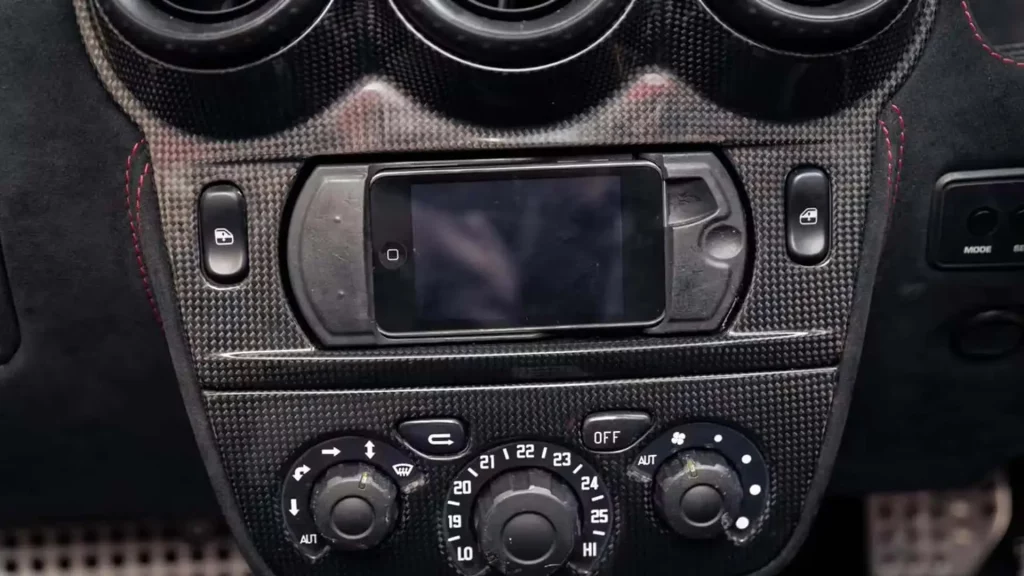
This $300,000 Ferrari 430 Scuderia Spider 16M Comes with a Special Apple iPod Touch

We all know Ferrari to be synonymous with high performance, stunning aesthetics, and exclusivity. But the limited-edition 430 Scuderia Spider 16M has another unique feature – an Apple iPod Touch. This is pure collector’s edition bliss!

The iPod Touch was Apple Carplay before it even became a thing

Launched in 2008 to celebrate Ferrari’s 16th Formula One Constructors’ Championship win, the 430 Scuderia Spider 16M offered open-air exhilaration alongside its powerful engine and gorgeous design. But unlike other Ferraris that prioritize focused driving with minimal distractions, this limited model came with a surprising extra – a 16GB iPod Touch nestled in an Alcantara leather case.

It’s interesting to note that not all 499 units of the 16M sported the iPod Touch. Some came equipped with traditional Becker Cascade radios, adhering to Ferrari’s traditional aversion to in-car distractions. The iPod Touch docked in the center console, pre-dating the widespread adoption of Apple CarPlay. Ferrari, known for their driver-centric philosophy, has historically avoided touchscreens, opting for physical controls on the dashboard. This approach has softened in recent models like the Roma and 812 Superfast, which now incorporate central touchscreens.

While Apple offered a 32GB iPod Touch back then, the 16M came with the 16GB model, leading some to jokingly suggest Ferrari’s frugality considering the car’s hefty $313,350 price tag (around ¥2.269 million). Another theory suggests Ferrari’s choice of the 16GB version was a deliberate nod to the “16” in the car’s name.

With Apple discontinuing the iPod Touch in 2022, as its functions have been seamlessly integrated into the iPhone, this limited-edition Ferrari serves as a unique time capsule – a reminder of a bygone era of in-car entertainment.

RELATED:

(Via)

U.S. predicted to win the semiconductor war against China, will triple Semiconductor manufacturing capacity by 2032 says report

A recent report by the Semiconductor Industry Association (SIA) and Boston Consulting Group (BCG) reveals significant projections for the U.S. semiconductor industry by 2032. The findings suggest a remarkable growth trajectory, driven by strategic policies and industry investments.

According to the report, the United States is poised to triple its domestic semiconductor manufacturing capacity over the next decade. This surge is expected to elevate the U.S. share of global chip manufacturing capacity from 10% in 2022 to 14% by 2032.

Several factors contribute to this anticipated growth. The enactment of the Chips and Science Act in 2022 is noted as a pivotal step in bolstering U.S. chip manufacturing capacity. Additionally, strategic investments by industry giants like Taiwan Semiconductor Manufacturing Co (TSMC) in building a 2-nanometer plant in Arizona, with a planned investment of US$65 billion, further solidify the U.S.’s position in the semiconductor landscape.

source: Wikipedia- president Biden signing the bill

The Chips and Science Act has changed the game for the US

The Chips and Science Act has facilitated industry investments, crucial for semiconductor growth. Without this legislation, the U.S. would have captured only 9% of global capital expenditures (capex) by 2032, compared to the projected 28% with the Act in place.

While the report highlights significant growth prospects, it also underscores the importance of supply chain resilience. It warns that industrial policies could create bottlenecks, increasing supply chain risks. Hence, there’s a call for targeted, distributed, and market-based investments to enhance resilience.

The report also talks about the worldwide efforts to strengthen semiconductor industries. Initiatives such as the CHIPS Act in the U.S., the European CHIPS Act, and China’s IC Industry Investment Fund are notable incentives driving global semiconductor investments.

Looking ahead, the report emphasizes the necessity for additional government policy actions to address supply chain vulnerabilities and fortify the U.S. semiconductor industry. Recommendations include expanding critical CHIPS Act incentives, promoting free trade, investing in scientific research, and broadening the STEM talent pipeline.

The CHIPS Act incentives have already spurred substantial investments in the U.S. semiconductor industry. Over 80 new projects across 25 states have been announced, totaling nearly $450 billion in private investments. These projects are anticipated to create over 56,000 jobs in the semiconductor ecosystem, further bolstering the U.S. position in the global semiconductor landscape.

Related:

(via)

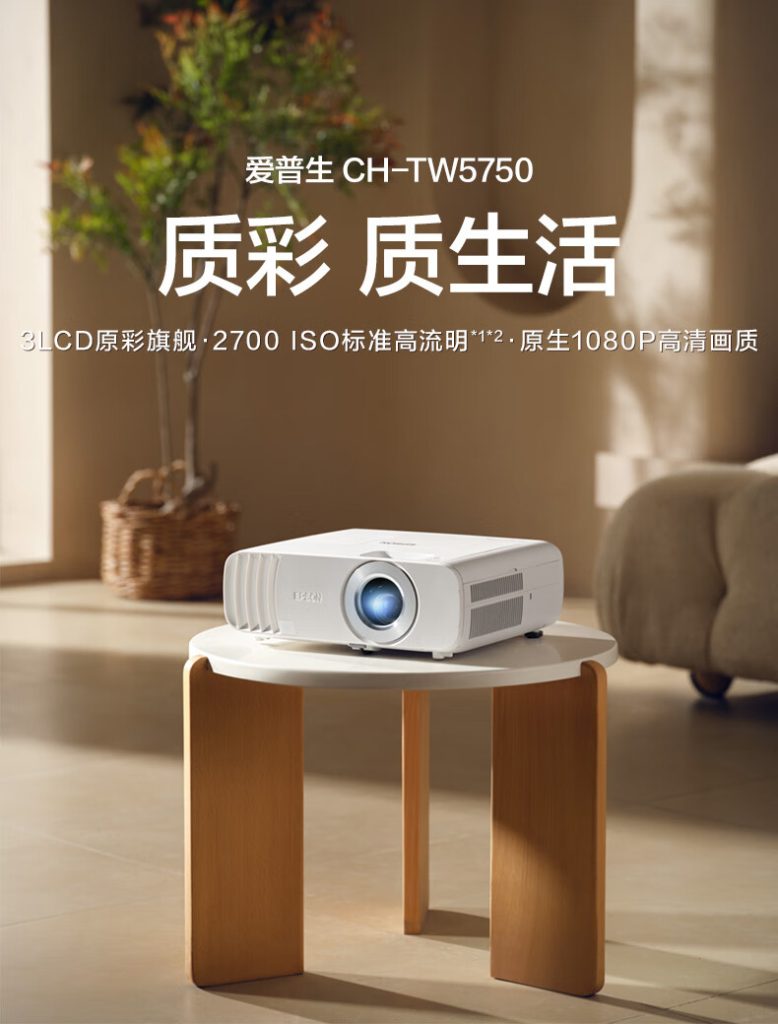
Epson launches CH-TW5750 projector with 2700 lumens, 1080P resolution, Android 11 & more

Epson recently unveiled its new CH-TW5750 projector, boasting true color reproduction, high brightness, and smart features. The projector is priced at 4299 yuan (around $594) and is now up for pre-sale on JD.com. Let’s delve into its key specs.

Epson CH-TW5750 Projector

Epson CH-TW5750 Projector Specifications:

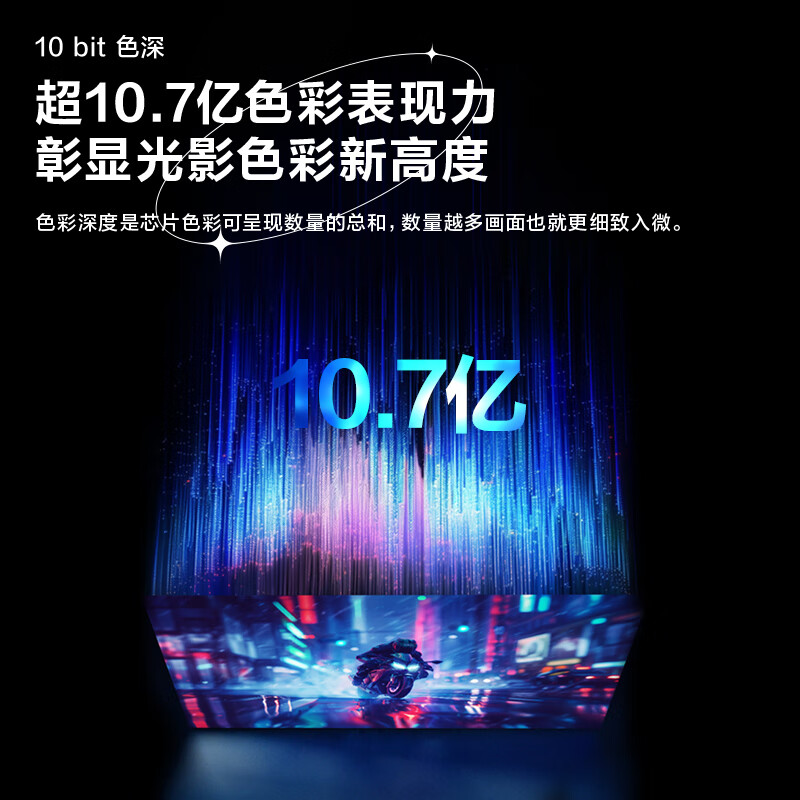
The projector is equipped with 3LCD display technology and Epson’s self-developed C2FINE (Crystal Clear Fine Technology) to deliver sharp, clear, and natural pictures with no speckles or rainbow artifacts. It also supports 10-bit color depth, 6-channel color adjustment for personalized color temperature and saturation adjustments, and boasts a DUV value approaching 0 for purer and more vibrant colors.

The CH-TW5750 features 3 pieces of 0.61-inch polysilicon active matrix chips, achieving a native 1080P resolution and a brightness of 2700 lumens under ISO standards. This ensures bright and vivid images even in well-lit environments. Additionally, the projector supports 1.2x optical zoom for flexible placement and a 35,000:1 high dynamic contrast ratio for clear details in dark parts and bright colors in bright parts.

The CH-TW5750 is equipped with Android 11.0 operating system and comes with 64GB of storage space. It supports AI voice functions and Tencent Aurora TV OS, offering a user-friendly interface and smooth operation. The projector also features a sleep mode to automatically power down after extended periods of inactivity and a time magnifying glass function.

The projector’s design is sleek and modern, with a brushed metal lens protection module that not only protects but also adds to the aesthetic appeal. The smart remote control allows easy navigation and operation, enhancing the overall user experience.

The CH-TW5750 utilizes diffuse reflection technology to project light, making it easier on the eyes and reducing fatigue. It also boasts a long light source life of 7500 hours in ECO mode, translating to up to 6 years and 7 months of usage for 3 hours a day. Additionally, Epson offers a 3-year whole machine warranty and a 3-year light source warranty for peace of mind.

RELATED: