Advertisement

Realme GT Neo 6 vs Redmi Turbo 3: So which Snapdragon 8s Gen 3 phone wins?

The $290 Realme GT Neo 6 and $276 Redmi Turbo 3 are arguably the most compelling mid-range phones right now. They both come in an accessible price bracket and bring features like Qualcomm’s latest Snapdragon 8s Gen 3 processor for flagship-level performance. 
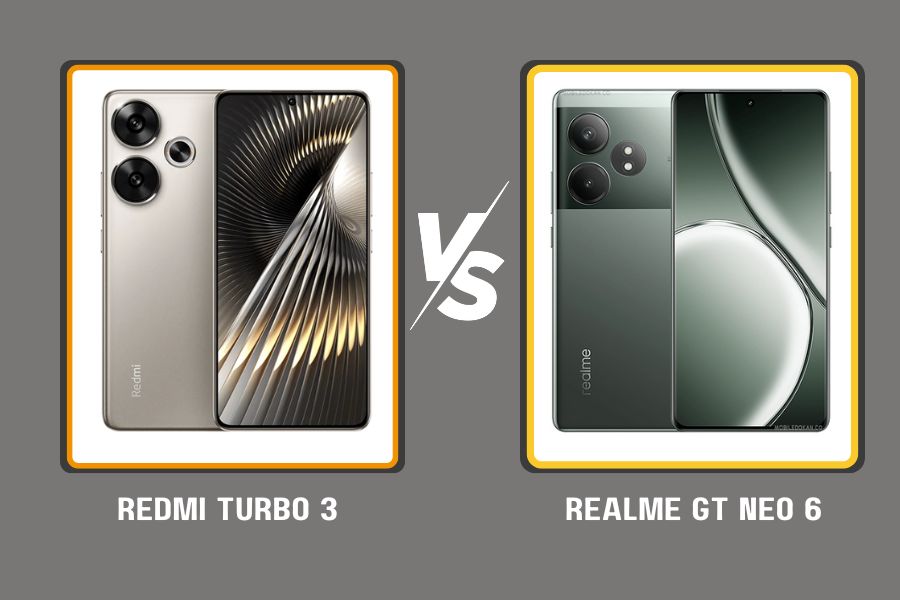
Redmi Turbo 3 vs Realme GT Neo 6

Even on other aspects, the devices are so similar that it can be challenging to decide between them. So it is a no-brainer for us to write a comparison between them for these two. Let’s start. 

1. Processor and Performance

The highlight of both these smartphones is their performance. With the sub-flagship Snapdragon 8s Gen 3 chip under the helm, you can expect them to easily handle your daily and demanding tasks like gaming. 
Both the devices have vapor chamber cooling for effective thermal management, while Realme has also thrown in a bunch of software features like Geek Performance Panel 2.0 that lets you customize CPU and GPU frequencies and an AI Burning Mode for a more versed gaming experience. 

In fact, Realme claims that the GT Neo 6 can play Genshin Impact in native 1.5K resolution. There are no such claims from Redmi’s end but expect similar if not better performance from it. Both phones are available in up to 16GB of RAM and 1TB of storage. 

2. Display
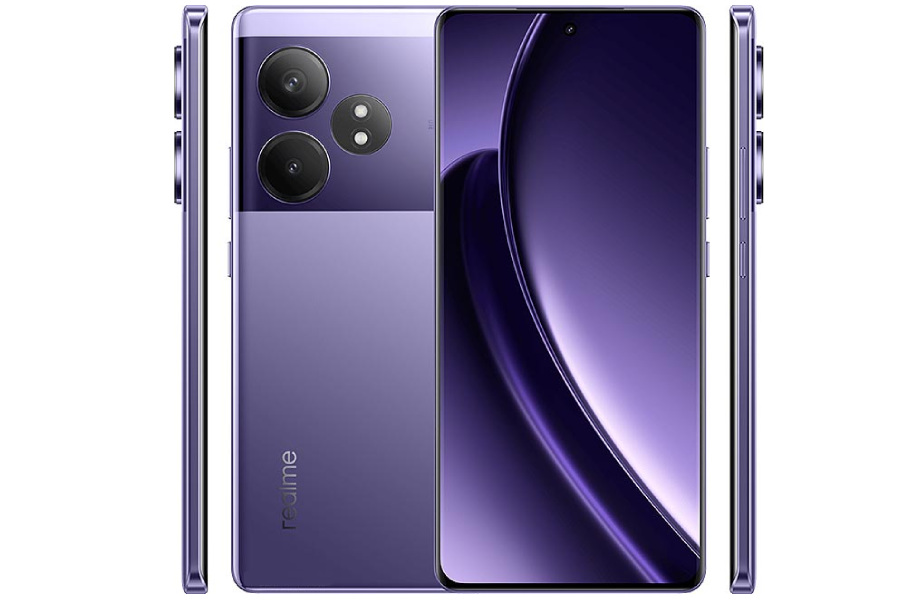
Realme GT Neo 6

The display size is nearly identical, with both phones sporting around 6.7 inches AMOLED panel with 120Hz refresh rate. But Realme has a complete edge in this regard. 

It has a flagship-grade 8T LTPO panel with variable refresh rate support from 0.5 to 120Hz, 2160Hz PWM Dimming, Greenfield AI protection, and a bunch of other features to reduce eye fatigue. 

There’s more — GT Neo 6’s screen is rated for a peak brightness of 6000 nits. That’s even higher than flagships like Samsung Galaxy S24 Ultra or iPhone 15 Pro Max. 

However, that’s just the peak it can achieve. For normal contents, the brightness maxes out at 1000 nits. 

In comparison, Redmi promises 2600 nits of peak brightness, 1920Hz PWM dimming, and a 12-bit color depth compared to 10-bit on Neo 6. Xiaomi is offering Corning Gorilla Glass Victus protection, while the Neo 6 has even better Victus 2. 

Design and Build

Design is a subjective choice. While some may like the sleek, uniform look of the Redmi Turbo 3, others might prefer the dual-tone design of the Realme GT Neo 6. But from the front, they should offer a similar visual experience with minimal bezels and a centrally-aligned punch-hole cutout. 
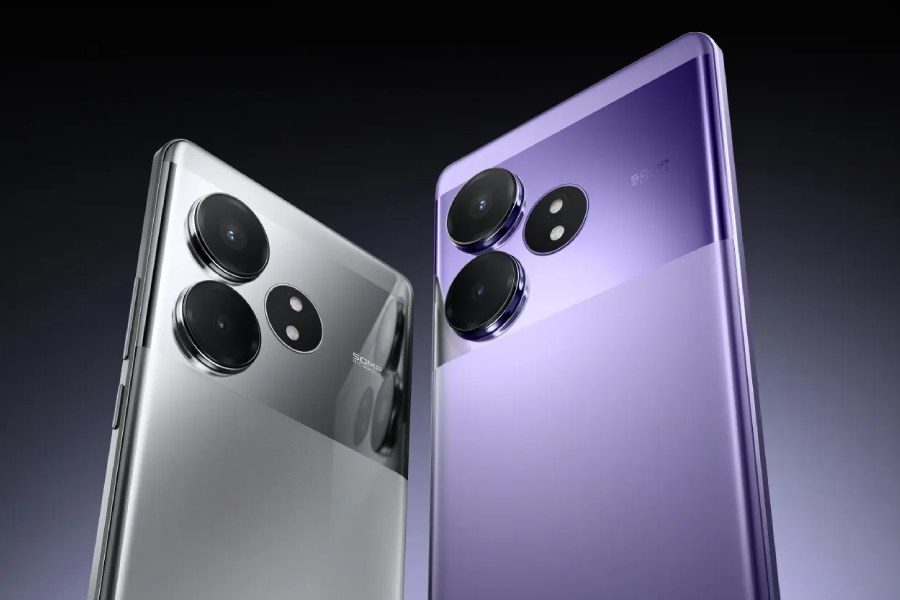
Realme GT Neo 6

As for the build, both of them have plastic frames and backs and a similar level of ingress protection — IP65 on Realme and IP64 on Redmi. The latter is available in Black, Green, Titanium, and a special Harry Potter edition whereas you can get the Neo 6 in Silver, Green, Purple, and a special “Perfect World” animation edition. 

3. Camera

While neither phone has the most advanced camera systems on the market, they offer capable setups for capturing everyday moments. 
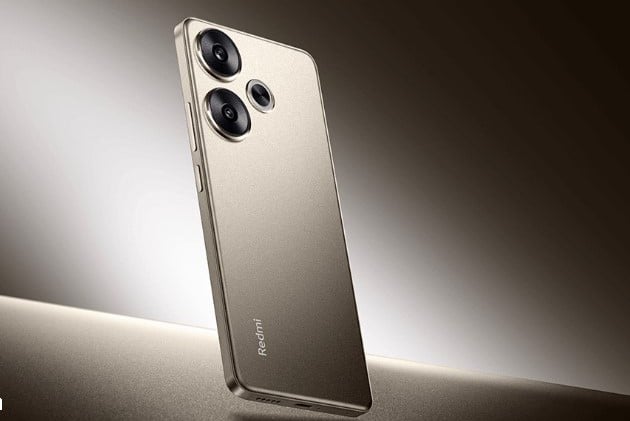
Redmi Turbo 3

They both have a dual-camera setup on the back with a primary 50-megapixel sensor and an 8MP ultrawide lens. For selfies, you get a 20MP shooter on Turbo 3 and a 32MP shooter on Neo 6. 

Now how well they perform depends on their software optimization and post-processing. So it’s recommended to check out some reviews to get a better idea of the cameras.

4. Battery and others

The Realme GT Neo 6 takes the lead in battery capacity with a 5500mAh battery compared to the Redmi Turbo 3’s 5000mAh. This translates to longer battery life on a single charge for the Realme phone. Even the charging is faster on Neo 6 with 120W support compared to 90W on Turbo 3.

Both phones run on the latest iteration of Android 14. However, the user experience will differ depending on the custom UI layered on top.

Realme UI is known for its customization options and vibrant aesthetics, while HyperOS from Xiaomi offers a feature-rich experience with equally good customization options.

Other features of the devices include an under-display fingerprint sensor, stereo speakers, a USB Type-C 2.0 port, WiFi 6, and Bluetooth 5.4 support.

5. Price and Availability

Below are the prices of Realme GT Neo 6 and Redmi Turbo 3 all available variants: 

MemoryRealme GT Neo 6Redmi Turbo 3
12GB + 256GBCNY 2099  (~$290)CNY 1,999 (~$276)
12GB + 512GBCNY 2,299 (~$317)
16GB + 256GBCNY 2399  (~$331)
16GB + 512GBCNY 2699 (~$373)CNY 2,499 (~$345)
16GB + 1TBCNY 2999 (~$414)CNY 2,799 (~$386)

Both these devices are currently only available in China with no details on global availability yet. 

6. So who wins?

For most users, the Realme GT Neo 6 offers a better display, longer battery life, and faster charging, justifying its slightly higher price tag. However, if you prioritize pure value or prefer a specific design or UI like HyperOS, the Redmi Turbo 3 is a no-brainer at all. 

In the end, the choice is yours and we recommend you go through reviews of each device that could point out their pros and cons to make an informed decision.

Related:

SoftBank-backed Arm plans to make AI Chip, targeting 2025 launch

There is a new competitor in the field of Artificial Intelligence. Arm Holdings, under the umbrella of SoftBank Group, is gearing up to enter the growing field of AI chip development. The move comes as part of SoftBank CEO Masayoshi Son’s ambitious vision to invest $64 billion to position the conglomerate as a leader in artificial intelligence.

Arm, a UK-based company renowned for its chip designs, plans to roll out its first AI chip products by 2025. To kickstart this initiative, Arm will establish a dedicated AI chip division, aiming to unveil a prototype as early as spring 2025. Mass production is slated to commence in the fall of the same year, with contract manufacturers handling the process.

Funding for this venture will be shouldered by Arm, with significant contributions expected from SoftBank. Negotiations are underway with prominent semiconductor manufacturers, including Taiwan Semiconductor Manufacturing Corp (TSMC), to secure production capacity.

source:arm.com

Looking ahead, there’s speculation that once the mass production system is established, Arm’s AI chip business could potentially be spun off and integrated under the SoftBank umbrella.

The strategic move by Arm comes amidst a broader push by SoftBank to diversify its portfolio and reduce dependence on dominant players like Nvidia. CEO Masayoshi Son’s vision involves leveraging AI, semiconductor, and robotics technologies to revolutionize various industries, fueling innovation and growth.

The market outlook for AI chips appears promising, with analysts forecasting significant growth, potentially exceeding $200 billion by 2032. SoftBank sees this as a prime opportunity to capitalize on increasing demand and circumvent the limitations posed by existing players.

Financially, SoftBank is on the path to recovery, aiming to bounce back from previous losses. With ample cash reserves at its disposal, the conglomerate is well-positioned to support its ambitious investment plans across various sectors, including AI, data centers, and renewable energy.

However, the endeavor is not without risks. SoftBank has a track record of adapting to technological shifts, but significant investments always come with uncertainties, testing the mettle of SoftBank’s strategic vision.

Related:

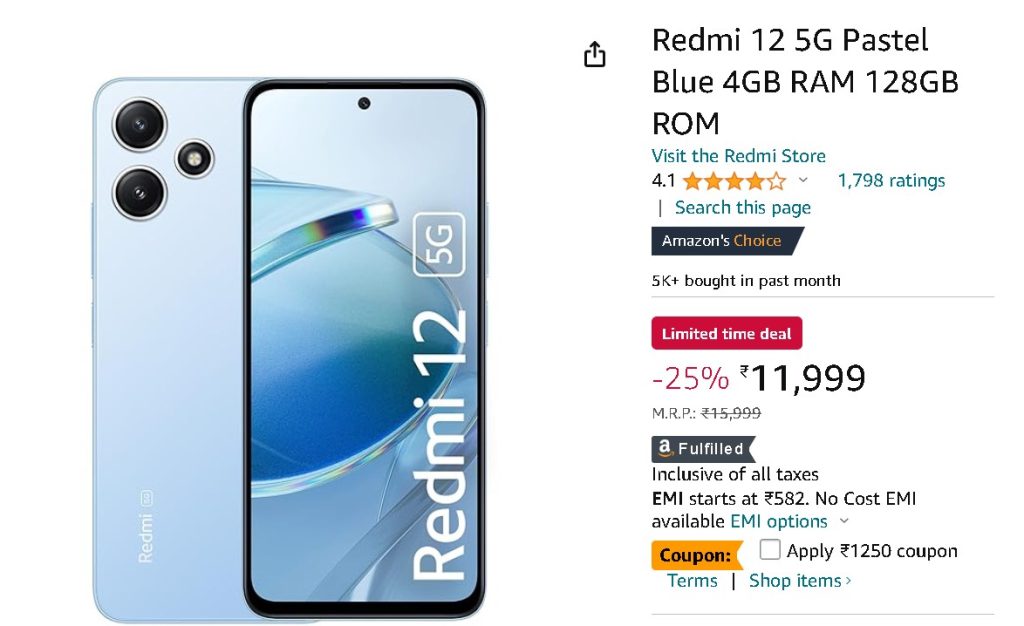
Deal: Redmi 12 5G Available Under Rs 10,000 With A Coupon Offer For Limited Period

The Redmi 12 5G (review) smartphone debuted in August last year. The phone has been widely successful in India achieving various sales records. It packs impressive specifications at a budget price tag. The Redmi 12 5G was launched at a starting price tag of Rs 11,999 for the base 4GB + 128GB RAM and storage configuration. Now, it can be grabbed at a cheaper price, thanks to a coupon offer. Read on to know all the details below. 

Redmi 12 5G available under Rs 10,000 in India

The Redmi 12 5G can be purchased under the Rs 10,000 price tag on Amazon. The e-commerce platform is offering a coupon of Rs 1,250. This brings down the original price of the 4GB + 128GB variant from Rs 11,999 to Rs 10,749. Additionally, SBI, ICICI, and HDFC Bank credit cardholders can avail Rs 750 instant discount. This makes the Redmi 12 5G available for Rs 9,999 which is an attractive deal.

The discount is applicable on only the 4GB + 128GB variant. It is valid on all three colour options i.e. Jade Black, Pastel Blue, and Moonstone Silver. The coupon offer seems to be for a limited period, hence if you’re looking to purchase the Redmi 12 5G base variant, now is the right time. 

The Redmi 12 5G has a 6.78-inch FHD+ display with a 90Hz refresh rate. It features a dual camera setup of a 50MP main sensor and a 2MP macro unit. The phone is powered by a Snapdragon 4 Gen 2 chipset. It is backed by a 5,000mAh battery unit with support for 18W fast charging. 

Related:

Sony Xperia 1 VI Expected Features: Look out for the upcoming flagship photography phone

Sony is set to unveil its latest gen flagship smartphone, the Xperia 1 VI, soon. This device is a flagship grade model that aims to offer a peak photography experience via cutting-edge camera hardware on smartphones. So here are all of its expected features and more.

Sony Xperia 1 VI

1. Sony Xperia 1 VI: LYTIA cameras all the way

Since Sony Xpera’s are known for their camera prowess, let’s talk about the image sensors first. A recent leak confirmed that all three cameras on the rear of the Sony Xperia 1 VI will be LYTIA sensors. The main camera is a 48-megapixel YT800 sensor (24mm, 1/1.4-inch), along with a 50-megapixel LYT600 ultra wide angle lens (16mm, 1/1.2-inch), and a 50-megapixel LYT500 telephoto shooter (85-170mm or 7x zoom, 1/2.9-inch).

These are notable upgrades over its predecessors since the resolution of the ultra wide and telephoto is now 50-megapixel. This is up from the last gen model’s 12-megapixel sensors. The camera is expected to also offer Zeiss T* coating. Its primary camera is rumored to feature “Exmor T for mobile”, which is likely based on the LYT800 sensor.

2. Specs: Chip, Battery, & More

Under the hood, the Xperia 1 VI will likely be equipped with the Snapdragon 8 Gen 3. A large 5,000mAh battery pack is expected to power this device, which would support fast charging as well. One notable aspect Sony is focusing on is the audio department. Not only do you get a 3.5mm headphone jack but the upcoming device may even offer Hi-Res Audio, Hi-Res wireless, 360 Reality Audio, LDAC, and DSEE Ultimate.

To improve outdoor camera performance, the Xperia 1 VI is slated to house a dedicated vapor chamber to help maintain performance for extended periods of use. This would help keep thermals in check of the flagship grade hardware too.

3. Design & Display

For the display, the Xperia 1 VI is expected to sport an OLED panel that offers a 19.5:9 aspect ratio. Based on what we know so far, the screen is 1.5x brighter than the Xperia 1 V. The new device may offer 2K resolution, a 120Hz refresh rate, and BRAVIA HDR technology as well as a 240Hz touch sampling rate.

The same report also revealed more details regarding the design of the new high-end phone. Apparently, Sony is bringing a frosted texture glass panel that has fine slits on the sides to allow for better grip. Color options may include a black and a platinum silver variant.

4. Cheaper than the last one?

A recent rumor pointed at the Sony Xperia 1 VI being slightly more affordable than the Xperia 1 V. Leaked code points at the device possibly costing 39,990 New Taiwan Dollars or around 1,227 US Dollars. This is about 5 percent cheaper than its predecessor, which was priced at 41,990 New Taiwan Dollars on launch. The Xperia 1 V launched in the US For 1,399 US Dollars.

So the newer model might be cheaper than the last by over 100 US Dollars. Leaks had claimed that Sony could offer Xperia 1 VI owners with one year of free Sony Pictures movie streaming along with access to up to five Sony movie titles remastered with IMAX video and DTS sound. The brand will be unveiling the Xperia 1 VI on May 15, so stick around for more as we will be covering the launch.

RELATED:

Xiaomi official responded to SU7 brake failure issue: “a misidentification by the software”

Wang Hua, the general manager of the Public Relations Department of Xiaomi Group, issued a statement in response to the Xiaomi SU7 brake failure.

Xiaomi SU7

The issue has reportedly been fixed

For those unfamiliar with the matter, in the early morning of May 9, an SU7 car was towed to the Changsha Service Center. The store staff checked the car and informed us that there was no mechanical failure/damage to the braking system. After running the “self-inspection” program, the brake failure prompt disappeared and the vehicle appeared to function normally.

Wang Hua stated that it was indeed a misidentification by the software. He further added that the issue has been fixed and there is no need to panic regarding the safety of the car. He contacted an engineer from the Automotive Department to fix the problem. Here’s what happened to the car.

The main braking system of the Xiaomi SU7 was misidentified by the software

After analysis, it was confirmed that the system of the vehicle’s main brake controller (DPB/BCP) was “misidentified and degraded”. It triggered the backup braking method, and the auxiliary brake controller (ESP/BCS) started responding directly to provide braking and deceleration for the vehicle. At the same time, the vehicle’s large screen also prompted a failure of the braking system.

During the use of the backup braking system, the ESP draws the DPB brake fluid to increase the braking pressure for the wheels to stop the vehicle. Because the brake fluid was drawn away from the DPB by the ESP, the pressure of the brake master cylinder decreased rapidly, and the driver could feel it while pedaling.

Because the braking system switches between primary and secondary, the original cylinder pressure value of the main brake comes down to 0. However, the SU7 never lost all braking force. Fortunately, the ESP took control of the situation and there was no loss of control of the vehicle.

Although the car went back to normal, the user was offered a return/exchange of the car. Xiaomi Auto was also willing to cover the expenses incurred due to the return/exchange of the vehicle.

Related:

(Source)

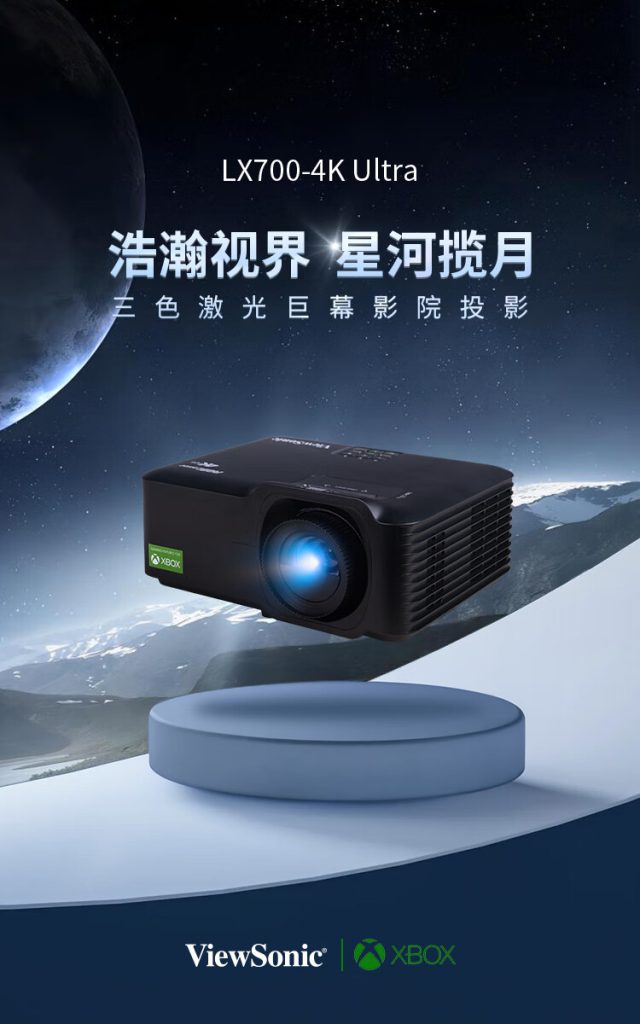
Viewsonic launches LX700-4K projector with tri-color laser, 4K resolution, 240Hz refresh rate, ideal for Xbox gaming

Viewsonic has unveiled the LX700-4K in the Chinese market, a high-end projector boasting impressive specs for both cinephiles and gamers. The projector is priced at 9999 Yuan ($1,382) and is now up for pre-sale on JD.com. Let’s delve into its key specs.

Viewsonic LX700-4K Projector

Viewsonic LX700-4K Projector Specifications:

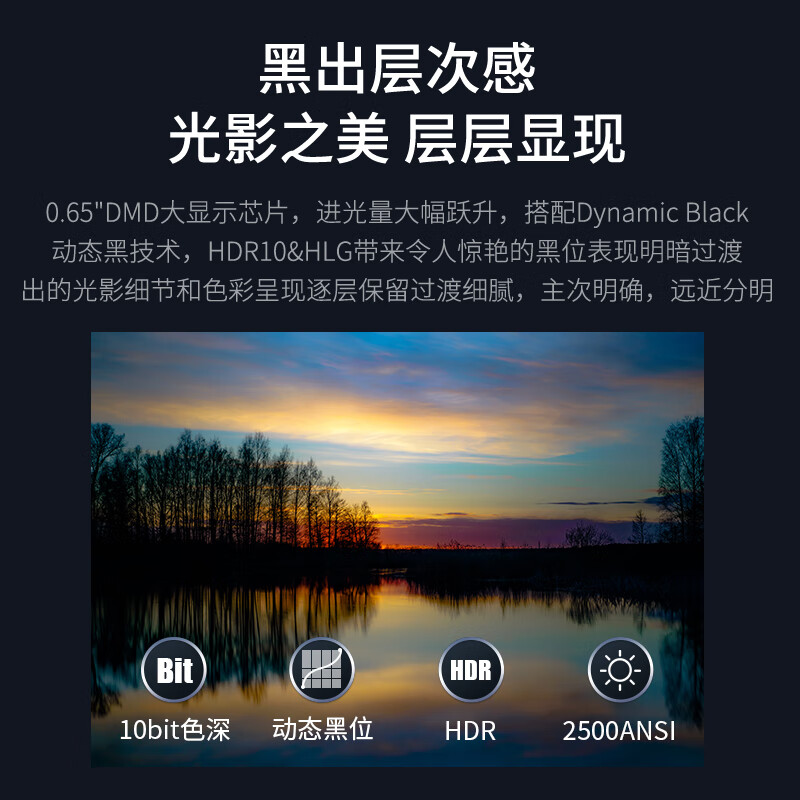
This projector is equipped with Nichia’s original laser module, which ensures high-quality image reproduction with a contrast ratio of 300:1 and delivers 2500 ANSI lumens brightness, ensuring vivid and bright images even in well-lit rooms. The device boasts a 110% BT.2020 color gamut, which provides a wide range of colors, closer to what the human eye can perceive, enhancing the overall realism and depth of images.

LX700-4K Ultra comes with a 0.65 DMD display chip and a 4K native optical glass lens, which together contribute to higher image quality and resolution. It supports various resolutions and refresh rates including 1080P at 240Hz, 1440P at 120Hz, and 4K at 60Hz, making it highly versatile for different types of content from fast-paced sports to high-definition movies. The low latency of 4.2ms is ideal for gaming, ensuring a responsive experience when playing on consoles like the Xbox, for which this projector is specially certified.

For added flexibility, the projector features a 1.6x lossless optical zoom and a -15% vertical lens shift, allowing it to be adjusted to fit different room sizes and shapes without compromising image quality. It also includes a ±30° four-way keystone correction for image alignment and can even project in a curved format, enhancing the options for setup in various environments.

The LX700-4K Ultra is designed with a focus on user comfort and environmental durability. It features TUV-certified eye protection to reduce eye strain during long viewing sessions and is IP6X dustproof, enhancing its longevity and performance stability. Its ECO mode promotes energy efficiency and extends the lamp life, which is important for reducing maintenance and usage costs.

The projector also supports HDR10 and HLG, enhancing the dynamic range which allows for better depiction of light and dark scenes, thus providing a richer and more detailed viewing experience. Additionally, the Dynamic Black technology and enhanced color tuning capabilities ensure deep blacks and vibrant colors, essential for viewing high-quality cinematic content.

For audio, the LX700-4K Ultra comes equipped with a 15W high-quality speaker system that delivers clear and powerful sound that moves in sync with the on-screen action, negating the need for external amplifiers. It is also equipped with HDMI eARC, allowing for high-quality digital audio transmission and making it simple to connect to external sound systems.

The projector is also built for ease of use and integration into smart home systems, featuring HDMI CEC functionality, motorized screen and curtain control via 12V trigger output, and versatile connectivity options including multiple HDMI ports and USB power supply.

The sleek, dustproof design and powerful cooling system ensure that the projector operates efficiently and quietly, making it an excellent choice for creating a comfortable and immersive home theater environment.

RELATED:

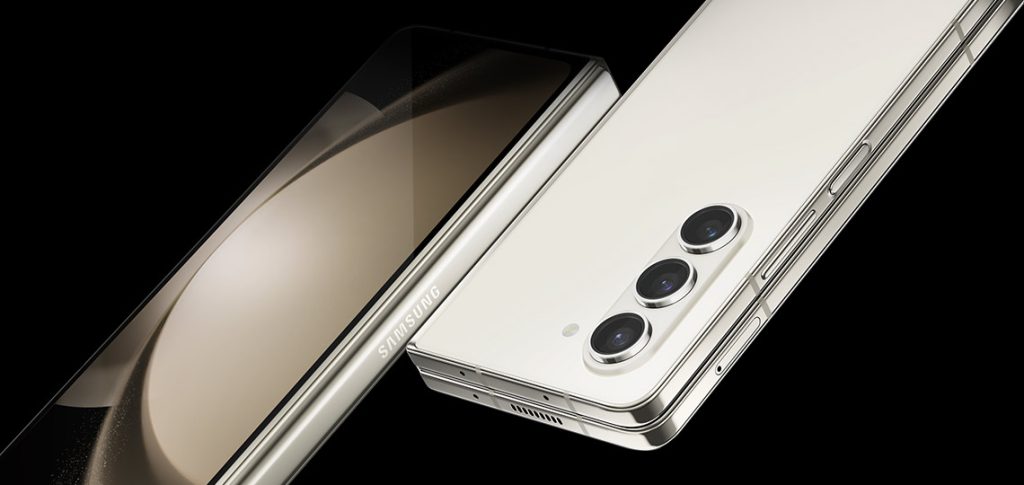
Galaxy Z Fold6 FE to launch next year, with a bulky design again


We know that Samsung will introduce several devices in its new Fold6 fold series. It is expected that Samsung will unveil three different devices: the Galaxy Z Fold6, Fold6 Ultra, and Fold6 FE. In fact, some spec leaks about the Galaxy Z Fold6 series had surfaced earlier.

Samsung keeps the Fold6 FE for a later time

Samsung took the leadership of the foldable smartphone market by introducing one of the first foldable smartphones. However, they are currently lagging behind in design innovation. Chinese smartphone manufacturers come up with much more compact foldable phones. On the other hand, Samsung has stuck to a similar design philosophy for years, and we can say that their foldable phones are not very easy to hold in hand.

According to a recent report by ITHome, Korean tech media The Elec claims that users might not be satisfied with the design of the Galaxy Z Fold6 FE. In addition, Samsung is reportedly considering postponing the launch of the Galaxy Z Fold6 FE. We expect only the Z Fold6 and Z Flip6 to be unveiled at the upcoming Samsung event. Galaxy Z Fold6 FE seems to be reserved for the following year.

Samsung may be postponing the release of the Z Fold6 FE to introduce a thinner foldable device. For example, while the thickness of the Huawei Mate X3 is 11.8mm, the Z Fold5 is 13.4mm when folded. Considering Samsung’s history with the Galaxy S series, delaying the Z Fold6 FE design is not that surprising actually. For instance, Galaxy S23 was introduced in February 2023, while Galaxy S23 FE was introduced in October 2023. Samsung usually reserves “FE” devices for later releases.

Related:

These Realme Phones Will Get Realme UI 6.0 (Android 15) Update

Realme UI 6.0 (Android 15) Eligible Phones

Android 15 development is in full swing, with multiple developer previews and beta releases already out for the testers. These early builds have revealed many exciting features of the new OS, such as satellite connectivity, Find My Device network, and App Archiving (more on this later). We might see more new features in Android 15 as Google releases more and more beta builds.

Android 15 seems a pretty exciting upgrade, much more than the last two iterations – Android 13 and Android 14. It’s still in the development and testing phase, which will last for a few more months before Google announces the stable build. While you wait for the public release, it’s important to ensure that your Realme smartphone is ready for the next major OS upgrade.

So, here are all the Realme phones that will get the Android 15-based Realme UI 6.0 update.

Realme Phones Eligible for the Realme UI 5.0 (Android 15) Update

  • Realme GT 5
  • Realme GT 5 240W
  • Realme GT 5 Pro
  • Realme GT 3
  • Realme GT 2
  • Realme GT 2 Pro
  • Realme GT 2 Explorer Master Edition
  • Realme GT Neo 6
  • Realme GT Neo 6 SE
  • Realme GT Neo 5
  • Realme GT Neo 5 SE
  • Realme GT Neo 5 240W
  • Realme 12
  • Realme 12+
  • Realme 12x
  • Realme 12 Lite
  • Realme 12 Pro
  • Realme 12 Pro+
  • Realme 11 4G
  • Realme 11 5G
  • Realme 11x 5G
  • Realme 11 Pro
  • Realme 11 Pro+
  • Realme 10 Pro
  • Realme 10 Pro+
  • Realme P1
  • Realme P1 Pro
  • Realme Narzo 70
  • Realme Narzo 70x
  • Realme Narzo 70 Pro
  • Realme Narzo 60
  • Realme Narzo 60x
  • Realme Narzo 60 Pro
  • Realme C67 4G
  • Realme C65 4G
  • Realme C65 5G

This is not the final list by any means as the brand hasn’t yet announced the list of Android 15 supported devices. However, we already know the software update policy for most Realme phones. We have factored in the company’s past update rollouts in preparing this list.

If your device is not on the list, worry not. Wait for the official list before you consider upgrading to a new smartphone to enjoy the latest Android features.

Realme UI 5.0: When Will It Start Rolling Out?

Android 15 is currently through the beta phase, which will last until June 2024, as per the official timeline. Once the platform stability phase kicks in, Google stops adding new features and rather focuses on resolving bugs and making final adjustments for the final release.

While Google hasn’t yet announced a release date for Android 15, everyone is expecting it to arrive around the same time as last year, that means in October.

After the stable release arrives, smartphone companies take a little more time to refine their custom skins (Realme UI in the case of Realme) which can take a few weeks.

If you get lucky, you may get an early taste of Android 15 months before the official release by participating in the beta program. Last year, the Chinese brand announced the Android 14 beta for the GT 2 Pro in May. Around the same time, we can see the Android 15 beta announcement for select premium Realme phones. While the stable Android 14 update started rolling out around December. 

What’s New in Android 15?

These are the biggest changes that have been discovered in Android 15 so far:

Find My Phone Network

Find My Phone is getting a pretty significant update in the new OS. All Android 15 phones can ping each other via Bluetooth and contribute to the network to help someone find their lost device. The nearby Android device part of Find My network can pick up Bluetooth signals from the broadcasting device and upload the encrypted location details to Google’s servers, which can be decrypted by the broadcasting device owner.

Satellite Connectivity Support

Android 15 adds support for satellite connectivity. This means you’ll be able to send texts to your friends even if you don’t have cell towers nearby, as long as you have access to the open sky. The new OS supports satellite connectivity for SMS apps and preinstalled RCS apps. In other words, this feature on Android 15 will not be limited to emergency uses only.

App Archiving

The app archiving feature lets you uninstall apps while keeping the user data around. So, the next time you reinstall the app, you can continue where you left off.

Google already has the app archiving feature through the Google Play Store. This means you can archive and restore apps only through the Play Store. But Android 15 removes this restriction by allowing any apps to be archived, including those installed outside the Play Store. 

Battery Health

Android 15 could bring the “Battery Health” feature, which users have been requesting for a very long time. This feature tells the remaining battery capacity – an important metric that can help users replace the battery at the right time.

Although Google hasn’t confirmed Battery Health as an upcoming feature in Android 15, we might see it in one of the upcoming beta releases.

Notification Cooldown

Android 15 introduces the “Notification Cooldown” feature to stop people from getting overwhelmed by too many notifications from the same app. This feature lowers the volume of successive notifications from the same app.

Partial Screen Sharing

Partial screen sharing is a useful and privacy-focused addition to Android 15 that allows users to share and record a single app rather than the entire screen. So, you don’t have to worry even if you mistakenly open a secret app while sharing your screen.

Don’t forget to check out our list of top 10 best features coming to Android 15 for a detailed look at the new OS.

Which Realme smartphone do you have? And what are your expectations from Android 15? Do share your thoughts in the comments below.

More on Android 15:
1.
Android 15 adds audio sharing to multiple devices via Bluetooth Auracast
2. Android 15’s latest update brings satellite connectivity support at OS level
3. Android 15 lets you find your smartphone even when it is powered off
4. Android 15’s “Notification Cooldown” tackles notification overload

Huawei Watch GT 4: New Pink & Blue Colors Drop in China soon

Huawei is getting ready to host a new launch event in its home market of China. During this conference, a bunch of upcoming products are expected to be unveiled. But that’s not all, the company has teased that the Huawei Watch GT 4 will also arrive in fresh new colors.

Huawei Watch GT 4 soon comes in Pink and Blue

The Chinese tech giant will be holding the Huawei Summer Full Scenario product launch event between May 15 to May 20. Huawei’s Eyewear 2 Square Frame is set to be announced at this event later this week. But the Watch GT 4 wearable is also getting two new color options. The smartwatch will soon be available in the Pink option for the 41mm while the 46mm option gets the new Blue variant.

Huawei Watch GT 4

To recall, the Watch GT 4 is currently available in Green, Brown, Gray, and Black versions. It sports a 1.32-inch AMOLED display that has a 466 x 466 resolution and 352 PPI. The screen supports always on display with 5ATM water resistance. The smartwatch supports Bluetooth 5.2 connectivity. On a single full charge, the 41mm offers 7 days battery life, while the 46mm can last for up to 14 days.

The device offers dual band GNSS for accurate location tracking and support for over 100 sports modes. Buyers can even track sleep, physical activity, sleep, and female menstrual cycle. So stick around for more as we will be providing more updates and covering the launch event.

RELATED:

Xiaomi unveils new “People Presence Sensor” with millimeter-wave, 3 years of battery life

Xiaomi today launched a new sensor on its Youpin crowdfunding platform called the “Xiaomi People’s Presence Sensor.” The sensor promises accurate detection of people’s presence without requiring installation or plugging in. 

Xiaomi People Presence Sensor

Its official release is scheduled for May 15th, with a starting price of 119 yuan. So let’s get into its details here. 

Xiaomi People Presence Sensor Specifications

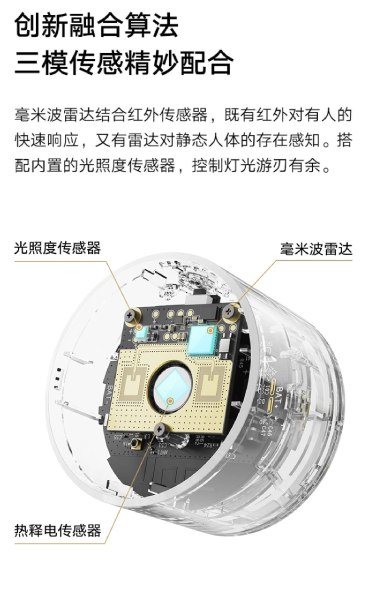
The key difference between this sensor and Xiaomi’s previous “Mijia Human Body Sensor 2S” appears to be the inclusion of a “low-power millimeter wave radar.” 

The technology offers a wider detection angle of 130 degrees and can dynamically sense human presence within a 6-meter range, with static detection reaching 4 meters. 

Xiaomi People Presence Sensor

Notably, the sensor is advertised as being able to accurately detect people even when they are not moving, as long as there is constant lighting.

In terms of technical specifications, the sensor is powered by a single CR2450 button battery, which Xiaomi claims can last up to 3 years. It features built-in magnets for easy attachment to furniture and comes with an adhesive base for additional installation flexibility. 

You can connect the device with the Mijia App which allows you to view 24-hour light intensity curves and set up smart linkages with other compatible devices.

Now, you might be wondering how this sensor could be useful for you. It can be great for things like smart home automation. 

For instance, you can set up lights to turn on automatically when the sensor detects someone entering a room, offering a welcoming and hands-free experience.

Conversely, lights can be programmed to switch off when the sensor no longer detects people in the room, helping save energy. Plus, the sensor could work with a smart thermostat, adjusting temperature settings based on occupancy to ensure comfort and efficiency.

Related:

Poco F6 5G & F6 Pro 5G global launch set for May 23; Here’s everything you need to know

Next week is packed with some exciting smartphone launches. We have the Infinix GT 20 Pro and the Realme GT 6T launching in India on May 21 and 22, respectively. Now, Poco has picked May 23 as the launch date of its highly anticipated Poco F6 and F6 Pro smartphones in the global market.

In a recent post on X (formerly Twitter), Poco confirmed that it will be hosting a launch event in Dubai at 15:00 (GMT+4) on May 23 for the global debut of the Poco F6 series. The brand will hold a dedicated launch event at 4:30pm (IST) on the same day in India. Although the Poco F6 has confirmed its arrival in the Indian market, the release of the Pro variant remains unclear.

Poco F6

While the brand has not confirmed any specifications or features of the Poco F6 or the F6 Pro, the teaser on Flipkart has pretty much confirmed the speculation that the Poco F6 is a rebranded version of the Redmi Turbo 3, while the F6 Pro was recently revealed to be a rebrand of the Redmi K70 through a software build meant for the F6 Pro.

Poco F6 / F6 Pro expected specs:

The Poco F6 Pro is expected to feature a Snapdragon 8 Gen 2 processor with up to 16GB RAM. It will likely have a 6.67-inch OLED display with 2K resolution and 120Hz refresh rate. For optics, the device will feature a 50MP OIS primary camera, paired with an 8MP ultra-wide unit and a 2MP macro sensor. It is also expected to have a 16MP selfie snapper. The device is expected to be powered by a 5,000mAh battery pack, paired with 120W fast charging.

The vanilla Poco F6 will likely have a 6.67-inch 1.5K resolution AMOLED display and a 120Hz refresh rate. Under the hood, the device could pack a Snapdragon 8s Gen 3 chip, paired with 12 GB of LPDDR5x RAM and up to 512 GB of UFS 4.0 storage. It will have a 50MP Sony IMX882 primary sensor, along with an 8MP Sony IMX355 ultra-wide sensor. As for the battery pack, we can expect a 5,000mAh unit with support for 90W fast charging.

RELATED:

(Source)

Snapdragon 8 Gen 4 is rumored to reach 4.26GHz; aims to outperform Apple A18/Pro

Qualcomm is going to offer chips with its custom CPU cores, thanks to the acquisition of Nuvia. The upcoming Snapdragon 8 Gen 4 is also going to boast custom cores with a 2+6 CPU cluster (two performance cores and six energy-efficient cores). According to a recent rumor from @jasonwill101 on X, a design refresh of the upcoming chip with a target frequency of 4.26GHz might be finalized next month. It reportedly aims to compete with Apple A18.

Qualcomm Snapdragon 8 Gen 4 Phones

For context, the Snapdragon 8 Gen 3‘s Cortex-X4 super core reaches a clock speed of up to 3.3GHz, which is significantly lower than the frequency Qualcomm is aiming to sustain with the Snapdragon 8 Gen 4. The design of the chip was previously said to be finalized within April, with a targeted frequency of 4.00 GHz. The 4.4GHz clock speed of Apple M4‘s performance core and the single-core score is said to have inspired Qualcomm to increase clock speed further.

With the redesign, the Snapdragon 8 Gen 4 could receive a boost in performance, especially when it comes to single-core based tasks.

TSMC’s second-generation 3nm process node is used in the Apple M4 and is also expected to be used to fabricate both the A18 series chips and the Snapdragon 8 Gen 4. Looking at the latest Apple Silicon, it seems that the second generation 3nm node is efficient enough to sustain such high frequencies.

However, the one from Qualcomm does not support the ARMv9 instruction set and won’t have Scalable Matrix Extension (SME), which enables chips to perform complex tasks more efficiently. So we will need to see how Qualcomm manages the power efficiency this time. Some earlier reports claimed that the Snapdragon 8 Gen 4 will be more power-hungry and will require smartphone manufacturers to use larger batteries.

Qualcomm is expected to unveil the chipset in the Snapdragon Summit which is likely to be held in October and the Xiaomi 15 series could be the first Oryon CPU powered Android flagship.

Notably, the company is also working on two ARM-based chips with the custom Oryon CPU cores for Windows PCs – the 12=-core Snapdragon X Elite and another 10-core Snapdragon X Plus.

Related:

Tecno Spark 20 Pro key features revealed: Visits Google Play Console

Back in December 2023, Tecno unveiled the Spark 20 Pro in the Philippines. Now, the device is set to launch in more markets across the globe as a fresh certification sighting hints at an imminent release.

Tecno Spark 20 Pro spotted on Google Play Console

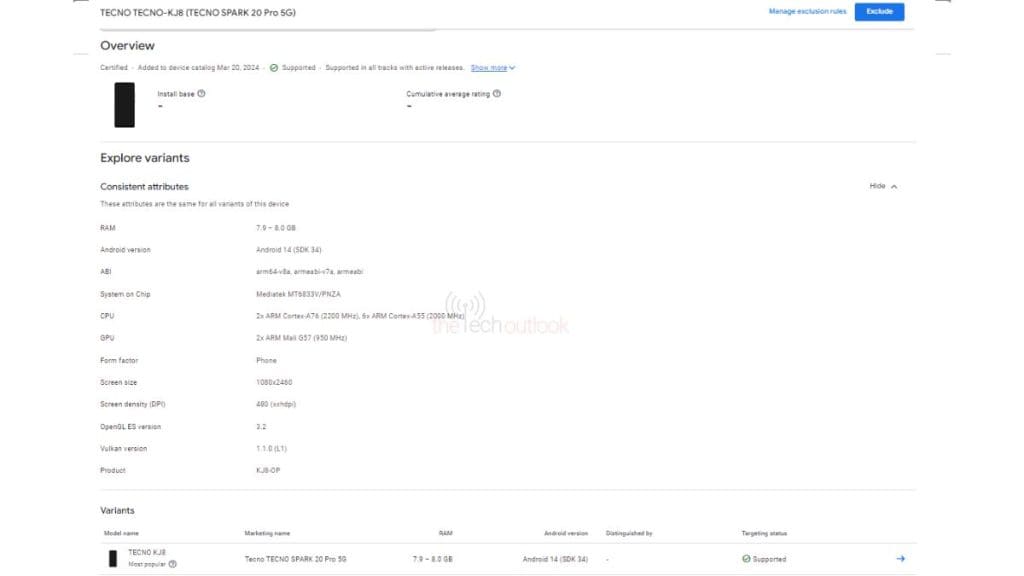
The brand’s Spark 20 Pro was recently spotted on the FCC and TDRA certifications and just surfaced on the Google Play Console liting as well. The device was listed carrying the model number KJ8. The database confirms that the smartphone has a 2460 x 1080 pixel resolution and 480 DPI. Under the hood, it is equipped with the MediaTek Dimensity 810 SoC.

This chipset is paired with 8GB of RAM. The Tecno Spark 20 Pro was listed running on the Android 14 OS out of the box. Looking at the certification, the front design of the Spark 20 Pro was also revealed. We can see a punch hole cutout for the selfie camera, while the volume rockers and power button is on the right side.

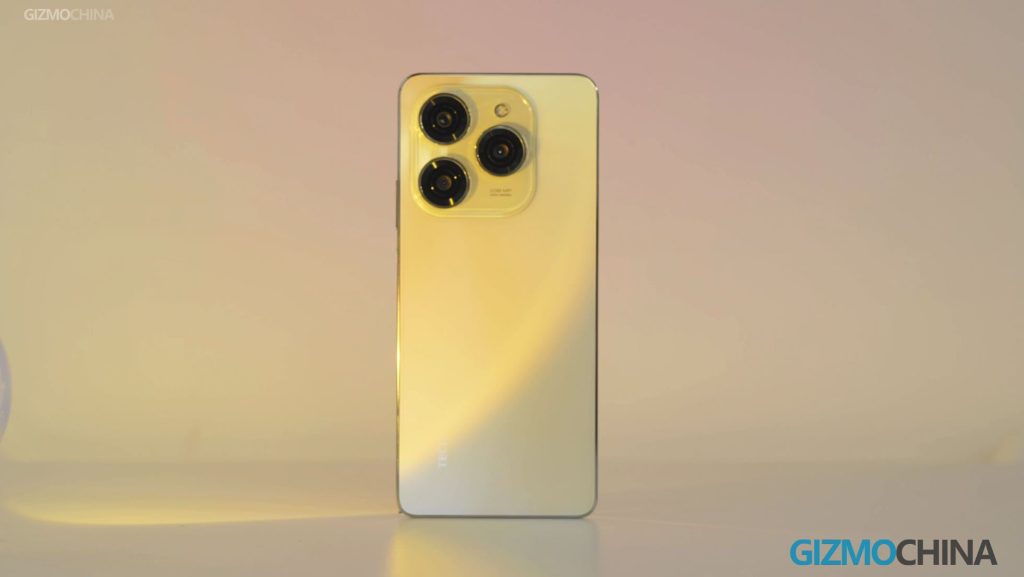
Tecno Spark 20 Pro

The FCC and TDRA listing also lists the device with the KJ8 model number, with the former confirming a 4,900mAh battery pack (likely rated 5000mAh) that supports 33W fast charging. Unfortunately, finer details are still at large but we can expect official teasers to surface soon. Till then, you can check out our review of the Tecno Spark 20 Pro and Spark 20 Pro+.

RELATED:

(Via)

Nokia’s 90s classic 3210 goes out of stock in China!

Nokia brought back its classic 3210 phone last week to celebrate its 25th anniversary. The phone made a global comeback, including in China, where it seems to be a big hit.

It hit the shelves at 349 yuan on May 8th, and within just two days, all three colors (black, blue, and gold) were completely sold out, according to Nokia’s official Weibo handle.

They reassured fans that their factory is running at full capacity to meet demand and the phone will be back in stock on May 31st, starting at 8 pm local time.

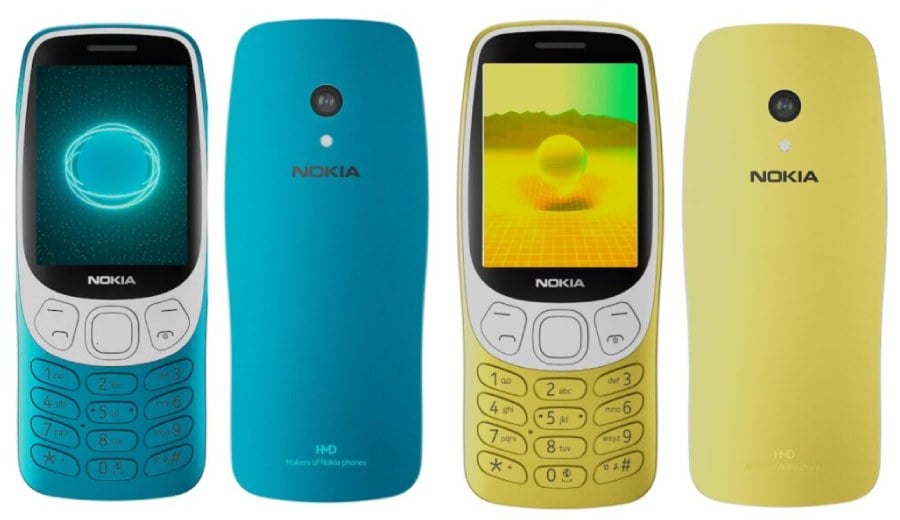
The Nokia 3210 4G retains the iconic design of its predecessor and packs a few modern upgrades. It boasts 4G connectivity, a 2MP camera on the back, a USB Type-C port, and, in a China-specific feature, support for Alipay mobile payment.

Nokia 3210 (2024)

For those who missed out on the 3210 or are looking for a more utilitarian option, Nokia recommends their recently launched Nokia 220 4G

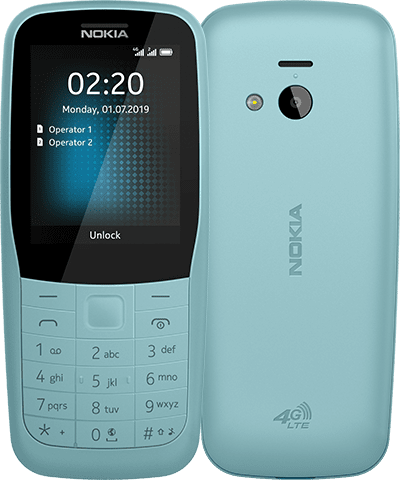
The phone comes in at an even lower price point of 299 yuan. It features a robust, square design with a sizable 2.8-inch screen. 

Nokia 220 4G

As a dependable backup phone, the 220 4G offers a long-lasting 1450mAh battery and a convenient Type-C charging port. It also includes user-friendly large font buttons and support for QR code payments.

The 220 4G supports dual SIM and is compatible with major Chinese telcos like  China Mobile, China Unicom, China Telecom, and Radio and Television 4G networks. There’s also support for VoLTE high-definition voice calls.

Related:

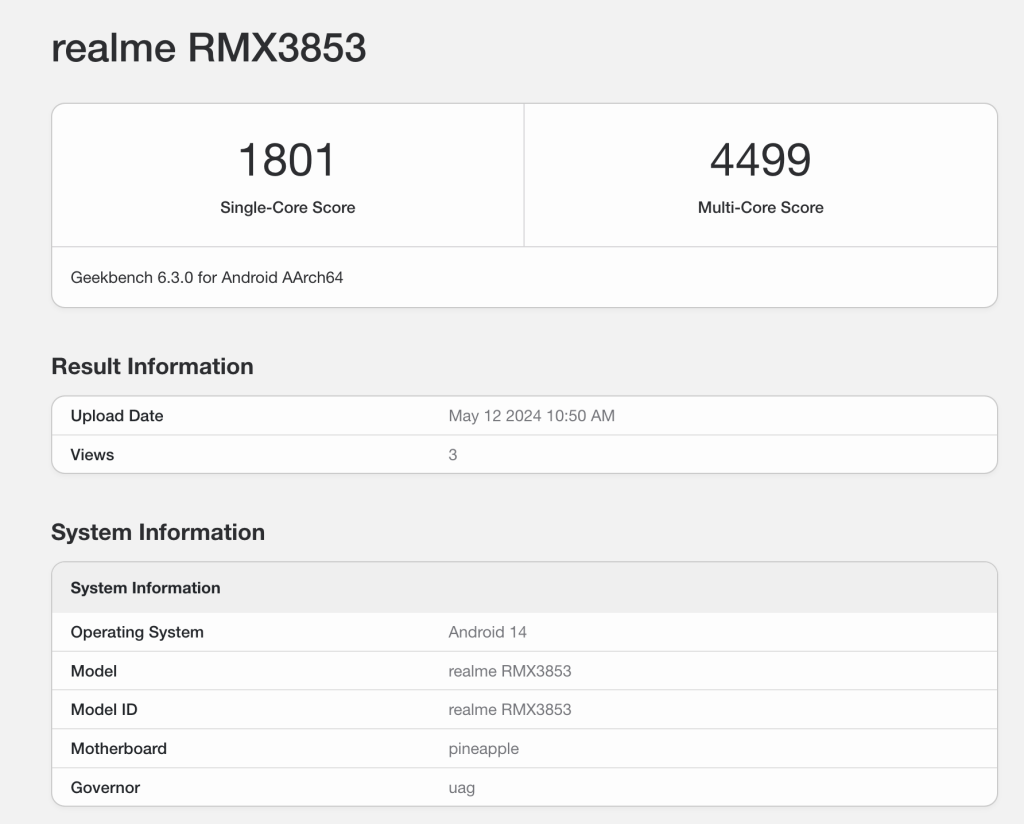
realme GT 6T visits Geekbench ahead of the launch

realme GT 6T has surfaced on the Geekbench before the phone’s official launch. realme GT 6T will be available for sale in India on May 22nd. While the phone has not launched yet, we already have almost all the details about it. realme GT 6T will actually be a rebrand of the realme GT Neo 6 SE, which is already available in China.

realme GT 6T appears on Geekbench

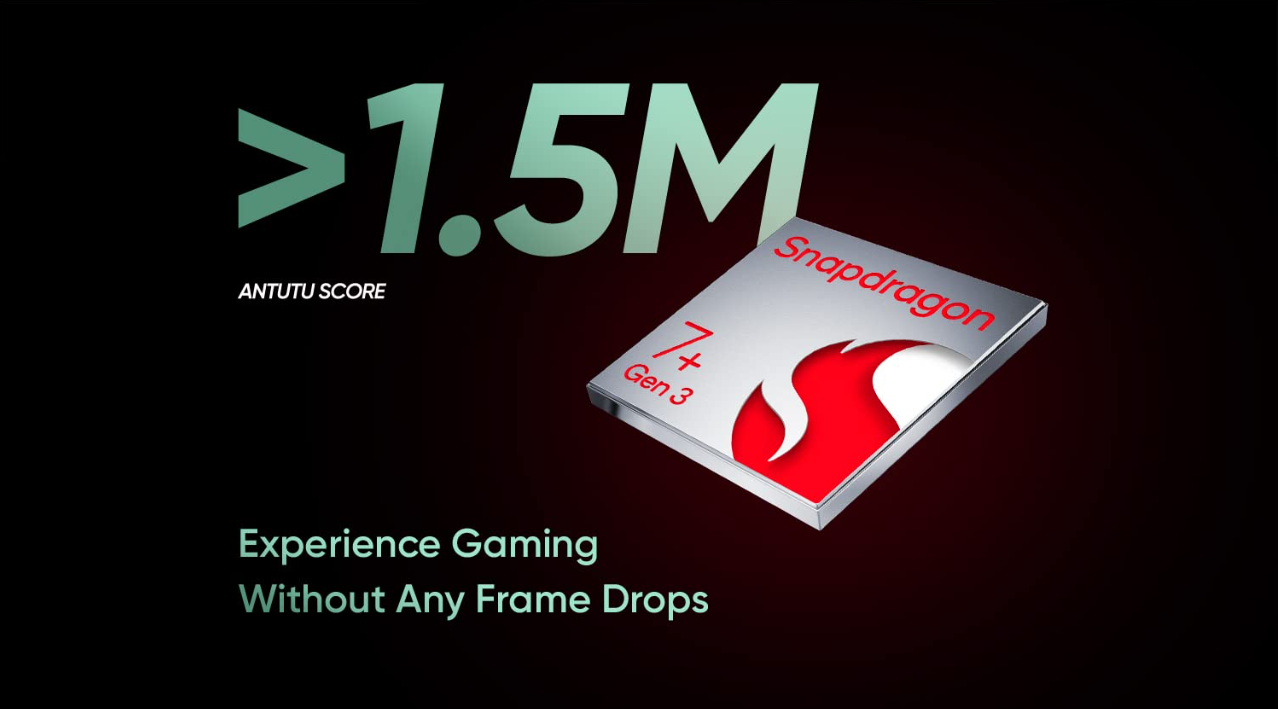
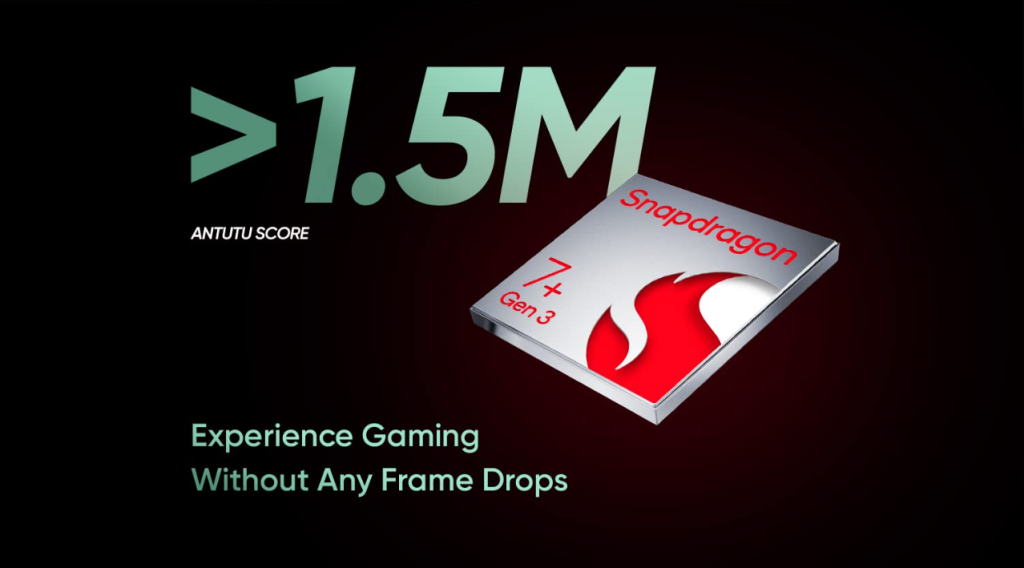
AnTuTu score of the realme GT Neo 6T had been revealed earlier. Snapdragon 7+ Gen 3 chipset is indeed a powerful one, offering similar performance to the Snapdragon 8+ Gen 1. The upcoming device can surpass a score of 1.5 million on AnTuTu.

The newly surfaced Geekbench score is another piece of evidence indicating that the device is quite powerful. The realme GT 6T achieved a single-core score of 1801 and a multi-core score of 4499 on Geekbench. The device has the codename “pineapple” and appears with the model number RMX3853 on Geekbench.

realme GT 6T is powered by a Snapdragon 7+ Gen 3 chipset. This chipset utilizes a 1+3+4 core architecture, with one prime core clocked at 2.80 GHz, three performance cores at 2.61 GHz, and four efficiency cores at 1.90 GHz. This configuration matches the realme GT Neo 6 SE, suggesting the two phones share the same core hardware with same clock speeds. Leaks on Geekbench also point to 8GB of RAM for the GT 6T.

Although the phone has not been unveiled yet, as we expect it to be a rebrand of the realme GT Neo 6 SE already launched in China. So we know the specs of the upcoming phone. realme GT 6T will come with a Snapdragon 7+ Gen 3 chipset paired with LPDDR5x RAM and UFS 4.0 storage. The phone features a 6.78-inch 120 Hz OLED display with a resolution of 1264 x 2780.

While the phone boasts a powerful chipset and display, unfortunately, we cannot say the same for its camera hardware. It comes with a dual-camera setup consisting of a 50MP main camera and an additional 8MP ultra-wide-angle camera. The phone also supports a 5500 mAh battery and 100W fast charging.

Related:

OnePlus Nord CE 4 Lite 5G spotted on TDRA website, global launch imminent

OnePlus is planning to launch the successor of the popular OnePlus Nord CE 3 Lite, called the OnePlus Nord CE 4 Lite 5G. This upcoming smartphone was recently spotted on the Bureau of Indian Standards website, and now, it has emerged on the TDRA certification website as well.

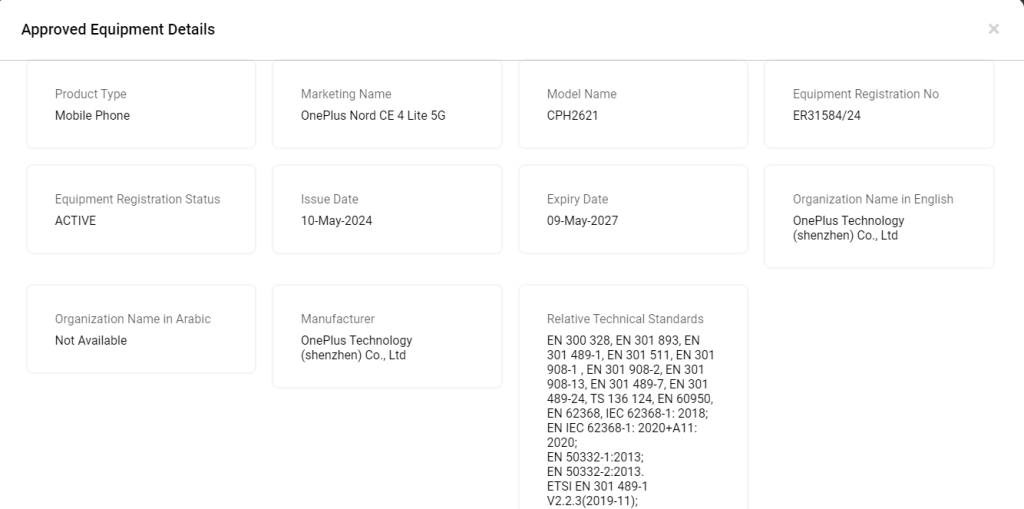
OnePlus Nord CE 4 Lite 5G TDRA certification

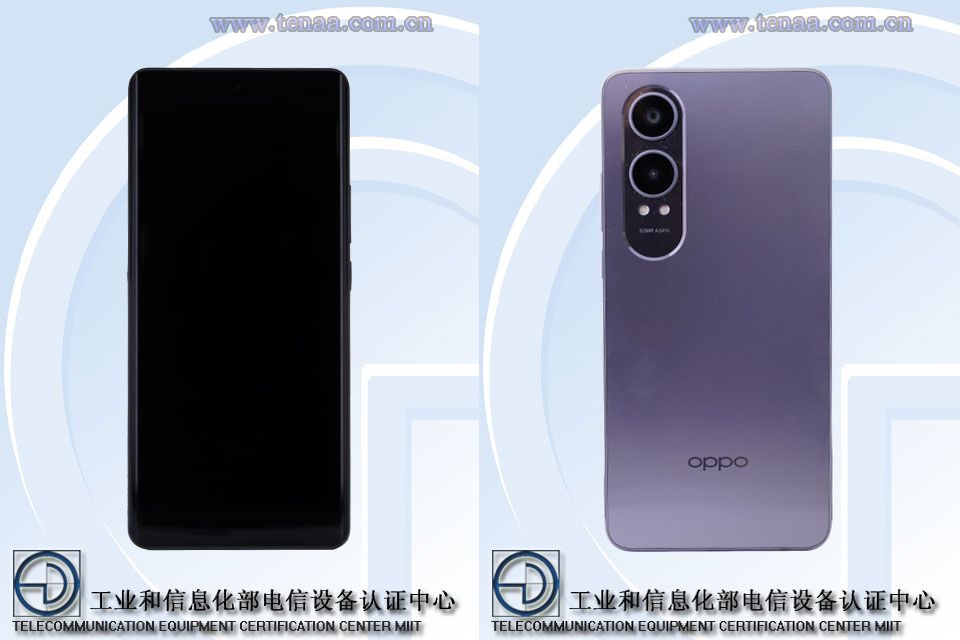
The OnePlus Nord CE 4 Lite 5G has been spotted on UAE’s TDRA website with model number CPH2621. The certification also confirms its “OnePlus Nord CE 4 Lite 5G” moniker, as well as the fact that OnePlus plans to launch this device in the wider global market. Although the brand has not revealed any details about the device in an official capacity, the Nord CE 4 Lite is said to be a rebranded version of the Oppo A3, and will likely come with a similar spec sheet.

OnePlus Nord CE 4 Lite 5G expected specs:

The OnePlus Nord CE 4 Lite will likely feature a 6.67-inch AMOLED display offering an FHD+ resolution and 120Hz refresh rate. This will be a major upgrade over its predecessor, which offers an LCD screen. We can also expect it to come with an in-display fingerprint sensor.

Oppo A3

Under the hood, it will feature a Snapdragon 6 Gen 1 processor, paired with 8 GB / 12 GB of RAM, and up to 256GB storage. For optics, we expect the device to feature two lenses on the back, housing a 50MP and a 2MP sensor. The front could offer a 16MP selfie snapper. The battery pack is expected to be of 5,500mAh capacity, with 33W fast charging.

RELATED:

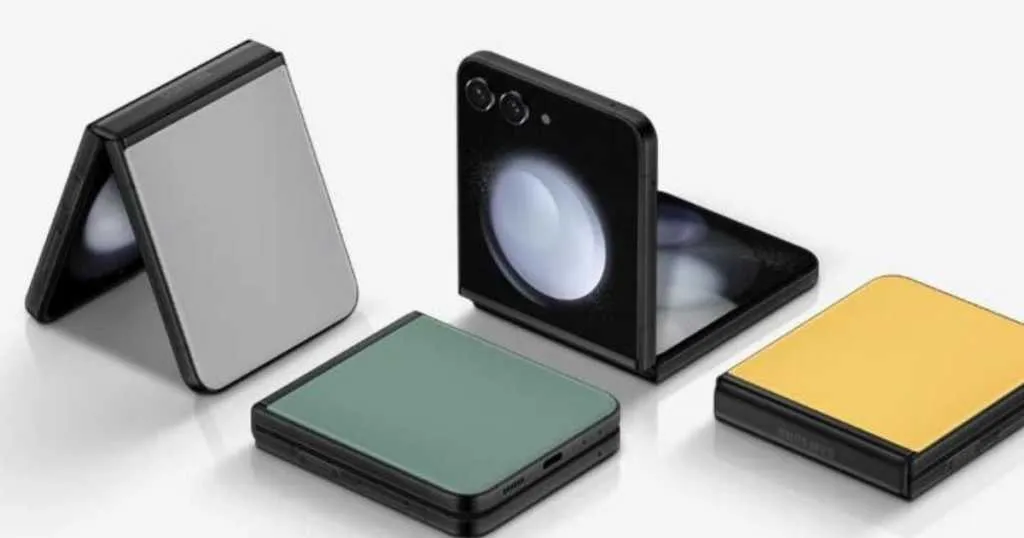
Tipster hints the Galaxy Z Flip6 will launch in only the Snapdragon 8 Gen 3 model

Samsung‘s upcoming flagship foldable flip phone – the Galaxy Z Flip6 has now been tipped to feature only the Snapdragon 8 Gen 3 chipset. Previously, Samsung had released the Galaxy Z Flip models in two chipset options – Snapdragon and the Exynos 2400. The new information is coming from a tipster kro_roe via an X (formerly known as Twitter) post.

Samsung Galaxy Z Flip 5
Samsung Galaxy Z Flip5

The next Samsung unpacked event is scheduled for July 10 and the Galaxy Z Flip6 and the Galaxy Z Fold6 are expected to be unveiled. The Galaxy Z Fold6 and Z Flip6 are flagship models with global appeal across several markets. The tipster points to an indication that Samsung will not feature the Exynos 2400 chips on the Galaxy Z Flip6 model. Previous leaks had pointed out that the Galaxy Z Flip6 will feature the Exynos 2400 chipset in some regions and the Snapdragon 8 Gen 3 in other regions.

Samsung usually equips its flagship foldable models, the Galaxy Z Fold and Z Flip with the latest Qualcomm Snapdragon chipsets. On the other hand, the dual chipset approach has been traditionally applied to the Galaxy S models which get either a Qualcomm or an Exynos SoC. It would have been a major shift from its normal policy. It is however noted that the Exynos 2400 chipset featured in the Samsung Galaxy S24 models compares squarely with the Snapdragon 8 Gen 3 in terms of performance and efficiency.

There is no official confirmation yet on the authenticity of the dual-chipset hint or otherwise for the Samsung Galaxy Z Flip6 at this time. The official optics will however become evident as we inch closer to the scheduled July 10 Samsung Unpacked Event.

Related:

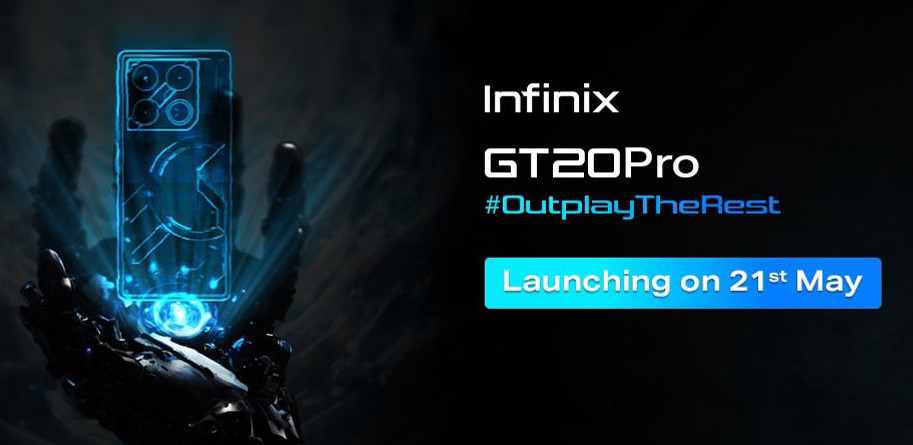
Infinix GT 20 Pro & GT Book gaming devices arriving in India on May 21

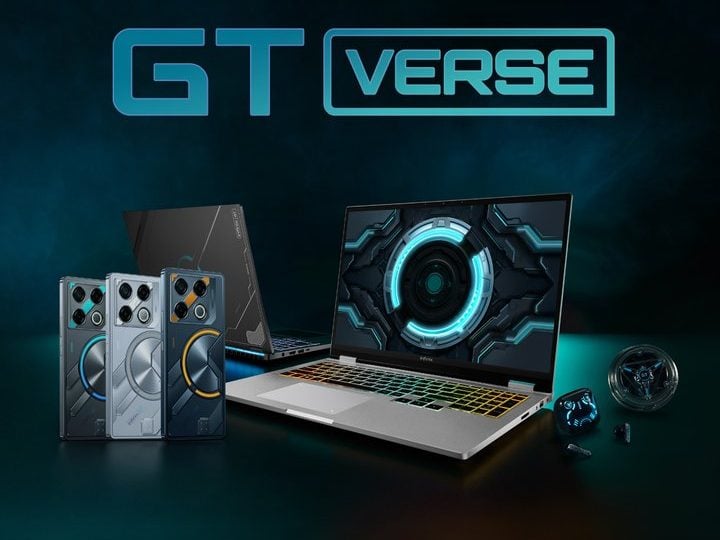
Infinix has finally confirmed the launch date for its new lineup of gaming products. The company’s gearing up to unveil new gadgets from its GT Verse series, which includes the Infinix GT 20 Pro and GT Book, later this month. So here are all the details.

Infinix GT 20 Pro & GT Book India launch next week

Infinix GT 20 Pro

In an official teaser, Infinix revealed that the upcoming gaming smartphone and gaming laptop will be announced in the region on 21st May 2024. This is in line with one of our previous reports, which also shared a May 21 release. To recall, the Infinix GT 20 Pro was first announced in Saudi Arabia (Infinix GT 20 Pro vs Infinix GT 10 Pro). It features a tall 6.78-inch AMOLED display with FHD+ resolution and a 144Hz refresh rate.

Under the hood, it is equipped with the MediaTek Dimensity 8200 Ultimate SoC that is paired with up to 12GB of RAM and 256GB of internal storage. The device is powered by a large 5000mAh battery pack that supports 45W wired fast charging. It runs on the Android 14 OS based HiOS 14 custom skin out of the box.

Infinix GT Book

The rear packs a 108-megapixel triple camera setup, while the front houses a 32-megapixel selfie shooter. On the other hand, the Infinix GT Book was teased to feature up to an Intel Core i9-13900H chip and RTX 4060 GPU. It comes with a tall 16-inch 120Hz display along with an RGB keyboard on the front.

RELATED:

Realme GT 6T Indian launch set for May 22, AnTuTu score revealed

Realme is gearing up to launch a new smartphone in the global market called the Realme GT 6T. This new smartphone is said to be a rebranded version of the Realme GT Neo 6 SE (China exclusive), and will initially debut in India before a broader launch. Realme has now set May 22 as the date for the Indian launch.

Realme GT 6T

The Realme GT 6T will launch in India at 12 PM on May 22, 2024. In addition to the launch date announcement, the brand has also shared some key aspects of the device. As per the GT 6T Amazon India microsite, the device has a Snapdragon 7+ Gen 3 SoC and can cross 1.5 million points on the AnTuTu benchmark.

Realme GT 6T AnTuTu

The brand will also provide a large Vapor Chamber cooling system for the smartphone to prevent thermal throttling on this chip. While the brand has not confirmed other specifications, we expect them to be similar to the Realme GT Neo 6 SE.

Realme GT 6T expected specs:

The Realme GT 6T will likely come with a 6.78-inch OLED display, offering 120Hz refresh rate and a peak brightness of 6,000 nits. Its Snapdragon 7+ Gen 3 chip will likely be paired with LPDDR5x RAM and UFS 4.0 storage. That being said, we expect the 128GB storage model to use UFS 3.1 storage.

In the camera department, we expect the device to come with a 50MP main camera (Sony IMX882 with OIS), paired with an 8MP ultra-wide camera. While it could feature a 32MP Sony IMX615 selfie snapper on the front. The GT 6T could also offer a large 5,500mAh battery, paired with 100W fast charging. We expect these details to be confirmed ahead of the May 22 launch date. We have also recently reported on the leaked pricing of the Realme GT 6T, which reveals that the device could debut below the ₹30,000 price point.

RELATED:

(Source)

OnePlus Ace 3 Pro to have the biggest battery on a OnePlus phone yet

OnePlus Ace 3 lineup currently consists of two models: the Ace 3 and Ace 3V. However, rumors have been circulating about the addition of a Pro variant, with leaks popping up every now and then. Today, reliable leaker Digital Chat Station (DCS) has shared a new tidbit on the upcoming phone, and it’s a big one – literally.

According to DCS, the OnePlus Ace 3 Pro will have a dual-cell battery with each cell offering 2970mAh capacity, for a combined total of 5940mAh. 

However, DCS clarifies that the typical capacity will likely be listed as 6100mAh. That should likely be a marketing decision based on how battery capacity is usually measured in the industry. This would make the Ace 3 Pro the OnePlus phone with the largest battery. 

OnePlus Ace 3 Pro Battery

This leak aligns with previous information from DCS, who also hinted at a 1.5K resolution OLED display for the Ace 3 Pro. The powerhouse under the hood is rumored to be the Snapdragon 8 Gen 3 chipset, paired with 16GB of RAM and 1TB of storage. The tipster also hinted at a possible 24GB LPDDR5x RAM variant.

While camera details are uncertain, rumor suggests the same Sony IMX890 50-megapixel primary sensor as the OnePlus Ace 3 / 12R.

Moreover, the Ace 3 Pro is said to have a premium design with metal frames on the side and a glass panel on the back. DCS also tipped at a different design for the phone compared to existing OnePlus flagships.

There’s no definitive timeframe we’ve heard of for Ace 3 Pro’s launch. It’s also uncertain if the company will bring the phone to the global market, even as a re-branded product, since the Ace 2 Pro remained exclusive to China.

Related: