Advertisement

Xbox Goes Web-First: Mobile Game Store Launches in July, Bypassing App Stores

Microsoft is bypassing app store limitations with a web-based Xbox mobile game store launching in July. This store will prioritize Microsoft’s mobile games initially, including popular titles like Candy Crush and Minecraft, with plans to incorporate partner games later.

Using the mobile store, players can access their entire library and progress

Sarah Bond, Xbox president, emphasizes the store’s role in creating a unified gaming experience. Unlike current platforms, players can access their entire library, identity, rewards, and progress across various devices through the Xbox mobile store.

Xbox

While Microsoft previously anticipated app store regulations to change, their web-based approach suggests they’re not waiting. This initial step might evolve into a more traditional app store rivaling Google Play and Apple’s App Store, hinted at by Bond’s mention of “extending” beyond the web.

The web-only format presents challenges for Microsoft, and it’s unclear how it will compete with existing mobile game options. However, this launch marks a significant step for Microsoft’s mobile gaming ambitions, potentially paving the way for a more traditional app store in the future.

RELATED:

(Via)

Hackers Claim Dell Customer Data Breach, But Company Says Relax

Dell is notifying customers of a potential data breach that may have leaked some personal information. In an email sent to users yesterday, Dell advised customers to change their personal information “as soon as possible to protect personal privacy and property.”

49 million customers have been reportedly been affected by the data leak

Dell downplayed the potential impact of the breach, stating in a press release, “We are investigating a data breach. The database leaked in this incident may involve your purchase records. However, considering the type of information involved, there will not be a significant risk impact on our customers.”

Dell

However, hackers claim to have stolen information on roughly 49 million customers, including names, physical addresses, details about purchased Dell products, and order information like service tags, descriptions, purchase dates, and warranty details.

Dell emphasizes that financial or payment information, email addresses, or phone numbers were not compromised. They are currently working with law enforcement and forensic specialists to investigate the incident.

RELATED:

(Via)

Apple Leverages M2 Ultra Chips in Data Centers for Future Mobile Intelligence

Apple is taking a cautious approach to generative AI, leveraging its existing M2 Ultra chips in data centers before transitioning to its next-generation M4 chips.

Apple believes that existing M series chips have sufficient security features

According to Bloomberg, Apple plans to offload complex AI queries to M2 Ultra processors running in their data centers. This strategy comes after an earlier plan, codenamed Project ACDC (Apple Chips in Data Center) which envisioned custom chips designed specifically for data centers. However, the trillion dollar company now believes its existing M series chips possess sufficient security features for their AI needs.

Apple M2 Ultra

These M2 Ultra chips will be deployed initially in Apple’s own data centers, with the potential for expansion to third-party servers in the future. Apple has a network of data centers across the US, with a new facility currently under construction in Waukee, Iowa.

While competitors like Google, Meta, and Microsoft have aggressively pursued generative AI, Apple has focused on research and development. In December, the company’s machine learning team released MLX, a framework designed to optimize AI models for Apple silicon. They’ve also published research exploring potential applications of AI on devices and how it could enhance existing features like Siri.

The recent emphasis on AI performance during the M4 chip announcement, highlighting its “outrageously powerful” neural engine, suggests Apple is gearing up for a more prominent role in the generative AI landscape.

RELATED:

(Via)

Decathlon Rockrider E-FEEL 700S full-suspension e-bike with a 1.4-inch LCD color screen now on sale in Europe

The Decathlon Rockrider E-FEEL 700S e-bike has gone on sale in Europe. The new Decathlon e-bike is a mid-range, full-suspension two-wheeler. Its availability is coming after the model was showcased last October. The model has been listed on the Decathlon website in several European markets.

Decathlon Rockrider E-FEEL 700S

Features

The Decathlon Rockrider 29” Full Suspension Electric All-Mountain Bike E-FEEL 700S is a cheaper and more basic model than the recently released E-FEEL 900S Team Edition premium model from the brand. The E-FEEL 700S is equipped with a mid-mounted 250W Shimano EP600 motor. The motor outputs a maximum power of 500W and 85Nm torque. The bike has a top assistance speed of 25km/h and is within the restriction limits of several European markets. The torque sensors, according to the company, make the assistance feel natural.

The Decathlon Rockrider E-FEEL 700S comes with a 630Wh battery with an assistance range of 90km. It also features a Shimano SC-EN600 1.4-inch LCD color screen which provides ride statistics and battery status on the go. The bike features Bluetooth connectivity. The full suspension system of the Rockrider E-FEEL 700S includes a RockShox 35 Gold RL 160mm fork and the RockShox Deluxe Select shock. There is a Shimano Cues 6000 rear derailleur as well as hydraulic disc brakes on the e-bike.

Decathlon Rockrider E-FEEL 700S

Pricing & Availability

The E-FEEL 700S comes with 29-inch Rockrider Grip 500 tires. It also has a telescopic seat post while its aluminum frame is available in four sizes between S and XL. Each frame option has a light grey finish and the price of the model starts at €3,499 ($3,760). The prices vary across the EU countries like France, Spain, Italy, and the Netherlands. The model is listed in the UK but is currently out of stock. It is unclear whether the Decathlon Rockrider E-FEEL 700S will subsequently be available in other markets outside Europe.

RELATED:

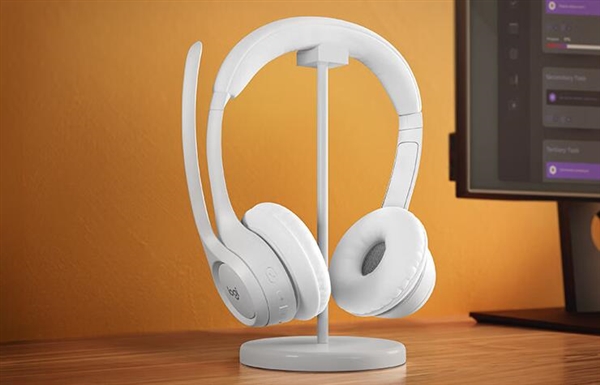
Logitech ZONE 300 wireless headphones with up to 20 hours of battery life launched in China

Logitech has unveiled the ZONE 300 wireless headphones in China. The new Logitech headphones offer up to 20 hours of playback on a full charge and come with a lightweight design.

Logitech ZONE 300 wireless headphones

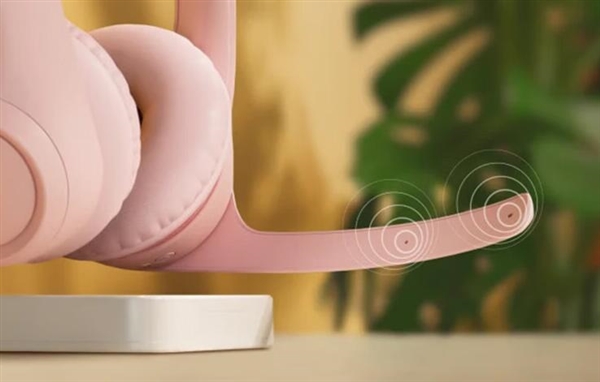
The Logitech ZONE 300 weighs about 122g and is less burdensome when being used even for extended periods. The audio device is equipped with a built-in microphone that allows users to make voice calls or for online meetings. There are illuminating color options for the Logitech ZONE 300 headphones. The fashionable colors are pearl white, midnight black, and rose pink. The headphones are equipped with a 30mm dynamic driver unit that delivers clear and full sound quality. It provides a stable connection as well as faster transmission speed and overall better sound quality.

Logitech ZONE 300 wireless headphones

The Logitech ZONE 300 headset can connect via Bluetooth to a maximum of six devices. It supports simultaneous dual-device connections. Logitech says that the device can sustain a stable connection within a radius of 30 meters when there are no obstructions. The wireless headset achieves a battery life of 20 hours when in listening mode and about 16 hours in call mode. It supports fast charging with 5 minutes of charging delivering up to one hour of playback. The headset is compatible with Windows, macOS, Chrome OS, iOS, iPadOS, and Android devices. It is therefore usable in a wide array of devices.

Logitech ZONE 300 wireless headphones

Pricing & Availability

The Logitech ZONE 300 wireless headphones can be purchased from retail platforms in China such as JD.com. The new Logitech wireless headset is priced at 599 yuan ($83). Logitech has not provided any global availability information for the device at this time.

RELATED:

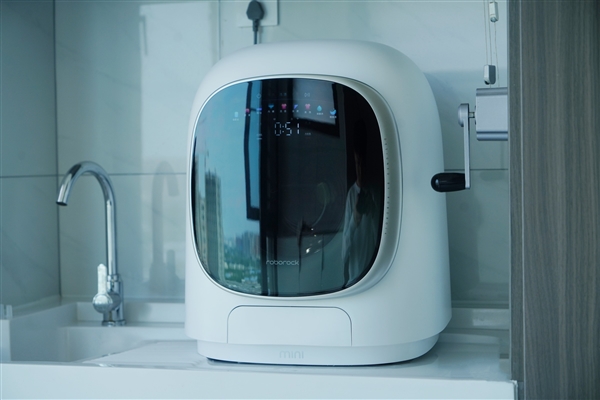
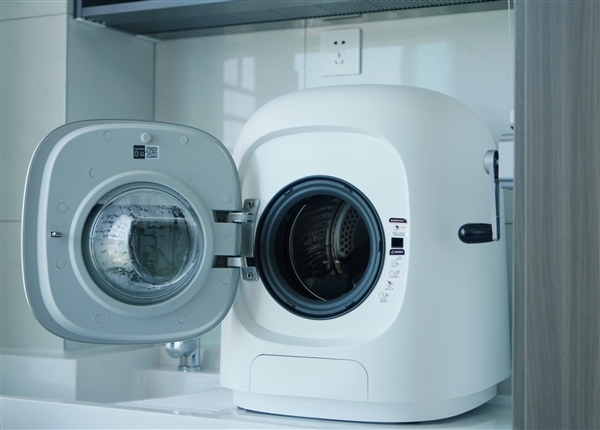
Roborock Smart Mini Washing and Drying machine M1 Pure launched in China

Roborock has started accepting pre-orders for its new smart Mini Washing and Drying machine M1 Pure in China. The smart home gadget is suitable for smaller loads (such as underwear or baby wear) of up to 1kg and comes with several smart features. The direct drive motor of the gadget has a 45dB noise level, making it operate silently and not disrupt your sleep.

rOBOROCK

The Roborock Mini Washing and Drying Machine M1 Pure offers deep and gentle cleaning of the fabric. It is a successor to the Roborock M1 and comes with several upgrades. It uses the Fresh Gale technology and the gadget can accommodate up to 25 pieces of underwear. The Fresh Gale 3D drying feature is reported to leave the fabrics feeling softer.

There are integrated sensors in the machine that determine whether the items are dry and end the cleaning cycle. The dryer has a rotating speed of up to 4,000 revolutions per minute and the airflow reaches up to 18 km/h. The smart home gadget also features a self-cleaning mode (up to 90ºC) and automatic airing if the washer is not emptied within 30 minutes. It also features automatic detergent dispensing from its 270ml compartment for up to 50 days.

The Roborock M1 Pure has a touch panel that can be used to choose and customize up to 20 programs. The Roborock app can also be used to adjust the settings of the device. The dimensions of the Roborock M1 Pure are 428 x 512 x 489 mm, highlighting its compact size.

Roborock Smart Mini Washing and Drying machine M1 Pure

Pricing & Availability

The Roborock Mini Washing and Drying Machine M1 Pure is offered at a discounted price of 1,999 yuan ($277) with a 100 yuan deposit during the pre-sale period. After the pre-sale period (May 31, 2024), the gadget will be priced at 3,599 yuan ($498). There are no global availability details yet for the Roborock M1 Pure.

RELATED:

Advanced AI tools may become a “massive issue” for jobs, says OpenAI CEO Sam Altman

OpenAI CEO Sam Altman revealed his “wildly ambitious” plans for the development of AI just a couple of months ago. He was seeking trillions in funding to improve chip technology and in turn, boost the development of AI. However, just months after revealing his ambitious plans to boost AI development, the CEO shared his concerns regarding the jobs and economy amidst the rise of AI tools during a Brookings Institute panel about AI and geopolitics.

More advanced AI tools may lead to mass job replacement in near future

When Sam Altman was asked about his thoughts on how AI-generated misinformation may affect elections, he shared his concerns about another issue – the future economy. “The thing I’m most worried about right now is, the sort of, the speed and magnitude of the socioeconomic change may have, and what the impacts on what that will be,” the CEO of OpenAI said.

His discussions were centered around how artificial intelligence may lead to mass job replacement and affect the economy. He wonders what could happen if people don’t think about the current situation seriously. According to him, GPT-4 still didn’t pose a significant risk to jobs and it made people think like, “Oh well, we were too worried about that, and that’s not a problem,” he said. “I have a fear that we just won’t take that one seriously enough going forward, and it’s a massive, massive issue.”

According to an International Monetary Fund (IMF) study from earlier this year, advanced AI technologies may impact roughly 60% of jobs in advanced economies. Reportedly, almost half of those jobs can be automated, which may lead to a mass job replacement that Altman talked about.

He told CNBC in an interview last year that he’s a “little bit scared” of ChatGPT as the tool is capable enough to eliminate certain jobs. While the tools can help people in their jobs, potentially helping them do more within less time, they can also replace people from certain jobs entirely. Some CEOs have also confirmed that they have replaced certain jobs with AI for better productivity and efficiency.

Related:

M4 iPad Pro benchmarks reveal it’s faster than M3 MacBook Pro

Apple announced exciting new iPad Air and iPad Pro models at their recent event. These come in all-new 11-inch and 13-inch sizes. During the Apple’s official presentation, Apple made a comparison on the performance of the M2-powered iPad Pro and the M4 iPad Pro. And now the Geekbench benchmark result for the M4 iPad Pro has suddenly appeared on Twitter.

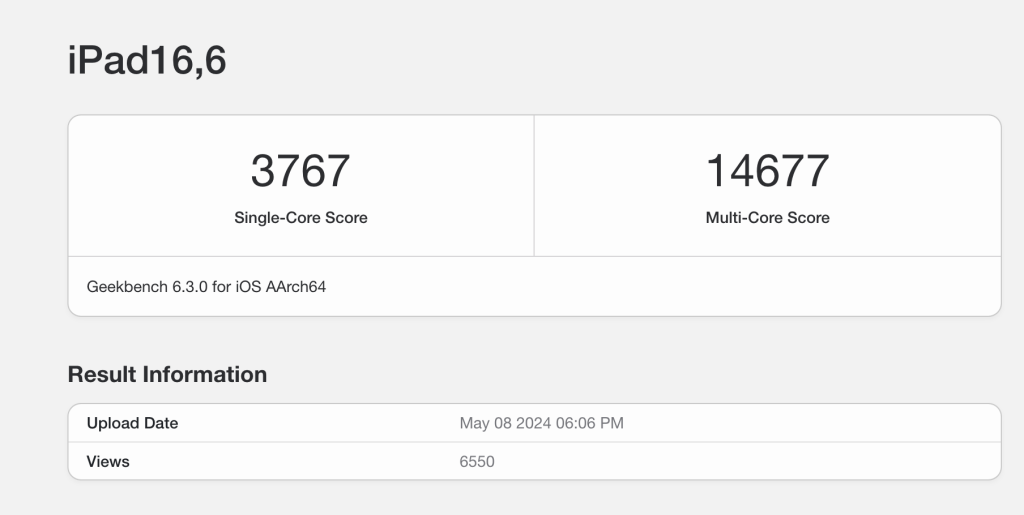
Vadim Yuryev‘s post on Twitter reveals that the 2024 iPad Pro has a single-core score of 3,767 and a multi-core score of 14,677. Apple had already stated at the launch event that the new M4 chip is 1.5 times faster than the M2 iPad Pro. Despite introducing M3 Macbooks in October 2023, Apple skipped the M3 iPad Pro and instead introduced the M4 iPad Pro.

Skipping the M3 iPad actually makes sense since there’s only a 7-month difference between the M3 and M4 chips. In just 7 months, Apple managed to achieve a 25% performance boost, as seen on the Geekbench scores. Apple advertises the new M4 iPad Pro as the most powerful and thinnest iPad, a claim that we can confidently say indeed reflects reality.

The new M4 iPad Pro is 22% faster in single-core performance and 25% faster in multi-core performance. In fact, the M4 chip makes the 2024 iPad Pro even faster than the 11-core 14-inch M3 Pro MacBook Pro. It’s quite remarkable that Apple achieved a 25% performance boost in just 7 months, especially considering the new iPad Pro’s body is as thin as 5.1mm. Note that the Geekbench result reflects the performance of the 10-core M4 chip. Apple offers different M4 variants based on the storage variant in the new iPad Pro lineup. The 256GB and 512GB models have 3 performance cores, while the 1TB and 2TB models have 4 performance cores.

Related:

OnePlus Nord CE 4 gets AI eraser & camera improvements in new OxygenOS update

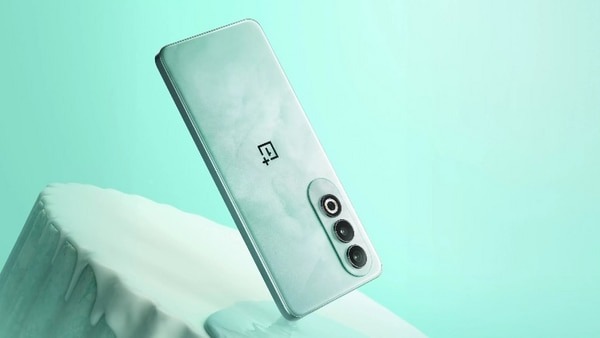
OnePlus has released the OxygenOS 14.0.1.427 update for its Nord CE 4 smartphone in India. This update brings several improvements, including a new AI eraser tool for photos. Initially, it’s rolling out to a limited number of users, with a wider release expected later.

OnePlus Nord CE 4

The focus of OxygenOS 14.0.1.427 is on system improvements, such as improved stability and better power usage in certain situations. There’s also a promise of better Bluetooth connectivity, especially during calls with Bluetooth headphones.

A key feature of this update is the AI Eraser, which lets users easily remove unwanted objects from their photos.

Additionally, camera performance is said to be improved, ensuring smoother video recording and better overall quality.

While currently available only in India, OnePlus plans to roll out the update to other regions in the future, although specific timelines haven’t been announced.

OnePlus has encouraged early recipients of the update to report any issues by dialing *#800# from their device and following the instructions. You can manually check for the availability of the update on your device by navigating to Settings > About Device > OxygenOS > Check for Update.

RELATED:

(Source)

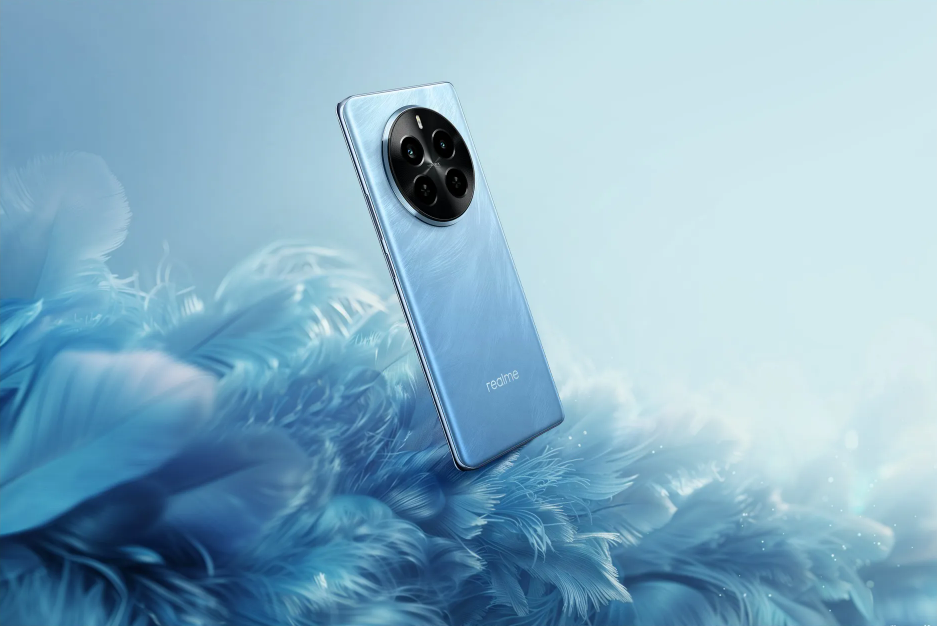
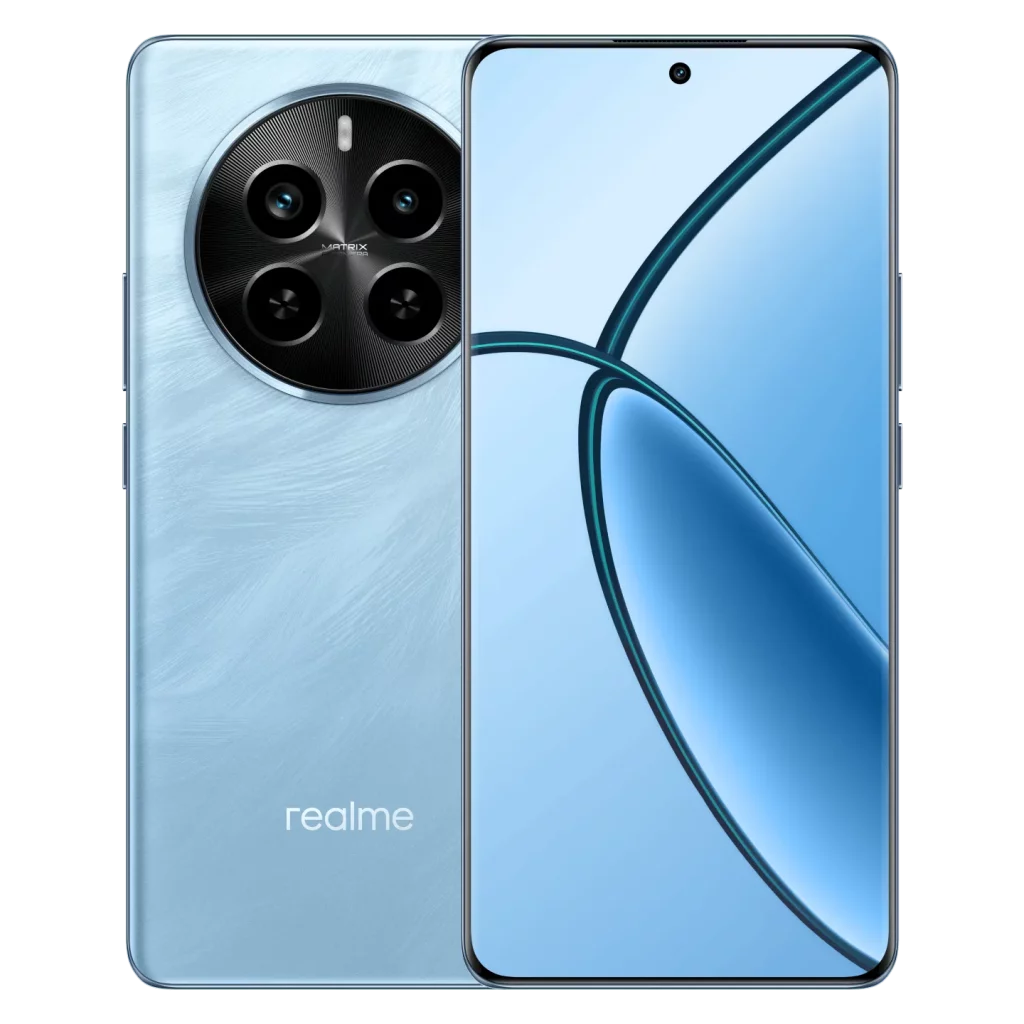
Realme P1 Pro Parrot Blue color option is now available in India

The Realme P1 Pro, initially launched last month, is now available in a new Parrot Blue color in India. Priced at Rs 21,999, this smartphone can be exclusively purchased through Flipkart and the Realme eStore. Customers buying from the Realme eStore can avail themselves of a Rs 2,000 discount using a special coupon.

Realme P1 Pro

Realme P1 Pro specs:

The Realme P1 Pro features a 6.7-inch curved AMOLED display with a 120Hz refresh rate and a Full HD+ resolution. It is powered by a Qualcomm Snapdragon 6 Gen 1 SoC, accompanied by an Adreno 710 GPU. The smartphone offers two storage options: 128GB and 256GB UFS 3.1.

Realme P1 Pro

Running on Realme UI 5.0, based on Android 14, the device is set to receive two future Android OS upgrades and three years of security updates. It includes a 50MP main camera with a Sony LYTIA 600 sensor, an 8MP ultra-wide-angle lens, and a 16MP front camera for selfies.

The P1 Pro is equipped with a 5,000mAh battery supporting 45W SuperVOOC fast charging. For security, it features an in-display fingerprint scanner and face unlock capabilities. For audio, the device features dual speakers, Dolby Atmos, and Hi-Res audio. Additional functionalities include IP65 dust and water resistance, Air gestures, and Rainwater smart touch.

RELATED:

Apple Pencil Pro vs Apple Pencil 2nd Gen: Don’t Be Fooled by Appearances

Apple introduced its new generation of M4 iPad Pro and iPad Air 6 at the May 7th event, alongside the compatible Apple Pencil Pro. This smart stylus is amazing, but figuring out which Apple Pencil is right for you can be a headache.

Both the Pro and 2nd generation versions cost $129. So, what do you get for your money? Let’s compare the Apple Pencil Pro vs. Apple Pencil 2nd generation.

1. Design and Compatibility

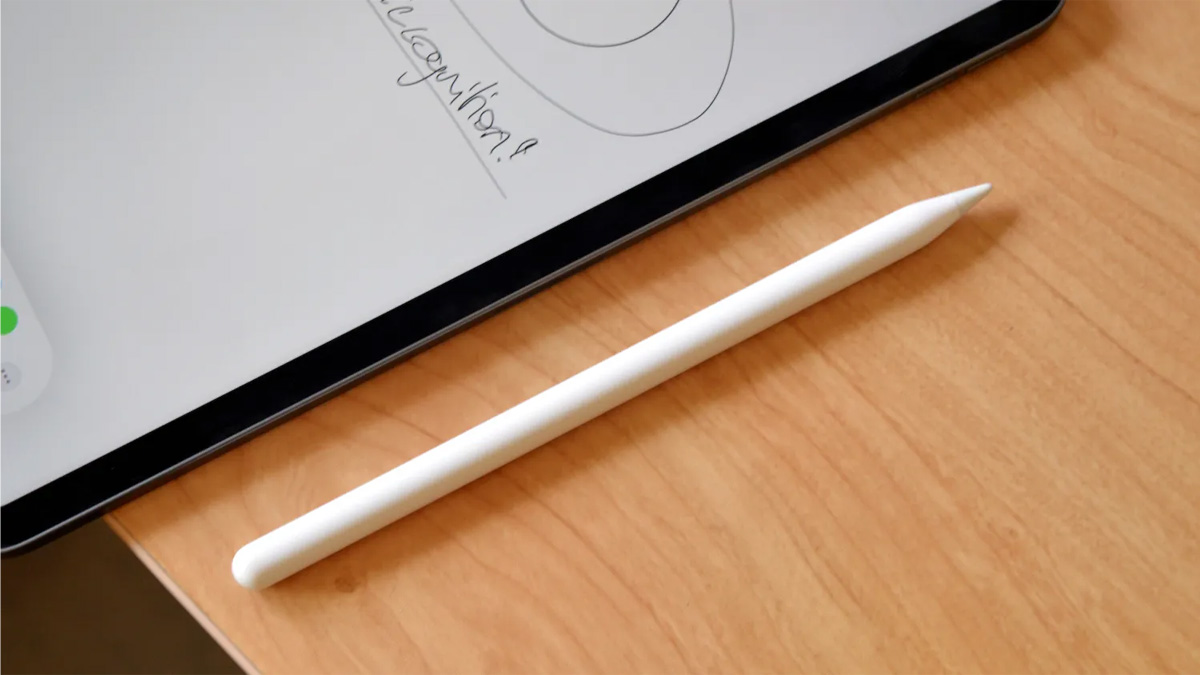
If we start by comparing the Apple Pencil Pro and the 2nd generation Apple Pencil based on design, things might get confusing. These styluses are so visually similar that it’s difficult to immediately tell them apart.

The only tiny difference is that the Apple Pencil Pro has the word “Pencil Pro” written on it, while the older one just says “Pencil”.

A major difference between the new Apple Pencil Pro and the 2nd generation Apple Pencil is compatibility. While the 2nd generation Pencil works with several iPad Air and Pro models, the Pro version is only compatible with the latest M4 iPad Pro and iPad Air 6.

This is because the new iPads have a design change that prevents them from charging the older Pencil.

2. What Innovations Does Apple Pencil Pro Offer?

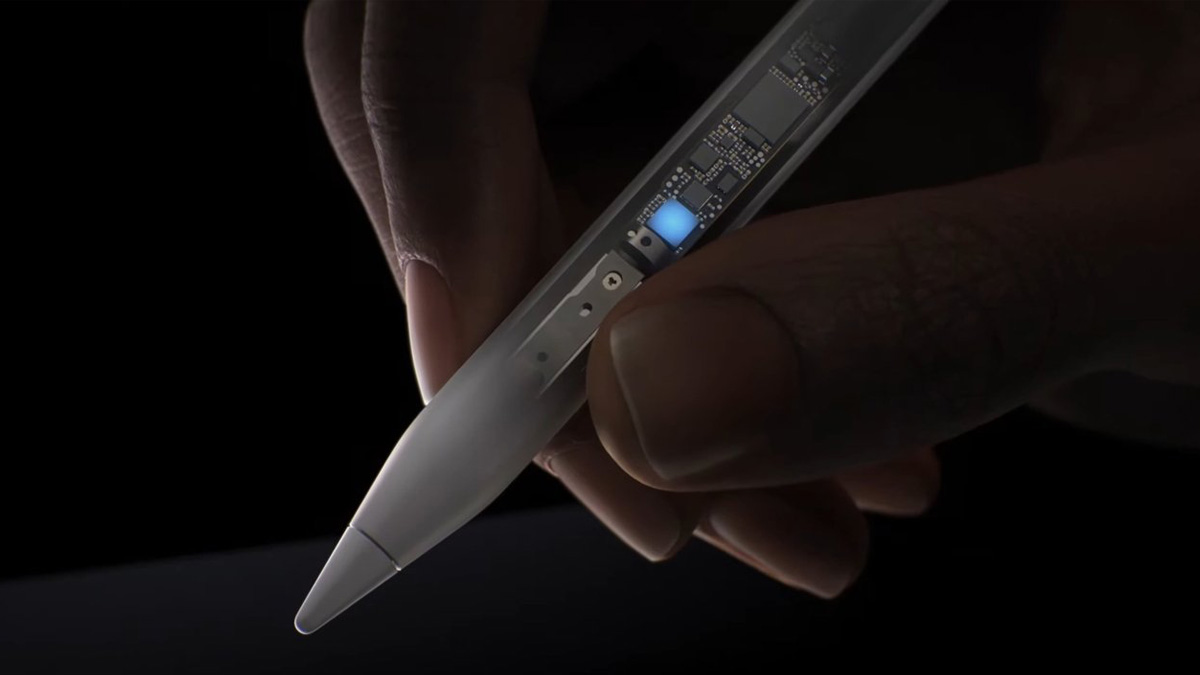
In addition to its standard features, the Apple Pencil Pro boasts several upgrades not found in the 2nd generation model. One key addition is a sensor that recognizes a user’s squeezing gesture, allowing for customizable actions or tool selection. This functionality is absent in the earlier version.

Double-tapping the Apple Pencil Pro’s body provides haptic feedback, typically used to switch functions like eraser or pen. Additionally, the new features like Smart Shapes helps with drawing straight lines by automatically correcting messy shapes. The Apple Pencil Pro provides haptic feedback during this correction.

With the new “Find My” integration on Apple Pencil Pro, you can easily locate the stylus from your iPad or the “Find My” app. This feature can help you find your stylus if you somehow lose it. Unfortunately, Pencil Pro is the first Apple stylus to use this new feature, which means you won’t find it in the Apple Pencil 2nd Generation.

3. Apple Pencil Pro vs Apple Pencil 2nd Generation Comparison

FeaturesApple Pencil ProApple Pencil (2nd Generation)
CompatibilityiPad Pro 13-inch (M4)
iPad Pro 11-inch (M4)
iPad Air 13-inch (M2)
iPad Air 11-inch (M2)
iPad Pro 12.9-inch (3rd, 4th, 5th, and 6th gen)
iPad Pro 11-inch (1st, 2nd, 3rd, and 4th gen)
iPad Air (4th and 5th gen)
iPad mini (6th gen)
ChargingWireless magnetic attachment and chargingWireless magnetic attachment and charging
HoverYesYes (but limited to certain iPad models)
GesturesDouble-tap for tool switching, customizable squeeze actionsDouble-tap for tool switching
Haptic FeedbackYesNo
Pressure SensitivityYesYes
Tilt SensitivityYesYes
PrecisionPixel-perfectPixel-perfect
Price$129$129

4. Why Apple Pencil Pro and Apple Pencil 2nd Generation Cost the Same?

Unfortunately, there’s no definitive answer explaining Apple’s decision to price both styluses equally. Some speculate that the company is strategically pricing the less feature-rich Apple Pencil (2nd generation) the same as the Pencil Pro to make the latter seem more attractive. This could be a tactic to drive interest in their newer tablet models. However, this remains speculation.

If you’re trying to decide between the two, the answer depends on your needs: If you’re purchasing a new iPad Air or Pro and have the budget, the Pencil Pro is the clear choice. If you already own a compatible iPad from recent years, the 2nd generation Pencil might be a more suitable option.

RELATED:

Razer just Released a Beautiful White Collection of Gaming Peripherals, Have a Look!

Razer has unveiled a dazzling collection of white peripherals for gamers interested in a sleek and stylish setup. Have a look for yourself.

Cobra Pro White Edition (999 yuan): This compact wireless mouse boasts 11 customizable Chroma RGB lighting zones for personalized flair. A new generation of wireless charging compatibility allows it to work with the Razer Mouse Base Pro and standard Qi wireless chargers.

Huntsman V3 Pro TKL White Edition (1,799 yuan): This tenkeyless keyboard features Razer’s second-generation analog optical switches, promising improved response times and customizable actuation for hair-trigger responsiveness in fast-paced games. It also supports a rapid trigger mode with an adjustable range of 0.1-4.0mm and a light actuation force of around 40 grams.

BlackWidow V4 Pro White Edition (1,899 yuan; available June 7th): The BlackWidow V4 Pro boasts a multi-function knob and eight dedicated macro buttons for enhanced in-game control. 3-sided Chroma RGB lighting and a magnetic, colorful leather wrist rest add a touch of personalization and comfort.

Seiren V3 Chroma White Edition (1,299 yuan): This microphone features dynamic lighting effects that react to your stream or game for added immersion. A digital gain limiter and built-in shock mount ensure clear and consistent audio quality.

The Cobra Pro White Edition, Huntsman V3 Pro TKL White Edition, and Seiren V3 Chroma White Edition are all available for purchase now. The BlackWidow V4 Pro White Edition will officially go on sale on June 7th at 11:00 PM PST.

RELATED:

(Via)

Corsair & Sennheiser Drop Limited-edition Drop + Grell OAE1 Signature Headphones, Only 1000 Units to be Made

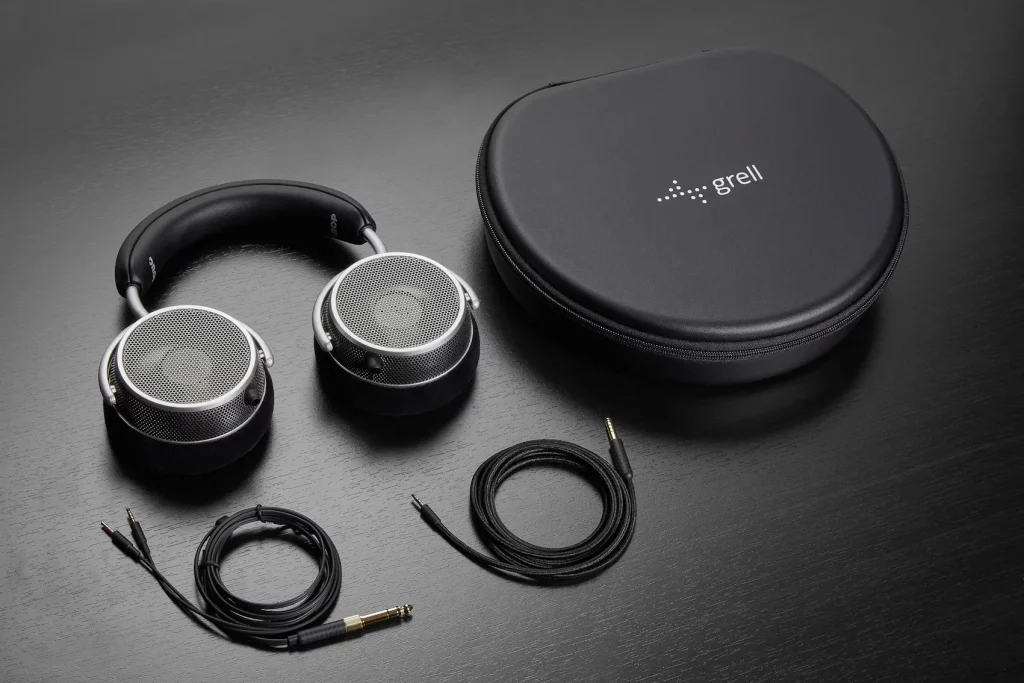
Former Sennheiser engineer Axel Grell has partnered with Drop (owned by Corsair, a company specializing in keyboard and audio peripherals), to launch the Drop + Grell OAE1 Signature headphones. Limited to only 1,000 units, these headphones are currently available for pre-order at $349 (around 2523 yuan) with an expected shipping date of June 28th.

The headphones are currently available for pre-order at $349 (2523 yuan)

Grell, known for his contributions to the development of popular Sennheiser headphones like the HD580, HD600, HD650, HD800, HD800s, and HE-1, brings his expertise to the table with the OAE1 Signature. These headphones adopt an innovative design concept – placing the driver unit further in front of the ear. This approach, previously used in headphones like the HD800, aims to create a more natural sound field for the listener.

Sennheiser

The Drop + Grell OAE1 Signature headphones boast an impedance of 38 Ω, a sound pressure level of 106 dB, and weigh in at 375g. While the image doesn’t reveal the overall design, it showcases the headphones sitting on a table with the “grell” logo prominently displayed on the side. The limited-edition status and innovative driver placement make these headphones an intriguing option for audiophiles looking for a unique listening experience. Would you give these a shot?

RELATED:

(Via)

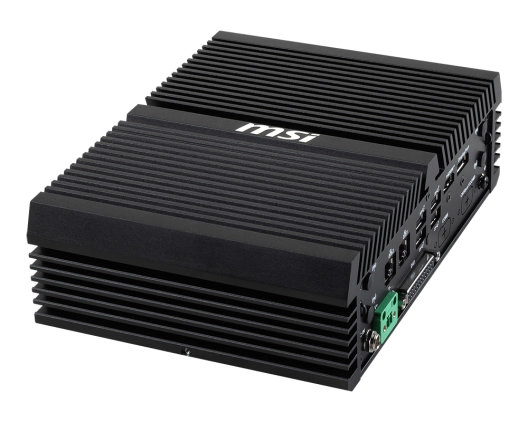
MSI Introduces the MS-C903 Industrial Grade Mini PC, Can Operate from -20°C to 70°C

MSI has introduced the MS-C903, a new industrial-grade mini PC built to tackle demanding environments.

The mini PC leverages an efficient Intel 11th Gen Tiger Lake-UP3 embedded processor. This allows for quiet operation thanks to the fanless passive cooling design, ideal for dusty or noise-sensitive areas. The rugged construction ensures operation in extreme temperatures ranging from -20°C to 70°C and meets IEC 61373 shock and impact resistance standards. For flexible deployment, the MS-C903 supports various mounting options including wall mounting, DIN rail, and VESA rack installation.

The system is quite scalable, with 2 DDR4 SO-DIMM memory slots and storage slots too

The MS-C903 offers scalability to meet your needs. Two DDR4 SO-DIMM memory slots accommodate up to 64GB of DDR4 3200 memory for smooth multitasking, while three M.2 solid-state drive slots and a 2.5-inch hard drive bay provide ample storage options.

MSI Mini PC

In terms of connectivity, the MS-C903 boasts dual RJ45 network ports for reliable wired connections. There are two network configurations to choose from: the embedded version with dual Intel I225-LM Gigabit LAN ports and the industrial-grade version featuring dual Intel I225-IT 2.5G network cards for faster data transfer. Additional ports include an audio interface, USB, serial port, GPIO, and CANbus, supporting a wide variety of peripherals. Dual monitor support further enhances productivity.

The MS-C903 comes in embedded and industrial-grade variants, with differences in processor options and operating temperature range. The embedded version features Core i3-1115G4E/i5-1145G7E/i7-1185G7E processors and operates within a temperature range of -10°C to 50°C. The industrial-grade version utilizes Core i3-1115GRE/i5-1145GRE processors and boasts a wider operating temperature range of -20°C to 70°C. The MS-C903 measures 215 x 155 x 65 mm and weighs 2.24 kg.

RELATED:

(Via)

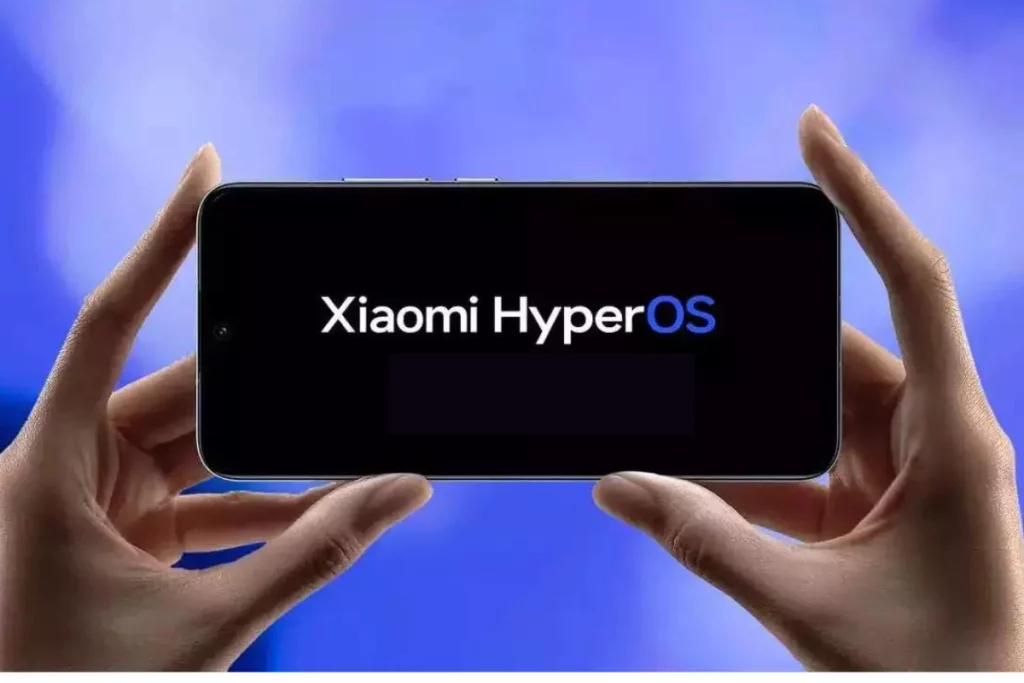
Xiaomi revamps HyperOS development strategy; introduces new “Beta” version

Xiaomi today announced a significant change to the development strategy for HyperOS. It’s replacing the existing “Development” version with a new initiative called the “Beta” version.

Xiaomi currently rolls out a “Development” version of its custom skin for early adopters who are comfortable with potential bugs and glitches in exchange for experiencing the latest features. This approach, while valuable for gathering initial feedback, wasn’t without drawbacks.

Should you upgrade to HyperOS

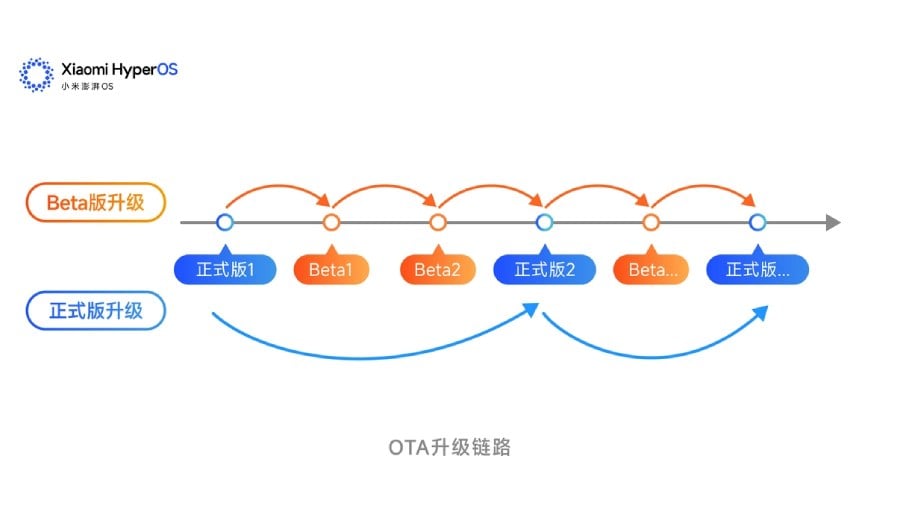
The new Beta program promises a more smoother experience. Beta testers will still get a sneak peek at upcoming features but with the crucial advantage of seamless upgrades between the Beta and official versions. 

That means no more wiping data when switching between testing and daily use – a major pain point for previous “Development” version users. Additionally, Beta testers will receive updates pushed directly from the official version, ensuring they stay updated without needing manual intervention.

Another key improvement is Xiaomi’s new approach to recruitment and release cycles. The “Beta version” program will adopt a flexible model for new feature releases. 

This means there won’t be a fixed schedule for feature rollouts; instead, they’ll be rolled out as needed. It will allow for targeted testing of upcoming features, which could result in more refined updates. 

Xiaomi plans to discontinue the “Development version” by August 2024. Existing users can seamlessly upgrade to the official version without data loss.

The inaugural recruitment for the Beta program is expected to begin in Q4 2024. Specific details regarding compatible phones and application procedures will be announced on the Xiaomi Community Internal Test Center application page.

The revamped system development plan offers several benefits for both Xiaomi and its users. Users can enjoy a more stable Beta experience with smooth upgrades, while Xiaomi benefits from focused testing and quicker feedback loops to enhance HyperOS.

Related:

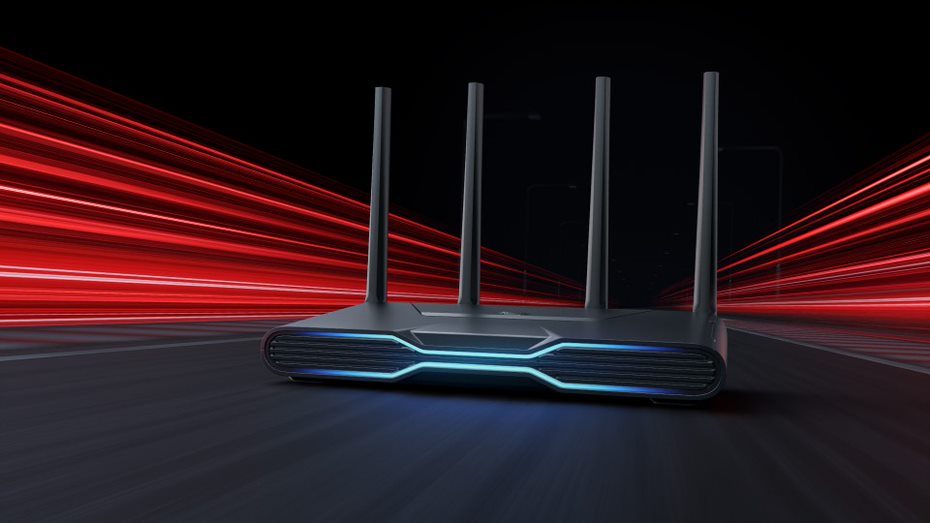
Xiaomi may stop releasing Redmi-branded routers

Xiaomi appears to be simplifying its router lineup, with reports suggesting the company will discontinue releasing routers under the Redmi brand. This news comes after a comment exchange on Weibo, the popular Chinese social media platform.

Redmi router discontinue release

The spark ignited when @Selen7, head of smart hardware market for Xiaomi China, responded to a netizen’s comment on blogger @Kang’s post. In the reply, @Selen7 seemingly confirmed that future Xiaomi router releases won’t carry the Redmi branding. Blogger @Kang further solidified this information in a subsequent Weibo post.

Redmi router discontinue release-1

While the official announcement is still awaited, this shift indicates a potential streamlining of Xiaomi’s router strategy. Currently, Xiaomi’s website offers five Wi-Fi 6 routers under the Redmi brand: Redmi Router AX5400, AX6000, AX3000, AX6S, and the Redmi Gaming Router AX5400. These routers cater to a budget-conscious audience with prices ranging from 239 yuan to 459 yuan (approximately $33 to $64 USD).

Interestingly, Xiaomi already has routers within this price range under its main brand. This overlap suggests that discontinuing the Redmi router line wouldn’t significantly impact Xiaomi’s overall router offerings. Consumers looking for budget-friendly Wi-Fi 6 routers will still have a variety of Xiaomi-branded options to choose from.

Redmi

The potential reasons behind this move remain unclear. It’s possible that Xiaomi aims to simplify its brand messaging and product segmentation. Xiaomi could improve brand recognition and streamline marketing efforts by focusing on a single brand for routers. Additionally, consolidating router production under one brand might lead to increased production efficiency and cost savings.

This news might come as a surprise to some Redmi fans who have enjoyed the brand’s budget-friendly routers. However, the impact on consumers is likely to be minimal. Xiaomi routers within the same price range will still be readily available. We’ll have to wait for an official announcement from Xiaomi to understand the reasoning behind this strategic shift and its long-term implications for the company’s router lineup.

RELATED:

(Via)

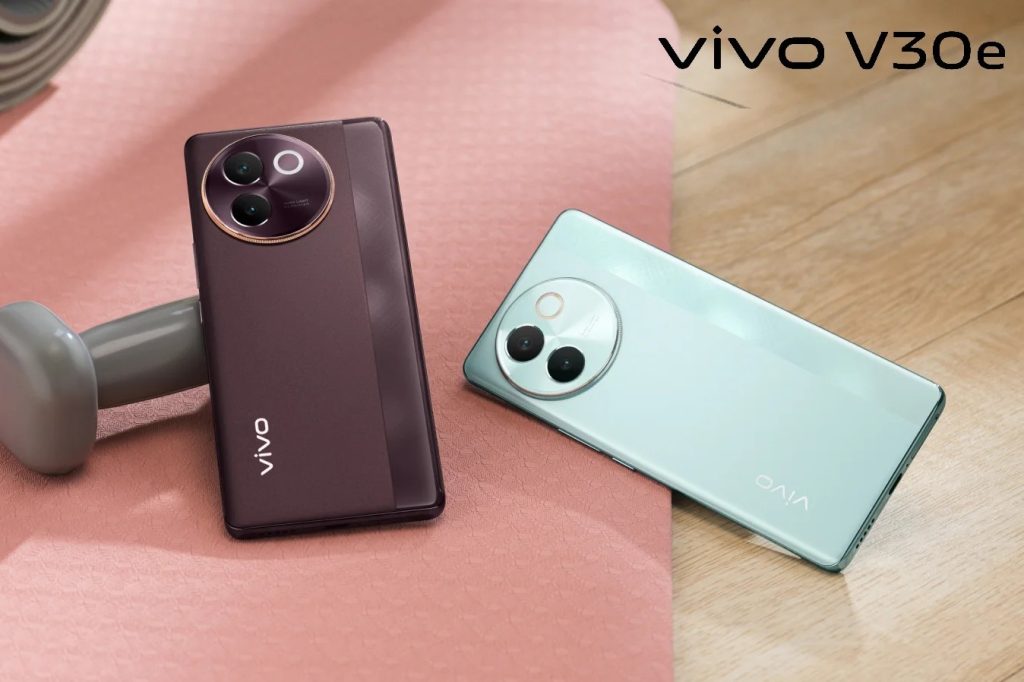
Vivo V30e with 50MP selfie camera goes on sale in India

Vivo recently introduced the Vivo V30e smartphone in the Indian market. This smartphone has debuted in the highly competitive ₹30,000 price range where it’s going up against the Realme 12 Pro, Redmi Note 13 Pro, and other smartphones. Starting today, the Vivo V30e has been made available for purchase.

Vivo V30e pricing & launch offers

The Vivo V30e comes in two storage options: the 128GB version is priced at Rs 27,999, and the 256GB version at Rs 29,999. You can buy it from Vivo’s official website, Flipkart, and authorized retail stores across India. HDFC and SBI cardholders get a flat 10 percent instant discount when purchasing online, while offline buyers can enjoy the same discount with participating banks like ICICI, SBI, IndusInd, IDFC, and others.

Vivo V30e specs:

The Vivo V30e comes with a 6.7-inch FHD+ AMOLED display with 120Hz refresh rate and an in-display fingerprint scanner for security. Under the hood, the device features a Snapdragon 6 Gen 1 paired with 8GB RAM and 128GB / 256GB storage.

For optics, the phone has a 50MP Sony IMX882 primary camera sensor with OIS assistance. The primary camera is coupled with an 8MP ultra-wide sensor and an Aura Light, which claims to offer studio-quality LED lighting for photos. On the front, the device comes with a 50MP eye autofocus selfie camera.

The hardware is powered by a large 5,500mAh battery unit that supports 44W fast charging. Lastly, the phone has Android 14-based Funtouch OS 14 pre-installed.

RELATED:

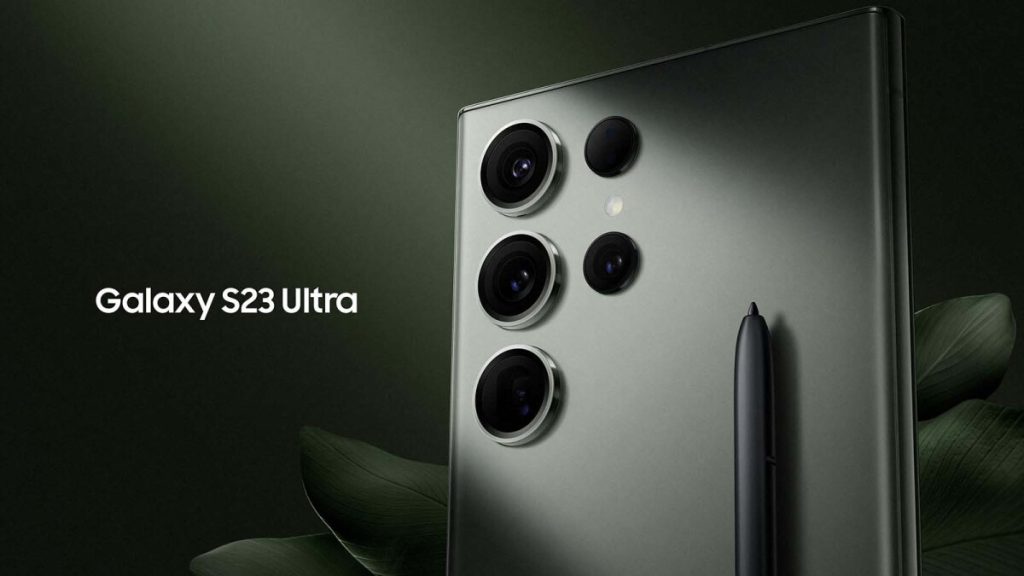
Galaxy S23 Ultra’s lock screen clock widget is facing problems after OneUI 6.1 update

The OneUI 6.1 update has offered many AI features of the latest Galaxy S24 series to the predecessor, the Galaxy S23 series. However, a few bugs have also been introduced to the series as part of the update.

Galaxy-S23-Ultra

The lock screen clock widget resets its styling

The latest bug introduced to the S23 series with the OneUI 6.1 update is related to the lock screen clock widget.

After installing the update, Galaxy S23 Ultra users have reported that the lock screen clock widget resets its placement, style, and font after some time. Sammobile wrote that they also noticed this issue in their units and it reportedly happens “quite frequently”. The company has not responded as of writing.

Another bug related to the lock screen notification surfaced on the Samsung Community forum a couple of weeks ago, where the first down swipe on a notification would open the notification panel instead of expanding it on the lock screen. An user noted that this happens mainly due to clock/widget overlapping with some component of notification panel or fingerprint area. He advised to change the position of the clock/widget, which reportedly worked.

Speaking of the features, the update brought Galaxy AI to the S23 series. As a result, the devices can now live translate your calls. The phone also gets the ‘Interpreter’ mode which gives you a real-time translation of your face-to-face conversations.

The Samsung Keyboard now offers the option to change the tone, check spelling for you, make suggestions, and translate messages of your friend from another country. The built-in photo editor in the Gallery app can move, remove, and resize people and objects in any image. It now also uses generative fill to create or expand the background. There are also some other generative AI features added to the system apps like Samsung Notes and Voice Recorder.

Related:

(Via)

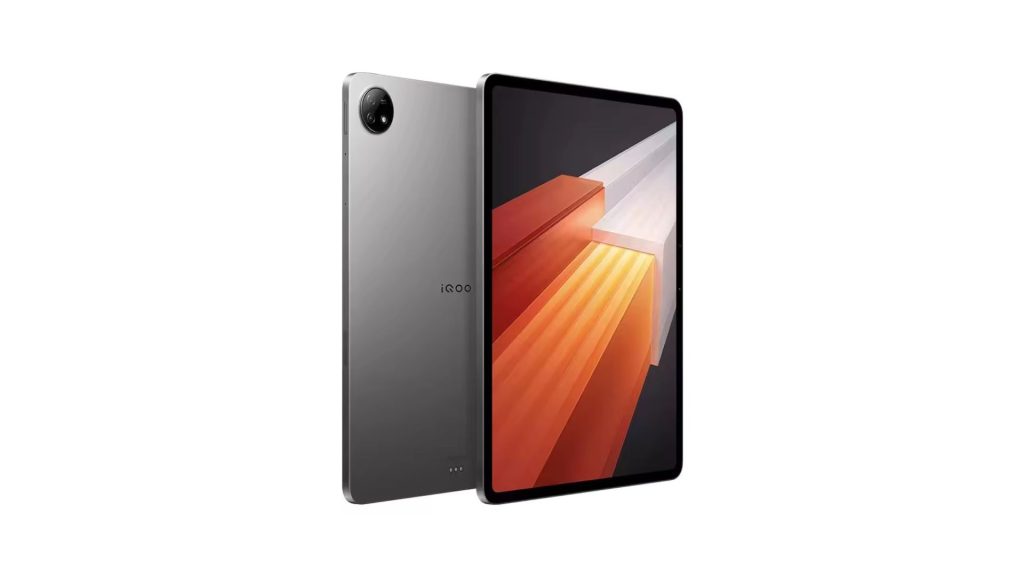
iQOO Pad 2 Pro: Everything this Dimensity 9300+ powered tablet could offer

iQOO plans to hold a launch event in China this month, where they may introduce the iQOO Neo 9s Pro smartphone and possibly unveil a new tablet, the iQOO Pad 2 Pro. Teasers suggest the tablet will feature a new flagship MediaTek processor. Here’s what to expect from the upcoming tablet.

iQOO Pad

1. Premium design & large display

Rumor has it that the iQOO Pad 2 Pro will be a variant of the recently launched Vivo Pad 3 Pro. It is said to improve upon some key internals, however, the overall design of the tablet is said to be the same as the Vivo Pad 3 Pro. This means that the iQOO Pad 2 Pro will come with a metal body, featuring flat sides and a circular camera island on the back.

On the front, we can expect it to feature a 13-inch 3096 x 2,064 resolution LCD display offering a variable refresh rate of 144Hz (all the way down to 30Hz). It could also offer 900nits of peak brightness, along with HDR10 support and full coverage of the DCI-P3 color gamut. The panel could offer a high touch sampling rate since the iQOO Pad will primarily be targeted at gamers.

2. Cutting-edge performance

iQOO has already teased the MediaTek Dimensity 9300+ chip for the Pad 2 Pro. This new chip was introduced only a few days back, revealing that it is a slightly overclocked version of the existing Dimensity 9300 chip. That being said, the Dimensity 9300 has been going head-to-head with the Snapdragon 8 Gen 3 in terms of performance, so this slight overclock could be enough to give it a decisive performance advantage over the flagship Qualcomm chip, at least on paper.

In real-life applications, users can expect high frame rates on any games they wish to play on this tablet. Additionally, the Dimensity 9300+ has improved in on-device generative AI processing, so AI-driven use cases will also see a significant boost.

Since the iQOO Pad 2 Pro is aimed at gaming, the brand will probably include an efficient cooling system. This will enable the powerful Dimensity 9300+ chip to run smoothly without being slowed down by overheating issues. We can also expect up to 16GB LPDDR5x RAM and up to 512GB of UFS 4.0 storage to be onboard.

3. Larger battery and faster charging

The iQOO Pad, which launched in May last year featured a large 10,000mAh battery paired with 44W fast charging. In comparison, the iQOO Pad 2 Pro is rumored to come with a massive 11,500mAh battery, while China’s 3C certification listing has confirmed that the fast charging will be bumped up to 66W. A previous report also claimed that the iQOO Pad 2 Pro will be getting a USB 3.2 Gen 1 port, which means up to 5 GBPS of transfer speeds, making transferring files and media a breeze on this tablet.

4. Cameras & other notable features

The iQOO Pad 2 Pro is likely to come with a single 13MP rear camera and an 8MP front camera for selfies and video calls. It’s expected to offer good sound quality, possibly with up to eight speakers for stereo sound. Connectivity options may include Bluetooth 5.4 and WiFi 7. Like the Vivo Pad 3 Pro, it might include a gyroscope, which gamers appreciate. Additionally, the device could have a side-mounted fingerprint scanner for convenient unlocking.

RELATED:

Vivo Y28 (4G) Passes FCC Certification Revealing Massive Battery And Fast Charging

Earlier in January this year, Vivo announced the Y28 (5G) smartphone in India. Now, the brand is reportedly working on the 4G variant of the device. It has been spotted on the Federal Communications Commission (FCC) certification website. Last month, the upcoming offering with the same model number also surfaced on the Bluetooth SIG and Indonesia Telecom certification website. 

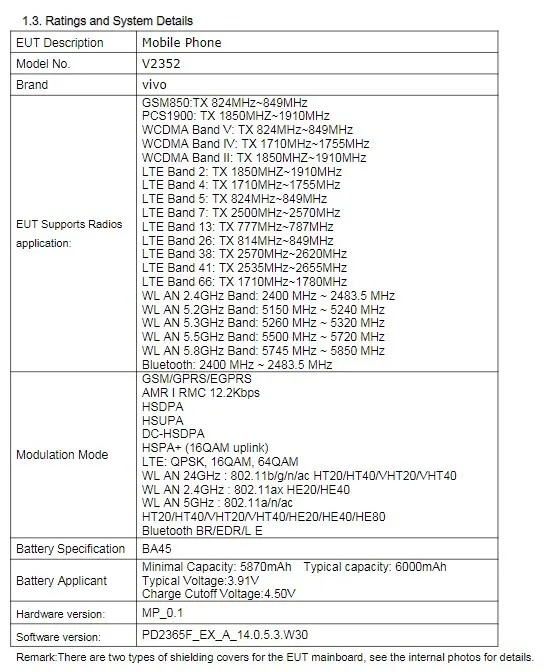
Vivo Y28 (4G) passes FCC

On the FCC website, the Vivo Y28 (4G) is listed with the model number V2352. It reveals that the smartphone will be backed by a 6,000mAh battery unit. However, that’s said to be the typical or advertised capacity whereas the minimal capacity will be 5,870mAh. The battery carries a model number BA45. 

The FCC certification also reveals that the Vivo Y28 (4G) was tested using a charger with the model number V4440L0A0-US. This suggests that the device will support 44W fast charging. Additionally, the firmware version of the smartphone is PD2365F_EX_A_14.0.5.3.W30 indicating that the Y28 (4G) will run on Android 14 OS. The upcoming offering will support WiFi, Bluetooth, and LTE. 

The rest of the specifications of the Vivo Y28 (4G) remain unknown. It could be slightly different compared to the 5G variant. The Y28 (5G) has a 6.5-inch HD+ display with 90Hz refresh rate. It is powered by a Dimensity 6020 chipset and backed by a 5,000mAh battery unit with support for 15W charging. The smartphone features a 50MP main camera paired with a 2MP depth lens. It runs on Android 13 OS out of the box. 

Related:

Source