As an Amazon Associate, Gizmochina earns from qualifying purchases. Links on this page may earn us a commission at no extra cost to you.
There is plenty of competition in the Indian mid-range smartphone market, with brands like iQOO, Motorola, and Realme actively launching new phones, all pushing performance and features at attractive prices. Honor, meanwhile, has chosen a slightly different path with the Honor X9c 5G, focusing on durability, display quality, and long-lasting battery life. Positioned as the successor to last year’s Honor X9b, the X9c isn’t a radical departure but rather a refined variant with a few targeted upgrades. Let’s take a closer look at how the phone performs across design, display, performance, and cameras.
7Performance and OS Experience
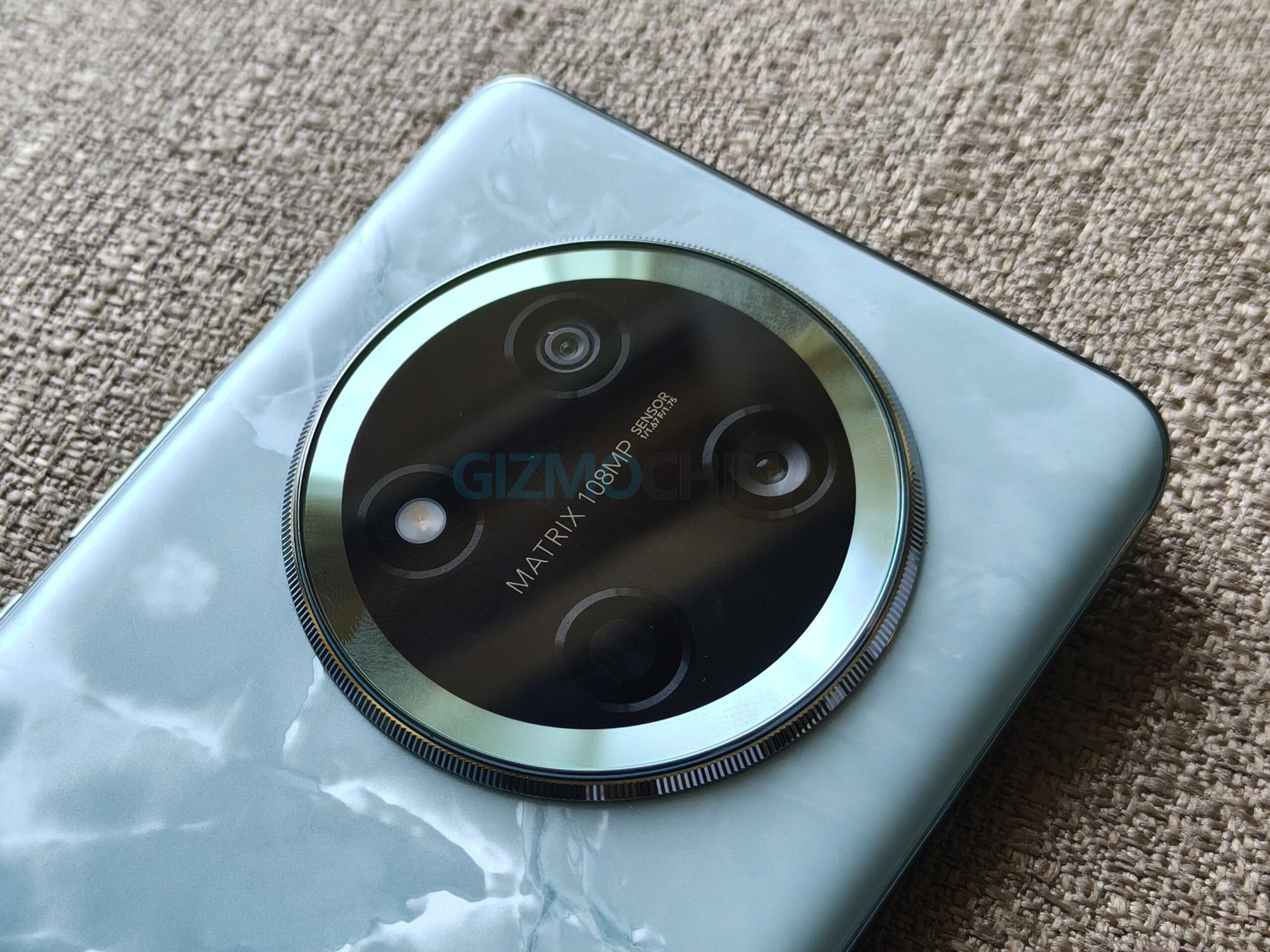
The Honor X9c runs on the older Snapdragon 6 Gen 1 chipset, paired with 12GB RAM and up to 512GB of UFS 3.1 storage. Day-to-day usage is smooth, with multitasking, browsing, and social media apps running without issue. Light gaming titles like COD Mobile and PUBG play comfortably at medium to high settings, though the chipset struggles with more demanding games such as Genshin Impact and Honkai: Star Rail. Thermal performance is stable, with minimal throttling even during extended use. However, occasional heating can be felt during long gaming sessions.
Battery life is one of the X9c’s strongest aspects. The 6,600mAh silicon-carbon battery consistently lasts 1.5 to 2 days on a single charge. T66W HONOR SuperCharge system fills the phone to around 50% in 30 minutes and completes a full charge in about 70–75 minutes. While competitors have started offering 80W or even 90W charging, Honor’s solution is still more than adequate for most users.
Software-wise, the phone runs MagicOS 9.0 based on Android 15. It offers a smooth and intuitive experience, with handy features like Magic Capsule, Magic Text, and AI Eraser. Honor also includes useful multitasking tools such as Magic Portal and Parallel Space. However, bloatware remains an issue, with some pre-installed apps like TikTok not relevant to the Indian market. Software support is limited to 2 years of OS updates and 3 years of security patches, which trails behind what brands like Samsung and OnePlus currently offer.