Add GIZMOCHINA as Preferred Source on Google
When I set up the Vu Vibe DV (Designers’ Vision) 65-inch QLED TV in my living room, two things stood out immediately: its sleek design and its powerful sound. The three-side bezel-less floating glass design gave it a modern, premium look, while the integrated 88W Dolby Atmos soundbar made its presence felt from the very first use. Unlike most TVs where the speakers feel like an afterthought, Vu has treated audio as a core feature here. Here’s my experience after using it for a couple of weeks.
2Performance and Smart Features
Running on Google TV OS, the interface is smooth and intuitive. Right out of the box, I had access to Netflix, YouTube, and Prime Video. The 1.5GHz VuOn AI Processor with Turbo Mode, paired with 2GB RAM and 16GB storage, ensured apps loaded quickly without noticeable lag. Switching between apps or casting from my phone was effortless.
I also tested Chromecast built-in and Apple AirPlay. Both worked seamlessly, letting me stream from Android and iOS devices without hiccups. Bluetooth 5.3 was handy too – I paired my wireless headphones for private watching and even connected my phone to use the TV as a giant speaker through Vu’s My Music mode.
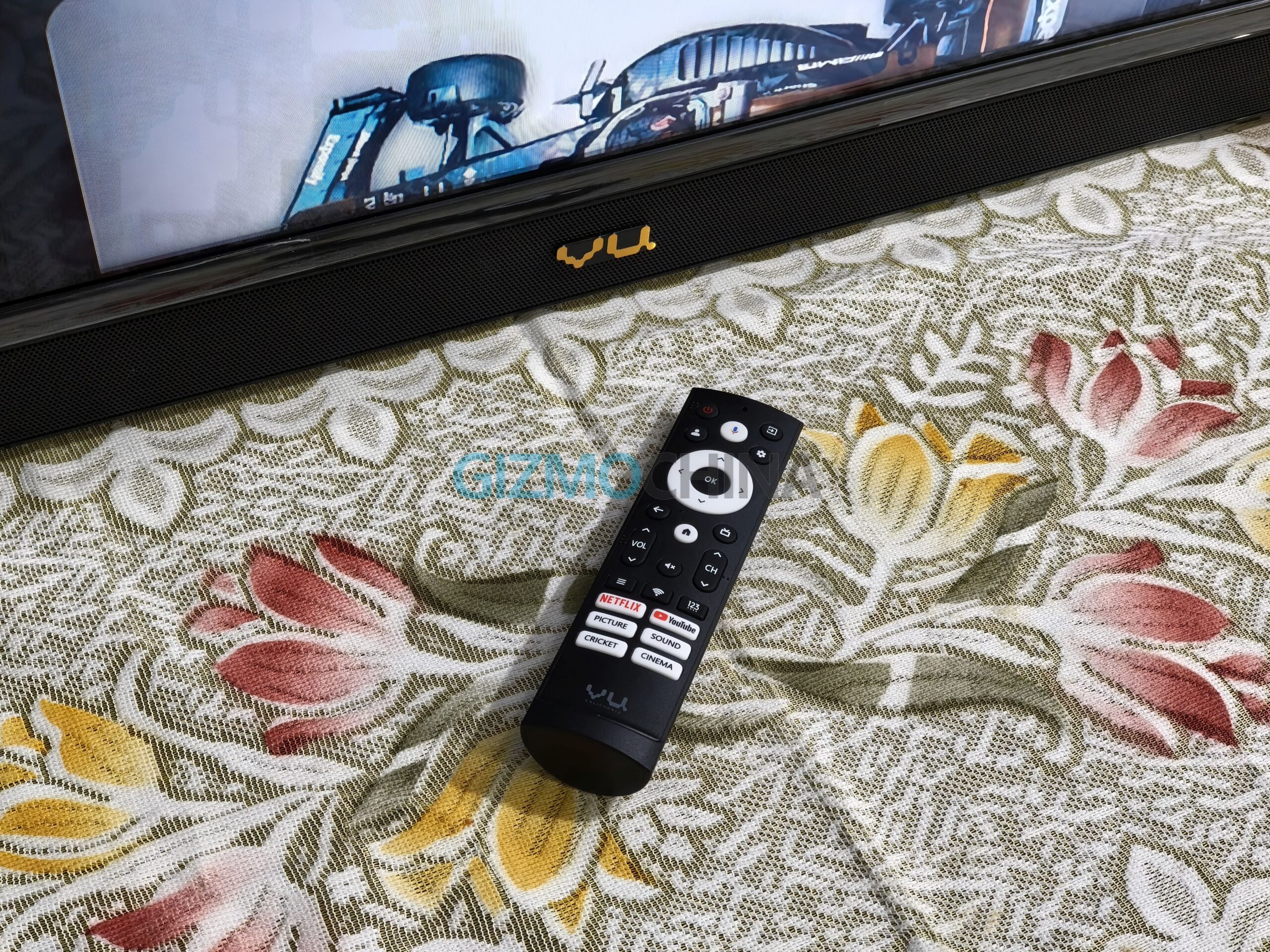
The Wi-Fi remote was another pleasant surprise. With hotkeys for Netflix, YouTube, Cricket, Cinema, Picture, and Sound modes, I didn’t need to dive deep into menus. Voice search with the Google Assistant worked accurately, saving time when looking up shows or adjusting settings.
Over the course of three weeks, I used the Vu Vibe DV 65-inch TV for a mix of streaming, gaming, and casual TV. What stood out was its balance between visuals and audio – you don’t just watch content, you feel it. The integrated Atmos soundbar meant I didn’t need additional speakers, while the QLED panel ensured picture quality remained consistent across different lighting conditions.

One small limitation is the 60Hz refresh rate, which, although enhanced with MEMC, may not satisfy hardcore gamers who expect 120Hz. Still, for most casual and even moderate gaming, it held up well.
Another point worth mentioning is the 400 nits brightness. While perfectly fine for indoor use, in very bright rooms or direct sunlight, the panel didn’t get as bright as some premium OLEDs or higher-end QLEDs. But in dim to moderately lit rooms, it performed beautifully.