
Add GIZMOCHINA as Preferred Source on Google
OnePlus is gearing up for the launch of its next flagship, the OnePlus 15, in China later this month, and the company has officially kicked off its marketing blitz. Earlier this week, OnePlus held an event to show off what might be the phone’s biggest selling point: its display.
The OnePlus 15 will feature a BOE X3 OLED panel with a 1.5K resolution and, more impressively, a 165Hz refresh rate, the highest ever on an OLED smartphone. OnePlus says it already has a few optimized games ready to take full advantage of that lightning-fast screen.
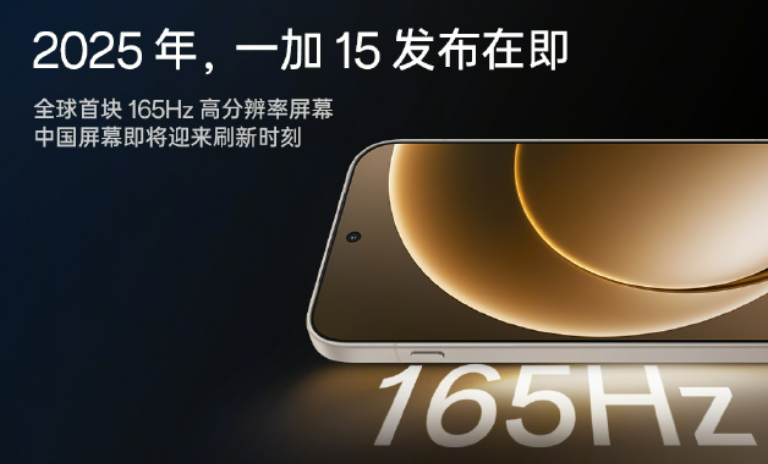
However, this resolution and refresh rate combo seems to have created some debate among fans. Why not go for a full 2K panel like most premium flagships? According to Li Jie, President of OnePlus China, the answer isn’t about cost-cutting but technical limitations.
In a detailed Weibo post, Li explained that no display manufacturer has yet managed to produce a 2K OLED screen that can sustain 165Hz. And since OnePlus is locked in on 165Hz refresh rate, 1.5K is the only feasible option.
And no, OnePlus isn’t cutting costs
And if you think that means OnePlus is cheaping out, Li says that the new BOE X3 panel actually costs more than the previous-generation X2 display used on the OnePlus 13.
Li also shed light on why the smartphone industry seems to have hit a wall at 120Hz for most flagship displays. Until now, the highest resolution available for ultra-high-refresh panels, 165Hz and beyond, was limited to 1080p. Moving beyond that required solving a series of serious engineering challenges, including:
- Pixel charging times that weren’t fast enough
- Screen driver chips that couldn’t handle the computing load
- Sync issues between touch input and display refresh
- Image instability caused by rapid switching
- Shorter panel lifespans due to increased pixel activity
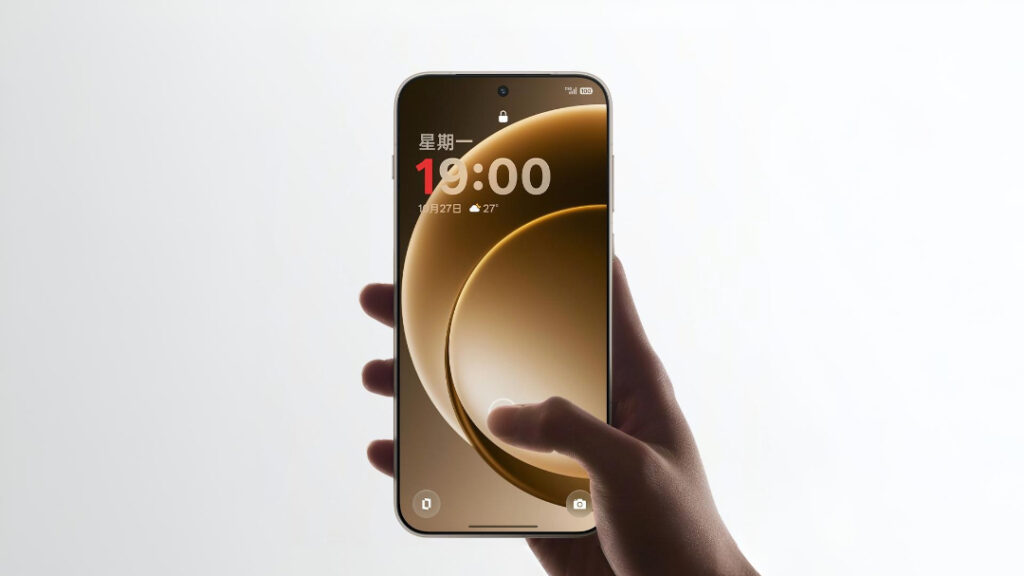
According to Li, OnePlus and BOE have tackled these head-on by reengineering the display at both hardware and software levels. The company says it redesigned the entire screen circuit and developed new proprietary driving algorithms, reducing the pixel charging time to just 1.3 microseconds.
On the hardware side, the display chip now has 1.3 times more transistors, giving it the power to maintain full-frame 165Hz operation. OnePlus also built two custom production lines—the only ones of their kind in the world, and the only ones in China—to ensure every screen is precisely calibrated at the pixel level.
For more daily updates, please visit our News Section.
Tech enthusiast? Get the latest news first! Follow our Telegram channel and subscribe to our free newsletter for your daily tech fix!
(Source)




Comments