Add GIZMOCHINA as Preferred Source on Google
For a long time, Poco has been associated with value-first smartphones—devices that make calculated compromises to deliver strong performance at aggressive prices. That identity hasn’t disappeared, but it has clearly evolved. Over the past few years, Poco has been steadily moving beyond just “budget killers” and into a space where it challenges flagship devices, albeit with a different set of priorities.
The Poco X8 Pro Max feels like the clearest example of that shift so far. Instead of trying to be a perfectly balanced all-rounder, it leans heavily into performance and battery life. After using it as my daily driver, it’s evident that this focus works—but it also comes with some noticeable trade-offs.
3Performance: Where the phone truly shines
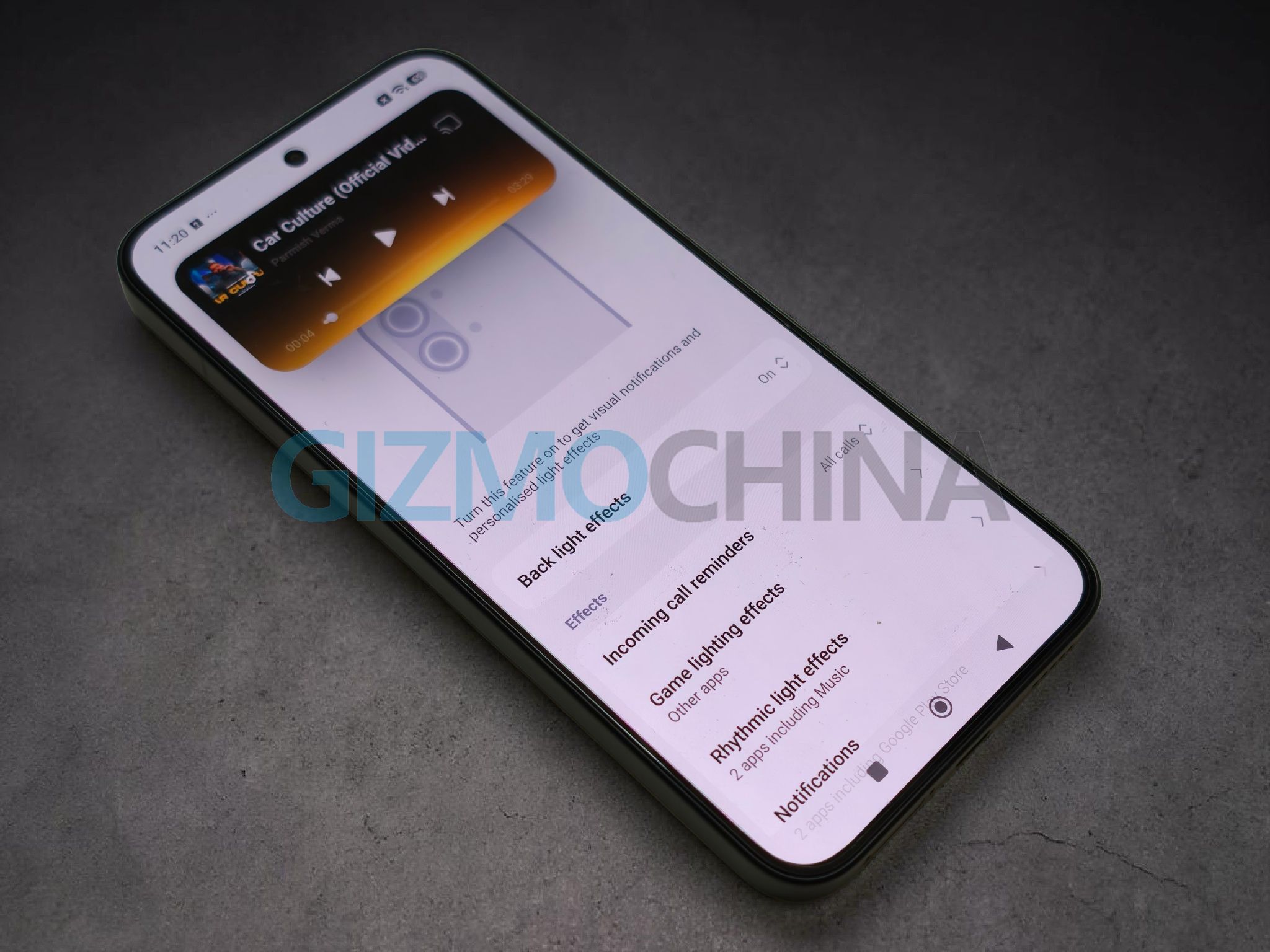
Performance is the defining strength of the Poco X8 Pro Max. The Dimensity 9500s chipset may sit just below top-tier flagship processors, but in practical use, the difference is difficult to notice. This review unit has 12GB of LPDDR5x and 256GB of UFS 4.1 storage.
Day-to-day tasks feel fast and fluid. Apps open quickly, multitasking is smooth, and there’s enough headroom to handle heavy workloads without slowing down.
Gaming performance is particularly impressive. I spent time playing titles like BGMI and Genshin Impact, and the phone maintained stable frame rates even during extended sessions. What stood out most wasn’t just peak performance, but how well it sustained that performance over time.
Thermals are managed reasonably well. The phone does get warm during long gaming sessions, but it doesn’t throttle aggressively or cause noticeable stutters. Instead, performance drops gradually, which makes the experience feel more consistent.
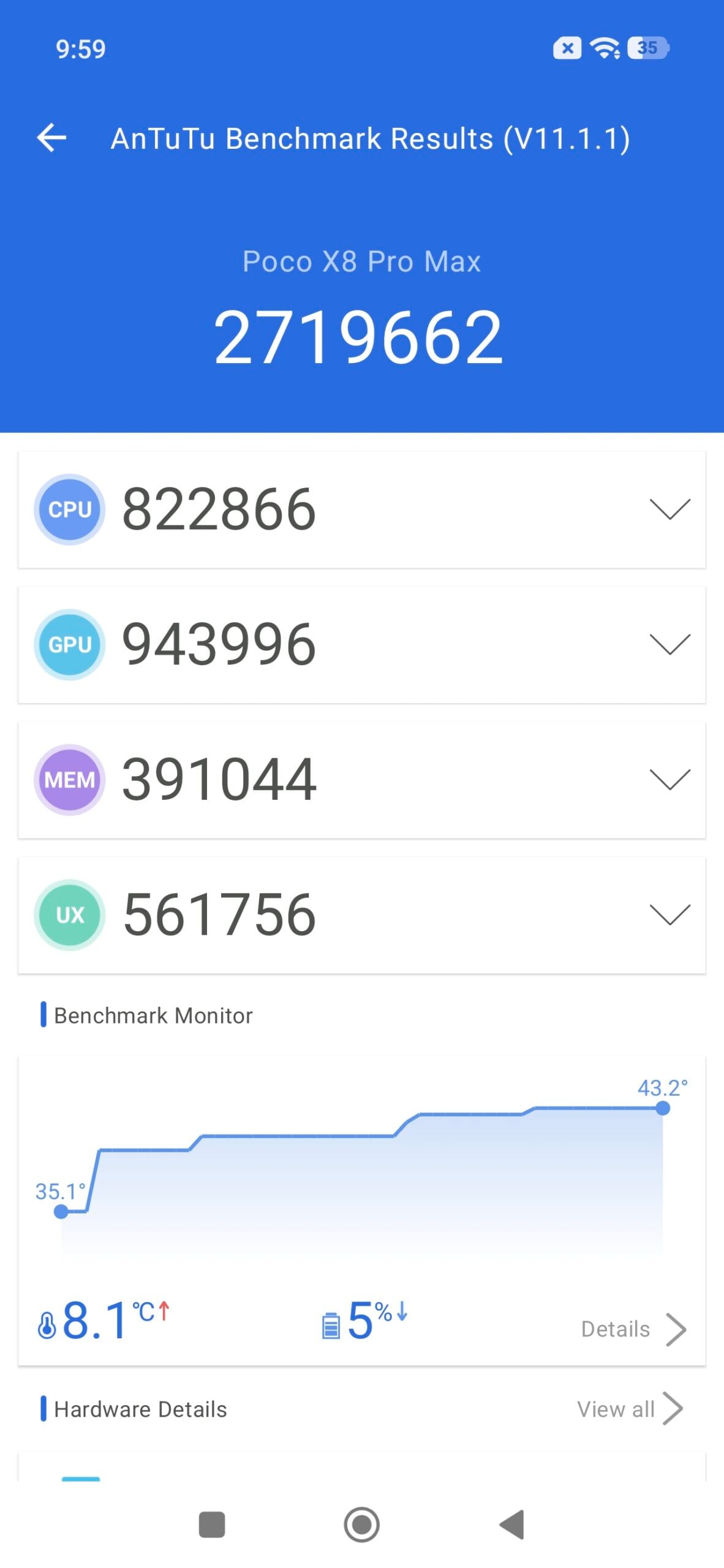
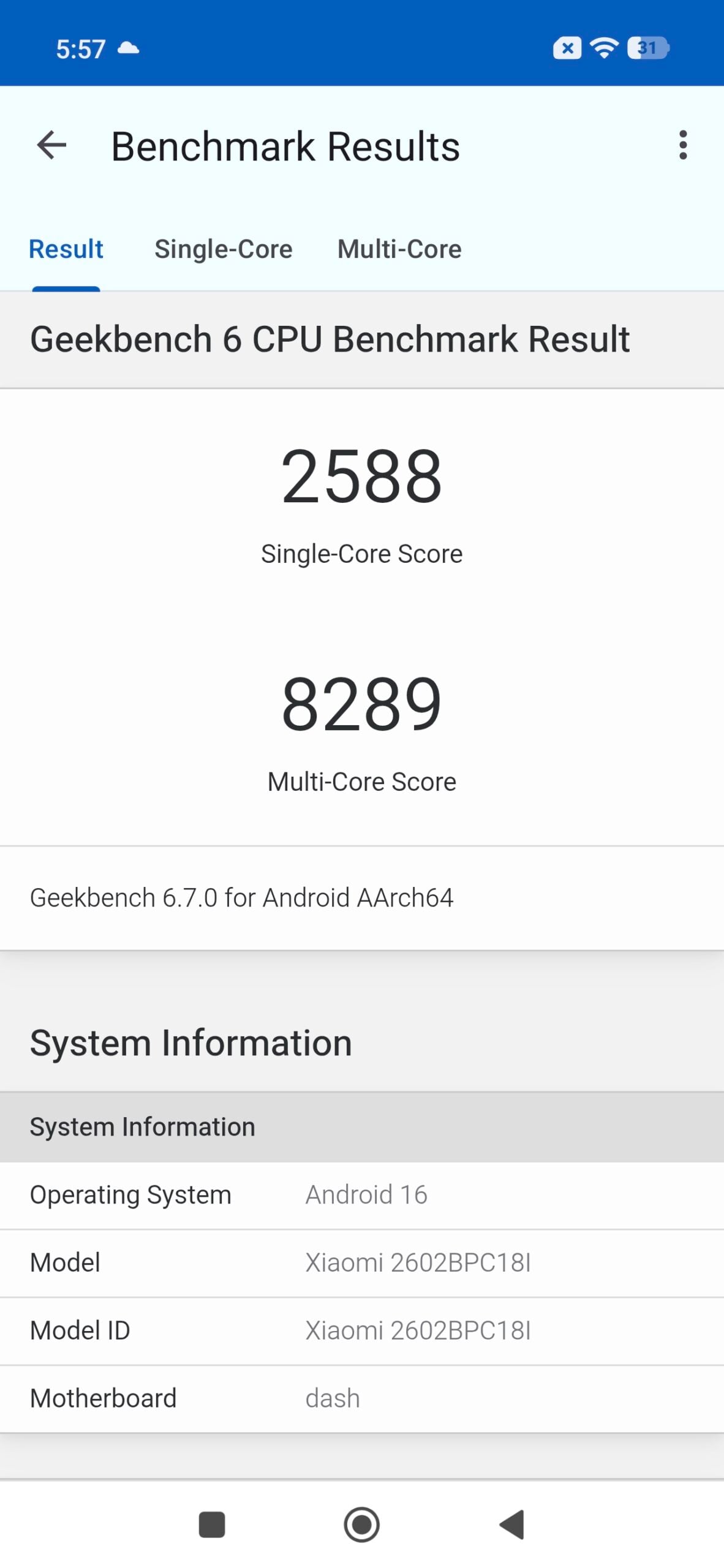
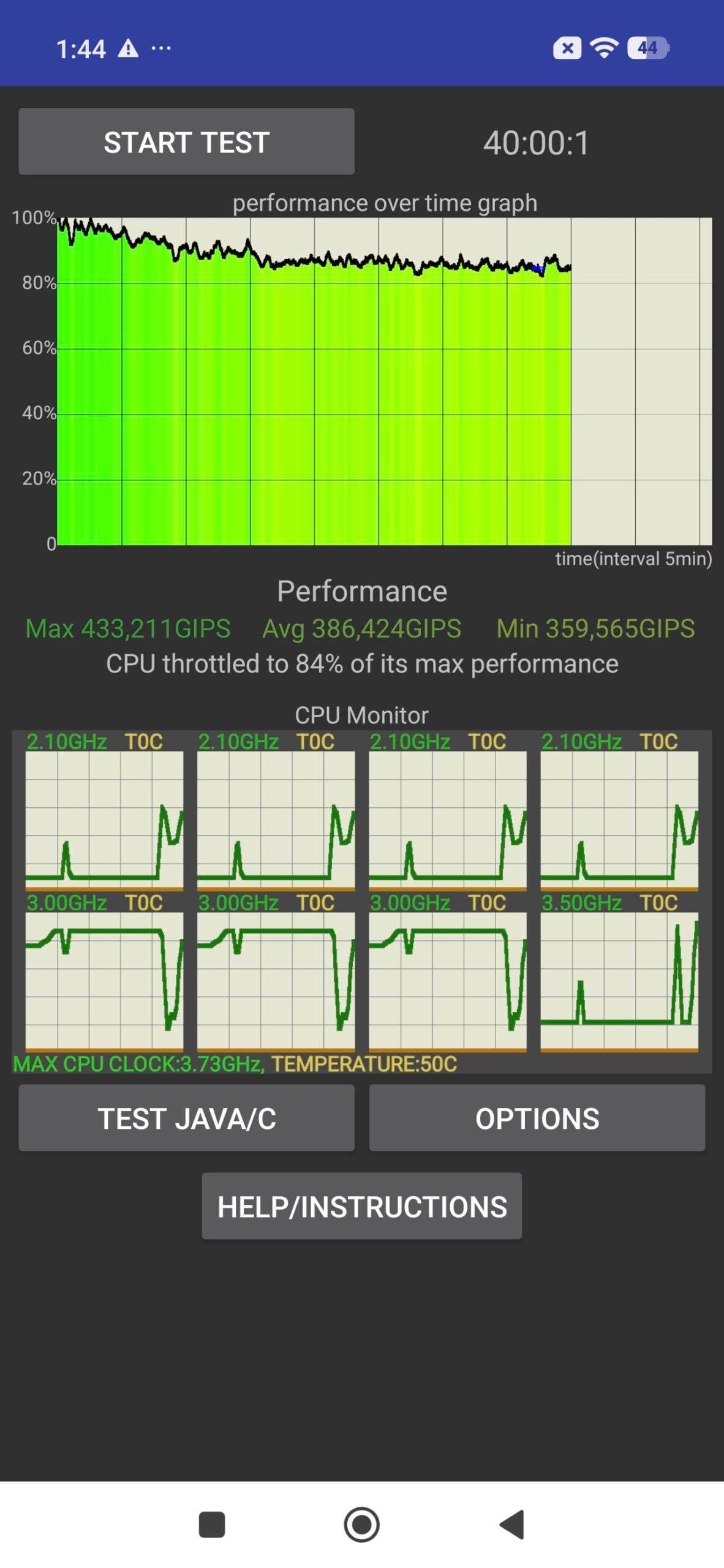
The benchmark results suggest that the Poco X8 Pro Max could deliver flagship-grade performance, backed by an impressive AnTuTu score of 2.71 million and strong Geekbench 6 scores of 2,588 in single-core and 8,289 in multi-core tests. These numbers indicate excellent processing power for gaming, multitasking, and demanding AI-driven tasks. Meanwhile, the CPU throttling test shows the device retaining around 84% of its peak performance under sustained load, suggesting decent thermal management and stable performance during extended gaming sessions.