Add GIZMOCHINA as Preferred Source on Google
As an Amazon Associate, Gizmochina earns from qualifying purchases. Links on this page may earn us a commission at no extra cost to you.
The iQOO Z11 is available in three distinct variants across different markets, with each version taking a different approach to hardware. The China model is powered by the MediaTek Dimensity 8500, while the Malaysia variant uses the Snapdragon 7s Gen 4.
The Indian version takes a different route altogether. Along with a different chipset from both international variants, it also gets a distinct design, making it visually different from the Z11 models sold in China and Malaysia.
This review focuses specifically on the Indian variant of the iQOO Z11, which combines its own design language with a large battery, curved AMOLED display, and a new MediaTek Dimensity 7500 Turbo chipset. After spending time with the Aurora Green model, here’s how it performs in everyday use.
6Capable Cameras Across Conditions
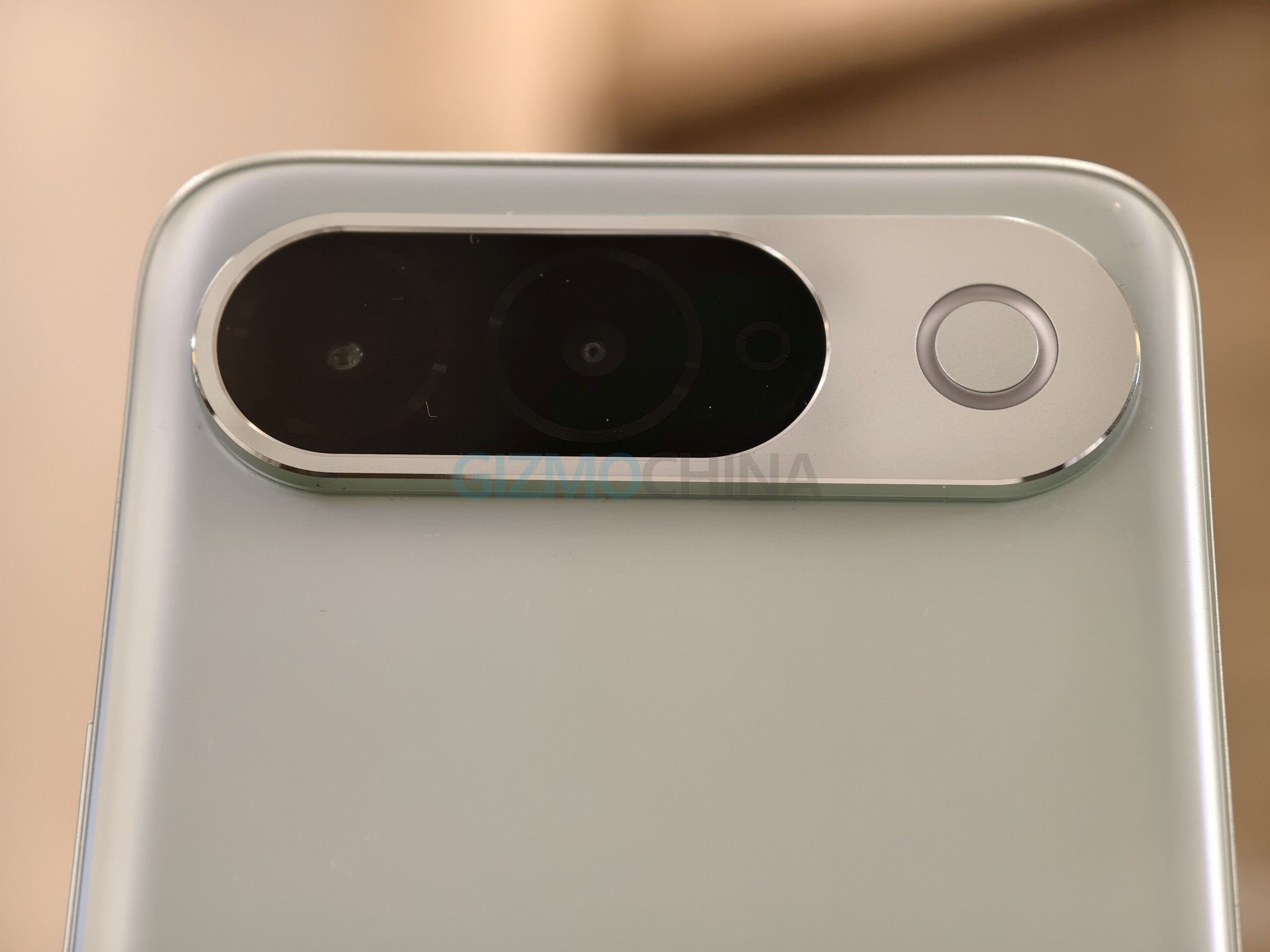
The Z11’s camera setup consists of a 50-megapixel Sony IMX882 primary sensor with OIS, an 8-megapixel ultrawide camera, and a 32-megapixel front-facing camera.
The main camera performs best in daylight. Photos generally have pleasing colors, good dynamic range, and enough detail for social media and everyday photography. HDR processing also does a respectable job balancing bright and dark portions of a scene.
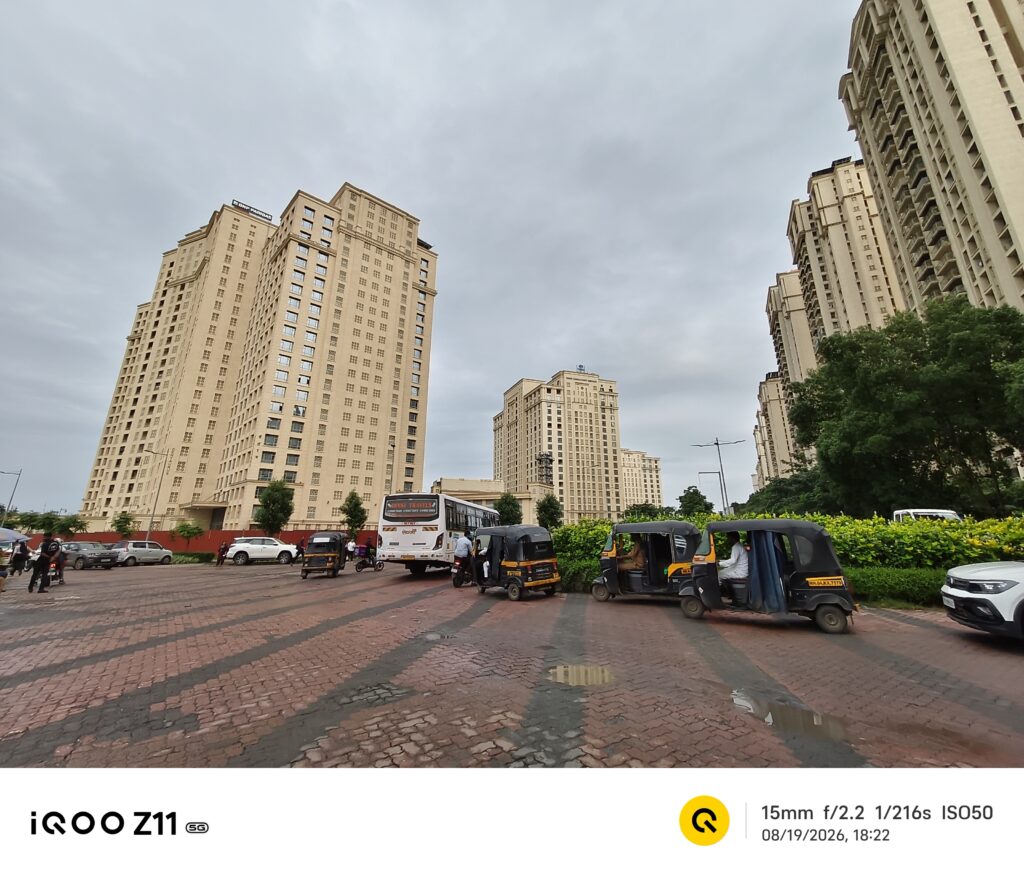
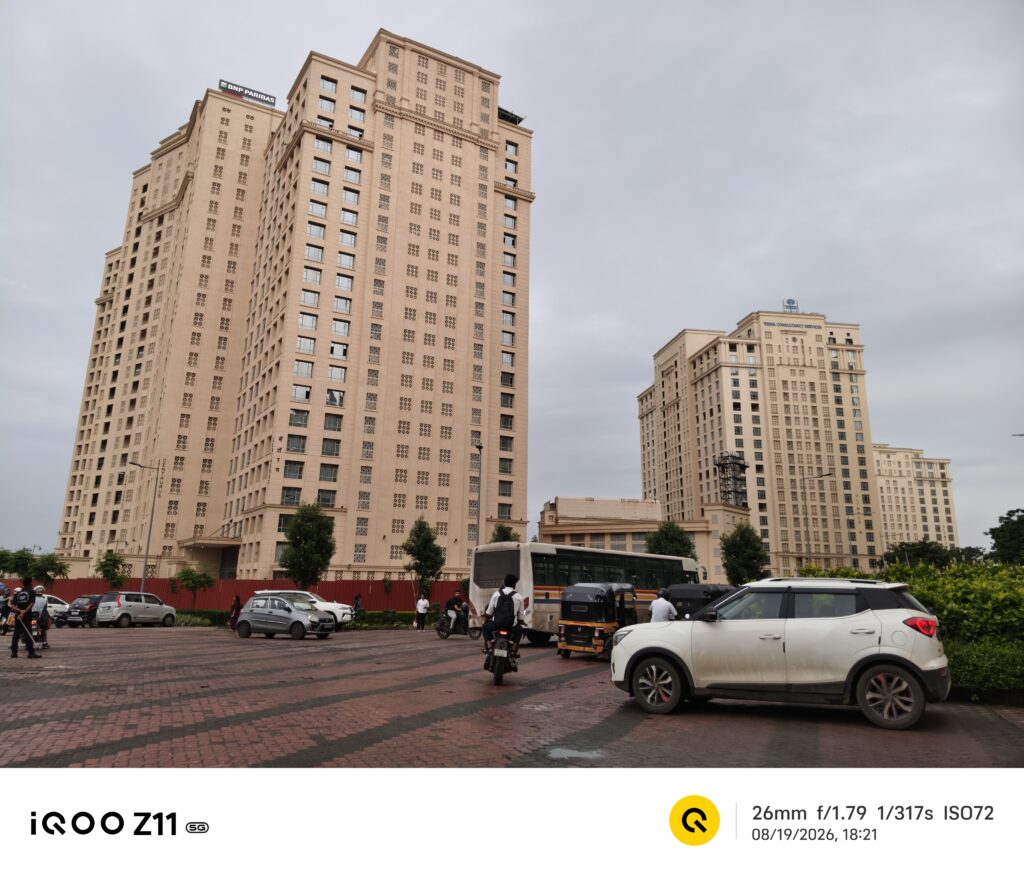
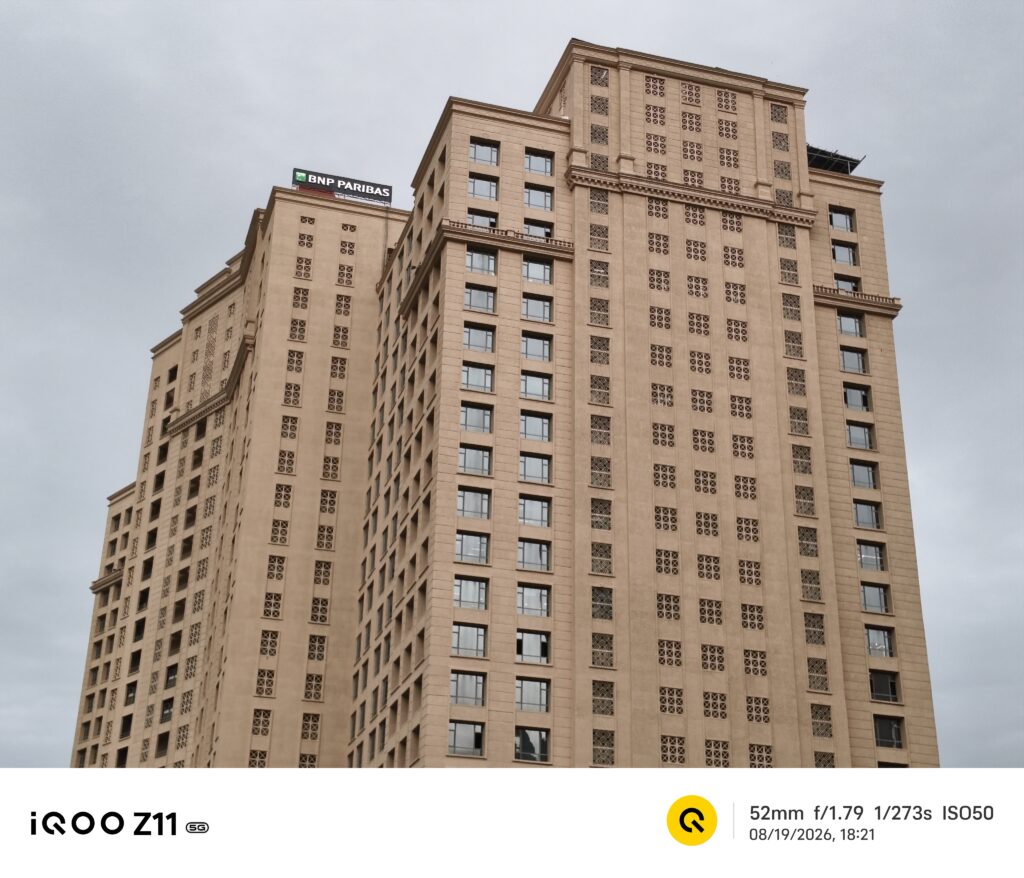
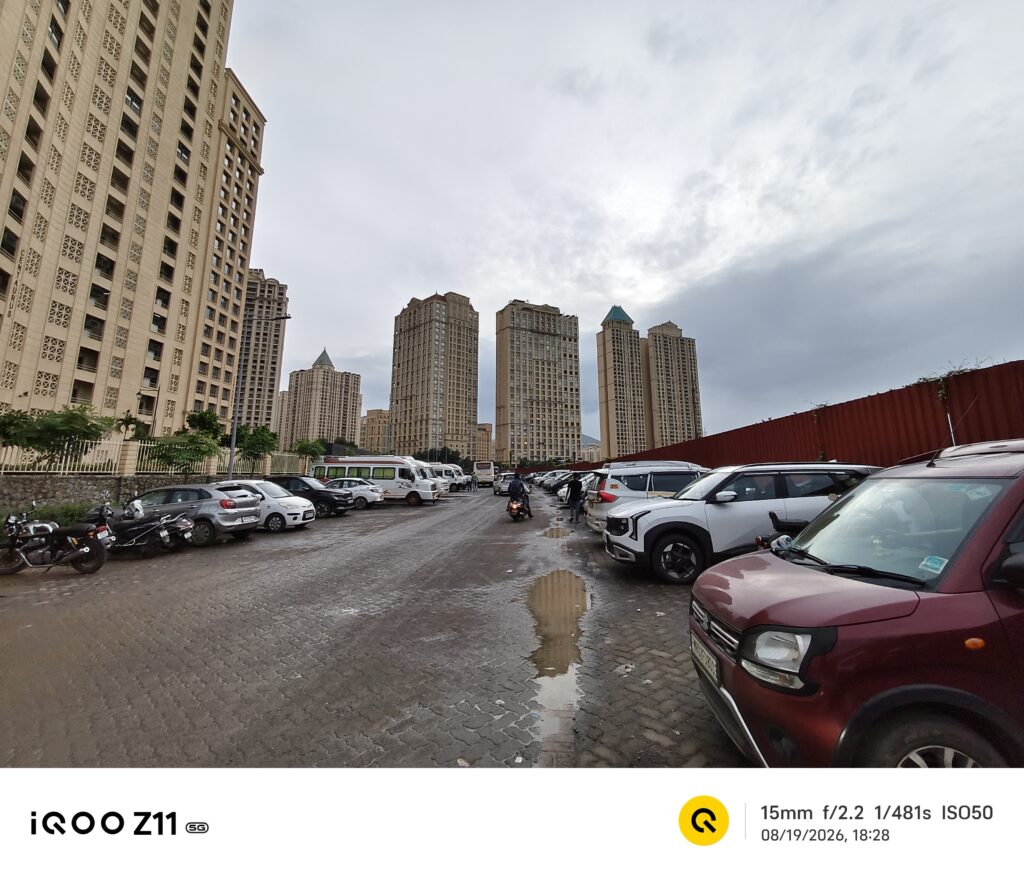
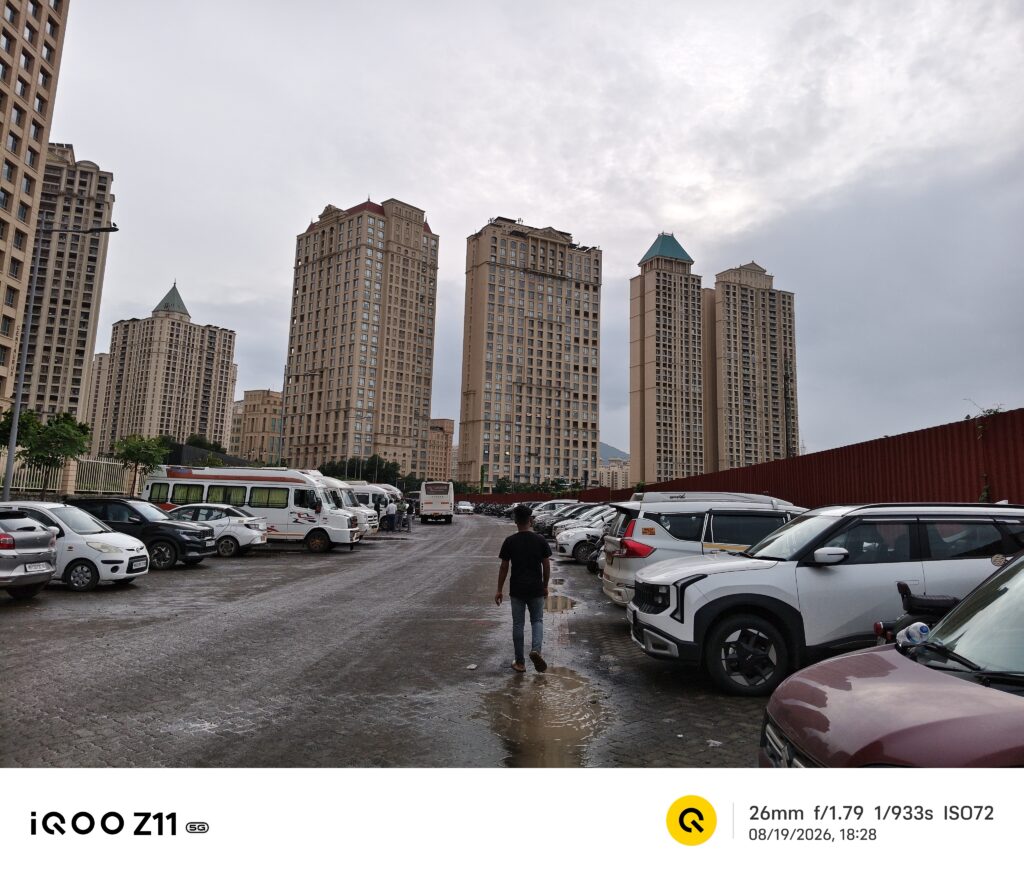
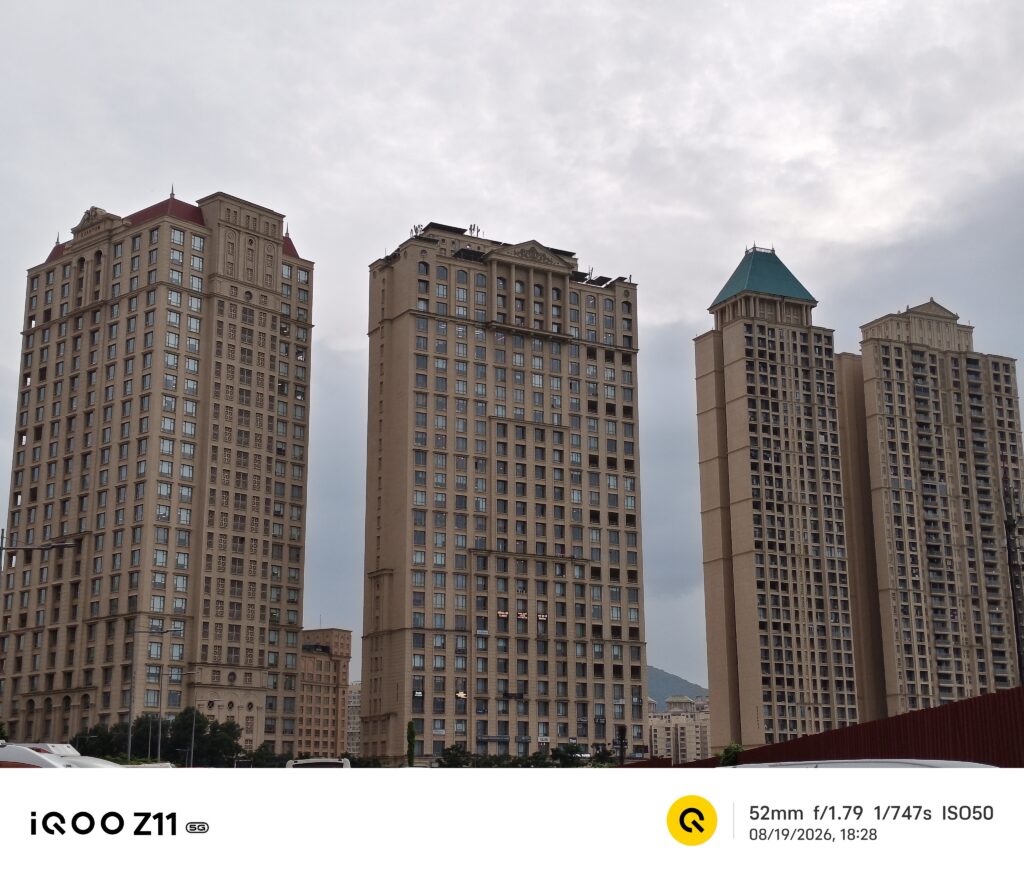
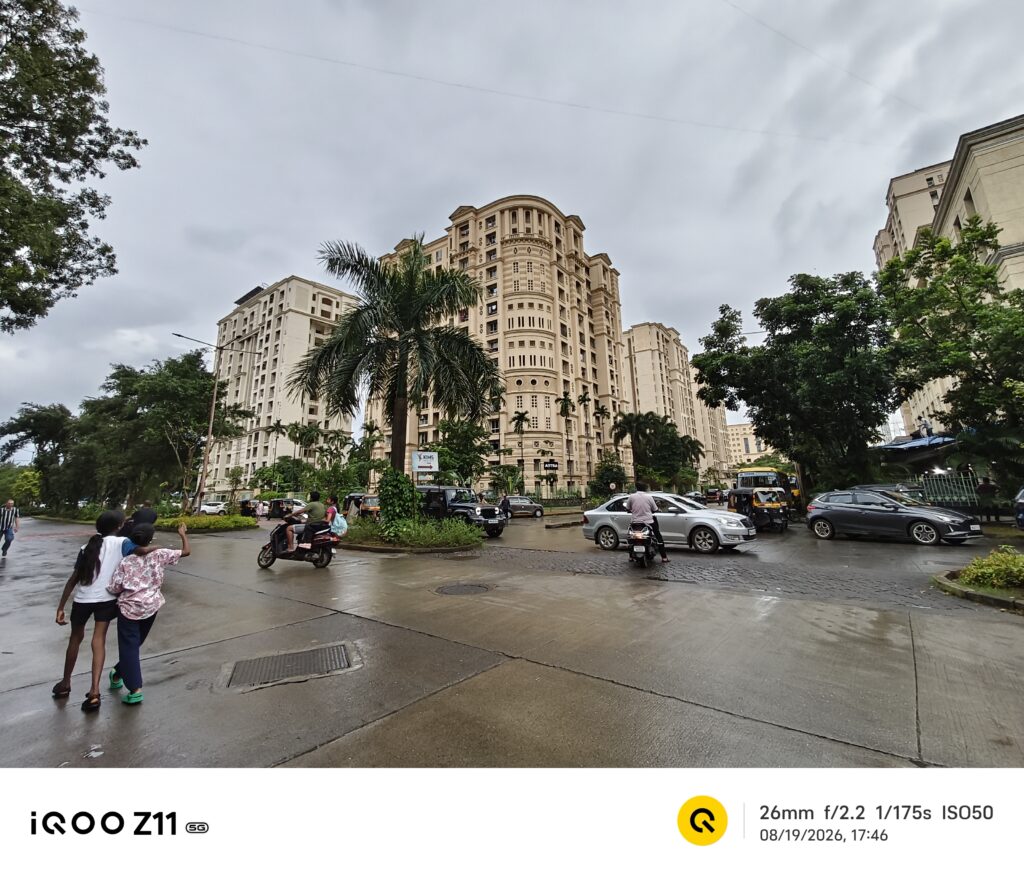
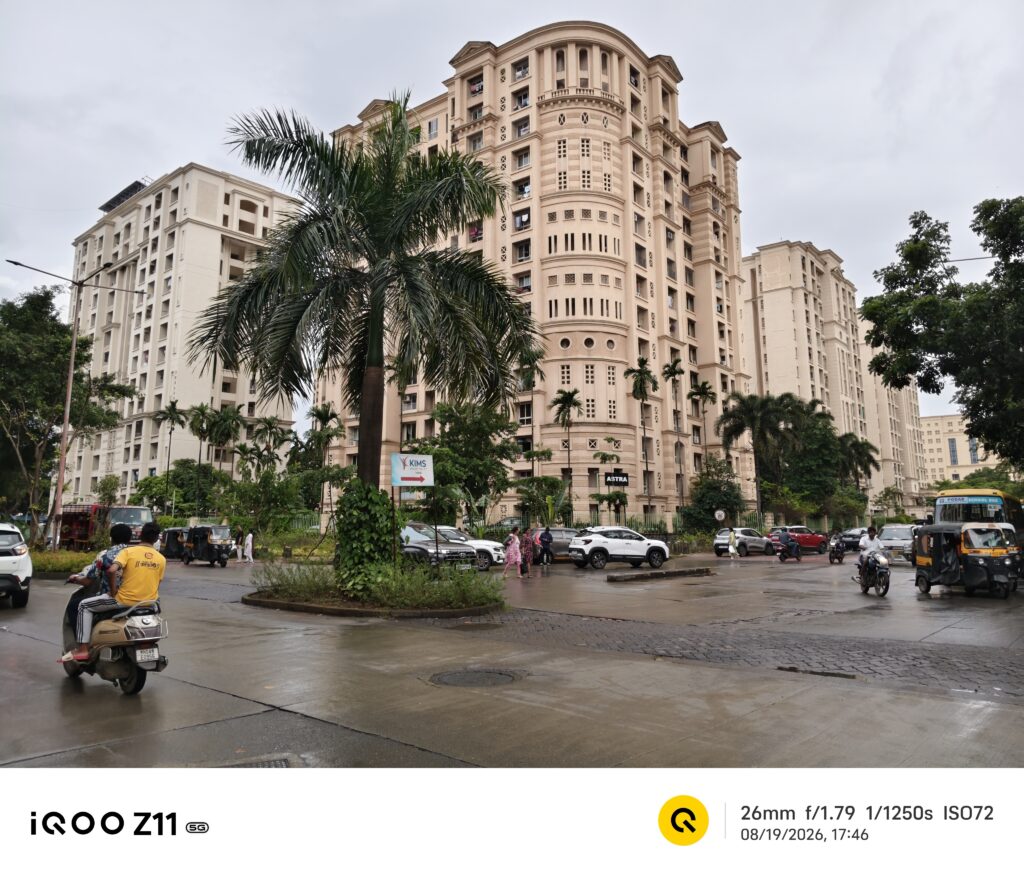
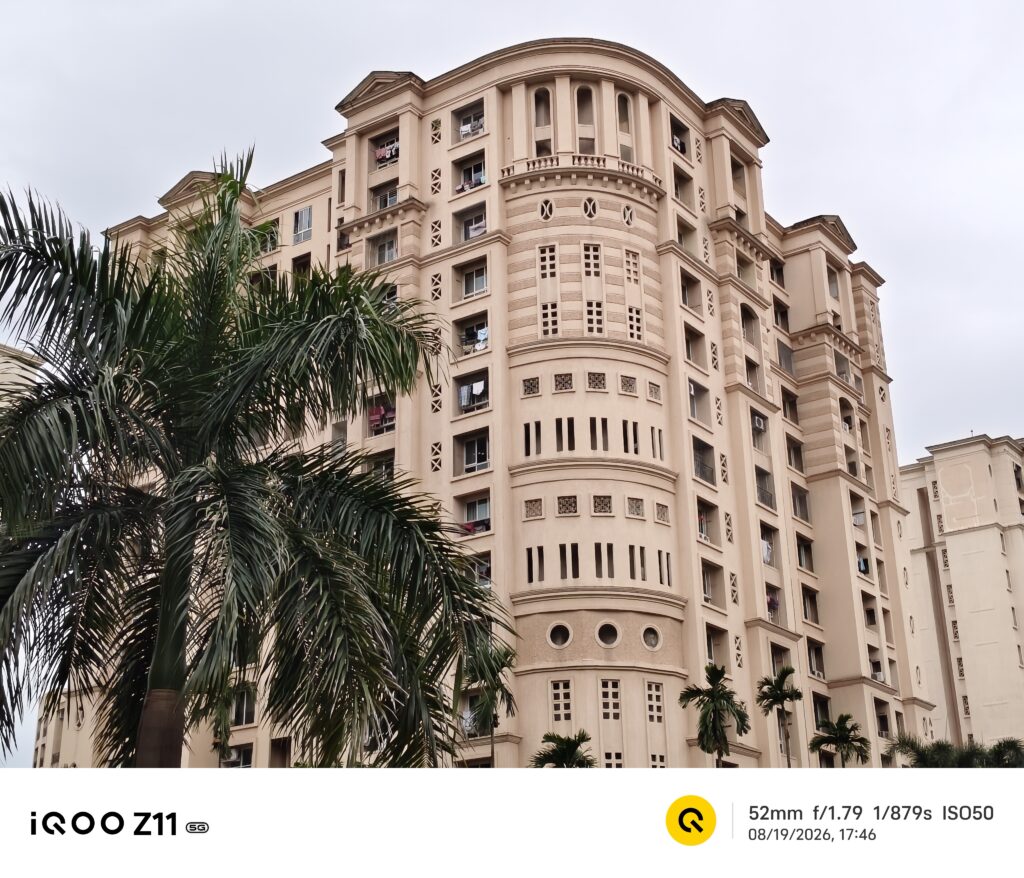
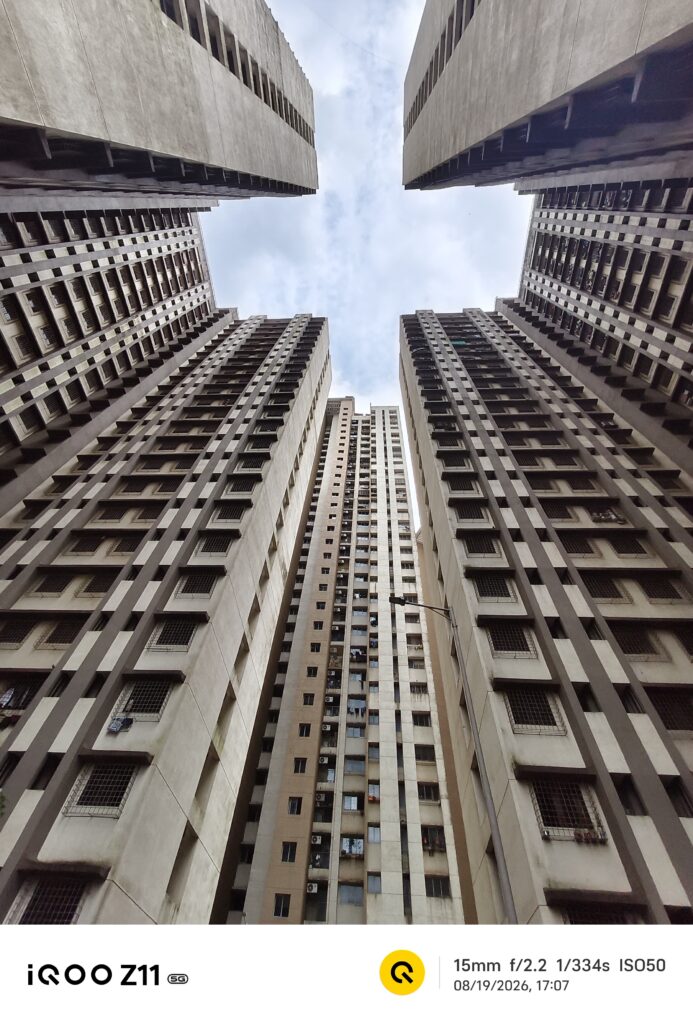
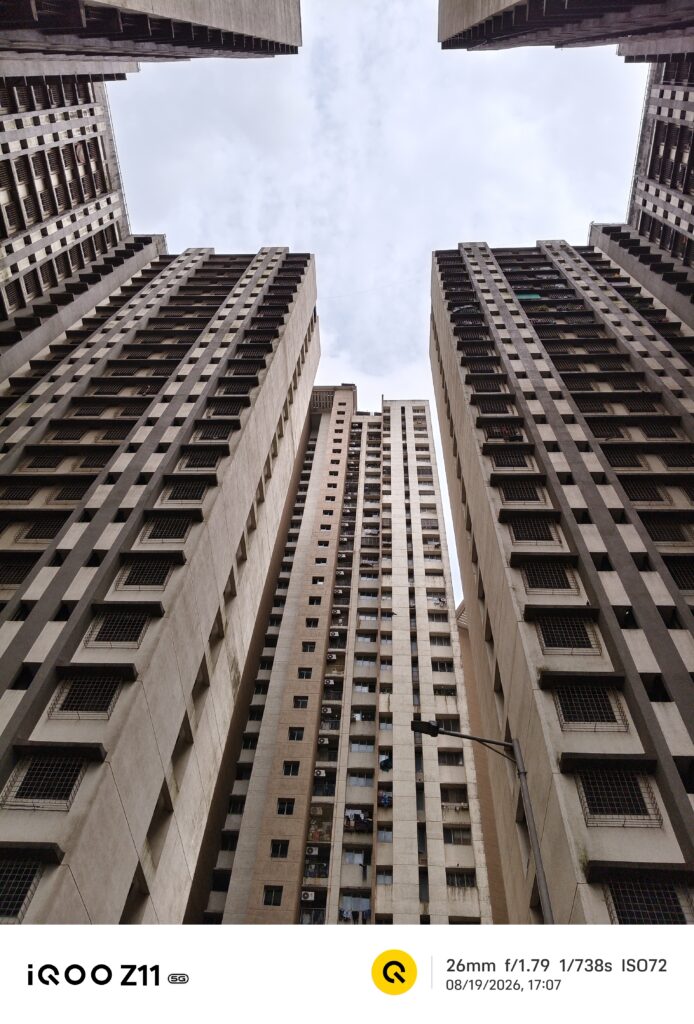
However, image processing can sometimes be a little aggressive. Fine details may appear softer than expected, particularly when examining photos closely. Human subjects can also occasionally receive more processing than necessary.
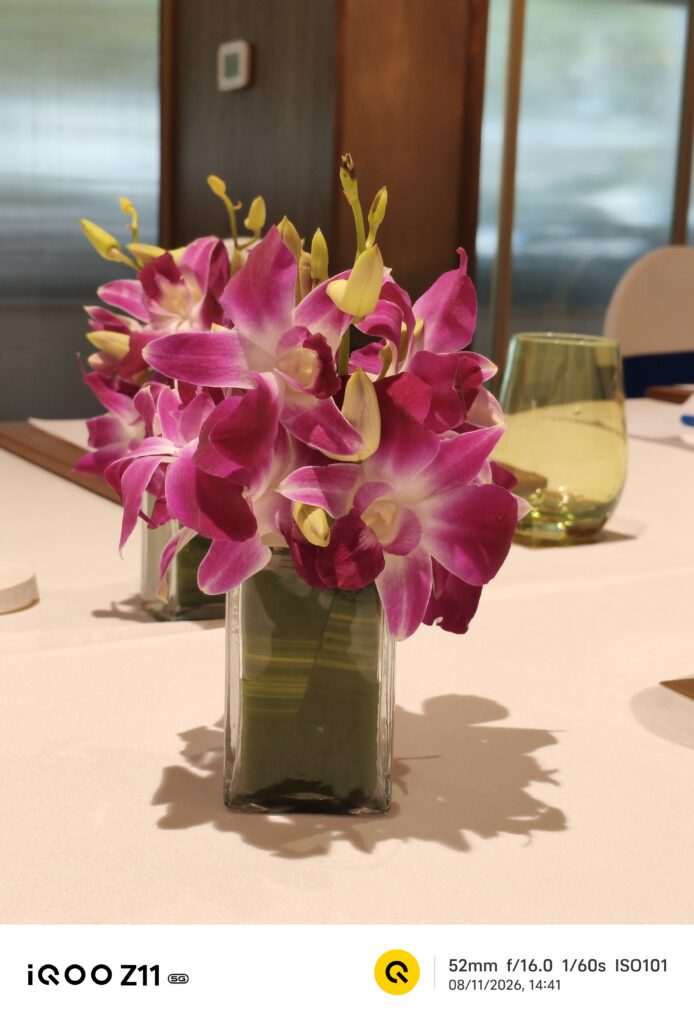
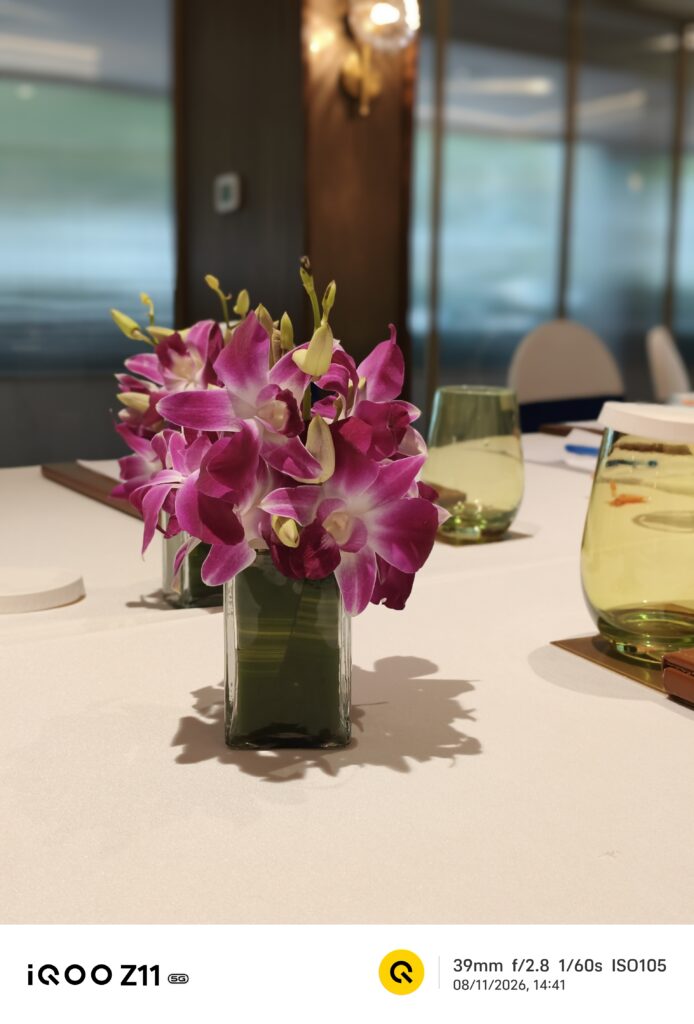
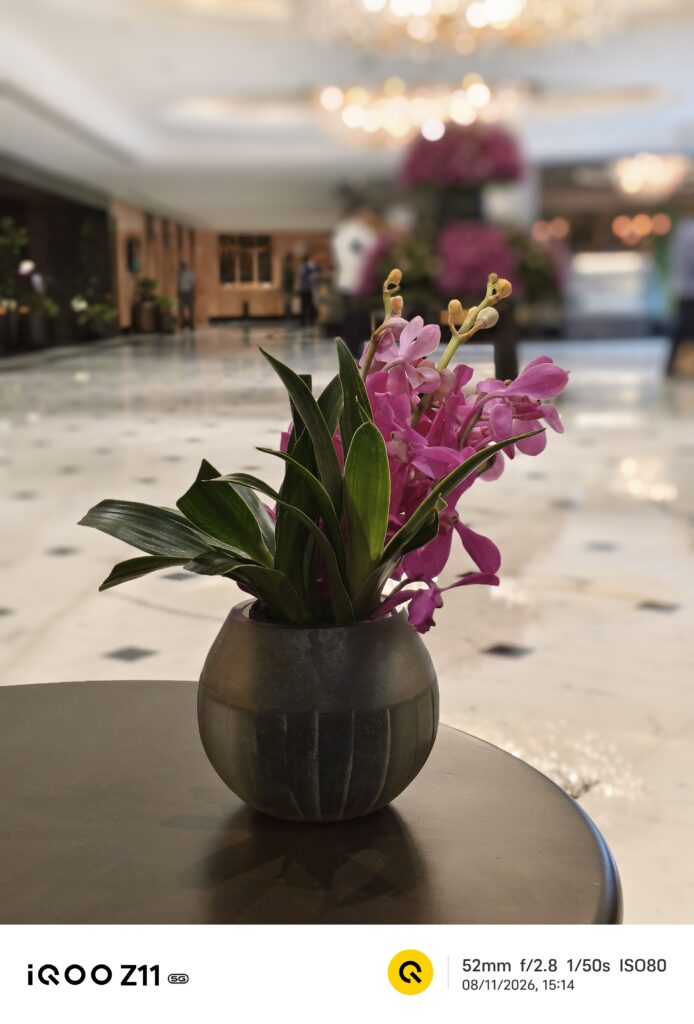
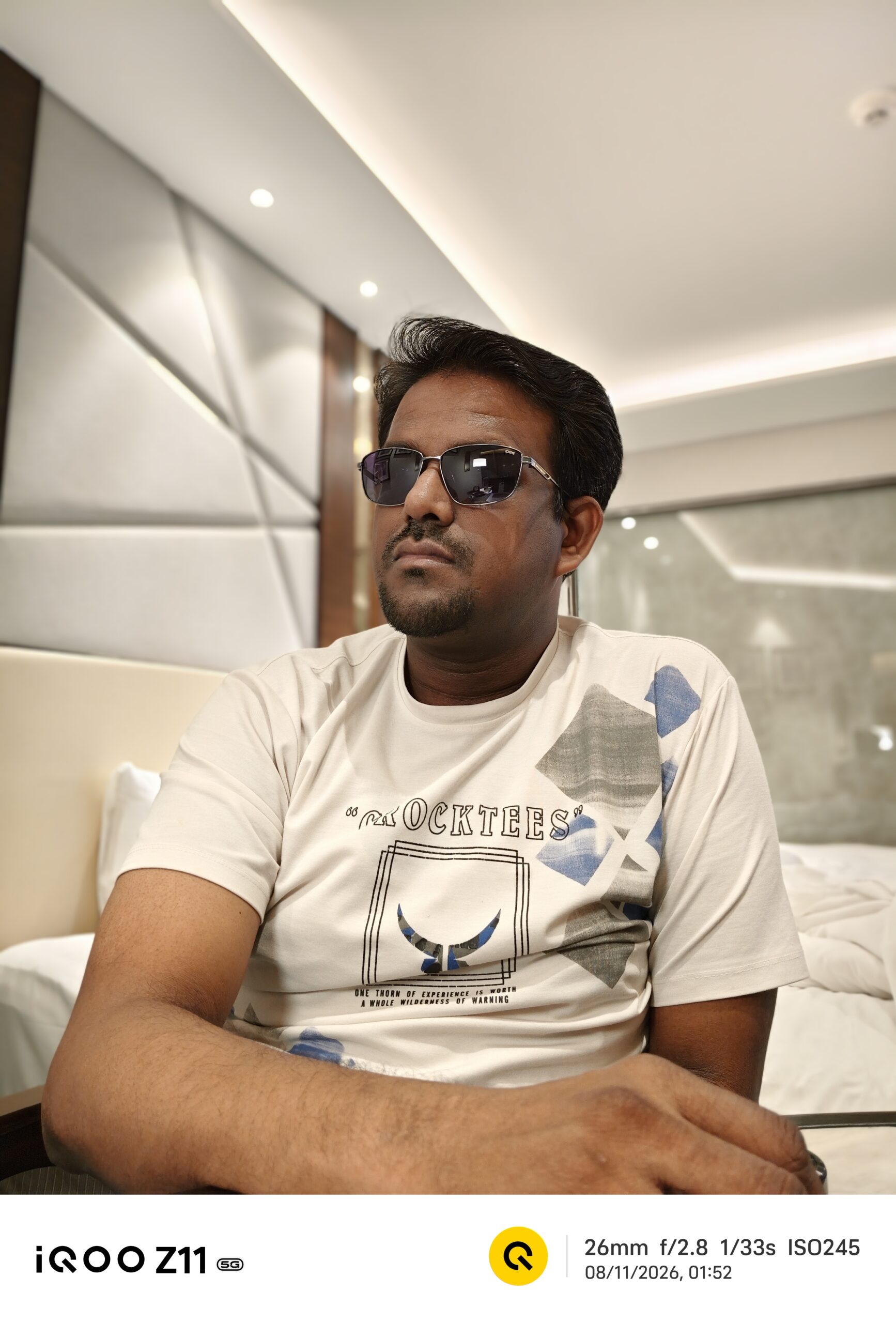
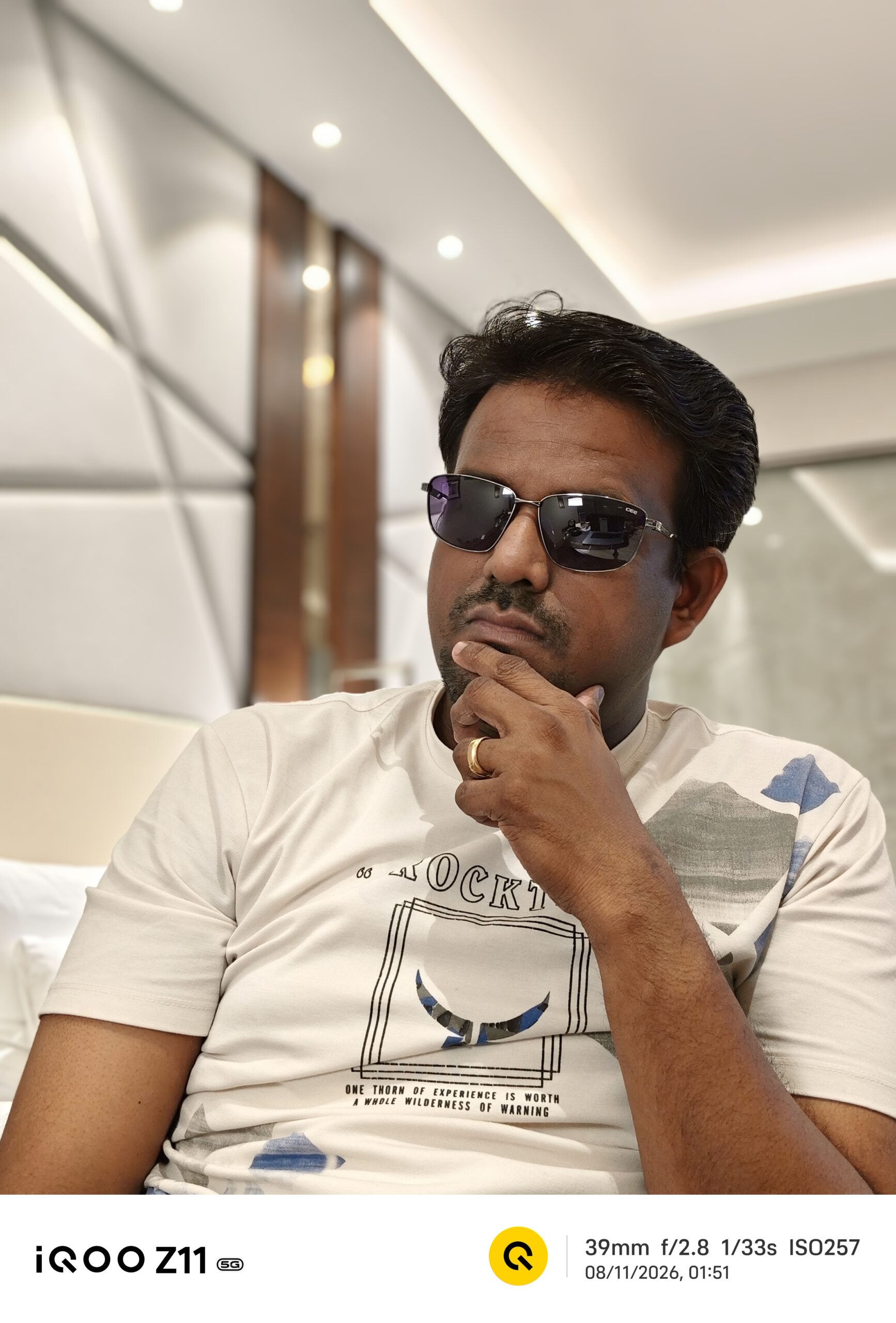
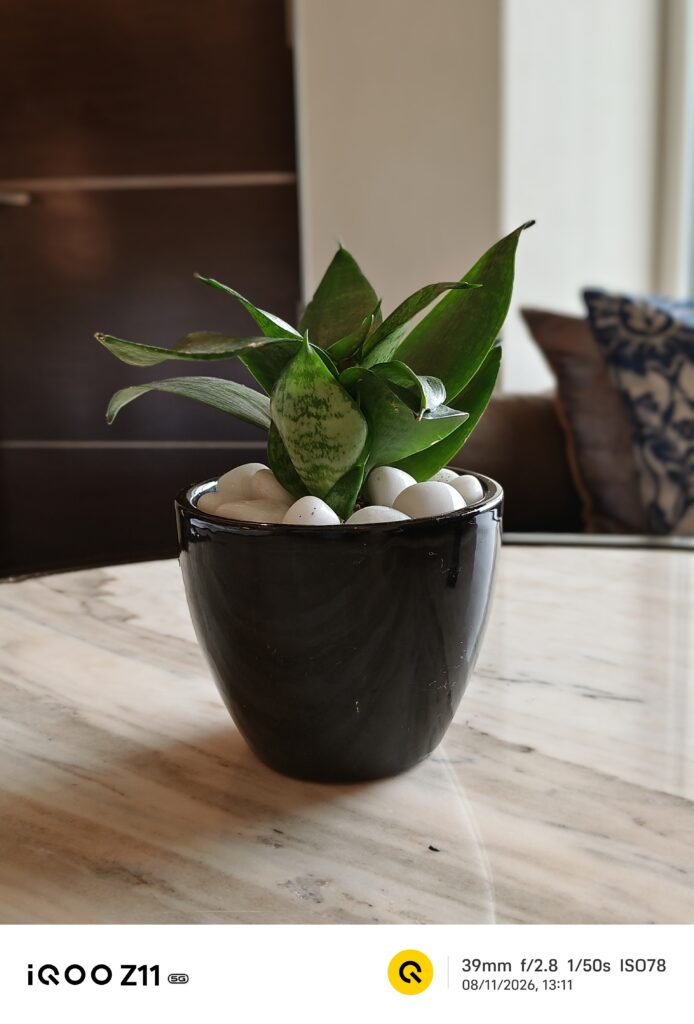
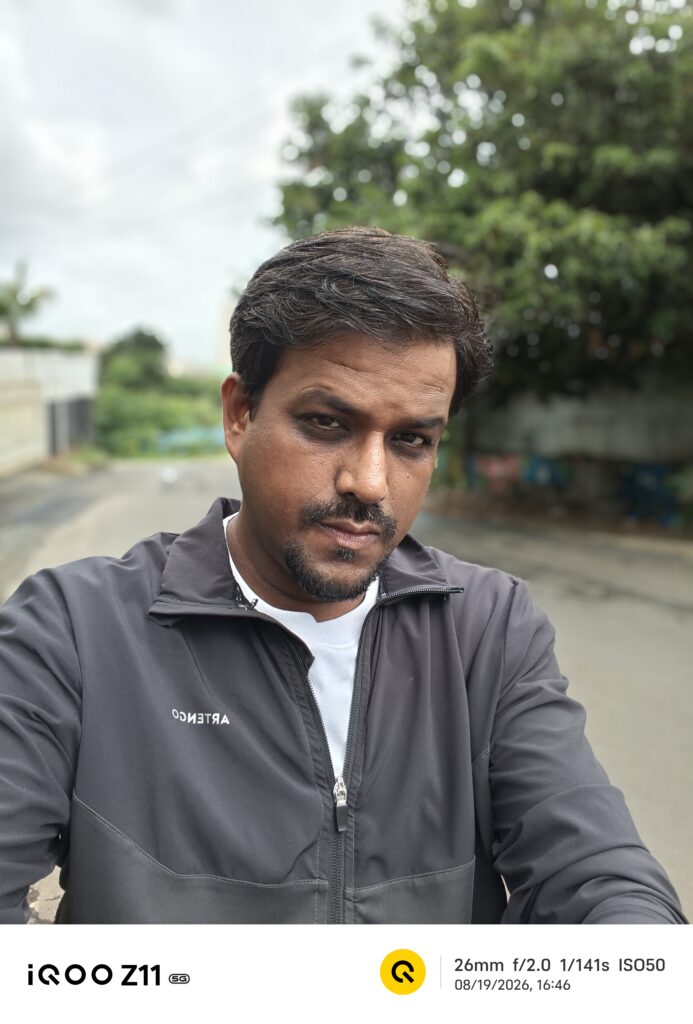
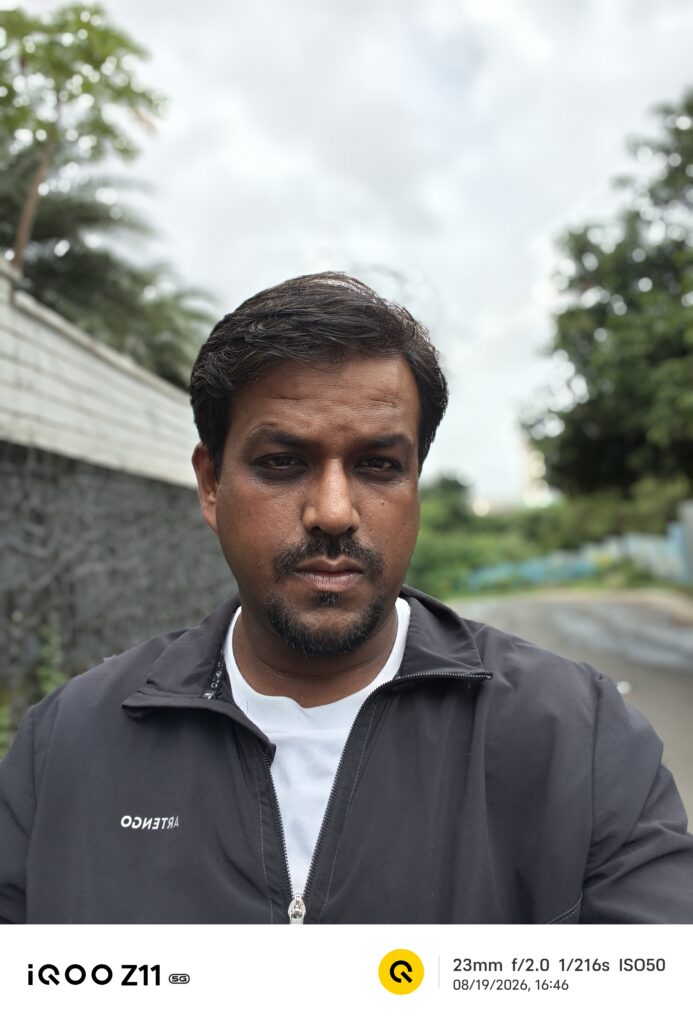
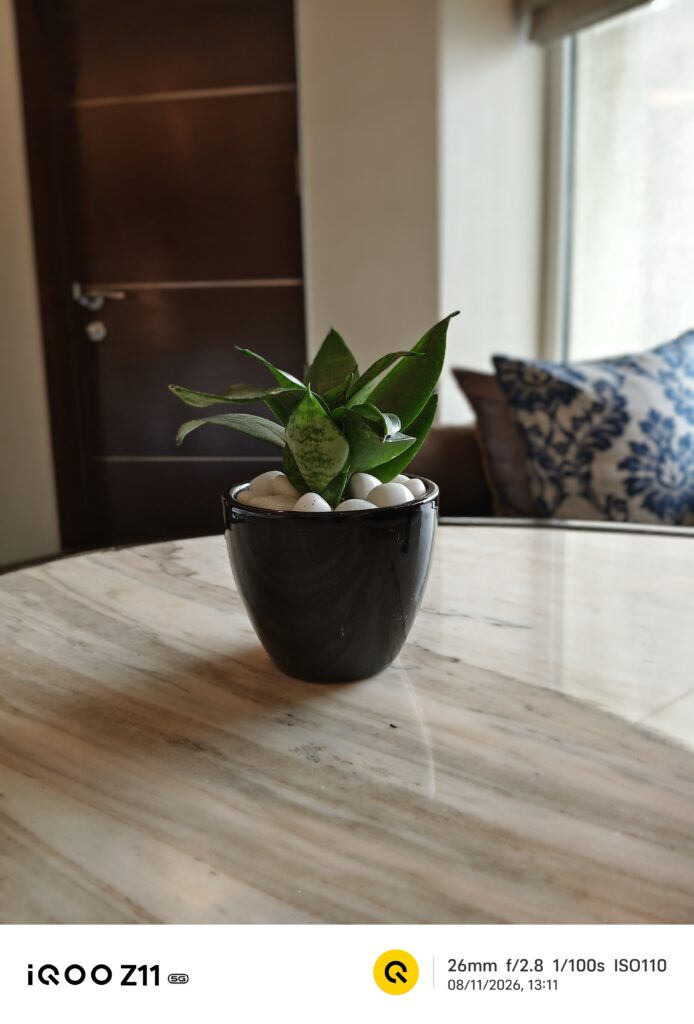
Low-light performance is acceptable rather than class-leading. OIS and night processing help produce usable images, but noise and softer details become more noticeable as lighting deteriorates.
The 8-megapixel ultrawide camera is useful for capturing landscapes, architecture, and larger scenes, but its lower resolution means it cannot match the primary sensor for detail. It is best viewed as a versatility upgrade rather than a camera you will use in every situation.
The 32-megapixel selfie camera is one of the stronger parts of the setup. It captures good detail and generally natural-looking skin tones, while portrait selfies also benefit from reasonably good edge detection.
Overall, the Z11’s cameras are capable enough for everyday photography, but they are not the reason to buy this phone.