Add GIZMOCHINA as Preferred Source on Google
As an Amazon Associate, Gizmochina earns from qualifying purchases. Links on this page may earn us a commission at no extra cost to you.
As we head into the second half of 2026, getting a smartwatch to last through a long weekend is no longer a challenge. The combination of high-density silicon-carbon batteries and more efficient processors means that multi-day battery life has simply become the baseline for most new devices.
For this list, we are focusing entirely on full-fledged smartwatches. While there are specialized, rugged watches built specifically for hikers and endurance runners that offer significantly longer battery life, they usually achieve that by stripping away everyday smart features and apps. If you are looking for a device that offers a complete wearable experience without needing a daily charge, here is a look at the most reliable options currently on the market.
1. Xiaomi Watch 5
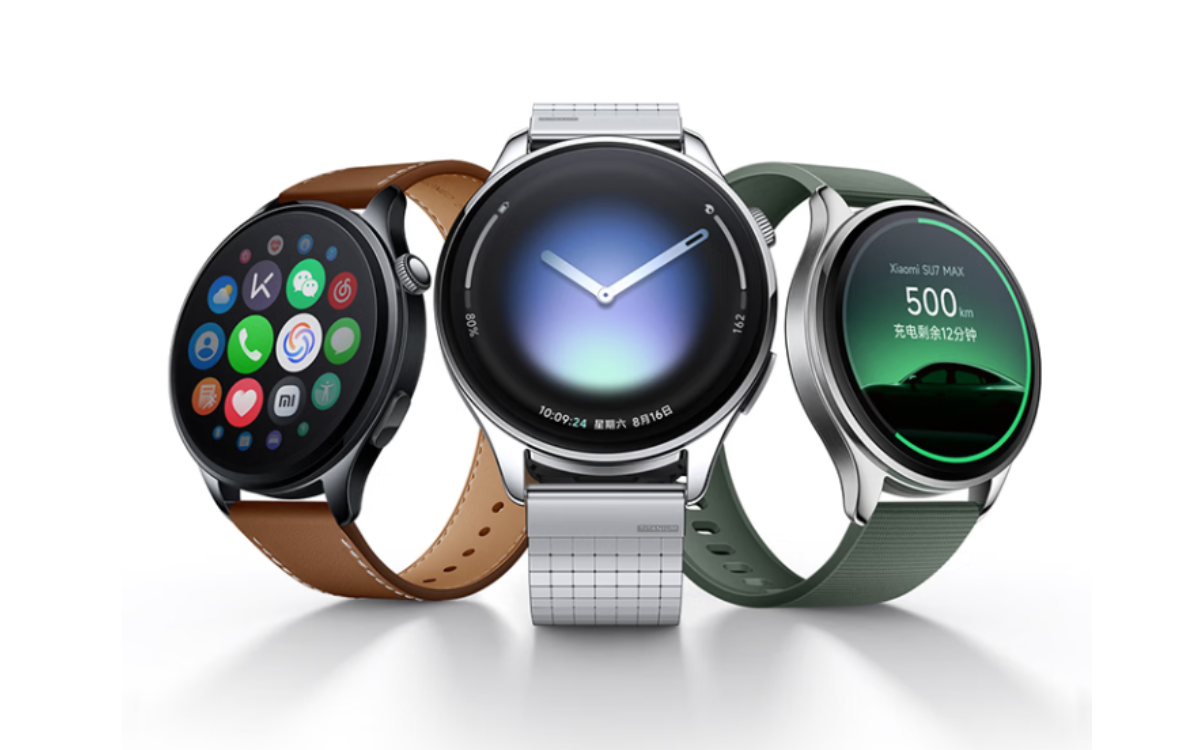
This watch runs Wear OS 6, an operating system that typically drains batteries quickly due to its heavy app integration and background syncing. However, the Xiaomi Watch 5 manages to provide up to six days of battery life in standard smart mode, and up to 18 days if you switch to power-saving mode.
It achieves this by utilizing a 930mAh silicon-carbon battery, a newer battery technology that allows for higher energy density without increasing the physical size or weight of the watch.
Additionally, it uses a dual-chip setup, pairing a main Snapdragon processor with a low-power co-processor. The co-processor handles basic background tasks like step counting and notifications, which prevents the main chip from waking up unnecessarily and draining power.
This makes it a highly practical choice if you want access to the full suite of Google apps, such as Maps and Wallet, without having to charge your watch every night.
If endurance isn’t your top priority, our broader roundup of the top smartwatches this year covers models that balance battery life with other features.
2. OnePlus Watch 4
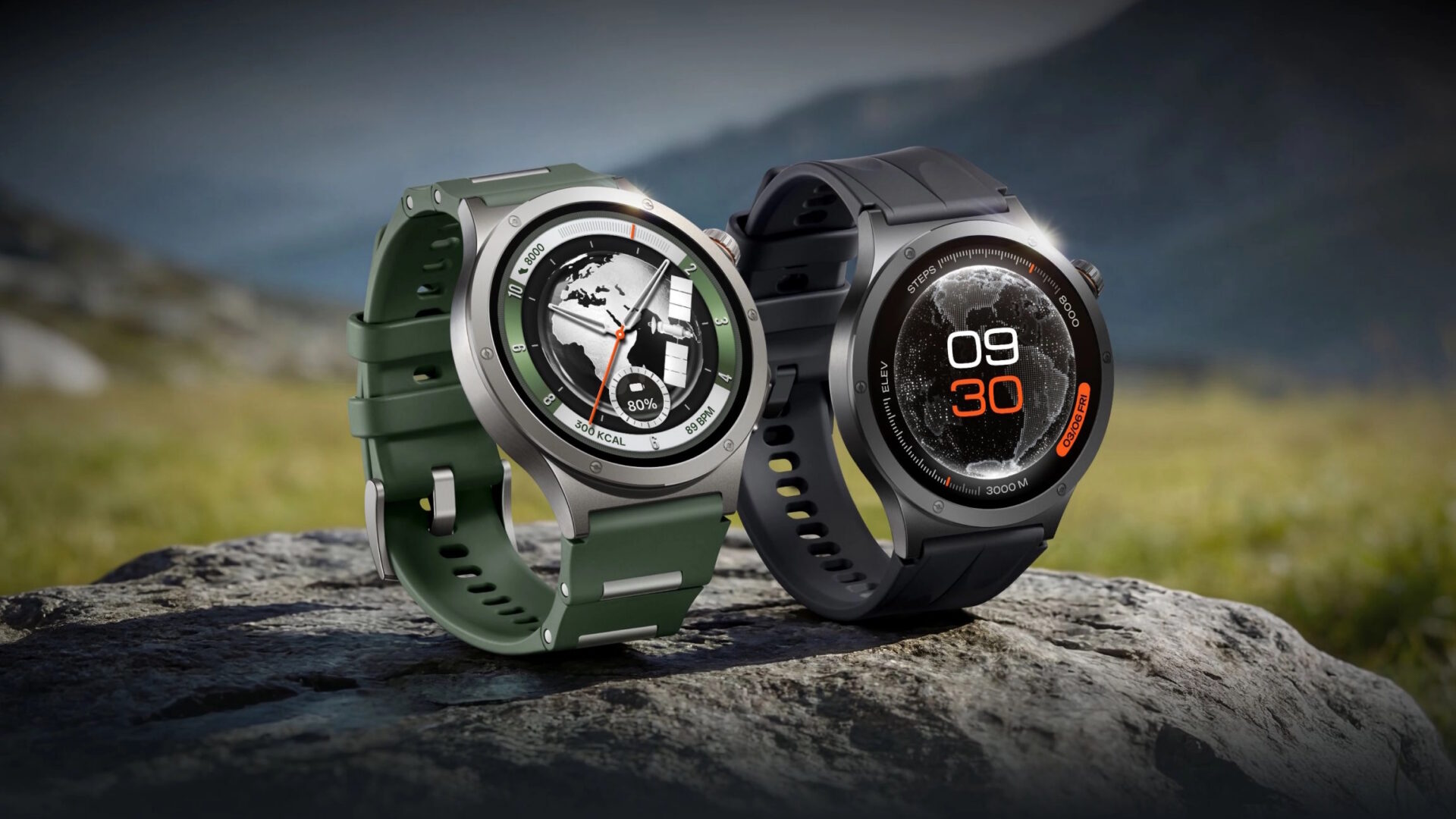
Another strong Wear OS 6 option, the OnePlus Watch 4 offers about five days of battery life in its standard smart mode. If you use it heavily, meaning frequent GPS tracking for outdoor runs, continuous heart rate monitoring, and streaming music offline, that battery life drops to roughly three days.
However, if you need to stretch the battery further, the watch includes a dedicated power-save mode. By disabling the main processor and full Wear OS functions, it relies on a low-power co-processor to handle basic timekeeping, step tracking, and essential notifications, which can extend the battery life up to 16 days.
It is equipped with a 646mAh battery that supports fast charging, allowing you to fully recharge the device from zero to 100% in about 75 minutes.
The watch features a titanium alloy case and a bright LTPO OLED display. The LTPO technology is particularly helpful for battery conservation, as it allows the screen’s refresh rate to drop significantly when you are not actively interacting with it.
It functions well as an everyday watch that provides premium materials and can comfortably last through a long weekend trip without needing a charger.
3. Huawei Watch GT Runner 2
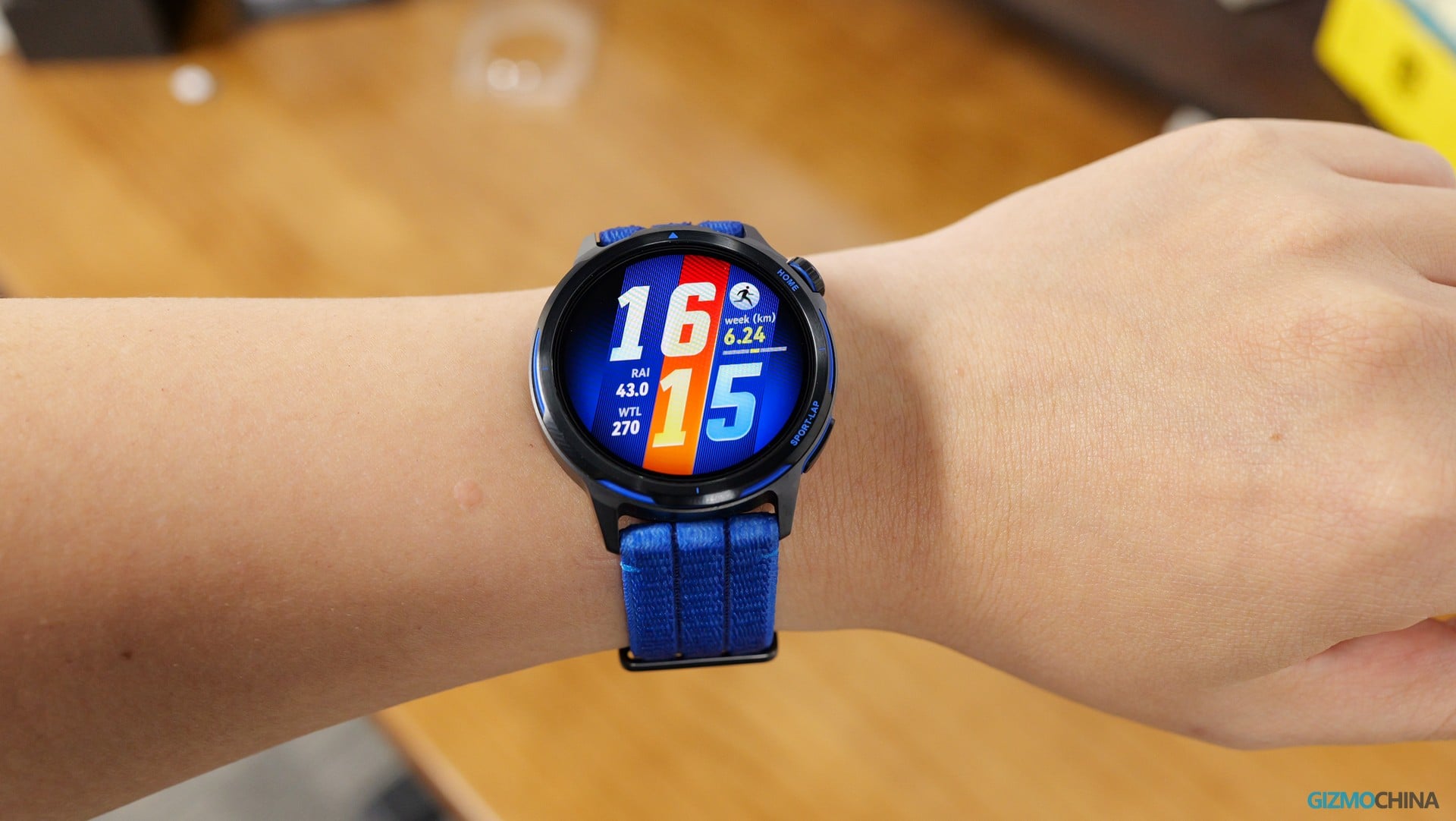
If you primarily want a smartwatch for tracking workouts and do not need access to third-party apps, the Huawei Watch GT Runner 2 (full review) is a very efficient option.
It runs proprietary HarmonyOS rather than a resource-heavy platform like Wear OS, it provides up to 14 days of battery life with light use, or about seven days under typical daily conditions.
For runners and hikers, the most relevant specification is its continuous GPS tracking capability. The watch can record up to 32 hours of continuous dual-band GPS tracking on a single charge, making it useful for marathons, ultramarathons, or multi-day hiking trips.
It also features a lightweight build at just 34.5 grams and a breathable strap, focusing entirely on comfort and detailed fitness metrics rather than smartwatch app ecosystems.
4. Apple Watch Ultra 3
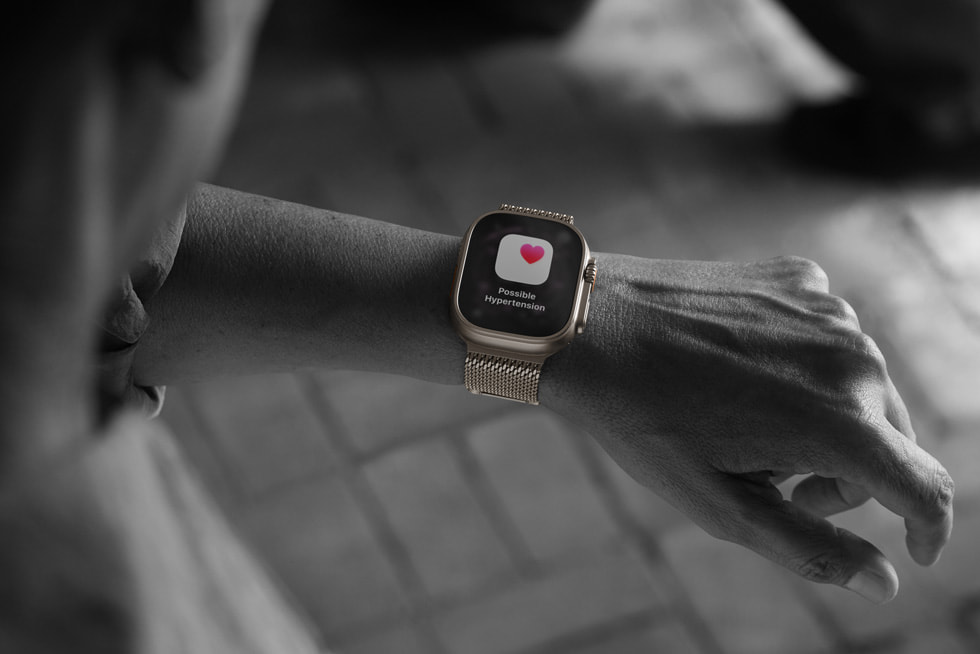
For iPhone users wanting to stay within the Apple ecosystem, the Apple Watch Ultra 3 offers up to 42 hours of normal use on a single charge. If you need to extend that, turning on Low Power Mode will give you up to 72 hours by limiting background heart rate measurements and delaying some notifications.
While it does not last as long as the dedicated fitness watches, the S10 chip and watchOS 26 optimizations make it efficient enough to prevent the need for daily charging, even with an always-on display and cellular connectivity active.
When the battery does run low, the fast-charging capability is quite useful, a 15-minute charge provides about 12 hours of standard use, which makes it relatively easy to keep the watch topped up while you take a shower or get ready for the day.
5. Samsung Galaxy Watch Ultra
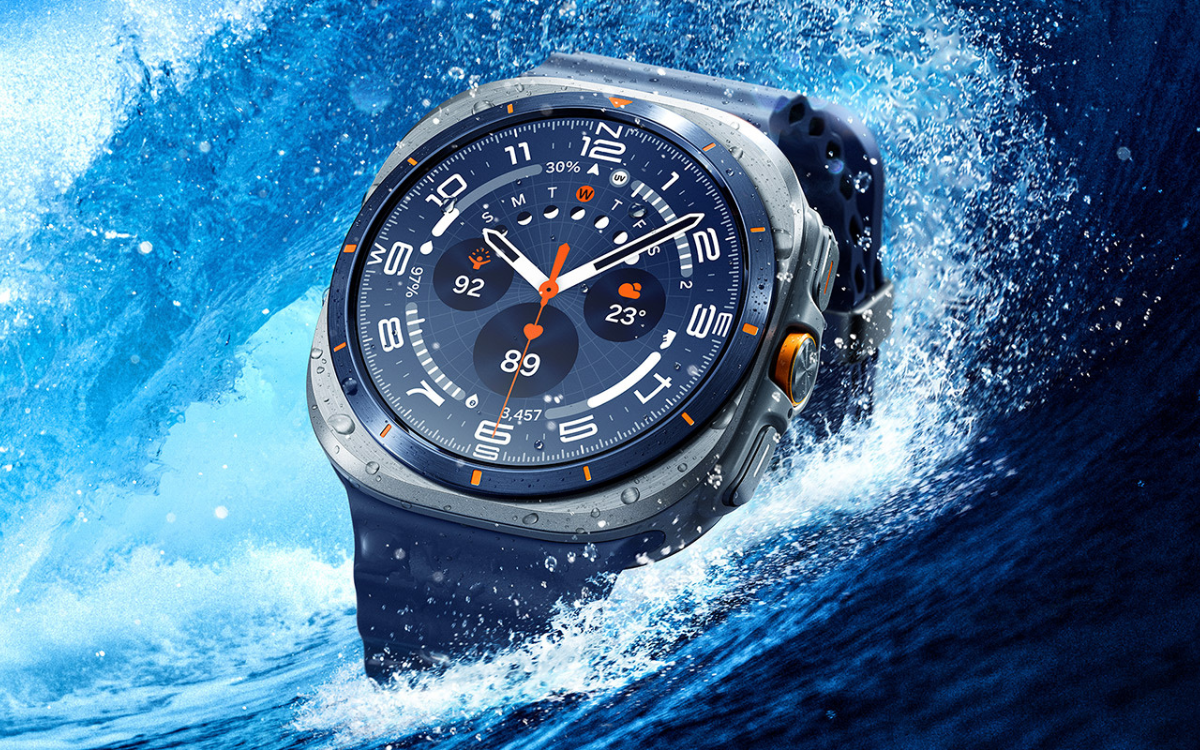
The current Samsung Galaxy Watch Ultra provides up to 100 hours of battery life in Power Saving mode, or 48 hours in Exercise Power Saving mode, drawing from its 590mAh battery. It runs Wear OS 6 layered with Samsung’s One UI 8 Watch interface, providing deep integration with Android smartphones.
For people already using Samsung devices, a practical detail is how the watch works alongside the Galaxy Ring. If you wear them both, they split the health-tracking workload. The ring can handle background tasks like monitoring your sleep and continuous heart rate, which lets the watch turn off those specific sensors to save battery.
This distribution of work can reduce the watch’s power consumption and extend its overall battery life by about 30%, depending on your daily usage patterns.
It is also worth noting that Samsung is expected to release the next-generation Galaxy Watch Ultra 2 later this month. According to recent hardware leaks, this upcoming model will be equipped with a larger battery capacity, which should further improve its overall longevity and reduce the frequency of required charging.
For more daily updates, please visit our News Section.
Stay ahead in tech! Join our Telegram community and sign up for our daily newsletter of top stories!