
Add GIZMOCHINA on Google:
As an Amazon Associate, Gizmochina earns from qualifying purchases. Links on this page may earn us a commission at no extra cost to you.
If you’ve been looking into fitness wearables lately, you’ve probably noticed a frustrating trend: almost everything requires a subscription. You buy the hardware, but to actually see your sleep insights or long-term health trends, you have to pay a monthly fee. It’s an annoying model. I recently got the Gabit Smart Ring as a review unit, and it takes an entirely different approach.
This titanium smart ring offers a straightforward proposition: you buy the ring, and you get access to all your data and the companion app for free, for life.
I’ve spent the last few weeks wearing it to see if it can actually compete with the bigger, subscription-heavy names in the market. It has some quirks, but overall, it’s a solid device that does what it promises. Here is what it’s actually like to live with it.
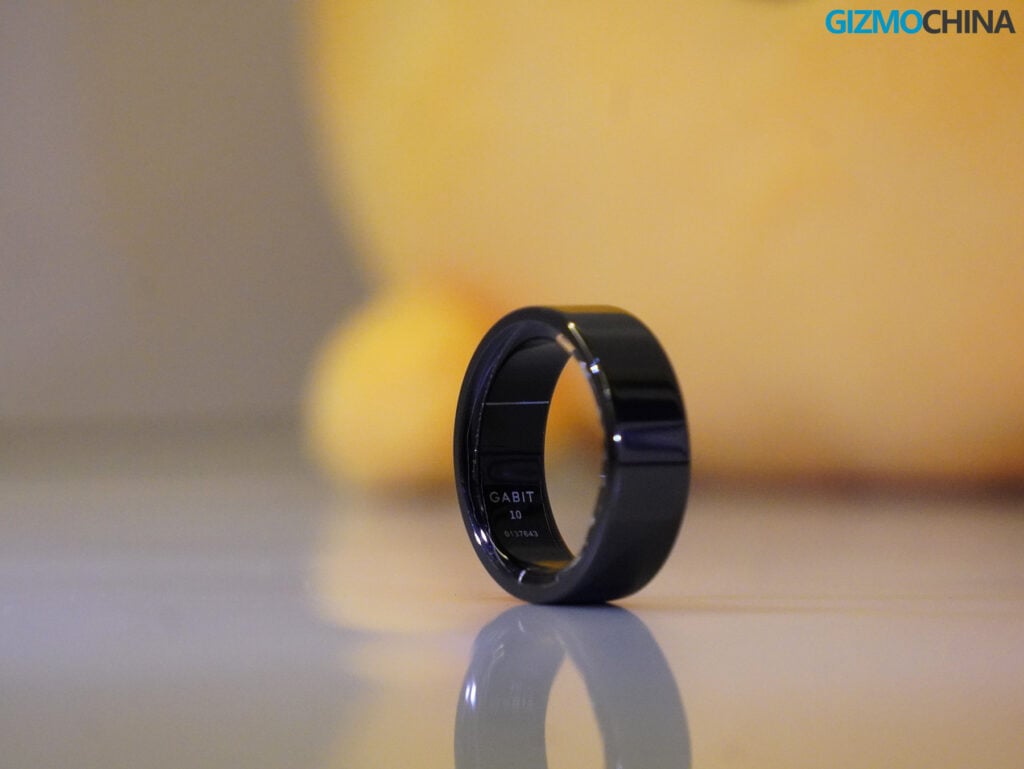
Design and Daily Wear
When it comes to a device you’re supposed to wear 24/7, comfort is the most important factor. The Gabit ring is made of titanium and weighs just 3.1 grams. It’s genuinely lightweight, to the point where I often forget I have it on my finger while typing or going about my day.
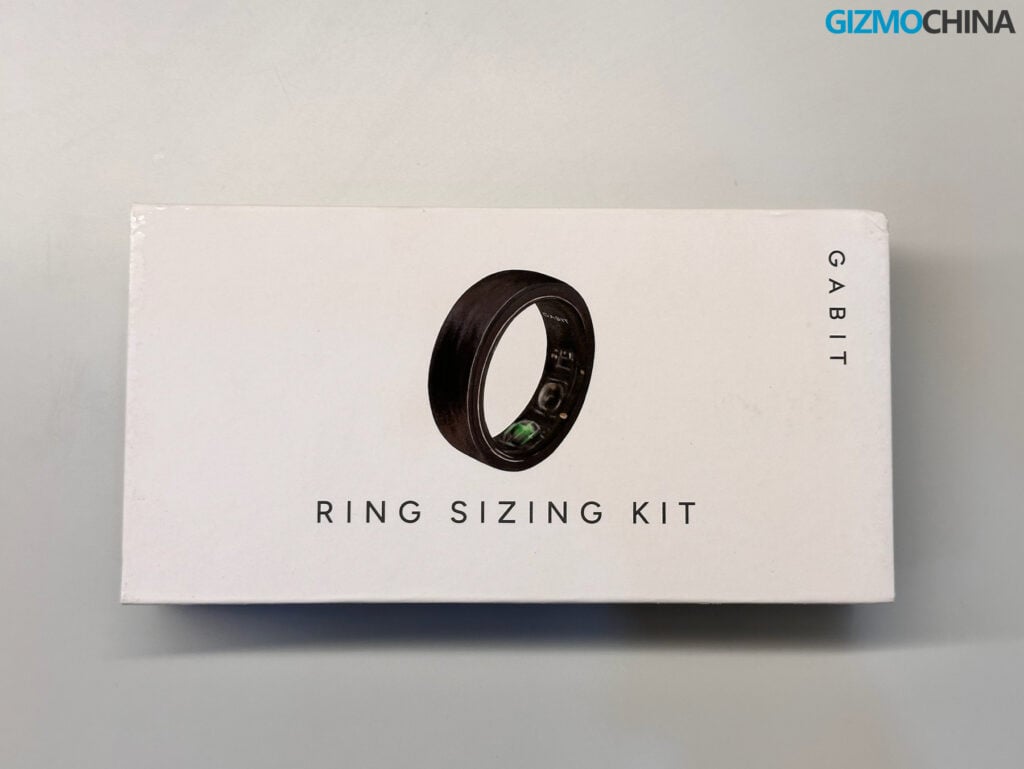
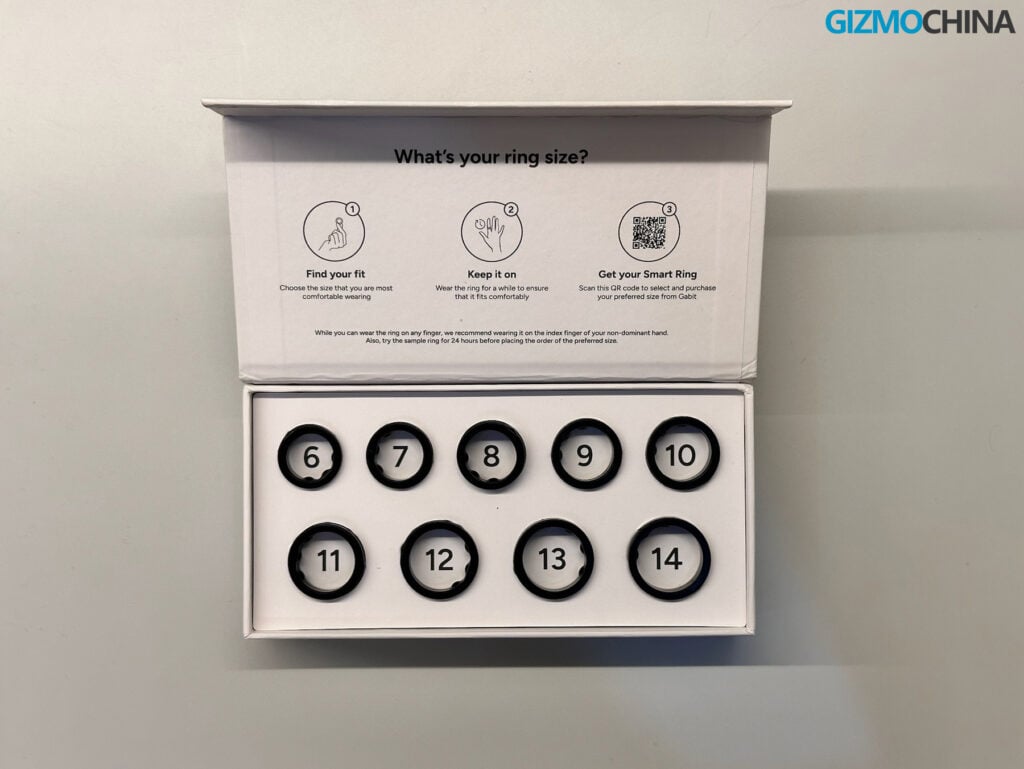
Before you get the actual ring, Gabit sends you a sizing kit. I highly recommend taking this step seriously. I wore the plastic sizing ring for a full day to make sure it fit right. You want it snug enough that the sensors stay in contact with your skin, but not so tight that it’s uncomfortable when your hands naturally swell a bit during a workout or in warmer weather. Getting the right fit makes all the difference in how comfortable the ring is long-term.
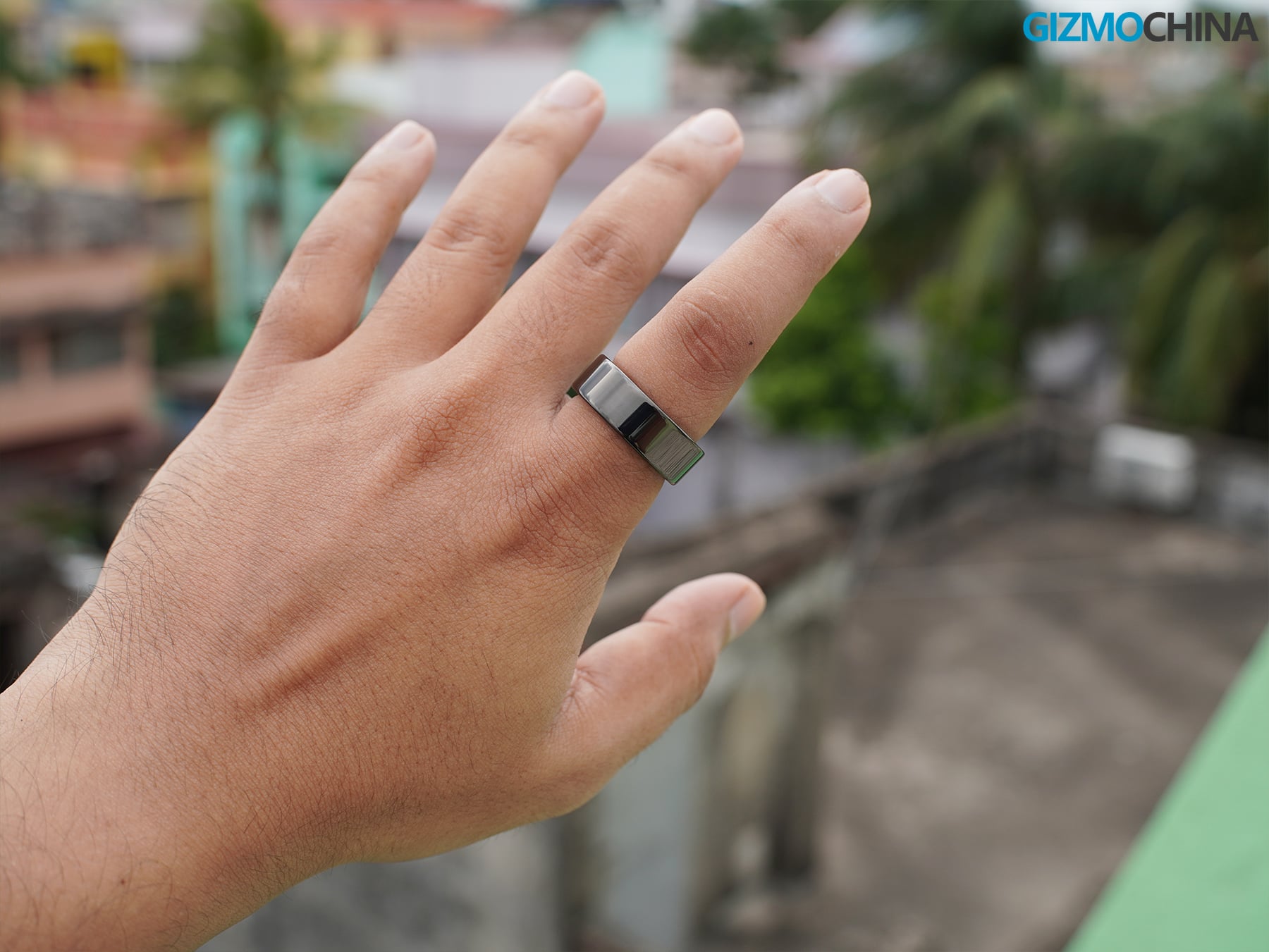
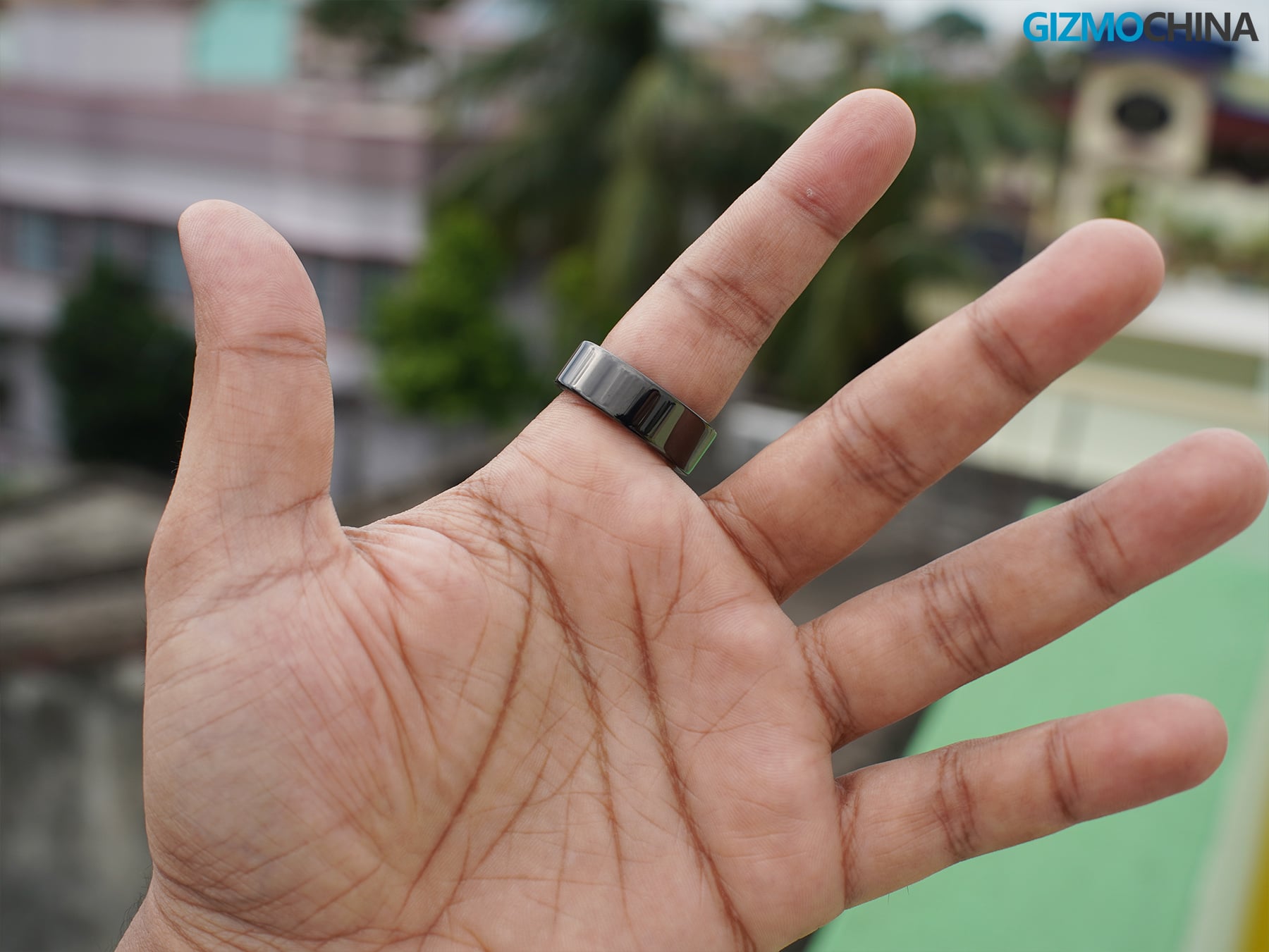
The build quality is good. The paint job feels premium, and while I’ve accidentally knocked my hand against a few doors and desks, I haven’t noticed any glaring scratches. You’d have to look very closely under a bright light to see any wear and tear. It’s also rated for 5ATM water resistance, meaning it handles daily water exposure just fine. I’ve washed my hands, showered, and done the dishes without taking it off, and it’s held up perfectly. Gabit also sells different skins if you want to change the look of the ring to match an outfit, which is a nice option to have.
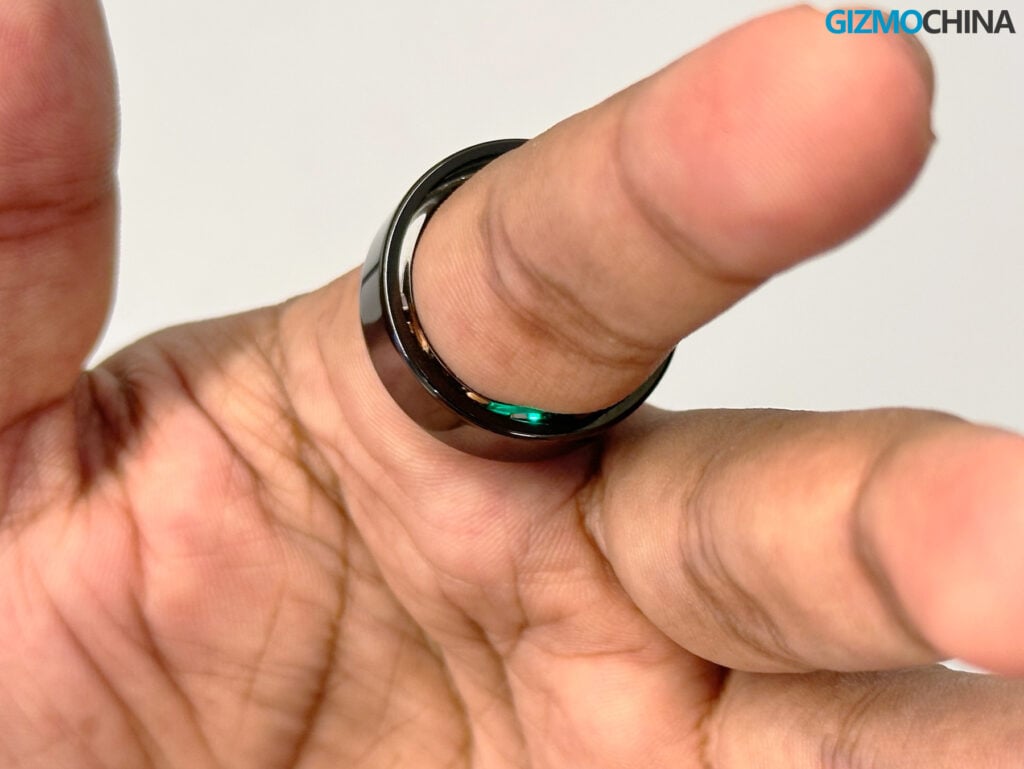
There is one minor annoyance with the design, though. The ring uses optical sensors that emit a green light to track your heart rate. In a dark room at night, that green light can be surprisingly bright. If you sleep with your hand near your face, you might notice it flashing, which takes a little getting used to.
Tracking and Accuracy
The Gabit Smart Ring tracks a standard array of health metrics: continuous heart rate, heart rate variability (HRV), sleep stages, skin temperature, stress levels, and daily activity like steps and calories.
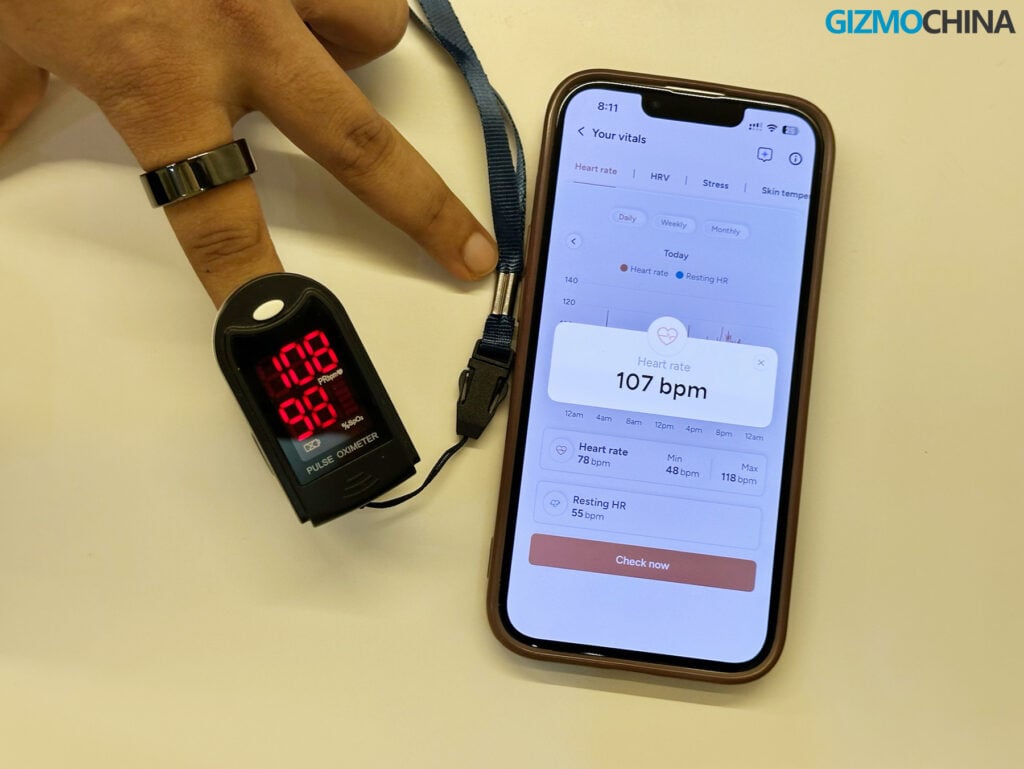
I’m usually a bit skeptical of how well finger-based sensors perform, so I tested the ring’s heart rate readings against a standard medical pulse oximeter. I checked it while sitting at my desk and right after a workout. Both times, the ring’s readings matched the pulse oximeter almost perfectly. The step counter is also reliable. Like most wearables, it might be off by 100 or 200 steps by the end of the day, but that’s a normal margin of error and gives you a clear enough picture of your daily activity.
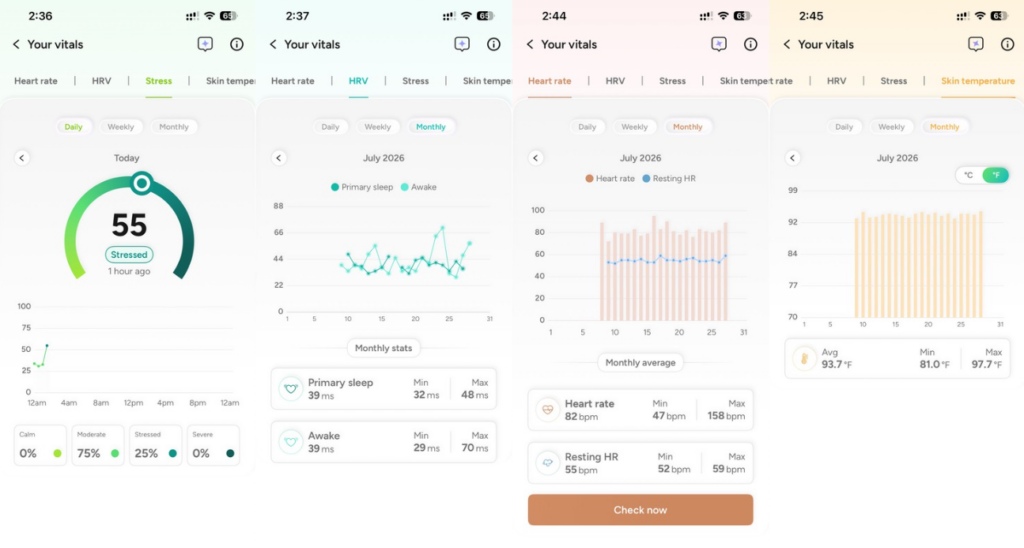
However, I do need to clear up some confusion regarding blood oxygen (SpO2) tracking. If you look around online, you might see mentions of SpO2 support. But in practice, it doesn’t seem to be there. When I asked the app’s built-in AI coach about my blood oxygen, it clearly stated that the ring doesn’t support it. If SpO2 tracking is an absolute must-have for you, you should keep this in mind.
On the other hand, the app does include a VO2 Max feature. It estimates your cardiovascular fitness based on your activity data, which is a practical metric to have if you want to monitor your long-term endurance and overall fitness levels.
Sleep and Stress Monitoring
Sleep tracking is where I got the most value out of this ring. To be completely honest, my daily routine was pretty terrible before I started testing this. I’m a night owl, and I frequently find myself going to sleep after 5 AM.
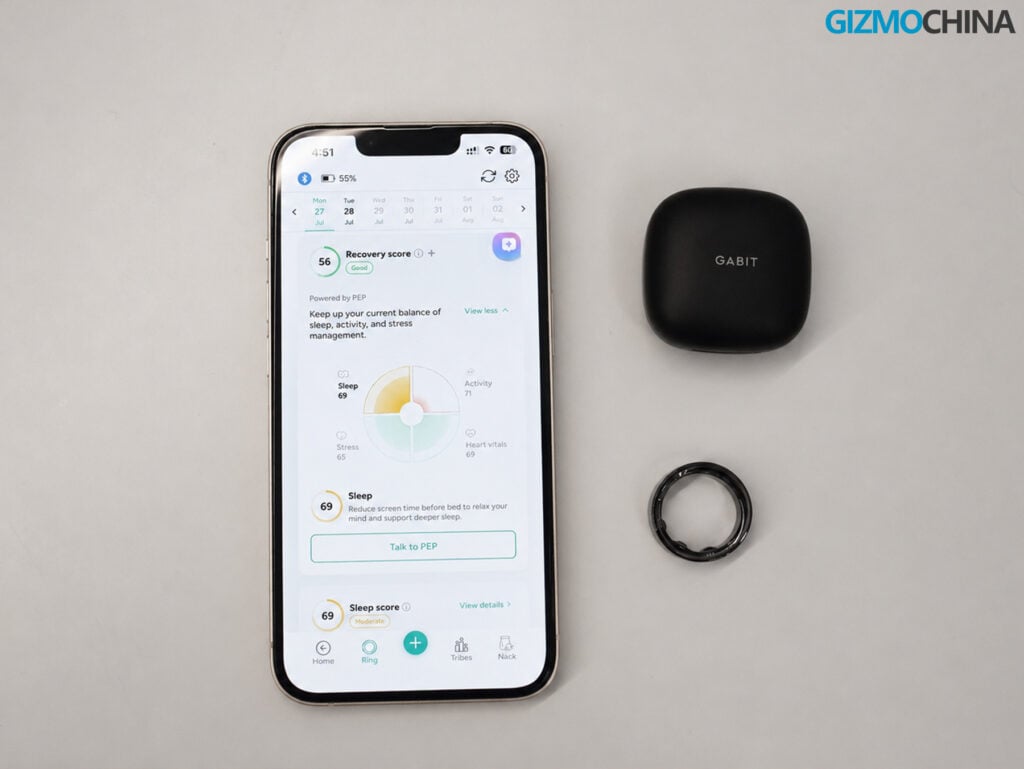
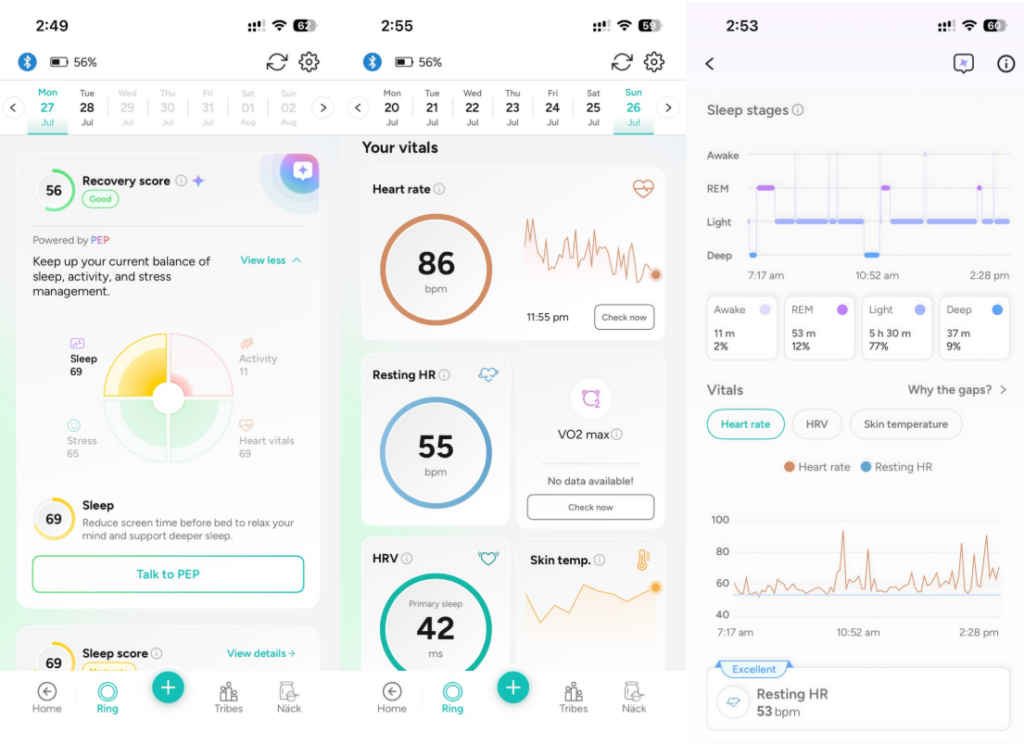
The ring breaks down your sleep into Light, Deep, and REM stages, and compares your total time asleep to your total time in bed. Every morning, you get a Sleep Quality Score, along with your overnight resting heart rate and HRV. Seeing my sleep habits laid out in clear data was helpful. While I haven’t entirely fixed my schedule yet, checking my stats every morning has actually motivated me to try and get to bed a bit earlier. It makes you more aware of your sleep debt.
It also tracks your stress levels throughout the day based on your heart rate and HRV. I found the stress index to be fairly accurate, it usually spiked during busy work hours or when I was rushing around, which serves as a good reminder to take a minute and breathe.
App Experience
A smart ring is only as good as its app, and Gabit has done a really nice job here. The interface is clean, the graphics are easy to read, and it doesn’t feel overly complicated.
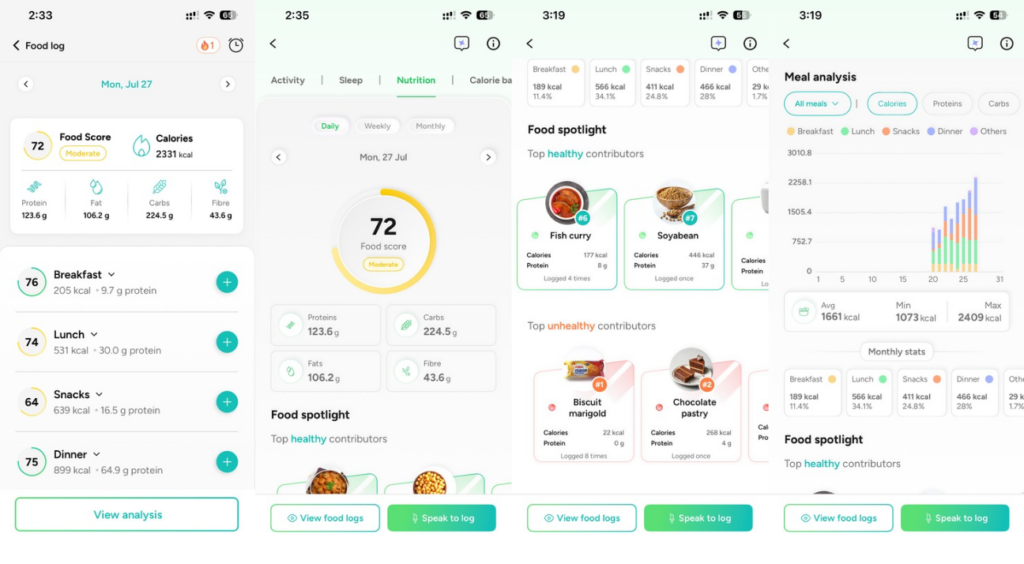
Food logging is where Gabit really impressed me. If you’ve ever tried to log Indian food in mainstream fitness apps, you know it can be a hassle. Gabit’s database is very well optimized for Indian diets. Almost every local dish I searched for showed up easily. It also supports voice logging; you just tap a button, say what you ate, and it logs it for you. It’s a small feature, but it makes tracking your calories much less tedious.
The app also features an AI health coach called PEP, which gives you insights based on your data. It looks at your sleep, activity, and recovery levels to tell you if you should push yourself in a workout or take a rest day. It’s a helpful way to tie all the raw data together into something actionable.
Battery Life
The ring itself has great battery life. I consistently got about 7 days of use before needing to charge it, which means you only really have to think about the battery once a week.
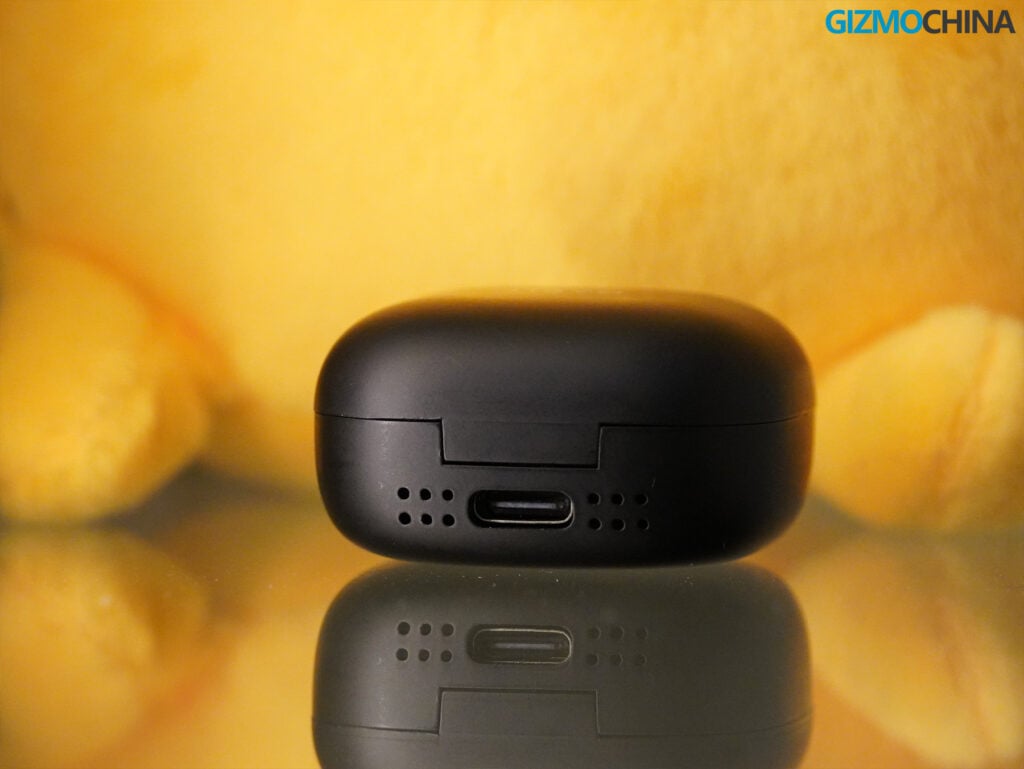
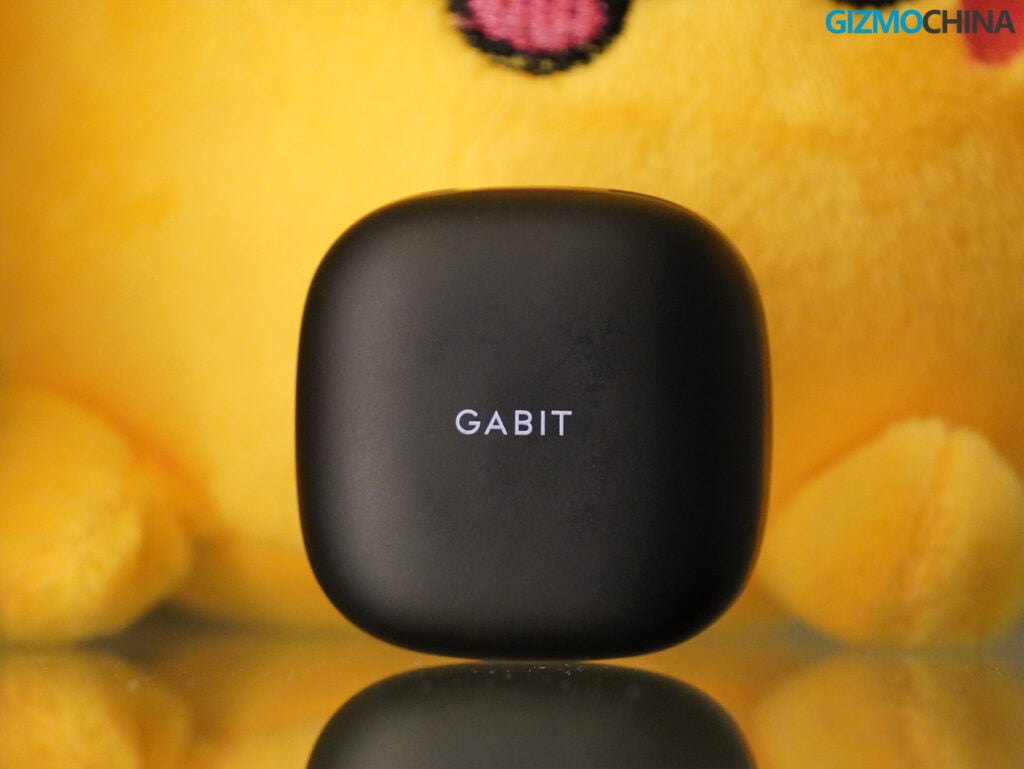
However, the charging experience is the main downside of this product. Unlike wireless earbuds or some other smart rings that come with a battery-equipped case, the Gabit charging case doesn’t hold a charge on its own. You have to physically plug the case into a wall outlet or power bank every time you want to charge the ring.
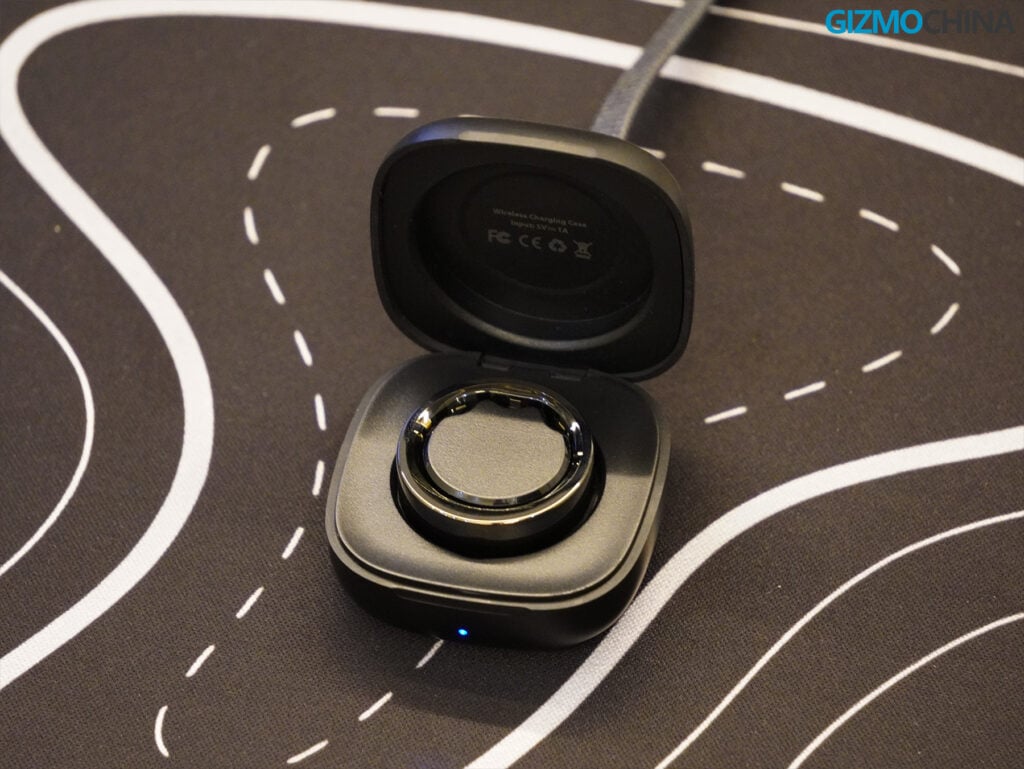
The case itself also feels a bit flimsy and prone to scratching compared to the premium feel of the ring. Additionally, it takes about two hours to charge the ring from zero to full, and I noticed the ring gets a little warm while it’s on the charger. It’s not a dealbreaker since you only have to do it once a week, but it’s definitely an area where Gabit could improve in future versions.
Verdict: Should You Buy It?
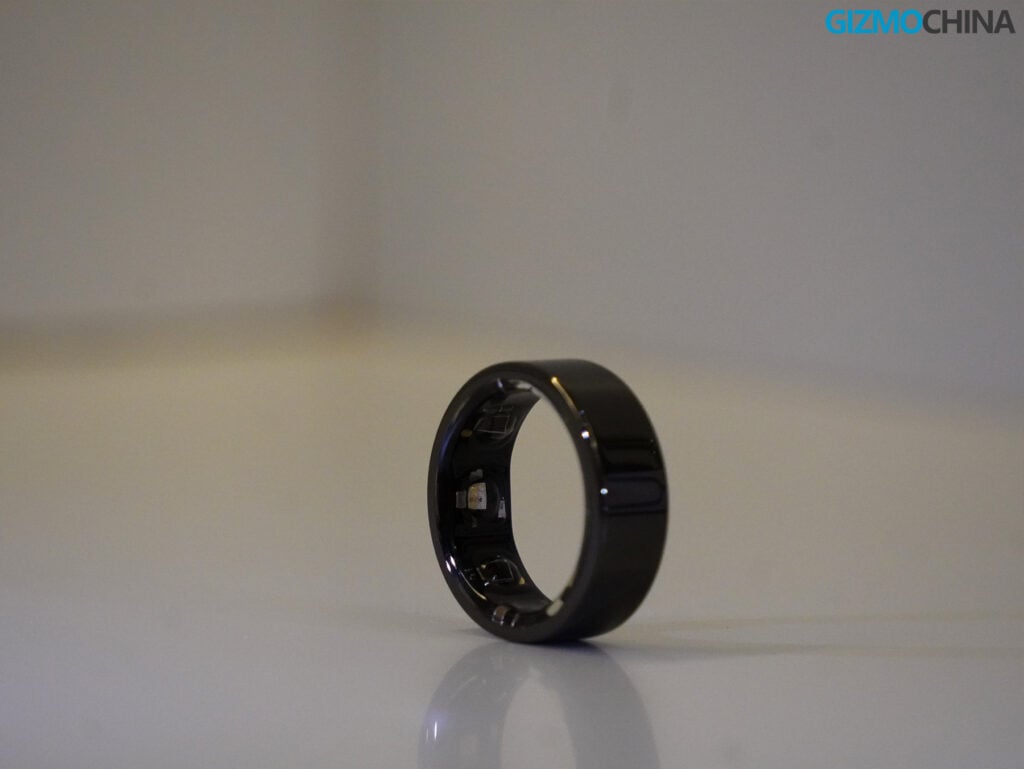
The Gabit Smart Ring is a very practical device. It includes almost all the features you’d expect from a modern smart ring while getting the fundamentals right. It’s comfortable, the sensors are accurate, and the app is genuinely useful, especially with its localized food tracking.
At ₹13,883, it’s priced competitively. But the real selling point is the lack of a subscription. Being able to buy a piece of hardware and actually own your data without paying a monthly fee is really great. If you’re looking for a reliable way to keep tabs on your sleep, stress, and daily activity without committing to a long-term subscription, the Gabit Smart Ring is definitely worth considering.
You can purchase the ring through Gabit’s official website or from Amazon India.
For more daily updates, please visit our News Section.
Stay ahead in tech! Join our Telegram community and sign up for our daily newsletter of top stories!




Comments