
Add GIZMOCHINA as Preferred Source on Google
As an Amazon Associate, Gizmochina earns from qualifying purchases. Links on this page may earn us a commission at no extra cost to you.
Google used tonight’s Made by Google event to launch its first item tracker, the Pixel Tag, alongside the new Pixel 11 series. If you’ve been waiting for an official Google-made alternative to Apple’s AirTag, this is it.
The Pixel Tag comes in a single color, Fog, with a metal front and a polycarbonate back. It measures 28 x 46.1 x 5.4 mm and weighs 11.8 grams with the battery installed and 8.8 grams without it. The front carries the Google G logo, with a small speaker sitting just below it.
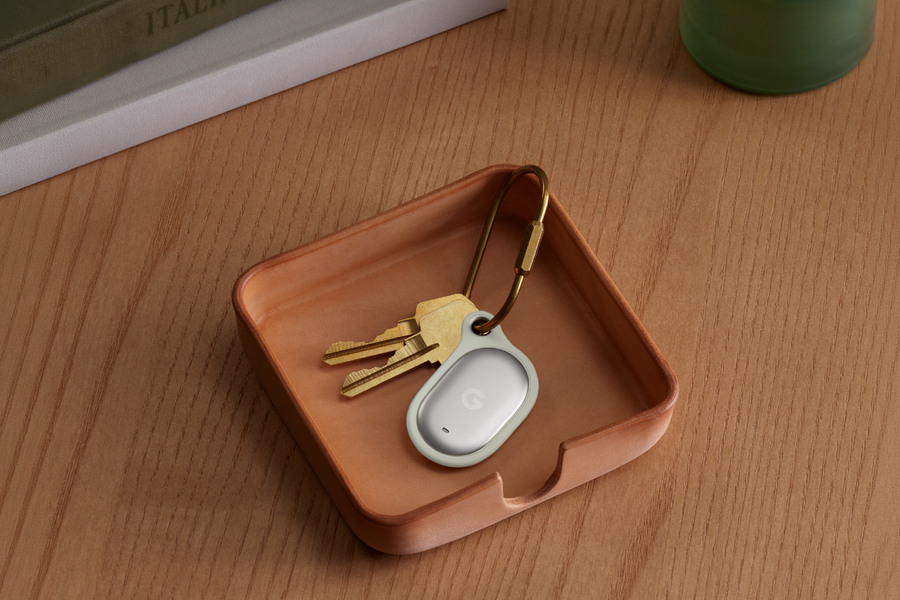
Flip it over, and you’ll find a plastic back cover that pops open to reveal the battery compartment. Google went with a user-replaceable CR2032 button battery, so you won’t need to buy a whole new tag once it runs low. One battery should last you more than a year before you have to swap it out.
What’s inside Pixel Tag?
Inside, the Pixel Tag packs a built-in accelerometer and supports ultra-wideband (UWB) tracking. The built-in speaker also lets you trigger an audible alert to help you zero in on the tag once you’re close. For durability, the Pixel Tag carries an IP67 rating, so it can survive a dunk in up to 1 meter of water for 30 minutes without issue.
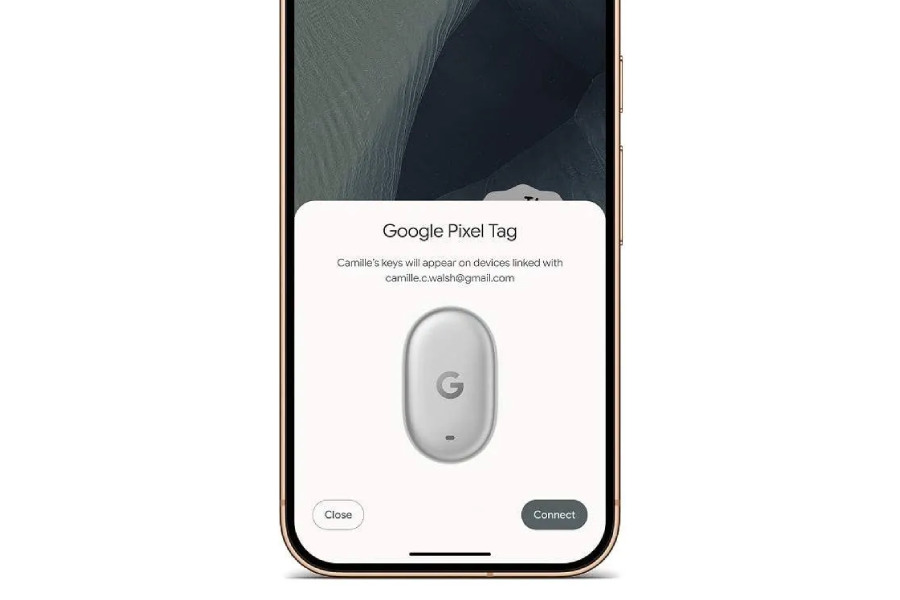
You’ll need a phone running Android 9 or later just to use the Pixel Tag. But if you want Bluetooth Channel Sounding, your phone needs Android 16 or later and Bluetooth 6.0 support. Bluetooth Channel Sounding does a similar job to UWB but trades some precision for lower power use: UWB gets you within centimeters, while Bluetooth Channel Sounding lands you within roughly 0.3 to 0.5 meters.
The Google Pixel Tag costs $29 for a single tracker or $99 for a four-pack. The company says it’s coming to markets across Asia, Europe, North America, and the Middle East.
Google isn’t the first to chase this category. Xiaomi launched its own cross-platform tracker back in February, built to work with both Apple’s and Google’s networks.
For more daily updates, please visit our News Section.
Stay ahead in tech! Join our Telegram community and sign up for our daily newsletter of top stories!

Comments