Add GIZMOCHINA as Preferred Source on Google
As an Amazon Associate, Gizmochina earns from qualifying purchases. Links on this page may earn us a commission at no extra cost to you.
Xiaomi doesn’t sell one phone a year; it sells dozens, spread across three sub-brands, three or four price tiers, and two forms — conventional and foldable.
As you might be aware, Xiaomi’s Redmi sub-brand covers the budget-to-mid-range crowd, Poco is known for its performance-per-dollar phones, while the Xiaomi-branded line handles everything from a genuinely affordable flagship to a camera system co-built with Leica.
It’s always good to have more choices for consumers, but this also makes it difficult for users to navigate that pool to find the best device for their needs. So instead of ranking every Xiaomi or sub-brand phone you can get on the market today, we’ve listed the best ones by category in this list today. That way, you can go straight to the phone that fits your budget and what you actually need.
1. The Best Overall
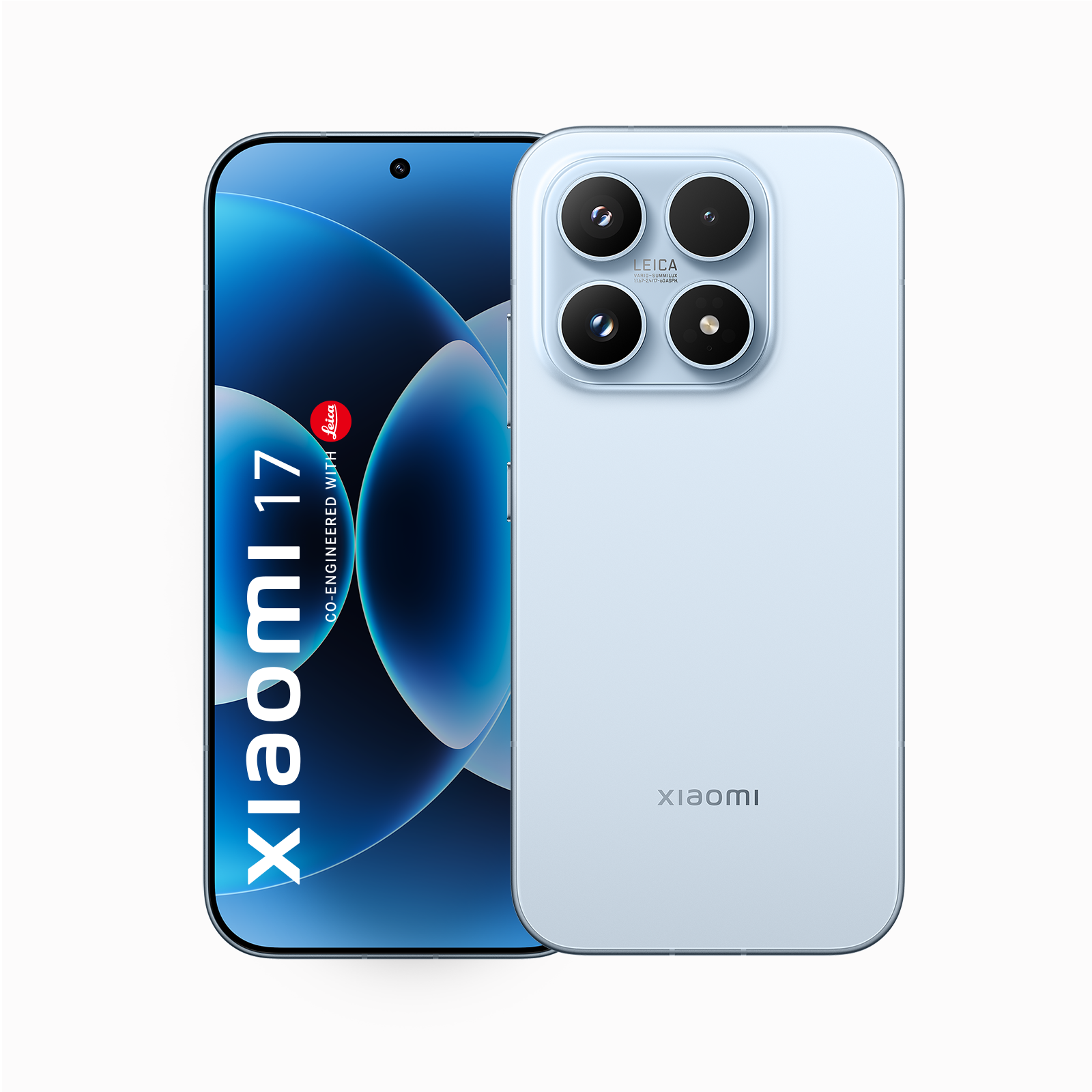
The Xiaomi 17 is the most balanced phone in the company’s numbered flagship series. It launched globally at MWC 2026 as a compact device with the best flagship hardware for its size.
The phone has a 6.3-inch LTPO OLED display with a 1-120Hz adaptive refresh rate, 1.18mm bezels, 12-bit color, and up to 3,500 nits of peak brightness. It is powered by the Snapdragon 8 Elite Gen 5, built on a 3nm process, with 12GB or 16GB of RAM and 256GB or 512GB of UFS 4.1 storage.
Powering the setup is a 6,330mAh silicon-carbon battery that supports 100W wired and 50W wireless charging. Xiaomi says the battery can retain at least 80% of its capacity after 1,600 charging cycles.
The camera system is also more capable than the phone’s compact size might suggest. There is a 50MP Light Fusion 950 main camera with OIS, a 50MP 60mm floating telephoto with OIS and 2.6x optical zoom, and a 50MP ultrawide camera. The front camera is also 50MP. All four cameras are part of the Leica-tuned system.
The Xiaomi 17 starts at €999 for the 12GB/256GB model in Europe, while the 12GB/512GB version costs €1,099.
2. The Best Ultra-Tier
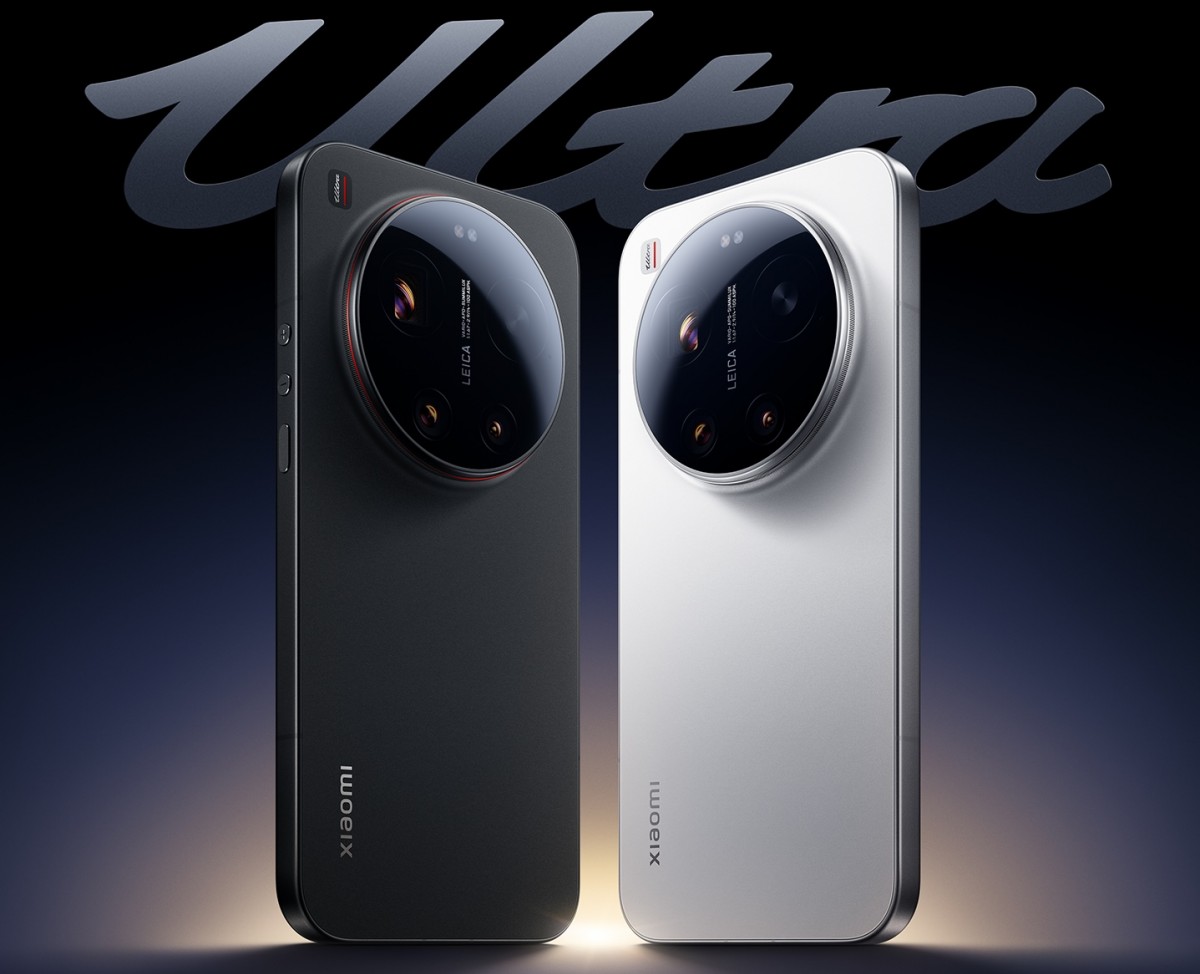
The Xiaomi 17 Ultra has few similarities with the base model, like the chipset, but its headline specs are the cameras. The back has a 50MP 1-inch main camera and a 200MP Leica telephoto camera with a 1/1.4-inch sensor.
The biggest camera feature is the telephoto system. Instead of relying on a fixed periscope lens, Xiaomi is using a mechanical optical zoom system that moves between 75mm and 100mm focal lengths. The company says it can provide optical-quality zoom out to the equivalent of 400mm. The phone also has a 50MP ultrawide camera with a 115-degree field of view.
The phone is built around a 6.9-inch HyperRGB OLED display with a 1-120Hz refresh rate and up to 3,500 nits of brightness. The battery is 6,000mAh and supports 90W wired and 50W wireless charging.
The global version comes with 16GB of RAM and 512GB of UFS 4.1 storage. In Europe, the Xiaomi 17 Ultra starts at €1,499.
3. The Best Flagship Alternative
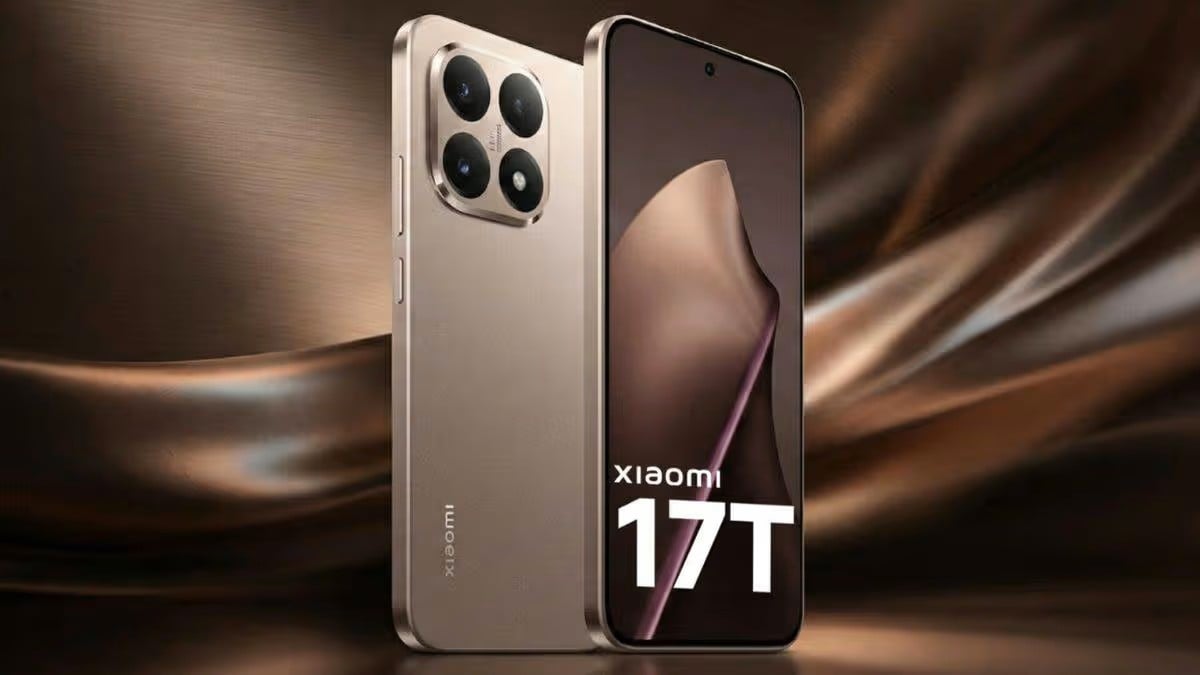
If you don’t need all the hardware of a full flagship, Xiaomi has the T-series as a cheaper middle ground. The latest generation includes the Xiaomi 17T and Xiaomi 17T Pro, both of which offer Leica cameras and big silicon-carbon batteries for less than the base Xiaomi 17.
The Xiaomi 17T has a 6.59-inch 1.5K AMOLED display with a 120Hz refresh rate, 12-bit color, and up to 3,500 nits of peak brightness. It runs on MediaTek’s Dimensity 8500-Ultra, a 4nm chip, and comes with 12GB of RAM and either 256GB or 512GB of UFS 4.1 storage.
The 17T also has a 6,500mAh silicon-carbon battery with 67W wired charging. Its camera setup includes a 50MP main camera with OIS, a 50MP 5x periscope telephoto camera with OIS, and a 12MP ultrawide camera. The phone supports Leica Live Moment for capturing a short moving clip alongside a photo.
On the other hand, the Xiaomi 17T Pro is bigger at 6.83 inches, with a 1.5K AMOLED display running at 144Hz. It is powered by MediaTek’s 3nm Dimensity 9500 chip with an all-big-core CPU design.
Its camera system is similar to the standard 17T but gets a larger 50MP Light Fusion 950 main sensor. It is joined by the same 50MP 5x Leica periscope telephoto camera with OIS and a 12MP ultrawide camera. The telephoto supports 5x native optical zoom, 10x optical-quality zoom, and up to 120x AI Ultra Zoom.

The Pro also gets a larger 7,000mAh silicon-carbon battery, 100W wired and 50W wireless charging. Xiaomi says the battery can retain at least 80% of its capacity after 1,600 charging cycles. It also has IP68 water and dust resistance, Wi-Fi 7, Bluetooth 6.0, and an in-display fingerprint scanner.
You can get the Xiaomi 17T at €749 for 12GB/256GB, while the 12GB/512GB model costs €799 in Europe. Meanwhile, the Xiaomi 17T Pro starts at €899 for 12GB/256GB, rises to €999 for 12GB/512GB, and reaches €1,099 for 12GB/1TB in Europe.
4. The Best Under $500
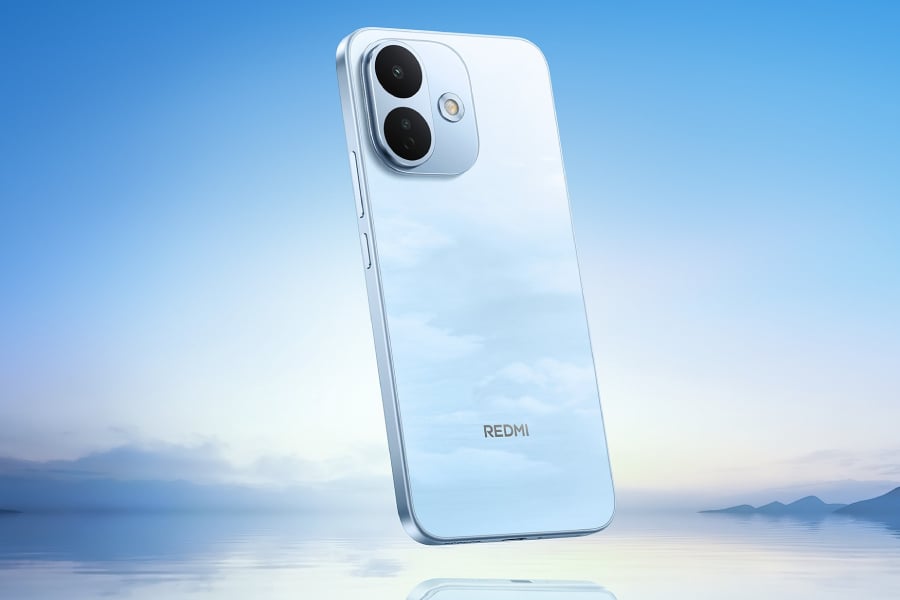
The Redmi Note 17 Pro is the newest entrant in the Redmi Note lineup. Its biggest feature is an 8,340mAh silicon-carbon battery, which Xiaomi rates for up to 28 hours of video playback. The battery supports 67W wired charging and 22.5W wired reverse charging.
The phone has a 6.83-inch 1.5K AMOLED display with a 120Hz refresh rate and up to 3,500 nits of peak brightness. It runs on the Snapdragon 6s Gen 4, built on a 4nm process, with up to 12GB of RAM and 512GB of storage.
As for durability, the phone has IP66 and IP68 water and dust resistance and has passed a 3-meter underwater test lasting up to 72 hours. Xiaomi also promises six years of security updates.
For optics, the Redmi Note 17 Pro has a dual camera system on the back, led by a 50MP main camera with OIS and an 8MP ultrawide camera. The front has a 16MP camera. The Redmi Note 17 Pro starts at around $400 globally.
5. The Best Under $300
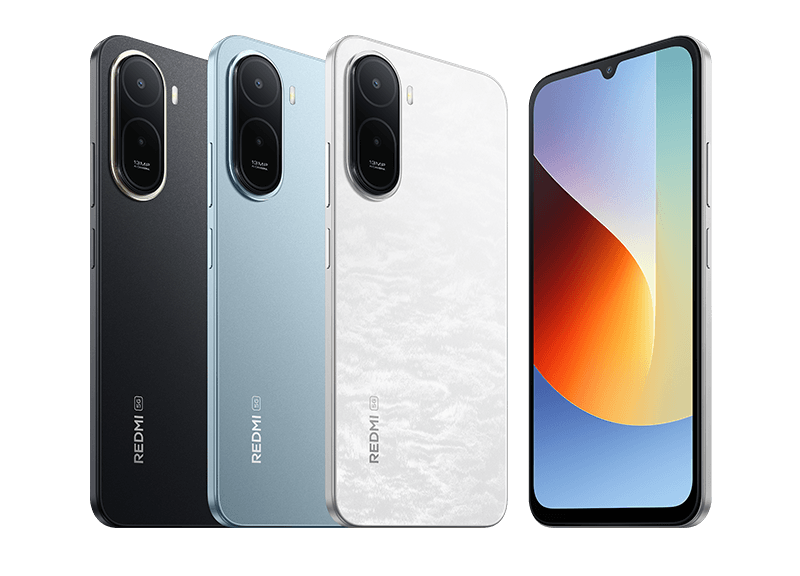
The Redmi 17 5G sits below the Note series but still offers a large display and battery for its price. It has a 6.9-inch display with a 120Hz refresh rate and a 7,500mAh battery. The battery supports 45W turbo charging and up to 22.5W wired reverse charging. Xiaomi says the battery can maintain at least 80% of its original capacity after 1,000 full charging cycles.
The phone is powered by a 4nm Snapdragon 4 Gen 5 chipset, paired with up to 6GB of physical RAM and 256GB of storage. There is also a 50MP AI dual-camera system, 5G connectivity, NFC, and an IP64 rating on some global versions. The exact configuration and pricing vary by market.
6. The Best Under $200

The Redmi 15C is Xiaomi’s entry-level option and focuses on the basics. It has a 6.9-inch HD+ LCD display with a 120Hz refresh rate and up to 810 nits of brightness.
The phone uses the MediaTek Helio G81 Ultra and is available with different RAM and storage configurations depending on the market. It also supports microSD expansion, giving buyers an easy way to add more storage.
The standout feature is the 6,000mAh battery, which supports 33W fast charging. There is also a 50MP AI dual-camera system and an IP64 rating for dust and water resistance. Xiaomi’s global launch price was around $119, but the actual price varies considerably between markets.
7. The Best Flip Foldable
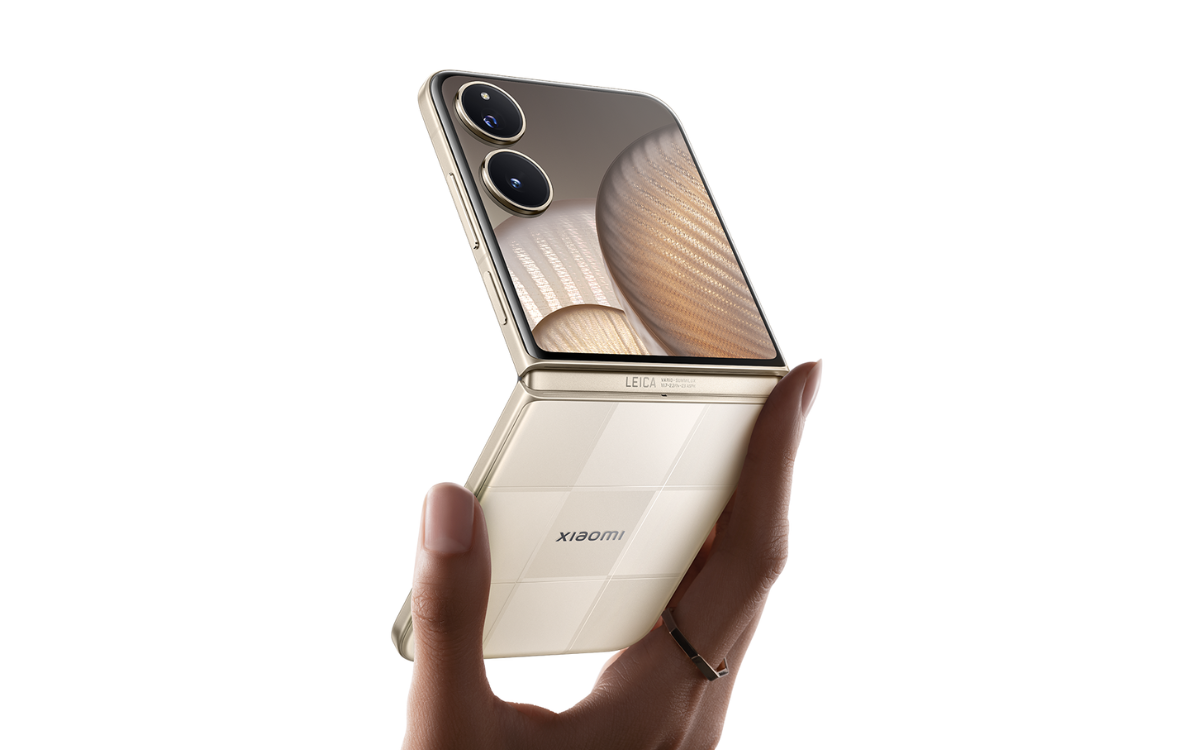
The Xiaomi Mix Flip 2 stands out from other flip phones mainly because of its battery. It packs a 5,165mAh battery, which was unusually large for the flip-phone category when it launched.
It supports 67W wired and 50W wireless charging, giving it an advantage over many compact foldables that still use smaller batteries and slower charging systems.
The phone runs on the Snapdragon 8 Elite and has a 6.86-inch inner display with a 120Hz refresh rate and up to 3,200 nits of brightness. The cover screen is also larger than the previous generation.
For cameras, there is a 50MP main camera using an OmniVision sensor and a 50MP ultrawide camera with autofocus and macro support. The front camera is 32MP and can record 4K video. The Mix Flip 2 starts at 5,999 yuan in China for the 12GB/256GB version.
Don’t miss a thing! Join our Telegram community for instant updates and grab our free daily newsletter for the best tech stories!
For more daily updates, please visit our News Section.