
Add GIZMOCHINA as Preferred Source on Google
The company is planning to hand off all extra production of regular DDR5 memory modules and SSDs to outside partners. The goal is simple: free up its limited in-house packaging capacity for the higher-margin stuff, high-bandwidth memory (HBM) that powers AI accelerators. HBM is currently Samsung’s strongest-performing memory segment, and the margins are far better than standard DRAM.
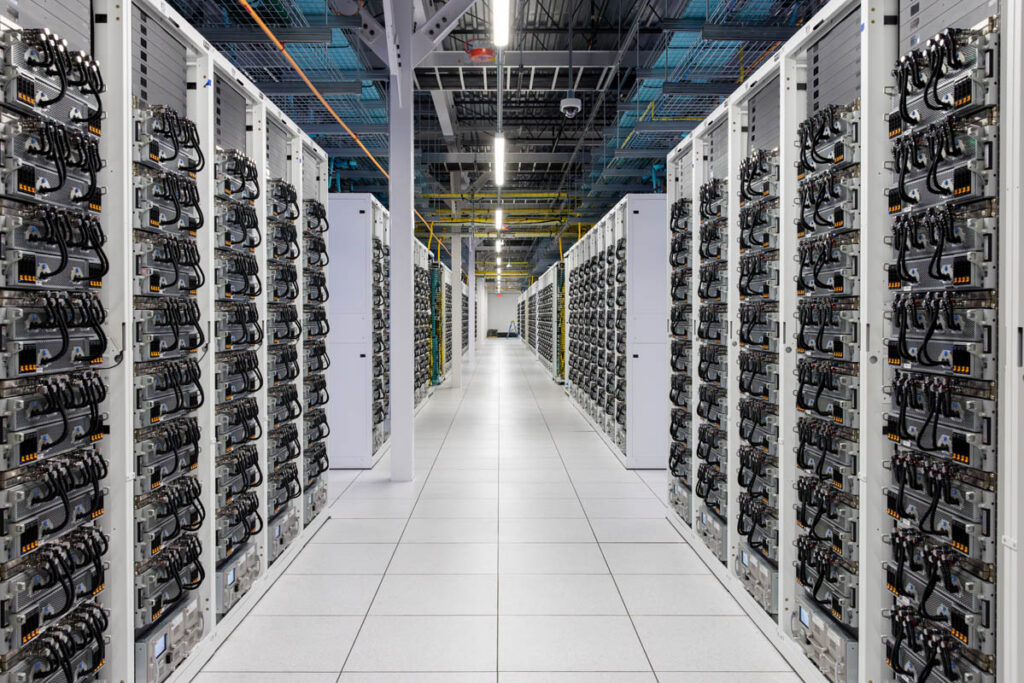
According to reports from The Elec and other industry sources, Samsung has been pushing its OSAT partners since mid-2025 to expand their DDR5 module and SSD lines, and recently asked them to speed things up even more. The problem is space. Its existing packaging plants in Cheonan and Onyang reportedly don’t have enough room to grow both conventional modules and advanced HBM packaging at the same time.
So Samsung is reallocating floor space and equipment at those sites toward HBM and other AI-related packaging work. A brand-new KRW 6 trillion (about $4.3 billion) HBM plant at the Onyang campus is also set to start construction soon, though full production is still a few years away.
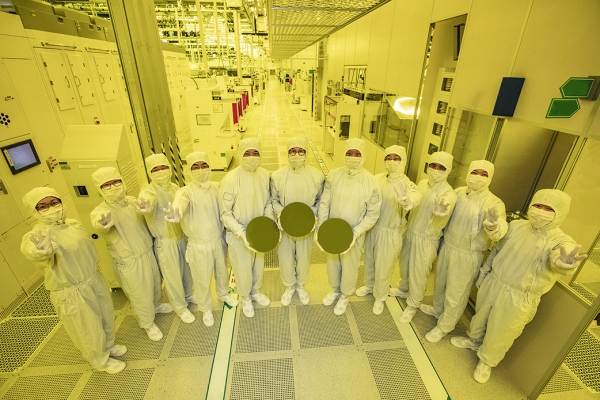
Several partners are already scaling up. Dreamtech in India is converting its Noida Plant 1 into a big memory-module line aiming for more than 50 million units a year. Hanyang Digitech in Vietnam has poured over KRW 31.5 billion into new equipment and automation. And SFA Semicon in the Philippines is taking over DDR5 testing and assembly gear transferred from Samsung’s Onyang site, with operations expected to start in November and more expansion next year.
Important detail: the actual DRAM chips will still come from Samsung’s own fabs. What’s being outsourced is the back-end work, module assembly and packaging, the less complex steps that specialized OSAT companies can ramp up more easily. This way Samsung can keep feeding the ongoing demand for DDR5 in PCs, servers, and laptops without locking up the domestic capacity it needs for HBM.
The timing matters. DRAM supply is already tight, which has been making it harder to build new PCs, servers, smartphones, and laptops. Nothing CEO Carl Pei recently pointed out that memory is now the most expensive component in a smartphone. As a result, a decent chunk of entry-level phones are shipping with just 4GB of RAM, which is insufficient for apps in 2026.
Any hiccups during Samsung’s ongoing transition could put even more pressure on availability and prices in the conventional memory market, while HBM gets the priority treatment.
In short, Samsung is betting on higher-margin advanced packaging over simply chasing volume in standard products.
Don’t miss a thing! Join our Telegram community for instant updates and grab our free daily newsletter for the best tech stories!
For more daily updates, please visit our News Section.

Comments