
Add GIZMOCHINA as Preferred Source on Google
Google’s Android-based laptop platform is finally shipping. Four months after confirming it was building an Android-based alternative to the Chromebook, and just days after leaked Lenovo renders gave us an early look, Google and five hardware partners have opened pre-orders for the first Googlebooks. They are available to order now, with sales beginning on October 4.
Acer, ASUS, Dell, HP, and Lenovo each have a model, with prices ranging from $899 to $1,299. The lineup includes everything from a 2-in-1 to a 15.3-inch laptop, giving buyers several hardware options.
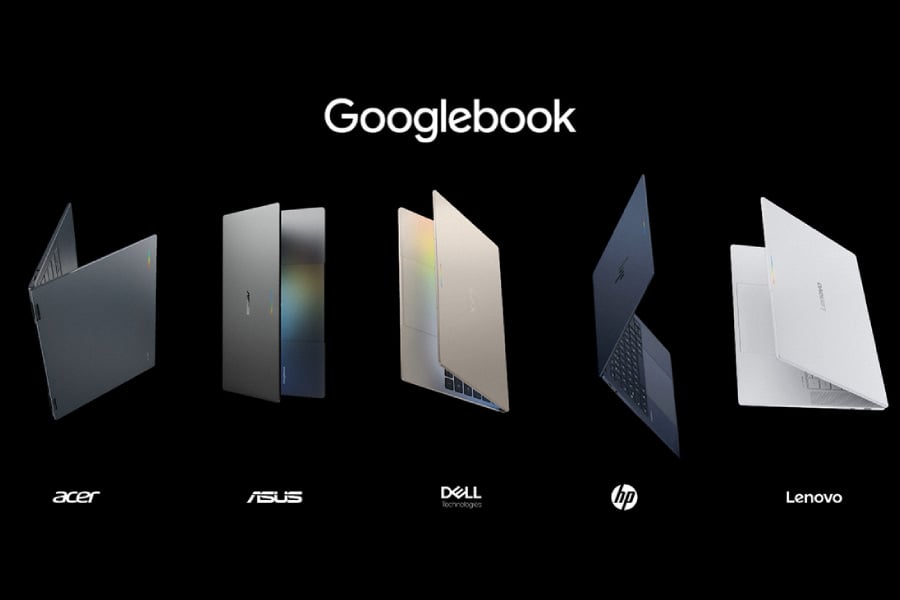
Every Googlebook comes with a 12-month Google AI Pro subscription and 5TB of cloud storage. Buyers also get three months of YouTube Premium, Photoshop, and CapCut. Google says Googlebooks will receive system updates for up to 10 years.
Googlebook hardware
The Acer Googlebook 14 is the only 2-in-1 in the launch lineup and starts at $899. Acer has already warned that the launch price could increase if memory shortages continue to raise component costs. It has a 14-inch 2.8K OLED touchscreen, Intel Core Ultra 5 or Ultra 7 processors, and up to 16 hours of claimed battery life.
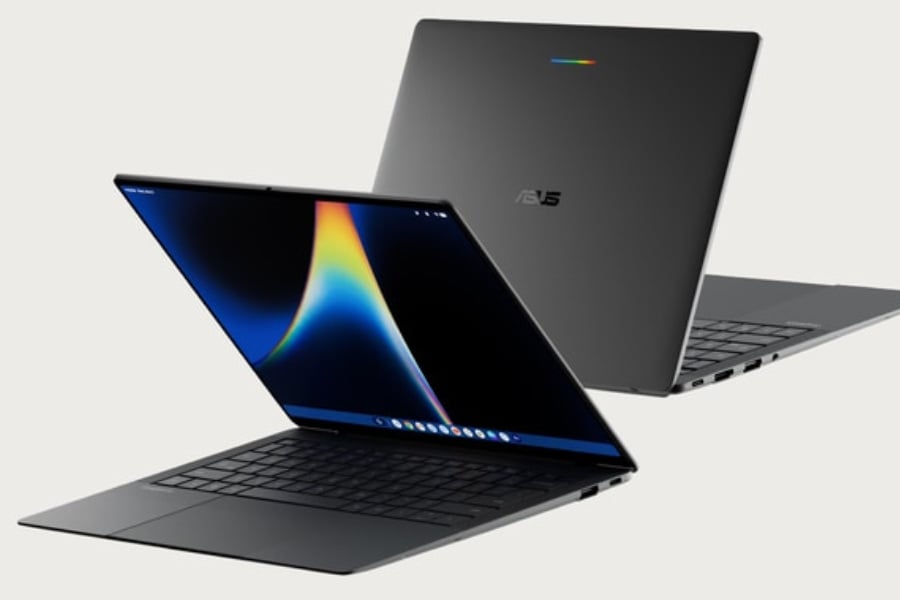
The ASUS Googlebook 14 costs $1,299. It has the most ports among the launch models and weighs just 1.0kg, making it the lightest option in the lineup.
Dell’s XPS Googlebook uses a Snapdragon X Elite processor and closely follows the design of the XPS 13, including its glow finish. Connectivity is limited to two USB-C ports.
HP also uses the Snapdragon X Elite and offers up to 1TB of storage, which is the largest storage option among the launch models. It also supports both face and fingerprint unlocking.
Lenovo’s Googlebook has the largest display at 15.3 inches and is the only model available in a white finish.
Googlebook OS and Gemini features
Googlebook OS combines elements of Android and ChromeOS, with Gemini built into several parts of the experience.
One of the main features is Magic Pointer. When you move the cursor over something on the screen, Gemini can offer suggestions based on what you’re viewing. You can then follow up and open a chat window for more help.
Google is also using its smaller on-device Gemini Nano v3 model for file searches. Instead of sending files to the cloud, the model can summarize content locally on the laptop. Google has been using a similar on-device approach on phones such as the OnePlus 13.
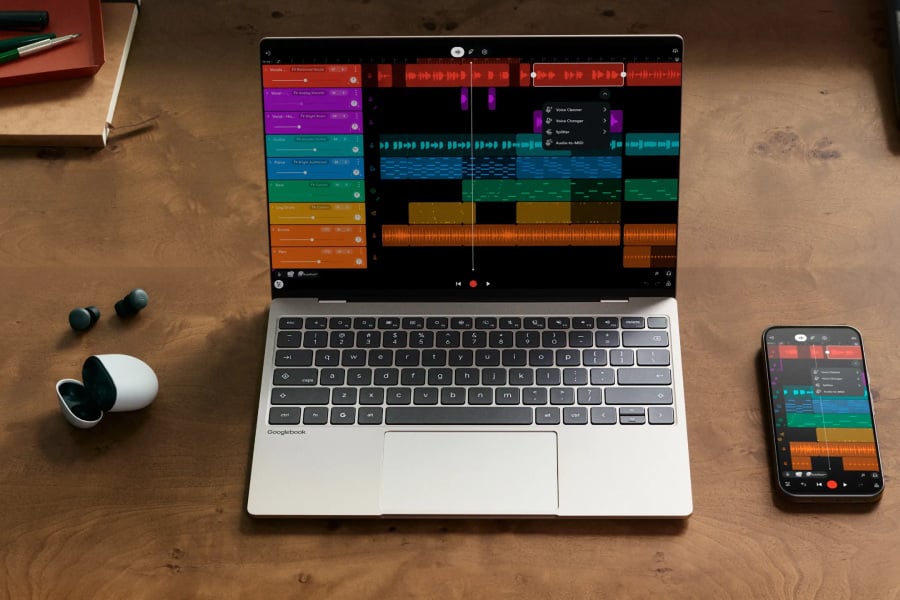
Android integration is another major part of Googlebook OS. Users can run Android phone apps directly on the laptop, transfer files and photos between devices without going through the cloud, and continue tasks across devices.
Google executive Sameer Samat has said the platform is primarily aimed at Android users rather than people looking to move away from MacBooks. Google also plans to add iPhone connectivity in the future, although it has not provided a timeline yet.
Don’t miss a thing! Join our Telegram community for instant updates and grab our free daily newsletter for the best tech stories!
For more daily updates, please visit our News Section.



Comments