
Add GIZMOCHINA on Google:
As an Amazon Associate, Gizmochina earns from qualifying purchases. Links on this page may earn us a commission at no extra cost to you.
Verdict
The SIHOO Doro C300 Pro V2 gets several important things right, particularly when it comes to adjustability and dynamic lumbar support. Its 8D armrests are one of its strongest features, addressing a common problem I have with ergonomic chairs: armrests that sit too far away from my body. The relatively firm mesh seat distributes my weight evenly, the self-adaptive lumbar support makes a real difference when switching between upright and reclined postures, and the headrest supports the back of my head properly even at a full 135° recline.
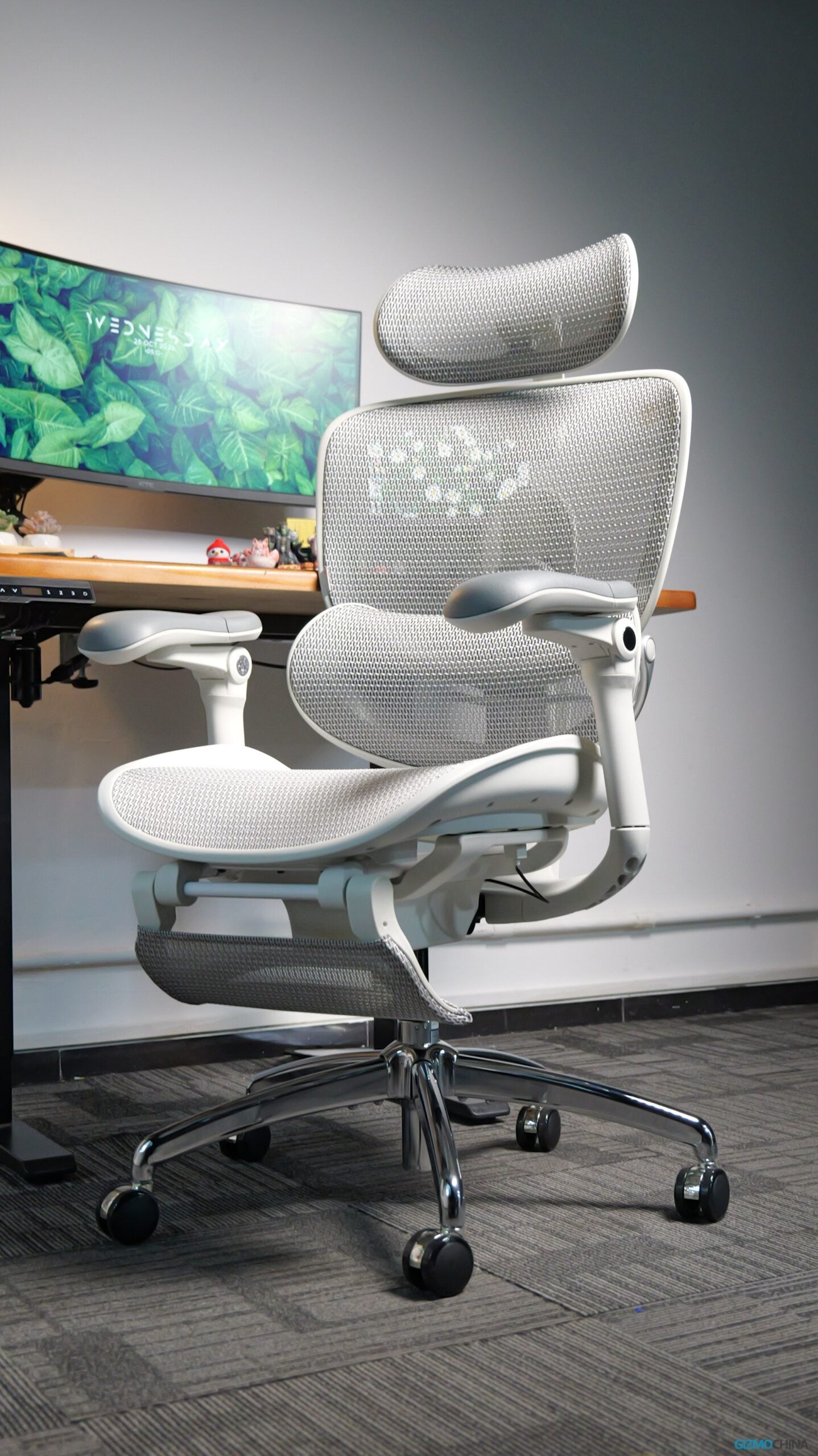
There is a small drawback. At 5’10, I already use the maximum seat height, leaving less headroom for taller users, and the armrest height lock has a learning curve that could initially make users think something is wrong.
What We Love
- 8D armrests can be brought close to the body, so elbows stay in a natural position
- Armrests go straight to their highest locked position without careful, step-by-step adjustment
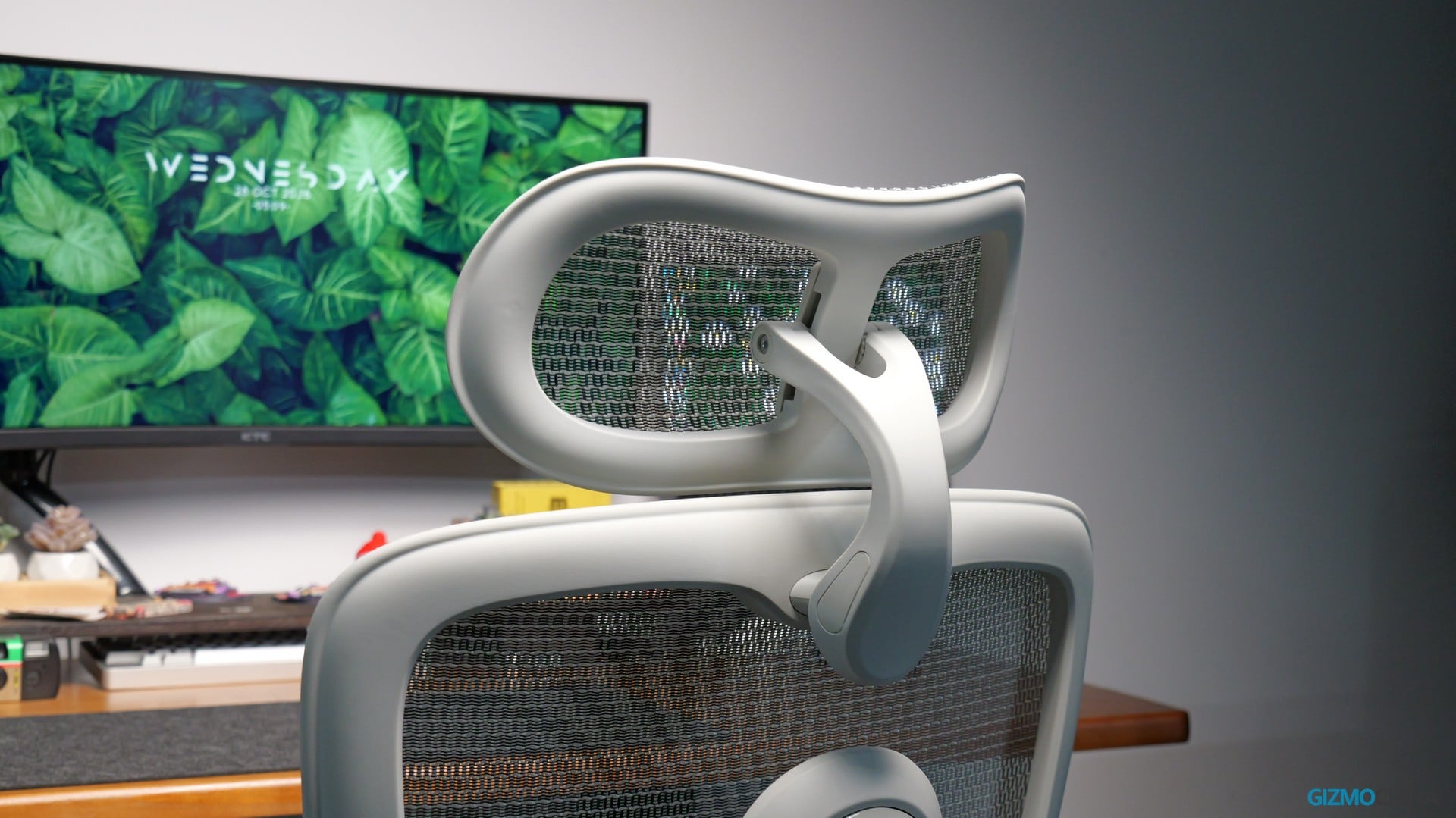
- Headrest supports the middle of the back of the head, not the neck, even at 135°
- Firm mesh seat distributes weight across the seat and thighs instead of sagging
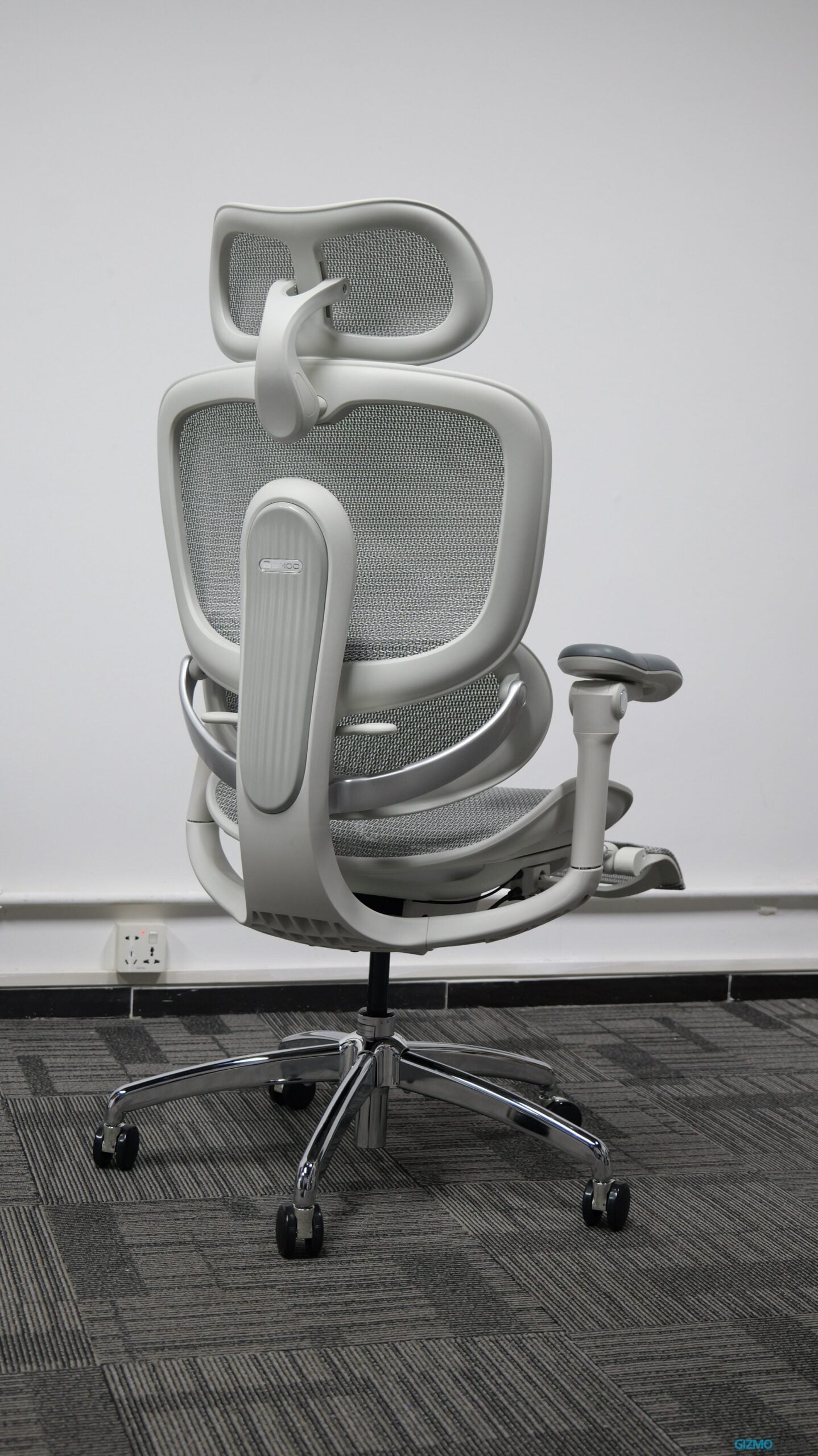
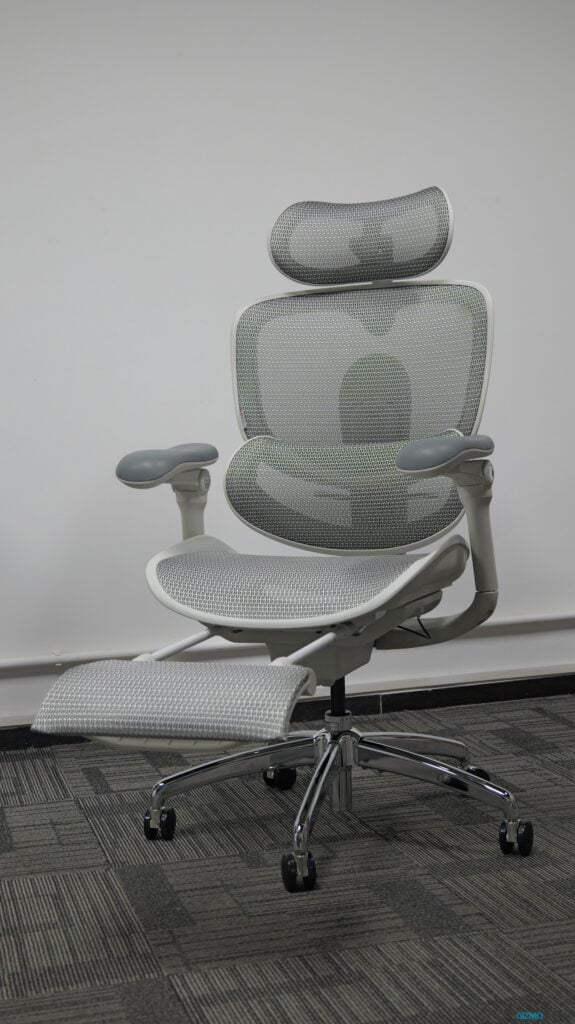
- Lumbar support follows the lower back through recline when the backrest is unlocked
- Seat depth extends to its maximum setting without the edge getting in the way
- With the backrest locked, the lumbar support can feel too firm as posture changes
- The firm mesh will not suit people who prefer a soft, enveloping seat
Price: $429.99 (US promotional price; $499.99 regular)
Spec
| Spec | SIHOO Doro C300 Pro V2 |
| Materials | Mesh back and seat; soft PU-coated armrests |
| Armrests | 8D bionic armrests |
| Maximum load | 150 kg (330 lbs) |
| Seat depth | 43–47 cm (4 cm adjustment) |
| Seat width | 52 cm |
| Backrest height | 52–60 cm above seat (7 positions) |
| Recline angles | 105°, 120°, 135° |
| Recommended user height | About 150–190 cm |
| Net / gross weight | 27.37 kg / 36.34 kg (two boxes) |
| Colors | Black, White |
| Versions | Standard, Footrest |
| Certifications | German IGR (DIN EN ISO 26800), BIFMA, SGS, TÜV |
| Trial / warranty | 30-day trial, 3-year warranty |
Unboxing & Assembly
The chair ships in two packages with a combined gross weight of 36.34 kg, so a second person or a dolly helps when it arrives. The backrest, seat, base, gas lift, armrests and headrest are packed and protected separately.
One detail during assembly made me smile. The two armrests are wrapped in different protective foam, and one of them is red. The red wrapping identifies the right-hand armrest. Armrests are among the easiest parts to mix up, and this simple color code makes it hard to fit them on the wrong side.
8D Armrests: Range and Comfort
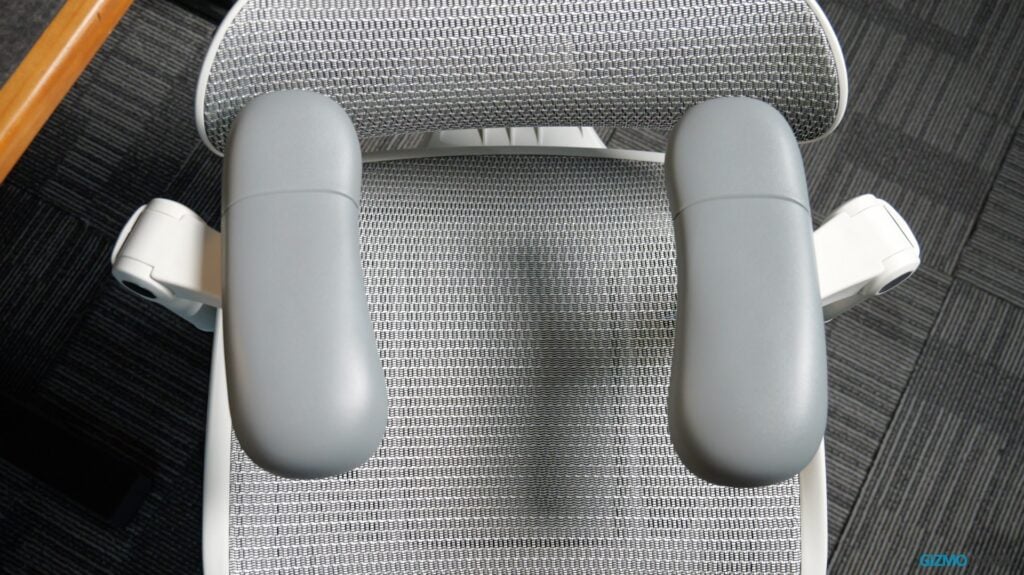
Armrest positioning is one of the biggest frustrations I encounter with ergonomic chairs. Even when the height is correct, the armrests often sit too far apart, forcing me to spread my elbows outward instead of keeping my arms in a natural position.
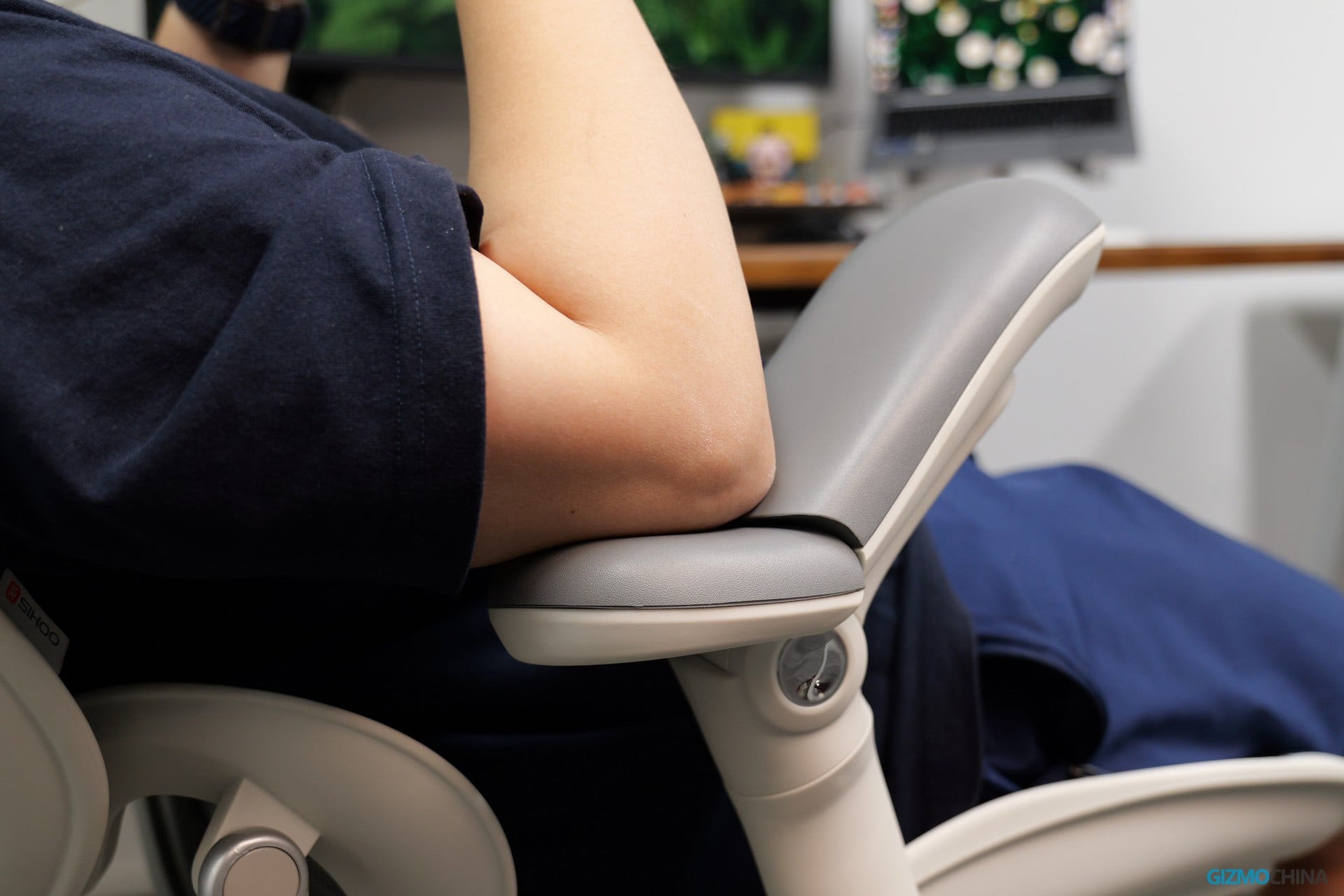
The Doro C300 Pro V2 addresses this particularly well. Its 8D armrests adjust up, down, forward, back, rotate and tilt, so I can bring the supports closer to my body and find a position that feels natural for my elbows. The padding strikes a good balance in firmness: enough cushioning for the elbows without feeling excessively soft, which makes it comfortable to rest my arms for long periods.
This flexibility is useful beyond desk work. With the armrests brought in, I can settle into a more relaxed posture when taking a break, napping in the chair or using my phone. Instead of accommodating the armrests, I adjust them to the way I want to sit.
How the Armrest Height Lock Works
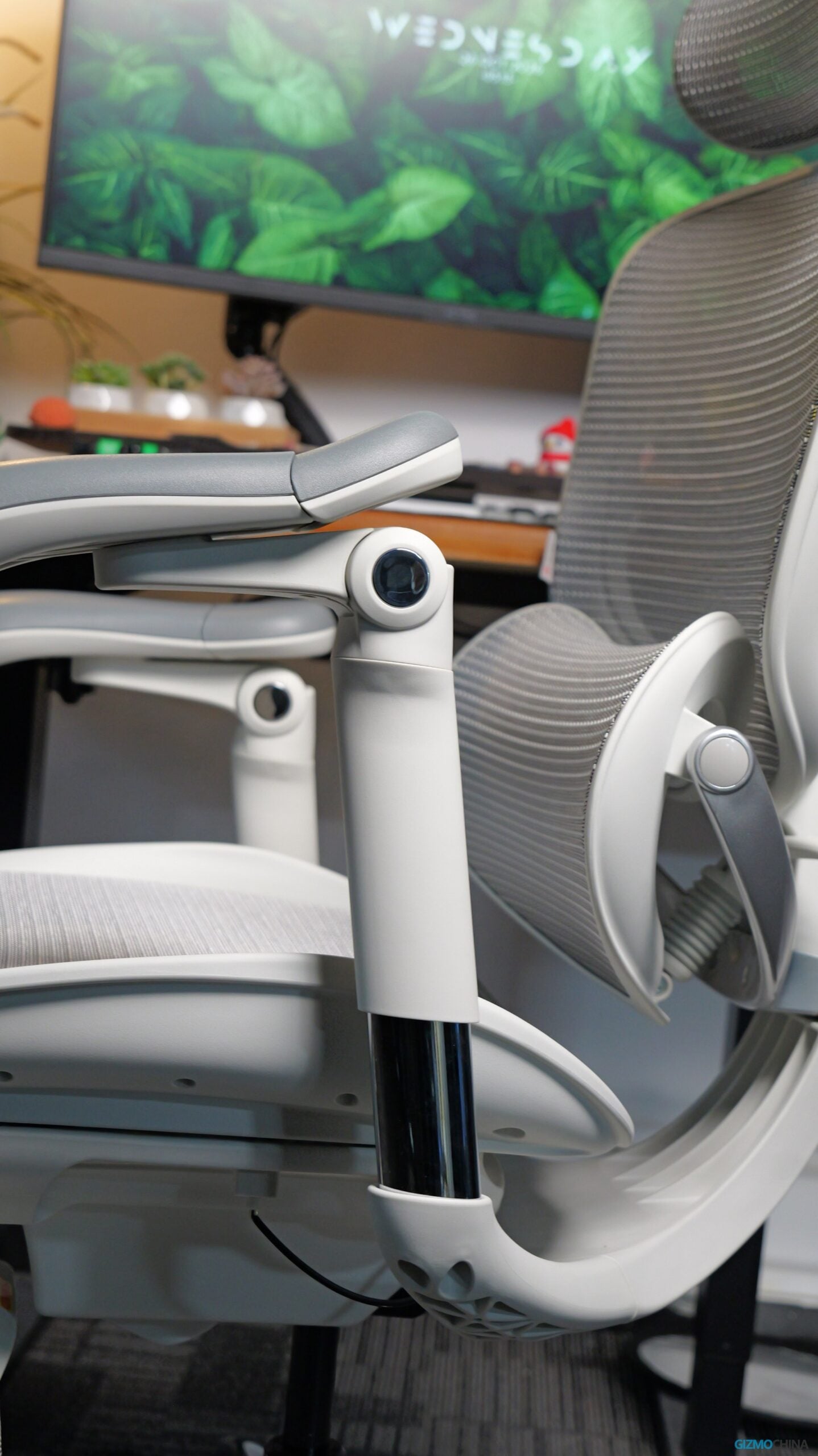
On many ergonomic chairs, reaching the highest armrest setting requires careful, incremental adjustment. Push too far and the mechanism resets, forcing you to start again. The Doro C300 Pro V2 handles this differently: I can pull the armrest directly to its highest locked position and release it, without approaching the setting cautiously.
There is a catch. If I raise the armrest one step beyond the highest locked position, the height lock disengages. The armrest no longer stays at a fixed height until I lower it all the way and hear a distinct click, which restores the lock.
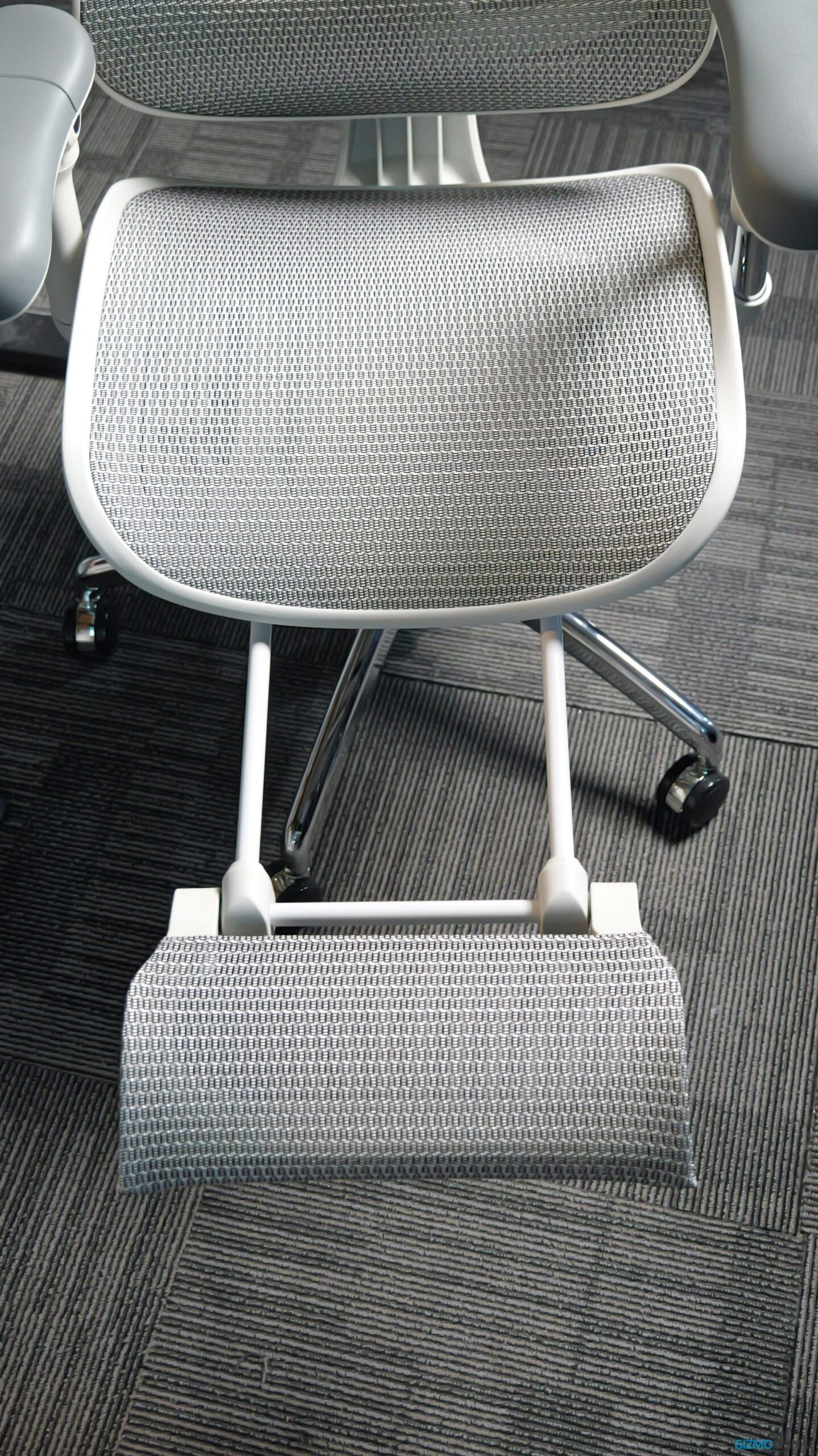
Someone meeting this for the first time might assume the armrest is defective. Once I understood it, adjustment became straightforward.
Mesh Seat Comfort
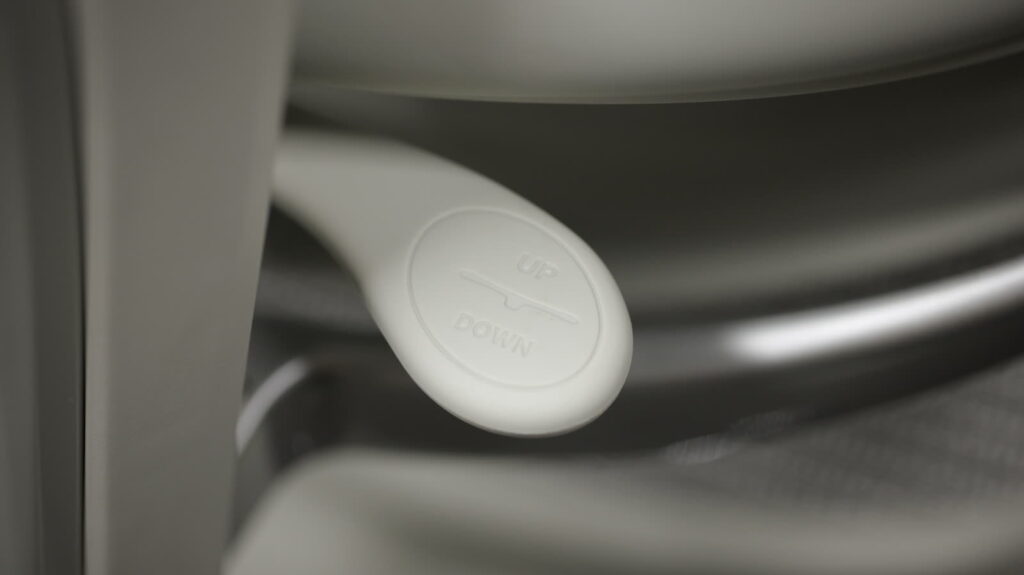
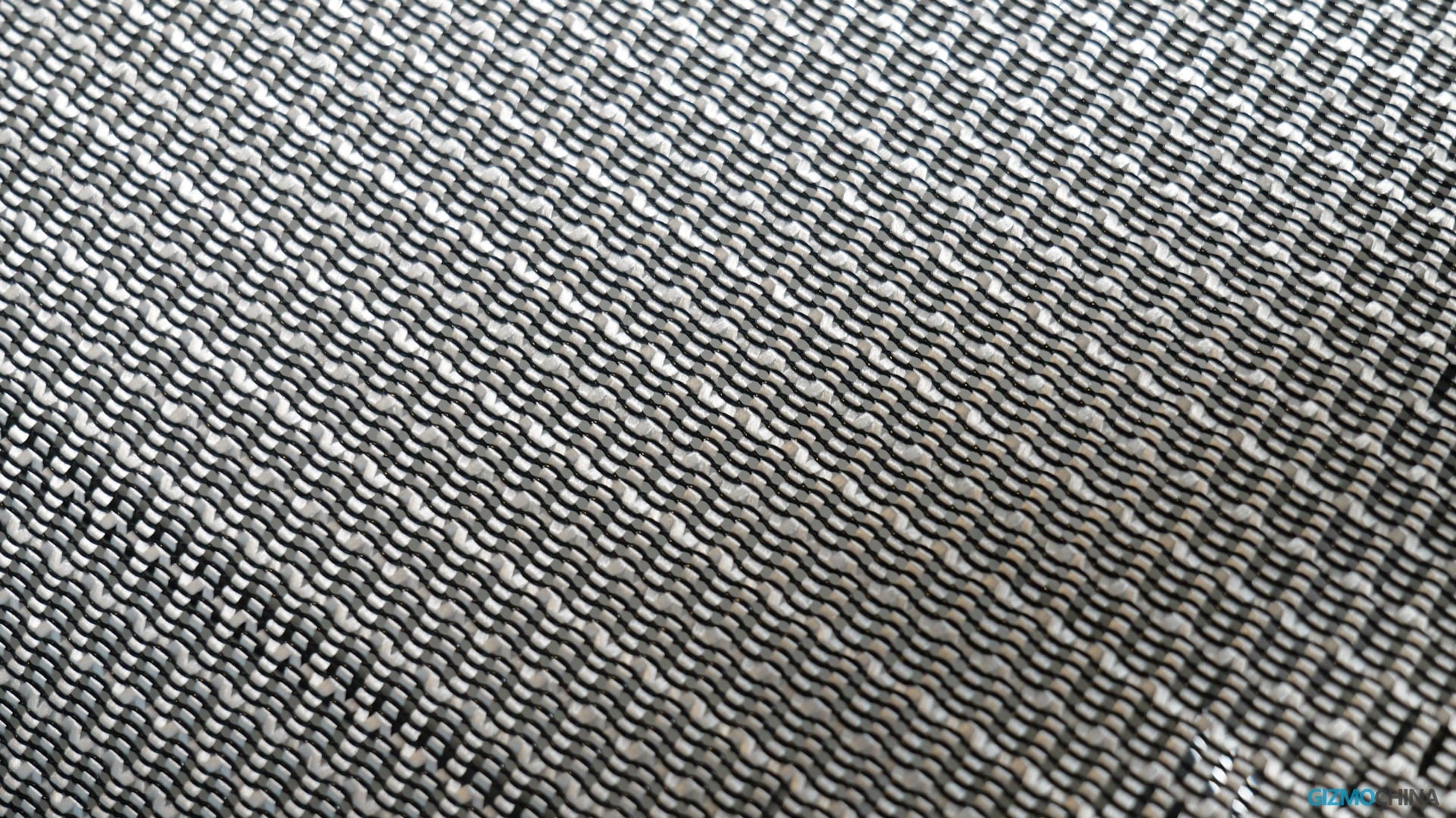
The seat mesh feels relatively firm compared with the conventional mesh seats I have used. That does not mean it is uncomfortable. The seating surface simply does not let my body sink as deeply, so more of my weight is distributed across the seat and my thighs.
The result is a seat that feels more stable beneath me: a firmer platform without excessive sagging, which I personally prefer. Seat firmness is subjective, though. Users who prefer plush cushioning or a softer, more enveloping mesh may find this design less appealing.
Seat Depth Adjustment
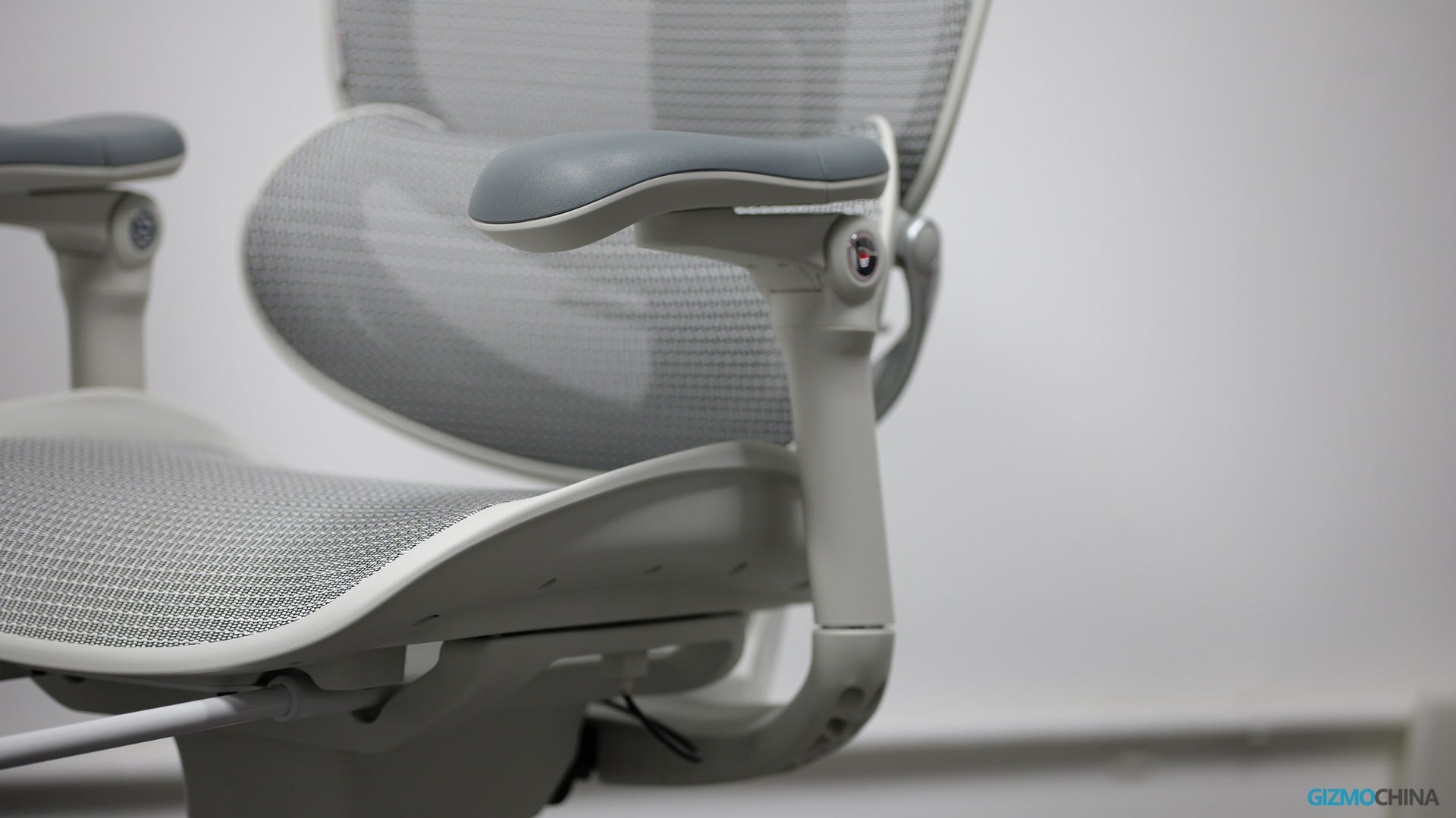
The chair offers 4 cm of seat-depth adjustment, from 43 to 47 cm, and SIHOO says this range is consistent across its regional versions.
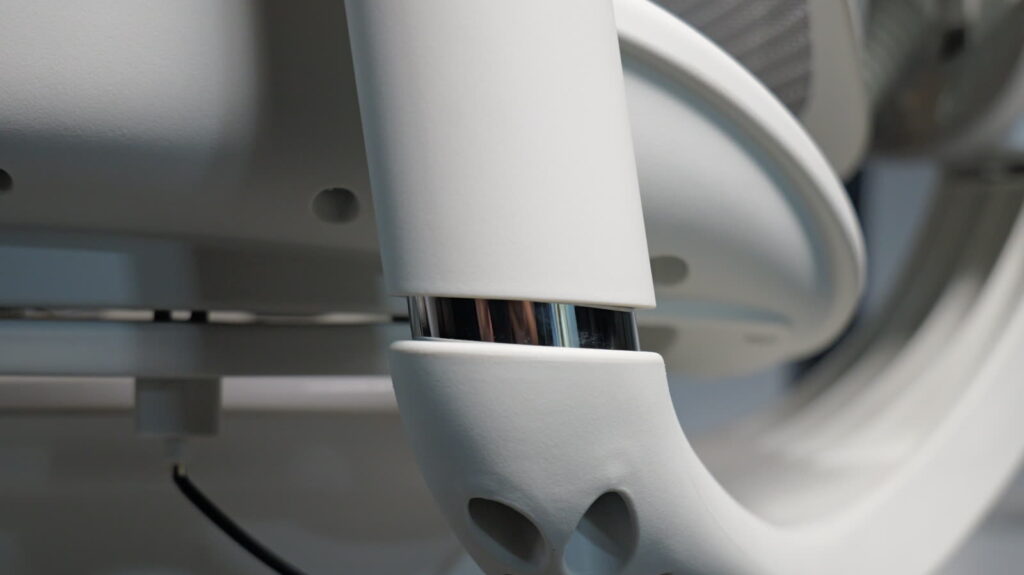
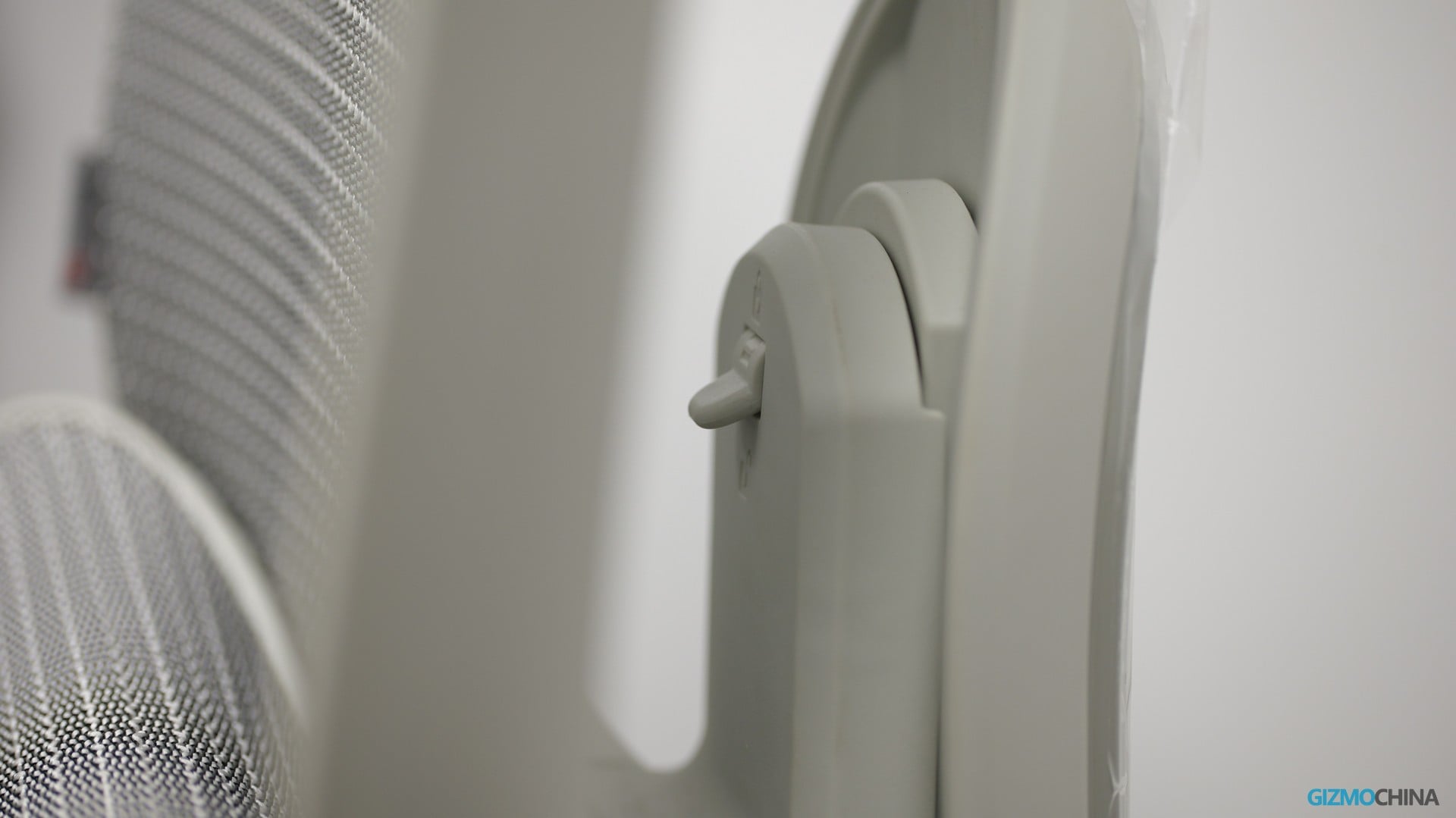
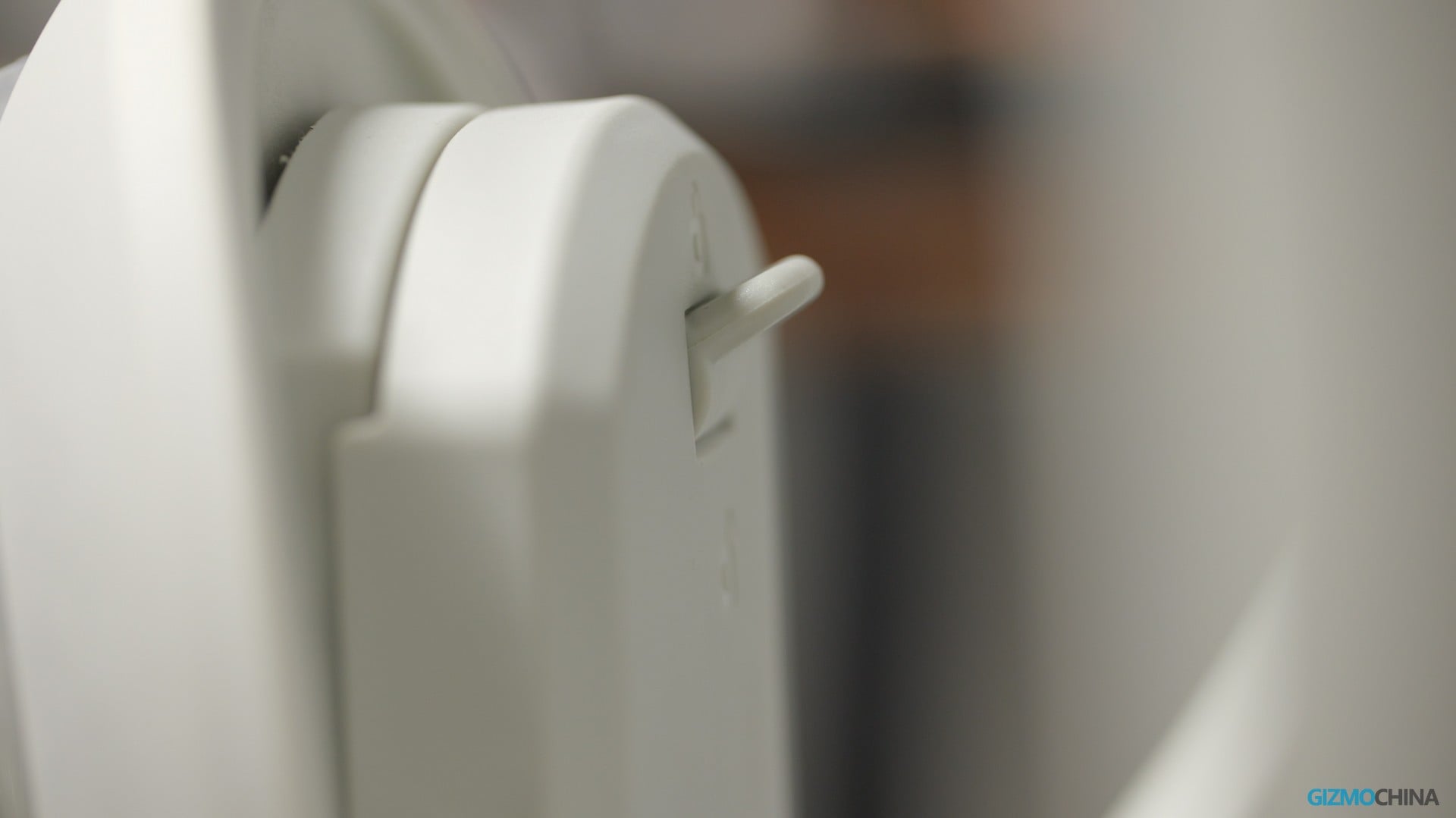
I generally prefer to extend the seat depth as far as possible. On some chairs, the adjustment mechanism or the seat’s edges get in the way before I reach the position I want. I did not run into that here: the seat extends to my preferred setting without obstruction.
Lumbar Support When Sitting and Reclining
Lumbar support is another area where the chair impressed me, although the experience depends on how it is configured.
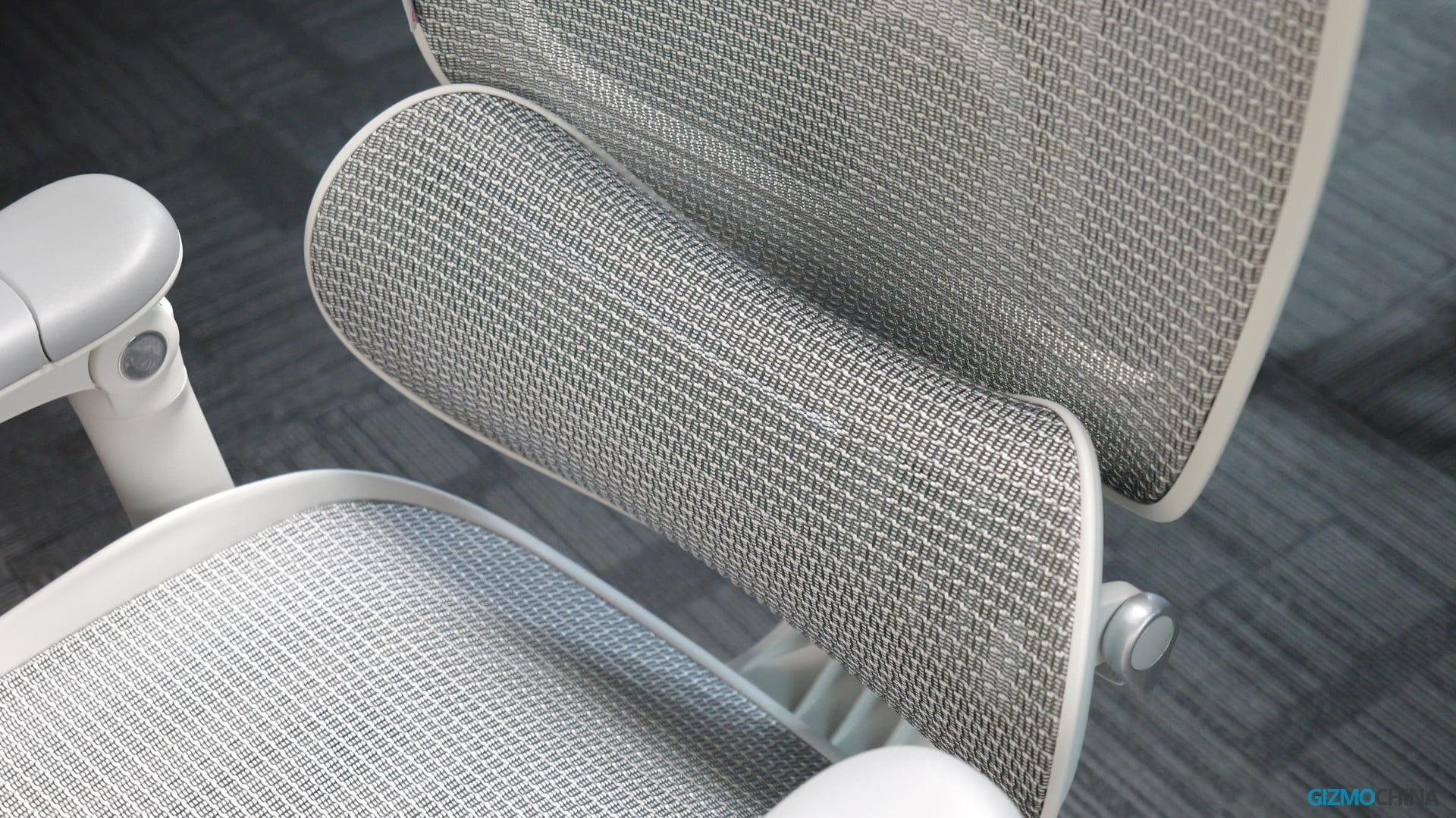
I use the lowest lumbar setting. It provides enough contact for my lower back without the sensation of something constantly pushing into my waist. However, with the backrest locked, the support can start to feel as though it is pressing too firmly as I move between sitting positions.
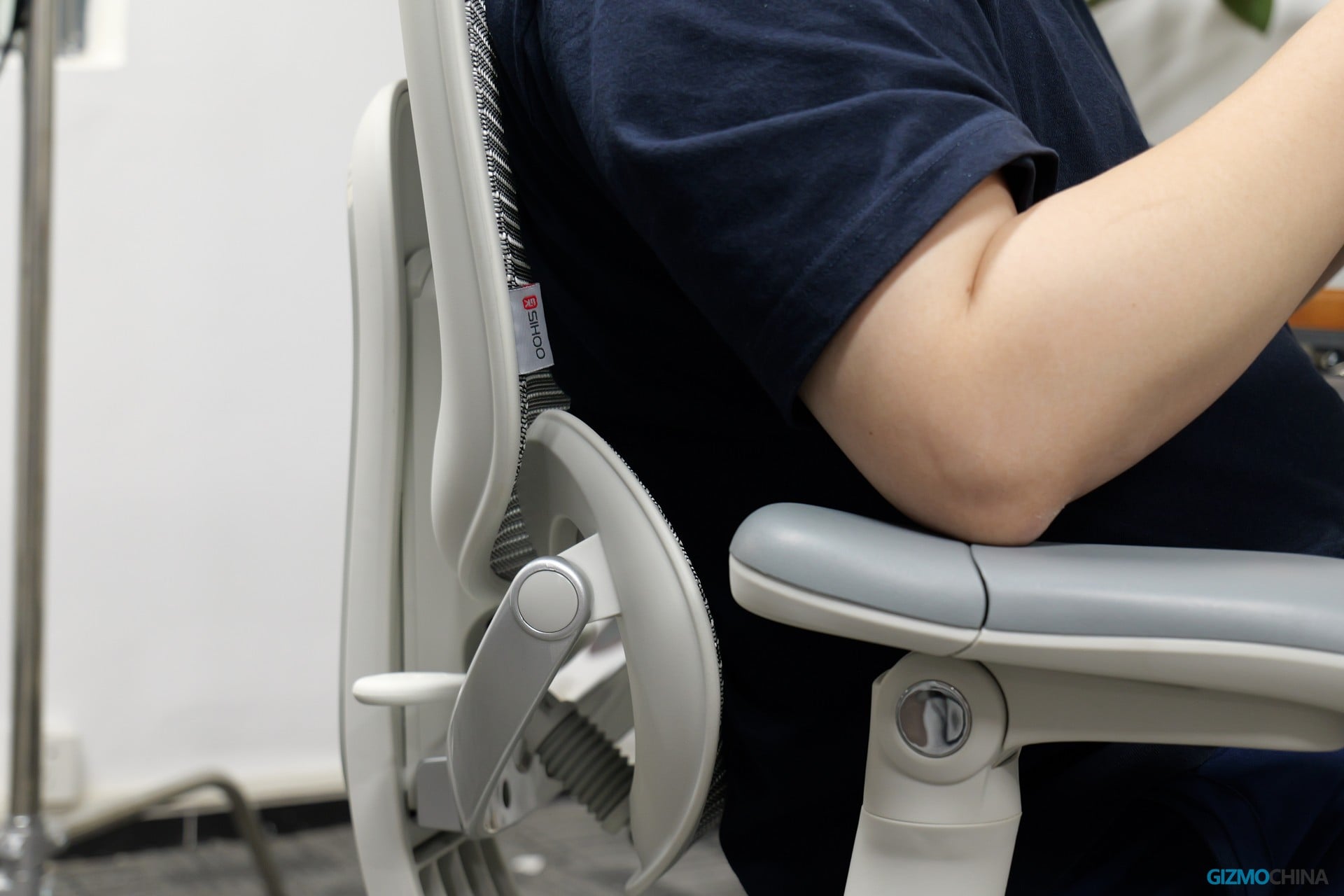
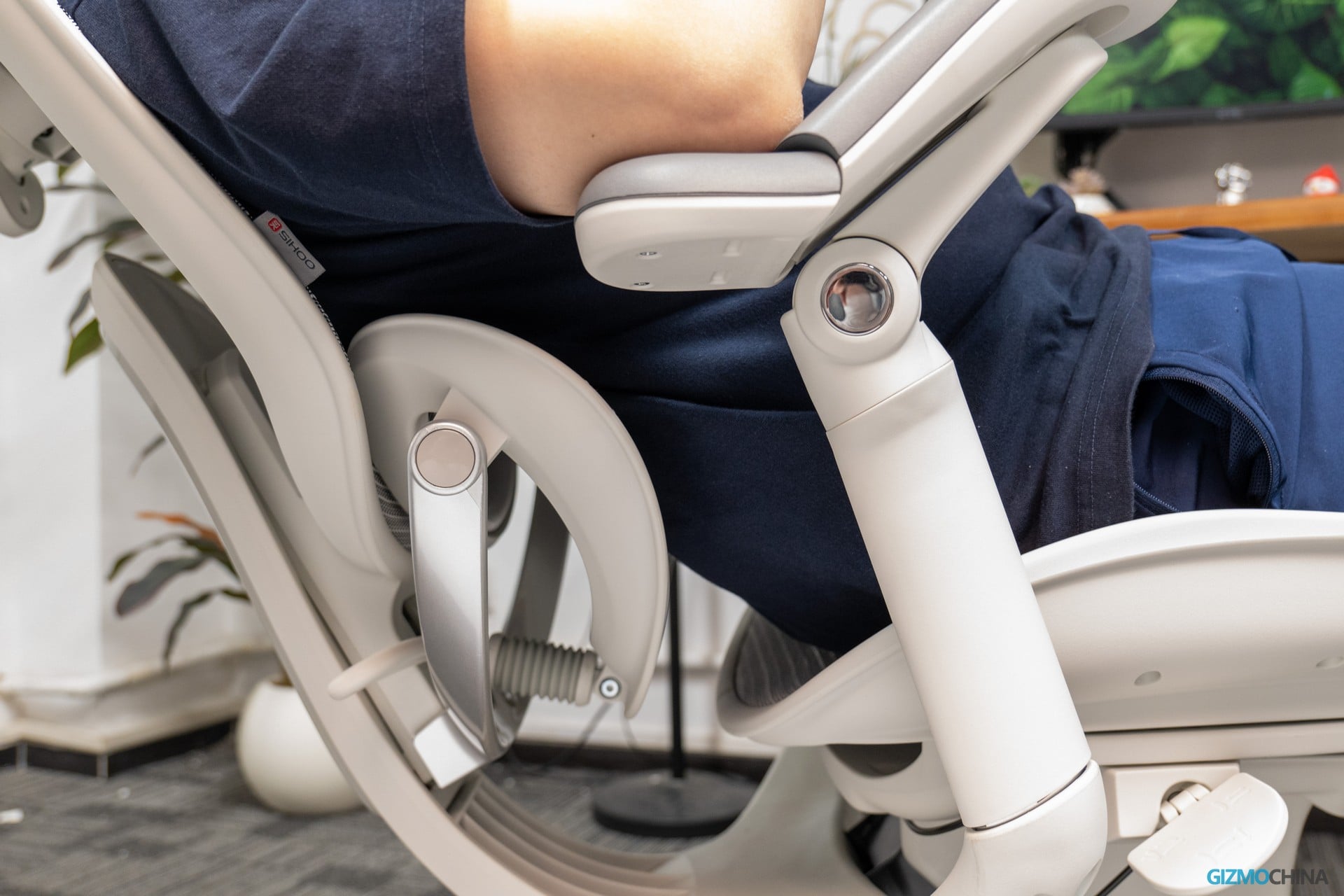
The experience changes considerably when I unlock the backrest. The support system then moves with my body, and whether I am sitting fairly upright or reclining, the lumbar support follows the changing position of my lower back rather than staying fixed in one place. Instead of finding a separate lumbar position for every posture, the chair accommodates changes in the way I sit.
SIHOO describes the system as having a wider support area, a pressure-relief spring and three adjustment positions, and says it adapts to horizontal movement and extends support toward the sacrum. My experience supports the broader idea: the lumbar support feels more accommodating when the backrest is allowed to move with me. Lumbar preferences still vary from person to person, but this is one of the chair’s most convincing features.
Headrest Comfort at 135°
SIHOO says the headrest is now 28% wider and adjusts in three directions. Where it impressed me most is at the 135° recline position. With several chairs I have used before, it was difficult to set the headrest so it properly supported my head while lying back.
On the Doro C300 Pro V2, I could set it to support the middle of the back of my head rather than the area where the neck meets the head. At 135°, I can let my head rest on it without having the pad press into my neck.
At 5’10, the chair’s maximum height setting gives me the knee angle I want, with a comfortable relationship between my thighs and lower legs. The concern is that I needed the highest setting to get there.
SIHOO lists a recommended height range of about 150–190 cm, so the chair is not unsuitable for taller users. But someone taller than me may need more seat height to reach the same leg position, and there is little room left. Do not rely on the recommended range alone: consider your leg length, desk height and preferred sitting position.
Backrest and Recline
SIHOO builds the chair around its DynaCore full-body support system, which coordinates the headrest, backrest, lumbar support and armrests as the user shifts, twists or reclines. The SyncroFlex backrest is part of this: its dual-spring, dual-track structure contours to the spine and follows the body through recline. The chair offers three recline positions, 105°, 120° and 135°, with weight-responsive recline resistance.
In use, I can bring the armrests inward, leave the backrest unlocked and lean back without readjusting the lumbar support. The headrest stays in a useful position at full recline.
How I Set It Up
These are the settings I use at 5’10:
- Seat height: maximum, for my preferred knee angle.
- Seat depth: fully extended to support more of my thighs.
- Armrests: raised directly to the top locked position, then brought inward under my forearms.
- Lumbar support: lowest of the three levels.
- Headrest: set to support the middle of the back of my head when reclined.
- Backrest: unlocked, so the lumbar support follows me between upright and reclined positions.
If an armrest suddenly stops holding its height, it has been raised past the top position. Lower it all the way until it clicks, then raise it again.
Price and Availability
The Doro C300 Pro V2 is available through SIHOO’s regional stores, with pricing that varies by market. At the time of writing, the US store lists it at $429.99, down from $499.99, with free shipping in the US and Canada, and a Footrest Version is also available. European buyers can check the EU store.
SIHOO offers a 30-day trial and a three-year warranty, and the chair carries German IGR ergonomics certification to DIN EN ISO 26800 alongside BIFMA, SGS and TÜV certifications. Check the exact terms and availability in your region before buying.
The armrests and unlocked lumbar support are the reasons I would choose the Doro C300 Pro V2. I can keep my elbows close to my body at the desk, then lean back without losing lower-back support. I also like the firm mesh for great breathability, though that will be a drawback for anyone who wants a softer seat.

Comments