In exciting news for PlayStation VR2 owners, Sony announced on June 3rd that a PC adapter will be officially launched on August 7, 2024. Priced at $59.99 USD (roughly RMB 436), this adapter unlocks a vast library of Steam VR games, significantly expanding the entertainment options for PS VR2 users.
Users can now experience Steam VR titles with the PS VR2 headset
The adapter seamlessly connects your PS VR2 headset to a PC, allowing you to experience the extensive world of Steam VR titles. While connected to a PC, PS VR2 retains its impressive features like stunning 4K visuals, a captivating 110-degree field of view, fingertip touch detection for intuitive interaction, and a perspective view mode for added convenience. Additionally, 3D sound effects ensure you stay immersed in the heart of the action.
However, it’s important to note that some of the PlayStation VR2’s advanced functionalities won’t be available when using the adapter on PC. These include HDR visuals, headset feedback for physical sensations during gameplay, eye tracking technology, adaptive triggers that adjust resistance based on in-game situations, and haptic feedback beyond basic vibration.
Despite these limitations, the PlayStation VR2 PC adapter opens doors to a plethora of new VR experiences for PS VR2 owners. By offering access to the vast Steam VR library, this adapter significantly enhances the overall value and appeal of the PlayStation VR2 headset.
Social media users were met with surprise recently after Instagram confirmed it’s testing unskippable ads within the app. Screenshots showcasing this new feature, dubbed “ad breaks,” have been circulating online. These ad breaks display a countdown timer, essentially pausing users’ ability to scroll through their feed until the ad finishes playing.
This format will drive value for advertisers, Meta spokesperson stated
This move by Instagram mirrors the ad strategy employed by the free tier of YouTube, which forces viewers to watch ads before and sometimes during videos. The shift makes sense for Instagram, considering its own evolution into a platform heavily focused on video content through features like Stories and Reels, going beyond its initial roots as a photo-sharing app.
While Instagram remains tight-lipped on specifics, a Meta spokesperson confirmed the tests to TechCrunch, stating the company explores “formats that can drive value for advertisers.” They emphasized that these are tests and any potential changes based on the results will be communicated.
The news originated with Instagram user Dan Levy, who shared a screenshot of the test encountering an unskippable ad. Levy expressed his disapproval, calling it a “bonkers move.” Further details emerged through a Reddit post clarifying that clicking the ad break’s information icon reveals a message explaining it’s “a new way of seeing ads on Instagram” and users might need to watch it before continuing to browse.
Predictably, the reactions haven’t been overwhelmingly positive. Levy’s post gained traction as it was re-shared by other social media accounts. While Instagram hasn’t disclosed specific locations where the test is running or its global reach, screenshots suggest the ad breaks appear within the in-app feed during video post viewing. Additionally, it’s unclear whether content creators will have any influence over these ad placements. The company is potentially in pursuit of boosting ad revenue. As of now, it remains a test, but it’s a development worth keeping an eye on for frequent Instagram users.
Xiaoji Games unveiled more details about its G8+ gamepad controller today, June 3rd, 2024. The G8+ will be available for pre-sale starting June 7th, 2024 at 10:00 AM for an initial price of 399 yuan.
The G8+ has a one-button wake-up feature for the switch console
The G8+ features an asymmetrical design with a button layout reminiscent of an Xbox controller. It utilizes Bluetooth 5.3 for wireless connectivity and is compatible with a wide range of devices including PC, Switch, Android, Hongmeng, and iOS (version 13 and above).
For the Switch console, the G8+ boasts a one-button wake-up function for added convenience. It also includes a built-in six-axis gyroscope for motion control and is compatible with devices measuring up to 215mm in length, making it suitable for use with tablets like the Y700 and iPad mini.
This announcement comes after Xiaoji Games previously revealed four new controllers: the G8+ (featured in this article), the Nine-Tailed Fox symmetrical architecture flagship controller, the Wind Walker 2 wireless game controller, and the X2s Bluetooth mobile phone stretch game controller. All four controllers were slated for release during the 618 shopping festival period in China, which runs from May 20th to June 20th, 2024.
Innovative Eyewear has launched the Eddie Bauer smart eyewear collection powered by ChatGPT. The smart glasses feature dual microphones via which users can call up Siri and ChatGPT by speaking into the mics. The user then receives answers via the gadget’s four built-in speakers. Users can also take calls and control apps using the smart glasses when connected to their phones via Bluetooth.
Simply saying Lucyd into the microphones activates ChatGPT and answers are provided via the speakers. The Eddie Bauer smart eyeglasses feature the free Lucyd app which integrates with all Lucyd eyewear from the brand. ChatGPT can be asked to compose email replies and summarize or translate texts. The app allows the user to keep the same chat history regardless of the eyewear they choose to wear on separate days. The eyewear is powered by rechargeable batteries that can deliver up to 12 hours of use on a full charge.
The Eddie Bauer smart eyewear collection integrates well with Apple iPhones without the Lucyd Eyewear app and its Android integration will soon arrive. Users can also take calls, play music, and control apps via Bluetooth 5.2 within a range of 30 meters (100 feet). The eyeglasses also come with basic touch controls for answering calls, controlling music playback, and activating the voice assistant. The package includes a charging dock for the device.
The Innovative Eyewear Eddie Bauer smart eyewear collection includes the Horizon, Navigator, Velocity, and Explorer models. The prescription versions of the models are slightly more expensive than their non-prescription counterparts. The Horizon is promoted as the world’s first rimless smart glasses powered by ChatGPT.
The price of the non-prescription Velocity model starts from $229 while the prescription version is priced from $249. The models can be purchased directly from the Lucyd website but availability is expected to expand to Amazon subsequently.
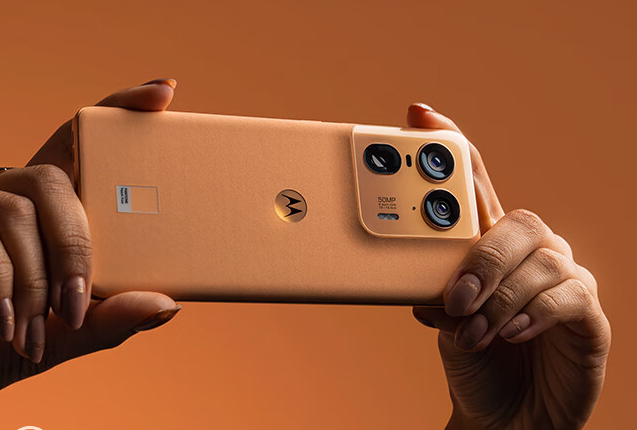
Motorola has unveiled the moto X50 Ultra Phone Soft Peach Limited Edition in China. The new edition is just a new color variant of the moto X50 Ultra that was launched just last month.
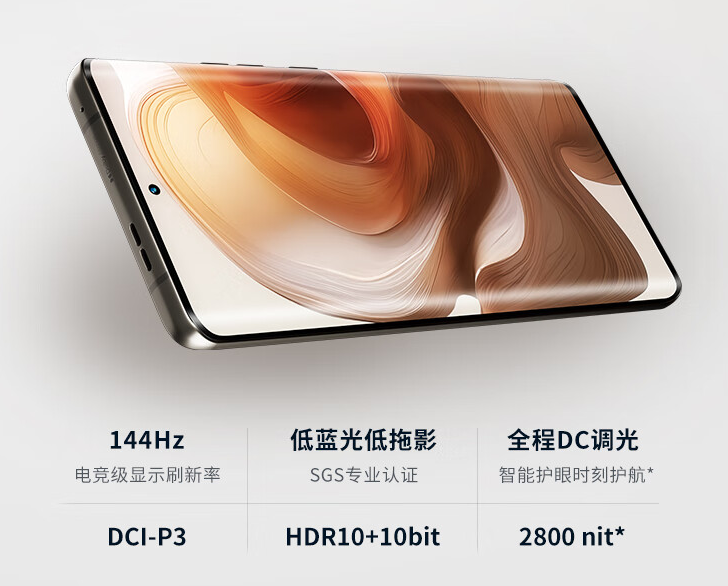
The Moto X50 Ultra is an AI phone powered by the Qualcomm Snapdragon 8s Gen 3 processor and Lenovo Xiaotian AI personal agent. The smartphone is equipped with a 6.7-inch LTPS OLED display with 144Hz refresh rate and 2,712 x 1220 pixels resolution. The RAM/ storage configuration of the smartphone is 16GB/ 1TB.
The moto X50 Ultra Soft Peach Limited Edition has an impressive camera setup including a 50MP front camera, a 50MP ultra-large bottom main camera, a 50MP JN1 ultra-wide angle, a 64MP 3x periscope telephoto with a 100x zoom capability. The model also adopts the AI adaptive anti-shake image stabilization technology. It is equipped with a 4,500mAh battery which supports 125W wired charging and 50W wireless charging. The phone has a USB 3.1 Gen 2 interface and supports Wi-Fi 7 connectivity.
The Motorola moto X50 Ultra has a metal middle frame and a solid wood/ glass body that is 8.5mm thick and the phone weighs 197g. It comes with IP68 dust and water resistance certification. The Soft Peach Limited Edition of the moto X50 Ultra is what is now on sale. The overall configuration of this model is the same as for other models from the same lineup. The AI agent supports chats,, natural semantic question and answer, document translation, summarization, and AI calls.
Pricing & Availability
The moto X50 Ultra Soft Peach Limited Edition currently comes only in the 16GB/ 1TB configuration. It is priced at 4,699 yuan ($649). It can be purchased from JD.com, as well as other outlets in the country.
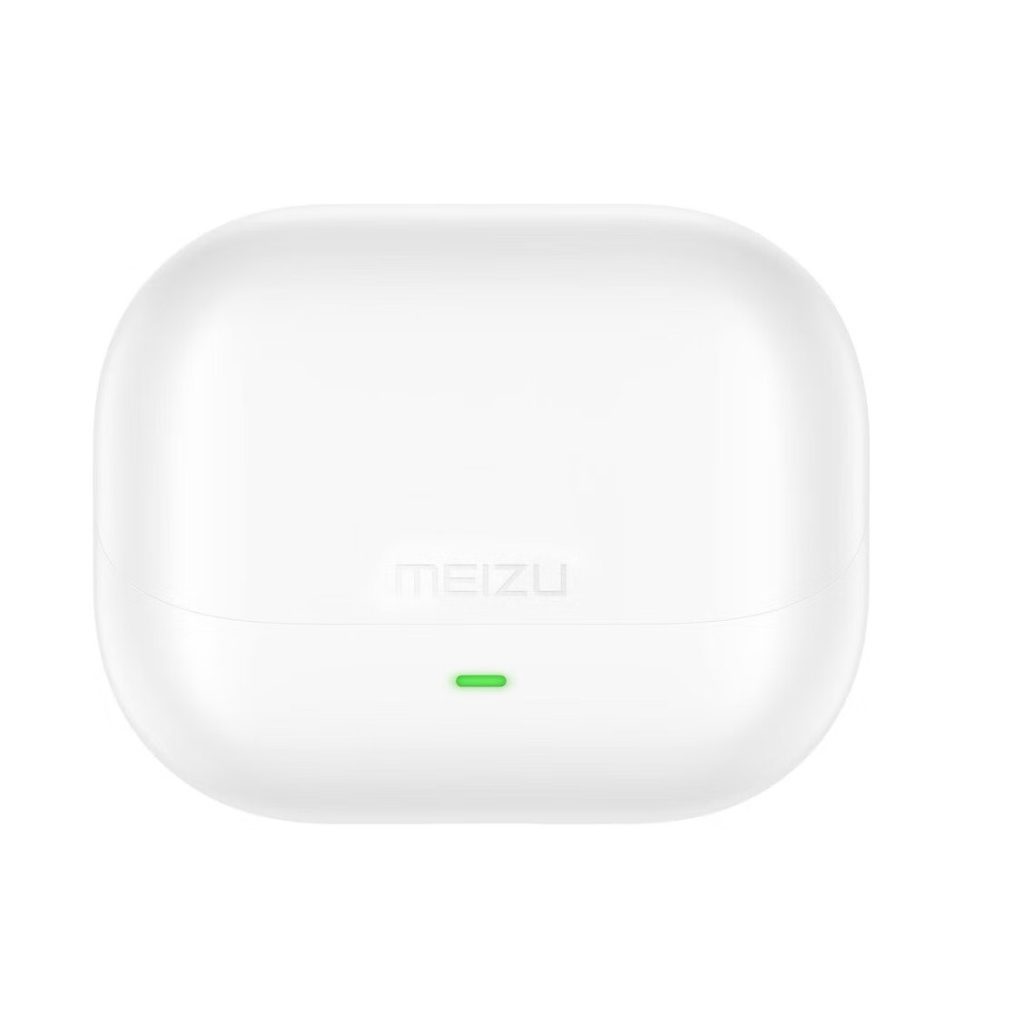
Meizu has launched budget-friendly, Hi-Fi TWS earbuds called Meizu Live AI in the Chinese market. The earbuds are now up for pre-sale on JD.com for 599 yuan (roughly $84). The earbuds will be up for sale on June 14th. Let’s check out its key specs.
Meizu Live AI Earbuds Specifications:
The Live earbuds sport a Sony CXD3784 noise-canceling chip and a dual-driver setup featuring an 11mm dynamic coil for deep bass and a 5mm Locte co-developed balanced armature unit for clear highs. Meizu touts an “AI Dynamic Sound Experience” that analyzes a user’s ear canal and tailors the audio output for a personalized listening experience.
The earbuds achieve a maximum noise reduction depth of 45dB and a bandwidth of 4000Hz. This should effectively cancel out ambient noise, allowing users to focus on their music or calls. Meizu also mentions an intelligent dynamic noise reduction algorithm that adjusts based on the environment and offers three manual noise reduction levels for user control.
For optimum call quality, the earbuds feature a 3-microphone AI noise reduction system that tackles background noise during calls. Meizu claims this system can eliminate up to 99% of everyday noise distractions. The earbuds boast certification from QQ Music and Kugou Music, two major Chinese streaming services, for their sound quality.
Battery life seems decent, with Meizu claiming the earphones themselves can last up to 7 hours on a single charge. When combined with the charging case, that number jumps to 29 hours.
The Meizu Live earbuds connect via Bluetooth 5.3 and support the LHDC 5.0 audio codec, which allows for high-resolution audio transmission. They also feature a lightweight design, with each earbud weighing only 5.2 grams. The included carrying case utilizes an open magnetic suction design.
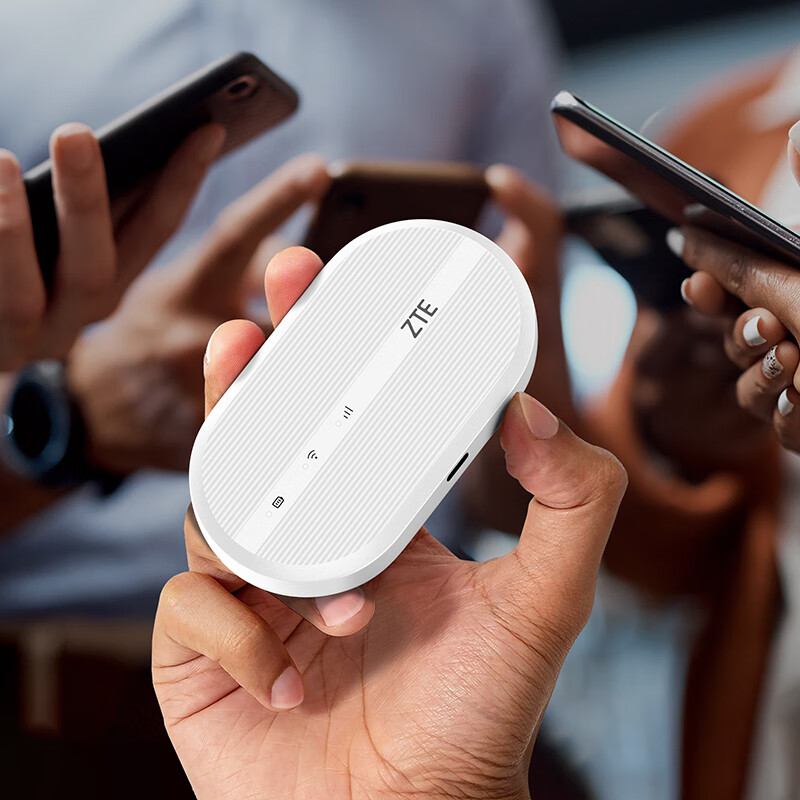
ZTE has unveiled a new portable WiFi hotspot, the U10L, boasting a budget-friendly price tag, dual SIM card functionality, and support for the latest Wi-Fi 6 standard. This comes after the recent launch of U10S Pro portable Wi-Fi with up to 10 hours of battery life.
The U10L portable WiFi is priced at 99 yuan (around $14) and it is now available on JD.com. Let’s check out its key specs.
ZTE U10L Portable WiFi Specifications:
The key highlight is the presence of two built-in SIM card slots, one for China Mobile and another for China Telecom networks. This eliminates the need to carry separate SIM cards or fiddle with swapping them when switching providers. Users can reportedly activate and switch between networks through a dedicated public service number platform.
ZTE is also offering official data packages for the U10L, starting from 1GB for just 2.2 cents, promising transparency and avoiding hidden charges. Additionally, buyers will receive 10GB of free trial data during the upcoming 618 shopping festival.
Under the hood, the U10L packs a proprietary chipset from ZTE, which the company claims delivers high performance and low power consumption. This translates to a smoother internet experience for users.
Performance-wise, the U10L supports the Wi-Fi 6 protocol, enabling theoretical speeds of up to 287Mbps. The portable Wi-Fi also features a 2000mAh removable battery, which ZTE claims can provide up to 8 hours of operation on a single charge.
The U10L can connect up to 16 devices simultaneously, making it ideal for sharing a stable internet connection with laptops, tablets, smartphones, game consoles, and other Wi-Fi-enabled devices.
The device sports a compact and lightweight design, measuring just 108mm x 59.8mm x 16.6mm. It also boasts a stylish and modern appearance, making it easy to carry around.
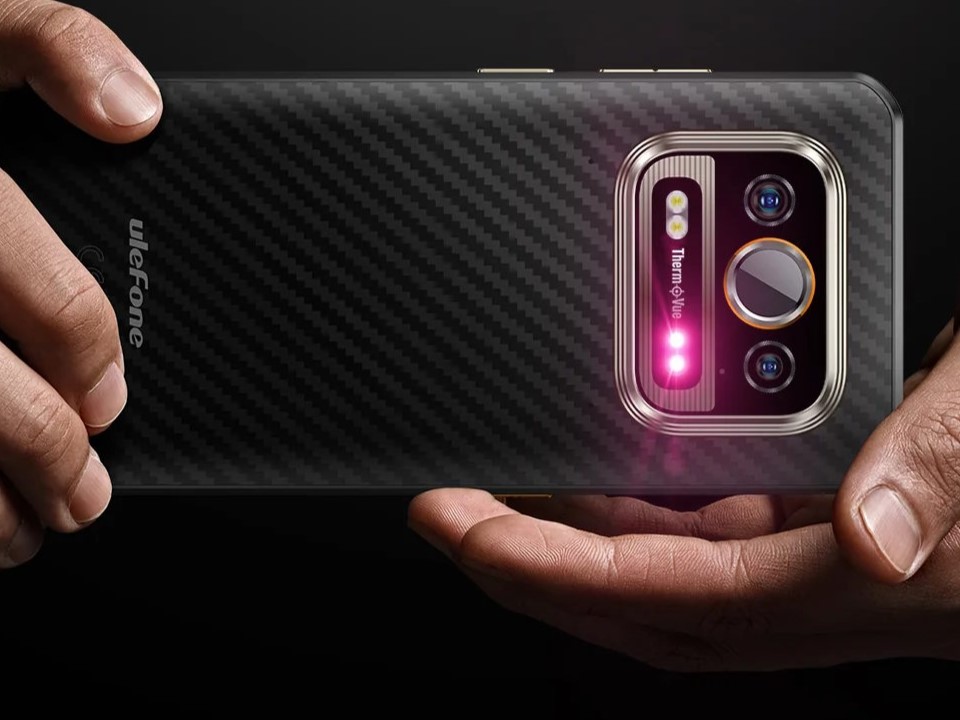
The Ulefone Armor 25T Pro smartphone has been unveiled and is now available for purchase. The smartphone comes with a compact and rugged design, as well as 5G network support. It has a night vision camera, and thermal imaging and is being offered at a very affordable price. The smartphone has a 6.78-inch screen with a refresh rate of 120Hz and a resolution of 1,080 x 2,460 pixels.
The Armor 25T Pro is 12.5 mm thick and weighs 326 grams. The smartphone comes with a thermal imaging camera with a resolution of 160 x 120 pixels, which covers a temperature range of -20°C to 550°C. The rugged smartphone is said to be able to measure temperatures up to an accuracy of 3°C. It is also equipped with a 64MP night vision camera and a 50MP main camera.
The Ulefone Armor 25T Pro is powered by the MediaTek Dimensity 6300 SoC, with a dual SIM architecture and an integrated 5G mobile modem. The smartphone has an installed RAM capacity of 6GB and 256GB UFS 2.1 storage. The storage is expandable by up to 2 TB via a microSD memory card. The smartphone has a fingerprint sensor that is integrated into the power button, and facial unlocking is also supported.
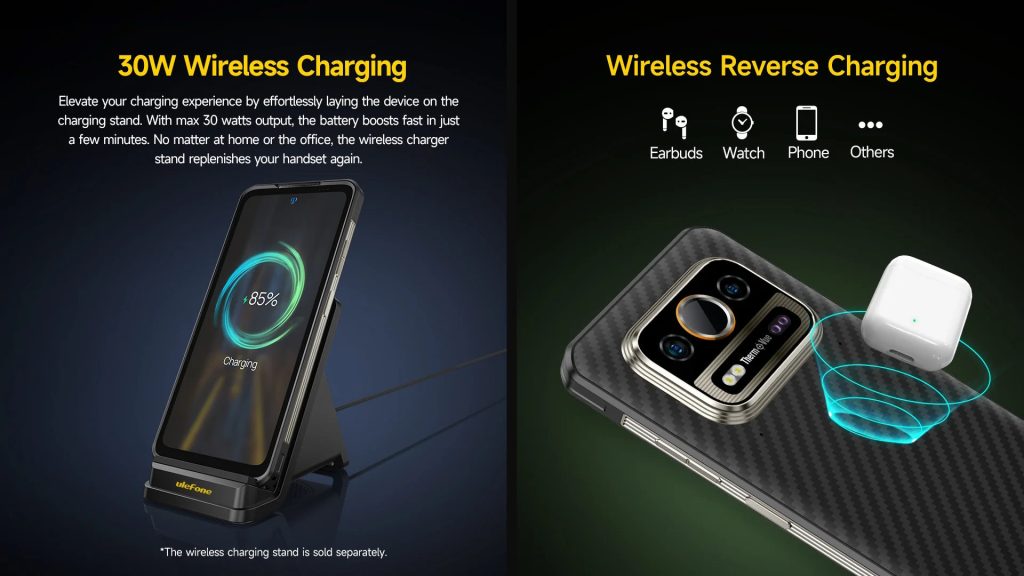
The Ulefone Armor 25T Pro can withstand drops and is protected against damage from water and dust ingress. It comes with IP68, IP69K, and MIL-STD-810H certifications which all underscore its rugged credentials. Furthermore, the display is protected with Corning Gorilla Glass Victus. In terms of charging, the smartphone offers up to 30 watts of wireless charging.
Pricing & Availability
The Armor 25T Pro is currently available only directly from Ulefone but its availability could later expand to other channels. The current price of the rugged smartphone is just under $273 and this is inclusive of shipping costs and import fees. Delivery times, according to the company, can be up to three weeks.
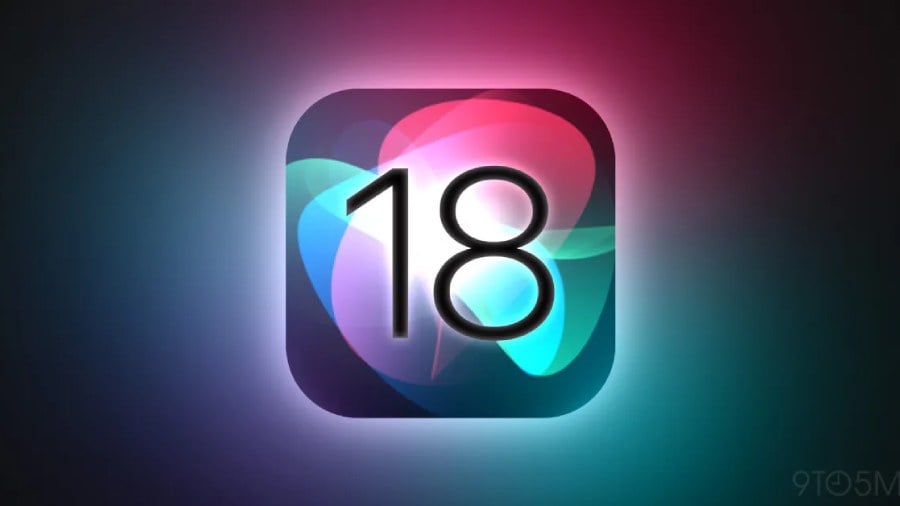
Following Google, Samsung, Huawei, and many other Android OEMs who have already started offering numerous AI-based features in their flagships, Apple could finally add some on-device and cloud-based AI features to the iOS 18 for the iPhone 16 series. Reportedly, the heart of Apple’s AI strategy for iOS 18, known as Project Greymatter, includes a series of AI features that the company will integrate across its core apps and services like Safari, Notes, and Photos.
Alongside the notification summarization feature called ‘Greymatter Catch Up’ that lets users listen to the summary of recent notifications through Siri, there will be other new features such as AI-powered photo editing and more.
iOS 18 Generative Playground may let you erase unwanted objects from images
Previously we have mentioned the possibility of the addition of these two features. But now we know more about how the photo editing feature might work. Apple has reportedly developed a new object-erasing feature, where generative AI recognizes, removes an unwanted object, and fills the area with AI-generated content that surprisingly matches its surroundings. It sounds similar to what we have already seen with Pixel, Galaxy, and Huawei devices.
Reportedly, Apple has developed an “internal application” called the Generative Playground that may let users experience the above-mentioned AI-powered photo editing feature. It could come integrated into iMessage for easy sharing. iOS 18 could also let you generate personalized emojis.
iOS 18 will also offer an automated response generation capability based on LLMs that will be intelligent enough to consider factors like names, calendar events, locations, times, and more. Siri is also undergoing development that aims to improve the text-to-speech functionality for more natural and smooth output and a better experience overall.
Notes app will also get some major improvements with AI
The Notes app will also get a major upgrade with iOS 18 and macOS 15 to offer text-based generative AI capabilities such as speech-to-text conversion and summarization. Speaking of a practical use case, users will be able to record audio directly from the notes app, convert it to text, and summarize it. Accessing information from an entire meeting or lecture could finally become easy for an iPhone.
The company will announce whatever it has been developing in the upcoming WWDC conference, set to take place from June 10 to June 14.
After a series of leaks and rumors, Honor has finally confirmed the launch of its first flip-style foldable phone, the Magic V Flip. Scheduled to debut in China on June 13th, this phone is expected to feature the largest cover display on any flip phone.
The phone’s other specifications are also expected to be competitive. So, what can we realistically expect from this new foldable contender? Here’s a breakdown of the confirmed and rumored features of the Honor Magic V Flip.
Foldable phones with a clamshell design are no longer a novelty in 2024. Samsung and Motorola got there first, making flip phones popular again which drew the attention of other brands like Vivo, Oppo, and others into the market.
So, Honor is entering an existing market with established players. But they’re doing things differently to attract users, particularly women, who Honor seems to be targeting with this phone.
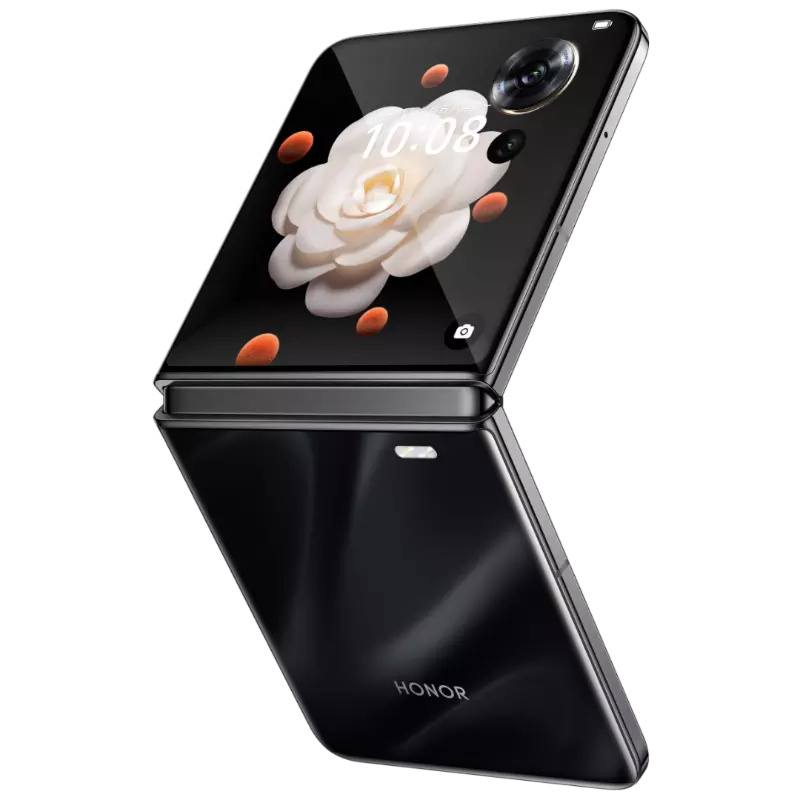
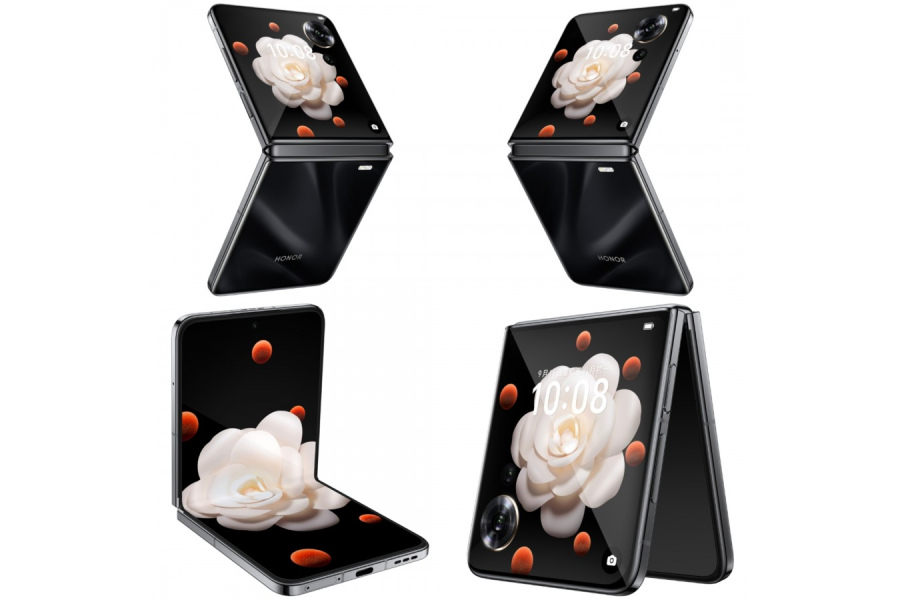
According to rumors, the Magic V Flip will feature a cover display measuring over 4 inches in size, the largest yet on a flip foldable. As you can see in the image above, the display has very thin bezels and a subtle curve to it to make it easier to grip.
The bigger display will improve the phone’s usability when folded, allowing for tasks like checking notifications, composing messages, or even using a limited set of apps without unfolding the entire device.
Official images confirm that the device will have a dual-camera cutout on the cover display likely a wide and ultrawide lens combo. A more interesting detail is that the LED flash is placed on the bottom half of the device. The device will launch in three colors – Camellia White, Champagne Pink, and Iris Black.
2. Internal Display
While specifics about the internal display are scarce, teasers suggest a large, uninterrupted foldable screen. Honor boasts an “IMAX Enhanced” certification for its book-style Magic V foldable so that the feature could extend to the Flip variant.
The hinge, a crucial element in any foldable device, is another area where details are limited. Durability and a minimized crease will likely be the key selling points for V Flip considering its book-style foldables are known for having barely visible creases.
3. Performance and Battery
The Magic V Flip is confirmed to pack 12GB of RAM, with storage options ranging from 256GB to a whopping 1TB. However, the specifics about the device’s processor are still under wraps.
Battery life is often a concern with foldable phones due to the design constraints on fitting a large battery. The Magic V Flip, however, appears to stand out in this area as it will pack a big enough 4,500mAh battery, as revealed by previous certifications.
If true, it will be the largest battery on a flip foldable so far. Additionally, the certification confirmed 66W fast charging support for quick top-ups.
4. Camera and Others
While the cover display will have a dual-camera setup, details regarding the megapixel count, sensor size, and capabilities are still unknown. Honor has yet to reveal the camera specifications for the unfolded phone either.
The Magic V Flip will launch with the latest version of Magic UI, Honor’s custom skin based on Android 14. While specifics about optimizations for the foldable form factor are unknown, it’s reasonable to expect features that leverage the dual displays for multitasking and enhanced functionality.
5. The Verdict
The Honor Magic V Flip stands out among current flip phones with its large cover display and bigger battery in a classic clamshell design. However, key details such as the internal display quality, hinge durability, and camera capabilities are still unknown, making it hard to judge how the Magic V Flip will compare to its competitors. The upcoming launch will shed more light on Honor’s foldable ambitions.
Arm Holdings, is aiming to roll 100 billion Arm devices out in 2025. This initiative is part of a broader strategy to establish Arm as a key player in the rapidly expanding AI chip market, projected to grow from $30 billion in 2024 to over $200 billion by 2032.
To achieve this, Arm will establish a dedicated AI chip division. The division aims to produce prototypes by spring 2025 and begin mass production by the fall of the same year. The manufacturing will be managed by contract manufacturers, including potential collaborations with Taiwan Semiconductor Manufacturing Corp (TSMC) and others. The development costs for these AI chips are expected to reach hundreds of billions of yen, with financial backing from Arm and contributions from SoftBank.
Strategically, there is a possibility that the AI chip business could be spun off and integrated under SoftBank once mass production is underway. This move aligns with SoftBank CEO Masayoshi Son’s vision of transforming SoftBank into an AI powerhouse. Son has earmarked a $64 billion investment to drive innovations across various sectors, including data centers, robotics, and power generation. He envisions integrating AI, semiconductor, and robotics technologies to revolutionize industries such as shipping, pharmaceuticals, finance, manufacturing, and logistics.
At the Computex forum in Taipei, Arm highlighted their target of having 100 billion Arm devices worldwide by the end of 2025, emphasizing the role of AI-ready devices. Furthermore, Arm unveiled new AI chip designs and software tools aimed at enhancing AI capabilities in smartphones. These new designs are expected to improve compute and graphics performance by over 30% and accelerate AI inference by 59% for machine learning and computer vision tasks.
Arm’s strategy includes providing ready-for-manufacturing blueprints, a departure from their previous approach of offering abstract designs. This shift aims to expedite the development process for their partners, such as Samsung and TSMC. Samsung is already collaborating with Arm on 3nm process technology to meet the growing demand for generative AI in mobile devices. TSMC is working with Arm to enhance AI performance and efficiency through their Open Innovation Platform ecosystem
With these initiatives, Arm is not positioning itself as a competitor but as an enabler, helping its customers bring AI-driven chips and devices to market more swiftly. Chris Bergey, Arm’s General Manager, expressed the company’s vision of combining a platform for tightly coupled accelerators with customer Neural Processing Units (NPUs) to foster the rapid development of powerful AI chips and devices.
As Arm moves forward with its plans, it aims to capture a significant share of the burgeoning AI chip market, capitalizing on the unmet demand currently dominated by Nvidia. The company’s focus on AI chip development is a pivotal step in SoftBank’s broader strategy to lead the AI revolution and transform various industries through cutting-edge technology.
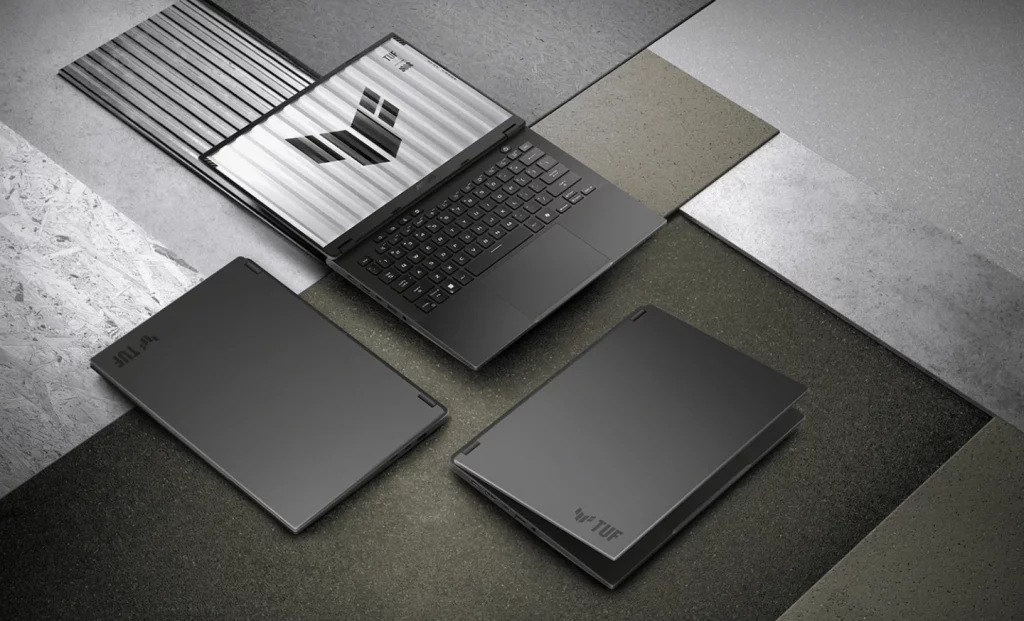
At Computex 2024, ASUS introduced two new gaming laptops, the TUF Gaming A14 and A16. These models are designed for gamers and come equipped with AMD Ryzen AI processors and NVIDIA RTX 40 series GPUs.
ASUS TUF Gaming A16
Asus TUF Gaming A16/A14 specs:
The TUF Gaming A16 features a 16-inch display and is built with a thin 17.9 mm chassis, offering a 90% screen-to-body ratio. The display offers 2.5K resolution, 400 nits of brightness, a 165 Hz refresh rate, and a 3 ms response time. It fully supports the sRGB color gamut. It includes a larger touchpad and full-sized arrow keys for better control. This model also provides a variety of connection options such as two USB 3.2 Gen 2 Type-A ports, a USB 4 port with DisplayPort 2.1, a USB 3.2 Type-C port supporting 100W power delivery, an ethernet jack, HDMI 2.1, and a 3.5 mm combo jack.
The laptop is powered by the latest AMD Ryzen AI processors and can be equipped with up to an RTX 4070 GPU and LPDDR5X-7500 memory. It also includes a 90 Wh battery and advanced cooling technology to manage heat.
The smaller TUF Gaming A14 shares many of the A16’s features but includes an RTX 4060 GPU and a 73 Wh battery. It has a slightly lower system TDP of 100W, which can be increased to 110W in Turbo mode. The 14-inch display also provides 2.5K resolution, 400 nits of brightness, a 165 Hz refresh rate, and a 3 ms response time.
Both laptops are built to be durable, with the A14 featuring a military-grade chassis and an FHD webcam that supports Windows Hello.
In related news, ASUS has also debuted the ROG Prism Delta 2, a tri-mode headset for gamers. It has a long battery life of up to 110 hours, along with low-latency 2.4GHz connectivity using a convenient Type-C receiver.
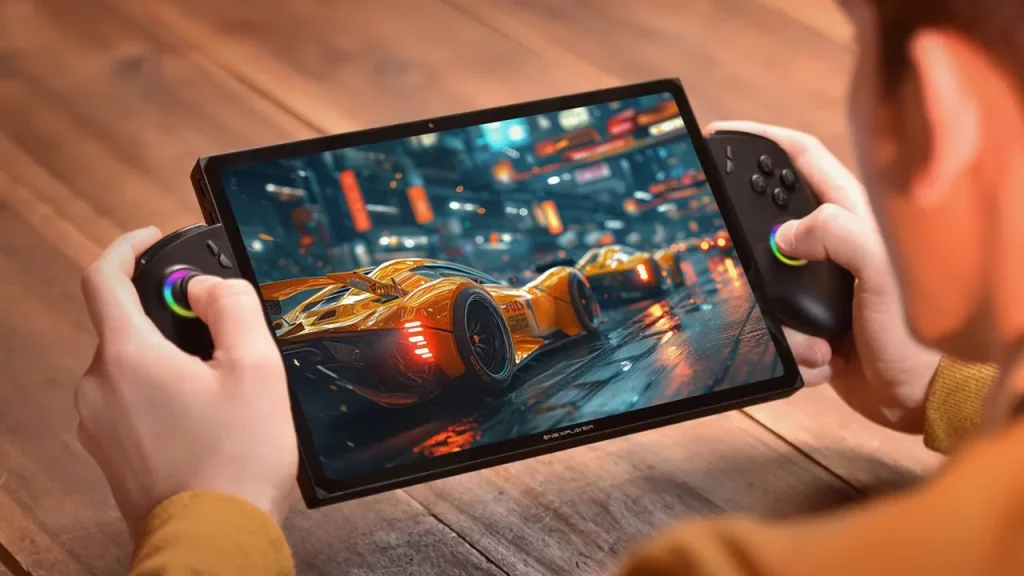
OnexPlayer has launched a new iteration of its X1 gaming tablet cum PC, the OnexPlayer X1 Ryzen Edition. This Ryzen Edition boasts an AMD Ryzen 7 8840U processor and starts at a competitive price of 6899 yuan (roughly $952). The X1 initially launched earlier this year with Intel Core Ultra processors.
OneXPlayer X1 Specifications:
Aside from the processors, the rest of the specs remain almost the same as the previous iteration. The X1 Ryzen Edition features a large 10.95-inch 2.5K display with a smooth 120Hz refresh rate for tear-free gaming. The display offers a bright 540 nits peak brightness and a comfortable 16:10 aspect ratio. To further enhance the viewing experience, the tablet supports DC dimming technology for flicker-free visuals.
Unlike a typical two-in-one, it comes with a detachable controller with ergonomic grips and customizable buttons. This transforms the device into a handheld gaming console reminiscent of the Nintendo Switch, perfect for on-the-go entertainment. The package also includes a magnetic detachable backlit keyboard for those productivity tasks.
Under the hood, the OnexPlayer X1 Ryzen Edition packs a punch with its AMD Ryzen 7 8840U processor. This is paired with LPDDR5X-7500 memory in either 32GB or 64GB configurations. Storage options include PCIe 4.0 x4 M.2 2280 SSDs with capacities ranging from 1TB to a whopping 4TB, ensuring ample space for games and applications.
The X1 boasts Harman-certified dual speakers, featuring a high-performance full-range speaker unit for rich and immersive sound. In terms of connectivity, the device comes loaded with options, including dual USB 4.0 ports, a TF card slot, a USB-A 3.2 port, two USB-C 4.0 ports, a 3.5mm headphone jack, and an Oculink interface for connecting to external graphics docks.
The tablet cum PC is equipped with a sizable 16890mAh battery. This translates to up to 169 minutes of gameplay in Genshin Impact, 8 hours of office work, or an impressive 11 hours of video playback on a single charge. When it’s time to refuel, the included 100W gallium nitride charger ensures a quick turnaround, minimizing downtime.
Pricing
The OnexPlayer X1 Ryzen Edition comes in three storage configurations, all starting at competitive prices. The base model with 32GB of memory and 1TB of storage starts at 6899 yuan (around $952). Upgrading to 2TB bumps the price to 7399 yuan ($1,022), while the top-of-the-line option with 64GB of memory and a whopping 4TB of storage reaches 9599 yuan ($1,325).
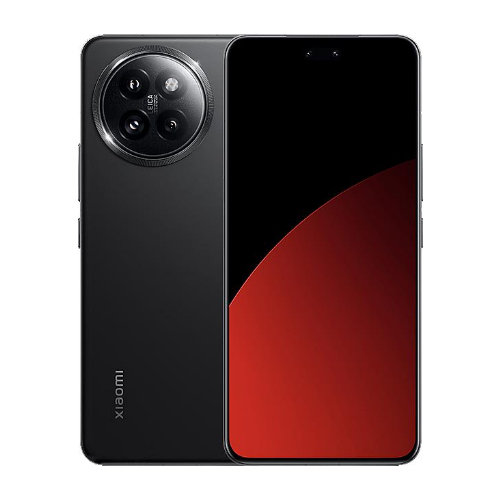
Xiaomi is gearing up to launch the Xiaomi 14 Civi smartphone in India on June 12. After a recent leak of the retail box of the device, the brand has now confirmed a bunch of specifications through the 14 Civi’s Flipkart microsite.
As per the details on the microsite, the smartphone has a 50 MP primary camera with Leica’s Summilux Lens. The primary camera is paired with a 50 MP Portrait telephoto camera that offers 2x zoom, along with a 12 MP ultra-wide lens with a 120-degree field of view.
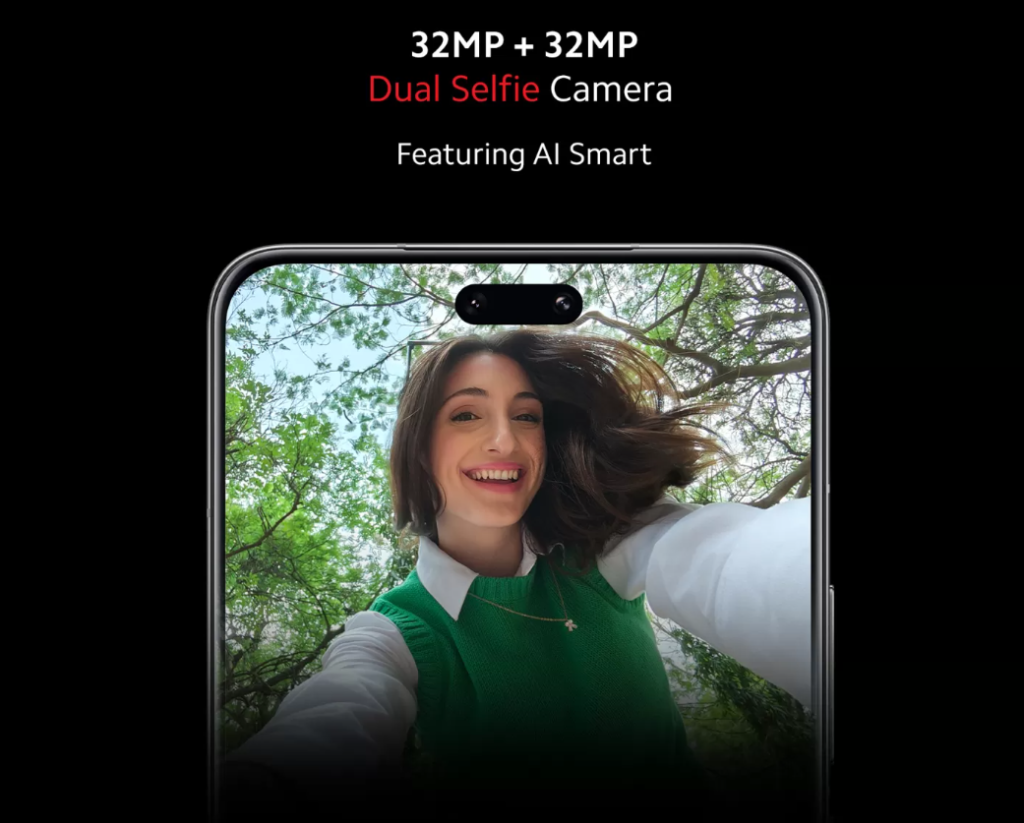
On the front, it has a 32 MP + 32 MP dual selfie camera capable of recording videos in 4K resolution. The phone will have a slim 7.4mm metal body with a premium vegan leather finish on the back. The display is confirmed to be a ‘floating quad-curve’ display with 1.5K resolution, 120Hz refresh rate, and Corning Gorilla Glass Victus 2 protection. The panel will offer over 68 billion colors, Dolby Vision, and HDR10+ support. For Audio, it will feature stereo speakers with Dolby Atmos tuning.
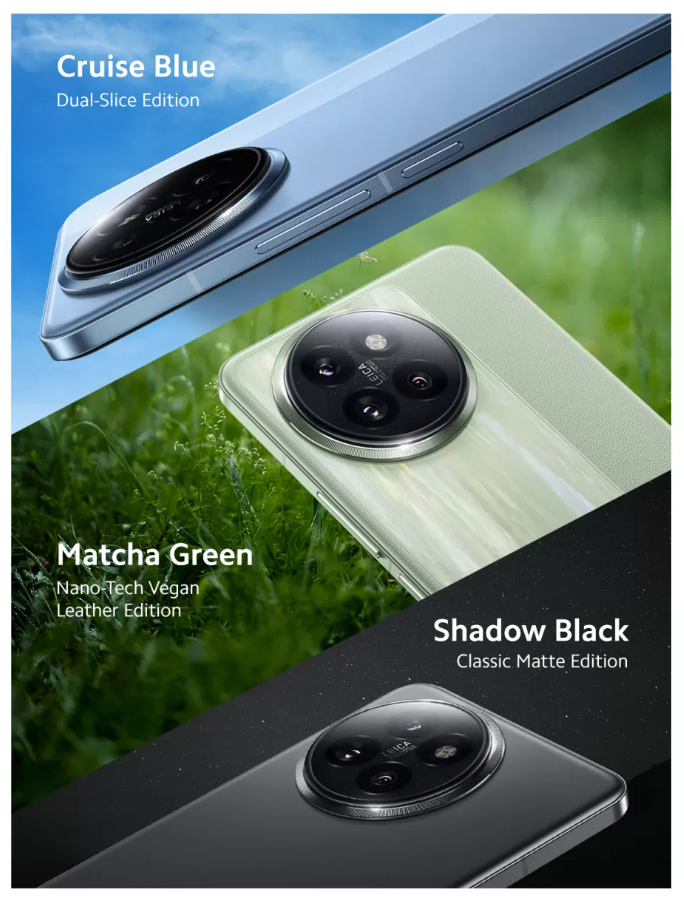
Under the hood, it is confirmed to house a Snapdragon 8s Gen 3 chip, with Android 14-based HyperOS running the software side. The device will draw power from a 4,700mAh battery, paired with 67W fast charging. Lastly, the microsite confirms three color options: Crusie Blue, Matcha Green, and Shadow Black. Details about the pricing could emerge in the coming days.
In related news, tipster DCS has leaked some details about the camera system of the upcoming Xiaomi 15 series smartphones. These devices are expected to be among the early adopters of the Snapdragon 8 Gen 4 chip, so we can expect them to launch around Q4 2024.
If you were looking for a pair of gaming headphones to add to your setup, today marks the announcement of the ASUS ROG Prism Delta 2, a tri-mode gaming headset designed for marathon gaming sessions. This feature-packed headset boasts an incredible battery life of up to 110 hours, ensuring you can stay immersed in your favorite worlds without worrying about running out of juice (as long as you keep the flashy RGB lighting deactivated).
The headset has dual-material earmuffs for a comfortable fit while long gaming sessions
Comfort is paramount for long gaming sessions, and the ROG Prism Delta 2 takes this seriously. Its dual-material earmuffs provide a comfortable fit that won’t leave your ears feeling fatigued after hours of use. On the audio front, the headset packs a serious punch with 50mm titanium-plated driver units, promising crisp and clear audio for both in-game soundscapes and detailed music reproduction.
Gone are the days of juggling connections. The ASUS ROG Prism Delta 2 offers ultimate flexibility with its tri-mode connectivity. Utilizing ROG SpeedNova wireless technology, you can connect the headset using low-latency 2.4GHz wireless with the included Type-C receiver, standard Bluetooth for mobile devices, or the classic 3.5mm wired connection for broad compatibility.
For those who multitask while gaming, the innovative DualFlow audio technology is a game-changer. It allows you to connect two devices simultaneously, letting you seamlessly switch between in-game audio and voice chat with teammates on your phone, all without ever needing to disconnect.
The official launch of the ROG Prism Delta 2 is slated for the third quarter of 2024. This solid headset looks to be a strong contender for the throne of best gaming headset What do you think about this one?
Sigma has shaken up the world of full-frame lenses with the release of their brand new 28-45mm F1.8 DG DN Art lens. This innovative lens boasts several firsts, making it a highly attractive option for both professional and enthusiast photographers. Here’s a closer look at what makes this lens so special:
The lens has an internal zoom mechanism to eliminate lens creeping
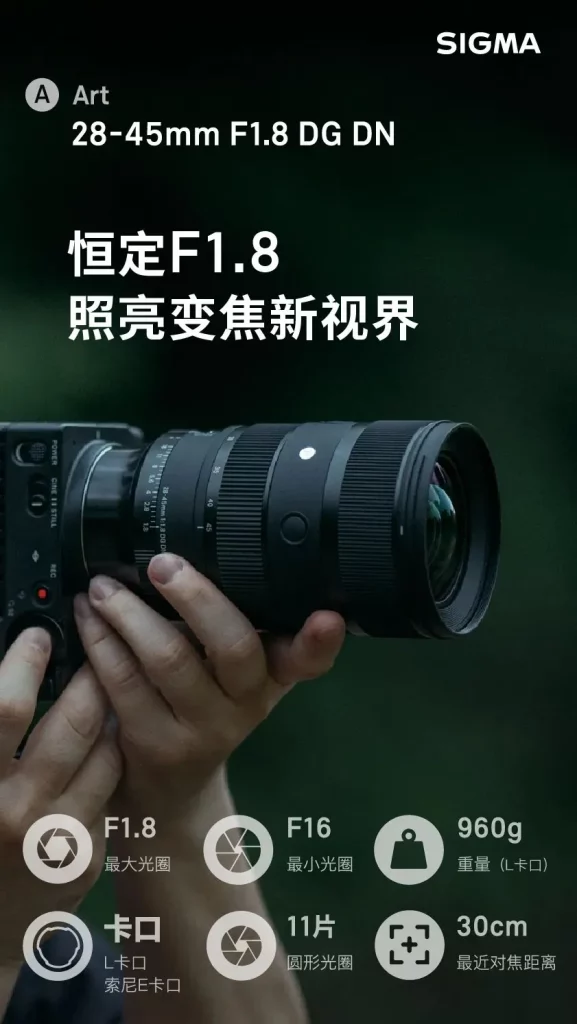
The Sigma 28-45mm F1.8 DG DN holds the title of the world’s first full-frame zoom lens with a constant f/1.8 aperture. This impressive feat allows for exceptional low-light performance and beautiful background blur (bokeh) throughout the entire zoom range. Imagine capturing stunning portraits with a dreamy background at any focal length, from wide-angle to slightly telephoto. The constant f/1.8 aperture also rivals the performance of many high-quality prime lenses, offering exceptional image quality without the need to switch lenses for different lighting conditions.
Despite its impressive capabilities, Sigma hasn’t compromised on portability. The lens utilizes an internal zoom mechanism, ensuring the overall length remains constant while zooming. This eliminates the “lens creep” experienced with some zoom lenses and makes it ideal for travel or street photography. Additionally, the focusing distance remains a fixed 30cm throughout the zoom range, simplifying focusing calculations for close-up shots.
The Sigma 28-45mm F1.8 DG DN incorporates a sophisticated 18-element, 15-group lens structure. This complex design incorporates 5 SLD (Special Low Dispersion) elements and 3 aspherical lenses to effectively minimize chromatic aberrations and other optical distortions. These elements work together to deliver sharp, clear images across the entire frame, even at wider apertures. Furthermore, Sigma’s nano-porous coating and super multi-layer coating technology further enhance image quality by reducing flare and ghosting, especially when shooting in backlit situations.
Sigma hasn’t skimped on professional-grade features either. The lens utilizes a high-speed HLA linear motor for fast and quiet autofocus, ensuring you never miss a fleeting moment. The bidirectional drive focus ring allows for precise manual focus adjustments, perfect for situations demanding meticulous control. The lens also boasts a variety of physical controls, including an aperture ring, an infinite aperture switch, an aperture lock switch, two customizable AFL buttons (for assigning specific functions), and a locking petal-shaped lens hood.
Built to withstand the rigors of professional use, the Sigma 28-45mm F1.8 DG DN features a dust-proof and splash-proof lens body. The front lens group also comes equipped with a water and oil-proof coating, making it suitable for shooting in challenging environments. Whether you’re braving the elements or navigating dusty locations, you can be confident your lens will perform flawlessly.
With its exceptional image quality, constant fast aperture, and versatile zoom range, the Sigma 28-45mm F1.8 DG DN Art lens offers a all-in-one package for a wide range of photographers. Portrait photographers will appreciate the beautiful bokeh and low-light capabilities, while landscape and street photographers will benefit from the versatile zoom range and exceptional sharpness.
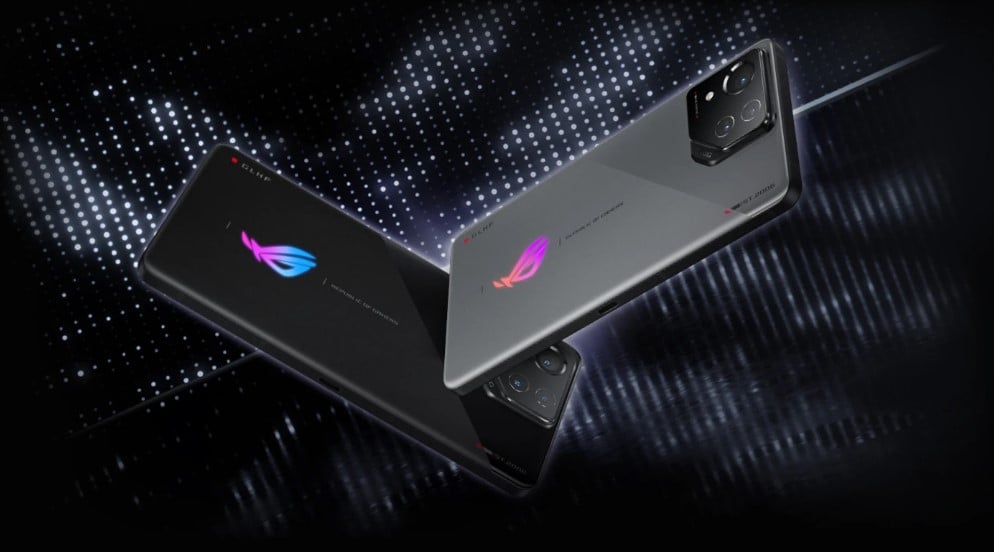
ASUS launched the ROG 8 series back in January this year. While we are still a couple of months away from the launch of the ROG 9 series, it has made its first appearance on the web with the model number ASUSAI2501C.
ROG Phone 8
According to a report from Android Headlines, the ROG 9 series will consist of two models – the ROG 9 and ROG 9 Pro and they can arrive in Q1 2025. However, it is unclear which model the above number represents.
Like many 2024 flagships, it will also house the Snapdragon 8 Gen 4 chipset, which will be launched later this year.
The Snapdragon 8 Gen 4 was previously known to boast over 4.00 GHz clock speed. According to Weibo tipster Digital Chat Station, the SM8750 prototype sample reached a clock speed of 4.2GHz and scored 3K and 10K in single and multi-core tests respectively. In his words, the Dimensity 9400 is now under pressure.
The score is higher than that of the Apple A17 Pro. What’s surprising is that the Snapdragon 8 Gen 4 prototype (meaning it could further improve) outperformed the A17 Pro in single-core test.
Speaking of the gaming device from Asus, it’s likely going to focus on performance and use an even better cooling system to sustain it during longer gaming sessions.
In addition to the latest chipset, the ROG 9 series is also expected to retain the trigger buttons for a better gaming experience.
While we don’t know much about the ROG 9 series at this point, here are the offerings of the predecessor to give you an idea of what to expect when it comes to the other aspects of the phone.
The ROG Phone 8 and 8 Pro equip an illumination RGB logo and a Mini-LED programmable matrix respectively. In the front, there is a 165Hz FHD+ LTPO AMOLED panel that goes up to 2500 nits. The base model offers 12 or 16GB RAM options while the Pro model boasts 16GB or 24GB RAM. This is paired with 256GB UFS 4.0 storage for the base model and 512GB/1TB for the Pro model.
Both of them offered 50MP main cameras on the back that is paired with a 32MP 3x telephoto and a 13MP 13mm ultrawide.
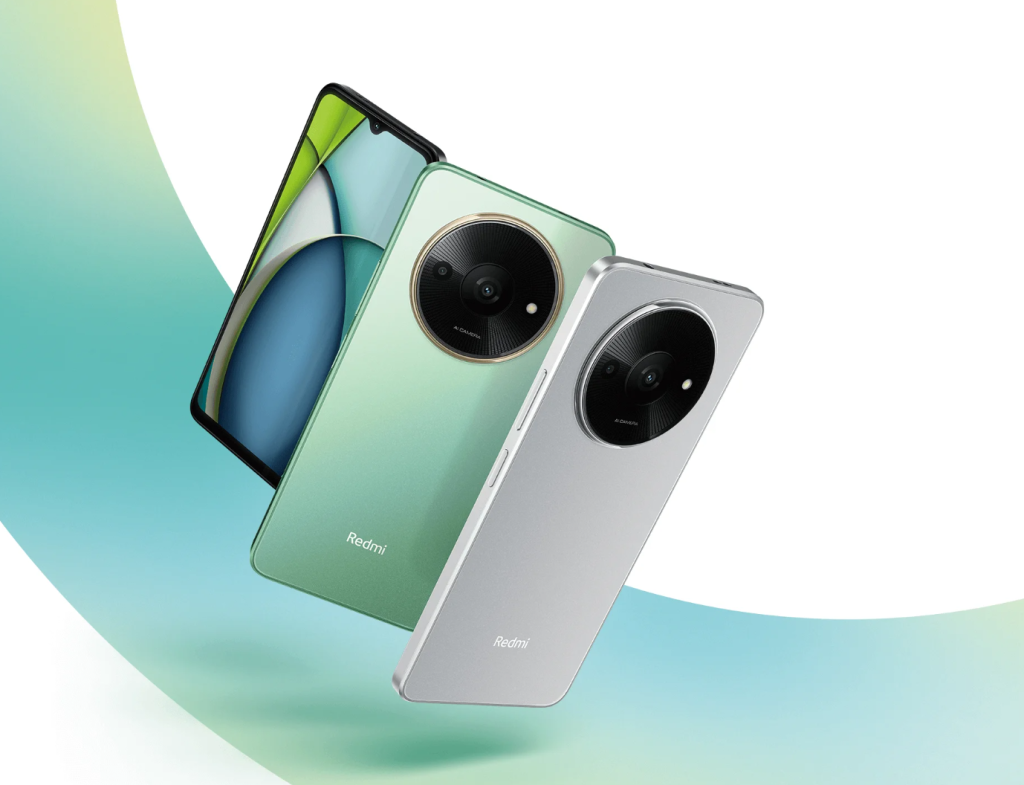
Xiaomi has added the Redmi A3x to its Redmi A series, which is now available globally on its website after its first release in Pakistan. This new model is a more basic version of the Redmi A3, aimed at customers looking for an affordable yet functional smartphone.
Redmi A3x specs:
The Redmi A3x features a 6.71-inch screen with a resolution of 1650 x 720 pixels and a 90 Hz refresh rate, ensuring a clear and smooth display. The device runs on a Unisoc Tiger T603 processor with two ARM Cortex-A75 cores at 1.8 GHz and six Cortex-A55 cores at 1.6 GHz.
Storage options include either 3 GB or 4 GB of LPDDR4X RAM and 64 GB or 128 GB of eMMC 5.1 flash storage, which can be expanded up to 1 TB with a MicroSD card. The phone also comes with a 5,000 mAh battery that supports 10 W charging through USB Type-C.
The Redmi A3x is equipped with an 8 MP main camera and a QVGA lens for basic photos, along with a 5 MP front camera. Other features include a 3.5 mm headphone jack, dual SIM capability, and a side-mounted fingerprint sensor, and it runs on Android 14. The device will receive two major Android updates and security updates through 2027.
Pricing
While the pricing in regions like the EU remains undisclosed, the device is available in Pakistan for PKR 18,999 ($68) for the 3GB RAM + 64GB storage model.
In related news, Xiaomi is preparing to release the Xiaomi 14 Civi in global markets, including India. An image of the device’s retail box recently surfaced online revealing key specs and confirming that it is a rebrand of the Chinese Xiaomi Civi 4 Pro.
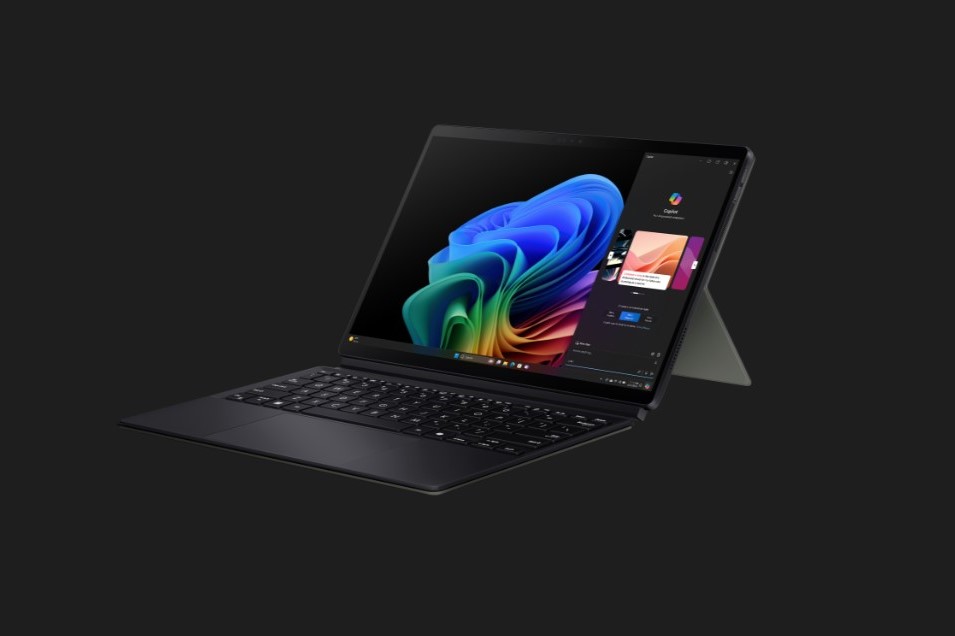
Earlier today, ASUS introduced the ROG Ally X. At the ongoing Computex 2024, the Taiwanese brand also unveiled three new PCs under its ProArt lineup. These include the ProArt PZ13, ProArt P16, and ProArt PX13. All three offers are geared towards creators. The ASUS ProArt PZ13 is a tablet computer and a Microsoft Surface Pro competitor with its detachable design. It is also a part of the Copilot Plus program. Read on to know more details about this device below.
ASUS ProArt PZ13 key specifications and features
The ASUS ProArt PZ13 is quite similar to the Surface Pro. It is usable as a standalone tablet as well as a mainstream laptop with a detachable keyboard that also has a kickstand. The device aims to offer mobility. It is only 9mm thick and weighs 0.85 kg. The ProArt PZ13 is IP52-rated dust and water-resistant. It is also MIL-STD-810H military-grade certified for withstanding durability.
The ASUS ProArt PZ13 boasts a 13.3-inch Lumina OLED screen bearing a 3K resolution. It has support for Dolby Vision, a 60Hz refresh rate, a 100 percent DCI-P3 color gamut, and a 0.2ms response time. ASUS says that the display is Pantone Validated and also VESA DisplayHDR 500 True Black certified. The device features a 5MP IR front camera and a 13MP rear snapper.
Under the hood, the ASUS ProArt PZ13 is powered by a Snapdragon X processor with a TDP of up to 20W. It packs 16GB LPDDR5 RAM and up to 1TB SSD storage. There is a thermal system onboard for heat dissipation. The device also has a dedicated AI chipset with up to 45 TOPS performance. There are a range of AI features including copilot, recall, live captions, cocreator, as well as creator apps StoryCube and CapCut.
The ASUS ProArt PZ13 is backed by a 70WHr battery unit that is claimed to offer long hours of work and play. Connectivity options on the device include two USB 4.0 ports, WiFi7, and a SD card reader.
The ASUS ProArt PZ13 is set to be available in the third quarter of this year and the pricing will be revealed closer to launch.
Qualcomm‘s next flagship mobile processor, the Snapdragon 8 Gen 4, will introduce a major change for its smartphone’s SoC line in the form of custom-designed Oryon CPU cores.
Today, tipster Digital Chat Station revealed a detail that suggests a major boost in performance that will put pressure on MediaTek’s Dimensity 9400.
The tipster claims that the Snapdragon 8 Gen 4’s high-performance core has a clock speed of staggering 4.2GHz. It was 2021 when the Snapdragon 888+ made headlines for reaching 3GHz speed, and now, just three years later, we’re talking about over 4GHz for a smartphone SoC.
Furthermore, the tipster revealed that a laboratory prototype of the Snapdragon 8 Gen 4 scored impressively on benchmarks, likely Geekbench with 3,000 points in single-core and 10,000 points in multi-core.
Compared to the Snapdragon 8 Gen 3, it’s a jump of 35.5% and 33.9% in single-core and multi-core performance, respectively. Below are the average Geekbench scores for the latest smartphone SoCs:
Processor
Single-Core
Multi-Core
Apple A17 Pro
2999
7903
Dimensity 9300
2264
7857
Snapdragon 8 Gen 3
2213
7466
Apple A16
2671
7271
Snapdragon 8 Gen2
2036
5697
Dimensity 9200
1905
5119
In response to a user comment, the tipster also confirmed that the Snapdragon 8 Gen 4 will be manufactured using TSMC’s 3nm node.
While this will improve performance and efficiency, Snapdragon 8 Gen 4 phones are expected to come with a higher price tag due to increased wafer costs from TSMC. A report earlier today revealed that the phones with the new SoC will cost around 4,500 yuan.
To put that into context, Xiaomi 14 launched for a starting price of 3,999 yuan (~ $550), so we are talking about a direct price increase of around 500 yuan (~ $70). Also, Xiaomi 15 is rumored to be the first smartphone to feature the Snapdragon 8 Gen 4 SoC.
We use cookies on our website to give you the most relevant experience by remembering your preferences and repeat visits. By clicking “Accept”, you consent to the use of ALL the cookies.
This website uses cookies to improve your experience while you navigate through the website. Out of these, the cookies that are categorized as necessary are stored on your browser as they are essential for the working of basic functionalities of the website. We also use third-party cookies that help us analyze and understand how you use this website. These cookies will be stored in your browser only with your consent. You also have the option to opt-out of these cookies. But opting out of some of these cookies may affect your browsing experience.
Necessary cookies are absolutely essential for the website to function properly. This category only includes cookies that ensures basic functionalities and security features of the website. These cookies do not store any personal information.
Any cookies that may not be particularly necessary for the website to function and is used specifically to collect user personal data via analytics, ads, other embedded contents are termed as non-necessary cookies. It is mandatory to procure user consent prior to running these cookies on your website.