Advertisement

AnTuTu Q4 data shows Qualcomm in control of Android processors, Xiaomi joins the field

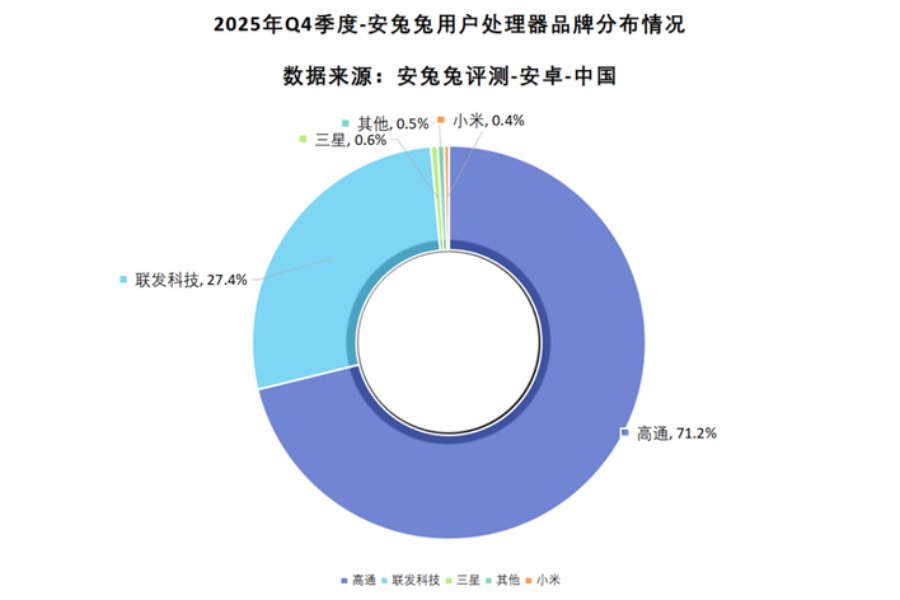
After the performance rankings, AnTuTu has shared its latest snapshot of the Android processor landscape in China for Q4 2025. Unsurprisingly, Qualcomm is the leader with over 70% market share, but there’s a surprise new entry to the list. 

According to the data, Qualcomm-powered devices make up 71.2 percent of Android phones in use. The figure effectively means that around seven out of every ten Android smartphones currently in the Chinese market are running on a Qualcomm chip. 
Qualcomm’s share comes from its wide mobile processors for the mid-to-high end segment. The Snapdragon 8 Elite / Gen series is the default choice for many Android flagships, while the Snapdragon 7 and Snapdragon 6 series fill the mid-range segment. Then there’s the Snapdragon 4 series for affordable phones. 

MediaTek is the second biggest, followed by Samsung

MediaTek, meanwhile, enjoys 27.4% market share. While that’s still a long way behind Qualcomm, MediaTek has been on a steady rise over the past few years. The company’s Dimensity 9000 series chips have become popular among manufacturers looking to balance performance and cost.

However, the company’s biggest win comes from budget and mid-range phones, largely dominated by Helio and Dimensity 7000 and 8000 chips. For instance, AnTuTu’s mid-range smartphone ranking for December 2025 shows 9 out of 10 phones with a MediaTek chip.
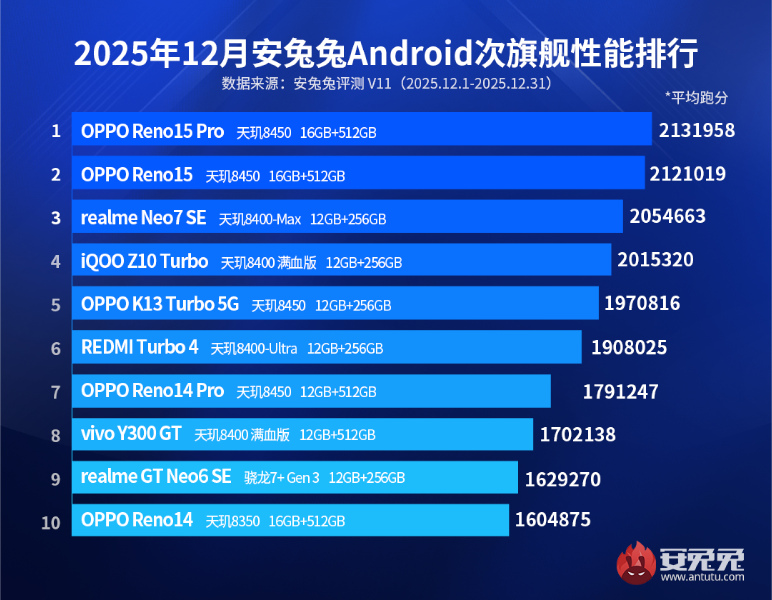
AnTuTu mid-range smartphone rankings, December 2025

Beyond those two, the field thins out quickly. Samsung ranks third with a modest 0.6 percent share, largely limited to its own Galaxy devices using Exynos processors. 

Surprisingly, Xiaomi has also made it onto the list with a 0.4% market share. Its XRING O1 processor is currently exclusive to the Xiaomi 15S Pro and Xiaomi Pad 7 Ultra. The fact that only two devices allowed it to make the list suggests that Xiaomi’s self-developed chip has already gained traction within the vast smartphone landscape.

For more daily updates, please visit our News Section.

Stay ahead in tech! Join our Telegram community and sign up for our daily newsletter of top stories.
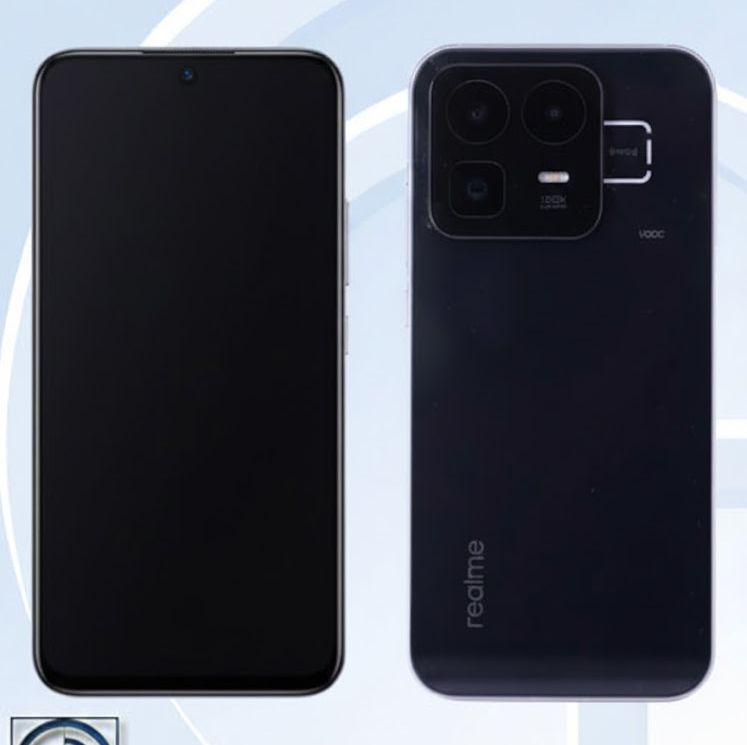
Realme Neo 8 full specifications revealed via TENAA listing

The Realme Neo 8 has appeared in the database of China’s TENAA certification platform. As expected, the listing has revealed its key specifications well ahead of its launch. Here are the details that have surfaced through its TENAA listing.

Realme Neo 8 specifications (rumored)

Realme Neo 8
Realme Neo 8

The Realme Neo 8 TENAA listing reveals that it has a 6.78-inch AMOLED display offering a 1.5K resolution of 2772 x 1272 pixels. Reports have revealed that it will also support a 165Hz refresh rate. Rumours have suggested that it will feature a flat display, but the TENAA images seemingly reveal a quad-curved screen.

The Realme Neo 8 is powered by the Snapdragon 8 Gen 5 (chip’s name is not explicitly mentioned). Leaks have suggested that the device will ship with LPDDR5x RAM and UFS 4.1 storage. The TENAA listing reveals 8GB / 12GB / 16GB / 24GB RAM options and 128GB / 256GB / 512GB / 1TB storage variants.

The Neo 8 will run on Android 16 with a layer of Realme UI 7. It has a 7,750mAh rated battery, which is said to carry a typical value of 8,000mAh. The device will support 80W fast charging.

The Neo 8’s rear camera setup includes a 50-megapixel main camera with OIS support, an 8-megapixel ultra-wide lens, and a 50-megapixel periscope telephoto camera with 3.5x optical zoom. For selfies, it will feature a 16-megapixel front camera.

As per other reports, the Realme Neo 8 will offer additional features such as an ultrasonic in-screen fingerprint sensor, a metal frame, a glass back, and an IP68/69 rating. The handset will measure 162 x 77.07 x 8.3mm and weigh 215 grams.

While the phone is expected to hit the Chinese market this month, the company has not yet confirmed its launch date.

For more daily updates, please visit our News Section.

Stay ahead in tech! Join our Telegram community and sign up for our daily newsletter of top stories.

First look at Xiaomi 17 Air, but the phone may never see the light of day

An early engineering mould of the Xiaomi 17 Air has surfaced on social media, offering a first look at a device that was once under development but never made it to launch. The leak hints at Xiaomi’s experimentation with ultra-thin smartphone designs, at a time when slim form factors are again drawing attention across the industry.

Xiaomi 17 Air early engineering mould leak surfaces online

A video shared by tipster Bald Panda shows the alleged Xiaomi 17 Air, which resembles a dual-camera version of the iPhone Air. The rear design features a horizontally aligned camera module, though Xiaomi appears to have added an extra camera compared to Apple’s approach.

The mould suggests an exceptionally slim body measuring just 5.5mm in thickness, making it even thinner than the iPhone Air, which is said to be around 5.6mm thick. The front is believed to house a 6.59-inch display, placing it firmly in the large-screen flagship category despite its compact profile.

However, this design never progressed beyond the prototype stage. Reports indicate that the Xiaomi 17 Air project was eventually cancelled, meaning the device is unlikely to reach commercial production. This makes the leaked mould more of a glimpse into Xiaomi’s internal design exploration rather than a preview of an upcoming launch.

Interestingly, an earlier leak from October 2025 by tipster Smart Pikachu suggested that Xiaomi was testing an ultra-thin flagship with a 6.6-inch display. While the official branding was not confirmed at the time, the device was widely expected to debut as the Xiaomi 17 Air. That leak also hinted at a rounded-corner display design and a cold-sculpted metallic body aimed at delivering a refined in-hand feel.

One of the more striking claims was the inclusion of a 200-megapixel main camera, which would have made it one of the thinnest smartphones to carry such a high-resolution sensor.

The Xiaomi 17 Air appears to have been cancelled due to the growing realisation that ultra-thin smartphones involve significant compromises. Limited battery capacity, thermal constraints, and camera trade-offs, combined with weak market demand for such devices, likely made the project commercially unviable.

For more daily updates, please visit our News Section.

Stay ahead in tech! Join our Telegram community and sign up for our daily newsletter of top stories.
X’s paid verification won’t stop AI abuse — history proves it

Following a global backlash over Grok-generated images, particularly those involving non-consensual, sexually explicit, or misleading content, X swiftly restricted its image generation features to paid, verified users. The company positioned the change as a safety measure, arguing that paid access would reduce misuse, improve accountability, and facilitate the identification of bad actors.

While the intent appeared corrective, the decision leaned on an assumption X itself has struggled with in the past: that charging users creates better behavior. History on the platform suggests otherwise.

Grok logo
Grok logo

2Scammers already pay, cost is not a deterrent

A common assumption behind paywalled AI tools is that bad actors will hesitate to spend money. In practice, scammers have long treated platform fees as a routine business expense. On X, spam networks, crypto fraudsters, and impersonation accounts already pay for verified access because the reach and perceived legitimacy make it worthwhile.

For those misusing AI image tools, the economics are similar. A subscription fee is insignificant compared to the potential visibility or impact of abusive content. While paid access may reduce casual misuse, organized abuse is rarely price-sensitive.

Why this approach scales badly for X

X operates at a global scale where AI-generated images can spread within minutes. Effectively addressing misuse at this level requires strong detection systems, consistent moderation, and clear enforcement policies, not just account verification.

As AI tools become more powerful and easier to exploit, relying on payment as a safeguard becomes increasingly fragile. More importantly, it risks normalising the idea that safety is optional or premium. History shows that without deeper structural controls, paywalls may slow abuse, but they do not stop it.

For more daily updates, please visit our News Section.

Stay ahead in tech! Join our Telegram community and sign up for our daily newsletter of top stories.
Next

Meizu 22 Air cancelled due to sharp rise in memory prices

Meizu has officially cancelled the launch of the Meizu 22 Air. The announcement came during the company’s 2026 Meizu Fan Spring Festival event in China. The Meizu Group CMO Wan Zhiqiang confirmed that the recent surge in memory prices had created major obstacles in smartphone business planning, which ultimately led to the cancellation.

Meizu 22 Air

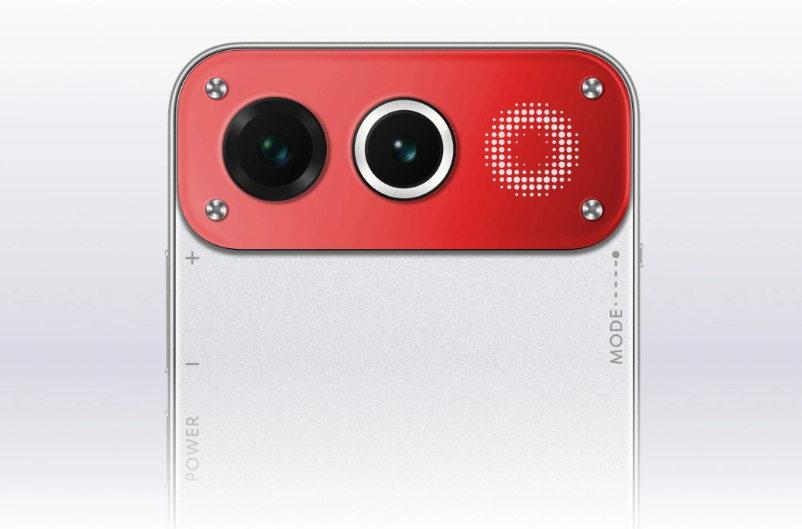
Despite this, Meizu revealed the design of the 22 Air during the event. The smartphone features a horizontally aligned rear camera layout with a design that resembles the iPhone Air. It includes a customizable pixel-style emotion light that can display multiple patterns to reflect the user’s mood.

The phone’s frame includes a two-stage customizable mode button. Meizu also designed new system themes tailored for fans who value visual personalization. The company described the Meizu 22 Air as a lightweight device with a bold modular structure.

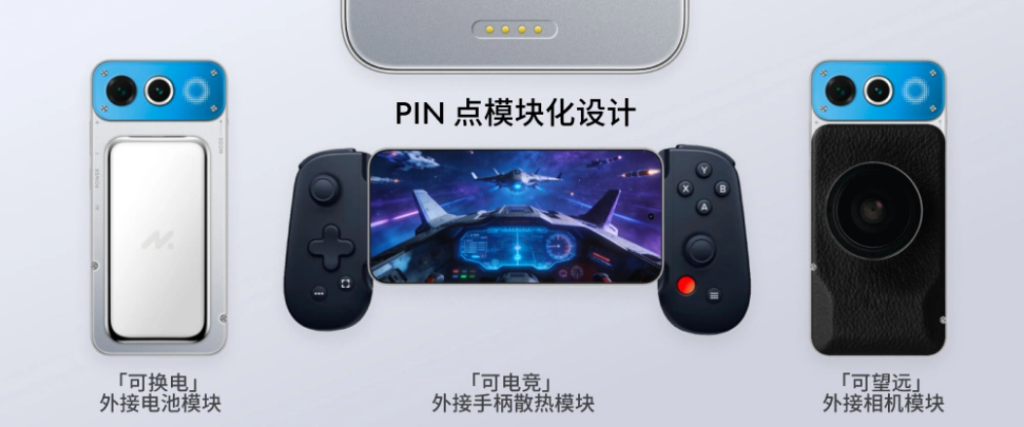
The back panel features a PIN-based modular design that allows support for various accessories. These include a snap-on battery pack for extended use, a cooling and gaming controller module, and an external camera unit for long-range photography.

Meizu 22 Air

The company also showcased a magnetic back cover concept that would allow users to swap covers to change the phone’s appearance. Meizu said the interchangeable covers were designed to support collaborations with popular IPs.

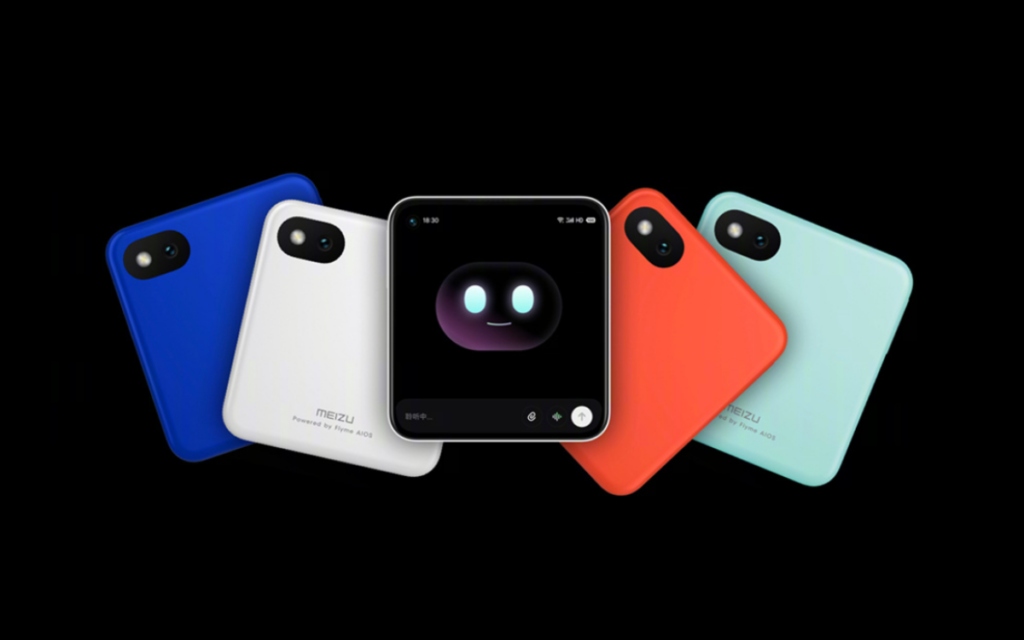
Alongside the cancelled smartphone, Meizu introduced a new AI-focused product called the Meizu 22 Next AI Cube. The compact device features a 4-inch form factor and functions as a standalone 5G-enabled AI terminal. It runs on AIOS and emphasizes voice-driven automation, cross-agent collaboration, and compatibility with standard apps.

Meizu said the AI Cube also places strong emphasis on emotional AI, multi-device control through its One-Flow ecosystem, and support for modular accessories. Pricing and availability details for the AI Cube were not announced at the event.

For more daily updates, please visit our News Section.

Stay ahead in tech! Join our Telegram community and sign up for our daily newsletter of top stories!

(Via)

Meizu unveils 22 Next, a 4-inch AI gadget with emotional memory & AI agent collaboration

Meizu has officially unveiled the Meizu 22 Next “AI Cube” during the 2026 Meizu Fan Spring Festival. The company describes the product as a new species of AI device designed to lead the next wave of human-machine interaction.

Meizu 22 Next AI Cube

Meizu 22 Next AI Cube Specifications

The Meizu 22 Next features a compact 4-inch body and functions as an independent 5G-enabled AI terminal. It runs on Meizu’s native AIOS system and introduces a redesigned AI-first desktop interface that aims to eliminate traditional GUI constraints. The new system allows users to issue voice commands for direct task execution and automation.

The device supports Agent-to-Agent cross-agent collaboration. This protocol enables different AI agents to communicate and cooperate independently to complete complex tasks. The Meizu 22 Next also supports a task robot system that automates app workflows through a single command. Compatibility with standard GUI-based apps remains intact.

Meizu 22 Next AI Cube

Meizu has focused on emotional AI with this product. The AI Cube features a life-like avatar engine with over 100 expressive emotional interfaces. The AI avatar can learn and evolve through interaction using a function called AI Memory. It records user identity, mood, and health conditions during conversations, allowing the device to offer personalized responses and emotional reminders later.

The Meizu 22 Next acts as a central control terminal for multiple connected devices. With the One-Flow ecosystem, users can manage smartphones, IoT products, smart appliances, and vehicles using a single voice command.

Meizu 22 Next AI Cube

Meizu has also introduced a range of accessories that allow the device to be used in different scenarios, including as a clip-on AI companion, a desktop device, or an in-car accessory. The company has not announced pricing or a release timeline for the AI Cube yet, but it plans to open the platform to support future AI collaboration and development.

In related news, Meizu has recently expanded its lineup with the Pandaer 66W wireless charger, which features 3D active cooling and dual-orientation support, alongside the launch of the StarV Snap AI glasses powered by the Snapdragon AR1 chip with a 12MP camera and built-in AI assistant.

For more daily updates, please visit our News Section.

Stay ahead in tech! Join our Telegram community and sign up for our daily newsletter of top stories! 💡

Xiaomi launches Mijia Washing Machine Pro 12kg with super electrolysis and smart dosing

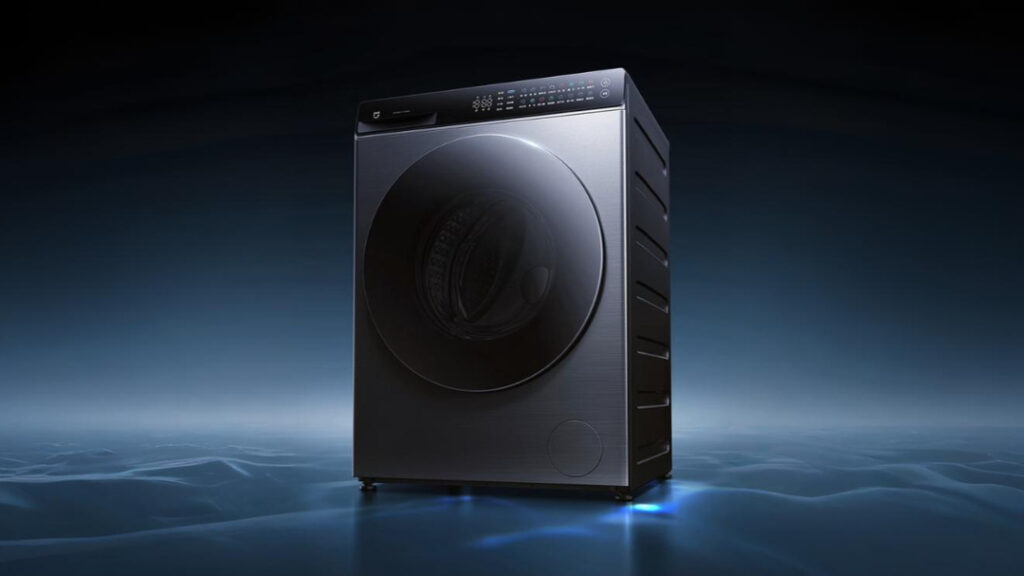
Xiaomi has launched a new home appliance, the Mijia Washing Machine Pro Super Electrolysis Smart Dosing Washer Dryer with a 12kg capacity. Sales will begin at 8 PM on January 16 via JD.com and other retail platforms. The launch price is set at 3,528 yuan ($505).

Mijia Washing Machine Pro

Mijia Washing Machine Pro Specifications

The new washer dryer features a 1200rpm inverter motor along with 12kg wash capacity and a 9kg drying capacity. It targets large households with weekly laundry needs, including heavy fabrics such as winter jackets, bedding, and jeans. Xiaomi claims the washer delivers a wash ratio of 1.3. The higher ratio allows for better stain removal with fewer washes.

Xiaomi has equipped the machine with its proprietary Super Electrolysis Technology. This system uses active oxygen generated through electrolysis to remove stains, whiten fabrics, and reduce color bleeding. It does not rely on chemical additives. Xiaomi says the technology can handle over 20 types of tough stains, including oil, blood, soy sauce, and juice. The system also offers four times stronger color protection and leaves no residue on clothes.

The washer supports dual sterilization using high-temperature steam and cold-water electrolysis. Test data show that it achieves 99.999% bacterial removal, 99.999% viral removal, and 100% mite removal. Xiaomi says the system is suitable for sensitive fabrics such as baby clothes and undergarments.

The machine comes with 31 wash and care modes, including dedicated programs for wool, down jackets, steam refresh, light dry cleaning, and fragrance care. It also offers a 12-minute quick wash option. During drying, it operates within a 55°C to 65°C temperature range and uses high airflow to help maintain fabric softness.

Xiaomi has added a dual smart dispensing system that stores detergent and softener or disinfectant for up to one month. The system measures load weight and soil level to control the dosage with milliliter-level precision.

The washer supports HyperOS Connect and allows control through the Mi Home app as well as Xiaomi smart speakers. It offers remote start, smart scheduling, OTA updates, and real-time status monitoring.

In related news, Xiaomi has recently launched a new 636L refrigerator with silver ion deodorization and improved freezing performance, alongside a flagship electric shaver featuring dual-ring stainless steel blades and up to 95 days of battery life.

For more daily updates, please visit our News Section.

Stay ahead in tech! Join our Telegram community and sign up for our daily newsletter of top stories!

(JD)

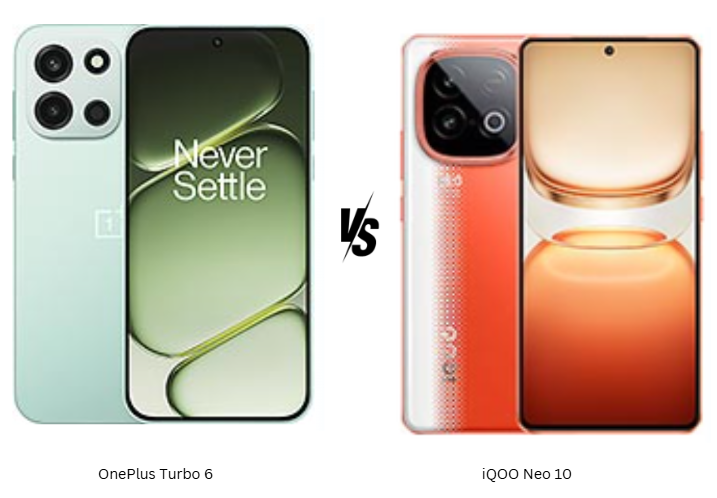
OnePlus Turbo 6 vs iQOO Neo 10: Same Chip But One Clear Winner

OnePlus Turbo 6 vs iQOO Neo 10 comparison is interesting because both phones offer flagship-level performance at aggressive prices. With the same powerful chipset, the real decision comes down to priorities, battery life, and durability versus faster charging and a brighter display. This comparison helps buyers choose the phone that fits their daily usage style, not just the specs sheet.

1. Design and Display 

Build and Feel

OnePlus Turbo 6 focuses on durability and everyday toughness, backed by higher water and dust resistance and a more premium overall protection approach. It feels purpose-built for users who want peace of mind during rough usage or unpredictable conditions. The iQOO Neo 10 takes a lighter, sportier route with a simpler build and MIL-STD compliance, appealing to performance enthusiasts rather than rugged users. While both phones feel solid, the OnePlus leans more toward long-term reliability, whereas the iQOO prioritizes comfort and daily usability.

Display Quality

Both phones use large AMOLED panels with vibrant colors and high refresh rates, but they target different strengths. The OnePlus Turbo 6 emphasizes smoothness and visual stability with its 165Hz refresh rate and advanced PWM dimming, which feels gentler during long viewing sessions. The iQOO Neo 10 counters with extremely high peak brightness and strong HDR impact, making it more eye-catching outdoors and during video playback.

Verdict

OnePlus Turbo 6 feels better suited for durability and extended use, while the iQOO Neo 10 delivers a more visually striking display experience.

2. Specifications 

Performance

Both devices run on the Snapdragon 8s Gen 4 chipset, delivering flagship-grade performance across gaming, multitasking, and sustained workloads. Day-to-day responsiveness feels identical, with fast app launches and stable frame rates. The difference lies in software tuning; ColorOS on the OnePlus Turbo 6 feels slightly more refined and fluid, while Funtouch OS on the iQOO Neo 10 leans toward aggressive performance optimization. Power users may appreciate the iQOO’s gamer-focused features, but the OnePlus offers a more balanced and polished experience.

Battery and Charging

Battery strategy clearly separates the two. The OnePlus Turbo 6 packs a significantly larger battery, making it better suited for long, uninterrupted usage. The iQOO Neo 10 compensates with extremely fast charging, reaching full power in a short time and offering bypass charging for gaming sessions. Convenience versus endurance defines this choice.

Verdict

OnePlus Turbo 6 is ideal for users who value long battery life, while the iQOO Neo 10 favors speed and flexibility.

3. Camera 

Main and Secondary Lenses

Both phones use a 50MP main camera with optical stabilization, delivering sharp photos and reliable video performance. The OnePlus Turbo 6 focuses on consistency, producing balanced images with stable colors and dependable low-light output. The iQOO Neo 10 gains versatility through its dedicated ultra-wide camera, making it better for landscapes and group shots. Video quality is strong on both, but the iQOO offers slightly more flexibility for creative framing.

Selfie Camera

The selfie experience is where the iQOO Neo 10 clearly pulls ahead. Its higher-resolution front camera supports 4K video, making it more suitable for vloggers and content creators. The OnePlus Turbo 6 delivers decent selfies but feels more utilitarian, focusing on basic reliability rather than standout detail.

Verdict

iQOO Neo 10 offers a more versatile camera setup overall, while the OnePlus Turbo 6 prioritizes stability and simplicity.

4. Pricing 

At approximately $350, the OnePlus Turbo 6 positions itself as a value-driven flagship killer, offering top-tier performance, a massive battery, and strong durability at a lower entry price. It feels carefully balanced for users who want premium internals without stretching their budget. 

iQOO Neo 10, priced around $400, justifies its higher cost through ultra-fast charging, a brighter display, and a more capable selfie and ultra-wide camera setup. The price gap is noticeable but not excessive, making the decision less about affordability and more about priorities.

Verdict 

OnePlus Turbo 6 delivers stronger value for money, while the iQOO Neo 10 charges extra for speed, brightness, and camera flexibility.

5. Conclusion

OnePlus Turbo 6 stands out with its large battery, advanced water resistance, and smooth high-refresh display that feels tuned for long-term comfort. It quietly excels in endurance and reliability, making it a dependable daily driver. The iQOO Neo 10 differentiates itself with extremely fast charging, bypass charging for gamers, and a brighter, more aggressive display profile. Its camera setup also feels more creator-friendly, especially for selfies and wide shots.

Verdict

If you have to pick just one, the OnePlus Turbo 6 is the better overall choice. It delivers stronger everyday value with long-lasting battery life, robust durability, and a well-balanced experience at a lower price point. While the iQOO Neo 10 shines with ultra-fast charging, a brighter display, and extra camera versatility, the OnePlus Turbo 6 feels more reliable for most users’ daily needs.

Read More:

Xiaomi launches new 636L refrigerator with silver ion deodorization and upgraded freezing

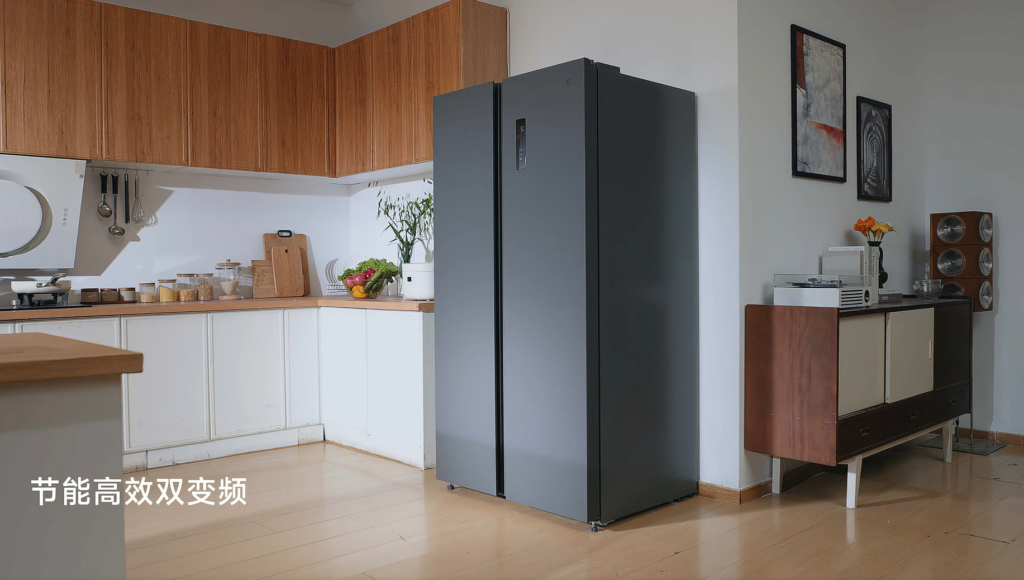
Xiaomi has launched a new Mijia 636L side-by-side refrigerator in China. The company has priced it at 1,899 yuan ($272), with a launch offer that reduces the price to 1,799 yuan ($258). Sales will begin on January 15. The new model serves as an upgrade to the earlier 610L version, which launched at the same price point.

Xiaomi Mijia 636L Refrigerator

Xiaomi Mijia 636L Refrigerator Specifications

The refrigerator features a total capacity of 636 liters. The fridge compartment offers 394L of space, while the freezer provides 242L. Xiaomi targets large families with this model, positioning it as a solution that can store two weeks’ worth of food.

The internal design includes 18 storage zones with adjustable glass shelves, deep door racks that support dual-row bottle placement, and large drawers. The door can open up to 90 degrees, allowing full access even when placed near a wall.

Xiaomi has added a full-area silver ion antibacterial and deodorization system that works in both the refrigerator and freezer compartments. The company claims a 99.99% antibacterial rate against common bacteria such as E. coli and Staphylococcus aureus, along with a 99% deodorization rate to help prevent odor transfer between stored foods. The system also meets a zero-grade mold resistance standard.

The refrigerator uses a 360-degree surround air circulation system with frost-free air cooling to ensure even temperature distribution across compartments. It supports fast freezing of up to 10 kilograms in 12 hours, which Xiaomi says helps preserve the texture and nutritional value of meats.

Xiaomi Mijia 636L Refrigerator

Its dual-inverter setup regulates the variable-frequency compressor and fan, while four built-in temperature sensors continuously monitor conditions to minimize fluctuations and maintain stable cooling.

The new model carries a Grade 1 energy efficiency rating and consumes only 0.95 kWh per day. It operates at a noise level of 34 dB, which is slightly quieter than the 36 dB level of the previous version. Xiaomi includes a 10-year warranty on the compressor.

The Mijia 636L supports smart features through the Mi Home app. It offers to adjust temperatures remotely, switch cooling modes, install OTA updates, and use voice commands through Xiao Ai-compatible devices.

In related news, Xiaomi has recently launched its flagship electric shaver featuring dual-ring stainless steel blades and a battery life rated at up to 95 days. The company has also introduced its most expensive ceiling light to date, offering up to 10,000 lumens of brightness, eye protection features, and HyperOS support.

For more daily updates, please visit our News Section.

Stay ahead in tech! Join our Telegram community and sign up for our daily newsletter of top stories! 💡

(JD)

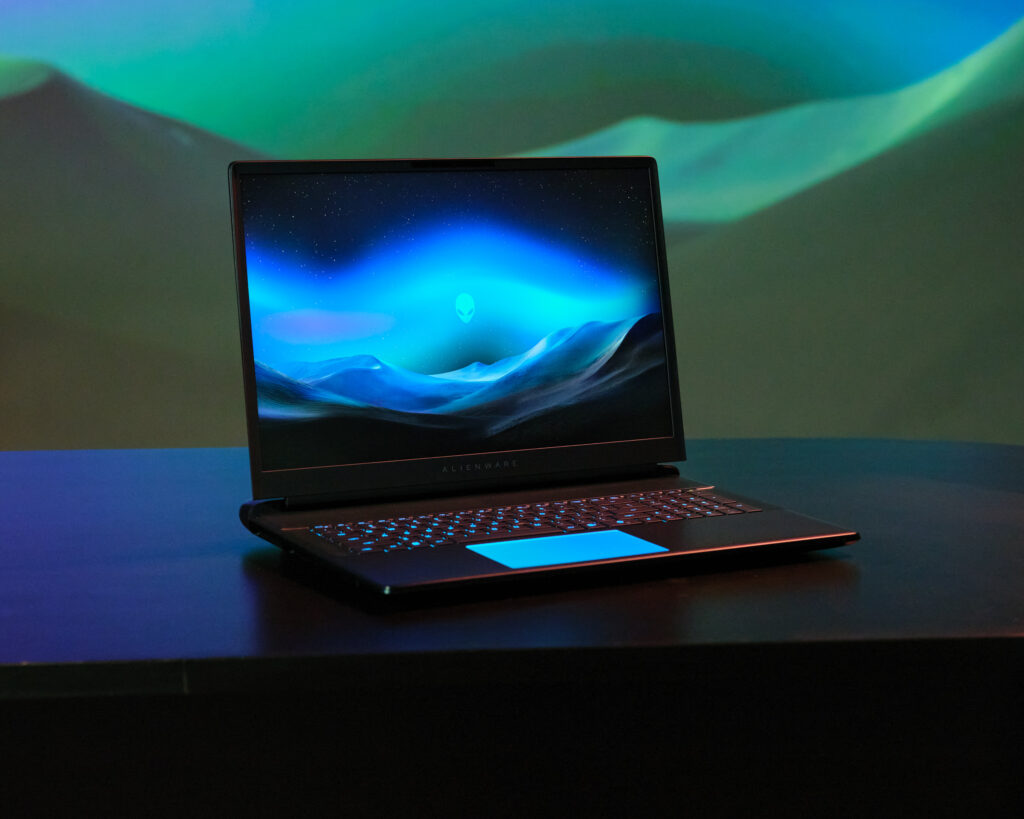
Alienware Launches New Area-51 Gaming Laptops With RTX 5090, 240Hz OLED Displays, and Cryo-Chamber Cooling

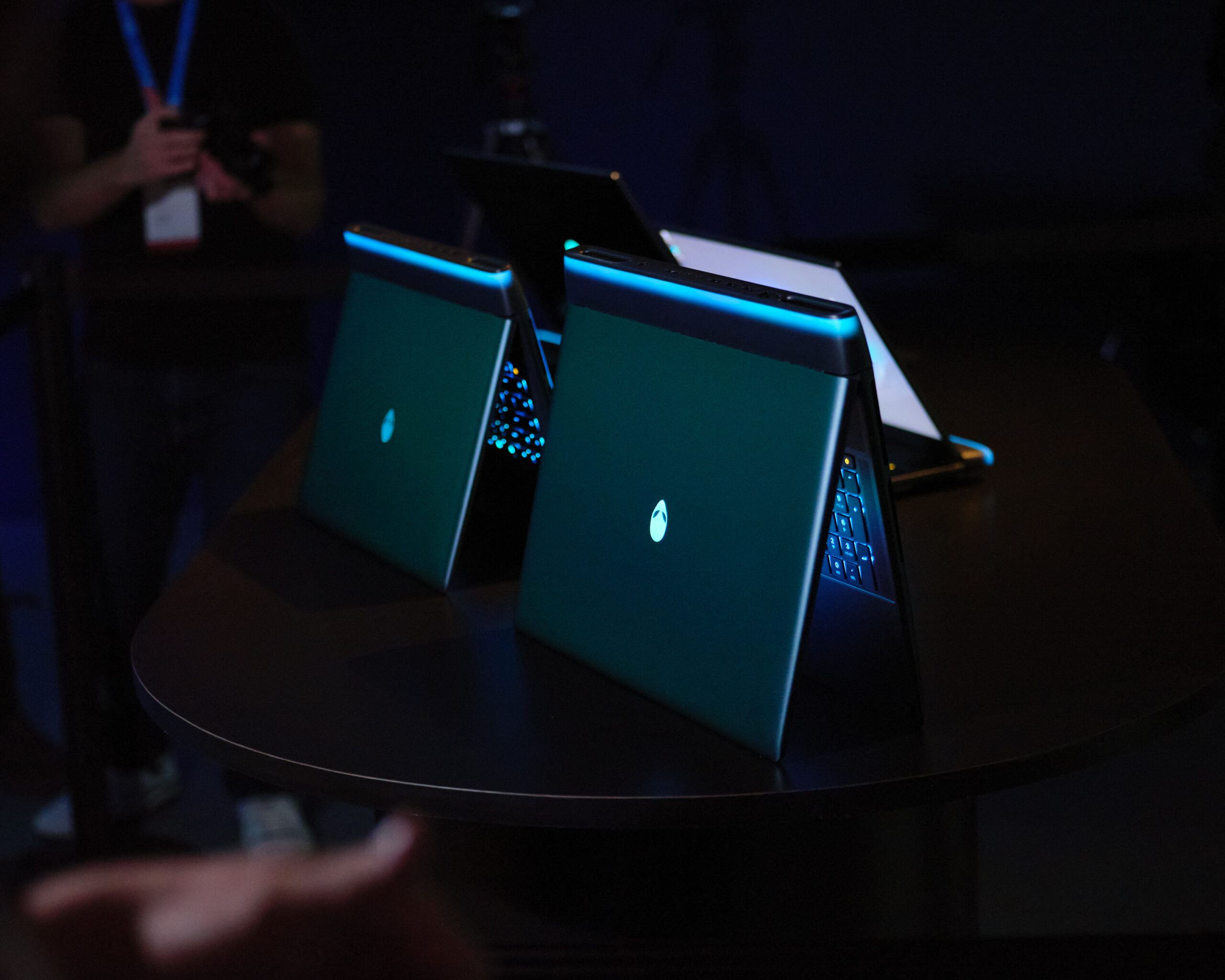
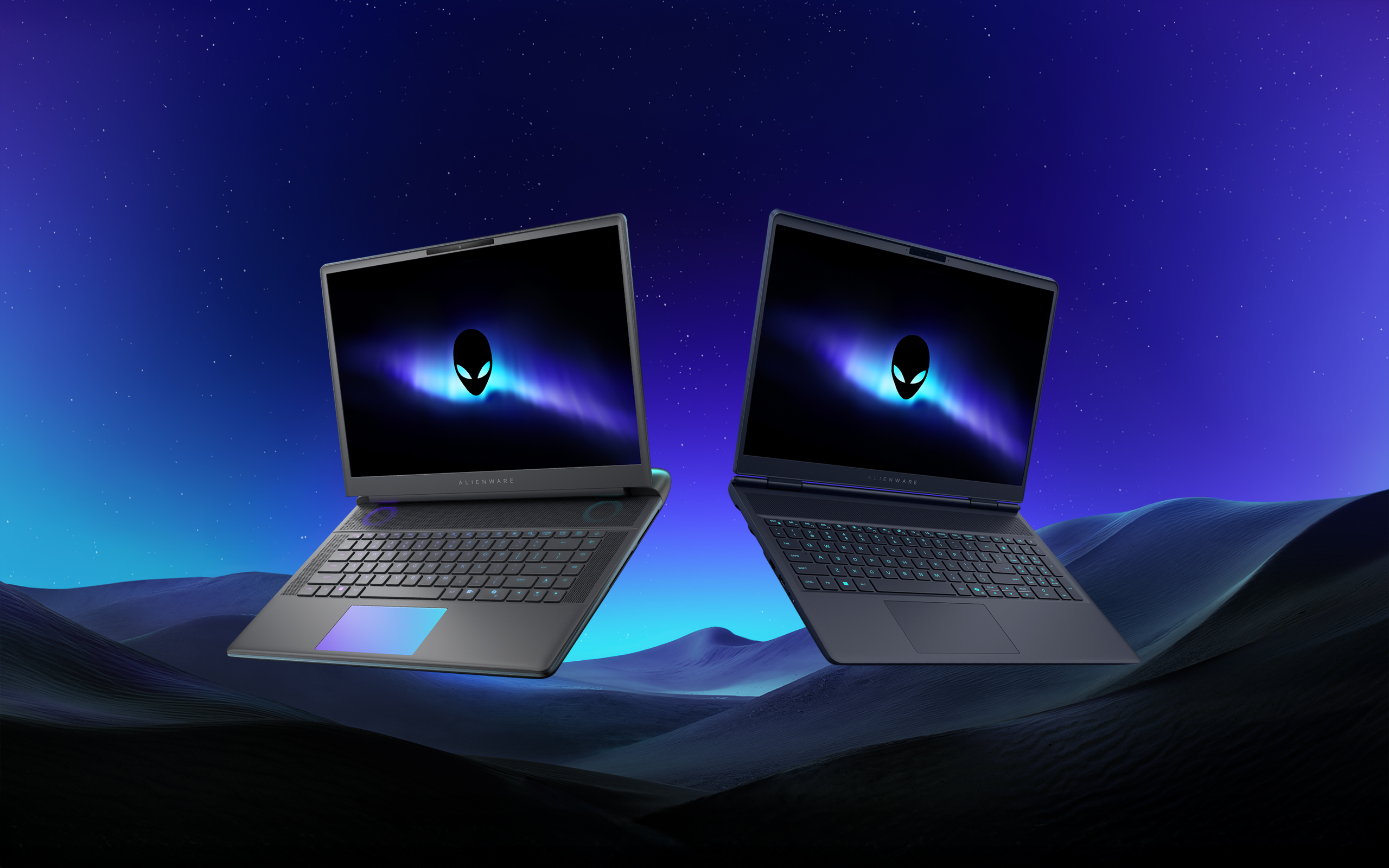
At CES 2026, Alienware announced a complete refresh of its gaming laptop lineup. The company brought back the Area-51 name with 16-inch and 18-inch models and introduced the Alienware 16X Aurora, a thinner and lighter gaming laptop. All three models run on Intel Core Ultra 200HX processors and NVIDIA GeForce RTX 50-series laptop GPUs.

Alienware 16 Area-51

The Alienware 16 Area-51 and Alienware 18 Area-51 are the top-tier models. Both use Alienware’s new Alienware 30 design and have an anodized aluminum chassis in Liquid Teal. The 16-inch model is the first Alienware gaming laptop with an anti-glare OLED display. The screen is a 16-inch WQXGA OLED panel at 2560 x 1600 resolution with a 240Hz refresh rate, 0.2ms response time, 120 percent DCI-P3 color volume, VESA DisplayHDR True Black 500 certification, ClearMR 9000 rating, and up to 620 nits of HDR peak brightness. The anti-glare coating cuts reflections by up to 32 percent. The display supports NVIDIA G-SYNC, ComfortView Plus, and Advanced Optimus.

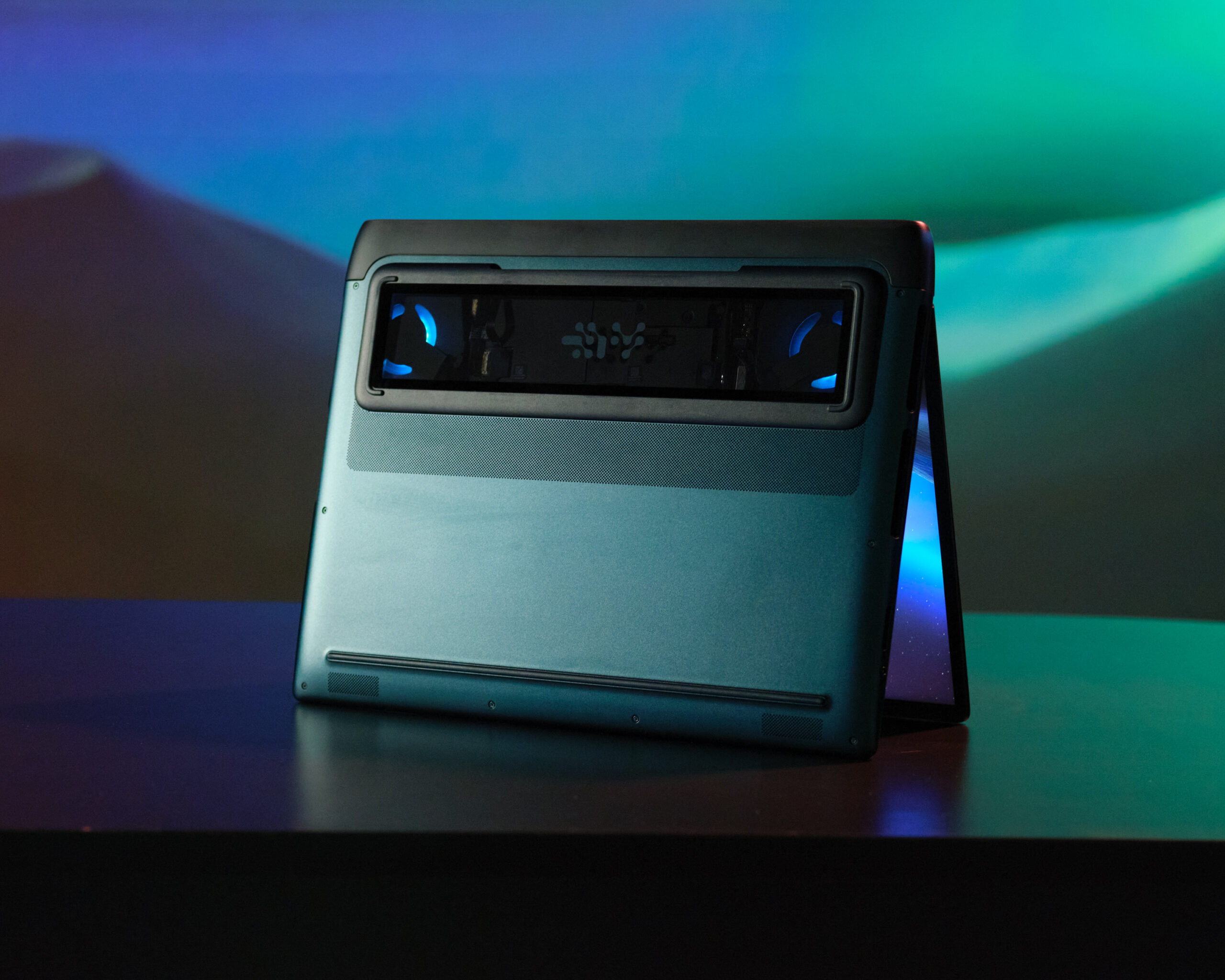
Both Area-51 models use a new Cryo-Chamber thermal system. The 16-inch model handles up to 240W of gaming power, while the 18-inch model handles up to 280W. Airflow is up 35 percent and fan noise is down 15 percent compared to the previous generation. Configurations with RTX 5070 Ti GPUs and higher get vapor chamber cooling. GPU options include the RTX 5070 Ti with 12GB GDDR7, RTX 5080 with 16GB GDDR7, and RTX 5090 with 24GB GDDR7. Memory goes up to 64GB DDR5, with XMP support on select configurations. Storage goes up to 12TB using RAID 0.

The Alienware 18 Area-51 has an 18-inch WQXGA LCD display with a 300Hz refresh rate, 3ms response time, 100 percent DCI-P3 coverage, 500 nits of brightness, and NVIDIA G-SYNC with Advanced Optimus. It includes a full-size SD card slot, Thunderbolt 5 support depending on GPU, 2.5Gbps Ethernet, Wi-Fi 7, and a 96Whr battery with a 360W GaN adapter. The maximum weight is 4.34kg.

The Alienware 16X Aurora is built for people who want high-end gaming in a more portable laptop. It weighs 2.66kg and is 19.2mm thick at the front. It uses the same 16-inch WQXGA anti-glare OLED panel with a 240Hz refresh rate and 0.2ms response time. CPU options range from the Intel Core Ultra 5 235HX to the Core Ultra 9 275HX. GPU options include the RTX 5060 and RTX 5070 with up to 130W Dynamic Boost. It supports up to 64GB DDR5 memory, dual NVMe SSDs with RAID 0, Wi-Fi 7, Thunderbolt 4, HDMI 2.1, and a 90Whr battery.

Alienware also said it will expand the lineup later in 2026. This includes a new ultra-slim gaming laptop around 17mm thick in 14-inch and 16-inch sizes, and a new entry-level gaming laptop for first-time buyers. More details will come closer to launch. The Alienware 16X Aurora, Alienware 16 Area-51, and Alienware 18 Area-51 will be available globally in Q1 2026. Pricing will be announced closer to availability.

For more daily updates, please visit our News Section.

Stay ahead in tech! Join our Telegram community and sign up for our daily newsletter of top stories! 

Vivo rolls out OriginOS 6 (Android 16) update to Vivo V40

Vivo V40 5G OriginOS 6 update

As promised, Vivo has released the OriginOS 6 update for the Vivo V40 users. This Android 16-based major upgrade is currently being rolled out to a limited number of users through a trial program and will soon be available to all users via a stable release.

The OriginOS 6 update for Vivo V40, as reported by users, comes with the firmware version PD2363BF_EX_A_16.2.6.15.W30 and has a massive download size of 4.3GB. For such hefty upgrade packages, it’s best to use a Wi-Fi connection.

Vivo V40 5G OriginOS 6 (Android 16) update

Again, this isn’t a stable OriginOS 6 release for Vivo V40 users. It’s currently rolling out to those opting for the trial build instead. If you’re rocking a Vivo V40 and are willing to get early access to the latest features, navigate to Settings > About Phone > System updates > version Trial > Trial version > download and install. Ensure your device is charged to at least 40% for a smoother installation. Additionally, you can back up important data in case anything goes wrong during the firmware installation, although that is rare.

Related: List of Vivo, iQOO devices getting the OriginOS 6 update

After upgrading to OriginOS 6, users will notice a bunch of visual upgrades, new features, and improvements throughout the system. There’s a new Origin Island for real-time updates, a redesigned Control Center with an improved notification center, improved lighting effects, and new system fonts for better readability. The lock screen receives new clock styles, enhanced layout controls, and additional widgets. OriginOS 6 also includes numerous under-the-hood changes, resulting in faster app launches, smoother animations, improved multitasking, and optimized battery efficiency.

The Vivo V40 arrived in 2024 running Android 14 out of the box, which means Android 16 is the second major OS upgrade for the smartphone. It will also receive Android 17, but that will be the final OS upgrade for the Vivo V40. However, it will continue to receive security updates for an additional year, at least.

Be sure to visit the Vivo section regularly for the latest information. If you prefer your news instant and on-the-go, hop into our Telegram channel for rapid-fire software updates and all the biggest tech headlines.

OnePlus Nord CE 5 Update Adds Video Editing Tools and January Security Patch

OnePlus is rolling out OxygenOS 16.0.2.400 for the Nord CE 5 in India. The update targets device model CPH2717_16.0.2.400(EX01) and is currently reaching a small group of users before wider release.

OnePlus Nord CE 5

Photos and Video Tools Get Better

The Photos app now automatically straightens portrait and architectural photos when you crop or rotate them. Video editing adds several new tools: cutting, splitting, stitching multiple clips, adding music and text, adjusting playback speed, and cropping.

You can filter photos and videos by Motion Photo, Screenshots and screen recordings, or Edited items. Thumbnails load faster thanks to improved processing.

Easier Navigation and Customization

Storage cleanup tools are now accessible directly from Smart Sidebar. After resizing app icons and adding shortcut icons, you can drag and drop them to rearrange their position. This works for app clone icons too.

Circle to Search works better in gesture navigation. You can activate it by holding the area where the gesture bar usually appears, even when it’s hidden.

Security Updates

The update includes the January 2026 Android security patch. Private Safe now lets you edit images and videos without unlocking them first.

Phone Manager will ask if you want automatic blocklist updates over Wi-Fi and mobile data. Enabling this keeps the blocklist current and improves threat detection.

Who Can Install This Update

Only users already on OxygenOS 16 can get this update. If you’re still using OxygenOS 15, you need to upgrade to OxygenOS 16 first. The rollout starts with a small percentage of users today. A broader release will begin in a few days.

For more daily updates, please visit our News Section.

Stay ahead in tech! Join our Telegram community and sign up for our daily newsletter of top stories!

Motorola Introduces Moto Pen Ultra for Foldables and Moto Tag 2 Item Tracker

At CES 2026, Motorola has announced two new accessories, the moto pen ultra and the moto tag 2, expanding its ecosystem with tools focused on mobile productivity and item tracking.

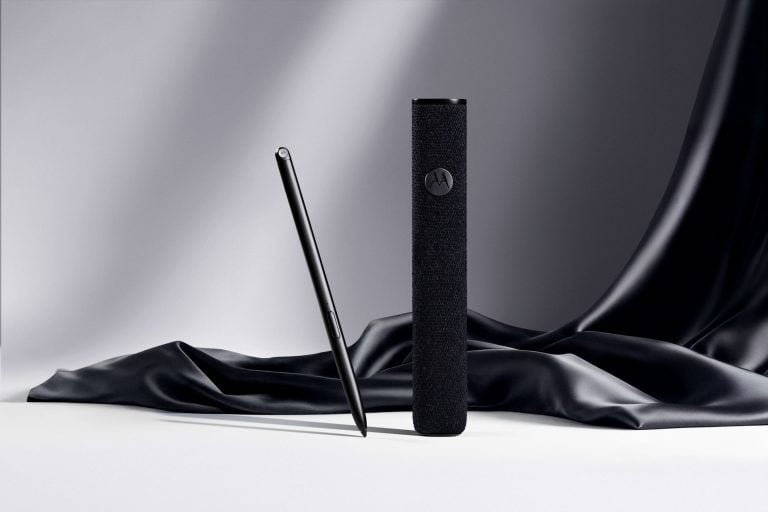
Moto pen ultra

The moto pen ultra is built to turn the Motorola Signature and Motorola Razr Fold into portable workstations. It features an ultra-fine tip that supports precise writing, signing, drawing, and text extraction. Pressure sensitivity allows line thickness to change based on touch intensity, while tilt detection enables shading and texture effects. Palm rejection ensures smooth input even when the user’s hand rests on the display.

motorola pen ultra

The pen includes several AI-powered features aimed at everyday workflows. Quick Clip lets users highlight on-screen content and save it directly into notes. Speed Share suggests contacts for fast sharing. Sketch to Image converts rough drawings into polished visuals. Circle to Search with Google allows users to search for objects or text by circling them on the screen. A quick access toolbar offers tools like brush selection, magnification, and workflow customization.

Motorola includes a carrying case with the moto pen ultra that also acts as a battery backup, enabling all-day use. The accessory is aimed at mobile-first designers, artists, and productivity users who want desktop-level precision on foldable and large-screen phones.

The moto pen ultra will launch in spring across Europe, the Middle East, Africa, Latin America, and Asia-Pacific. North American availability will follow later.

Moto tag 2

The moto tag 2 is Motorola’s latest item tracker, combining Ultra-Wideband and Bluetooth Channel Sounding technology. UWB enables precise distance and direction tracking, while Bluetooth Channel Sounding improves indoor location accuracy. The tracker integrates with Google’s Find Hub network, which spans over one billion devices, and requires Android 9 Pie or higher.

motorola tag 2

Battery life exceeds 500 days, and the battery is user-replaceable. The tag carries an IP68 rating for water and dust resistance. A built-in button can ring a connected phone even when it is on silent mode and can also be used as a remote camera shutter. Users can share tag locations with approved contacts, with all location data remaining encrypted.

For safety, the moto tag 2 sends alerts if an unknown tag is detected moving with a user. Location access is limited to the owner unless explicit permission is granted.

Pricing for the moto tag 2 starts at €39. It will be available in Europe, the Middle East, Africa, Latin America, and Asia-Pacific in the coming weeks. North American launch details will be shared at a later date.

For more daily updates, please visit our News Section.

Stay ahead in tech! Join our Telegram community and sign up for our daily newsletter of top stories!

Motorola expands Android 16 beta program to 8 more devices

Motorola Android 16 beta program

Motorola has opened access to the Android 16 beta program for eight additional devices. The list includes several high-end Razr models, a few Edge series phones, as well as a budget Moto G phone. The ThinkPhone 25 also joins the beta party.

The company announced the Android 16 beta program for these devices via multiple posts on the official forum, as spotted by Ytechb. Check the list below to find out if your Motorola phone is eligible for early access to Android 16.

If you own any of these Motorola smartphones and that you’re currently living in a supported region, you can apply for the Android 16 beta testing and get early access to the latest features and enhancements.

Here’s how to sign up for Motorola’s Android 16 beta testing program

  1. Create an account on Motorola’s community website (if you haven’t already).
  2. Visit the profile page and update your IMEI or serial number (SN) details.
  3. Opt in for MFN on your Motorola community profile.
  4. Always ensure that your phone is running the latest software.
  5. Go to the MFN Beta Testing Opportunities page to see a testing opportunity for your Motorola device.
  6. Tap on the registration link for your Motorola phone.
  7. Fill in the required details and submit your application.

Motorola may send updates regarding your beta application to your email. So, make sure to check your emails regularly. Also, check your spam/junk folder.

Once your application gets approved, Motorola will soon send the beta update to your device. To check for available updates, go to Settings > System updates and tap “Check for updates.”

The Android 16 beta for Motorola devices weighs over a gigabyte, so ensure that the device has sufficient storage. Also, make sure that it’s charged to at least 30% for a smoother upgrade to Android 16.

What’s new in Android 16 for Motorola devices?

The latest update brings a new Android OS, but don’t expect to see major design changes or exciting new features. That said, there are still several notable upgrades, including a new Notification cooldown feature that reduces the volume of incoming notifications when receiving too many notifications from the same app within a short time span.

The Android 16 update brings Do Not Disturb, Bedtime, and Driving modes in Settings > Modes. You can also create custom modes tailored to your specific needs. It also introduces a new feature that allows your Motorola device to connect to the hotspot of another device without entering the password, provided they are logged into the same Google account.

The hearing aids now work better with Motorola devices, allowing users to choose whether to use the hearing aid’s microphone or the phone’s microphone during voice calls. Users can also adjust the volume of ambient sound captured by the hearing aid’s microphone.

Additionally, the update enhances protection against evolving threats, improves compatibility with newer apps, and optimizes for smoother performance.

You can regularly visit the Motorola section on Gizmochina to stay up-to-date with the latest news and developments. Or, if you prefer instant updates, don’t forget to join our Telegram channel.

Smartphone Camera Scores Explained: Are DxOMark Rankings Really Reliable?

If you’ve shopped for a smartphone with a good camera recently, chances are you’ve checked out the DxOMark camera score of the device. In the recent past, you might have seen these scores slapped on its spec sheet or marketing materials. These numbers promise a quick snapshot of how a phone performs behind the lens, and for many, this sets an expectation for camera quality. But should these DxOMark scores really impact your purchasing decision?

1. How DxOMark actually scores smartphone cameras

DxOMark began as an independent image quality lab focused on testing cameras and lenses, and it expanded its protocols to evaluate smartphone cameras using extensive testing parameters. While the firm had tested out the camera systems of handsets back in the early 2010s, Google’s first Pixel launch brought DxOMark to the mainstream. This announcement kicked off a trend of all premium phones being tested on the platform.

Their scoring combines real-world testing and lab evaluations to measure photo and video quality under a wide range of scenarios. A typical DxOMark camera test involves hundreds of images and minutes of video across various conditions, from bright outdoor scenes to low light. The devices being tested use default settings to mirror a typical user experience. From these tests, individual sub-scores (Photo, Video, Zoom, and Bokeh) are generated and then combined into an overall score that aims to represent general imaging performance.

DxOMark also introduced the concept of trustability, which measures not just peak performance in isolated scenes but how consistently a camera performs across a broad range of conditions. This includes conditions like low light, motion, HDR, and more, to help separate the devices that perform very well in simple lab scenes but fail in everyday shooting.

2. Why DxOMark scores are valuable

DxOMark Camera Samples Comparison

One of the biggest advantages of such camera testing is the standardization and consistency. DxOMark helps remove the subjectivity of your typical online reviews and provides scores and performance metrics directly comparable across smartphones from different brands. This allowed users to spot the relative photography differences between camera systems.

Furthermore, DxOMark doesn’t just test one aspect of camera quality. It even evaluates exposure, color, autofocus, noise, texture, stabilization, and more, giving an in-depth view of imaging ability that many single reviewers don’t capture. These scores also helped identify trends in camera performance over generations of hardware. So whenever a new sensor or chipset dropped, people can see measurable gains across a smartphone lineup.

3. Why you shouldn’t rely solely on scores

Just like megapixel counts in camera sensors, numbers don’t capture the entire picture. A high DxOMark score might reflect excellent technical performance in controlled conditions, but that doesn’t guarantee practical satisfaction. Real-world photography often includes dynamic subjects, spontaneous moments, and unpredictable lighting. These are quite difficult to reproduce in controlled tests.

DxOMark periodically updates its scoring methodologies, so results from different generations aren’t always directly comparable. So a high score from one year might not mean the same thing as a similarly high score from another year. Among tech enthusiasts and photographers, there’s a mix of opinions on how closely DxOMark reflects real life camera performance. While it is still useful as a relative reference, it might miss nuances in everyday shooting, subjective taste, or the deeper camera experience.

4. Should you trust DxOMark when choosing a phone?

The short answer is yes, but context is key here. DxOMark scores can be a helpful starting point, especially if you want a broad, objective comparison between smartphone cameras. They’re especially useful for spotting large performance gaps with various sample shots across different shooting conditions. However, relying only on the overall score can be misleading. Smartphone photography is as much about style and preferences as it is about raw technical numbers. It makes more sense from an enthusiast and professional standpoint, but this doesn’t always translate well in real world use.

For more daily updates, please visit our News Section.

Don’t miss a thing! Join our Telegram community for instant updates and grab our free daily newsletter for the best tech stories!

This gaming brand is copying Apple to launch an “Air” phone, but the specs are heavy

RedMagic, a brand best known for gaming phones with unapologetically extreme specs, is stepping into the thin-phone conversation with the RedMagic 11 Air.

Red Magic 11 Air Launch teaser

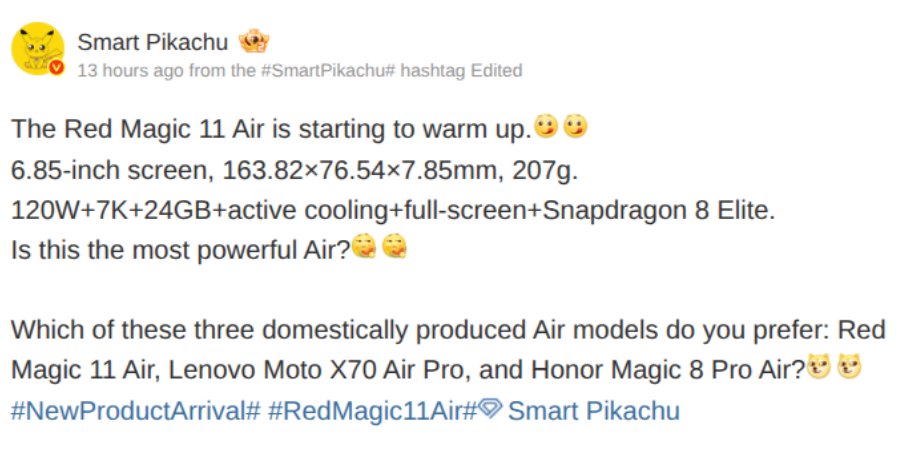
The company officially shared the first teaser today, confirming the name. But what exactly should you expect from an ultra-light phone made by a gaming-focused brand? Thanks to tipster Smart Pikachu on China’s Weibo, we already have a near-complete picture of the specs.

Red Magic 11 Air Specifications (Rumored) 

According to the leak, the device is built around a 6.85-inch OLED display and is powered by last year’s Snapdragon 8 Elite chipset. The latter has, in fact, been confirmed via its Geekbench appearance, where it scored 3075 points in single-core and 9934 in multi-core tests. As for the battery, it packs a 7,000mAh cell with 120W fast-charging support.

All of these specs are what you would expect from a regular, decently weighted smartphone: a big display, a top-tier chip, and a large battery. It also seems that the Red Magic 11 Air is a regular smartphone disguised with an “Air” moniker.

The tipster suggests that the phone will be 7.85mm thick and weigh 207 grams. That aligns more with a standard slab phone than the slim iPhone Air, which weighs just 165 grams and measures 5.6mm thick.

The only justification we can think of is that Red Magic’s regular phones are even more heavily specced and heavier, so the 11 Air counts as a thin smartphone by the company’s standards.

Additionally, the Red Magic 11 Air could pack up to 24GB of RAM and will also include a built-in active cooling system to keep thermals under control.

For more daily updates, please visit our News Section.

Stay ahead in tech! Join our Telegram community and sign up for our daily newsletter of top stories.
(Via)

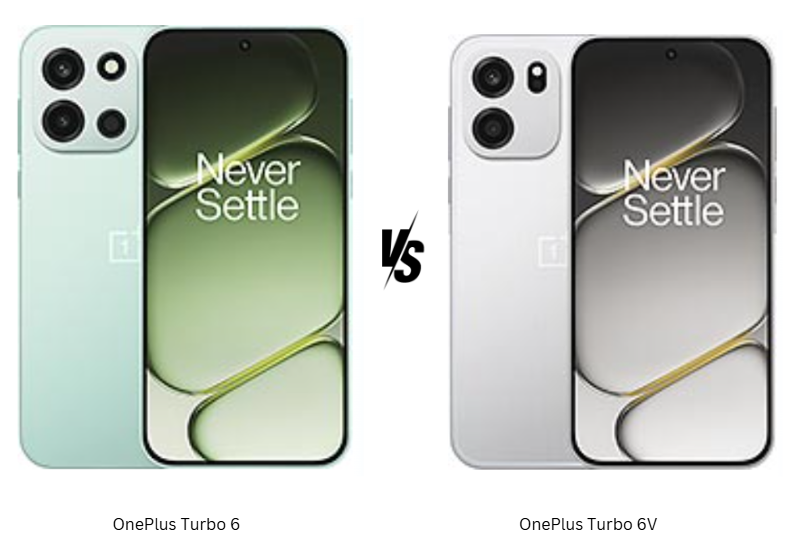
OnePlus Turbo 6 vs Turbo 6V: Almost Same, But For $50 Difference, Which One Is Best For You?

Choosing between the OnePlus Turbo 6 and Turbo 6V is interesting because they look almost identical on paper, yet target very different users in real life. Both phones share the same rugged build, massive battery, and modern software, but OnePlus has quietly split them into a performance-first option and a value-driven alternative. 

The challenge is figuring out whether the extra power and smoother display of the Turbo 6 actually matter for everyday use, or if the Turbo 6V already delivers everything most users need for less money. This comparison matters for buyers who want maximum value without missing out, and for power users who want to know if spending more genuinely translates into a better long-term experience.

Major Features:

FeatureOnePlus Turbo 6OnePlus Turbo 6VUpgrade
Display6.78″ AMOLED, 165Hz, HDR Vivid, peak 1800 nits6.78″ AMOLED, 144Hz, no HDR Vivid, peak 1800 nitsTurbo 6 – smoother refresh & richer HDR
ProcessorSnapdragon 8s Gen 4 (higher performance)Snapdragon 7s Gen 4 (efficient)Turbo 6 – stronger performance
Storage TypeUFS 4.1 (faster)UFS 3.1 (slower)Turbo 6 – faster storage
RAM OptionsUp to 16GBUp to 12GBTurbo 6 – higher max RAM
Camera (Main)50MP, OIS, stronger processing50MP, OISTurbo 6 – slightly better HDR/video processing
Selfie Camera16MP16MPTie – identical experience
Battery9000 mAh, same speeds9000 mAh, same speedsTie – identical battery tech
Charging80W wired + reverse wired80W wired + reverse wiredTie – identical charging features
Build & DurabilityIP68/IP69KIP68/IP69KTie – same rugged build
Value for MoneyAround $350Around $300Turbo 6V – better price value
Best ForPower users, smoother display, heavy gamingValue buyers, daily users

1. Design and Display

Build and Feel

Both phones share the same design philosophy, durability focus, and IP68/IP69K protection, making them equally tough for daily use and rough conditions. The overall feel is solid and reassuring on both models, with no compromise in build quality on the cheaper Turbo 6V. However, the Turbo 6 feels more premium in intent, clearly positioned as the higher-tier option. The Turbo 6V mirrors almost everything physically, making it impressive for its price, but branding and positioning still give the Turbo 6 a more flagship-oriented appeal.

Display Quality

The Turbo 6 clearly leads with its 165Hz AMOLED panel and HDR Vivid support, delivering smoother animations and better HDR video playback. The Turbo 6V’s 144Hz AMOLED display still looks sharp and vibrant, but lacks the extra smoothness and HDR depth. For everyday scrolling, the difference is subtle, yet gamers and content consumers will notice the Turbo 6 feels more fluid and immersive.

Verdict

Turbo 6 suits users who want the best display experience, while Turbo 6V offers excellent visuals at a lower cost.

2. Specifications 

Performance

The Turbo 6’s Snapdragon 8s Gen 4 delivers flagship-level performance, faster storage speeds, and better long-term reliability under heavy workloads. It handles gaming, multitasking, and demanding apps with ease. The Turbo 6V’s Snapdragon 7s Gen 4 is tuned for efficiency, performing smoothly for daily tasks and casual gaming, but it does not match the raw power or future-proofing of the Turbo 6. The difference becomes noticeable during extended gaming or intensive multitasking.

Battery and Charging

Both phones use the same large silicon-carbon battery and identical fast-charging support. Battery life is excellent on both, easily lasting a full day or more. The Turbo 6V may feel slightly more efficient due to its mid-range chipset, but charging speeds and convenience remain identical.

Verdict

Turbo 6 is better for power users, while Turbo 6V is ideal for balanced everyday performance with excellent battery life.

3. Camera

Main and Secondary Lenses

Both phones feature similar 50MP main cameras with OIS, delivering sharp and reliable photos in good lighting. The Turbo 6 benefits from stronger image processing, resulting in better HDR consistency and smoother high-frame-rate video recording. The Turbo 6V still performs well for casual photography but feels more tuned for reliability than creative flexibility.

Selfie Camera

The selfie cameras are nearly identical, offering consistent results for video calls and social media. Differences are minimal and unlikely to influence buying decisions.

Verdict

Turbo 6 is better for video-heavy users, while Turbo 6V comfortably handles everyday photography needs.

4. Pricing

OnePlus Turbo 6 is priced at around $350, offering flagship-level performance, faster storage, and a more advanced display. It targets users who want long-term performance and smoother visuals.

OnePlus Turbo 6V comes in at around $300, retaining the same durability, battery, and camera hardware while cutting costs on performance and display features. It delivers strong value without obvious compromises in daily use.

Verdict 

Turbo 6 justifies the extra cost for performance-focused buyers, while Turbo 6V is the smarter value pick for most users.

Disclaimer:
Prices are approximate and may vary based on country, region, and applicable taxes.

5. Conclusion

The Turbo 6 stands out with its high-end chipset, 165Hz HDR display, and faster storage, making it ideal for gaming and heavy multitasking. The Turbo 6V focuses on efficiency, offering the same battery size, durability, and core experience at a lower price. Both phones deliver modern connectivity, strong speakers, and clean software.

Verdict

Choose the OnePlus Turbo 6 for maximum performance and display smoothness. Choose OnePlus Turbo 6V for better value, excellent battery life, and a reliable, premium-feeling smartphone at a lower price.


Read More:

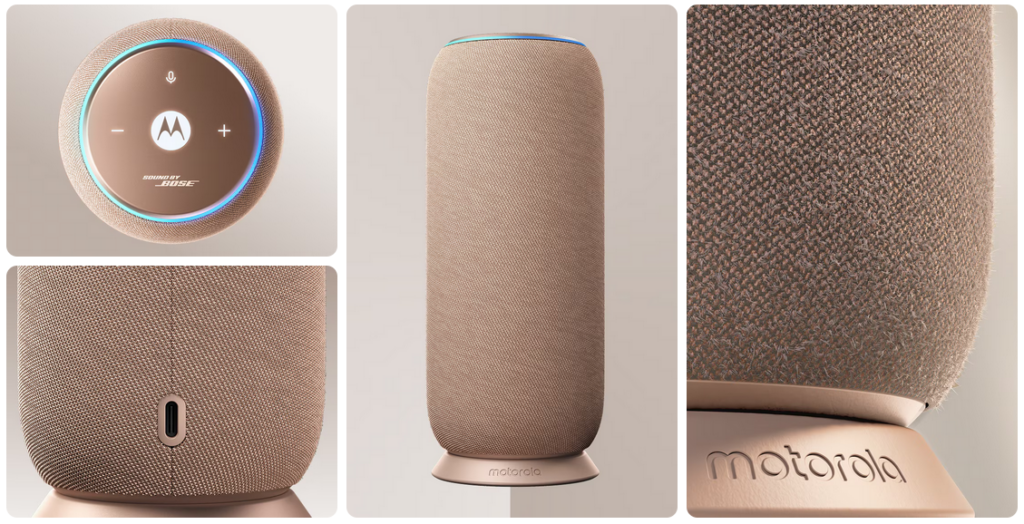
Motorola Launches moto sound flow, Its First Portable Speaker with Bose Tuning

Motorola is stepping into the portable speaker space with the launch of the moto sound flow, revealed at CES 2026. This is Motorola’s first standalone portable speaker, aimed at users who want solid sound performance along with smart features that work smoothly with their phones.

The moto sound flow is tuned with Sound by Bose and pushes 30W of output. Inside, it uses a dedicated woofer and tweeter, supported by dual passive radiators. The result is clean vocals, defined highs, and bass that holds up even when the volume is pushed. This is not positioned as a party-only speaker but as something that works just as well for everyday listening at home.

Battery life is handled by a 6000mAh battery, which Motorola says is built for long listening sessions without frequent charging. The speaker also carries an IP67 rating, making it resistant to dust and water. That makes it practical for outdoor use, travel, or placing near water without worry. Design is another focus area, with a twill-textured fabric finish and two Pantone-curated colors: PANTONE Carbon and PANTONE Warm Taupe.

What sets the moto sound flow apart is its use of ultra-wideband technology. When a compatible phone comes close, the speaker can automatically switch ongoing music or calls without manual pairing. If two speakers are used together, the Dynamic Stereo feature adjusts left and right channels based on where the phone is positioned, keeping the stereo image intact.

The companion moto sound flow app adds more smart features. Quick Switch allows gesture-based audio transfer from phones or moto buds. RoomShift moves audio to the nearest speaker as users walk between rooms with a UWB-enabled phone. The app works on both Android and iOS.

Connectivity options include Wi-Fi for home streaming and Bluetooth 5 for wireless use on the go. Pricing starts at €199, with availability planned across Europe, the Middle East, Africa, Latin America, and Asia-Pacific regions in the coming weeks.

For more daily updates, please visit our News Section.

Stay ahead in tech! Join our Telegram community and sign up for our daily newsletter of top stories!

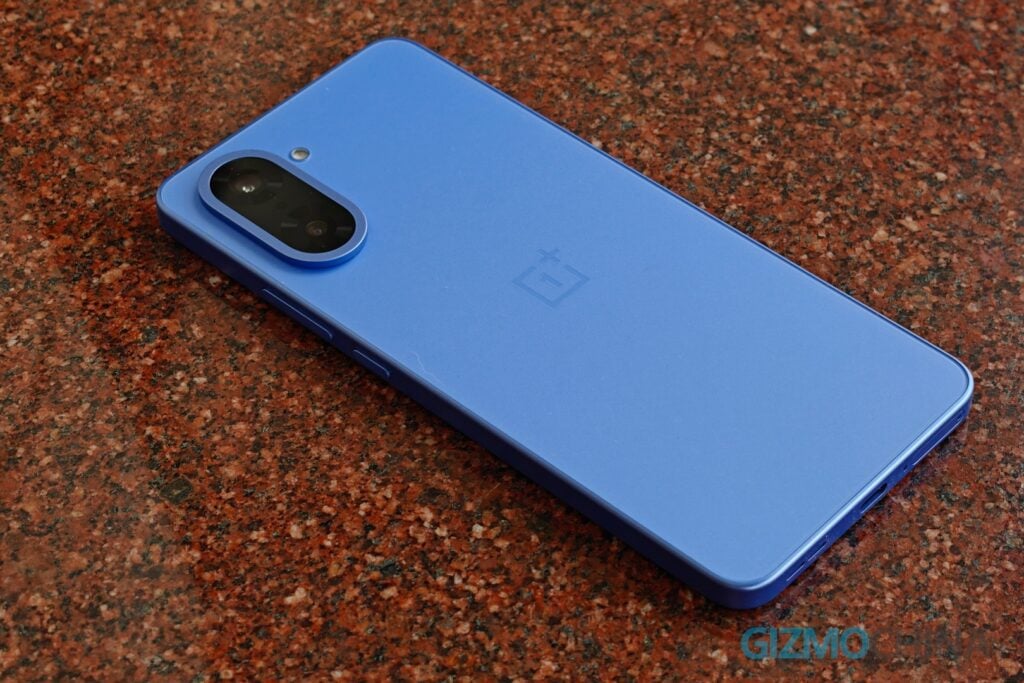
OnePlus Turbo 6 Now Available at $399: Specs, Battery, and Performance

OnePlus Turbo 6 is a powerful smartphone built for users who want speed, smooth visuals, and long battery life. Now available on Giztop with a starting price of just $399, it offers strong value for a high-performance device. Giztop also provides global and express shipping options, making it easy for users worldwide to get their hands on this phone. With a premium display, flagship-level performance, and a massive battery, the OnePlus Turbo 6 is well-suited for gaming, multitasking, and everyday use.

Performance & Software

OnePlus Turbo 6 runs ColorOS 16 based on Android 16, offering a clean, fast, and responsive experience. It is powered by the high-end Qualcomm Snapdragon processor, paired with 12GB or 16GB of LPDDR5X RAM. This setup ensures smooth app launches, lag-free multitasking, and stable performance even during heavy gaming or long usage sessions.

Display & Design

The phone features a 6.78-inch AMOLED display with a sharp 1.5K resolution and an ultra-smooth 165Hz refresh rate. With up to 1800 nits peak brightness and HDR10+ support, the screen looks vibrant and clear even outdoors. An in-display fingerprint sensor adds convenience and security.

Camera Capabilities

On the back, the OnePlus Turbo 6 comes with a 50MP Sony IMX906 primary camera with OIS, supported by a 2MP monochrome sensor. For selfies and video calls, there is a 16MP front camera that captures clear photos and smooth 1080p videos.

Battery & Charging

A huge 9000mAh battery powers the device, easily lasting through long days. Fast SuperVOOC wired charging helps refill the battery quickly, while Ultra Power Saving mode extends usage when needed.


Read More:

Vivo V70 FE, iQOO 15R, iQOO Z11x 5G bag fresh certifications, may launch soon

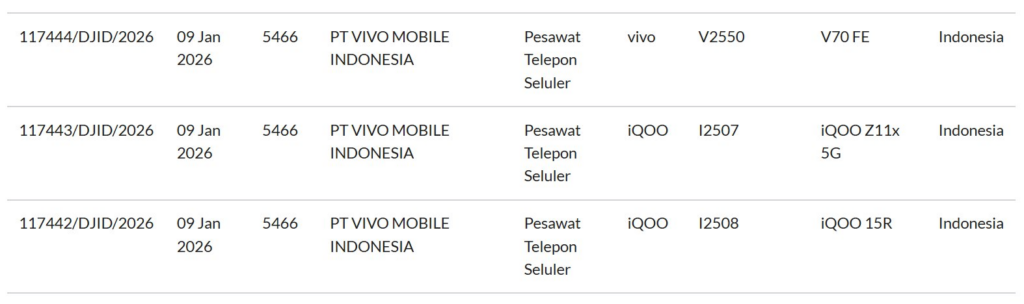
Recently, the iQOO 15R was spotted with model number I2508 at the Bluetooth SIG certification. The said device has now bagged approval from Indonesia’s SDPPI platform. The same platform has also approved a few other devices, as seen in the screengrab below.

Vivo V70 FE, iQOO 15R, iQOO Z11x 5G incoming

Vivo V70 FE, iQOO15R, iQOO Z11x SDPPI listings

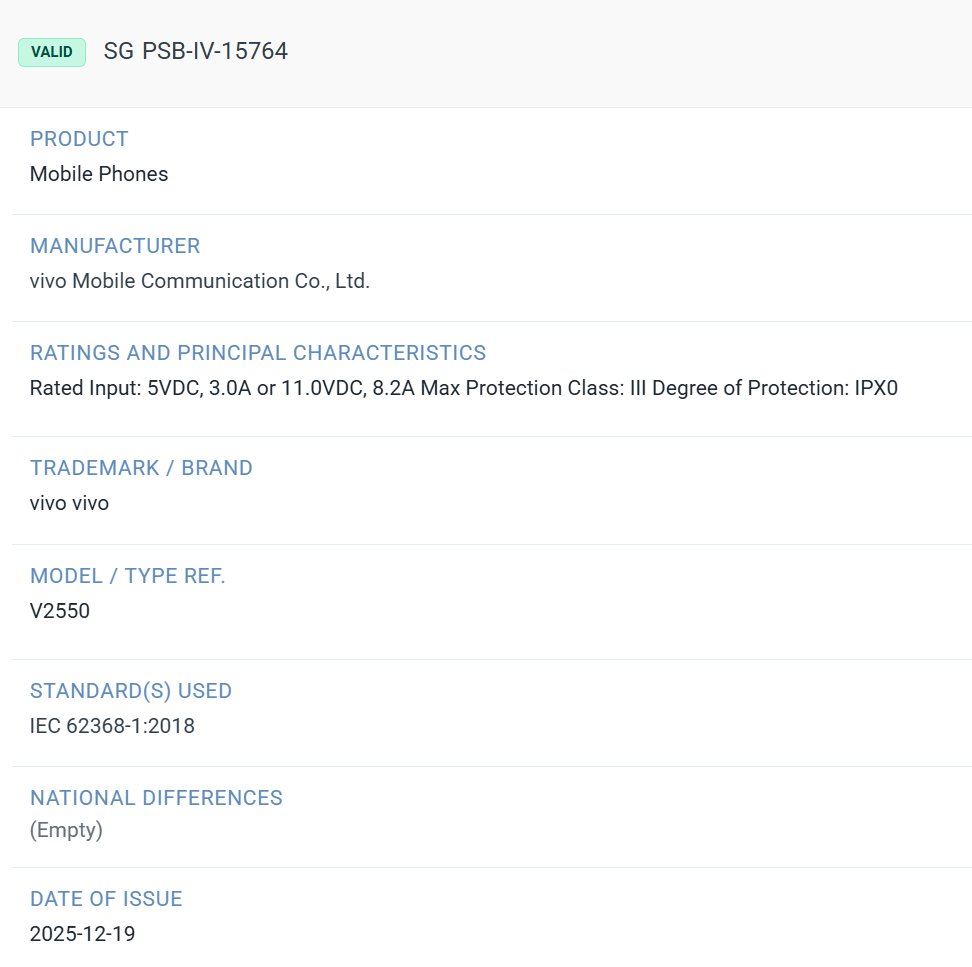
The screenshot reveals that the iQOO Z11x 5G and the Vivo V70 FE, with respective model numbers I2507 and V2550, have been approved by the SDPPI authority. Not only this, TheTechOutlook’s report revealed that these devices have also been spotted on other certification platforms.

The report reveals that the iQOO Z11x 5G has also been approved by India’s BIS and Europe’s EEC authorities. The iQOO 15R has also been spotted on SIRIM (Malaysia), BIS, and EEC platforms.
Vivo V70 FE TUV listing

The Vivo V70 FE has also emerged in the databases of SIRIM (Malaysia), EEC (Europe), and TUV. The above screenshot, which shows the V70 FE’s TUV listing, reveals that it will support 90W fast charging. Apart from this, the certification listings have not revealed anything significant about these phones. Their mere appearance is a good hint that their launch may not be too far away.
At present, there is no information about the specifications of the iQOO Z11x 5G and Vivo V70 FE. As far as the iQOO 15R is concerned, it could be a rebranded version of the iQOO Z11 Turbo, which is scheduled to debut on Jan. 15 in China.

Therefore, the iQOO 15R is expected to feature a 6.59-inch LTPS OLED 1.5K display, a Snapdragon 8 Gen 5 chip, up to 16GB of LPDDR5x RAM, up to 512GB of UFS 4.1 storage, and a 7,600mAh battery. It will feature a 32-megapixel camera on the front and an OIS-assisted 200-megapixel (Samsung HP5) + 8-megapixel dual-camera system.

For more daily updates, please visit our News Section.

Stay ahead in tech! Join our Telegram community and sign up for our daily newsletter of top stories.