Advertisement

Oppo Find N6 full specifications emerge ahead of January 2026

In a recent leak, reliable tipster Digital Chat Station hinted that the Oppo Find N6 foldable phone will be unveiled in January 2026 in China. Nearly a month before the expected launch, DCS is back with a new leak that has revealed almost everything about the Find N6, which is said to debut as 2026’s first foldable phone.

Oppo Find N6 specifications (rumored)
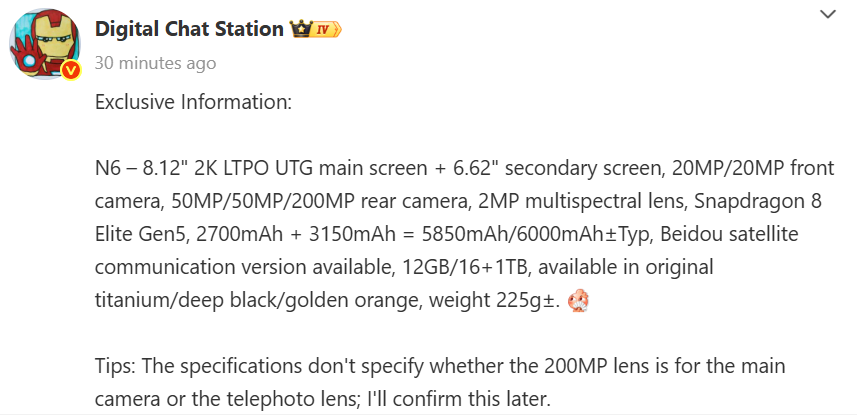
As per the leak, the Oppo Find N6 will feature an 8.12-inch foldable LTPO OLED panel with support for a 2K resolution. On the front, it will have a 6.62-inch cover display, but its resolution has not been specified. Likely, both screens will support a 120Hz refresh rate, and it may run on ColorOS 16 based on Android 16.

Moving on to the optics, the Find N6 is said to have a 20-megapixel camera on the cover screen and another 20-megapixel snapper on the inside. Its rear camera setup will comprise a pair of 50-megapixel cameras, a 200-megapixel camera, and a 2-megapixel multispectral lens. The tipster is unsure whether the 200MP sensor is the main camera of the device.

The Oppo Find N6 will be powered by the Snapdragon 8 Elite Gen 5 chipset. The device will ship with 12GB / 16GB of RAM and up to 1TB of storage. It is said to pack a 6,000mAh battery (typical value), which comprises a 2,700mAh + 3,150mAh = 5,850mAh rated-value dual-cell unit.
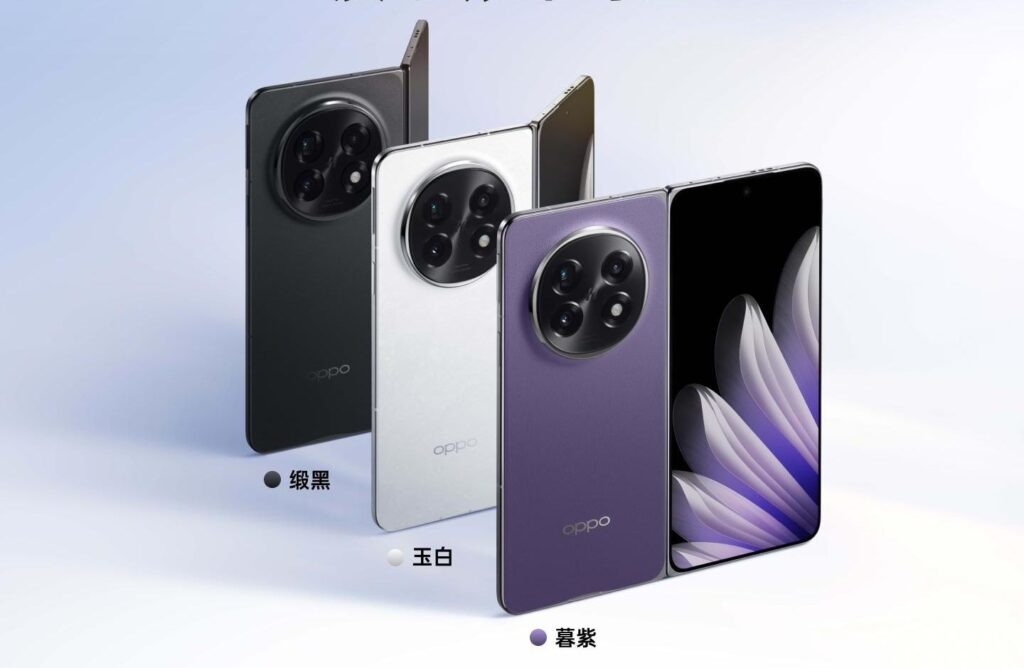
Oppo Find N5
Oppo Find N5

The tipster did not specify the fast-charging capabilities of the Oppo Find N6. He further revealed that the device will support satellite communication and will be available in three shades: Titanium, Deep Black, and Golden Orange.

The same source previously revealed that the Find N6 has other features, such as wireless charging, a side-facing fingerprint sensor, a Sony LYT-808 main camera, and the Plus Key. At present, there is no information about the availability of the Find N6 in markets outside China. However, a recent report has suggested that India could be one of the markets that will receive the N6.

For more daily updates, please visit our News Section.

Stay ahead in tech! Join our Telegram community and sign up for our daily newsletter of top stories.
Xiaomi Resolves 11 HyperOS Bugs While Fixing Redmi Note 14 Battery and Camera Problems

Xiaomi has released its weekly HyperOS bug tracker, revealing ongoing problems with automatic shutdowns and camera malfunctions affecting multiple devices.

Problems Still Being Fixed

The Redmi Note 14 and Redmi Note 14 Pro shut down unexpectedly when the battery gets low. The battery percentage doesn’t match the actual charge level. This affects OS version 3.0.4.0.WOGMIXM and OS version 3.0.3.0.WOFMIXM. Xiaomi sent a test fix to some users. It worked for some people but others still have the problem. The company tells users to fully drain and recharge their phone as a temporary fix while they wait for more feedback.

The Redmi Note 13 Pro+ 5G has camera issues in Uzbekistan. Users report the camera shakes and makes strange noises. This happens on OS version 2.0.209.0.VNOMIXM. Xiaomi is studying the problem. The first logs didn’t show what’s causing it, so they’re asking users for more detailed information.

Fixed Problems

Xiaomi fixed eleven issues this week:

Connection issues: Redmi Pad 2 4G now connects calls properly between tablet and phone. Redmi 14C 5G fixed the no service error. POCO X7 Pro can now access the internet through mobile data.

Performance issues: Messenger stopped crashing on Xiaomi Pad 7. Weather app now updates data on Xiaomi 15T Pro. Apps no longer freeze on Redmi Note 13 Pro+ 5G. POCO X7 Pro fixed camera lag.

Hardware issues: Screen color displays correctly on POCO F8 Pro. NFC works on Redmi Note 14 Pro. Wired charging works on Redmi Note 14 5G and POCO M7 Pro 5G. Redmi Note 14 Pro no longer shuts down automatically.

Feature issues: POCO F8 Ultra can now switch Dolby Sound to 3D Surround mode.

Users can report other problems through the Feedback App or post in the ROM Subforum. Check Xiaomi’s Official Telegram Channel for device updates and join device groups for specific questions.

(Source)

OnePlus 12R December 2025 Update: OxygenOS 16.0.2.400 Brings Smart Sidebar and Photos App Changes

OnePlus is rolling out OxygenOS 16.0.2.400 for the OnePlus 12R in India. The update (CPH2585_16.0.2.400(EX01)) is going out in batches to users who already have OxygenOS 16 installed.

OnePlus 12R

AI and Storage

Storage cleanup tools now appear directly in Smart Sidebar, making it faster to free up space.

Home Screen Changes

You can now drag and drop shortcut icons to rearrange them after resizing app icons. The update lets you stack 2×1 widgets on your home screen to save space. App clone icons can be resized and have shortcuts added, just like regular apps.

The Photos app adds three new filter options: Motion Photo, Screenshots & screen recordings, and Edited. Thumbnails load faster thanks to improved parsing.

Circle to Search works better now. With gesture navigation, you can launch it by touching where the gesture bar normally sits, even when the bar is hidden.

Privacy Updates

Private Safe now lets you edit images and videos without unlocking them first.

Phone Manager will show a popup asking permission to update blocklists automatically over Wi-Fi and mobile data. Allowing this keeps blocklists current and improves threat detection.

Who Gets the Update

This update only works for devices already on OxygenOS 16. If you’re still on OxygenOS 15, you need to upgrade to OxygenOS 16 first.

The rollout starts with a small group of users today, with a wider release coming in a few days.

For more daily updates, please visit our News Section.

Tech enthusiast? Get the latest news first! Follow our Telegram channel and subscribe to our free newsletter for your daily tech fix!

(Source)

Google Photos Integration Coming to Samsung TVs: Everything You Need to Know

Samsung and Google announced they’re bringing Google Photos to Samsung TVs. Users will be able to view their photo libraries on TV screens starting in early 2026.

Setup and Access

Sign in with your Google Account on your Samsung TV and your photos appear automatically. No extra steps needed. Photos sync from your phone and display in full screen format. The feature works with Samsung’s Vision AI Companion (VAC) and shows up in Daily+ and Daily Board throughout the day.

Three New Features

Memories launches exclusively on Samsung TVs in early 2026. Samsung gets six months of exclusivity before the feature goes to other platforms. It shows curated stories grouped by people, locations, and key moments. This is the first time this Google Photos feature works on TVs.

Create with AI comes later in 2026. It uses Nano Banana, Google DeepMind’s image generation and editing model. You get themed templates for photo transformations. Remix lets you change the art style of images. Photo to Video turns still photos into short video clips.

Personalized Results also arrives later in 2026. It creates slideshows based on topics or what’s in your memories. Search for things like ocean, hiking, or Paris, and related photos play as a slideshow.

What the Companies Said

Kevin Lee, Executive Vice President of Samsung’s Visual Display Business Customer Experience Team, said the partnership makes TV viewing more personal by showing photo stories in your living room.

Shimrit Ben-Yair, Vice President of Google Photos and Google One, said Google Photos helps organize memories and the Samsung TV integration lets people enjoy photos on bigger screens.

Memories launches first in early 2026. The AI creation tools and personalized slideshows come later that year. Samsung TVs will work as photo galleries where you can browse collections, use AI to edit photos, and watch memories with family. Google Photos handles the organization while Samsung provides the display and AI features.

For more daily updates, please visit our News Section.

Tech enthusiast? Get the latest news first! Follow our Telegram channel and subscribe to our free newsletter for your daily tech fix!

(Source)

OnePlus 12 Gets December 2025 Update with Neon Filter, XPAN Improvements, and Bug Fixes

OnePlus has begun rolling out OxygenOS 16.0.2.400 for the OnePlus 12 in India. This is the second update for the device since OxygenOS 16 launched last month. The new build brings the latest security patch and further refines the features introduced with the previous update.

OnePlus 12 deal

The Camera app gets a new “Neon” filter that recreates the CineStill 800T film look for better night portraits. XPAN mode now has a redesigned UI that looks like a full panorama camera. You can switch between new and old skins, and the mode includes new sounds and haptic feedback when you tap the shutter or change film effects. XPAN watermarks are now supported.

You can launch storage cleanup tools directly from Smart Sidebar. The Photos app adds filters for Motion Photos, screenshots and screen recordings, and edited content. Thumbnail loading is faster thanks to improved parsing.

Home screen changes include the ability to stack 2×1 widgets for better space use. After resizing app icons and adding shortcut icons, you can drag and drop them to rearrange. App clone icons can also be resized and get shortcuts added.

Circle to Search works better now. In gesture navigation, you can activate it by touching and holding where the gesture bar usually sits, even if the bar is hidden.

Private Safe lets you edit images and videos without unlocking them first. Phone Manager now prompts you to allow automatic blocklist updates over Wi-Fi and mobile data, which improves threat detection. The update includes the December 2025 Android security patch.

The rollout starts with a small group of users and expands over the next few days. Indian users can report bugs through the OnePlus Community App under Bug Report or by dialing *#800#.

For more daily updates, please visit our News Section.

Tech enthusiast? Get the latest news first! Follow our Telegram channel and subscribe to our free newsletter for your daily tech fix!

(Source)

HMD Pulse 2 Pro Specs Revealed: iPhone-Style Design, 50MP Triple Cameras Confirmed

HMD Global is preparing to launch three smartphones under its Pulse 2 lineup, according to leaks from smashx_60. Ahead of the launch, the leaker has shared details of the three models in the series, namely the HMD Pulse 2, Pulse 2+ and Pulse 2 Pro.

HMD Pulse 2 Pro

A recent Geekbench listing confirmed that all three phones across the lineup will use the same processor, which is the Unisoc Tiger T7250. It is a 12nm chip with two Cortex-A75 cores at 1.82GHz and six Cortex-A55 cores at 1.61GHz.

The Pulse 2 Pro features the most significant upgrades. Its redesigned rear camera module resembles the iPhone 17 Pro’s wider layout. The phone will launch in green, purple, and black. Camera specifications include a 50MP front sensor, a 50MP main rear camera, and a new 8MP ultrawide lens. The 6.72-inch IPS display offers 1080p+ resolution at 90Hz. RAM options include 6GB and 8GB, paired with 128GB or 256GB storage. Additional features include a 5,000mAh battery with 20W USB-C charging, side-mounted fingerprint sensor, NFC, 3.5mm headphone jack, and IP52 rating.

HMD PULSE 2+
HMD PULSE 2+

The Pulse 2+ drops to a 6.7-inch 720p+ display but increases the refresh rate to 120Hz. Its camera system includes a 13MP selfie shooter and a 50MP main camera without ultrawide support. Battery capacity and processor remain unchanged.

HMD PULSE 2

The base Pulse 2 shares the same processor and battery but features a 6.7-inch 720p+ display at 90Hz. Camera hardware consists of a 50MP main sensor, 2MP secondary lens, and 8MP front camera.

The Geekbench listing showed 4GB RAM running Android 15, though previous models offered up to 8GB. Whether all variants will support higher RAM configurations remains unclear, particularly as memory prices rise. HMD has not announced launch dates or confirmed pricing.

Don’t miss a thing! Join our Telegram community for instant updates and grab our free daily newsletter for the best tech stories!

For more daily updates, please visit our News Section.

(Source 1, 2, 3, via)

LG Expands Smart TV Gaming With New Titles and Mobile Gamepad Support

LG has rolled out a major update to its LG Gaming Portal, expanding the number of games available directly on its Smart TVs and strengthening its push into cloud-based and casual gaming.

The LG Gaming Portal now provides access to more than 4,000 cloud-based games and over 600 casual titles. All of these games can be played directly on LG Smart TVs, using only the TV and a remote. LG says the expanding catalog is driven by partnerships with game studios and content creators, aimed at making large-screen gaming easier and more accessible.

One of the latest additions is Just Dance Now. The game is now available on LG Smart TVs running webOS 22 or later in the US, Australia, Sweden, and Norway. Availability in Europe is expected in the coming weeks. Through LG’s partnership with Ubisoft, players can follow dance routines to popular songs without a console. The LG Magic Remote is used to track movement through its built-in motion sensors, allowing players to dance alone or with others.

LG has also teamed up with Volley to bring voice-controlled games to LG Smart TVs in the US. Volley’s lineup includes TV game show titles like Jeopardy! and original games such as Song Quiz. These games rely on voice input and are designed for group play in the living room. Volley reports that its games have been played by more than 50 million people worldwide.

For racing fans, LG and Blacknut have introduced Asphalt Legends Unite in the US. The game is free with ads and unlocks all cars and maps from the start. Players can race instantly using the TV remote.

Another new title is My Little Puppy, an adventure game published by Krafton. The game follows a dog’s emotional journey and is streamed through Blacknut on LG Smart TVs.

LG has also launched the LG Mobile Gamepad Wi-Fi app on Android and iOS. The app allows smartphones to work as controllers for supported games, offering another control option without extra hardware.

Don’t miss a thing! Join our Telegram community for instant updates and grab our free daily newsletter for the best tech stories!

For more daily updates, please visit our News Section.

(Source)

Samsung Music Studio wireless speakers launched with sleek design & powerful sound

Samsung has already unveiled a new audio product ahead of the upcoming CES 2026 event. The new Samsung Music Studio series of wireless speakers was just announced, expanding the brand’s home audio ecosystem. The Music Studio 5 and Music Studio 7 arrive with a thoughtful new design and high quality sound performance. So here’s what you need to know.

Samsung Music Studio Wireless Speakers Specifications

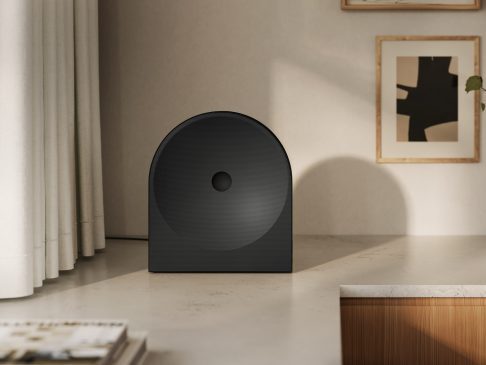
The South Korean tech giant’s Music Studio 5 is the smaller of the two, bringing a compact wireless speaker designed to fit into a variety of rooms without dominating the space. Drawing inspiration from gallery-style aesthetics, this model features a 2.1-channel configuration with two tweeters and a forward-firing 4-inch woofer. This setup aims to produce balanced sound that extends across midranges and highs clearly, making it suitable for daily listening and ambient music playback.

Samsung Music Studio wireless speakers

One of the standout features of the Music Studio 5 is its AI Dynamic Bass Control, which intelligently manages low-frequency output to maintain depth and presence without unwanted distortion, even at higher volumes. Furthermore, Samsung has also tuned the speaker using insights from its Audio Lab that help deliver a rich and detailed sound profile.

Alongside the smaller model, you have the Music Studio 7, which also incorporates AI Dynamic Bass Control. This model also benefits from Samsung’s Audio Lab Pattern Control Technology and has a 3.1.1 channel configuration with front, side, and top firing tweeters along with a subwoofer. Both models pair wirelessly via Bluetooth and WiFi, with support for SmartThings app for finer controls. Pricing and availability details will likely be revealed during CES 2026, so stick around for more.

For more daily updates, please visit our News Section.

Tech enthusiast? Get the latest news first! Follow our Telegram channel and subscribe to our free newsletter for your daily tech fix! ⚡

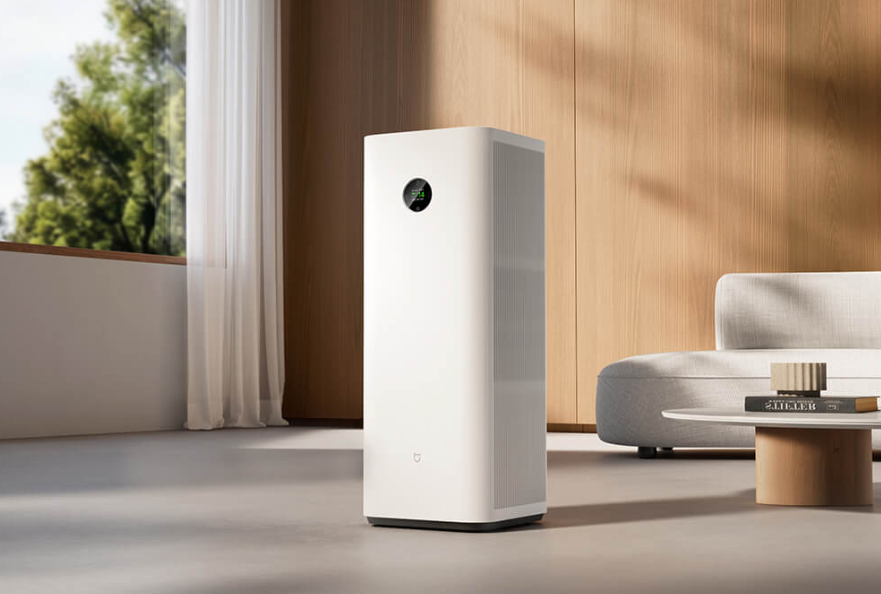
Xiaomi dominates China’s online air purifier sales for a decade, with over 25 million units shipped

Xiaomi announced that its Mijia air purifiers have ranked first in China’s online air purifier market for ten consecutive years. According to data from Beijing All View Cloud Data Technology Co., Ltd. (AVC), the sales ranking is based on monitored online platforms from 2016 to 2025. Xiaomi has shipped over 25 million air purifiers since launching the first model in December 2014.

Xiaomi Air Purifier

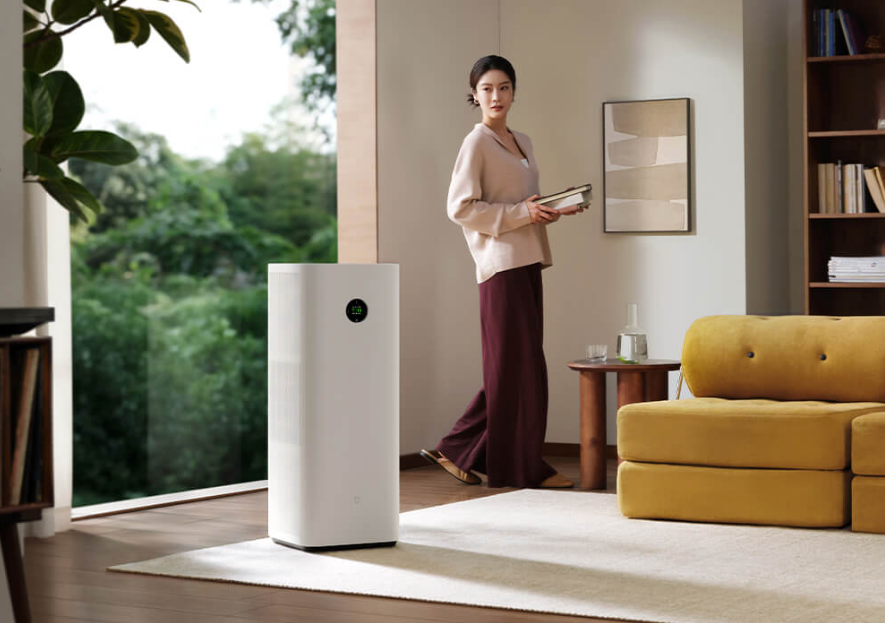
Over the past decade, Xiaomi has expanded the Mijia air purifier series across various price segments and use cases. The lineup now includes models optimized for pet homes, new renovations, and sensitive users. All models are part of the larger Xiaomi smart ecosystem, with app support, smart automation, and a minimalist design language consistent across its smart home range.

Alongside this milestone, Xiaomi introduced the Mijia Air Purifier 6 Pro, the latest digital flagship in the series. It adopts a dual-filter module design with separate pathways for daily purification and formaldehyde removal. The 13-layer filtration stack includes a pre-filter, nano-grade particulate filter, antibacterial coatings, a formaldehyde decomposition layer, and activated carbon for odor and VOC absorption.

The system is powered by a single motor with dual fan blades and a tilted volute duct to improve airflow. Xiaomi claims a CADR of 1461 m³/h for particles and 1000 m³/h for formaldehyde, with coverage suitable for spaces up to 150 square meters. Under lab conditions, it can refresh the air in a standard room in around 1.5 minutes.

Smart features include six real-time sensors, Xiaomi HyperOS integration, voice control, and Mi Home app support. The purifier features a front LCD panel and runs at 32 dB(A) in sleep mode. It is now available for pre-order in China at 2,399 yuan ($341).

For more daily updates, please visit our News Section.

Stay ahead in tech! Join our Telegram community and sign up for our daily newsletter of top stories! 💡

Sharge debuts Loomos AI glasses platform with photography-focused L1 and display-driven S1

Sharge, a brand better known for power banks, today introduced a new base platform for AI glasses. Alongside it, the company also unveiled the first two products built on this platform, the Sharge Loomos AI Photography Glasses L1 and the Sharge Loomos AI Display Glasses S1.

The company says its Loomos platform focuses on fixing long-standing problems in the AI glasses category. These include discomfort during long use, limited personalization, awkward designs, privacy concerns, and battery life that doesn’t really match the daily routines of users. 

So instead of adding features for the sake of it, Sharge is trying to narrow in on what smart glasses are actually useful for and then design hardware around those use cases.

Sharge Loomos L1

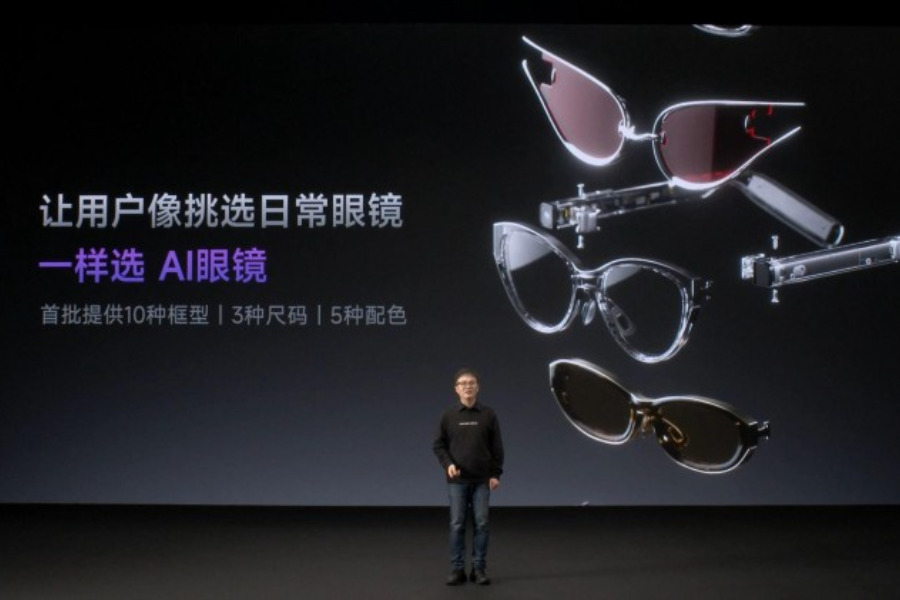
The first product based on this philosophy is Loomos L1. It’s built on what Sharge calls “Phoenix Architecture 1.0,” which moves the camera module out of the front frame and into the temple. This shifts the center of gravity toward the ear and makes the glasses feel lighter on the face. 

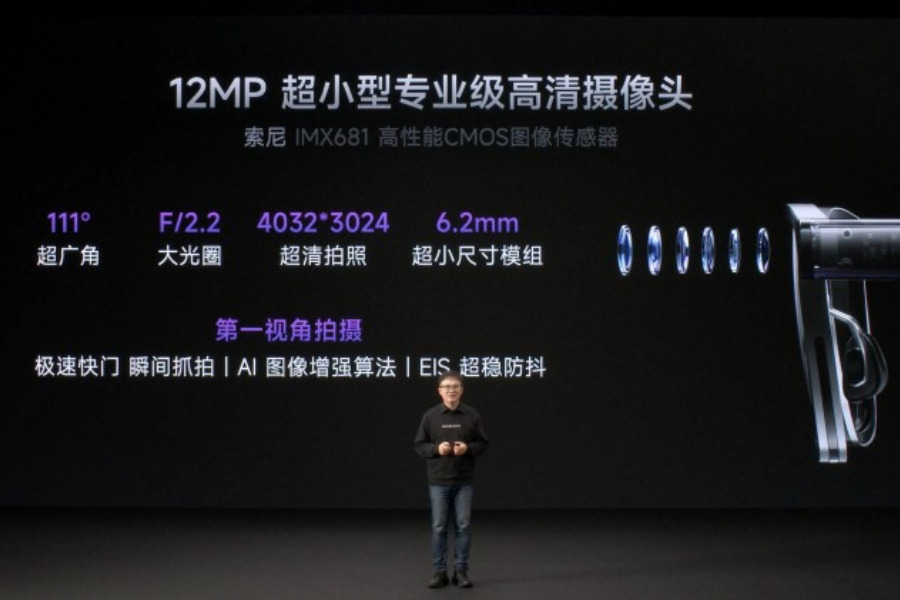
On the imaging side, the L1 uses a Sony IMX681 sensor paired with a 111-degree ultra-wide lens and an f/2.2 aperture. It supports 12-megapixel photos and relies on AI image processing and electronic image stabilization to keep shots usable for casual recording, work documentation, or quick snapshots. 

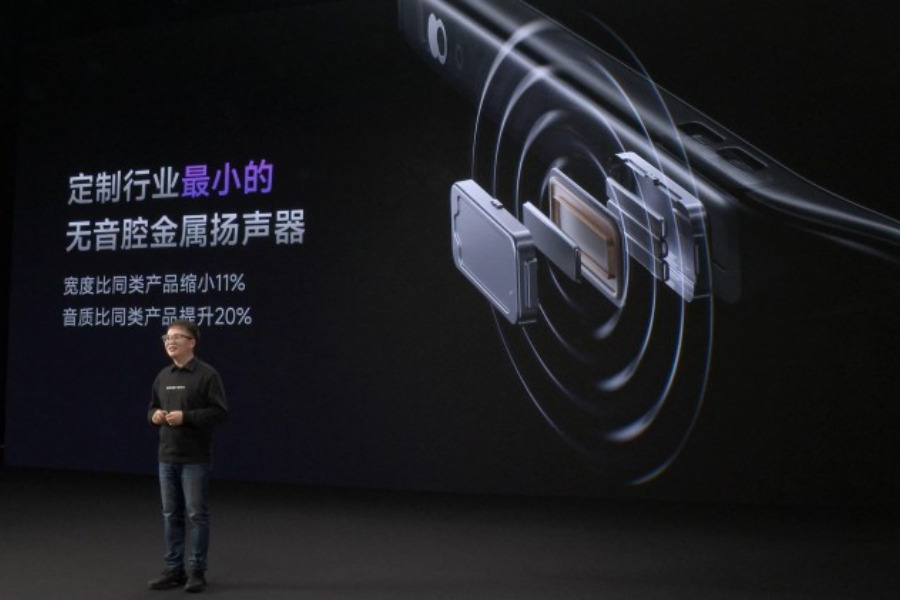
For the audio, the company has worked with Goertek to design customized speakers that reduce distortion and improve low-frequency output. It also cuts down sound leakage by 10dB. 

The Loomos L1 comes in ten frame styles, multiple sizes, and several materials and color options. There’s also a physical lens cover for privacy and a portable battery-swapping case that allows quick battery replacement. For prescription users, Sharge has built a fitting system that uses AI matching and 3D-printed try-on processes to tailor the glasses more precisely.

Software-wise, the L1 runs Loom OS 2.0, which introduces an AI “active memory” system. The glasses can automatically record and organize moments into a personal memory bank. 

Sharge is also working with memories.ai to develop an AI memory engine that can search, summarize, and generate short videos from captured content. 

Sharge Loomos S1

The second glasses-based on the Loomos platform is the Loomos S1. Built on “Phoenix Architecture 2.0,” it uses a titanium alloy frame and lightweight composite materials to cut weight in half compared to traditional display glasses. 

The S1 also features a flexible front frame with adjustable curvature and a new “Dragonfly Optical Engine” developed with Appotronics that supports asynchronous displays and true 3D effects for each eye.

Audio on the S1 comes from a silicon-based chip-level speaker that fits into a very small space while maintaining voice privacy. 

Unlike the L1, the S1 focuses more on proactive AI assistance. It has built-in sensors to continuously monitor the environment and deliver timely reminders and information. Sharge likes to call it a “glance-based” assistant that gives quick updates without pulling out the phone. 

For more daily updates, please visit our News Section.

Stay ahead in tech! Join our Telegram community and sign up for our daily newsletter of top stories! 💡

Sharge launches 165W 20000mAh power bank with retractable cable and display

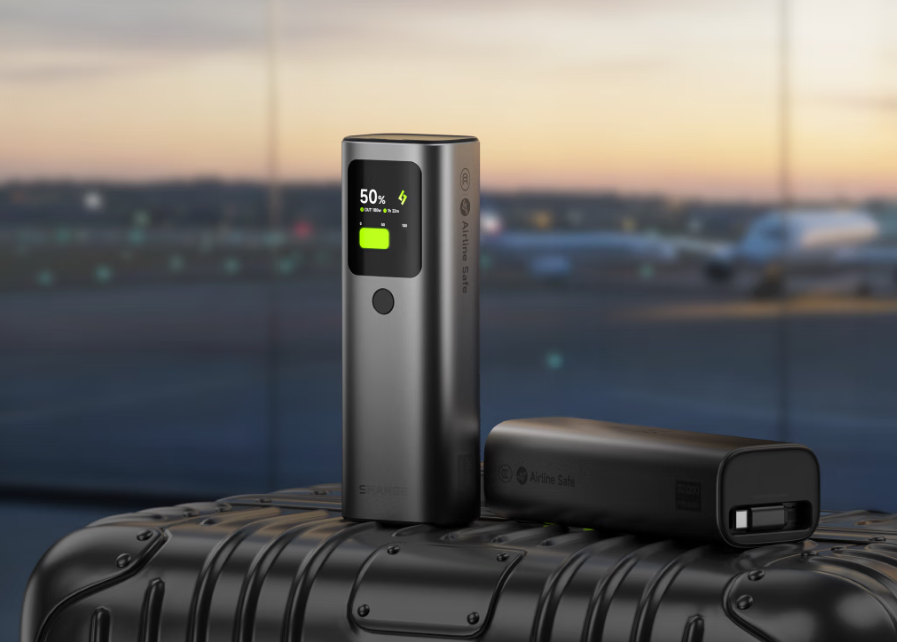
Sharge has expanded its power bank lineup following the recent unveiling of its 300W model, introducing a new 165W power bank called the Super Energy Bar. The device features a built-in retractable USB-C cable and a smart display, and it is now listed on JD.com with a retail price of 349 yuan ($50).

Sharge 165W Power Bank

Sharge 165W Power Bank Specifications

The power bank features a 20,000mAh battery capacity designed for long trips, daily commuting, and high-power device usage. It uses four 21700 cylindrical cells in a 14.8V series configuration, offering a typical battery energy of 74Wh. The capacity is compliant with civil aviation safety limits, making it suitable for air and train travel. The cells are sourced from Dongci and are rated as automotive grade, with a focus on long-term reliability and safety during fast charging.

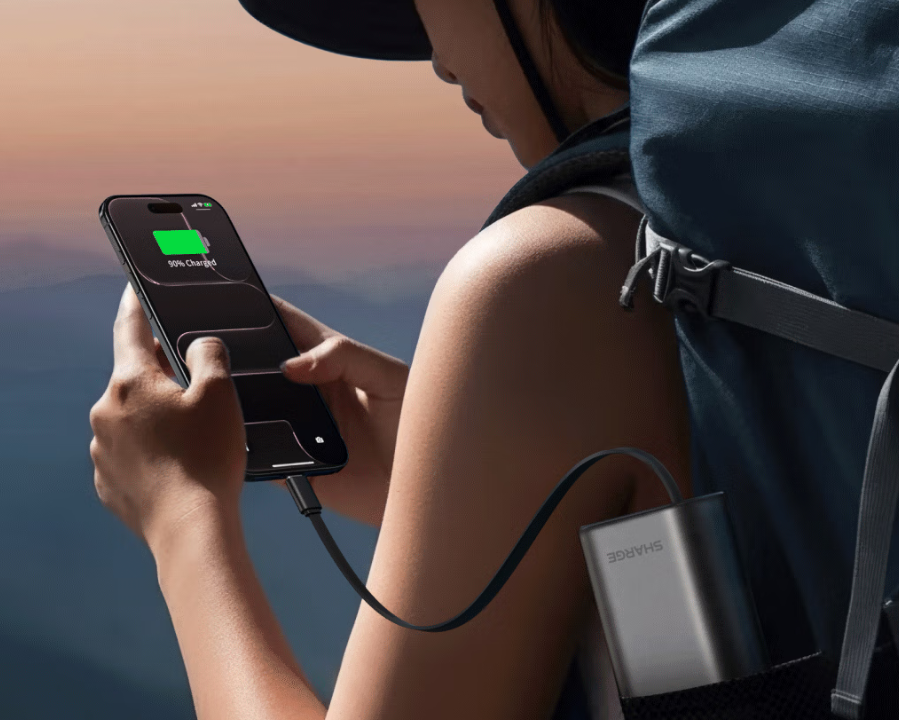
Sharge includes a built-in retractable USB-C cable that extends up to 70cm. The design eliminates the need to carry separate charging cables. The retractable mechanism allows the cable to pull out for use and retract back into the power bank body when not in use. This makes the device convenient for handheld charging, backpack use, or desktop placement.

Sharge 165W Power Bank

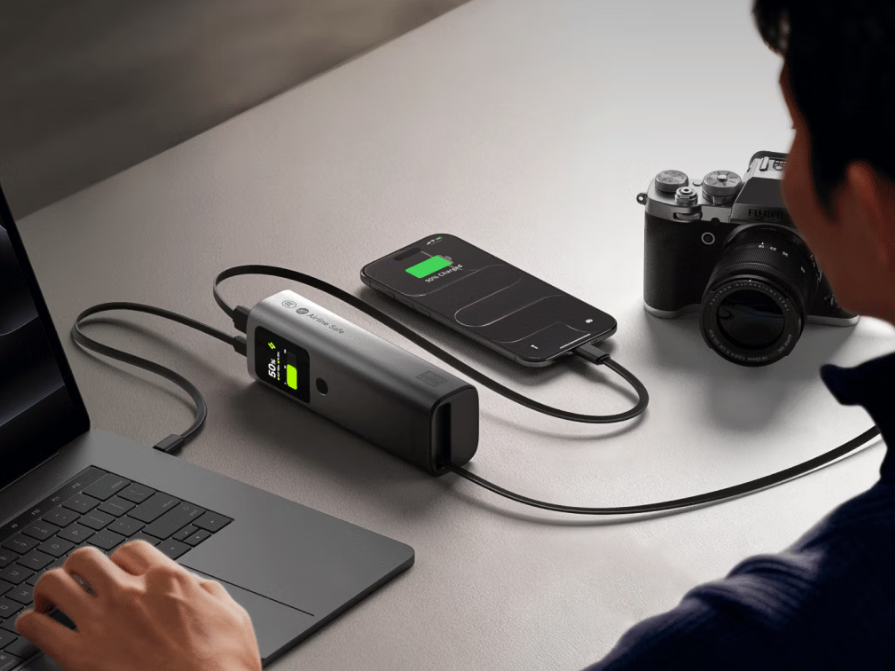
The power bank supports a maximum power output of 165W through a multi-port layout. It features one USB-C port, one USB-A port, and a built-in USB-C cable. Both the USB-C port and the cable support up to 100W output and 65W input, while the USB-A port delivers up to 30W. The system enables simultaneous charging for phones, tablets, laptops, and accessories without performance drops.

The power bank includes a front-facing digital display that shows real-time information such as battery percentage, charging power, temperature, estimated remaining time, and battery cycle count. There’s also a dedicated button that lets users adjust screen brightness and switch between display modes.

Sharge 165W Power Bank

The device comes with multiple safety protections, including overcurrent protection, temperature sensors, and intelligent power management. It has received national 3C certification. The power bank weighs around 515 grams and measures 156.5×52.8×40.8 millimeters. The outer shell features a gradient anodized finish that shifts from black to silver based on lighting.

In related news, Xiaomi has recently launched a new budget power bank in the UK that can charge laptops, while Dreame has introduced its first magnetic power bank with Qi2 support.

For more daily updates, please visit our News Section.

Stay ahead in tech! Join our Telegram community and sign up for our daily newsletter of top stories! 💡

(JD)

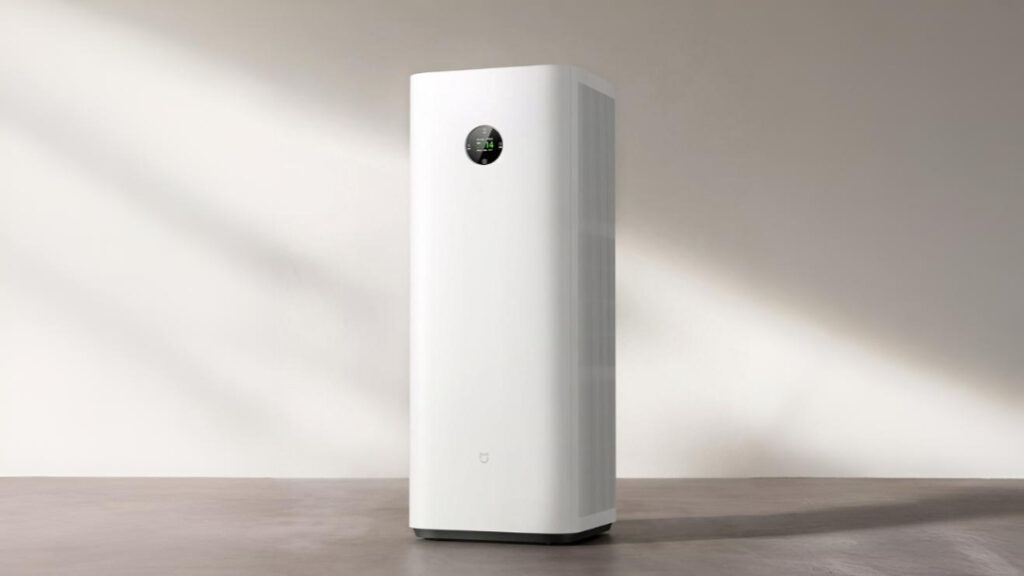
Xiaomi launches Mijia Air Purifier 6 Pro with dual-module design and 13-layer filtration

Xiaomi has launched the Mijia Air Purifier 6 Pro in China, introducing a major structural upgrade with a dual-module, dual-filter architecture. The purifier is priced at 2,399 yuan ($341) and is now available for pre-order.

Xiaomi Mijia Air Purifier 6 Pro

Xiaomi Mijia Air Purifier 6 Pro Specifications

The purifier is equipped with a dual-core purification architecture, where two separate filter modules handle different types of air contaminants. The upper module focuses on multi-effect daily purification, while the lower module is optimized for removing formaldehyde, a common pollutant in recently renovated homes.

The air purification system uses a 13-layer filtration stack that includes a pre-filter for dust and hair, antibacterial and antiviral coatings, a nano-grade particulate filter, and a formaldehyde decomposition layer based on amino-reaction technology. The system also includes enhanced activated carbon filters to absorb volatile organic compounds and odors, reducing the risk of secondary pollution.

Xiaomi Mijia Air Purifier 6 Pro

For airflow, the system relies on a single motor that drives dual fan blades. The internal design uses a tilted volute duct to improve efficiency and reduce turbulence. The purifier delivers a particulate CADR of up to 1461 m³/h and a formaldehyde CADR of up to 1000 m³/h. Xiaomi claims that laboratory testing reveals the device can complete a full air exchange in a standard room in approximately 1.5 minutes. The supported coverage area ranges from 87 to 150 square meters.

The purifier features six sensors that monitor PM1, PM2.5, dust particles, formaldehyde levels, temperature, and humidity in real-time. These readings are displayed on a front-facing LCD panel. Noise output in sleep mode drops as low as 32 dB(A), and the display light can be disabled at night for added comfort.

Xiaomi Mijia Air Purifier 6 Pro

For smart features, the purifier supports Xiaomi HyperOS connectivity and integrates with the Mi Home app, allowing remote control, scheduling, and real-time air quality monitoring. It also supports voice control through the Xiao Ai assistant.

Design-wise, the purifier features a minimalist white vertical body with magnetic filter access and caster wheels for easier movement. The filter is rated to last 8 to 14 months, depending on usage.

In related news, Xiaomi has recently launched a flagship electric shaver with dual-ring stainless steel blades and up to 95 days of battery life, alongside its most expensive ceiling light to date, which delivers 10,000 lumens of brightness, eye protection features, and HyperOS support.

For more daily updates, please visit our News Section.

Stay ahead in tech! Join our Telegram community and sign up for our daily newsletter of top stories! 💡

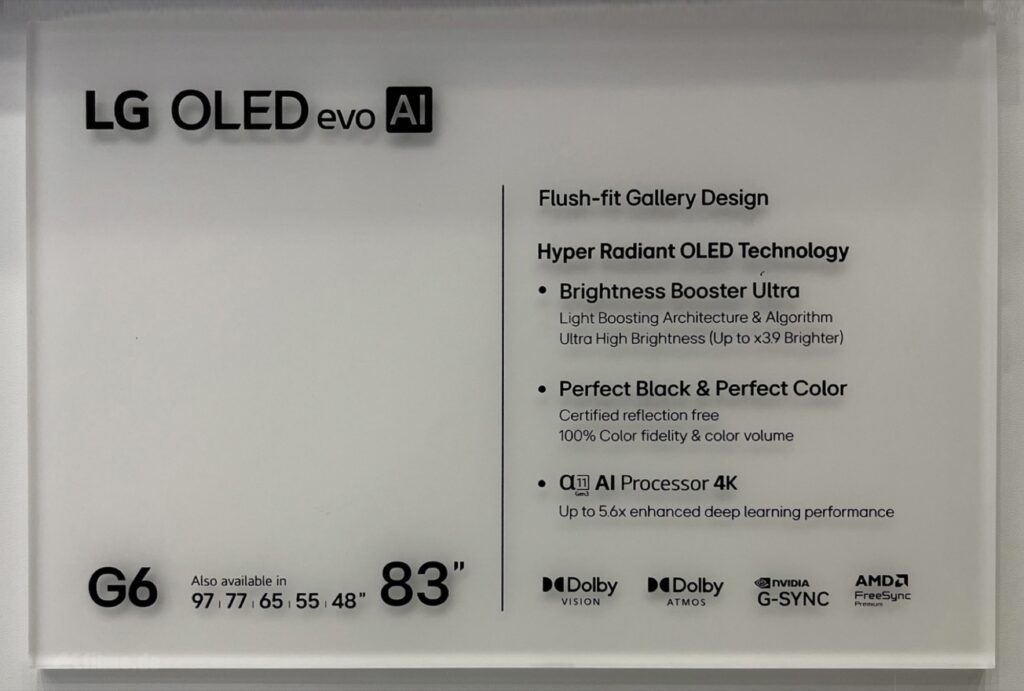
LG G6 and W6 OLED TVs leak with brighter “Hyper Radiant” panel

Details of LG’s next-generation OLED TVs appear to have leaked just days ahead of their expected unveiling. The information points to two new flagship models for 2026: the LG OLED G6 and LG OLED W6, both said to introduce a major panel upgrade focused on brightness and image quality.

According to a German publication, the two TVs will debut a new tandem OLED panel marketed as “Hyper Radiant”, paired with what LG reportedly calls Brightness Booster Ultra. The company is said to be targeting a significant brightness jump, with figures suggesting up to 3.9 times higher brightness than LG’s entry-level B-series OLEDs. That would also place the new panel well ahead of the current G5, which already improved peak brightness over earlier generations.

The OLED G6 continues LG’s familiar Gallery Series design, built to sit flush against a wall. Size options reportedly range from 48 inches all the way up to a massive 97-inch model. LG is also said to be using an improved anti-reflective coating, which should help preserve deep blacks and contrast in brightly lit rooms. Powering the TV is the new α11 AI processor, claimed to deliver notably stronger AI performance for upscaling and picture optimization.

Gaming support remains a major focus. The G6 is expected to offer a 165Hz refresh rate, Dolby Vision HDR for games, HDMI auto low-latency mode, and support for AMD FreeSync Premium Pro and Nvidia G-Sync. Wireless features like AirPlay 2 and Google Cast are also said to be included.

The OLED W6 appears to share most of the G6’s core hardware but adds LG’s Zero Connect Box. This external hub handles HDMI and USB connections and transmits signals wirelessly to the display, leaving only a thin power cable attached. The W6 is expected to launch in 77-inch and 83-inch sizes.

Don’t miss a thing! Join our Telegram community for instant updates and grab our free daily newsletter for the best tech stories!

For more daily updates, please visit our News Section.

(Source)

Oppo Find X9s to use two 200MP cameras, 7000mAh battery

Oppo’s next flagship phone is still some distance away. The Find X9 Ultra is the company’s best camera phone that will go against the likes of Xiaomi 17 Ultra and Galaxy S26 Ultra

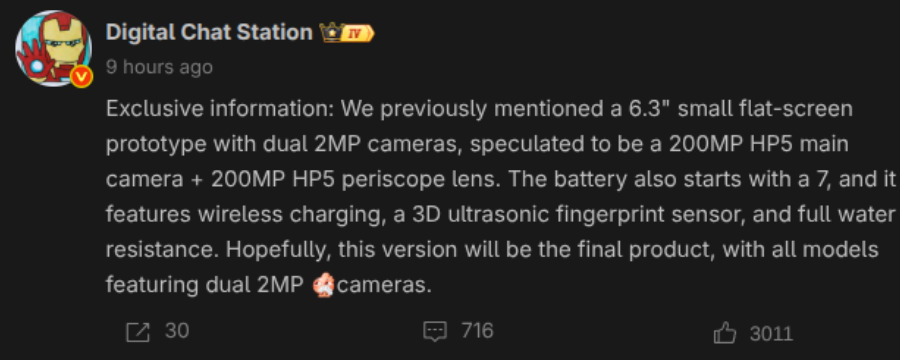
However, it is not the only flagship the company is preparing. The Find X9s and Find X9s+ might also join the line soon. A fresh leak by tipster Digital Chat Station has now revealed the key specs of the vanilla X9s.

Oppo Find X9s Specifications

The leak suggests that the Find X9s will feature a 6.3-inch OLED display with a 1.5K resolution. The panel is said to use LTPS technology and will reportedly include a 3D ultrasonic fingerprint sensor under the screen.

The Find X9s is also tipped to come with two 200-megapixel cameras using Samsung’s HP5 sensor. This would include a main camera and a 3x periscope telephoto lens, alongside an ultra-wide camera. 

The smartphone will run on a 7,000mAh battery, which will support both wired and wireless charging. On the software side, the phone is likely to ship with Android 16 and ColorOS 16 out of the box. The device is also said to offer strong water and dust resistance, possibly with an IP68 or IP69 rating.

Of course, Oppo still hasn’t confirmed any of these details yet. As always, these details should be taken cautiously until Oppo makes things official.

Oppo is expected to introduce the Find X9 Ultra around March 2026, and if past launches are any indication, the Find X9s and Find X9s+ may arrive at the same time. While the Plus model is rumored to be a refreshed version of the Find X8s, the Find X9s is said to be a smaller but still high-end option, much like its predecessor.

For more daily updates, please visit our News Section.

Stay ahead in tech! Join our Telegram community and sign up for our daily newsletter of top stories.

(Source)

New Xiaomi 17 series phone with Snapdragon 8 Elite Gen 5 in the works, key details out

Xiaomi has just launched the Xiaomi 17 Ultra in China. This is the fourth phone in the series after the Xiaomi 17, 17 Pro, and 17 Pro Max, which debuted back in September in China. Now, a new leak has revealed that the company is gearing up to launch yet another Xiaomi 17 series phone. Here’s a look at the first details of this mysterious device.

New Xiaomi 17 series phone in the works

New Xiaomi 17 series phone incoming

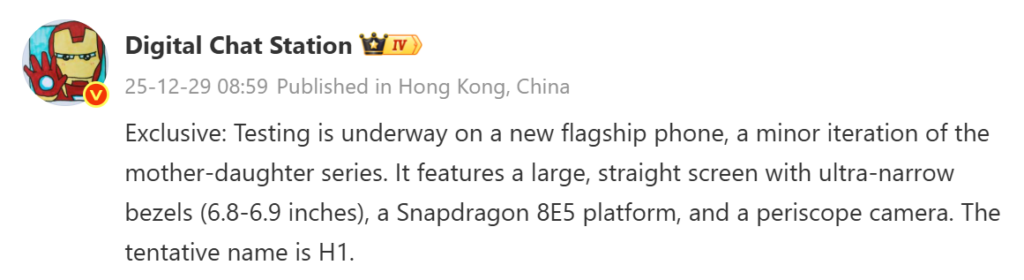
As per the leak, the upcoming Xiaomi 17 series phone that is currently under testing will be a minor refresh. The tipster stated that the device is equipped with a 6.8-inch or 6.9-inch flat display with symmetrical and slim bezels.

It appears that the device will be an incremental upgrade over the Xiaomi 17 Pro Max, which features a 6.9-inch display. Without revealing the name of the upcoming phone, the tipster mentioned that it will feature the Snapdragon 8 Elite Gen 5 chipset and a periscope telephoto camera, both of which are also present on the Pro Max model.

Other details of the device remain under wraps. As for the launch timeline, the leak claims that it will debut in the first half of 2026. Therefore, it is advisable to wait for further reports to learn more about this handset.

In related news, the Xiaomi 17 Ultra, which recently debuted in China, has received certifications in multiple countries such as India, Thailand, and Singapore. Reports suggest that the Xiaomi 17 Ultra and Xiaomi 17 will enter global markets by March 2026.

For more daily updates, please visit our News Section.

Stay ahead in tech! Join our Telegram community and sign up for our daily newsletter of top stories.

Xiaomi 17 Ultra Leica Edition cameras compared to Vivo X300 Pro

Just hours after going on sale in China, Xiaomi’s new 17 Ultra Leica Edition has already surfaced in what appears to be the first global hands-on video. Reviewer “ben’s gadget reviews” managed to get hold of the device almost immediately, offering an early look at Xiaomi’s latest camera-centric flagship and a quick comparison with the Vivo X300 Pro.

In a nearly 15-minute upload, he unboxes the Leica Edition model and walks through initial setup on the China-only variant. The video also hints at how the phone could be positioned internationally, with Ben suggesting it may eventually arrive globally under a Leica-branded “Leitzphone powered by Xiaomi” name.

Design-wise, Ben notes a few small disappointments. The lack of a dedicated side shutter button stands out. Still, he praises several premium details, including the ridged frame and a haptic zoom ring built into the camera module. This is also Xiaomi’s first phone to carry Leica’s iconic red dot, which is clearly positioned as a visual statement.

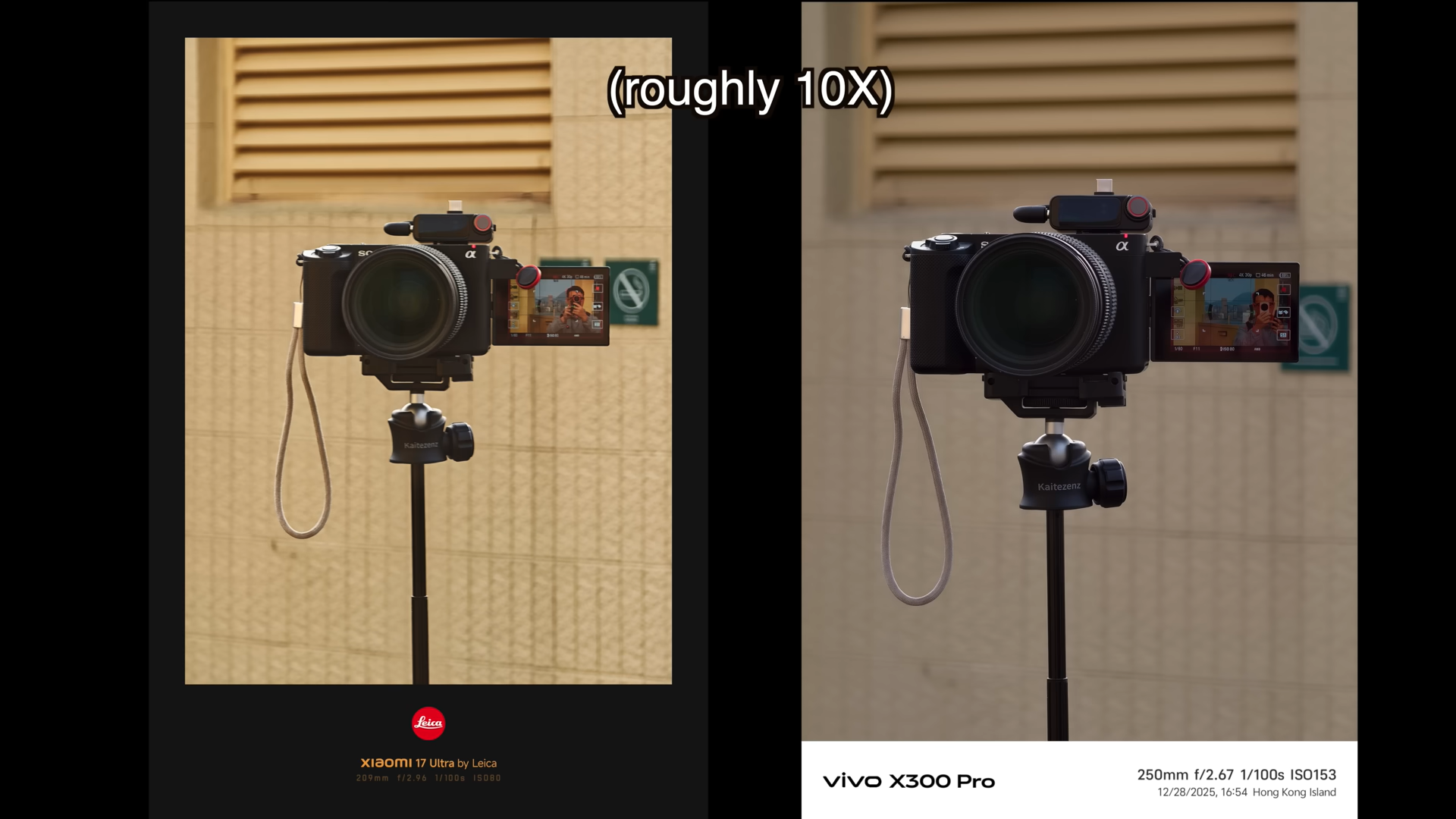
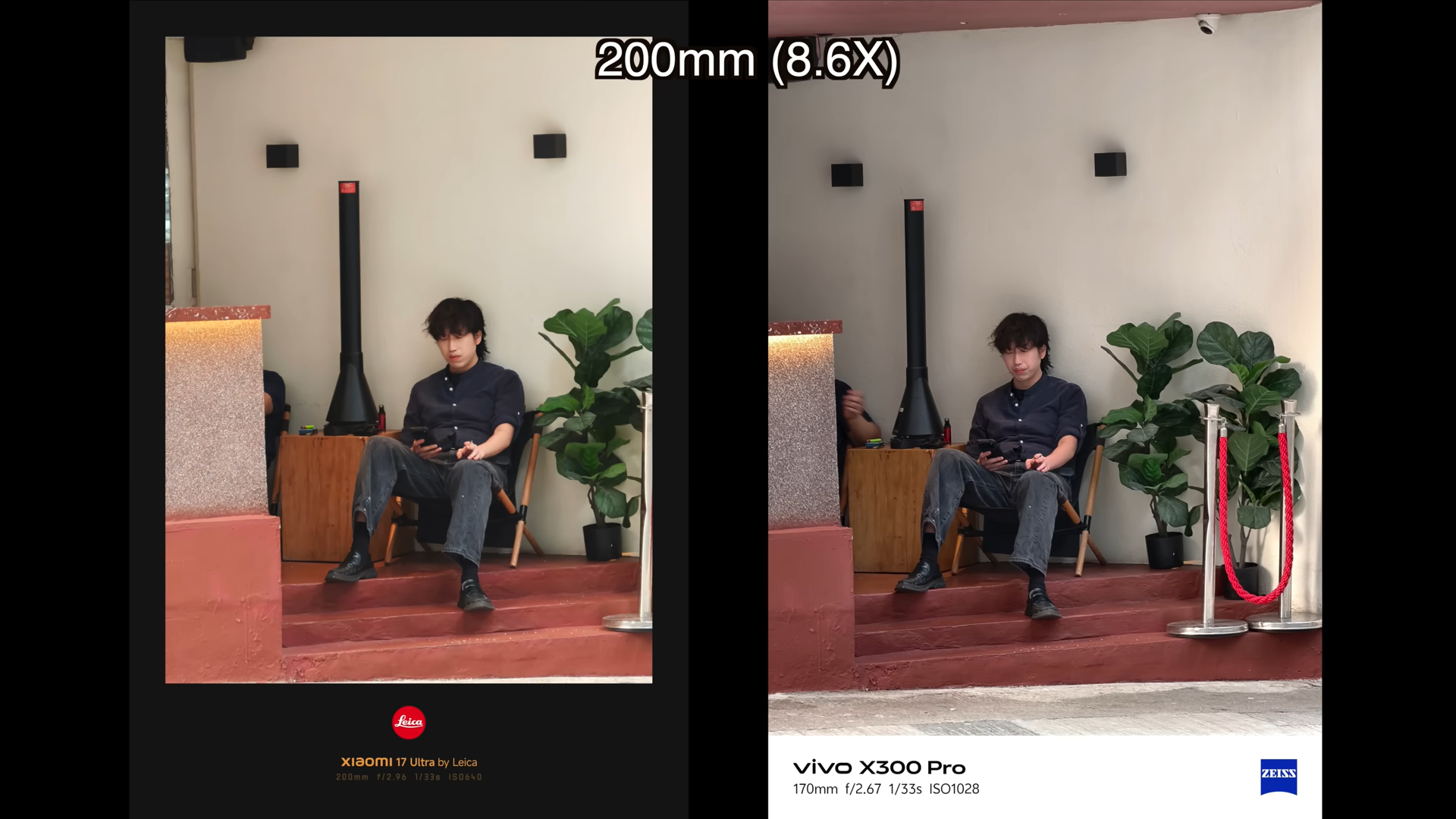
Early camera samples form the core of the video. Ben compares telephoto and zoom shots directly against the Vivo X300 Pro. The results are mixed. In one scene, the Vivo delivers slightly sharper detail, while the Xiaomi handles yellow tones more naturally. Portraits are also a toss-up: Vivo’s processing looks overly smoothed, while Xiaomi’s output is softer but more natural overall.

Video samples shot around Hong Kong show smooth transitions from optical to digital zoom up to 15x, though noticeable artifacts begin to appear beyond that. Low-light footage looks promising at first glance, but moving subjects still lack consistent sharpness.

These are, of course, early impressions. Still, Ben comes away largely satisfied, suggesting Xiaomi’s Leica-tuned camera system has real potential once fully tested in everyday use.

Don’t miss a thing! Join our Telegram community for instant updates and grab our free daily newsletter for the best tech stories!

For more daily updates, please visit our News Section.

(Source)

iQOO Z11 Turbo gets spotted with Snapdragon 8 Gen 5 on Geekbench

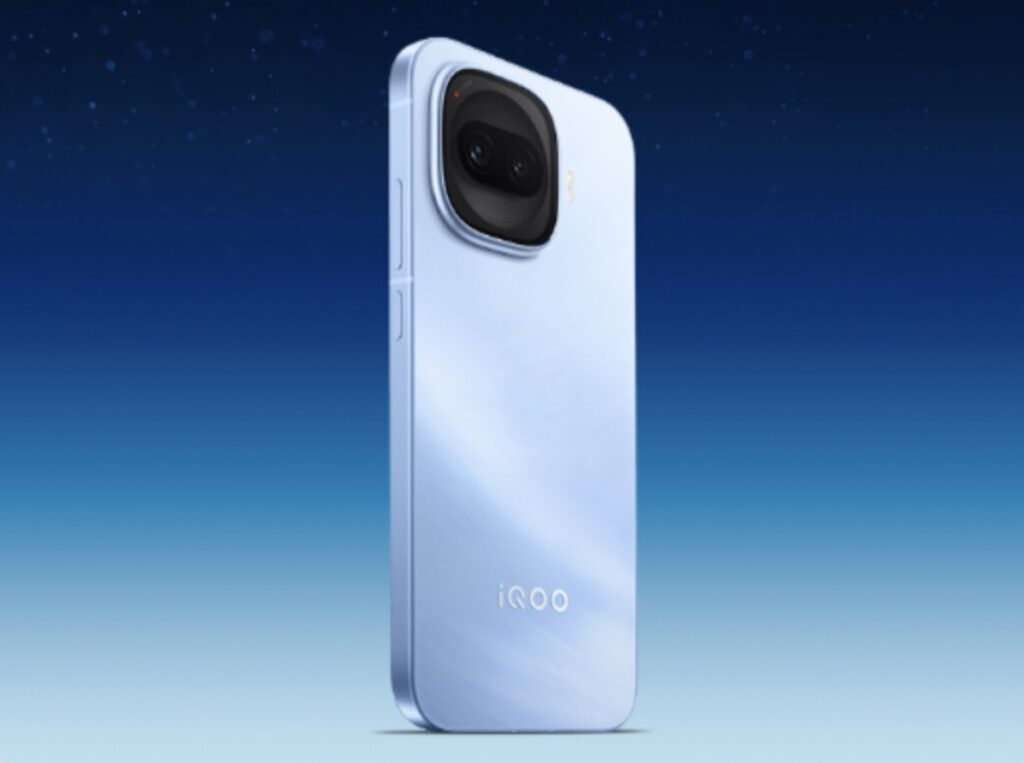
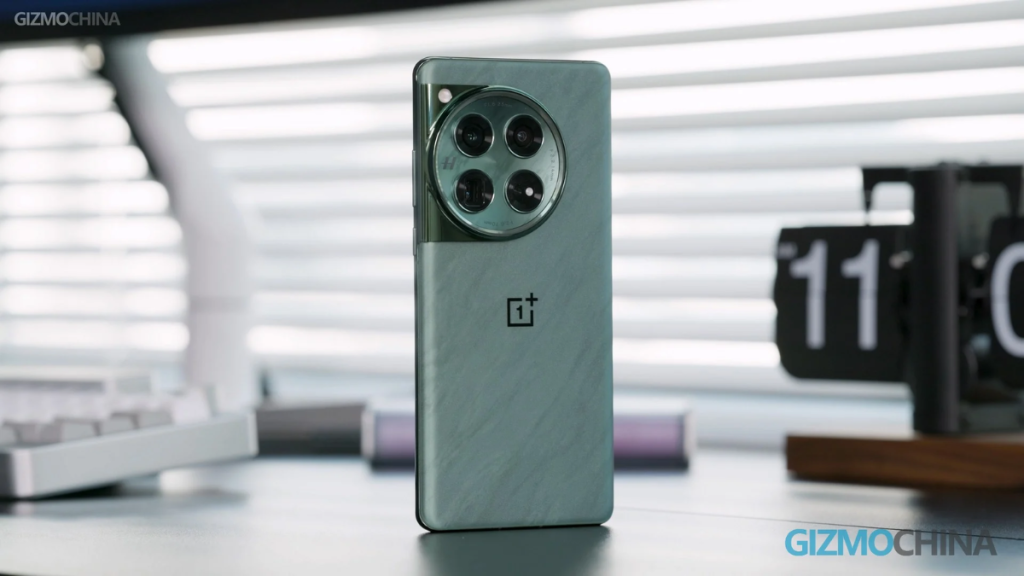
A slew of new smartphones is expected to hit the Chinese market in January 2026. While the launch dates for the OnePlus Turbo 6 series and Honor Power have officially been revealed, the Chinese market is also said to receive other phones, such as the Moto X70 Air Pro, Realme Neo 8, and the iQOO Z11 Turbo in January. Recently, iQOO released a teaser image showcasing the Z11 Turbo’s rear design. Now, the device has appeared on Geekbench, revealing its chipset, RAM, and OS version.

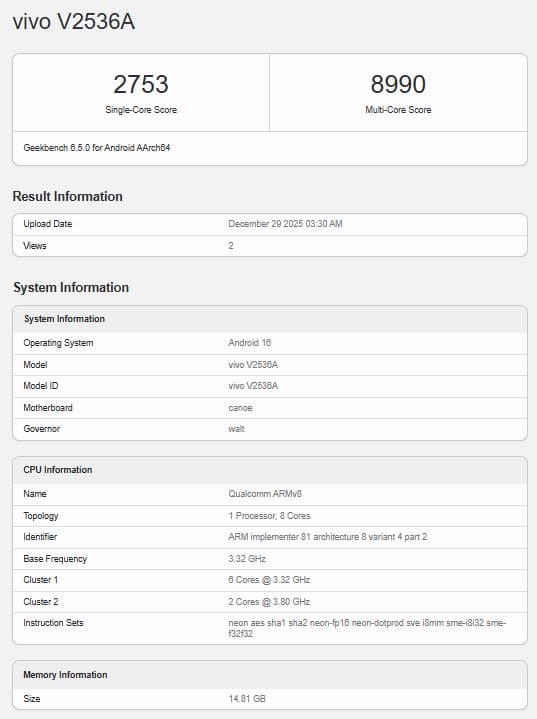
iQOO Z11 Turbo Geekbench listing

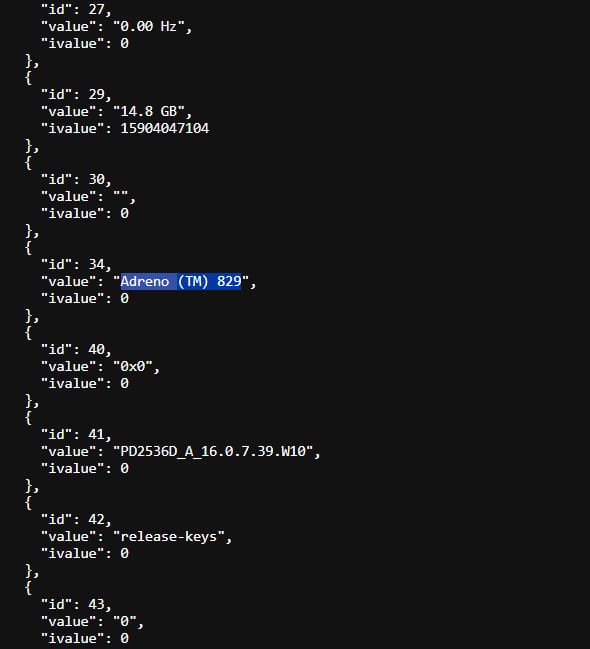
The above screenshot shows that an upcoming Vivo phone with the model number V2536A has appeared on Geekbench. The CPU and GPU details revealed through the listing suggest that it could be powered by the Snapdragon 8 Gen 5 chipset.

iQOO has already confirmed that the iQOO Z11 Turbo will feature the Snapdragon 8 Gen 5. Therefore, it appears that the V2536A model number is associated with this device.

The Geekbench listing further reveals that the Z11 Turbo is equipped with 16GB of RAM and runs on Android 16. It recorded a score of 2,753 in the single-core test and 8,990 in the multi-core test on Geekbench 6.5.

iQOO Z11 Turbo specifications

iQOO Z11 Turbo
iQOO Z11 Turbo

As per other reports, the iQOO Z11 Turbo will arrive with a 6.59-inch OLED LTPS display offering a 1.5K resolution. The device is expected to run OriginOS 6 based on Android 16.

The Z11 Turbo is likely to ship with up to 16GB of LPDDR5x RAM and up to 512GB of UFS 4.1 storage. It will house a massive 7,600mAh battery with around 90W fast charging support.

For selfies, the Z11 Turbo will feature a 32-megapixel front camera. Its rear camera setup may comprise a 200-megapixel Samsung HP5 main camera with OIS support and an 8-megapixel ultra-wide lens. It is likely to be priced at around 2,500 Yuan (~$355).

For more daily updates, please visit our News Section.

Stay ahead in tech! Join our Telegram community and sign up for our daily newsletter of top stories.
(via)

Honor Power 2 packed with 10,080mAh is launching on January 5, official images emerge

Recently, Honor unveiled the gaming-focused Honor Win series of smartphones in China. The Win and Win RT phones came equipped with a massive 10,000mAh battery. Now, the brand is all set to launch a mid-range phone called the Honor Power 2 as its first device of 2026. Today, the brand released the following poster to confirm its launch date.

Honor Power 2 launch date revealed

Honor Power 2 launch date

The Honor Power 2 is confirmed to break cover on Jan. 5, 2026. This phone will replace the original Honor Power, which went official in April 2024 and was equipped with the Snapdragon 7 Gen 3 chip and a massive 8,000mAh battery.

The above poster confirms that the Honor Power 2 will house a 10,080mAh battery, making it the largest battery phone from Honor. The brand claims that the phone can offer 20.3 hours of continuous screen-on usage, 22 hours of short-video playback, and 14.2 hours of gaming.

Honor Power 2 specifications (rumored)

As per reports, the Honor Power 2 will have a 6.79-inch LTPS OLED screen that offers a 1.5K resolution, a 120Hz refresh rate, and 8,000 nits of HDR brightness. It will run on Android 16 with a layer of MagicOS 10 on top.

Honor has also confirmed that the all-new Dimensity 8500 Elite chip will power the device. A recent Geekbench listing revealed that it will offer better performance than the Dimensity 8400 chip from last year.

The Honor Power 2’s 10,080mAh battery will support 80W charging, but it will lack wireless charging support. The device will be available in two configurations, such as 12GB + 256GB and 12GB + 512GB, both offering 12GB of virtual RAM.

The Power 2 will have a 16-megapixel camera on the front and a 50-megapixel + 5-megapixel (ultra-wide) dual-camera setup on the back. The official images show that the Power 2’s rear design will be similar to the recent Apple iPhone 17 Pro series. It will be available in three shades, such as Snow White, Midnight Black, and Sunrise Orange.

For more daily updates, please visit our News Section.

Stay ahead in tech! Join our Telegram community and sign up for our daily newsletter of top stories.

Upgrade with Acer 4K UHD Smart QLED Google TV’s available at huge discounts

Amazon is currently offering incredible deals on its highly-rated Acer 4K UHD Smart QLED Google TV series. These smart TVs are expected to bring premium cinematic technology to your living room at unbeatable prices.

The 43-inch Acer QLED Google TV is currently available for just Rs. 20,999. For those seeking a more immersive, “big screen” experience, the 55-inch variant has been slashed to just Rs. 28,499.
If you are intrested in SSDs, here is a very good holiday deal from Samsung on M.2 SSDs and 2.5″ SATA SSDs.

QLED Technology at an Affordable Rate

What makes these deals stand out is the QLED (Quantum Dot) technology. Unlike standard LED panels, QLED offers a wider color gamut and deeper contrasts, ensuring that everything you watch looks vibrant and lively. Combined with 4K Ultra HD resolution, you get four times the detail of standard 1080p TVs.

Both models run on the Google TV platform, which provides a seamless and personalized interface. You’ll have access to thousands of apps like Netflix, Prime Video, Disney+ Hotstar, and YouTube right out of the box. With built-in Google Assistant, you can control your TV, search for content, or even manage your smart home devices using just your voice.

The deal gets even sweeter when you apply bank discounts.

  • For the 43inch model: Get an additional Rs. 3,000 Off with HDFC Credit Cards or Rs. 2,750 Off with Axis Bank Credit Cards.
  • For the 55inch model: Save an extra Rs. 4,500 with HDFC Credit Cards or Rs. 4,000 with Axis Bank Credit Cards.

Please Note: When you buy something using the links in our articles, we may earn a small commission at no cost to you.

Additionally, No-Cost EMI options are available, making it easier than ever to bring home a premium television today.

Don’t miss out! These prices are expected to last for a limited time.

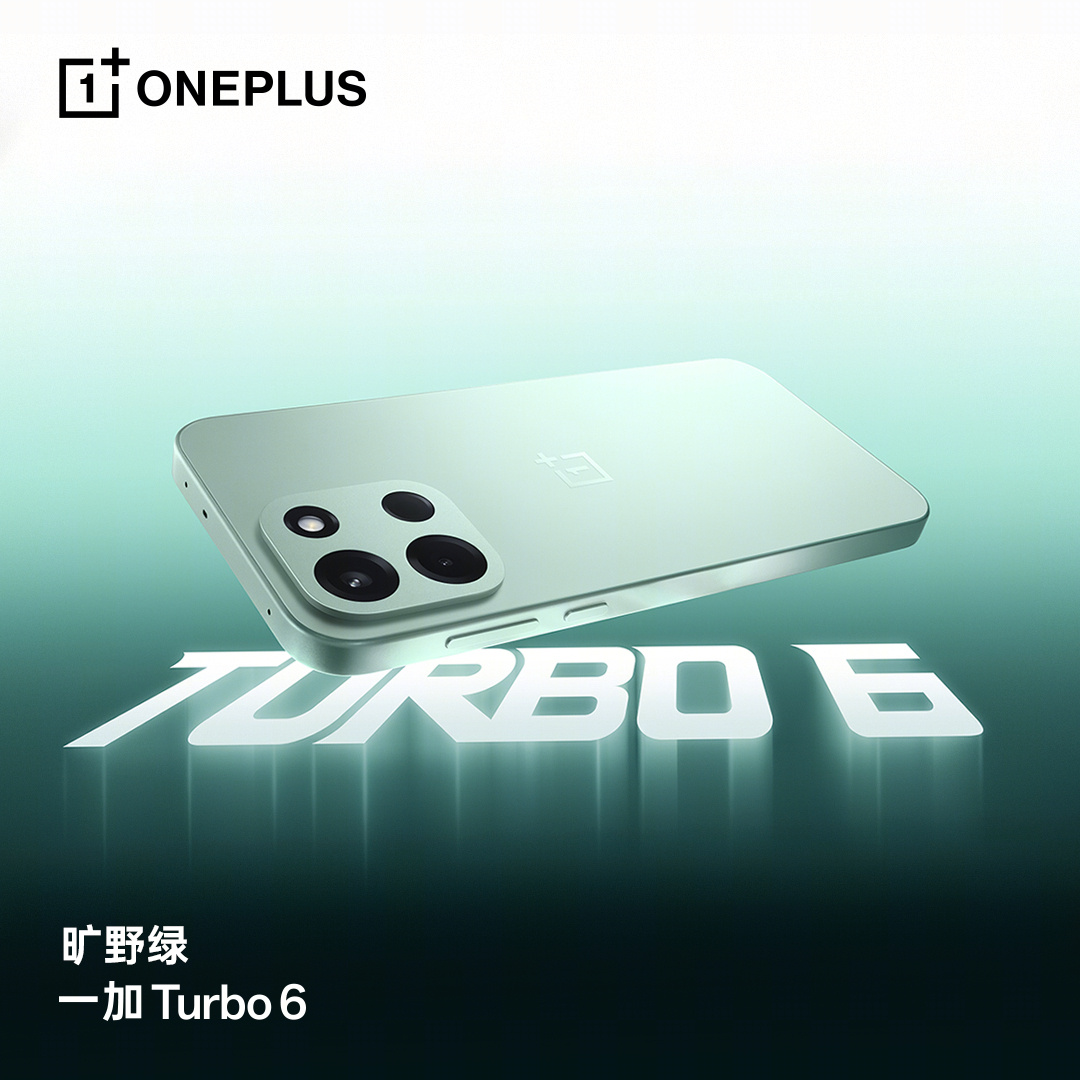
OnePlus Turbo 6, Turbo 6V images, configs confirmed before January 8 launch date

After weeks of leaks, OnePlus has finally confirmed the launch date of its new series, the OnePlus Turbo. The new lineup, which includes two models, namely, the Turbo 6 and Turbo 6V, will be announced on Jan. 8, 2026. Ahead of the official announcement, the brand has confirmed several key details about both phones.

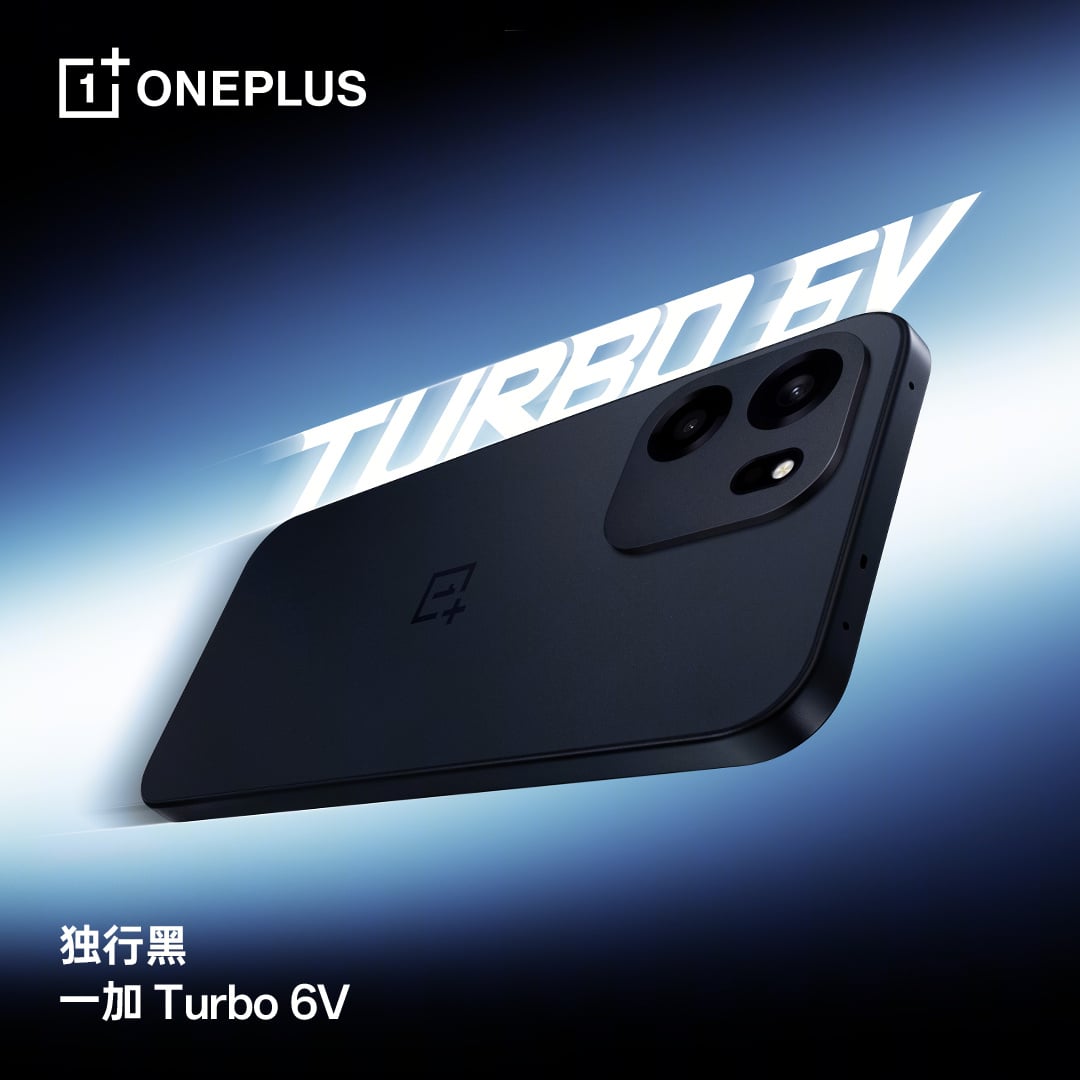
OnePlus Turbo 6 series images, configs revealed

The OnePlus Turbo 6 will arrive in four variants, such as 12GB+256GB, 12GB+512GB, 16GB+256GB, and 16GB+512GB. It comes in three shades, such as Lone Black, Chasing Light Silver, and Wilderness Green.

On the other hand, the OnePlus Turbo 6V will be available in options like 8GB+256GB, 12GB+256GB, and 12GB+512GB. Buyers can choose from color options like Lone Black, Nova White, and Fearless Blue.

OnePlus Turbo 6 series specifications (rumored)

Reports suggest that OnePlus Turbo 6 and Turbo 6V will have a flat display that supports a 1.5K resolution. While the Turbo 6 is said to have a 6.78-inch display screen with support for a 165Hz refresh rate, the Turbo 6V is said to have a slightly bigger 6.8-inch screen with a 144Hz refresh rate.

The OnePlus Turbo 6 and Turbo 6V are said to be powered by the Snapdragon 8s Gen 4 and Snapdragon 7s Gen 4 chipsets, respectively. Both devices are said to pack a 9,000mAh battery with 80W wired charging.

The Turbo 6 is expected to offer 27W reverse wired charging, LPDDR5x RAM, and UFS 4.1 storage. Both devices will boot to ColorOS 16-based Android 16. These device are expected to come with other common features, such as an optical in-screen fingerprint sensor, an IR blaster, a plastic frame, and an IP68/69-rated dust and water resistance.

For more daily updates, please visit our News Section.

Stay ahead in tech! Join our Telegram community and sign up for our daily newsletter of top stories.