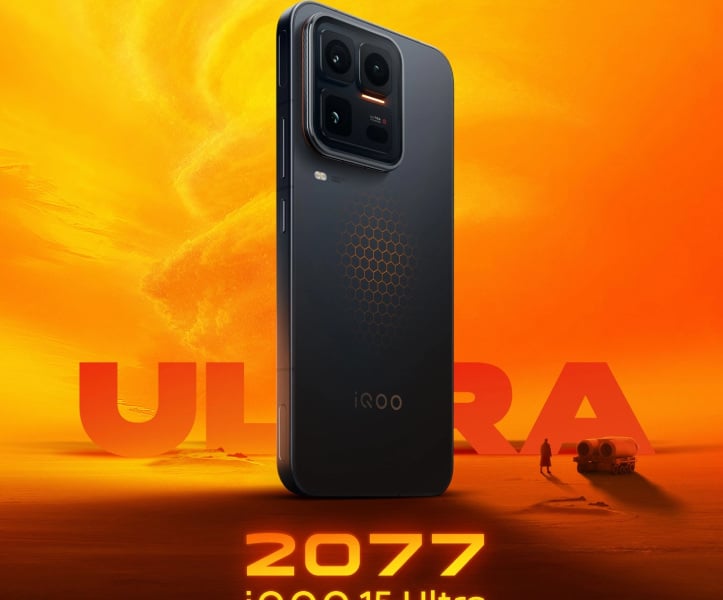
iQOO is set to launch the iQOO 15 Ultra in early February, and the company has started sharing details about what sets it apart from other flagship phones.
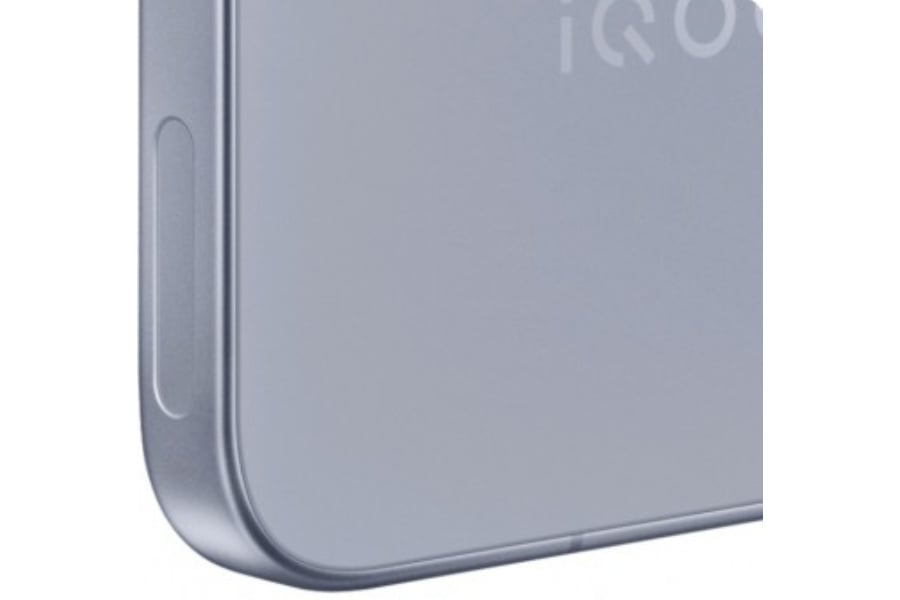
According to iQOO’s product manager, the iQOO 15 Ultra will be the first smartphone to feature what the company calls “Super-Sensitive Touch Shoulder Buttons.”
As the name suggests, these are touch-based shoulder controls placed on the left and right sides near the main button area. So when the phone is held horizontally, fingers naturally rest on these zones.
iQOO says that popular FPS games will support built-in adaptive presets for the shoulder buttons. The controls also offer advanced mapping options, including combo actions and shortcut functions, allowing users to go beyond basic tap inputs.
iQOO 15 Ultra shoulder buttons has leading sampling rate
On the hardware side, the shoulder buttons operate with a 600Hz touch sampling rate, which iQOO describes as industry-leading. The system uses dual independent control chips, enabling each shoulder button to send inputs separately. This design is intended to minimize input delay and improve accuracy.
The company has also added a new anti-sweat algorithm to address issues that commonly appear during longer gaming sessions.
Unlike traditional press-type shoulder buttons, the iQOO 15 Ultra’s implementation avoids mechanical components altogether. Paired with a linear motor, the phone simulates tactile feedback that remains consistent over extended use.
Since there are no physical moving parts, iQOO says the buttons do not suffer from mechanical wear. Great, and it also means a virtually unlimited lifespan. The flush design also helps improve resistance to sweat and water while reducing the chances of dust and dirt buildup. Another advantage is the lack of reset delays, which helps keep latency low and allows for smoother continuous inputs.
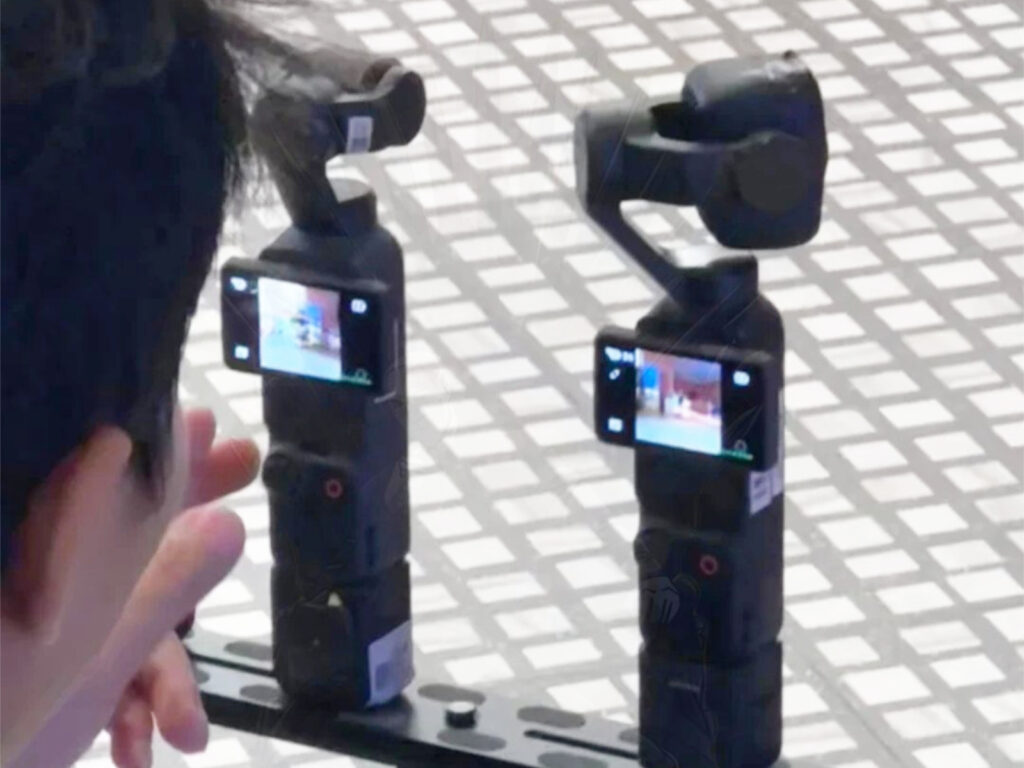
The DJI Osmo Pocket 4 Pro may finally be close to launch, and a newly surfaced image is giving us the clearest look yet at what sets it apart. The photo, which shows the device from the front, appears to confirm a dual-camera setup, something DJI hasn’t offered before in its Pocket lineup.
The image was reportedly taken at an indoor ski resort in Shenzhen, where DJI is headquartered. While the setting itself is unusual, it may explain why the device was spotted in public at all. What stands out immediately is the presence of two lenses housed inside the familiar rotating gimbal head. Previous models, including the popular Osmo Pocket 3, have always relied on a single camera.
Alongside the dual lenses, the rotating touchscreen introduced with the Pocket 3 is also visible. That detail helps place this clearly within the Osmo Pocket family, even though the hardware looks more advanced. The dual-camera design is widely expected to be exclusive to the “Pro” variant, helping distinguish it from a standard Osmo Pocket 4.
There’s still no official word on the sensor sizes and what each camera does, but current speculation points to a wide-angle main lens paired with a secondary 2-4x telephoto or zoom camera.
Osmo Pocket 4 and Osmo Pocket 4 Pro, from left to right
The timing of the leak is also interesting. Earlier rumors suggested the regular Osmo Pocket 4 might launch first, with the Pro version following later in the year. Seeing what looks like a finished unit in a real-world setting suggests development is further along than expected.
The Osmo Pocket 3 is still selling well, but a dual-camera Pro model could tempt creators who want more flexibility without moving to larger cameras. With retail box leaks and regulatory filings already circulating, an official announcement may not be far off.
For now, this image is the strongest hint yet that DJI’s next Pocket camera will be a meaningful step forward, not just a routine update.
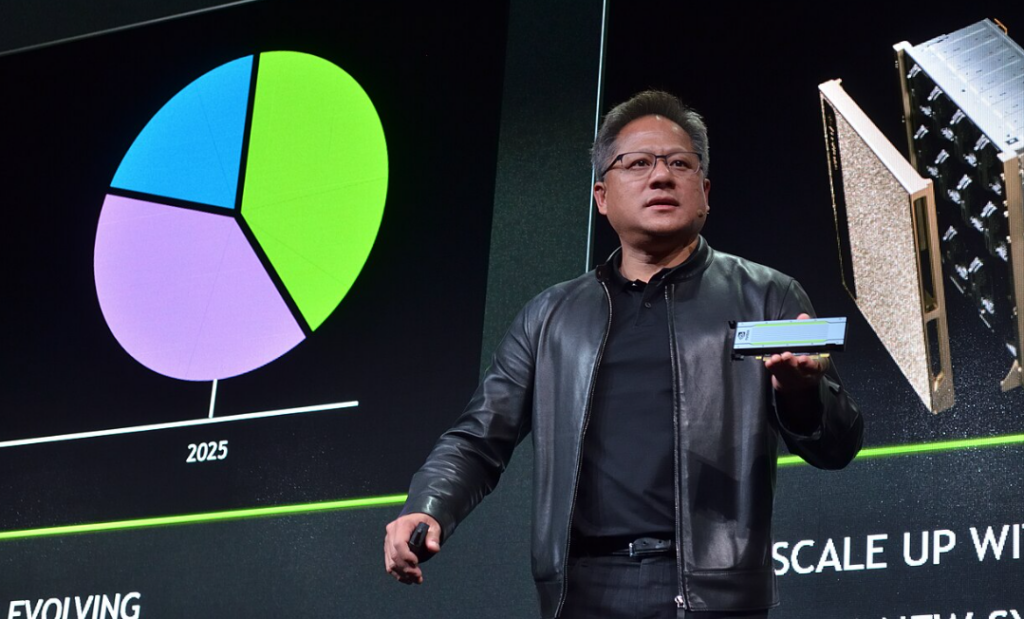
Nvidia CEO Jensen Huang’s China visit comes amid fresh uncertainty over H200 AI chip imports.
China’s customs block shows how fragile US approval is without Beijing’s green light.
The episode underlines the next phase of the US–China tech war: selective access, higher costs, and slower trust.
Jensen Huang – CEO NVIDIA
Nvidia CEO Jensen Huang is currently in China, visiting Shanghai, and is expected to visit Beijing and Shenzhen. The trip follows Nvidia’s long-running Lunar New Year tradition with employees, but it comes at a tense moment.
Just days earlier, Nvidia’s H200 AI chips were unexpectedly blocked by Chinese customs after arriving in Hong Kong. No formal explanation has been given, and officials have not said whether the restriction is temporary or permanent.
Nvidia has also stayed silent, adding to uncertainty for customers and investors.
Why the H200 Block Matters
The H200 is one of Nvidia’s most powerful AI chips allowed for China under US rules. Washington approved exports again in December, under President Donald Trump, after months of lobbying. However, China’s customs action shows that US approval alone is not enough.
Chinese regulators have warned local tech firms to reduce reliance on Nvidia and prioritise domestic chips. Companies like Alibaba Group, Tencent, and ByteDance are now buying H200s only for critical projects. Limited supply has also pushed prices up sharply on the grey market.
What This Means for the US–China Tech War
This episode highlights a new phase of the tech conflict. Instead of full bans, both sides are using delays, fees, and quiet approvals as leverage. For the US, it limits China’s access without shutting the door completely. For China, it pressures firms to build local alternatives while keeping Nvidia within reach.
Looking ahead, the future likely means slower approvals, higher costs, and more uncertainty. NVIDIA may still do business in China, but every shipment now depends on politics as much as performance.
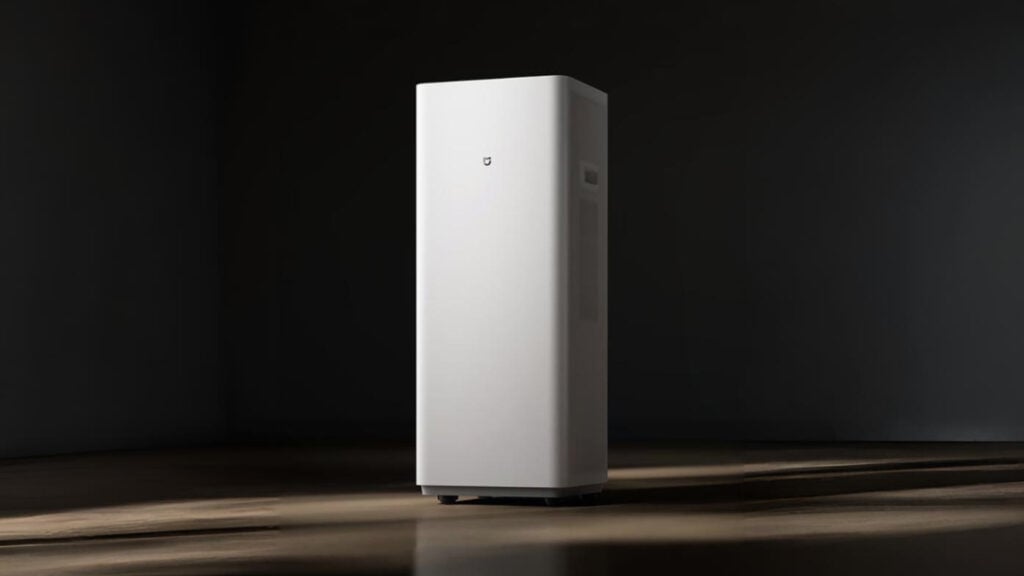
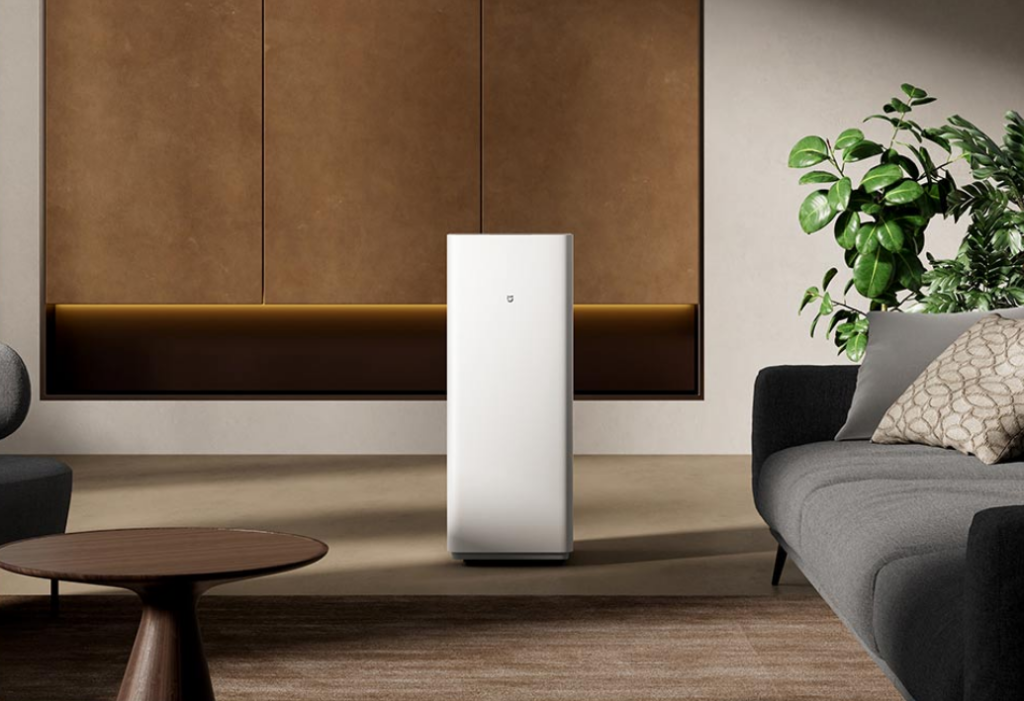
Xiaomi has introduced the Mijia Inverter Purifying Dehumidifier Max in China. The new model targets users in large homes and high-humidity environments and is priced at 3,799 yuan ($544) during the pre-sale period.
Mijia Purifying Dehumidifier Max Specs
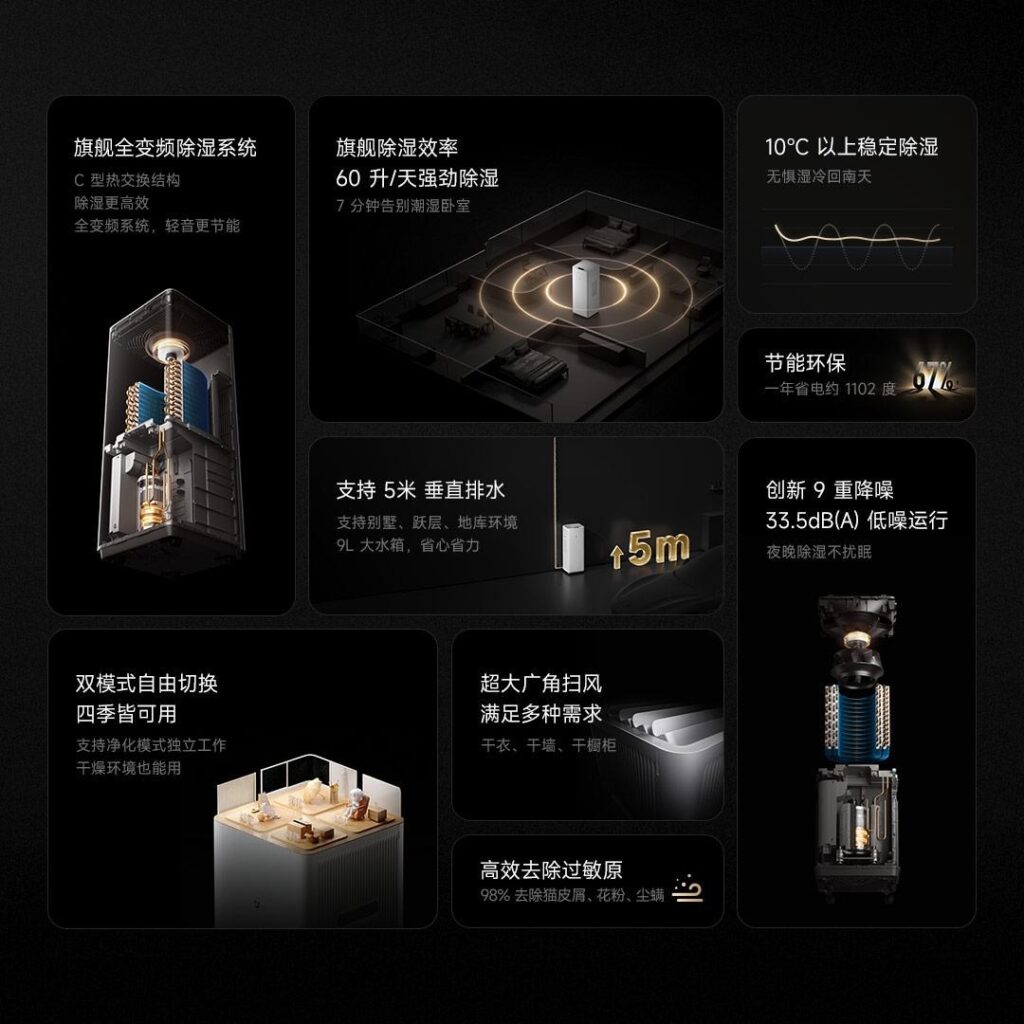
The device features a dehumidification capacity of up to 60 liters per day. The unit comes with a dual-rotor inverter compressor and a fully inverter-driven system, including the compressor, fan motor, and stepper motor.
The system delivers high-performance moisture control while maintaining energy efficiency and low noise. It supports continuous operation in environments above 10°C and prevents frost buildup through precise evaporator temperature control.
The device can bring humidity in a 15-square-meter bedroom down to a comfortable level in just seven minutes. It supports coverage of up to 120 square meters, making it suitable for large living rooms, duplex homes, and basement spaces. The unit carries a nominal dehumidification power rating of 520W, with peak input reaching up to 650W.
The dehumidifier also works as an advanced air purifier, using a five-stage purification system that combines an antibacterial pre-filter, a high-precision particulate filter, a formaldehyde removal layer, UVC sterilization, and a plasma generator.
The purification function can run independently when dehumidification is not needed. Particle CADR ranges from 300 to 352 cubic meters per hour, while formaldehyde CADR reaches up to 170 cubic meters per hour, depending on environmental conditions.
Xiaomi equips the unit with a 9-liter water tank to reduce emptying, along with a built-in drainage pump that supports up to 5 meters of vertical drainage and 30 meters horizontally.
The device includes safety features such as overflow protection, tilt detection, overheat protection, and a child lock. It also offers a wide-angle clothes-drying mode that can dry up to 10 cotton garments in around 75 minutes while helping reduce moisture on walls and inside cabinets.
For smart control, the unit supports HyperOS. It connects to the Mi Home app, allowing users to monitor air quality, switch modes, and operate the device remotely, with added support for voice assistants. It also features a built-in LCD panel that shows real-time temperature, humidity, and PM2.5 data.
In related news, Xiaomi has recently launched the Mijia Washing Machine Pro 12kg with super electrolysis and smart dosing, and also introduced its flagship electric shaver featuring dual-ring stainless-steel blades and up to 95 days of battery life.
For more daily updates, please visit our News Section.
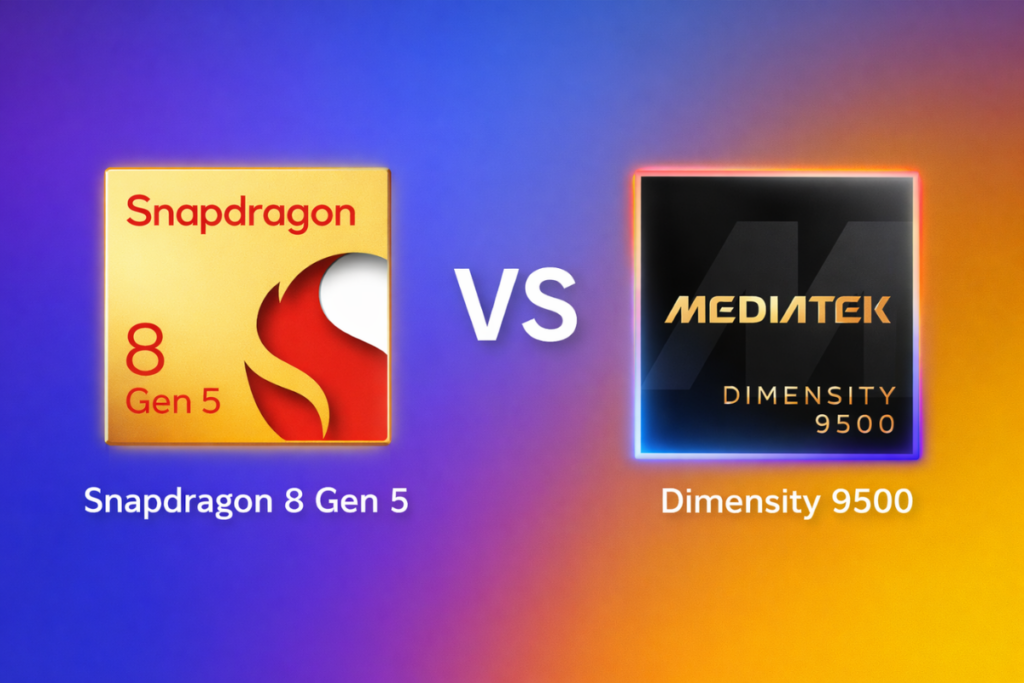
The Snapdragon 8 Gen 5 is a powerful high-end chipset from Qualcomm, featuring third-generation Oryon CPU, the same CPU from the top-tier Snapdragon 8 Elite Gen 5 chip, but at a lower price. The chipset also integrates a capable Adreno GPU, advanced camera ISP, and robust connectivity, making it a well-rounded option.
On the other hand, the Dimensity 9500 is MediaTek’s most premium smartphone chip, featuring newer-gen C1-series cores. This chip offers serious performance and power efficiency. It would be exciting to see how the Snapdragon 8 Gen 5 performs against the Dimensity 9500. So, let’s dive in.
Here’s the spec sheet to begin with:
Snapdragon 8 Gen 5
Dimensity 9500
Announced
November 2025
September 2025
Process node
TSMC’s 3nm (N3P)
TSMC’s 3nm (N3P)
CPU
2 x 3.8GHz — Oryon (3rd gen) 6 x 3.32GHz — Oryon (3rd gen)
1 x 4.21 GHz — C1-Ultra 3 x 3.5 GHz —C1-Premium 4 x 2.7 GHz — C1-Pro
GPU
Adreno 840 ray tracing support Snapdragon Elite Gaming features
Qualcomm Spectra triple AI ISP (20-bit) up to 320MP single camera up to 108MP single camera with zero shutter lag, 30fps up to 48MP triple cameras with zero shutter lag, 30fps real-time semantic segmentation (limitless) up to 4K/120fps video recording
MediaTek Imagiq 1190 ISP up to 320MP single camera up to 8K video recording 4K/120fps video recording (EIS) 4K/60fps cinematic video capture real-time semantic segmentation support
Snapdragon 8 Gen 5 vs Dimensity 9500: Benchmark score
Note: The benchmark tests were performed on the OnePlus 15R (powered by Snapdragon 8 Gen 5) and the Vivo X300 Pro (powered by Dimensity 9500).
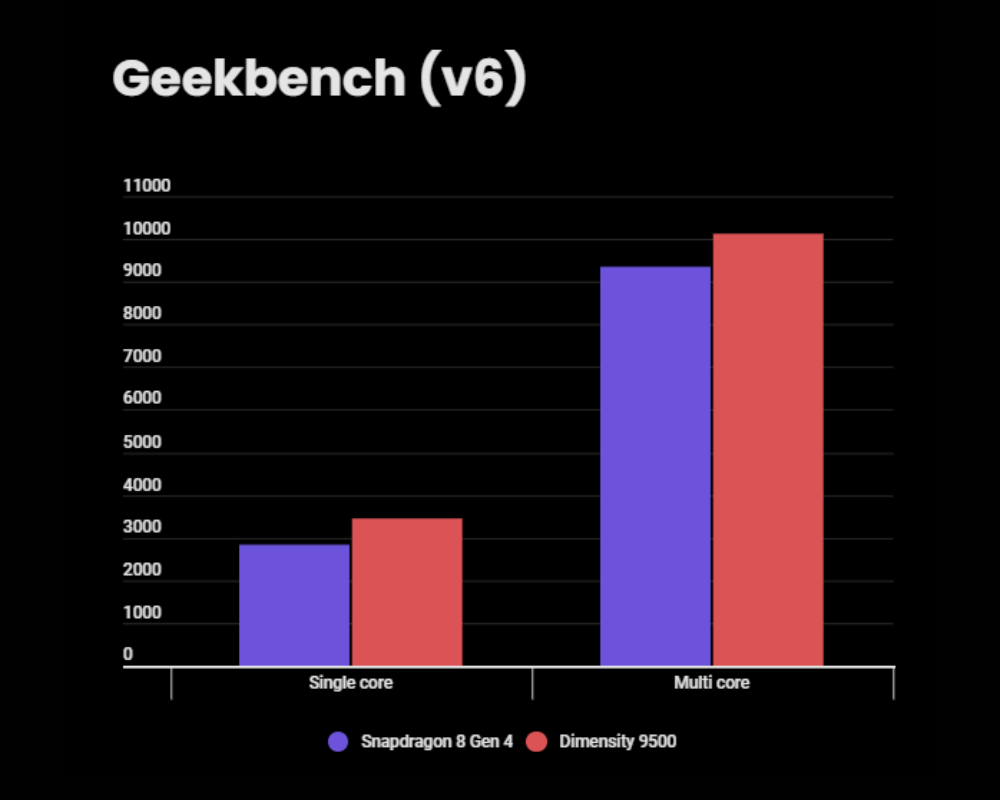
Geekbench score
The Dimensity 9500 comfortably outperforms the Snapdragon 8 Gen 5 on Geekbench, with a 21% higher single-core score and an 8% higher multi-core score. This should result in better peak performance on Dimensity 9500-powered devices across tasks that require either a single CPU core or multiple cores.
Snapdragon 8 Gen 5
Dimensity 9500
Single core
2,837
3,452
Multi core
9,352
10,128
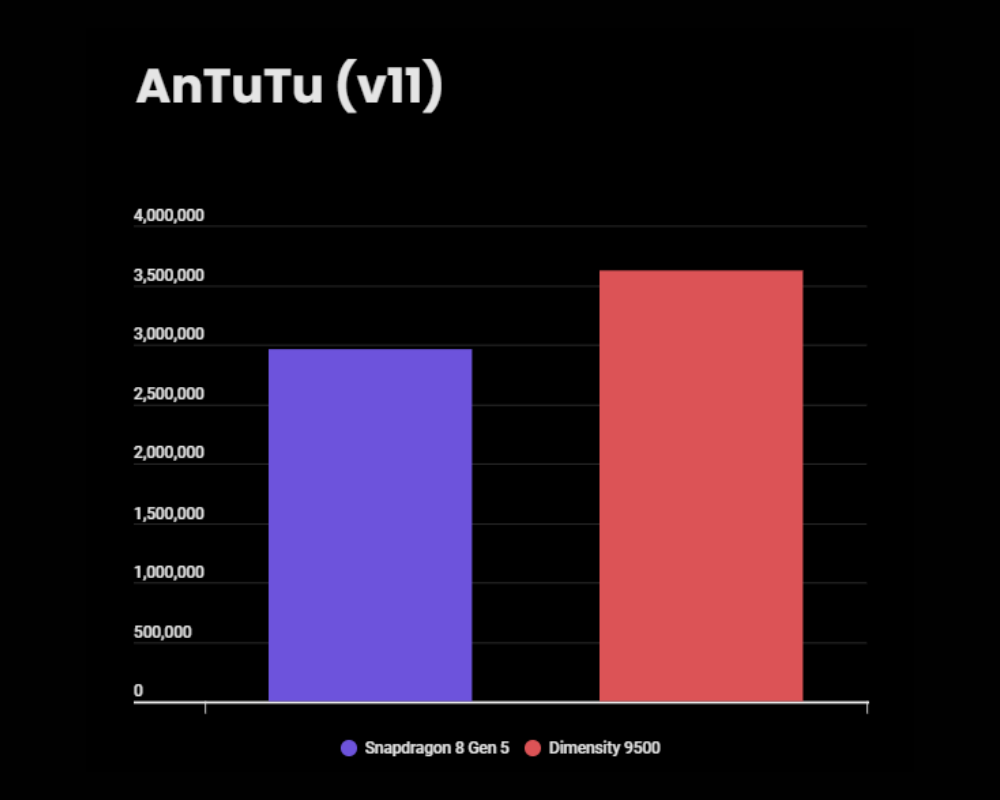
AnTuTu score
AnTuTu scores tell a similar story, with the Dimensity 9500 getting about 22% higher score than the Snapdragon 8 Gen 5. The Dimensity chip continues to lead the CPU score, but the GPU makes a bigger impact here, with a massive 40% higher score. The memory score is more than twice that of the Snapdragon 8 Gen 5, while the user experience (UX) score just beats the Snapdragon chip.
Snapdragon 8 Gen 5
Dimensity 9500
AnTuTu score
2,961,236
3,622,840
CPU
914,878
942,069
GPU
974,402
1,364,441
Memory
382,729
602,541
UX
689,228
713,788
Benchmark scores suggest a clear performance advantage for the Dimensity 9500 over the Snapdragon 8 Gen 5. However, that’s not the complete picture. They do not cover every aspect, such as connectivity, on-device AI, ISP, and more. So, let’s dig further to find out which one is actually the better chipset overall.
Snapdragon 8 Gen 5 vs Dimensity 9500: Key differences that matter
CPU, GPU, & NPU
The Snapdragon 8 Gen 5 uses a 2+6 CPU configuration, featuring two Oryon prime cores and six Oryon performance cores. In contrast, the Dimensity 9500 features a 1+3+4 CPU configuration, with one Cortex C1-Ultra prime core, three Cortex C1-Premium performance cores, and four Cortex C1-Pro lower-power cores. The Dimensity chip has a higher peak speed, allowing it to achieve higher peak performance. We just saw that in benchmark scores.
For rendering graphics, the Snapdragon 8 Gen 5 primarily relies on the Adreno 829, leveraging the Qualcomm Sliced architecture and a full suite of Snapdragon Elite Gaming features to deliver smooth gaming performance with lower latency and stable frame rates. In contrast, the Dimensity 9500s uses Mali-G1 Ultra MP12 GPU with support for MediaTek HyperEngine Gaming Technology and 120fps ray-traced mobile gaming.
Both chipsets feature capable NPUs (the Hexagon NPU on the Snapdragon 8 Gen 5 and the MediaTek NPU 990 on the Dimensity 9500) with multimodal and agentic AI capabilities. The AI also helps optimize camera output, the gaming experience, and connectivity.
Camera, ISP, & connectivity
The Snapdragon 8 Gen 5 uses a 20-bit Spectra triple AI-ISP, while the Dimensity 9500 relies on the Imagiq 1190 ISP to convert raw data into usable photos and videos. Additionally, there are numerous features to improve the output quality. Furthermore, there are additional optimizations from the smartphone brand that could make a significant difference.
Both chipsets deliver robust connectivity features, including 5G support, Bluetooth 6.0 standard, and impressive peak download and upload speeds. However, Qualcomm may have an edge in some markets, such as North America, due to stronger carrier aggregation and more mature modem capabilities.
Snapdragon 8 Gen 5 vs Dimensity 9500: Which is a better choice?
The Dimensity 9500 is the better choice overall. Its newer C1-series CPU cores, higher clock speeds, and stronger GPU output translate into superior benchmark scores and better peak performance, especially in demanding tasks and high-end gaming. The chip should also deliver better power efficiency.
However, if peak performance and longer gaming sessions are not your thing, the Snapdragon 8 Gen 5 is actually a more sensible choice. It delivers robust connectivity, a mature ISP, and better computational photography. On top of everything, the Snapdragon 8 Gen 5 phones tend to be cheaper than phones powered by Dimensity 9500.
Apple looks set to make a small but noticeable change to the front of its next Pro iPhone. As per the latest leak, the iPhone 18 Pro could arrive with a smaller Dynamic Island, trimming down a design element that has stayed almost untouched for years.
The Dynamic Island first appeared on the iPhone 14 Pro and, physically at least, it has barely changed since then. Even on the current iPhone 17 Pro, the pill-shaped cutout is still wide enough to be clearly visible during videos, games, or any content that pushes right up to the top of the display. Apple has done a lot with it in software, but the hardware footprint has remained the same.
For a short while, it looked like Apple might go in a very different direction in 2026. Some early reports hinted at a small punch-hole camera placed toward the top-left of the screen, with Face ID hidden entirely under the display. That now seems unlikely. According to leaker yeux1122, the company is taking a more measured approach instead.
The latest information suggests Apple may move an infrared sensor beneath the AMOLED panel. By doing that, the visible cutout would no longer need to be as wide.
A comparison image shared by the leaker shows the Dynamic Island shrinking from about 20.76mm on the iPhone 17 Pro to roughly 13.49mm on the iPhone 18 Pro. That’s close to a 35% reduction, mostly in width. The height stays more or less the same, and the cutout remains centered.
On paper, this doesn’t sound dramatic, but it could make a difference in daily use. There would be a bit more usable screen space on both sides of the cutout, and the Dynamic Island itself would feel less dominant when watching videos or playing games. Developers might also get more room to work with for live activities and alerts.
It looks like Apple is edging toward a cleaner, more immersive display. However, an Android-style hole-punch cutout seems more likely to be reserved for the 20th anniversary iPhone.
Xiaomi is quietly preparing its own answer to Apple’s AirTag and similar item trackers. Last month, a report suggested that a product called the Xiaomi Tag was in development. Now, fresh details from a reliable source add more weight to that claim.
Well-known leaker Kacper Skrzypek shared on X that he discovered references to the Xiaomi Tag hidden inside HyperOS system files.
Based on what he found, Xiaomi’s tracker may debut first in mainland China, rather than launching globally right away. Not as surprising, as Xiaomi often rolls out new hardware in its home market before expanding elsewhere.
According to Skrzypek, the Xiaomi Tag will look similar to Samsung’s Galaxy SmartTag 2. It’s also expected to come in two different versions.
One model will support Ultra-Wideband (UWB), which allows for more precise location tracking at close range, while the other will rely only on Bluetooth. Both versions are said to use CR2032 coin cell batteries for power.
Here’s what Xiaomi Tag looks like
The leaker also shared a product rendering image, which gives a rough idea of the design Xiaomi may be going for. While the image doesn’t confirm final hardware details, it suggests Xiaomi is sticking with a clean, functional look rather than trying something radically different.
More clues come from strings of code found in HyperOS, which hint at how the Xiaomi Tag will work in everyday use.
Users should be able to pair the tag by simply peeling off an insulating sticker on the back and bringing the tag close to their phone for automatic pairing. Once set up, you should see the tag’s location on a map, get notifications when an item is lost, and manage safety features. One such feature allows trusted users to avoid triggering “unknown tracker” alerts when traveling together.
For now, Xiaomi hasn’t officially confirmed the product.
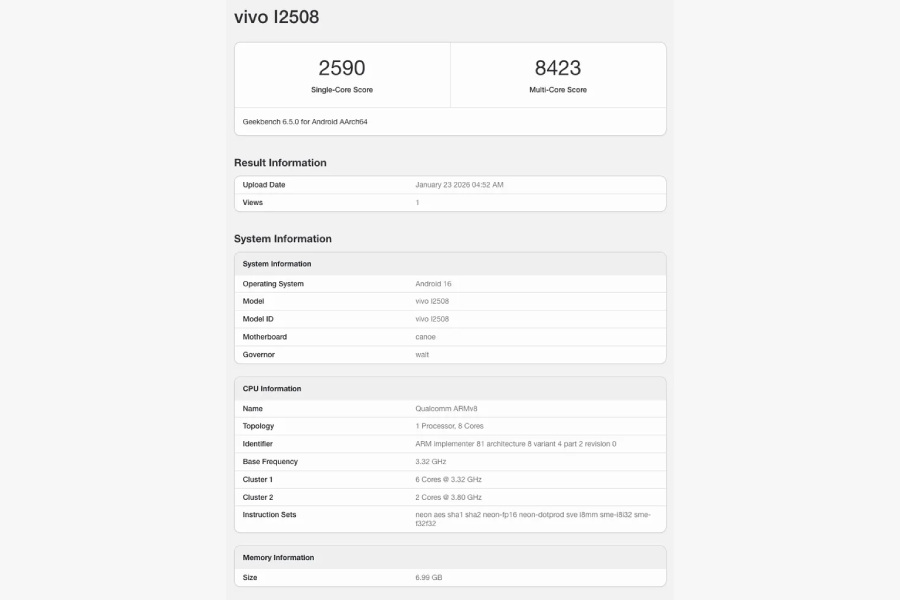
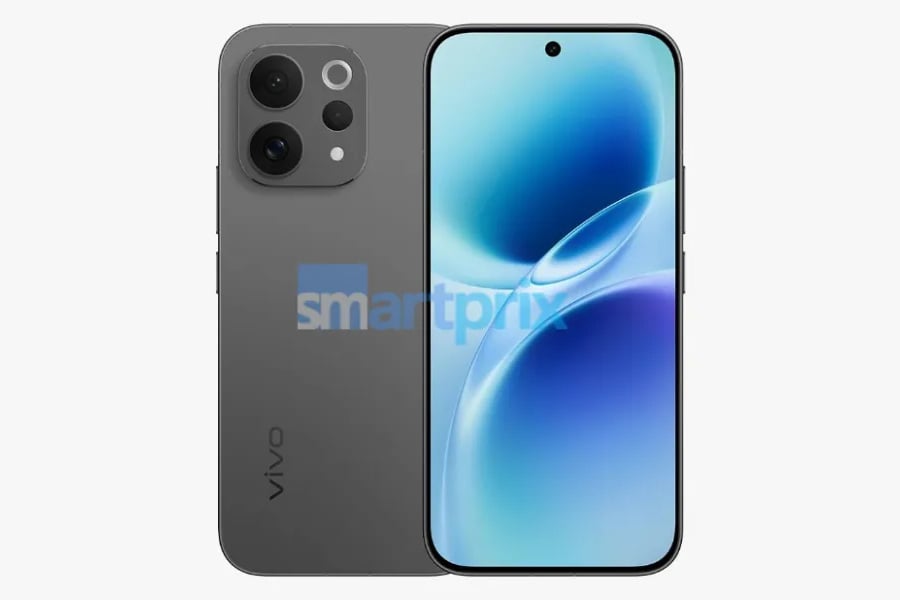
iQOO has recently begun teasing the launch of the iQOO 15R in India. The first teaser offered little more than a glimpse at the phone’s design, but a fresh Geekbench listing now adds a few new concrete details to the picture.
The device appears on the benchmark as Vivo I2508, which is a model number believed to correspond to the iQOO 15R. In testing, it posted a single-core score of 2,590 and a multi-core score of 8,423.
iQOO 15R runs on Snapdragon 8 Gen 5
Geekbench’s CPU breakdown shows two prime cores clocked at up to 3.80GHz, alongside six performance cores running at 3.32GHz. Those clock speeds closely match Qualcomm’s Snapdragon 8 Gen 5, suggesting that iQOO’s upcoming phone could be powered by this flagship chip.
The listing also reveals Android 16 OS and 8GB of RAM on the tested unit. While that doesn’t confirm the full range of memory options, it does leave the door open for higher-end configurations at launch.
iQOO Z11 Turbo
Interestingly, recent leaks suggest the iQOO 15R may be a rebranded version of the iQOO Z11 Turbo. If that turns out to be true, the phone could feature a 6.59-inch AMOLED display with a 1.5K resolution and a 144Hz refresh rate, along with IP68 and IP69 ratings for dust and water resistance.
Other rumored specs include up to 16GB of LPDDR5x RAM, up to 1TB of UFS 4.1 storage, and a camera setup headlined by a 200-megapixel main sensor paired with an 8-megapixel ultrawide. On the front, a 32-megapixel camera is expected to handle selfies.
Powering it all could be a massive 7,600mAh battery with support for 100W wired fast charging. The price in China starts at CNY 2,699 or INR 35,999, so we can expect iQOO 15R to launch close to the INR 40,000 range.
For more daily updates, please visit our News Section.
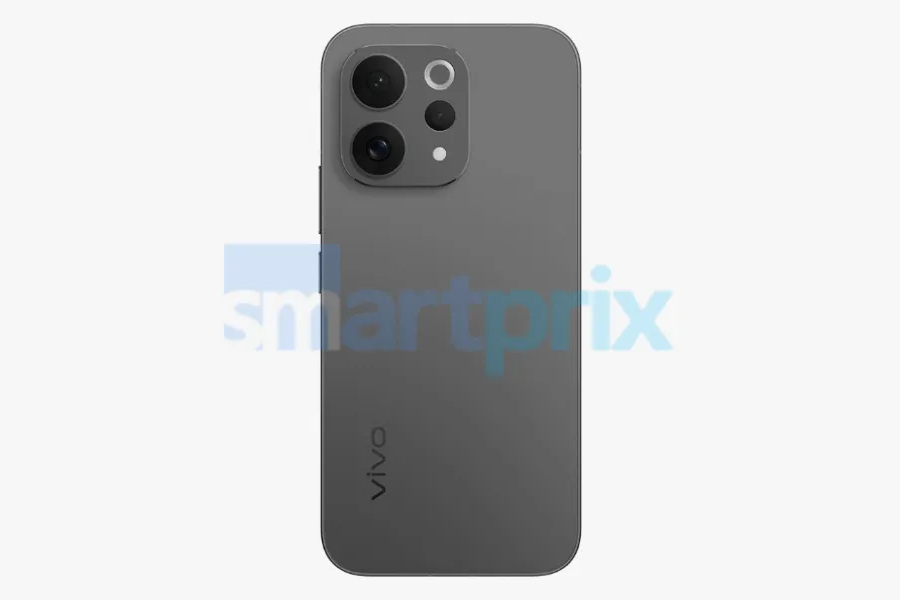
The Vivo V70 series is likely to launch in India next month, comprising two models: the Vivo V70 and Vivo V70 Elite. The latter has also recently been listed on India’s Bureau of Indian Standards (BIS) website, which usually indicates that a launch isn’t far off.
Ahead of the launch, a report has revealed the design and full specifications of both devices.
Vivo V70 / V70 Elite Specifications (Expected)
The report claims both the V70 and V70 Elite feature a squircle camera island on the back with three lenses arranged in an iPhone-like symmetry. On the front, the phones are said to have a small punch-hole cutout with minimal bezels all around.
As for the colors, the Vivo V70 is said to be available in Passion Red and Lemon Yellow, while the Elite variant could come in Passion Red, Sand Beige, and Black.
The two phones will also have different processors. The V70 Elite is tipped to run on Qualcomm’s Snapdragon 8s Gen 3 chipset. The standard model, on the other hand, is expected to feature the Snapdragon 7 Gen 4.
Meanwhile, both phones are expected to sport a 6.59-inch Full HD+ AMOLED display with a 120Hz refresh rate.
In terms of cameras, both models are said to feature a 50-megapixel primary sensor, an 8-megapixel ultra-wide camera, and a 50-megapixel Zeiss-branded telephoto lens with 3x optical zoom. AI-backed software processing is expected to offer features such as AI Holi Festival Portrait mode, AI Magic Weather, and the Flowing Blessing feature.
Both models could also pack a 6,500mAh battery with support for 90W fast charging. Software-wise, the Vivo V70 and V70 Elite are expected to ship with OriginOS 6 out of the box. The new OS is said to introduce features like Origin Island, Office Kit, and Flip Cards.
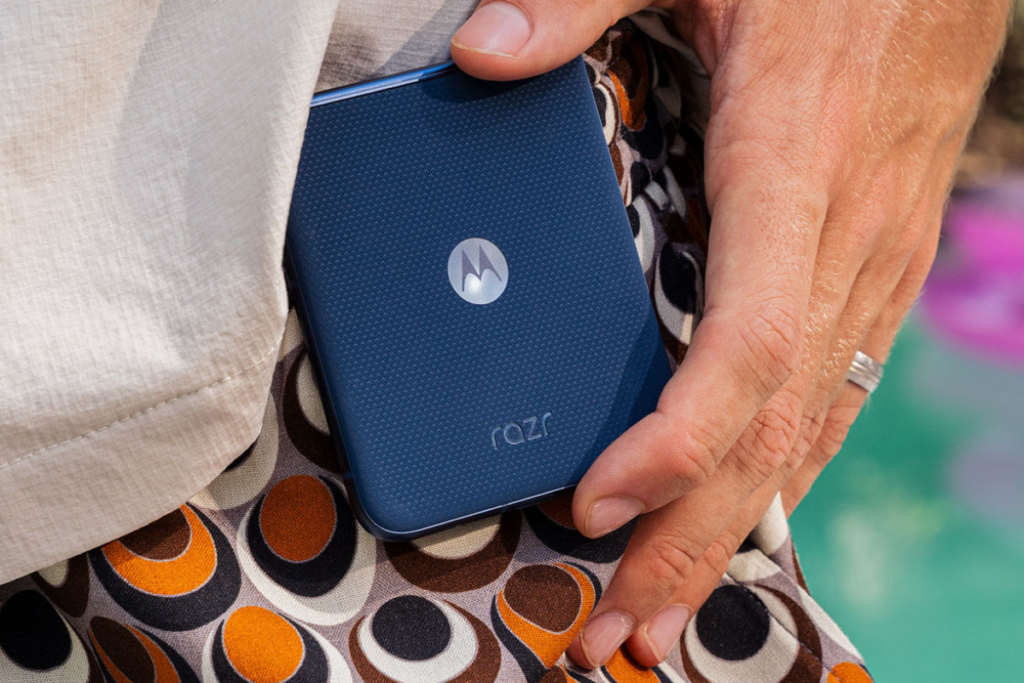
Motorola has been rolling out Android 16 for quite some time now. The update has already reached over a dozen smartphones, including many Edge models and Moto G-series phones. Unfortunately, some premium Razr phones are still awaiting their turn. Among them was the Razr 2025, which is finally receiving the Android 16 update.
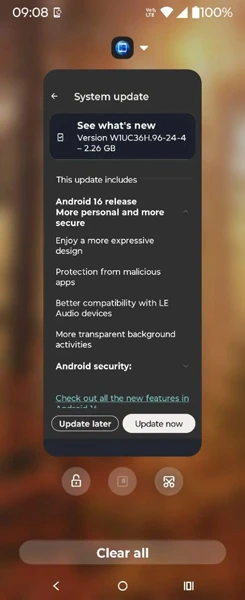
The Razr 2025 is sold as Razr 60 in some markets, including India. The Android 16 update for this foldable phone has the firmware version W1UC36H.96-24-4. While Motorola has yet to announce the rollout for Razr 2025, some users in India are receiving it already, as shared by them on Reddit. The update will soon expand to North America and the remaining regions.
As you can see in the screenshot, the update package has a hefty download size of 2.26GB. It’s best to use Wi-Fi to download such large packages. If you haven’t received a notification about the update, check for it manually by navigating to Settings > System updates > Check for updates. Please note that the rollout happens in phases, so it may take a few days to a few weeks to reach all users.
To ensure a smooth upgrade to Android 16, ensure that your Motorola smartphone has sufficient storage and it’s charged to at least 50% before installing the update. You can also back up important data for added safety.
Here’s the complete changelog for Motorola Razr 2025:
Feature improvements After upgrading, you’ll see the following improvements to the Android operating system and other apps.
Find modes in one place Now you can find these modes in Settings > Modes:
Do Not Disturb Bedtime Driving
You can also create custom modes to fit any situation where you want to choose a different set of people or apps who can interrupt you.
Toggle these modes on or off in quick settings.
Connect to Wi-fi and hotspot with one tap If your phone and device you want to connect to its hotspot are using the same Google account, you no longer need to enter a password to connect.
Better support for low-energy audio hearing aids You can now choose to use either your hearing aid’s built-in microphone or your phone’s microphone during voice calls. Additionally, you can adjust the volume of ambient sound captured by the hearing aid’s microphones. These options help enhance call clarity, especially in noisy environments or when your hearing aid’s battery is running low.
Other improvements Android system updates add more than new features. Using the latest Android update provides other improvements such as:
– Enhanced security and protection to defend against evolving threats like malware, phishing, and data breaches – App compatibility with newer apps, which often require the latest Android version to function correctly – Performance improvements that optimize your phone’s operating system for smoother performance, better stability, and, in some cases, longer battery life – Bug fixes and stability enhancements to resolve known issues and improve overall reliability and stability
You can regularly visit the Motorola section on Gizmochina to stay up-to-date with the latest news and developments. Or, if you prefer instant updates, don’t forget to join our Telegram channel.
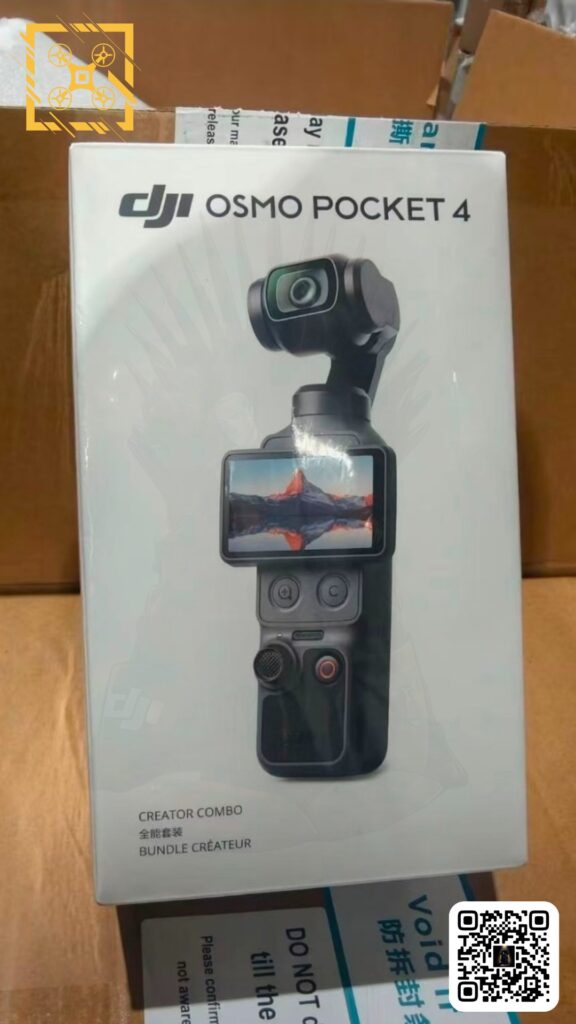
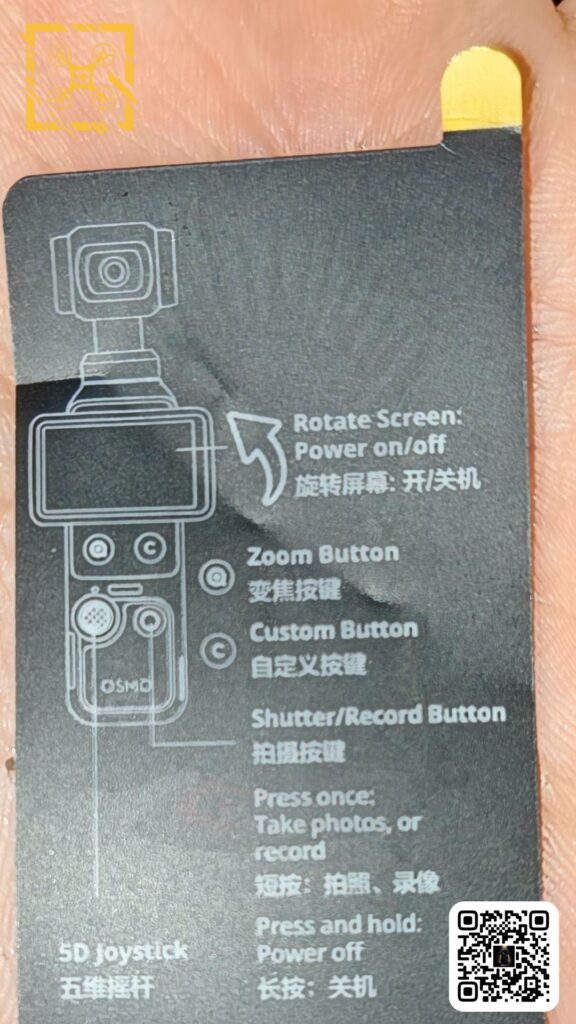
The latest leak suggests DJI’s next compact gimbal camera could be just around the corner. Retail packaging believed to belong to the DJI Osmo Pocket 4 has surfaced online, offering an early look at what DJI may have planned as the successor to the Osmo Pocket 3.
The images were shared by tipster Igor Bogdanov (@Quadro_News on X) and appear to show finalized retail boxes, indicating the device may already be moving through distribution channels. From what’s visible, DJI hasn’t drastically changed the formula. The Osmo Pocket 4 keeps the familiar pocket-sized design, with a single stabilized camera module at the top and a rotating touchscreen at the bottom, a layout that has worked well for vloggers and travelers.
That said, the packaging also hints at some practical refinements. Most notably, there appear to be new physical buttons near the hinge area, including a dedicated zoom control and a customizable “C” button. These additions should make one-handed operation easier, especially when adjusting focal length or switching modes mid-shot — something Pocket users have long asked for.
The leak lines up with another recent post from the same source, which showed what looked like an internal warehouse inventory listing multiple Osmo Pocket 4 SKUs and bundles, including creator kits. Labels such as “registered consignment” suggest the device has moved beyond testing and into mass production, which usually happens shortly before launch.
So far, there’s no confirmation on hardware upgrades like sensors or video specs. Earlier rumors point toward DJI sticking with strong core features such as 3-axis stabilization, possibly building on the Pocket 3’s 1-inch sensor, rather than reinventing the device entirely.
With packaging and warehouse listings now leaking, the Osmo Pocket 4’s debut feels increasingly close. DJI hasn’t said anything officially yet, but if history is any indication, an announcement may not be far off.
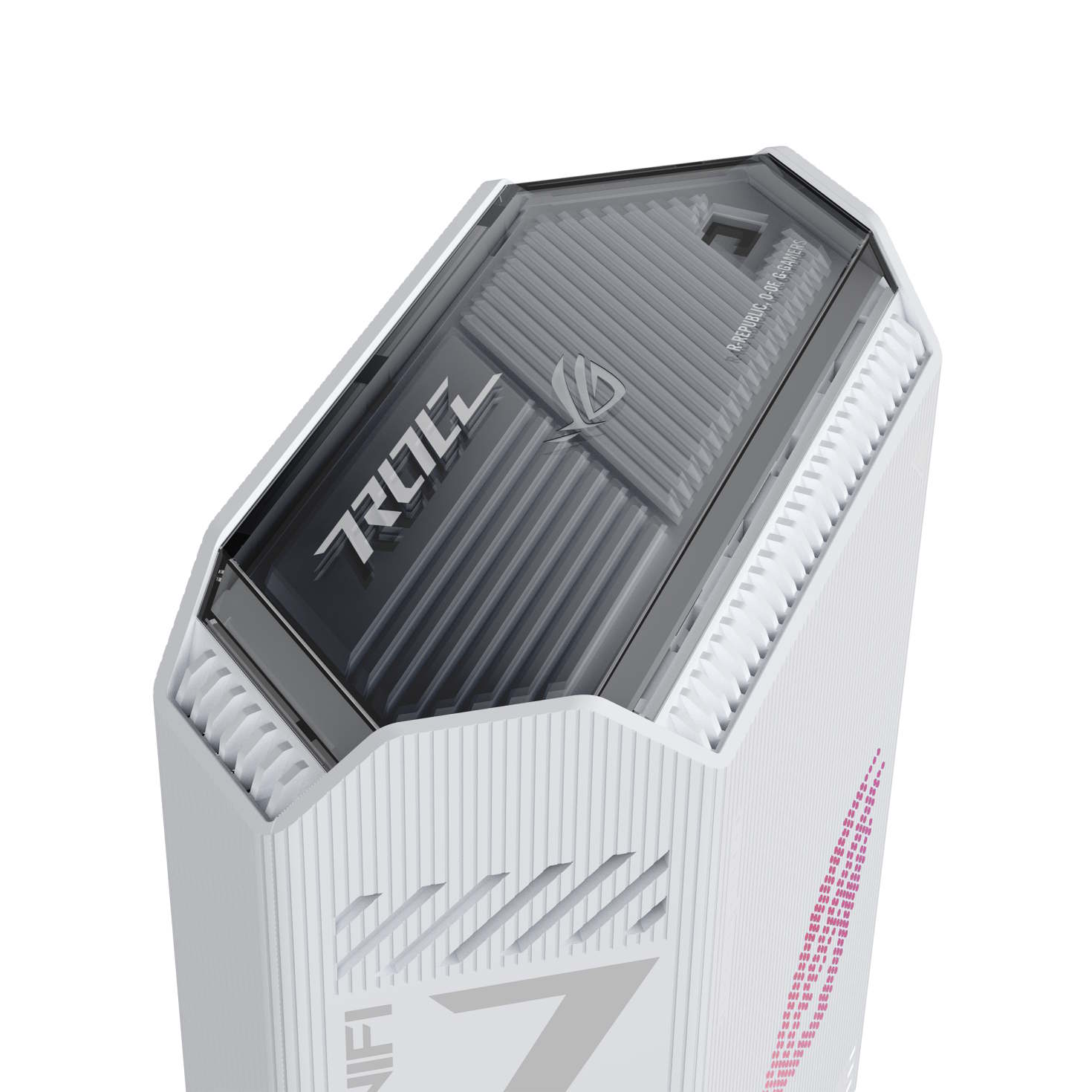
Asus has unveiled the ROG Strix GS-BE7200, a dual-band WiFi 7 gaming router targeting users requiring high-speed wireless and wired connectivity.
The routergive me operates on 2.4 GHz and 5 GHz bands using the WiFi 7 802.11be standard, delivering 1,376 Mbps and 5,764 Mbps respectively. Multi-Link Operation and 4096-QAM enable combined wireless throughput of 7.2 Gbps. The device lacks 6 GHz band support but incorporates Beamforming, OFDMA, and MU-MIMO for improved efficiency.
Six internal antennas with enhanced 5 GHz long-range tuning provide up to 15 percent better throughput at extended distances compared to standard 5 GHz 4T4R routers, according to Asus.
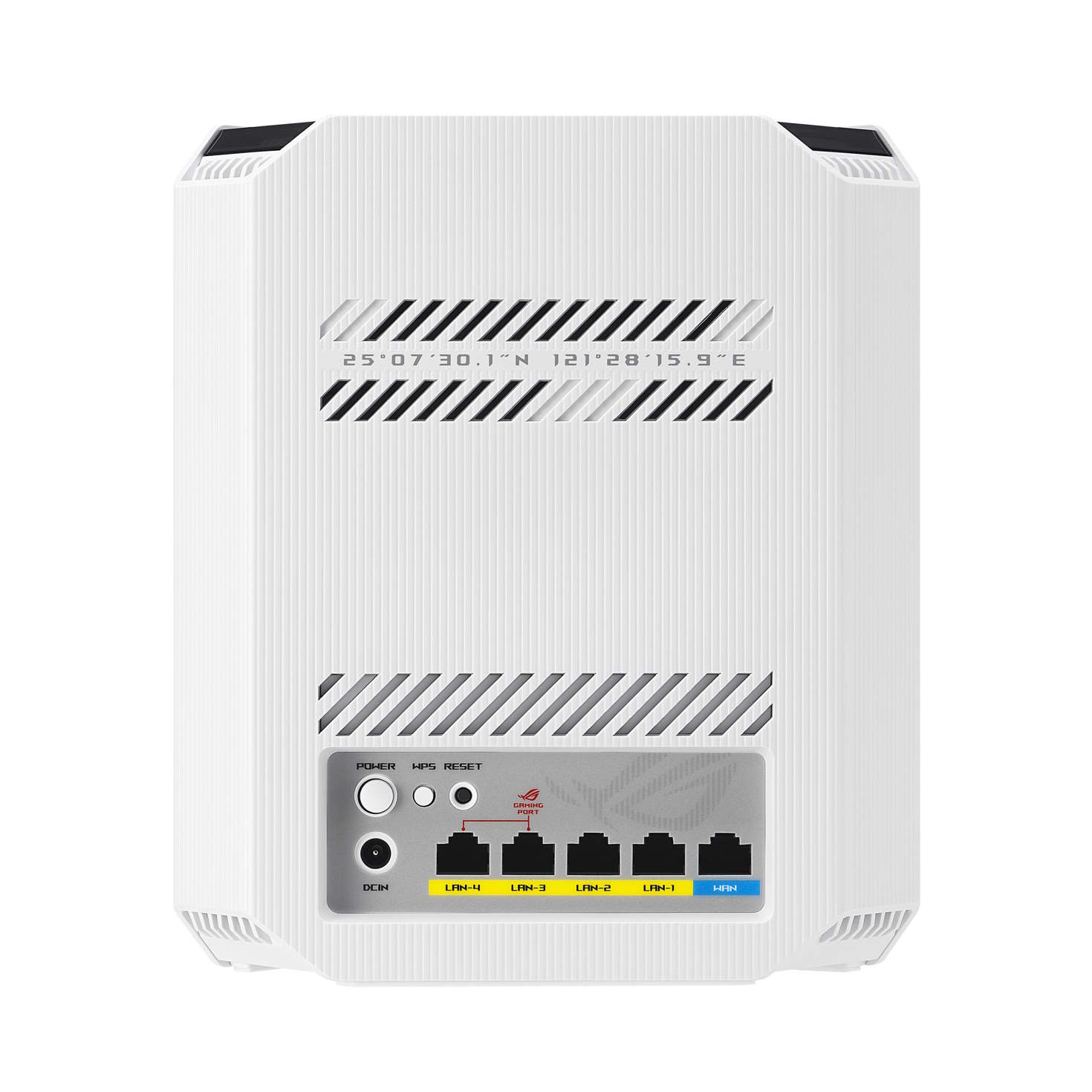
Five 2.5 Gbps Ethernet ports deliver 12.5 Gbps total wired capacity: one WAN port for modem connection and four LAN ports for connected devices. Two LAN ports function as dedicated gaming ports with traffic prioritization. The 2.5 Gbps port speed may limit performance with high-end NAS systems using fast SSD storage.
The GS-BE7200 supports multiple network configurations, including guest networks and isolated IoT subnetworks. Smart Home Master streamlines IoT device setup and VPN subnetwork creation. Security includes AiProtection’s triple-layer protection, parental controls, and pre-installed VPN support for network-wide traffic encryption.
Gaming-specific features include ROG’s proprietary Gaming Network with integrated game acceleration. WiFi 7-enhanced AiMesh compatibility allows mesh network expansion with other Asus routers.
The router features ROG’s signature gaming aesthetic with bold markings and integrated RGB lighting. Users can manage the device through a web interface or companion mobile application. Asus has not disclosed pricing or release dates for the ROG Strix GS-BE7200.
For more daily updates, please visit our News Section.
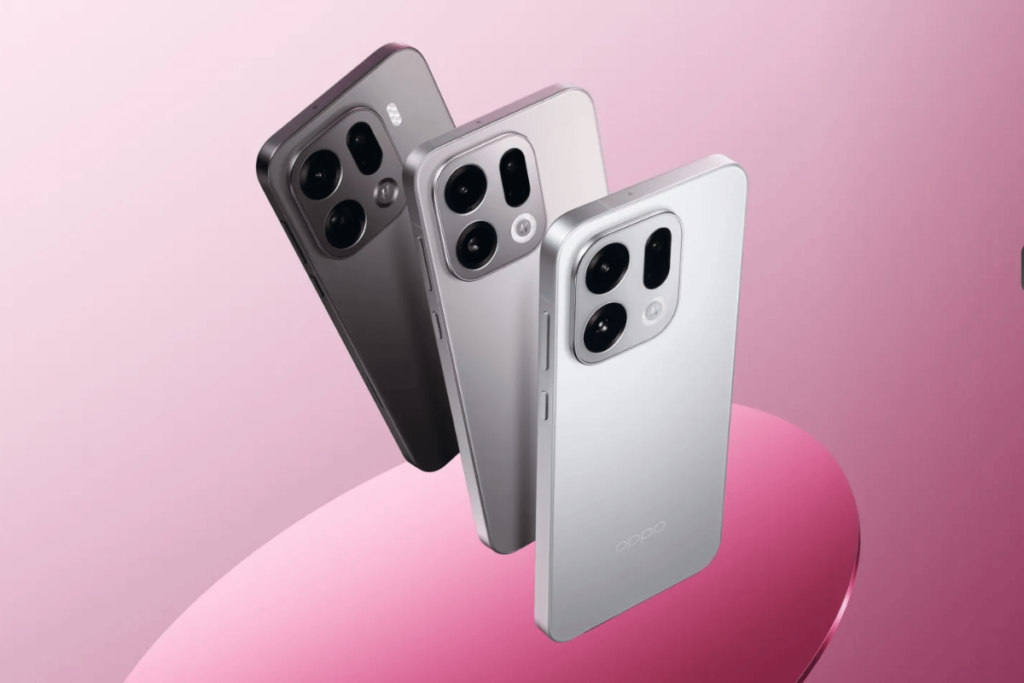
Early leaks suggest Oppo may be planning a notable camera upgrade for its next standard flagship. According to recent information, the standard Oppo Find X10 could receive a much stronger telephoto setup than its predecessor, potentially narrowing the long-standing gap between base and higher-end variants.
For context, the current Find X9 series, launched in October 2025, follows a familiar split. The regular Find X9 uses a 50MP periscope telephoto sensor, while the Find X9 Pro steps up to a significantly larger 200MP periscope camera, which has been one of its key selling points.
That may change with the Find X10. Tipster Digital Chat Station reports that Oppo is testing a 200MP periscope telephoto for the standard Find X10. If accurate, this would be a major jump from the current hardware and a rare move for a non-Pro model in Oppo’s lineup.
The exact sensor hasn’t been confirmed yet. Oppo could reuse Samsung’s ISOCELL HP5 or switch to a newer alternative, but either option would mark a clear upgrade in both resolution and sensor size.
A higher-resolution telephoto could bring practical gains, including sharper long-range shots, improved low-light zoom, and more flexibility for cropping. It would also make the base Find X model far more competitive against other camera-focused flagships.
Oppo isn’t alone in this direction. OnePlus is also rumored to be considering a 200MP telephoto for the upcoming OnePlus 16, suggesting a broader shift toward high-resolution zoom cameras across the group.
The Find X10 series is expected to arrive sometime in late 2026, following Oppo’s usual annual cycle. Before that, the company is likely to unveil the Find X9 Ultra, which could introduce further camera refinements ahead of the X10 generation.
If these early details hold up, the standard Find X10 could end up offering near Pro-level zoom performance, a move that would make it one of Oppo’s most compelling base flagships in recent years.
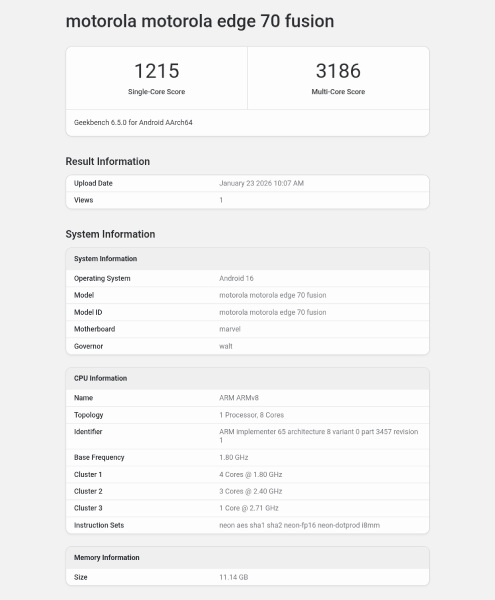
The Edge 70 Fusion scored 1,215 points in the single-core test and 3,186 points in the multi-core test. The listing also confirms that the phone is running Android 16.
Motorola Edge 70 Fusion Geekbench
The benchmark data confirms the phone running on an octa-core Snapdragon chipset. The CPU layout includes one prime core clocked at 2.71 GHz, three performance cores capped at 2.40 GHz, and four efficiency cores running at 1.80 GHz.
The configuration matches that of Qualcomm Snapdragon 7s Gen 4, but a recent leak claims the phone features a Snapdragon 7s Gen 3 instead. So for now, the exact chip remains unconfirmed, but it’s clear Motorola is sticking with a Snapdragon platform.
Geekbench also lists 11.14GB of RAM, which strongly suggests a 12GB RAM variant will be available at launch. Previous leak also suggests Motorola will be offering the phone in 8GB variant, both paired with 256GB of internal storage.
Motorola Edge 70 Fusion Specs (Expected)
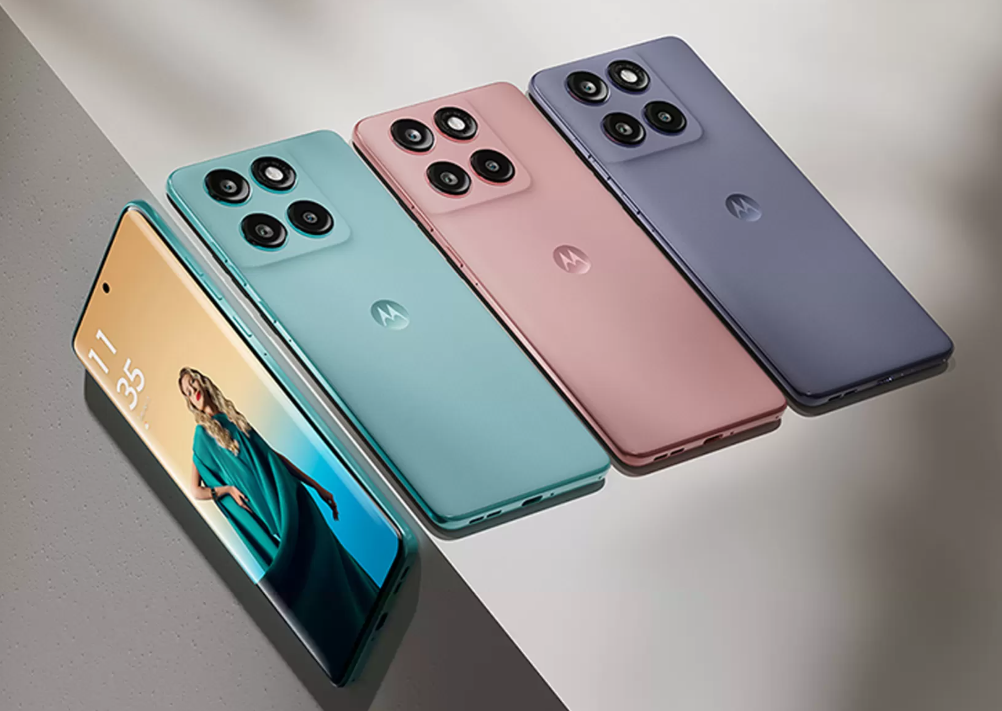
Beyond performance, the Edge 70 Fusion is tipped to feature a 6.78-inch AMOLED display with a 1.5K resolution and a 144Hz refresh rate. On the camera side, the phone is expected to use a 50-megapixel Sony LYTIA sensor for the main camera, along with a 32-megapixel front-facing shooter.
Motorola Edge 60 F
Fueling the phone is a large 7,000mAh battery with support for 68W fast charging. It’s also said to carry IP68 and IP69 ratings for dust and water resistance, along with MIL-STD-810H certification.
Motorola is also expected to promise three years of Android updates for the Edge 70 Fusion. Color options may include Blue Surf, Country Air, Orient Blue, Sporting Green, and Silhouette.
For more daily updates, please visit our News Section.
iQOO is getting ready to launch the iQOO 15 Ultra in early February, and early details suggest gaming will once again be a major focus. Among the headline features is a new take on shoulder controls.
Instead of traditional physical triggers, the iQOO 15 Ultra is expected to debut capacitive touch-based shoulder buttons, which iQOO refers to as “super-sensitive touch shoulder buttons.” These sit along the left and right edges of the display area and are designed to be used when the phone is held horizontally, allowing fingers to rest naturally during gameplay.
According to iQOO, the touch buttons support a 600Hz sampling rate, along with dual independent control chips to reduce input delay. There’s also an anti-sweat algorithm in place, aimed at maintaining accuracy during longer gaming sessions. Haptic feedback is handled by a linear motor, offering vibration cues without relying on moving parts, which also means no mechanical wear over time.
Popular FPS titles are expected to ship with built-in presets, while more advanced mapping options will be available for players who want to fine-tune controls or set up shortcuts.
Outside of the shoulder buttons, the iQOO 15 Ultra is shaping up to be a familiar high-end gaming flagship. It’s also tipped to feature an active cooling fan, a large 7400mAh battery, upgraded stereo speakers, and a 2K Samsung display. Camera hardware is also said to include a 50MP 3x periscope telephoto with CIPA 4.5 stabilization.
With its focus on alternative input methods and sustained performance, the iQOO 15 Ultra looks set to target serious mobile gamers once again. More official details should surface as the February launch gets closer.
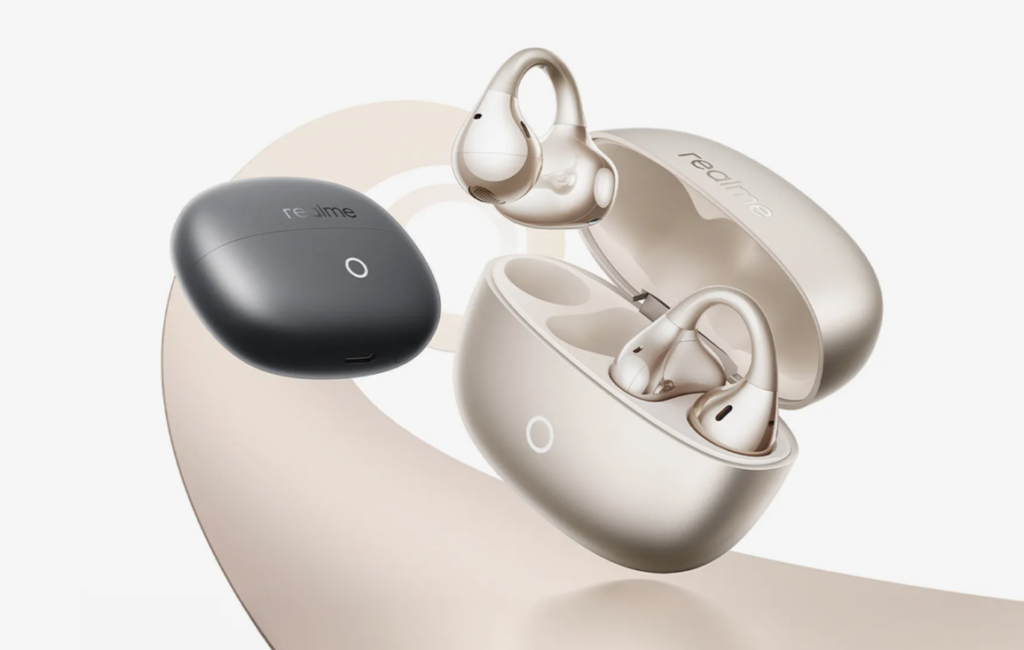
Realme has confirmed that it will launch the realme Buds Clip in India on January 29, 2026. The Buds Clip is the company’s first clip-style true wireless earphone and was first introduced in global markets in November. In India, these earbuds will be launching alongside the Realme P4 Power.
The main highlight of the realme Buds Clip is its open-ear clip design. Unlike regular earbuds that sit inside the ear canal, the Buds Clip attaches around the outer ear. realme says this design offers a more breathable and pressure-free fit, which helps reduce ear fatigue during long listening sessions. Since the ear canal remains open, ambient sound can pass through naturally, allowing users to stay aware of their surroundings. This makes the earbuds suitable for office use, commuting, running, and other daily activities.
The earbuds are built using a titanium-fit wire that provides both flexibility and durability. Each earbud weighs 5.3 grams, making the overall design lightweight and comfortable for extended wear. realme is marketing the Buds Clip as a product that can be worn throughout the day without causing discomfort.
In terms of audio, the Buds Clip features intelligent bass tuning powered by realme’s NextBass Algorithm. This is designed to maintain bass depth despite the open-ear design. For calls, the earbuds use environmental noise reduction technology to improve voice clarity in different surroundings.
The Buds Clip supports tap controls for managing music playback and calls. It also includes AI-powered features such as real-time assistance and translation, adding smart functionality to everyday use. Battery performance is another key feature. The earbuds, along with the charging case, offer up to 36 hours of total playback time.
For more daily updates, please visit our News Section.
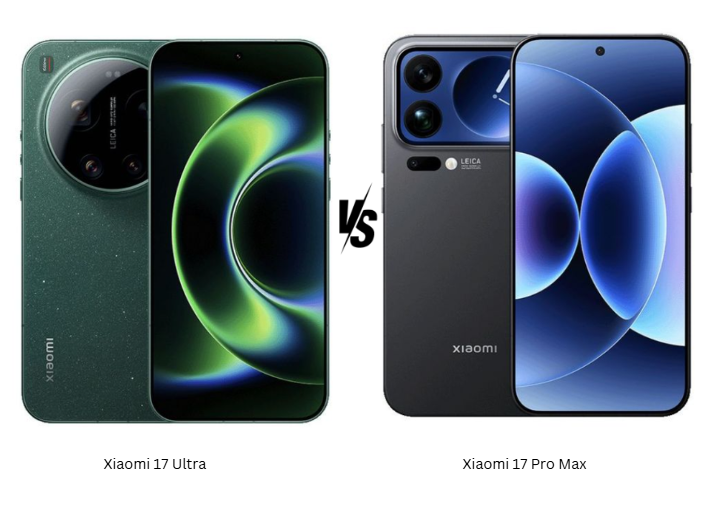
At the top of Xiaomi’s lineup, the 17 Ultra and 17 Pro Max may look similar, but they’re built with very different users in mind. One prioritizes advanced photography and feature depth, while the other focuses on endurance, practicality, and value. The real differences don’t show up in raw specs; they show up in daily use. This comparison highlights where each phone fits best and who should choose which.
Both phones lean premium, but they communicate it differently. The 17 Ultra focuses on a professional, camera-first identity with a rugged, confidence-inspiring finish that feels purpose-built rather than decorative. It subtly prioritizes durability and grip, making it feel like a tool meant for heavy daily use. The 17 Pro Max, by contrast, goes for a cleaner, more futuristic aesthetic. Its standout secondary rear display adds personality and practical flair, especially for notifications, widgets, and quick camera previews. The Pro Max feels more lifestyle-oriented, while the Ultra feels more workhorse-like.
Display Quality
Up front, both devices deliver an equally elite viewing experience with smooth adaptive refresh rates, excellent brightness, and strong HDR support. Content looks vibrant and controlled on both, with no meaningful compromise in color or clarity. The difference is in flexibility: the Pro Max’s rear display quietly changes how the phone is used day to day, while the Ultra keeps the focus entirely on the main screen.
Verdict
Choose the Ultra for a serious, utilitarian feel. Pick the Pro Max for visual flair and everyday convenience.
2. Specifications
Performance
Performance is effectively identical on both models. The same flagship chipset, modern architecture, and fast storage ensure smooth multitasking, reliable gaming, and long-term software confidence. Day-to-day use feels instant on either device, with no clear advantage in raw speed. The difference is more about how that performance is framed: the Ultra feels tuned for sustained, intensive workloads, while the Pro Max feels optimized for balanced, always-on responsiveness. Neither choice sacrifices longevity or future-proofing.
Battery and Charging
Battery strategy is where separation becomes clearer. The 17 Pro Max prioritizes endurance, comfortably suiting users who value long screen-on time and fewer charging interruptions. Its faster wired charging reinforces its “set and forget” appeal. The 17 Ultra counters with more flexible charging options, including broader reverse charging support, which adds utility for accessories and travel scenarios. It feels designed for versatility rather than outright capacity dominance.
Verdict
Power users who value endurance should lean toward Pro Max. Users who want flexibility and ecosystem convenience will prefer the Ultra.
3. Camera
Main and Secondary Lenses
The 17 Ultra is unmistakably the photography-first device. Its larger main sensor, advanced periscope system, and pro-grade extras make it more adaptable across lighting conditions and focal ranges. It feels built for enthusiasts who want consistent results without relying heavily on software correction. Zoom transitions are smoother, and creative control feels more deliberate. The 17 Pro Max still delivers excellent results, especially in everyday photography, but its camera setup feels more streamlined and less experimental. It favors reliability over ambition, which many users will appreciate.
Selfie Camera
Both phones offer high-resolution front cameras that handle detail and dynamic range well. The Pro Max gains a slight edge in focus reliability, while the Ultra emphasizes natural color tuning. Neither feels like a compromise, even for frequent video calls or content creation.
Verdict
Choose the Ultra for photography depth and flexibility. Choose the Pro Max for dependable, fuss-free imaging.
4. Pricing
The pricing difference plays a major role in positioning. The Xiaomi 17 Ultra launches at $999, clearly targeting users who want the brand’s most advanced camera system and feature-complete flagship experience. The higher price reflects its specialized hardware, satellite communication support, and photography-centric design philosophy. It feels aimed at enthusiasts who know exactly why they are paying extra.
The Xiaomi 17 Pro Max comes in at $899, undercutting the Ultra while delivering nearly identical performance, display quality, and a larger battery. That price gap makes it immediately appealing to users who want flagship power without committing to the most expensive tier. The inclusion of a secondary display further strengthens its value proposition, adding functionality rather than just specs.
Verdict
The Ultra justifies its cost through specialization. The Pro Max offers stronger overall value for most buyers.
5. Conclusion
Xiaomi 17 Ultra stands out with its advanced camera hardware, satellite communication, and accessory-friendly design touches. It feels engineered for users who treat their smartphone as a creative or professional tool.
The 17 Pro Max differentiates itself with its rear display, ultra-large battery focus, and strong value positioning. It feels more adaptable to everyday routines, blending innovation with practicality.
Verdict
Xiaomi 17 Ultra is best suited for photography enthusiasts, power users who rely on advanced connectivity, and buyers who want the most capable Xiaomi flagship available. Xiaomi 17 Pro Max is ideal for users who want top-tier performance, excellent battery life, and standout usability features at a lower price.
Neither device is the “wrong” choice; the decision comes down to whether specialization or balanced value matters more in daily use.
$1,299 down from $1,499, a straight $200 price cut, makes the Xiaomi 17 Ultra by Leica one of the most aggressive flagship deals currently available on Giztop. This flash deal is live for a limited time, with no coupon required and quantities expected to sell out quickly. Both global and express shipping options are available for global customers.
At this discounted price, the Xiaomi 17 Ultra sits comfortably in true ultra-flagship territory. It is powered by Qualcomm’s latest Snapdragon 8 Elite Gen 5 chipset, delivering top-tier performance for demanding users who expect smooth gaming, fast multitasking, and long-term software headroom. Paired with up to 16GB of RAM and up to 1TB of storage, this phone is clearly built for power users who do not want compromises.
The standout attraction is the Leica-engineered camera system. A massive 1-inch 50MP main sensor works alongside a 200MP telephoto lens capable of extreme focal lengths, giving the phone serious credentials for mobile photography and long-range zoom. Leica Summilux optics and tuning further elevate image quality, especially in low-light and high-contrast scenes.
Battery life is another major win. The 6800mAh battery easily supports heavy daily use, while 90W wired and 50W wireless charging keep downtime minimal.
This deal is ideal for users who want cutting-edge performance, elite mobile photography, and premium hardware. At $200 off, the Xiaomi 17 Ultra by Leica offers flagship value that is unlikely to last once the flash deal ends.
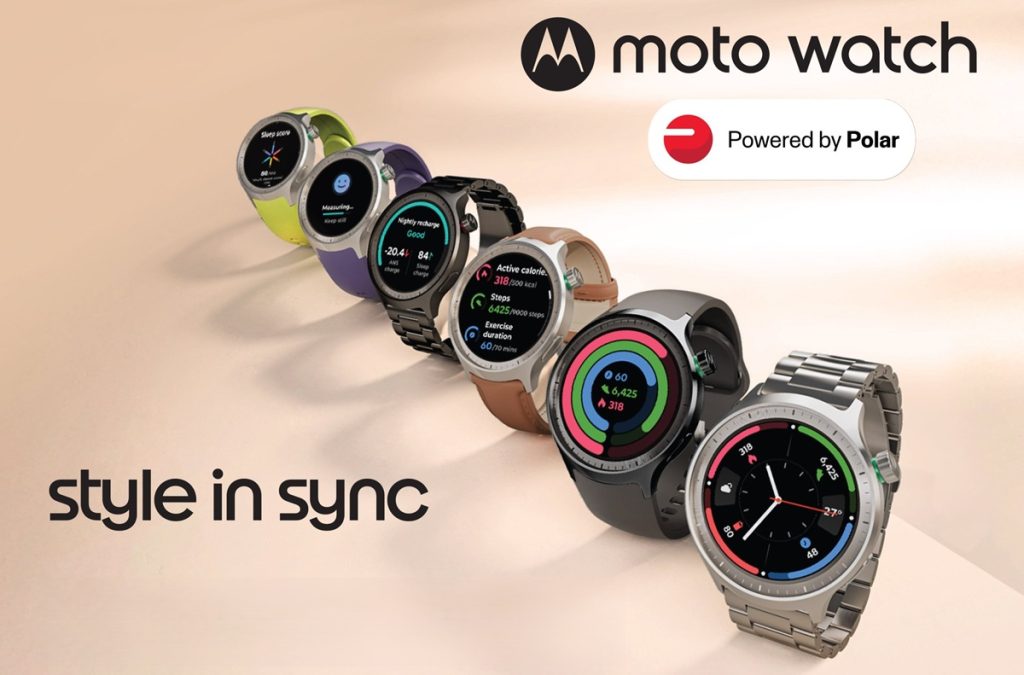
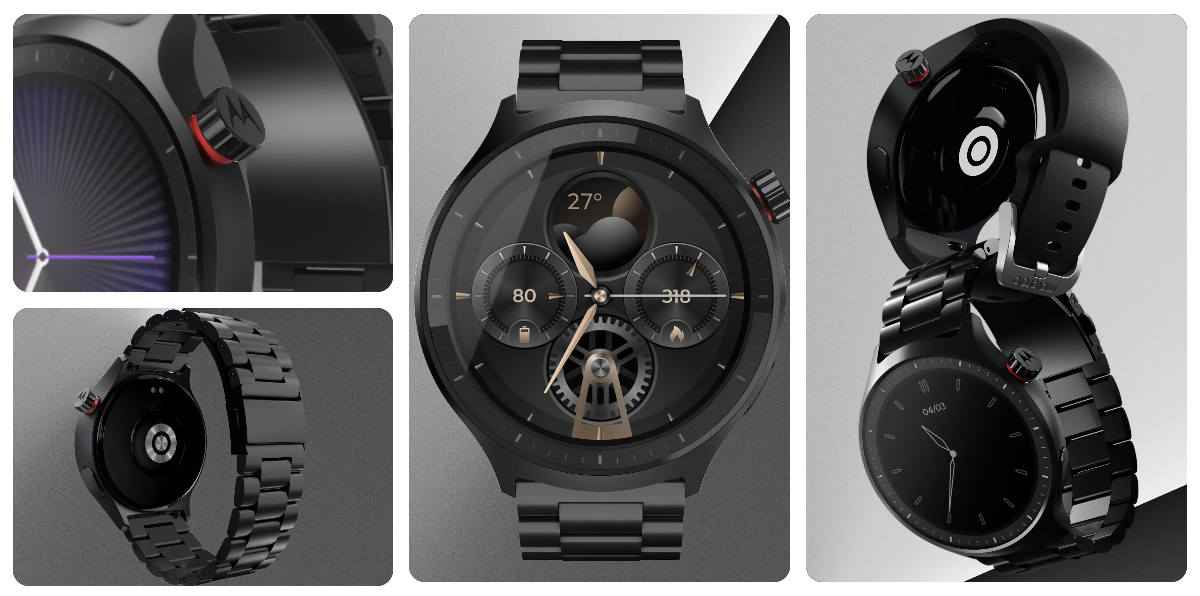
Motorola has introduced the moto watch powered by Polar in India, alongside the motorola signature smartphone. The device combines traditional watch aesthetics with modern smartwatch functionality through integration with Polar’s established wellness platform.
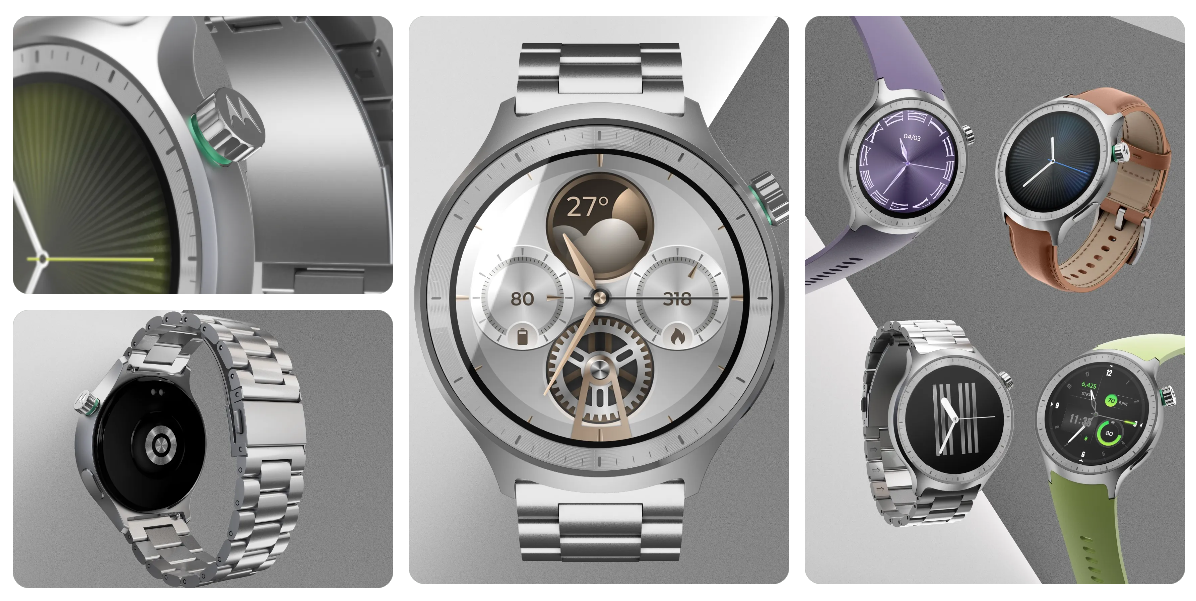
The smartwatch features an aluminum body with Corning Gorilla Glass 3 protection and a 1.4-inch circular OLED display supporting over 24 always-on watch faces. Users can choose from six variants including Matte Black and Matte Silver cases paired with stainless steel, vegan leather, or silicone straps in colors like PANTONE Volcanic Ash, Parachute Purple, Herbal Garden, and Mocha Mousse.
Durability comes via IP68 certification and 1ATM water resistance, suitable for daily wear and light water exposure.
Health Tracking Through Polar Integration
Motorola leverages Polar’s wellness platform for comprehensive health monitoring. The watch tracks workouts automatically, monitors heart rate continuously, and measures SpO₂ levels constantly. Sleep analysis includes Nightly ANS recharge insights. Dual-band GPS (L1/L5) enhances outdoor activity accuracy.
The sensor array includes accelerometer, gyroscope, PPG sensor, ambient light sensor, and e-compass. Onboard microphone and speaker enable additional functionality.
Battery and Technical Specifications
Battery endurance reaches 13 days under standard usage, dropping to seven days with always-on display enabled. Fast charging delivers full-day power in five minutes.
The 47mm diameter, 35-gram watch (excluding band) runs on Android 12 and above via Bluetooth 5.3 and BLE connectivity. Storage includes 512MB RAM and 4GB eMMC internal memory.
Pricing and Availability
The Moto Watch will go on sale starting January 30 at 12 PM via motorola.in and Flipkart. The silicone variants are priced at Rs. 5,999, while the stainless steel and leather options cost Rs. 6,999.
For more daily updates, please visit our News Section.
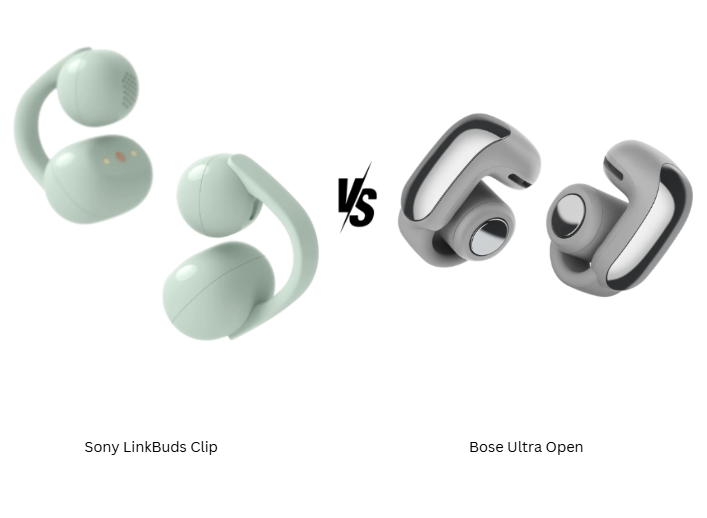
At first glance, Sony LinkBuds Clip and Bose Ultra Open Earbuds seem similar, both are open-ear, both avoid noise cancellation, and both target daily use. The real difference shows up after a few hours of wear. Sony leans toward effortless comfort and practicality, while Bose pushes sound quality and premium features. This comparison breaks down where each one actually makes more sense.
Sony LinkBuds Clip adopts a lightweight open-air clip design that hooks gently around the ear, prioritizing long-term comfort and breathability. At just 6.4 g per earbud, it feels almost weightless and works well for extended wear, especially during work or casual outdoor use. The IPX4 rating adds confidence for workouts or light rain. Bose Ultra Open Earbuds take a more premium approach with a flexible grip and sculpted open-ear frame. The materials feel more refined, and the fit is secure without creating pressure points, even during movement. Bose’s design leans more toward lifestyle and fashion, while Sony emphasizes practicality and minimalism.
Controls & Usability
Sony keeps things simple with onboard volume control, multipoint Bluetooth, and reliable touch responsiveness. Bose counters with intuitive gestures and deeper control via the Bose app, including EQ customization and immersive audio toggles. The app experience feels more polished overall.
Verdict
Sony’s feather-light build makes the LinkBuds Clip feel almost invisible over long sessions, which is exactly what open-ear users want first. Bose feels noticeably heavier and more premium, but that extra heft isn’t worth it if comfort is your priority. For most people who actually wear these earbuds all day, Sony wins decisively on comfort.
2. Sound Quality
Driver Performance, Bass, Mids, Highs
Sony’s 10 mm dynamic driver delivers clean mids and controlled highs, tuned for clarity rather than impact. Bass presence is modest, which suits spoken content, podcasts, and background music but may feel restrained for bass-heavy genres. Bose Ultra Open Earbuds sound noticeably fuller, with better low-end body and a wider soundstage. The open design still limits sub-bass depth, but Bose extracts more warmth and spatial depth from an open-ear format.
Codec Support & Audio Features
Both models support SBC and AAC, keeping codec support mainstream rather than audiophile-grade. Sony adds DSEE upscaling, subtly enhancing compressed tracks, while Bose leans heavily on Immersive Audio and spatial processing. Bose’s OpenAudio technology makes music feel more enveloping, even without isolation, giving it a more engaging presentation.
Verdict
Bose clearly takes the lead here. In an open-ear format, sound richness matters more than isolated punch, and Bose’s fuller, warmer profile delivers far more engaging audio than Sony’s thinner, balanced tuning. If music enjoyment is the main use case, Bose is the stronger choice.
3. ANC and Transparency Modes
Noise Cancellation Quality
Neither product offers traditional Active Noise Cancellation, which aligns with their open-ear philosophy. Sony LinkBuds Clip relies entirely on passive awareness, allowing environmental sounds to pass through naturally. Bose follows the same principle, choosing openness over isolation, though its acoustic shaping reduces harsh external noise slightly better in busy environments.
Ambient & Call Performance
Sony performs well for calls in quieter settings, with clear voice pickup but limited noise suppression outdoors. Bose handles calls more confidently in mixed environments, with better voice separation and consistency. Ambient awareness feels more natural on Sony, while Bose subtly balances awareness with audio focus, especially when Immersive Audio is enabled.
Verdict
Both skip traditional ANC, but Bose still manages a more refined awareness experience overall. Sony’s openness feels too raw in noisier environments, while Bose shapes environmental sound better without numbing awareness. For real-world listening around traffic or chatter, Bose feels more usable.
4. Battery and Connectivity
Battery Life & Fast Charging
Sony LinkBuds Clip delivers up to 9 hours of music playback, extending usability across a full workday without needing a recharge. Charging is straightforward, though fast-charge features are limited. Bose offers up to 7 hours of playback, dropping to around 4 hours with Immersive Audio enabled, but compensates with a strong charging case that significantly extends total usage time. Bose’s standby efficiency also stands out.
Bluetooth Stability and Multipoint
Both earbuds support Bluetooth multipoint and maintain stable connections within a 10 m range. Sony’s Bluetooth 5.3 implementation is reliable and power-efficient, while Bose’s connectivity feels equally stable but benefits from smoother device switching via its app ecosystem.
Verdict
Sony clearly beats Bose on pure battery life per charge, making it the smarter pick for long days away from a charger. Bose’s total playtime with the case closes the gap, but Sony’s efficiency and Bluetooth stability give it a practical edge that’s hard to ignore.
5. Pricing
At around $250, Sony LinkBuds Clip offers strong value for users seeking comfort, simplicity, and long battery life in an open-ear format. Bose Ultra Open Earbuds, priced closer to $300, justify the premium with superior sound immersion, app features, and design refinement. The price gap reflects experience rather than core functionality.
Sony’s price feels fair for what it delivers, comfort, simplicity, and excellent battery life. Bose feels a bit overpriced for what is essentially an open-ear experience with premium touches. If value is the priority, Sony wins; Bose is for those willing to pay extra for audio quality.
6. Conclusion
Sony stands out with ultra-light comfort, DSEE audio enhancement, and reliable all-day usability. Bose differentiates itself with Immersive Audio, richer sound tuning, and a more premium ecosystem experience. Both prioritize awareness and comfort over isolation, but approach the open-ear concept differently.
Verdict
For everyday use where comfort and long wearability matter most, Sony LinkBuds Clip feels like the smarter, more practical choice. However, if sound quality and a richer listening experience are higher priorities, Bose Ultra Open Earbuds justify their higher price. Most users who value audio engagement over comfort alone will lean towards Bose.
We use cookies on our website to give you the most relevant experience by remembering your preferences and repeat visits. By clicking “Accept”, you consent to the use of ALL the cookies.
This website uses cookies to improve your experience while you navigate through the website. Out of these, the cookies that are categorized as necessary are stored on your browser as they are essential for the working of basic functionalities of the website. We also use third-party cookies that help us analyze and understand how you use this website. These cookies will be stored in your browser only with your consent. You also have the option to opt-out of these cookies. But opting out of some of these cookies may affect your browsing experience.
Necessary cookies are absolutely essential for the website to function properly. This category only includes cookies that ensures basic functionalities and security features of the website. These cookies do not store any personal information.
Any cookies that may not be particularly necessary for the website to function and is used specifically to collect user personal data via analytics, ads, other embedded contents are termed as non-necessary cookies. It is mandatory to procure user consent prior to running these cookies on your website.