Advertisement

Apple’s Vision Pro refresh: from M2 to M5 in one leap

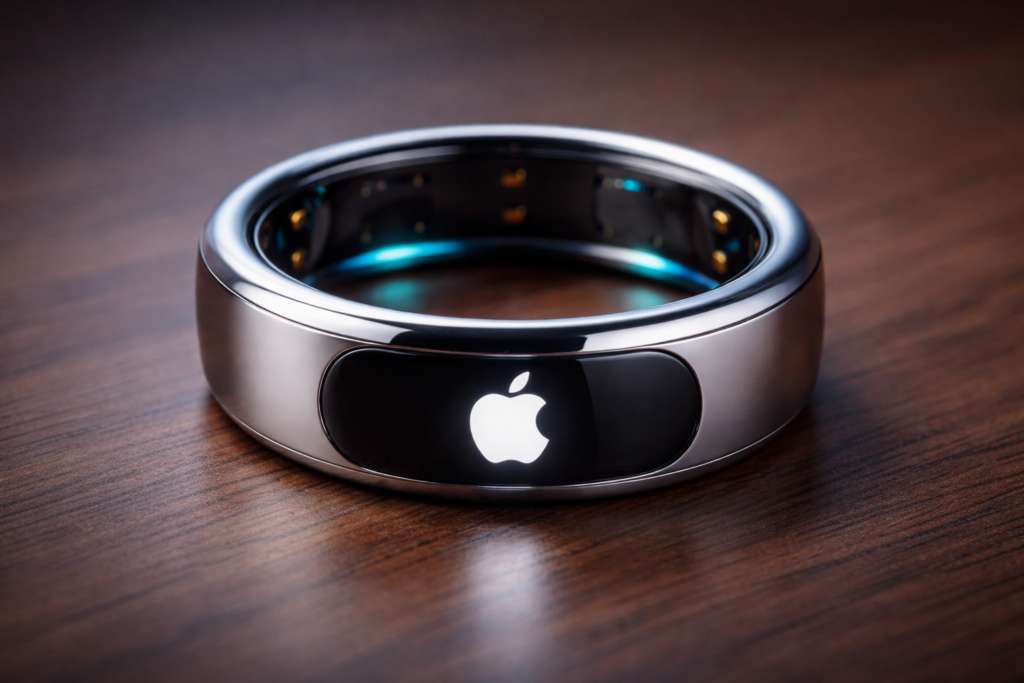
Apple’s mixed-reality headset may not be standing still after all. A series of regulatory filings and industry reports this week suggest that a new version of the Vision Pro is in development, powered by Apple’s upcoming M5 processor.

The trail began on October 1, 2025, when FCC documents surfaced showing the M5 inside a refreshed 13-inch iPad Pro. A day later, the filings also referenced a new MacBook Pro and an updated Vision Pro, sparking debate about Apple’s headset strategy. Bloomberg’s Mark Gurman, who had earlier reported that Apple had canceled a lower-cost “Vision Air,” clarified that the filings relate to a different product: a direct follow-up to the Vision Pro.

The highlight of the refresh is Apple’s M5 chip. Gurman noted that the Vision Pro 2 “is identical to the current model other than the better chip,” meaning the design may remain largely the same, but the upgrade could still tackle several shortcomings of the first generation—most notably its two-hour battery life.

Compared with the M2, the new processor is expected to deliver a significant boost in performance and efficiency, enabling improved graphics, longer usage time, and support for more advanced AI features.

Unlike the canceled “Air,” which aimed for a sub-$2,000 price point, the refreshed Vision Pro seems focused on Apple’s existing base of professional and early-adopter users who are willing to pay for better performance.

A launch window hasn’t been confirmed, but with FCC approvals in place, a late-2025 or early-2026 debut looks likely. Apple has not commented publicly, but the signs point to Vision Pro remaining part of the company’s lineup—only with faster silicon and gradual refinements rather than a major redesign.

Don’t miss a thing! Join our Telegram community for instant updates and grab our free daily newsletter for the best tech stories!

For more daily updates, please visit our News Section.

(Source)

Xiaomi 15T Pro vs Vivo X200 Pro: Which Is The Best Value Flagship

Xiaomi 15T Pro vs Vivo X200 Pro showdown highlights two flagship killers that push the limits of design, performance, and camera technology. With Xiaomi bringing its cutting-edge hardware upgrades and Vivo focusing on camera innovation and value, this comparison is important for buyers choosing between raw power and all-around versatility. Both devices redefine what premium smartphones can offer, but each excels in different areas.

1. Design and display

Build and Feel:
Xiaomi 15T Pro features Gorilla Glass 7i on the front with a glass fiber back and an aluminum frame, boasting higher device rigidity at 321 N/mm. It also carries IP68 water resistance, supporting submersion up to 3 meters, making it one of the toughest devices in its segment. The Vivo X200 Pro, meanwhile, brings Armor Glass protection, an aluminum alloy frame, and IP68/IP69 resistance, which makes it capable of withstanding both submersion and high-pressure water jets. In terms of durability, the Vivo offers stronger resistance, while Xiaomi puts more emphasis on structural rigidity. 

Verdict: The Vivo X200 Pro edges ahead for ruggedness, but Xiaomi provides a sleeker yet tougher construction.

Display Quality:
Xiaomi equips a 6.83-inch AMOLED panel with a 144Hz refresh rate, Dolby Vision, HDR10+, and a peak brightness of 3200 nits. Its higher PWM dimming at 3840Hz reduces eye strain. Vivo counters with a 6.78-inch LTPO AMOLED that supports 120Hz adaptive refresh, Dolby Vision, HDR10+, and a much higher 4500 nits peak brightness. While Xiaomi excels in refresh rate smoothness and flicker-free comfort, Vivo offers unmatched brightness that improves visibility outdoors. 

Verdict: Xiaomi is better for gamers and prolonged use, while Vivo excels for multimedia and outdoor clarity.

Verdict:
Both phones are premium, but the Vivo X200 Pro’s brightness and water resistance stand out, whereas the Xiaomi 15T Pro wins in refresh rate smoothness and frame rigidity.

2. Specifications 

Performance:
Xiaomi 15T Pro runs on the upgraded Dimensity 9400+ with UFS 4.1 storage, while the Vivo X200 Pro houses the Dimensity 9400 with UFS 4.0. The difference is subtle but real; Xiaomi’s overclocked chipset provides a performance bump in sustained workloads, and faster storage helps in loading large apps or media. Vivo, however, offers higher RAM configurations up to 16GB, which benefits multitasking. 

Verdict: Xiaomi edges ahead for raw performance efficiency, while Vivo holds an advantage for RAM-heavy users.

Battery and Charging:
Xiaomi packs a 5500 mAh cell with 90W wired and 50W wireless charging. It fully charges in about 36 minutes wired and under an hour wirelessly. Vivo brings a larger 6000 mAh battery in most markets (5200 mAh in select regions), with 90W wired, 30W wireless, plus reverse wired and wireless charging. The extra versatility and higher capacity make Vivo more flexible, but Xiaomi delivers faster wireless speeds. 

Verdict: Vivo is better for longevity and power sharing, while Xiaomi wins on wireless speed.

Verdict:
Performance tilts towards Xiaomi for speed, but Vivo offers broader battery endurance and charging versatility, making it more practical for heavy daily use.

3. Camera

Main and Secondary Lenses:
Xiaomi 15T Pro has a triple Leica-tuned setup: 50MP main with OIS, 50MP periscope telephoto with 5x zoom, and 12MP ultrawide. Its tuning emphasizes natural tones and ultra-HDR video capture. The Vivo X200 Pro, however, packs a 50MP main with a larger sensor, a 200MP periscope telephoto (3.7x optical zoom with macro mode), and a 50MP autofocus ultrawide. Vivo’s Zeiss optics and additional laser AF give it a significant advantage for detail, versatility, and professional-grade editing with LUT support. 

Verdict: Vivo clearly dominates with higher-resolution sensors and Zeiss integration, while Xiaomi prioritizes balanced but less advanced optics.

Selfie Camera:
Xiaomi offers a 32MP sensor with HDR and 4K video support, while Vivo matches the resolution but upgrades to an ultrawide lens with 4K at both 30/60fps. The ultrawide perspective makes Vivo more versatile for group selfies and vlogging. 

Verdict: Vivo edges out Xiaomi in the selfie category with broader framing and higher frame rate options.

Verdict:
Vivo X200 Pro is superior in both rear and front camera systems, delivering more versatility, higher resolution, and advanced features for creators, while Xiaomi is competent but not as ambitious.

4. Pricing

Xiaomi 15T Pro is priced around $900, while the Vivo X200 Pro comes in at roughly $750. This $150 difference is significant considering Vivo also offers a larger battery, brighter display, and superior camera system. Xiaomi justifies its higher cost with Gorilla Glass 7i durability, faster wireless charging, and a slightly more powerful chipset. 

Verdict: Vivo provides better value for money, offering flagship-grade features at a lower price, while Xiaomi appeals to those who want a performance edge and faster charging.

Disclaimer:
Prices are approximate and may vary based on country, region, and applicable taxes.

5. Conclusion

Xiaomi 15T Pro brings Circle to Search integration, higher refresh rate display, stronger frame rigidity, and blazing-fast wireless charging speeds. Meanwhile, the Vivo X200 Pro distinguishes itself with IP69 water resistance, Zeiss-tuned 200MP telephoto lens, reverse charging support, and unmatched peak display brightness. Each device caters to different priorities; Xiaomi targets performance-driven users, while Vivo appeals to multimedia enthusiasts and creators.

Verdict:
Choose the Xiaomi 15T Pro if you want a stronger processor, smoother gaming display, and faster wireless charging. Opt for the Vivo X200 Pro if you value superior cameras, higher brightness, a bigger battery, and a better price-to-performance ratio. 

Overall, the Vivo X200 Pro stands out as the more balanced and value-rich flagship, while Xiaomi remains a top pick for those chasing speed and durability.

Read More:

Google reassures Android fans: sideloading isn’t going away, but new checks are coming

For years, one of Android’s defining traits has been the freedom to sideload apps—installing them from outside the Play Store. That freedom isn’t disappearing, but Google is tightening the rules around how it works. A new developer policy adds mandatory verification for sideloaded apps in the name of security.

The change comes after pushback from open-source advocates, including F-Droid, who warned the rules could cripple alternative app stores. In a blog post, Google pushed back, saying sideloading is “absolutely not going away,” but admitted that the days of unverified APKs are ending.

Under the new system, every app distributed outside the Play Store will need a verified digital signature tied to a developer’s real identity. Google argues this brings Play Store-level accountability everywhere, pointing to data that shows malware in non-Play Store apps appears at 50 times the rate of its own marketplace. If a verified developer distributes something malicious, Google can revoke the certificate, instantly cutting off that app across devices.

For casual users, this means certified Android devices will no longer install unsigned APKs. Developers still have workarounds—local testing through Android Studio or ADB sideloading won’t be affected—but any app meant for public use will have to comply. That’s where concerns come in. F-Droid has suggested that as many as 30% of its 4,000+ apps could face problems if verification ends up being too rigid.

The bigger question is whether this undermines Android’s open identity. Supporters see a win for safety, while critics worry it edges closer to Apple’s walled garden.

Google says the policy strikes a balance between choice and protection. Whether developers and users agree will become clear once the rollout begins.

Don’t miss a thing! Join our Telegram community for instant updates and grab our free daily newsletter for the best tech stories!

For more daily updates, please visit our News Section.

(Source)

ASUS’s New Mini PC Packs Ryzen AI 200 CPUs in a Compact Body

ASUS has officially launched its new ExpertCenter PN54-S1 Mini PC, and it’s powered by AMD’s latest Ryzen AI 200 processors. This model brings capable power in a space saving size for office environments, with CPUs capable of AI tasks and more. So let’s check it out.

ASUS ExpertCenter PN54-S1: Mini PC with AMD’s Next-Gen Ryzen AI Power

The Taiwanese PC maker’s new compact computer carries the ExpertCenter PN54-S1 model name and is equipped with AMD’s latest Ryzen AI 200 series processors. You can configure the mini PC with either the Ryzen 7 260, Ryzen 5 220, or Ryzen 5 210 CPUs. Unlike the higher end Ryzen AI 300 series, these are based on AMD’s older Zen 4 architecture with the RDNA 3 integrated graphics.

ASUS ExpertCenter PN54-S1 Mini PC

While these are weaker than dedicated GPUs, the tiny system can still output 4K video up to four monitors. So the ExpertCenter PN54-S1 is still great for setups with multiple monitors. The Ryzen AI 200 chips are coupled with up to 64GB of DDR5 RAM and 2TB of SSD storage. It also offers a healthy connectivity selection with up to Wifi 7, Bluetooth 5.4, two Ethernet ports, USB 4.0, USB 3.2 Gen Type-A, USB 3.2 Gen 2 Type-C, USB 2.0, HDMI 2.1, and DisplayPort 1.4.

ASUS’s new mini PC measures just 130mm x 130mm x 34mm in dimensions and weighs just around 550 grams. The ExpertCenter PN54-S1 arrives with either Windows 11 Pro or Windows 11 Home. These are basically tiny computers for professional settings, with a fingerprint sensor for added security. You also get a tool-free design, allowing for simple hardware upgrades. In related news, ASUS recently unveiled the ExpertBook P3, which is a Ryzen AI 300 Pro powered office notebook.

For more daily updates, please visit our News Section.

Tech enthusiast? Get the latest news first! Follow our Telegram channel and subscribe to our free newsletter for your daily tech fix! ⚡

(Via)

Xiaomi 15T Pro vs Poco F6 Pro Comparison: Is It Worth Paying Double?

Xiaomi 15T Pro and Poco F6 Pro target very different audiences despite both coming from the same ecosystem. One is a premium flagship packed with cutting-edge features, while the other delivers near-flagship performance at half the price. This comparison is important because it highlights whether paying more for Xiaomi’s premium experience is worth it, or if the Poco F6 Pro provides better value for everyday users.

1. Design and Display

Build and Feel:
Xiaomi 15T Pro offers a sturdier build with Gorilla Glass 7i protection, an aluminum frame, and IP68 water resistance, making it more durable for daily use. In comparison, the Poco F6 Pro uses Gorilla Glass 5 and comes with an IP54 rating, offering only splash resistance. Xiaomi’s 6M13 aluminum alloy and higher rigidity levels also provide better structural strength. The Xiaomi 15T Pro feels more premium and reliable in long-term usage, while the Poco F6 Pro is solid but less durable.

Verdict: Xiaomi 15T Pro has superior build quality.

Display Quality:
Xiaomi 15T Pro features a larger 6.83-inch AMOLED display with 144Hz refresh rate, HDR10+, Dolby Vision, and an impressive 3200-nit peak brightness, ensuring visibility in all conditions. Poco F6 Pro’s 6.67-inch AMOLED panel matches with HDR10+ and Dolby Vision but is limited to 120Hz, although it has a higher pixel density due to QHD resolution. For color accuracy and peak brightness, the Xiaomi 15T Pro excels, while the Poco F6 Pro edges slightly in sharpness.

Verdict: Xiaomi 15T Pro offers a brighter and smoother display.

Verdict:
Between durability, smoothness, and brightness, the Xiaomi 15T Pro outshines the Poco F6 Pro. The Poco still provides sharpness and solid quality for its price, but Xiaomi’s premium finish makes it the more refined option.

2. Specifications

Performance:
Xiaomi 15T Pro runs on the cutting-edge Dimensity 9400+ (3nm), paired with the Immortalis-G925 GPU and faster UFS 4.1 storage. This chipset is newer and more power-efficient, delivering superior AI performance and higher efficiency compared to the Poco F6 Pro’s Snapdragon 8 Gen 2. The Poco’s Snapdragon 8 Gen 2 remains a strong flagship chip but falls behind in raw performance. For future-proofing, Xiaomi’s chipset is better.

Verdict: Xiaomi 15T Pro provides stronger overall performance.

Battery and Charging:
Xiaomi 15T Pro packs a larger 5500 mAh battery with 90W wired and 50W wireless charging. It offers balanced endurance and flexibility. Poco F6 Pro has a smaller 5000 mAh battery but boasts 120W wired charging, which fully charges in under 20 minutes. While Poco wins in sheer charging speed, Xiaomi wins in battery life and wireless charging convenience. Verdict: Xiaomi 15T Pro edges ahead due to endurance and wireless support, despite Poco’s faster charging.

Verdict:
Performance favors Xiaomi for its modern processor, while the battery experience depends on preference: Poco wins for speed, but Xiaomi wins for all-around balance and wireless support.

3. Camera

Main and Secondary Lenses:
Xiaomi 15T Pro comes with a Leica-tuned triple camera setup, featuring a 50MP main sensor, 50MP periscope telephoto with 5x optical zoom, and a 12MP ultrawide lens. The periscope telephoto alone sets it apart, delivering flagship-level zoom photography. The Poco F6 Pro instead offers a 50MP main lens, 8MP ultrawide, and a 2MP macro, which feels dated and less versatile. Xiaomi also supports advanced features like 8K at 30fps, HDR10+ recording, and a color spectrum sensor.

Verdict: Xiaomi 15T Pro dominates with superior optics and versatility.

Selfie Camera:
Xiaomi 15T Pro’s 32MP front camera supports 4K recording and HDR10+, giving it a clear edge for content creators. The Poco F6 Pro settles with a 16MP front shooter limited to 1080p recording. For video calls and selfies, Xiaomi’s sharper and more dynamic output provides more detail.

Verdict: Xiaomi 15T Pro is superior in front camera performance.

Verdict:
With Leica tuning, periscope zoom, and stronger selfie capabilities, the Xiaomi 15T Pro is miles ahead. Poco F6 Pro covers basics well but lacks the versatility needed for modern photography.

4. Pricing

Xiaomi 15T Pro costs around $900, while the Poco F6 Pro is nearly half at $400. This massive gap highlights their positioning, Xiaomi aims at premium flagship users, while Poco caters to value seekers. If high-end durability, camera technology, and cutting-edge performance matter, the Xiaomi 15T Pro justifies its price. However, for those who want near-flagship power at less than half the price, the Poco F6 Pro delivers excellent value.

Verdict: Poco F6 Pro wins on value, while Xiaomi 15T Pro wins on premium quality.

Disclaimer:
Prices are approximate and may vary based on country, region, and applicable taxes.

5. Conclusion

The Xiaomi 15T Pro stands out with its Leica partnership, 5x periscope zoom, IP68 rating, wireless charging, and newer Dimensity 9400+ processor. Its design strength, advanced camera system, and smooth 144Hz bright display put it firmly in flagship territory. The Poco F6 Pro, meanwhile, shines with its aggressive pricing, ultra-fast 120W charging, and higher resolution display.

Verdict:
For those who demand the best photography, build durability, and future-ready hardware, the Xiaomi 15T Pro is the clear winner. But for users who want flagship-level performance at an unbeatable price, the Poco F6 Pro offers unmatched value. 

Ultimately, Xiaomi is for premium seekers, while Poco is for practical buyers looking for top-tier performance on a budget.

Read More;

Snapdragon 8 Elite Gen 5 vs Dimensity 9500: Flagship Showdown

Snapdragon 8 Elite Gen 5 vs Dimensity 9500

For years, Qualcomm Snapdragon chips have been the go-to choice for top performance and efficiency on Android devices over MediaTek. However, recent MediaTek Dimensity chips have been closing in on the gap, and as a result, the competition between the two chipmakers is now fiercer than ever before.

In September, both chipmakers announced their most powerful mobile chipsets, Snapdragon 8 Elite Gen 5 and Dimensity 9500, promising significant improvements to performance and power efficiency. But how do they stack up against each other? Let’s look at benchmark figures and key differences to find out the answer.

Snapdragon 8 Elite Gen 5 vs Dimensity 9500: Benchmark Score

Note: The benchmark scores were obtained from the listings of the Honor Magic 8 (powered by Snapdragon 8 Elite Gen 5) and Vivo X300/Pro (powered by Dimensity 9500) spotted on benchmark websites.

Geekbench Score

Snapdragon 8 Elite Gen 5 vs Dimensity 9500 - Geekbench score

The Snapdragon 8 Elite Gen 5 posts 3,364 points in single-core, which is about 15% higher than Dimensity 9500. The multi-core performance also tells the same story, getting about 12% higher score than the Dimensity chip.

The Snapdragon chip, featuring a robust Oryon CPU, dominates Geekbench with higher single-core and multi-core scores. In other words, the 8 Elite Gen 5 should offer better performance than the Dimensity 9500 in tasks that require a single core, as well as in multi-core tasks such as multitasking, running heavy apps, and managing background apps.

Geekbench 6Snapdragon 8 Elite Gen 5Dimensity 9500
Single core3,6343,177
Multi core10,8139,701

AnTuTu Score

Snapdragon 8 Elite Gen 5 vs Dimensity 9500 - AnTuTu score

Both Snapdragon 8 Elite Gen 5 and Dimensity 9500 have managed to cross the 4 million mark on AnTuTu, becoming the first mobile chipsets to achieve this feat. The Snapdragon chip comes at the top, posting a total score of 4,166,339 (vs. 4,011,932). The difference here is just 4%, but it gets wider as you look at the breakdown.

The Snapdragon 8 Elite Gen 5 achieves a 16% higher CPU score (1,213,845 vs. 1,043,247). The GPU score, however, favors the Dimensity 9500 (1,510,982 vs. 1,468,351), but the difference is small — just 3%. It also gets a higher memory score, but the Snapdragon chip bounces back with a higher UX score.

Snapdragon 8 Elite Gen 5Dimensity 9500
AnTuTu score4,166,3394,011,932
CPU1,213,8451,043,247
GPU1,468,3511,510,982
Memory570,553667,254
UX913,590790,449

Snapdragon 8 Elite Gen 5 vs Dimensity 9500: Specs and Key Differences

Snapdragon 8 Elite Gen 5Dimensity 9500
AnnouncedSeptember 2025September 2025
Process node3nm (TSMC)3nm (TSMC)
CPU cores8-core8-core
CPU cores2 x 4.61 GHz — Oryon (3rd gen)
6 x 3.63 GHz — Oryon (3rd gen)
1 x 4.21 GHz — C1-Ultra
3 x 3.5 GHz —C1-Premium
4 x 2.7 GHz — C1-Pro
GPUAdreno 840
Ray tracing support
Snapdragon Elite Gaming features
Mali-G1 Ultra MP12
Ray tacing support
MediaTek HyperEngine Gaming Technology
NPUQualcomm Hexagon NPUMediaTek NPU 990
MemoryLPDDR5X, up to 5.3 GHzLPDDR5X, up to 5.3 GHz
StorageUFS 4.1UFS 4.1
CameraQualcomm Spectra Triple ISP (20-bit)
Up to 320MP single camera
Up to 8K video recording
Supports real-time semantic segmentation
MediaTek Imagiq 1190 ISP
Up to 320MP single camera
Up to 8K video recording
Supports real-time semantic segmentation
ConnectivitySnapdragon X85 5G modem
Download speed: 12.5 Gbps (peak)
Upload speed: 3.7 Gbps (peak)
Wi-Fi 7 (peak speed: 5.8 Gbps)
Bluetooth 6.0
3GPP Release-17 5G modem
Maximum speed: 7.4 Gbps
Wi-Fi 7 (peak speed: 7.3 Gbps)
Bluetooth 6.0

Both flagship chipsets utilize TSMC’s 3nm (N3P), shifting from the N3E process used in their predecessors, for improved power efficiency and performance density. The key difference lies in the CPU architecture, where Qualcomm maintains its proven “2+6” core configuration, featuring two prime cores at 4.6GHz and six performance cores at 3.62GHz. MediaTek, on the other hand, continues with its “All Big Core” design, featuring one C1-Ultra core at 4.21 GHz, three C1-Premium cores at 3.5 GHz, and four C1-Pro cores at 2.7 GHz.

The GPU also gets notable upgrades on both chips. The Snapdragon 8 Elite Gen 5 introduces a new Adreno 840 GPU clocked at up to 1.2 GHz, paired with Qualcomm’s gaming technologies, which offer exceptional gaming performance. The Dimensity 9500 chip features an Arm Mali-G1 Ultra GPU, which delivers significant improvements in ray-tracing capabilities and power efficiency.

Coming to the NPU, the improved Hexagon NPU inside the 8 Elite Gen 5 is 37% faster and 16% more power-efficient than its predecessor. It supports advanced “agentic AI” capabilities. The Dimensity 9500 has a MediaTek NPU 990, which is 2x faster and offers a 56% reduction in peak power consumption compared to its predecessor.

Both chipsets offer excellent connectivity features, albeit with some differences. The Snapdragon 8 Elite Gen 5 supports a maximum speed of 12.5 Gbps over a 5G connection, while the Dimensity 9500 can go up to 7.4 Gbps. However, it’s a different story with Wi-Fi speed, as the Snapdragon chip peaks at 5.8 Gbps, but the Dimensity 9500 can reach 7.3 Gbps.

The camera has also received notable upgrades, including a 20-bit triple ISP (upgraded from 18-bit) for the Snapdragon 8 Elite Gen 5, which offers nearly four times the dynamic range. Additionally, it supports Advanced Professional Video (APV), making it the first mobile chipset to offer near-lossless video recording quality. The Dimensity 9500 features the Imagiq 1190 ISP, which includes an NPU-assisted focusing tracking engine and powerful AI denoise technology.

Also Read:
1. Snapdragon 8 Elite Gen 5 tops Apple A19 Pro and Dimensity 9500 in early benchmarks
2. Snapdragon 8 Elite Gen 5 vs Snapdragon 8 Elite: here are all the major upgrades
3. Upcoming smartphones powered by the Snapdragon 8 Elite Gen 5

Don’t miss a thing! Join our Telegram community for instant updates and grab our free daily newsletter for the best tech stories!

Vivo X300, X300 Pro, iQOO 15 to feature USB 3.2 port

Last year, the Vivo X200 Pro featured a USB-C 3.2 port, while the standard X200 was limited to a USB 2.0 port. Now, Vivo Product Manager Han Boxiao has officially confirmed that both the upcoming X300 Pro and X300 will include a USB-C 3.2 port. In addition, iQOO Product Director Galant V has confirmed that the iQOO 15 will also ship with a USB-C 3.2 port.

Vivo X300 series, iQOO 15 to arrive with USB 3.2

Vivo X300 series, iQOO 15 to arrive with USB 3.2

The move to USB 3.2 is significant as it enables much faster data transfer speeds compared to USB 2.0, which will benefit users handling large files, photos, and videos. It also improves compatibility with high-speed storage devices and allows for smoother connectivity when transferring data to laptops or PCs.

Apart from this, both phones have the same Samsung HPB camera. While the X300 features it as a primary snapper, the X300 Pro uses it as a periscope telephoto camera. Speaking of cameras, both will come with support for the Zeiss 2.35x teleconverter attachment.

The Vivo X300 and X300 Pro are powered by the Dimensity 9500 chipset. The series is expected to ship with up to 16GB of LPDDR5x RAM and up to 1TB of UFS 4.1 storage. The standard edition will house a 6,040mAh battery, whereas the Pro version will have a bigger 6,510mAh battery. Both devices will support 90W wired charging and wireless charging.

The X300 will be a smaller device featuring a 6.31-inch OLED screen, whereas the X300 Pro will pack a larger 6.78-inch OLED panel. Both phones will support a 1.5K resolution, a 120Hz refresh rate, and an ultrasonic in-screen fingerprint sensor.

The iQOO 15v, on the other hand, will have key features such as a 6.85-inch Samsung OLED 2K 144Hz screen, a Snapdragon 8 Elite Gen 5 chip, a 7,000mAh battery with 100W wired and wireless charging, and a triple 50-megapixel rear camera setup. The Vivo X300 series and the iQOO 15 will run on OriginOS 6-based Android 16.

For more daily updates, please visit our News Section.
Stay ahead in tech! Join our Telegram community and sign up for our daily newsletter of top stories.

For more daily updates, please visit our News Section.

Stay ahead in tech! Join our Telegram community and sign up for our daily newsletter of top stories.

This Popular Samsung Budget Phone Finally Receives the One UI 8 Update

Samsung is bringing its latest software to the mid-range lineup. The Galaxy A35 has officially begun receiving the major One UI 8 update, bringing various new upgrades and refinements to the user experience overall. So here’s what you need to know.

One UI 8 Rolls Out for Samsung Galaxy A35 Users Globally

The Galaxy A35 is one of the most popular smartphones from the South Korean tech giant. Unlike most Chinese budget phones that offer better specs, the wider availability and accessible pricing of the Galaxy A35 made it quite popular across the globe. Now, this model is finally getting the latest Android iteration with the Android 16 OS based One UI 8 custom skin. Samsung initially rolled out the Galaxy A35 in its home market of South Korea, with a wider release finally arriving now.

Samsung Galaxy A35 - design
Samsung Galaxy A35

Based on what we know so far, the Galaxy A35 users have just received the update in various markets like Iran, Kenya, Russia, South Africa, France, and other regions. In other words, the EMEA regions are already receiving the One UI 8 update. The download size of the software upgrade is around 2.3GB, bringing the September 2025 security patch along with the Android 16 OS.

Just recently, Samsung also announced the One UI 8 rollout schedule for the Indian market. Alongside last year’s Galaxy S24 series flagships, the company also plans to bring the update to the Galaxy A35, Galaxy A36, S23 series, and much more later this month. In related news, Samsung might be bringing back the Plus model for the Galaxy S26, while the Galaxy S26 Ultra model is rumored to get a Privacy Display feature.

For more daily updates, please visit our News Section.

Don’t miss a thing! Join our Telegram community for instant updates and grab our free daily newsletter for the best tech stories!

Galaxy S26 Ultra’s “Privacy Display” leak describes how the feature works

Screens have become a common source of privacy concerns, whether it’s commuters glancing over your shoulder or co-workers catching a glimpse of sensitive information. Samsung may be preparing to address that with a new feature on its next flagship. A leak suggests the Galaxy S26 Ultra will introduce a “Privacy Display” that doesn’t just respond to your input but can also anticipate when extra discretion is needed.

Galaxy S25 Ultra

The information comes from tipster Ach, who shared screenshots of the feature’s interface on X, including how Samsung plans to describe it to users. “Privacy Display” will appear as a dedicated toggle in Settings, with an “Auto privacy” option that can activate in specific situations. “Automatically use Privacy Display when you use sensitive apps and when you’re in crowded places,” the description reads.

The feature may use location data or onboard sensors for detection. A “Custom Conditions” menu is also shown in the screenshots, which will reportedly allow further fine-tuning.

One of the stronger settings, labeled “Maximum privacy,” will dim the screen beyond normal brightness levels to reduce visibility. The UI also shows controls for how notifications, lock screen content, and picture-in-picture windows behave when privacy mode is on, giving users flexibility in how much information is hidden.

There is still some confusion about how this feature works on the hardware level. A previous leak out of Korea suggested the S26 Ultra will debut a new display tech called “Flex Magic Pixel,” which can reduce the viewing angle when needed. The “Auto privacy” toggle description seems to point in that direction. A Chinese smartphone maker has already taken a different approach, using the front camera to detect prying eyes and notify the user—but Samsung appears to be developing its own solution.

It fits into broader rumors around the S26 series, which is expected to revive the Plus model and give the Ultra an upgraded M14 OLED panel with CoE tech for brighter, thinner displays. The S26 Ultra is expected in early 2026 with a Snapdragon 8 Elite Gen 5 chip and a mostly unchanged imaging system.

As always with leaks, details should be treated with caution. But if accurate, “Privacy Display” could be one of the few reasons for S25 Ultra owners to consider an upgrade.

Don’t miss a thing! Join our Telegram community for instant updates and grab our free daily newsletter for the best tech stories!

For more daily updates, please visit our News Section.

(Source)

OnePlus 15 full specifications leaked, but launch date still a mystery

While OnePlus is expected to launch the OnePlus 15 later this month in China, the company has not yet confirmed the official date. Teasers have also started appearing for its global release. Ahead of the unveiling, a Chinese tech blogger has shared a detailed specifications sheet, giving nearly everything away about the flagship phone except its price. Here is a closer look at what the OnePlus 15 could bring.

OnePlus 15 specifications (rumored)

OnePlus 15
OnePlus 15

The OnePlus 15 is tipped to sport a 6.78-inch 1.5K BOE X3 display with Dolby Vision support, 1–165Hz 8T LTPO dynamic refresh rate and Pro XDR visuals. It comes with HDR Vivid and HDR10+ certifications, along with 2160Hz PWM dimming at low brightness and 1800nit peak brightness. For security, the device is said to include an ultrasonic in-display fingerprint scanner with improved wet hand touch recognition, while it will run on the latest version of ColorOS 16 based on Android 16.

Under the hood, the smartphone is expected to feature the Snapdragon 8 Elite Gen 5 chipset, paired with LPDDR5X RAM and UFS 4.1 storage, with options going up to 16GB RAM and up to 1TB storage. Powering the device will be a large 7,300mAh battery, with support for 120W wired charging and 50W wireless charging.

For photography, the OnePlus 15 is likely to carry a triple camera setup, including a 50-megapixel Sony LYT-700 24mm wide lens with OIS, a 50-megapixel Samsung JN5 15mm ultra-wide shooter, and a 50-megapixel Samsung JN5 85mm telephoto lens with OIS, offering up to 3.5x optical zoom.

OnePlus 15
OnePlus 15

Other highlights include a next-gen cooling system, a large bionic vibration motor, stereo speakers, multi-functional NFC, an IR blaster, USB-C (USB 3.2 Gen 1), and IP66 / IP68 / IP69 protection against dust and water.

The OnePlus 15 is tipped to launch in multiple options: 12GB+256GB, 12GB+512GB, 16GB+256GB, 16GB+512GB and 16GB+1TB. The company has already revealed the Sand Storm color edition of the device. Apart from this, it is expected to arrive in black and purple shades.

Since this information has not come from the usual well-known tipsters, it is best taken with a pinch of salt.

For more daily updates, please visit our News Section.

Stay ahead in tech! Join our Telegram community and sign up for our daily newsletter of top stories.

(source | via)

Lenovo’s Affordable ThinkVision Monitor Hits India For Just Rs 12,999

Lenovo has just introduced its new ThinkVision monitor in India, and one of its best aspects is its price tag. The new monitor is the ThinkVision T24i-30 model, bringing notable specs for a discounted price tag right from the start. So here’s what we know.

This Budget Lenovo ThinkVision Monitor Lands in India

The Chinese tech giant has just released the ThinkVision T24i-30 monitor with a 23.8-inch IPS LCD panel. This is an anti glare display that supports FHD resolution, 16:9 aspect ratio, 1000:1 contrast ratio, 99 percent sRGB color gamut, and 4ms response time. The budget monitor comes with Eyesafe Display 2.0 tech and an ergonomic user experience with swivel support. Connectivity options include VGA, DP 1.2, HDMI 1.4, and four USB 3.0 ports.

Lenovo ThinkVision T24i Monitor

Since it offers just a standard 60Hz refresh rate, it is more for everyday use, like browsing or work, so it’s not great for gaming. The color accuracy could also make it a solid deal for creative professionals on a tight budget. Lenovo just announced the ThinkVision T24i-30 monitor for Rs 28,141. However, the company is selling this monitor for a discounted price tag of Rs 12,999 (roughly 146 US Dollars) during the ongoing Lenovo Tech Utsav sale. This is a notable 53 percent discount, but this is likely the actual price tag, with the original only being an MRP listing.

Other additional offers include 551 My Lenovo Rewards, up to INR 20,000 bonus, along with the exchange bonus of your older PC when choosing the trade-in option. The brand is also offering student discounts and credit card cashback offers with this ThinkVision monitor. In related news, this launch also arrives a month after Lenovo unveiled the ThinkVision P40WD-40 monitor.

For more daily updates, please visit our News Section.

Tech enthusiast? Get the latest news first! Follow our Telegram channel and subscribe to our free newsletter for your daily tech fix! ⚡

itel announces festive discounts of up to 30% on Amazon

itel has revealed special festive offers on a range of its devices in India. The brand is providing up to 30% discount on Amazon across smartphones, earbuds and smartwatches, making the lineup more affordable for buyers this season.

itel smartphones

itel A90 Limited Edition

The itel A90 Limited Edition stands out for its design inspired by flagship models, along with military-grade durability and IP54 protection against splashes and dust. It also features a large display, DTS sound, 64GB storage and a 5000mAh battery, with an AI voice assistant to make navigation easier. Available in three colours and two RAM options, it is priced from Rs 6,399 in retail stores.

Another smartphone, the Zeno 20, comes with IP54 protection and Aivana AI voice assistant, making it a practical choice for everyday use. It combines a reliable camera, smooth multitasking and a strong battery, starting at Rs 5,174 on Amazon.

itel wearables

itel S9 Star
itel S9 Star

Alongside smartphones, itel has also announced discounts on its wearables. The itel S9 Star earbuds provide clear sound with 10mm drivers, 30 hours of playback and IPX5 water resistance. They also support Bluetooth 5.3 and AI Environmental Noise Cancellation and are available in multiple colors for Rs 899.

For fitness-focused users, the itel Alpha Edge smartwatch offers a 2-inch HD display, IP68 water resistance and Bluetooth calling. It supports health tracking, over 100 sports modes, 150 watch faces and up to 7 days of battery life. The watch is priced at Rs 1,499 in retail outlets.

The above offers are available until Oct. 10.

For more daily updates, please visit our News Section.

Stay ahead in tech! Join our Telegram community and sign up for our daily newsletter of top stories.

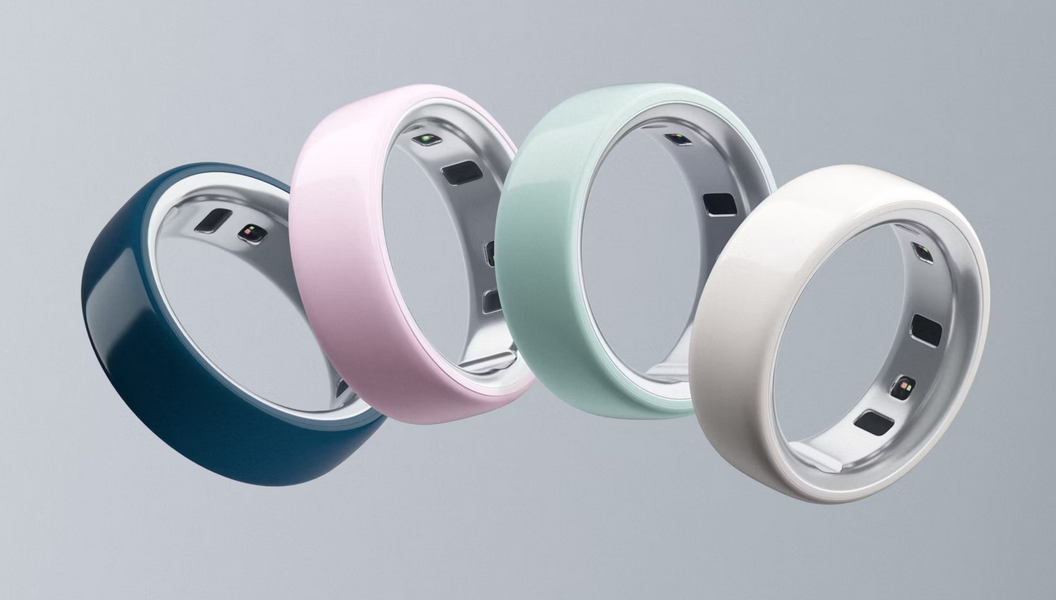
Oura Ring 4 Ceramic Debuts with Elegant Pastel Shades and Refined Design

The Oura Ring 4 has just received a stylish new Ceramic edition, and it might be one of the sleekest smart rings yet. This isn’t a proper successor to the Oura Ring 4, rather, it is a simple remake that replaces the stainless steel with a ceramic casing (a first for the company). So let’s have a look.

Oura Ring 4 Ceramic Debuts with Health Tracking & Stylish New Design

To recall, the original Oura Ring 4 arrived with a stainless steel body with a glossy finish. This has now been changed with a matte finish on the Oura Ring 4 Ceramic. You get bright new pastel colors, including blue, white, green, and pink. But using this material increased the weight since it now weighs around 5.1 to 8.1 grams. The interior of the ring still uses titanium, with the ring also being water resistant up to a depth of 100 meters.

Oura Ring 4 Ceramic
Oura Ring 4 Ceramic

Much of the advanced health trackers make a return, so you still get sensors for the skin temperature, heart rate, and SpO2 blood oxygen levels. An accelerometer can also track your movements which helps in fitness tracking activities like cycling and running. It can also track stress levels, heart health, and female menstrual cycle. The Oura Ring 4 Ceramic can be paired with the partner app for in-depth details.

On a single full charge, the smart rating can last between 5 to 8 days. You can also buy the Oura Ring 4 Ceramic with an optional charging case, which offers around five full charges. You can buy this smart ring for 499 US Dollars with the charging case set to debut later for 99 US Dollars.

For more daily updates, please visit our News Section.

Don’t miss a thing! Join our Telegram community for instant updates and grab our free daily newsletter for the best tech stories!

Huawei Watch D2 launched in India with blood pressure and ECG tracking

Huawei has unveiled a new smartwatch called the Huawei Watch D2 in India. One of its major highlights is support for medical-grade blood pressure monitoring and ECG. The device also features a 1.82-inch AMOLED display, multiple health tracking options, and a 7-day battery life. Read on to know everything about the Huawei Watch D2, including its specifications, price, and availability.

Huawei Watch D2 specifications and features

Huawei Watch D2
Huawei Watch D2

The Huawei Watch D2 is centred on cardiovascular health tracking, bringing clinically certified blood pressure monitoring and ECG analysis straight to the wrist. It uses a compact high-precision air pump, paired with next-gen sensors and algorithms, to provide accurate readings without bulky equipment. The watch has received CE-MDR certification in Europe and approval from China’s National Product Administration, adding credibility to its medical functions.

It carries a 1.82-inch AMOLED display with 1,500-nit peak brightness, fitted with a 26mm ultra-narrow mechanical airbag. Users can monitor over nine health metrics, including heart rate, blood oxygen, skin temperature, ECG, arterial stiffness, and sleep quality. More than 80 workout modes are available for fitness enthusiasts. ECG analysis records single-lead data to help identify irregular rhythms, while stress monitoring and wellness insights offer a more complete view of overall health.

Huawei has also integrated lifestyle-focused features such as proactive reminders, guided check routines, health reports for doctors, and everyday smart functions like call alerts, notifications, and weather updates. It runs on both Android and iOS platforms. A 7-day typical battery life with fast charging rounds out its performance, alongside a premium design in Black and Gold colour options.

Huawei Watch D2 price in India, availability

The Huawei Watch D2 is priced at Rs 34,499 (~$395) in India. From 3rd to 5th October, it will be offered at a launch price of Rs 33,499. It is available through Amazon, Flipkart, and rtcindia.net starting today (Oct. 3).

For more daily updates, please visit our News Section.

Stay ahead in tech! Join our Telegram community and sign up for our daily newsletter of top stories.

HP Launches World’s First Portable Neo:LED Monitor

HP has just taken portable monitors to the next level with the launch of its Series 5 Pro (514pn). It arrives as the world’s first portable monitor with Neo:LED technology. This model was just announced during HP’s Fall 2025 event, so here’s everything you need to know.

Meet HP’s 14-inch Portable Neo:LED Monitor

The HP Series 5 Pro (514pn) arrives with a 14-inch Neo:LED display that has a WQXGA resolution (2560 x 1600 pixels), a 16:10 aspect ratio, 400 nits of peak brightness and a 75Hz refresh rate. The Neo:LED panel was made by LG and offers 100 percent Adobe RGB and Display P3 color gamut. So you get a vibrant panel with a focus on color accuracy.

HP Series 5 Pro Portable Monitor

The screen is surrounded by slim bezels on all four sides, and the portable monitor even has a built-in kick stand for standalone use. While it is capable of normal everyday use, like browsing or media consumption, the HP Series 5 Pro is designed for professionals and creators on the go. Meaning, you just need one USB Type-C cable to get it running, so there’s no hassle with multiple cables for power or display output.

HP Series 5 Pro 14″ Portable Monitor was just listed on the brand’s official website, but its official pricing is still at large. This model is expected to debut in December 2025. Apart from just being a compact display that you can carry around and work on, the HP Series Pro also works well for a multi monitor setup. In related news, HP just unveiled the Omen 35L Valorant Limited Edition PC with custom cooling and RTX 5000 series GPU.

For more daily updates, please visit our News Section.

Tech enthusiast? Get the latest news first! Follow our Telegram channel and subscribe to our free newsletter for your daily tech fix! ⚡

Google Rolls Out Smarter Nest Cams and Doorbell with Gemini AI Features

Google has introduced a new lineup of home devices built around its Gemini AI platform. The new products include upgraded Nest Cams, a Nest Doorbell, and the first Google Home Speaker made specifically for Gemini.

Nest Cams and Doorbell

The new wired devices are Nest Cam Indoor (3rd gen), Nest Cam Outdoor (2nd gen), and Nest Doorbell (3rd gen). All three feature 2K HDR video, the highest resolution Google has offered, for sharper images. Third-party testing from DXOMARK ranked all three cameras first in their class for image quality.

The Nest Cams have a 152-degree diagonal field of view, while the Nest Doorbell offers a 166-degree diagonal view. Low-light performance has improved thanks to a new sensor and wider aperture, keeping full-color video longer at dawn and dusk. Infrared night vision is included for recording in total darkness.

The new wired Nest Doorbell has a wider and taller field of view compared to the previous generation (last-gen FOV highlighted in red).

Gemini AI brings smarter alerts and features. You can get detailed notifications, such as “dog jumps out of playpen,” and see zoomed-in previews of events. Ask Home lets you search your video history with questions like, “What happened to the vase in the living room?” Home Brief creates short summaries of hours of footage. Cameras can identify people, vehicles, animals, and packages. Video history has doubled from three to six hours, and digital zoom and cropping help focus on what matters.

Privacy, Design, and Sustainability

All cameras encrypt video by default, support two-step verification, and have a green LED to show when they are recording. Nest Cam Outdoor and Doorbell use recycled materials with UV protection and no paint. Outdoor cameras and the doorbell are IP65-rated. Indoor cameras come in Snow, Hazel, and Berry. Outdoor cameras are available in Snow and Hazel. Doorbell colors are Snow, Hazel, and Linen.

Availability and Pricing

Nest Cam Indoor costs $99.99. Nest Cam Outdoor is $149.99 or $249.99 for a two-pack. Nest Doorbell is $179.99. They are available October 1 in the U.S., Canada, Australia, Japan, the U.K., Ireland, and parts of Europe. Gemini features roll out first in the U.S., Canada, U.K., Ireland, and Australia, with other regions in early 2026.

In other news, Ring has launched a new lineup of security devices featuring 2K and 4K cameras and doorbells with AI-powered features. The Retinal 4K Vision is available on models including the Wired Doorbell Pro, Spotlight Cam Pro, Floodlight Cam Pro, Outdoor Cam Pro, and PoE versions, offering 10x zoom, better low-light performance, and AI-enhanced video. Retinal 2K Vision is added to the Indoor Cam Plus and Wired Doorbell Plus for improved clarity.

For more daily updates, please visit our News Section.

Don’t miss a thing! Join our Telegram community for instant updates and grab our free daily newsletter for the best tech stories!

(Source)

Vivo X300, X300 Pro battery sizes revealed: 6,040mAh and 6,510mAh

Vivo has confirmed several details about the Vivo X300 and X300 Pro, which are scheduled to launch on Oct. 13. However, the brand is still tight-lipped about the battery capacities of both phones. Recent updates from Chinese tech bloggers have revealed the battery sizes of both smartphones ahead of the launch.

Vivo X300, X300 Pro battery sizes revealed

As per tech bloggers like Bald Panda and Experience More, the Vivo X300 will pack a 6,040mAh battery. On the other hand, a hands-on video by New Review Technology has confirmed that the X300 Pro packs a larger 6,510mAh battery. The said video has been reposted by Vivo Product Manager Han Boxiao.

Both devices will support 90W wired charging and wireless charging. However, the exact wireless charging speed has not been revealed. The X300 series will arrive with a decent battery size jump, as the X200 featured a 5,800mAh battery, whereas the X200 Pro packed a 6,000mAh battery. Both came with support for 90W wired and 30W wireless charging.

The Vivo X300 and X300 Pro will debut as the world’s first Dimensity 9500-powered smartphones. The X300 will feature a 6.3-inch OLED screen, and the X300 Pro will arrive with a 6.78-inch OLED panel. Both screens support a 1.5K resolution, a 120Hz refresh rate, and an ultrasonic in-screen fingerprint sensor.

The Vivo X300 is said to feature a 200-megapixel Samsung HPB main camera, a 50-megapixel Samsung JN5 ultra-wide lens, and a 50-megapixel Sony LYT-602 periscope camera. On the other hand, the X300 Pro’s rear camera setup has a 50-megapixel Sony LYT-828 main camera, a 50-megapixel Samsung JN5 ultra-wide snapper, and a 200-megapixel Samsung HPB periscope telephoto camera.

For more daily updates, please visit our News Section.

Stay ahead in tech! Join our Telegram community and sign up for our daily newsletter of top stories.

Xbox Game Pass Price Increase: What’s Included in Essential, Premium, and Ultimate

Gamepass

Microsoft has introduced three new Xbox Game Pass tiers: Essential, Premium, and Ultimate. The changes apply across console, PC, and cloud, and all current subscribers will be moved into the updated plans automatically.

Essential is priced at $9.99 per month. It replaces the old Core plan and gives players a library of more than 50 games including Hades, Cities: Skylines – Remastered, and Warhammer 40,000: Darktide. The plan also includes online multiplayer, unlimited cloud streaming, in-game perks, and Rewards capped at $25 per year. Essential members earn 1× points on purchases, equal to 10 points per dollar spent.

Premium costs $14.99 per month and expands the library to more than 200 titles. Games can be played across console, PC, and cloud. Notable additions include Diablo IV, Hogwarts Legacy, and Grand Theft Auto V. Premium also provides faster cloud performance, in-game bonuses for supported titles, and access to Xbox-published games within a year of release. Rewards are worth up to $50 per year, with 2× points on purchases and about 5 percent cashback on eligible Game Pass titles.

Ultimate now costs $29.99 per month, a 50 percent increase. Microsoft says this is the biggest upgrade the plan has received. The catalog grows to more than 400 games with over 75 day-one releases a year. Confirmed titles include Call of Duty: Black Ops 7, Ninja Gaiden 4, High on Life 2, and The Outer Worlds 2. Starting November 18, Ultimate will include Fortnite Crew, normally $11.99 per month, and Ubisoft+ Classics, valued at $7.99 per month. Other features include Xbox Cloud Gaming up to 1440p with shorter wait times, and expanded Rewards up to $100 annually with 4× points on purchases and up to 10 percent back on select games and add-ons.

Community response has been divided. Some players praised the addition of Fortnite Crew and Ubisoft+ Classics, saying the value justifies the higher cost. Others criticized the $30 monthly price and said they plan to cancel. You can follow this link to know more about what games are included in each tier.

In other news, the ROG Xbox Ally series consoles will soon be available to buy in the US, Europe and other regions. These Windows 11-based consoles come with special optimization, a unique Xbox console interface and upgraded hardware, making them the unofficial Xbox handheld that fans have been asking for a while.

Don’t miss a thing! Join our Telegram community for instant updates and grab our free daily newsletter for the best tech stories!

For more daily updates, please visit our News Section.

Vivo X300 FE bags EEC certification, launch draws near

Vivo unveiled the Vivo X200 and X200 Pro in December 2024 for the global market. The company followed it up with a third model called the Vivo X200 FE in July this year. While the brand is gearing up for the Vivo X300 series’ global launch, it is also said to be working on the Vivo X300 FE. In a new development, the FE model has received approval.

Vivo X300 FE EEC certified

Vivo X300 EEC listing

As shown above, a Vivo device bearing the model number V2537 has received approval from the Eurasian Economic Commission (EEC). The said device was previously spotted with the “Vivo X300 FE” marketing name in the IMEI database listing.

Unfortunately, nothing concrete is known about the Vivo X300 FE’s specifications. To recall, the Vivo X200 FE was a rebranded version of the Vivo S30 Pro Mini, which debuted in China back in December 2024. Therefore, the Vivo X300 FE could be a rebranded version of the Vivo S50 Pro Mini, which is expected to break cover in November this year.

Vivo-X200-FE-color-options
Vivo X200 FE

A leak that surfaced last month claimed that Vivo is working on a Vivo V50 series phone featuring a 6.3-inch display, a Dimensity 9400 series chip, a triple camera unit equipped with a periscope telephoto camera, and an ultrasonic in-screen fingerprint sensor.

While the leak did not specify the name of the device, this phone is expected to debut as the Vivo S50 Pro Mini. There is a possibility that it could be rebranded as the Vivo X300 FE globally.

For more daily updates, please visit our News Section.

Stay ahead in tech! Join our Telegram community and sign up for our daily newsletter of top stories.

Vivo X300 Pro’s global version spotted at SIRIM certification

While the Vivo X300 series is scheduled to go official on Oct. 13 in China, Vivo also seems to be gearing up for its global launch. The global variants of the Vivo X300 and X300 Pro have been gradually receiving approval in different countries. In the latest development, the Pro version has appeared in the database of the SIRIM certification in Malaysia.

Vivo X300 Pro SIRIM certified

Vivo X300 Pro SIRIM certified

As shown above, the Vivo X300 Pro, bearing the model number V2514, has been approved by the SIRIM authority. Last month, the same device was spotted with the Dimensity 9500 chip, 16GB of RAM, and Android 16 on Geekbench. In terms of certifications, the V2514 has also been approved by the Eurasian Economic Commission (EEC) and the certification platforms of Indonesia’s TKDN and SDPPI.

As for the Vivo X300, it is said to have the model number V2515. This device has appeared in the databases of Geekbench, BIS (India), TKDN (Indonesia), and SDPPI (Indonesia). The Geekbench listing revealed that it has the Dimensity 9500, 16GB of RAM, and Android 16.

The upcoming Oppo Find X9 and Find X9 Pro phones are also equipped with the Dimensity 9500. While the X9 series is expected to debut on Oct. 16 in China, it may debut globally by the end of this month. Reports suggest that while the Vivo X300 series is scheduled to launch on Oct. 13 in China, its global launch will take place after the Find X9 series’ global announcement. Therefore, the Vivo X300 series is expected to debut in markets outside of China in November.

Vivo X300 Pro telephoto converter

The Vivo X300 series launch event in China will also see the arrival of other devices, such as the Vivo Pad 5e, Vivo Watch GT 2, and Vivo TWS 5. There is no clarity yet on whether any of these devices will also debut globally.

For more daily updates, please visit our News Section.

Stay ahead in tech! Join our Telegram community and sign up for our daily newsletter of top stories.