The ZTE sub-brand just started teasing its upcoming flagship, boldly calling it the world’s first AI agent smartphone. It’s set to make its official debut at the World Artificial Intelligence Conference (WAIC 2026) in Shanghai from July 17 to 20.
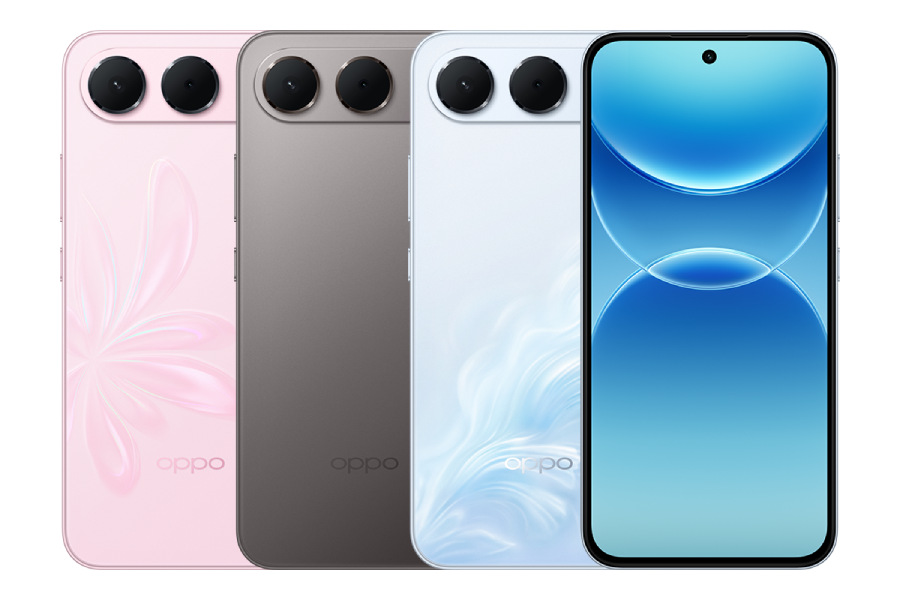
In a series of fresh Weibo teasers, Nubia revealed the phone’s complete design. It comes in four different finishes: black, light pink, silver, and blue. The “nubia” logo is positioned right in the middle. The pill-shaped horizontal camera module houses thee lenses in total, and ads a clean, modern vibe.
But the real story here isn’t just the looks. Nubia’s President, Ni Fei, announced that the company has finished filing for a large-scale AI agent model. This phone is supposed to be the first device to fully integrate that advanced AI system, letting users hand off complex tasks with real confidence. It’s also packing ByteDance’s Doubao mobile assistant to deliver what they’re calling a true “agentic” experience.
That means the AI won’t just answer questions or write text for you, it should actually understand natural language and handle multi-step tasks across different apps on its own. We’re talking system-level intelligence that can take real actions on the device, which feels like a big step up from the usual AI features we’ve seen so far.
While we don’t have full specs yet, Nubia is positioning this as a proper flagship headed for mass production, not just some concept device.
WAIC 2026 kicking off in just a few hours, and the hype is building fast. The company might have integrated a genuinely capable AI agent with its flagship this time.
Huawei has expanded its connected device ecosystem with the launch of the HUAWEI Pura 90s Series, HUAWEI FreeClip 2 S, and HUAWEI MatePad Air at its Flagship Product Global Launch Event held in Kuala Lumpur, Malaysia, on July 14, 2026. Under the theme “Now is Your Moment: Huawei Unlocks New Possibilities for Every Moment Through All-Scenario Innovation,” the company showcased its latest innovations designed to help users capture meaningful moments, express personal style, boost creativity, and improve productivity through seamless cross-device experiences.
HUAWEI Pura 90s Series: Advanced Imaging and AI
The HUAWEI Pura 90s Series is Huawei’s latest flagship smartphone lineup, built around advanced photography and creative expression. Inspired by the “Rhythm of Colour” design philosophy, the phones feature clean and elegant design lines, a layered color palette, and a premium Dual-Tone Gradient Mid-Frame that gives the devices a distinctive look.
Photography is the biggest highlight of the series. Huawei has equipped the smartphones with a 200MP Ultra Large Sensor Telephoto Camera alongside True-to-Colour Camera 2.0, bringing improvements to long-range photography, macro photography, and image quality in challenging lighting conditions. The system is designed to deliver clear, stable, and consistent imaging performance across a wide range of shooting scenarios.
The Pura 90s Series also introduces AI-powered photography features, including intelligent composition and image optimization. These tools speed up the workflow from capturing an image to editing it, allowing users to produce more expressive and refined photos with less effort.
HUAWEI FreeClip 2 S: Style, Comfort, and Practicality
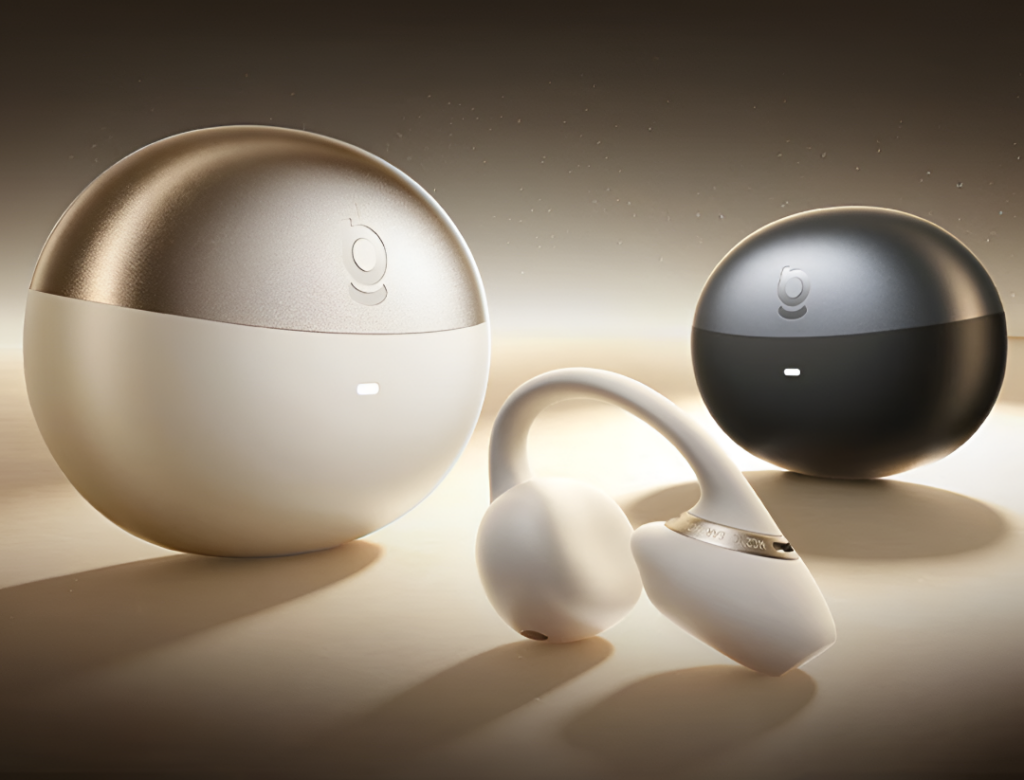
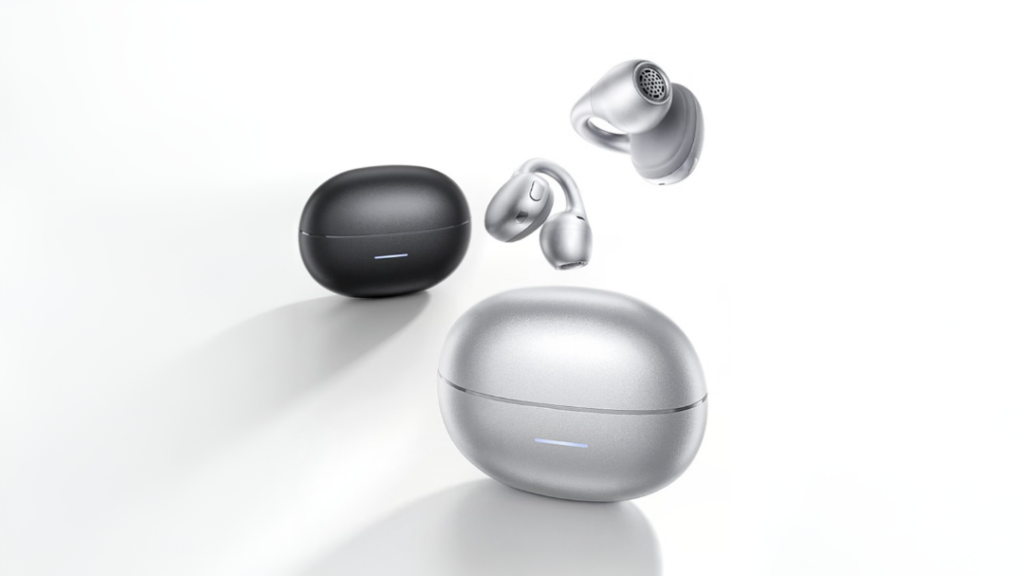
Huawei also introduced the HUAWEI FreeClip 2 S, an open-ear wireless earbud designed for users seeking comfort, style, and everyday convenience. Following Huawei’s Luminous Aesthetics design philosophy, the earbuds combine metallic finishes with natural color tones and are available in Deepsea Blue and Space Silver.
The new Luminous Charging Case features a refined, rounded design and is crafted through more than 100 precision manufacturing steps. Huawei says the redesigned case offers 20% more usable interior space, making it possible to store not only the earbuds but also small personal accessories.
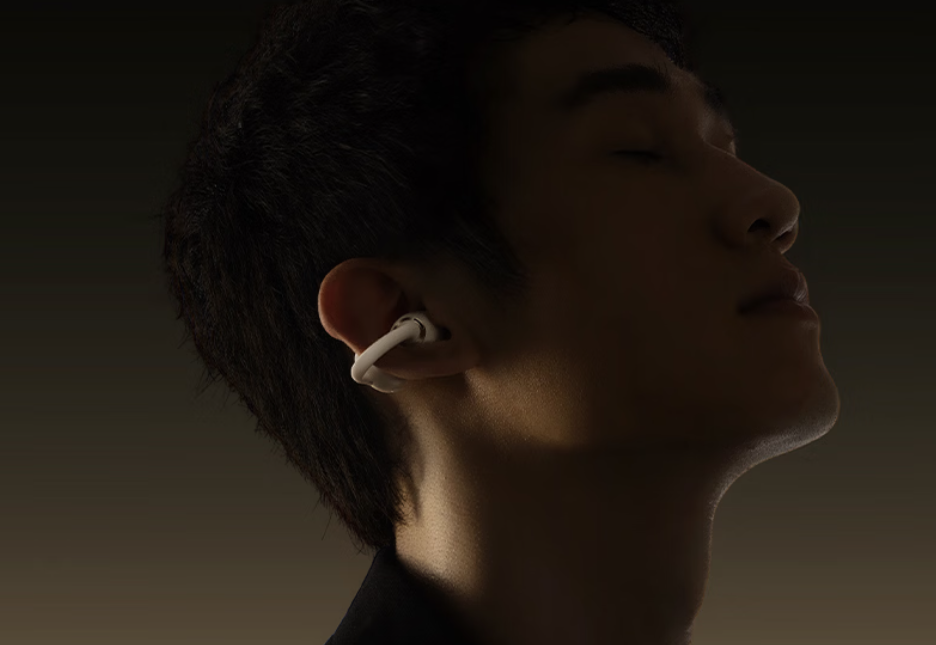
The earbuds feature an upgraded Airy C-bridge made from skin-friendly liquid silicone for a softer and lighter fit during extended wear. Huawei also applies a metallic finish using a luminous texture-spraying process developed through 22 paint-mixing and spraying processes, giving the earbuds a premium appearance. The FreeClip 2 S delivers clear music playback, improved call quality, and an open-ear listening experience that remains comfortable throughout the day.
HUAWEI MatePad Air: Productivity and Creativity
The HUAWEI MatePad Air is Huawei’s newest lightweight tablet, designed for work, learning, creativity, and entertainment. Measuring just 5.3 mm thick, the tablet combines a slim profile with a lightweight, premium design that is easy to carry throughout the day.
It features an Ultra-clear OLED PaperMatte Display that delivers vibrant colors, excellent clarity, accurate color reproduction, and a comfortable viewing experience for extended use.
Huawei has also focused heavily on productivity. The MatePad Air offers a PC-level productivity experience supported by integrated AI tools that help users streamline workflows, simplify presentation creation, and speed up content creation. According to Huawei, the tablet is designed to transform ideas into finished content while bringing desktop-like productivity to a highly portable device.
Strengthening Huawei’s All-Scenario Ecosystem
Huawei says the HUAWEI Pura 90s Series, HUAWEI FreeClip 2 S, and HUAWEI MatePad Air are designed to work together as part of its expanding all-scenario ecosystem. By connecting smartphones, tablets, and audio devices, the ecosystem delivers smoother cross-device experiences that enhance creativity, communication, productivity, personalized style, and everyday convenience.
Looking ahead, Huawei plans to continue expanding its all-scenario ecosystem to support a wider range of user needs while delivering smarter connected experiences that improve efficiency across modern digital lifestyles.
Samsung fans hoping for big changes in the next flagship tablet series just got a reality check. Fresh leaks about the Galaxy Tab S12 Ultra suggest that one of the most requested upgrades, a clean punch-hole selfie camera, isn’t happening this time around.
A newly surfaced live image from in Safety Korea’s certification databases gives us the clearest look yet at the Tab S12 Ultra’s front. It has a huge display with noticeably slimmer bezels compared to the Tab S12+ model, which still helps it feel premium. Unfortunately, the familiar U-shaped notch from previous generations is still there, housing a single front camera.
There was real excitement earlier this year when One UI 9 beta animations showed tablet designs with centered punch-hole cameras. A lot of us thought Samsung might finally give the Tab S12 Ultra a cleaner, more immersive look. The notch has been here since Samsung’s first Ultra branded tablet, the Galaxy Tab S8 Ultra. The certification image suggests they’ve decided to stick with the current design language for at least another year.
The Galaxy Tab S12 series is expected to launch sometime in September 2026, probably around IFA. The Ultra is rumored to keep its massive 14.6-inch OLED display with up to 120Hz refresh rate, and it should be powered by the new MediaTek Dimensity 9500 chipset. Other expected specs include at least 12GB of RAM (possibly more in higher configs), storage options up to 1TB with microSD support, a 11,600mAh battery, and 45W charging. It will ship with Android 17-based One UI 9 out of the box, bringing improved AI features.
Overall, the Tab S12 Ultra looks like a refined evolution rather than a major redesign. It probably won’t blow owners of the current model away with its looks, but the combination of top-tier specs and Samsung’s tablet software could still make it a solid choice for power users.
Xiaomi looks like it’s gearing up to refresh its budget smartphone lineup, and a new leak shared by YtechB just gave us one of the best looks yet at the upcoming REDMI 17 4G.
The camera island looks refreshed. It’s noticeably wider than on the REDMI 15 4G and now features a light ring instead of one of the camera cutouts. Don’t worry though, this isn’t a downgrade. The predecessor only had two rear cameras (a main sensor + auxiliary lens) to begin with.
The phone itself comes in some nice colors: Deep Blue, Black, Oak Green, and possibly Lotus Purple. In terms of size, it measures 170.12 x 78.42 x 8.8 mm and weighs around 232 grams.
On the front, we’re looking at a 6.9-inch LCD with HD+ resolution (1600 x 720) and a 120Hz refresh rate. Under the hood, it’s expected to run on MediaTek’s Helio G91 Ultra processor, paired with HyperOS 3.0 based on Android 16.
For comparison, the REDMI 15 4G is powered by the Snapdragon 685. Take a look at the test results below for an idea of the performance and power efficiency differences. The Helio G91 and G91 Ultra are functionally the same processor, with only minor tweaks such as upgraded ISP support for higher-resolution cameras.
Memory and storage options look typical for the segment: 4GB or 6GB of RAM with 128GB or 256GB of storage. Around the back there’s a 50MP main camera plus an auxiliary sensor, while the front gets an 8MP selfie camera.
But the real standout here is the battery. The REDMI 17 4G is rumored to pack a massive 7,500mAh cell, along with 45W fast charging. This is an upgrade over the 7000mAh battery and 33W charging of the predecessor. The large battery could position the successor as a serious contender for anyone who hates reaching for the charger during the day.
Pricing-wise, leaks point to a starting price of around €250 for the 4GB + 128GB version, with the 256GB model expected to land near €280. That said pricing will likely vary by region and market conditions.
The dumbphone market has exploded in recent years, and there are a few strong reasons for it. More people are switching to a minimalist lifestyle, moving away from the algorithmically-controlled social media apps that end up consuming a few hours every single day.
Whether it’s about your mental peace, reducing your screen time, or giving your child a device with only a basic feature set, dumbphones are the perfect solution. Take a look at some of the best dumbphones out there to find one that suits your needs.
Brooklyn-based startup Light focuses on premium, distraction-free minimalist phones, designed to be used as little as possible. Their latest release, Light Phone III, adds a 50MP rear camera and an 8MP front camera.
The Light Phone III has no web browser, no social media apps, no email, and no news feeds, so you can focus on other work. The phone comes with a highly customized LightOS, which only supports basic stuff like voice calls, SMS texting, GPS navigation, an alarm clock, notes, a calendar, a calculator, and a basic music player.
For the most part, the phone only displays black-and-white text and shapes except when capturing or viewing a photo. It has a scrollable wheel on the left side for instantly toggling the flashlight or adjusting the screen brightness.
Light Phone III specs:
Display: 3.92-inch Monochrome AMOLED
Camera: 50MP (rear), 8MP (front)
Processor: Qualcomm Snapdragon 4 Gen 2
OS: LightOS (De-Googled)
RAM: 6GB
Storage: 128GB
Battery: 1800mAh (removable)
Connectivity: 5G, Bluetooth 5.3, Wi-Fi 5, USB-C 2.0, GPS, NFC
While Nokia doesn’t have a strong hold in the smartphone market, the brand remains a strong choice among people looking to reduce screen time and ditch social media. The Nokia 2660 Flip, released in 2022, is still a popular choice among these buyers as it perfectly serves the purpose.
The Nokia 2660 Flip is a 4G feature phone with no internet connectivity at all. That means no doomscrolling, no YouTube, and no WhatsApp. It focuses on offering basic features such as calls and texts. The small outer screen quickly shows the caller ID, time, battery status, and unread texts and missed calls.
These dumbphones do not require a large battery, and that’s why the 1450mAh battery on the Nokia 2660 Flip is enough to last for several days. The phone has a side emergency button that allows users to instantly call or text up to 5 pre-saved emergency contacts. It also has a built-in FM radio that works without needing a headset wire as an antenna.
If you’re not in for a flip phone, the Nokia 110 4G (2024) might be a suitable choice. It has no Wi-Fi, no app store, and no social media apps. It’s purely for communication and offline utilities (MP3, basic games, calculator, and torch).
The phone supports 4G, ensuring it will remain functional for calls in the long term, as 2G and 3G networks are shutting down globally. Unlike older dumbphones, the Nokia 110 4G (2024) uses the same USB-C port and supports HD Voice for improved call quality.
Mudita Kompakt is a premium minimalist phone, featuring an E Ink display, a low-power paper-like screen technology that mimics the appearance of an ordinary ink on paper and is far gentler on the eyes. It runs on a custom, privacy-focused operating system that only keeps essential modern utilities.
Besides calls and texts, Mudia Compakt retains essential features that many dumbphones lack, including Maps, a high-quality voice recorder, Notes, and Calendar. It also has a fingerprint scanner and supports standard Qi wireless charging, two rare features in this category of phones.
The phone packs a 3300mAh battery, enough to keep the device running for days on a single charge. You may also praise the company for adding a physical hardware switch that instantly cuts the power to the microphones, cameras, and all cellular/Wi-Fi antennas, when you want to go off the grid.
Mudita Kompakt specs:
Display: 4.3-inch E Ink
Camera: 8MP (rear) with dual LED flash
Processor: MediaTek MT6761V
OS: MuditaOS K (custom stripped-down Android 12/AOSP)
RAM: 3GB
Storage: 32GB, expandable via microSD
Battery: 3300mAh (removable) with wireless charging support
The Cat S22 Flip is considered one of the best dumbphones for those switching from a smartphone but don’t want to quit essential apps like WhatsApp, Spotify, Uber, and Maps. It’s a MIL-STD-810H-certified rugged phone perfectly suitable for construction sites and challenging conditions.
Unlike most dumbphones, the Cat S22 Flip runs full Android OS with Google Play Store. It can also run social media apps like Instagram or TikTok, but the processor is just slow enough that the social media experience would feel terrible. Plus, the small screen size would naturally force you to stop using those apps.
The Cat S22 Flip mainly solves the biggest fear of switching to a dumbphone for most people. That includes having access to GPS, your music streaming app, and your ride-sharing apps like Uber. One downside though: because it runs full Android OS, the battery only lasts just over a day
The Punkt MP02 is famous for its unique aesthetics, while also bringing privacy-first software and the ability to use the encrypted messaging app Signal on a dumbphone. That means you can communicate securely over data/Wi-Fi without relying solely on standard SMS.
The phone boots Apostrophy OS, a custom hardened version of Android AOSP, with no browser, no ads, no tracking, and no app store. It has a monochrome interface that further prevents you from getting distracted by colors or icons.
Punkt M02 specs:
Display: 2.0-inch VA TFT transflective
Processor: Qualcomm Snapdragon 210
OS: Apostrophy (APHY 1.3)
RAM: 2GB
Storage: 16GB
Battery: 1280mAh (removable)
Connectivity: 4G LTE, Wi-Fi, Bluetooth 4.2, USB Type-C, GPS
The Dumber Mini is a custom-branded feature phone that is designed to reduce your smartphone addiction while also allowing necessary apps like WhatsApp, Messenger, Spotify, and Google Maps.
The phone doesn’t come with a Google Play Store, but has a built-in “More Apps” store that hosts only non-distracting, essential utilities like Calendar, Weather, and Notes. It also has a robust blocking tool that can permanently lock you out of distracting apps or browsers.
Dumber Mini specs:
Display: small touchscreen
OS: Dumber OS (based on Android 14 AOSP)
Connectivity: 4G LTE, Wi-Fi, Bluetooth, USB Type-C, GPS, NFC
HMD Barbie Phone is considered an excellent “first phone” for children because it provides essential communication while intentionally removing the risks and distractions of a smartphone.
The phone doesn’t have any social media or streaming apps. It’s designed to allow kids to stay connected using calls and texts without being exposed to cyberbullying or inappropriate internet content. Parents can further restrict the device by locking the browser, camera, or sharing features via a password-protected settings menu.
The HMD Barbie Phone comes in a jewelry-like box with multiple interchangeable back covers, stickers, and gems. It features a custom Barbie-themed UI, unique ringtone, and a specialized version of the Snake game.
HMD Barbie Phone specs:
Display: 2.8-inch (main), 1.77-inch (external)
Processor: Unisoc T107 (International) or Qualcomm Snapdragon 215 (US version)
The Easyfone Prime A6 is an excellent 4G feature phone designed specifically for senior citizens. It prioritizes ease of use, safety, and high visibility, while stripping away the complexities of modern smartphones to provide a reliable dumbphone experience.
The phone features large font display and extra-large backlit buttons with talking numbers feature that reads out each digit as it pressed to ensure correct dialing. It’s M4/T4 leading aid compatible, ensuring clearer sound quality for those using assistive listening devices.
Easyfone Prime A6 has a dedicated SOS key on the back that can be set to automatically alert up to 5 emergency contacts. When pressed, it triggers a siren, sends text messages with location and medical details, and calls the contacts repeatedly until answered. Furthermore, the phone features prominent physical side sliders for locking/unlocking the screen and activating the dedicated torch (flashlight).
Easyfone Prime A6 specs:
Display: 1.8-inch TFT LCD
Storage: 64MB, expandable up to 32GB via microSD
Battery: 1050mAh (removable)
Connectivity: 4G, Bluetooth, USB Type-C, GPS (US only)
OnePlus isn’t wasting any time expanding its new ultra-budget N series in India. Just a few weeks after launching the N6, the company has already teased the upcoming N6x through a dedicated Amazon microsite, hinting at another affordable phone aimed at buyers who want solid everyday performance without spending much.
The N6 launched on June 30, 2026, as OnePlus’s first real step into the more accessible segment below the Nord series. It starts at around ₹22,999 for the 4GB + 128GB version. What impressed people most was its massive 8,000mAh battery with 45W charging, a big 6.75-inch 720p LCD with 120Hz refresh rate, the MediaTek Dimensity 6360 Apex chipset, and a simple 50MP main camera. No ultra-wide, but it delivers great battery life and smooth basics in the highly competitive sub-₹25,000 range.
Right now, details on the N6x are still pretty thin. The Amazon India page only says “Coming Soon,” with no specs, design images, pricing, or launch date revealed yet. Tipster Yogesh Brar mentioned that it will have “familiar” specifications, which could mean it’s a slightly tweaked version of the N6 or shares parts with other phones in the OPPO/Realme family to keep the price down.
Since it’s positioned as a step below the N6, we can expect more cost-cutting while keeping the things that matter. That probably means a slightly weaker chipset, possibly the same big battery (or one that’s just a bit smaller), and the same 720p screen. The simple 50MP camera setup is likely to stay as well.
This quick back-to-back release shows OnePlus is serious about fighting hard in India’s entry-level market, where several smartphone brands are battling on value.
Interestingly, a separate report also claims OnePlus is preparing to launch a new 4G-only phone in India. According to a seasoned industry insider, the company wants to strip out the more expensive 5G components to offset rising memory chip costs and bring the price under ₹16,000. While it’s not confirmed whether this 4G model is the N6x or a different device, it wouldn’t be surprising given the N6’s aggressive pricing and the heavy focus on keeping costs low.
Edifier has released the R1000TC II in China, a new set of active bookshelf speakers aimed at desktop and study room setups. It is now listed on JD.com for 399 yuan ($58).
Edifier R1000TC II Specifications
From a design perspective, the R1000TC II sticks to standard bookshelf speaker conventions. The cabinets are built from medium-density fiberboard (MDF) to limit unwanted resonance, featuring a black leather-textured front baffle and wood-grain side panels.
The main active speaker measures 149 x 234 x 202.5 mm, a standard footprint for a desk. Edifier includes removable front grilles for dust protection, and the right speaker houses side-mounted physical dials for adjusting the master volume, treble, and bass.
Internally, the audio setup relies on a two-way driver design. The high frequencies are handled by 1-inch tweeters with 19-core silk-coated dome diaphragms. For the midrange and bass, the speakers use 4-inch composite paper cone drivers with a distinct yellow finish and reinforced rings to manage vibration.
The system is powered by a built-in Class D digital amplifier. It outputs 21W per channel, resulting in a total continuous output of 42W, and covers a frequency response range of 65Hz to 20kHz.
The primary changes in this second-generation model are found in its connectivity and software. The inclusion of Bluetooth 6.0 allows for simultaneous dual-device connections. For wired setups, the speakers include standard RCA line inputs and a USB sound card function for a direct digital connection to a PC.
Additionally, the R1000TC II integrates with the Edifier Connect mobile app. This gives users the ability to apply preset EQ profiles, adjust the left and right channel balance, turn off system notification sounds, and manage firmware updates directly from a smartphone.
In related news, Asus has recently launched an affordable 10W Bluetooth speaker featuring Bluetooth 6.0, TWS pairing support, and up to 10 hours of battery life.
For more daily updates, please visit our News Section.
Belkin has released a new power bank in China that adds a few practical hardware features to the standard portable battery. The Belkin BoostCharge Pro Power Bank 10K with Motion Sensing Light is currently listed on JD.com for 329 yuan ($49).
Belkin BoostCharge Pro Power Bank 10K Specs
As the name suggests, it has a 10,000mAh battery capacity. For charging, the device relies entirely on USB-C. It includes a built-in braided USB-C cable that tucks into the side of the casing for storage, plus one additional USB-C port. Both the cable and the port support up to 45W of output.
The device supports standard USB Power Delivery (PD) and Programmable Power Supply (PPS) protocols. If you plug in two devices at the same time, the power bank automatically splits the power, providing 30W to the primary device and 15W to the secondary one.
The power bank includes a pop-out LED light. It has a built-in motion sensor and touch controls for adjusting the brightness. You can use it as a basic bedside night light, a small fill light for photos or video calls, or an emergency light using its SOS flashing mode. Because LEDs draw very little power, using the light shouldn’t drain the 10,000mAh battery very quickly.
On the front, a small digital display shows the exact battery percentage remaining. This screen area also houses the controls for switching between the different lighting and motion-sensing modes.
The power bank weighs 257 grams and measures 118 x 60 x 32mm, making it fairly standard in size for a 10,000mAh pack. It is available in blue and orange. For safety, it includes protection against overheating, overcharging, overvoltage, and short circuits, and it is certified for airline travel.
Xiaomi has announced a new addition to its smart home lineup in China: the Mijia Smart Bathroom Heater P1 Human Sensing Edition. It is a ceiling-mounted unit that combines lighting, heating, and exhaust fans, but the main draw is a built-in radar system that automates the hardware based on whether someone is actually in the room. It enters crowdfunding next week for 999 yuan ($148).
Mijia Bathroom Heater P1 Human Sensing Edition Specs
Most smart bathroom lights use basic infrared motion sensors, which can sometimes turn off if you stay still for too long. Xiaomi is using a 24GHz radar system here instead. It is designed to detect continuous presence, meaning the unit can turn on the lights when you walk in, run the exhaust fan while the bathroom is in use, and shut everything down once you leave.
Because radar can be overly sensitive, the detection range and sensitivity are adjustable so the system won’t trigger just because someone walked past the open door.
For heating, the unit uses a 3,000W graphene element. It relies on a variable frequency control system, which means it adjusts its power output to maintain a set temperature rather than running at full blast all the time. To distribute the heat, an oscillating louver swings between 60 and 90 degrees to push warm air down toward the floor.
It also has dual DC motors, allowing the system to heat the room and run the exhaust fan simultaneously. The exhaust is rated to move about 259 cubic meters of air per hour.
The lighting setup is a retractable panel that sits flush with the ceiling. It outputs up to 1,500 lumens, with adjustable color temperatures from 3,000K to 6,200K, and includes a standard night light mode for late-night trips.
On the software side, it ties into the Mi Home app and HyperOS ecosystem for scheduling and voice controls. It also comes with an IPX4-rated water-resistant wireless wall switch. The switch fits into a standard 86mm electrical box, so you don’t have to run new wiring through your walls to install the physical controls.
In related news, Xiaomi has recently introduced a new smart water flosser featuring a color display, app connectivity, and up to 105 days of battery life, alongside the Mijia Handheld Fan in a new green finish.
For more daily updates, please visit our News Section.
Just a couple of days after news broke of OnePlus leaving the US and Europe, a new report says it’s not only the West — the Chinese smartphone maker is exiting from India too.
According to a new report from Bloomberg, OnePlus’s pullback from the West isn’t a one-off regional decision but the first phase of a much wider global retreat. Sources familiar with the matter told Bloomberg that Oppo is planning to eventually shut down OnePlus operations across most of the world, including in India, sometime in 2027. China is said to be the only market where the OnePlus brand will keep running as usual.
OnePlus to cease India and global business in 2027
It’s unexpected news since previous reports were heavy on OnePlus’s exit from the US and European markets, thus leading us to speculate India might stay unaffected. Now it looks like India will simply see its exit happen a bit later.
The reasoning behind the move reportedly comes down to money. Oppo’s phone business has been under pressure lately because of weak momentum across the US, Europe, and India alike, on top of rising geopolitical friction tied to selling Chinese-made phones in the US. Sister brand Realme is said to be exiting China entirely as part of the same shake-up. Meanwhile, Oppo will focus its business on Central Europe and the Nordic region since it has had some luck there.
None of this comes entirely out of nowhere. OnePlus has already been trimming its footprint in India for months — shutting down most of its partner-run offline stores, going online-first, and merging its after-sales network with Oppo’s.
It’s also expected to lose its distinct OxygenOS software identity in favor of Oppo’s ColorOS. Add a slowing India, US, and Europe market for OnePlus, and a 2027 exit starts to look less like a surprise and more like the next domino to fall.
OnePlus and Oppo have not commented on the report yet. We will keep following this story as it develops.
For more daily updates, please visit our News Section.
Casio has released two new G-Shock watches in the US market: the GST-B1000BD-1A and the GST-B1000BD-2A. Both models are part of the G-Steel lineup and were initially launched in Japan last month. They are currently available for $510.
Design Details
G-Shocks are traditionally known for their bulky profiles, but Casio has managed to slim these models down to an 11.6mm thickness. The overall case dimensions sit at 46.9 x 44.2 x 11.6 mm, and the watch weighs 118 grams.
This reduction in size is achieved through a more compact internal module and adhesive glass bonding, which trims the bulk without compromising the brand’s standard shock-resistant construction.
Aesthetically, both watches lean heavily into a minimalist, monochromatic look. They feature black ion plating across the stainless steel band, case back, side buttons, crown, and even the external screws. Casio has also opted for a logo-less bezel, which features a mix of brushed and polished metal finishes for texture.
The case itself is built using a mix of stainless steel and bio-based carbon, utilizing Casio’s Carbon Core Guard structure to protect the internal components from physical impact.
On the technology side, the watches include Casio’s Tough Solar charging system. This solar-powered setup can run the watch for up to five months on a single charge with normal use, or up to 18 months if stored in total darkness with the power-saving function enabled.
They also feature Bluetooth connectivity. By pairing the watch with the Casio Watches smartphone app, users get automatic time adjustments, a phone finder tool, and easy access to standard watch settings directly from their mobile device.
Both models offer 200 meters of water resistance, a screw-lock crown, and a mineral glass display. For visibility in low light, there is a white LED Super Illuminator with an afterglow function, alongside Neobrite coating on the analog hands. The internal feature set includes a 30-minute stopwatch, a countdown timer, a daily alarm, and a full auto-calendar.
The GST-B1000BD-1A and GST-B1000BD-2A are available to purchase now through Casio’s US retail channels.
OpenAI’s long-rumoured consumer hardware appears to be taking shape. Instead of launching a smartphone, the company is reportedly working on a portable AI-powered smart speaker designed to act as a personal companion. The device is said to blend conversational AI with hardware that can move and interact more naturally.
OpenAI’s first hardware could be an AI companion
OpenAI speaker (AI-generated image)
According to Bloomberg, OpenAI is developing a compact, screenless smart speaker that users can carry from one room to another. The device is expected to include a rechargeable battery, cameras, and onboard sensors that help it understand its surroundings and respond more intelligently. Unlike conventional smart speakers, it is reportedly being designed to develop a personality through mechanical elements that allow it to move, making interactions feel more lifelike.
The speaker is said to run on GPT-Live, OpenAI’s conversational voice technology that can listen and respond in real time. It could perform familiar smart speaker tasks such as controlling connected home devices, playing music, answering questions and reading messages. The report also claims it will gradually learn about its owner by accessing personal information, allowing it to anticipate requests and deliver more personalised responses over time.
The hardware is reportedly being developed with help from former Apple executives, including members of Jony Ive’s LoveFrom design studio. While the product is expected to arrive in 2027, some reports suggest OpenAI could reveal more details later this year. Pricing has not been confirmed, although one report estimates it could cost between $200 to $300.
The project is also facing legal uncertainty following Apple’s trade secret lawsuit against OpenAI. Apple has alleged that OpenAI hired key employees and misused confidential information, claims that OpenAI has denied. Despite the ongoing dispute, the company reportedly believes its AI speaker is significantly different from Apple’s planned smart home products.
For more daily updates, please visit our News Section.
The Redmi K100 Pro just cannot stay out of the leaks. We reported earlier that tipster Digital Chat Station (DCS) had shared a fairly complete spec sheet for the phone — from its display to the camera setup. Now, the same tipster is back with a fresh post that mostly confirms those details, while adding a few new points worth knowing.
Redmi K100 Pro Specifications (Expected)
According to the new leak, the Redmi K100 Pro is a prototype belonging to the larger-screen variant of the series. It is said to come with a flat display that supports an ultra-high 185Hz refresh rate, along with what DCS describes as “ultra-high resolution” display technology. Going by past reports, this is expected to be a 6.59-inch or 6.9-inch OLED panel.
Under the hood, the phone is tipped to run on the Snapdragon 8 Elite Gen 5 chip, paired with a separate graphics chip for smoother gaming performance. This dual-chip setup has been a recurring theme in earlier Redmi K-series leaks as well.
On the camera front, nothing has changed much from before. The Redmi K100 Pro is still expected to feature a 200-megapixel main camera with a large sensor, along with a 50-megapixel telephoto lens that also supports macro shots.
Fueling everything will be an 8,500mAh-class battery, 100W wired charging, and wireless charging support. Other features mentioned include symmetrical dual speakers, a 3D ultrasonic in-display fingerprint sensor, and IP68/IP69-rated dust and water resistance.
The Redmi K100 series is expected to debut in China as early as September or October 2026, with a global variant likely arriving later under a different name. We will keep you in the loop for any new updates.
For more daily updates, please visit our News Section.
Samsung just gave us a really interesting peek into the future of its software with something called the Fluid AI Design System. This concept recently won an award at the Red Dot Design Award 2026, and it could point to some exciting changes coming to One UI down the road.
Right now, it’s not an actual update you can download: it’s more of a forward-looking design vision. But it’s one of the clearest ideas we’ve seen yet of where Samsung wants to take its interface. The basic idea is to move away from the current rigid, app-by-app structure and create a much more dynamic, intelligent experience powered by AI.
Instead of fixed screens and traditional apps, the Fluid AI system uses adaptive, floating elements that can change in real time based on what you’re doing. Information shows up as flexible “cards” that can expand, shrink, rearrange, or even transform depending on the situation.
For example, a meeting reminder could automatically pull in your calendar, suggest the best route to get there, and show relevant contacts, all in one smooth, unified view. A simple date picker might grow into a full scheduling assistant when needed. The goal is to make the phone feel smarter and more helpful, anticipating what you need instead of forcing you to switch between different apps.
This concept fits perfectly with Samsung’s recent push into Galaxy AI. The company has already been adding more on-device and cloud intelligence to make things more personalized. Fluid AI feels like the next big step, turning the entire interface into something intelligent rather than just a home for apps.
Of course, there’s no guarantee this exact system will make it into future One UI versions (possibly One UI 10 or later). Design concepts like this often change a lot before reaching actual phones, and there are real challenges around third-party app support, performance on different devices, and keeping things consistent.
The Fluid AI Design System was part of Samsung’s strong showing at the Red Dot Awards, where the company picked up several honors for AI-focused ideas centered on personalization.
As scheduled, Realme has officially launched the Narzo 100x 5G in India. The device comes with an 8,000mAh battery and a 144Hz display; the final specs match up closely with what was expected.
Realme Narzo 100x 5G Specifications
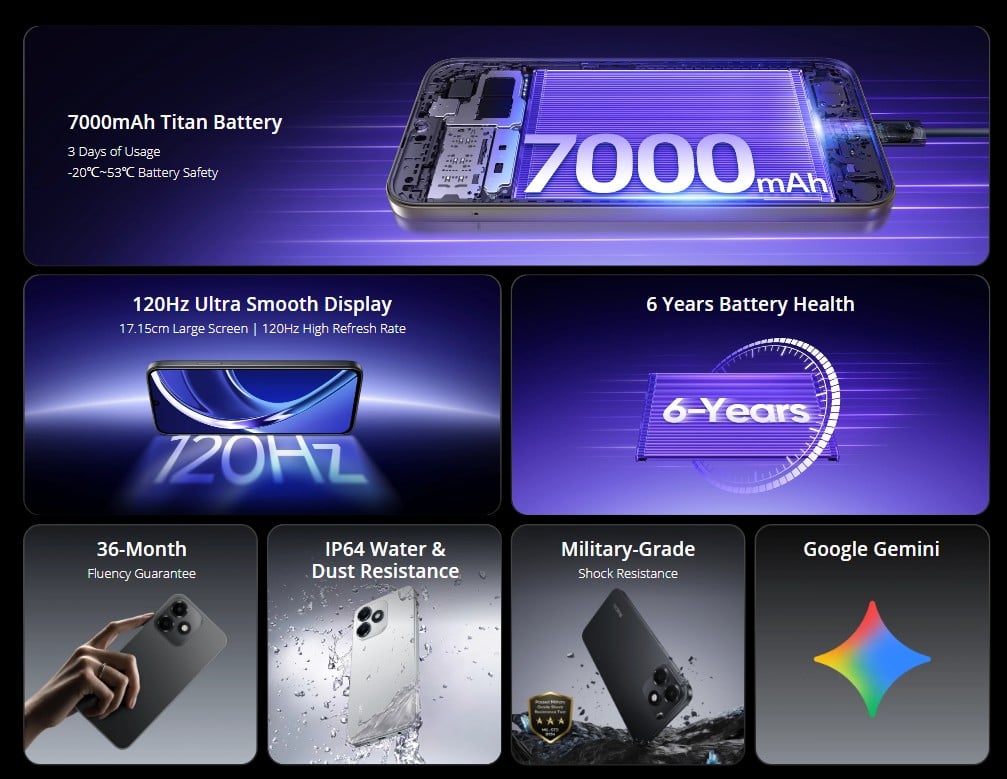
The highlight of the phone is its massive 8,000mAh battery, which Realme calls a “Titan Battery.” The company claims it can last up to three days on a single charge and still retain over 80% battery health after four years of use, supporting up to 1,600 charge cycles.
Charging is handled by a 45W fast charger, along with 27W reverse wired charging and bypass charging for cooler gaming sessions. Despite the large battery, the phone stays fairly slim at 8.8mm thick and weighs 224 grams.
On the display side, the Narzo 100x 5G gets a 6.8-inch HD+ LCD screen with a 144Hz refresh rate and 1,200 nits of peak brightness. For such smoothness and outdoor visibility, the HD+ resolution is a bummer.
Under the hood, it runs on the MediaTek Dimensity 6300 chipset, paired with LPDDR4X RAM and UFS 2.2 storage. A 5,300mm² vapour chamber cooling system is included to manage heat during gaming or heavy use.
For cameras, the phone has a 50MP main rear camera and an 8MP front camera for selfies and video calls. It runs Android 16 with Realme UI 7.0 on top, and includes an AI Pulse Light on the back for notifications, along with IP65 dust and water resistance. Connectivity options include Wi-Fi 5 and Bluetooth 5.3.
The Realme Narzo 100x 5G is priced at Rs. 20,999 for the 4GB RAM + 128GB storage variant. The 6GB + 128GB and 6GB + 256GB RAM and storage versions are priced at Rs. 22,999 and Rs. 24,999, respectively. It is available in Midnight Black and Flash Orange colours.
Motorola has launched the Edge 70 Max in India, introducing a new premium smartphone with flagship hardware, advanced AI capabilities, and the largest battery ever fitted inside a Motorola smartphone. It is the most powerful Edge 70-series phone, sitting between the Motorola Edge 70 Pro+ and Edge 70 Signature in the lineup.
Motorola Edge 70 Max specifications and features
Motorola Edge 70 Max
The Motorola Edge 70 Max sports a 6.8-inch Quad HD+ Extreme AMOLED LTPO display with a 144Hz adaptive refresh rate, 360Hz touch sampling rate and up to 7,000 nits peak brightness. The panel is protected by Gorilla Glass 7i and supports Dolby Vision and HDR10+. Powering the phone is Qualcomm’s Snapdragon 8 Gen 5 chipset, paired with up to 12GB of LPDDR5X RAM and 256GB of UFS 4.1 storage.
The phone packs a 7,100mAh fourth-generation silicon-carbon battery while maintaining an 8.29mm profile. It supports 90W wired TurboPower charging, 25W Qi2 magnetic wireless charging with MagSafe accessory compatibility, and 5W wired reverse charging.
The Edge 70 Max features a 50-megapixel Sony LYTIA-710 primary camera with OIS, paired with an 8-megapixel ultra-wide camera that also supports macro photography. A 32-megapixel front camera handles selfies and video calls.
Running Android 16 with Hello UX, the device is promised three Android OS upgrades and five years of security updates. To keep temperatures under control, Motorola has included a 5,500mm² vapour chamber along with an advanced cooling system covering a total thermal area of 29,550mm². Other highlights include Wi-Fi 7, stereo speakers with Dolby Atmos, Snapdragon Sound, MIL-STD-810H certification, and IP66, IP68 and IP69 ratings for dust and water resistance.
Motorola Edge 70 Max price and availability
The Motorola Edge 70 Max is priced at Rs 54,999 (~$570) for the 8GB + 256GB variant, while the 12GB + 256GB model costs Rs 59,999 (~$625). It comes in Pantone Aqua Gray, Pantone Ice Melt and Pantone Dark Shadow color options. Sales will begin on July 20 via Flipkart, Motorola India, and authorized offline retail stores.
Xiaomi has announced its first power bank built to meet China’s new national safety standard for portable chargers. Dubbed the Xiaomi Power Bank 20000 22.5W, it will go on sale in China on July 22 for 149 yuan (~ $22).
The power bank has a 20,000mAh capacity and supports 22.5W charging through a built-in cable. Inside, it uses two 10,000mAh battery cells rather than a single large cell. Xiaomi says the product has cleared a demanding set of safety tests, including a 4mm needle penetration test, a 135 °C heat exposure test, an overcharge test at 1.3 times the normal voltage, a compression test using roughly 1.3 tons of force, and a 300-cycle aging test that checks for lithium plating.
The device also includes smart management features tied to its cable, so that users can check battery health and access traceability information about the battery inside. As for connectivity, you get one USB-A and two USB-C ports.
The new model is based on the Xiaomi 20000 22.5W Power Bank 2026, which it launched in June. It also has a built-in cable, uses a 2C+1A port layout, and sells for the same 149 yuan.
What is the new national standard?
China introduced a mandatory national standard for power bank safety in April; however, it doesn’t take effect until April 1, 2027. The rules require stronger protection against high heat, overcharging, and crushing, and add a new test for lithium buildup after repeated charging cycles to lower the chance of short circuits in older batteries. Power banks must also be able to store and share data about unusual events, and each unit needs its own identification code so consumers can check details like the battery brand.
The standard was shaped with input from several major manufacturers, including Huawei, Xiaomi, Oppo, and Anker, and is regarded as one of the strictest in the world. It brings in extra mechanical tests such as drops, crushing, and impacts, bans the use of recycled or refurbished lithium cells, and sets tougher rules for the chemical fluid inside batteries. Manufacturers have a transition period before the rules become mandatory, but Xiaomi’s new launch shows companies are already moving to meet the tougher requirements ahead of schedule.
There have been reports that Honor’s futuristic Robot Phone, first showcased at MWC 2026, will be unveiled in China this August. The handset has now secured two important certifications, indicating that the launch timeline remains on track. Here’s a look at the latest developments and what they reveal about the upcoming flagship.
An Honor smartphone carrying the model number APH-AN00 has appeared on China’s MIIT and 3C certification platforms. This device is said to be the upcoming Honor Robot Phone. While the MIIT listing does not disclose any hardware details, its appearance confirms that the device has moved one step closer to launch.
The accompanying 3C certification reveals that the handset could ship with a 120W fast charger, suggesting that Honor is preparing flagship-grade charging speeds for the device. Although certification platforms rarely reveal complete specifications, the latest listings strongly indicate that the Robot Phone is progressing towards its expected August announcement.
Honor Robot Phone specifications (rumoured)
According to recent information shared by tipster Digital Chat Station, the Honor Robot Phone could feature a 6.3-inch to 6.4-inch flat display offering a 1.5K resolution and ultra-slim bezels on all four sides. The device is also tipped to be powered by Qualcomm’s Snapdragon 8 Elite Gen 5 chipset and may pack a battery of around 6,000mAh, placing it firmly in the premium flagship category.
The camera setup is expected to be one of the phone’s biggest highlights. The leak suggests a 200-megapixel main camera with an f/1.6 aperture, 23mm focal length and 4D gimbal stabilization. It could also include a 50-megapixel ultra-wide camera and a 200-megapixel periscope telephoto camera, with Honor’s Ailai imaging technology expected to enhance the photography experience. The tipster also claims the Robot Phone could offer an early preview of camera innovations planned for the upcoming Magic 9 series.
For more daily updates, please visit our News Section.
The HyperOS 3.3 testing phase may have come to an end, as Xiaomi has just begun a public rollout to select high-end phones, including the Xiaomi 17 series and Xiaomi 15T Pro, upgrading the OS to Android 17.
While it’s technically a major OS upgrade, you should not expect to see visual changes or new features, as we hinted in our past coverage. It lays the groundwork to support advanced features and upgrades coming with HyperOS 4 later this year. According to the changelog shared by Ximitime, HyperOS 3.3 update mainly focuses on improving system stability and adds the June 2026 security patch.
Device
Codename
Region
Build
Status
Size
Xiaomi 17 Ultra
Nezha
Global
OS3.0.332.0.XPAMIXM
Public release
9.5GB
Xiaomi 17 Ultra
Nezha
Europe
OS3.0.332.0.XPAEUXM
Public release
9.5GB
Xiaomi 17
Pudding
Global
OS3.0.332.0.XPCMIXM
Public release
7.5GB
Xiaomi 17
Pudding
Europe
OS3.0.331.0.XPCEUXM
Public release
7.5GB
Xiaomi 15T Pro
Klimt
Global
OS3.0.331.0.XOSMIXM
Mi Pilot release
7.5GB
Xiaomi is rolling out the HyperOS 3.3 update to the Xiaomi 17 and Xiaomi 17 Ultra in the Global and European regions. It’s being distributed as a public release, while the Xiaomi 15T Pro is receiving the update on the global variant via the Mi Pilot testing channel. That means only a limited number of Xiaomi 15T users will be able to upgrade to the latest build before the wider rollout begins.
Even though HyperOS 3.3 doesn’t introduce many new features or visual upgrades, the download size is massive. That’s because the update includes a new OS, Android 17, which is itself a large package, although major changes are expected to be introduced as part of HyperOS 4.
Xiaomi usually rolls out updates in batches, so it can take a few days for the update to appear on your device. To check for available updates, go to Settings > About phone and tap the HyperOS logo. For the Xiaomi 15T Pro users, the update may take a little longer, as it’s currently rolling out via the Mi Pilot channel.
The HyperOS 3.3 rollout has just begun, but Xiaomi is already preparing to release the most anticipated HyperOS 4. That would be a true major upgrade with major visual upgrades, new features, and enhancements across the system. Xiaomi is expected to release HyperOS 4 in August with the upcoming Xiaomi 18 series, and the rollout to older devices could begin in September.
We’ll keep you posted as we receive new details. You can visit the Xiaomi section regularly or join our Telegram channel to not miss out on the latest updates.
Samsung has introduced Flex Titanium, a new display technology that will debut on its next-generation Galaxy foldable smartphones. Ahead of the upcoming Galaxy Unpacked event, the company has revealed how the redesigned display structure aims to make foldable devices slimmer, tougher and more immersive while making the crease less noticeable.
Flex Titanium combines titanium with a redesigned display structure
Samsung Flex Titanium tech
Flex Titanium is the result of Samsung’s seven generations of foldable display development. Instead of relying on conventional materials alone, the new design combines a titanium-alloy film with a titanium plate beneath the OLED panel. The titanium-alloy film replaces the polymer support layer and delivers around 20 times higher mechanical stiffness while remaining extremely thin at roughly one-third the thickness of a human hair. This helps Samsung achieve a slimmer display without compromising flexibility.
The titanium plate sits below the display module and has been redesigned with precision-processed holes that remove air gaps between the adhesive and the display assembly. This structure offers firmer support when the phone is fully opened while still allowing the panel to fold repeatedly. According to Samsung, the new construction also helps reduce crease visibility and improves the overall viewing experience.
Samsung has also upgraded the display with a new high-resolution architecture and next-generation organic materials. Along with delivering sharper visuals, these changes are designed to lower power consumption, making the display more energy efficient. The company says the combination of stronger structural support, improved flexibility and better display efficiency is intended to push foldable smartphones closer to the experience of a conventional flagship handset.
The new Flex Titanium technology will make its commercial debut on Samsung’s next Galaxy foldable devices, which are expected to be unveiled at the upcoming Galaxy Unpacked event. The company is likely to share additional details about the display and the new foldable lineup during the launch.
For more daily updates, please visit our News Section.
We use cookies on our website to give you the most relevant experience by remembering your preferences and repeat visits. By clicking “Accept”, you consent to the use of ALL the cookies.
This website uses cookies to improve your experience while you navigate through the website. Out of these, the cookies that are categorized as necessary are stored on your browser as they are essential for the working of basic functionalities of the website. We also use third-party cookies that help us analyze and understand how you use this website. These cookies will be stored in your browser only with your consent. You also have the option to opt-out of these cookies. But opting out of some of these cookies may affect your browsing experience.
Necessary cookies are absolutely essential for the website to function properly. This category only includes cookies that ensures basic functionalities and security features of the website. These cookies do not store any personal information.
Any cookies that may not be particularly necessary for the website to function and is used specifically to collect user personal data via analytics, ads, other embedded contents are termed as non-necessary cookies. It is mandatory to procure user consent prior to running these cookies on your website.