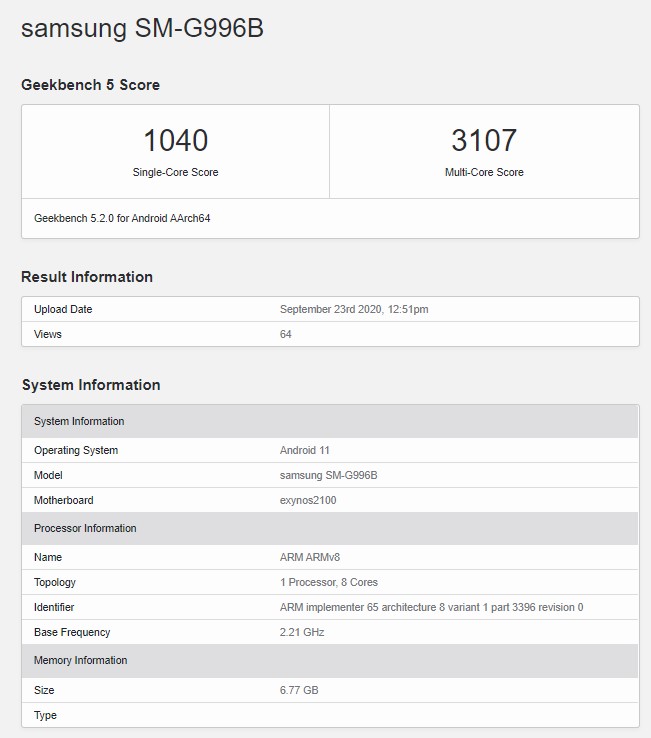
After the Exynos 990 should come the Exynos 1000, right? Doesn’t appear that will be the case as a Geekbench listing of a phone believed to be the Galaxy S21 Plus has revealed that the next flagship Exynos processor will be called the Exynos 2100.
The device was benchmarked today as the “samsung SM-G996B” and the benchmark result, in addition to its source code, has revealed details of the phone and chipset.
The Galaxy S21 Plus runs Android 11 and the information for the motherboard is listed as “exynos2100”. The chipset has a base frequency of 2.21GHz and the phone has 8GB of RAM. The benchmark scores are 1040 and 3107 points for single-core and multi-core respectively.
The info gotten from the source code shows the Exynos 2100 is an octa-core processor just like the Exynos 990 but with a different CPU arrangement. Unlike its predecessor which has a 2+2+4 arrangement, the new chipset uses a 1+3+4 CPU cores arrangement.
The prime core is clocked at 2.91GHz, the performance cores are clocked at 2.81GHz and the efficiency cores are clocked at 2.21GHz. The source code also reveals the Exynos 2100 has a Mali-G78 GPU. The benchmark result already shows that the new CPU brings a noticeable improvement in performance when compared to the Exynos 990. We expect the new GPU will also bring a significant improvement in performance.
Samsung should announce the Exynos 2100 before the end of the year ahead of its debut in the Galaxy S21 next year.
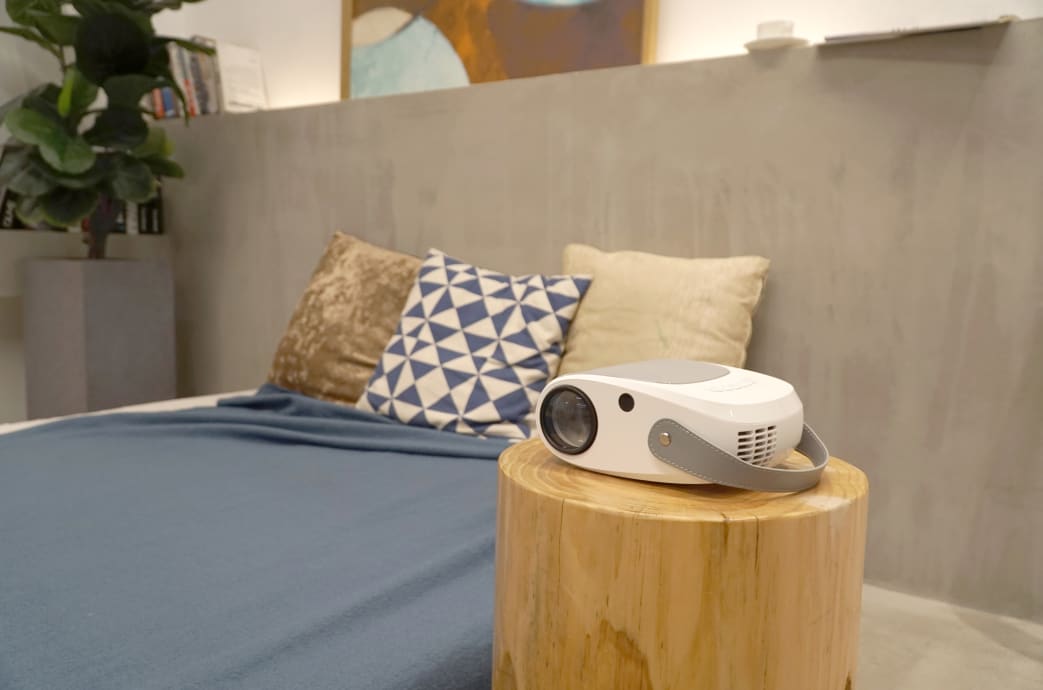
We have yet another new projector from Vankyo. The company has listed the all-new Leisure 520W projector on the crowd-funding website Indiegogo starting today(September 23). The fundraiser will last for 41 days and the company says that the optical device will be available at a discounted price for a limited time.
For the unware, Vankyo is a popular brand that makes Smart Projectors, Tablets in various countries. Established in 2017, the brand was founded in Shenzen, China by a company named Shenzhen Wanmai Technology Innovation Co., Ltd. Some of its core members are from Huawei, Lenovo, DJI, and more.
Design and Display
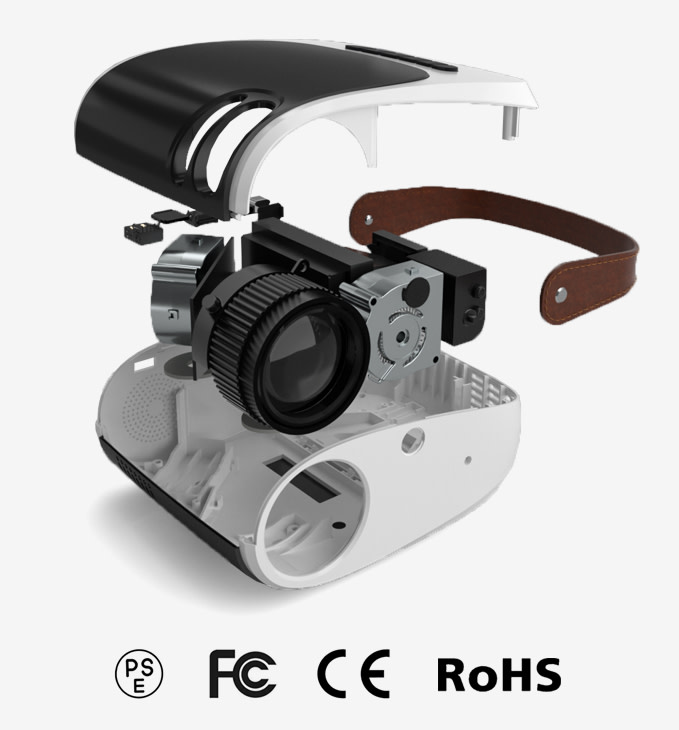
Design-wise, the new Leisure 520 has rounded corners. Measuring in at 199x154x85mm, the projector weighs 1.1Kg. It comes in Grey, Brown, and Black color options. Further, it has a handle made of leather and as per the company, it is ultra-portable for indoor and outdoor use. Also, the new projector covers more than 90% of the NTSC color gamut for producing true-to-life colors.
The projection system, however, is LCD and has a resolution of 1280×720 pixels. Brightness is greater than 2400 Lumen. The company says the light source inside is LED and has a life of about 30,000 hrs.
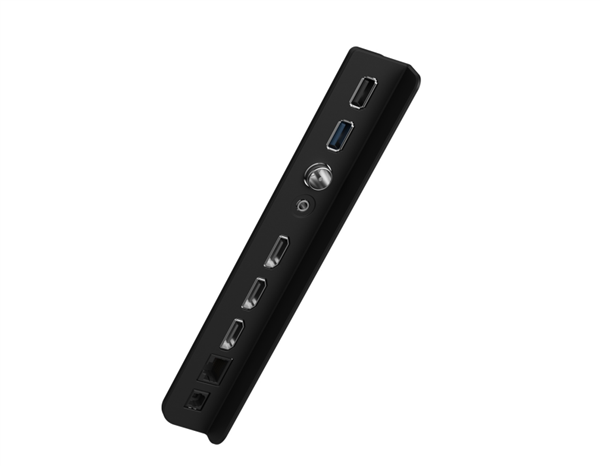
There is 1xHDMI,1xUSB, 1xAudio out, and 1xAV-in ports. It also has 34W speakers built-in. According to the company, the parameters required for optimal projection is a projection distance of 1.5 to 6 meters, a screen size of 35 to 200-inches. As for the compatibility, it supports 16:9 or 4:3 ratio, input signals of 576i, 720P, 1080i, and 1080P signals, all major photo, audio, and video formats as well.
Vankyo says that the projector is compatible with Android, iOS devices, laptops, TVs, USB sticks, TF cards, DVD players, PS3/4, and XBOX ONE. There is also Wi-Fi for faster and wireless connectivity. There are six touch icons at the top to control volume, screen dimension, and navigation.
Price and Availability
The Leisure 520W projector is up on Indiegogo for crowd-funding. The company has a road-map where the optical device is expected to enter mass production next month and be ready for shipping by November.
As for the price, Vankyo says that the device will be available at a discounted price of $119 for a limited period of time. The device also gets a warranty support for up to two years from the date of purchase.
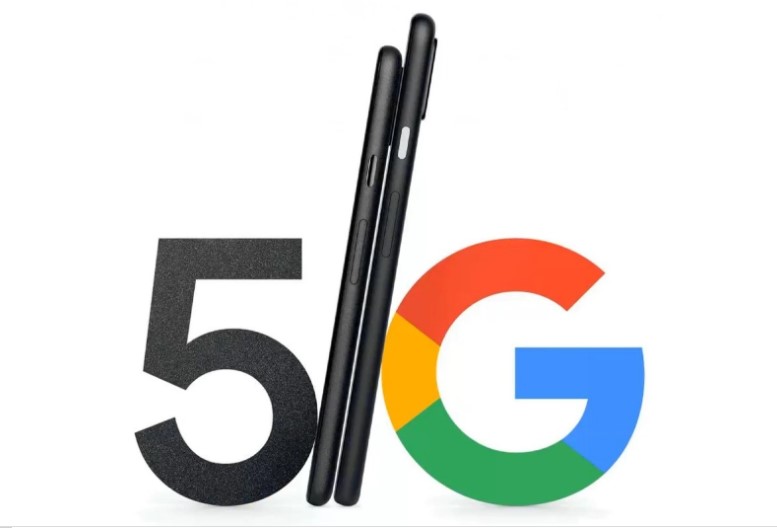
Yesterday, Roland Quandt of WinFuture exposed the entire specifications of the upcoming Google Pixel 5. Today, he is back again with the specs of Google Pixel 4a 5G, which will be launching alongside the former handset. According to his new leak, both of these smartphones will be identical in most ways with some minor differences.
Talking about dissimilarities first, the forthcoming Pixel 4a 5G will be larger than the regular Pixel 4a and Pixel 5 with a 6.2-inch FHD+ (2340 x 1080 pixels) HDR OLED display with 413 ppi, 60Hz refresh rate, and Corning Gorilla 3 protection.
The phone will come with two microphones compared to three in the expensive model. But it will also feature a 3.5mm headphone jack like its smaller sibling.
Further, unlike Pixel 5, which will feature a 100% recycled aluminium body with IP68 dust and water resistance, the Pixel 4a 5G will be made of polycarbonate similar to the standard Pixel 4a.
Also, it will be backed by a slightly smaller 4,885mAh battery with 18W fast charging and no support for wireless charging. But it will be still thicker and heavier by measuring 153.9 x 74.0 x 8.2mm in dimensions and weighing 168g.
As for common features, the Pixel 4a 5G will be powered by Qualcomm Snapdragon 765G chipset paired with 6GB LPDDR4 RAM (8GB RAM in Pixel 5) and 128GB internal storage.
It will also come with Titan M security chip and a plethora of sensors such as proximity sensor, ambient light sensor, accelerometer, gyroscope, magnetometer, barometer, and spectral & flicker sensor.
On the back, the handset will house a dual camera setup consisting of a 12.2MP primary sensor with OIS and a 16MP secondary sensor with 107° ultra-wide angle lens. The rear of the phone will also include a capacitive fingerprint sensor.
Whereas, for selfies and video calls, the smartphone will sport an 8MP punch-hole camera. Other than that, the rear camera will be capable of recording videos in up to 4K 60fps as opposed to 1080p 30fps from the front camera.
Last but not least, the Google Pixel 4a 5G will come with a single nano-SIM card slot, e-SIM, 5G, WiFi 5, Bluetooth 5.0, NFC, GNSS (GPS, GLONASS, Galileo, QZSS, BeiDou), USB Type-C 3.1 (Gen 1), and Android 11.
The Pixel 4a 5G and Pixel 5 will be officially announced at a virtual event on September 30.
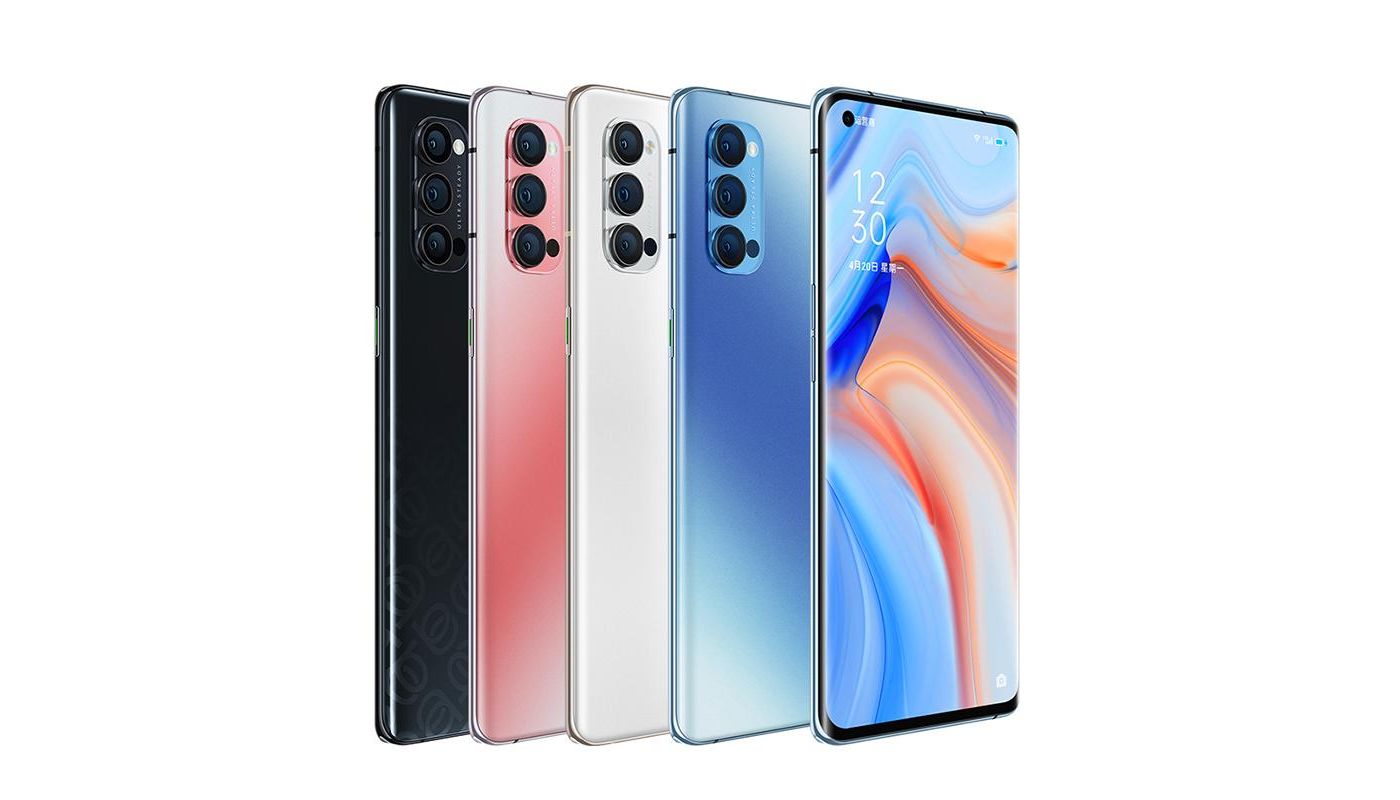
OPPO has launched the Reno4 Pro 5G in the UAE. The premium mid-range phone was first in China at the early part of June, powered by a Snapdragon 765G chipset. The device is now up for pre-orders on a handful of local online retailers. The phone which is available in Galactic Blue or Space Black is priced at AED2,499 (~$680).
Just to refresh your memories, the OPPO Reno4 Pro was unveiled as a camera-centric 5G smartphone emphasizing on design. The device comes with a 48MP IMX586 primary sensor paired with a 12MP Sony IMX708 sensor with a 120° ultra-wide lens, and a 13MP sensor with a 5x optical zoom lens.
Whereas, on the front, it flaunts a 32MP selfie camera nested in a punch-hole located a the top left side of its curved AMOLED display with 90Hz refresh rate.
Another highlight of this phone is support for 65W SuperVOOC 2.0 fast charging for its respectable 4,000mAh battery. Last not least, though it packs some flagship-level features, it is powered by Qualcomm Snapdragon 765G paired with 12GB RAM and 256GB internal storage.
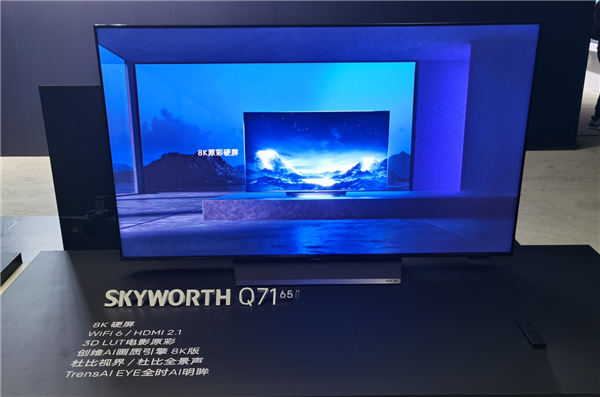
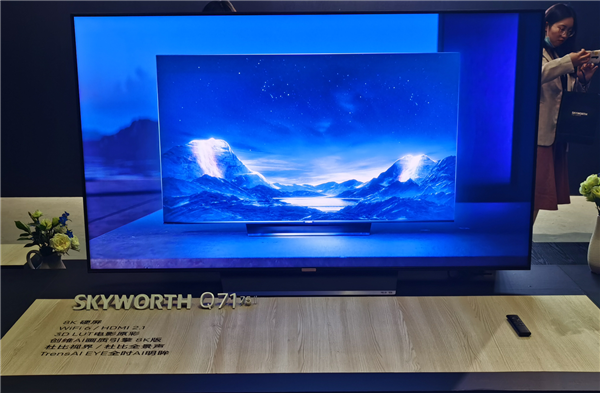
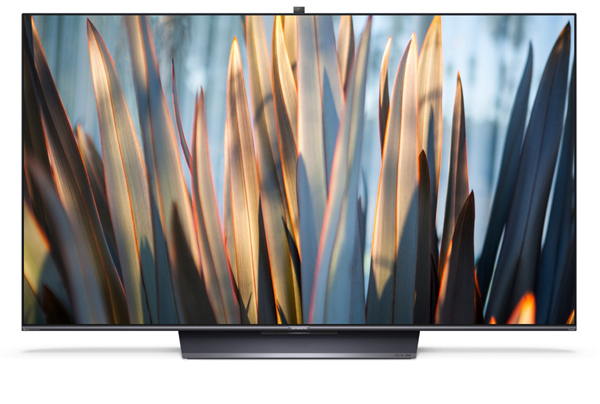
Digital television and digital cinematography commonly use several different 4K resolutions referring to a horizontal display resolution of approximately 4,000 pixels. While 4K is still gaining ground, some OEMs are already shifting to 8K. Skyworth today held the Skyworth TV 2020 Autumn Conference. During the event, the company unveiled the Q71 series of 8K TVs designed mainly for high-quality middle-class consumers. The TV is available in 65-inch, 75-inch and 85-inch versions with a starting price of 11999 yuan (~$1762).
The Skyworth Q71 series is a true 8K TV. Skyworth stated that it supports 8K signal access, 8K decoding, 8K image signal processing and 8K image display, which can provide a “full-range true 8K” viewing experience.
On the screen, Q71 TV uses 8K original color hard screen, 10bit panel which can display 1.07 billion colors. The display also supports 90% DCI-P3 color gamut, HDR10, Dolby Vision and 3D LUT. There is also support for MEMC dynamic compensation, which can improve picture quality.
In addition, it also has the characteristics of “wide viewing angle, fast response, and wide color gamut”, supplemented by a customized blue light chip, which can greatly reduce harmful blue light from the light source.
In terms of hardware, Skyworth Q71 TV is powered by MediaTek’s flagship 8K chip MediaTek S900, supports 60FPS 8K decoding, and is equipped with 6.5GB RAM and 64GB storage option.
In terms of content, in view of the current situation where 8K resources are less, Q71 TV also supports super-resolution algorithms, which can raise 2K and 4K resources to the 8K level.
At the smart level, Q71 TV not only supports AI voice operation but also is equipped with a pop-up AI camera that supports 6-channel video calls and multi-device answering. In terms of interface and network, the Q71 TV supports HDMI 2.1 interface, which can realize 8K input, and also supports Wi-Fi 6 network, providing smooth network connection capability of more than gigabit level.
The Skyworth Q71 series TV is available in 65, 75 and 85-inch versions. The first two models are priced at 11999 (~$1762) and 17,999 yuan (~$2643) respectively. The 85-inch version will go on sale in December and the price has not been announced.
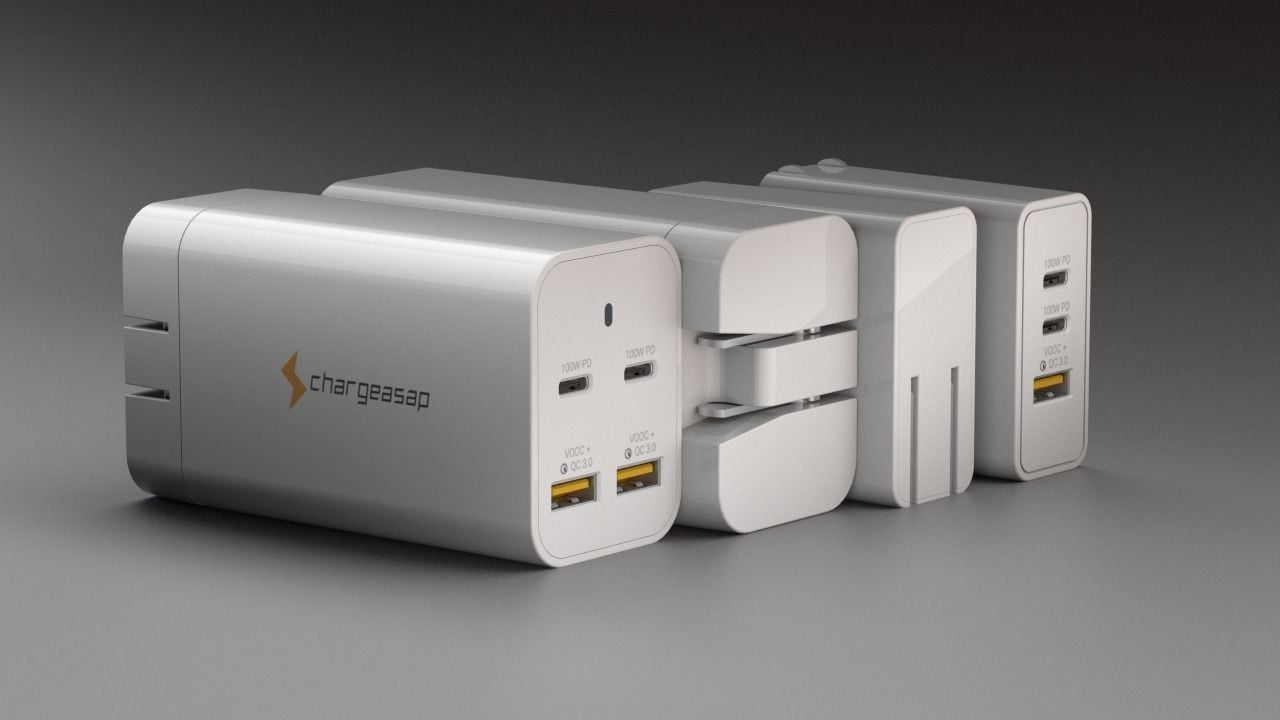
GaN chargers are slowly taking over the market. Companies like Nubia, Huawei, Meizu have already launched GaN chargers up to 120W. However, a company named Chargeasap has taken a huge leap with its new 100 and 200W 2nd generation GaN(Gallium Nitride) Omega chargers. It says the adapters can charge laptops, smartphones and other USB devices. If the company’s claims are true, these could be the world’s first and smallest GaN chargers.
What is GaN?
For the unaware, Gallium Nitride is a semiconductor and it has increasingly been replacing silicon-based power adapters recently. The reason for its popularity is, it has high efficiency, less heat dissipation, high-current conduction at smaller form factor. All these advantages seem to show greater potential of turning older silicon material into a fossil soon.
Unique features of Omega 100W and 200W chargers
Charegeasap is a consumer electronics company based out of Sydney. It says it has used Navitas GaNFast NV6127 Power IC on the 2nd-generation GaN chargers. It adds that the new chargers are devoid of issues like overheating, lack of power distribution that is found on many 1st-gen GaN chargers. Further, the company says that the Omega charger will be a value for money as it replaces Apple’s 96W, Huawei and OnePlus’ adapter combined $248 with just $75 price of its 200W charger.
The company says the 200W Omega Charger can charge two MacBook Pro at same time. If the claims are true, the 4-way output on the 200W charger can also charge a laptop(eg.Macbook Pro), tablet(eg.iPad Pro), an iPhone and Airpods simultaneously.
100W and 200W 2nd-Gen GaN USB-C Chargers Specification
According to Chargeasap, its new chargers are 66% smaller than traditional adapters. It has foldable prongs and lighter weight(100W-120g, 200W-220g) will help people carry it over easily. The Omega Chargers operate around 100-240V and has 3-plug converters including AU, EU, and UK. It can hence be used in 200+ countries.
The USB-A ports are also compatible with Quick Charge 3.0, AFC, VOOC, SCP, FCP almost all major fast charging protocols in the market from all major brands including Samsung, Huawei, Oppo, Vivo and OnePlus up to 22.5W.
Crowd-funding price, RRP and Availability
The chargers are already listed in Kickstarter crowd-funding platform since August 11. As of now, support has surpassed close to $1.068 million. As per the company, the 200W charger is capable of charging four devices at the same time. The kickstarter crowd-funding project will run for 60 days till October 10th 7:41PM UTC +5.30.
During this period, the perk for 100W starts at $45 while the 200W starts at $75. Post this, company says the Full RRP(Recommended Retail Price) for 100W, 200W will be $99 and $149 respectively. H
owever, the next-gen chargers won’t be available for shipping at least for the next two months till December 2020.
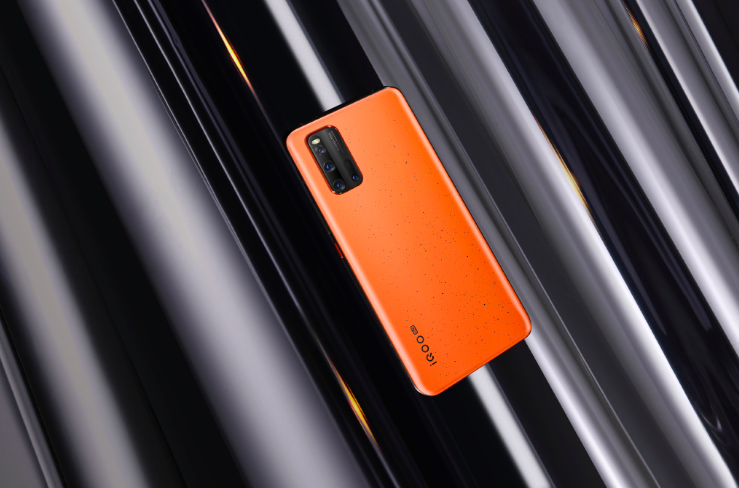
Like fellow Chinese OEMs, vivo was also part of Android 11 Beta program. The company delivered two builds each for two of its smartphones – vivo NEX 3S 5G and iQOO 3 4G/5G. Now, the firm has released the third beta build with Funtouch OS 11 based on Android 11 stable codebase.
Chinese smartphone makers like OnePlus, OPPO, and Xiaomi have already released the 2020 version of their mobile operating system. These companies have also begun to roll out beta builds to a large number of users.
On the other hand, vivo is yet to announce its latest Android skin Funtouch OS 11. However, the company did tease it at the vivo V20 series launch event in Thailand. Interestingly, the company had also quietly released a beta build of the same for vivo NEX 3S 5G and iQOO 3 4G/5G on September 20 going by their build numbers.
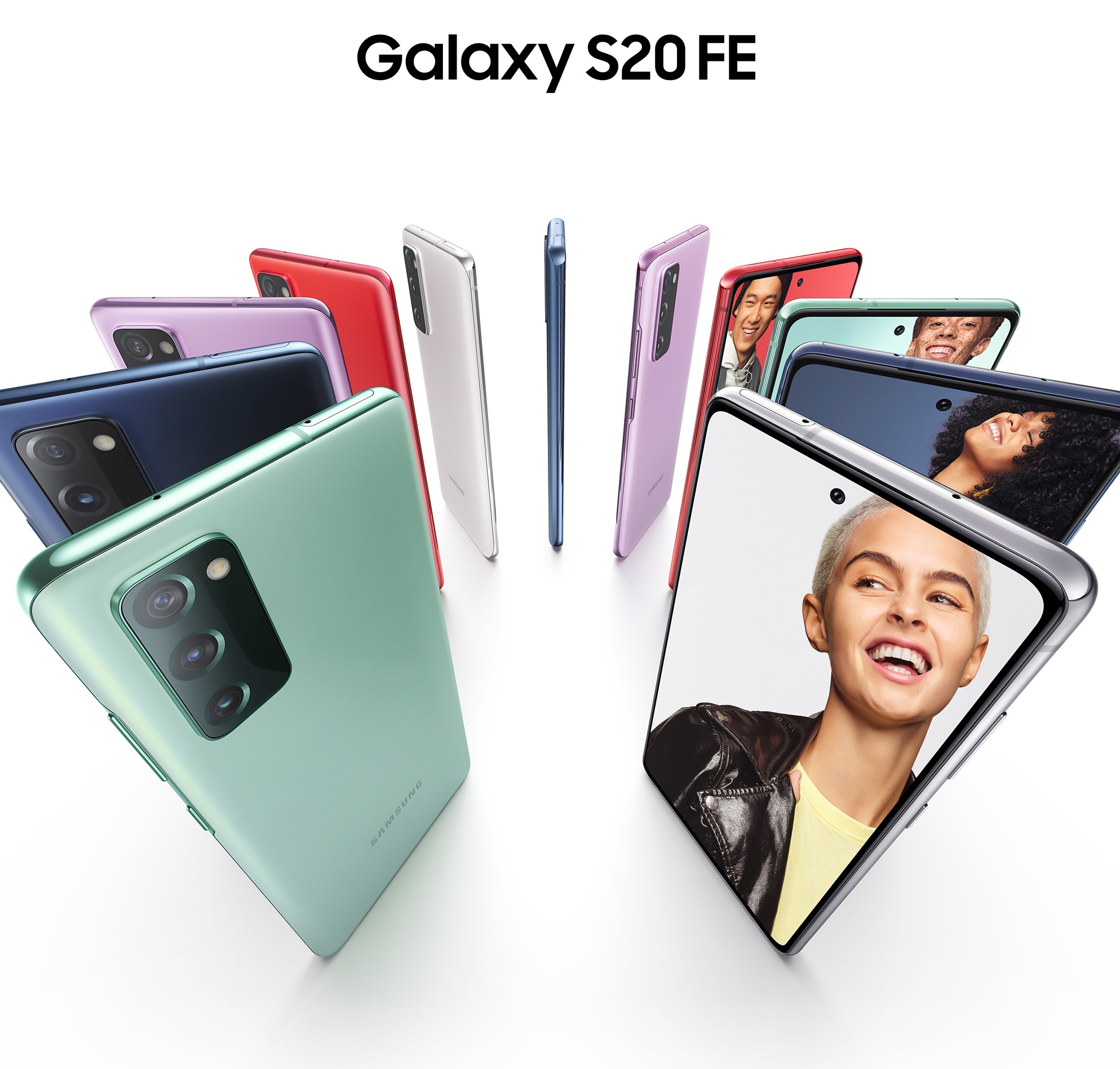
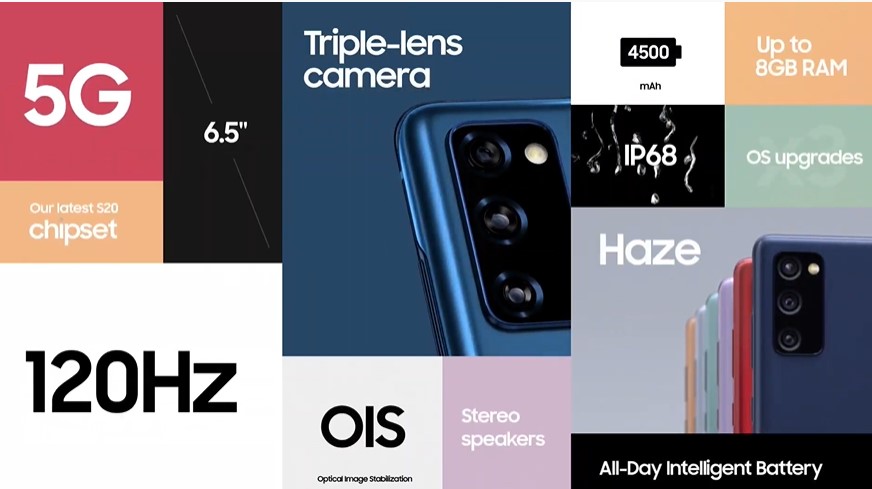
Samsung had another Galaxy Unpacked event today during which it unveiled the Galaxy S20 FE. The new phone is the latest member of the Galaxy S20 family and it seamlessly combines style and performance.
Galaxy S20 FE Design
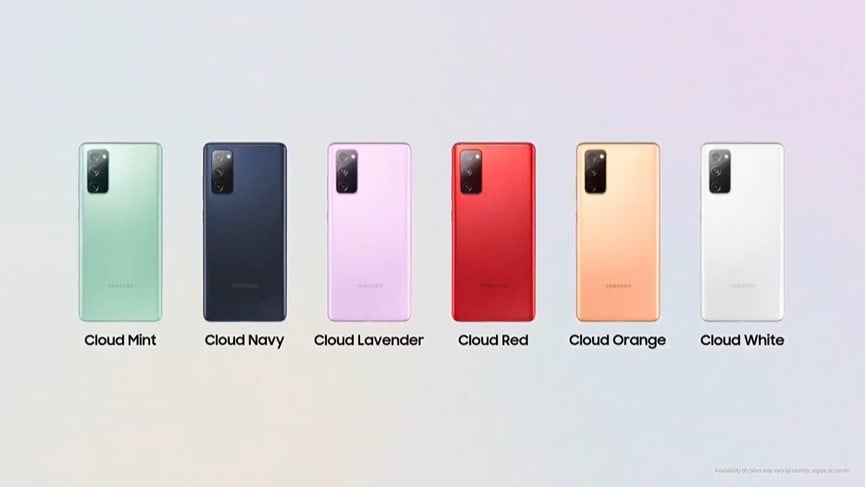
The Galaxy S20 FE comes in six exciting colors and it looks like it will be a tough decision choosing one as they all look really good. However, the colorful appearance and haze finish are just a part of the design as there are other strong points.
The hole in the phone’s infinity-O display is the smallest in a Galaxy phone. It also has triple rear cameras in a rectangular housing with a frame that matches the color of the phone.
Galaxy S20 FE Specifications
The Galaxy S20 FE has a 6.5-inch Super AMOLED display with a 2400 x 1080 resolution and a 120Hz refresh rate. The 5G version is powered by the Snapdragon 865 processor while the 4G version has an Exynos 990 processor. The phone comes with up to 8GB of RAM and 256GB of storage which can be expanded to up to an additional 1TB via a MicroSD card slot.
There are three cameras on the back of the phone – a 12MP f/2.2 123° ultrawide angle camera, a 12MP f/1.89 Dual Pixel camera with OIS, and an 8MP f/2.4 telephoto camera. There is 3x optical zoom and up to 30x space zoom. The selfie camera is a 32MP f/2.2 camera.
Samsung ships the Galaxy S20 FE with a 4500mAh battery with support for 25W wired charging, 15W wireless charging, and PowerShare (reverse wireless charging). Not surprisingly, Samsung ships the phone with a 15W charger.
The phone ships with Android 10 out of the box and is eligible for three OS upgrades. It has NFC, Bluetooth 5.0, an in-display fingerprint scanner, stereo speakers with Dolby Atmos technology. It also has an IP68 rating.
Price and Availability
The Galaxy S20 FE is priced at $699 (128GB) for the 5G version in the US. In the UK, the 4G version is £599 (128GB) while the 5G version is £699. In Europe, the 4G version with 128GB is €669 (€649 in some countries) while the 5G version is €769 (€749 in some markets). Some European countries also get a 256GB version that is €719 for the 4G version and €819 for the 5G version.
Those who pre-order can choose between a free Xbox Gamepass bundle (3 months subscription + MOGA XP5 controller) or a Galaxy Fit 2. Pre-orders start today and then the phone goes on sale on October 2. Do note that some of the colors are only available online.
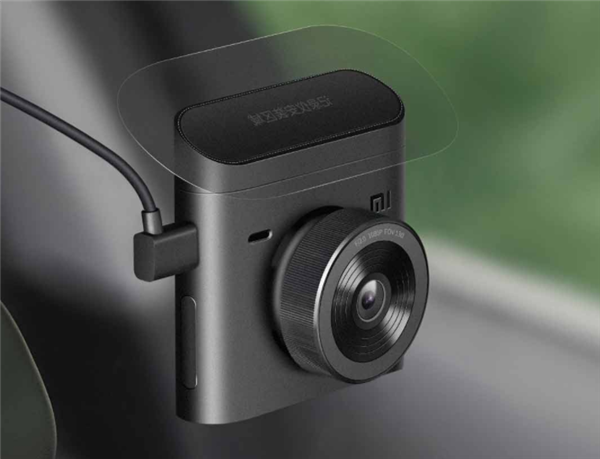
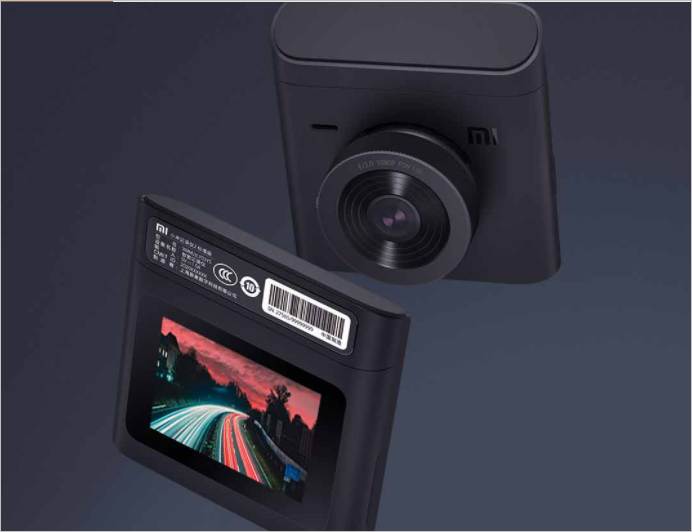
In May of this year, Xiaomi launched the Mi Smart Dashcam 2K version priced at 399 yuan (~$58). The company has now unveiled the Mi Smart Dashcam 2 Standard Edition with a lower price tag of 299 yuan (~$44). The product is on sale on the Youpin website.
The Mi Smart Dashcam 2K launched in May looks like a regular camera and can record ultra-high-definition video up to 1600p. The back is equipped with a 3.0-inch IPS screen to clearly show the details of what is being recorded. This new model has a more compact built but retains the square design with a side length of only 7 cm. The recording resolution for this model is reduced to 1080P instead of 2K on the first model. This is still enough to produce clear images. The display screen at the back is also reduced to a 2.0-inch LCD screen.
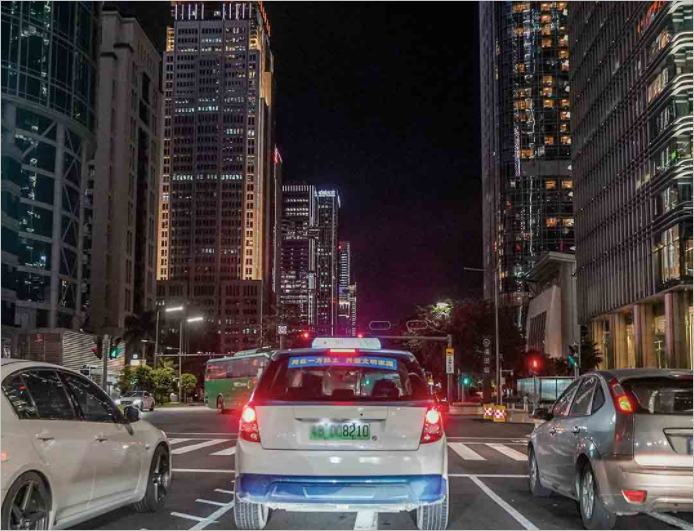
It uses a 1/2.9-inch photosensitive element and is equipped with a large F/2.0 aperture to achieve high-quality imaging in low-light environments. At the same time, it has a 130° super wide-angle lens, which can cover three lanes and reduce blind spots in shooting.
The Mi Smart Dashcam 2 Standard Edition supports intelligent voice control. There is no need to wake up when recording. You can directly give the voice command and the current picture or video will be saved immediately depending on the command.
At the same time, using the MIJIA app, users can connect to the dashboard camera for real-time viewing of captured pictures, playback and historical image download. The standard version also supports more efficient H.265 encoding, which occupies less storage space at the same resolution.
Xiaomi has today announced that it will be releasing a new smart home product soon. The product is revealed as the MIJIA Smart Pet Water Dispenser and will be launched on September 25. It will be sold on Xiaomi Mall for 169 yuan (~24).
MIJIA Smart Pet Water Dispenser features a patented design with a minimalist structure, and a hidden circuit to achieve true water and electricity separation. The sink is smooth and clean. Also, cleaning the sink is as convenient and labour-saving as cleaning a water bowl.
This smart pet water dispenser can simulate a mountain stream spring, using a circulating waterway. The running water is rich in oxygen as if being in nature, satisfying the pet’s nature, and enhancing the interest in drinking water.
In addition, the MIJIA Smart Pet Water Dispenser uses internationally excellent filter materials and four-fold high-efficiency deep filtration to intercept fine particles, hair, residual chlorine, and calcium and magnesium ions that can induce Kidney stones. It not only cleans but also softens the water.
It also comes with MIJIA app support which allows owners to receive reminders at any time via mobile phone notifications to add water, clean and replace the filter element.
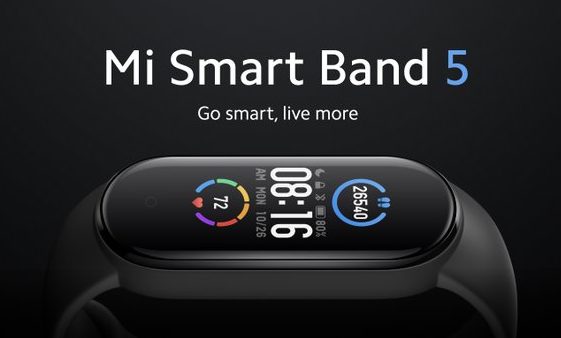
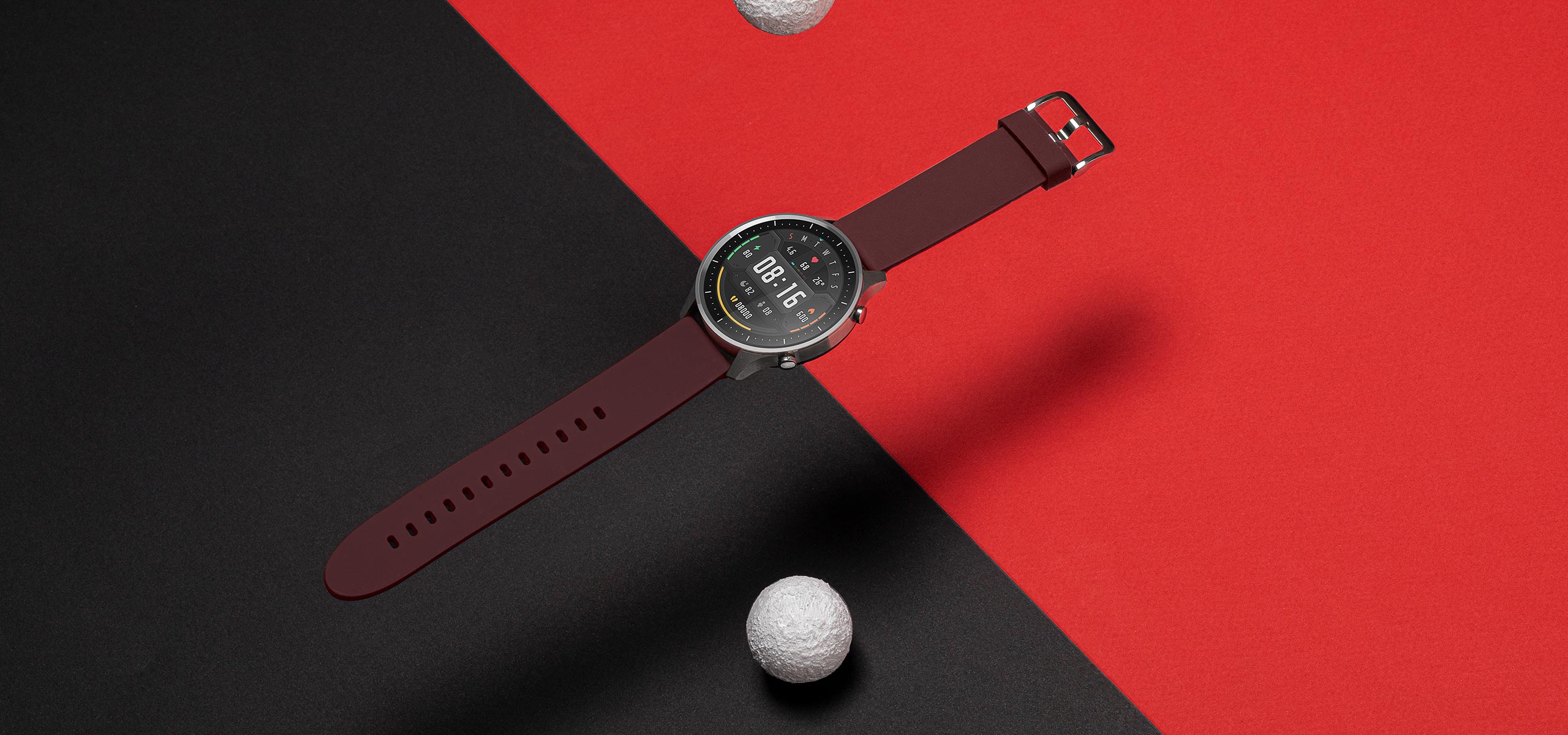
Xiaomi India has several products scheduled to launch on September 29. The product lineup includes the Mi Watch Revolve, the Mi Smart Band 5, and an automatic soap dispenser. Apparently, there are more products, this time from Redmi, and they will be launching the next day on September 30.
A post shared on Twitter by Manu Kumar Jain, the CEO of Xiaomi India, has revealed that there will be two new audio products from Redmi launching on the last day of September.
The tweet says the products will launch under a banner called Redmi Beat Drop. The video included in the tweet teases the launch of new TWS earbuds and a pair of new wired earphones. However, there are reports that the second product is the Redmi Sonic Wireless Earphones that launched in Nepal earlier this month.
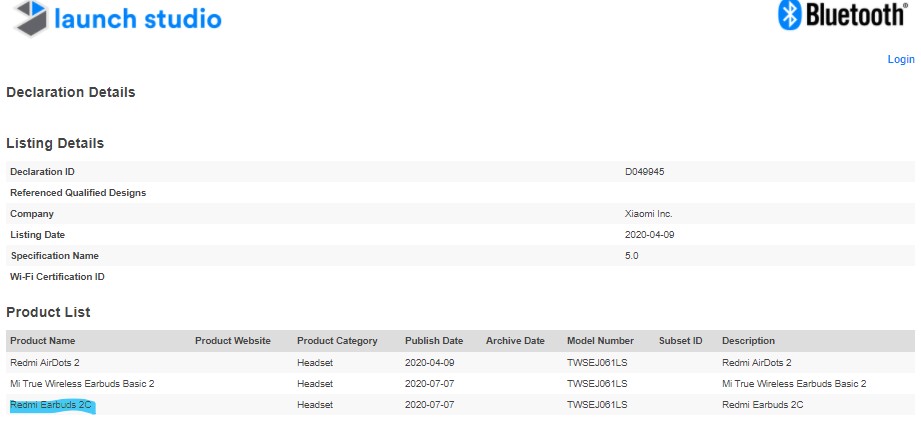
If you are wondering what new earbuds are coming, we want to believe it is the Redmi Earbuds 2C. The product received its Bluetooth certification in July but is yet to launch. However, there is a chance it may launch under a different name.
AirPods Pro is considered as one of the best earbuds in the market right now, particularly because of its Active Noise Cancelling feature. However, Apple’s Pro earbuds also demands an extremely high price tag of $249.
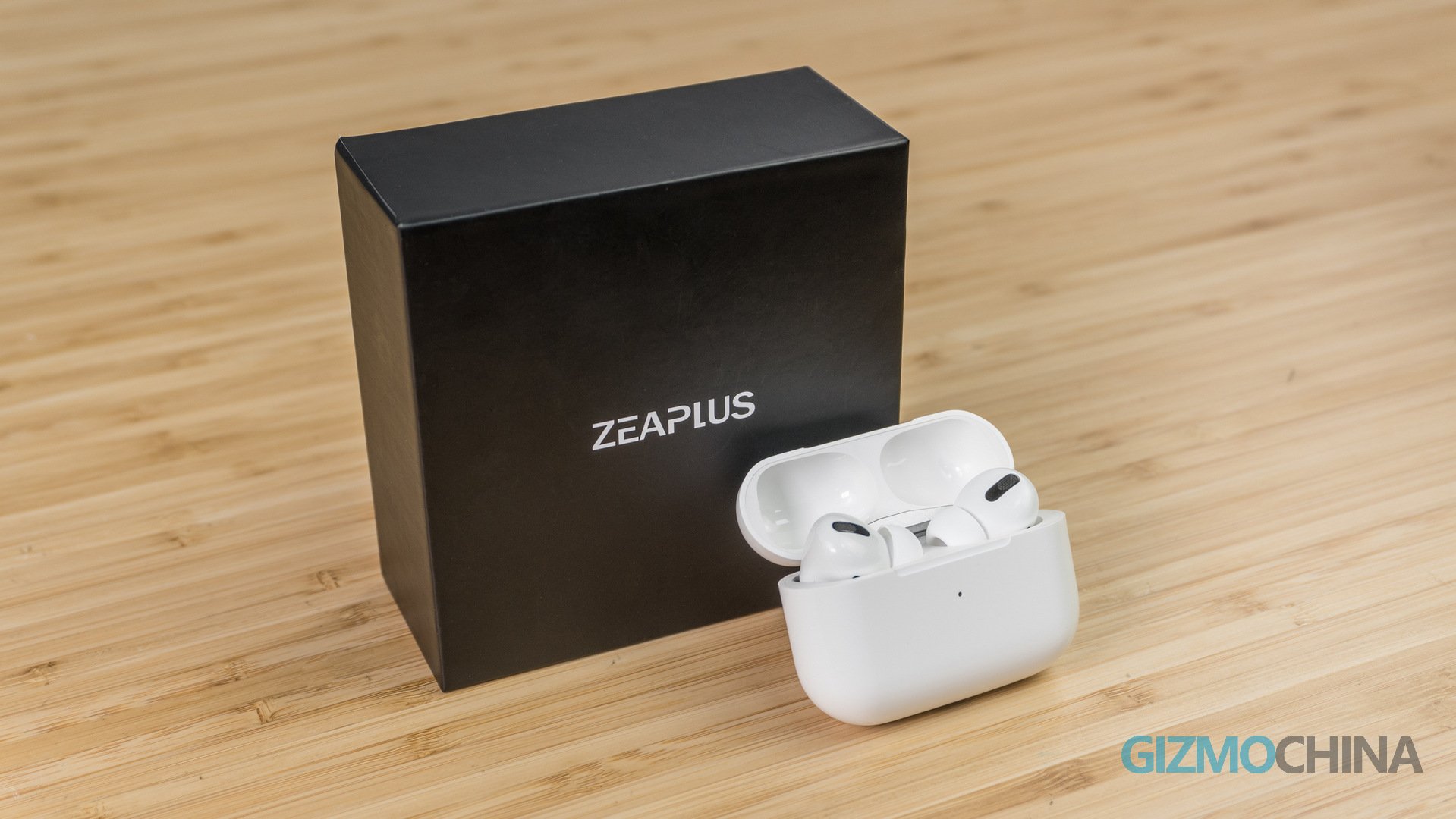
An average user is not willing to spend anything over $30-50 for a pair of earbuds which means features like active noise cancellation is never even considered by most consumers. However, there are companies like Zeaplus who are trying to bring premium features such as Active Noise Cancellation at an extremely affordable price tag. And its latest Zeaplus Buds boasts of ANC at an unbelievable $25 price tag.
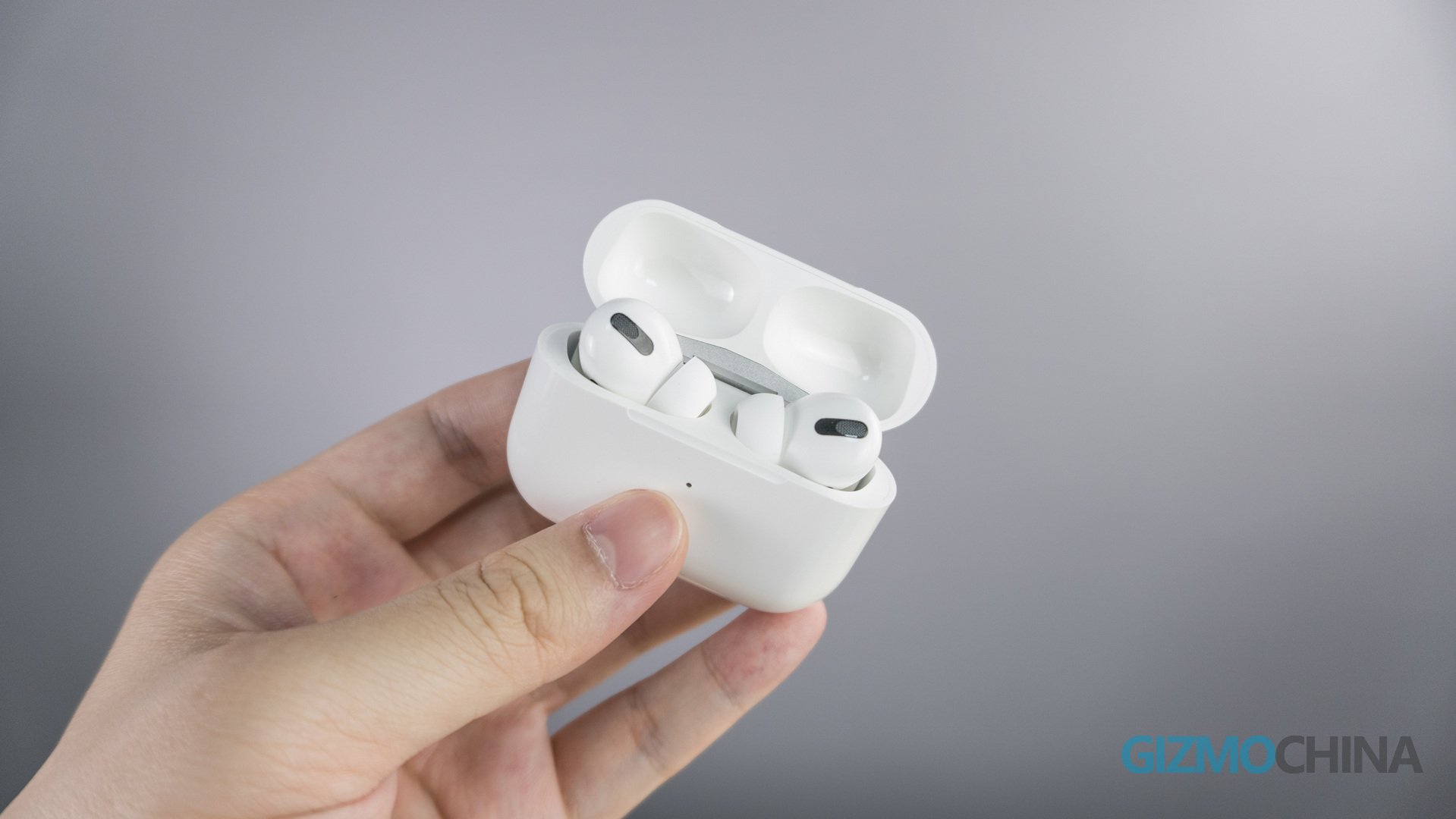
If you are looking for a similar design and fit as the AirPods Pro without having to spend a fortune, the Zeaplus Buds can be a really good alternative. It’s basically an AirPods Pro clone with a similar stem and tip design, featuring a white and black color scheme. While there are a bunch of AirPods Pro clones in the market, the Zeaplus buds comes with Active Noise Cancellation.
It even features transparent mode – similar to the AppleAirPods Pro which lets in the sound from the surroundings. Naturally, the ANC and transparency mode isn’t expected to be anywhere near the AirPods Pro, but we did try it out and it’s definitely not a gimmick. The ANC mode does work and gives you some noise isolation enabling an immersive experience.
The Zeaplus Buds offers 4 hours of battery life and a total of 20 hours with the case. Note that the case supports wireless charging too, which is a really handy addition considering its $25 price tag.
Our review of the Zeaplus Buds will be up very soon so stay tuned for that. Meanwhile, you can get the Zeaplus buds at just $25 (first 1000 units) instead of the usual $50 price tag.
IMINT, a Sweden-based company is known for offering video enhancement solutions for smartphone cameras. The company’s flagship product “Vidhance” is used by a plethora of OEMs like HUAWEI, OPPO, vivo, Xiaomi, Motorola, and Infinix. Now, this company is partnering with Taiwanese chipmaker MediaTek to deeply integrate both their products.
Up until now, IMINT’s Vidhance is only integrated at the software level in smartphones powered by MediaTek chipsets. But with the new partnership, it can be integrated at a deeper (hardware) level to improve the overall performance of video stabilization by consuming less energy.
The following IMINT products will be integrated at a deeper level in MediaTek chips.
Vidhance Dynamic Motion Blur Reduction
Vidhance Super Stabilization
Vidhance Field of View Correction
Vidhance Horizon Correction
The Swedish company says that its technologies are deployed in over 250 million smartphones. Apart from handsets, the firm’s products can be also found in bodycams, modular cameras, and drones.
As GSMArena points out, OEMs are lately turning towards MediaTek for cheaper alternatives to costlier 5G-equipped Qualcomm chipsets. If this trend continues, budget smartphone users will have access to the products offered by IMINT, which will help in providing better video recording performance.
[Update: 28/09/2020] Mi Band 5 and Mi Watch Revolve Prices tipped:
Tipster Ishan Agarwal has said that MRPs of Xiaomi Mi Band 5, and Mi Watch Revolve will be ₹2,999($41) and ₹10,999($149) respectively. He adds that both the products will hence be sold below the specified MRP and could start at around ₹2,499 for Mi Band 5 and less than ₹9,999 for Mi Watch Revolve.
We are still a week away from the Xiaomi Smarter living 2021 Event that is scheduled to happen on September 29 at 12 PM IST in India. However, the company has been consistently teasing new products every day. That said, let us have a look at what is coming on next Tuesday.
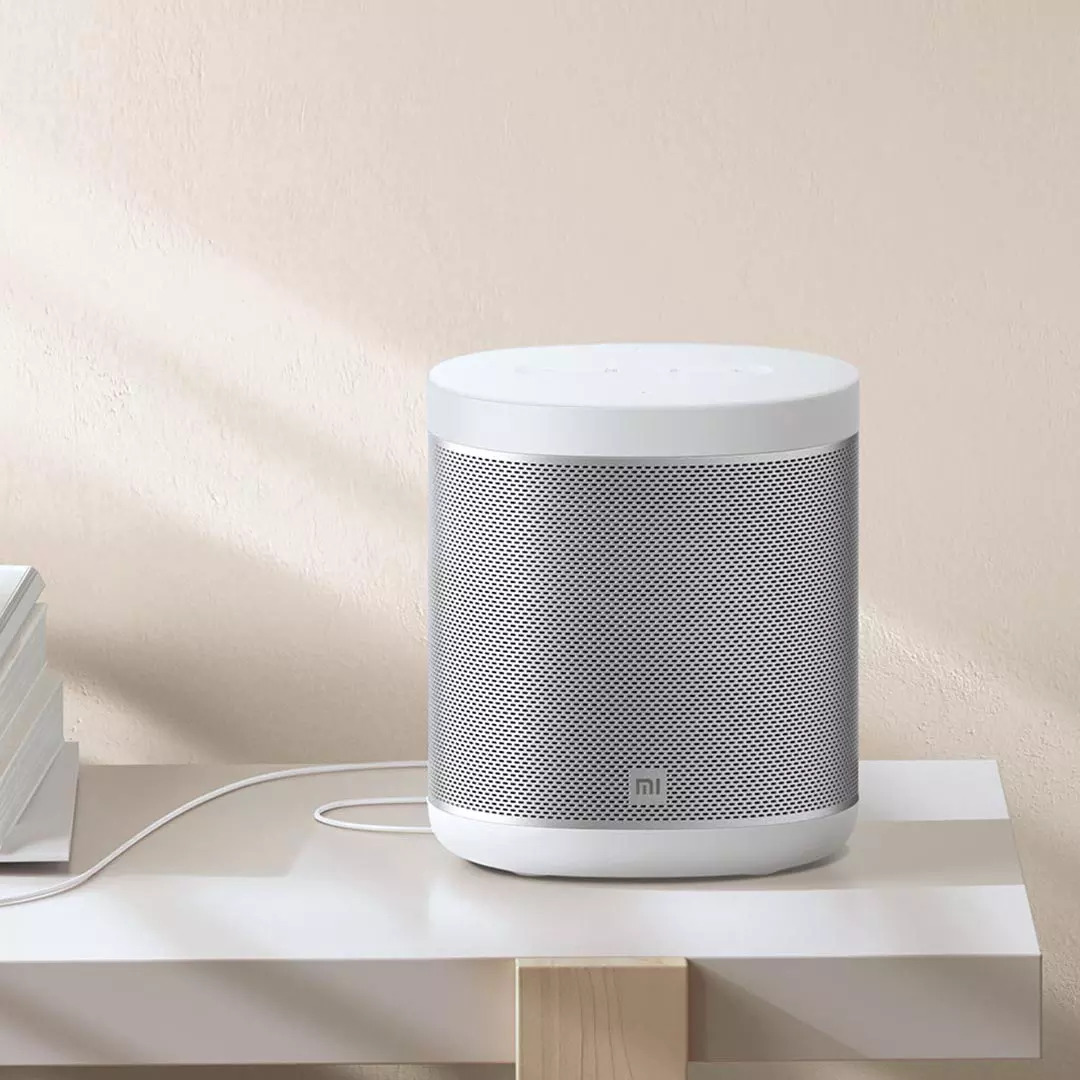
Just like last year, Xiaomi is focussing on bringing more IoT products. It has so far teased Mi Band 5, an AI speaker (rebranded XiaoAI Speaker from China), a Mi SmartWatch, and a Soap Dispenser.
Mi Smart Band 5
Xiaomi launched the Mi Band 5 back in China back in June and a month later globally. Just like the predecessor, this one is also be rebadged as Mi Smart Band 5 in India. It has a bigger 1.1-inch AMOLED display with 450 nits brightness. Further, it has a six-axis accelerometer, a PPG sensor for heart-rate, and sleep monitoring. It also features a slightly higher 125mAh battery with 14-days of battery life, and supports magnetic charging.
Other features include 11 sport modes with PAI index, 100s of animated watch faces. However, there are chances we might lose the NFC on the Indian variant.
Back in December, Xiaomi brought a stripped-down version of the Mi Watch dubbed the Mi Watch Color in China with colorful straps. Later, it got rebadged as Mi Watch Revolve elsewhere. And going by the teasers from Xiaomi India, the Mi SmartWatch could indeed be the Mi Watch Revolve. However, the company is teasing the word “Evolve” in its teaser so we aren’t sure about the naming just yet.
That said, the Mi Watch shares some of its features from Huami’s Amazfit despite being made by Shangai Suo Prime Technology Ltd. It has a 1.39-inch circular dial with a 454×454 resolution. All the essential sensors including Accelerometer, Barometer, Heart-rate sensor along with 5ATM water-resistance is present. It also has a 420mAh battery, 24×7 heart-rate, sleep, and stress monitoring, 10 sport modes, and Wi-Fi, Bluetooth for connectivity.
AI Smart Speaker
Xiaomi XiaoAI Speaker Art
Xiaomi announced a smart speaker Art powered by Xiao-AI assistant back in May in China. Teasers from Xiaomi India suggests that this might be heading to India. However, considering the Xiao-AI assistant is sort of limited to China, we can expect the Indian variant to be powered by Google/Amazon’s Alexa but we will have to wait for that.
The AI speaker has a 2.5-inch speaker unit with a DTS sound profile. Featuring a metallic build, the speaker has capacitive touch keys for media controls. Other features include Bluetooth 4.2, Wi-Fi 5 for connectivity, and Stereo 2.0 sound.
Automatic Soap Dispenser
Xiaomi seems to have captured the market’s moment as one of the products at the smarter living event will be an Automatic Soap Dispenser. From the teaser, it looks more like the Mijia Soap Dispenser from 2018. It has a dispenser top with a protruding tip, a 320mm flask of soap enough for 400 hand-washes.
It uses a near-field Infrared Sensor to sense the hand motion and as we bring our hands near to the tip, it spills out the soap required for one hand-wash. The Chinese variant also comes with anti-bacterial and PH-Neutral soap solution in the box. However, it requires 4-AA batteries to run the dispenser. At a time when keeping our hands clean and maintaining social distancing is necessary, this seems like a bang-on product from Xiaomi.
Other products
Xiaomi’s poster for the Smarter living event also includes an image of a Smart Bulb. This could be another variant of the recently launched Smart Bulb. Further, Xiaomi has teased the arrival of new Sneakers in India and this could be a rebadged Mijia Sneakers 3/4 but we aren’t sure about it yet.
Mobile World Congress (MWC) Barcelona is known to take place in the first quarter of the year, but that changes next year as the GSMA has announced new dates for its events.
The new dates announced by the GSMA in a press release informed us that MWC Shanghai, which used to take place in June, will now hold in February, while MWC Barcelona moves to June. The Barcelona event was originally scheduled for the first week of March 2021. Below are the exact dates for the events in 2021:
MWC Shanghai: February 23 – February 25
MWC Barcelona: June 28 – July 1
*MWC Los Angeles remains unchanged with this year’s edition set to take place between October 28 to October 30.
The GSMA says the decision to move the Barcelona event to June is so as to deal with external circumstances related to COVID-19. The decision was also taken after planning and consultation with all key stakeholders. The Director-General of the GSMA, Mats Granryd, has said that “the health and safety of exhibitors, attendees, staff and the people of Barcelona are of paramount importance”.
MWC Barcelona is one of the biggest tech events in the world. The tech show is a platform for exhibitors to show off new technologies. A lot of phone manufacturers also use the platform to announce new products. It remains to be seen if these products will still be unveiled in the first quarter of the year at individual events or if they will be delayed so that they can be announced at MWC Barcelona.
Earlier today, Xiaomi officially announced to launch Mi TV LUX Ultra 8K 5G (Mi TV Master Series Extreme Commemorative Edition) on September 28. A few hours later, the company dropped another teaser confirming it to feature mini-LED panel.
So far, Xiaomi has launched two models under its Mi TV Master series, which is known as Mi TV LUX in global markets. The first model called Mi TV LUX 65” OLED was released in July 2020. A month later, the company launched another television called Mi TV LUX OLED Transparent Edition as the world’s cheapest as well as first mass-produced transparent TV.
Now, more than a month later, the company will launch Mi TV LUX Ultra 8K 5G as the world’s first mass-manufactured 8K mini-LED TV with 5G connectivity. That means two of the three models under Xiaomi’s premium smart TV series are world firsts.
That said, mini-LED fixes almost all the problems that OLED has. These type of panels are brighter, burn-in free, and consume less power. Above all, they are as thin as OLED and hence, the televisions equipped with them are not thicker.
Since the screen on this upcoming Mi TV will be of 8K (7680 x 4320) resolution, it will also come with an integrated 5G modem to enable users to stream high-quality content at higher speeds.
Though Xiaomi is yet to reveal the size of this television, it has been already leaked to feature an 82-inch panel supplied by LG Display.
In a conference earlier today (23rd September 2020), Wang Yinfeng, President of Huawei Tablet and PC product line, confirmed that the company is actively working towards launching consumer grade desktops in the market along with new monitors in the near future.
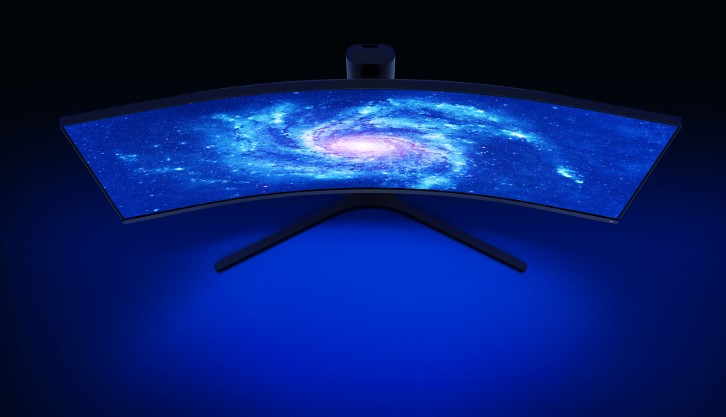
Previously, we had reported on the Chinese tech giant looking to launch a curved gaming monitor series, which is likely a part of the company’s proprietary monitor brand. With this, Huawei will also be competing with another Chinese company that recently entered the monitor market, Xiaomi. Reports have also revealed the supplier, BOE, that would ship the first 2 to 3 batches of the displays panels. The sizes of the Huawei monitors have been hinted at 27 inch and 34 inch variants.
Furthermore, the company had also recently launched a workstation desktop that was powered by a Kunpeng 920 processor. However, this was only aimed at developers and not the consumer, but the conference from today revealed that Huawei will soon launch desktop PCs for consumers as well, as per a MyDriversreport. According to the senior executive, the company is developing commercial grade desktop products as well that should arrive soon.
Unfortunately, no specific deadlines or launch dates were given out during the event. It is also unknown what exactly the branding of these new desktop and PC peripheral products will carry. However, we now know for sure that the Chinese company is planning on entering the consumer PC market. So stay tuned for more updates that should arrive soon.
San’an Optoelectronics, a China based LED chip maker, might soon be one of the sources in the supply chain of Apple. This would put the Chinese firm in direct competition with another Taiwan based chip maker that also develops mini LED backlighting applications which might be seen in the upcoming iPad and MacBook models in 2021.
According to a DigiTimesreport, Sanan had lagged behind Epistar for about a year in terms of the development of mini LED technology. But with recent progress, the company might finally be beginning the production of mini LEDs by the end of 2020. These will then likely be certified by mid 2021 and can enter the Cupertino based giant’s supply chain by 2022.
For those unaware, Apple is reportedly set to acquire mini LED backlighting for its iPad Pro from Epistar, who is their sole supplier as per industry sources. The upcoming generation of products from the brand is expected to feature mini LED in various different categories like tablets to computers, so it would seem likely that the company will have more than one supplier.
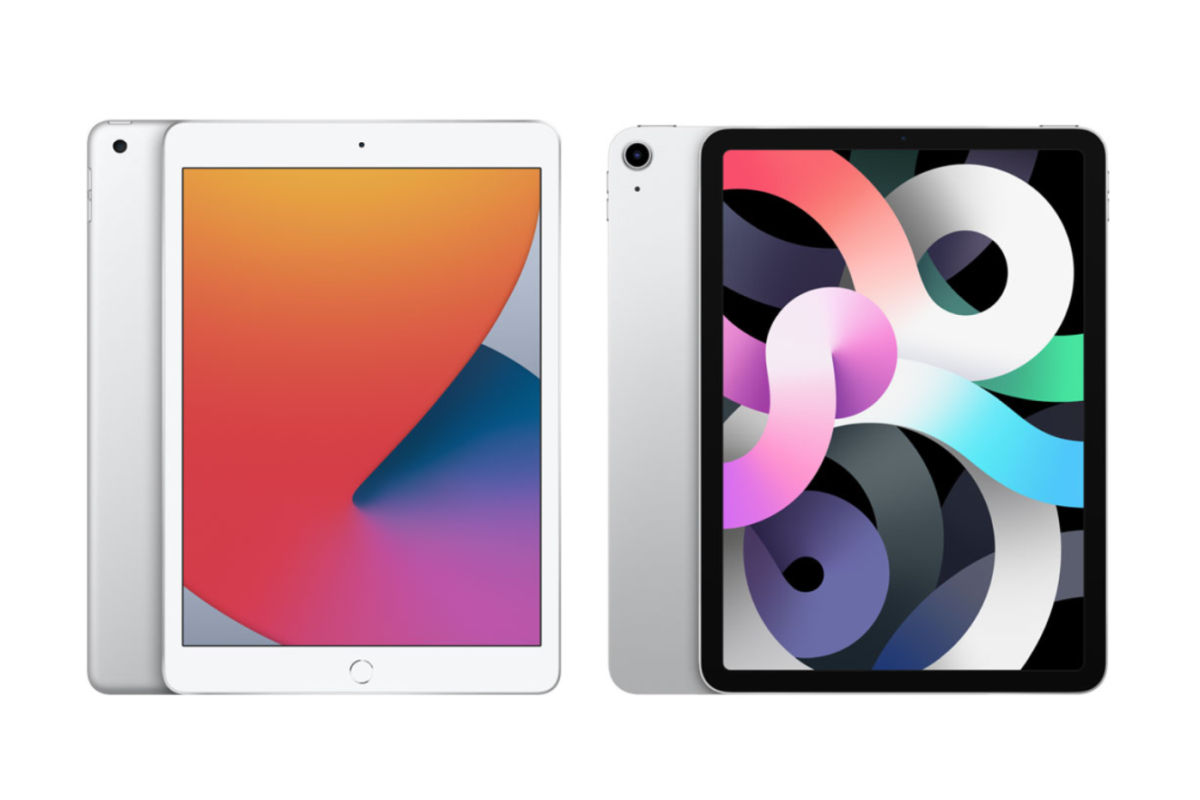
iPad 8th generation (left) and iPad Air 4th generation (right)
Thus, with Sanan making leaps in its developments of the display technology it would soon be a viable supplier to Apple. Although, another important factor to consider is that even if it does manage to start mini LED production by 2021, the yield rates will be crucial to whether or not Apple starts ordering from the Chinese company.
India is one of the largest smartphone markets in the world. While it is a key market for various brands from across the globe, Chinese OEMs have seemingly dominated the market in recent years. Now, Reliance Jio is seeking to disrupt the market share with an Android device that costs just 50 US Dollars.
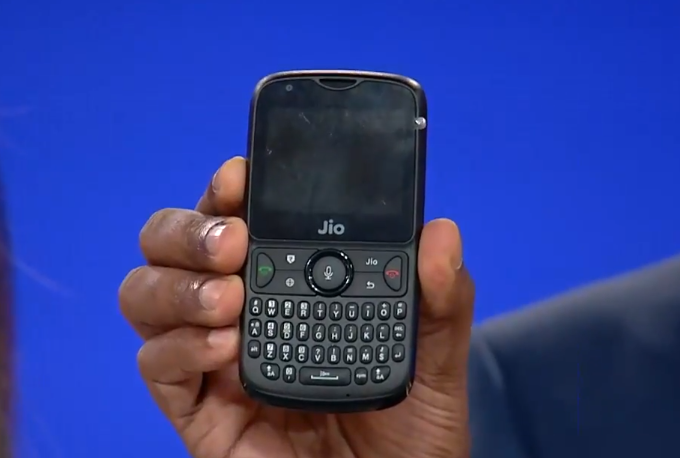
JioPhone 3, successor to the JioPhone 2 (above) will have a full touchscreen display
According to a TimesofIndiareport, Reliance has asked local suppliers to bump the production capacity in India to raise smartphone production to 200 million units over the next two years. Sources close to the matter revealed this information and even stated that this would boost India’s technology ambitions and raise the competition against major Chinese players like Xiaomi.
Reliance Jio is currently in talks with various domestic assemblers to make an extremely affordable version of its Jio Phone that runs on Google‘s Android and costs just 4,000 INR (roughly 54 US Dollars). If this device launches, it would be one of the cheapest handset offerings in the market and will also stand with Jio’s known low cost wireless telecom data plans. For those unaware, Jio is a leading telecom operator in the Southeast Asian country and is also actively working to develop 5G networking as well.
Mukesh Ambani, Reliance Chairman, is apparently seeking to reform the country’s smartphone industry in a manner similar to when he reshaped the telecom services. When Reliance Jio first launched as a wireless data plan provider, it had a simple strategy of offering great deals at very aggressive pricing, which was extremely successful in India. Now that the company also has the government’s support, the billionaire is also aiming at building more domestic manufacturing sites that would likely also benefit other local brands like Karbonn Mobiles, Lava International, Dixon Technologies, and others.
WhatsApp is one of the world’s most used instant messaging services. Despite this, it is always the last app to get features that are already present in its competitors. The only plausible reason we could think is that Facebook does not want to confuse its users with a plethora of features that they may never use. Therefore, the company has begun to test a feature called “Expiring Meda” only now in the second half of 2020.
Recently, WhatsApp Beta for Android v2.20.201.1 was released on the Google Play Store. As usual, the folks at WABetaInfo dug deeper into the new APK to discover interesting things. This time they found that the company is working on a new feature called “Expiring Media”, which they say to be an extension of “Expiring Messages”.
This upcoming WhatsApp feature is similar to that found in Snapchat, which was later copied by Instagram. According to the publication, when this feature will be enabled, users will have an option to set expiration when they share media files.
The recipients who receive any “Expiring Media” can only view them for a single time and once they exit the chat, they will disappear without any trace unlike “This message was deleted” message when the sender deletes messages.
1 of 3
Currently, there’s no option for timer for this feature and it also lacks screenshot detection. Anyway, the final version could be different whenever it arrives in the stable channel.
We use cookies on our website to give you the most relevant experience by remembering your preferences and repeat visits. By clicking “Accept”, you consent to the use of ALL the cookies.
This website uses cookies to improve your experience while you navigate through the website. Out of these, the cookies that are categorized as necessary are stored on your browser as they are essential for the working of basic functionalities of the website. We also use third-party cookies that help us analyze and understand how you use this website. These cookies will be stored in your browser only with your consent. You also have the option to opt-out of these cookies. But opting out of some of these cookies may affect your browsing experience.
Necessary cookies are absolutely essential for the website to function properly. This category only includes cookies that ensures basic functionalities and security features of the website. These cookies do not store any personal information.
Any cookies that may not be particularly necessary for the website to function and is used specifically to collect user personal data via analytics, ads, other embedded contents are termed as non-necessary cookies. It is mandatory to procure user consent prior to running these cookies on your website.