Xiaomi’s Redmi GM Lu Weibing has disclosed that the Mi Max series has been discontinued. But it is difficult taking such news seriously considering Xiaomi’s past antecedence in this regard. We recall Xiaomi’s CEO Lei Jun had hinted that the company had no plans of launching a Mi Max or Mi Note series model this year. A few months after, the Mi Note 10 was announced.
But this case may be different. The Mi Max series consists of large display phones with big batteries that are pocket-friendly in terms of price but not in size. The series consists of the Mi Max, Mi Max 2 and the Max 3 launched last year. The models come with a 6.9-inch display size which tilts towards a tablet size. After all, there are 7-inch tablets in the market.
Another reason why the Max series may indeed have been discontinued is that large screen, phablet-sized phones are not trendy anymore. The industry seems to be tilting towards the use of foldable design for large-screen models and tall aspect ratio phones with up to 6.7-inch display. The Galaxy Fold and Huawei Mate X both have up to 7-inch display when unfolded.
In addition, Xiaomi’s CEO recently disclosed that the company’s smartphone lines are now the Xiaomi and Redmi lines. He equally hinted that the Xiaomi brand is devoted to new technology, high-end phones, with a focus on new retail markets. He then reeled out the phones under the product line for this year. Among them are the Xiaomi digital series, Mi 9, Mi 9SE, Xiaomi Mix series and the new Xiaomi CC series. No mention was made of the Mi Max series but Lei Jun only hinted that it won’t be launched this year.
We’ll have to keep our fingers crossed as the brand may release the model in a refreshed form just like the Mi Note 10 had a largely redesigned body and powerful specs.
The Huawei Enjoy 10S was announced back on October 25 in China. However, it appears Huawei wants to launch the phone again on December 5.
The mobile phone giant shared a poster on Weibo announcing the launch of the Enjoy 10S on December 5. The poster shows the phone in the three color variants the phone is available in.
We do not know why the phone is getting another launch but there is a possibility Huawei wants to announce a new RAM + storage variant seeing as the phone is only available in one variant – 6GB RAM + 64GB expandable storage. So, the launch may probably be for a 128GB version.
The Enjoy 10S has a 6.3-inch OLED FHD+ (2400 x 1080) display with a waterdrop notch for a 16MP selfie camera. There is also an in-display fingerprint scanner. On the rear of the phone are a 48MP f/1.8 camera, an 8MP f/2.4 ultrawide angle camera, and a 2MP depth sensor.
The phone is powered by the Kirin 710F which seems like a letdown considering there is a more powerful Kirin 810 processor. The phone also packs a 4000mAh battery with support for 10W charging via a USB Type-C port.
The Enjoy 10S has an NM memory card slot (256GB max), Bluetooth 5.0, dual-SIM support, and dual-band WiFi. Huawei has included a one-month free subscription of Huawei Music that is valid for purchases between November 1, 2019, to November 1, 2020. There is also Huawei Books with a one-month free subscription. Huawei ships the phone with EMUI 9.1 out of the box.
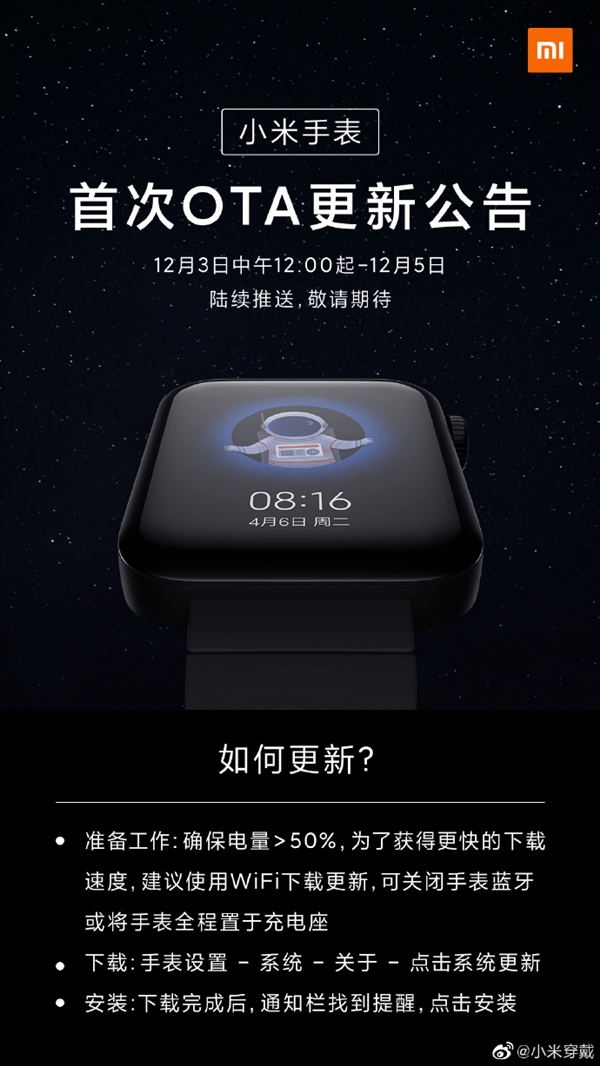
Xiaomi unveiled the Mi Watch last month with a design that resembles the Apple Watch series. Soon after the launch, the tech giant hinted that the smartwatch will get its first OTA update from December 3. Xiaomi has now shared some details on how to get the update and some of the features and fixes the update brings.
The update is an OTA update and will roll out between December 3 and December 5. To get the update, open the watch settings → system → about → click system update and wait for the watch to check if the update has been pushed to your unit. If it has, the update will be downloaded automatically.
The update brings the latest version with number XM037. It is recommended that for you to get faster download speeds, updates should be done over Wi-Fi connectivity. You should also turn off the Bluetooth and put the watch in the charging stand if the battery is low.
The specific upgrades which the update brings include the following;
iOS App goes live
Launched Xiaomi Wear App for iOS to improve iOS user experience.
Optimize the pairing experience
Optimized the issue of watch freeze in the first few minutes after pairing the watch for the first time.
Starting about 3 years ago, Elephone adopted an expansion plan that would help the company expand beyond the Chinese domestic market. Sticking to the plan that seems to be working well, Elephone will be officially launched in the Pakistani market on December 8th. During the same day, the Chinese manufacturer will be holding a conference in Islamabad. The press conference will be attended by Pakistan area media reporters, business partners, as well as government officials.
Elephone will introduce all its latest flagship models to the new market including its pop-up camera series that includes the latest Elephone PX. Also, its waterdrop display phones, as well as 3D screen phones, will be available.
According to the company officials, the Pakistani market is very important part of Elephone’s future plans in the Mid-East market and it comes together with the beginning of the new year that is expected to be very promising for the company.
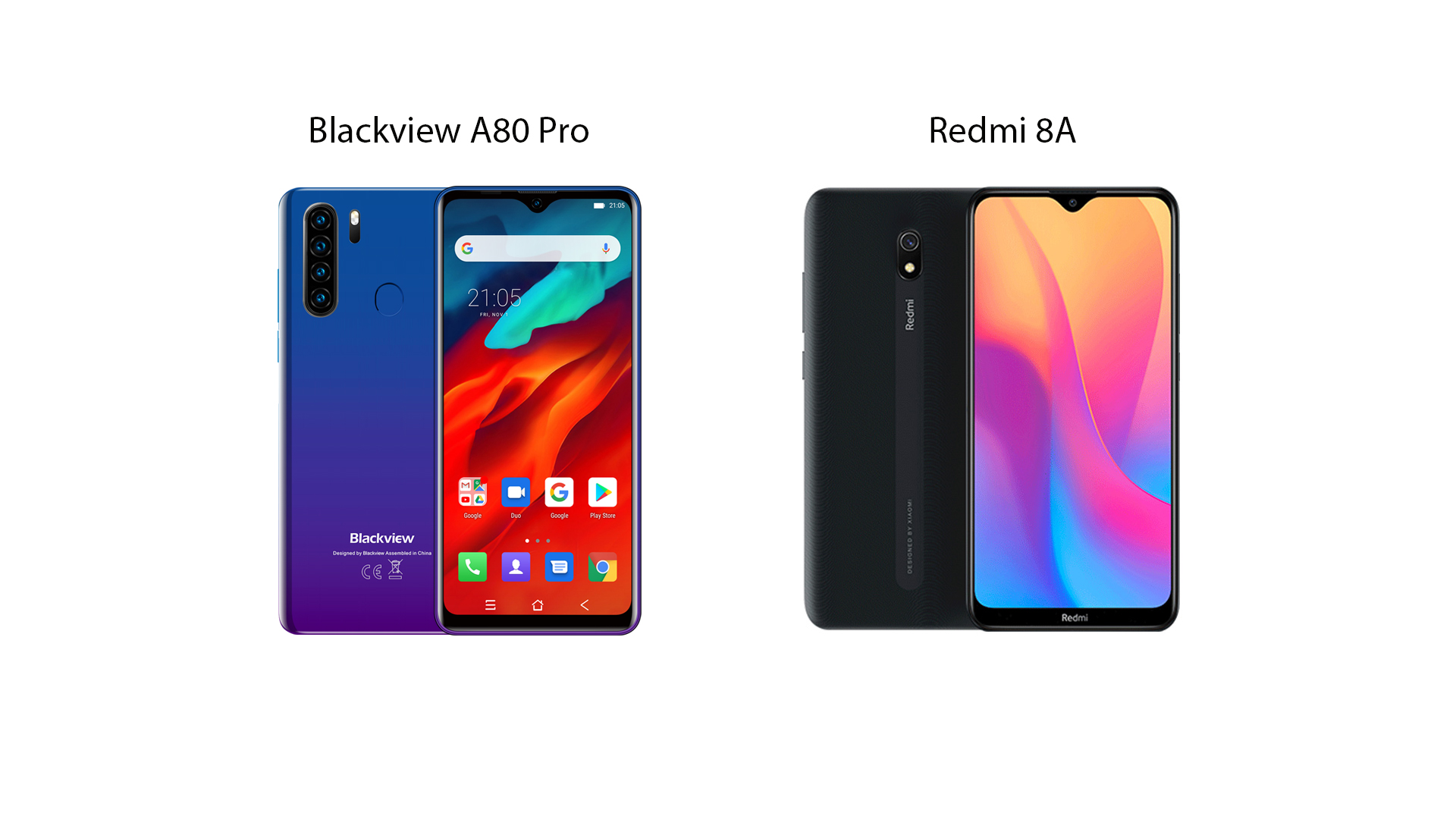
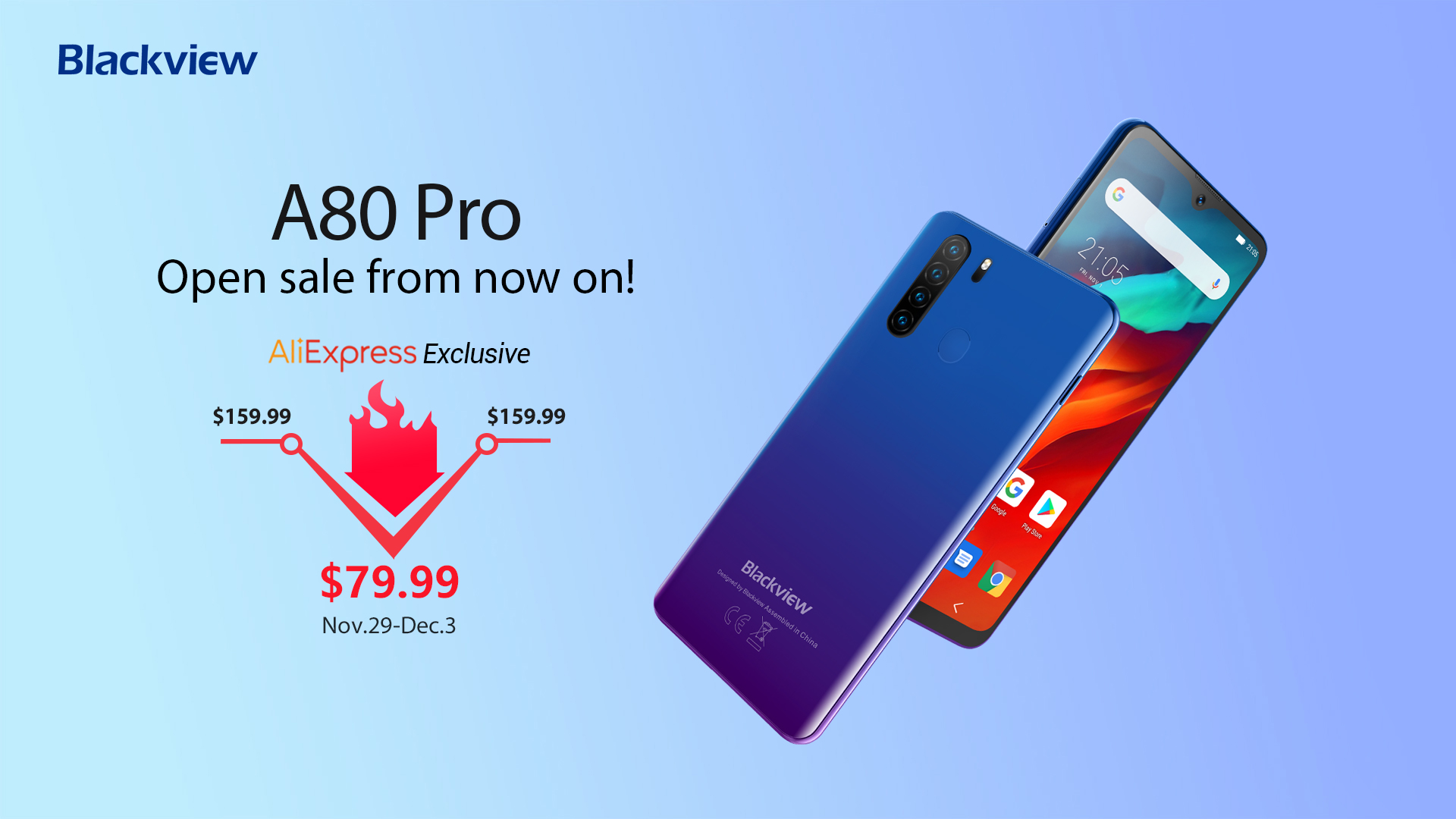
Blackview’s hotly-anticipated quad-camera budget king A80 Pro finally kicked off its global sale on black Friday and it is available exclusively on AliExpress at $79.99 until December 4th. But the A80 Pro isn’t the only bargain on the market. So, let’s see a comparison between the A80 Pro and the Redmi 8A.
Design
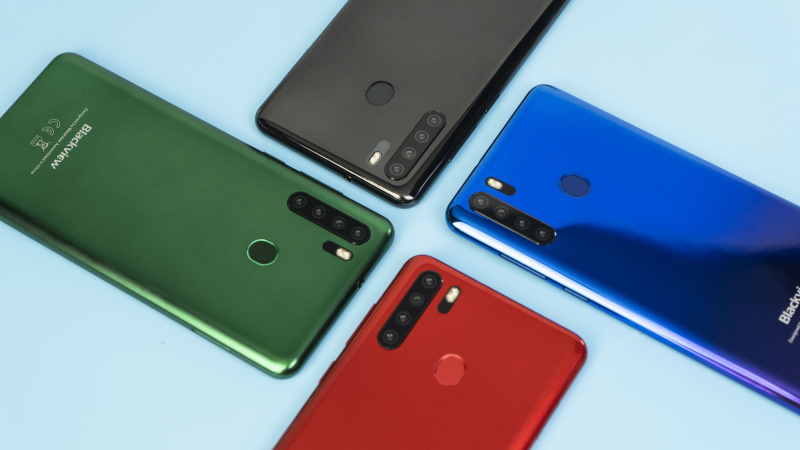
On the front, the two models are almost identical and both come with slim bezels and waterdrop notch where a front camera is located (Redmi 8A has a smaller one). The big difference is on the back. The A80 Pro adopts an asymmetric design with the quad-camera being located on the top left whereas the Redmi 8 comes with a rear camera and logo arranged up vertically in the middle.
Display
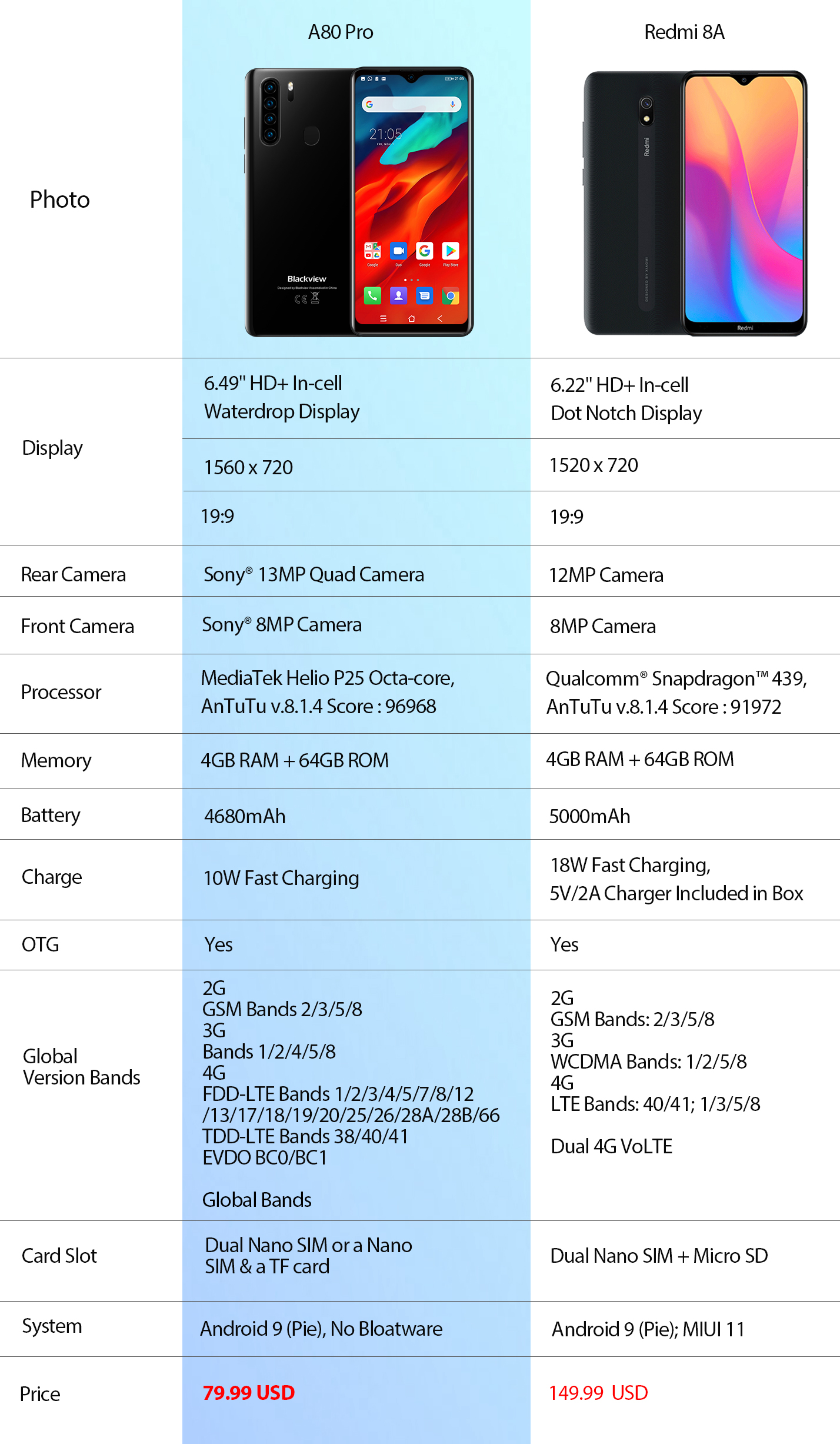
The winner here is the A80 Pro since it comes with a bigger display and slightly higher resolution. So, the Blackview model boasts a 6.49″ 1560 x 720 display while the Redmi 8A sports a 6.22″ display with 1520 x 720 resolution. Also, the A80 Pro has an LED notification light. Both screens adopt in-cell technology for a better visual experience.
Hardware/Software
Performance-wise, the battle is tight although the phones come with SoCs from different manufacturers. The A80 Pro comes with the Helio P25 8-core SoC coupled with 4GB of RAM and 64GB of storage and the Redmi 8A comes with Snapdragon 439 also coupled with 4GB of RAM and 64GB of storage. The Antutu benchmark seen in the video reveals that the A80 Pro scores 96K+ while the Redmi 8A scores 91K+. As for the OS used, Blackview went with the clean Android 9 whereas Xiaomi chooses its own MIUI 11 bases on Android 9. Don’t forget that the A80 Pro supports global LTE bands while Redmi 8A doesn’t, which makes the former even more friendly for global travelers.
Camera
Judging by the official specs, the A80 Pro’s rear camera is far superior to its opponent as it sports a quad-camera setup with Sony® 13MP main sensor assisted by a triple sub-camera setup while the Redmi 8A’s rear main lens is 12MP. But a good camera means much more than that (i.e. software optimization) so we can’t really judge until we get samples from both of them. The selfie shooter is 8MP on both phones.
Battery
When it comes to battery, the Redmi 8A is definitely better with a 5,000mAh battery while the Blackview A80 Pro features a 4,680mAh one. In addition, the Blackview A80 Pro supports 10W charging while the Redmi 8A supports 18W fast charging but it’s a pity that Redmi 8A comes with a standard a 5V/2A charger. This means that if you want to take advantage of the 18W charging, you’d have to buy an extra charger.
Price
As we said before, the A80 Pro sells at just $79.99 during the global sale. The Redmi 8A is currently priced at $149.99, almost 2 times more expensive. And by no means is it 2 times better than the A80 Pro. As a matter of fact, the overall value-for-money ratio is much higher for the A80 Pro. That was a brief comparison and you should choose what suits you best. In the meantime, you can take a look at the Blackview BF promotion on Amazon where they’re offering 10 models with up to 20% discount.
Vivo U20, the latest U-series phone from the company is now up for purchase in India. The device is available in 4 GB and 6 GB RAM variants in the country. A fresh report on 91mobiles have revealed that the Chinese manufacturer will soon launching a higher variant for the smartphone featuring 8 GB of RAM. The publication has also shared the pricing of the new variant.
According to the publication, the 8 GB RAM version of the Vivo U20 will be available for purchase through offline stores from Dec. 12. It is expected to come with 128 GB of native storage, and it could be priced at Rs. 18,990 (~$265) in the country. The currently available 4 GB and 6 GB RAM editions of the Vivo U20 are respectively priced at Rs. 10,990 (~$153) and Rs. 11,990 (~$167). The handset is available for purchase in color editions like Racing Black and Blaze Blue. The 4 GB and 6 GB RAM variants are both available for purchase through online channels like Amazon India and Vivo India’s online store.
The Vivo U20 has a 6.53-inch IPS LCD display with waterdrop notch. It offers full HD+ resolution of 1080 x 2340 pixels and 19.5:9 aspect ratio. The FunTouch OS 9.2 based Android 9 Pie OS. The 11nm Snapdragon 675 mobile platform is present under the hood of the device. The device is equipped with a microSD card slot for more storage.
For shooting selfies, it is fitted with a 16-megapixel selfie camera. The triple camera setup of the phone includes a 16-megapixel main lens, an 8-megapixel ultrawide lens and a 2-megapixel depth sensor. A 5,000mAh battery present inside the device with 18W dual-engine fast charging. A fingerprint reader is available on the backside of the phone. Face unlock is other biometric recognition available on the device. The device is equipped with a dual SIM slot, 4G LTE, Bluetooth 5.0, Wi-Fi 802.11ac, GPS and 3.5mm audio jack.
LG is yet to announce its first foldable device but over the past few months, we have seen a couple of patents for foldable phones filed by the Korean giant. In September, we reported LG patented a phone with a rollable display and last month, we also covered its patent for a smartphone with a display that extends, thereby transforming it into a tablet.
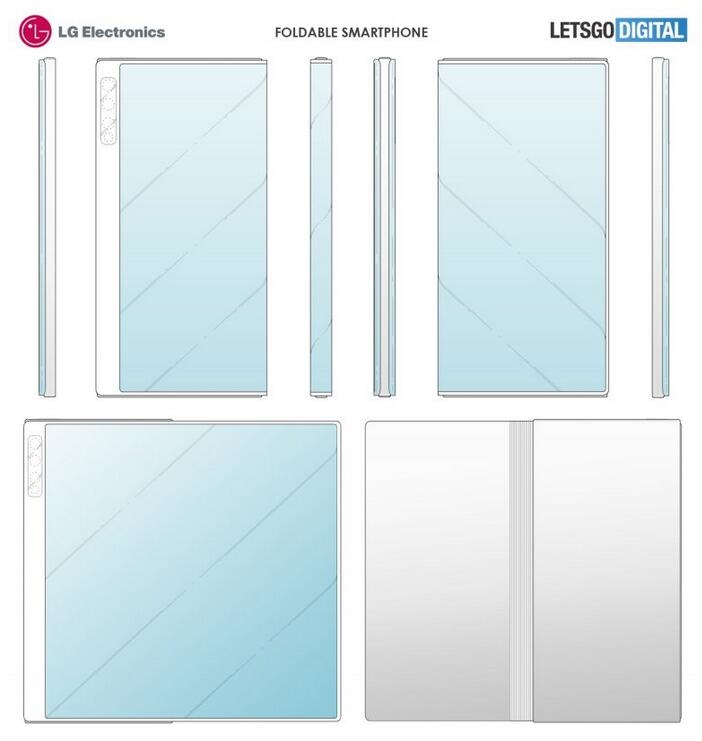
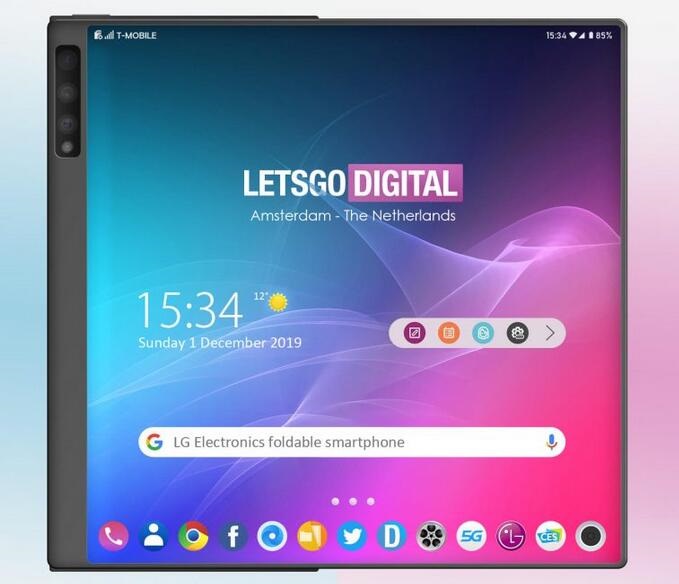
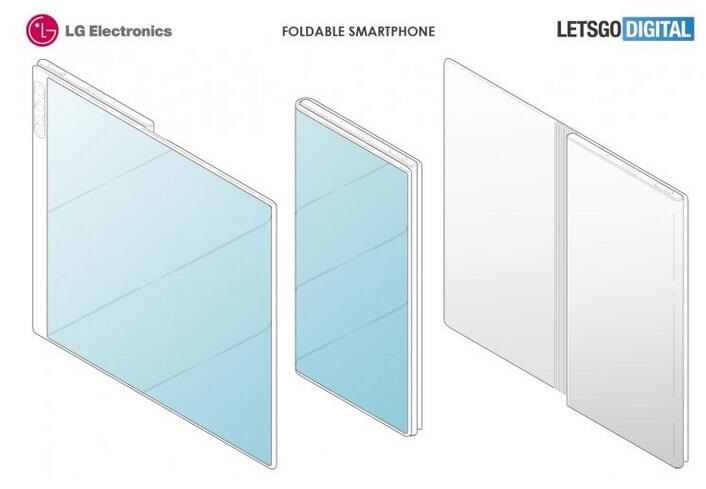
The most recent one is for another foldable device with an outward-folding design similar to Huawei’s Mate X. First, reported by LetsGoDigital, the patent diagrams show the device has three cameras on the left side of the screen. When unfolded, the cameras can be used for taking selfies and for video recording while they serve as rear cameras when folded.
1 of 2
LG Foldable Device Patent
It has been reported that the patent was filed back in May 2019 before it was published on November 29, 2019.
There are reports LG is working on a foldable device but we do not know which of the designs we have seen in recent months it will adopt. Nevertheless, we don’t expect the device to launch until next year and when it does, it most probably will be a 5G device.
Doogee is yet another smartphone manufacturer that hosts an extended Black Friday promotion on its official store on Aliexpress and boy they nailed it this year! It’s almost as they are holding a clearance activity but for all of their smartphones and accessories. Let’s take a look at what they are offering.
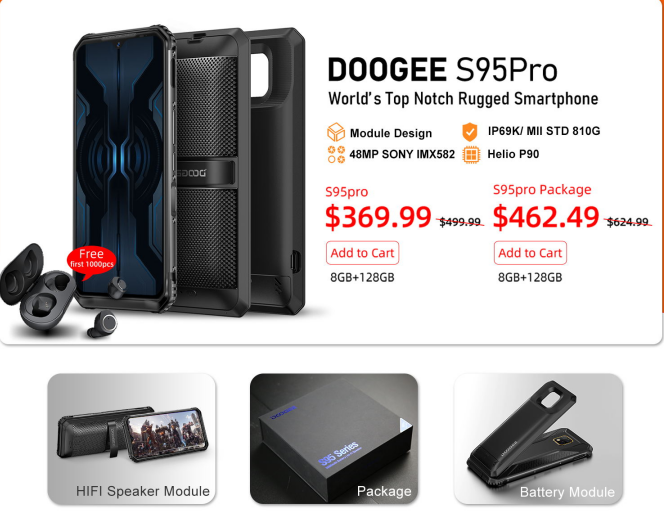
For starters, there’s their whole rugged S-Series including their flagship Doogee S95 Pro that comes with the Helio P90 SoC and 8GB/128GB or 8GB/256GB of memory configuration. Of course, all S-Series phones are waterproof, dustproof, and drop-resistant and the same goes for the S95 Pro that is available sells for just $369.99 right now on Aliexpress. There is also a package offered that includes the battery and HiFi Speaker modules at just $462.49.
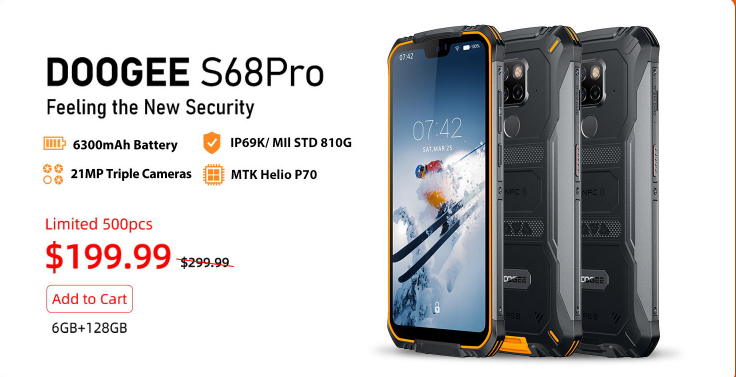
To continue, the second in line rugged phone is the S68 Pro which also comes with IP68/IP69K certifications as well as Helio P70 SoC backed by 6GB of RAM and 128GB of storage. It comes with Android 9 Pie pre-installed and can withstand temperatures ranging from -40° C to 60° C! It’s $100 off its original price so you can get it for just $199.9 here.
1 of 5
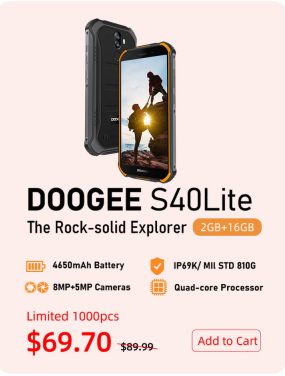
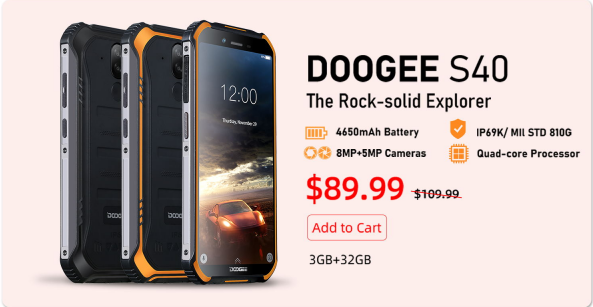
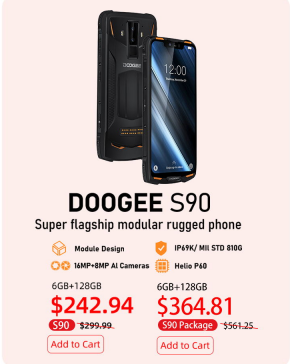
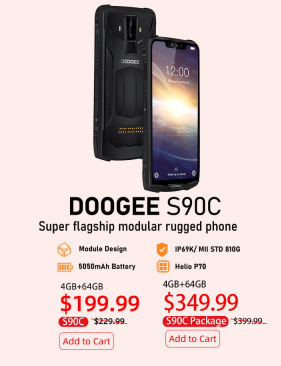
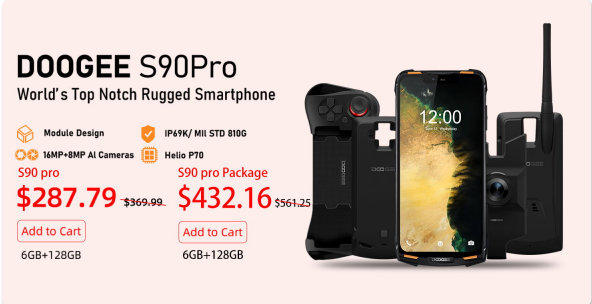
To close the list of rugged phones, we should mention the S40 with dual rear camera and rugged body costing just $89.99, the S40 Lite that is the most affordable rugged phone out there at just $69.70, and the A-powered tri-proof sub-flagships S90 Series with 6GB/128GB memory, that comes in two versions: One that you get the S90at $242.94 and one that you get all 7 accessories and modules together with the S90 Pro for just $432.16. Add to these the S90C at $349.99, the S70 at $259.99, and S80 at $289.99 too.
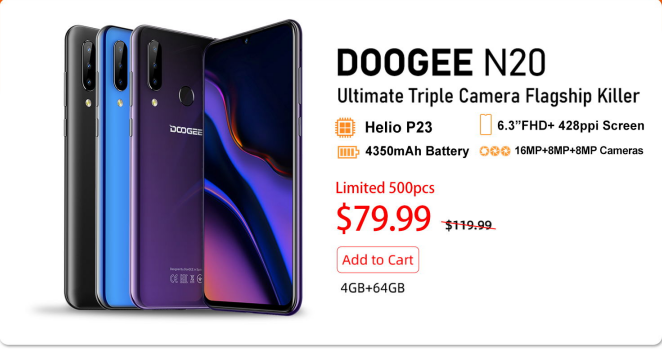
In addition to all the above, Doogee is also offering its entry-level flagship killer with triple rear camera and 6.3″ FHD+ display, Doogee N20, for just $79.99! What’s more, there’s also the 10000mAh battery beast Doogee N100 that also sports a rear dual camera with 21MP Sony main sensor and 8MP secondary sensor. It costs just $139.99 during the promotion!
1 of 4
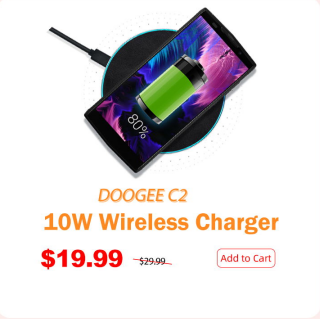
Lastly, Doogee is also offering 4 of its best accessories. The GamePad G1 at just $39.99, the Dooyee Night Vision Cameraat just $39.99, the Doogee Dopods TWS Bluetooth earphones at just $24.99, and the Doogee C2 10W wireless charger at just $19.99.
Following the US-China trade disputes, the US Government has started to ease off on Chinese based companies. The issuing of licenses to firms to perform business partnerships with banned companies like Huawei is one such example. This has allowed American companies to resume their relations with the Chinese tech giant but it might be too late as Huawei is now building its smartphones without US-based parts.
US-China Trade Disputes (Leaders of Respective Nations)
Earlier this year, Huawei was placed on the ‘Entity List.’ After this, the Chinese company was forced to end ties with many of its American based partners after being issued a ban by the US Commerce Department. Initially, the move proved to cripple the company that relied on western companies like Google for Android OS support, ARM for its chipsets and other companies like Intel and Qualcomm as well. However, a new report suggests that the company no longer requires US-based chipsets anymore.
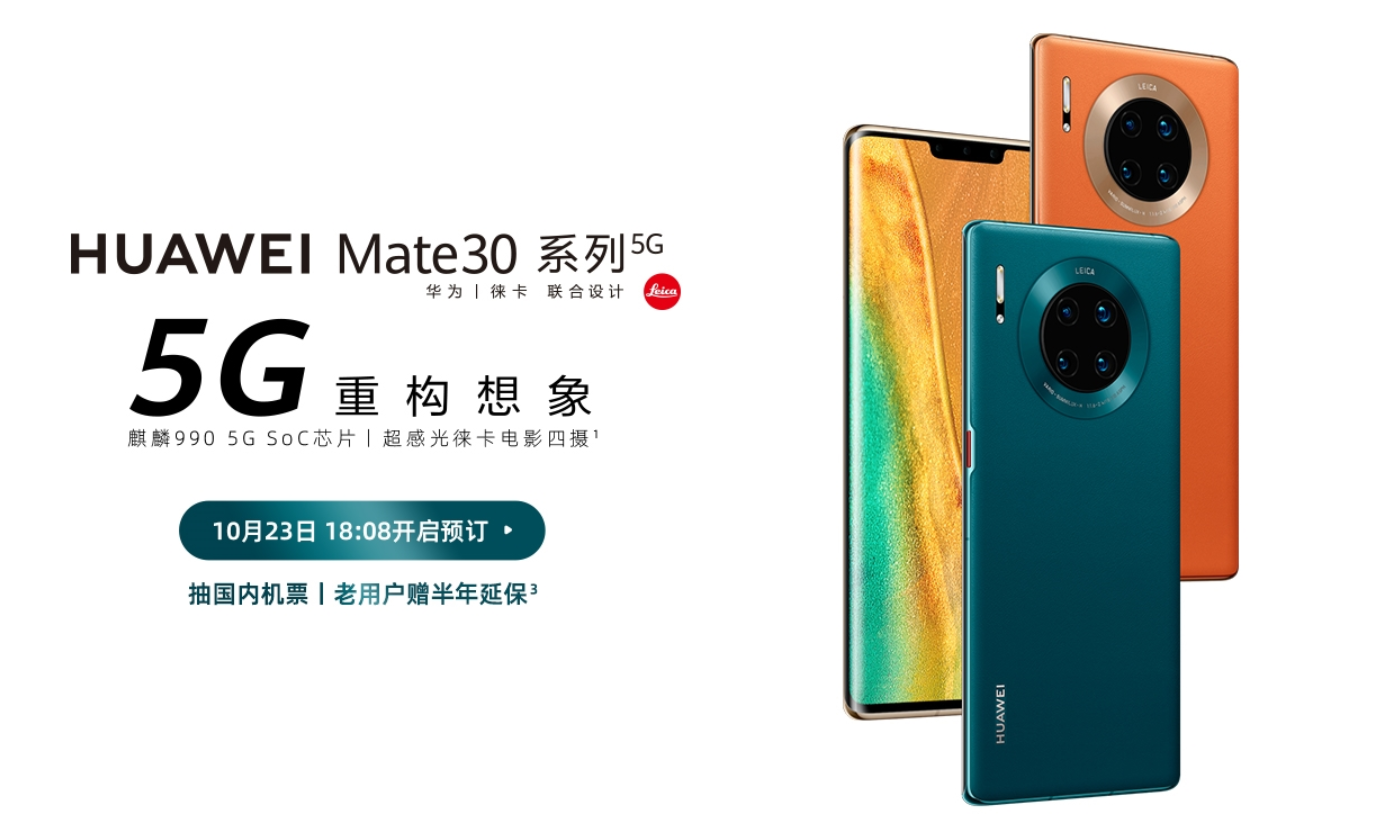
Huawei’s Mate 30 smartphone is a symbol of this new breed of smartphones which doesn’t feature any US parts. This was proven once the device was taken apart by analysts from UBS and Fomalhaut Techno Solutions which is a Japanese technology lab. The Chinese company has made great strides in distancing themselves and their reliance on the US.
Note: Huawei still uses US-based company’s chipsets but they are manufactured and synthesized in foreign countries.
Huawei Mate 30 5G and Mate 30 Pro 5G
According to analysts, Huawei made a big statement with the release of the aforementioned flagship smartphone that shipped with no US-made internals. Furthermore, even with Huawei previously announcing its move to do away with American parts, the company is currently in a great position owing to how quickly the shift actually came about.
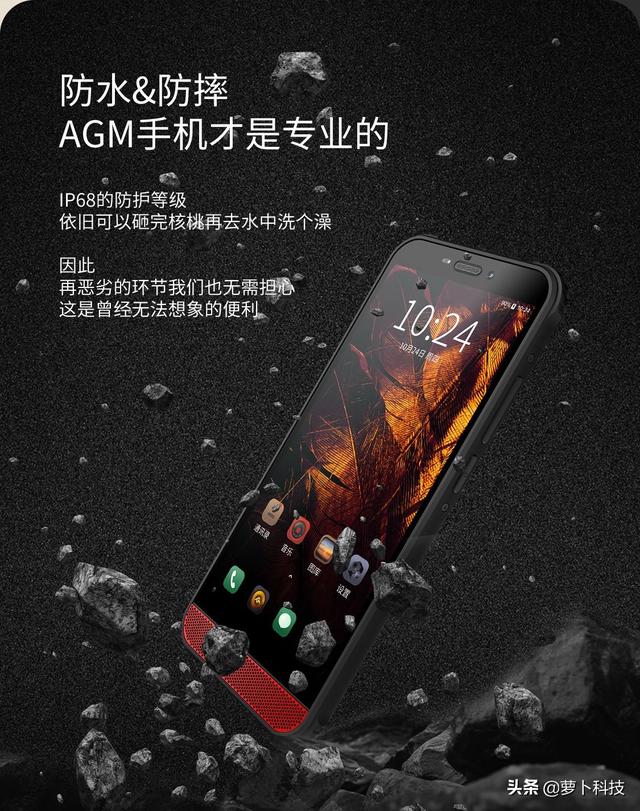
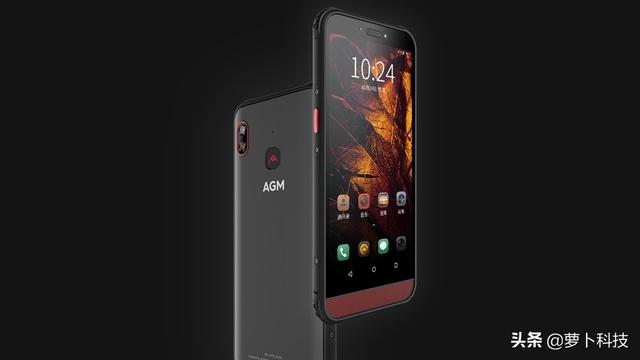
AGM is a brand known for the manufacture of rugged phones. That has n’t changed as the company has released its latest smartphone dubbed AGM H2. The device keeps up with the brand’s identity as it comes with a rugged design and IP68 waterproof and dustproof rating.
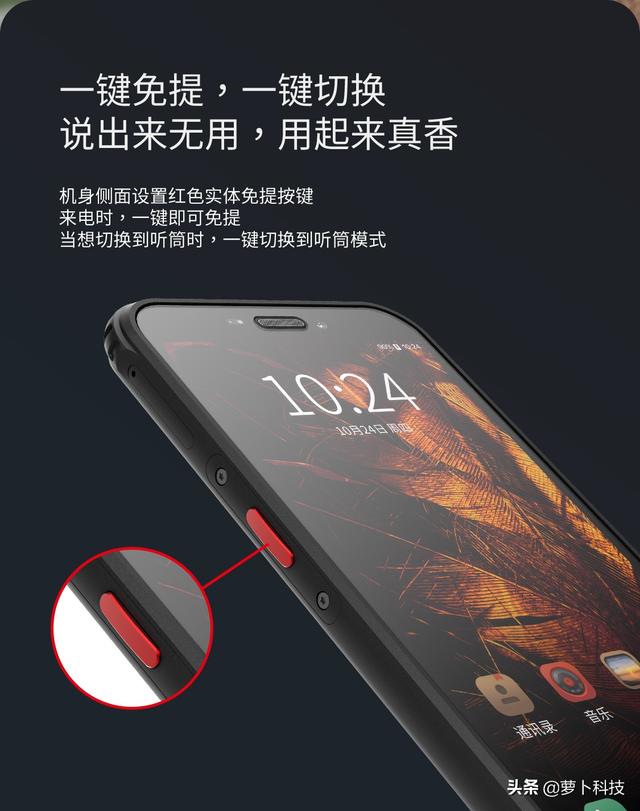
In terms of the specs, the AGM H2 is equipped with a 5.7-inch display with an HD+ resolution of 720×1440 pixels. The front design of the H2 is quite unique. It has a sizeable bezel at the top which houses the earpiece and selfie camera. At the bottom, there is a large front blasting speaker said to have a maximum sound level of 106db with superb sound quality. The phone also has what looks like a dedicated Google Assistant button at the left side of the display with a red accent. The power button and volume rockers are on the right side.
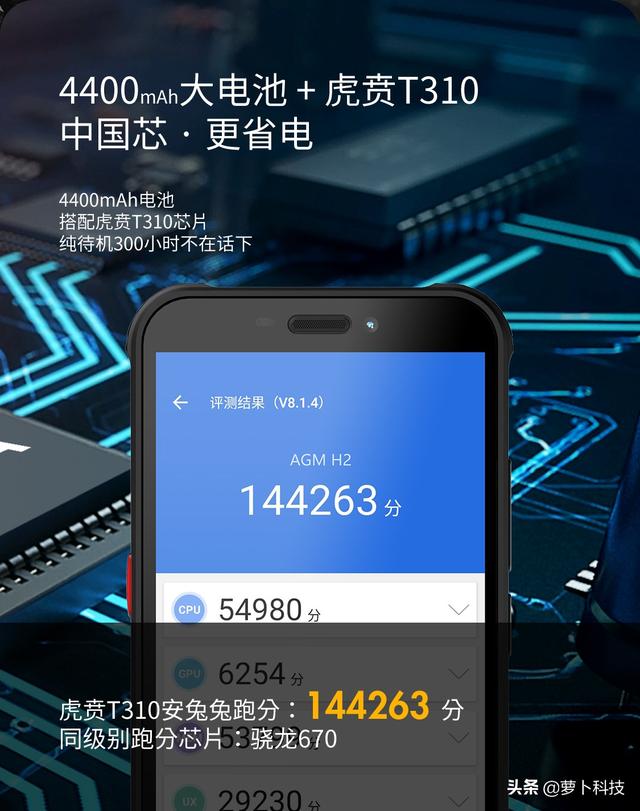
The rugged smartphone is powered by Unisoc’s (formerly Spreadtrum) Tiger T310 chipset. The processor was announced in April with a quad-core architecture. As a reminder, the Tiger T310 has 1 x Cortex-A75 core paired with 3 x Cortex-A55 cores in a single cluster. It is able to do this as a result of Arm’s DynamIQ Architecture which replaces its big.LITTLE architecture and allows you to combine a big and LITTLE core in the same cluster. This is the first quad-core LTE chipset in the world based on the DynamIQ architecture.
One of the key advantages of this architecture is that there can be an increase in performance without an increase in power consumption. When it comes to benchmarks, Unisoc says the 12nm TSMC-built Tiger T310 has a 120% improvement in performance over other quad-core processors in single-core tests and a 20% improvement in performance in multi-core tests. The chipset propelled the H2 to achieve an AnTuTu score of 144263 points, same level with the Snapdragon 670 mid-range chipset.
On the camera end, the AGM H2 packs a single 8MP sensor at the front and a single 13MP camera sensor at the rear. The phone gets its juice from an impressive 4400mAh battery said to a standby time of up to 300 hours.
The phone comes with an affordable 699 yuan ($99) price tag but details of its availability are scanty.
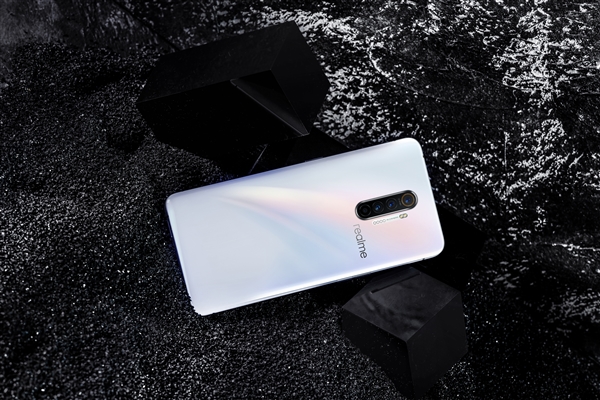
Realme first opened shop as an offshoot of OPPO in India and later on, the brand made its way to its home market – China. It has been a success all the way since then both on the home front and on foreign turf. However, Realme’s CEO/Founder has announced a major policy change that may likely change the landscape of the Chinese smartphone market from next year. The CEO disclosed via a Weibo post that from 2020, the company will only release 5G mobile phones in the domestic market. He did specify that the brand will pull the plugs off 4G phones from next year.
This news is expected to send shock waves down the spines of all major OEMs in China especially those that were not planning to adopt an aggressive approach to 5G release next year. The CEO didn’t only reveal Realme will focus on the flagship segment only but is also planning to bring 5G to mid-range and budget (thousand yuan machine) phones next year.
The plan, according to the CEO, is to help make 5G phones more popular and accessible to young persons. The CEO is perhaps promoting the company’s first 5G phones the Realme X50 and X50 Youth Edition that is expected to be launched soon in China.
The Redmi K30 5G launches in about a week from today. The upcoming phone will be Redmi‘s first 5G phone. Ahead of the launch, new details and leaks have been pouring in. The lastest is a poster that shows the rear of the phone.
The Redmi K30 5G’s rear design seems like a mash-up of the OnePlus 7T and the OnePlus 7T Pro. There are four cameras stacked up vertically in a black housing. However, there is a circular design around the cameras too similar to the housing of the OnePlus 7T. This circular design is the same color as the rest of the phone but appears to have a different finish. Below the sensors is a dual-LED flash and the word “5G”. Further down is the Redmi branding.
The camera configuration is unknown but one leak said the primary camera is a 60MP Sony IMX686 sensor while another said the 4G version has a 64MP sensor. We do not know if Redmi will use the same sensors on both versions of the phone or different ones. However, both leaks say the Redmi K30 has a 13 ultrawide angle camera, an 8MP telephoto camera, and a 2MP sensor that is probably a macro camera.
Unconfirmed reports say the phone will have a 6.6-inch IPS LCD display. However, we do know it will have a 120Hz refresh rate and a punch hole for two cameras. The phone is expected to have a battery capacity between 4500mAh to 5000mAh with support for 27W fast charging. It will also have NFC and run Android 10 out of the box.
Many OEMs have already rolled out Android 10 updates for their latest smartphones. Moreover, companies have even upgraded their custom skins on top of the OS update. The latest OxygenOS (OnePlus) and MIUI (Xiaomi) builds are a few great examples. Now, ZTE has also finally caught on with the trend and has officially unveiled its MiFavor 10 skin based on Android 10.
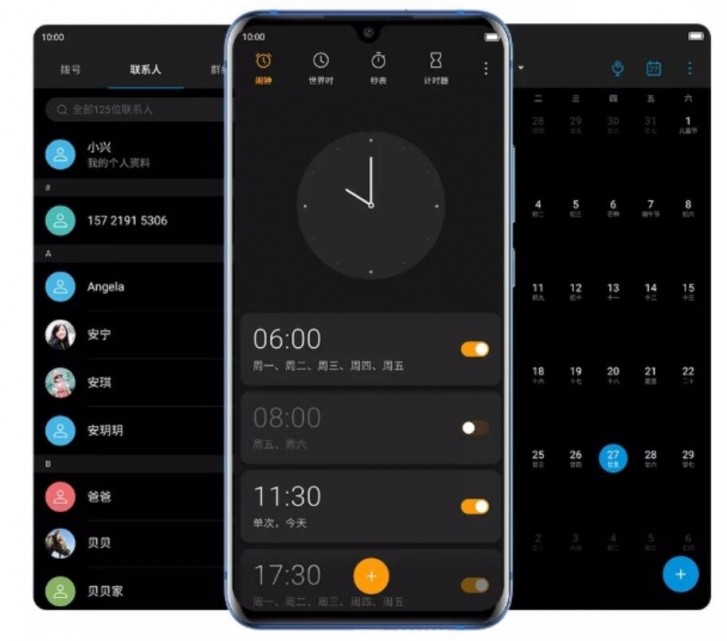
According to a recent Weibo post, ZTE shared a look into its upcoming MiFavor 10 skin which is based on Android 10. The updated skin includes a new system-wide dark mode which is a welcomed addition for making evening usage much more comfortable for users. It also features completely redesigned icons with over 1600 additional system icons to choose from as well.
ZTE MiFavor 10 (Dark Mode)
The infographic also states that over 80 new of the new system icons are designed for micro-motion effects which adds a nice touch to the overall user experience. Furthermore, the new skin features better and smoother transitions owing to motion curve optimizations being made. The MiFavor 10 also supports dynamic wallpapers that fit well with the new dark mode aesthetics. Additionally, over six new built-in themes with their own distinct icons are offered as well.
On the alert front, notifications have also been revamped with a new visual stye. The new notifications now pop-up in a small floating window to allow for a more uninterrupted and less intrusive experience. It bears resemblance to the notifications system previously seen in Samsung’s One UI. ZTE also showcased a new compact window interface and a floating keyboard to make multitasking easier as well.
ZTE MiFavor 10 (New Notification Window)
ZTE’s MiFavor 10 update brings a bunch of interesting new features that will be useful to ZTE smartphone owners. Long-pressing on the screen with two fingers will now enable the handset to recognize the contents being displayed on the screen. This works on both text and images with the device being able to provide users with additional information regarding the product or relevant data matches according to what is identified.
ZTE 10 Pro
The company also stated that the new software will feature a fully voice-enabled control and navigations system. This would allow users to execute certain in-app actions as well. And lastly, the new skin update arrives with improvements to ZTE’s AI engine, Z-Booster 2.0 for faster app loading times, and improved graphics and fewer stutters. Unfortunately, the company has yet to announce an official roll out and update schedule but is confirmed to arrive on the Axon 10 Pro, Blade V10 and Axon 9 Pro.
Just a couple of weeks after Oppo launched the A9 2020 smartphone in Gradient White color, the company has now teased the launch of a new color variant in India — Vanilla Mint. Last month, the company had slashed the phone’s pricing by ₹1,000, bringing down the starting price of the device to ₹15,990 (~$224) instead of ₹16,990 (~$238).
Currently, the smartphone is available in three colors — Marine Green, Space Purple, and colors. Now, Oppo A9 2020 has got a new color variant in the Indian market — Gradient White. It is now available for purchase through offline stores in the country.
The 4GB RAM variant is priced at ₹15,990 (~$224) while the 8GB RAM model costs ₹19,990 (~$280). Interestingly, this new variant is now yet available for purchase through online retail stores in the Indian market.
From powerful features to elegant style, the #TheNewExpert has it all! Make way for the New Vanilla Mint Edition of the #OPPOA92020 with Qualcomm Snapdragon 665 Processor, massive 5000mAh battery, 8GB RAM and 128GB ROM. pic.twitter.com/TYAC8fkRhL
The smartphone comes with a 6.5-inch waterdrop Sunlight Screen which offers a screen resolution of 1600 x 720 pixels and has a screen-to-body ratio of 89 percent. There is also a Blue Shield that filters harmful blue light and protects users from eye fatigue.
Under the hood, the device is powered by Qualcomm Snapdragon 665 chipset and packs 4GB or 8GB RAM and both the variants pack 128GB UFS 2.1 internal storage. It also comes with a dedicated microSD card slot for expanding the storage capacity up to 256GB.
In the camera department, it comes with a quad-camera setup on the back which consists of a 48-megapixel f/1.8 primary camera, an 8-megapixel f/2.25 aperture with 119-degree ultrawide angle camera, and two 2-megapixel cameras with f/2.4 aperture.
On the front side, it features a 16-megapixel camera with f/2.0 aperture with AI beautification. The phone has electronic image stabilization and an Ultra Night Mode 2.0 that also works with ultrawide angle photos.
Features on the Oppo A9 2020 include stereo speakers and Dolby Atmos. The smartphone runs Android 9 Pie-based ColorOS 6.0.1 with features such as Game Boost 2.0 for smoother and more responsive gaming, HyperBoost, Game Space, Game Assistant, and a Riding Mode that mutes all notifications, declines calls and automatically texts back callers.
The device also comes with a rear-mounted fingerprint sensor. The smartphone is powered by a 5,000mAh battery which also supports reverse charging. The company has not mentioned fast charging support, which is a bit disappointing.
Good news! XIDU, an innovative Shenzhen-based company that has made a big splash in the laptop and tablet markets by offering affordable, high-quality computers with an emphasis on touchscreen laptops, launches a promotion activity with the maximum discount, to celebrate the Amazon Black Friday and Cyber Monday (from November 29th to December 2)! Five channels are available, respectively XIDU official store, Amazon US, Amazon UK, and Amazon FR.,
Also, buyers from Western Europe please feel relieved to buy these laptops from XIDU official store and it will provide products with the equivalent shipment speed and discounted price as Amazon.
The products of XIDU are greatly appreciated by plenty of markets throughout the world. The following is a brief introduction to some of XIDU’s flagship products that you can buy with the maximum discount during the promotion period:
A strong Aluminium Alloy body while the astonishingly portable weight of only 2.65 lbs
The design of 360 degrees of flexible hinge featured by a dual-torque technology with the perfect combination of flexibility and strength. Various options include a laptop, tablet, and tent modes.
An Intel J3355 Quad-Core 2.0GHz Processor, 6 GB LPDDR RAM, hard drive 128 GB SSD, Windows 10 system with fast running speed and less stuttering.
The abrasive texture of A and D side of this laptop gives a deluxe and comfortable touch, aluminum alloy body.
2.2-in-1 Notebook and Tablet
The device can be switched between a notebook and a tablet anywhere and anytime by rotating the screen with a 360°flexible hinge. 180°hinge to share the screen face to face.
3.Large Screen, excellent resolution
Touchscreen with 1920*1080 resolution is elaborately crafted in 16:10. Ultra-narrow screen border of merely 4.9mm is rare to find among the budget 2-in-1 notebook market.
4.Backlit keyboard
Perfectly suits the need of people who work overtime or burn the midnight oil
5.Intel E3950 quad-core CPU at up to 2.5GHz burst frequency with 8GB RAM and 128GB SSD
Various external ports include 1x Mini HDMI, 2 x USB 3.0, 1 x Microphone Jack, 1 x Bluetooth 4.2, 1 x MicroSD card slot, 802.11 ac/a/b/g/n, Webcam.
Ultra-thin 4.9mm border, 85% screen-to-body ratio and IPS screen
Intel 3867U 8th Gen CPU, 8G RAM, and 256GB ROM
New 14nm technology, a cooling fan
Simplification
A front camera, inbuilt speakers and microphones, ergonomic keyboard design, compatible with 802.1 b/g WiFi and 4.2 Bluetooth, equipped with 2 USB3.0 ports, 1 mini HDMI port, TF card slot, and headphone jack.
Valid time (American time): 2019-11-29 00:00 – 2019-12-03 23:59BST
Surprisingly, you can get the biggest discounts of the year on Aliexpress during Black Friday and Cyber Monday Shopping Festival, and the same discount from our Official Store, Get ready to welcome the unprecedented promotion activity! Get your best gift before Christmas from XIDU — a focus on the production of high quality and cost-effective laptop brands.
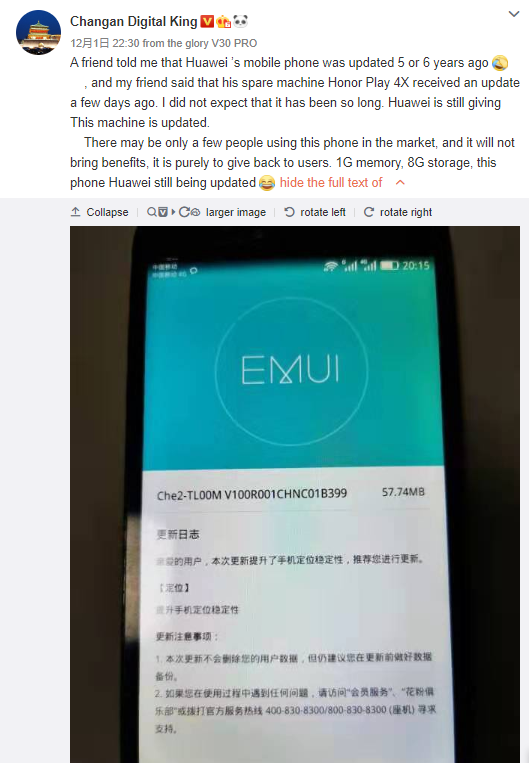
When it comes to updates, Android phones trail behind iPhones. A lot of manufacturers seldom go beyond the first year of release for a lot of their models most especially entry and mid-range devices. However, there are usually some exceptional cases. One of them is Honor Play 4X which was released back in October 2014 and recently got an update.
According to a Weibo post by a user called Changan Digital King, the Honor Play 4X recently received an update in China. It is a small update weighing in at just 57.74MB and a rough translation says it is an optimization for a feature. There is no security update and the Android version is still unchanged.
The Honor Play 4X has a 5.5-inch 720 x 1280 display with thick bezels and capacitive buttons. It is powered by the Kirin 620 processor paired with 1GB of RAM and 8GB of expandable storage. It has a 13MP rear camera and a 5MP selfie camera. It also packs a 3000mAh battery. When it launched, it ran Android 4.4.2 Kitkat out of the box.
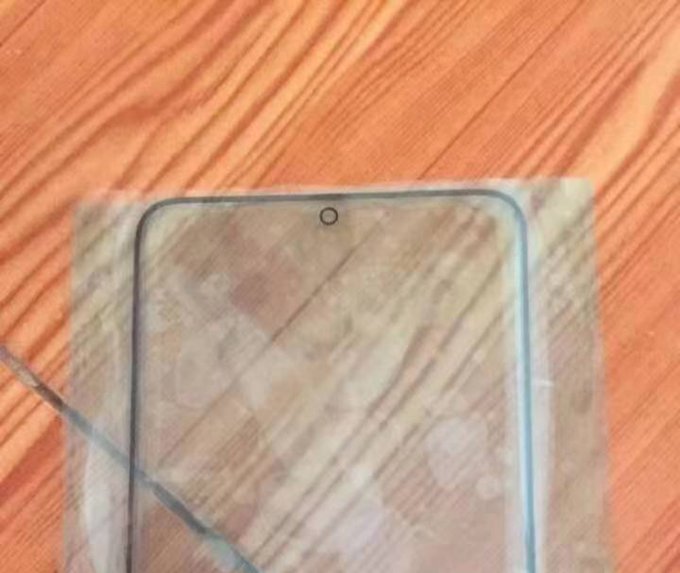
Samsung’s next-generation Galaxy S11 series is not expected to be released until next year. But curiously, the models have been subject of leaks and rumours for a while now. The leaks keep streaming in, the latest of which is a couple of images of the front panel of the Galaxy S11.
The photos show the top and bottom edges of the display panel or better put, the touchscreen digitizer panel that lies on top of the AMOLED screen. The most prominent feature on board is the punch-hole design which is located at the centre. The touchscreen design looks similar to that of the Galaxy Note 10 with just a single selfie camera. The Galaxy S11+ is expected to have a different design with the dual-selfie camera setup.
The bottom half of the display equally reveals a much trimmed down bezels on the chin. However, the bezel is slightly wider than that on the sides. This panel also shows the Galaxy S11 will retain the traditional curved-edge design that Samsung Galaxy models are known for.
As a reminder, the Galaxy S11 is expected to come with a 6.7-inch display while the S11+ will have a slightly bigger 6.9-inch display. Tipster Evan Blass had revealed that the two smaller editions come in 4G LTE and 5G editions, but the largest model (S11+) will come with 5G support. A recent report had claimed that the S11 and probably S11+ phones will carry support for 120Hz refresh rate.
Further, the Galaxy S11 series is expected to come in Exynos 9830 and Snapdragon 865 versions as well as up to 12GB RAM. When it comes to photography, the Galaxy S11 could be equipped with quadruple rear cameras with 108-megapixel main lens and a 48-megapixel sensor. The S11 is expected to carry support for 10x lossless zoom and up to 100x hybrid zoom. Also, the S11 is rumoured to arrive with 25W fast charging technology and a 4900mAh battery. It is speculated that the Galaxy S11 phones will go official on February 11.
Early last month, we reported that Xiaomi is planning to enter the Japanese market by 2020. Technically, plans have already been underway and it appears the Chinese giant will be making its formal entry into Japan earlier than expected.
The official Xiaomi Japan Twitter account has announced that there will be an event on December 9. A rough translation of the caption for the tweet says the company is arriving in Japan earlier than planned and will officially enter into the market on December 9.
At the moment, we do not know which products will be announced on that day but we are pretty sure the account will drop teasers as the event draws closer.
A lot of folks are excited about Xiaomi’s entry into the market as it may herald the launch of fully-waterproof Xiaomi phones. Water-resistance is a common feature of phones sold in Japan, so we expect Xiaomi will want to cater to the market by adding it to its devices.
Other than phones, we are pretty sure there will be a number of smart home products announced at the event such as TVs, bulbs, air conditioners, and air purifiers. Japan may also get some lifestyle products too.
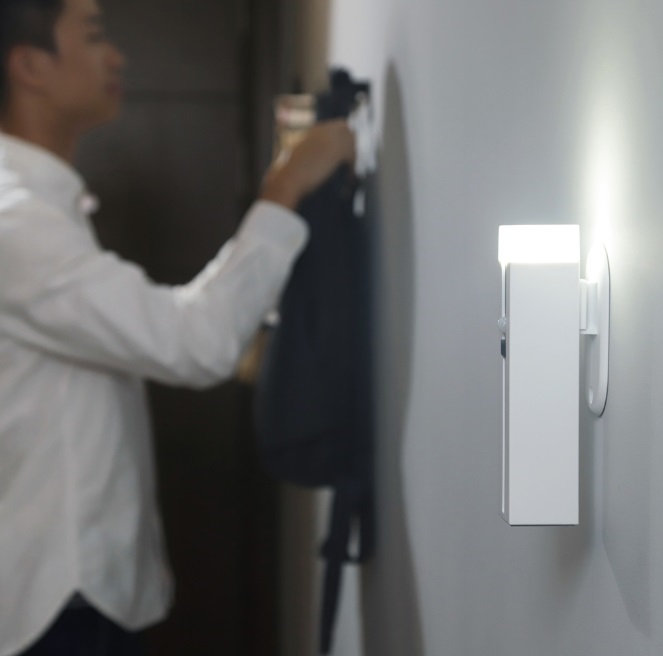
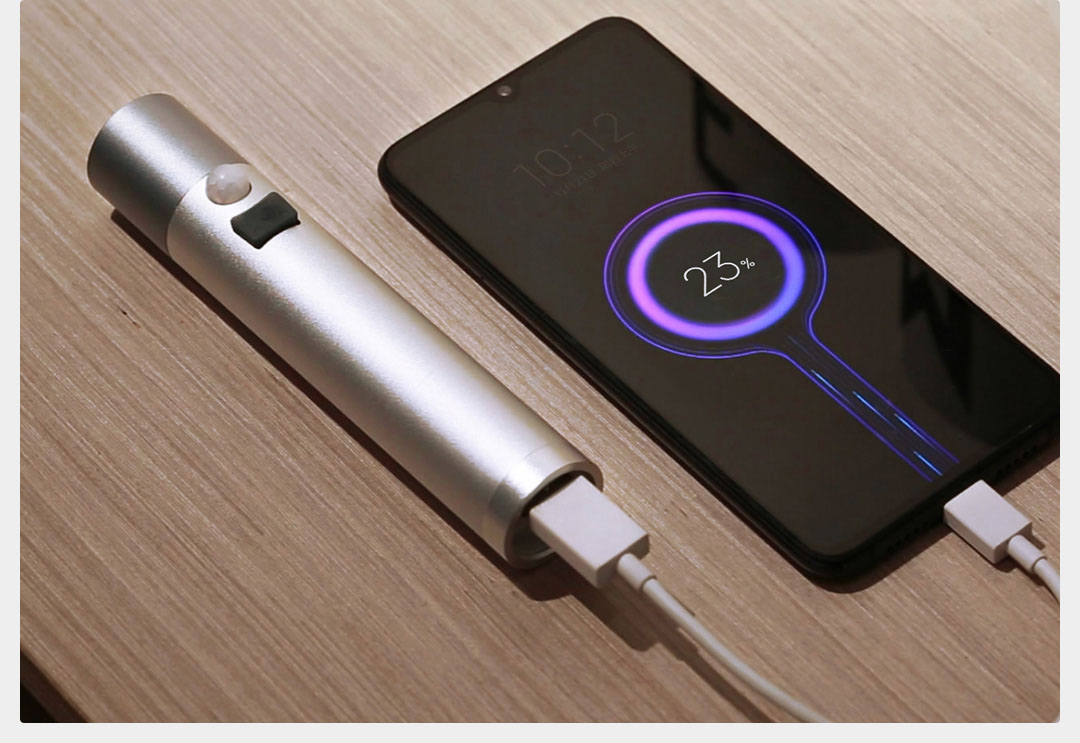
Xiaomi has just unveiled a multi-function device that is capable of being used as a flashlight, desk lamp and even as a power bank in emergency cases. In other words, it is a multi-purpose flashlight that can be used with a degree of flexibility.
Xiaomi 3 in 1 Multi-Function Flashlight (On the Wall)
According to official sources, the unique device is a compact product that features multiple sensors which enables a few useful features. It is equipped with dual photo sensors that allow it to accurately judge ambient light alongside another sensor that lets it detect human presence. The later enables automatic functions like turning on when someone is nearby and turning off once they leave the vicinity. This sensor has a 120-degree field of capture which detects a human’s presence as far as 3 metres away.
The multi-function device is powered by a 2,600mAh lithium-ion battery. From the official images, we can see the device being used in multiple ways.
It can be used as a wall lamp and can be put up any place the user requires.
As a simple power bank to charge smartphones and other electronic gadgets which will be especially useful during emergency cases.
The device can also be used on the table as a desk lamp.
Xiaomi 3 in 1 Multi-Function Flashlight (Power Bank)
The device is starting crowdfunding and those interested can look up the device on official Xiaomi’s Youpin website. It is priced at 119 Yuan or roughly 17 US Dollars.
In February 2019, Xiaomi launched the Mi 9 which was the companies latest flagship smartphone entry at the time. It arrived equipped with top-notch spec offering high-end performance. However, since then the device is now no longer available on the official Xiaomi website. The move from the Chinese smartphone manufacturer could indicate that the Mi 10 might be arriving soon.
Xiaomi Mi 9
Lei Jun, the Chairman and CEO of Xiaomi group, stated at the Xiaomi Core Supplier Conference that the company will launch 5G capable smartphones next year. The tech giant has completed its sale of 4G smartphones inventory and the removal of Mi 9 from the website is a subtle confirmation of the statement. The Mi 9 has yet to complete a year of sale and its recent delisting could also imply that Xiaomi may be looking for an early Mi 10 launch that will be capable of 5G networking.
Recently, a Xiaomi 5G smartphone with the model number “M2001J1E” appeared at the China Quality Certification Center. It is reported that the handset in question is the latest flagship entry, the Xiaomi Mi 10. According to the certification, the Mi 10 is equipped with an “MDY-11-EB” charging model which means it supports up to 66W fast-charging. Unfortunately, finer details are still unknown and it is hard to determine exact specifications just on certification alone.
Reportedly: Xiaomi Mi 10 CQCC (Certification)
Since the Mi 9 arrived with Qualcomm’s Snapdragon 855 SoC, the Mi 10 could also sport the latest model of the 800 series chipset. The Snapdragon 865 has yet to be officially unveiled but is likely to be included in the upcoming flagship. It is likely to feature at least a triple camera setup but will probably jump the numbers to 4 or even 5 cameras. Keep in mind, these are speculations and we will have to wait for an official announcement for confirmation.
We use cookies on our website to give you the most relevant experience by remembering your preferences and repeat visits. By clicking “Accept”, you consent to the use of ALL the cookies.
This website uses cookies to improve your experience while you navigate through the website. Out of these, the cookies that are categorized as necessary are stored on your browser as they are essential for the working of basic functionalities of the website. We also use third-party cookies that help us analyze and understand how you use this website. These cookies will be stored in your browser only with your consent. You also have the option to opt-out of these cookies. But opting out of some of these cookies may affect your browsing experience.
Necessary cookies are absolutely essential for the website to function properly. This category only includes cookies that ensures basic functionalities and security features of the website. These cookies do not store any personal information.
Any cookies that may not be particularly necessary for the website to function and is used specifically to collect user personal data via analytics, ads, other embedded contents are termed as non-necessary cookies. It is mandatory to procure user consent prior to running these cookies on your website.


 In addition, Xiaomi’s CEO recently disclosed that the company’s smartphone lines are now the Xiaomi and Redmi lines. He equally hinted that the Xiaomi brand is devoted to new technology, high-end phones, with a focus on new retail markets. He then reeled out the phones under the product line for this year. Among them are the Xiaomi digital series, Mi 9, Mi 9SE, Xiaomi Mix series and the new Xiaomi CC series. No mention was made of the Mi Max series but Lei Jun only hinted that it won’t be launched this year.
















 Brief introduction: