Advertisement

Four flagship chips will launch in late 2025, including one from Huawei

According to a recent leak from tipster Digital Chat Station, the second half of 2025 will see new flagship chips from all major players in the mobile silicon market. This not only includes Apple, Qualcomm, and MediaTek, but also Huawei. 

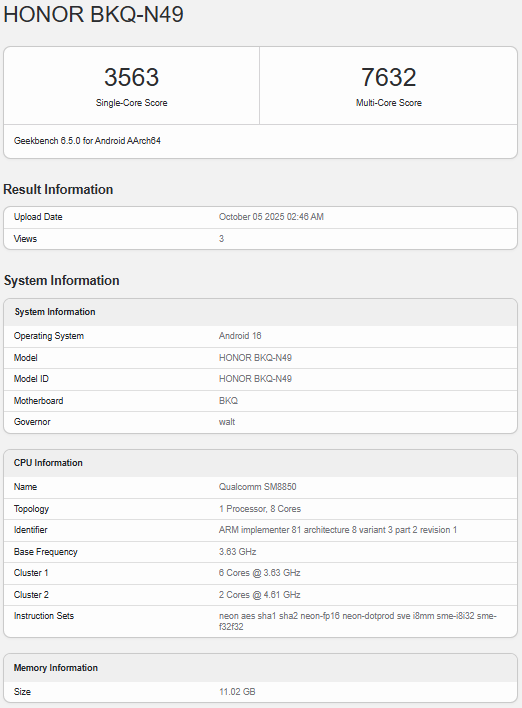
DCS claims that Apple’s A19 Pro chip will debut in September, continuing the company’s yearly cadence. Qualcomm is expected to follow shortly after with its next flagship SoC, Snapdragon 8 Elite 2, internally known as SM8850.

Both Apple and Qualcomm are said to be utilizing TSMC’s N3P node, a refinement of the foundry’s current 3nm process. The tipster says these upcoming chips will hit a new high in frequency (i.e., clock speed) and will have improved energy efficiency over the previous generation.

Huawei Kirin 9030 is a surprise

MediaTek’s high-end chip, possibly named Dimensity 9500, will also launch by September end. Meanwhile, Huawei’s Kirin 9030 is reportedly scheduled for release toward the end of the year. 

We’re sure to learn more about the Dimensity 9500 or any chip, for that matter, in detail when it launches. But Huawei, as in the past, might keep the specifics of the Kirin 9030 under wraps. If timelines hold, all four flagship processors will enter the market between late 2025 and early 2026.

Elsewhere in the comments section of the leak, discussion emerged about Xiaomi’s in-house XRING processor. DCS says Xiaomi CEO Lei Jun did not expect the first-generation XRING O1 to perform so well, so there were no plans for its successor. However, DCS claims the XRING O2 will be even “more popular.”

Separately, a report from IT Home this morning suggests that Apple is preparing to launch M5 chips this fall in new versions of the iPad Pro and MacBook Pro. The update is likely to be limited to the processor itself, with little else changing in the hardware design or features.

For more daily updates, please visit our News Section.

Stay ahead in tech! Join our Telegram community and sign up for our daily newsletter of top stories! 💡

(Source)

Portronics NOVA Bluetooth Speaker Launches in India at ₹2,599 with TWS and RGB Lights

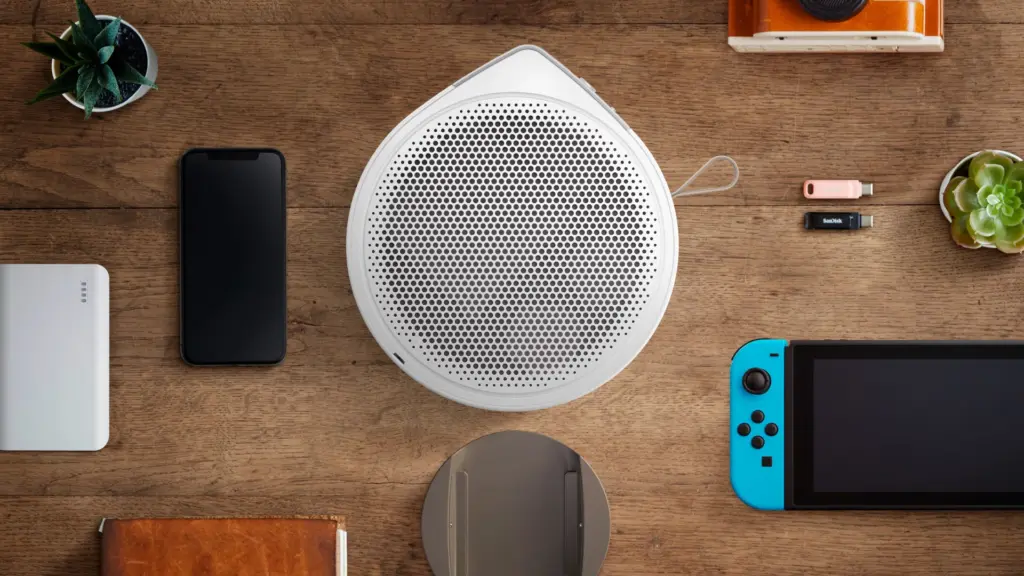
Portronics has released the NOVA portable speaker in India. The speaker has a round design with a textured surface that makes it easier to hold and more durable. It’s compact and splash-resistant, so you can use it indoors or outdoors.

Portronics NOVA 40W portable Bluetooth speaker

The NOVA puts out 40W of sound using HD speakers and dual passive radiators. This setup creates deep bass, cuts down distortion, and gives you clear vocals with balanced sound. There’s an RGB LED strip around the body that lights up with your music.

For connections, it has Bluetooth 5.3 for wireless pairing, plus AUX-IN and USB-IN ports if you want to plug in directly. You can pair two NOVA speakers together using True Wireless Stereo (TWS) to get stereo sound. There’s also a built-in microphone for hands-free calls.

Portronics NOVA 40W portable Bluetooth speaker

You can control volume, skip tracks, and manage playback right from the speaker. It charges through a Type-C port and gives you up to 5 hours of music on one charge.

The speaker comes in black with a 1-year warranty. The regular price is ₹2,799, but it’s available now for ₹2,599 on Amazon.in. You can also buy it from the Portronics website and their authorized stores across India starting today.

Please Note: When you buy something using the links in our articles, we may earn a small commission at no cost to you.

In other news, Xiaomi has recently introduced the Sound Party portable speaker globally. It features 50W output (15W tweeter + 35W woofer), Bass Boost mode, Harman AudioEFX tuning, and up to 26 hours of battery life (at 50% volume without lighting/bass).

For more daily updates, please visit our News Section.

Stay ahead in tech! Join our Telegram community and sign up for our daily newsletter of top stories.

Minisforum launches UM690L Slim Mini PC with Ryzen 9 6900HX, LPDDR5 RAM & triple 4K output

Minisforum has introduced a new ultra-compact mini PC called the UM690L Slim. The device has a volume of just 0.8 liters and weighs 0.67 kilograms. The 16GB RAM and 1TB SSD version is priced at 2499 yuan ($348) in China.

Minisforum UM690L Slim

Minisforum UM690L Slim Specifications

The UM690L Slim features an 8-core, 16-thread Ryzen 9 6900HX CPU with a maximum boost clock of 4.9GHz. The processor has a configurable TDP of 65W and is paired with integrated Radeon 680M graphics. According to the company, the chip scores around 2621 points in 3DMark TimeSpy, putting its GPU performance close to a GTX 1050.

The mini PC uses LPDDR5 memory running at 6400MT/s, with options for either 16GB or 32GB configurations. It supports dual M.2 2280 PCIe 4.0 SSDs for storage, allowing a combined capacity of up to 4TB. According to Minisforum, the system can achieve read speeds as high as 7000MB/s, making it ideal for quick boot times and managing large file transfers efficiently.

The company has designed a dual-fan cooling system for this model. The system uses phase-change thermal materials and adds dedicated cooling for memory and storage components. Under full load, the noise levels remain under 35dB, based on internal lab tests.

In terms of connectivity, the UM690L Slim includes a 2.5G Ethernet port, Wi-Fi 6E, and Bluetooth 5.3. The device supports triple 4K display output through USB4, HDMI 2.1, and DisplayPort 1.4. The USB4 port also supports up to 40Gbps data transfer and Power Delivery charging input between 65W and 100W. It also allows 15W output for reverse charging.

The I/O layout includes two front-facing USB 3.2 Gen2 Type-A ports, two USB 2.0 ports at the rear, one USB4 port, a DP 1.4 port, an HDMI 2.1 port, and a 3.5mm audio combo jack. The UM690L Slim runs Windows 11 Pro out of the box and measures 130 × 126.5 × 50.4mm.

In related news, Gmktec recently introduced the EVO-T1 Mini PC featuring a Core Ultra 9-285H processor, 64GB RAM, and support for quad 4K display output. Meanwhile, Geekom has launched the IT15 Mini PC with a desktop-grade Core Ultra processor, 64GB RAM, a 4TB SSD, and quad 4K output support.

For more daily updates, please visit our News Section.

Stay ahead in tech! Join our Telegram community and sign up for our daily newsletter of top stories! 💡

Xiaomi YU7 SUV Launched in China with Luxury Design, Long Range, and High Safety Standards

Xiaomi has officially launched its first SUV, the Xiaomi YU7, in China. The vehicle is available in three variants: Standard (RWD), Pro (AWD), and Max (high-performance AWD). Pre-orders are now open through the Xiaomi EV app and WeChat Mini Program.

Xiaomi YU7

The YU7 features a sleek, low-slung design with balanced proportions and a wide stance. It comes in nine color options, including Basalt Gray, Lava Orange, Titanium Silver, Emerald Green, Pearl White, Dusk Purple, Dawn Pink, and more. Wheel choices range from 19 to 21 inches with multiple designs and tire types. The Max variant offers a CLTC range of up to 760 km with long-range tires, or 670 km with performance-focused Michelin Pilot Sport EV tires.

Inside, the YU7 offers four interior color schemes and uses soft-touch materials certified to OEKO-TEX® Class 1 standards. Seats are wrapped in Nappa leather, and optional zero-gravity front seats include recline and massage features. Rear seats recline up to 135°, fold flat to form a 1.8m bed, and offer heating. Storage includes a 141L front trunk, a 687L rear trunk, and a maximum of 1,758L with the rear seats folded.

Smart features include dual 80W wireless charging pads, a 4.6L refrigerator, a 25-speaker Dolby Atmos system, and a HEPA-certified 2.2m² cabin filter. The Max version adds double-laminated glass, more insulation, and a smart-dimming panoramic roof. Sound insulation is applied across all trims, reducing cabin noise significantly.

The YU7 Max uses Xiaomi’s HyperEngine V6s Plus and accelerates from 0 to 100 km/h in 3.23 seconds. It supports a top speed of 253 km/h. The Standard variant offers an 835 km CLTC range, while AWD variants offer up to 770 km. Charging is fast, with 10–80% reached in 12 minutes and up to 620 km range added in 15 minutes, thanks to its 800V platform.

Xiaomi Smart Chassis comes standard across all versions, with adaptive suspension, Smart Ride Control, and Motion Sickness Relief Mode. The SUV also features variable steering, Brembo brakes, and a short 100–0 km/h braking distance of 33.9 meters.

The cabin runs on Xiaomi’s HyperVision Panoramic Display using a triple Mini LED screen system. It includes Xiaomi’s upgraded Hyper XiaoAI voice assistant, five-zone voice control, and support for voice commands from outside the car. Other highlights include animated pet copilots, mic-free karaoke, and integration with the broader Xiaomi ecosystem.

The system is powered by a four-in-one domain controller and the NVIDIA DRIVE AGX Thor platform with 700 TOPS computing power. Apple users get CarPlay with multi-screen support, remote unlocking, and Apple Watch integration.

All YU7 models come with advanced driver assistance hardware, including LiDAR, 4D millimeter-wave radar, 11 HD cameras, and 12 ultrasonic sensors. The system is trained on 10 million driving clips to provide smoother, safer driving behavior.

For safety, the YU7 uses 2200 MPa ultra-high-strength steel in key areas and a hybrid steel-aluminum body structure with 47,610 N·m/deg torsional stiffness. The battery is protected with a reinforced underbody coating. The vehicle passed 50+ crash tests and has been validated through 6.49 million km of road testing across extreme conditions in China. Xiaomi also set a new 24-hour EV endurance record with the YU7 Max, covering 3,944 km in one day under official supervision, showcasing its powertrain, battery, and durability.

Pricing & availability

The Xiaomi YU7 starts at RMB 253,500 for the Standard version, RMB 279,900 for the Pro, and RMB 329,900 for the Max.

(Source)

AOC launches Graphic Pro 5K monitor with CalmanReady color calibration, USB-C (96W) & PBP/KVM

AOC has launched a new 27-inch 5K monitor called the U3 Graphic Pro. The display is now available on JD.com in China with a price tag of 6999 yuan (approximately $975). It is aimed at professionals working in color-sensitive fields such as photography, video editing, and design.

AOC U3 Graphic Pro

AOC U3 Graphic Pro Specifications

The monitor features a 27-inch IPS panel with a native resolution of 5120×2880 pixels and a refresh rate of 70Hz. It delivers a pixel density of 218 PPI and supports 10-bit color depth. AOC has rated the contrast ratio at 2000:1, while the panel is certified for DisplayHDR 600. The display can reach a peak brightness of up to 600 nits and supports wide 178° viewing angles.

AOC has integrated CalmanReady hardware-level calibration into the U3 Graphic Pro. Each unit undergoes factory calibration and ships with a report. The monitor supports 99% DCI-P3, 99% Adobe RGB, and 100% sRGB color gamuts. The average DeltaE value is under 1 for accurate color reproduction. The display also supports 6-axis color calibration.

The U3 Graphic Pro includes a variety of connectivity options. It has two USB-C upstream ports, one that supports 96W power delivery and video/data transmission, and another for data. It also includes a USB-C downstream port with 15W output, one HDMI 2.1 port, one DisplayPort 1.4, four USB-A ports, and a headphone output. The USB-C input supports DSC for full-resolution 5K output with 10-bit color.

AOC has included productivity-focused features such as Picture-by-Picture (PBP), Picture-in-Picture (PIP), and an integrated KVM switch for users working with multiple systems. The monitor also supports automatic screen rotation and OSD adjustment via a built-in gravity sensor.

The ergonomic stand offers 150mm height adjustment, ±30° swivel, -6.5° to 23° tilt, and ±90° pivot support. AOC has certified the monitor for low blue light emission through TÜV Rheinland and added dual 3W stereo speakers for audio output.

In terms of design, the monitor comes in a silver finish with a minimalist aesthetic. It weighs 6.91kg with the stand and 5.88kg without it. The total package weight is about 10.81kg. The monitor supports VESA 100×100mm wall mounting.

In related news, TCL recently launched a massive 57-inch curved monitor with dual 4K resolution, 1ms response time, 120Hz refresh rate, and USB-C docking. Meanwhile, Samsung has rolled out its new M9, M8, and M7 Smart Monitors globally, featuring 4K displays, built-in smart OS, and gaming support.

For more daily updates, please visit our News Section.

Stay ahead in tech! Join our Telegram community and sign up for our daily newsletter of top stories! 💡

(Source)
Oppo Reno 14 vs Vivo T4 Ultra: Flagship Features, Mid-Range Price, Difficult Choice

The Oppo Reno 14 and Vivo T4 Ultra are two powerful mid-range smartphones that offer flagship-level features at competitive prices. With both running Android 15, sporting AMOLED displays and packing impressive cameras and fast charging, they target users seeking high-end performance without the premium cost. This comparison is important because it highlights how each brand balances performance, design, and value, helping buyers decide which phone better suits their needs, whether for gaming, photography, or everyday use.

1. Design and Display

OPPO Reno 14
OPPO Reno 14

Build and Feel:
The Oppo Reno 14 brings a premium aluminum alloy frame paired with Gorilla Glass 7i protection and IP68/IP69 certification, offering superior resistance to both dust and water, including full immersion. This makes it a better pick for durability. In contrast, the Vivo T4 Ultra sticks to a glass build with IP64, which is good for splash resistance but doesn’t offer the same level of ruggedness. Both feel high-end in hand, but Reno 14’s design is built for tougher use.

Display Quality:
Both phones offer AMOLED panels with 1B colors, 120Hz refresh rate, and high PWM dimming. Reno 14 has a slightly smaller 6.59″ screen with HDR10+ and 3840Hz PWM, ensuring smoother visuals and reduced flicker. Meanwhile, Vivo T4 Ultra boasts a 6.67″ panel with 5000 nits peak brightness, great for outdoor visibility, and sharper PWM at 2160Hz. While Reno’s screen may feel more natural and eye-friendly, Vivo’s brighter, vibrant display gives it the edge for media consumption in bright environments.

Verdict:
Reno 14 wins in build quality and durability, but Vivo T4 Ultra edges ahead in display brightness and visual appeal. For rugged use, choose Reno; for immersive visuals, pick the Vivo.

2. Specifications 

Vivo T4 Ultra
Vivo T4 Ultra

Performance:
Reno 14 runs on the MediaTek Dimensity 8350 with Mali-G615 GPU, which delivers solid upper mid-range performance. However, the Vivo T4 Ultra steps up with the Dimensity 9300+ and Immortalis-G720 MC12 GPU, a flagship-grade setup offering better gaming and multitasking capability. This makes Vivo the more future-proof option, especially for power users and gamers who need more headroom.

Battery and Charging:
Reno 14 offers a massive 6000 mAh battery, ideal for long endurance. It supports 80W wired charging, 13.5W PD, and 33W PPS, along with reverse charging. On the other hand, Vivo T4 Ultra uses a slightly smaller 5500 mAh Si/C battery but supports faster 90W wired charging, delivering a full charge in under 50 minutes. Vivo has the speed, while Oppo has the stamina. For those prioritizing all-day use, Reno stands out.

Verdict:
Vivo T4 Ultra leads in raw performance and charging speed, making it ideal for demanding users. Reno 14 shines in battery longevity, better for extended use on a single charge.

3. Camera

OPPO Reno 14
OPPO Reno 14

Main and Secondary Lenses:
Reno 14 packs a versatile triple camera setup with dual 50 MP sensors (wide + telephoto 3.5x) and an 8 MP ultrawide. The inclusion of a color spectrum sensor and higher-end OIS support aids in clarity and consistency, even in low light. Vivo T4 Ultra counters with a 50 MP wide, a 50 MP periscope telephoto (3x), and an 8 MP ultrawide. Vivo’s periscope zoom adds flexibility, especially for portrait and distant shots, though it lacks Oppo’s sensor enhancements. Both deliver great results, but Reno’s camera system is more feature-rich overall.

Selfie Camera:
Oppo Reno 14 features a 50 MP front camera with autofocus and 4K video, which significantly outshines the 32 MP fixed-focus unit on the Vivo T4 Ultra. Reno’s front camera offers sharper detail, better dynamic range, and superior video capabilities, making it ideal for content creators and selfie enthusiasts.

Verdict:
Oppo Reno 14 has a more advanced rear camera setup with better sensor integration and a superior selfie camera. For versatile photography and video, Reno is the better camera phone overall.

4. Pricing

The Oppo Reno 14 is priced at around $550, while the Vivo T4 Ultra comes in at approximately $450. For $100 less, Vivo offers a flagship-level chipset and ultra-bright display, making it an excellent value. However, the Reno 14 justifies its higher price with a larger battery, rugged IP68/IP69 protection, superior selfie camera, and more advanced camera features overall. The choice depends on what matters more, value and performance (Vivo) or durability and imaging (Oppo).

Disclaimer:
Prices are approximate and may vary based on country, region, and applicable taxes.

5. Conclusion

Vivo T4 Ultra
Vivo T4 Ultra

The Oppo Reno 14 stands out with its IP69 rating, Gorilla Glass 7i, advanced selfie camera, and massive 6000 mAh battery, making it a great choice for users who need durability, battery life, and better cameras. Meanwhile, the Vivo T4 Ultra brings flagship-level performance with the Dimensity 9300+, rapid 90W charging, and an extremely bright 5000-nit AMOLED display, making it ideal for gamers, multitaskers, and outdoor use.

Verdict:
Choose Oppo Reno 14 if you prioritize camera quality, durability, and battery life. Go for the Vivo T4 Ultra if performance, fast charging, and display brightness are your main needs.

Read More:

Xiaomi launches Mijia Kettle 3 with 1.7L capacity, 1800W heating & 4-level heat control

Xiaomi has launched the Mijia Constant Temperature Electric Kettle 3 in China. The new smart kettle is priced at 169 yuan ($24) and is now available on JD.com. It features a 1.7-liter capacity and supports four preset temperature levels, aimed at meeting different daily hot water needs.

Xiaomi Mijia Electric Kettle 3

Xiaomi Mijia Electric Kettle 3 Specifications

The kettle uses 316L food-grade stainless steel for its inner liner. Xiaomi claims this material improves durability and corrosion resistance. The inner chamber has a seamless one-piece design, which prevents buildup and makes cleaning easier.

The exterior design follows Mijia’s typical minimalist approach and includes a dual-layer structure for safety. The inner layer uses stainless steel, while the outer layer is made of high-temperature-resistant PP plastic. This design ensures that the exterior remains cool to the touch, even when the water inside is boiling.

Xiaomi has equipped the kettle with an 1800W energy-concentrating circular heating base. This allows for faster and more even heating. The kettle includes four temperature presets: 45°C, 60°C, 70°C, and 85°C. These settings cater to different use cases such as baby formula, green tea, or coffee preparation. The appliance also supports 24-hour quiet heat preservation, maintaining the selected temperature without generating noticeable noise.

The Mijia Electric Kettle 3 supports two water modes. Users can select between tap water mode and purified water mode, depending on their source of water. Xiaomi says this feature optimizes the heating process and enhances water taste.

The kettle includes a real-time digital temperature display on the handle. It also comes with a single-button lid release mechanism, allowing for one-handed operation. The lid opens in two stages, which helps reduce steam exposure and prevents hot water splashes. Xiaomi has used a high-quality thermostat for this model and claims it has passed internal durability tests for over 10,000 uses.

In terms of safety, the kettle is equipped with multiple protection features. It includes automatic shutoff when the water reaches boiling point, dry-boil protection, and lid-lock safety to prevent accidental spills.

In related news, Xiaomi recently introduced a new 400L refrigerator featuring a slim profile, HyperOS integration, and quiet operation. The company has also launched a 271L three-door model with a space-saving design and flexible cooling zones.

For more daily updates, please visit our News Section.

Stay ahead in tech! Join our Telegram community and sign up for our daily newsletter of top stories! 💡

(Source)

Oppo Reno 14 vs Reno 13: What’s Really New and Better?

The Oppo Reno 14 and Reno 13 may look similar at first glance, but several key upgrades in hardware and features make this comparison significant. With both phones targeting the premium mid-range segment, buyers are curious to know whether the Reno 14 justifies its higher price or if the Reno 13 still holds strong value. This comparison breaks down what’s improved and whether those changes matter for everyday use.

1. Design and Display

OPPO Reno 14
OPPO Reno 14

Build and Feel:
Both the Reno 14 and Reno 13 maintain Oppo’s sleek design language with a premium glass front and back and an aluminum frame. Water and dust resistance remain the same at IP68/IP69. However, the Reno 14 feels marginally sturdier due to the slight bump in weight, which often suggests a more reinforced chassis. It may feel more solid in hand, while the Reno 13 is a touch lighter, which could appeal to those preferring a lighter daily device.

Display Quality:
Both phones share an identical AMOLED panel size, resolution, refresh rate (120Hz), and PWM dimming at 3840Hz, offering great eye comfort. However, Reno 14 introduces Crystal Shield Glass as an optional protection alongside Gorilla Glass 7i and slightly improves high brightness mode (HBM), potentially providing better outdoor readability. Additionally, HDR10+ support is maintained, but the Reno 14 appears to offer more consistent color accuracy in bright environments.

Verdict:
While the display experience is largely similar, the Reno 14 edges ahead with better durability options and slightly enhanced brightness performance. The build quality is also subtly refined, giving it a more premium feel over the Reno 13.

Please Note: When you buy something using the links in our articles, we may earn a small commission at no cost to you.

2. Specifications 

OPPO Reno 13
OPPO Reno 13

Performance:
Both devices use the MediaTek Dimensity 8350 chipset paired with Mali-G615 MC6 GPU, ensuring flagship-level performance. However, the Reno 14 starts with 12GB RAM as the base configuration (and up to 1TB), while the Reno 13 begins at 8GB. This means Reno 14 users benefit from higher base RAM and slightly more optimized multitasking. Thermal efficiency and UI fluidity are nearly identical due to the same software base (Android 15 + ColorOS 15), but storage speeds remain UFS 3.1 across the board.

Battery and Charging:
The Reno 14 packs a larger 6000mAh battery, compared to the 5600mAh in the Reno 13. While both offer 80W wired charging and similar support for PPS and PD protocols, Reno 14 offers marginally better endurance for heavy users. The additional 400mAh makes a noticeable difference for screen-on time and gaming sessions.

Verdict:
While performance is nearly identical in raw specs, Reno 14 wins with its higher base RAM and bigger battery, making it a more future-ready device for power users or gamers needing longer sessions without charging.

3. Camera

OPPO Reno 14
OPPO Reno 14

Main and Secondary Lenses:
Reno 14 upgrades the camera hardware by adding a 50MP telephoto lens with 3.5x optical zoom, which is missing on the Reno 13. The ultrawide sensor is very similar, though the Reno 13’s primary sensor is marginally larger. However, the presence of a dedicated telephoto on the Reno 14 greatly improves versatility, especially for portrait and zoom photography. Meanwhile, the 2MP depth sensor on the Reno 13 offers minimal utility in real-world use.

Selfie Camera:
Both phones carry a 50MP front-facing camera with autofocus and similar video capabilities, including 4K at 60fps. Image sharpness and skin tone reproduction are consistent. However, Reno 14 seems to process selfies with better HDR handling in mixed lighting, making it slightly better in more varied conditions.

Verdict:
Reno 14 clearly advances in rear camera flexibility with its telephoto sensor, giving users more framing options. The selfie camera is equally competent on both, but Reno 14 performs better in high-contrast scenes, making it a more versatile shooter overall.

4. Pricing

OPPO Reno 13
OPPO Reno 13

The Oppo Reno 14 is priced at approximately $550, while the Reno 13 is available for around $450. The $100 difference is justifiable considering the inclusion of a telephoto lens, a larger battery, and an improved default RAM configuration in the Reno 14. For budget-conscious users, the Reno 13 still offers flagship performance. However, for buyers wanting enhanced battery life, camera range, and RAM from the start, the Reno 14 gives better long-term value.

5. Conclusion

OPPO Reno 13
OPPO Reno 14

The Reno 14 adds a dedicated telephoto lens, and a larger battery, and introduces a sturdier design feel. These enhancements make it a clear upgrade in terms of practical everyday use. Both phones offer flagship-grade displays, build quality and fluid performance. However, Reno 14’s improvements focus on real-world gains, especially in multitasking, zoom photography, and endurance.

Verdict:
The Oppo Reno 14 is the better all-rounder and worth the extra money for users prioritizing battery life, zoom photography, and future-proof specs. Reno 13 remains a solid buy for users who want similar core performance at a lower price but can compromise on camera flexibility and battery size.

Read More:

Noise Buds Marine Launched in India with Alloy Metal Case, ANC, and 35-Hour Battery Life

Noise has launched the Buds Marine, a new pair of true wireless earbuds in India. These come in a metal case made of alloy, which the company says is a first in the Indian TWS market. The case also includes a detachable chain for easy carrying.

Noise Buds Marine

The earbuds feature 13mm dynamic drivers and support active noise cancellation up to 32dB. They are equipped with Bluetooth 5.3 for stable connectivity and offer dual device pairing, allowing users to connect two devices at once. A low-latency mode is available for gaming or video watching, and the earbuds support voice assistants for quick commands.

One of the key features is Instacharge, which gives up to 120 minutes of playback with just 10 minutes of charging. The total battery backup, including the case, is up to 35 hours. This makes them suitable for daily use across meetings, workouts, and travel.

Noise Buds Marine

The Buds Marine are rated IPX4 for water resistance, offering protection against splashes and sweat. This makes them usable during light rain or at the gym, but they’re not meant for heavy water exposure.

Pricing & availability

The earbuds are available in two color options: Marine Black and Marine Grey. They are priced at ₹2,499. However, users who have a pre-booking pass can get it for ₹1,499. Pre-orders are currently live on gonoise.com. The official sale will begin on July 1, 2025, through Amazon and Flipkart.

For more daily updates, please visit our News Section.

Stay ahead in tech! Join our Telegram community and sign up for our daily newsletter of top stories!

Oppo Reno 14 vs Reno 14 Pro: Is the Pro Worth the Extra Money?

Oppo Reno 14 and Reno 14 Pro bring flagship-grade features to the mid-premium segment, making them two of the most compelling options under $800. With both offering AMOLED displays, powerful chipsets, and advanced camera systems, choosing between them isn’t straightforward. This comparison is important to understand how much of an upgrade the Pro version truly offers and whether it’s worth the extra cost for users looking for a premium smartphone experience without paying top-tier flagship prices.

1. Design and Display

OPPO Reno 14
OPPO Reno 14

Build and Feel:
Both phones sport a similar premium glass and aluminum build, with IP68/IP69 certification for water and dust resistance. However, the Reno 14 Pro feels more substantial due to its slightly larger footprint and higher weight. This adds a touch of premium heft, which may appeal to users who prefer a more solid grip. The base Reno 14 remains more compact and pocket-friendly, making it ideal for those who prioritize comfort and portability.

Display Quality:
The Reno 14 Pro offers a slightly larger 6.83-inch AMOLED panel with a 1272 x 2800 resolution and ~450 ppi, while the Reno 14 features a 6.59-inch display with 1256 x 2760 resolution and a denser ~460 ppi. Both support 1B colors, HDR10+, 120Hz refresh rate, and 3840Hz PWM dimming. Despite its lower ppi, the Pro model’s larger and more immersive screen edges out for entertainment and productivity, aided by its improved panel calibration and wider color accuracy.

Verdict:
The Reno 14 Pro takes the edge in design and display with its bigger, immersive screen and more premium in-hand feel, better suited for multimedia users. The Reno 14 wins on portability, but the Pro feels more flagship-grade.

2. Specifications 

OPPO Reno 14 Pro
OPPO Reno 14 Pro

Performance:
The Reno 14 runs on the Mediatek Dimensity 8350 paired with Mali G615-MC6 GPU, while the Reno 14 Pro is powered by the superior Dimensity 8450 and Mali-G720 MC7. This upgrade translates to better thermal efficiency, AI processing, and GPU performance, especially in gaming and multitasking scenarios. The Pro model’s CPU also clocks higher at 3.25GHz, delivering more headroom for demanding applications and future-proofing.

Battery and Charging:
Reno 14 packs a large 6000 mAh battery with 80W wired charging, 33W PPS, and 13.5W PD support. The Reno 14 Pro steps it up with a 6200 mAh battery and the same wired charging support but adds 50W wireless charging and 33W UFCS. The wireless option is a major convenience upgrade, allowing users to top up without cables. Both support reverse-wired charging.

Verdict:
The Reno 14 Pro leads in raw performance and charging flexibility. With wireless charging and a more advanced SoC, it’s better for power users. However, the Reno 14 still offers excellent battery life and value for moderate users.

3. Camera

OPPO Reno 14 Pro
OPPO Reno 14 Pro

Main and Secondary Lenses:
The Reno 14 features a capable triple camera setup, 50 MP wide, 50 MP telephoto with 3.5x optical zoom, and 8 MP ultrawide. The Reno 14 Pro significantly upgrades the ultrawide sensor to 50 MP and also uses a periscope-style 50 MP telephoto for sharper zoom. The larger sensor sizes and consistent 50 MP trio in the Pro ensure better color consistency and detail across all focal lengths.

Selfie Camera:
Both phones include a high-resolution 50 MP selfie camera with autofocus, 4K60 video, and HDR. However, the Reno 14 Pro benefits from superior ISP due to the Dimensity 8450, resulting in slightly better dynamic range and low-light processing. Casual and social media users will notice crisper front-camera output on the Pro.

Verdict:
Reno 14 Pro easily takes the win in the camera department, especially with a true flagship triple 50 MP setup and better post-processing. The standard Reno 14 still performs well, but the Pro caters better to photography enthusiasts.

4. Pricing

OPPO Reno 14
OPPO Reno 14

The Oppo Reno 14 is priced around $550, while the Reno 14 Pro is approximately $750. The $200 difference brings a faster processor, wireless charging, a better ultrawide camera, and a larger display. 

For users focused on raw performance, camera flexibility, and future-proof features, the Reno 14 Pro justifies the premium. However, the Reno 14 remains a strong mid-range contender, offering great specs for its price.

Disclaimer:
Prices are approximate and may vary based on country, region, and applicable taxes.

5. Conclusion

OPPO Reno 14 Pro
OPPO Reno 14 Pro

The Reno 14 Pro stands out with 50W wireless charging, a superior triple 50 MP camera array, and a stronger chipset. It also brings a slightly larger screen, better suited for immersive media use. Both phones share high-end features like HDR10+ AMOLED panels, IP68/69 rating, and 4K video on both cameras. The Reno 14 is a value-driven device perfect for everyday users, while the Pro targets enthusiasts seeking flagship features without crossing $800.

Verdict:
Choose the Reno 14 for excellent value and strong overall balance. Go for the Reno 14 Pro if you want advanced photography, wireless charging, and higher performance, it offers more flagship-grade features for a reasonable premium.

Read More:

Oppo Reno 15 screen size and camera details leak, big changes on the cards

If the latest leaks from Digital Chat Station are anything to go by, Oppo’s Reno15 lineup might be more than just your usual spec bump. According to the tipster, both the Reno15 and Reno15 Pro are being tested with a 200-megapixel main camera, up from the 50MP shooter on their predecessors.

Oppo Reno 14 Pro color options

However, details are still a little hazy. The exact sensor Oppo plans to use isn’t confirmed yet, and since it’s reportedly still in testing, anything could change. That said, both models are also tipped to pack a periscope lens. Not surprising since both the Reno 14 phones have a telephoto unit. 

Oppo Reno 15 will be a compact offering

Display sizes are getting a tweak, too. The standard Reno 15 is rumored to feature a 6.3-inch flat panel, which means it’s going to be a compact phone. In contrast, the Reno 14 is a fairly big slab with a 6.59-inch display. 

The Pro variant also seems to be trimming its screen size a little. It’s expected to have a 6.78-inch screen versus 6.83 inches on its predecessor. Both are expected to be framed in metal and have support for wireless charging. 

But here’s where it gets more interesting. Oppo is apparently toying with the idea of bringing a new flagship-tier hardware platform to the series this year. No word yet on what exactly that means. A flagship tier silicon? A next-gen imaging chip? We’ll have to wait and see, but we are definitely curious.

As for the launch, there’s no official timeline yet, and you shouldn’t expect it to happen anytime soon. The Reno 14 and 14 Pro have just made their official debut globally, so it will be too soon to expect their successors. However, if testing is already in progress, don’t be surprised if more details start leaking out soon.

For more daily updates, please visit our News Section.

Stay ahead in tech! Join our Telegram community and sign up for our daily newsletter of top stories!

(Source)
Lived with Galaxy S25 Ultra for 4 months: Is it still worth buying?

After spending a solid four months with the Samsung Galaxy S25 Ultra as my daily driver, I’ve had enough time to dive deep into its performance, features, and quirks. This isn’t just about first impressions; it’s a real-world evaluation of how Samsung’s flagship holds up with consistent daily use. Whether for work, entertainment, photography, or casual browsing, I’ve relied on the S25 Ultra for everything. In this long-term review, I’ll cover its design, display, performance, battery life, camera quality, software experience, AI features, and overall reliability, blending personal experience with broader user sentiment and tech community feedback.

6Should you buy it?

Samsung Galaxy S25 Ultra

The Galaxy S25 Ultra is a stellar phone that excels in most areas, from its gorgeous display and versatile camera to its smooth performance and innovative AI features. After using it for a couple of months, it felt like a reliable companion that adapted to my needs, whether for work, photography, or entertainment. If you’re upgrading from an older device (like the S23 Ultra or earlier) or switching from another brand, the S25 Ultra is a fantastic choice, especially with its seven-year update commitment. Particularly, I like it more than any other flagship for continuing to feature the S Pen.

For power users, the Vivo X200 Pro or Xiaomi 15 Ultra might offer competing hardware, but the S25 Ultra’s polished software, AI capabilities, and global availability make it the best Android phone for most people. At $1,299.99 (Rs 1,29,999 in India), it’s pricey, but its long-term reliability and feature set justify the cost for those seeking a premium experience.

Why did I use it for only four months? Because it was a review unit that had to be returned to the brand.

Next

Samsung Galaxy M36 5G Offers 50MP Camera, AI Features, Gorilla Glass Victus+ and One UI 7 for Under ₹17,000

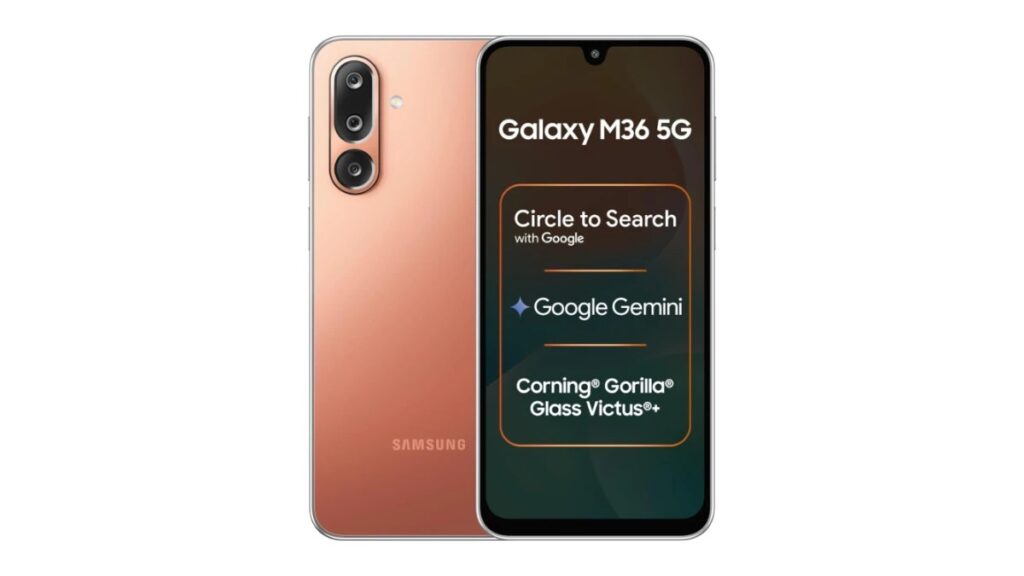
Samsung has launched the Galaxy M36 5G in India ahead of its upcoming Galaxy Unpacked event on July 9. This new addition to the M series brings several upgrades in display, performance, and software.

Samsung Galaxy M36 5G

Samsung Galaxy M36 5G features

It features a 6.7-inch Super AMOLED display with a 120Hz refresh rate and a resolution of 1080 × 2340 pixels, protected by Corning Gorilla Glass Victus+ to help reduce damage from minor drops and scratches. The phone is powered by the Exynos 1380 processor built on a 5nm process, paired with Android 15 and Samsung’s One UI 7. The phone is available in two configurations: 6GB + 8GB RAM and 128GB + 256GB. Storage can be expanded using a microSD card via the shared SIM slot.

Samsung Galaxy M36 5G

The Galaxy M36 5G has a triple rear camera setup consisting of a 50MP main sensor with OIS, an 8MP ultra-wide lens, and a 2MP macro camera. It supports 4K video recording at 30fps. On the front, the phone includes a 13MP camera that also supports 4K video capture.

New AI tools include Circle to Search with Google, Google Gemini Live for real-time visual Q&A, and AI Select for quick content creation and organization.

Audio is handled by stereo speakers, though the phone lacks a 3.5mm headphone jack. Connectivity features include Wi-Fi 6, Bluetooth 5.3, USB Type-C 2.0 with OTG, and satellite positioning support via GPS, GLONASS, GALILEO, BDS, and QZSS. It does not support NFC or FM radio. The phone includes a side-mounted fingerprint sensor and standard sensors. It packs a 5000mAh battery with 25W wired charging support.

Pricing & availability

The Galaxy M36 5G will be available in three color options: Orange Haze, Velvet Black, and Serene Green. Open sales begin on July 12, 2025, through Amazon India, Samsung’s official website, and offline stores. The starting price is ₹16,499, including bank offers.

Nothing Phone (3) could cost more in Europe than anywhere else

Earlier today, we got our first official look at the Nothing Phone (3). And as expected, it looks nothing like we imagined it to be. The phone has an unusual rear camera layout that just looks plain odd. It’s clearly made to grab attention.

Another thing that might catch your attention is its cost, especially in Europe.

According to a previous leak from X user Arsène Lupin, the Phone (3) is expected to be available in two configurations: one with 12GB of RAM and 256GB of storage, and a higher-end version with 16GB of RAM and 512GB of storage. 

Nothing-Phone-3-render-4

In the U.S., the pricing is rumored to land at $799 and $899, respectively. The UK price for the top-end model is also expected to match the U.S., coming in at £899.

Phone (3) seems like an expensive affair

But a separate leak from French publication Dealabs suggests that buyers in the Eurozone may need to pay more than others. The base model is now tipped to launch at €849, while the higher-end version could go up to €949. 

There’s no word on whether the price bump is due to VAT, import duties, or just general regional pricing strategies. But the gap between the U.S. and Eurozone pricing is notable, especially considering Nothing’s past focus on value and competitive pricing. 

Nothing-Phone-3-render-look-polarizing

While the leaks come from a fairly credible source, as always, leaks aren’t final until the company makes it official.

Nothing will officially announce the Phone (3) in early July. The pre-orders are expected to start shortly after the same day, and the device is expected to launch on July 15. Phone (3) will be available in Black and White shades. 

For more daily updates, please visit our News Section.

Stay ahead in tech! Join our Telegram community and sign up for our daily newsletter of top stories!

(Source)
Xiaomi 15 Ultra gets a redesigned camera grip and new colors

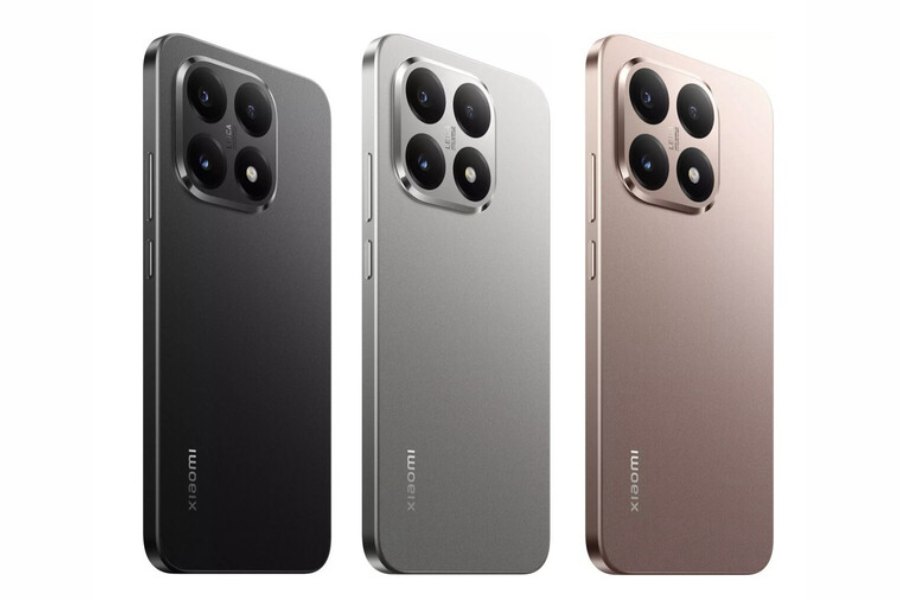
Xiaomi is adding a fresh twist to its 15 Ultra, bringing bold new colors and a revamped camera grip aimed at serious photography fans. This limited-edition refresh blends style and function, making the Leica-branded flagship even more camera-like in both looks and feel.

Originally released in black, white, and silver, the Xiaomi 15 Ultra now comes in three eye-catching shades: purple, aquamarine, and brown. The updated models stick with the two-tone design—vegan leather backs with a silver strip running across the top—giving off strong vintage camera vibes. It’s a clear nod to Xiaomi’s partnership with Leica and the retro appeal that continues to attract photo enthusiasts.

Alongside the new colors, Xiaomi is introducing an updated “Fashion Photography Kit.” This includes a redesigned camera grip that matches the new finishes. Weighing just 42 grams, it’s lighter and more streamlined than the original. While it likely skips the built-in battery, it keeps the essentials: a shutter button that supports half-press for autofocus and exposure lock, plus a dedicated video button. Fastshot mode, designed for quick captures, rounds out the experience, offering a shooting feel closer to traditional cameras.

The phone itself remains unchanged, packing the same top-tier hardware: a 6.73-inch 2K LTPO AMOLED display, Snapdragon 8 Elite chip, and a 5,410mAh battery (or 6,000mAh in the Chinese variant), with support for 90W wired and 80W wireless charging. The camera setup is as powerful as ever: a 50MP 1-inch LYT-900 main sensor, a 50MP ultrawide, a 50MP 3x telephoto, and a 200MP 4.3x periscope for long-range zoom.

Pricing for the new editions hasn’t been confirmed yet, but the Photography Kit in India is expected to retail at around ₹13,900 (roughly $165), according to tipster @stufflistings.

With new colors and a refined grip to match its serious camera hardware, the Xiaomi 15 Ultra’s June 26 refresh makes it even more attractive to creators and smartphone photography enthusiasts. Whether it can pull users away from traditional cameras remains to be seen.

For more daily updates, please visit our News Section.

Stay ahead in tech! Join our Telegram community and sign up for our daily newsletter of top stories!

(Source)
Xiaomi YU7 and SU7 embrace deep Apple ecosystem integration

Xiaomi is bridging the gap between tech ecosystems with its latest electric vehicles, the YU7 SUV and SU7 sedan, now boasting seamless integration with Apple’s iPhone, Apple Watch, and iPad. Announced alongside the YU7’s launch on June 26, 2025, these upgrades promise a smarter, more connected driving experience. How does Xiaomi’s bold move redefine EV convenience?

Xiaomi’s YU7, a premium electric SUV, and the SU7 sedan now offer deep Apple ecosystem integration, catering to the 51.9% of SU7 buyers who use iPhones. Both vehicles support digital keys via iPhones with Ultra-Wideband (UWB), allowing users to unlock their cars effortlessly. Remote control features let drivers activate the air conditioning before entering, using the Xiaomi Auto app, which now leverages the iPhone’s Action Button and Dynamic Island for quick access to vehicle functions.

The infotainment system, powered by HyperOS, enhances Apple Music integration and supports wireless CarPlay, secured with PIN authentication for added safety. Apple Watch users can control select car features directly from their wrist, while iPads mounted on rear-seat extensions via the “Xiaomi Car Expansion Screen” app manage multimedia and climate settings.

Xiaomi YU7 interior

This mirrors Xiaomi’s broader vision of cross-platform compatibility, with CEO Lei Jun emphasizing a “connected and collaborative” tech future. The YU7’s 1.1-meter HyperVision display and 25-speaker Dolby Atmos system further elevate the experience, complementing CarPlay’s navigation and entertainment features like Apple Maps and Spotify.

Xiaomi’s YU7 and SU7, with their deep Apple ecosystem integration, set a new standard for EV connectivity, blending iPhone, Apple Watch, and iPad functionality into a seamless driving experience. Will Xiaomi’s open approach challenge rivals like Tesla and BYD? This fusion of ecosystems could redefine the future of smart mobility.

For more daily updates, please visit our News Section.

Stay ahead in tech! Join our Telegram community and sign up for our daily newsletter of top stories!

(Source)
Poco F7 vs iQOO Neo 10: Which Power-Packed Phone Should You Pick for Under $500?

Poco F7 and iQOO Neo 10 are two of the most powerful smartphones under $500, both powered by the Snapdragon 8s Gen 4 and packed with flagship-grade features. This comparison is important for buyers seeking top-tier performance, long battery life, and advanced displays without paying premium prices. With subtle differences in build, cameras, and charging speed, choosing between them isn’t straightforward, making a head-to-head breakdown essential for finding the better value.

1. Design and Display

POCO F7
POCO F7

Build and Feel:
The Poco F7 feels more premium with its glass front and back, protected by Gorilla Glass 7i and an aluminum frame. It also boasts IP68 water and dust resistance, giving it an edge in durability over the iQOO Neo 10, which uses plastic for its back and frame and only has IP65 protection. While the Neo 10 adds MIL-STD-810H compliance, this doesn’t necessarily translate to better real-world ruggedness. Poco’s higher-end materials and tighter ingress protection make it the better-built device for daily use.

Display Quality:
Both phones feature AMOLED panels with high refresh rates, but the iQOO Neo 10 pulls slightly ahead with its 144Hz refresh rate and exceptional 4400-nit peak brightness, compared to Poco’s 120Hz and 3200 nits. iQOO also uses 4320Hz PWM dimming, ideal for sensitive eyes, while Poco offers Dolby Vision and HDR10+, which enhances streaming. However, Poco’s slightly larger 6.83″ display and Dolby Vision support may appeal more to content enthusiasts, while iQOO excels in brightness and fluidity.

Verdict:
Poco F7 wins on build quality with superior materials and IP68 certification. iQOO Neo 10 edges ahead in brightness and fluidity, but overall, Poco delivers a better premium feel.

2. Specifications 

iQOO Neo 10
iQOO Neo 10

Performance:
Both devices share the same Snapdragon 8s Gen 4 chipset and Adreno 825 GPU, ensuring identical flagship-level performance. Whether it’s gaming, multitasking, or demanding apps, both phones are equally capable. However, iQOO offers more RAM in its top variant (up to 16GB), which might benefit power users and futureproofing. Storage types are equal, using UFS 4.1 on higher variants. While real-world speed differences are minimal, Neo 10’s broader configuration range is better for varied user needs.

Battery and Charging:
Poco F7 offers two battery versions, 6500 mAh globally and 7550 mAh in India, with 90W charging and 22.5W reverse wired charging. Meanwhile, the iQOO Neo 10 packs a 7000 mAh cell and much faster 120W wired charging, capable of 50% in just 15 minutes. It also supports bypass charging and 100W PD, making it more versatile. While Poco has a larger battery in India, iQOO’s faster and smarter charging makes it more practical for power users.

Verdict:
Performance is evenly matched, but iQOO Neo 10 takes the lead in battery charging speed, RAM flexibility, and power delivery features, making it a more efficient daily driver.

3. Camera

POCO F7
POCO F7

Main and Secondary Lenses:
Both phones offer a 50MP main camera with OIS and a secondary 8MP ultrawide lens. However, the Poco F7 uses a wider f/1.5 aperture on its main camera, which helps capture better low-light shots and more natural bokeh. In contrast, iQOO’s multi-directional PDAF improves focusing accuracy, but Poco’s camera hardware is tuned for deeper depth and contrast. Video capabilities are nearly identical, though Poco’s 960fps slow-motion adds creative flexibility for some users.

Selfie Camera:
The iQOO Neo 10 wins clearly in the selfie department with a 32MP front camera capable of recording in 4K, compared to Poco’s 20MP sensor limited to 1080p. For users who prioritize vlogging, video calls, or high-res selfies, the Neo 10 offers more detail, better resolution, and superior overall quality. Poco’s camera suffices for casual use but lacks the versatility that iQOO delivers upfront.

Verdict:
Poco F7 has a slight edge in rear camera hardware for stills, while iQOO Neo 10 dominates with its higher-resolution and 4K-capable selfie camera. Overall, the Neo 10 offers a more rounded imaging performance.

4. Pricing

Both smartphones are priced similarly at around $400, offering incredible value given their flagship-grade hardware. The Poco F7 provides better build quality and a larger battery (in India), while the iQOO Neo 10 stands out with faster charging, a better selfie camera, and RAM options up to 16GB. Given these trade-offs, the pricing is fair for both, but the iQOO Neo 10 offers more cutting-edge features for the same price, making it slightly better value overall.

Disclaimer:
Prices are approximate and may vary based on country, region, and applicable taxes.

5. Conclusion

iQOO Neo 10
iQOO Neo 10

Poco F7 distinguishes itself with Gorilla Glass 7i, IP68 rating, Dolby Vision, and an optional massive 7550 mAh battery in the Indian model. On the other hand, iQOO Neo 10 impresses with a 144Hz display, super-fast 120W charging, 4K selfie video, MIL-STD certification, and more RAM options, including a 16GB variant. Both phones feature “Circle to Search,” NFC, IR blaster, and similar audio setups, but iQOO’s faster charging and smoother display make it more cutting-edge for high-intensity users.

Verdict:
Poco F7 is ideal for those wanting premium build, reliable cameras, and longer endurance. iQOO Neo 10 is better for users who prioritize performance speed, faster charging, and media creation via the selfie camera. Both are excellent picks at $400, but iQOO Neo 10 offers a more performance-centric edge.

Read More;

Xiaomi Smart Band 10 Launches with Bigger Display VO₂ Max, Sleep Plans, and Stylish Strap Options

Xiaomi has launched the Smart Band 10 in China, alongside the Xiaomi Watch S4 41mm, Pad 7S Pro, Open Earphones Pro, and its first AI glasses.

The Smart Band 10 comes with a 1.72-inch AMOLED display, 212 × 520 resolution, 60Hz refresh rate, and 1500 nits peak brightness. The bezels measure just 2.0mm. The band is 10.95mm thick and weighs 15.95g for the standard version and 23.05g for the ceramic model.

Xiaomi Smart Band 10

It’s available in metal finishes like black, silver, rose gold, and green, along with ceramic options in pearl white, purple, and gray. Strap options include silk-knit, pearl-chain, calfskin leather, asymmetrical metal, magnetic vegan leather, and macaron-style fluororubber. The default strap depends on the model.

Xiaomi Smart Band 10

The band includes a 9-axis motion sensor, VO₂ max tracking, training load, recovery time, and running pace tracking. There are over 150 workout modes and 10 preset running programs. It also supports swimming with 5ATM water resistance, underwater heart rate monitoring, and AI-based stroke recognition with 96% accuracy. It can send heart rate data to Bluetooth cycling devices and gives a weekly vitality score.

Health tracking features include 24/7 heart rate, blood oxygen, stress monitoring, and menstrual cycle prediction. Sleep tracking provides daily, weekly, and monthly reports, plus a 21-day improvement plan.

The band runs on HyperOS 2 and works with Xiaomi phones, tablets, smart home devices, earbuds, and EVs. Features include music and volume control, remote camera shutter, find phone/tablet, call alerts with quick reply, mini-games, synced notifications, and custom vibration feedback. It connects via Bluetooth 5.4 and is compatible with Android 8.0+ and iOS 14.0+. It uses a 233mAh battery, charges magnetically in about one hour, and offers up to several days of use.

Pricing in China:

  • Metal version: 269 yuan (~$38)

  • NFC version: 319 yuan (~$44)
  • Ceramic version: 379 yuan (~₹4,525)

It is currently available in China, with a global release expected soon.

Mangmi launches Air X Android handheld with Snapdragon 662, hall-effect controls & 5000mAh battery

Mangmi has officially launched the Mangmi Air X, its new Android handheld gaming device targeting casual gamers and emulator users. The company positions it as a redefinition of entry-level Android handhelds, highlighting its minimalist design, responsive controls, and a gaming-focused user interface.

Mangmi Air X Handheld

Mangmi Air X Handheld Specifications

The handheld features a 5.5-inch Full HD+ IPS display with a resolution of 1920×1080 pixels and a 16:9 aspect ratio. The panel supports up to 450 nits of peak brightness and covers 110% of the sRGB color gamut, allowing for vivid color reproduction and good visibility in most environments.

The Air X is powered by Qualcomm‘s Snapdragon 662 chipset. The SoC includes an octa-core CPU setup with four Cortex-A73 cores clocked at 2.1GHz and four Cortex-A53 cores at 2.0GHz. It integrates an Adreno 610 GPU operating at 1050MHz, which handles 2D and 3D gaming graphics and supports emulator apps and cloud game streaming platforms.

The device comes with 4GB of LPDDR4X RAM and 64GB of eMMC internal storage. Storage can be expanded using a TF card slot, allowing users to install more games and apps as needed.

The handheld runs Android 14 with a custom interface called M Space. This software layer includes tools tailored for gaming, such as performance mode selection, button remapping, and support for dynamic lighting effects.

For controls, the Air X includes RGB Hall-effect joysticks and linear Hall triggers designed to deliver fast rebound and precise input. It also features a 6-axis gyroscope, enabling motion control in supported games.

Mangmi Air X Handheld

The device uses a soft-touch body and contoured grips to improve comfort during extended sessions. Mangmi has focused on keeping the design compact while ensuring the handheld remains easy to hold. The Air X weighs 286 grams and measures 203.47 x 87.39 x 16.80mm, making it lightweight and portable.

Connectivity options include Wi-Fi 5, Bluetooth 5.0, a USB Type-C port for charging and data, and a 3.5mm headphone jack. The device houses a 5000mAh battery that supports 15W fast charging. According to the company, users can expect up to eight hours of playtime on a full charge.

Pricing and Availability

Mangmi has not announced pricing or availability. The Air X is currently targeted at the Chinese market, with broader release plans likely dependent on regional demand.

In related news, Ayaneo recently launched the Pocket S2 and Pocket S2 Pro gaming handhelds, both featuring a detachable D-pad and a large 10,000mAh battery. Meanwhile, Anbernic has introduced the RG Slide, a new handheld with a sliding design inspired by the Xperia Play. It runs on Android 13 and includes a 120Hz display for smoother gameplay.

For more daily updates, please visit our News Section.

Stay ahead in tech! Join our Telegram community and sign up for our daily newsletter of top stories! 💡

(Via)

TCL’s New Screen Technology Could Help You Sleep Better After Screen Time

TCL CSOT has received the world’s first SGS Quasi-Natural Light Spectrum EX certification for its Natural-Spectrum Slim Pad Display. Announced at MWC Shanghai 2025, the certification confirms the display’s strong performance in spectrum accuracy and wide color coverage. It is the first display globally to pass this new standard.

The display uses TCL CSOT’s Quasi-Natural Light Spectrum Display Technology, which adjusts both the backlight and RGB color filters to produce light closer to natural sunlight. This helps reduce eye strain during long screen use.

During the day, the display promotes dopamine release in the retina, which may help lower the risk of nearsightedness. At night, it reduces melatonin suppression, supporting better sleep.

SGS, a global certification company, developed a new evaluation system for quasi-natural spectrum displays. The standard, called PT-25-000-203860, compares a display’s output to natural light in the 380-780nm visible range.

The main test is the Quasi-Natural Light Index (QNLI), which measures how closely a screen’s spectrum matches natural daylight at noon. TCL CSOT’s display scored 56%, well above the minimum required for EX-grade certification.

Jou Ming-Jong, head of technology planning at TCL CSOT, said the award shows the company’s focus on eye-care innovation. TCL CSOT has also worked on low blue light, anti-glare, and circular polarizer technologies in the past.

SGS China’s Vice President Zhao Hui said TCL CSOT’s approach sets an example for the rest of the industry to improve screen quality and support healthier use.

For more daily updates, please visit our News Section.

Tech enthusiast? Get the latest news first! Follow our Telegram channel and subscribe to our free newsletter for your daily tech fix!

(Source)