Xiaomi has been working on its XiaoAI for quite a while. The company registered over 100 million active monthly users as early as August 2021. Eventually, the company added some generative AI features to XiaoAI. The latest news is about XiaoAI V6.126, which reportedly supports object removal from images and many other features.
XiaoAI now supports a number of generative AI based image editing features
The company officially announced today that they have added an AI image editing functionality to XiaoAI. It includes a total of five features including picture background conversion style conversion, and passerby elimination.
The image background conversion feature lets users to upload pictures to XiaoAI and make changes to the elements in the background of a photo. You can get an idea of this functionality from the image below. Notably, this is not an entirely new feature from Xiaomi. Older Xiaomi phones also have the ability to change the sky and overall lighting effect of the image. Nonetheless, the effect is expected to get better with the latest developments.
Another interesting ability of the company’s latest image model is that it can answer questions based on images shared with it. The image shared by the company suggests that the model is capable of generating recipes based on just an image of the available ingredients shared with it. Users apparently can also ask for recipes that help them meet certain goals such as losing fat.
The latest development also lets you change the style of your pictures. You can see a demonstration of this in the image below. You can choose between a number of styles such as anime.
As previously mentioned, another feature of the latest version of XiaoAI is the ability to remove unwanted people or pedestrians from your images. This looks similar to what Google offers with its Pixel devices.
There is also a feature that lets you expand the image to change the aspect ratio without cropping in. Take a look at the image below to get a better idea of how it works.
Samsung launched the Galaxy M55 5G (first impressions) earlier this year. Now, the South Korean brand seems to be working on a new model of the device if the latest report is anything to go by. The upcoming offering reportedly dubbed as the Galaxy M55s has been spotted on the Geekbench (via) benchmarking platform after it previously bagged WiFi Alliance certification.
Samsung Galaxy M55s Geekbench
The Samsung Galaxy M55s carries a model number SM-M558B on the Geekbench database. It is listed with a motherboard codenamed taro and the setup comprises of four cores clocked at 1.8GHz, three cores ticking at 2.36GHz, and a primary core at 2.4GHz. There is an Adreno 644 GPU onboard. This suggests that the device will be equipped with a Snapdragon 7 Gen 1 chipset. As per the listing, the smartphone will pack 8GB RAM and we can expect more options at launch. Software-wise, it will run on Android 14 OS out of the box.
The Samsung Galaxy M55s scores 1,033 and 2,309 points in the Geekbench’s single-core and multi-core test results respectively. The rest of the details about the smartphone remain under wraps for now.
To recall, the Galaxy M55 is also powered by a Snapdragon 7 Gen 1 coupled with 8GB RAM and 256GB storage. It features a 6.7-inch AMOLED display bearing an FHD+ resolution and a 120Hz refresh rate. The device is backed by a 5,000mAh battery unit with support for 45W charging. On the optics front, the smartphone has 50MP OIS main camera, an 8MP ultra-wide-angle lens, and a 2MP macro unit. There is a 50MP front-facing selfie snapper.
Xiaomi is set to launch the Redmi Pad Pro 5G in India on July 29th. The global launch of this tablet was teased earlier this month, and it is already available in the Chinese market. The Indian launch will also include the Redmi Pad SE 4G. Here’s what you need to know about the Redmi Pad Pro 5G.
Redmi Pad Pro 5G specs:
The tablet features a 12.1-inch 2.5K LCD screen with a resolution of 2560 × 1600 pixels, a 120Hz refresh rate, and a 180Hz touch sampling rate. The display can reach up to 600 nits of brightness, supports Dolby Vision, and is protected by Corning Gorilla Glass 3.
Powered by an Octa-Core Snapdragon 7s Gen 2 processor with a clock speed of up to 2.4GHz and an Adreno 710 GPU, the device will likely offer 6GB or 8GB of LPDDR4X RAM and 128GB or 256GB of UFS 2.2 storage, expandable up to 1.5TB via microSD. It runs on Android 14-based HyperOS.
Like its Chinese counterpart, the tablet will most likely include an 8MP rear camera and an 8MP front camera. For connectivity, it is expected to offer 5G support with dual SIMs. We can also expect a Wi-Fi 6 (802.11 ac) on 2.4GHz and 5GHz bands, Bluetooth 5.2, and USB Type-C 2.0. It is confirmed to draw power from a massive 10,000mAh battery, paired with 33W fast charging. For audio, it will have a quad-speaker setup with Dolby Atmos support.
In related news, Lenovo has recently launched the Legion gaming tablet in India, featuring an 8.8-inch 2.5K display with a 144Hz refresh rate, powered by a Qualcomm Snapdragon 8+ Gen 1 processor, and 12GB RAM. It offers 256GB storage, expandable up to 1TB, and a 6550mAh battery with 45W fast charging. The tablet includes a 13MP main camera, 2MP macro camera, and 8MP front camera, and supports Bluetooth 5.3, Wi-Fi 6E, and DisplayPort 1.4.
The TV market slump continues, with panel prices finally succumbing to weak demand. According to Runto Technology, July saw a universal decline in LCD TV panel pricing, signaling a potential shift after a period of artificial stability.
This news comes after a disappointing first half of 2023 for the TV industry. Global TV brand shipments hit a ten-year low, and despite hopes for a rebound, 2024 has seen minimal improvement. Sales remain sluggish, with the Chinese market, a crucial sector, experiencing a year-on-year decline of 4.2%.
Ten-Year Low Shipments Dampen Demand: Panel Prices Under Pressure
While TV manufacturers haven’t yet accumulated high inventory levels, sluggish retail sales are causing buyer hesitancy. This reluctance to place new orders is putting pressure on panel prices. However, the situation is a double-edged sword. Panel manufacturers themselves are apprehensive about lowering prices. Significant price cuts might stimulate demand, but there’s a risk of triggering an uncontrollable downward spiral.
Analysts believe the previous “price control” strategy, which temporarily stabilized key panel sizes for two months, ultimately couldn’t defy market forces. Weak demand in the TV market seems to be the driving factor behind the price decline. This suggests a return to a more market-driven pricing structure for TV panels.
The current situation presents a complex challenge for both TV manufacturers and panel producers. Striking a balance between managing inventory levels and stimulating consumer demand through strategic pricing will be crucial for navigating this difficult market environment.
Experts are cautiously optimistic about a potential future upswing. Technological advancements like advancements in OLED or MicroLED displays, coupled with features like improved picture quality or innovative functionalities, could reignite consumer interest. However, the industry needs to weather the current storm before it can focus on reigniting growth.
Industry insider Digital Chat Station (DCS) has shared new details about the upcoming Oppo Find X8. According to the tipster, the device will feature a 6.5-inch OLED display with a 1.5K resolution and a 120Hz refresh rate. It is said to be a flat panel, a shift from the curved displays of its predecessor.
A key highlight of the Find X8 is said to be its battery, which will use silicon battery technology for a larger capacity. While DCS didn’t specify the exact size, it is expected to range between 5100mAh and 5500mAh.
The phone is also rumored to include a triple camera system with a 3X periscope telephoto lens and Hasselblad tuning. The main camera is likely to be a 50MP Sony sensor with a large 1/1.4″ size. Oppo is said to be introducing new image-processing algorithms to improve camera performance.
On the software side, the Find X8 is expected to come with ColorOS 15, which DCS says will offer significant improvements in terms of user experience.
Additionally, previous reports suggest that the phone will be powered by MediaTek’s upcoming Dimensity 9400 processor. The SoC is expected to feature one Cortex-X5 super core clocked at 3.4GHz, three Cortex-X4 super cores, and four Cortex-A7 series large cores.
While they are largely performance-focused cores, the SoC is still rumored to offer a 34% reduction in power consumption while maintaining the same speed and complexity, and an 18% increase in performance at the same power.
We previously reported that the Oppo Find X8 series could come with a total of three models, one more than the Find X7 series. The Find X8 and X8 Pro are expected to launch sometime in October, while the top-of-the-line Find X8 Ultra will launch separately in Q1 2025.
Oppo has officially announced the launch date for the Oppo K12x smartphone model in India. This device was first announced in China back in May 2024 and is finally making its way to the Indian market later this month. So let’s check it out.
Oppo K12x India launch date
The Chinese smartphone maker teased the Oppo K12x’s India launch yesterday (21st July 2024) on a Flipkart microsite. Now, Oppo has revealed the 29th July 2024 launch date for this new device. We also get a proper look at the upcoming smartphone, showcasing its entire design. This model appears quite similar to the OnePlus Nord CE 4, which was also released in the region back in April 2024.
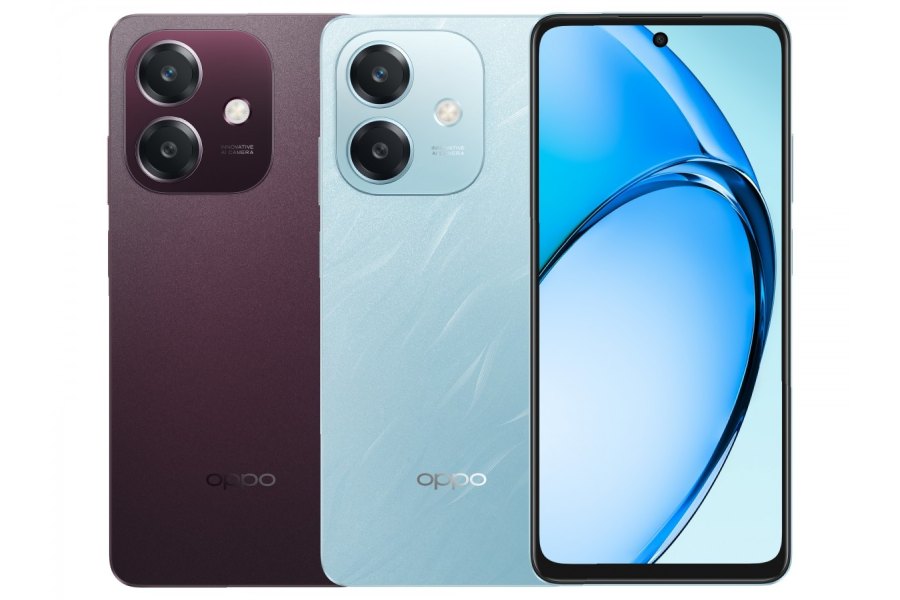
Oppo K12x in Midnight Violet and Breeze Blue
So there’s a chance that it could be a rebranded version of the Nord CE 4. To recall, the Nord CE 4 is also a rebranded version of the Oppo K12 5G (Chinese variant). Although this is still just speculation so take this with a pinch of salt for now. Unfortunately, Oppo did not reveal any other details of the K12x like its specs and pricing. But it is confirmed to launch in two color options, namely Breeze Blue and Midnight Violet. This model will measure 7.68mm ultra slim body and weighs just 186 grams.
The OnePlus Nord CE 4 was announced with the Snapdragon 7 Gen 3 SoC. The rear packs a 50-megapixel dual camera setup on the rear and a 16-megapixel selfie shooter on the front. It sports a tall 6.7-inch AMOLED display that offers a Full HD+ resolution and a 120Hz refresh rate. A large 5,500mAh battery pack that supports 100W wired fast charging. Other notable features include Bluetooth 5.4, an in display fingerprint scanner, stereo speakers, and a microSDXC SIM slot.
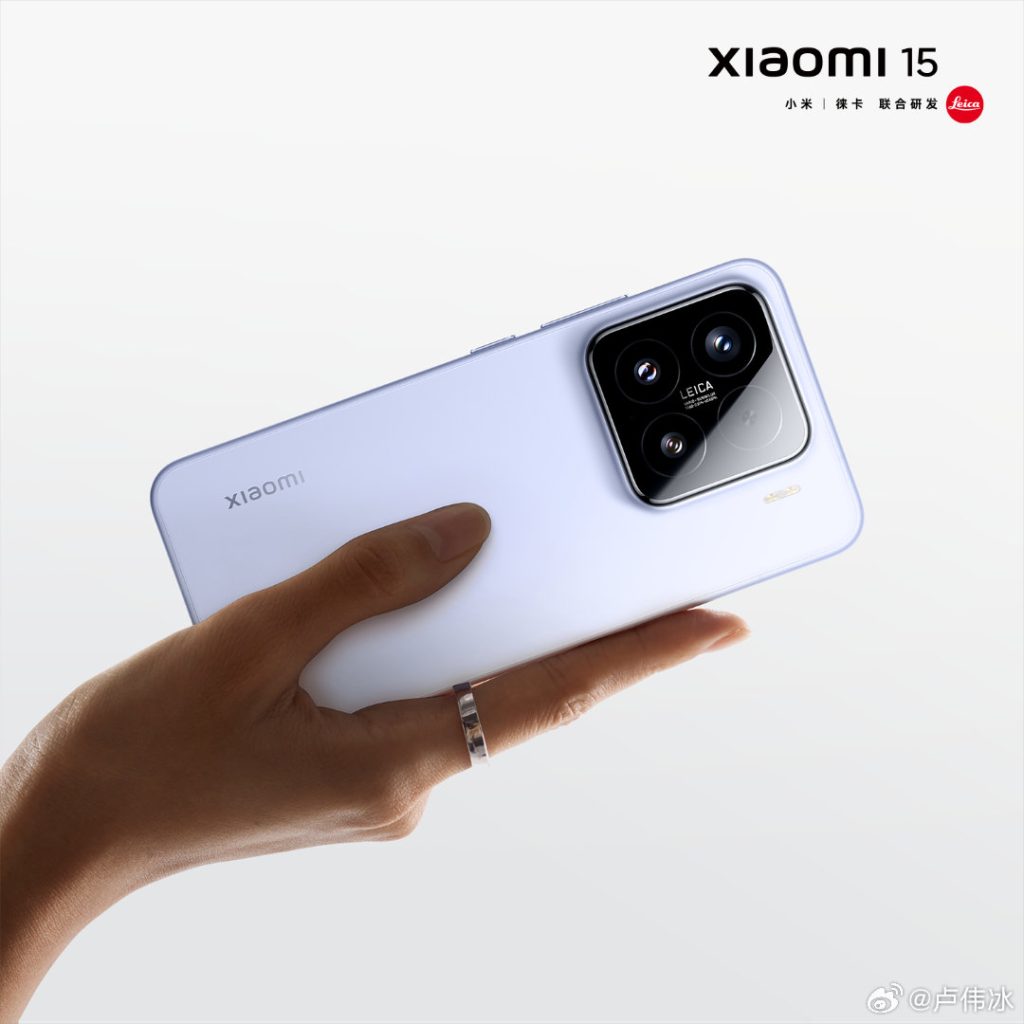
Xiaomi is expected to launch the Xiaomi 15 series in China in Q4 2024. Ahead of the launch, we have already come across several leaks and rumors about the series, the latest of which reaffirms that the phone will come with a similar design language as its predecessor.
Xiaomi 14
The phone will come with a familiar back design
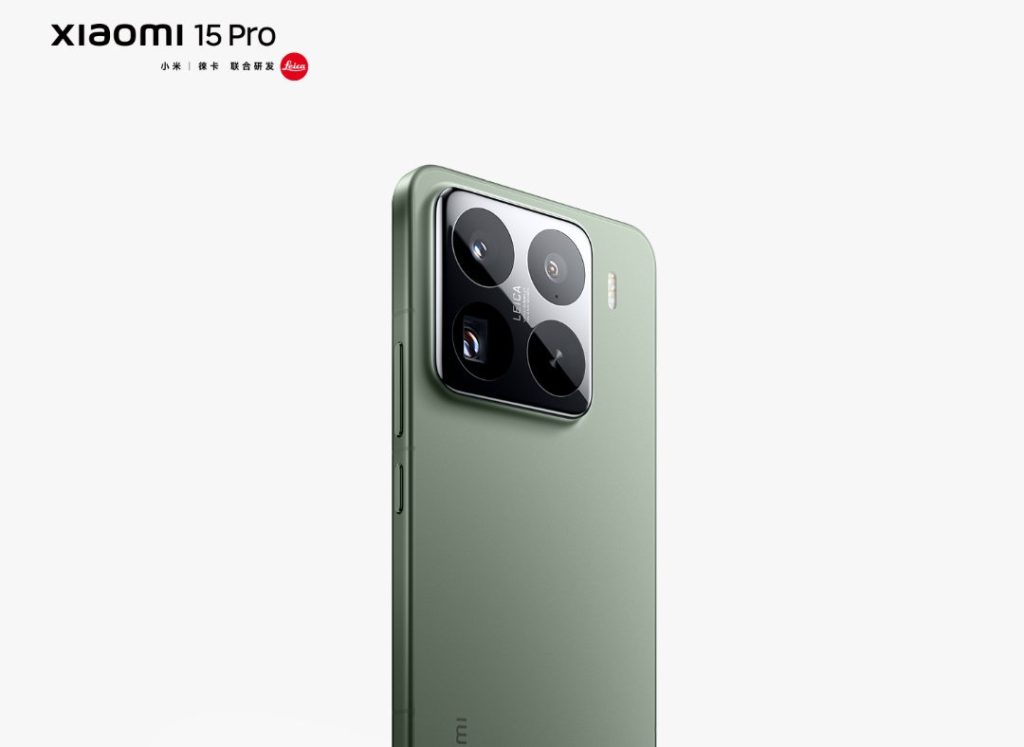
The news comes from Weibo tipster 智慧皮卡丘, who claims that the Xiaomi 15 and Xiaomi 15 Pro will have a similar square camera module on the top left of the back of the device. He also noted that the phones will come with a slightly better battery backup than the Xiaomi 14 series. Speaking of connectivity, there will reportedly be a satellite communication edition.
It was previously reported that the Xiaomi 15 and 15 Pro could be the first to come installed with HyperOS 2.0 out of the box. The tipster speculates that the phones will get better at cross-platform collaboration with the second generation of HyperOS. He also highlights that Xiaomi has focused on adding more AI features.
Speaking of the performance, the company’s new flagships will be powered by the Snapdragon 8 Gen 4 chipset, which according to Qualcomm, will be unveiled from October 21 to October 23 at this year’s Snapdragon Summit. We can expect the Xiaomi 15 series to launch in China soon after Qualcomm launches the new chip. Snapdragon 8 Gen 4 mobile platform will use TSMC’s advanced N3E node 3nm process, adopt Qualcomm’s own Oryon CPU core, and be equipped with a new Adreno GPU, which may be Adreno 830. According to previous news, the AnTuTu running score of the Snapdragon 8 Gen 4 chipset may exceed 3 million points.
According to a recent leak, the company will launch the Xiaomi 15 and 15 Ultra globally in Q1 2025. However, the Pro model is expected to remain exclusive to China.
Samsung’s upcoming Galaxy Tab S10 Ultra has just appeared on the Geekbench benchmarking platform and it clears up any uncertainty about its processor choice.
The Geekbench listing shows that the Galaxy Tab S10 Ultra, with the model number SM-X926B, will feature the MediaTek Dimensity 9300+ processor.
But there was still a lingering possibility that the top-of-the-line Tab S10 Ultra might feature the Snapdragon 8 Gen 3. However, this new benchmark listing confirms otherwise.
The Geekbench listing shows the Tab S10 Ultra with a familiar configuration for the Dimensity 9300+. This includes a cluster of four cores operating at 2.0GHz, three cores at 2.85GHz, and a single high-performance core clocked at 3.40GHz. The graphics duties will be handled by the Mali-G720-Immortalis MC12 GPU.
Performance-wise, the Tab S10 Ultra scored 2,141 points in the single-core test and 5,533 points in the multi-core test. The benchmarked device was equipped with 12GB of RAM and ran on the Android 14 operating system.
While performance benchmarks shed light on the Galaxy Tab S10 Ultra’s capabilities, details about other aspects of the tablet are still under wraps.
However, based on previous leaks, the tablet is expected to keep a similar look to its predecessor, including its dimensions and front camera placement. It will also likely retain the 14.6-inch display.
Samsung is likely to unveil the Galaxy Tab S10 series, including the Ultra model, in early 2025, alongside the Galaxy S25 series. Further details regarding pricing, availability, and additional features will likely come out closer to the official launch date.
The specs of Honor X60i have been leaked earlier, and the phone was even spotted in the TENAA certification. Now, Honor has officially started pre-orders for Honor X60i, with the phone set to arrive on July 26.
Honor X60i
While Honor hasn’t announced the price of the Honor X60i on their official website yet, they have revealed the color options. If you want to get your hands on the phone early, you’ll need to register with your Honor account. The phone comes in Phantom Black, Coral Purple, Moon White, and Cloud Blue.
Honor X60i color options
Honor X60i comes with a design similar to the iPhone, featuring boxy curved edges and the selfie camera notch. Although the official website hasn’t released the full specs, previous leaks indicated the phone might be 7.18mm thick, which is even thinner than the 7.8mm iPhone 15. It’s great to see a phone that thin with 5000 mAh battery and 35W charging.
Honor X60i will feature the MediaTek Dimensity 6080 chipset. It’s expected to come in three configurations: 8GB+256GB, 12GB+256GB, and 12GB+512GB. The phone also boasts a 6.7-inch FHD IPS display. It will have a dual-camera setup with 50MP and 2MP sensors, and an 8MP selfie shooter on the front. Previous pricing leaks suggested that the starting price of Honor X60i will be $235 USD.
Motorola has released the Moto G85 5G in India on July 10th. This mid-range smartphone includes features like a 50MP camera with optical image stabilization (OIS) and a Snapdragon 6s Gen 3 processor.
Moto G85 5G pricing & availability
The Moto G85 5G is available in three colors: Cobalt Blue, Olive Green, and Urban Grey. There are two versions: one with 8GB RAM and 128GB storage for Rs. 17,999, and another with 12GB RAM and 256GB storage for Rs. 19,999.
An introductory offer reduces the base model’s price to Rs. 16,999 with a Rs. 1,000 discount for Axis Bank credit cardholders. Buyers can also get up to 9 months of no-cost EMI on Axis Bank credit cards. The phone can be bought on Motorola India’s website, Flipkart, and other retail stores.
Moto G85 5G specs:
The Moto G85 5G features a 6.67-inch pOLED 10-bit display with curved edges, offering FHD+ resolution, a 120Hz refresh rate, and a peak brightness of 1,600 nits. The display includes a fingerprint scanner and is protected by Gorilla Glass 5. The phone has a slim design and comes in three colors with a vegan leather back panel. The rear houses a slightly elevated square camera module.
For photography, the Moto G85 5G is equipped with a 50MP Sony LYT-600 main sensor with OIS support and an 8MP ultra-wide-angle lens that also functions for macro shots. It has a 32MP front-facing camera for selfies.
Powered by the Snapdragon 6s Gen 3 processor, the Moto G85 5G offers up to 12GB of RAM and 256GB of storage. It has a 5,000mAh battery with 30W charging support and runs on Android 14, with two years of OS updates guaranteed.
OnePlus 11R is a popular mid-range smartphone that’s currently available for just under Rs. 30,000. It looks good on the spec sheet. However, several brands are offering very competitive smartphones at similar pricing.
If you’re looking to purchase the OnePlus 11R, make sure to check out these four best alternatives to make a better purchase decision.
Let’s quickly recall the OnePlus 11R via the spec sheet below:
OnePlus 11R
Body
163.4 x 74.3 x 8.7 mm 163.4 x 74.3 x 8.7 mm (Solar Red) 204 g 202 g (Solar Red)
Display
6.74″ 120Hz Super Fluid AMOLED 1240 x 2772 pixels resolution 450 PPI, HDR10+, 1450 nits (peak)
Poco F6 is much superior to the OnePlus 11R in terms of performance, thanks to the flagship Snapdragon 8s Gen 3 chip. In fact, it’s the only phone in the Rs. 30-35K price range to feature this powerful chip.
The Poco F6 has a 6.67-inch AMOLED screen with a 1.5K resolution and 120Hz refresh rate support. It supports 68 billion colors, HDR10+, and a peak brightness of 2400 nits. Compared to the OnePlus 11R, the Poco phone has a slightly smaller screen but 68 times more colors and a higher peak brightness for better visibility outdoors. Plus, it has Gorilla Glass Victus protection.
Both smartphones have a 50MP primary camera, but the OnePlus 11R has a newer Sony IMX890 sensor (vs. IMX882 on the Poco F6). The OnePlus phone may output better photos and videos. Both phones also have an 8MP ultrawide lens. However, the OnePlus 11R also has an additional 2MP macro shooter.
Both the OnePlus 11R and Poco F6 can record up to 4K videos at up to 60 frames per second (fps). There’s a 20MP selfie camera on the Poco F6 for selfies and video calls, whereas the OnePlus 11R has a 16MP camera.
Both phones can record up to 1080p video with its selfie camera, but the Poco F6 supports higher fps.
The Poco F6 and OnePlus 11R have the same set of connectivity features, except for a newer Bluetooth standard on the Poco F6. The batteries inside them have the same 5,000mAh capacity. However, the OnePlus phone has a little faster wired charging support.
In short, the Poco F6 has a better display and performance than the OnePlus 11R. However, the camera setup is slightly better on the OnePlus 11R, but the Poco F6 can also take good shots.
The iQOO Neo 9 Pro is another excellent alternative to the OnePlus 11R, featuring a Snapdragon 8 Gen 2 chip. It’s more powerful than the Snapdragon 8+ Gen 1-powered OnePlus 11R. So, the performance is better on the Neo 9 Pro.
The OnePlus 11R and iQOO Neo 9 Pro have nearly the same screen size, although they differ greatly. For instance, the iQOO phone has a higher screen refresh rate, peak brightness, and more pixels. Notably, it has an LTPO panel that automatically adjusts the refresh rate to offer maximum smoothness while saving the battery. iQOO Neo 9 Pro takes the lead here, again.
Both smartphones feature a 50MP primary camera on the back, but the iQOO Neo 9 has a better Sony IMX sensor than the OnePlus 11R. They also have an 8MP ultrawide sensor. However, there’s an additional 2MP macro camera on the OnePlus 11R.
The iQOO Neo 9 Pro can record up to 8K videos but is limited to 4K on the OnePlus phone. Both phones have a 16MP sensor for selfies and video calls that can record up to 1080p videos.
The iQOO Neo 9 Pro has a slightly larger battery with support for faster-wired charging compared to the OnePlus 11R. Hence, more screen time and less charging time on the iQOO phone.
This iQOO phone starts at around Rs. 38,000, slightly costlier than the OnePlus 11R. If it goes out of your budget, consider checking out the iQOO Neo 7 Pro.
3. Realme GT 6T
Realme GT 6T
Display
6.78″ 120Hz LTPO AMOLED 1264 x 2780 pixels resolution 6000 nits (peak) Gorilla Glass Victus 2
Realme GT 6T is better than the OnePlus 11R in many ways. Firstly, it has the benefit of an LTPO panel and a peak brightness of 6000 nits (vs. 1450 nits on the OnePlus 11R).
The Realme GT 6T phone is powered by a Snapdragon 7+ Gen 3 chip. At first, it might seem like a downgrade to the Snapdragon 8+ Gen 1-powered OnePlus 11R, but that’s not true, thanks to Qualcomm for a confusing naming scheme. The Snapdragon 7+ Gen 3 actually performs better than the Snapdragon 8+ Gen 1 because of better CPU cores.
The Adreno 732 GPU in the SD 7+ Gen 3 is also better than the Adreno 730 inside the SD 8+ Gen 1. The combination of a faster CPU and GPU makes the Realme GT 6T a good choice over the OnePlus 11R for performance-friendly people.
Both the OnePlus 11R and Realme GT 6T have a 50MP primary rear camera, although they use different sensors. For example, the OnePlus phone uses the Sony IMX890, and the Realme GT 6G has a Sony LYT-600 sensor. They also feature an 8MP ultrawide sensor. However, the OnePlus 11R also has an additional 2MP macro camera.
The 32MP selfie camera (2X resolution of the OnePlus 11R) can record up to 4K videos but is limited to 1080p on the OnePlus 11R. The Realme GT 6T has the advantage of a bigger battery with faster wired charging support.
For those who want to remain loyal to OnePlus and prioritize battery and performance over camera, the OnePlus Nord 4 can be a good choice over the OnePlus 11R.
The display is largely the same on both phones except for a higher peak brightness on the Nord 4.
The OnePlus Nord 4 has a Snapdragon 7+ Gen 3 SoC, which is more powerful than the Snapdragon 8+ Gen 1 used in the OnePlus 11R.
Both smartphones have a 50MP primary camera + 8MP ultrawide camera on the rear side. However, the OnePlus 11R has an additional 2MP macro shooter. The phones also have a 16MP selfie camera.
The OnePlus Nord 4 has a bigger battery than the OnePlus 11R, although the charging speed remains unchanged.
The connectivity features are the same on both phones except for a newer Bluetooth standard on the Nord 4. However, there’s a big difference in the software update policy. The OnePlus 11R ships with Android 13 and is promised three years of Android updates and four years of security updates. The Nord 4, on the other hand, comes with Android 14 and will get four years of Android updates and six years of security updates.
Please Note: When you buy something using the links in our articles, we may earn a small commission at no cost to you.
Which one of these phones is the best alternative to the OnePlus 11R? And, what are the three most important factors you consider when purchasing a phone? Share your thoughts in the comments below.
Realme will announce its next gen smartwatch model, the Watch S2, along with the Realme 13 Pro series in India later this month. Now, fresh teasers have revealed some of its key specs and features. This includes its impressive battery life and AI powered features.
Realme Watch S2 Teaser
The Realme Watch S2 has recently surfaced on official microsites on Flipkart and the brand’s official website. These also tease the upcoming smartwatches highlighting features. Previously, the wearable visited the FCC database with a 380mAh battery pack, which has now been confirmed. The company promises that this 30mAh cell will offer up to 20 days of battery life.
AI is employed in the device customization aspect. Users can choose from more than 110 sports modes that are analyzed with AI as well as create their own watch faces with AI. This technology is also used to improve the experience with the built in voice assistant. The Chinese brand announced a new Realme R-Pass will be arriving soon for an Early Bird offer. This will likely bring special launch offers to the buyers who purchase the Realme Watch S2 during the initial sale period.
The launch date and support for ChatGPT AI voice assistant were confirmed last week. But apart from this, finer details like its internal hardware are still at large. However, we know that it will sport a circular display with a golden rim, matching the Monet Gold on the Realme 13 Pro series. We can also see two buttons on the right side that are likely for navigation and other functionality. Like its predecessor, it would likely feature an AMOLED display and support GPS as well. You can click here to check out a leak we covered that revealed the Watch S2’s full design.
Just weeks before Google‘s official unveiling of the Pixel 9 series on August 13th, purported real-life images of the Pixel 9 Pro XL have surfaced on the XDA forums, shedding light on some of its internal configurations.
The leaked image shows the phone’s boot menu, confirming the Pixel 9 Pro XL will have a whopping 16GB Samsung LPDDR5 RAM. Before this, Pixel phones maxed out at 12GB of memory.
While this isn’t the first time we’ve seen an Android phone with 16GB of RAM, what’s noteworthy here is that it’s paired with only 256GB of storage. Typically, manufacturers pair higher RAM with higher-tier storage options like 1TB.
The reason for this choice isn’t clear yet, but it might be related to the increasing demands of on-device AI functionalities. Google has heavily focused on AI in recent Pixel iterations, and 16GB of RAM should help ensure these AI features run smoothly on the device.
Beyond the memory bump, the Pixel 9 Pro XL appears set to adopt Samsung’s latest Exynos 5400 baseband chip. It will replace the Exynos 5300 in the Pixel 8 series.
Samsung states that this chip supports the 3GPP Release 17 standard, enabling peak data transfer rates of up to 14.79Gbps. Exynos 5400 is also rumored to enable satellite communication features for the Pixel 9 smartphones.
The Pixel 9 Pro XL brings back the “XL” branding for the first time since the Pixel 4 XL in 2019. It’s expected to boast a stunning 6.7-inch OLED display with a smooth 120Hz refresh rate and sharp 1344 x 2992 resolution, all protected by Gorilla Glass Victus 2.
Around the back, the device will feature a triple camera setup with three 50MP sensors for the primary, wide-angle, and telephoto lenses. The telephoto lens is expected to offer up to 5x optical zoom. Keeping the device powered up will be a 5050mAh battery that will support 30W wired charging.
Following its launch in China earlier this month, Xiaomi is expected to release its first flip phone, the Mix Flip, globally. Although the company hasn’t officially confirmed this, tipster Chun on X (formerly Twitter) revealed earlier this week that the Mix Flip will be available internationally, though only in select markets.
The same tipster has now shared more details about the foldable phone. According to the leak, the Mix Flip will come in two color options globally: black and rose gold. This is a slight change from the three colors offered in China: black, white, and the special “Phoenix Feather Fiber Edition.”
Mix Flip global: 12/512 rose and black. EU and East/Southeast Asia launch soon
The leak also suggests that Mix Flip is expected to be available soon in the European Union and across East and Southeast Asia. However, it won’t be launched in India, as there is no mention of an Indian variant in Xiaomi’s servers, according to the tipster.
Perhaps most interesting is the rumored pricing. The leak says the Mix Flip will be priced around $100 cheaper than its main competitor, the Samsung Galaxy Z Flip 6. With the Z Flip 6 starting at $1,099, this would position the Mix Flip around the $999 mark. The reason for the cheaper pricing is said to be the lack of wireless charging and the use of a conventional USB 2.0 port.
Mix Flip will be around $100 cheaper than Flip 6. Reasons: no wireless charging, USB 2.0
Specifications-wise, the Mix Flip boasts a standout 4.01-inch cover display, the largest in its category. This screen offers a 120Hz refresh rate, 1.5K resolution, and peak brightness of 3,000 nits. The internal main display matches these specifications at 6.86 inches.
Powering the device is the Snapdragon 8 Gen 3 chipset, paired with up to 16GB RAM and 1TB storage. The imaging system includes a Leica-branded dual rear camera setup comprising a 50MP main OIS sensor and a 50MP floating telephoto unit. And for selfies, there is a 32MP lens housed in a punch-hole cutout A 4,780mAh battery with 67W fast charging keeps the lights on.
Vivo is working on the V40 series of smartphones that are set to launch in India soon. But ahead of any official announcement, the company’s upcoming devices have surfaced in another report. This has revealed its battery size and its IP rating.
Vivo V40 series leak
The news arrives from industry sources close to the matter who shared the information with 91Mobiles. Reportedly, the Vivo V40 series will launch in India as the slimmest phone with a large 5,500mAh battery pack. To recall, the lineup consists of the base Vivo V40 and the higher end Vivo V40 Pro. Sources also added that the two models will offer an IP68 rating for water and dust resistance.
This implies that the Vivo V40 launch in India could feature specs identical to the European version. While the sources did not explicitly state any difference between the V40 and V40 Pro in terms of battery capacity, there are likely upgrades in the Pro model. So the Vivo V40 Pro may support a higher fast charging rate. The report claims that the Vivo V40 lineup will be released in India in multiple color options, namely Ganges Blue, Lotus Purple, and Titanium Gray. Ganges Blue is a new color that could be exclusive to the country.
Apart from the IP rating, it was revealed that the Vivo V40 series will have a cushioning structure for durability. The devices could drop with a 3D curved display on the front, while the rear packs a new Infinity Eye Camera module. Based on what we know so far, the Vivo V40 series is set to launch with Zeiss cameras. These are the brand’s premium mid range offerings, which are expected to launch sometime next month. This is all the information we have at the moment, so stick around for more updates.
On July 13, Asus released the ROG Ally X gaming handheld in the Chinese market. This console, introduced globally last month, has many improvements over its predecessor, the ROG Ally Z1 Extreme model. It is now available in China for 5,799 yuan ($797) on JD.com and can also be bought globally for $799.
Asus ROG Ally X specs:
The Asus ROG Ally X boasts a powerful AMD Ryzen Z1 Extreme Processor built on Zen 4 architecture and a 4nm process, featuring 8 cores and 16 threads. Its display is a 7-inch FHD (1920 x 1080) 120Hz IPS-level LCD with a 16:9 aspect ratio, 100% sRGB color gamut, and a glossy finish protected by Corning Gorilla Victus. This handheld device is equipped with 24GB LPDDR5X-7500 RAM and a 1TB PCIe 4.0 NVMe M.2 SSD (2280), ensuring ample storage and rapid data access.
The ROG Ally X comes with an 80Wh Li-ion battery, supports 65W USB Type-C charging, and runs on Windows 11 Home. It features a new dual fan system that increases airflow by 10% for improved cooling. Connectivity options include a Thunderbolt 4 port with DisplayPort support, a USB 3.2 Gen 2 Type-C port, a 3.5mm headphone jack, a UHS-II microSD card reader, Wi-Fi 6E (triple-band), and Bluetooth 5.2. For audio, it offers Hi-Res certified sound with AI noise-cancellation.
The device also benefits from an improved internal cooling system, better airflow, and enhanced display cooling. The redesigned ergonomic chassis includes deeper handgrips, improved joysticks and D-pad, repositioned controls, and a recessed fingerprint sensor.
Hot on the heels of the iQOO Z9 Lite‘s launch, the company is gearing up to introduce new phones in India under the iQOO Z9s series. The news comes courtesy of a recent post by iQOO India CEO Nipun Marya on X (formerly Twitter).
Marya shared an official poster for the Z9s series today, simply stating, “The wait is over! Brace yourself for a fully loaded ‘Z’ vibe.” The poster also cryptically mentions being “fully loaded for the mega tasers,” hinting at a powerful processor for smooth performance.
The poster shows a smartphone with a boxy form factor and a glossy back panel. The camera module is positioned in the top-right corner and houses a triple-camera setup accompanied by a ring light. Notably, the design is quite similar to the existing iQOO Z9x launched in India a couple of months back.
The company is tight-lipped on the specifics of the phone though. However, as the launch draws closer, more information about the iQOO Z9s series is likely to emerge.
For now, let’s take a look at the specifications of iQOO Z9, currently the most specced unit in the lineup.
The iQOO Z9 5G comes with a 6.67-inch Full HD+ AMOLED panel complemented by a refresh rate of 120Hz along with 1800 nits of peak brightness. The handset is IP54 rated for dust and splash-resistant.
The phone is powered by a 4nm MediaTek Dimensity 7200 chipset, paired with a Mali-G610 GPU that improves all graphics-intensive tasks. This is paired with up to 8GB of LPDDR4x RAM and up to 256GB of UFS 2.2 storage. You can also go for up to 1TB of expandable storage using a MicroSD card slot.
Huawei‘s much-anticipated Nova 13 series smartphone launch has been pushed back, according to reliable industry tipster Digital Chat Station. The series, which was initially slated for an August debut, will now not be making an appearance.
Instead, the Chinese tech giant is gearing up to unveil a Nova-branded flip phone in its stead. While details about this new device remain scarce, the Nova line’s reputation for offering high-end features at competitive prices suggests a similar approach for the upcoming flip phone.
As for the delayed Nova 13 series, whispers hint at a few interesting specs. The Pro and Ultra models are rumored to feature satellite connectivity, a feature that has gained traction in recent times. Powering these devices could be the same flagship Kirin 9010 SoC that drives the recently launched Huawei Pura 70 series.
The Nova 13 series might also inherit the XMAGE camera branding currently found on Huawei’s Pura and Mate flagships. The series is also tipped to offer improved selfie photography with dual front-facing cameras.
Moving on to the display, leaks suggest a flat screen for the standard Nova 13, while the remaining models might sport a slightly curved design. All devices are rumored to offer a 1.5K resolution display, a comfortable middle ground between Full HD and Quad HD.
The Nova 13 series is also expected to come pre-installed with the HarmonyOS Next operating system. The rear camera system is said to include variable aperture technology for the main camera, with a periscope telephoto lens likely reserved for the higher-tier models. Although these details are unconfirmed, they suggest a potentially feature-rich mid-range offering.
While the delay in the Nova 13 series launch is undoubtedly disappointing for fans, the prospect of a Huawei-branded flip phone adds an intriguing dimension to the company’s smartphone portfolio. We will keep you updated on any new developments regarding these smartphones.
Xiaomi recently announced that it will be launching the Redmi Pad SE 4G, aka the Redmi Pad SE 8.7 on July 29 in India. The brand dropped a few tidbits of details during the initial announcement, however, finer details about the tablet are yet to be officially confirmed.
That said, tipster Sudhanshu Ambhore has recently shared the renders and specifications of the Redmi Pad SE 8.7 on X (formerly Twitter). As per the shared renders, the tablet will come with a boxy design and thick bezels on the front. The tablet will also have top and bottom firing speakers and a 3.5mm audio jack.
As for the specifications, the tablet is claimed to feature an 8.7-inch LCD display with 1340 x 800 pixels HD resolution. Under the hood, it will host a MediaTek Helio G99 processor, paired with 4 GB of RAM and 64 GB /128 GB storage. The tablet will feature a microSD card slot that enables up to 2TB storage expansion. For optics, the tablet will feature an 8MP main and a 5MP front camera.
The speakers will come with Dolby Atmos audio support, and the operating system will be based on Android 14. It will draw power from a 6650mAh battery that can be charged through a USB-C port. The tipster has not confirmed support for 4G LTE for this model, although we know through the official announcement that a 4G model exists. These details will likely be confirmed in the coming days.
In related news, Redmi has also recently announced the Redmi Buds 5C in India. The Buds 5C features an in-ear design with a stem and silicon ear tips, and is IP54 dust and splash-resistant. It offers 36 hours of battery life with its 480mAh case and 7.5 hours from the earbuds. Equipped with 12.4mm titanium drivers, the Buds 5C provides five sound profiles, 40dB hybrid active noise cancellation, transparency mode, and quad-mics AI noise cancellation.
Xiaomi is expected to unveil the Xiaomi 15 and 15 Pro in October of this year. Both devices are expected to debut as the world’s first Snapdragon 8 Gen 4-powered smartphones. Tipster Digital Chat Station has been gradually leaking details about the 15 series. In a Weibo post released today, the tipster shared new information about what appears to be the battery size and fast charging capabilities of the Pro variant.
Xiaomi 15 Pro battery, fast charging details leaked
The latest leak suggests that Xiaomi is testing the 15 Pro with a massive 6,000mAh battery with 90W fast charging support. This contradicts his previous leak, which suggested that the 15 Pro has a 5,400mAh large silicon battery that supports 120W fast charging and wireless charging.
Other reports have claimed that its rear camera setup will have three 50-megapixel cameras. There is a possibility that it could be equipped with an OmniVision OV50K primary sensor with an f/1.4-f/2.5 variable aperture. Its Sony IMX8-series periscope telephoto camera is expected to support up to 5x optical zoom.
Other reports have revealed that the Xiaomi 15 Pro will have a 6.73-inch OLED panel with micro-curvature design on all four sides. It will support a 2K resolution and a 120Hz refresh rate. For security, it may feature an ultrasonic in-screen fingerprint sensor. It is also expected to offer an IP69-rated dustproof and water-resistant chassis.
In related news, the Xiaomi 15 will be a compact flagship featuring a flat OLED panel with support for a 1.5K resolution and an ultrasonic in-screen fingerprint sensor. It is also expected to feature three 50-megapixel cameras on the back. It may ship with up to 16 GB of RAM and 1 TB of storage.
We use cookies on our website to give you the most relevant experience by remembering your preferences and repeat visits. By clicking “Accept”, you consent to the use of ALL the cookies.
This website uses cookies to improve your experience while you navigate through the website. Out of these, the cookies that are categorized as necessary are stored on your browser as they are essential for the working of basic functionalities of the website. We also use third-party cookies that help us analyze and understand how you use this website. These cookies will be stored in your browser only with your consent. You also have the option to opt-out of these cookies. But opting out of some of these cookies may affect your browsing experience.
Necessary cookies are absolutely essential for the website to function properly. This category only includes cookies that ensures basic functionalities and security features of the website. These cookies do not store any personal information.
Any cookies that may not be particularly necessary for the website to function and is used specifically to collect user personal data via analytics, ads, other embedded contents are termed as non-necessary cookies. It is mandatory to procure user consent prior to running these cookies on your website.