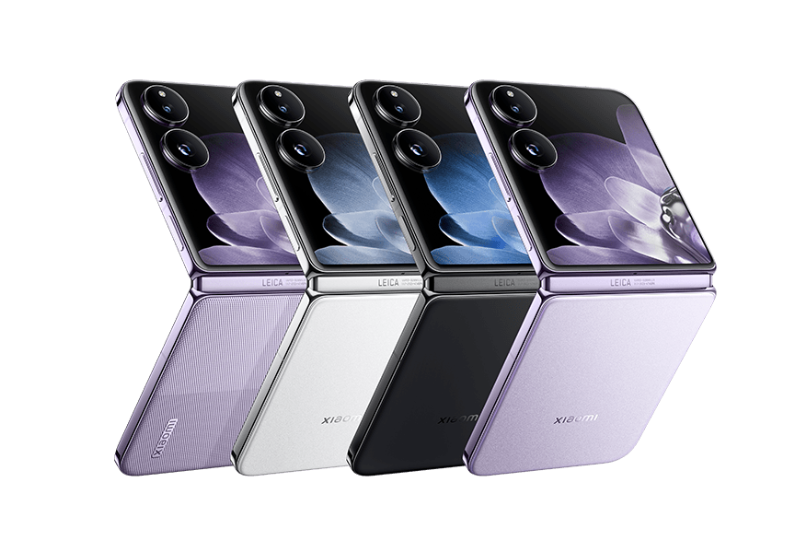
Xiaomi recently announced a limited edition variant of its popular Xiaomi 14 Civi smartphone in India, dubbed the “Panda Design.” This special edition model is set to launch on July 29th, 2024. This new offering promises a unique blend of aesthetics and premium materials, reminiscent of the previously released Civi 4 Pro Limited Edition in China.
The core of the Panda Design lies in its distinctive finish. Unlike the standard Xiaomi 14 Civi, which boasts a sleek glass back, the limited edition model introduces a dual-finish concept, combining glass and vegan leather. This innovative approach not only adds a tactile dimension to the device but also creates a visually striking contrast. The color palette for the Panda Design includes Pink, Monochrome, and Blue, each offering a distinctive aesthetic appeal.
Interestingly, the color scheme of the Xiaomi 14 Civi Panda Design bears a striking resemblance to the hues offered for the Xiaomi SU7 EV. While the brand hasn’t explicitly drawn a connection between the two, the parallel is undeniable. This shared color palette suggests a potential synergy between Xiaomi’s automotive and smartphone divisions, aiming to create a cohesive brand identity.
2. Specifications and Features
Apart from the design changes, the Xiaomi 14 Civi Panda Design is expected to share the same specifications as the standard model. Xiaomi 14 Civi features a 6.55-inch OLED display with a 120Hz refresh rate, 1.5K resolution, and 3000 nits peak brightness.
Under the hood, it is powered by Qualcomm Snapdragon 8s Gen 3 SoC which promises smooth multitasking and gaming. The Xiaomi 14 Civi runs on Android 14 OS with Xiaomi’s HyperOS custom skin, offering a user-friendly interface and additional features.
The camera setup includes a 50-megapixel triple camera system on the rear, capable of capturing detailed photos and videos. On the front, a 32-megapixel shooter caters to selfies and video calls.
The phone is backed by a 4,700mAh battery with 67W wired fast charging, providing ample power to last through the day.
3. Availability and Pricing
The Xiaomi 14 Civi Panda Design is expected to be available in the top-end 12GB + 512GB storage configuration, though official pricing details are yet to be revealed. This limited edition variant will likely be priced slightly higher than the standard Xiaomi 14 Civi due to its unique design and premium materials.
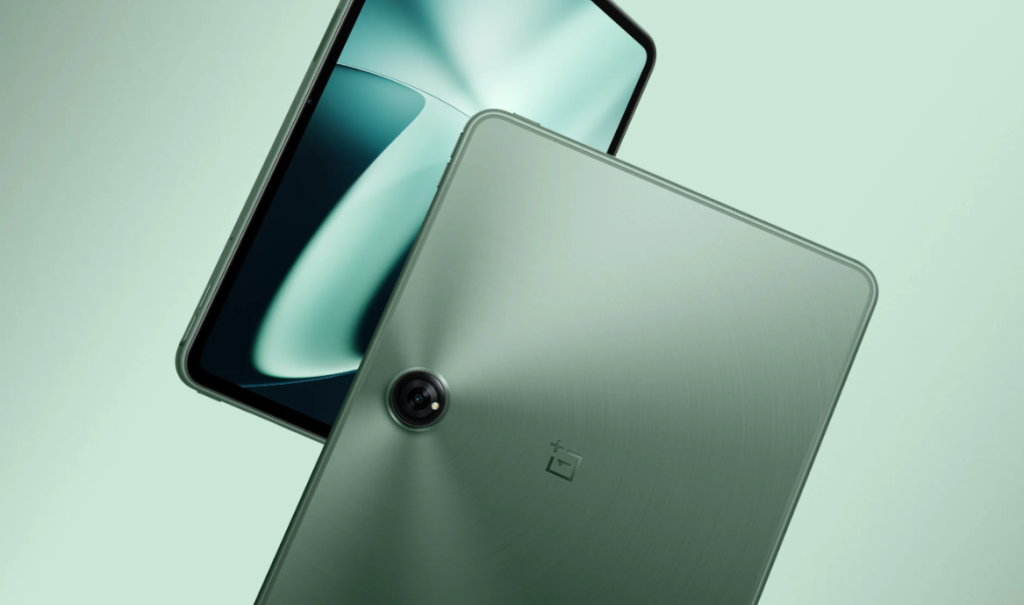
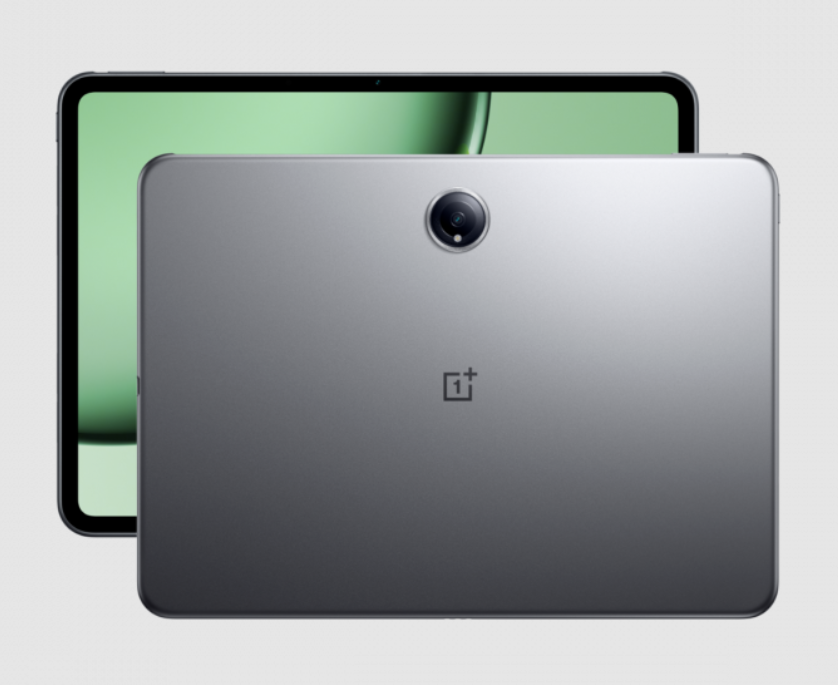
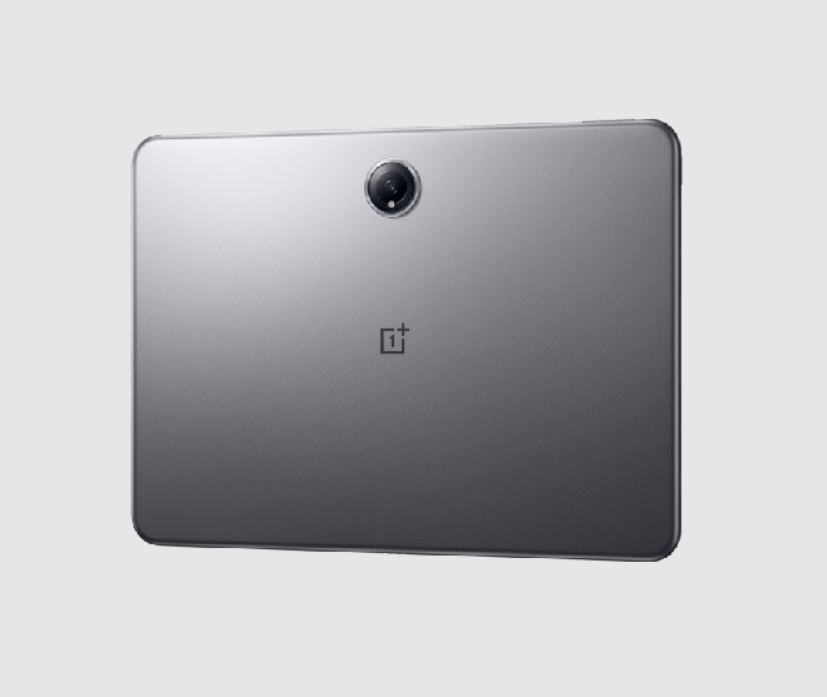
OnePlus had already rolled out the July security patch for OnePlus 11 and OnePlus 12. Now, they have also released the July security patch for OnePlus Pad owners.
The OxygenOS 14.0.0.620 update for OnePlus Pad only includes the July security patch and doesn’t come with any changes to the user interface or system.
OnePlus Pad – OxygenOS 14.0.0.620
According to a post on OnePlus’s official OnePlus Community forum, this update is specifically for the Indian OnePlus Pad. The version number for the new update is OPD2203_14.0.0.620(EX01). If you have any more questions about the update, you can visit the official OnePlus Community using the link provided.
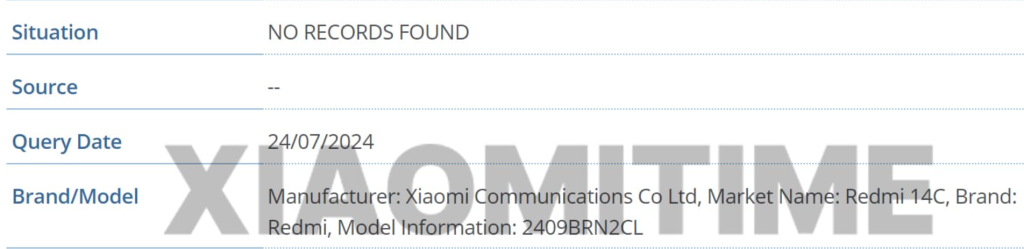
The Redmi 14C has been spotted in the IMEI database and it looks like Xiaomi is preparing to officially launch this model in the near future. Previously spotted as 2409BRN2CL, the device is now officially listed as the Redmi 14C, and this is a pretty big step towards launch. This information was spotted by the XiaomiTime team.
Redmi 14C spotted in HyperOS source code & IMEI database
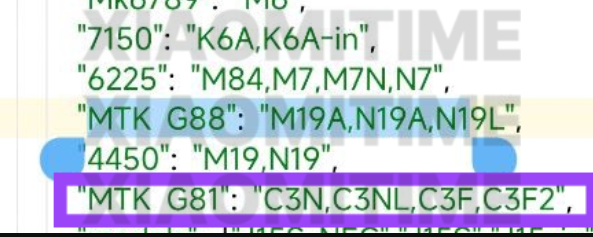
The Redmi 14C, “C3N”, and “C3NL” have internal model numbers, and their recent discovery makes the device that much more important. According to information contained in the HyperOS source code, the Redmi 14C was the first device found to be powered by the MediaTek Helio G81 processor. Of course, Xiaomi may have made some mistakes in the processor names.
Because the Redmi 13C was launched with the Helio G85, they may not want to use a processor named “G81” in the new model. You have to remember that this processor is based on MT6768. The smartphone can also use the processor with the name “Helio G91 Ultra”. Don’t pay much attention to the name changes. In any case, the Redmi 14C will perform the same as the Redmi 13C.
Detailed Model Numbers and Regional Variants
The Redmi 14C has been spotted in the IMEI Database with model number 2409BRN2CL and the other model numbers below also belong to the new smartphone. Also, the new Redmi 14C will be sold in the international market, India and China.
2409BRN2CG
2409BRN2CI
2409BRN2CY
2409BRN2CA
2409BRN2CL
2409BRN2CC
Redmi 14C will ship with Android 14-based HyperOS 1.0 out of the box. The launch date of the device is still unknown. Therefore, you will have to wait patiently.
OnePlus just released the July 2024 security patch for OnePlus 11 and OnePlus 12. The update is now available for OnePlus 11 users in India and North America, while OnePlus 12 users in India, Europe, and global regions can also get it.
This new OxygenOS update focuses solely on the July 2024 security patch, with no changes to the interface or system features. OnePlus announced on their official Community forum that the updates are still in roll-out phase. If you haven’t received the update yet, don’t worry—it will be available to all devices gradually. The OxygenOS 14.0.0.830 update for both OnePlus 11 and OnePlus 12 brings the July 2024 security patch.
OxygenOS 14.0.0.830 update for OnePlus 11 and OnePlus 12
For OnePlus 11, the version number is CPH2447_14.0.0.830(EX01) for Indian devices and CPH2451_14.0.0.830(EX01) for North American devices. OnePlus 12 users in India will see version number CPH2573_14.0.0.830(EX01), while European and global users will have version number CPH2581_14.0.0.830(EX01). You can compare these version numbers by tapping on system updates in your settings.
If you have any questions about the new update or want to report a bug, visit the official OnePlus Community forum using the links provided for OnePlus 11 and OnePlus 12.
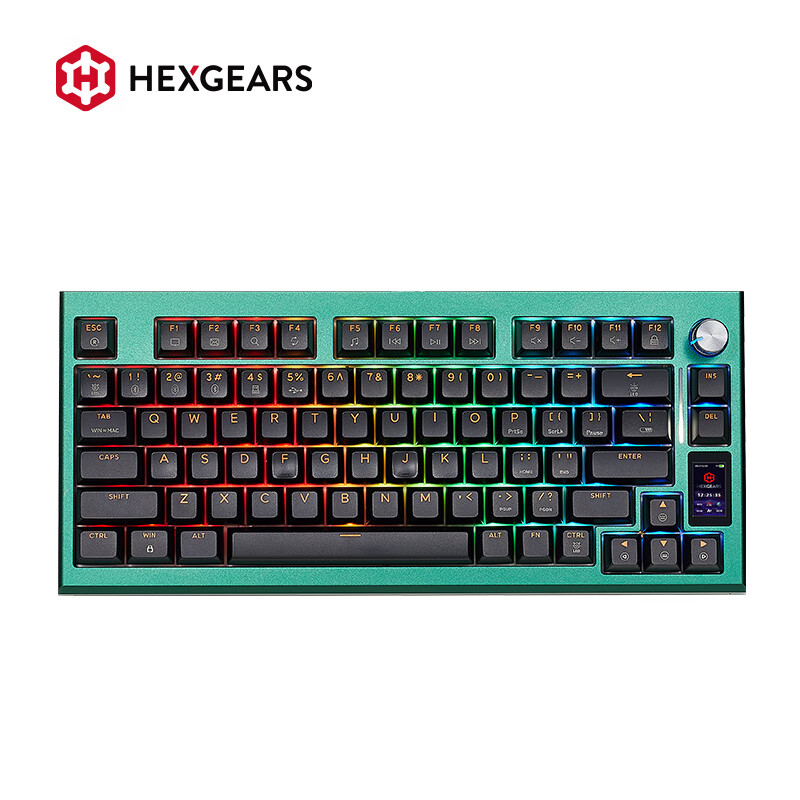
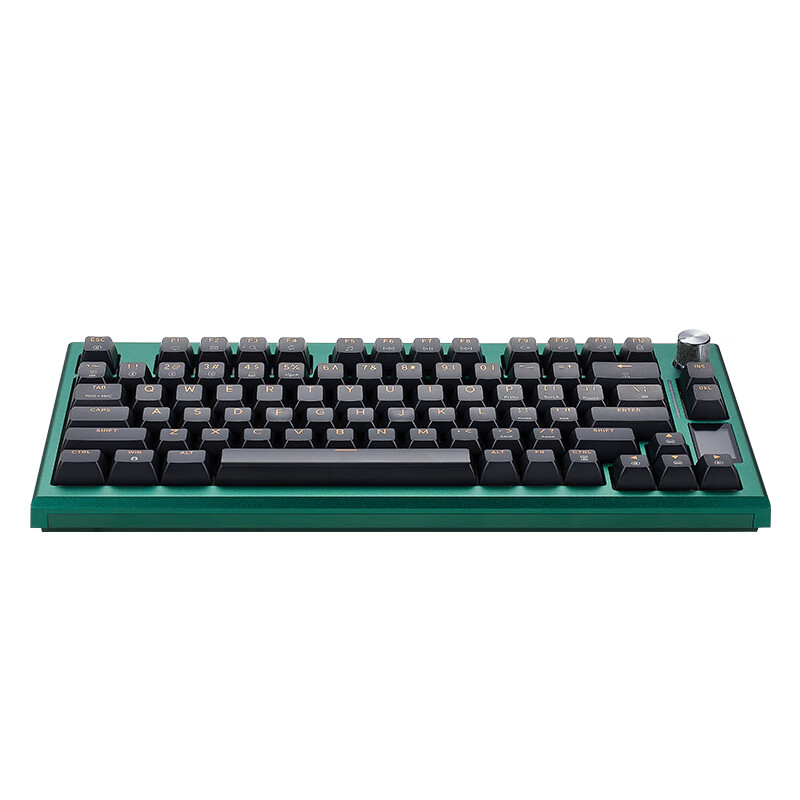
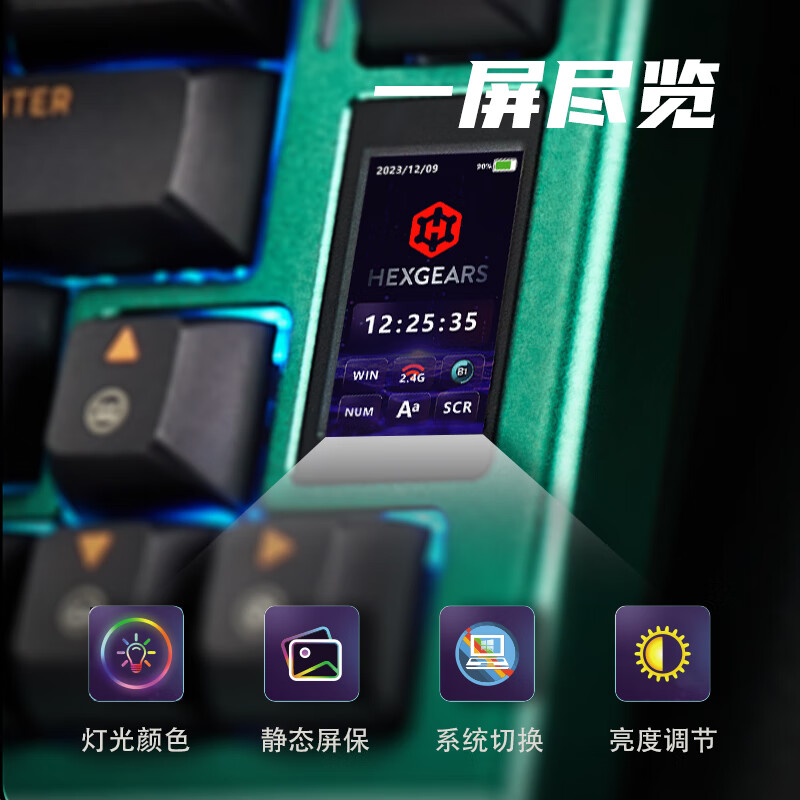
Hexgears has officially announced its latest mechanical keyboard called the Z2 Pro in the Chinese market. The keyboard boasts a unique design, featuring a 1.14-inch TFT color screen and a multifunctional knob. Let’s check out its key specs.
Hexgears Z2 Pro Specifications:
The Z2 Pro boasts a 79-key layout with both the top and bottom covers made of aluminum alloy. It is equipped with a double-stage footstand, enhancing its ergonomic design.
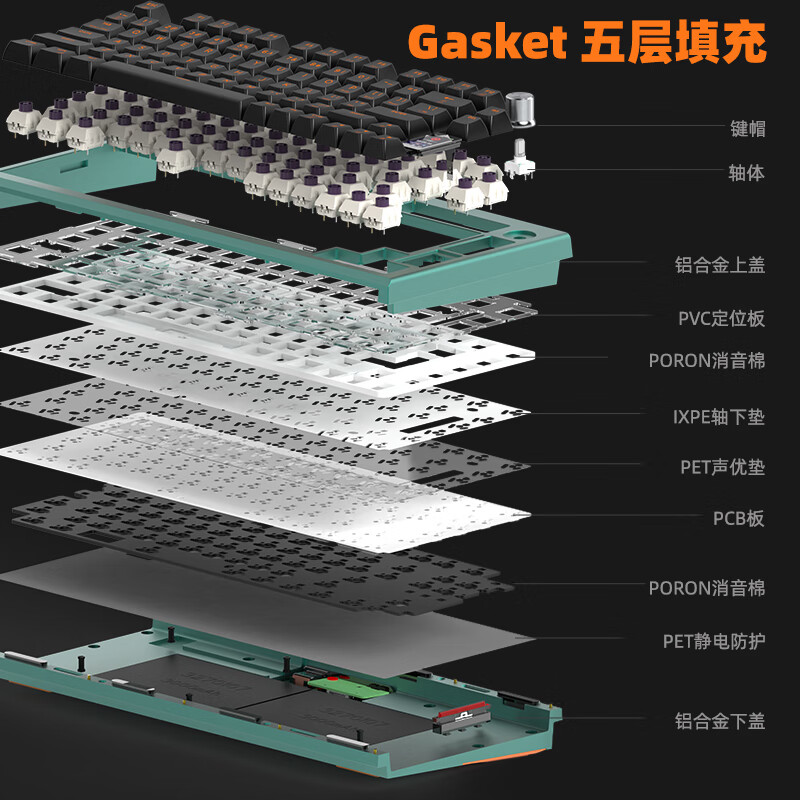
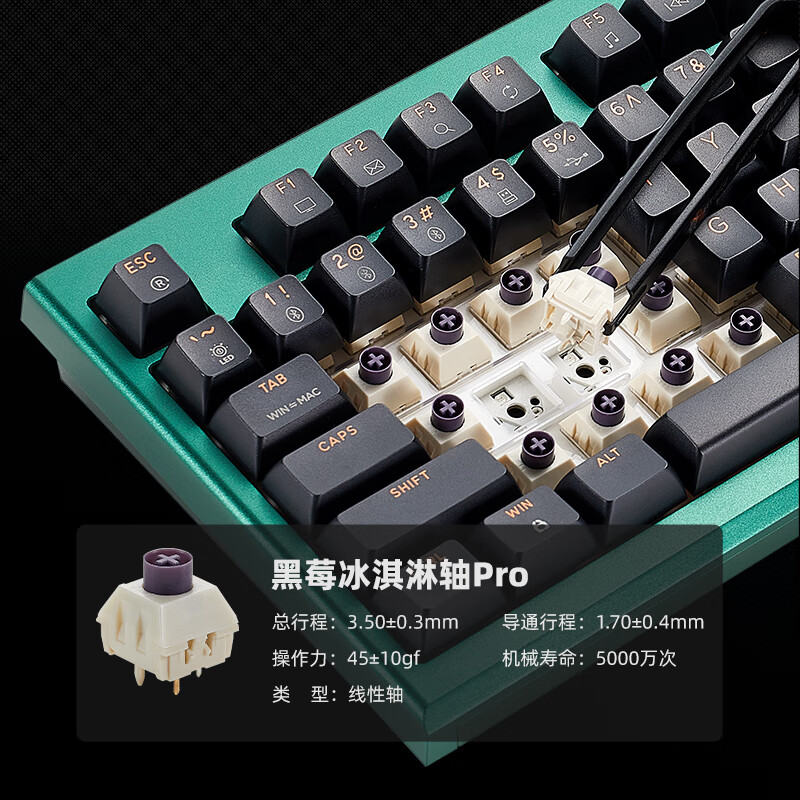
Internally, the Z2 Pro features a Gasket five-layer padding structure and a high-transparency acrylic hollow positioning plate. The switches are hot-swappable with a five-pin layout, allowing for easy customization. The keycaps are made from dual-color PBT injection material, known for their durability and resistance to wear.
The keyboard comes with Kailh Blackberry Ice Cream Pro switches, which are linear and provide a smooth typing experience. The specific parameters of these switches include a total travel distance of 3.50±0.3mm, an actuation travel of 1.70±0.4mm, and an actuation force of 45±10gf. These switches have a mechanical lifespan of up to 50 million keystrokes.
The Z2 Pro also comes with a multifunctional knob and a 1.14-inch TFT color screen located on the right side. This screen is capable of displaying a variety of information, adding a layer of customization and functionality. The keyboard also supports RGB lighting effects, contributing to its aesthetic appeal.
This keyboard supports wired, Bluetooth, and 2.4GHz wireless connections, ensuring versatile usage options. Additionally, it offers a 1000Hz polling rate, promising minimal latency for a smooth user experience. The keyboard is powered by a substantial 5000mAh battery.
In terms of accessories, the Z2 Pro includes a switch puller, a keycap puller, and a Type-C USB data cable. The keyboard’s dimensions are 330x147x48 mm, and it weighs 1546 grams. The Z2 Pro is also compatible with custom driver software, allowing users to personalize their keyboard settings further.
Pricing and Availability
Hexgears is set to commence pre-sales for the Z2 Pro “Wild Flower” keyboard on July 26 at 10:00 AM. The keyboard is expected to be available for purchase on major e-commerce platforms soon after. The keyboard is priced at 729 Yuan ($100).
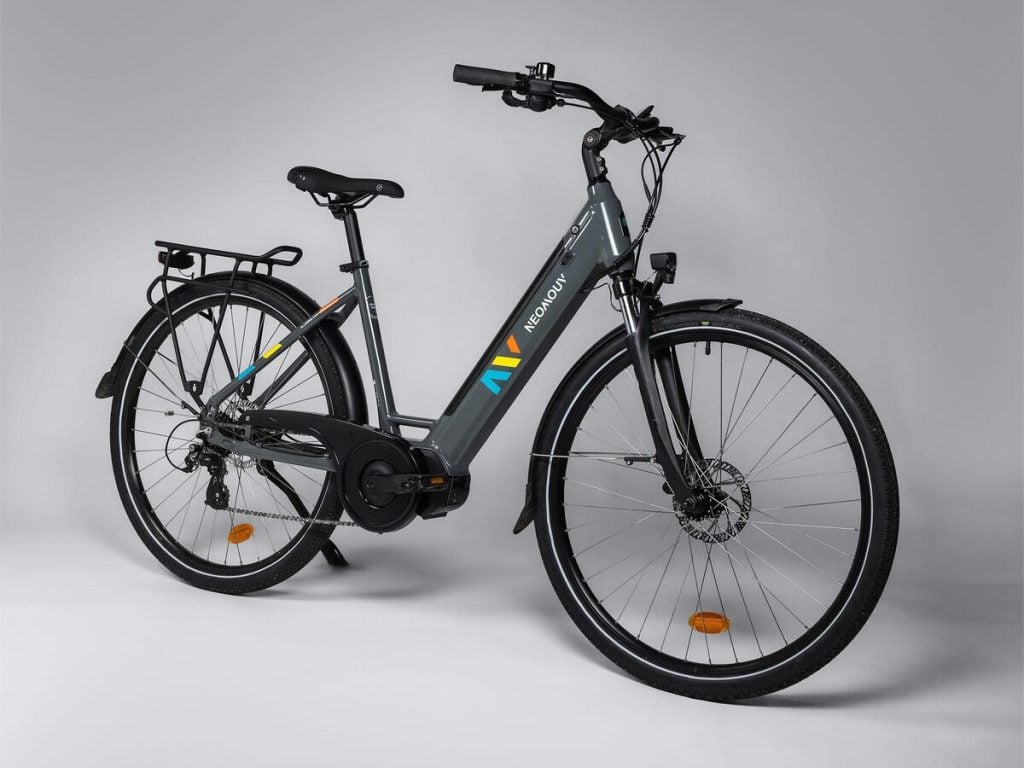
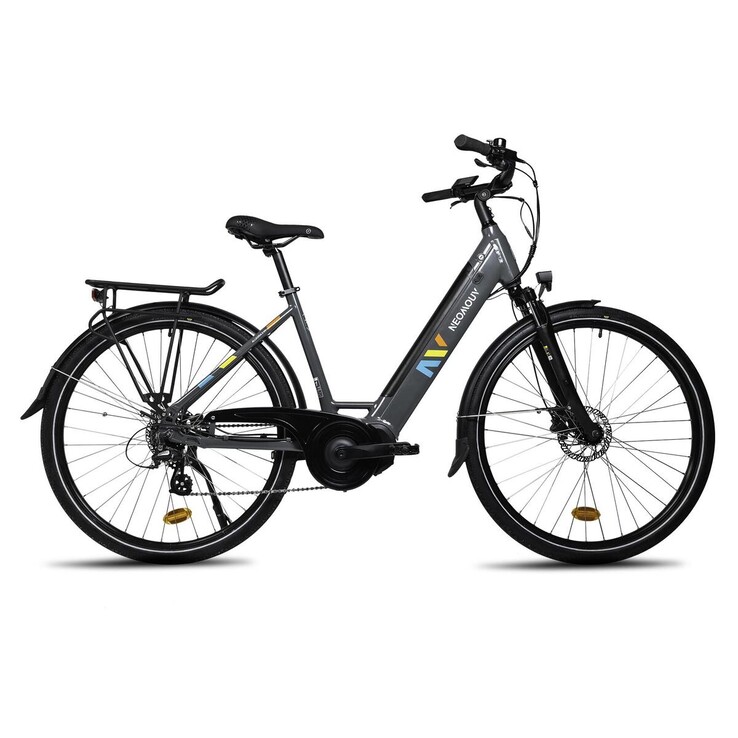
A new version of the Neomouv Allegria 2 e-bike has been listed by Decathlon in France. The Allegria 2 has an integrated battery and is designed for city riding. It has many similarities to its predecessor, as well as key differences.
The new Neomouv Allegria 2 e-bike has a step-through frame design with a ZOOM aluminum suspension fork with 45mm travel. The e-bike weighs 29kg and has a load capacity of 150kg including the battery. The Neomouv Allegria 2’s 522Wh battery is integrated into its down tube rather than being mounted to the rear rack, as with the older version.
The new e-bike is powered by a 250W 80Nm Neoassist 2 mid-mounted motor. The electric motor offers assistance speeds up to 25km/h and its pedal sensor automatically adjusts the power delivery. The Neomouv Allegria 2 battery delivers an assistance range of up to 100km. It also features a color LCD on the left handlebar which shows information such as battery status and the assistance level.
The Allegria 2 e-bike is equipped with a Shimano Altus 7-speed derailleur, hydraulic disc brakes, mudguards, lighting, and a luggage rack. Buyers can choose between 26-inch and 28-inch wheels that both come with 2-inch Hutchinson Republic tires.
The new Neomouv Allegria 2 electric bicycle is listed on Decathlon France for €2,199 ($2,385) but both wheel size options are out of stock. The listing may be a precursor to the full release of the e-bike in other European markets and elsewhere.
A new study by Hosting Advice sheds light on how artificial intelligence (AI) is impacting the lives of Gen Alpha children, the generation born between 2010 and 2025. The survey polled parents of children aged 7-14 to understand their experiences with their kids’ AI usage and its perceived influence on development.
Nearly half of all surveyed parents reported their Gen Alpha children already knee-deep in AI tools
The findings reveal that nearly half (49%) of surveyed parents report their Gen Alpha children already utilize AI tools. Interestingly, a gender gap appears in AI adoption, with 54% of parents stating their sons use these tools compared to 45% for girls.
FILE PHOTO: OpenAI and ChatGPT logos are seen in this illustration taken, February 3, 2023. REUTERS/Dado Ruvic/Illustration/File Photo
As Gen Alpha children enter their teenage years (13-14), AI usage seems to rise significantly, with 60% of parents reporting such use. The survey also explores how AI factors into homework completion. While 20% of parents indicated their children use AI for homework assistance, 40% expressed opposition to this practice, citing concerns about potential cheating.
Despite these concerns, a majority (54%) of parents surveyed support their children’s use of AI tools. They perceive these tools as beneficial for personalized education (30%), social skills development (18%), fostering creativity (29%), and preparing children for the future (21%). Notably, the survey also identified a gender gap in parental support, with fathers surveyed displaying a higher level of support for AI tool usage (66%) compared to mothers (47%).
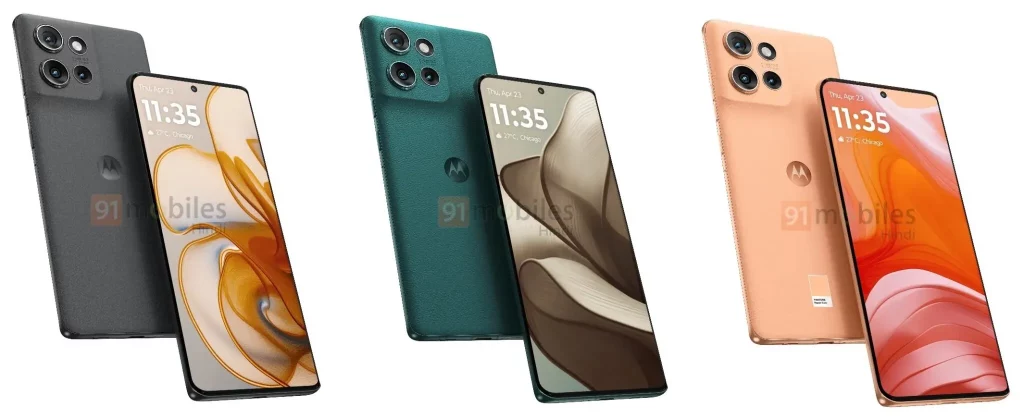
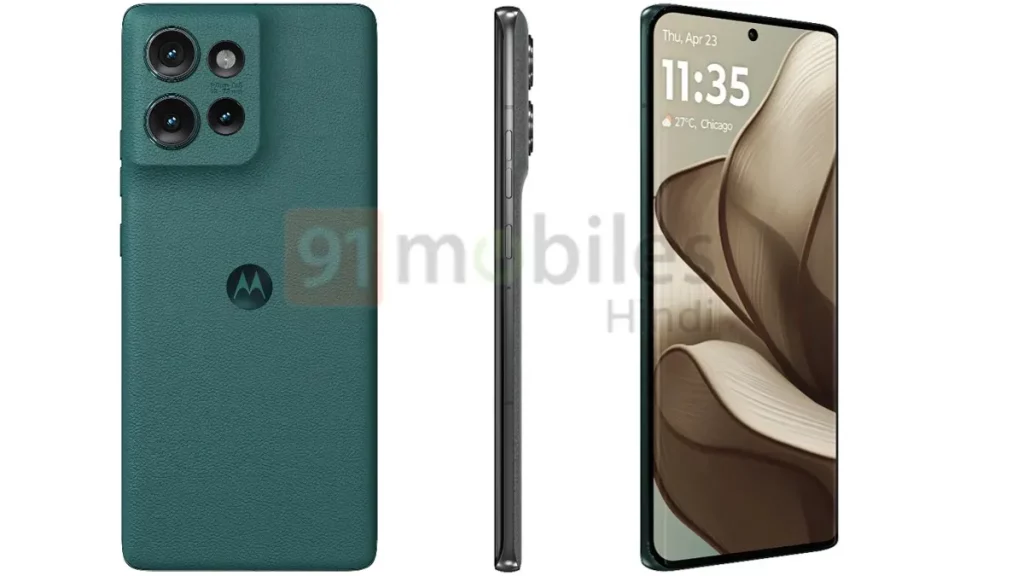
Motorola is expanding its Edge 50 series in India. New renders of the Edge 50 have appeared via 91mobiles, following leaks of the Edge 50 Neo. Described as the world’s slimmest MIL-810-certified phone, the device is expected to launch soon via Flipkart.
Design-wise, the Edge 50 features a curved display with a centered front camera. The rear features a triple camera setup mounted on a square module and a vegan leather finish. Color options are said to include Gray, Green, and Pantone Peach.
While specific details about the Edge 50’s internals remain scarce, the device is expected to offer a pOLED panel with a 120Hz display. Under the hood, the device is expected to come with a Dimensity 7300 chipset. For optics, its triple-camera setup could comprise of a 50MP main sensor, while the front of the device could offer a 32MP selfie snapper.
The tradeoff of having a slim design could be a smaller 4,400mAh capacity battery, which will likely be paired with 68W fast charging. More details are expected to emerge in the coming days, so stay tuned.
In related news, Motorola has started selling the Razr 50 Ultra smartphone in India after its launch earlier this month. This foldable smartphone costs INR 99,999 and is powered by the Snapdragon 8s Gen 3 chipset. Unfolded, its display measures 6.9 inches, providing FHD+ resolution with a 165Hz refresh rate. As for optics, it has a 50MP main sensor with OIS and a 50MP 2x telephoto lens.
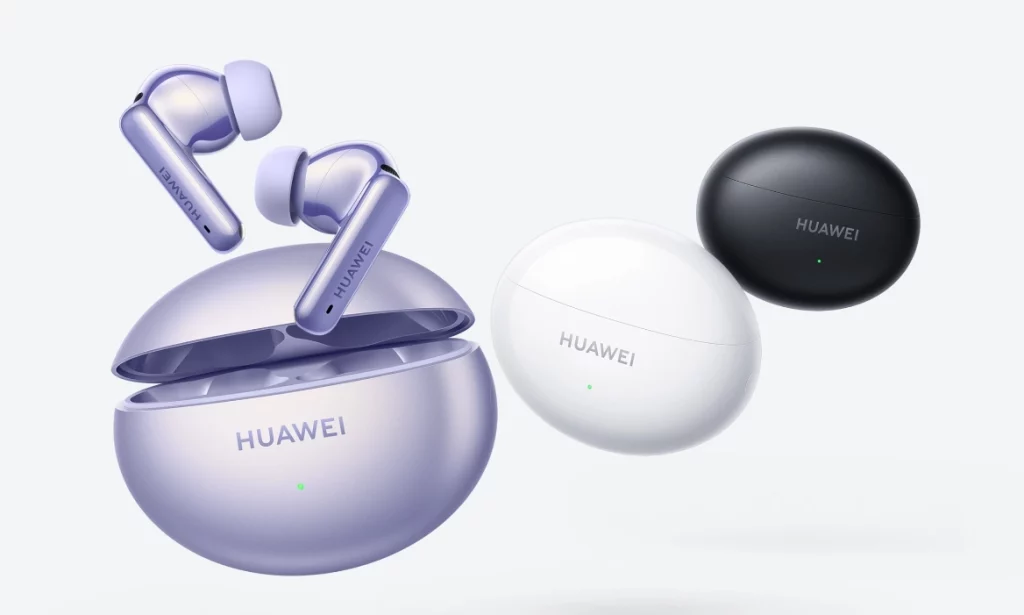
Tech blogger @Kanshan’s uncle revealed details about the upcoming Chinese release of the HuaweiFreeBuds 6i wireless headphones. The FreeBuds 6i boast an average noise reduction depth of 27dB, thanks to Huawei’s Intelligent Dynamic ANC 3.0 technology. This technology can reportedly adjust noise cancellation in real-time based on ambient noise. The headphones also feature an 11mm driver for strong bass performance, with lows reaching down to 14Hz.
The buds will be available in China in black, white, and purple color options
Battery life is rated at 8 hours for the earbuds themselves, with the charging case providing additional charges. Notably, the case features a nano-silver ion coating for hygienic purposes.
The FreeBuds 6i will be available in China in black, white, and purple color options. The overseas price is listed at 99 euros (approximately 783 yuan), suggesting a competitive price point in the Chinese market. An official release date is expected this month, but details haven’t been confirmed yet.
Govee, a gaming peripheral company, announced a new line of lighting products inspired by Neon Genesis Evangelion. The Govee x Evangelion collection features three light options to enhance your gaming setup with the iconic mecha anime’s theme.
The Govee lights start at $89.99 and go up to $199.99
The centerpiece is the Govee x Evangelion Game Wall Lamp, replicating Unit-01’s purple and green color scheme with additional Evangelion details. For flexible positioning, the Govee x Evangelion Glide Y-shaped lamps offer five customizable light bars. Traditional LED light strips round out the collection.
Beyond aesthetics, the collection boasts eight special lighting effects inspired by Evangelion battles, further immersing you in the anime’s world. Prices range from US$89.99 (approx. 655 yuan) for the light strips to US$199.99 (approx. 1457 yuan) for the wall lamp. Pre-orders for the upcoming launch start July 24th.
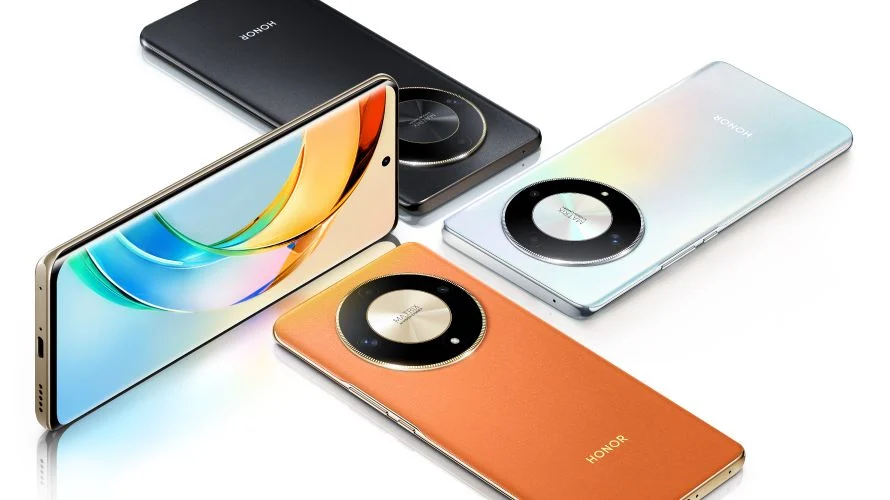
HONOR has started rolling out the MagicOS 8.0 OTA update for HONOR X9b users in India. After beta testing, the update is now available for all HONOR X9b phones, bringing new AI features and better security.
What’s New in MagicOS 8.0
Intent-Based UI: MagicOS 8.0 has a new UI that uses AI to make interactions more intuitive, powered by HONOR’s on-device AI model, MagicLM.
AI Features:
Magic Capsule: Easy access to calls, alarms, and notifications.
Magic Portal: Helps navigate to relevant apps based on message context.
Magic Ring: Simplifies multitasking across up to 8 devices.
Magic Lock Screen & Parallel Spaces: Full-screen Always on Display and isolated contact spaces for better privacy.
AI Smart Folders & AI Blur: Organizes apps intelligently and blurs sensitive information for privacy.
Improvements:
Smooth Animations: Provides a seamless visual experience.
Custom Camera Layout: Allows users to move frequently used camera modes for easier access.
Enhanced ViLTE’s Video Calling: Improves video call quality.
Practical Updates:
Ultra Power Saving Mode: Extends battery life.
5G Roaming: Ensures consistent connectivity while traveling.
Security: Includes the latest Android June 2024 security patches.
Update Availability
The update is now rolling out, and all HONOR X9b users in India can access it. To check for and install the update:
Go to Settings > System & updates > Software update
Tap on “Check for Updates”
In other news, the Xiaomi 14 Civi Limited Edition with a Panda Design is launching in India on July 29, 2024. This variant will feature new mirror glass and vegan leather options, available in Pink, Monochrome, and Blue. Expected to come with up to 12GB RAM and 512GB storage, it shares features with the base model, including a 6.55-inch OLED display with a 120Hz refresh rate, Snapdragon 8s Gen 3 SoC, 4,700mAh battery with 67W fast charging, a 50MP triple rear camera, and a 32MP front camera.
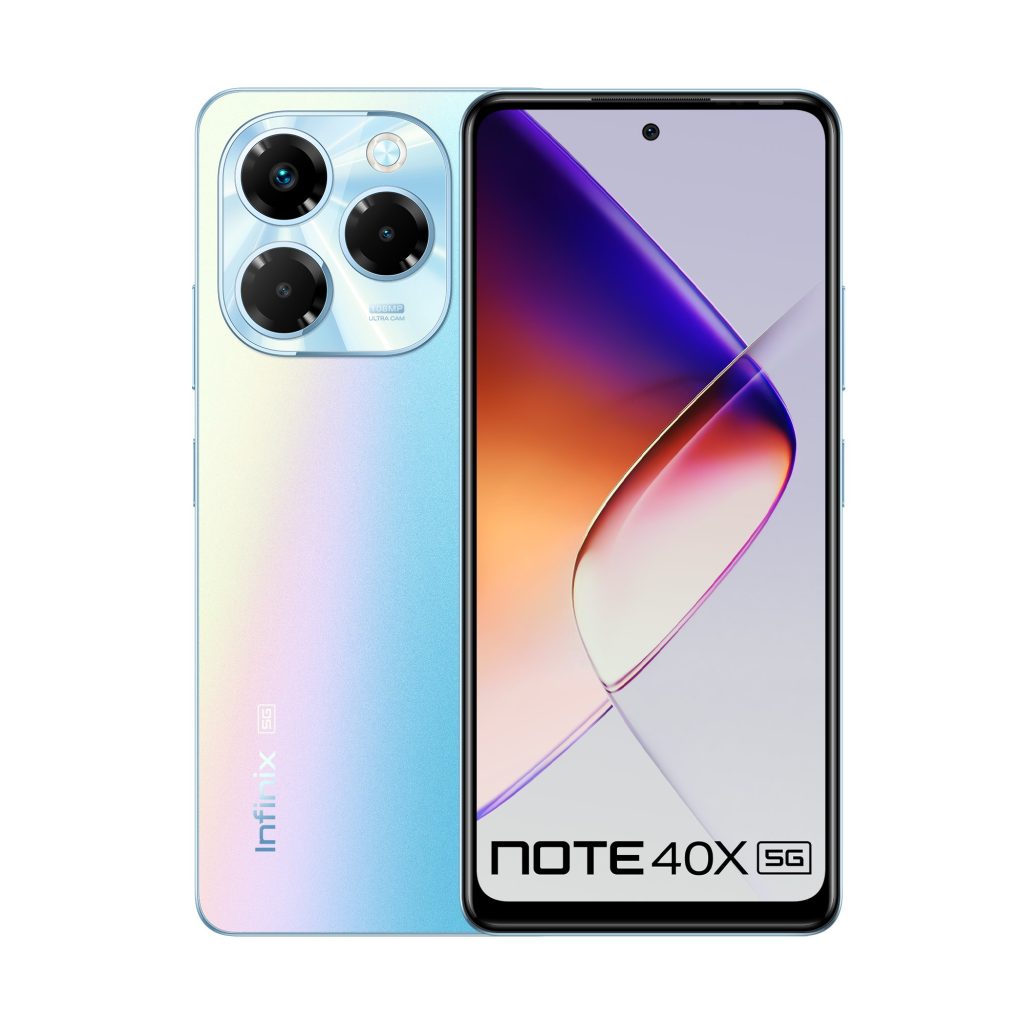
Infinix is set to launch a new smartphone in India soon. The brand has announced that its upcoming offering is called the Infinix Note 40X. It will be debuting early next month. Some key details of the smartphone have also been confirmed along with its design. The device will be the fifth addition in the Note 40 series that comprises of the standard, pro, and pro+ variants. Read on to know what we know so far about the Note 40X.
Infinix Note 40X launch date and key details revealed
The Infinix Note 40X is confirmed to launch on August 5. Design-wise, the device will come with a flat frame and a squarish camera module on the back panel. It is confirmed to be available in three color options including Starlit Black, Lime Green, and Palm Blue. One of them will have a gradient finish. The smartphone will feature a side-mounted fingerprint scanner embedded in the power button.
On the front, the Infinix Note 40X is said to come with a 6.78-inch display with a punch-hole cutout and Dynamic Port feature. The latter will mimic Apple’s Dynamic Island and display notification alerts, charging status etc. The upcoming offering is also confirmed to sport triple rear camera setup headlined by a 108MP main sensor. There will be an 8MP selfie snapper on the front and the device will pack AI features.
The Infinix Note 40X is confirmed to be equipped with dual stereo speakers with DTS Audio offering an immersive listening experience.
Other details regarding the Infinix Note 40X like processor, RAM and storage configurations, and battery remain under wraps. The device is expected to be available from Flipkart. We should learn more details in the days leading up to the launch event.
The OnePlus Pad 2 Global Edition is a powerhouse of innovation, designed to elevate your digital experience with its impressive array of features and cutting-edge technology. You can now get a discount of $50 by using the code:P2D50 at GeekWills. Thus you can get the tablet for as low as $399 only. Please note that this coupon expires on July 25.
At the heart of this sleek 12.1-inch tablet is the Qualcomm Snapdragon 8 Gen 3 chipset, renowned for its optimal balance of price and performance. Boasting a remarkable Antutu Benchmark score of over 2316067, this chipset ensures seamless multitasking and top-tier performance.
One of the standout features of the OnePlus Pad 2 is its stunning 3K 144Hz display, delivering an unparalleled visual experience. The 12.1-inch screen, with its unique 7:5 aspect ratio, offers ultra-high resolution and a smooth 144Hz refresh rate, making it perfect for gaming, streaming, and productivity. Supporting HDR10+ and P3 gamut with 10.7 billion colors, the display achieves a peak brightness of 900 nits and incorporates “Bright Eye Protection” technology for eye safety and DC dimming for comfortable long-term use.
Connectivity is another strong suit of the OnePlus Pad 2, featuring support for dual Wi-Fi channels (Wi-Fi 6 and Wi-Fi 7) to ensure stable and fast network connections. This, combined with the 12GB LPDDR5x RAM and 256GB UFS3.1 storage, ensures that users can store and access large amounts of data with ease and efficiency.
The tablet’s 9510mAh battery provides ample power for extended use, with the 67W SUPERVOOC charging ensuring quick recharge times. This means you can enjoy uninterrupted usage throughout the weekend and benefit from over 40 days of standby time, making it ideal for both work and play.
Gaming enthusiasts will appreciate the one-touch game streaming feature, allowing for seamless display projection from your phone to the OnePlus Pad 2. The small window mode lets you multitask by catching up on TV shows, sports, or live streaming while gaming. Additionally, the stereo panoramic acoustics powered by Super Audio 5.0 provide cinema-quality sound, enhancing your multimedia experience with rich, 3D panoramic audio.
The OnePlus Pad 2 also excels in cross-device functionality with its tablet and mobile cross-screen transfer capabilities. With one-touch transfer, you can easily move pictures or files between your OnePlus phone and tablet without the need for additional peripherals. This feature supports one-touch task flow, screencasting, and file transfer, making it easier than ever to stay productive and connected.
Technical specifications of the OnePlus Pad 2 include a powerful 8-core, 64-bit architecture CPU, an Adreno 750 GPU, and a robust set of connectivity options, including Bluetooth 5.4 and various Wi-Fi standards (802.11a/b/g/n/ac/ax/be). The tablet also features a 13MP rear camera capable of 4K video recording and an 8MP front camera for high-quality video calls and selfies. The device’s dimensions are 268.7 x 195.1 x 6.5 mm, and it weighs a lightweight 589g, making it portable and easy to handle.
Running on OxygenOS 14.1 based on Android 14, the OnePlus Pad 2 ensures a user-friendly and customizable interface, packed with features to enhance productivity and entertainment. The tablet’s versatile Type-C port, supporting USB 3.2 Gen1 at 5Gbps, further enhances its connectivity and charging capabilities.
OnePlus Pad 2 Global Edition is a versatile and powerful tablet that offers exceptional performance, stunning visuals, and advanced connectivity features. Whether for gaming, streaming, or productivity, this tablet is designed to meet the demands of modern users, making it a worthy addition to any tech arsenal.
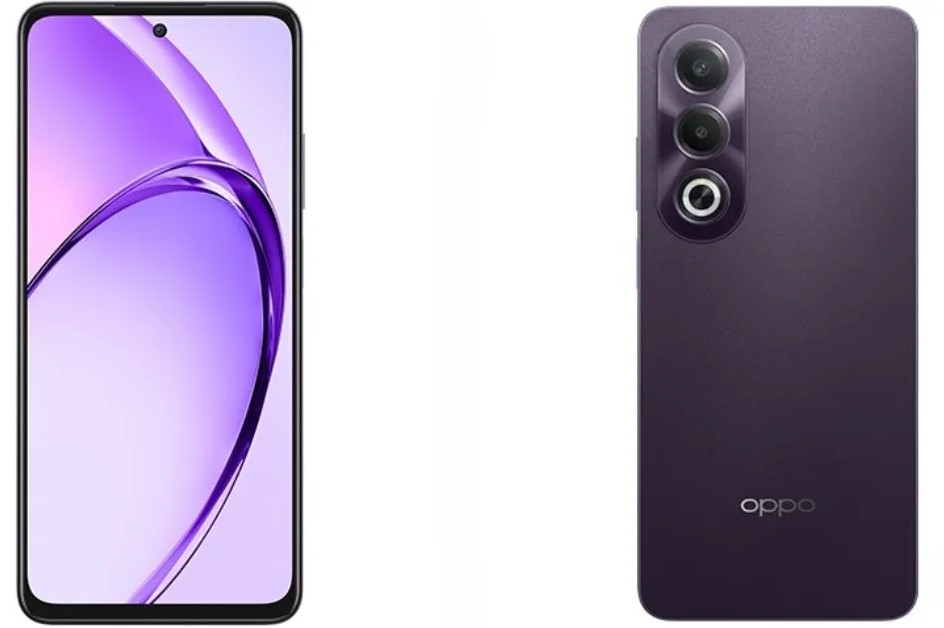
The OPPO A3x 5G has bagged multiple certifications in recent times including MIIT, Geekbench, FCC, and NBTC. Now, the device has been spotted on the China Telecom website revealing its design and the full spec sheet. The various listings suggest that the smartphone’s launch is just around the corner. The upcoming offering is expected to arrive as the successor to last year’s OPPO A2x. Read on to know what the latest certification reveals.
OPPO A3x 5G China Telecom listing
The OPPO A3x 5G carries a model number PKD130 on the China Telecom authority. It confirms the smartphone’s moniker. The device is seen in a Purple color option with a pill-shaped camera module. It will also be available in Starlight White and Cloud Feather Pink shades. Dimension-wise, it will measure 165.79 x 76.14 x 7.68 mm, and weigh 185.7 grams. On the front, there is a centre-aligned punch-hole display with a thick bottom chin.
As per the listing, the smartphone will feature a 6.67-inch LCD display bearing a resolution of 1,600 x 720 pixels. It will have a 32MP main camera coupled with a 2MP secondary lens and an 8MP front-facing selfie snapper.
Under the hood, the certification reveals that the OPPO A3x will be backed by a 5,100mAh battery unit. It will be offered in 4GB+128GB, 6GB+128GB, and 8GB+256GB RAM and storage configurations. The smartphone’s processor is not mentioned here, but as per the Geekbench database, it will be powered by a Snapdragon 680 SoC.
Connectivity options on the device include WiFi, USB-C, 3.5mm headphone jack, and Bluetooth. The upcoming offering will ship with Android 14 OS out of the box. We should learn more details about the OPPO A3x in the coming weeks.
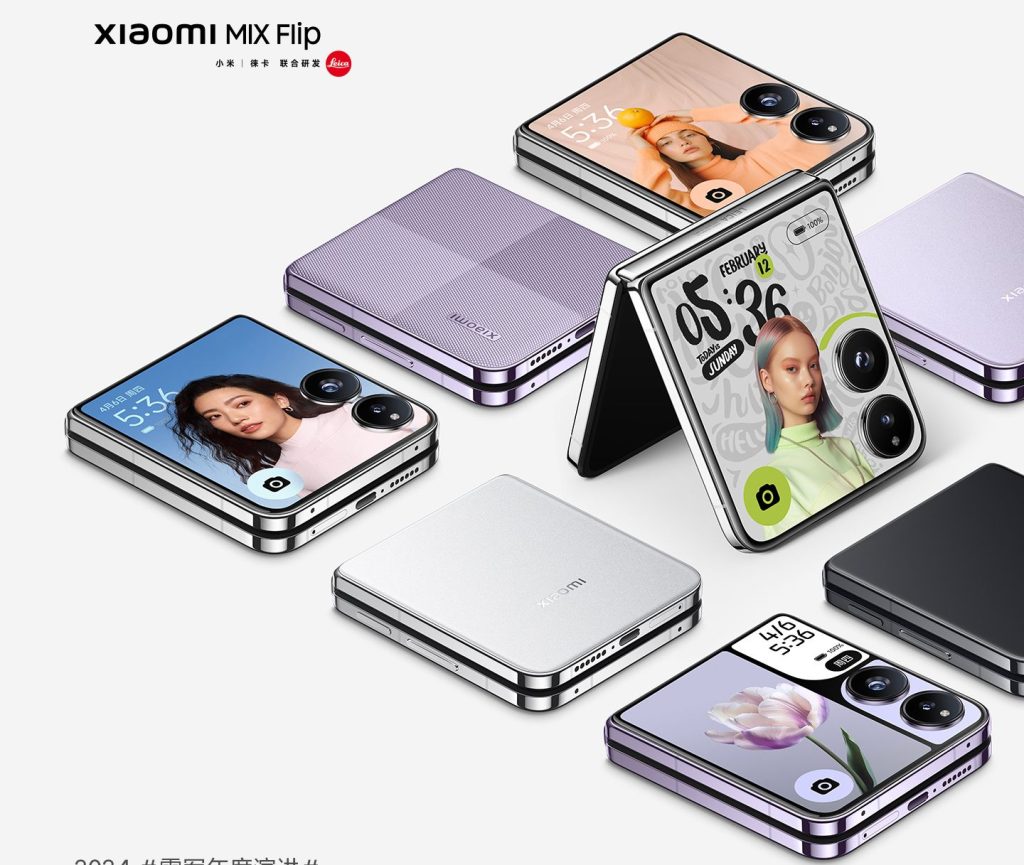
Xiaomi has officially confirmed the global launch of its first foldable phone, the Mix Flip. After an initial China-only release, five Central and Eastern European markets will be the first to get their hands on the device, priced at a competitive €1300 ($1411). Belgium will be among these five markets.
Xiaomi Mix Flip
The global model of the Xiaomi Mix Flip is expected to mirror the specifications of the Chinese version. It will likely feature a 6.86-inch foldable OLED TCL C8+ internal display with a Full HD+ resolution of 2912 x 1224 pixels, a 120Hz refresh rate, LTPO technology, and a peak brightness of 3000 nits, along with 2160Hz PWM dimming. The external display will be a 4.01-inch OLED TCL C8+ screen with a resolution of 1392 x 1208 pixels, a 120Hz refresh rate, a maximum brightness of 2500 nits, 2160Hz PWM dimming, and Xiaomi’s Dragon Crystal Glass protection.
The Mix Flip is powered by the Snapdragon 8 Gen 3 processor, LPDDR5x RAM, and UFS 4.0 storage. It includes a 4,780mAh battery with 67W fast charging and runs on Android 14 with HyperOS 1.0.
For photography, it boasts a 32-megapixel front camera and a rear camera setup featuring a 50-megapixel main camera with OIS and a 50-megapixel OV60A4 telephoto lens with 2x zoom and OIS. Additional features include a side-mounted fingerprint scanner, a 3500mm² 3D VC liquid cooling system, dual speakers, and advanced battery management and signal enhancement chips.
In related news, Xiaomi 14 Civi Limited Edition with a Panda Design is launching in India on July 29, 2024. This special variant, available in mirror glass and vegan leather versions in Pink, Monochrome, and Blue, retains the features of the base model.
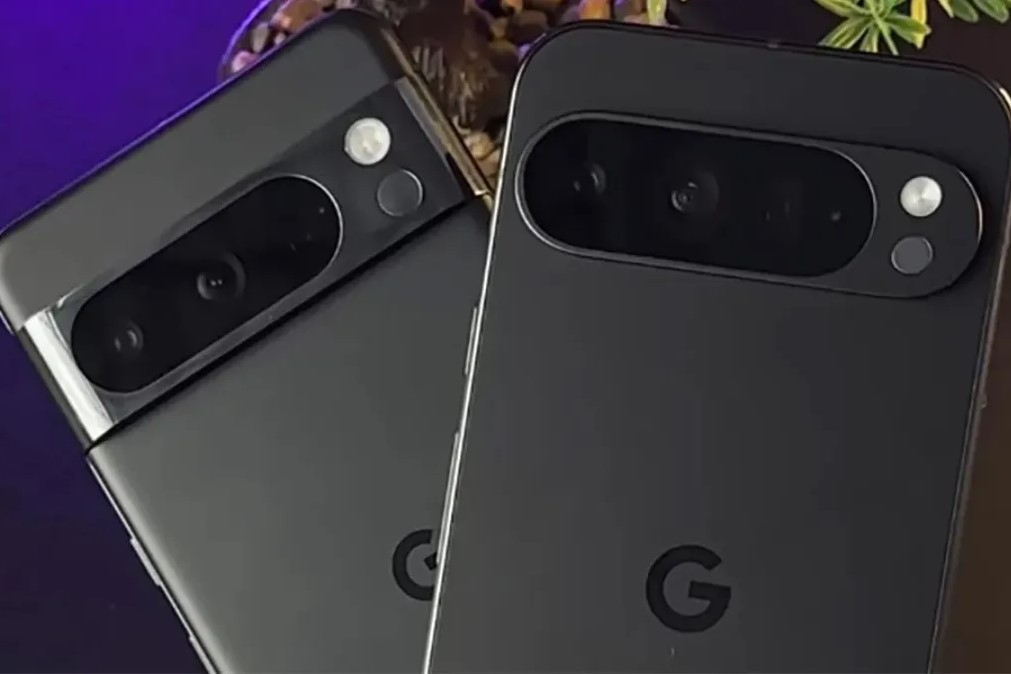
Google’s annual Pixel launch event is happening next month which is quite earlier than expected. Plenty of leaks and rumors have revealed key details about the next-generation Pixel 9 series and Pixel Watch 3. The most notable addition to this year’s slab phone lineup is the comeback of an XL model that was last found on the Pixel 4 series. Now, a YouTube channel has compared the Pixel 9 Pro XL with the Pixel 8 Pro side-by-side.
Pixel 9 Pro XL compared to Pixel 8 Pro
In the short video, the Pixel 9 Pro XL looks similar to what we saw in the leaked renders. It has a boxy design with a flat frame, significantly rounded corners, and a horizontal protruding camera island that does not stretch to the sides of the back panel. A closer look also confirms a periscope lens and there is of course a temperature sensor.
The Pixel 9 Pro XL looks slightly compact compared to the Pixel 8 Pro. This is because the latter has a slim profile compared to the boxy design on the upcoming offering. Another difference between the two devices is that the camera island on the Pixel 9 Pro XL has a matte finish compared to the glossy look on the Pixel 8 Pro. The side frame also lacks a glossy finish. Meanwhile, the back panel on both phones have a matte texture.
The Pixel 9 Pro XL is seen in a Matte Grey color option. It is also expected to be available in Porcelain shade. This is everything the leaked hands-on video reveals about the device. As per rumors, the entire Google Pixel 9 series is expected to be powered by a Tensor G4 chipset. The devices are confirmed to come with on-device Gemini AI.
Samsung shared a post earlier this month saying “Protect your Galaxy device with the Auto Blocker feature”. Samsung’s OneUI 6 based on Android 14 comes with a security feature called Auto Blocker, which is located in the Security and Privacy settings. It reportedly protects your Galaxy device by preventing the installation of applications from unauthorized sources The Auto Blocker feature is enabled by default, however, you can disable it during the setup process.
I feature to strengthen the security of the phone
Installing apps from third-party sources can be risky for the security of the device sometimes. While the pre-installed app stores are far from being perfect, implement various safety checks to prevent the distribution of malicious apps.
Notably, Android already blocks sideloading by default at an operating system level. The permission that most third-party app stores end up using, REQUEST_INSTALL_PACKAGES, has to be granted explicitly by the user.
Samsung’s Auto Blocker feature entirely blocks the installation of apps from unauthorized sources even if the source was granted the REQUEST_INSTALL_PACKAGES permission.
How to disable Auto Blocker?
Users of devices that get the feature through the OneUI 6.1.1 update can easily disable it by going to Settings > Security and Privacy> Auto Blocker. After this step, users will have to allow an app to sideload another, which is Android’s default sideloading behavior. Samsung devices running on One UI 6.1.1 reportedly include the past few generations of Galaxy S series and Z series devices so far.
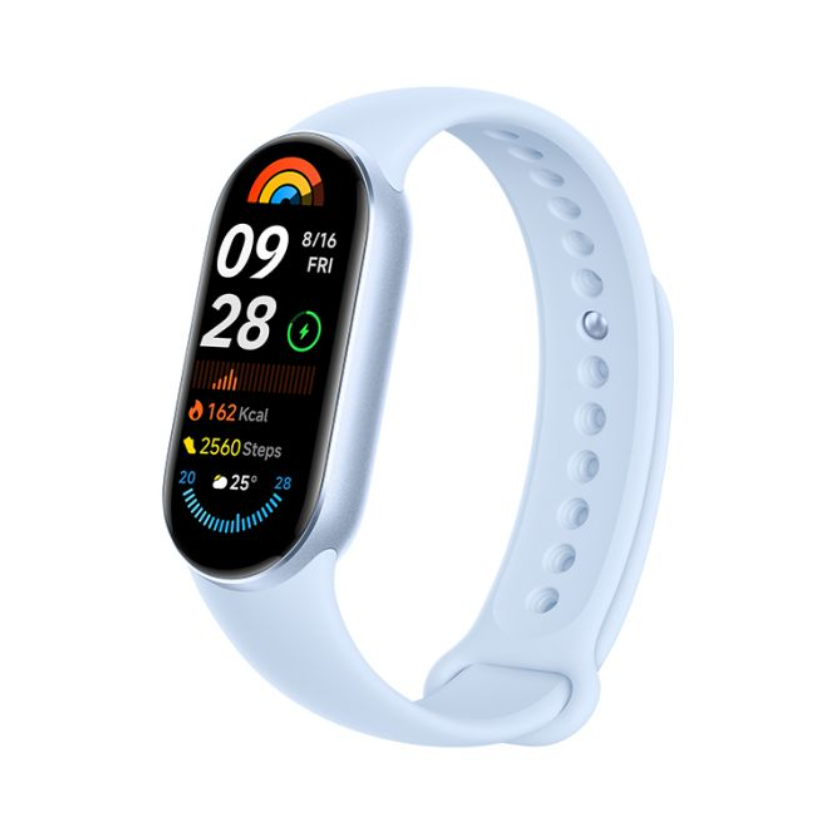
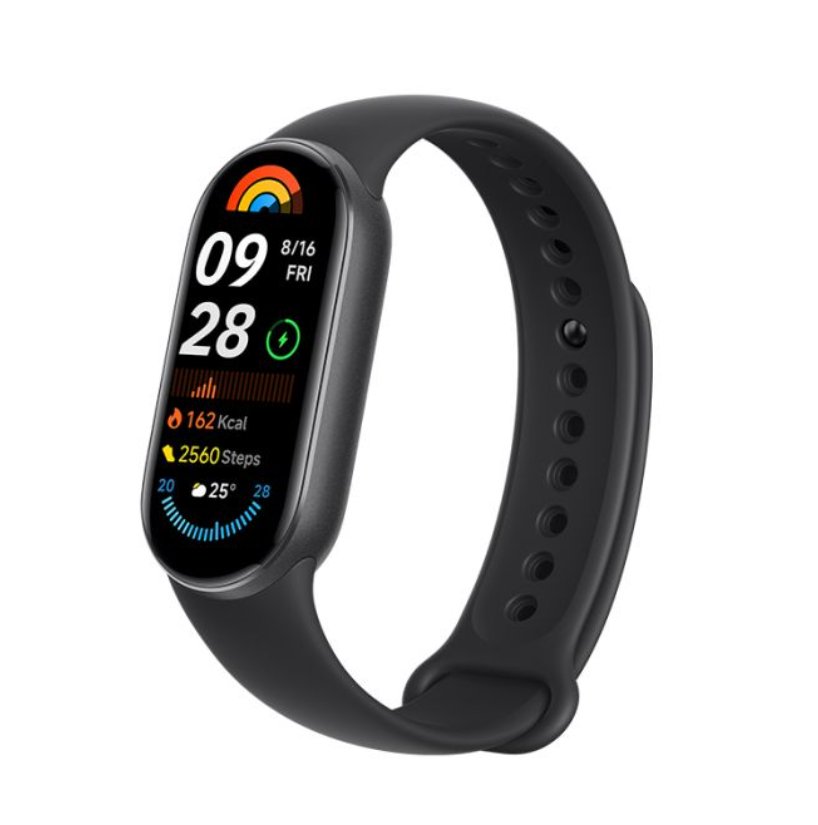
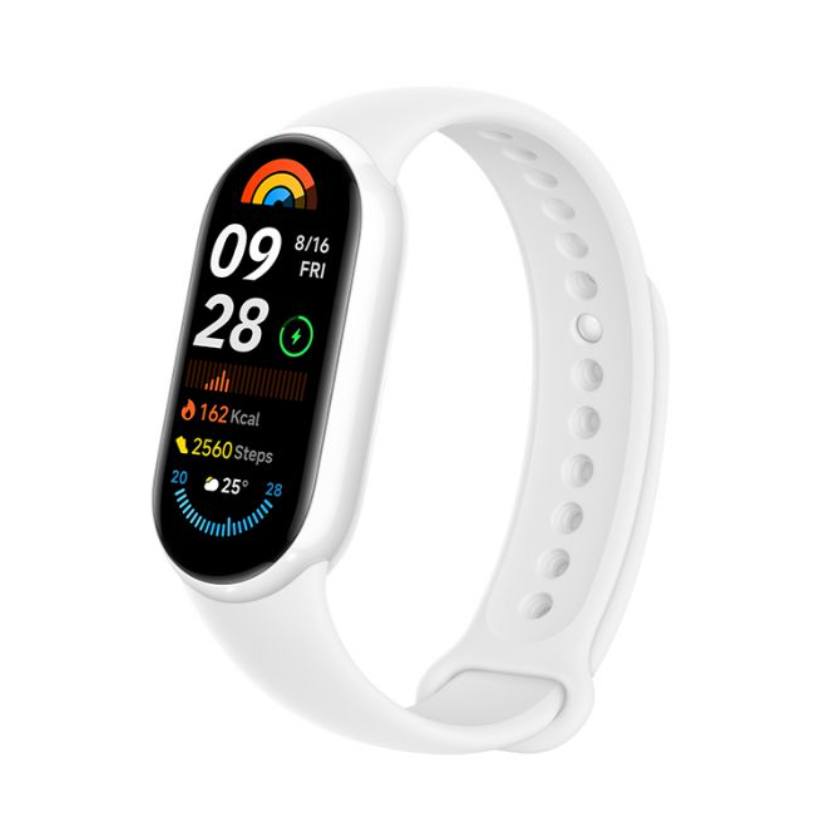
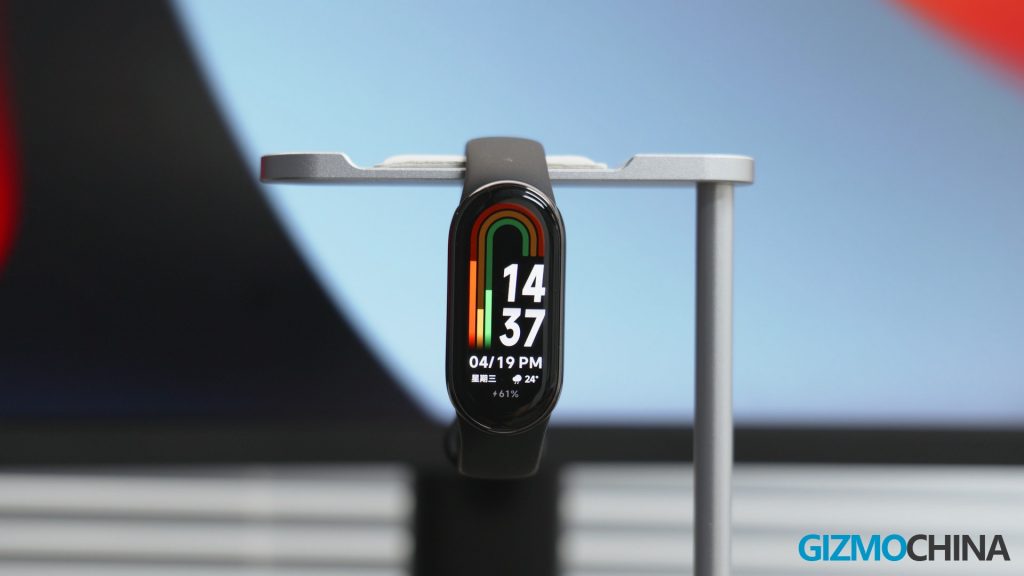
The Xiaomi Band 9 NFC is the latest addition to Xiaomi’s popular line of fitness trackers, featuring a 1.62-inch AMOLED screen that offers a vibrant and immersive display experience. You can now buy this smart band for $59.99 only at GeekWills. There is also a non-NFC version available for $49.99 only.
The screen, with its resolution of 192×490 pixels and brightness of up to 1200 nits, ensures clear visibility even under bright sunlight. Additionally, the screen supports auto brightness adjustment, enhancing usability in various lighting conditions. The band is available in multiple colors, including a special Ceramic White edition, adding elegance with its unique design.
Designed for comfort and durability, the Xiaomi Band 9 NFC boasts a lightweight main body weighing approximately 15.8 grams without the wrist strap. The dimensions of the main body are 46.53×21.63×10.95 mm, making it sleek and unobtrusive on the wrist. The 2.5D glass cover, aluminum alloy middle frame, and PC back ensure robustness while maintaining a sophisticated look. The wrist strap is made from TPU material and is adjustable between 135-210 mm, catering to a wide range of wrist sizes.
A standout feature of the Xiaomi Band 9 NFC is its multi-function NFC support, allowing for seamless contactless payments and other NFC-enabled interactions. Health and fitness tracking are at the core of this device, with sensors including an optical heart rate and blood oxygen sensor, and a 6-axis motion sensor. These sensors enable accurate heart rate, SpO2 levels, and physical activity monitoring, providing valuable insights into the user’s health and fitness.
The band is water-resistant up to 5ATM, making it suitable for swimming and other water-based activities. Connectivity is robust with BluetoothTM BLE 5.4, ensuring a stable connection with your smartphone. The rotor motor vibration system provides gentle notifications and alerts, enhancing the user experience without being disruptive.
Battery life is another strong suit of the Xiaomi Band 9 NFC, equipped with a 233mAh lithium-ion polymer battery that can last up to 18 days on a full charge. It supports fast charging, requiring only about 60 minutes to fully charge, minimizing downtime. The device supports multiple system languages, including Simplified Chinese, Traditional Chinese, and English, and is compatible with Android 8.0 or iOS 13.0 and above. Users can seamlessly integrate the band with the Xiaomi Sports Health app for a comprehensive health and fitness tracking experience.
Xiaomi Band 9 NFC combines style, functionality, and advanced technology to offer a superior fitness tracking experience. Its vibrant AMOLED display, comprehensive health monitoring features, water resistance, and extended battery life make it an ideal companion for both fitness enthusiasts and casual users alike. The inclusion of multi-function NFC further enhances its utility, making everyday tasks more convenient.
Xiaomi has rolled out a significant update for its popular Smart Band 8, bumping the firmware to HyperOS version 1.6.222 in China. This update brings a host of new features and improvements, focusing on enhancing user productivity and personalization.
The most notable addition is the support for focus notifications. This feature, previously introduced to the Smart Band 8 Pro, allows users to prioritize specific app notifications, ensuring that only the most important information reaches their wrist. It’s a welcome addition for those who often find themselves bombarded with notifications, as it helps to minimize distractions and maintain focus on tasks.
In addition to focus notifications, the update also introduces support for paid watch faces. This opens up a new avenue for personalization, allowing users to choose from a wider variety of designs and styles to match their individual preferences. While some may view this as a move towards monetization, it also offers a potential source of income for developers and designers, which could lead to even more diverse and creative watch faces in the future.
Beyond these major additions, the update also addresses various known issues, further improving the overall stability and performance of the device. The update is being gradually rolled out to users, so if you haven’t received it yet, keep an eye out for it in the coming days.
This isn’t the first major update for the Smart Band 8. In August of last year, it received a firmware update (version 1.3.176) that introduced several key features, including the Smart Do Not Disturb mode, new watch faces, and support for bus cards in specific regions. The update also enhanced the device’s fitness tracking capabilities with a new Frisbee motion algorithm and somatosensory game vibration feedback.
The Xiaomi Smart Band 8, launched in April of last year, has already gained a reputation for its impressive features, including a vibrant 1.62-inch AMOLED display, a sleek racetrack design, and a host of health and fitness tracking capabilities.
Motorola is gearing up for the launch of a new smartphone in India. The brand has started teasing the upcoming offering on its X handle. However, the name and launch date of the device have not been revealed yet. It is expected to be the Motorola Edge 50 Neo that surfaced in leaks recently. The smartphone is confirmed to be available from Flipkart.
Motorola teases the slimmest MIL-STD810 durable smartphone in India
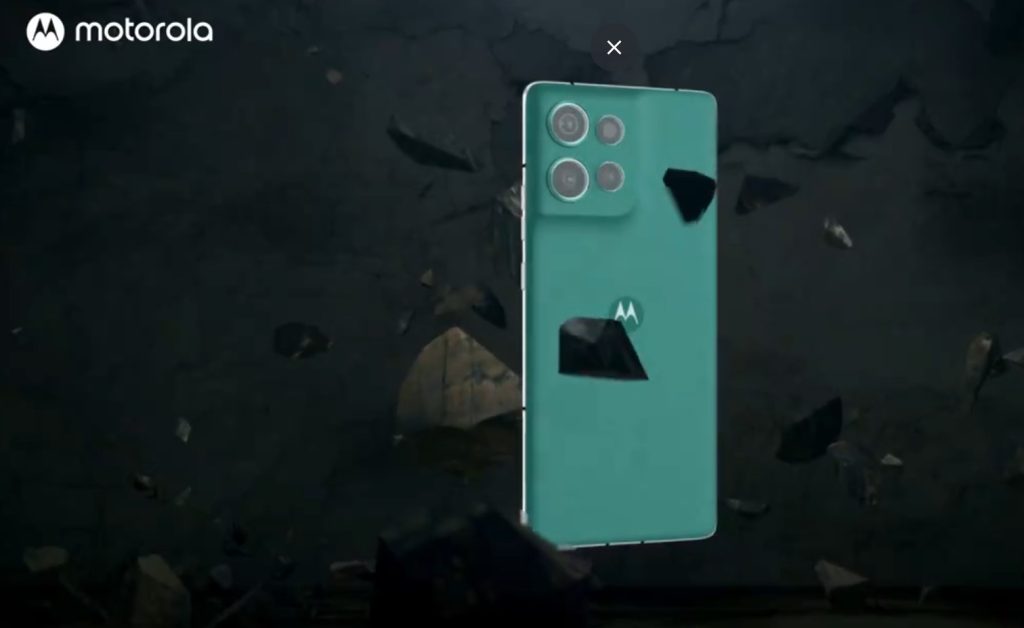
Motorola is touting its upcoming smartphone as the world’s slimmest MIL-STD810 military-grade durable. It is said to be build to withstand the toughest adventures. The device is tested to withstand harsh environments and accidental drops.
The latest teaser video shared by the Lenovo-owned brand gives us a glimpse at the device. It is seen in a Green color option with a square camera module that elevates from the back panel similar to OPPO’s past Find X smartphones. We could notice three camera sensors and an LED flash unit. The device has a slim profile. The teaser reveals that more details will be revealed tomorrow.
The upcoming Motorola smartphone is tipped to be the Edge 50 Neo. It will arrive as the successor to the last year’s Edge 40 Neo. As per a recent leak, the device is rumoured to be IP68 rated and measures just 8.1mm thick. It is expected to feature a 6.4-inch pOLED display with a 120Hz refresh rate and FHD+ resolution. The smartphone will reportedly be powered by a Dimensity 7300 SoC and be backed by a 4,310mAh battery unit.
It remains to be seen if Motorola becomes the first brand to launch a slim military-grade durable smartphone. Because the OPPO K12x is set to debut on July 29 with MIL-STD810H certification. It is confirmed to measure 7.68mm thick.
We use cookies on our website to give you the most relevant experience by remembering your preferences and repeat visits. By clicking “Accept”, you consent to the use of ALL the cookies.
This website uses cookies to improve your experience while you navigate through the website. Out of these, the cookies that are categorized as necessary are stored on your browser as they are essential for the working of basic functionalities of the website. We also use third-party cookies that help us analyze and understand how you use this website. These cookies will be stored in your browser only with your consent. You also have the option to opt-out of these cookies. But opting out of some of these cookies may affect your browsing experience.
Necessary cookies are absolutely essential for the website to function properly. This category only includes cookies that ensures basic functionalities and security features of the website. These cookies do not store any personal information.
Any cookies that may not be particularly necessary for the website to function and is used specifically to collect user personal data via analytics, ads, other embedded contents are termed as non-necessary cookies. It is mandatory to procure user consent prior to running these cookies on your website.