
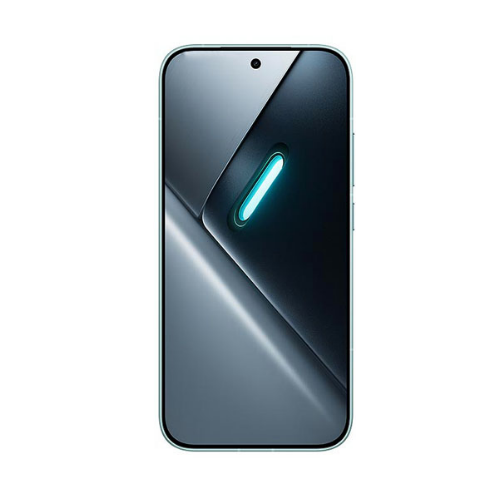
Poco X8 Pro
-
Processor: Mediatek Dimensity 8500 Ultra (4 nm)
-
RAM: 8 GB, 12 GB
-
Storage: 256 GB, 512 GB
-
Display: 6.59 inches
-
Camera: Dual Camera
-
Battery: 6500 mAh
Xiaomi Poco X8 Pro has been officially released on March 17, 2026.
Product Main Features:
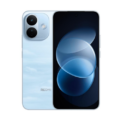
This Android 16 smartphone delivers a premium combination of performance, display quality, and durability in a sleek form factor. It measures 157.5 × 75.2 × 8.4 mm and weighs 201.5 grams. The build features a glass front protected by Corning Gorilla Glass 7i and an aluminum frame, offering a sturdy and refined feel.
It supports dual Nano-SIM and carries IP68/IP69K ratings for dust and water resistance, including protection against high-pressure water jets and submersion up to 1.5 meters. The device features a 6.59-inch AMOLED display capable of producing 68 billion colors. Xiaomi Poco X8 Pro supports a 120Hz refresh rate and 3840Hz PWM dimming for smooth visuals and improved eye comfort.
With a resolution of 1268 × 2756 pixels and around 460 ppi density, the screen delivers sharp detail. Dolby Vision and HDR10+ support enhance visual quality, while brightness reaches up to 2000 nits in high brightness mode and 3500 nits peak. Running Android 16 with HyperOS 3, the phone is powered by the MediaTek Dimensity 8500 Ultra chipset built on a 4nm process.
It offers storage options up to 512GB with up to 12GB RAM using fast UFS 4.1 storage. The dual rear camera setup includes a 50MP main sensor with OIS and an 8MP ultrawide lens, supporting 4K video recording at up to 60fps and high-frame-rate Full HD recording. A 20MP front camera handles selfies. Stereo speakers with Dolby Atmos support provide immersive audio. Connectivity includes Wi-Fi 6, Bluetooth 6.0, NFC, infrared, and USB-C. A 6500mAh battery supports 100W fast charging and reverse wired charging.
Poco X8 Pro - SPECIFICATIONS
General
-
ModelXiaomi Poco X8 Pro
-
ReleasedMarch 2026
-
StatusAvailable
Design
-
Type Design Type called form factor refers to a mobile phone's size, shape, and style as well as the layout and position of major components of phone. There are three major form factors seen in mobile phones => bar phones, folding phones and sliding phones.Bar
-
Dimensions157.5 x 75.2 x 8.4 mm
-
Weight201.5 Grams
-
WaterproofIP68/IP69K dust tight and water resistant (high pressure water jets; immersible up to 1.5m for 30 min)
Display
-
Display Type Display Technology => A number of display technologies and types used in mobile phones => TFT (Thin Film Transistor), IPS (In-Place Switching), OLED (Organic Light Emitting Diode), AMOLED (Active-Matrix Organic Light-Emitting Diode), Super AMOLED (an even advanced version of AMOLED), Resistive Touchscreen (Resistive touchscreens contain two layer of conductive material with a very small gap between them which acts as a resistance), Capacitive Touchsceen (Capacitive touchscreen technology consists of a layer of glass coated with a transparent conductor)AMOLED
-
Size6.59 inches
-
Resolution1268 x 2756 pixels
-
Display Colors Display Colors is refers to the number of different shades of colors that the screen is capable of displaying => 64K colors, 256K colors and 16 million colors, Obviously 16M is highest available range of colors and better than others.68B colors
-
Pixel Density Pixel Density (PPI) is refers to the concentration of pixels on a particular display, measured in pixels per inch (ppi). Pixel density is calculated by dividing the diagonal pixel resolution of a display by its diagonal size, higher pixel density better display quality.~460 ppi density
-
Touch ScreenYes
-
Display Protection Display Protection => Gorilla Glass is a special alkali-aluminosilicate glass shield with exceptional damage resistance that helps protect mobile displays from scratches, drops, and bumps of everyday use, It is always better to go for a smartphone with Gorilla Glass for that added protection and peace of mind.Corning Gorilla Glass 7i
-
Features120Hz, 3840Hz PWM, Dolby Vision, HDR10+, 2000 nits (HBM), 3500 nits (peak)
Hardware
-
CPU The main chipset of the device.Mediatek Dimensity 8500 Ultra (4 nm) Octa-core (1x3.4 GHz Cortex-A725 & 3x3.2 GHz Cortex-A725 & 4x2.2 GHz Cortex-A725)
-
GPU GPU (Graphics Processing Unit) is a single-chip processor designed to rapidly manipulate and alter memory to accelerate the creation of images in a frame buffer intended for output to a display, This includes things such as lighting effects, object transformations, and 3D motion.Mali-G720 MC8
-
RAM (Memory) RAM (Random Access Memory) is a type of computer memory that can be accessed randomly, any byte of memory can be accessed without touching the preceding bytes that allows information to be stored and accessed quickly from random locations. RAM is the most common type of memory found in computer systems, smartphones, tablets and other electronic devices.8 GB, 12 GB
-
Internal Storage Internal Storage is a data storage space (flash memory) mostly used in smartphones, tablets and other electronic devices where operating system, apps, music, photos, videos, files and other user data Is stored.256 GB, 512 GB
-
Memory Card Slot Memory Card Slot is a special slot for inserting a memory card. Memory cards allow you to expand the phone's built-in memory, A memory card (sometimes called a flash memory card or a storage card) is a small storage medium used to store data such as text, pictures, audio, and video, for use on small, portable or remote computing devices such as mobile phones, mp3 players, digital cameras.No
-
Sensors Sensors are electronic components that detects and responds to some type of input from the physical environment. The specific input could be light, heat, motion, moisture, pressure and location, The output is generally a signal that is converted to use in computing systems, a location sensor, such as a GPS receiver is able to detect current location of your electronic device.Fingerprint (under display, optical), accelerometer, gyro, compass, proximity
Software
-
Operating System OS => Every computer system run on a base software called Operating System (OS). Operating System controls all basic operations of the computer (such as smartphone, PDAs, tablet computers and other handheld devices). The Operating System allows the user to install and run third party applications (apps), apps are used to add new functionality to the device.Android 16
-
User Interface UI or user interface of a device is the look and feel of the on-screen menu system. How it works, its color scheme, how it responds to button presses, all of these things are part of the user interface.HyperOS 3
Camera
-
Rear Camera Camera is able to capture photographs and usually videos, The most important characteristics of a camera are the resolution (measured in megapixels), lens focus type (fixed or automatic), higher megapixel cameras are known to capture higher quality photos, but not always a good measurement of the photos quality.50 MP (wide) + 8 MP (ultrawide)
-
Image2160p
-
Video4K@30/60fps, 1080p@30/60/120/240/960fps
-
Flash Flash Light => There is commonly two types of flash lights are used in camera mobile phones, LED Flash (LED flash offers lower power consumption with drive circuitry that takes up very little room, LEDs can be strobed faster than any other light source), Xenon Flash (xenon flash produces an extremely intense full-spectrum white light for a very short duration)Yes
-
Front Camera20 MP (wide)
Network
-
SIM SIM (Subscriber Identity Module) is a small card that contains mobile network subscriber's account information. This allows the phone using the card to attach to a mobile network. The SIM card is most commonly associated with GSM and UMTS mobile networks. Moving a SIM card from one phone to another allows a subscriber to switch mobile phones without having to contact their mobile network carrier. SIM cards can also be used by a phone to store limited amounts of data, such as phone numbers and text messages.Nano SIM
-
Dual SIMYes
Connectivity
-
Wi-fi Wi-Fi is a popular wireless networking technology using radio waves to provide high-speed network connections that allows devices to communicate without cords or cables, Wi-Fi is increasingly becoming the preferred mode of internet connectivity all over the world.Yes
-
USBType-C 2.0
-
GPS GPS The Global Positioning System is a satellite-based radio navigation system, GPS permits users to determine their position, velocity and the time 24 hours a day, in all weather, anywhere in the world, In order to locate your position, your device or GPS receiver must have a clear view of the sky.Yes
-
NFC NFC (Near field communication) is a set of standards for smartphones and similar devices to establish peer-to-peer radio communications with each other by touching them together or bringing them into proximity, usually no more than a few inches.Yes
-
Wireless Charging Wireless Charging (Inductive Charging) uses an electromagnetic field to transfer energy between two objects. This is usually done with a charging station. Energy is sent through an inductive coupling to an electrical device, which can then use that energy to charge batteries or run the device.No
-
Headphone JackNo
Battery
-
Capacity Battery Capacity6500 mAh + 100W wired, 100W PPS, PD3.0, 100% in 48 min + 27W reverse wired
-
PlacementNon-Removable
Media
-
Video PlaybackYes
-
Video OutYes
-
FM RadioNo
-
Ring TonesYes
-
LoudspeakerYes
-
HandsfreeYes
Data
-
4G LTE 4G LTE bands1, 2, 3, 4, 5, 7, 8, 18, 19, 20, 26, 28, 38, 40, 41, 42, 48, 66, 71
-
5G NR Bands1, 2, 3, 5, 7, 8, 20, 26, 28, 38, 40, 41, 48, 66, 71, 77, 78 SA/NSA/Sub6
-
SpeedHSPA, LTE, 5G
More Products from Poco

Comments