
Add GIZMOCHINA as Preferred Source on Google
The US legislation barring its federal agencies from buying Huawei products is “not normal”, and using this as an excuse “will do nothing to make networks more secure”. This came from currently under-fire Chinese company’s chief legal officer Song Liuping earlier today during a briefing held for media in Huawei’s Shenzhen headquarters.
According to Song, “The fact is, the US government has provided no evidence to show that Huawei is a security threat. There is no gun, no smoke. Only speculation,”. Song goes on to say “We believe that U.S. politicians are using cyber security as an excuse to gain public support for actions that are designed to achieve other goals. These actions will do nothing to make networks more secure,”.
“They are using every tool they have, including legislative, administrative, and diplomatic channels. They want to put us out of business. This is not normal. Almost never seen in history,”
“The judicial system is the last line of defense for justice. Huawei has confidence in the independence and integrity of the US judicial system. We hope that mistakes in the NDAA can be corrected by the court,” Song added. So far, we have no reason to doubt or disagree with Huawei’s reasons and actions.
Huawei has repeatedly denied it is controlled by the Chinese government, military or intelligence services. Yet, the company has since faced even greater sanctions as the U.S. commerce department on May 16 put the firm on a trade blacklist that bans companies from doing business with Huawei, in a move which immediately disrupted the global tech sector.
How has the ban affected Huawei?
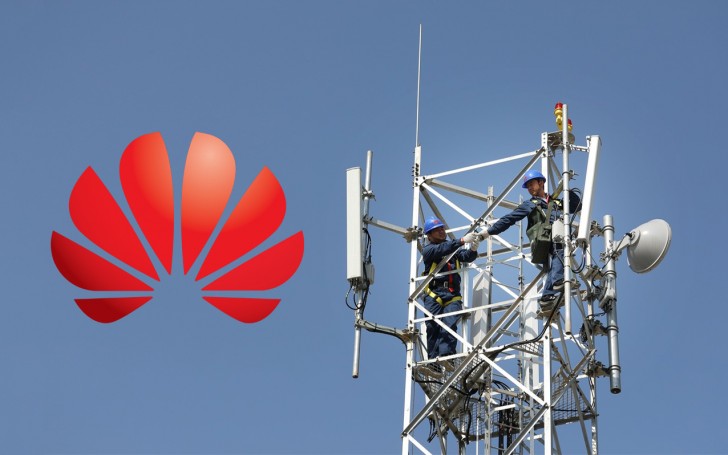
The trade ban, which restricts the company’s access to critical hardware, software and services from American hi-tech companies like Qualcomm, Google and Microsoft is suffocating Huawei. They rely on a variety of US technologies to keep their businesses running. Even many companies that aren’t associated with the US like ARM Holdings and Panasonic have begun avoiding trade Huawei, further worsening the issue.
Also as a result of the ban, Huawei has been forced to introduce further fragmentation into the smartphone market with their own upcoming OS in the works. Android and iOS’ monopolization of the mobile market may be staggering, but it also meant unified connectivity across most mobile devices. With this, we’ve now regressed back once again.
On this, Song said the addition of Huawei to the US Commerce Department’s Entity List “sets a dangerous precedent”. He said: “Today it’s telecoms and Huawei. Tomorrow it could be your industry, your company, your consumers.”
UP NEXT: Huawei to release new Kirin chips in spite of ARM
(Source)



Comments