
Recently, China was hit with a major epidemic after a new strain of Coronavirus spread in the country. It originated from the Wuhan district and is known to cause pneumonia. The infection is highly contagious and has been a cause for global alarm. This has now apparently led to smartphone brands like Xiaomi, Apple, and Realme to suffer from a shortage in supply.
Previously, the Chinese government issued a closure of many factories in order to prevent further infections. The move was undertaken in order to curb the infection in areas with a high number of workers. But this has led to a shortage of supply units for smartphones for various brands, especially the ones that have recently launched or have an important launch coming up.
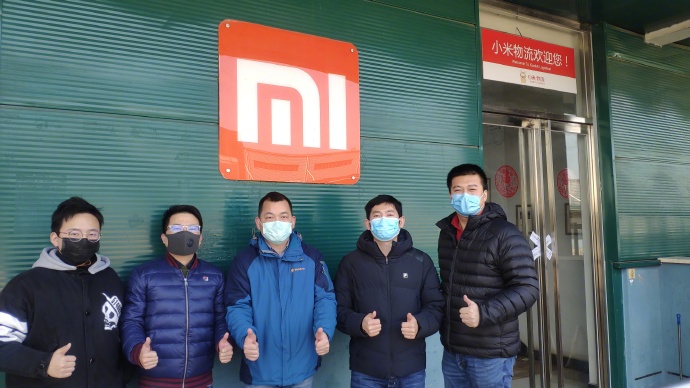
Xiaomi, Realme, and TCL are a few of the local manufacturers that have taken a hit but Apple is reported to be one of the worst affected. The Cupertino based giant was observing higher than normal sales of its latest iPhone 11 series, but the viral outbreak has seemingly crippled its supply chain. This extends to the company’s Apple Watch series as well.
UP NEXT: Samsung and LG Innotek shut down factories in South Korea after Confirmed Coronavirus cases
Furthermore, it has been reported that Xiaomi and TCL have been facing a significant shortage in supply for their respective TV models. And since Xiaomi is not limited to any one electronic product, it is also facing issues in its air conditioning department as well. Similarly, Realme is also currently facing the troubles with supply after its latest handset models like the Realme C3 and 5i’s production being affected.
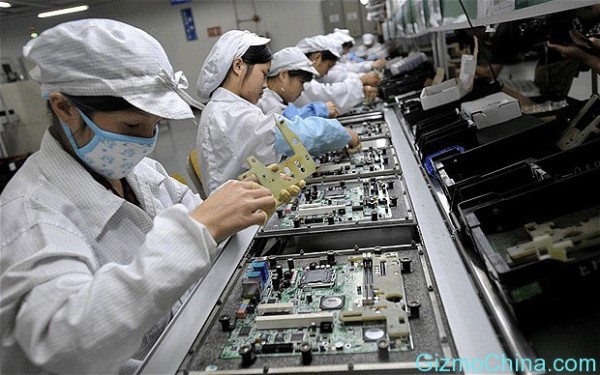
As of right now, most of the aforementioned brands have restarted production again in China. Although the capacity at which they are functioning is still around 35-50%. Additionally, some of the components during this period have also gone up in price, causing OEMs to either absorb or hike prices of their products as well. The problem is more pervasive than previously thought out to be as both online and offline retailers are stockpiling products fearing further disruption in the supply chain.
UP NEXT: Redmi K30 Pro Zoom Edition, Redmi Note 9 and Redmi 10X 4G monikers appear in MIUI 11
(Via)





Comments