
Add GIZMOCHINA as Preferred Source on Google
OnePlus used to be a brand popular for its flagship killers. But now, things have changed. Since the OnePlus 7 Pro received a positive response from users across the globe, OnePlus is in the pursuit of further expanding its premium segment.
The OnePlus 7(T) Pro models have already shown us that the brand can make premium phones. But it’s not hard to manufacture premium phones, anyone can do that in this age. What’s challenging is to make a premium phone that sells well. Take the Motorola Edge+ for example – it features pretty good specs but it’s priced way above competitors like the Xiaomi Mi 10 and OnePlus 8 Pro in India.
So for the OnePlus 8 Pro to do well, it will have to beat the top flagships in the market right now. This includes the Huawei P40 Pro. So, we decided to pit the OnePlus 8 Pro vs Huawei P40 Pro to see if a higher price tag offers a better camera experience. The OnePlus 8 Pro retails in Europe for £799 while the Huawei P40 Pro is £100 more expensive in the same market.
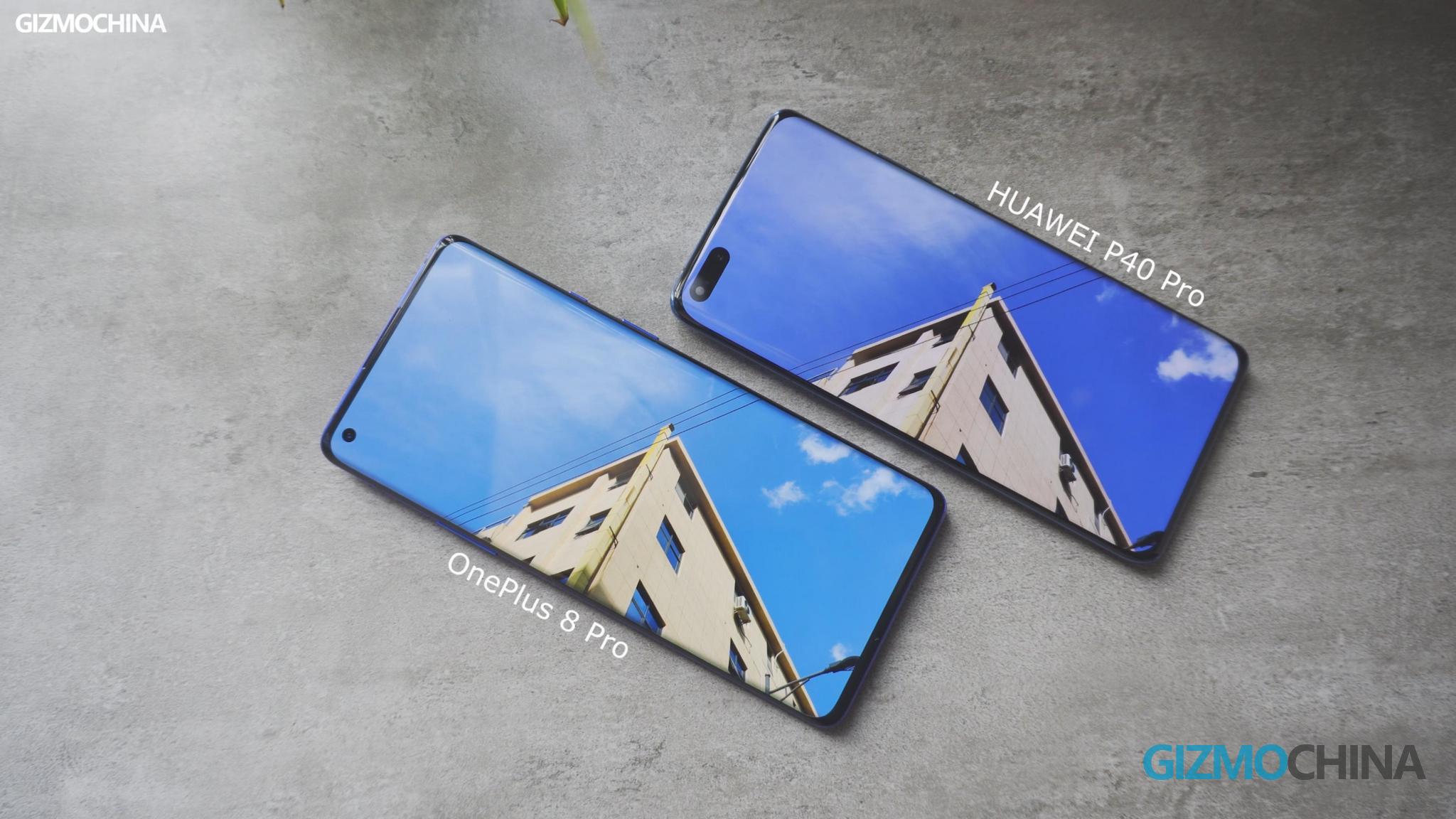
We are specifically interested in the camera performance of these two flagships. In addition to the discussion about its camera, we will go through some other features that affect the whole photography experience, such as display as the viewfinder and battery life when shooting videos. Also, please note, you’ll see OnePlus
Huawei P40 Pro vs OnePlus 8 Pro: Display
But first, let’s take a look at their displays. In the past few years, OnePlus has made display as its strength. And this strategy has worked pretty well. High-quality display with 2K resolution and 90Hz refresh-rate did bring amazing experience, especially at first glance. After the 7 Pro, OnePlus has led the display trend in the industry. The OnePlus 8 Pro features a 120Hz 2K SAMSUNG Amoled display, while the P40 Pro also follows the trend and features a 90Hz 1080P+ display.
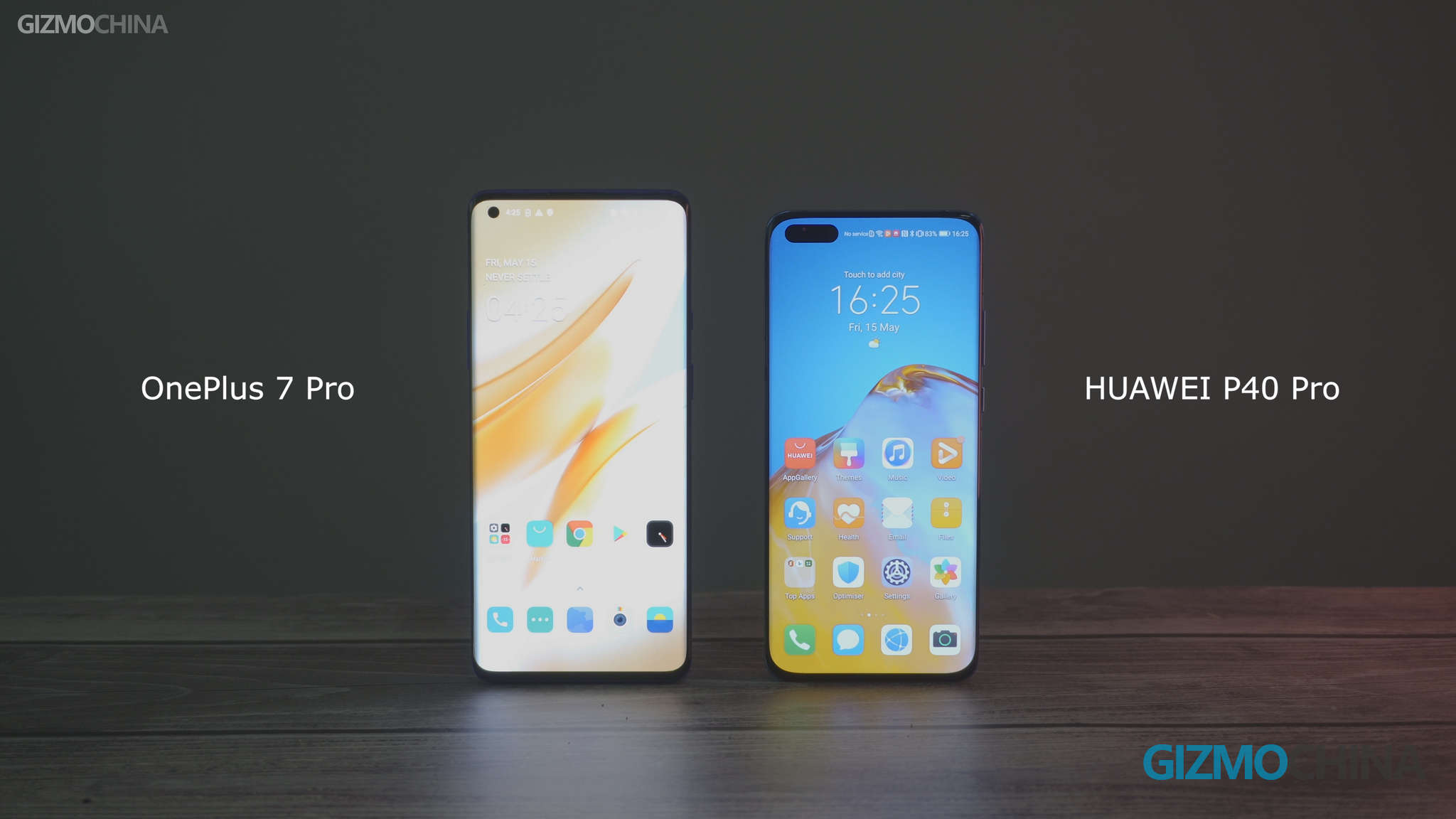
But I have to mention that it’s still hard for the P40 Pro to have the same wonderful visual experience as on the OnePlus 8 Pro. In smartphone photography, the display is primarily used to fulfill the role of a viewfinder and a photo viewer. And as our Huawei P40 Pro review revealed, the Huawei P40 Pro did not provide the same previewing image as the real-time camera can shoot. This is not an issue of its display, but the software should shoulder this responsibility. So it will probably be fixed in the near future.
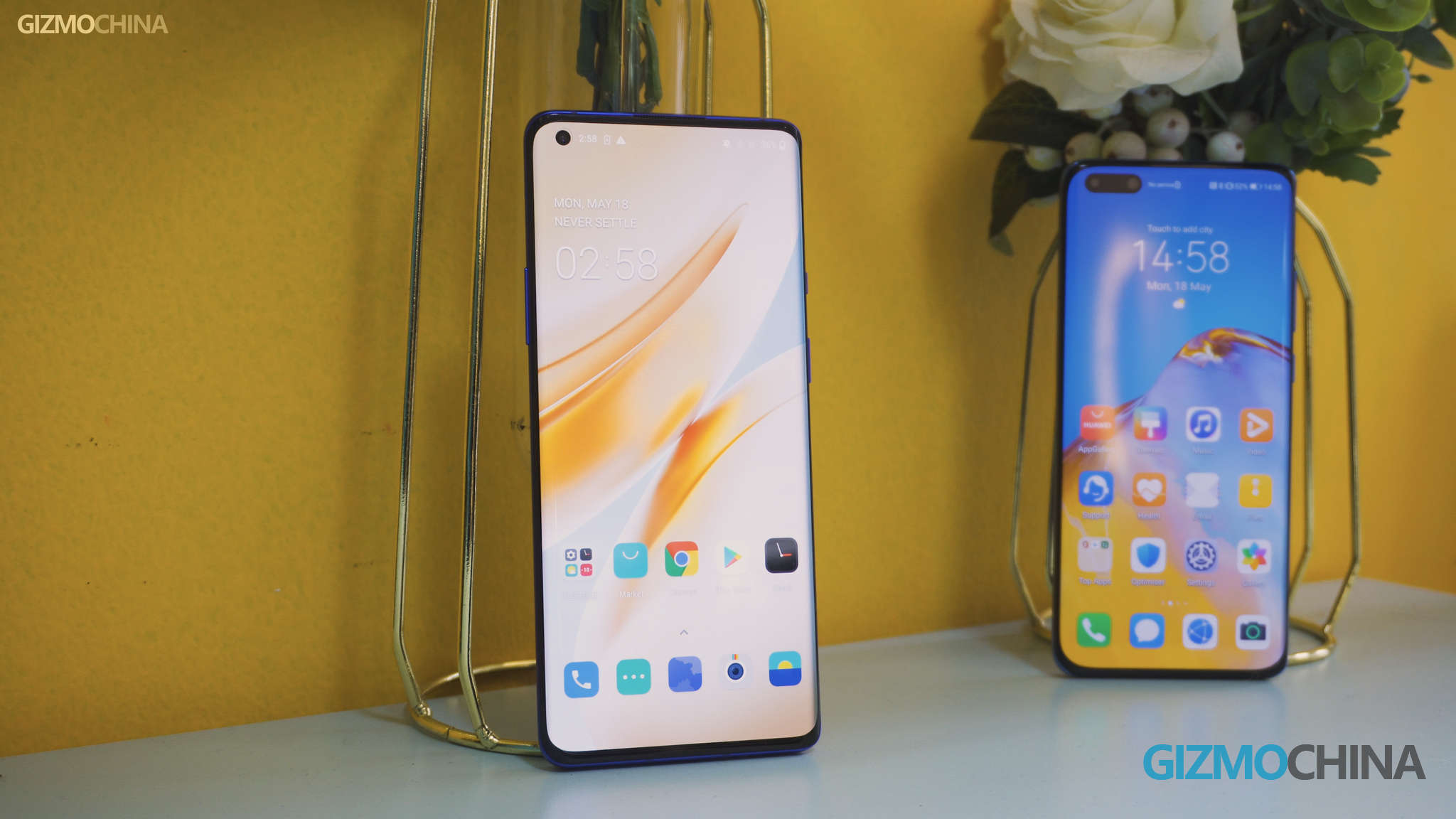
Huawei P40 Pro vs OnePlus 8 Pro: Camera Viewfinder
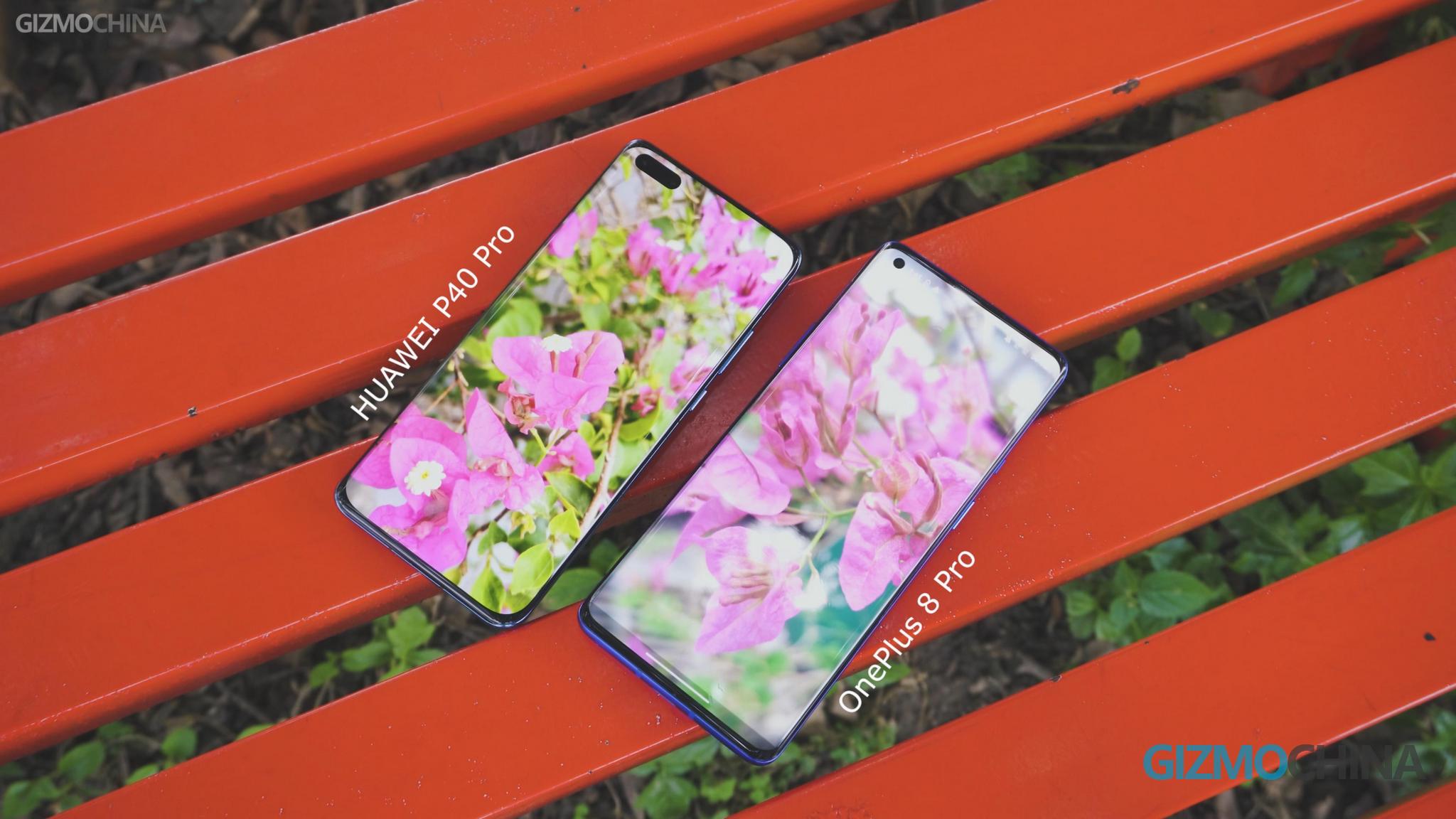
As a camera viewfinder, the OnePlus 8 Pro doesn’t just provide more color options in screen calibration, but also has more accurate colors under advanced modes with sRGB or P3 Gamut, while the Huawei P40 Pro doesn’t have gamut switch options for users. However, these two models both have excellent color accuracy under the natural mode. So both of these two models are able to provide accurate color checking for photographers to retouch colors in post-production.
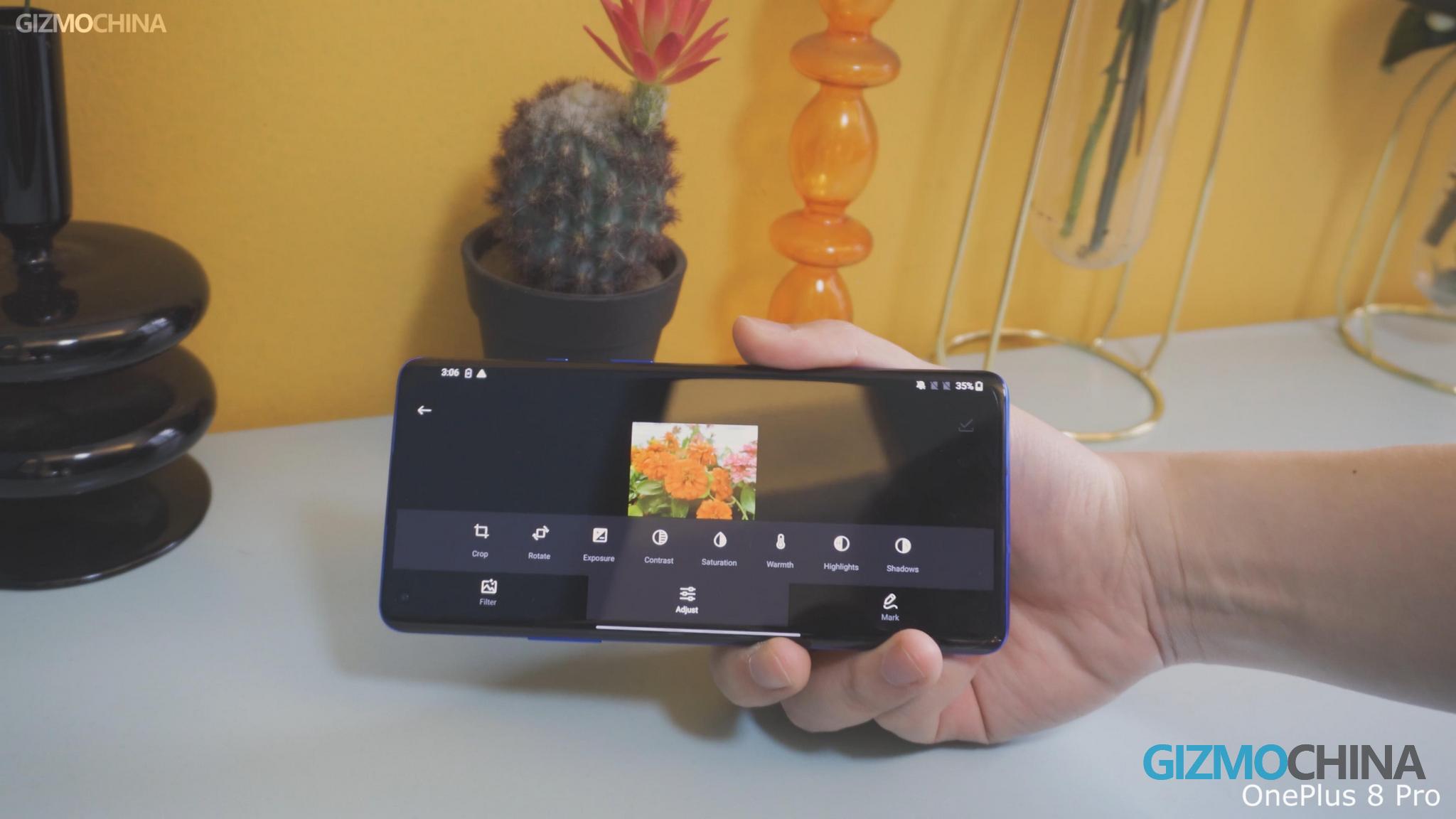
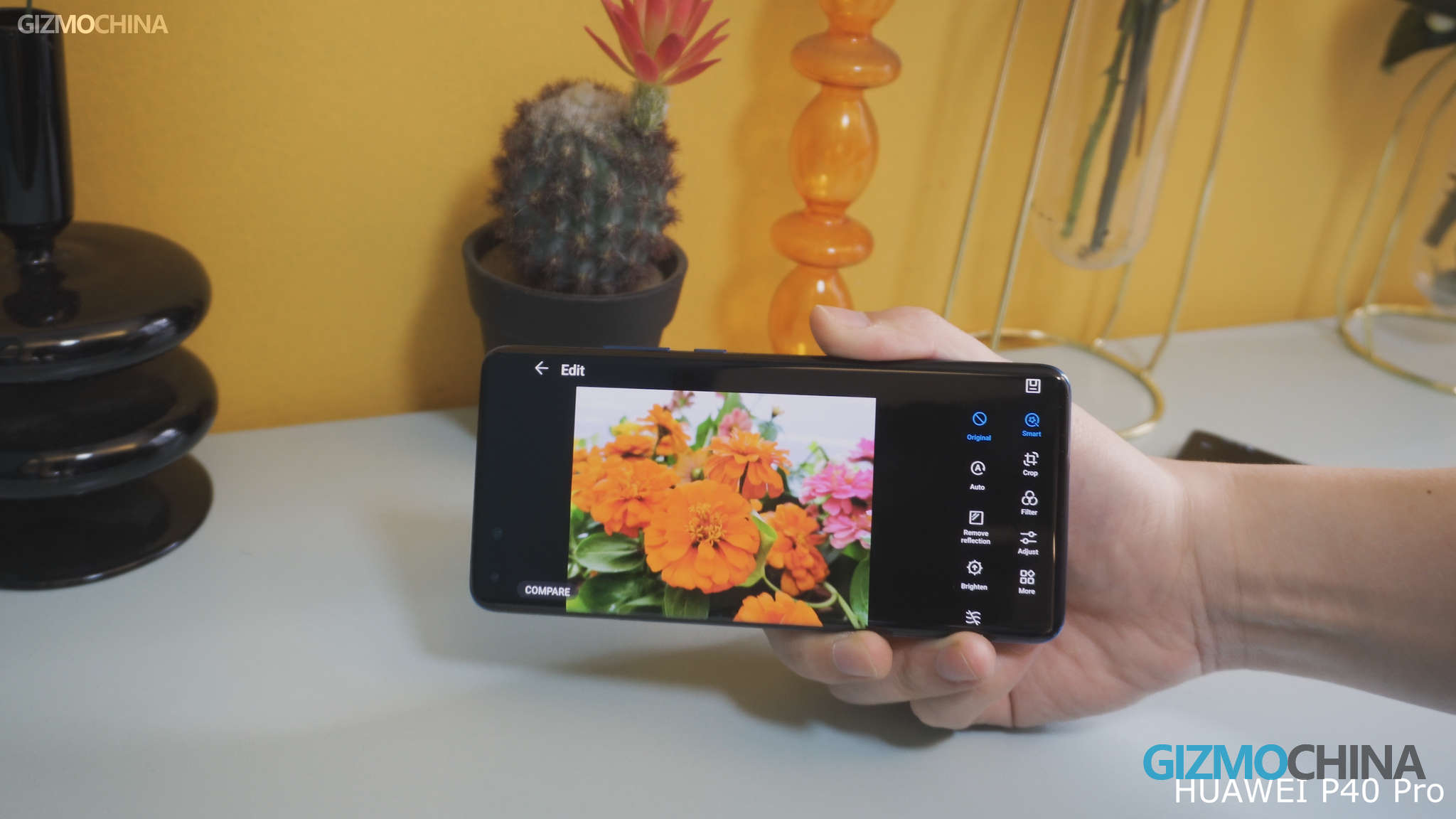
Speaking of post-production, it’s far more comfortable and effective to edit your photos on the Huawei P40. OnePlus interactive designers probably don’t rotate their phones to edit their photos on OnePlus models. So when you try to rotate the phone to have a larger image view, things are not as smooth as you’d want. The editing UI feels a bit cramped. And since the menu doesn’t have an appropriate position, it takes up significant space on the screen, leaving limited space for the photo. In addition to this, users are not allowed to pinch-zoom the editing photo and get a better view. On the Huawei P40 Pro, the menu is arranged at the right side without taking much space of the image. And the Huawei P40 Pro also has a more efficient and richly functional menu for photographers. In addition to basic adjustment, Huawei’s menu has a convenient smart option to auto-boost images for users. So the Huawei P40 Pro has some pretty strong post-production tools.
Huawei P40 Pro vs OnePlus 8 Pro: Camera Performance
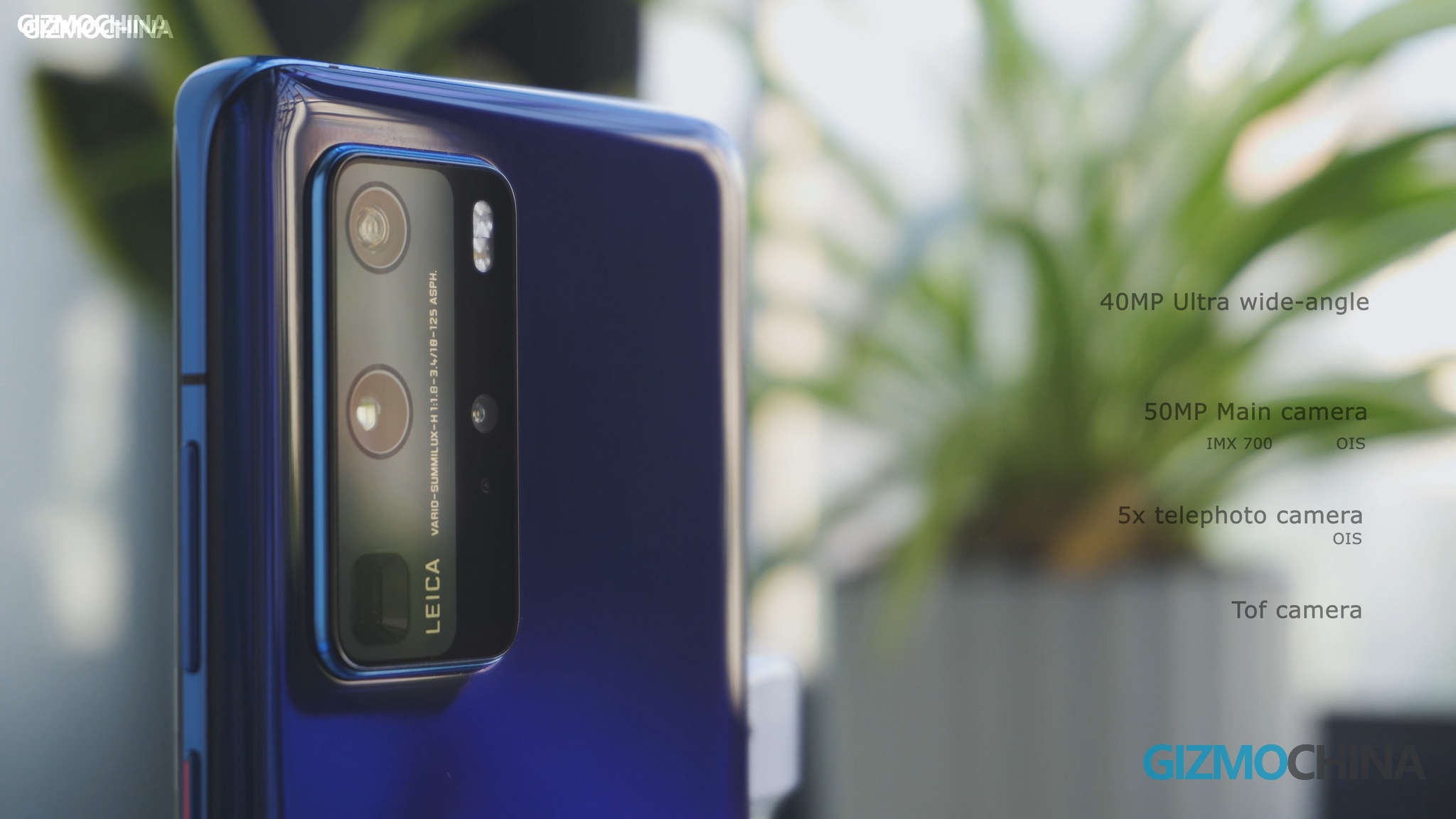
Let’s look at their camera setup now. Both of them are equipped with the top camera setup but the camera combination is a bit different. For the OnePlus 8 Pro, the top camera is a 48MP ultra-wide-angle camera, which is paired with the IMX 586 sensor and supports 3cm Macro mode. The second sensor is a 48MP main camera with OIS anti-shake. The sensor used under the main camera is Sony’s latest sensor. The third one is a Color filter camera providing Photochrom filter. In case you are wondering, this is the sensor that gives the phone the ability to see-through certain materials! Another small camera above the flashlight is a 3x telephoto camera.
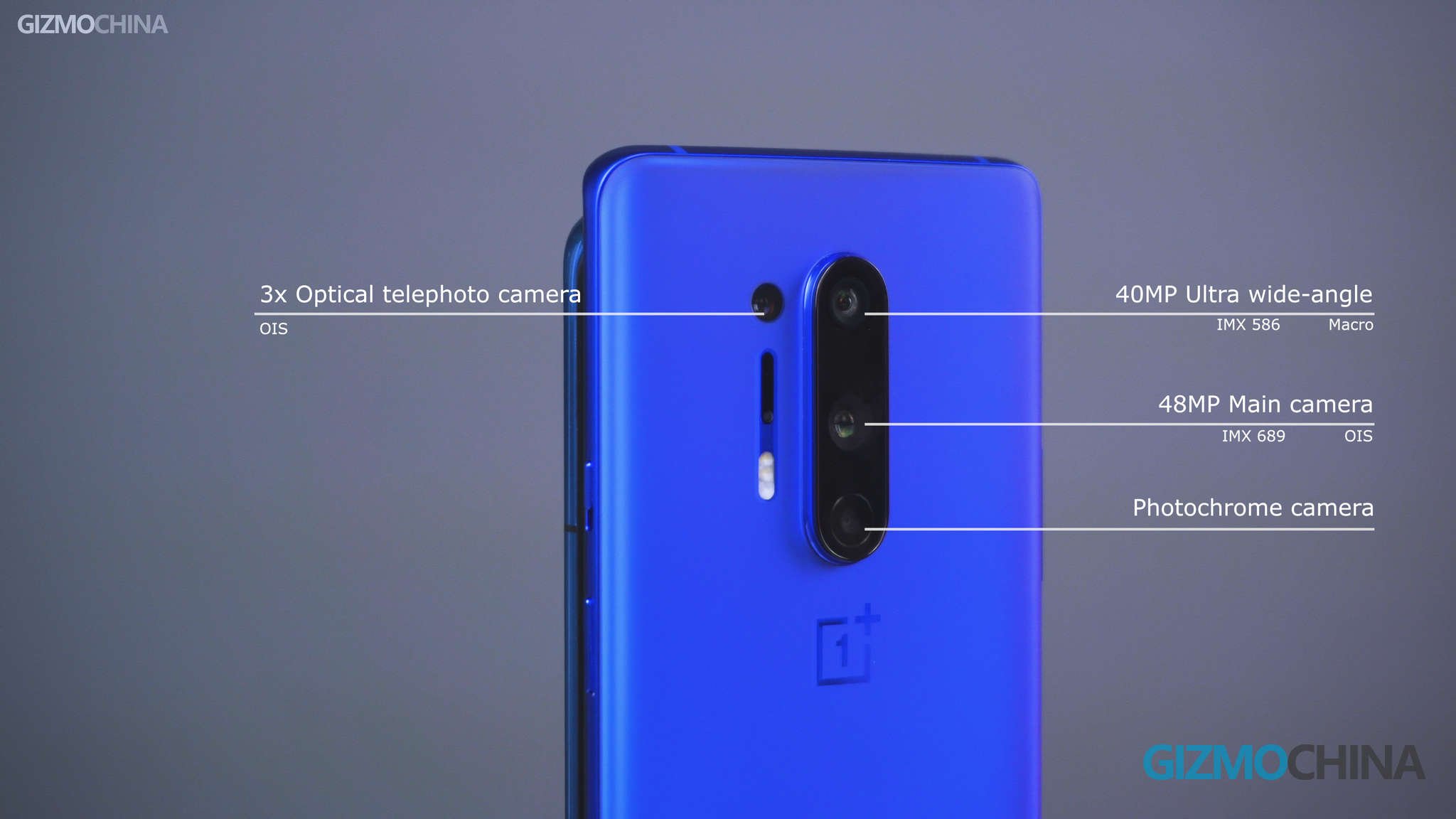
As for the Huawei P40 Pro, we introduced its camera hardware in our review article and video last week. If we had to sum up P40’s camera – each camera sensor on the phone is the best in its class! This includes a customized IMX700 50MP primary camera, a 40MP wide-angle camera, a 5x optical telephoto camera, and a TOF camera.
According to the camera hardware specs, we know that theoretically, the Huawei P40 Pro should cover a wider range of focal length and better bokeh performance, but it lacks the ability to shoot macro photography. In addition, the separated photochrom camera on OnePlus 8 Pro allows users to try infrared photography, which used to be a kind of special photography of a minority of enthusiasts. It’s quite a unique feature but unfortunately, it will be disabled temporarily because it can see-through certain objects like clothes too!
Huawei P40 Pro vs OnePlus 8 Pro: Camera Samples
Now let’s look at their samples. Under good lighting conditions, both main cameras have excellent performance. Especially in the aspect of dynamic range and detail, thanks to the large sensors and original high resolution, they could catch rich details of shadow and present appropriate exposure covering both bright and dark areas. But if you check more samples, we found that sometimes the OnePlus 8 Pro did not have the accurate and stable white balance as the P40 Pro could hold. And due to the larger aperture, the P40 Pro has a smoother bokeh effect on the background.




As for their color accuracy, the samples of the Huawei P40 seem to be closer to the true tones, while the colors of the OnePlus 8 Pro tended to be cooler. And over the cool tones, such as green and blue colors, the image presented a much higher saturation. Sometimes the samples shot by the P40 Pro were a bit reddish but it’s hard to perceive.
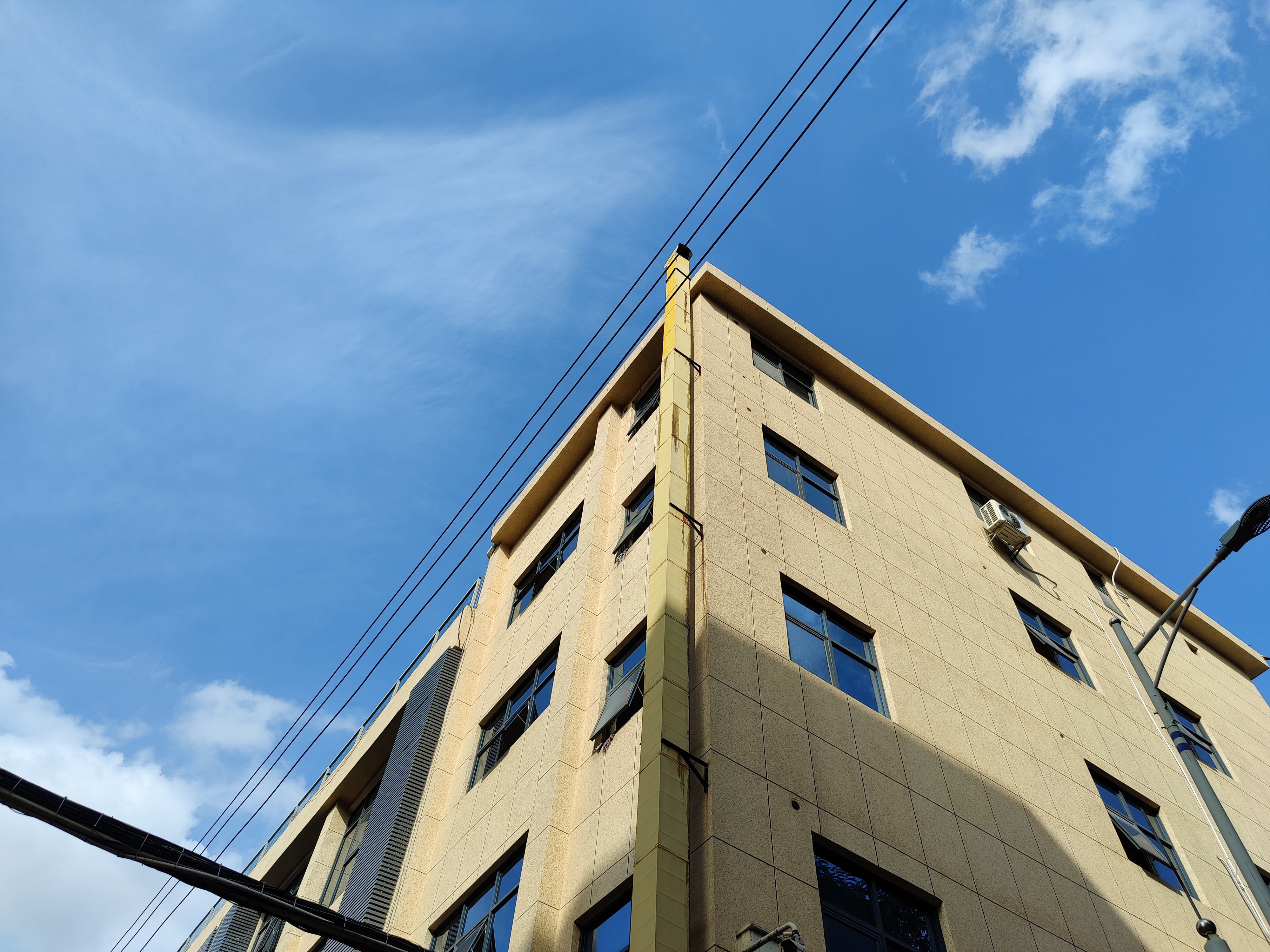
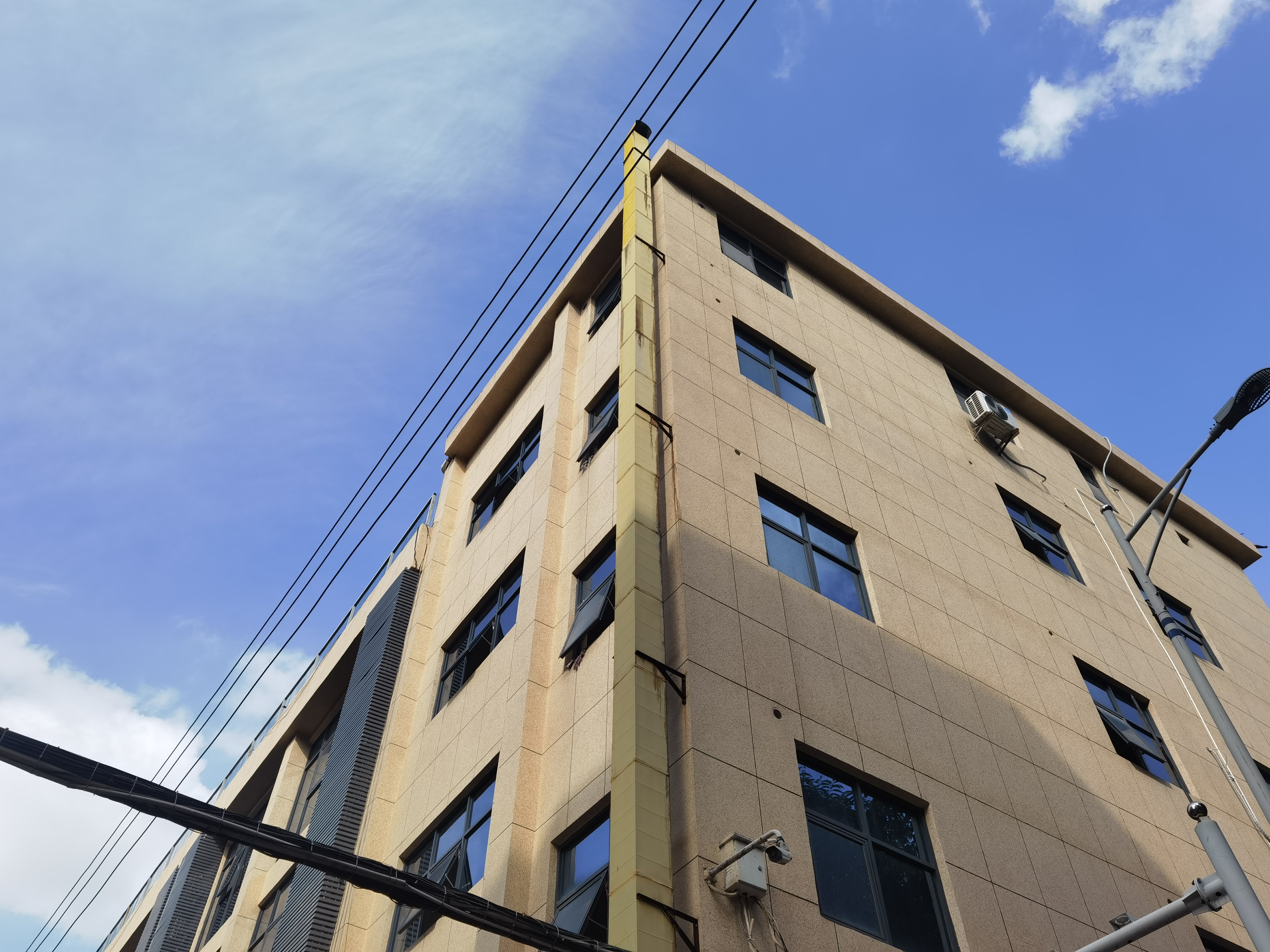
But about the color preference, users could adjust the colors on both models. For example, if you like vivid or smooth colors, you can choose a Vivid filter or smooth filter on both the OnePlus 8 Pro and the P40 Pro. In addition, turning on the Ai recognition on the P40 Pro or the Ultra-shot HDR on the 8 Pro could also give you stronger colors.
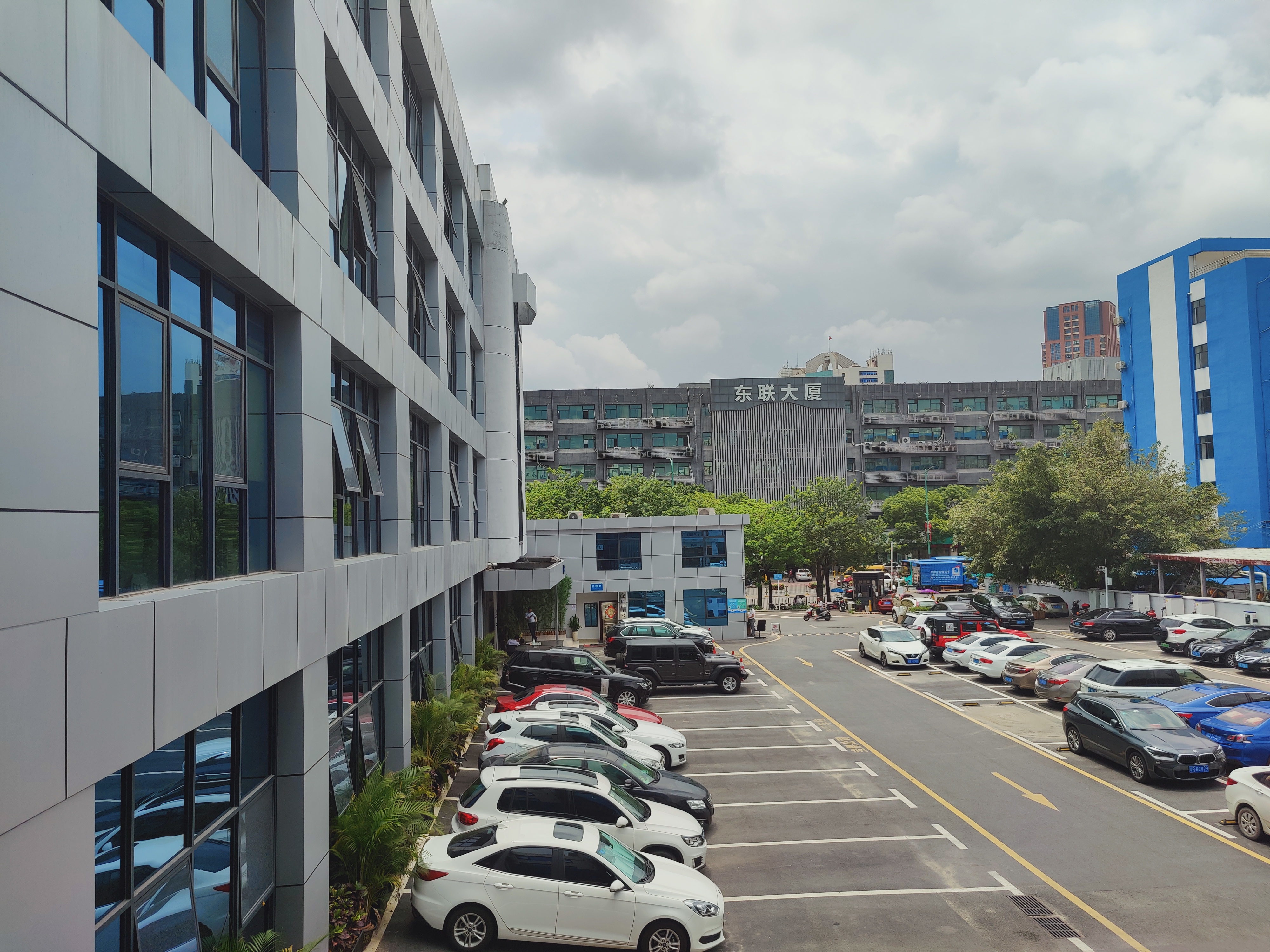
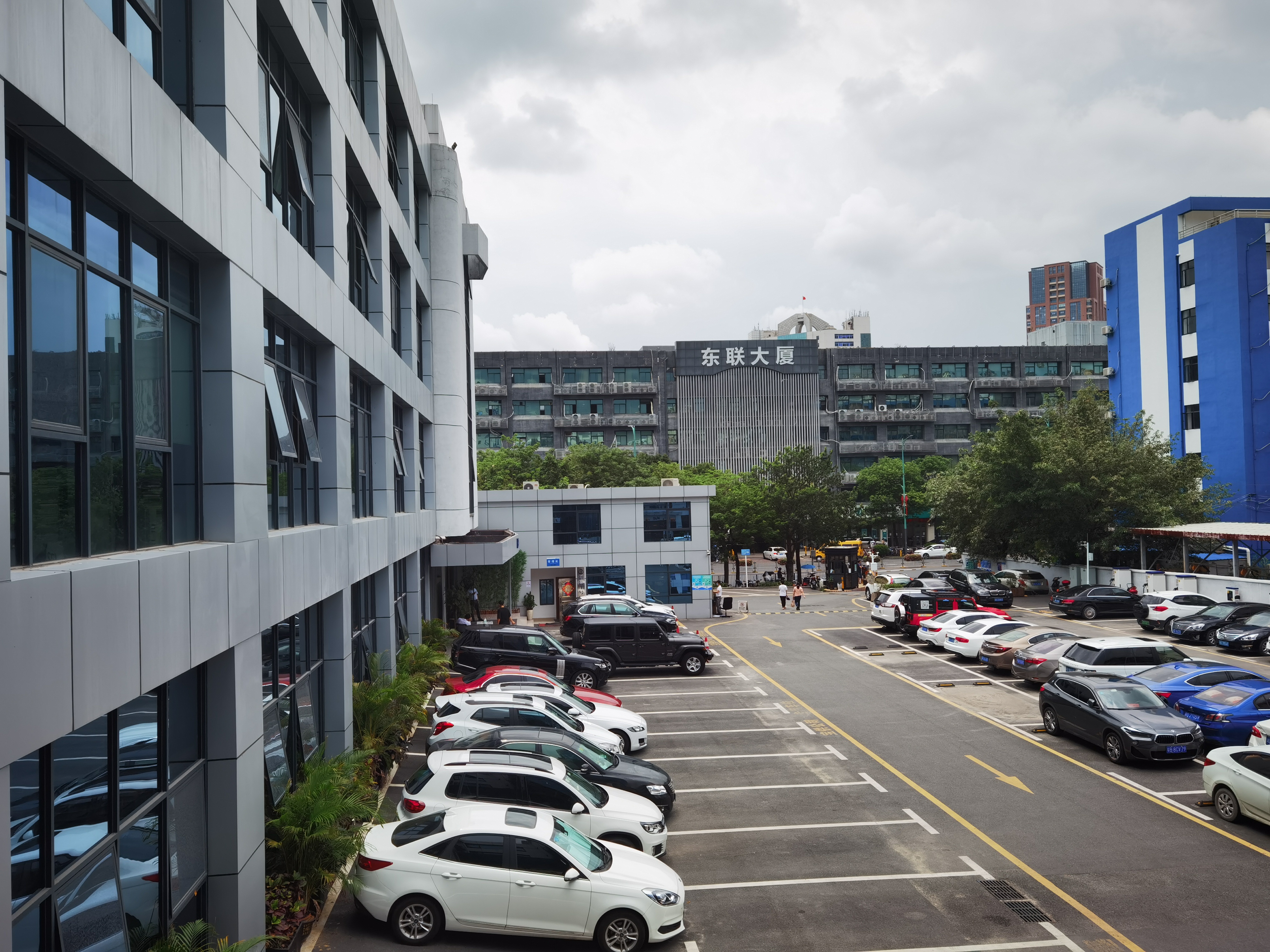
Now let’s move to the night scene. Both models performed well in the aspect of exposure balance and clarify. If I have to say what’s really different, I think the Huawei samples did a better job in noise control.
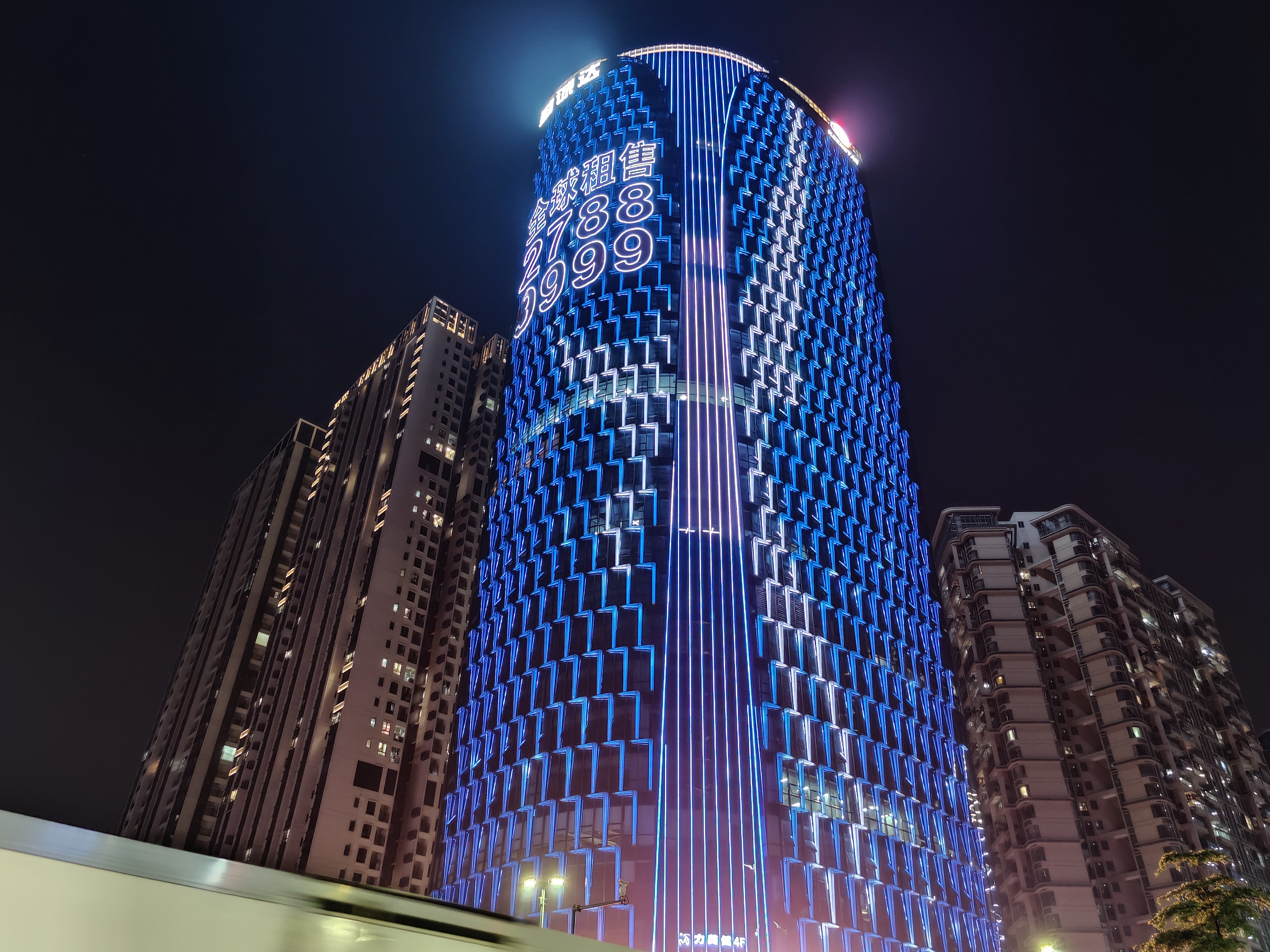
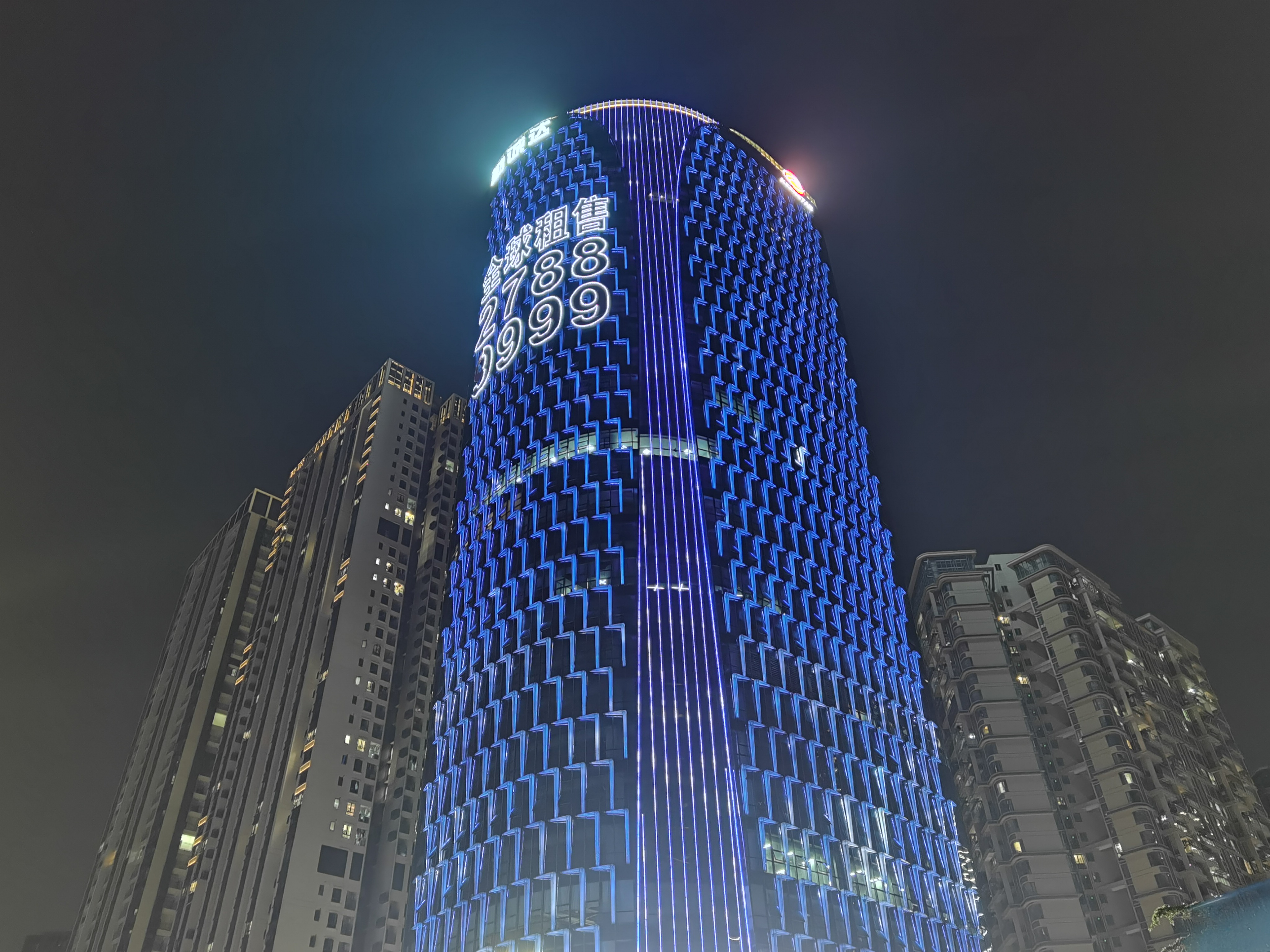
In addition to the main camera, the wide-angle camera is another important upgrade to these two models. Both of them feature a super high resolution and are able to shoot a great 4K video as the main cameras can do. From the samples, we found that the image quality of the wide-angle shooter is pretty close to the samples produced by their own primary cameras, such as higher saturation on cooler colors for the OnePlus model, and stable exposure for the Huawei Model. Although the wide-angle camera of the P40 Pro features a 40MP resolution, unlike the OnePlus 8 Pro, users were not allowed to turn on the High-resolution mode when shooting wide-angle photos.
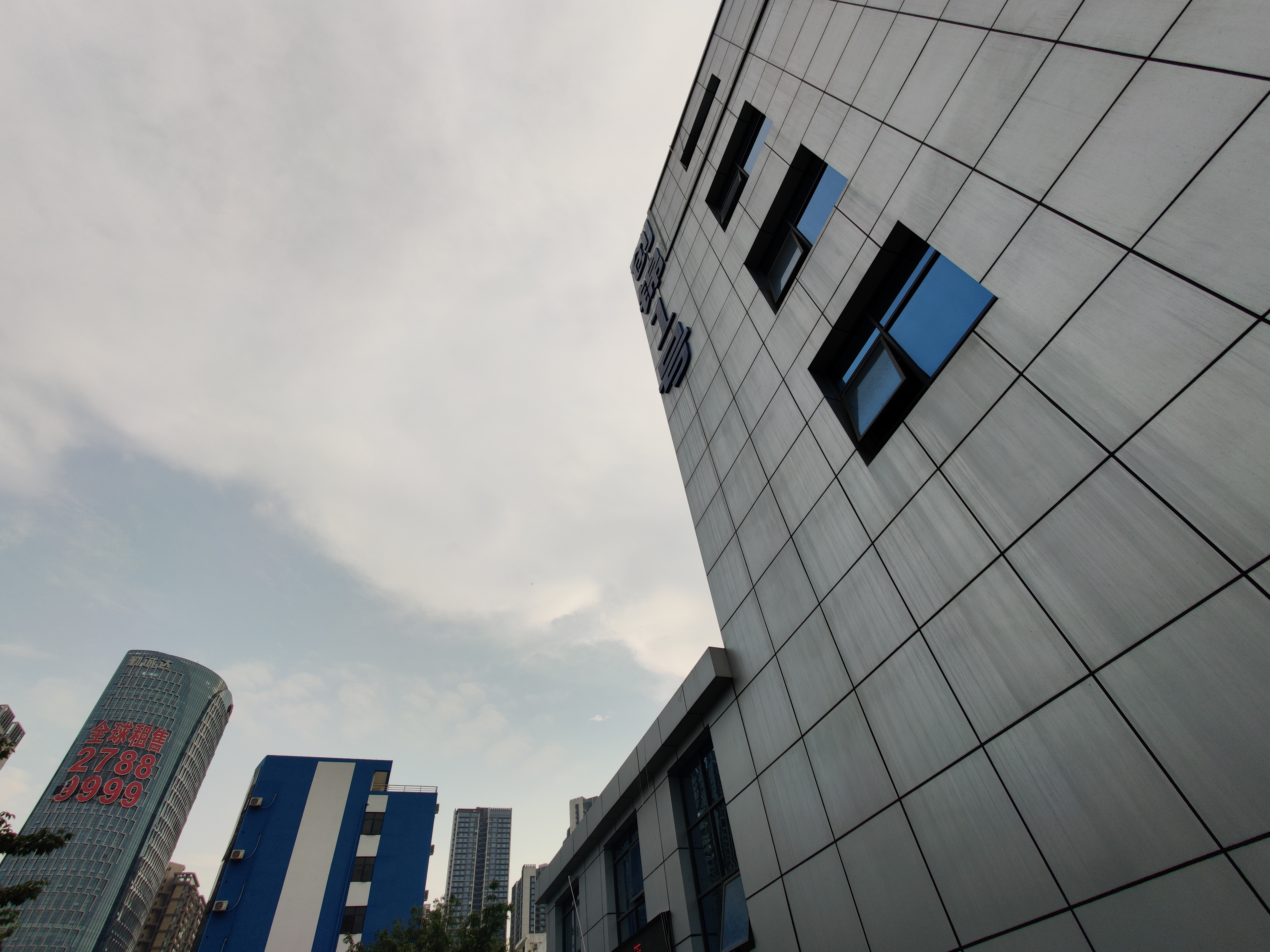
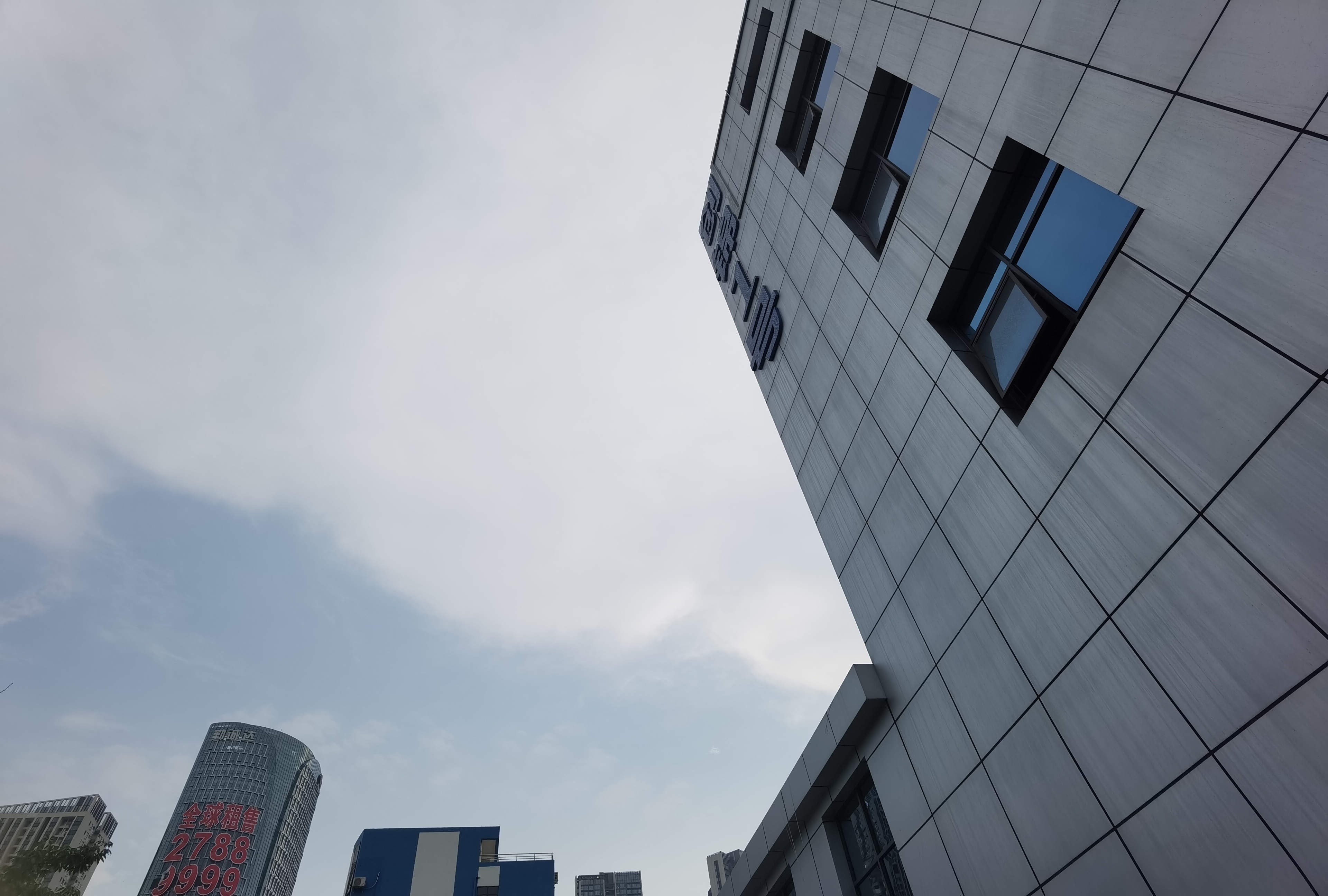
And now let’s move to their telephoto cameras. The Huawei P40 Pro took the lead in this round without any question. The 5x zoom camera is much more practical. Although the OnePlus 8 Pro has a 3x optical zoom shooter, there isn’t much difference between their samples. The 3x zooming images of the P40 pro were captured and cropped by the main camera, but thanks to the 50MP high resolution, the samples still retained good detail. Then we tried to shoot some 5x zooming photos. Limited by the 8MP resolution of the telephoto camera, the cropped samples of the OnePlus 8 Pro were not as clear as the Huawei’s 12MP 5x photos. But both models feature OIS anti-shake, so it’s pretty easy to hold them in hand and catch the scene with good clarity.
The dedicated ToF camera of the P40 Pro is what the OnePlus 8 Pro doesn’t have. So, the Huawei model has a unique aperture mode to capture images with adjustable apertures. On the contrary, what the Huawei model doesn’t have is the OnePlus 8 Pro’s capacity of macro photography and infrared photography.

As compared to rivals equipping a dedicated macro camera, using the 48MP wide-angle camera to add macro shooting ability on the OnePlus 8 Pro is a smart solution. And the samples also were excellent with rich detail. As for the photochrom filter, it’s like OnePlus wants to add something unique that no other premium smartphone offers.
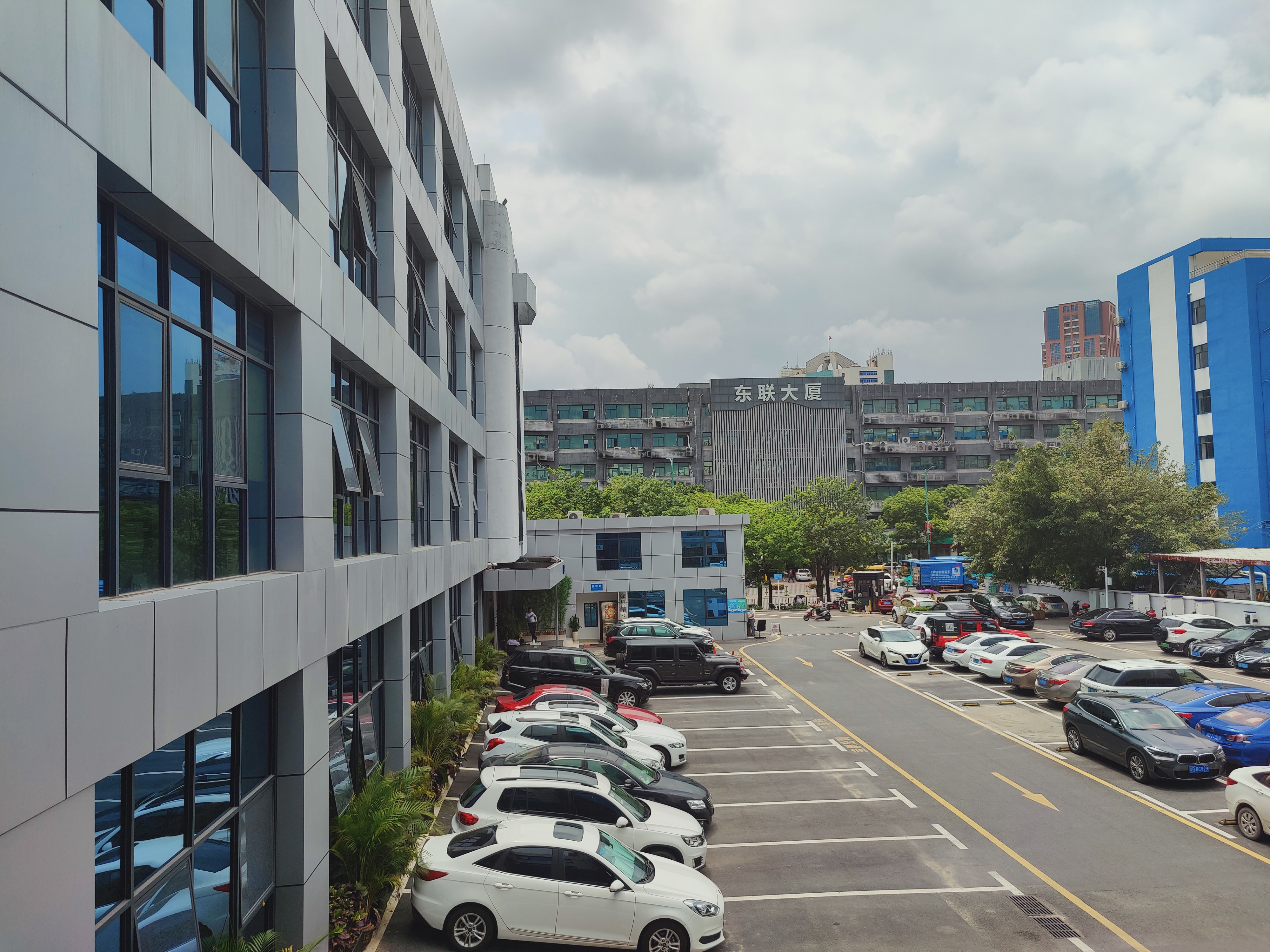
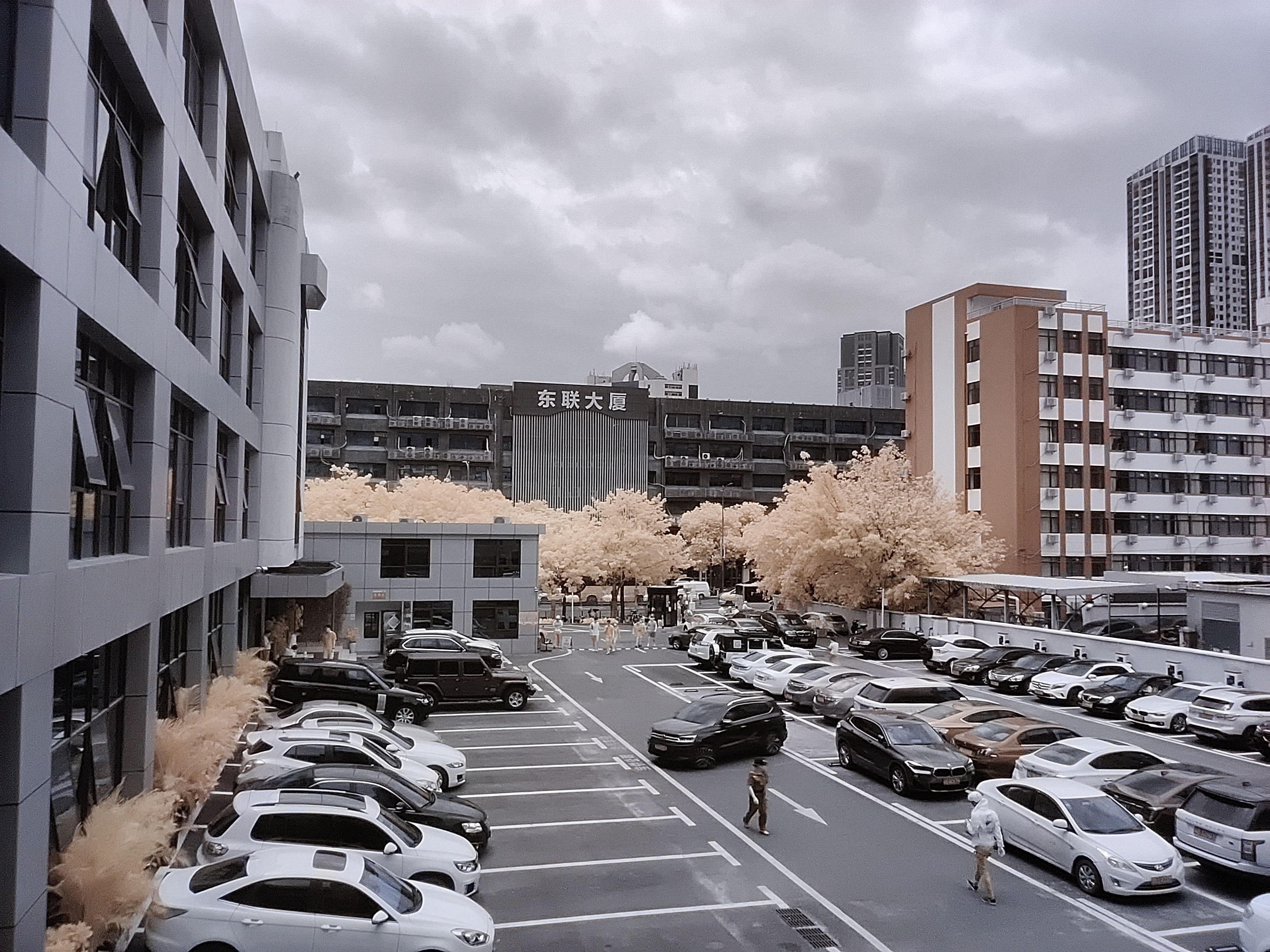
To us, the OnePlus 8 Pro just provides a smart option to make your Instagram story special. Especially considering it only has a 5MP resolution, we don’t think it could satisfy the needs of a professional photographer.
You can find all the original samples from this drive link.
Huawei P40 Pro vs OnePlus 8 Pro: Video Shooting Performance
As for their video shooting quality, both of them support 4k 60fps video shooting on both the main camera and wide-angle camera. You can check out their video qualities in the review video added above.
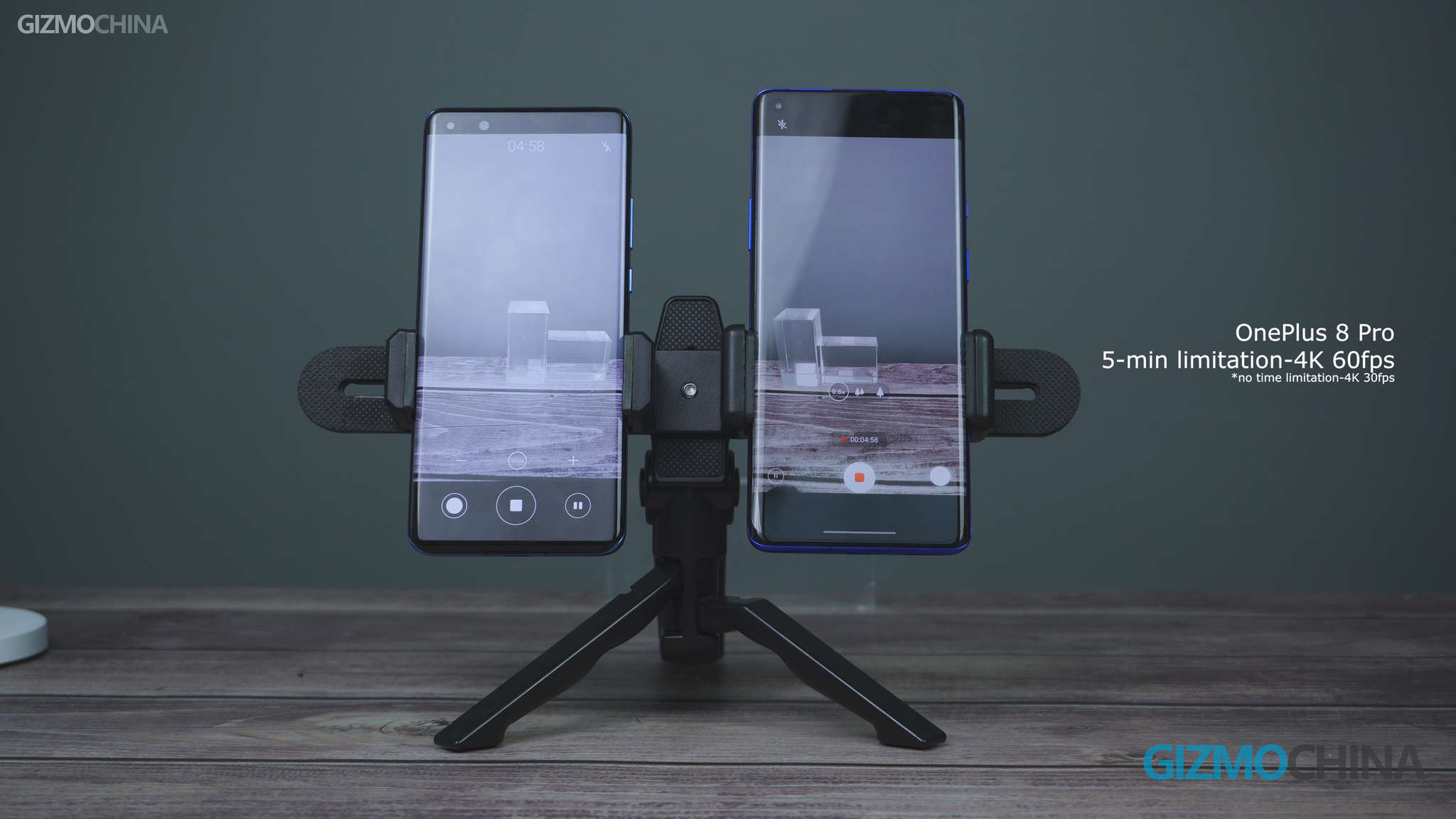
In addition to the camera experience, we also tested their battery endurance as video shooting devices. So, we shot 4k 60fps video on these two models at the same time for 30 minutes and compared their power consumption. Both of them were heated up but only the OnePlus 8 Pro would pop up a warning of high temperature and then stop recording. Another drawback of the OnePlus 8 Pro is that it is only allowed to continuously take up to a 5-minute 4K 60fps shot, while the P40 Pro did not have this time limitation. But when we turned on 4k 30fps shooting, there was no time limitation for the OnePlus 8 Pro. Anyway, in our 30-minute test, the Huawei model perfectly completed the task.
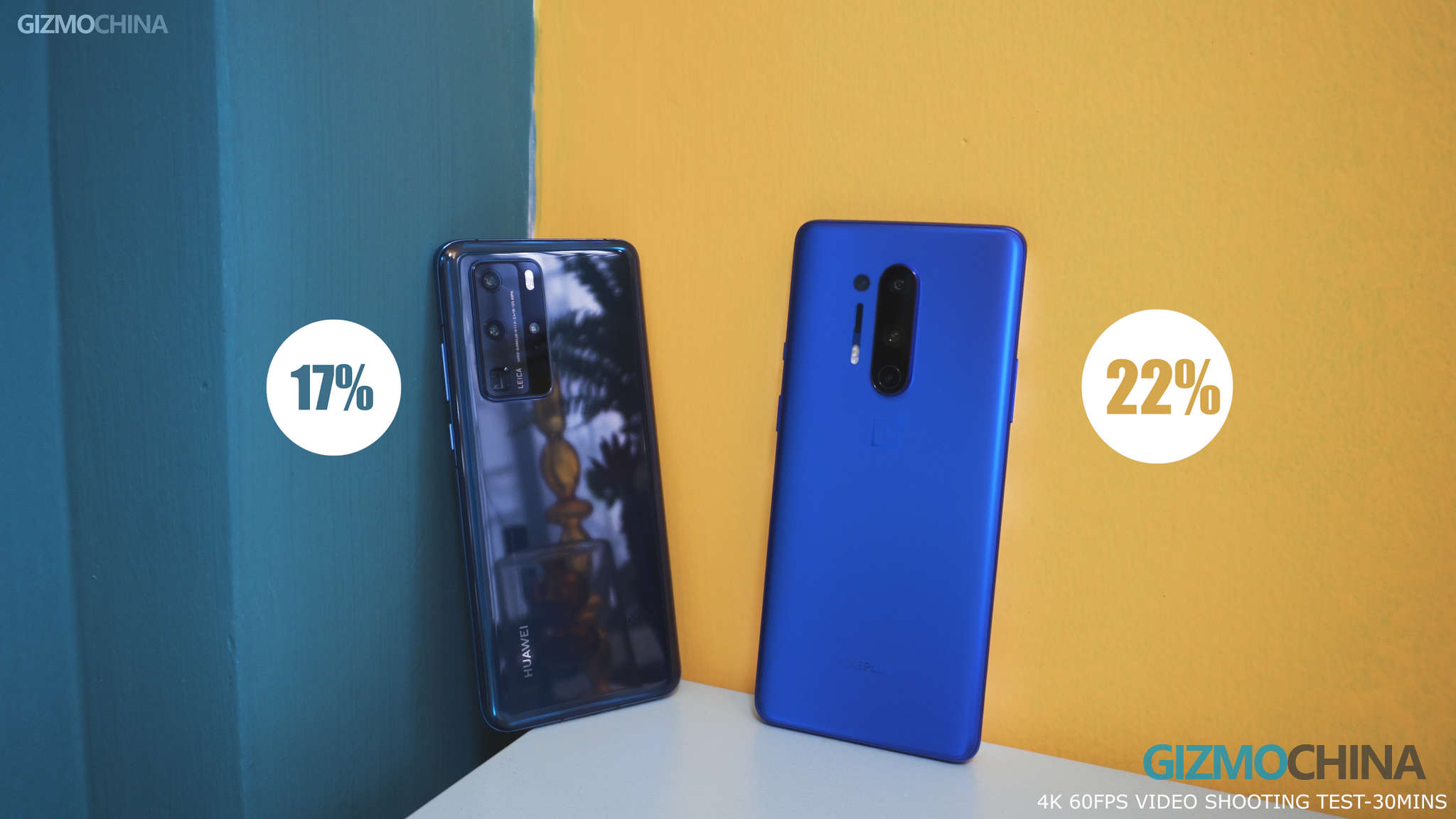
About the power consumption, the OnePlus 8 Pro consumed 22% power, while the P40 Pro consumed 17% of the power. So accordingly, we estimated that the HUAWEI P40 Pro may have a longer camera battery life which is able to shoot highest video quality for over 2 and a half hours, while the OnePlus 8 Pro could shoot the same quality of video for about 2 hours but could have a heating issue.
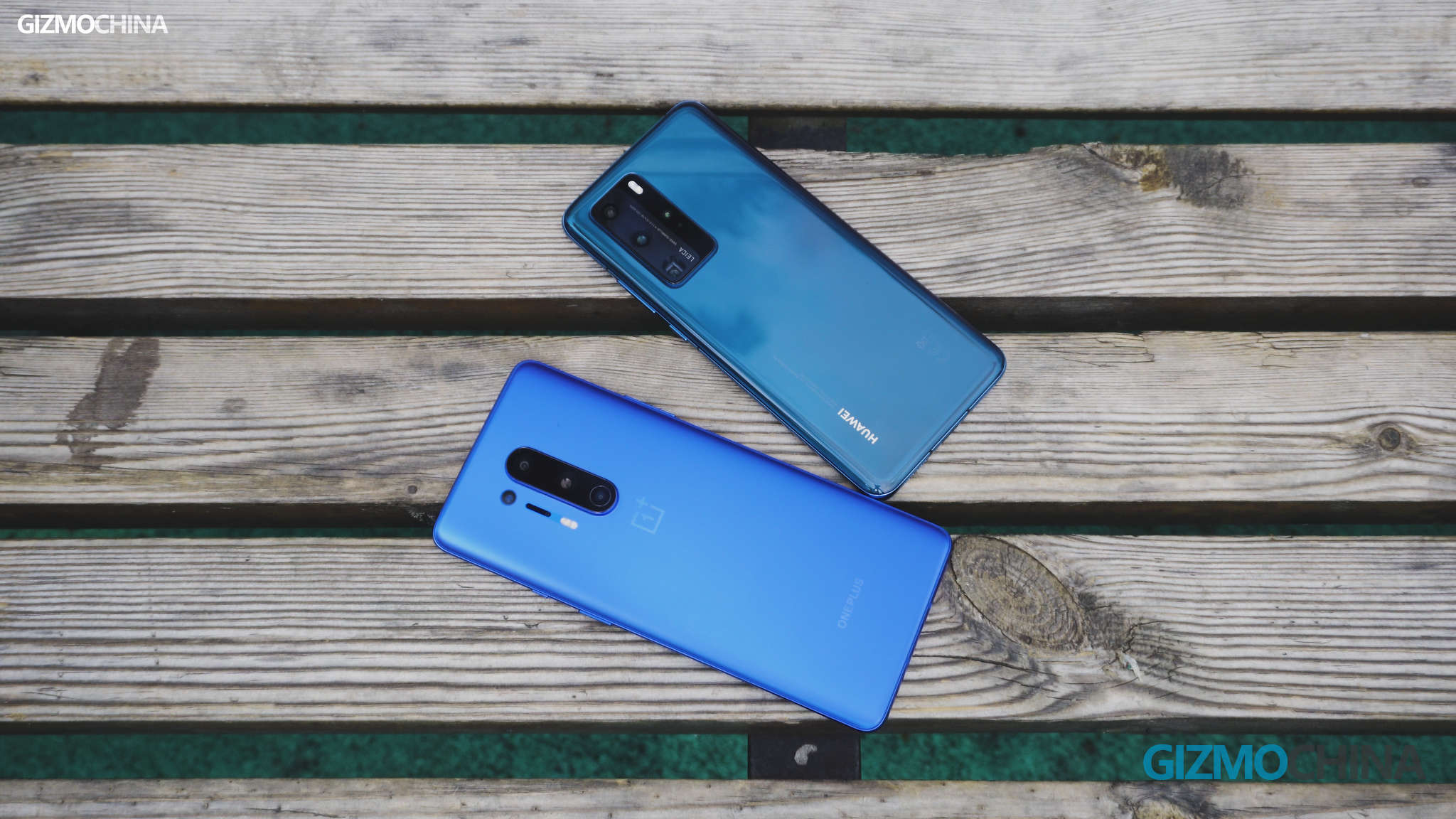
So that’s the whole comparison. We hope this Huawei P40 Pro vs OnePlus 8 Pro camera comparison gives you insights about their camera performance. There’s no doubt that the P40 Pro is the better camera phone here. But, the OnePlus 8 Pro has a strong camera setup and it deserves the title of one of the best Android flagships in the market right now.
However, it may still not be worthy of the title of the best Android camera flagship. That goes to the Huawei P40 Pro.


Comments